Lumopt Lumopt

2026 Best 800G Optical Transceiver Options for Global Buyers?

Time:2026-07-27 Author:Henry
0%

In the rapidly evolving landscape of network technology, the 800G optical transceiver market is gaining significant attention. According to Dr. Emily Tran, a leading expert in optical communications, "The shift towards 800G optical transceivers is not just a trend; it's a necessity for high-capacity networks." Her insight highlights the urgency for global buyers to stay ahead in selecting the best options available.

The demand for faster data transmission continues to rise. As companies expand their digital infrastructure, choosing the right 800G optical transceiver becomes crucial. The challenge lies in navigating the diverse range of products and manufacturers. Each offers unique features that can impact performance and efficiency.

As we explore the best 800G optical transceiver options for 2026, it is important to consider various aspects. Factors such as interoperability, heat management, and cost-effectiveness can be pivotal. While great advancements are being made, the industry still faces hurdles. Continuous innovation is essential to meet growing demands and expectations.
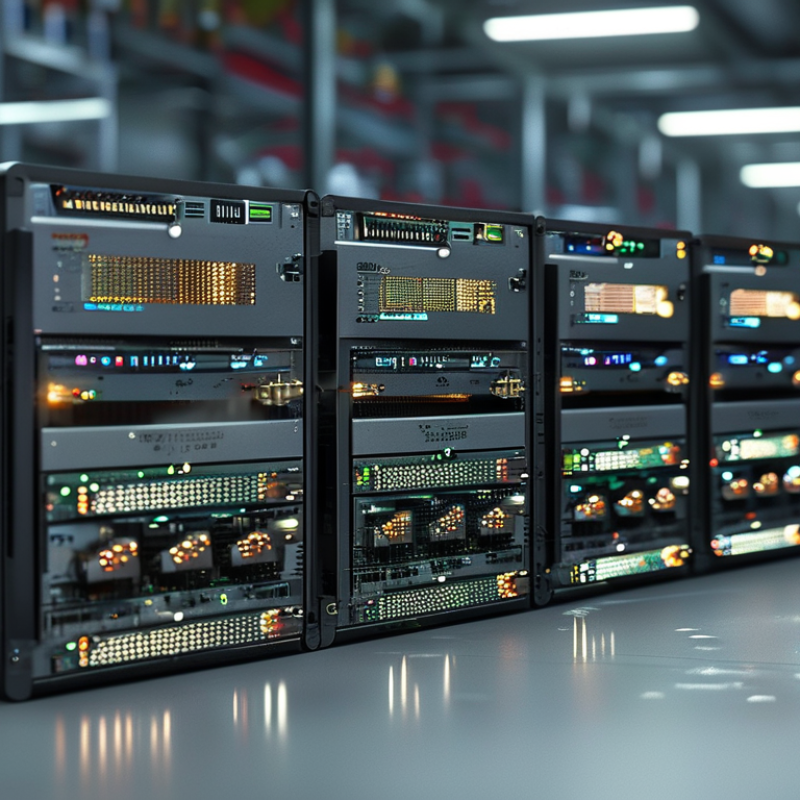
2026 Best 800G Optical Transceiver Options for Global Buyers?

Overview of 800G Optical Transceivers and Their Importance in Networking

800G optical transceivers are becoming vital in modern networking. They support high-speed data transfers, enabling seamless connectivity. With the demand for faster communication increasing, these devices play a crucial role in various industries. They can handle massive data loads, making them ideal for data centers and telecom networks.

Choosing the right optical transceiver is essential. Different factors affect performance, including distance and bandwidth. When selecting a transceiver, consider your specific needs. Look into compatibility with existing equipment. Ensure proper cooling solutions are in place, as high-speed transceivers generate more heat.

Tips: Always check the reliability of the supplier. A reputed supplier ensures better performance. Read user reviews and ratings before making a decision. Understanding technical specifications can be complicated, but it’s necessary for optimal performance. If you're unsure, consult with experts. They can guide you in the right direction.

Key Features to Consider When Selecting an 800G Optical Transceiver

When selecting an 800G optical transceiver, it’s essential to consider various key features. Bandwidth capacity is paramount. The 800G transceiver offers a remarkable transmission speed, allowing data transfer rates of up to 800 Gbps. According to industry reports, the global demand for data center connectivity is expected to grow by over 30% annually. This highlights the need for robust optical transceivers.

Another critical aspect is compatibility. Ensure that the transceiver supports a wide range of standards and interfaces. This flexibility is vital as network infrastructure can vary widely. A compatible device reduces the risk of costly upgrades down the line. Additionally, look into the power consumption of the transceivers. Efficient power usage can significantly impact operational costs in large data centers.

Thermal management is another area that requires careful consideration. High-performance transceivers can generate considerable heat. Proper thermal management can extend the lifespan of the device, ensuring reliable performance. Yet, with the push for more powerful devices, balancing performance and heat generation remains a challenge. The right choice involves evaluating both present needs and future scalability.

Top 2026 800G Optical Transceiver Models for Global Buyers

The demand for high-speed data transmission continues to grow rapidly. In 2026, the 800G optical transceiver market will see key advancements. Analysts predict that the global market will expand by nearly 12% annually. This growth reflects the increasing need for reliable connectivity.

Top 800G optical transceiver models focus on factors like efficiency and compatibility. The need for low-power solutions is critical. Data from industry reports indicate that power consumption can account for up to 40% of operational costs. Choosing the right model can significantly affect long-term expenses. Additionally, transceivers must ensure seamless integration with existing infrastructure.

Flexibility and future compatibility are vital. With evolving standards, certain models will require upgrades shortly after purchase. Manufacturers should invest in research and development. Not all current options will meet future demands. Buyers must carefully evaluate their choices, considering potential obsolescence. Each decision shapes not just performance but also future investments.

2026 Best 800G Optical Transceiver Options for Global Buyers

Model Data Rate (Gpbs) Wavelength (nm) Distance (km) Connector Type Power Consumption (W)
Model A 800 850 70 LC 12
Model B 800 1310 500 LC 10
Model C 800 1550 1000 SC 15
Model D 800 1400 20 MPO 13

Comparative Analysis of Manufacturers and Their 800G Offerings

As optical networking evolves, the demand for high-speed transceivers grows. The 800G optical transceiver market is expanding rapidly. Manufacturers are developing diverse solutions to meet global buyer needs. Comparing offerings reveals stark differences in technology, performance, and pricing.

Some manufacturers focus on advanced modulation formats. These technologies enhance transmission distance and reliability. Others prioritize cost-efficiency, attempting to capture budget-conscious customers. However, the lowest-priced models may lack optimal performance. Inconsistent quality can lead to unexpected failures. Buyers must tread carefully and assess specific use cases thoroughly.

It is essential to consider interoperability and compatibility with existing systems. Some transceivers may perform well in isolation but struggle in mixed environments. Support and warranty options also vary greatly. Choosing a supplier with strong customer support can mitigate future risks. Researching real-world experiences can provide valuable insights into long-term performance, helping buyers make informed decisions.

2026 Best 800G Optical Transceiver Options - Comparative Analysis

Future Trends in 800G Optical Transceiver Technology and Market Development

The market for 800G optical transceivers is rapidly evolving. As data centers demand higher bandwidth, the need for advanced transceivers becomes crucial. Industry experts predict that the focus will shift towards efficiency and scalability. The use of silicon photonics is expected to play a significant role. This technology allows for smaller, more powerful transceivers that can handle growing data traffic.

Tips: Always consider thermal management in your setup. High-performance transceivers generate heat, which can affect their reliability. Regular maintenance of cooling systems is essential.

Another trend is the emphasis on interoperability. As more companies adopt 800G solutions, ensuring compatibility becomes vital. The transition to this technology will also require training for engineering teams. It’s important to invest time in understanding the specifications and standards in this field.

Tips: Do not overlook testing and validation processes. Proper assessments can prevent unexpected issues down the line. An effective testing strategy can save resources and enhance performance.

FAQS

: What is driving the growth of the 800G optical transceiver market?

: The increasing demand for high-speed data transmission is a key factor driving market growth.

Why is power consumption important for transceivers?

Power consumption can account for up to 40% of operational costs, influencing long-term expenses.

What should buyers consider when selecting an optical transceiver?

Buyers must evaluate efficiency, compatibility, and potential obsolescence with existing infrastructure.

How can manufacturers improve their 800G offerings?

Investing in research and development will help manufacturers stay ahead in technology and performance.

What are some risks of choosing low-priced transceivers?

The lowest-priced models may lack optimal performance, leading to inconsistent quality and unexpected failures.

Why is interoperability crucial in using 800G transceivers?

Interoperability ensures devices work well together, especially in mixed environments, enhancing overall performance.

How can high-performance transceivers affect reliability?

High-performance models generate more heat, necessitating effective thermal management to maintain reliability.

What should teams focus on when adopting new transceiver technology?

Teams need to invest time in understanding the technology’s specifications and proper training.

Why is testing important for optical transceivers?

Proper testing and validation processes can prevent unexpected issues and save resources in the long run.

What is a potential drawback of rapidly evolving optical networking technology?

Quick advancements might leave older models obsolete sooner, requiring additional investments for upgrades.

Conclusion

The article explores the significance of 800G optical transceivers in enhancing network performance and capacity. It outlines the key features that should be considered when selecting an 800G optical transceiver, such as data rate, power consumption, and compatibility with existing infrastructure. Additionally, the article presents a selection of the best 800G optical transceiver models available in 2026, providing insights into their capabilities and specifications.

Furthermore, a comparative analysis of various manufacturers highlights their approaches to 800G offerings, showcasing strengths and weaknesses in their designs. The discussion concludes with an examination of future trends in 800G optical transceiver technology and market development, emphasizing the continuing evolution and potential impact of these devices in the networking landscape. Overall, the advancements in 800G optical transceiver technology are set to play a crucial role in meeting the growing demands of global data transmission.

Henry

Henry

Henry is a dedicated marketing professional with a profound expertise in the company's offerings. With years of experience in the industry, he possesses an impressive understanding of the market dynamics and consumer behaviors that drive success. Henry is committed to sharing his insights through......