Lumopt
Lumopt
Lumopt
Lumopt Opto Technology Co., Ltd., registered as Luguang Communication Technology Co., Ltd. in China, is a professional Chinese manufacturer and exporter specializing in high-performance optical transceivers and active copper interconnect systems. With decades of combined engineering pedigree, we have scaled our focus to accommodate the massive global demand for high-reliability, low-power network infrastructure.
We focus on the R&D, production, and custom physical layer tailoring of full-series optical modules and copper transceiver assemblies. Our production portfolio spans from legacy 1.25G SFP transceivers up to next-generation 10G, 25G, 100G, 400G, 800G, and even bleeding-edge 1.6T optoelectronic interfaces. These solutions form the backbone of modern enterprise architectures, cloud networks, and high-performance AI computing fabrics.
Adhering to the core philosophy of stable signal propagation, structural durability, and unmatched compatibility, Lumopt has forged long-term distribution agreements and OEM/ODM projects with tier-one system integrators and telecommunications providers globally.
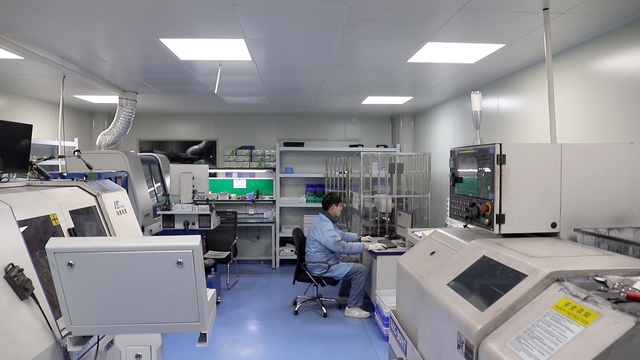

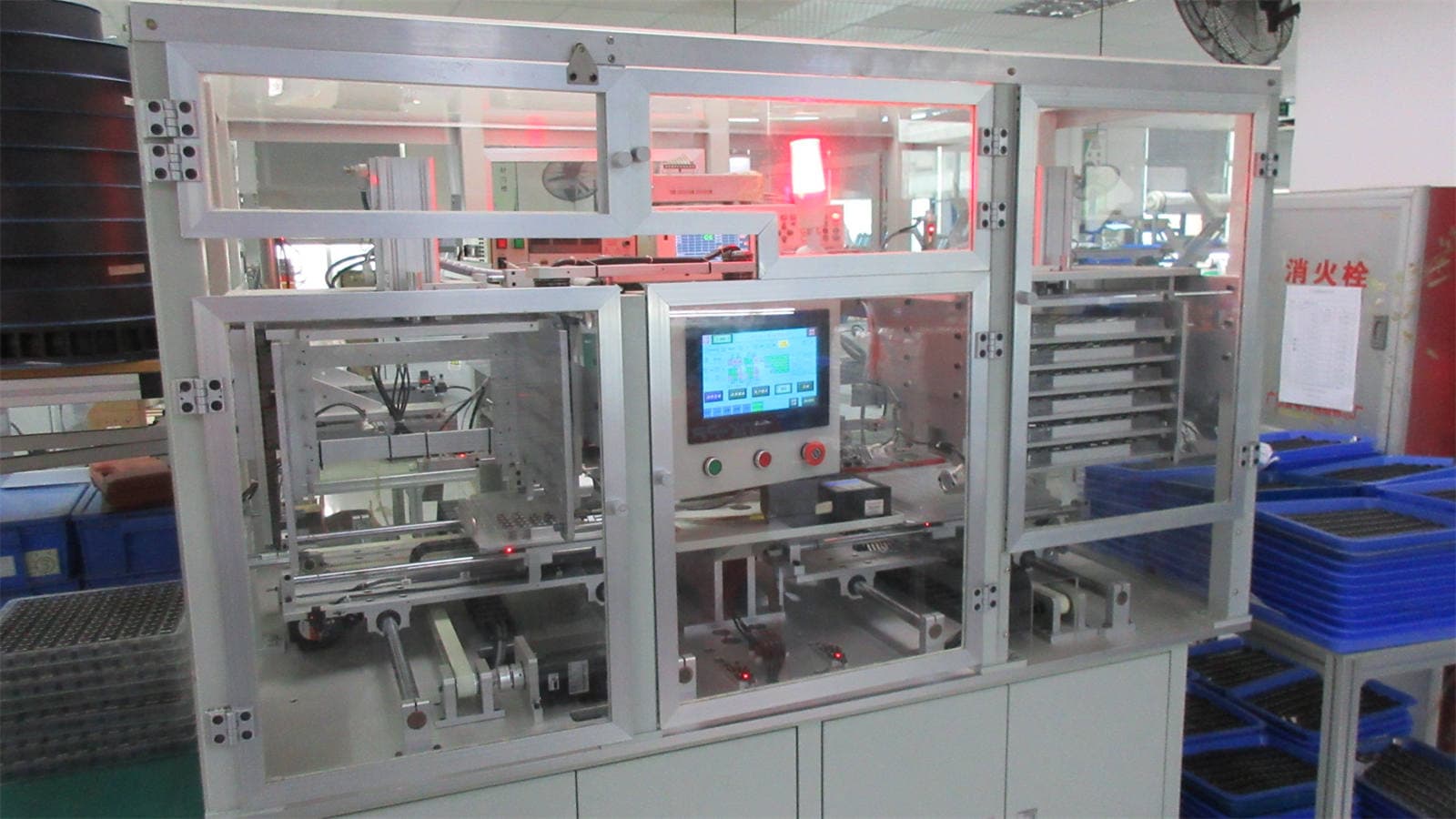
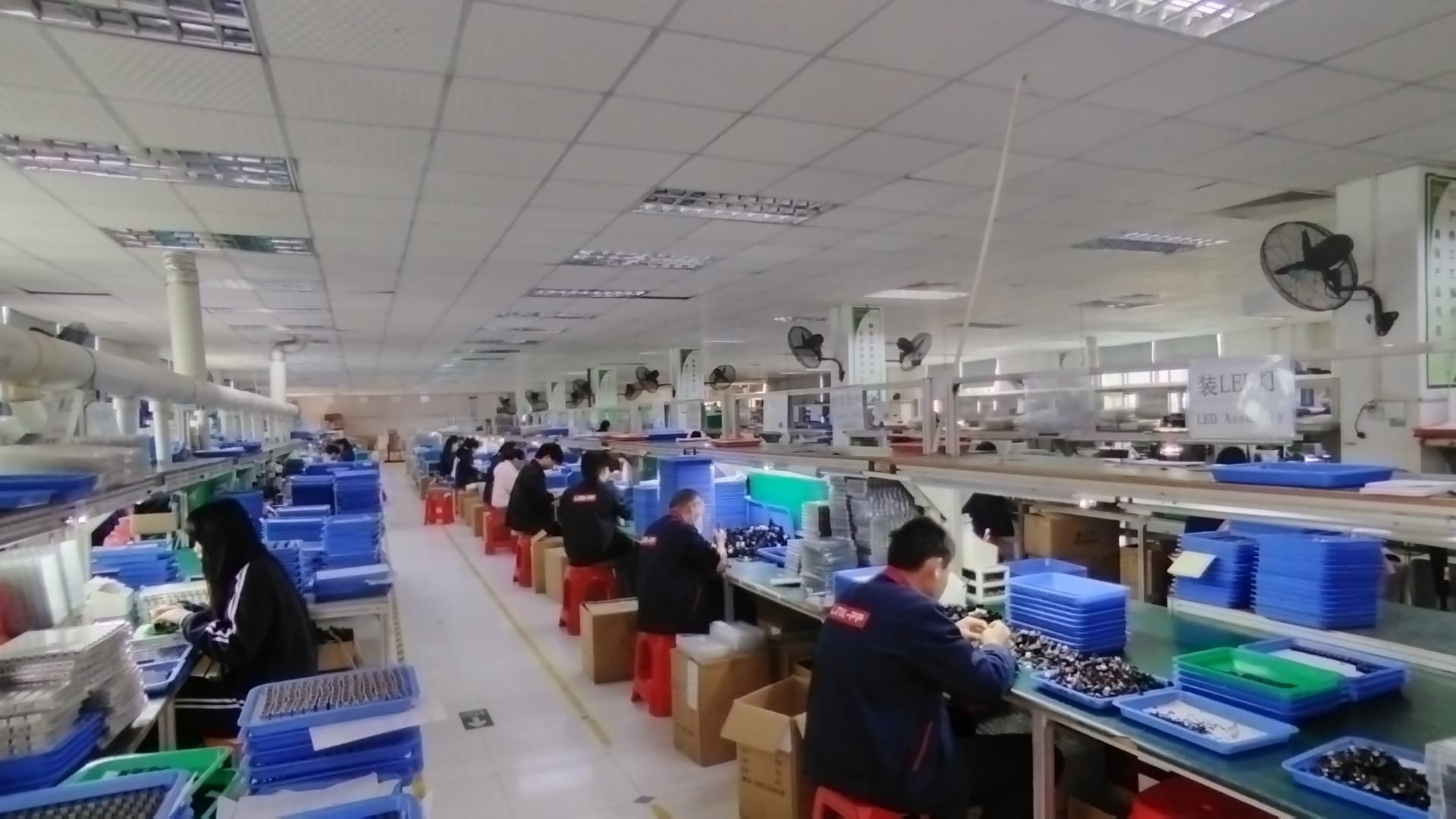
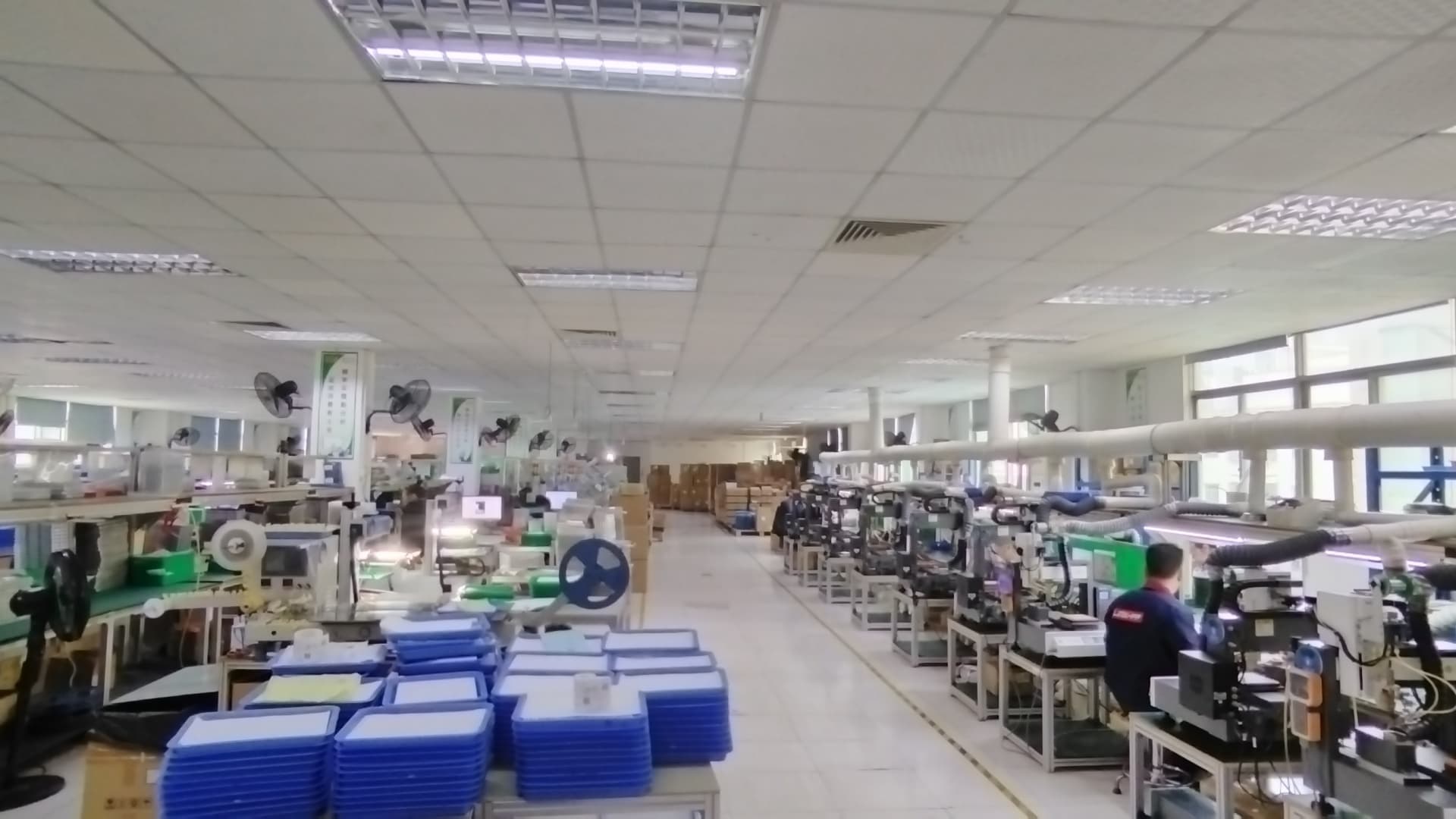
Our dust-free state-of-the-art manufacturing floor located in China's optical technology cluster.
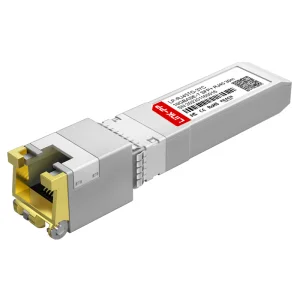
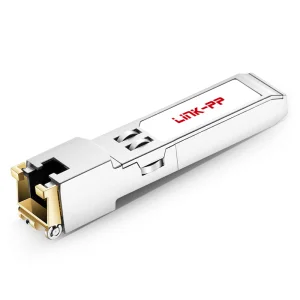
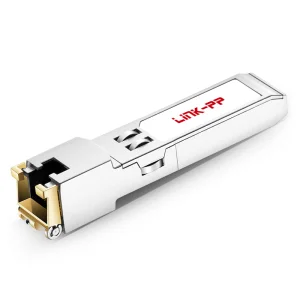
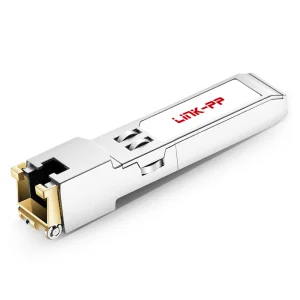
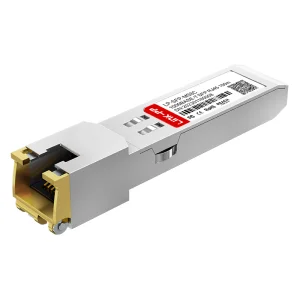
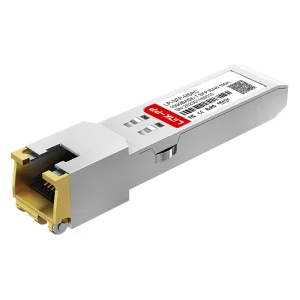
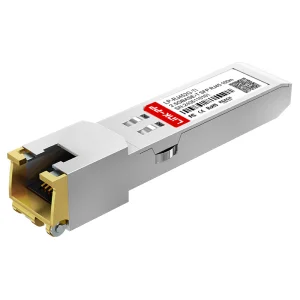
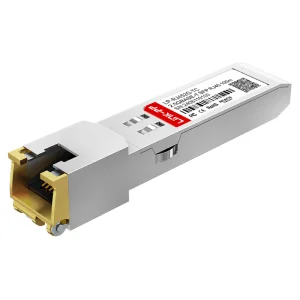
The global datacom landscape is undergoing a massive paradigm shift. As data centers scale out for AI training networks, enterprise network infrastructure requires low-latency, flexible, and backward-compatible media pathways. The RJ45 Copper SFP (Small Form-Factor Pluggable) Transceiver remains a foundational element in this migration strategy.
Unlike fiber-optic systems that transmit data packets via laser modulation through glass cores, copper SFP modules convert high-frequency electrical signals from the host board into ethernet packets compatible with twisted-pair copper cabling. This transition occurs within the Physical Layer (PHY) chip integrated inside the transceiver housing.
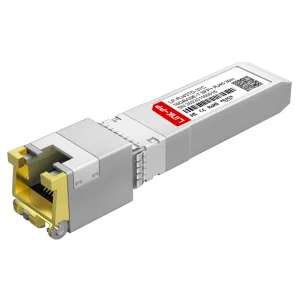
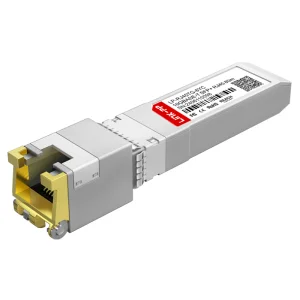
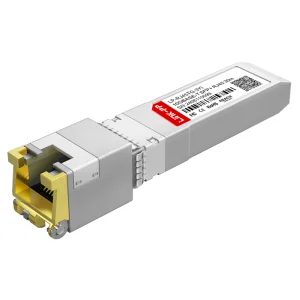
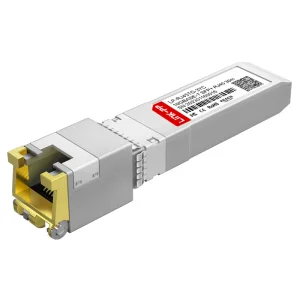
Implementing 10GBASE-T over Cat6A/Cat7 copper lines requires complex Digital Signal Processing (DSP) algorithms. This includes echo cancellation, decision feedback equalization (DFE), and advanced line-coding techniques. The conversion process is highly power-intensive, which highlights the importance of choosing a premier engineering-focused factory. Modern physical design must mitigate extreme thermal challenges while operating in restricted 2.5W SFP+ slots.
Network architects frequently choose between optical transceivers and RJ45 copper transceivers. Below is an analytical overview of the trade-offs involved:
The rise of high-speed wireless networks, specifically Wi-Fi 6E and Wi-Fi 7 Access Points, has driven demand for Multi-Gigabit (2.5G and 5G) networks. The 10/100/1000BASE-T SGMII (Serial Gigabit Media Independent Interface) has evolved to support these multi-rate operations. Transceivers can dynamically negotiate transmission rates, allowing legacy hardware to transition to multi-gigabit speeds without requiring full recabling.
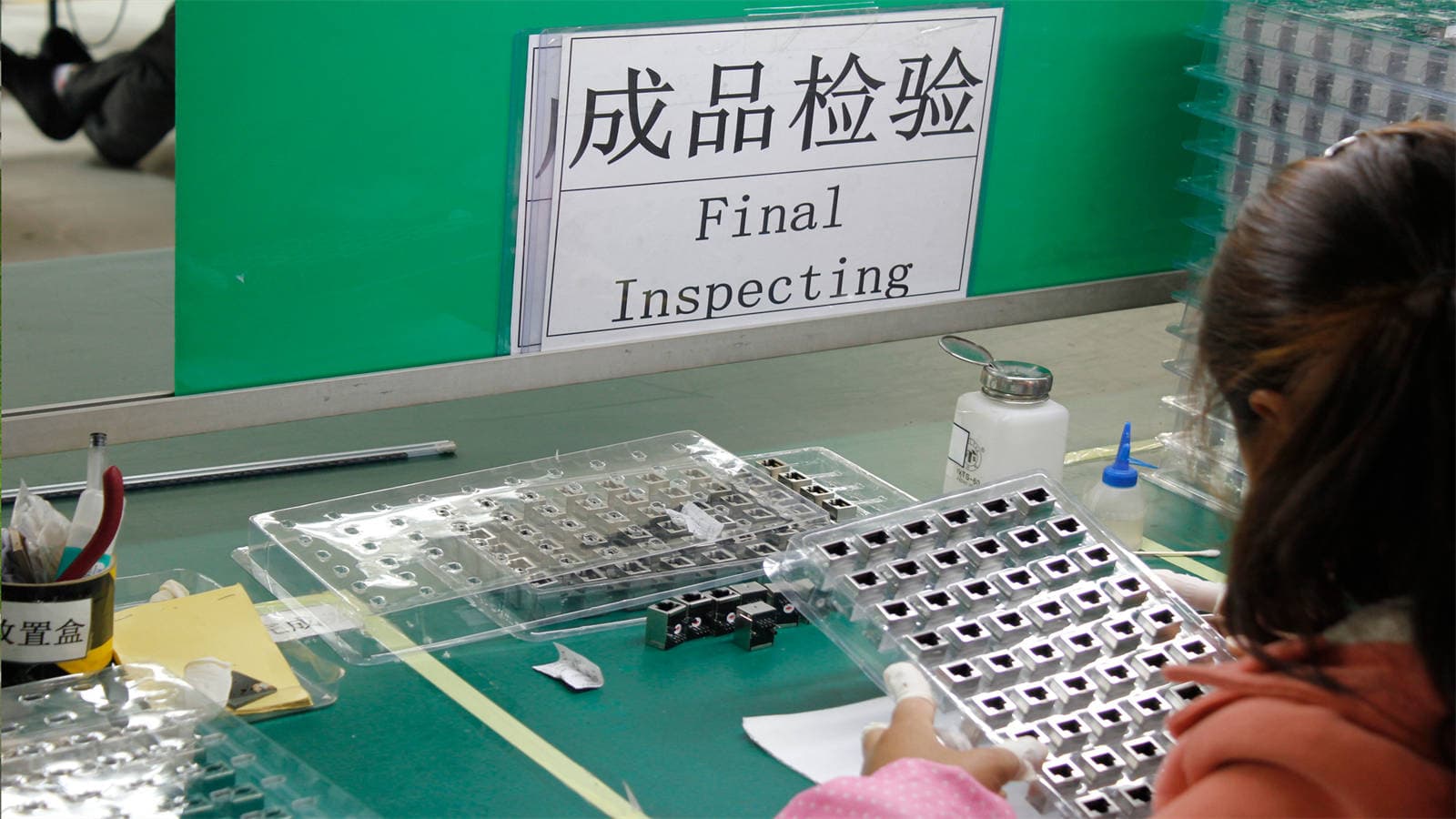
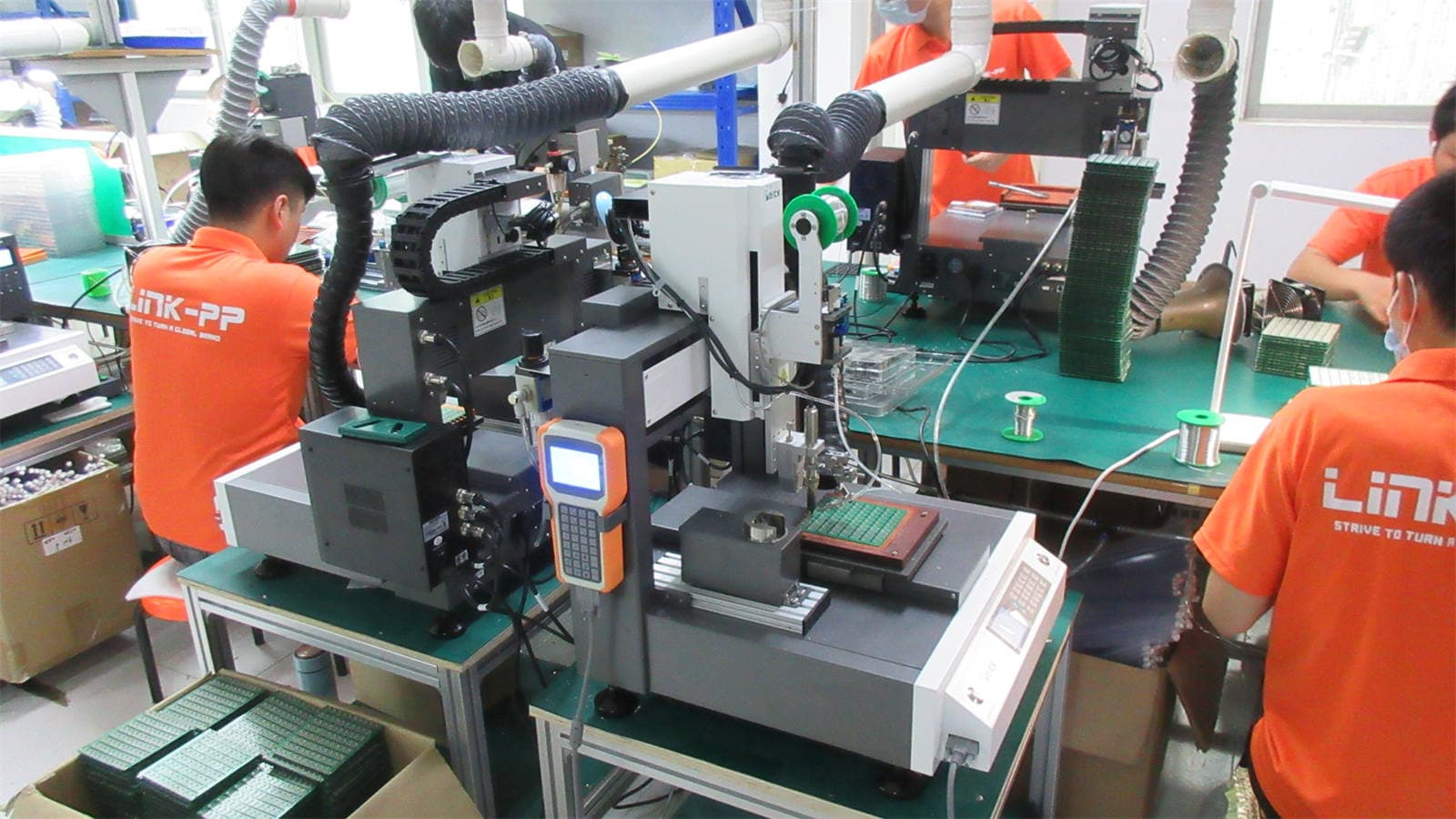
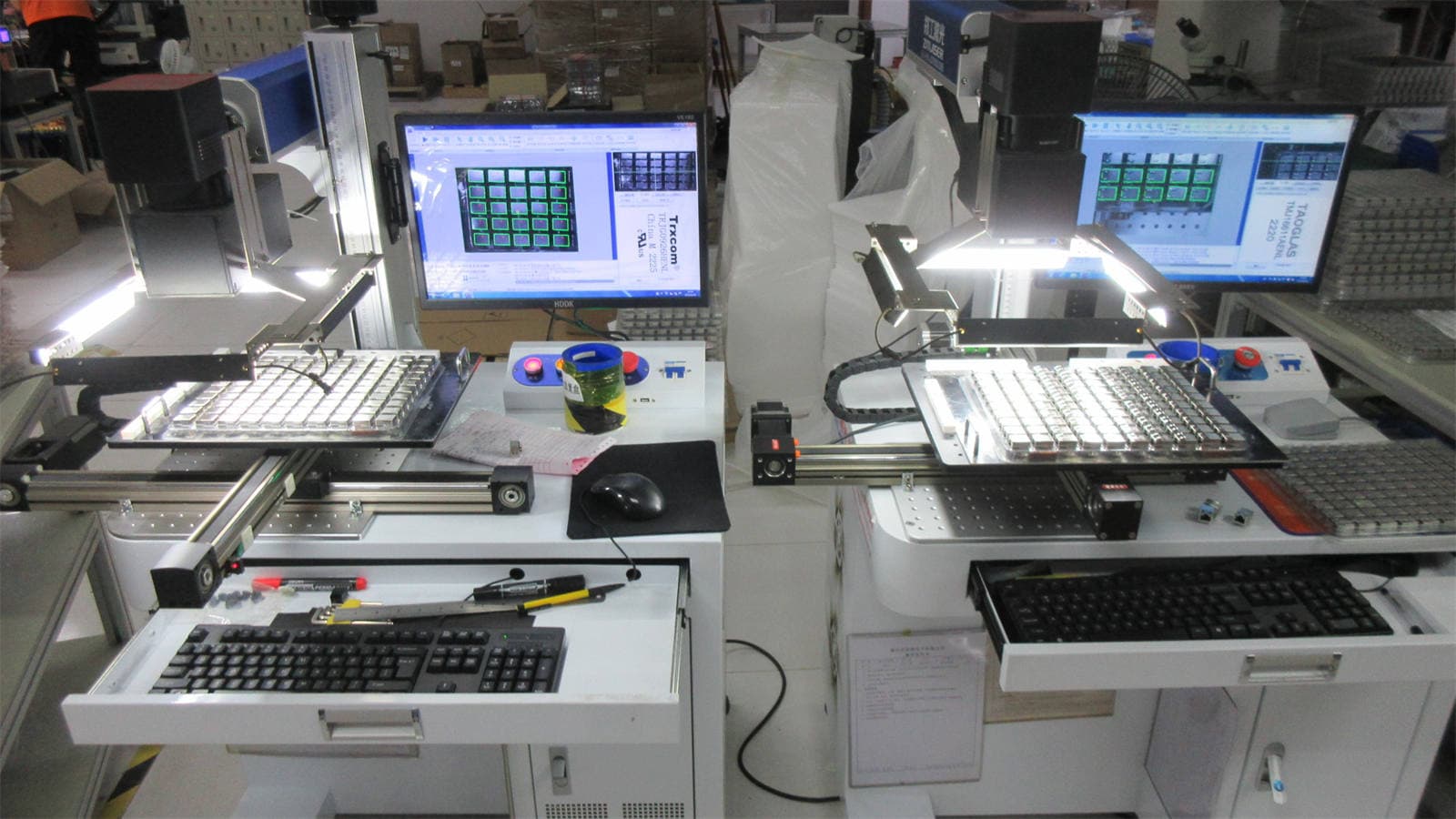
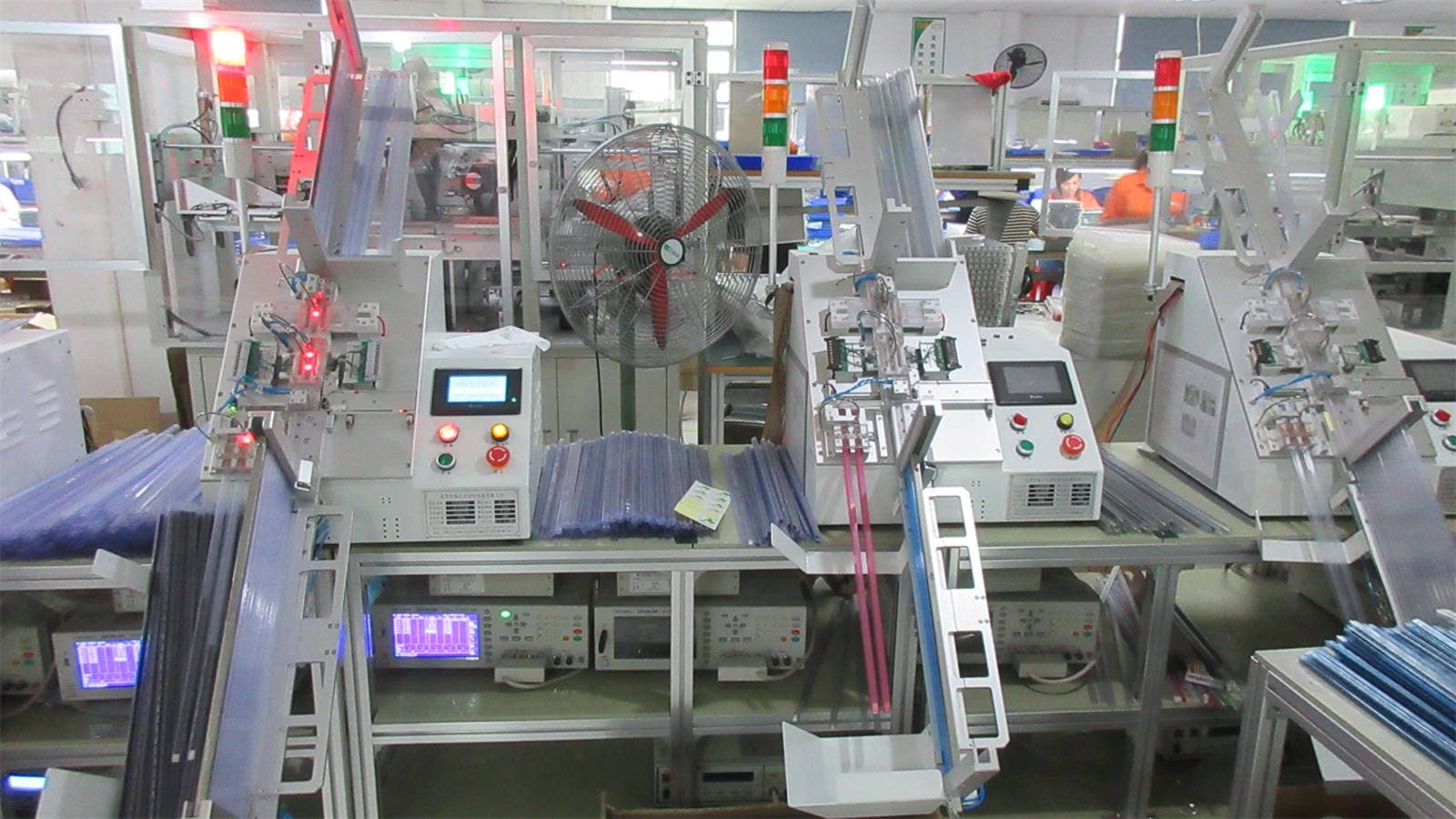
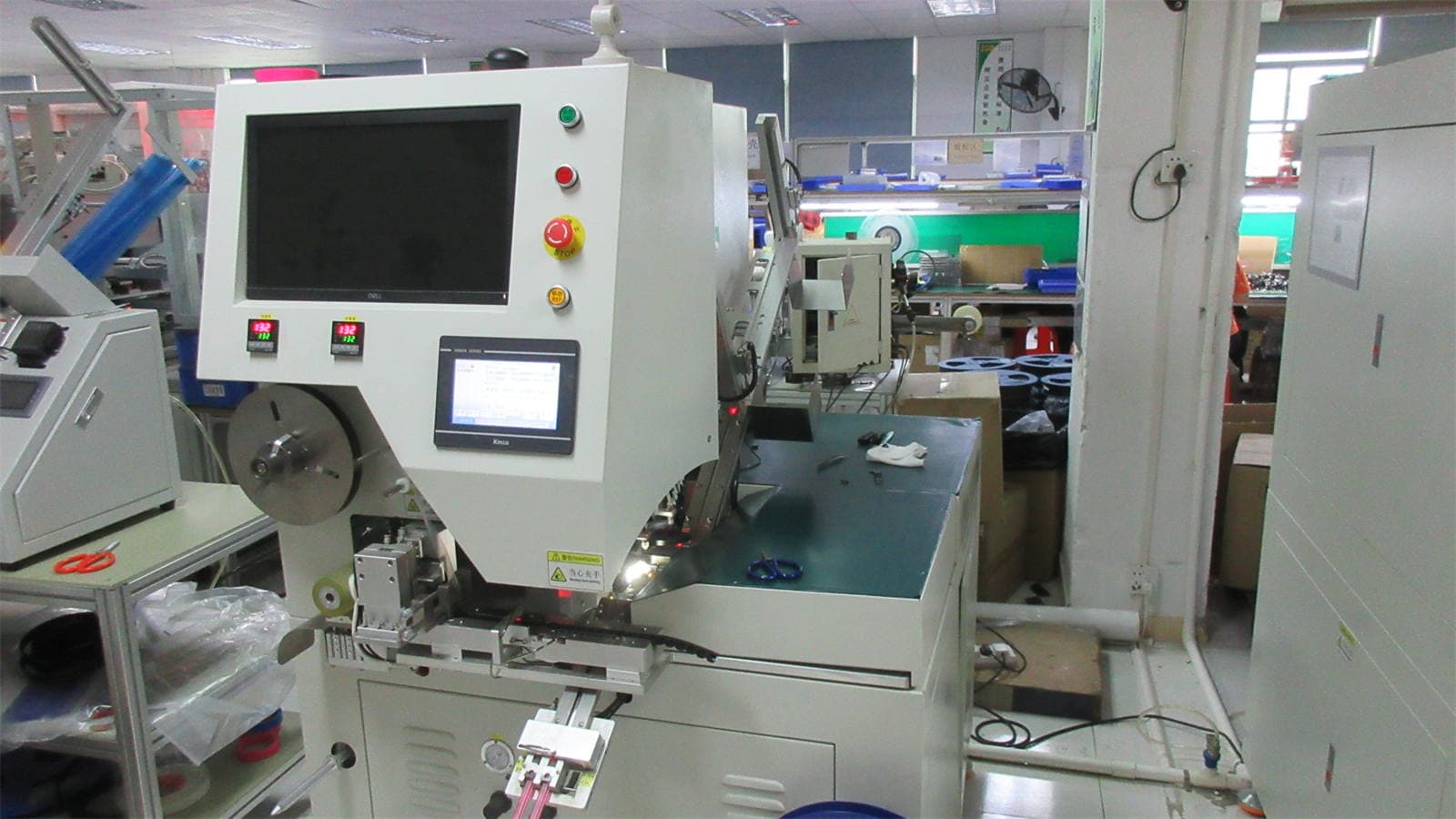
At Lumopt, every RJ45 copper and optical transceiver undergoes a rigorous, fully traceable production sequence. Below is a detailed look at our precision assembly, tinning, test operations, and final inspection workflow:
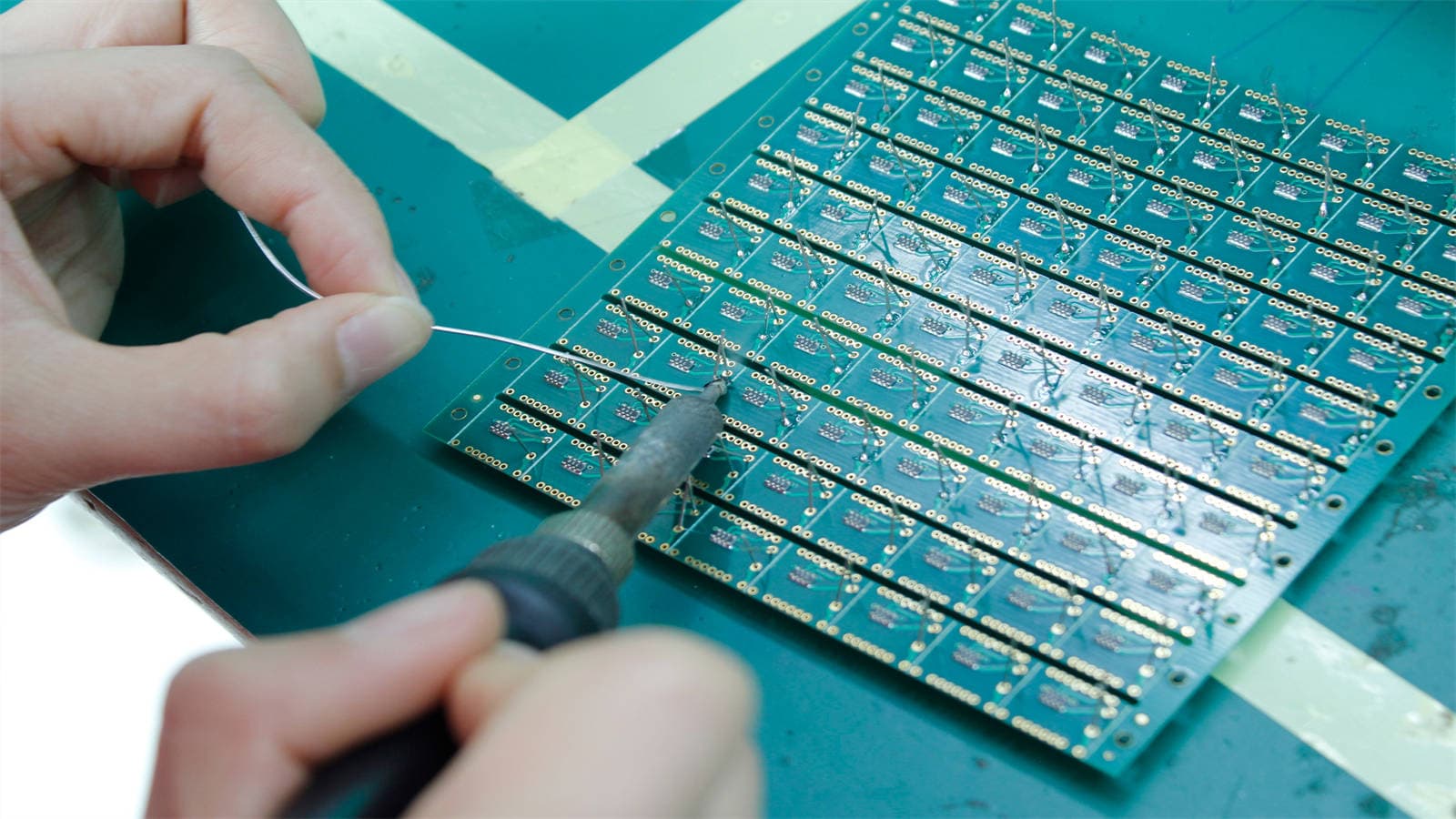
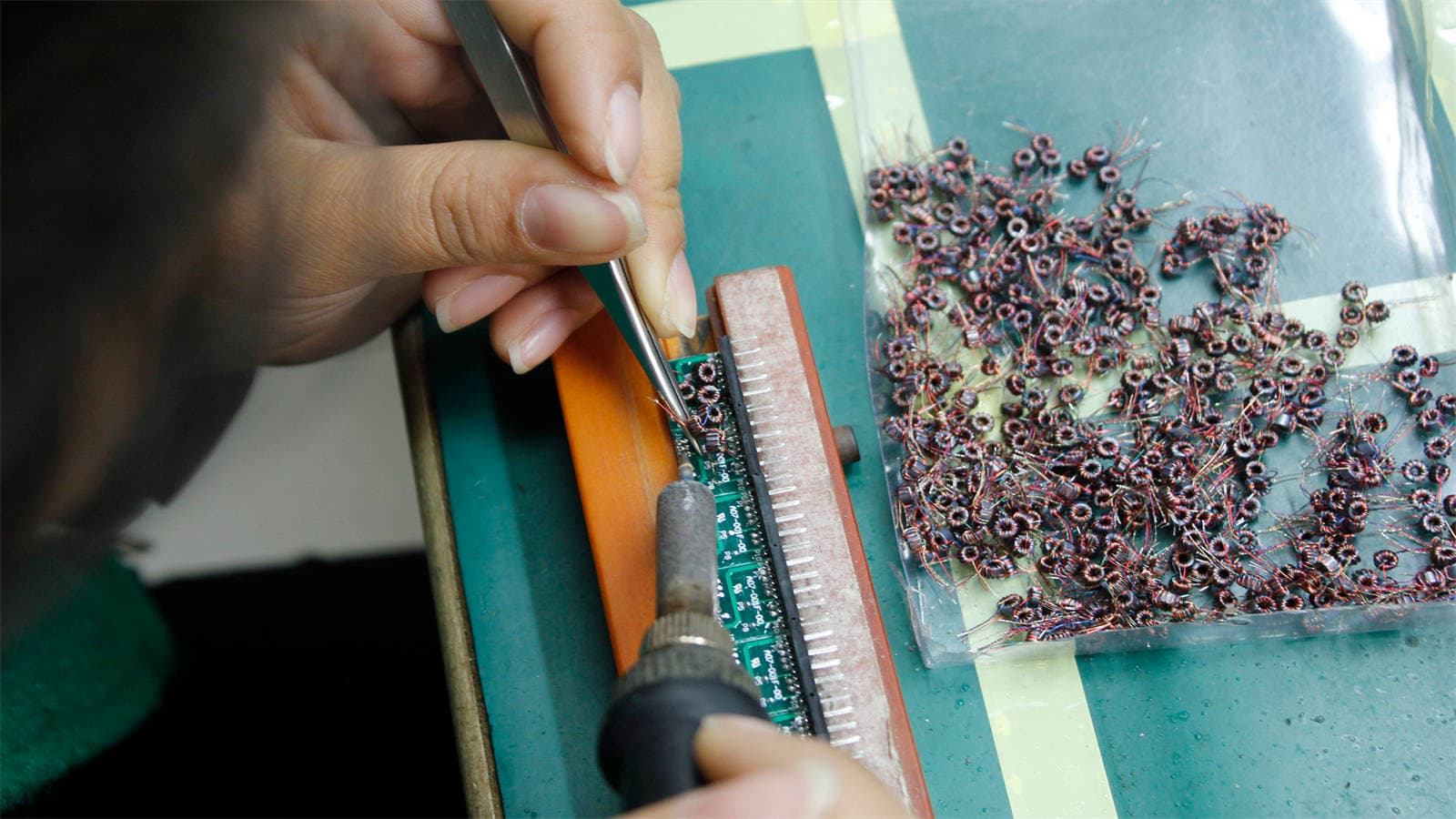
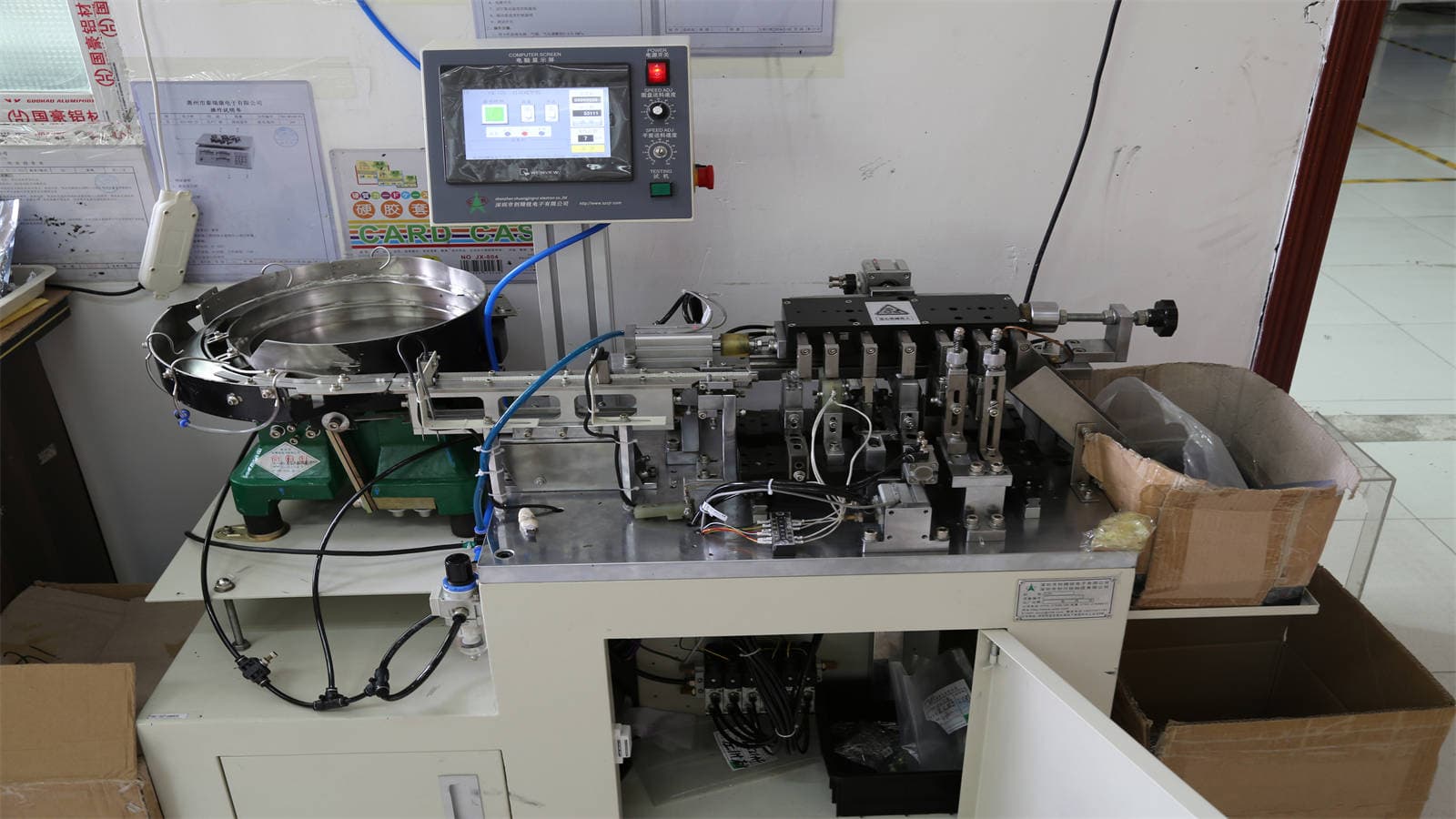
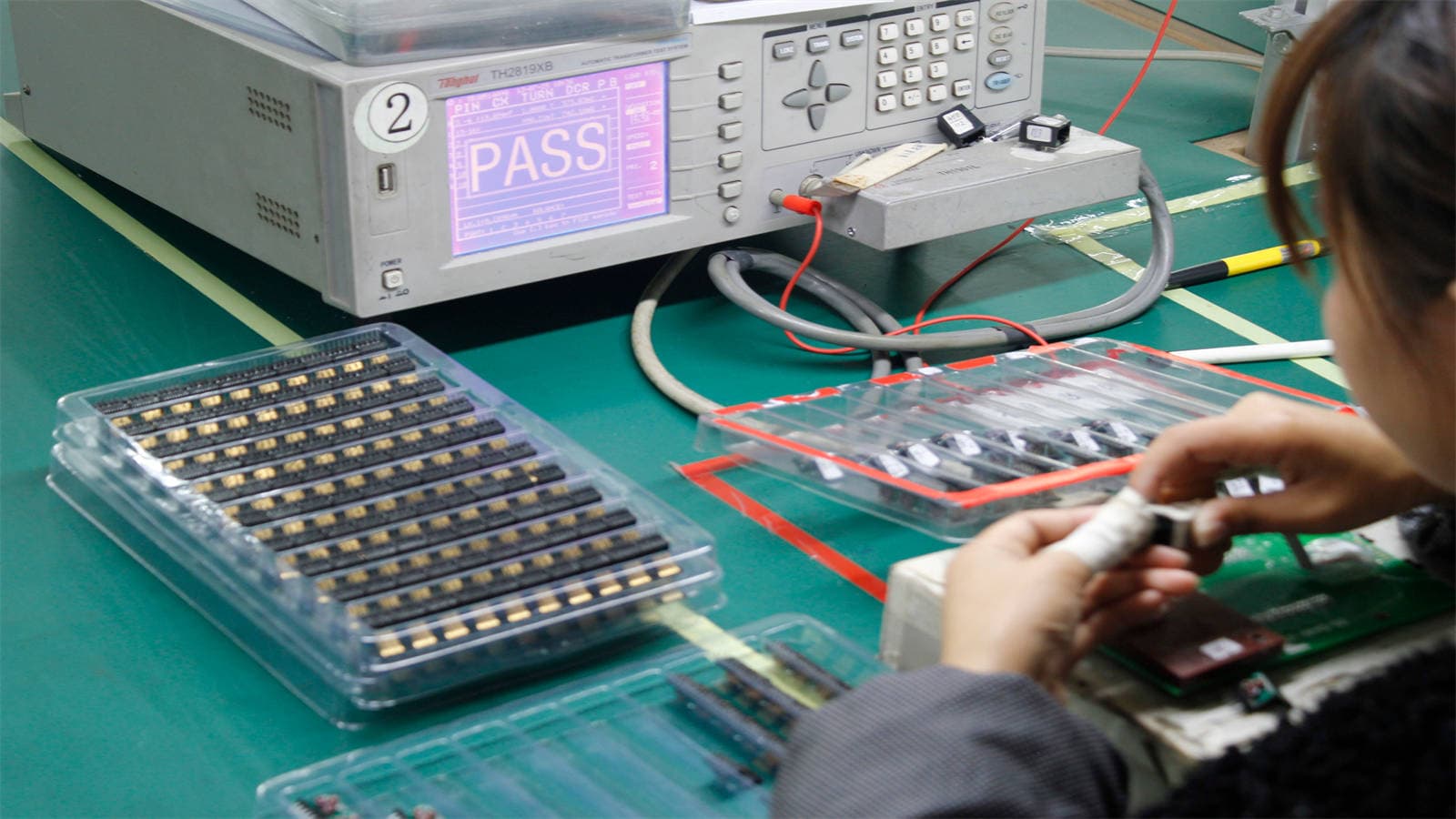
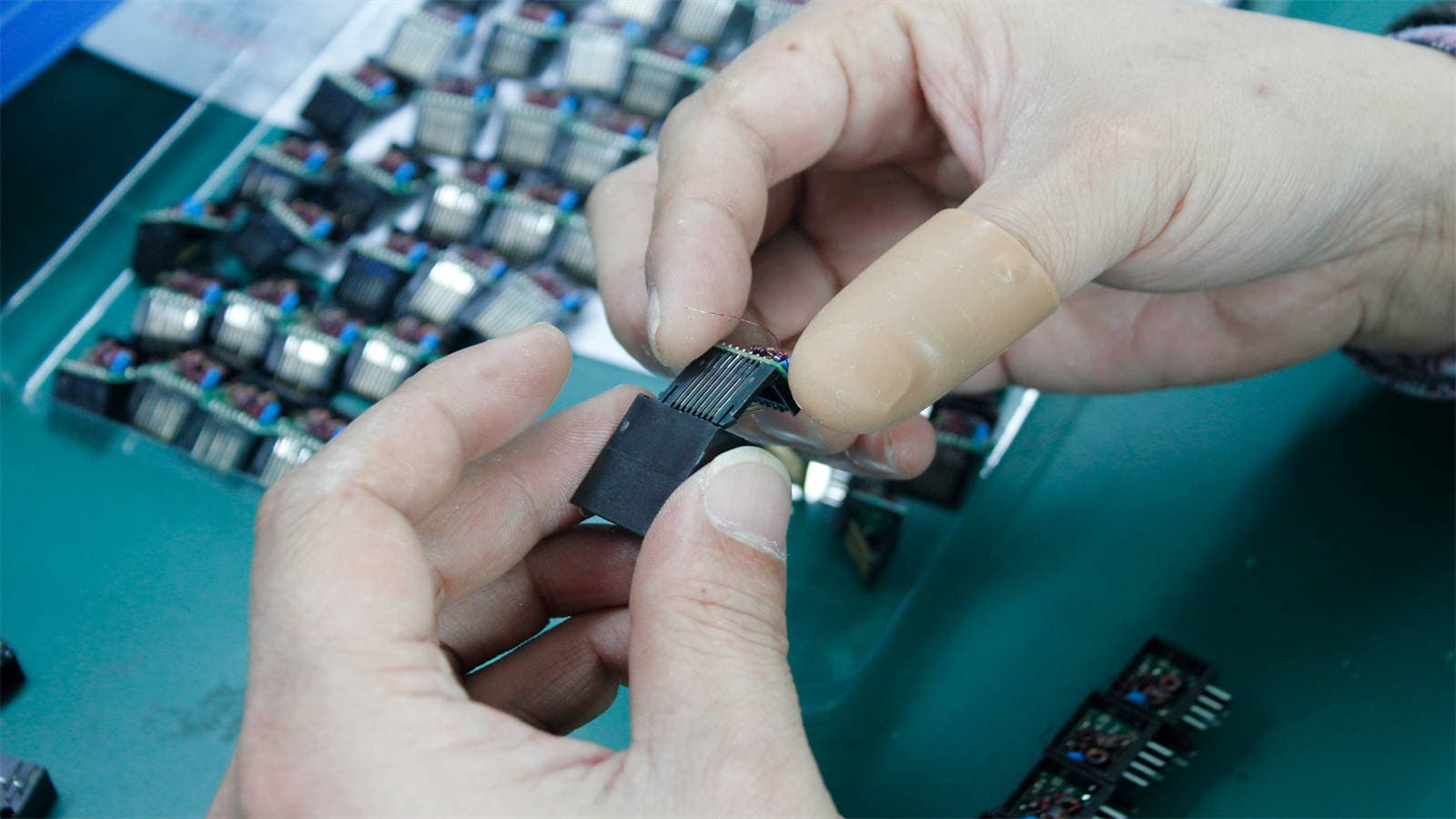
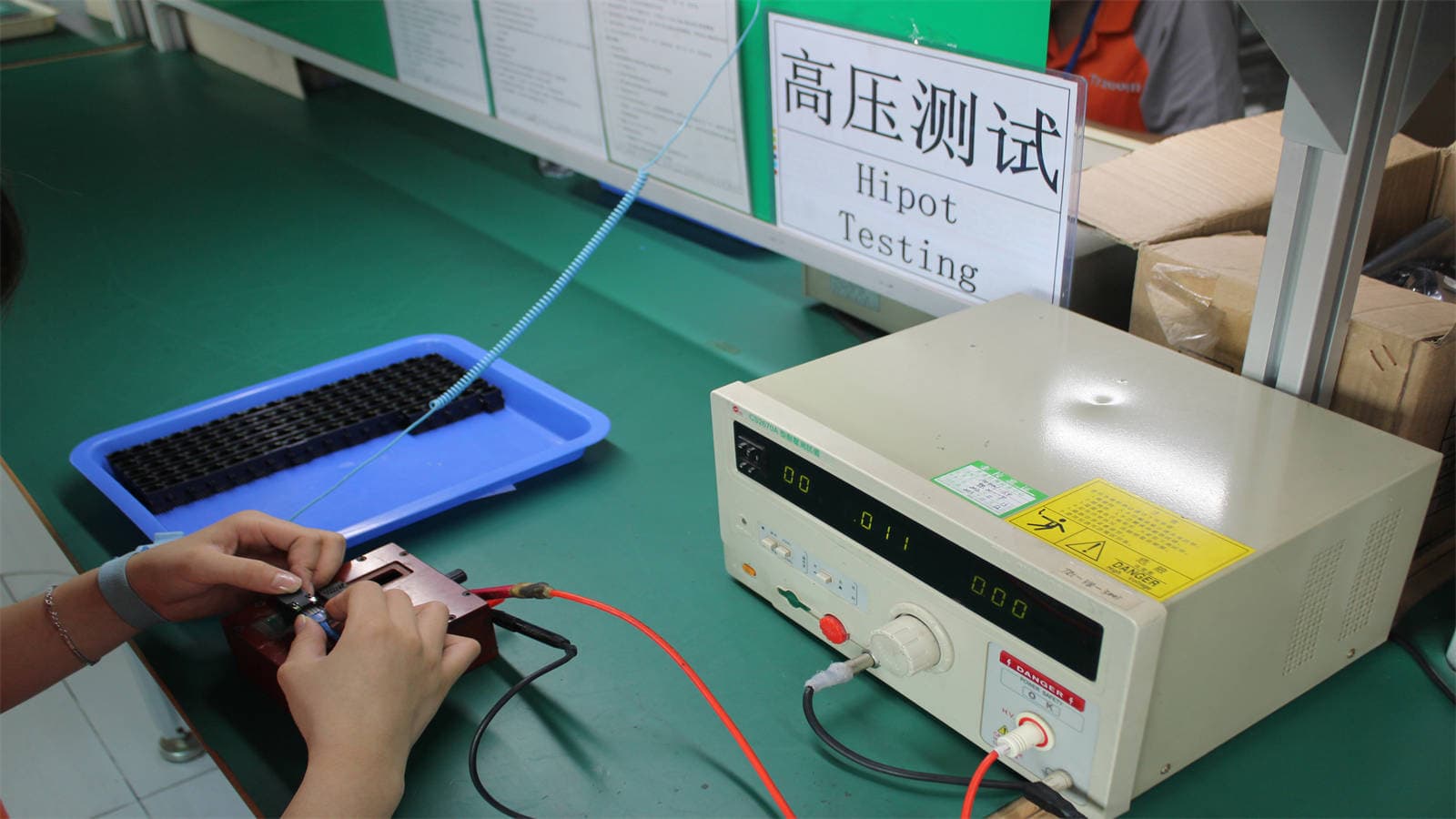
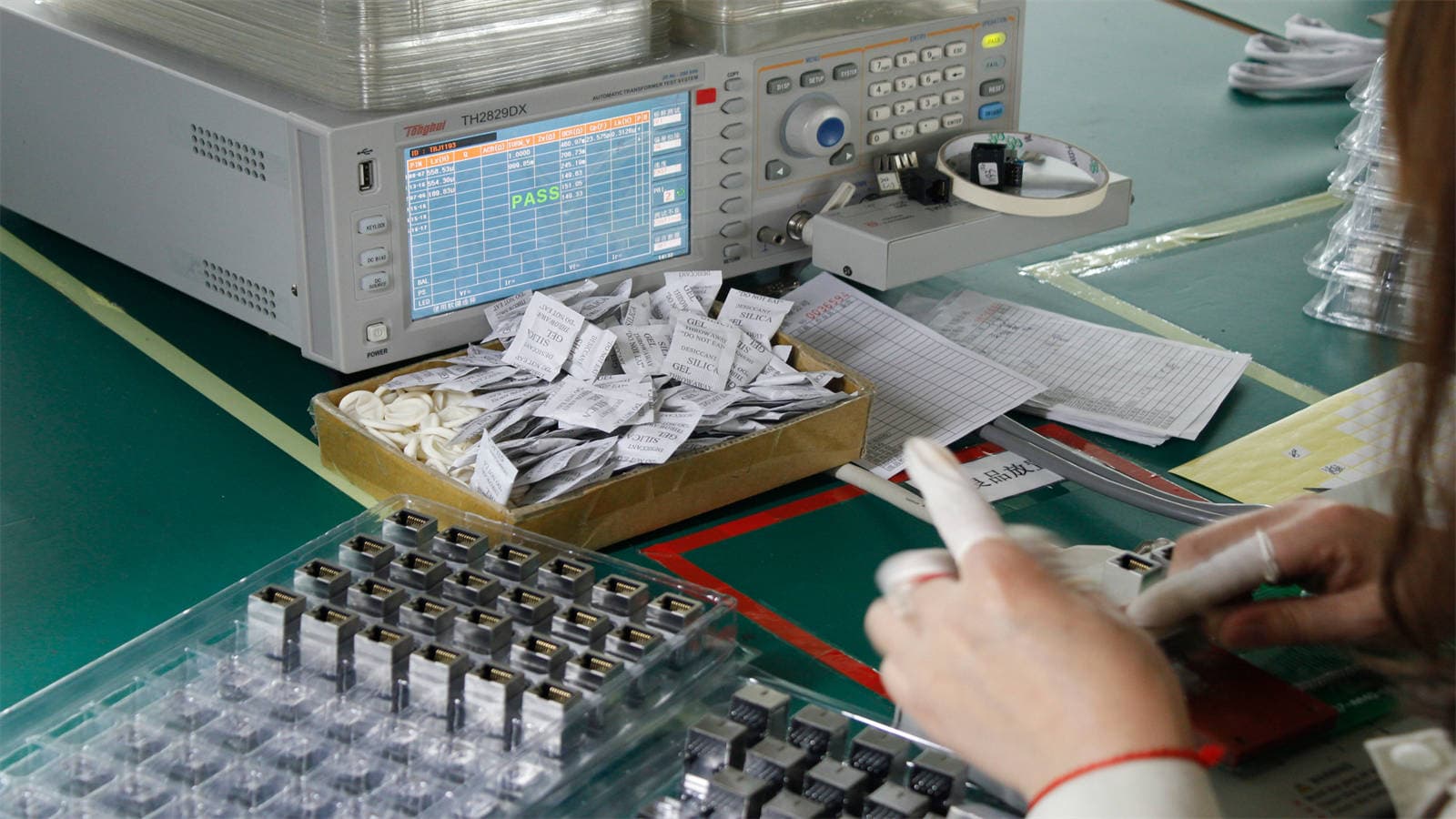

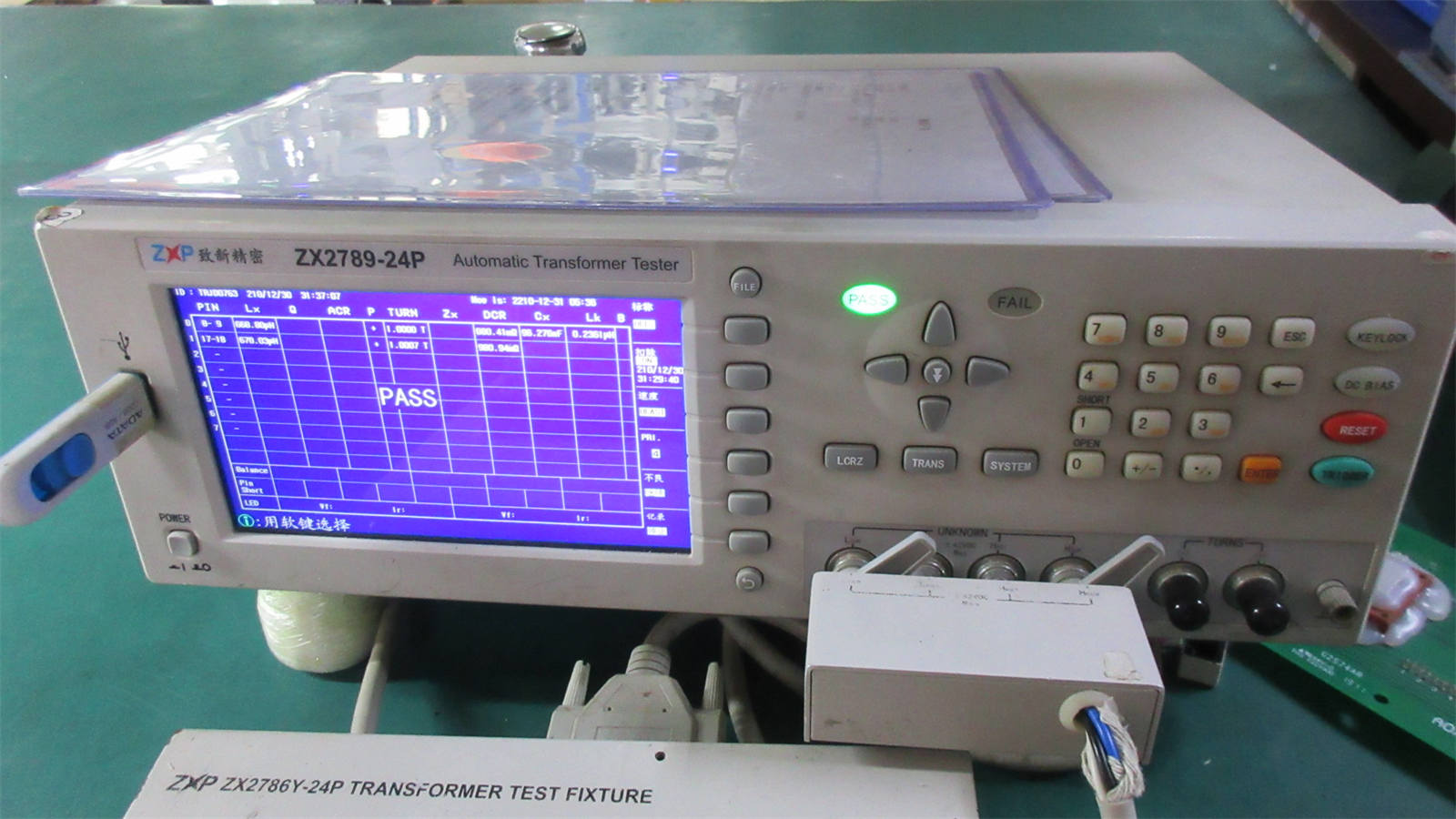
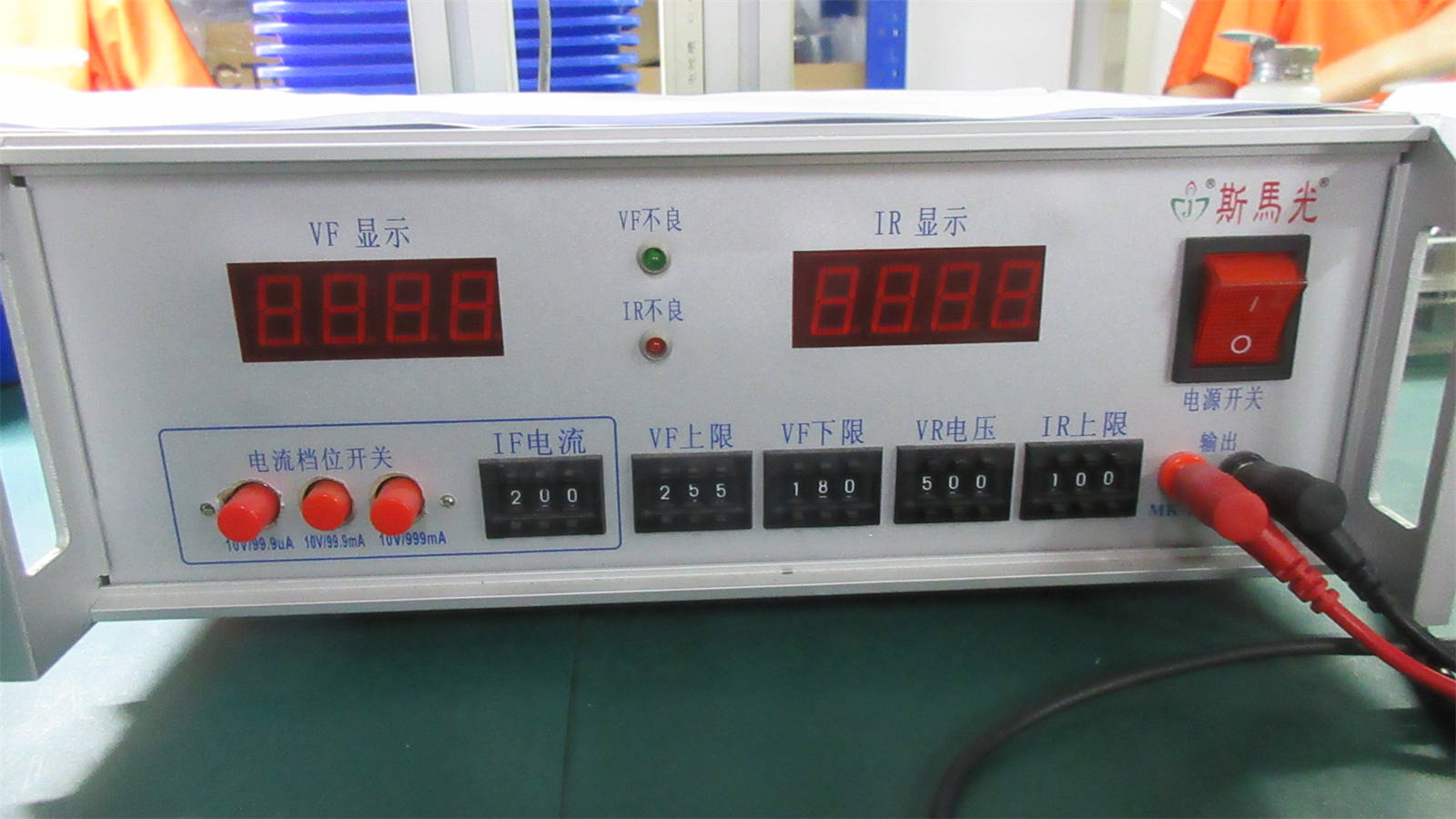
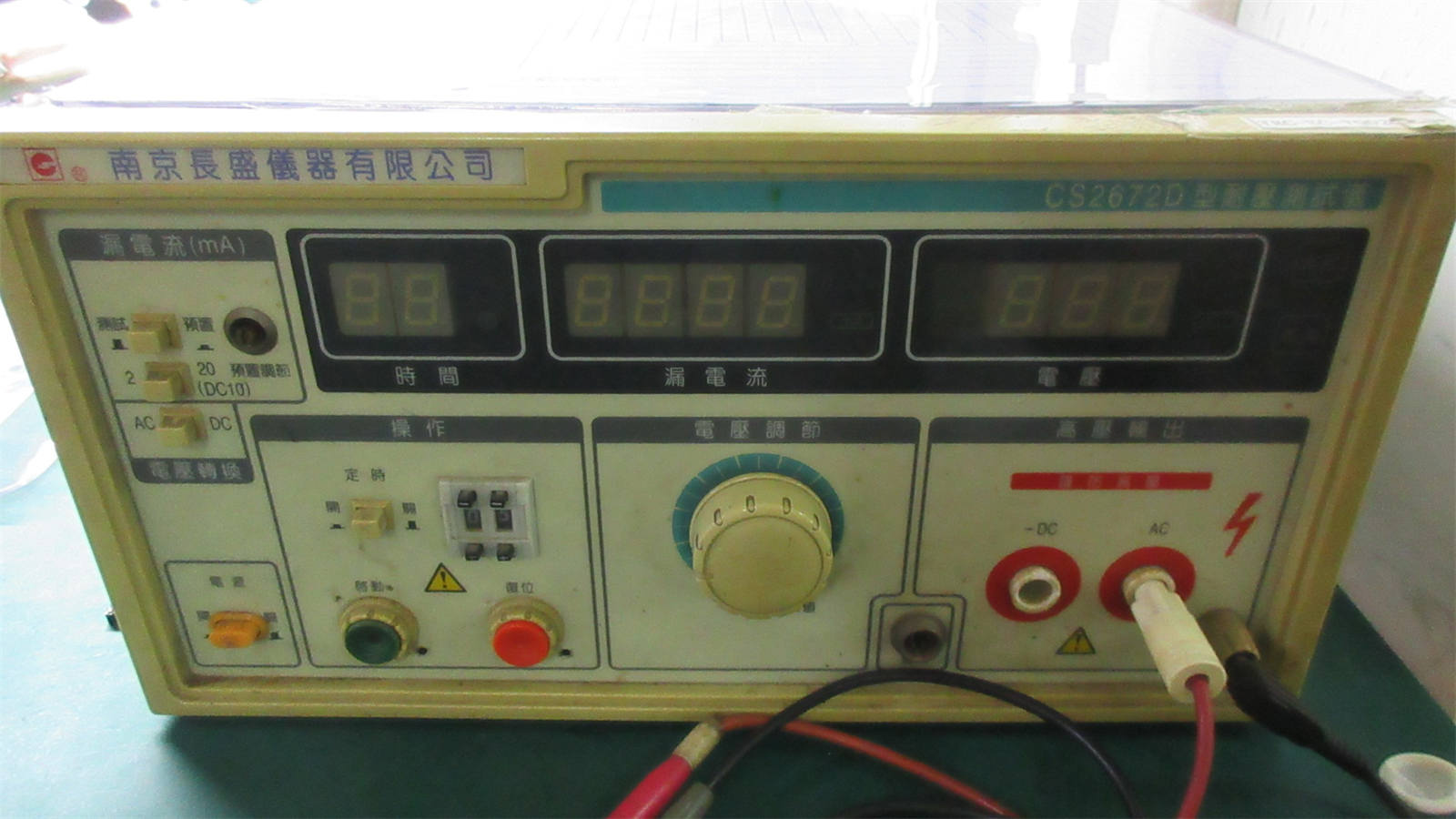
To meet the demanding specifications of global cloud service providers and enterprise networks, Lumopt relies on advanced test instrumentation. We test for electromagnetic interference (EMI), high-voltage tolerances, transceiver signal eye-diagram metrics, and environmental stability.
Multi-vendor switch testing rack simulating real-world workloads.
Our commitment to reliability is demonstrated through real-world hardware verification. The Lumopt laboratory utilizes dedicated hardware compatibility platforms. We test every production batch with original switches from Cisco, Arista, HPE Aruba, Ubiquiti, Juniper, and Huawei.
Our verification processes include testing insertion loss parameters, monitoring performance over extended thermal cycles, and evaluating digital diagnostic monitoring (DDM) interfaces. This ensures seamless integration with host network management software.
RJ45 Copper SFPs are vital components in modern IT architectures, offering a cost-effective, high-bandwidth path for data transmission over existing copper cabling. They enable high-speed connectivity across various network environments.
Within cloud computing infrastructures, connecting servers to Top-of-Rack (ToR) switches is a primary network requirement. While fiber optic connections provide long-range capability, 10GBASE-T RJ45 copper transceivers offer a cost-effective solution for short-reach applications (under 30 meters). Using existing copper patch cords reduces procurement complexity and simplifies routing compared to more rigid direct attach copper (DAC) cables.
For large office spaces and corporate campus environments, upgrade paths to 2.5G and 10G networks can be cost-prohibitive if optical cabling is required throughout. Our 1000BASE-T and 10GBASE-T RJ45 SFP modules allow network administrators to reuse existing Category 6 and Category 6A structured cabling. This provides an efficient migration path to higher bandwidth capacities.
Industrial networking requirements differ significantly from standard data center environments. Factory floors, transport hubs, and utility plants are subject to vibration, dust, and extreme temperatures. Lumopt's industrial-grade copper transceivers are designed to operate across a broad temperature range (-40°C to +85°C). They feature rugged metal enclosures to ensure stable data transmission in harsh conditions.
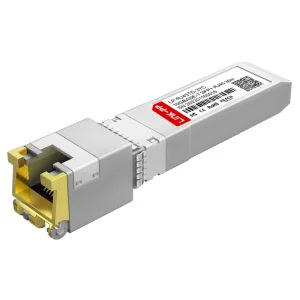
Standard 10GBASE-T transceivers typically support distances up to 30 meters over Cat6a/Cat7 cabling due to the thermal and power limits of the SFP+ form factor. However, Lumopt offers specialized, low-power 80m and 100m 10G Copper transceivers. These feature advanced PHY chips that optimize power consumption to remain within the thermal limits of host switches.
The Multi-Source Agreement (MSA) defines the mechanical design, electrical interfaces, and EEPROM programming configurations for SFP modules. Lumopt manufactures transceivers in strict accordance with these standards. We customize the EEPROM coding to match vendor-specific requirements (e.g., Cisco's GLC-TE or Ubiquiti's UF-RJ45-1G), ensuring compatibility with host switch operating systems.
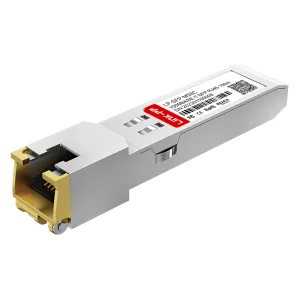
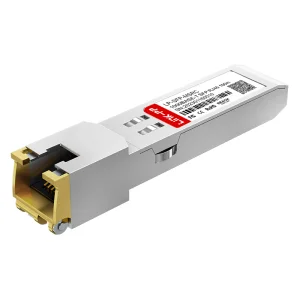
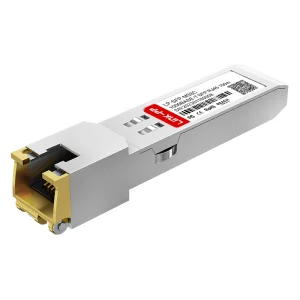
Standard SFPs typically operate at a fixed rate of 1.25 Gbps. In contrast, SGMII (Serial Gigabit Media Independent Interface) copper SFP modules feature an integrated PHY chip that supports multi-rate autonegotiation (10 Mbps, 100 Mbps, and 1000 Mbps). This enables compatibility with legacy Ethernet hardware and supports dynamic speed transitions.
Converting electrical signals to run over twisted-pair copper cabling requires digital signal processing (DSP) to mitigate echo, crosstalk, and signal attenuation. This process consumes more power (typically 1.5W to 2.3W) compared to optical transceivers, which generate less heat. We utilize highly efficient PHY chips and thermal interface materials to optimize heat dissipation.