Lumopt
Lumopt
Lumopt
High-performance optical transceivers engineered for enterprise-grade telecommunications and high-speed data transmission networks.
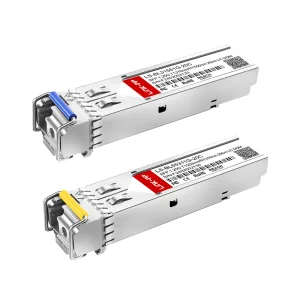
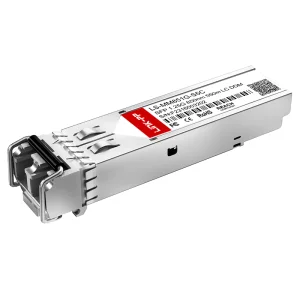
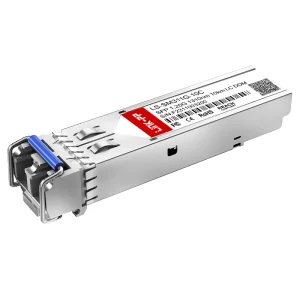
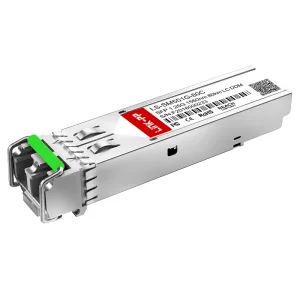
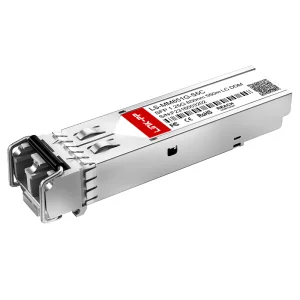
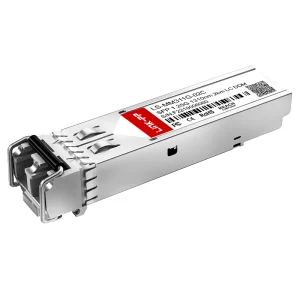
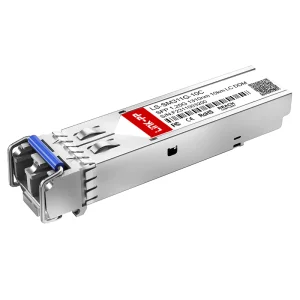
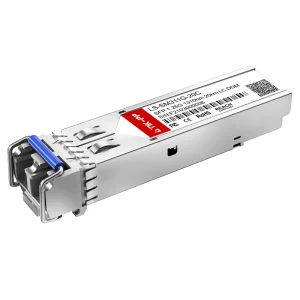
In the rapidly advancing era of multi-gigabit networks, hyperscale cloud data centers, and terabit-level AI processing platforms, the 1.25G SFP (Small Form-factor Pluggable) optical transceiver remains a cornerstone of global communication infrastructure. While higher-speed interfaces like 100G, 400G, and 800G dominate backbone networks, the 1.25G SFP module remains the unsung hero at the access layer, enterprise networks, smart city surveillance nodes, and industrial automation control loops.
As a leading 1.25G SFP module manufacturer, Lumopt Opto Technology Co., Ltd. (registered in China as Luguang Communication Technology Co., Ltd.) understands the technical nuances and operational requirements of legacy and greenfield installations. Selecting the right optical transceiver is not just a procurement decision; it is a critical step in securing high uptime, signal integrity, and system lifetime value.
Information Gain Concept: Unlike standard distributors who resell generic transceivers, an experienced manufacturer provides direct physical-layer engineering insights, such as custom EEPROM coding to bypass vendor lock-in, proprietary optical sub-assembly (OSA) design to withstand extreme thermal variations, and strict adherence to the MSA (Multi-Source Agreement) standards.
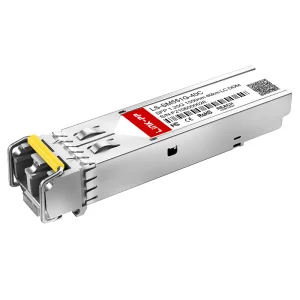
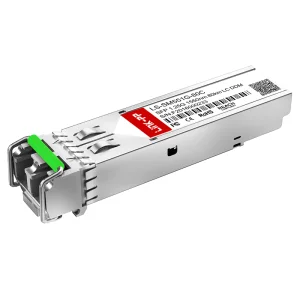
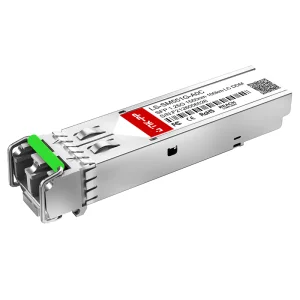
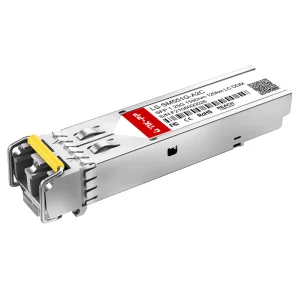
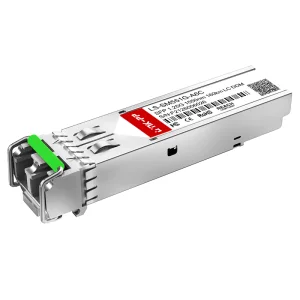
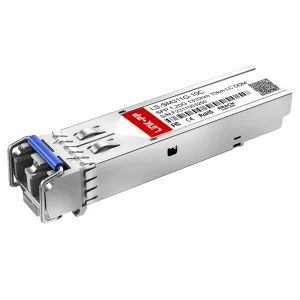
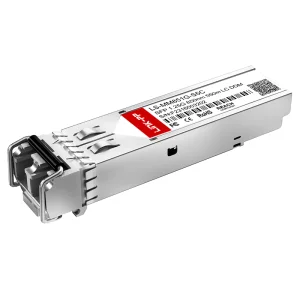
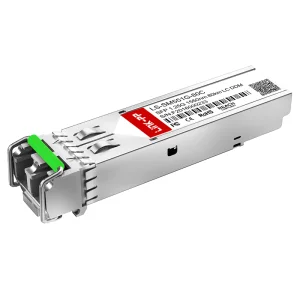
To architect a resilient network, engineers must match the correct transceiver specification with the fiber physical media. Lumopt manufactures a comprehensive matrix of 1.25G SFP modules to suit different distance configurations and fiber infrastructures:
Modern telecommunications architecture requires real-time diagnostic parameters to ensure system health and minimize downtime. Our 1.25G SFP transceivers feature advanced DDM/DOM functionality (compliant with SFF-8472). DDM allows network operators to monitor parameters including optical output power, optical input power, internal transceiver temperature, laser bias current, and transceiver supply voltage. System administrators can set alarm thresholds, preempting fiber line degradation and laser degradation before catastrophic failures occur.
Under the registered corporate entity Luguang Communication Technology Co., Ltd., we combine Chinese supply chain efficiency with rigid quality controls.
Lumopt operates a dust-free production workshop, utilizing state-of-the-art automation and manual validation setups. Every optical transceiver undergoes exhaustive testing phases—from circuit design verification to environmental stress profiling. The strength of a Chinese direct manufacturer lies not just in raw production volume, but in the efficiency of the integrated supply chain. Our raw optical sub-assemblies (TOSA/ROSA), laser diode chips, and printed circuit board assemblies (PCBAs) are sourced, tested, and assembled within our controlled production ecosystem.


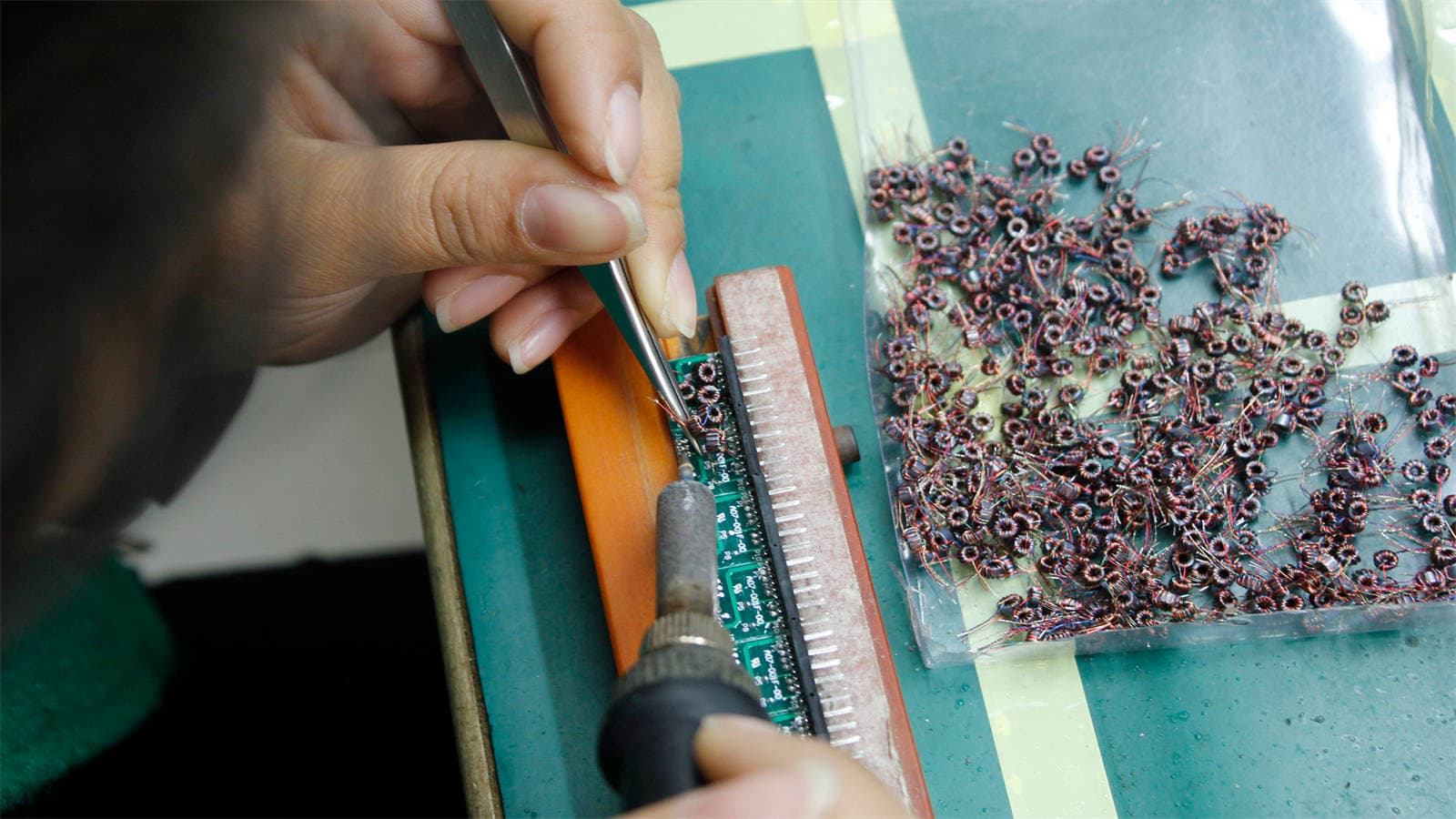
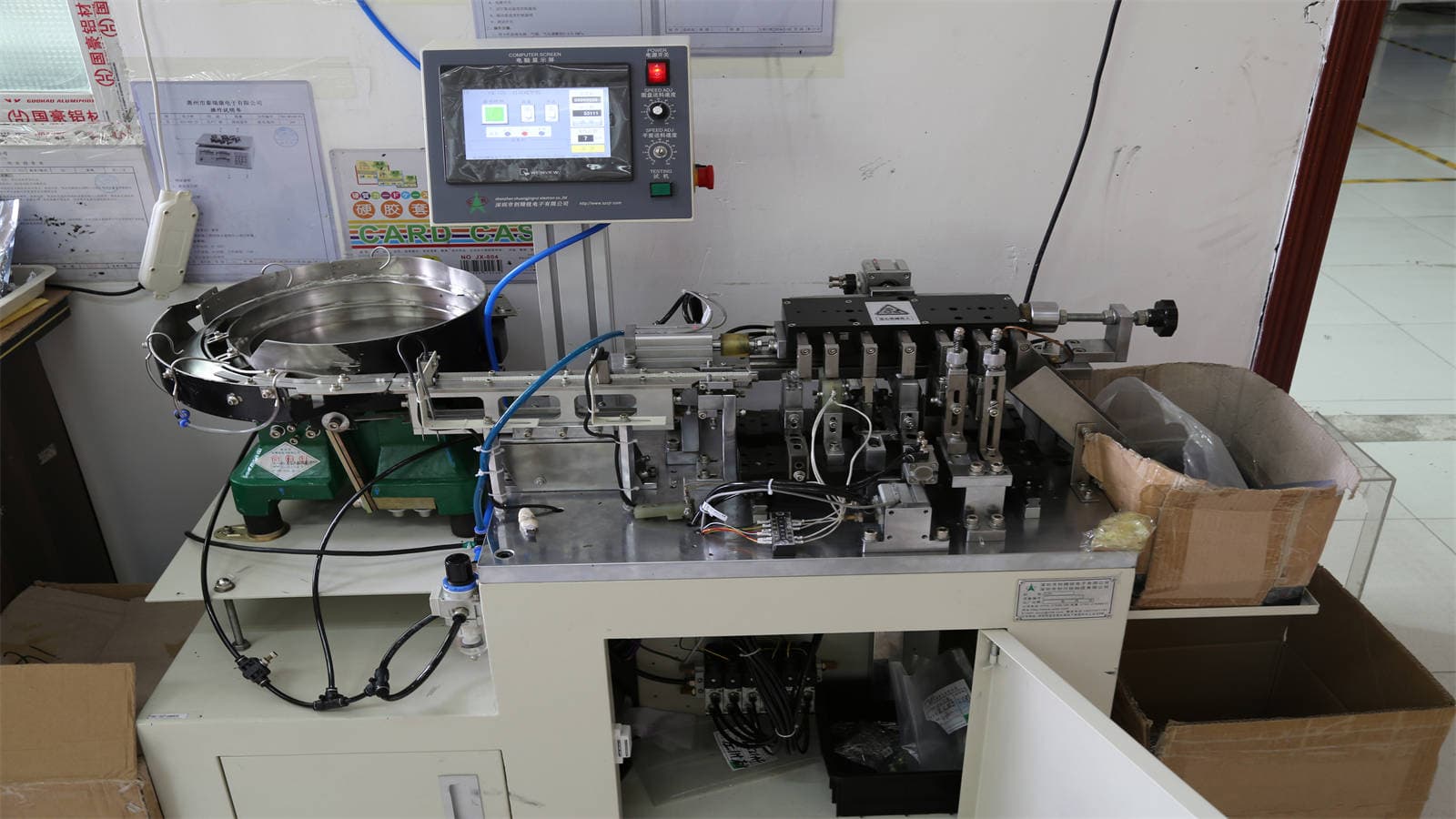


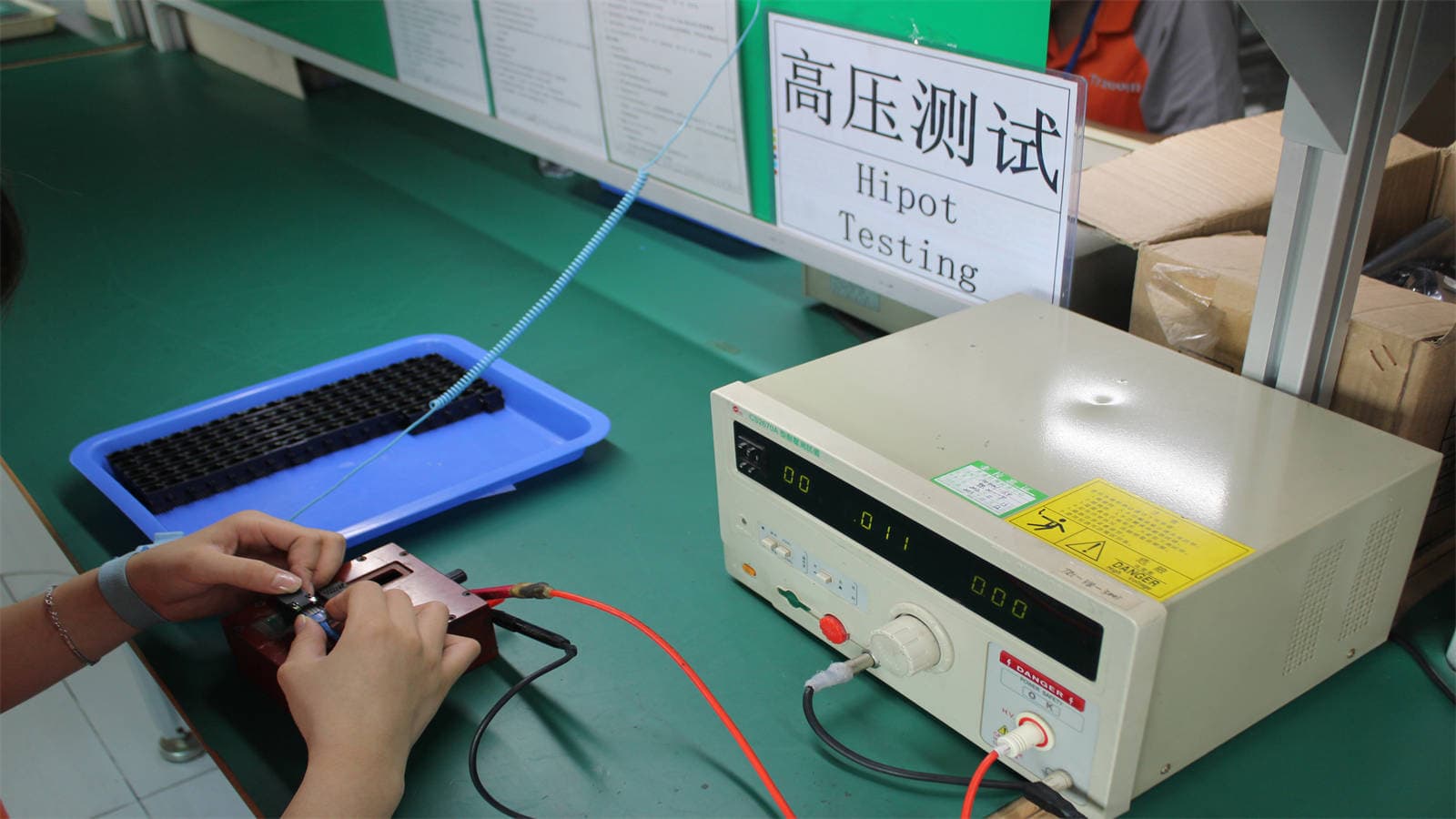



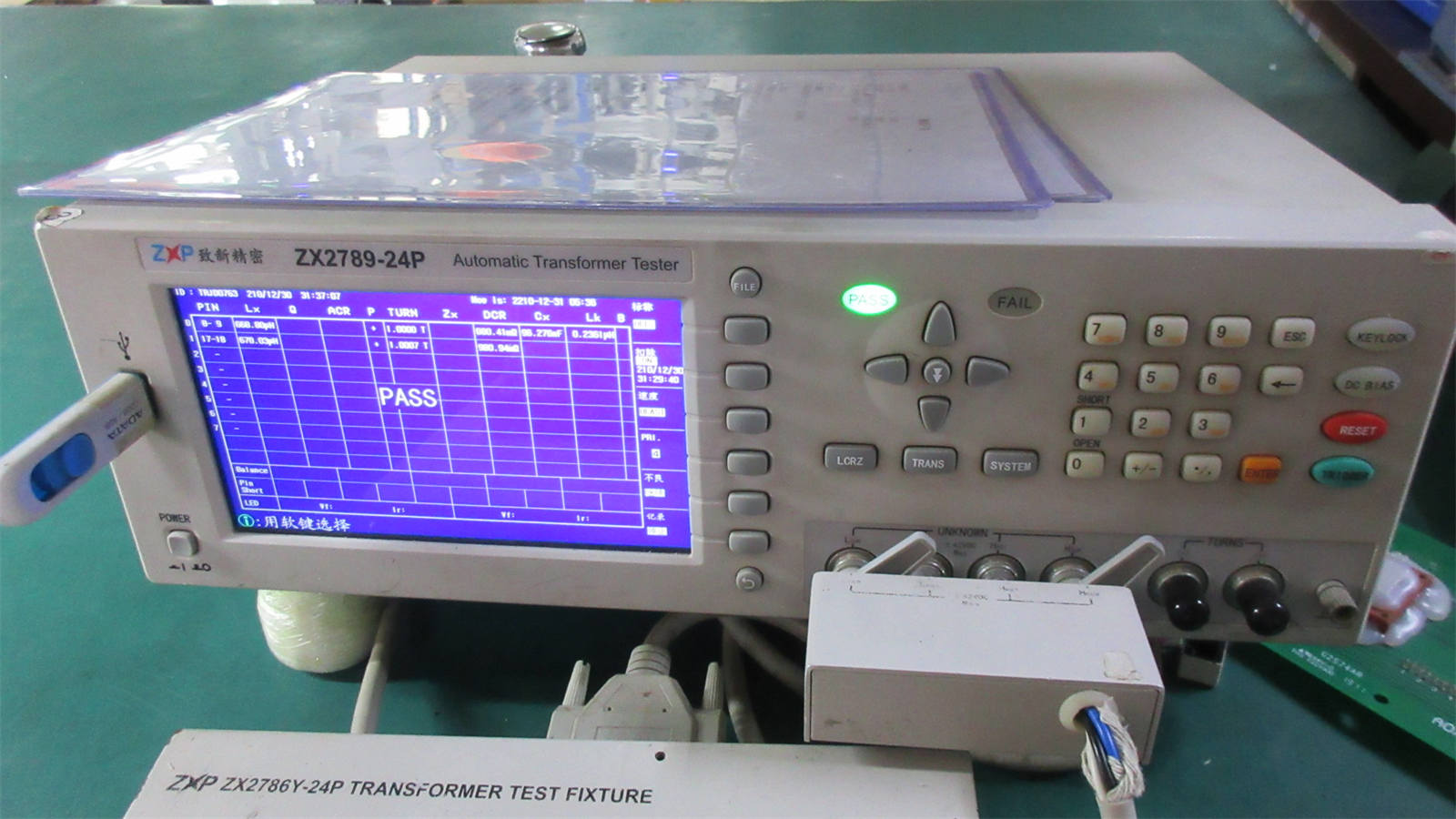
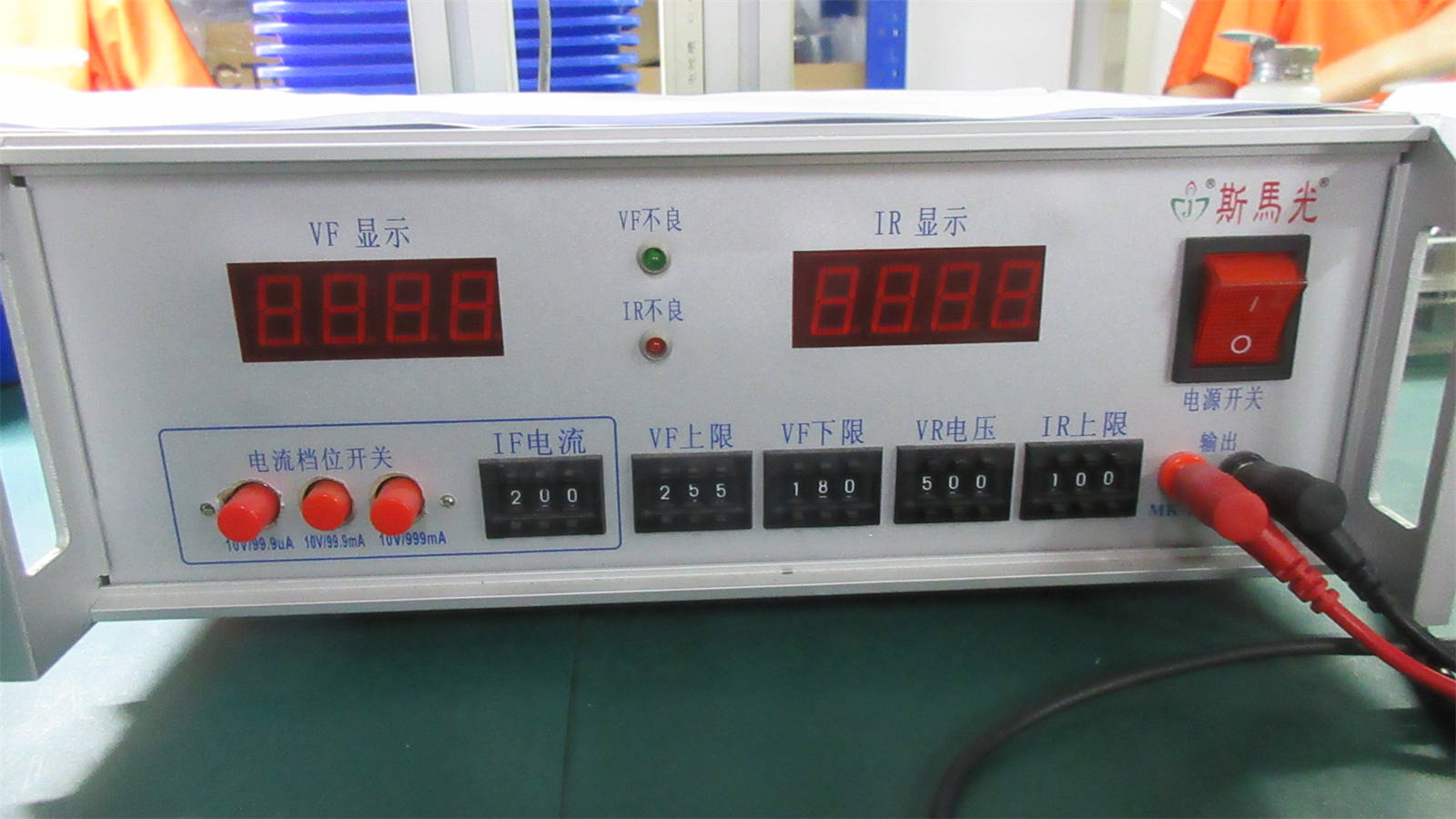

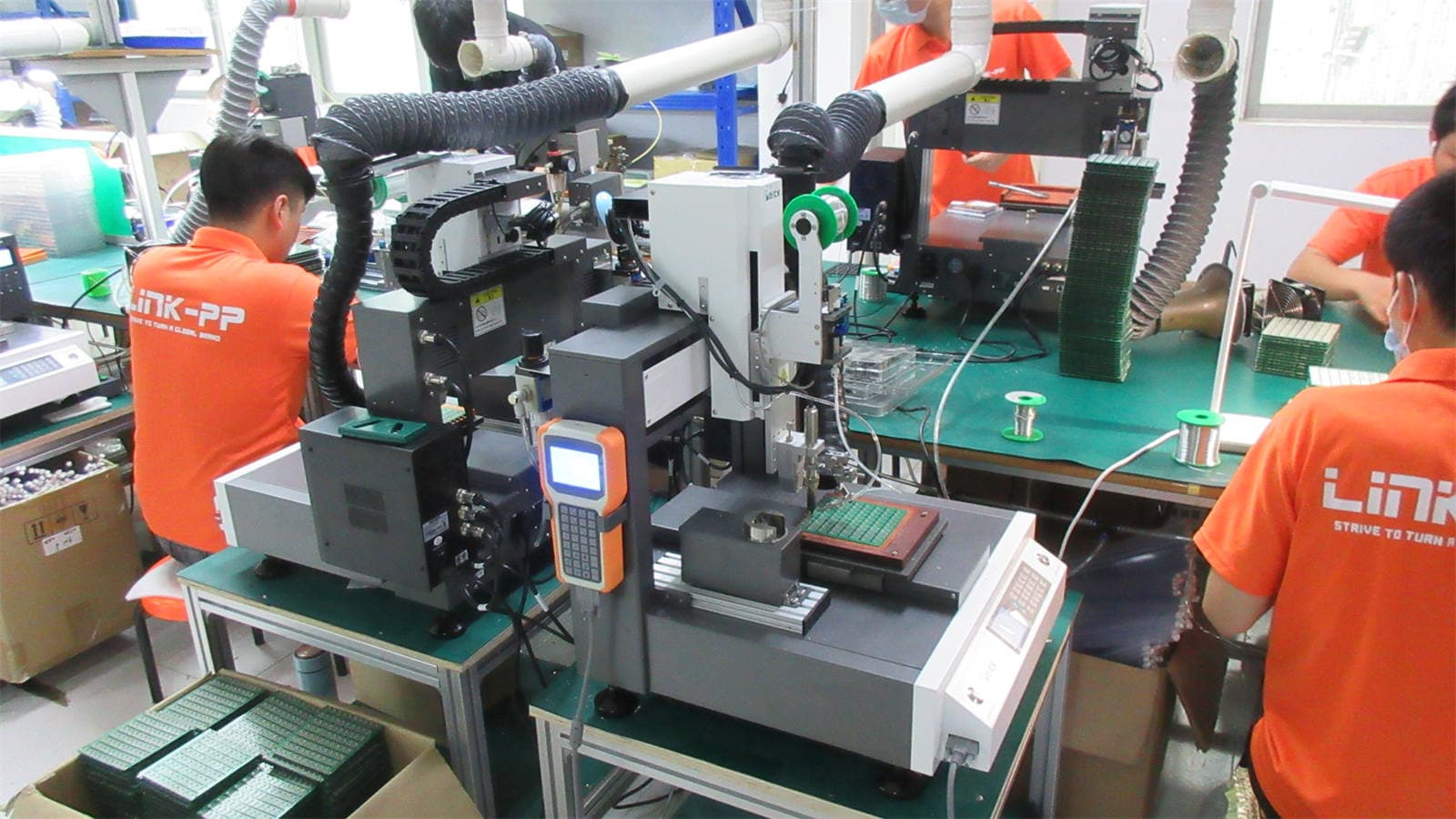
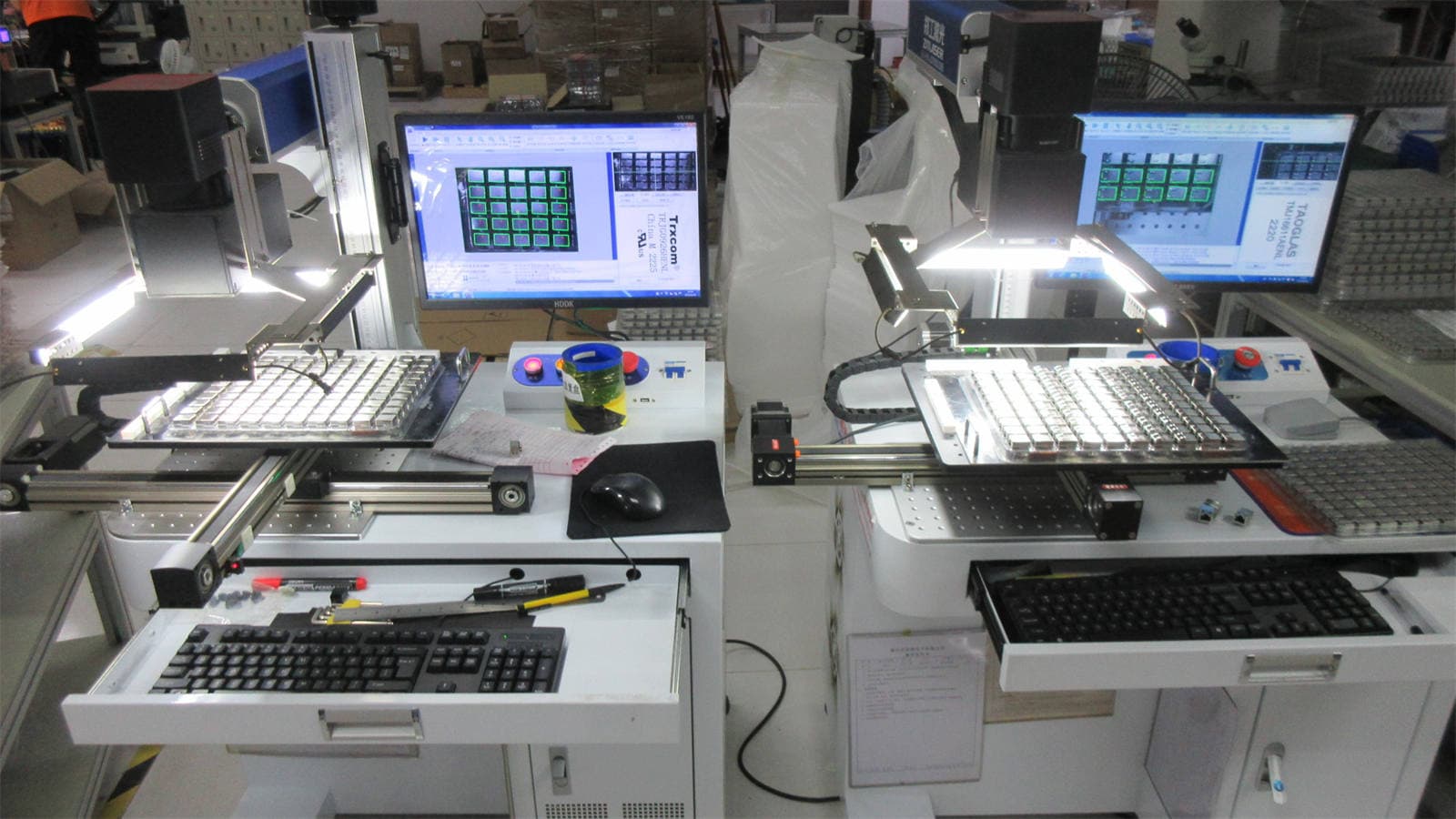
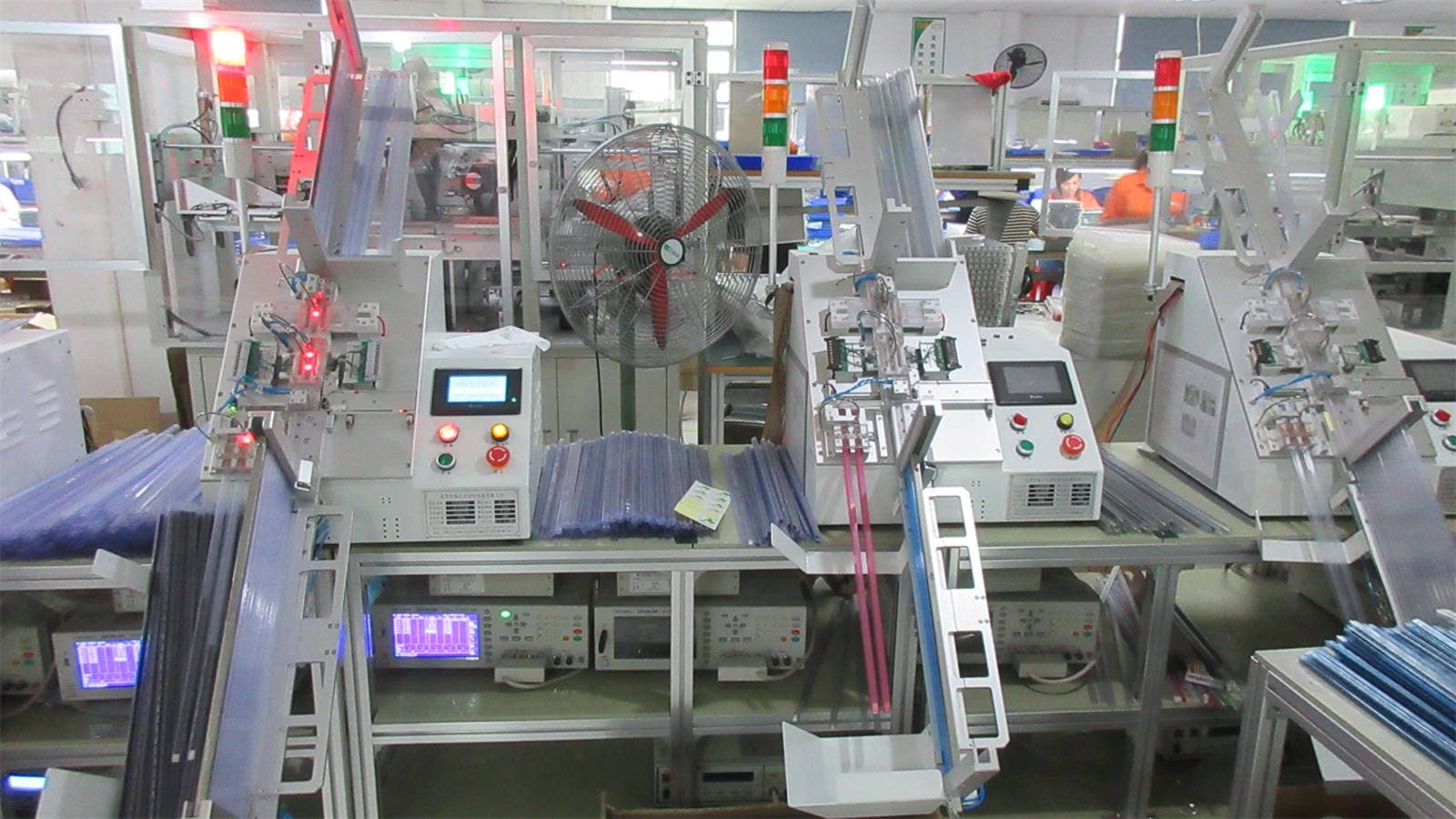
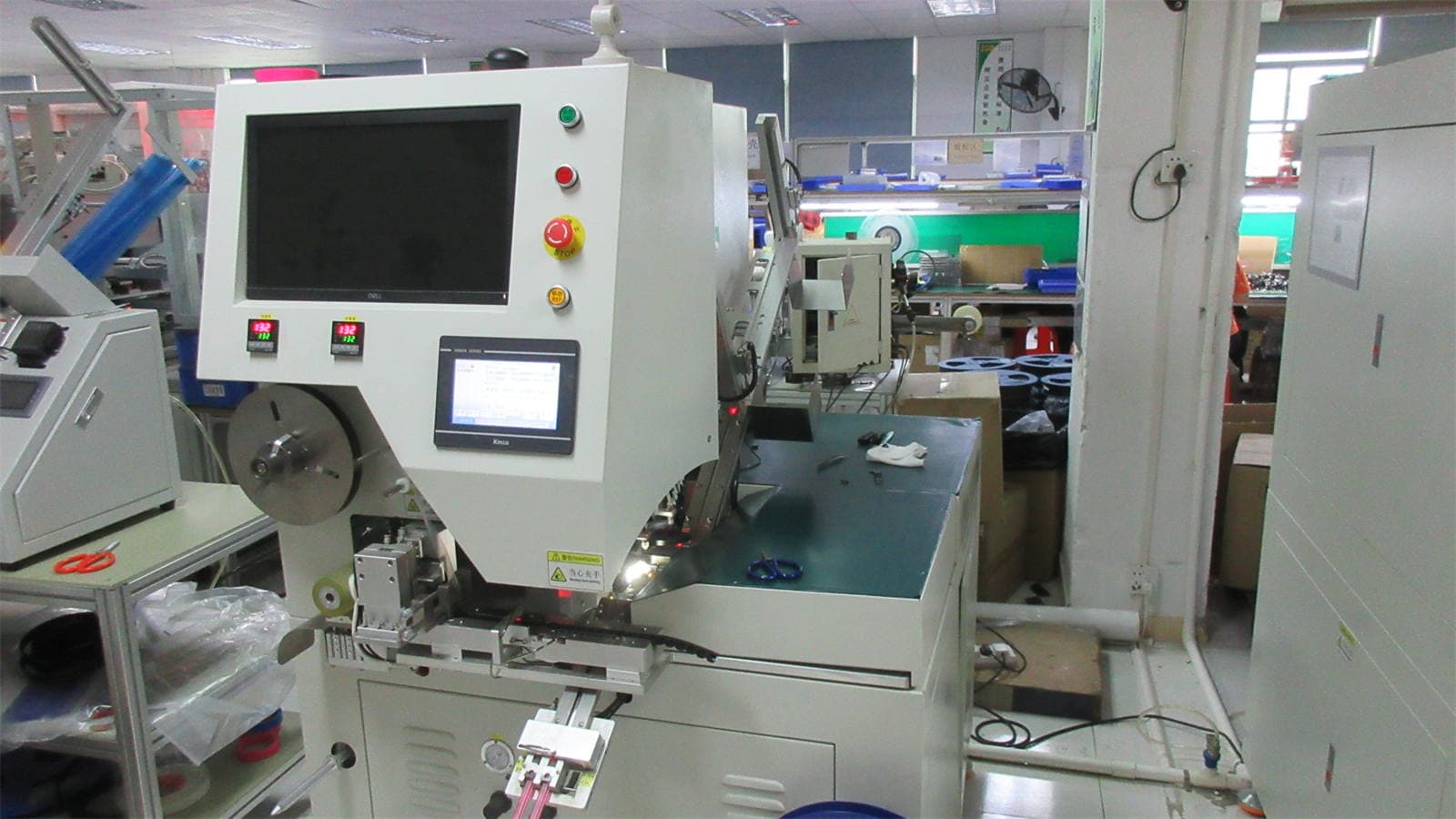
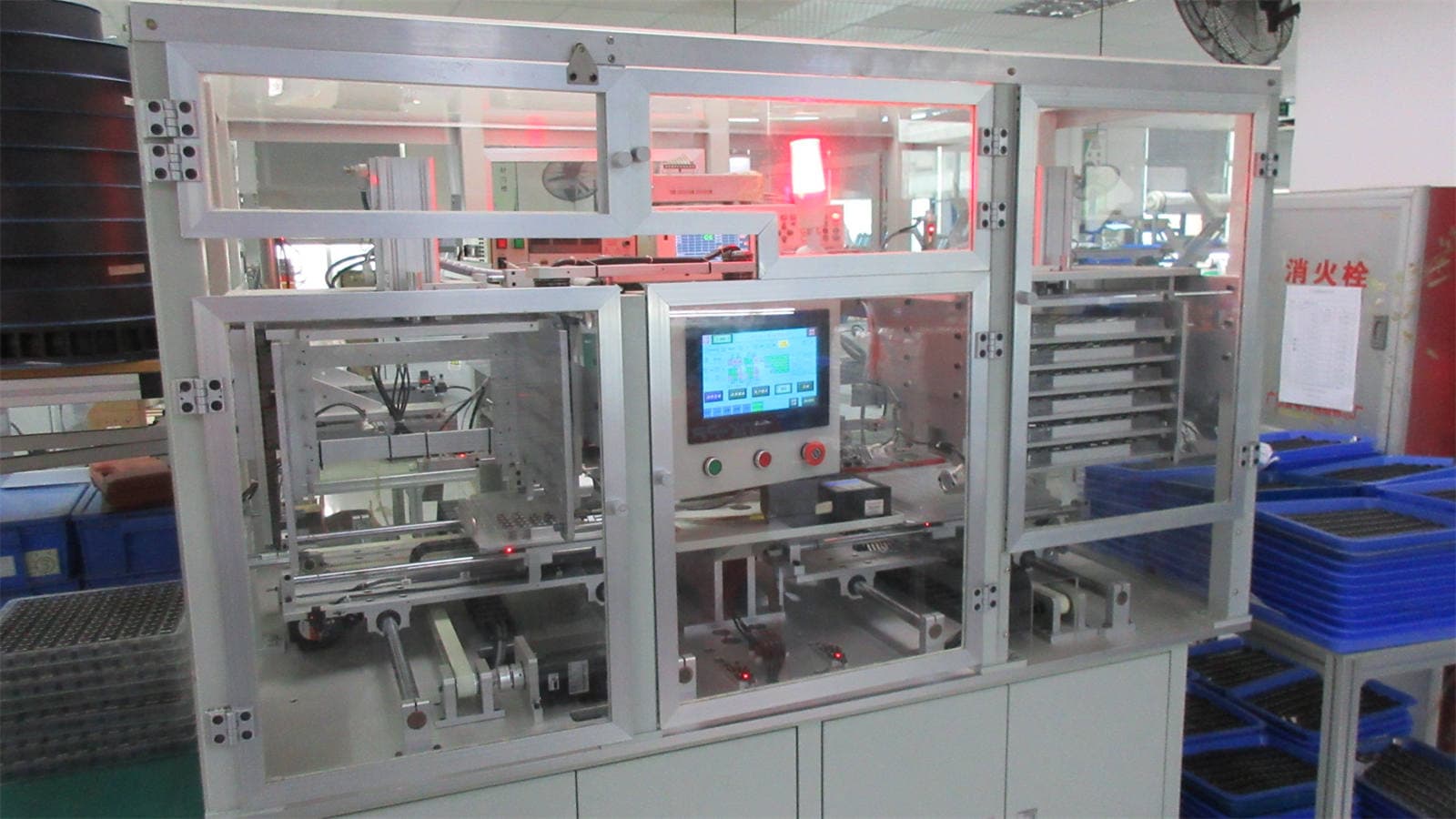


Every batch of 1.25G SFPs undergoes strict testing on original destination hardware. We write customized EEPROM signatures for full compliance with systems from Cisco, Juniper, HP, Huawei, Arista, and other leading brands. Our testing process is rigorous, and each module must meet performance benchmarks before it is approved for packing.

International buyers often face a dilemma: Should they upgrade their entire network to 10G SFP+ or retain their current 1G SFP infrastructures? For many enterprise LAN, security surveillance, and industrial edge installations, upgrading is unnecessary and costly. A 1.25G optical link provides sufficient bandwidth for voice, low-latency control data, and standard IP video streams while consuming less power and requiring less expensive routing hardware.
The longevity of the 1.25G SFP module lies in its balance of performance, power, and cost. In regions like North America, Europe, and Latin America, network administrators continue to deploy 1.25G SFPs for local loops and distributed networks.
As a dedicated exporter, Lumopt customizes transceivers to match specific client needs. We can adjust laser transmission levels, adjust receiver sensitivities, and modify firmware signatures to bypass strict vendor locks on proprietary switches. This flexibility makes Lumopt a reliable partner for system integrators, distributors, and bulk purchasers globally.
Different network topographies require specific transceiver configurations. Understanding these variations helps ensure the selected transceiver operates reliably over its service life.
For industrial automation, our ruggedized transceivers operate across an extended temperature range (-40°C to 85°C). This allows them to handle the high temperatures of traffic management cabinets, substations, and outdoor field nodes.
As technologies transition toward 100G, 400G, and even 1.6T, legacy systems continue to co-exist with high-speed options. A complete network overhaul is often unnecessary; a hybrid model that uses 1.25G SFPs for edge devices and high-speed links for core routing is often more practical.
Lumopt is committed to sustaining production lines for legacy optical transceivers. We continue to invest in improving 1.25G production efficiency and reducing the optical components' power footprint. We aim to help global networks remain reliable and cost-effective as they scale.
Answers to technical and commercial questions about 1.25G SFP transceivers.
Engineered for extended networks and specialized applications, with configurations spanning 40km up to 160km.