Lumopt
Lumopt
Lumopt
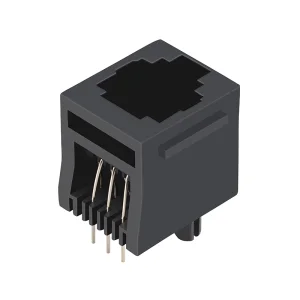
Explore our industry-standard RJ11 series engineered for minimal insertion loss, excellent EMI shielding, and rugged physical environments.
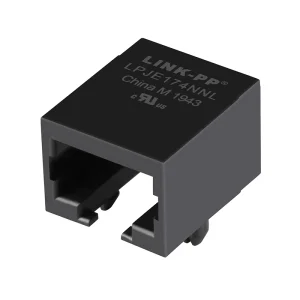
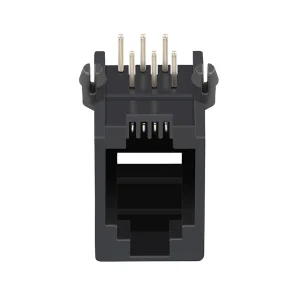
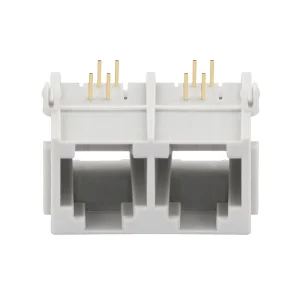
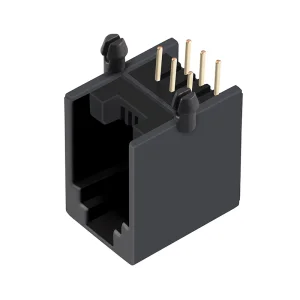
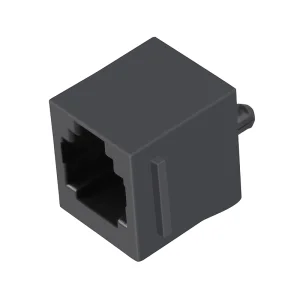
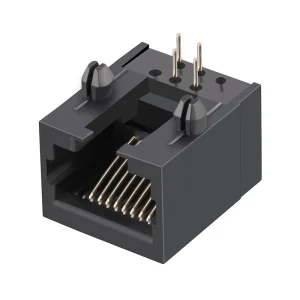
Deep dive into physical specifications, structural integrity, and global trends driving procurement decision-makers.
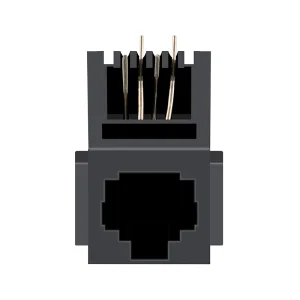
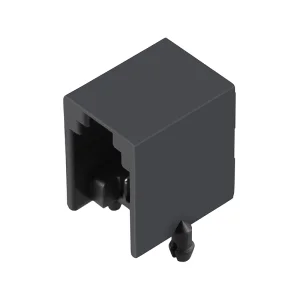
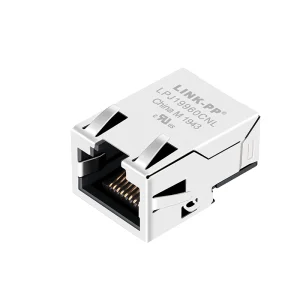
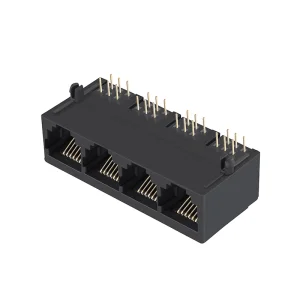
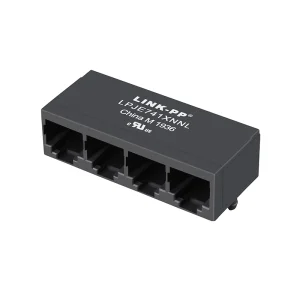
The Registered Jack-11 (RJ11) physical interface, despite being one of the longest-standing connection configurations in standard telephony, has transitioned into a specialized, high-reliability component crucial for modern telecommunication and commercial hardware architectures. Often categorized under the umbrella of registered modular connectors, the RJ11 plug and receptacle feature a physical sizing characterized as a 6P4C (6 Positions, 4 Contacts) or a 6P2C wiring matrix. As global telecom infrastructures scale, understanding the structural and chemical tolerances of RJ11 connectors from experienced manufacturers becomes essential for system integrators, design engineers, and global procurement departments.
A common friction point in global electronic component sourcing is the classification overlap among RJ11, RJ12, and RJ14 connectors. While all three share the exact physical size profile of a 6-position modular plug, the configuration of the contacts determines their categorization and application scope:
For B2B buyers working with factories, aligning on these distinctions avoids production delays. At Lumopt Opto Technology (Luguang Communication Technology), we supply modular connectors across all position/contact matrix parameters, with customizable pinouts (through-hole DIP, surface mount, vertical entry, and low-profile tab-up/tab-down) to suit varied circuit board architecture requirements.
Evaluating materials, structural design, and electrical reliability to optimize the lifetime value of your systems.
When engineering high-reliability networking hardware, engineers must account for environmental stressors that compromise contact performance. RJ11 connectors serve as critical connection interfaces in devices designed for decades-long operational lifespans, such as utility smart meters, DSL gateways, VoIP equipment, and security alarm hubs. Below are the key engineering specifications that professional buyers demand:
The thickness of the gold plating on the contact pins dictates the connector's mating cycles and resistance to atmospheric oxidation. Factories scale plating thickness from flash gold (3u") to 50u". For residential appliances, 3u" to 15u" is sufficient; however, industrial controls, telecommunications cabinets, and smart meters situated in harsh coastal or high-humidity environments require 30u" to 50u" gold plating to prevent contact corrosion over time.
In Wave Soldering or Reflow Soldering assembly lines, the plastic housing must withstand high thermal thresholds. Standard PBT (Polybutylene Terephthalate) supports standard DIP wave soldering. For advanced SMT (Surface Mount Technology) processes where temperatures exceed 260°C, LCP (Liquid Crystal Polymer) or High-Temperature Nylon (PA9T, PA46) are specified to prevent housing warping or melting.
To preserve data integrity in electromagnetically congested environments, shielded RJ11 connectors wrapped in nickel-plated copper alloys prevent EMI (Electromagnetic Interference) leakage. Integrated grounding tabs ensure that static and ambient charges disperse safely into the system's ground plane, safeguarding internal components.
How Lumopt Opto Technology integrates advanced automation to secure global component supplies.
Lumopt Opto Technology Co., Ltd., registered as Luguang Communication Technology Co., Ltd. in China, is an established industry pioneer and professional exporter of high-performance optical transceivers and modular network interfaces.
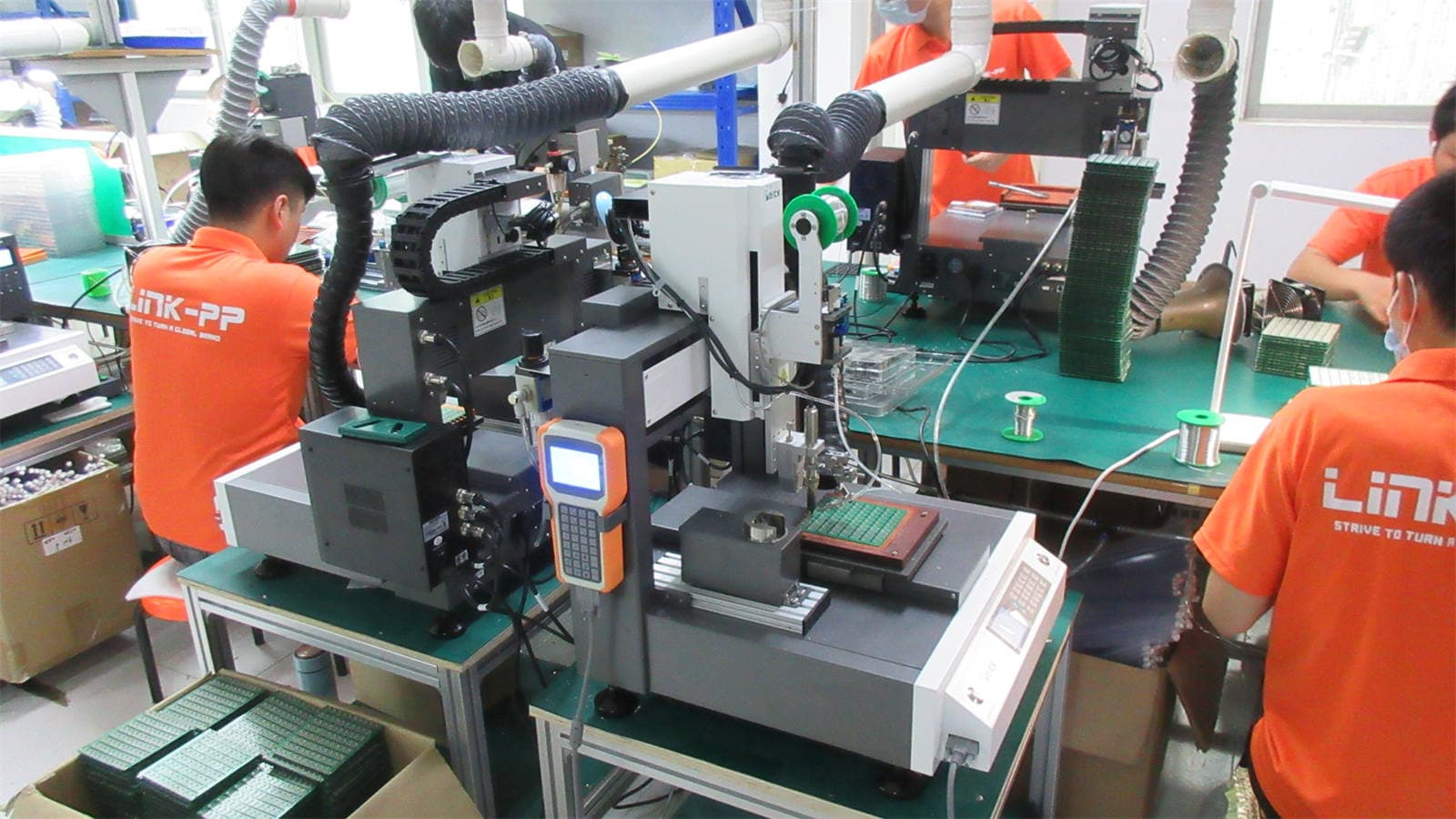
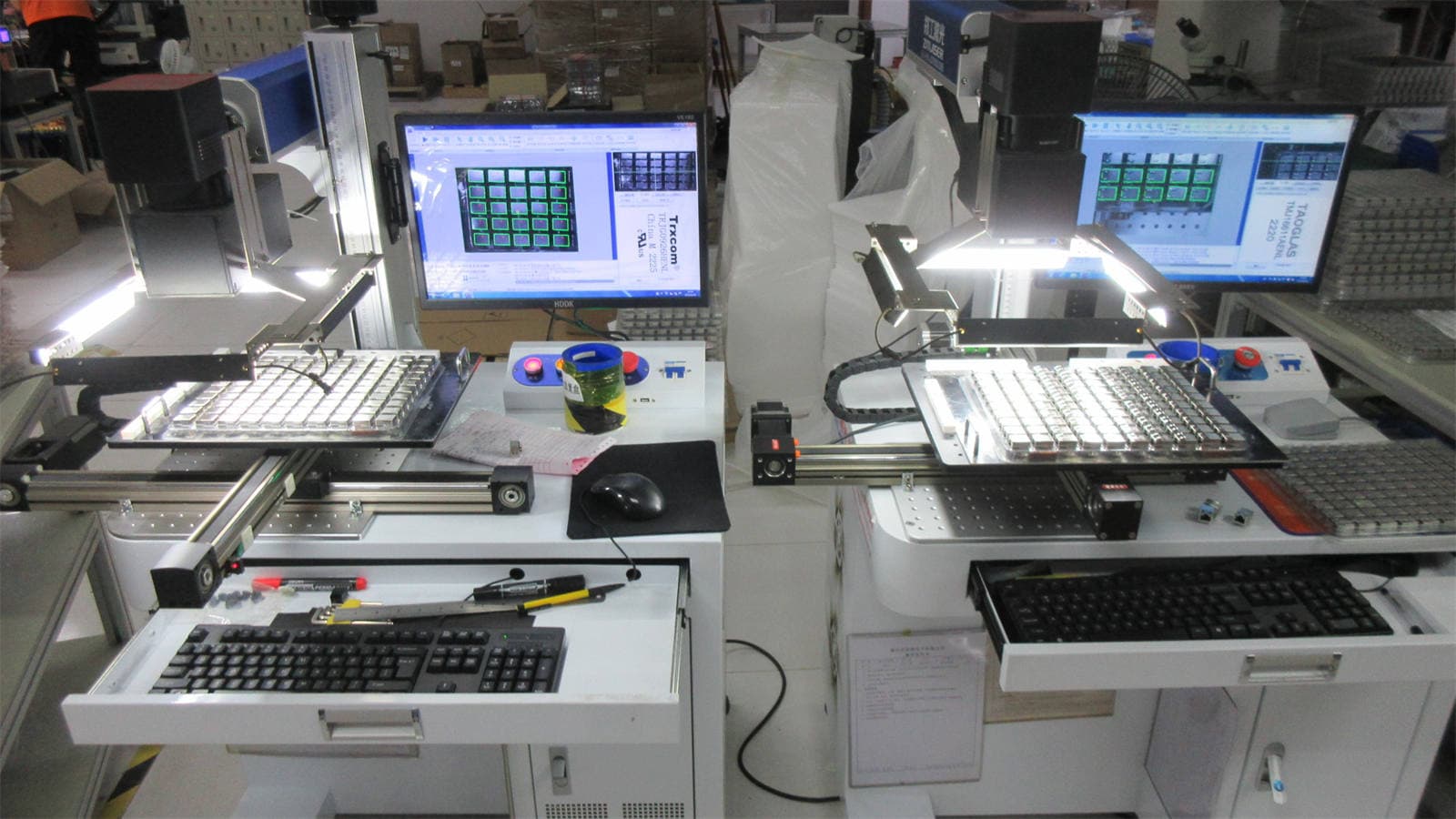
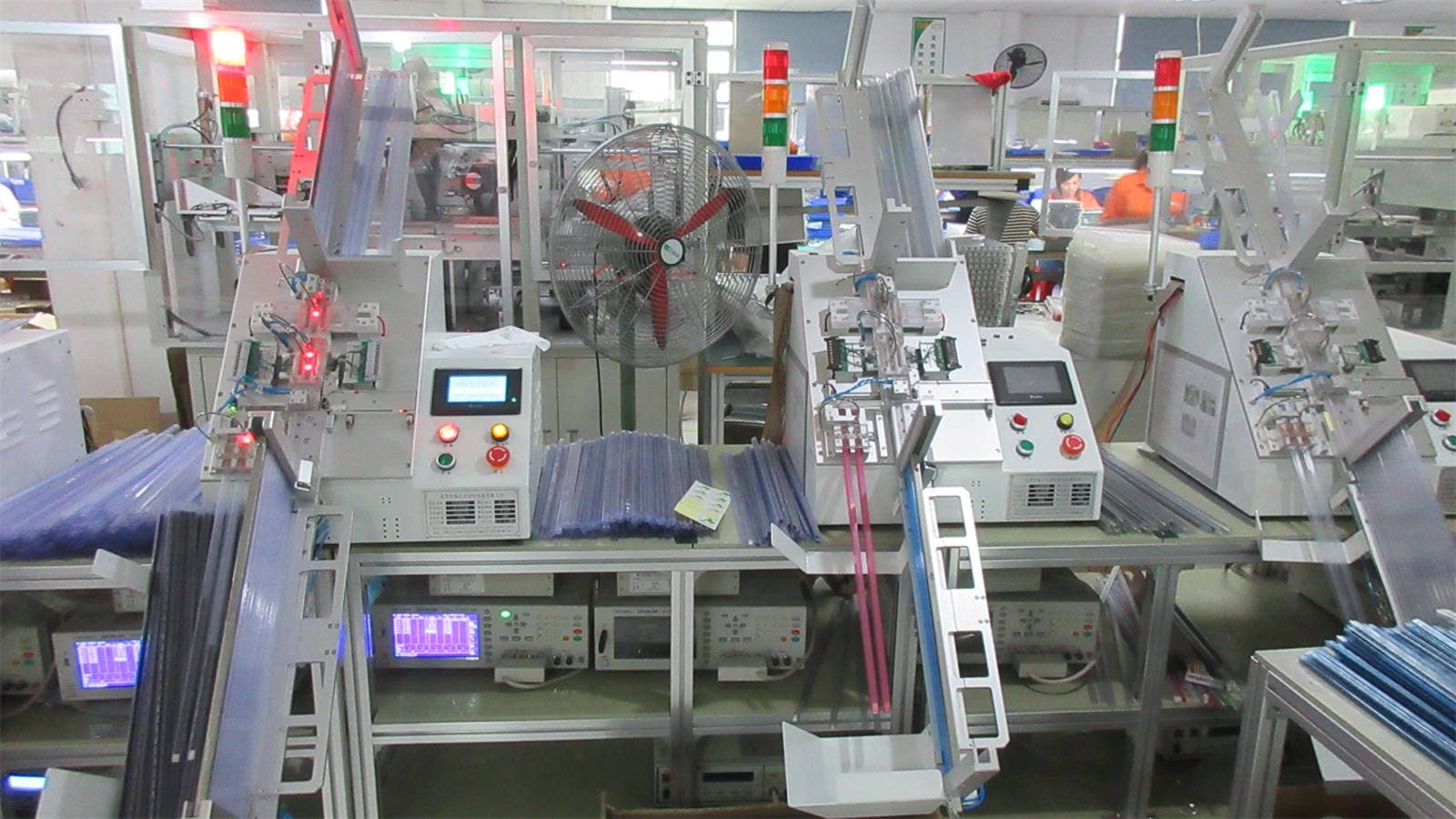
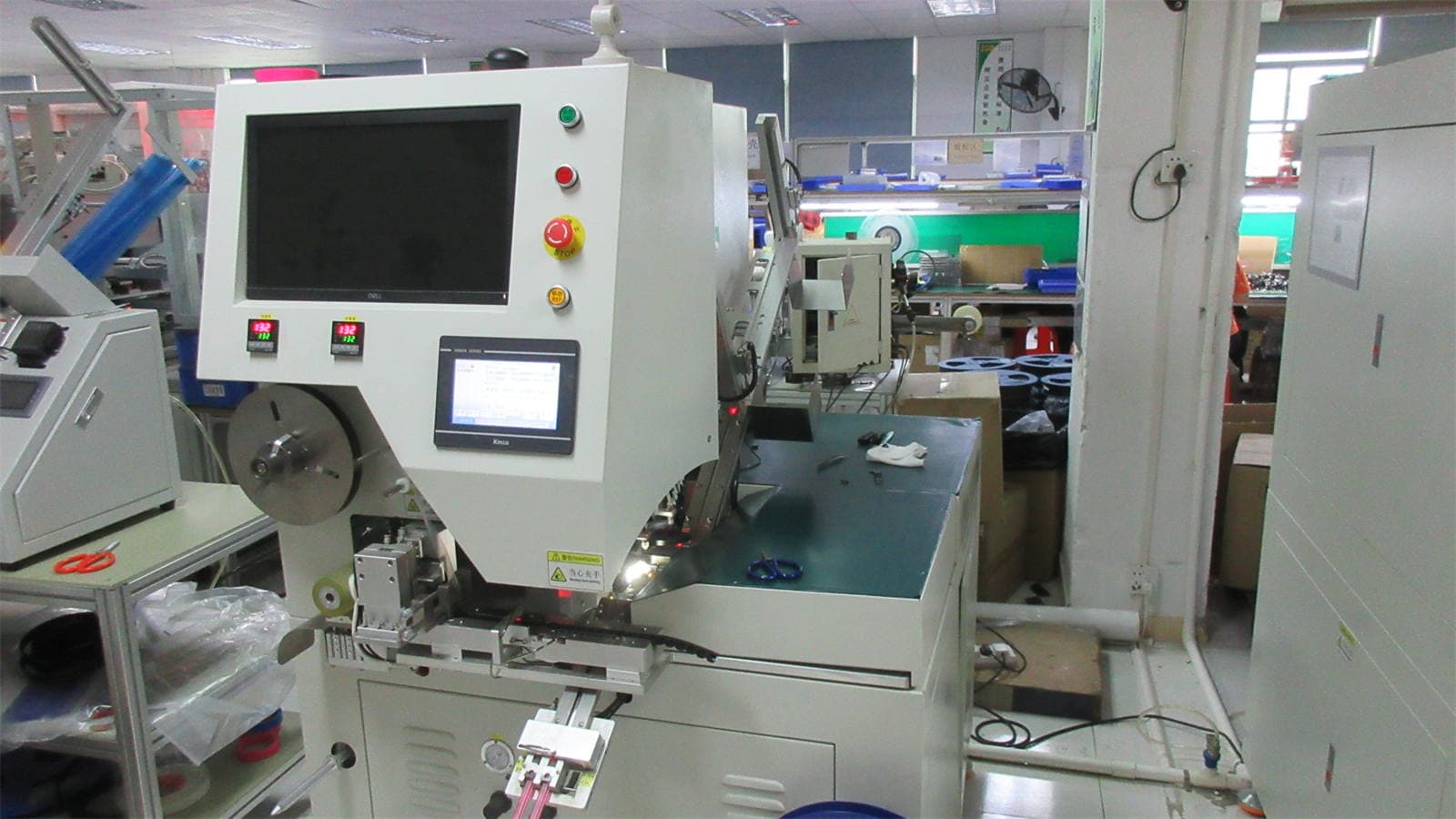
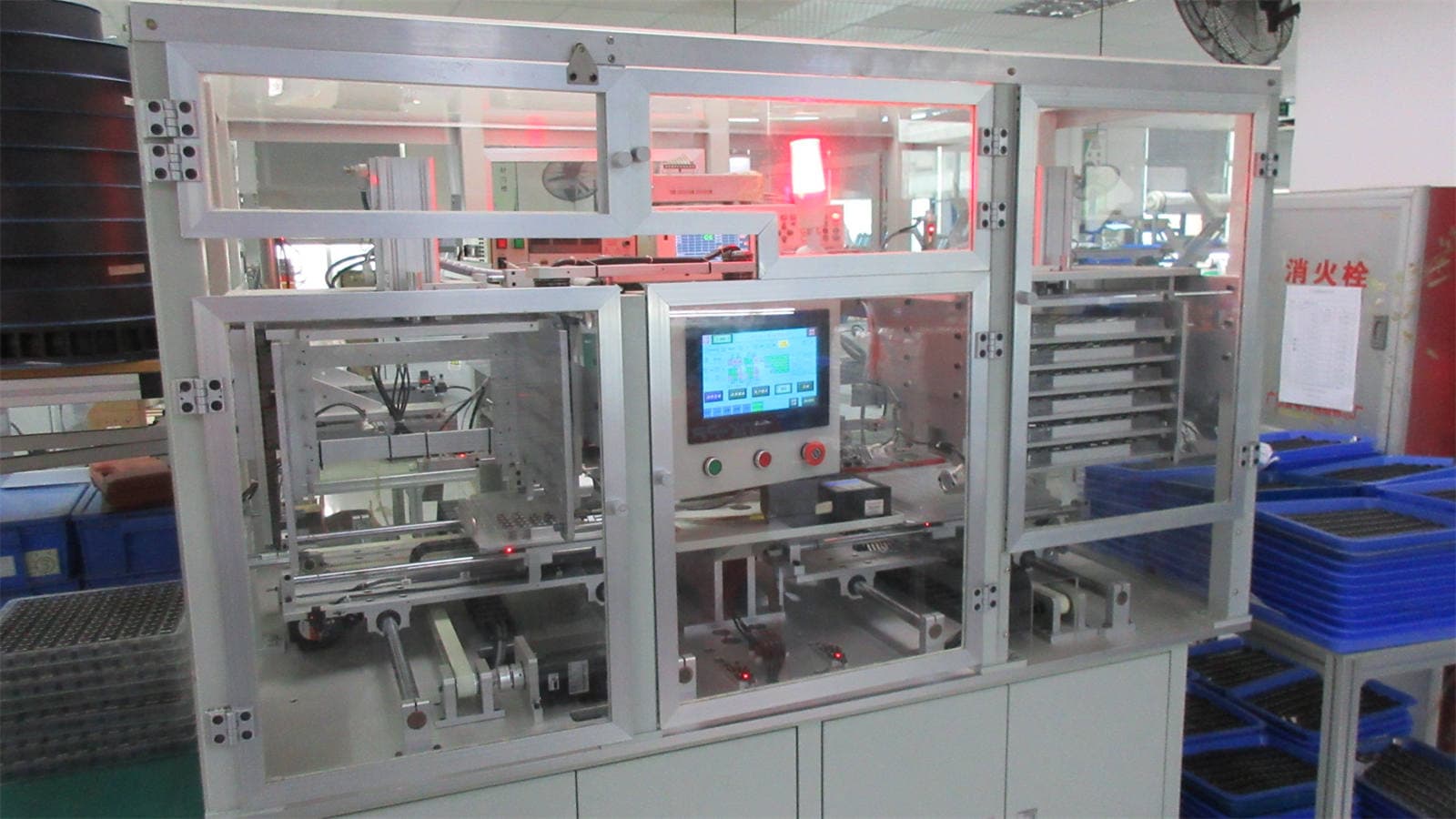
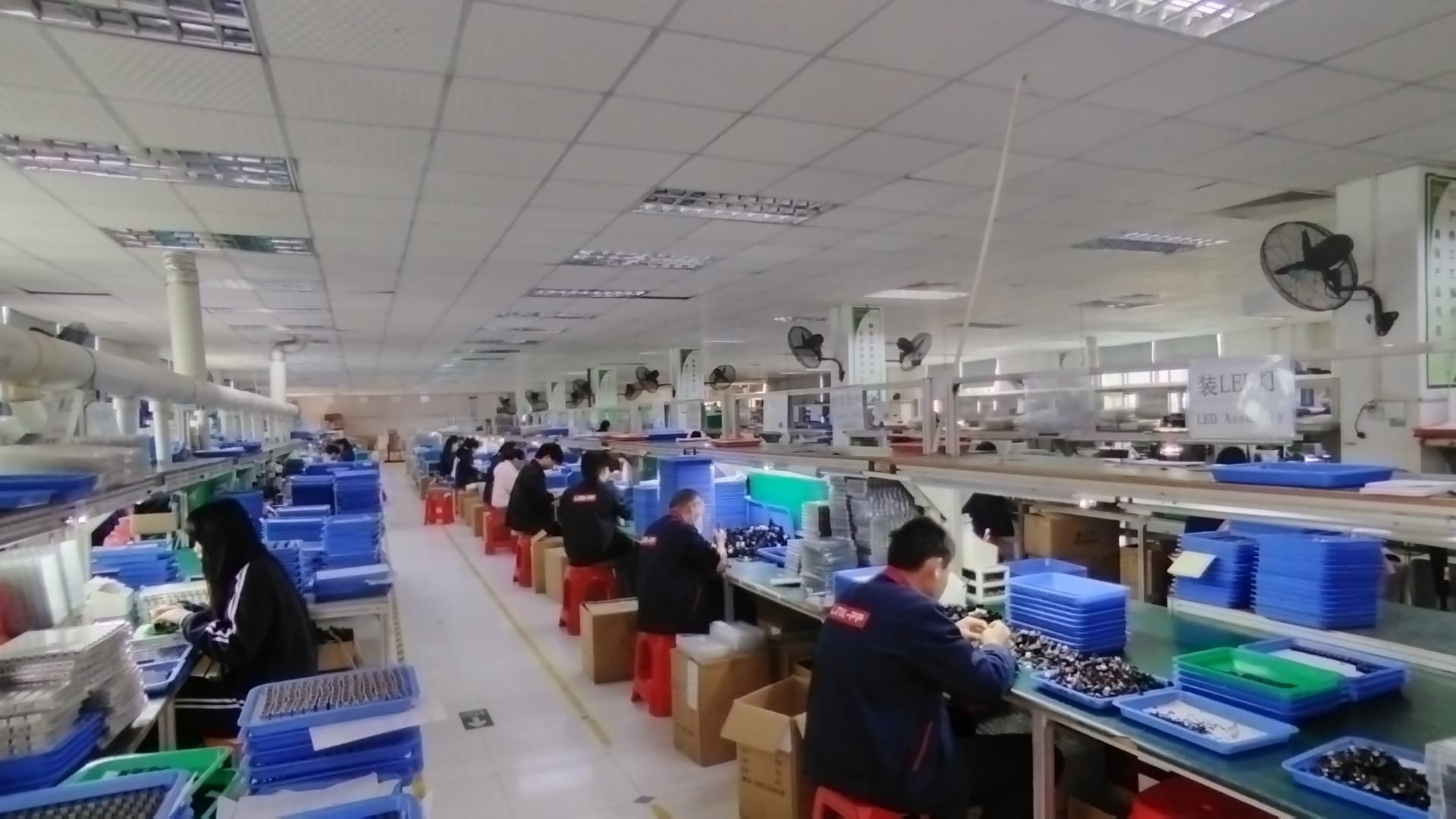
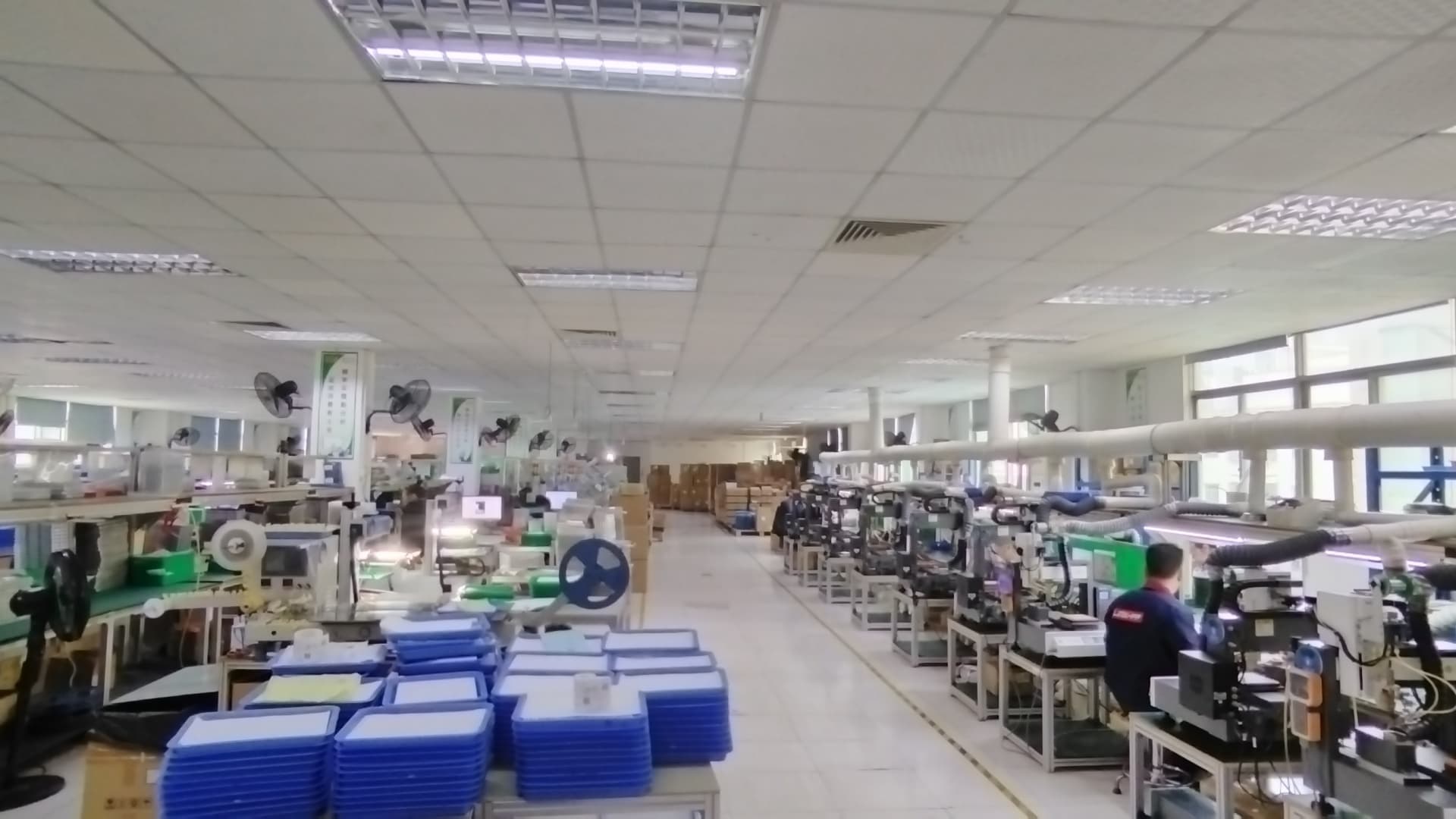
Our facility has transitioned to a fully integrated China Factory 4.0 model. By incorporating automated assembly lines, high-speed stamping, precision injection molds, and automated optical inspection systems (AOI), we address key challenges for global buyers: lead times, quality consistency, and cost optimization.
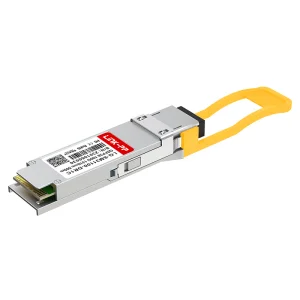
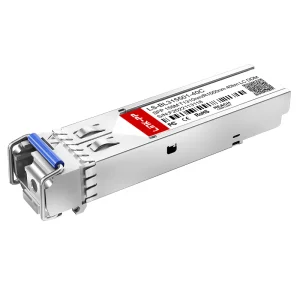
We supply full-series optical modules covering 10G, 25G, 100G, 400G, 800G, and 1.6T, alongside modular interfaces like RJ11 and RJ45, serving data centers, telecom networks, cloud computing clusters, and industrial control systems worldwide. This comprehensive production capability offers a single-source solution for global connectivity components.
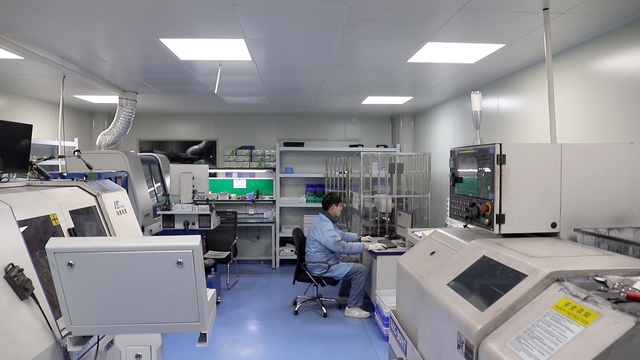

Our ISO9001-certified processes ensure component-level reliability across all production runs.
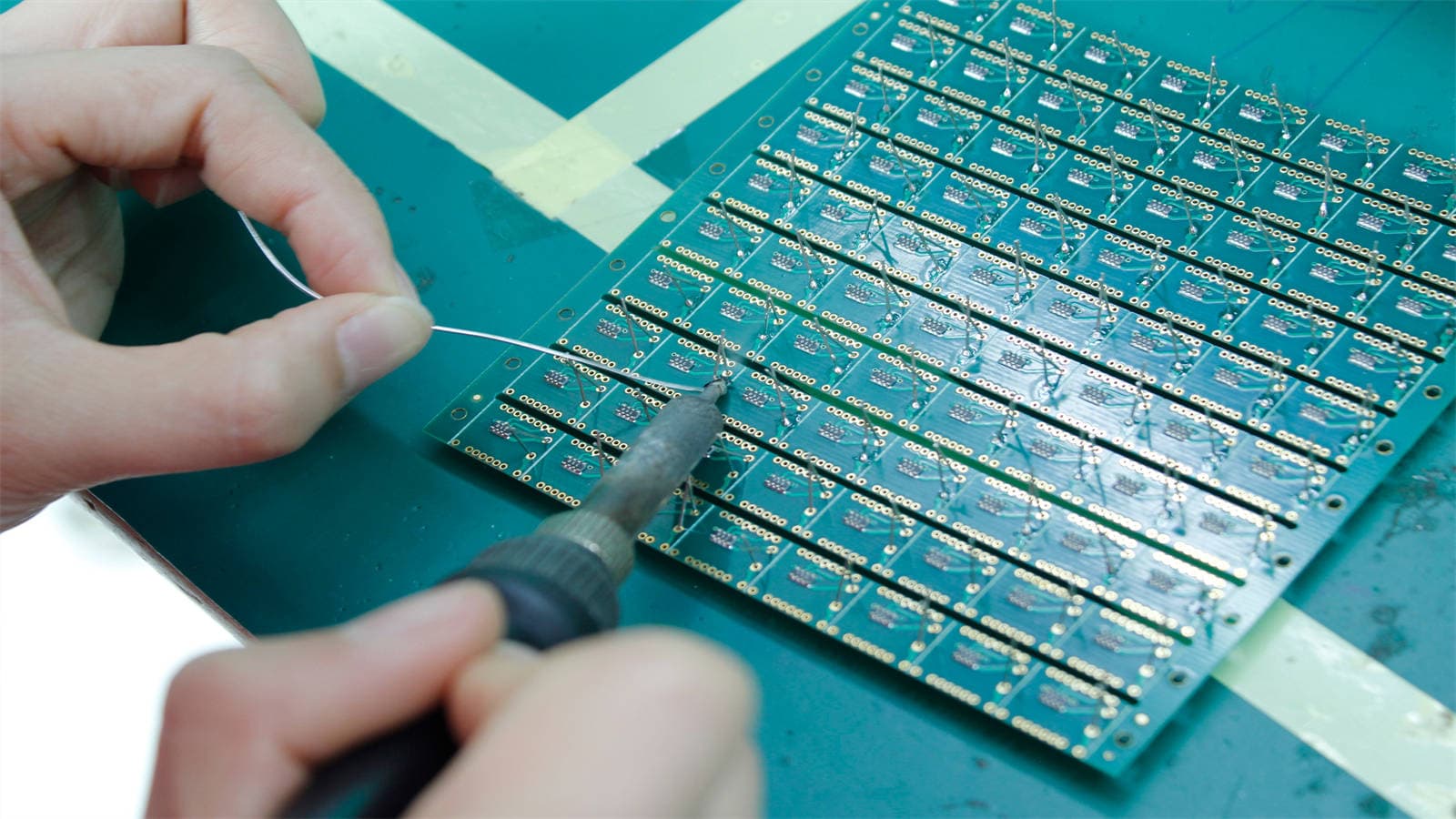
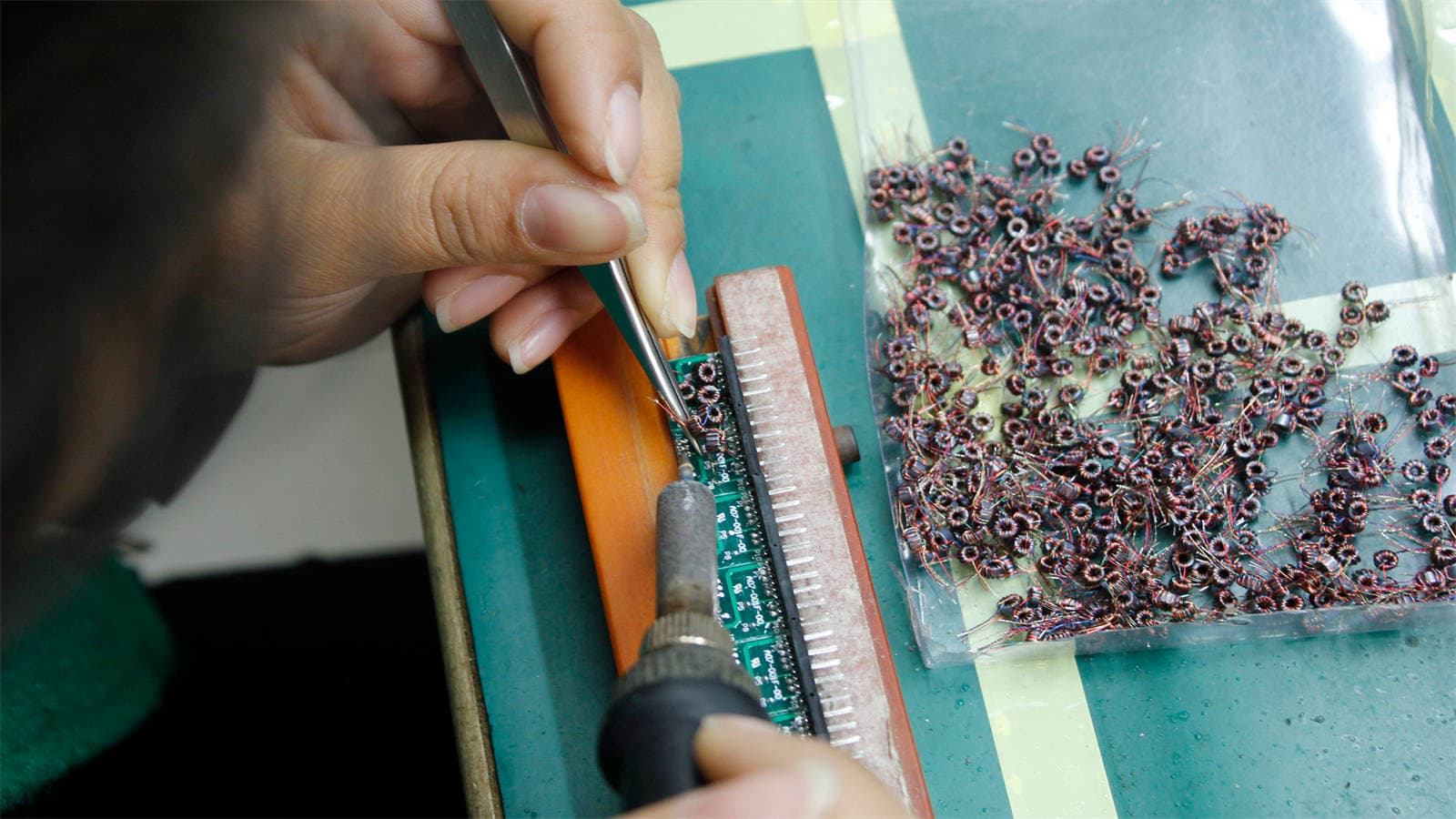
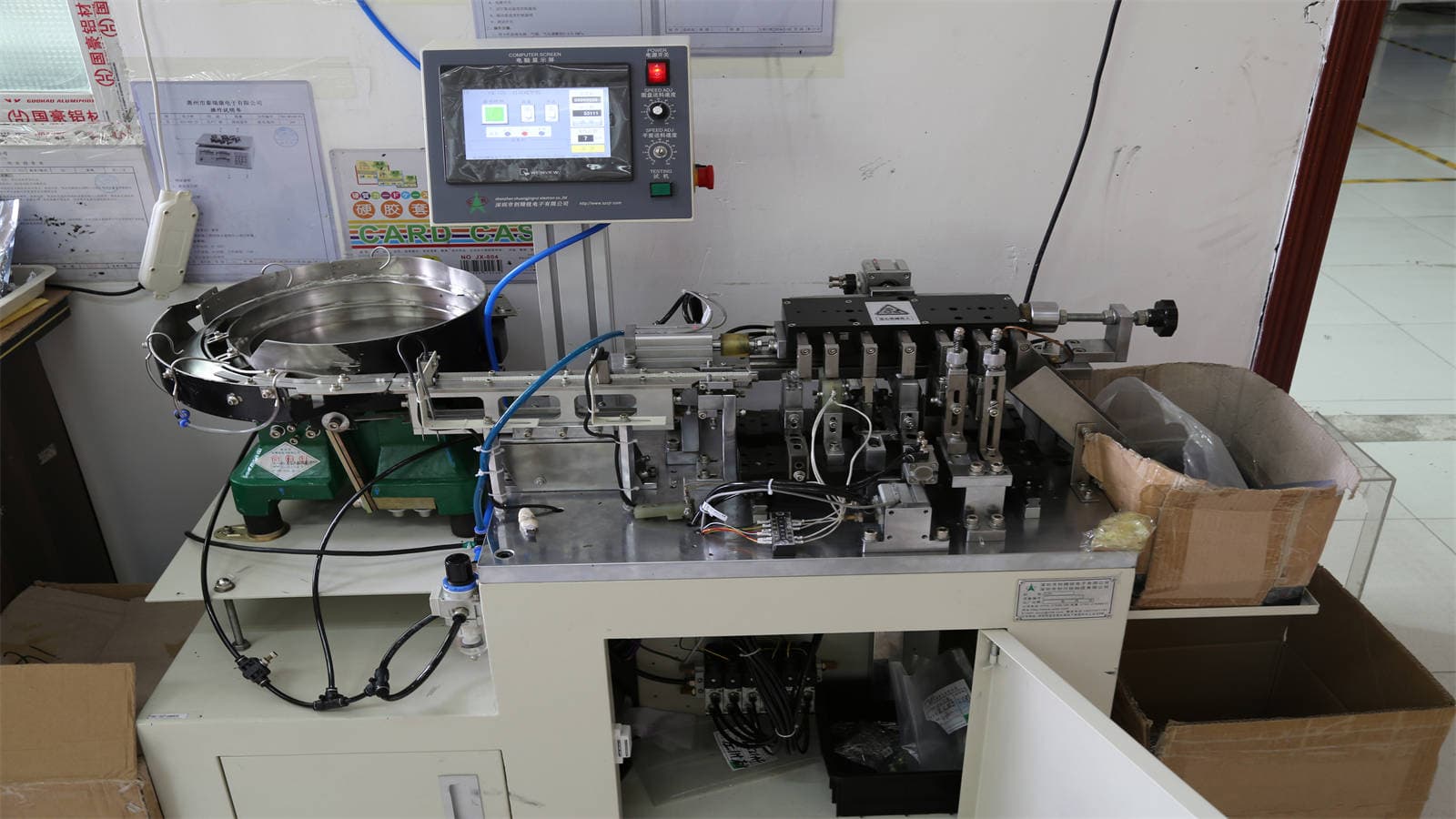
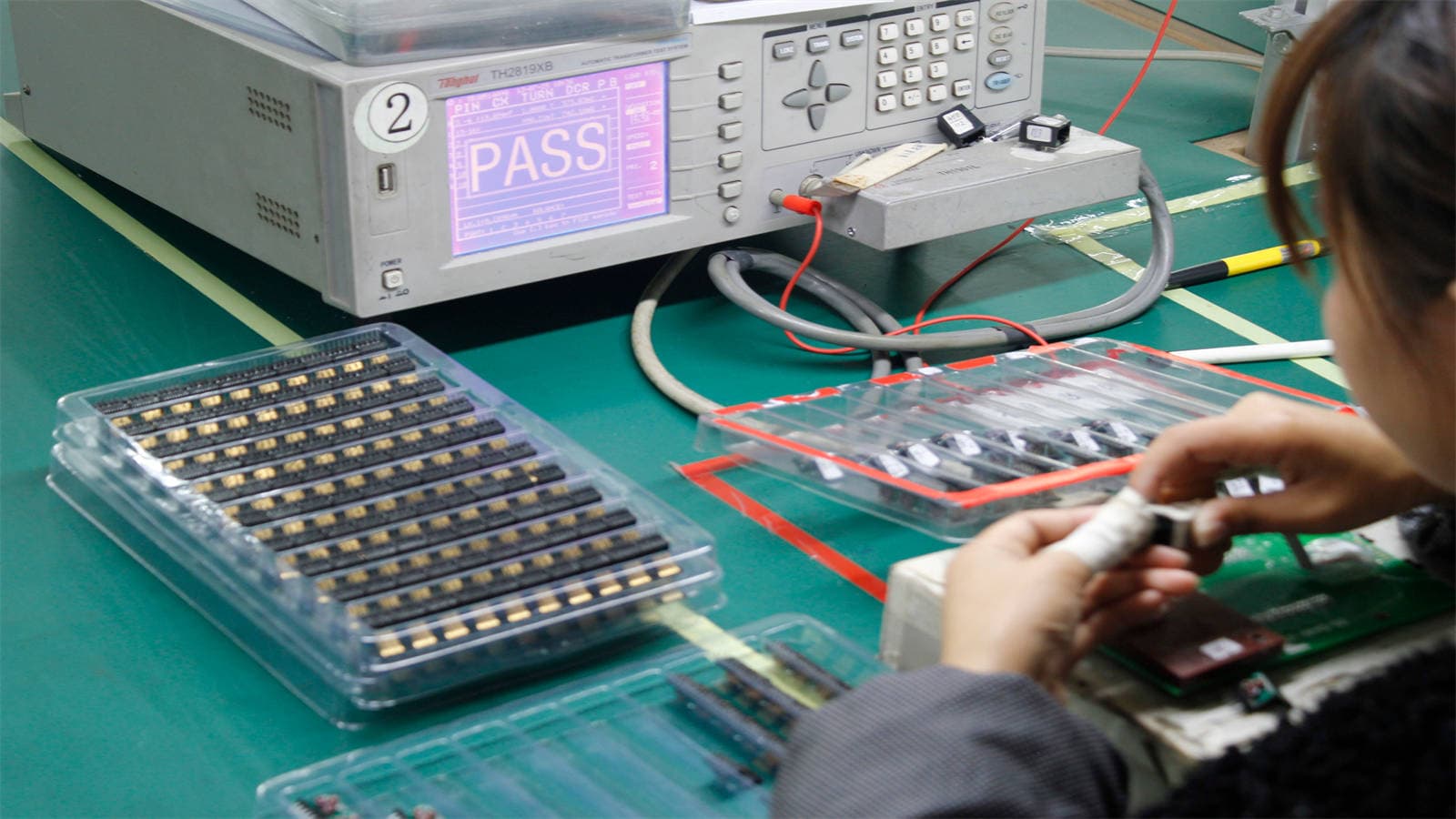
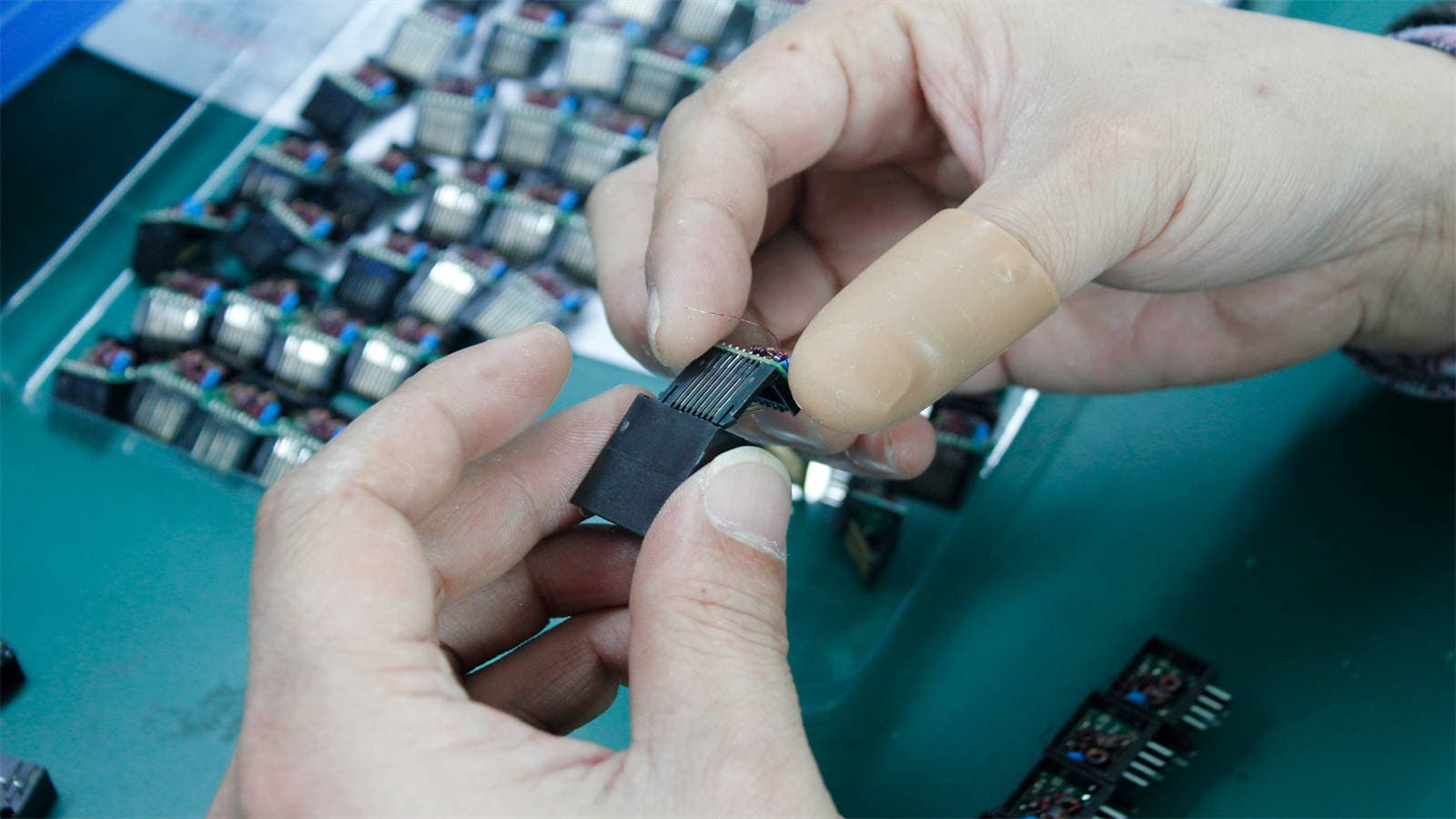
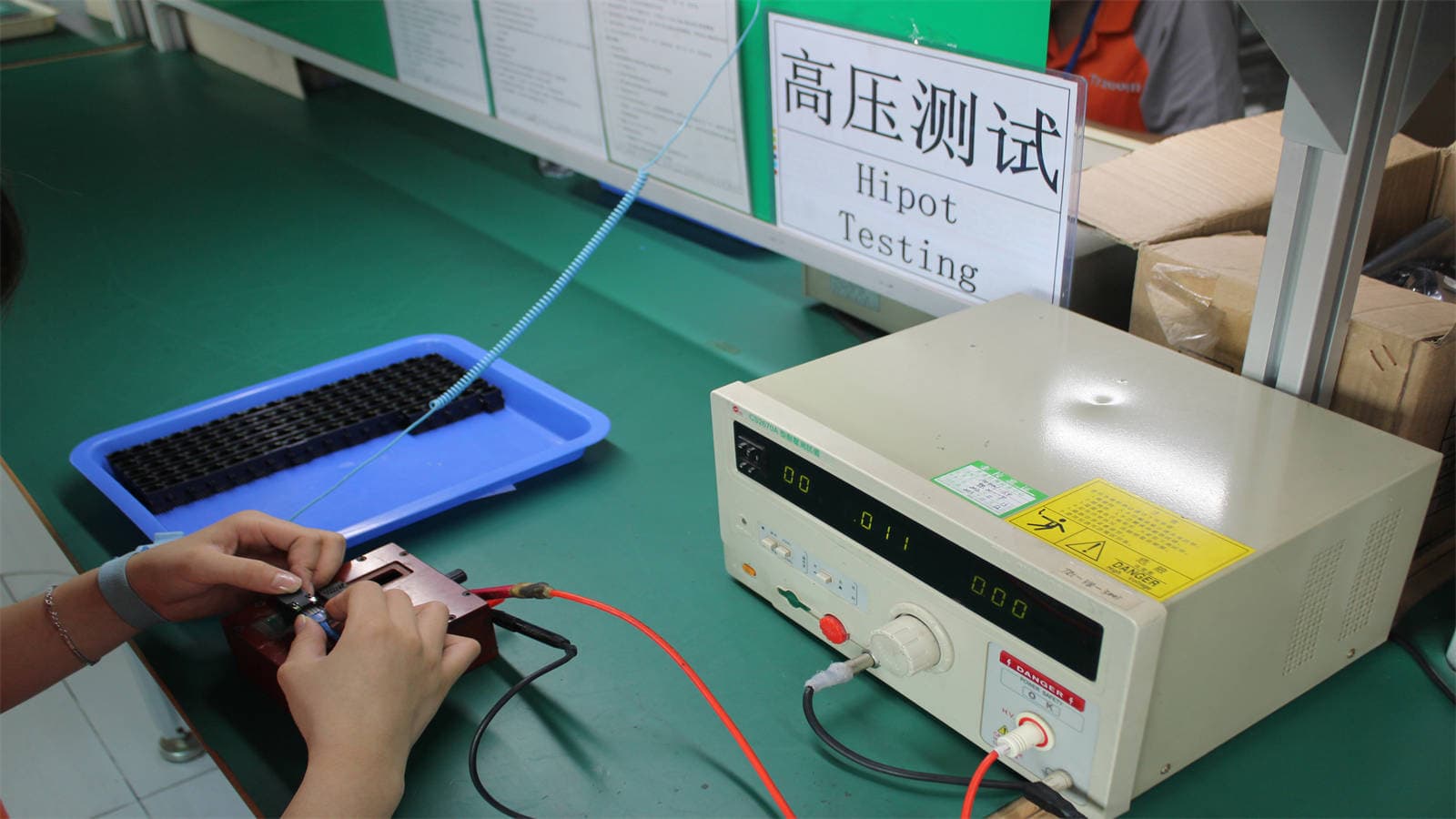
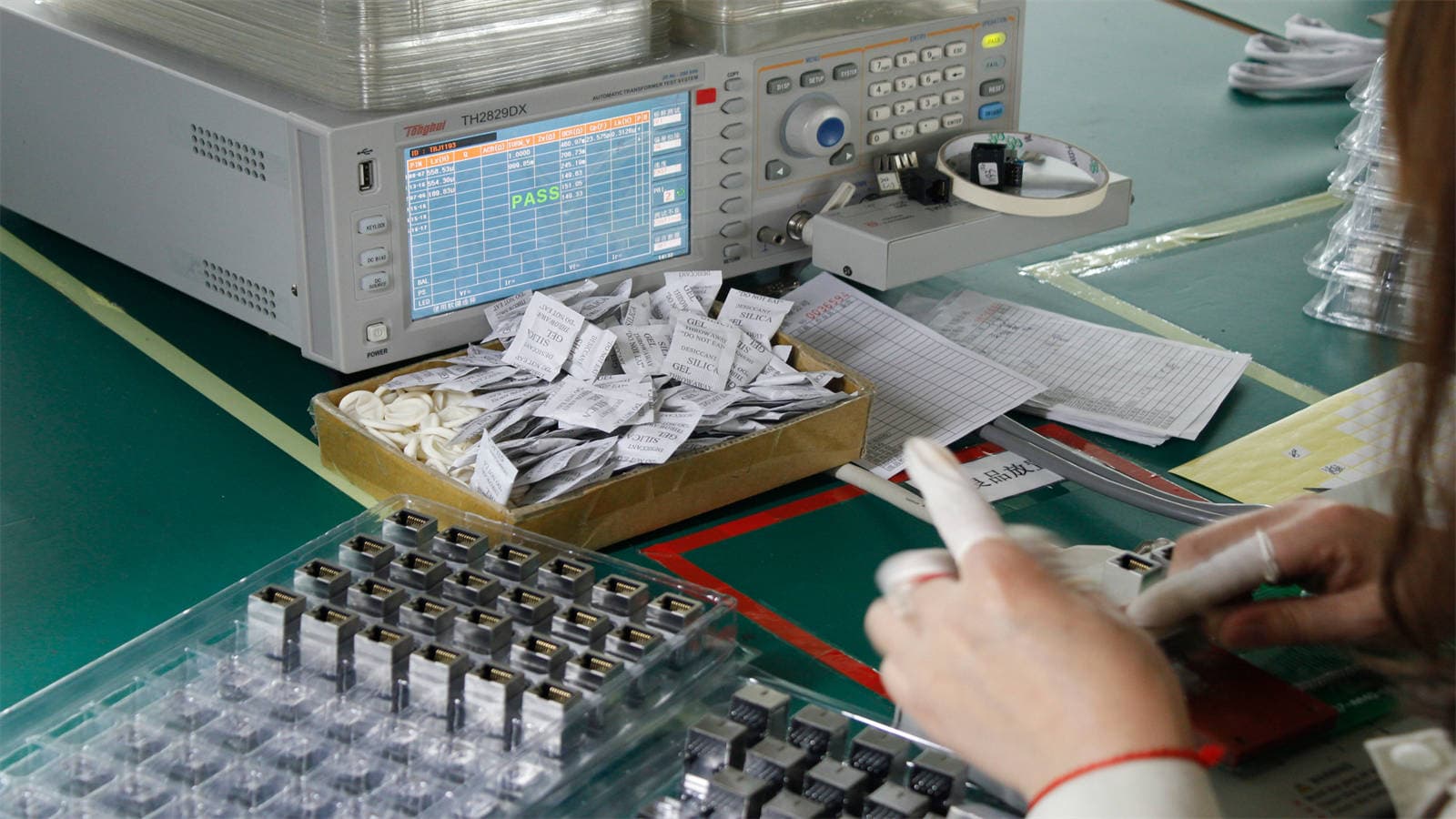
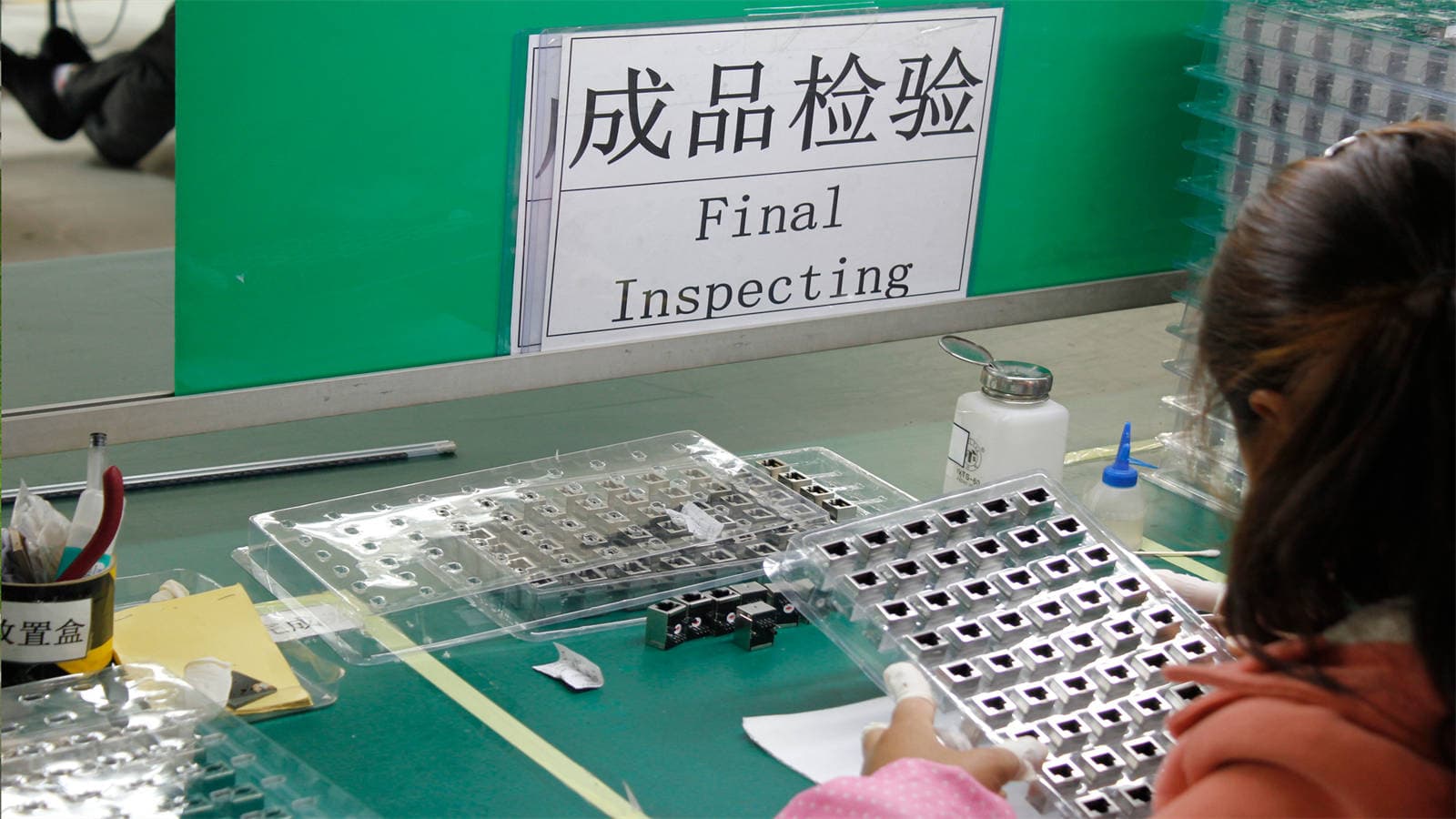

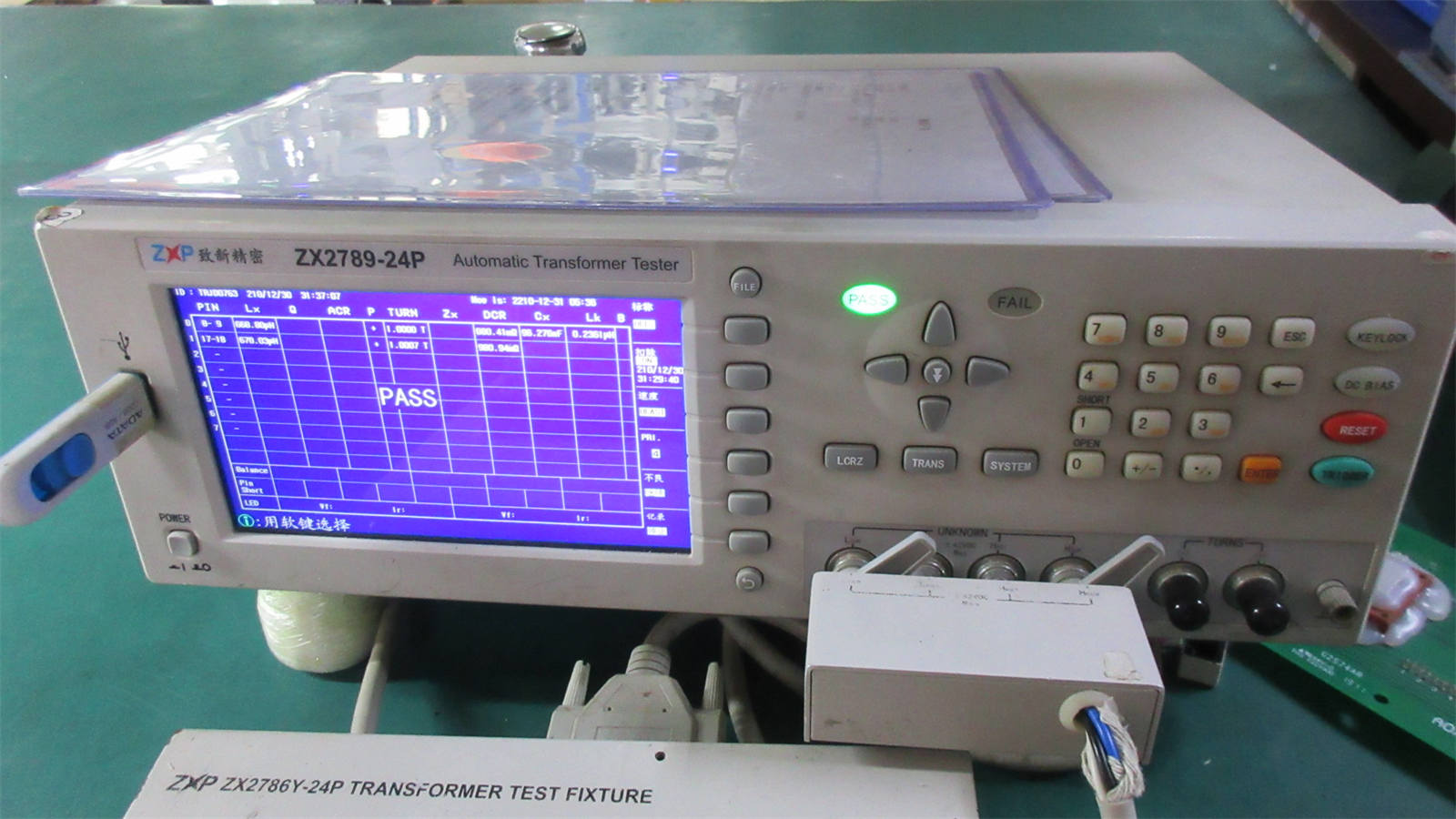
We inspect raw materials and test performance characteristics to maintain quality assurance standards.
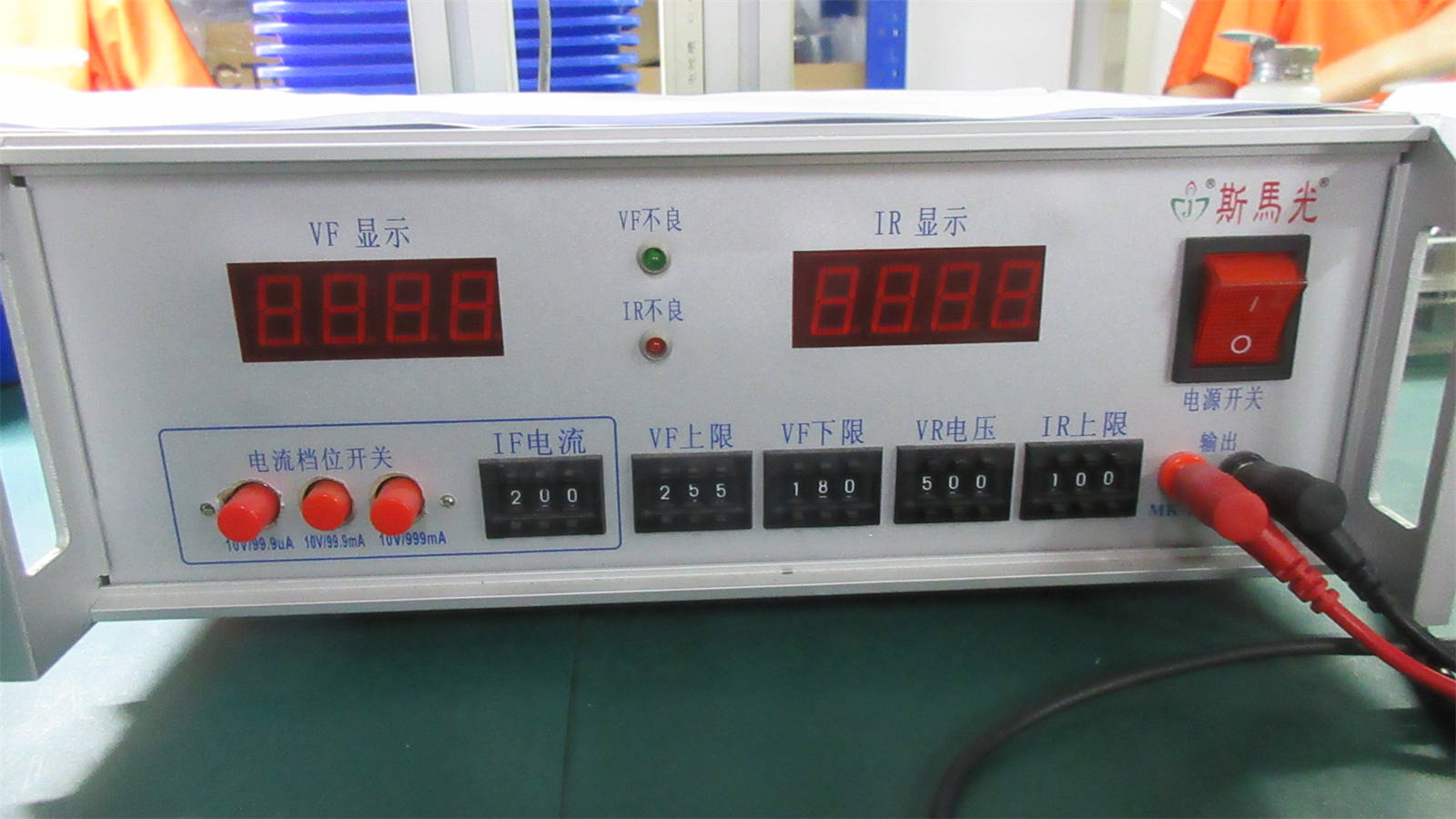
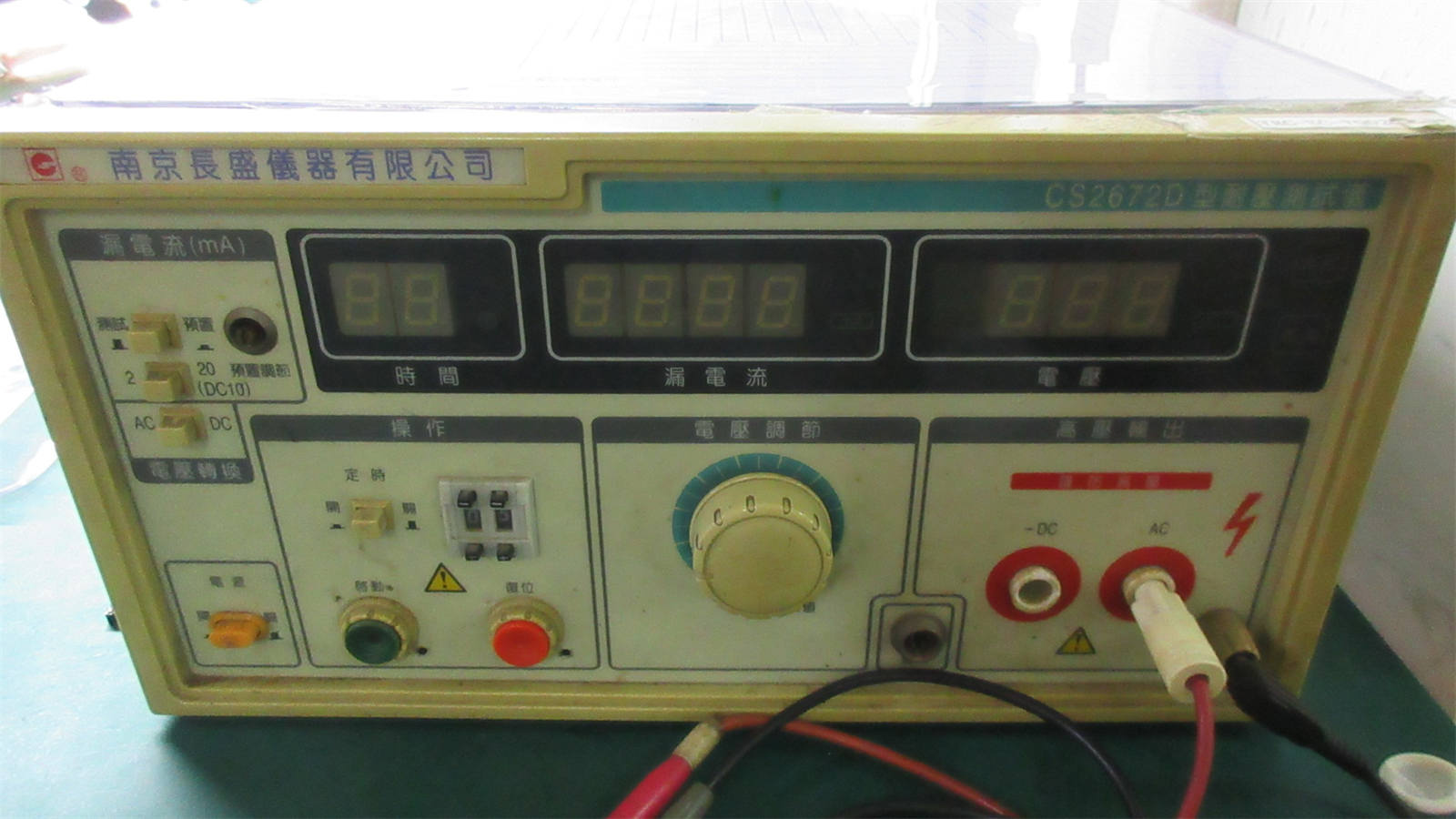
Analyzing how RJ11 fits into modern industrial topologies, from IoT systems to utility infrastructures.
While consumer voice networks continue to migrate toward digital and wireless standards, the mechanical design of the RJ11 interface remains a reliable link for specific high-performance B2B hardware deployments:
Technical answers to help buyers evaluate connector specifications and manufacturing tolerances.
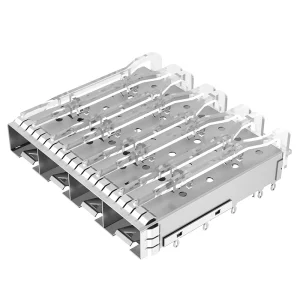
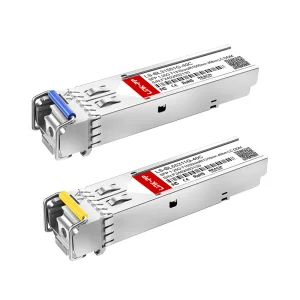
High-speed SFP, QSFP28 modules, and EMI-shielded cages for high-bandwidth commercial infrastructures.