Lumopt
Lumopt
Lumopt
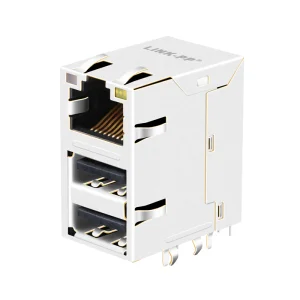
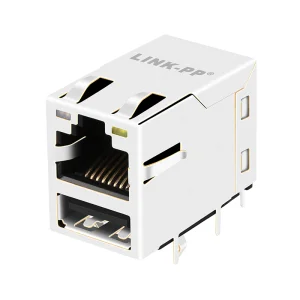
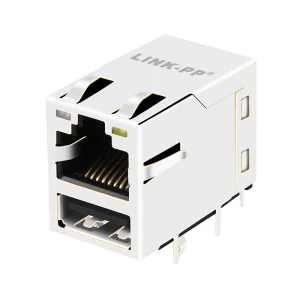
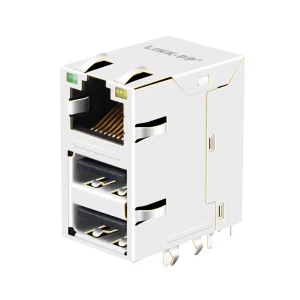
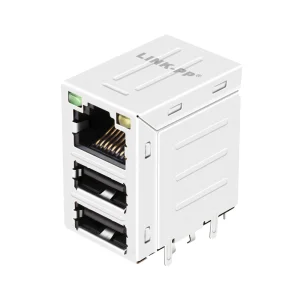
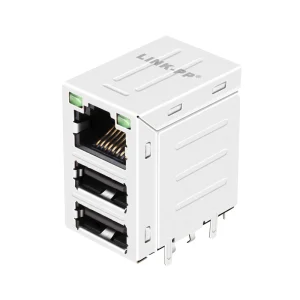
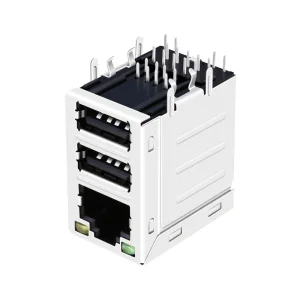
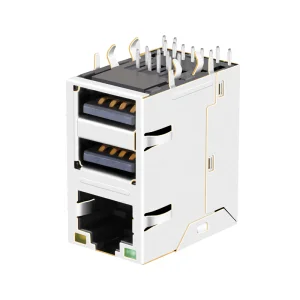
Premium RJ45 Female Connectors with Stacked and Side-by-Side USB Ports for High-Density Layouts
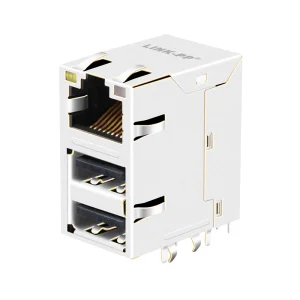
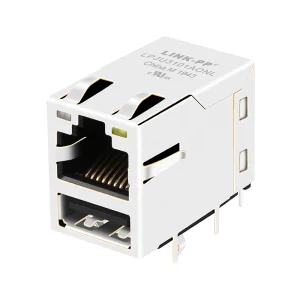
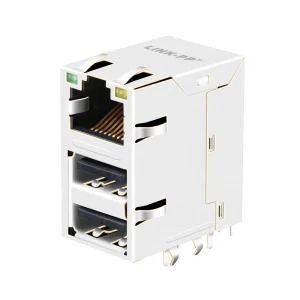
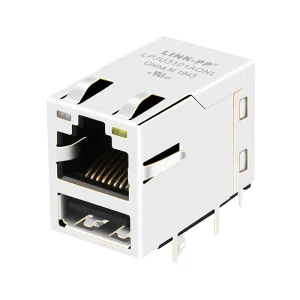
Why High-Density Stacked RJ45 and USB Combo Connectors Are Critical for Modern Infrastructure
In the rapidly evolving landscape of network communications, industrial automation, and edge computing, physical PCB real estate is one of the most strictly managed resources. The migration toward high-speed, compact electronics has created a pressing engineering demand: to maximize external interface ports without sacrificing signal integrity or increasing assembly costs. This is the exact design paradigm that led to the development of the RJ45 Female Connector with integrated USB ports.
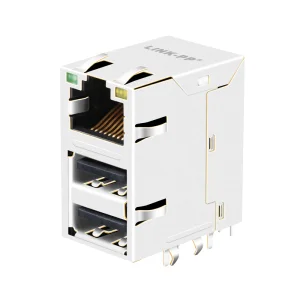
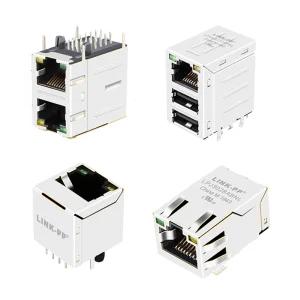
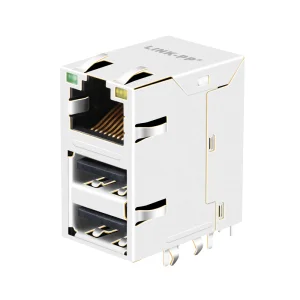
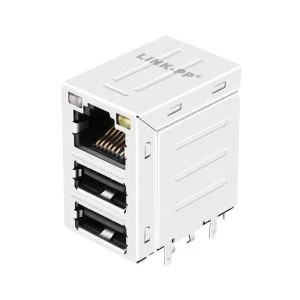
Commonly referred to as Integrated Connector Modules (ICMs) or RJ45 + USB Combo Jacks, these highly specialized hybrid assemblies combine standard 8P8C Ethernet connection capabilities with single, dual, or multiple USB 2.0/3.0 configurations within a single shielded metal housing. By placing these components into a stacked vertical or dense side-by-side array, board designers can achieve a substantial 30% to 50% footprint reduction on the motherboard's edge.
Integrating high-frequency differential USB data lines (operating up to 5Gbps/10Gbps in USB 3.0/3.1 Gen 2) within millimeters of Gigabit Ethernet magnetics presents intense electromagnetic challenges. Standard commodity connectors often suffer from severe Near-End Crosstalk (NEXT) and Far-End Crosstalk (FEXT) between the USB lines and the RJ45 magnetics. Our specialized engineering process employs internal physical metal shields—effectively acting as a localized Faraday cage—to completely isolate the transformer coils from the adjacent high-speed USB data traces, ensuring zero packet drops and full signal fidelity.
Furthermore, from a logistical and supply chain point of view, combining these components reduces the Bill of Materials (BOM) count. Instead of sourcing, inspecting, and placing multiple distinct connectors (an RJ45 jack, a dual USB socket, discrete magnetics, and filter components), engineers can specify a single component. This dramatically simplifies the Surface Mount Technology (SMT) or through-hole wave soldering assembly line processes, reduces trace complexity, and mitigates risks associated with joint failure under heavy thermal mechanical stress.
Key Considerations for Selecting RJ45 Connectors with USB Modules
Equipped with internal magnetic components (transformers and common-mode chokes) designed to isolate signals, eliminate common-mode noise, and match impedance. Complies fully with IEEE 802.3 standards for 10/100/1000Base-T networks.
Features robust brass or copper alloy shells with nickel plating and multiple PCB grounding tabs. This construction creates a low-resistance path to the chassis ground, minimizing electromagnetic interference (EMI) and electrostatic discharge (ESD).
Available in options ranging from gold flash up to 50 micro-inches (50u"). High plating thickness protects contact pins from oxidative wear and corrosive atmospheres, crucial for industrial automation and maritime communication gear.
Strict production control to guarantee electrical compliance and long-term mechanical reliability
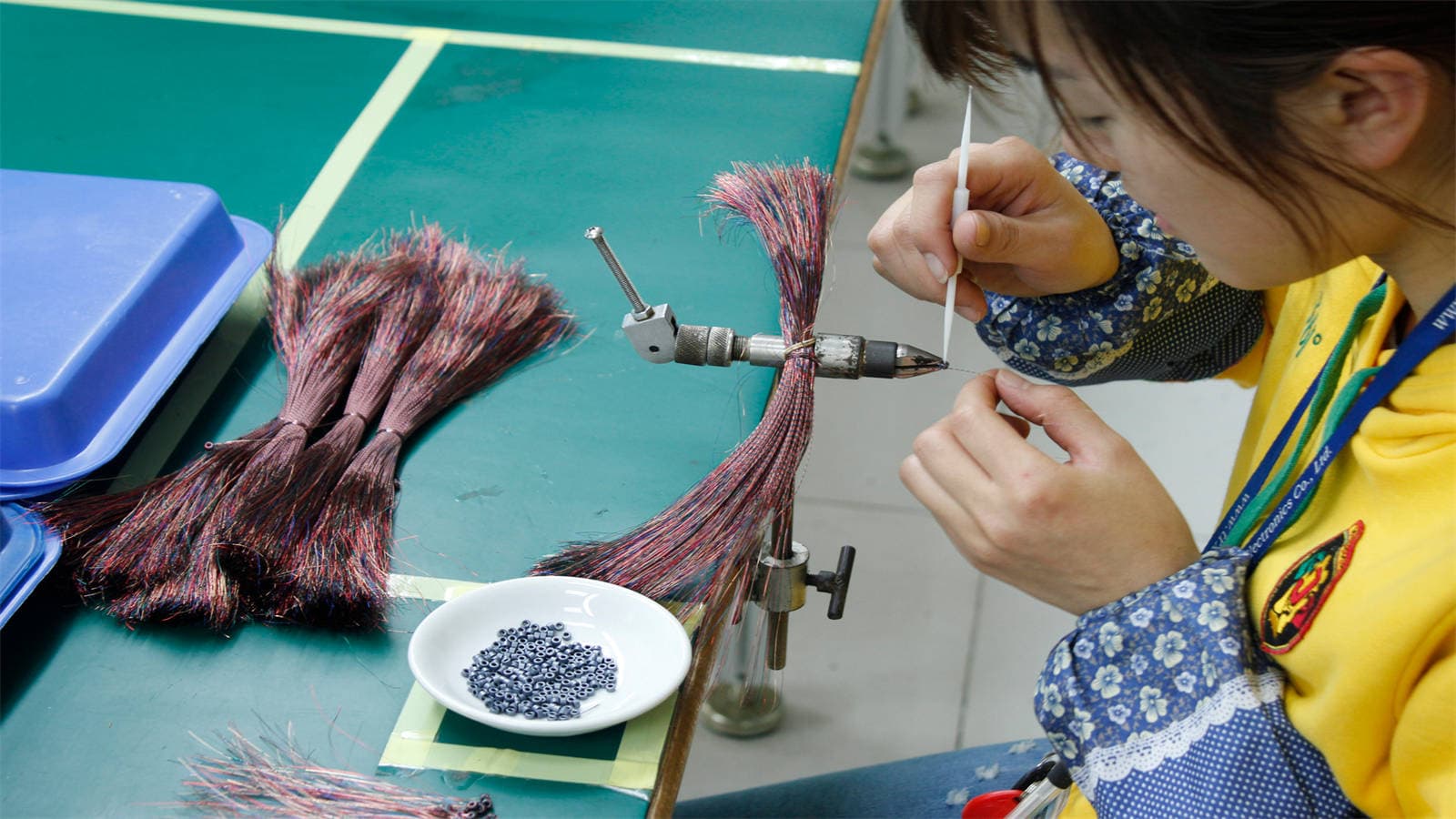
Twisting
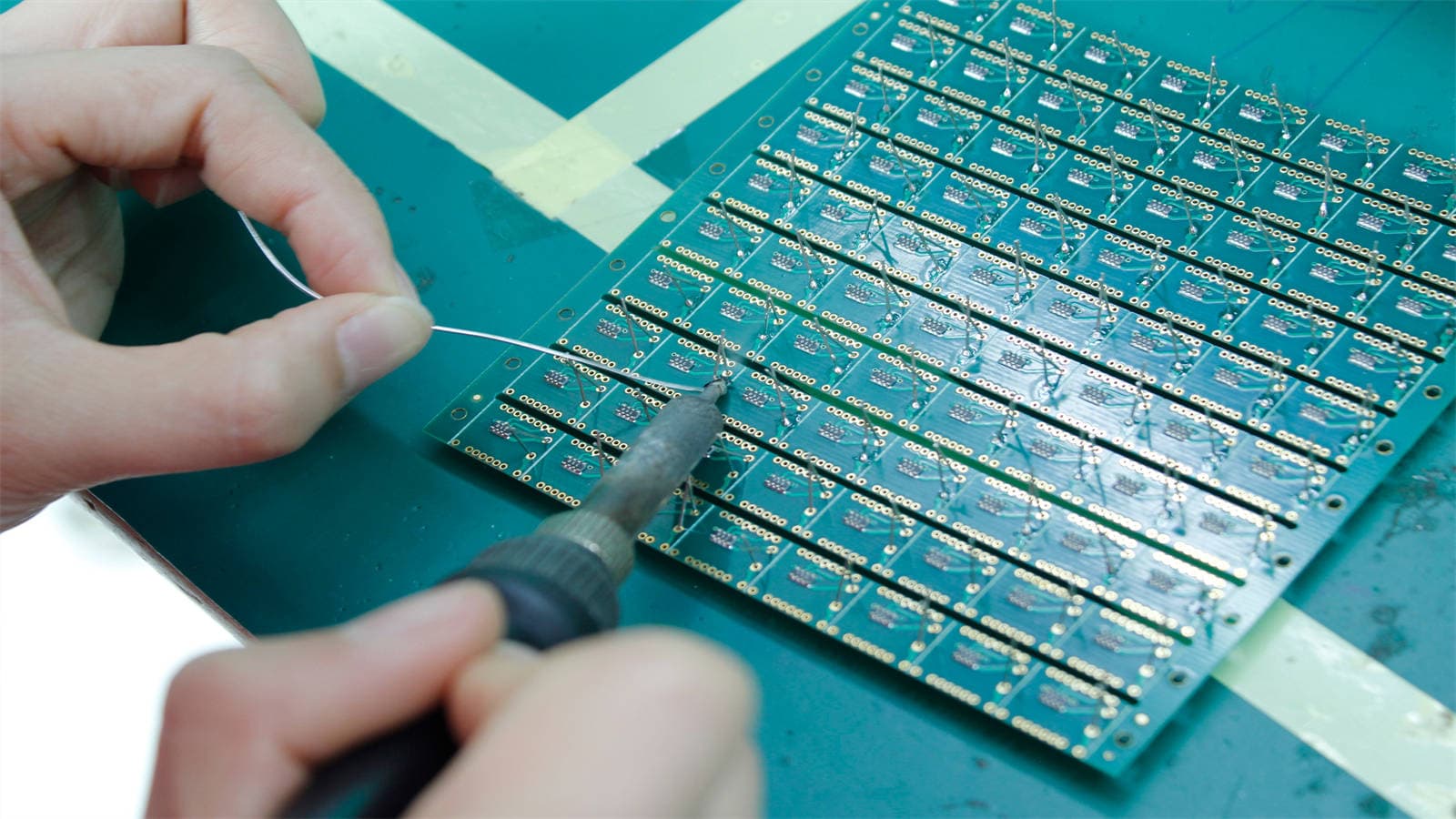
PCB Tinned
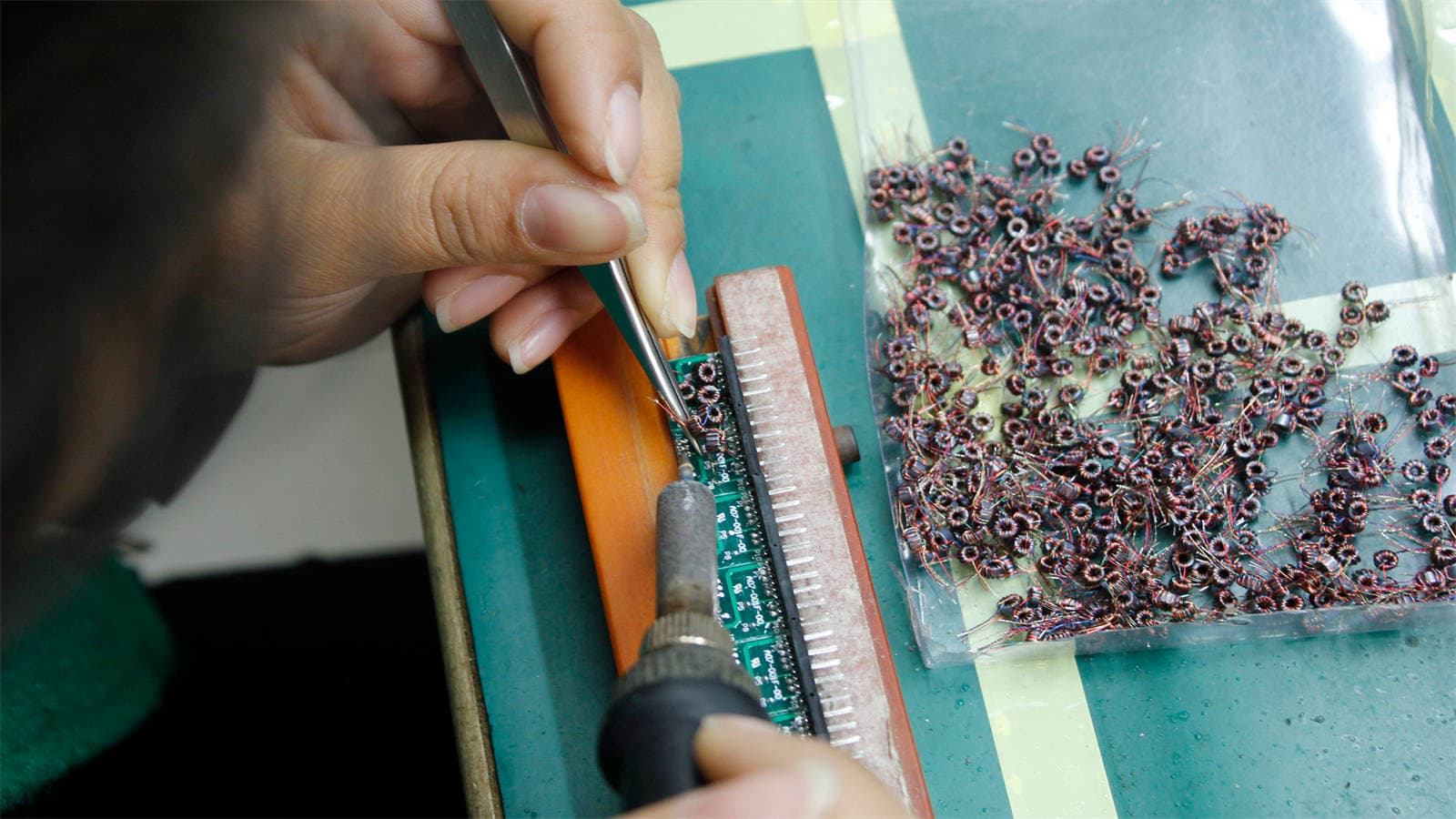
Soldering
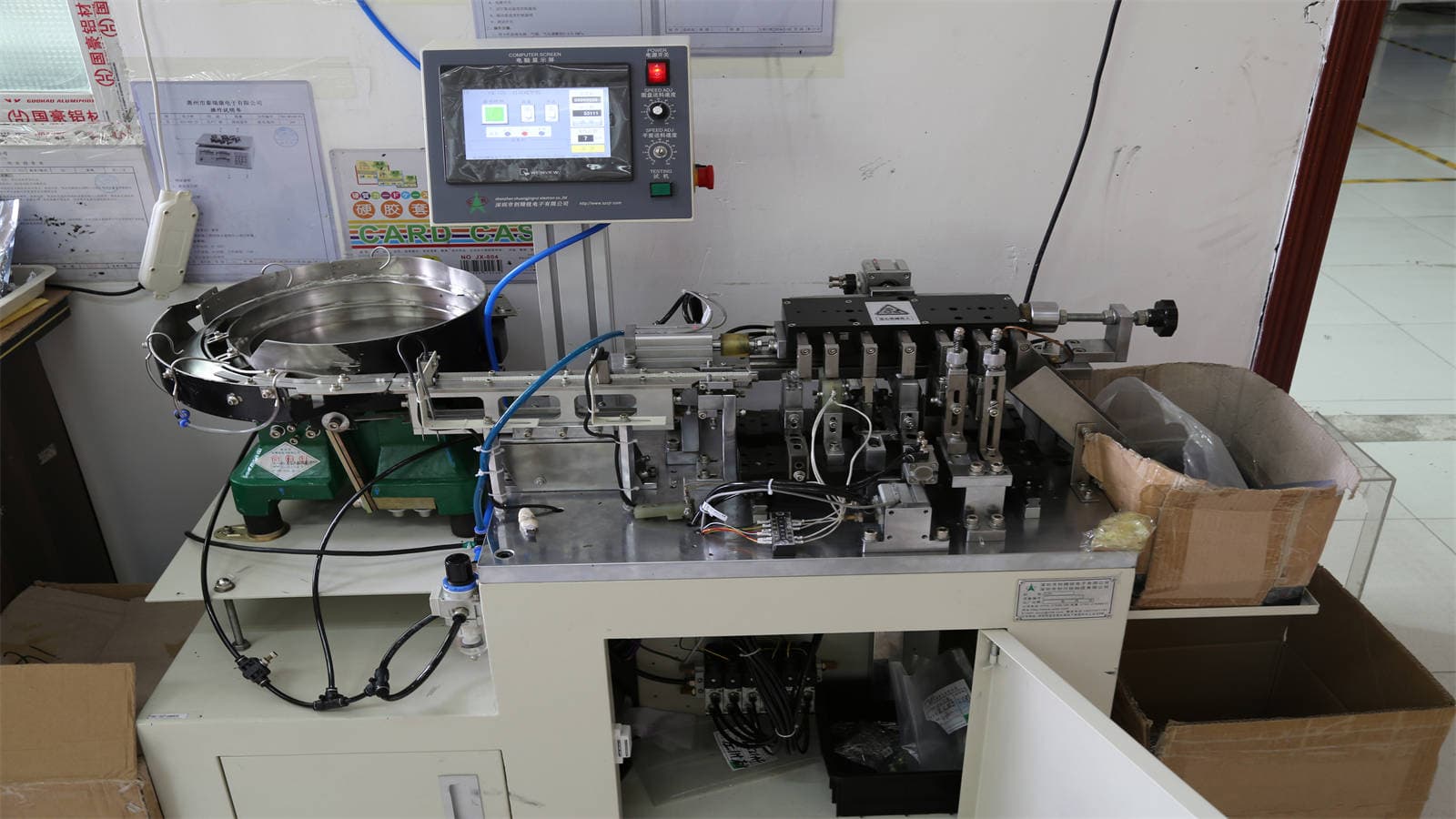
Shear-LED-Pin
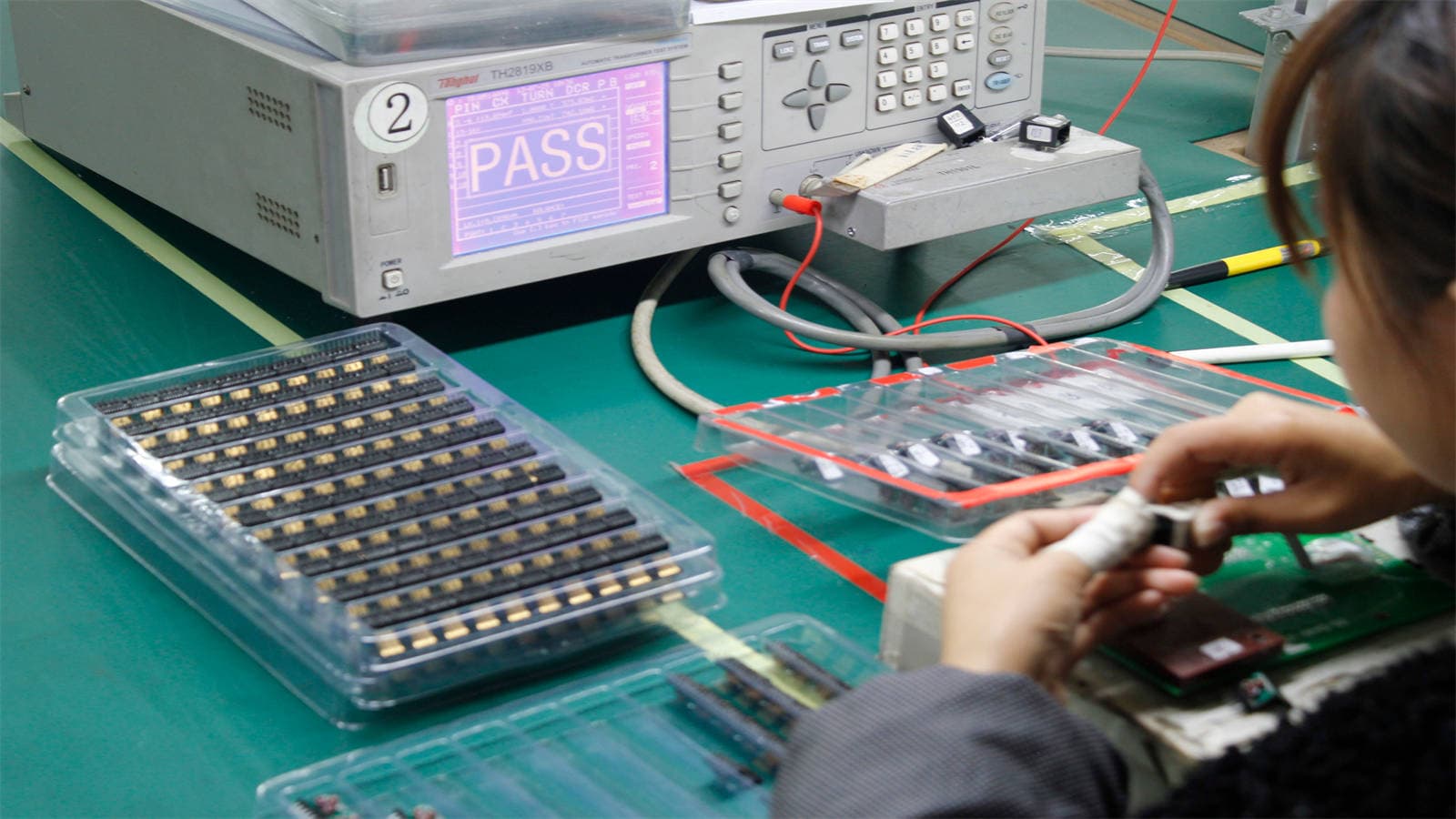
Semi-finished Testing
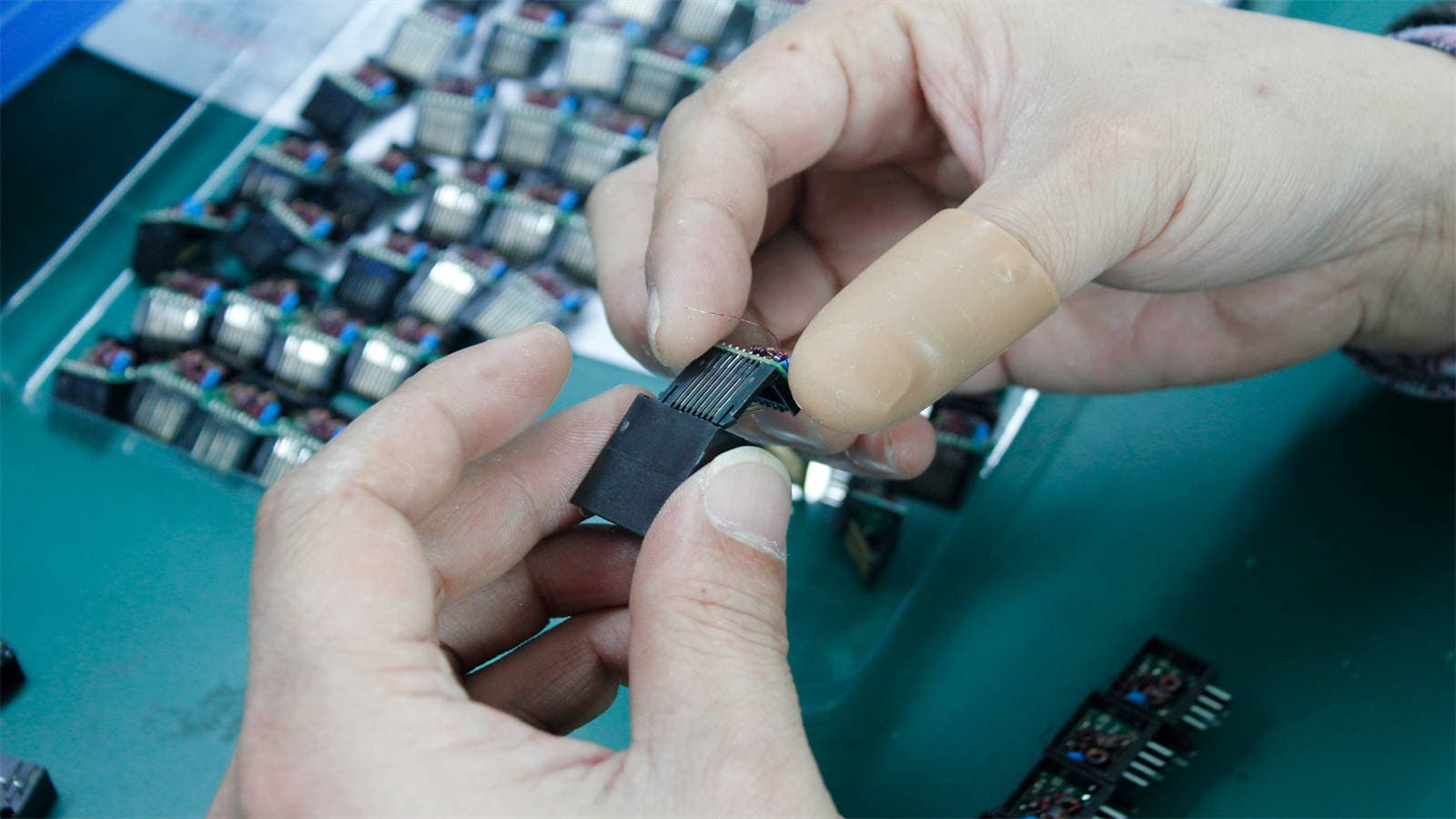
Plastic-Case-Assembly
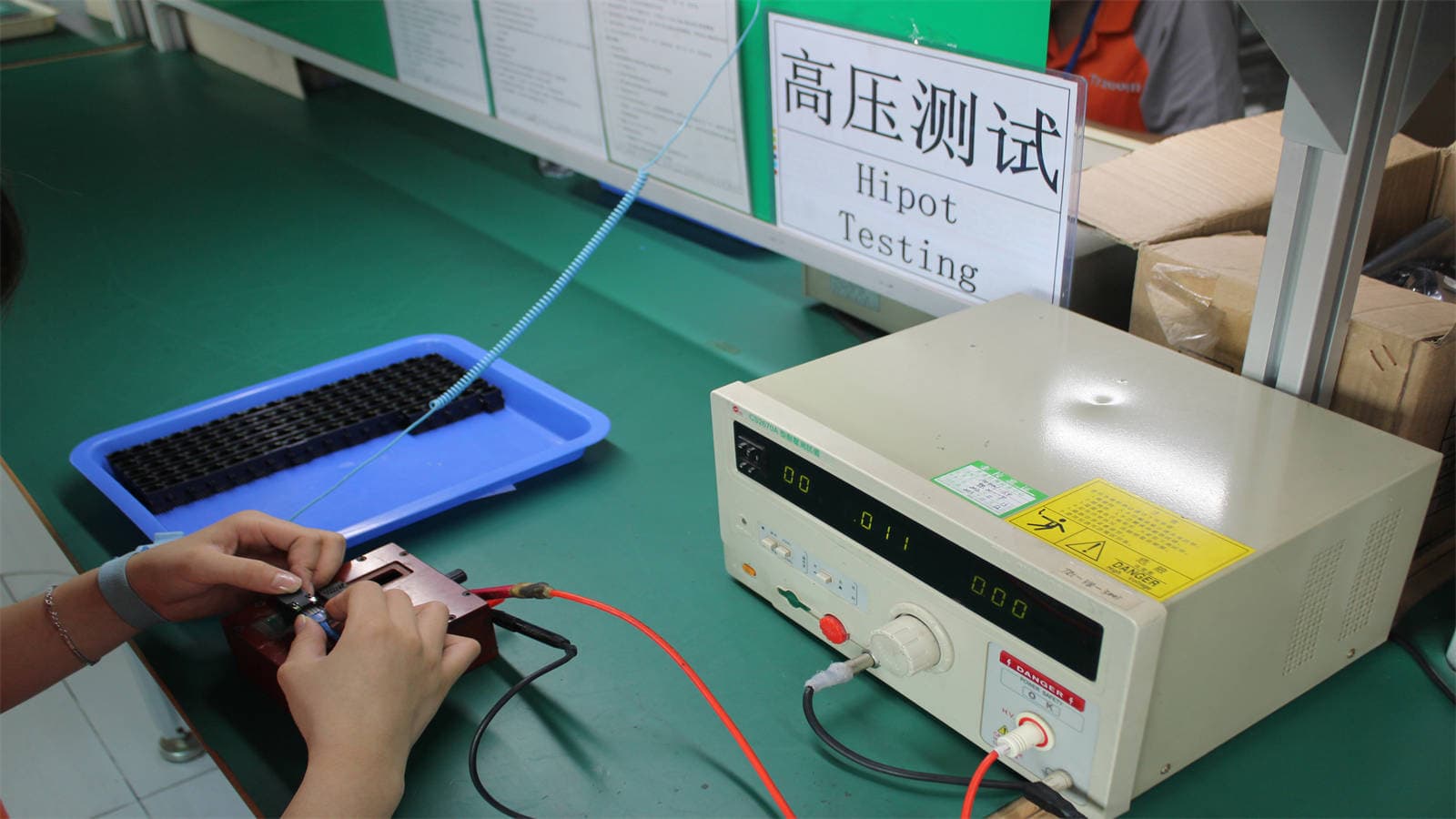
Hi-pot Testing
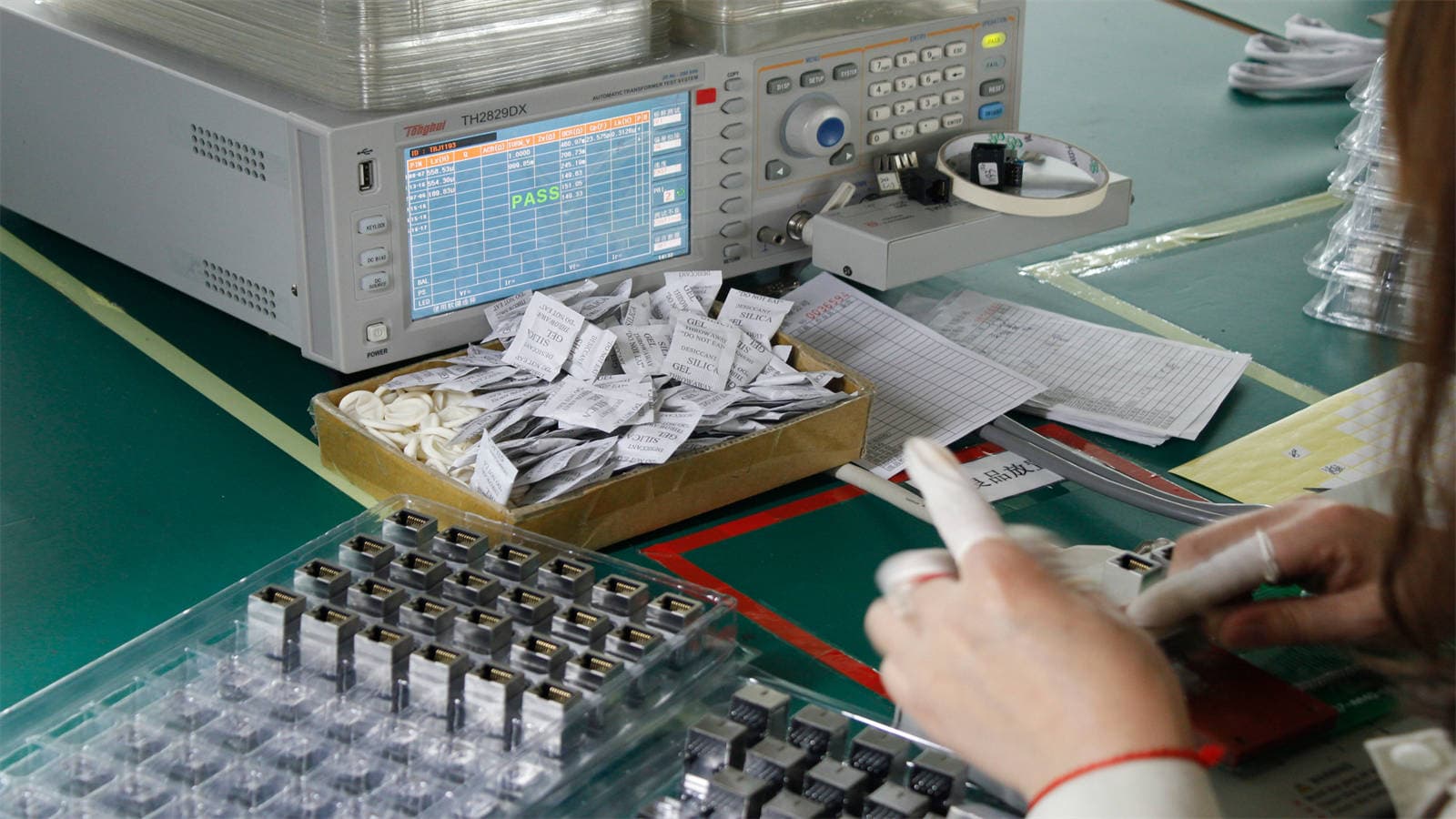
Integrated-Testing
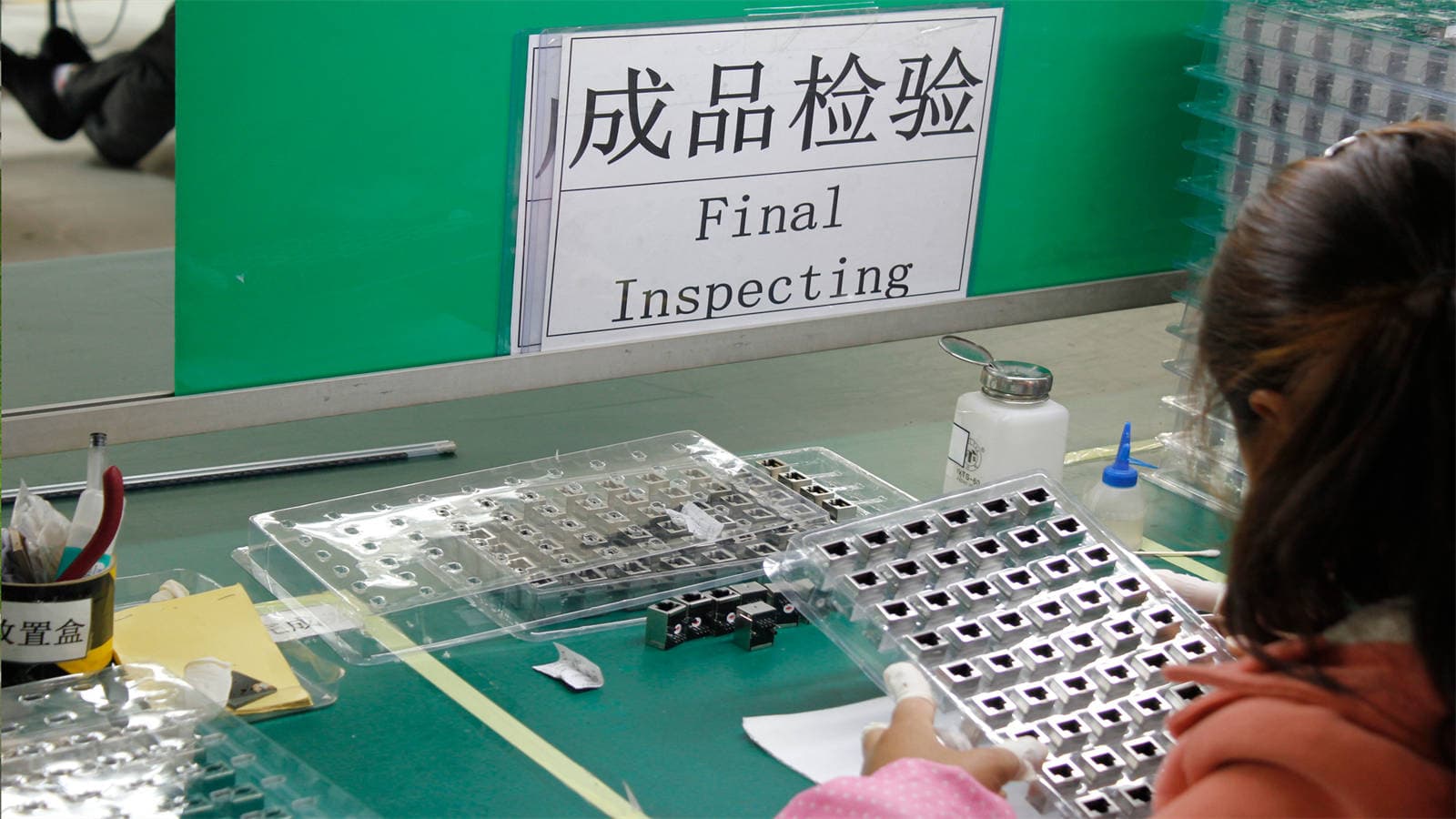
Final-Inspecting

Packing
100% component testing protocols using state-of-the-art diagnostic machinery
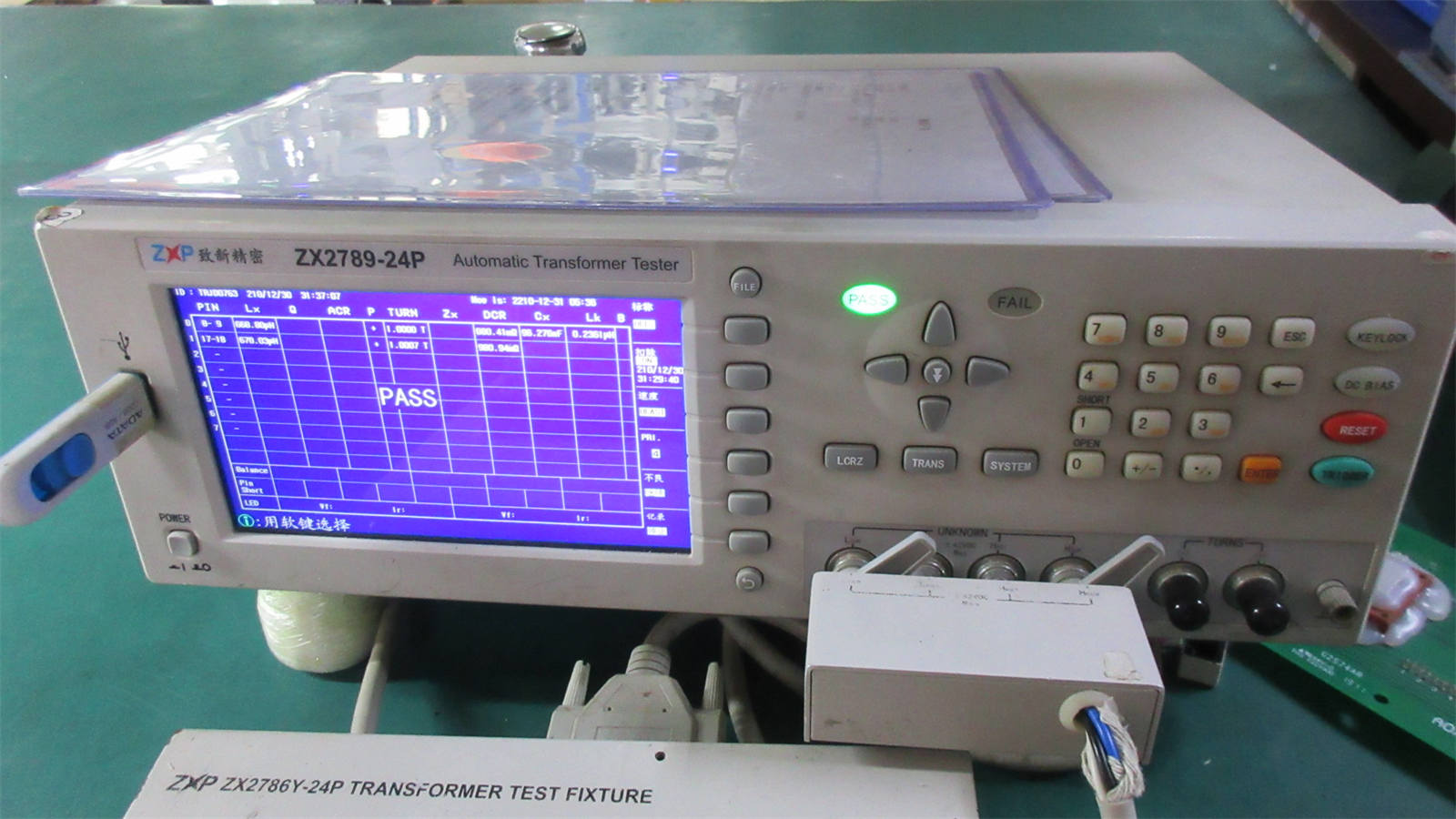
Comprehensive Tester
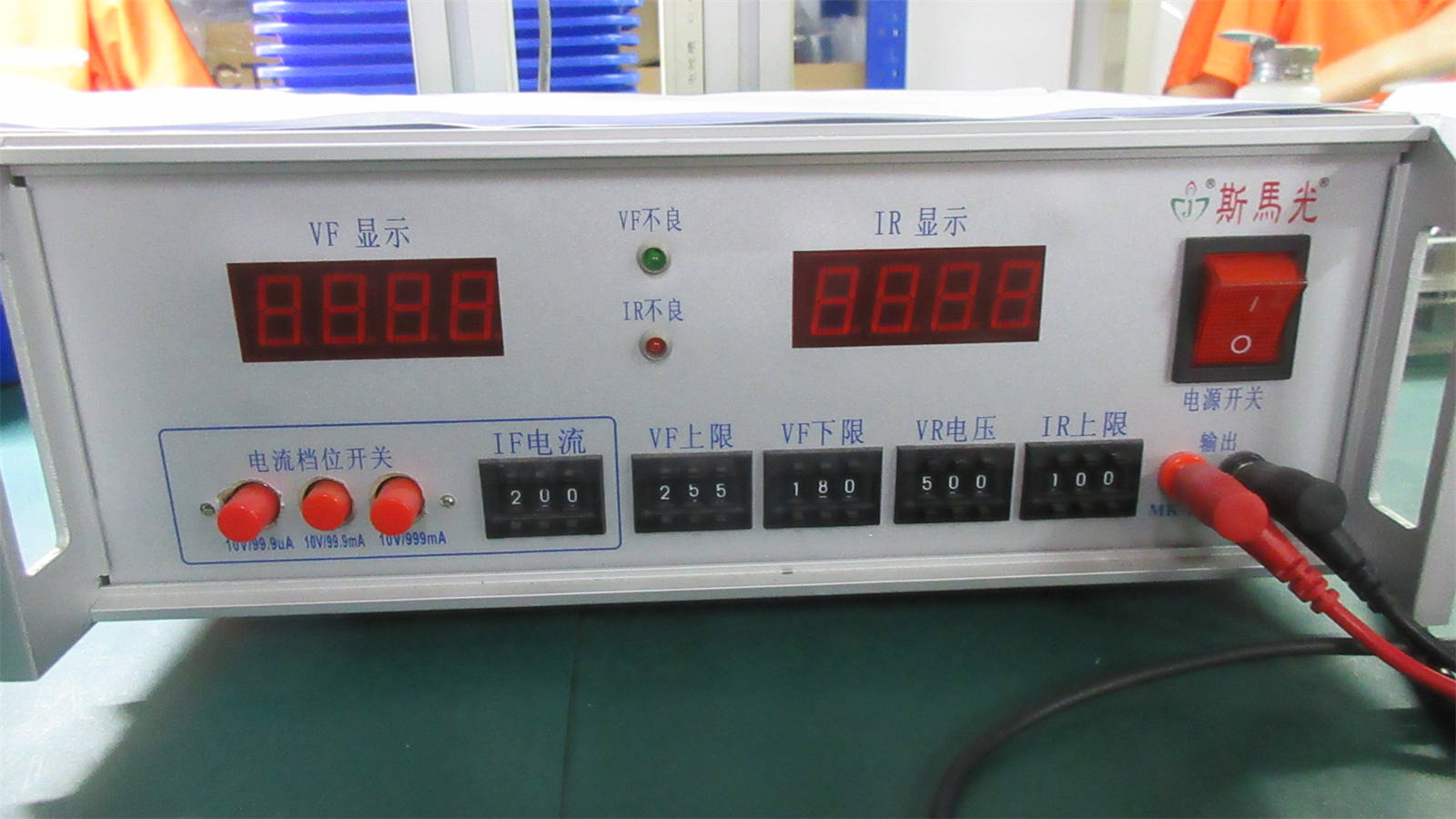
LED Lamp Tester
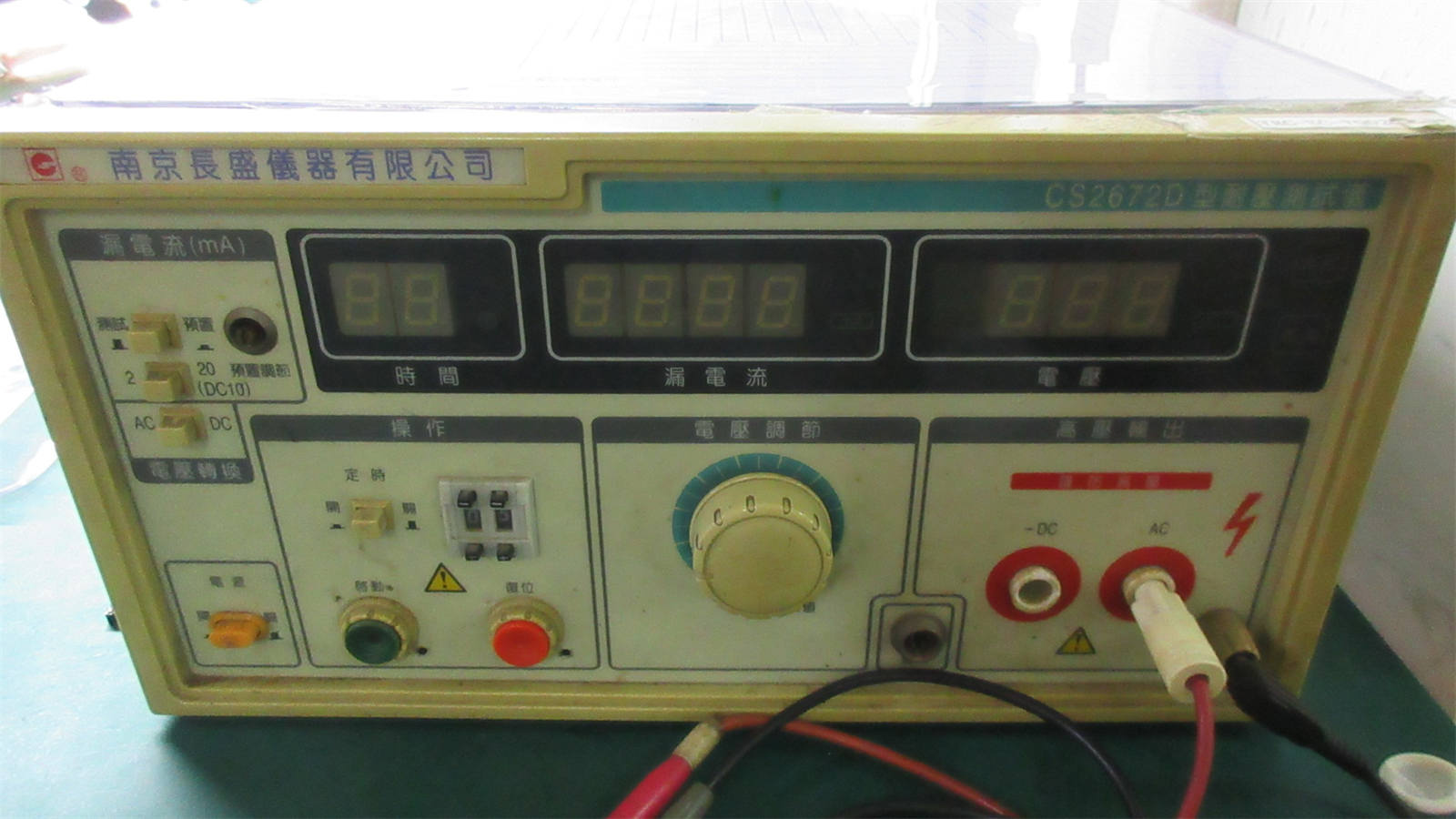
Hi-Pot Tester
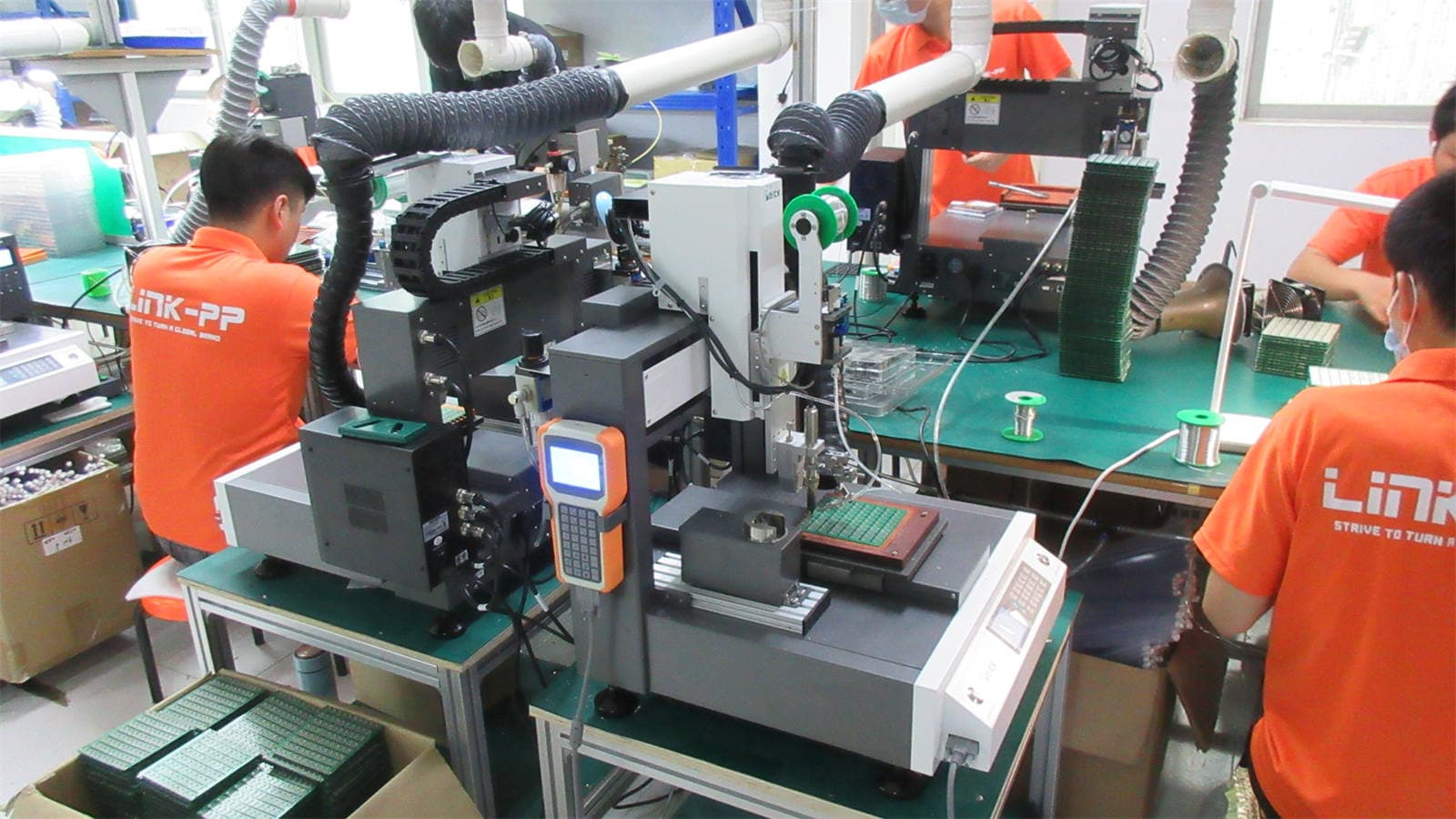
Automatic Welding Machine
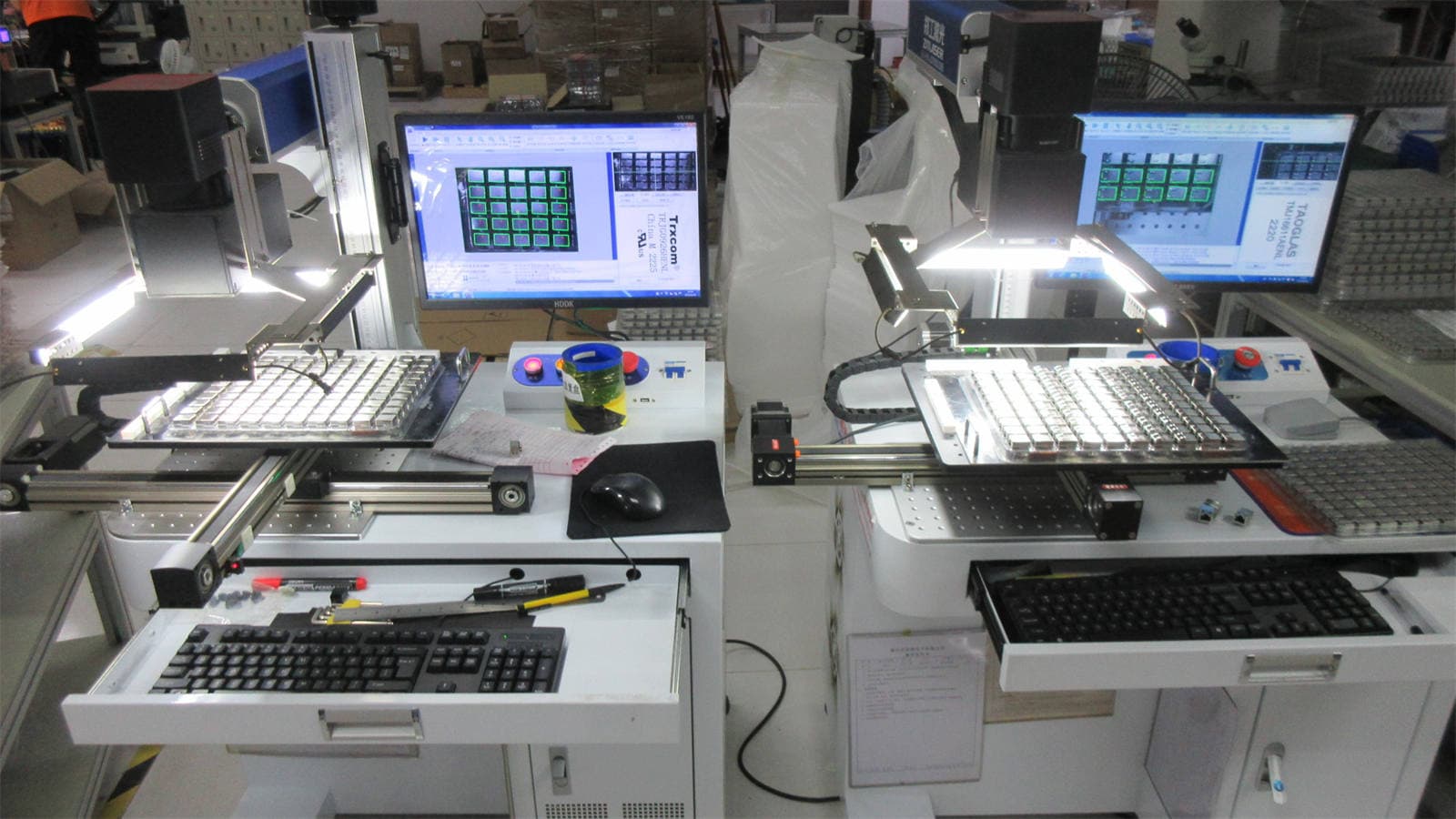
Laser Marking Machine
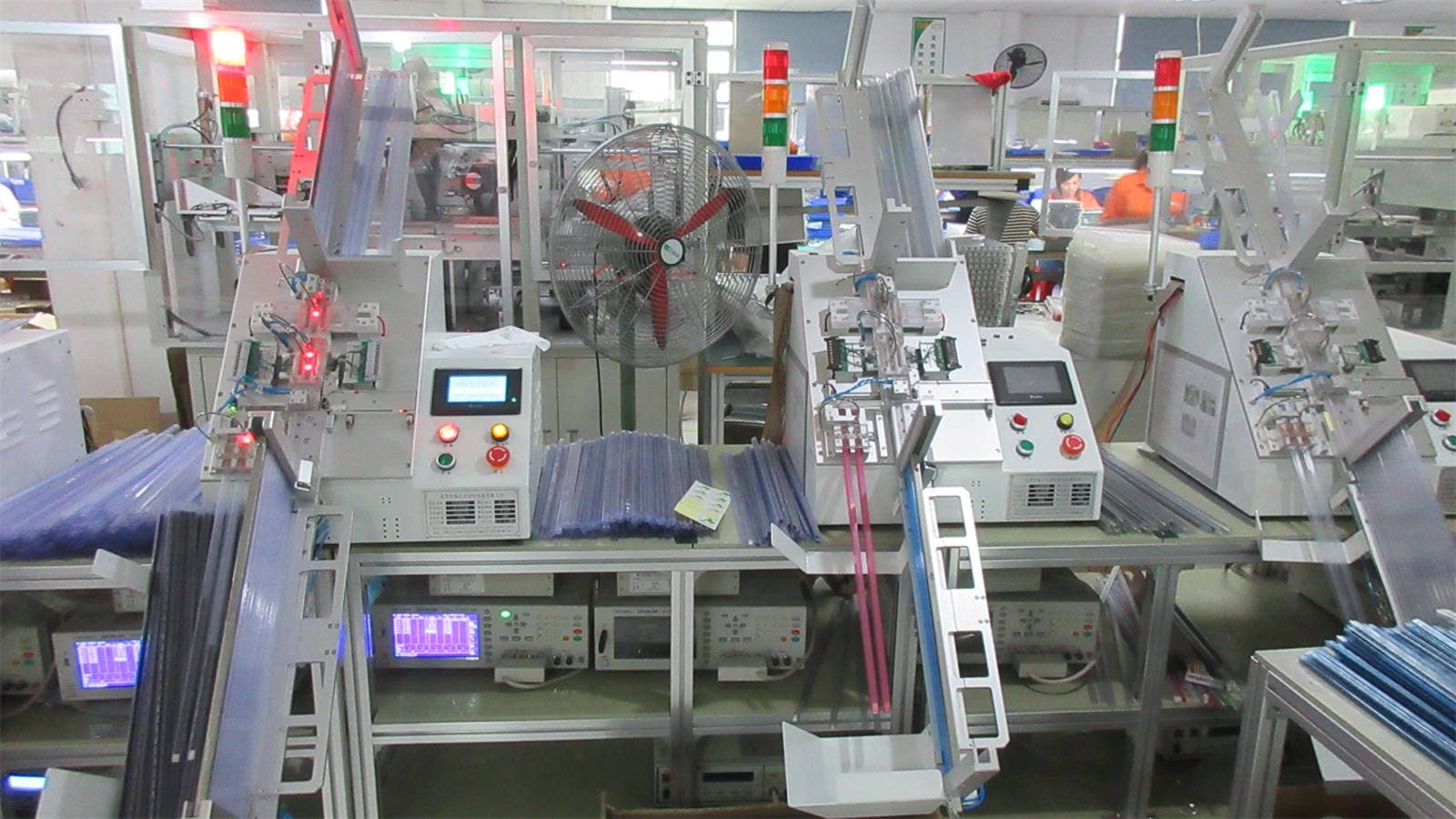
Transformer Automatic Tester
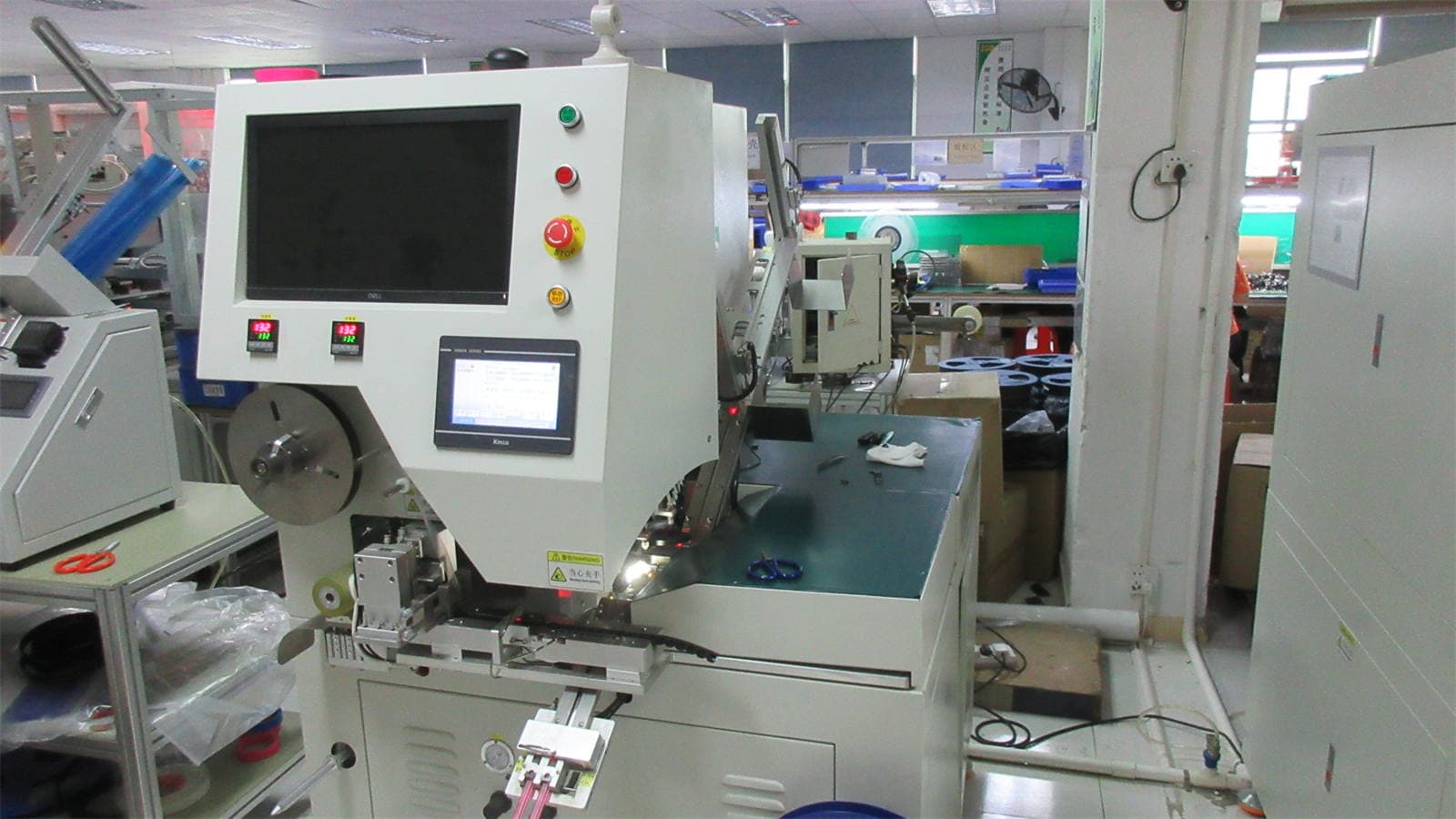
Transformer Automatic Packing
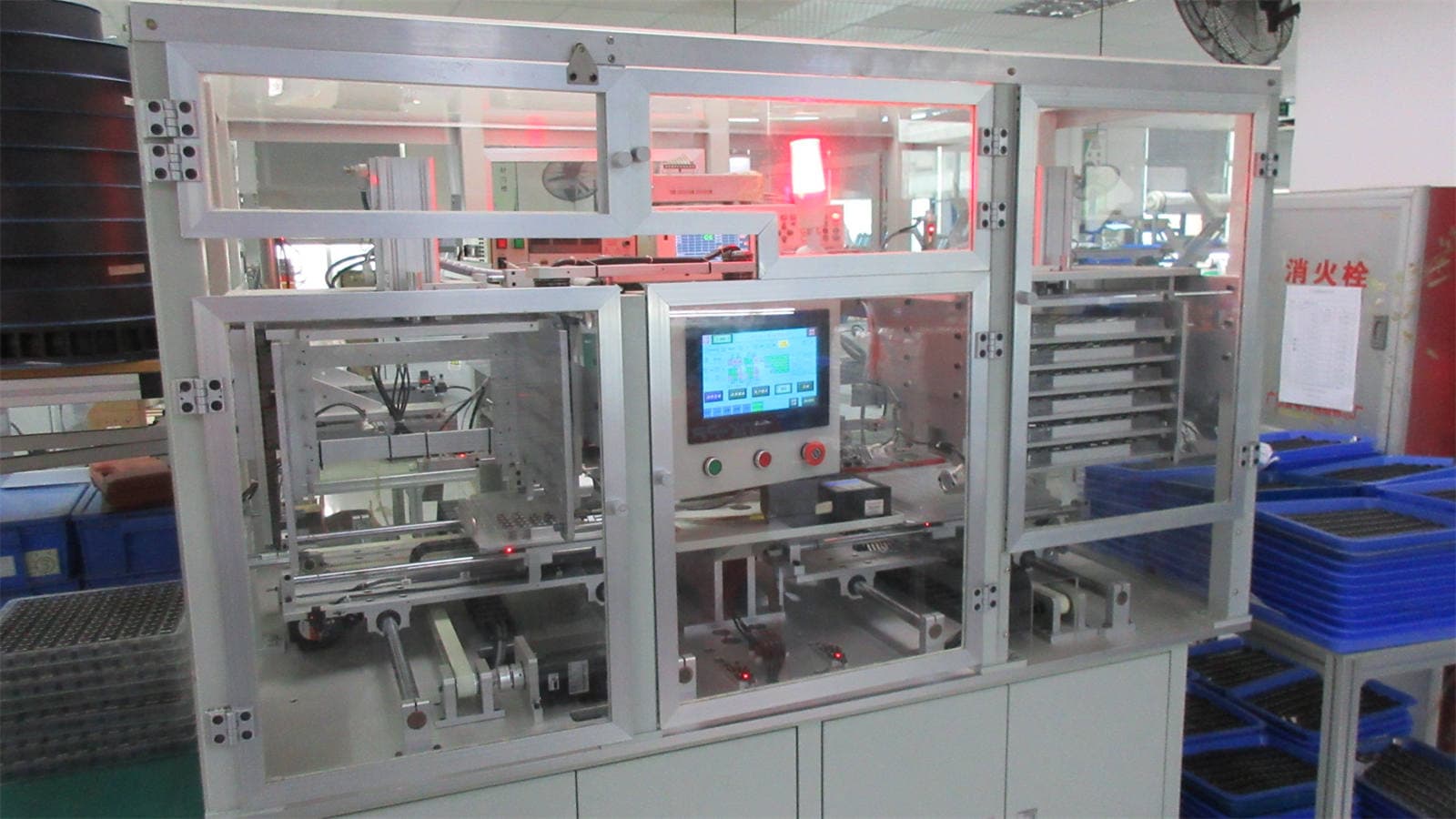
RJ45 Automatic Tester
Lumopt Opto Technology Co., Ltd. (Luguang Communication Technology Co., Ltd.)
Lumopt Opto Technology Co., Ltd., registered as Luguang Communication Technology Co., Ltd. in China, is a professional Chinese manufacturer and exporter specializing in high-performance optical transceivers and advanced networking connectors. Our operations are grounded in a relentless pursuit of product quality, competitive pricing, and client-centric custom integration services.
We focus on the R&D, production and customization of full-series optical modules covering 10G, 25G, 100G, 400G, 800G and 1.6T products, which are widely applied in data centers, telecom networks, cloud computing, AI computing equipment and enterprise communication systems. In addition, our high-density integrated connector portfolios, including our highly reliable range of RJ45 Female Connectors with USB, serve as core building blocks for world-class computing architectures.
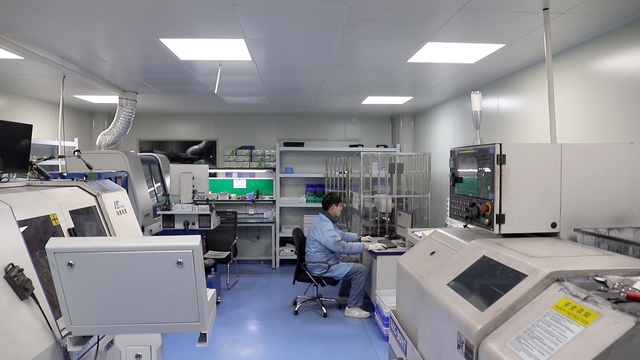
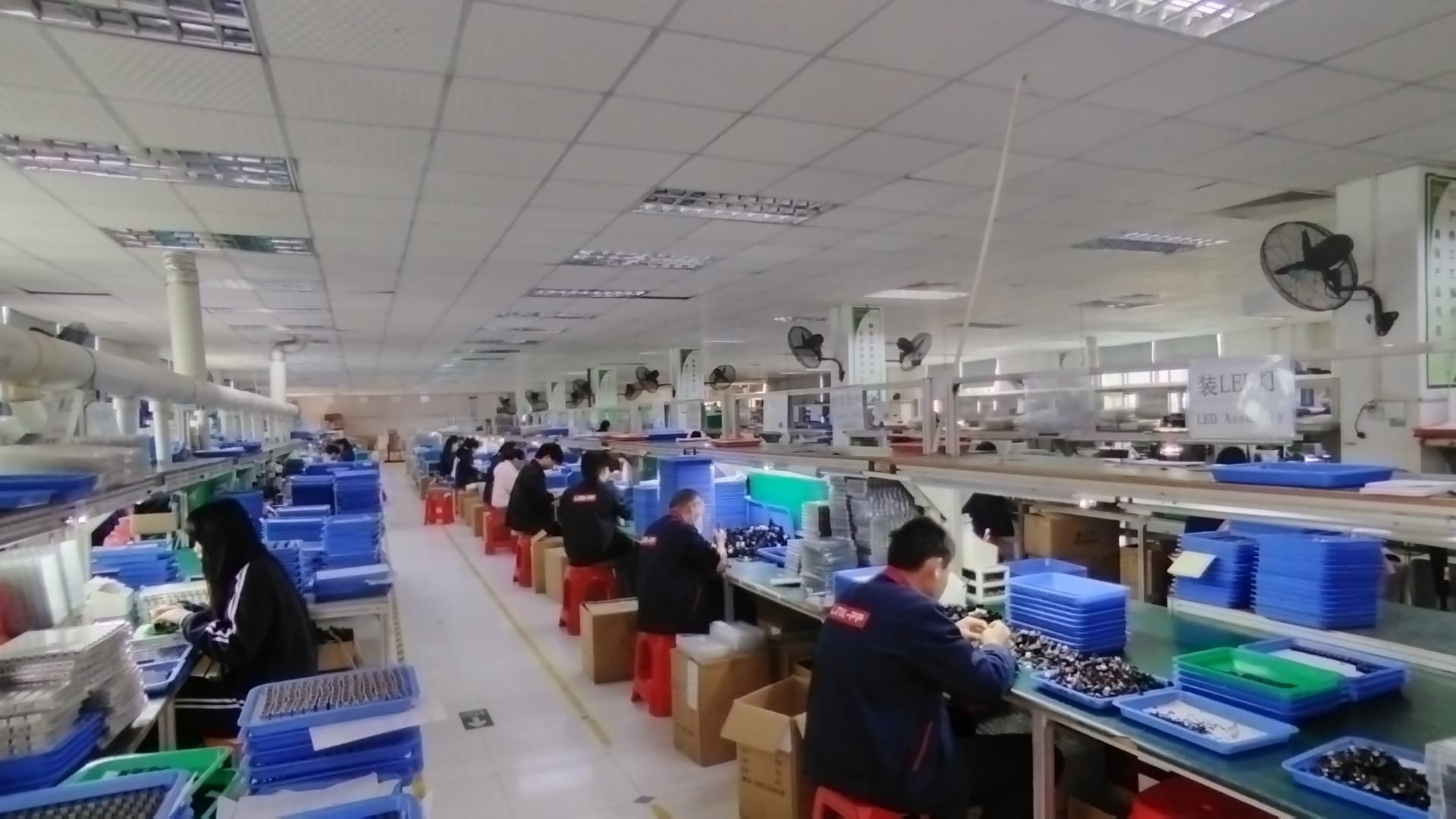
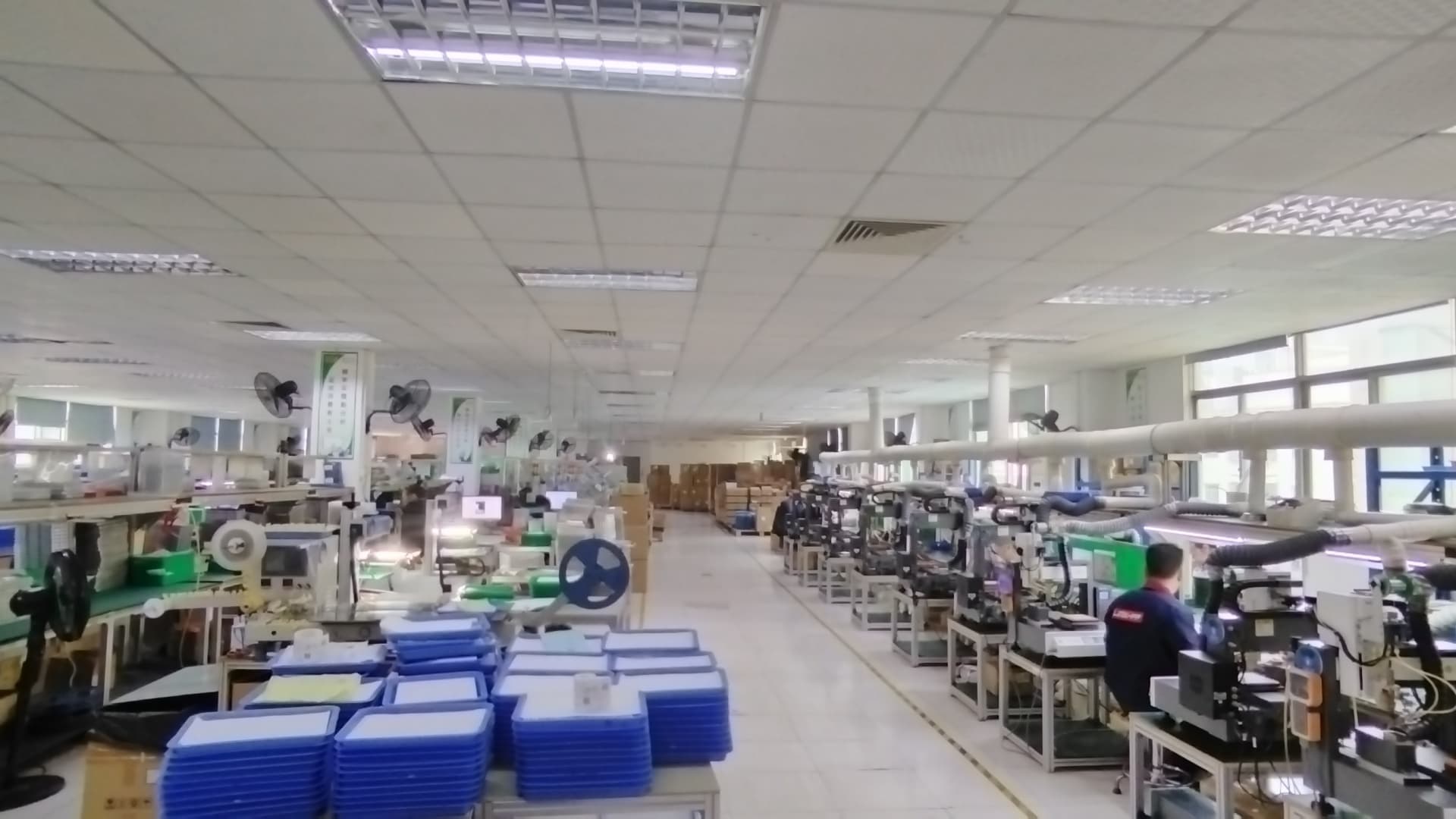
Equipped with standardized dust-free production workshops, advanced automatic testing equipment and a professional technical R&D team, we implement strict quality control throughout the whole production process. All our optical transceivers and modular connectors comply with international industry standards and have passed relevant reliability certifications, supporting OEM & ODM customized services to meet diverse demands from global buyers.
Adhering to the core concept of stable quality, competitive pricing and reliable after-sales support, Lumopt has built long-term cooperative partnerships with distributors, system integrators and communication enterprises all over the world. We keep launching innovative optoelectronic products to deliver stable, cost-effective optical transmission solutions for global data communication markets. Committed to becoming your trusted one-stop supplier of optical transceivers and network interface components from China, we sincerely welcome customers worldwide to contact us for technical consultations, sample tests and bulk order cooperation.
Analyzing procurement expectations, localized compliance, and engineering lifecycles
The global demand for integrated RJ45 + USB connectors is growing rapidly, driven by the expansion of edge AI deployment, industrial internet-of-things (IIoT), and intelligent smart city control points. System engineers and procurement heads look for specific capabilities when vetting manufacturers. The trend is moving away from basic mechanical connectors toward high-speed modular sub-systems with built-in electronic protection circuits.
Key procurement demands include:
While USB 2.0 interface options remain standard for simple debugging ports on server rack ears, there is an industry-wide transition toward USB 3.0 and USB Type-C integrated modular jacks. USB 3.0 connectors operate at much higher frequencies, requiring internal differential shielding geometries to ensure that the 5GHz clock signals do not disrupt Gigabit Ethernet lines running on adjacent pins. Manufacturers must balance physical spacing, signal pathways, and metal shielding to meet these demands.
Where Integrated RJ45 and USB Combo Connectors Play Critical Roles
Programmable Logic Controllers (PLCs), Human-Machine Interfaces (HMIs), and robotic motion controllers utilize integrated RJ45 + USB ports for local sensor networking and firmware maintenance via USB.
In high-density server rack mounts, space is constrained. These combo ports serve as the primary physical access interfaces for server management controllers (Baseboard Management Controllers - BMC) and debug routing.
Edge IoT gateway routers that process high-bandwidth data locally require robust copper Ethernet ports paired with multi-channel USB slots to power peripheral sensors, cameras, and external storage drives.
Where integrated network interfaces are heading next
As computing speeds increase, RJ45 and USB connectivity standards continue to evolve. Over the next five years, several key architectural shifts are set to transform the way high-speed interfaces are integrated into system boards:
1. The Migration to Cat6A & Cat8 Connectivity: Traditional Cat5e RJ45 ports are no longer sufficient for next-generation enterprise and datacenter nodes. We are seeing a marked rise in requests for Cat6A-compliant ICMs capable of carrying 10GBASE-T Ethernet signals. This requires enhanced internal isolation and wire routing to handle up to 500 MHz frequencies without cross-channel interference.
2. USB Type-C Integration: The classic rectangular USB Type-A port is rapidly giving way to the symmetrical USB Type-C connector. Future combo designs will stack Type-C ports directly beneath or adjacent to RJ45 female housings. This change accommodates higher power profiles, faster transfer speeds, and more versatile device-charging protocols directly on the main I/O board.
3. Advanced Power over Ethernet (PoE++): With the emergence of smart building controls and high-definition security cameras, PoE (IEEE 802.3af/at/bt) requirements are reaching up to 90W of power delivery. Future integrated connectors must utilize heavier gauge contacts and advanced heat dissipation geometries within their internal packaging to prevent localized thermal degradation during active power transmission.
Expert answers to critical engineering, manufacturing, and sourcing inquiries
How does an integrated RJ45 + USB connector mitigate electromagnetic interference (EMI)?
We employ a dual-shield design. A heavy metal shield surrounds the entire outer connector body to shield against external noise. Inside, a physical metal isolation wall separates the magnetic transformer components of the RJ45 port from the high-frequency differential signal traces of the USB ports. This prevents internal crosstalk and maintains stable throughput on both interfaces.
What are the advantages of specifying integrated magnetics (Magjack) versus discrete components?
Integrated magnetics house the transformer, common-mode chokes, and termination resistors directly inside the RJ45 housing. This drastically reduces the PCB board space required behind the connector, cuts the number of discrete components in your bill of materials (BOM), and guarantees optimal signal performance and impedance matching since the assembly is tuned and tested as a single unit at our factory.
Are these hybrid connectors compatible with standard lead-free wave soldering profiles?
Yes. All our RJ45 female connectors with USB ports are manufactured using high-temperature, UL 94V-0 rated thermoplastic materials (such as LCP or PA9T). These materials are specifically chosen to survive wave soldering temperatures up to 260°C without warping or mechanical degradation.
What level of gold plating is recommended for industrial applications?
For commercial or consumer grade products, gold flash or 3u" to 6u" is often sufficient. However, for industrial, outdoor, or telecom applications that must operate under harsh conditions with high humidity or vibration, we strongly recommend 30u" or 50u" gold plating on the contact pins to prevent oxidative wear over the lifecycle of the device.
Can you customize the pinout configuration or LED colors for custom motherboard layouts?
Yes, we provide full OEM and ODM services. We can adjust the pinout layout, modify the plastic mounting pegs (pft), change the LED indicator colors (such as green/yellow, green/green, or bi-color), and adjust the physical shell design to match your specific mechanical chassis requirements.
Browse Our Full Range of Shielded Connector Jacks with Integrated USB Interfaces