Lumopt
Lumopt
Lumopt
Engineered to conform strictly to SFP Multi-Source Agreements (MSA) and standard IEEE protocols, ensuring absolute interoperability in multi-vendor hardware environments.
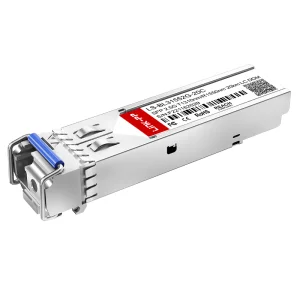
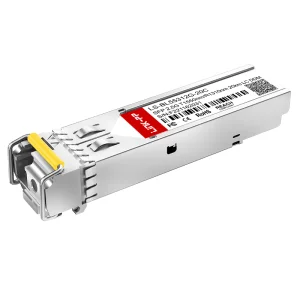
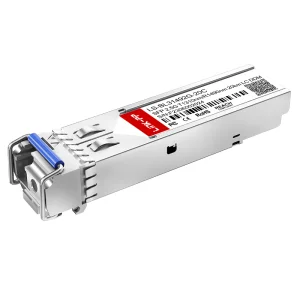
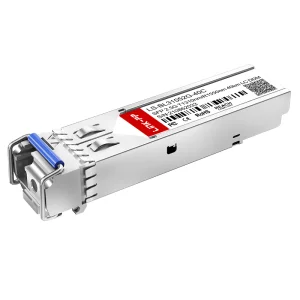
Understanding the transition dynamics from legacy gigabit infrastructure to multi-gigabit access networks.
While hyper-scale data centers drive the adoption of 400G, 800G, and 1.6T transceivers, the 2.5G to 6G SFP module segment remains a highly critical, cost-effective sweet spot for telecom access networks, enterprise mid-mile setups, and cellular base station fronthaul links. Driven by the global rollout of Wi-Fi 6/7 access points and multi-gigabit broadband, access architectures require more than standard 1G throughput but cannot justify the thermal budget and cost of full 10G interfaces.
In the industrial sphere, 2.5G and 5G networks operate as backbones for advanced industrial automation, where determinism, temperature resilience, and electro-magnetic compatibility are paramount. Furthermore, in wireless networks, these modules support 3G/4G/5G CPRI/eCPRI interfaces (specifically CPRI options 3, 4, and 5 ranging from 2.45Gbps to 6.14Gbps), transmitting digitized RF data between baseband units (BBUs) and remote radio heads (RRHs).
As a leading exporter and manufacturer, Lumopt Opto Technology fills the crucial gap for system integrators who demand carrier-grade reliability without paying the premium tier prices of proprietary OEM hardware.

How vertical integration and automated testing systems provide global buyers with unique cost and reliability advantages.
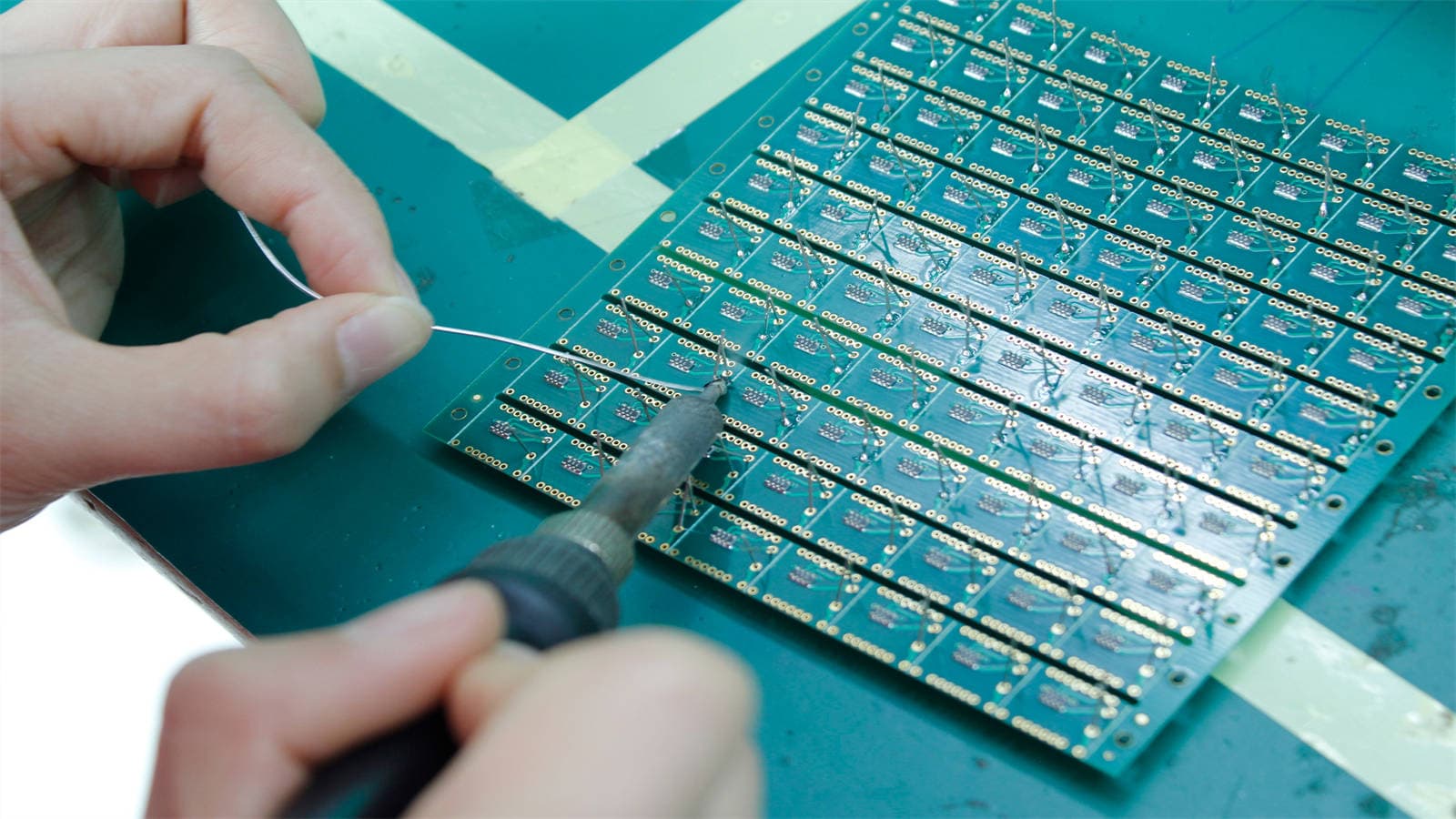
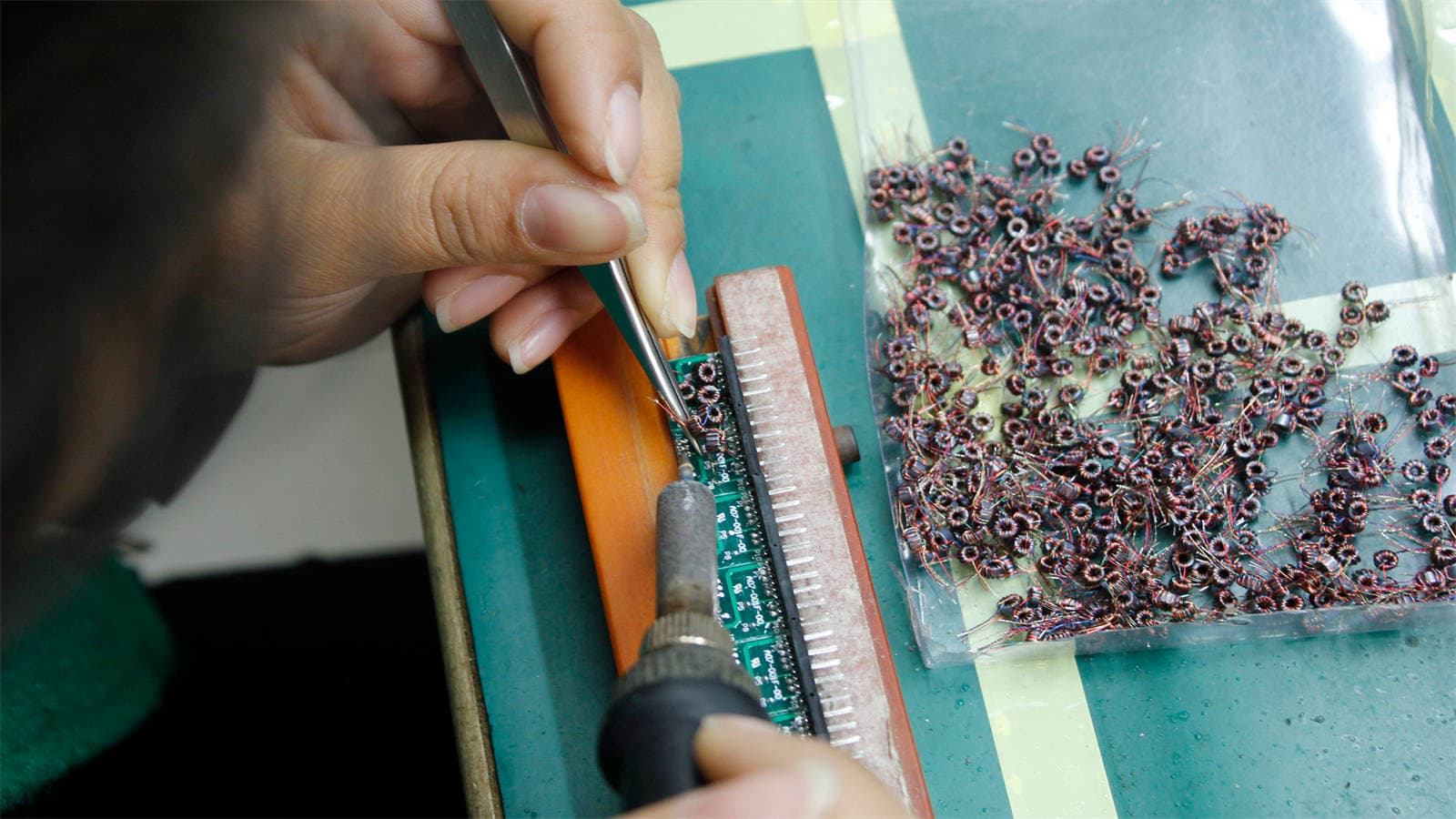
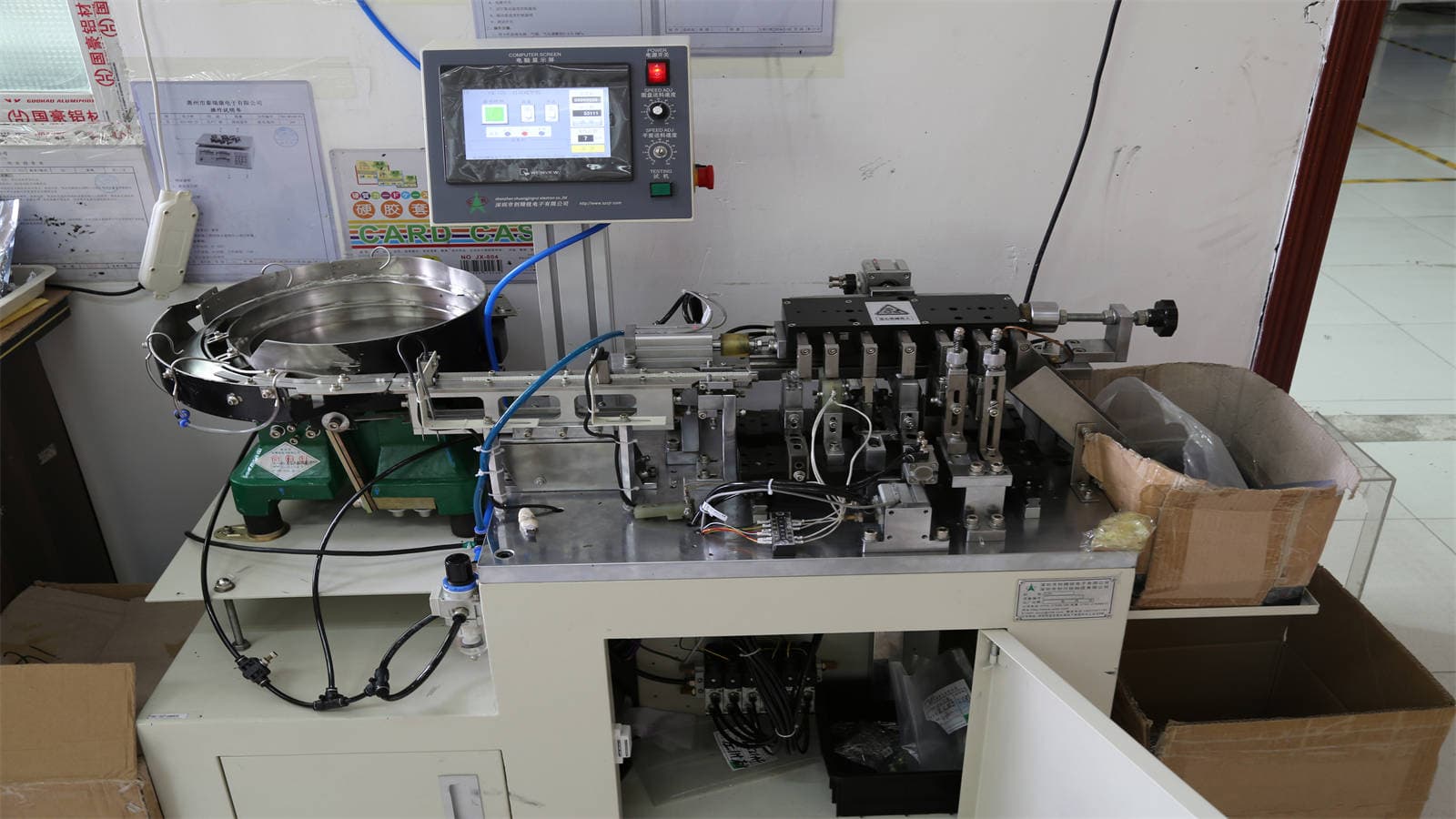
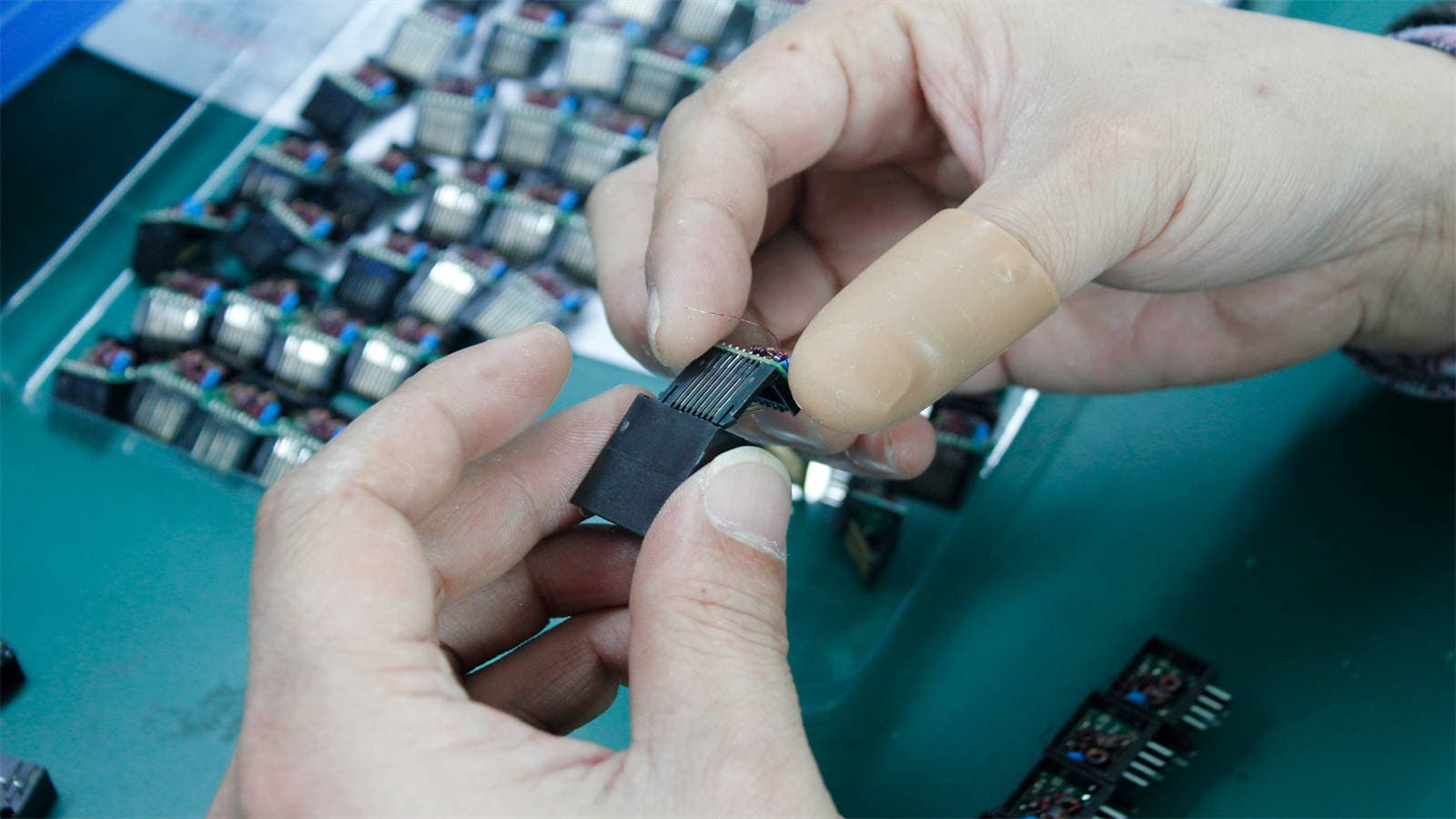
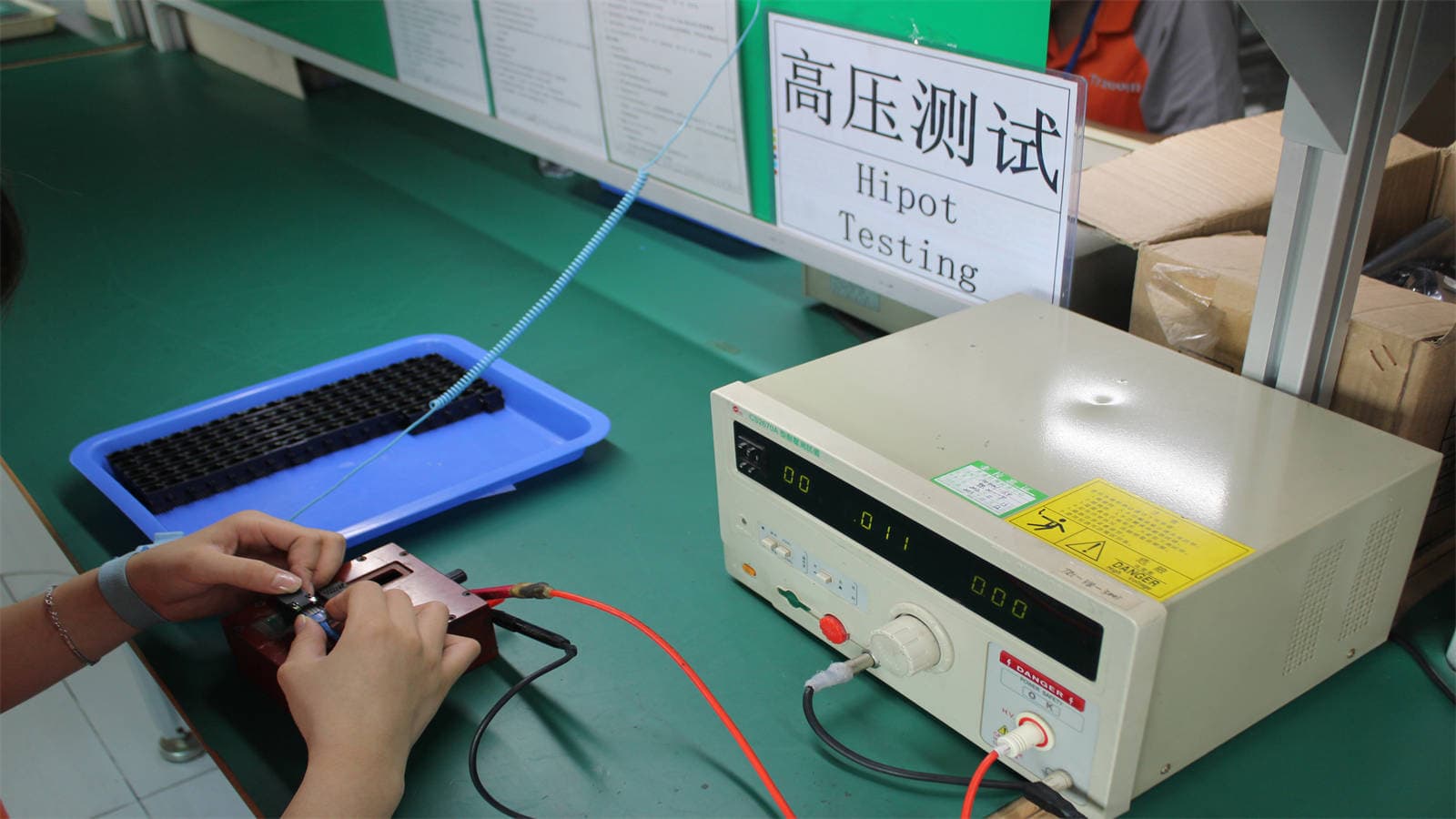
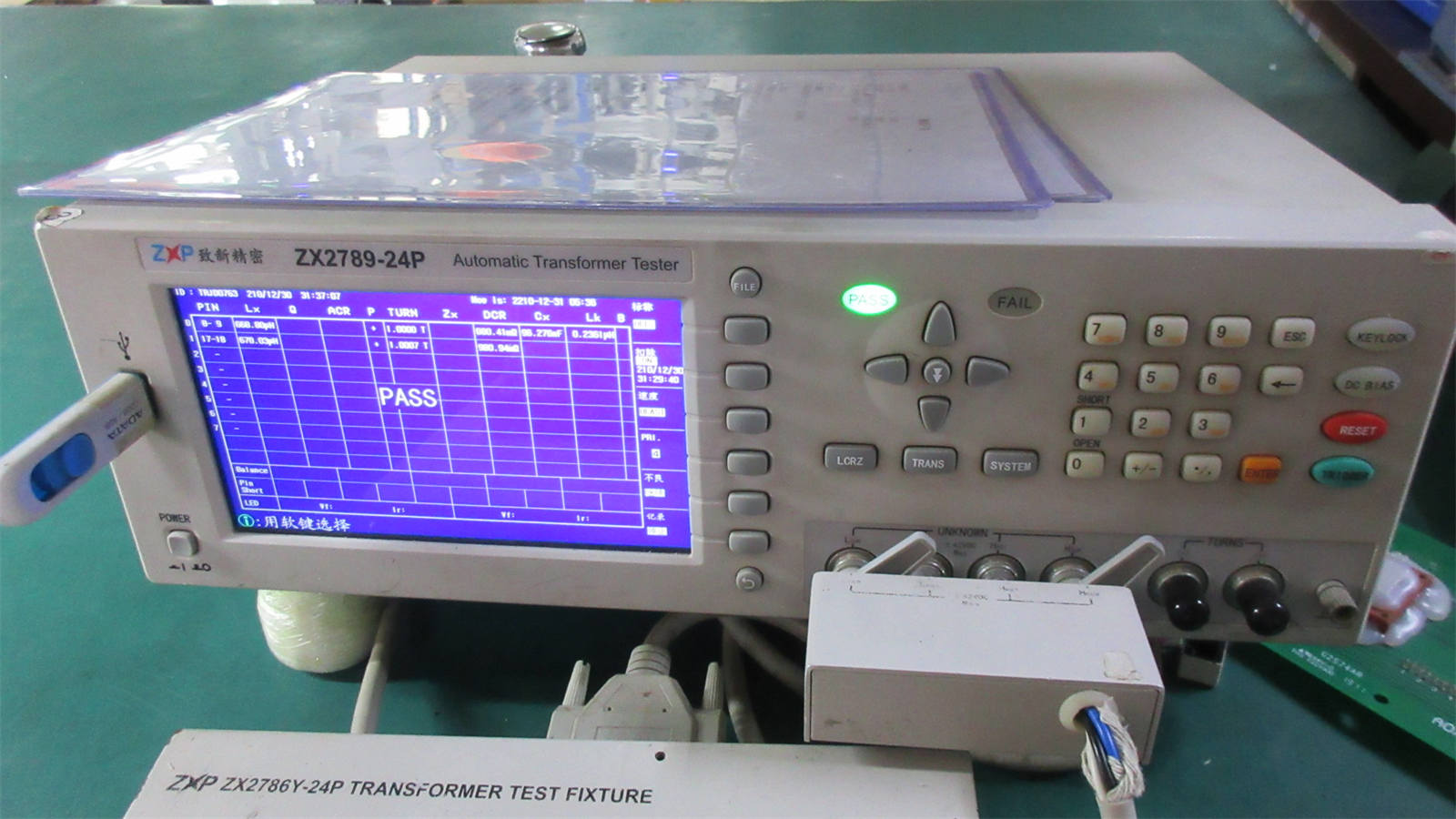
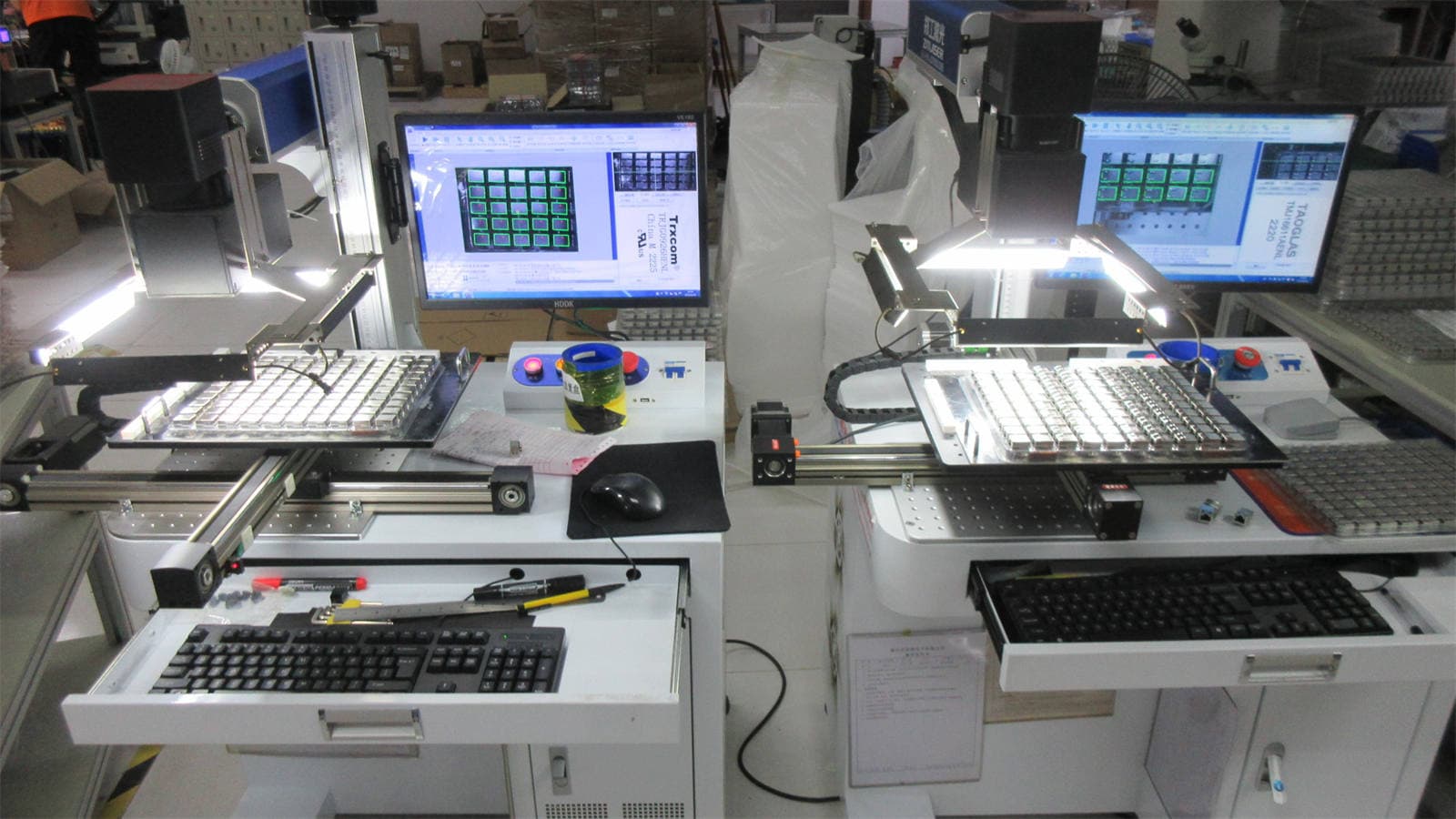
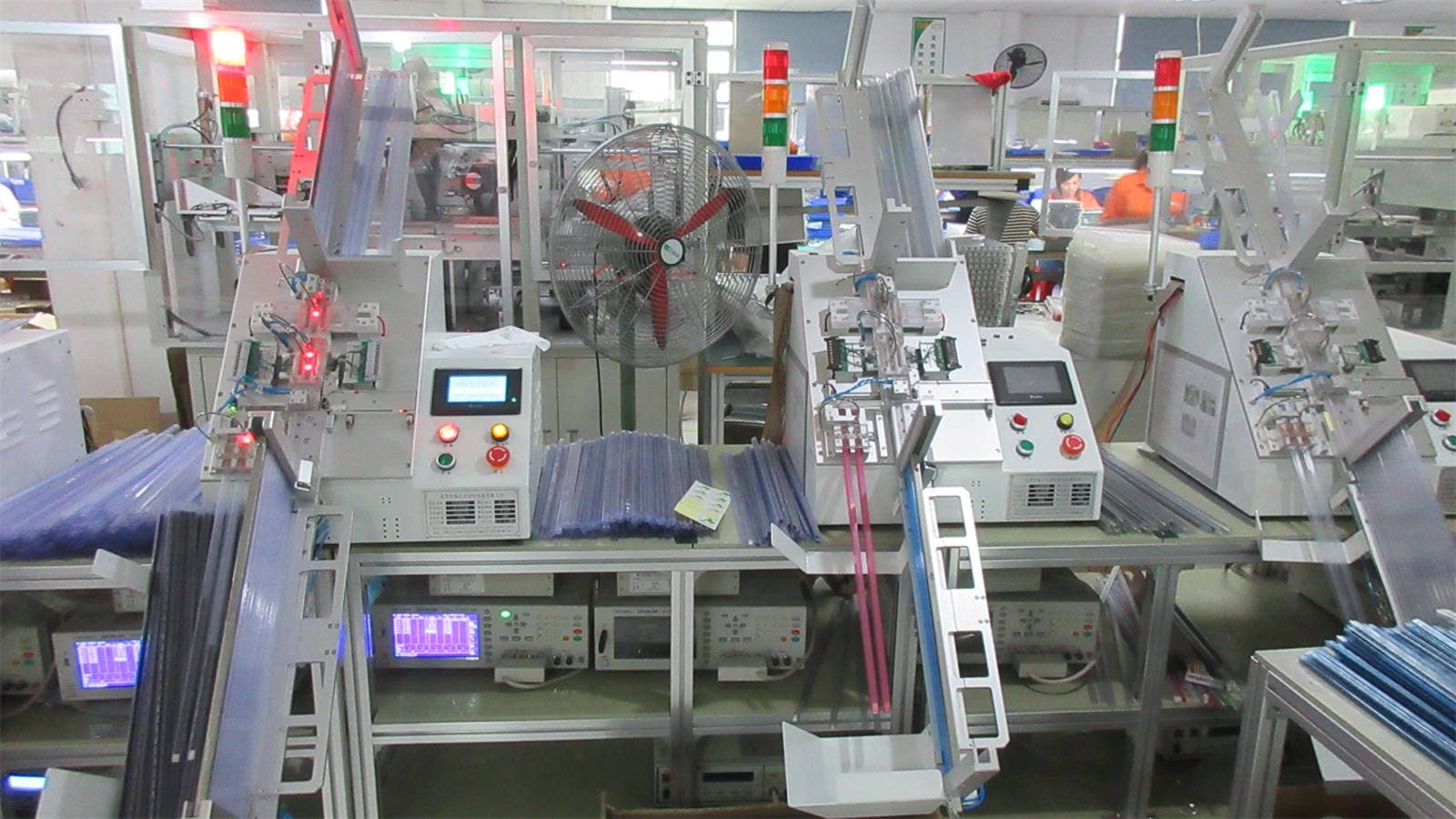
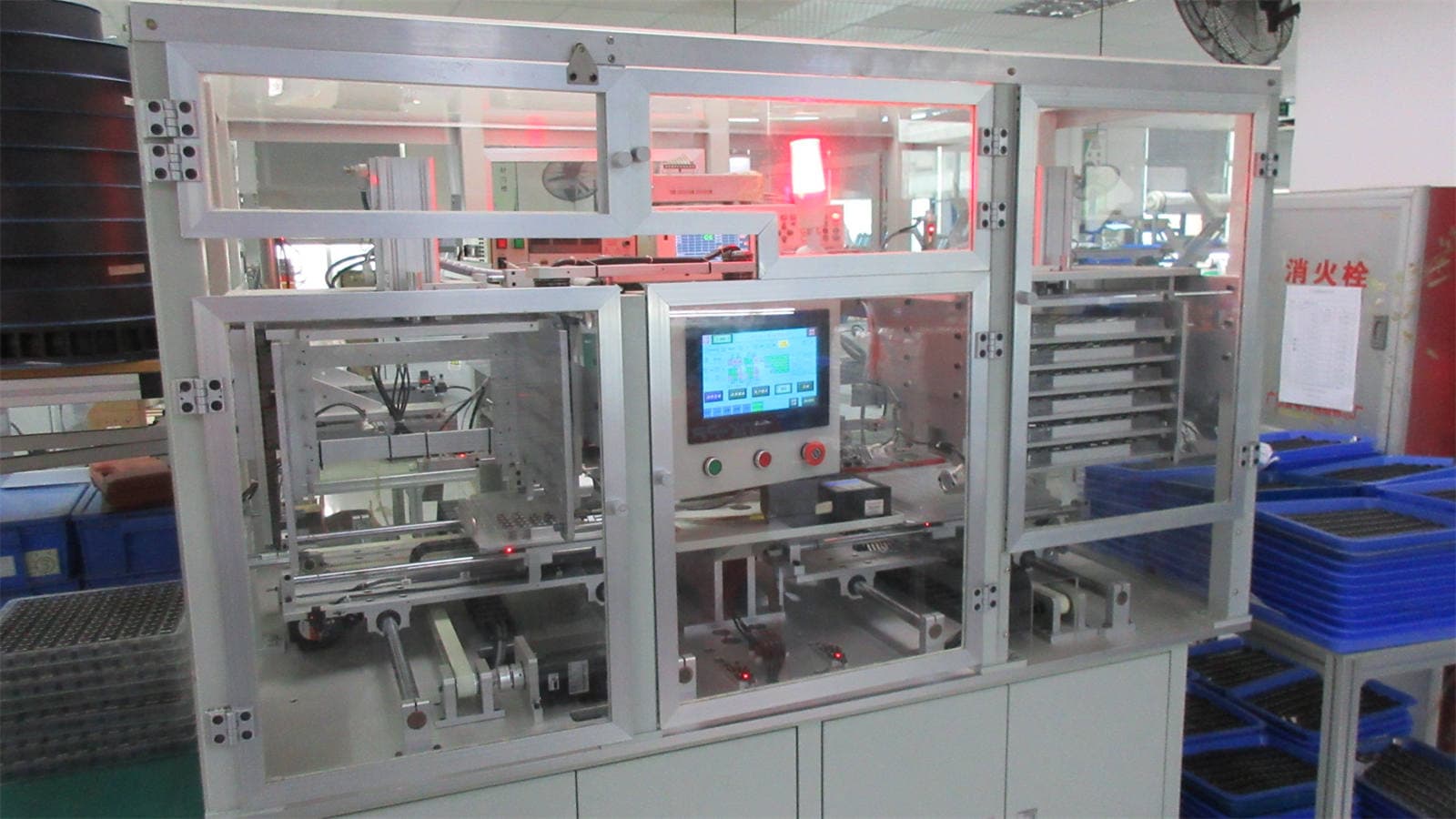
Take a virtual tour of Lumopt’s manufacturing and testing process. We guarantee stable optical transmission through strict component assembly, rigorous stress tests, and automated calibration.











Optimized optical sub-assemblies targeted for highly specific geographic and infrastructural deployments.
Operating at 6.144Gbps (CPRI Option 5) and 2.457Gbps, our industrial-grade transceivers are configured to endure unregulated outdoor temperature swings on wireless towers while maintaining spectral density.
Designed to connect high-capacity Wi-Fi access points to core distribution switches using 2.5G and 5G optical interfaces over standard OM3/OM4 multi-mode fiber structures.
Widely implemented in OLT (Optical Line Terminal) switch integration cards, bridging metropolitan fiber rings to individual customer nodes with high optical budget headroom.
A comprehensive breakdown of optical specs, supporting engineers in planning budget calculations and signal integrity limits.
| Module Standard | Wavelength (nm) | Fiber Type | Connector Type | Max Transmission Distance | DDM Support |
|---|---|---|---|---|---|
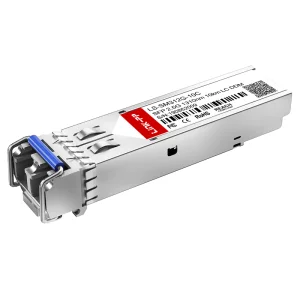
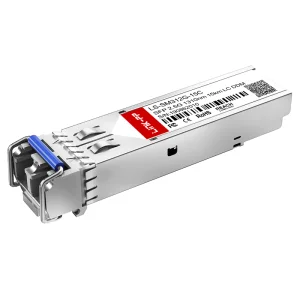
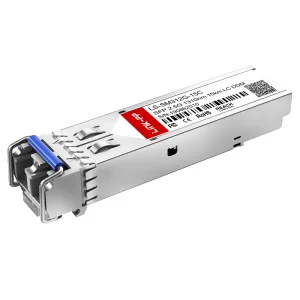
| 2.5GBASE-LX | 1310 nm | Single Mode (SMF) | Duplex LC | 15 km | Standard Integrated |
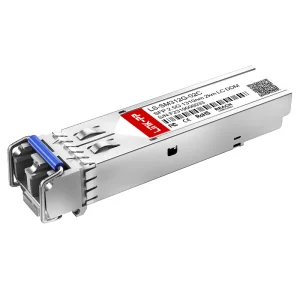
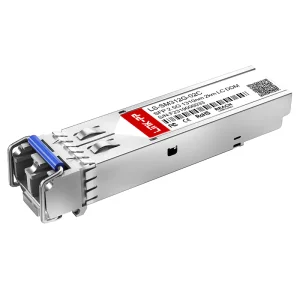
| 2.5GBASE-IX | 1310 nm | Single Mode (SMF) | Duplex LC | 2 km | Standard Integrated |
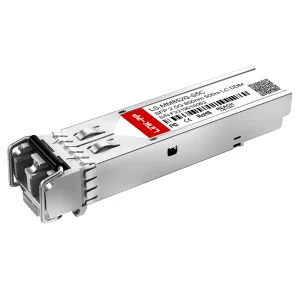
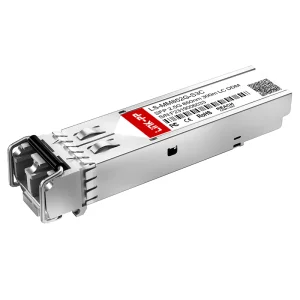
| 2.5GBASE-SX | 850 nm | Multi-Mode (MMF) | Duplex LC | 300 m / 550 m | Standard Integrated |
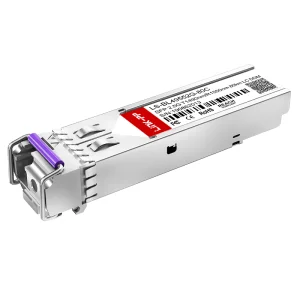
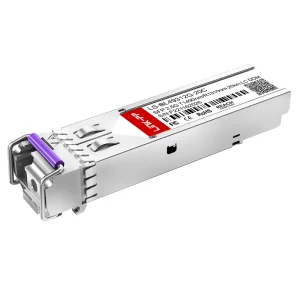
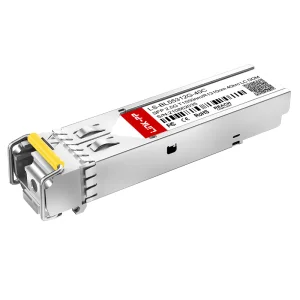
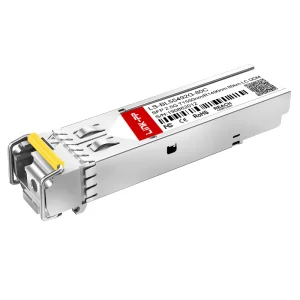
| 2.5G BiDi (Tx1310/Rx1550) | 1310nm-TX / 1550nm-RX | Single Mode (SMF) | Simplex LC | 20 km / 40 km | Standard Integrated |
| 2.5G BiDi (Tx1550/Rx1310) | 1550nm-TX / 1310nm-RX | Single Mode (SMF) | Simplex LC | 20 km / 40 km | Standard Integrated |
| 2.5G BiDi (Tx1490/Rx1550) | 1490nm-TX / 1550nm-RX | Single Mode (SMF) | Simplex LC | 80 km | Standard Integrated |
Ensure your supply chain risks are minimized by reviewing these critical parameters before volume orders.
Digital Diagnostic Monitoring (DDM), also referred to as Digital Optical Monitoring (DOM), allows operators to read real-time optical power, temperature, bias current, and transceiver supply voltage. Always verify that your manufacturer enables DDM functionality by default in the EEPROM.
For dense setups, Fabry-Perot (FP) lasers are cost-effective for short distances, while Distributed Feedback (DFB) lasers are critical for long-range spans (exceeding 20km) to combat dispersion penalty issues.
Ensure that commercial-grade (0°C to 70°C) modules are not deployed in outdoor cabinets. For harsh environments (cellular masts, utility sub-stations), specify Industrial Temperature Range (-40°C to 85°C) to avoid transmitter degradation and link failures.
Standardizing transceiver dimensions according to SFP MSA ensures they fit properly into any slot. Always require dimensional analysis to ensure physical compatibility with standard mechanical bays.
Different hosts (e.g., Cisco vs. Juniper) require unique vendor codes, checksums, and security keys written to the internal microchip. Standard bulk transceivers must be pre-coded at the manufacturing facility to achieve plug-and-play functionality.
High-performance Bidi, single-mode, and multi-mode options covering mid-to-long transmission paths.
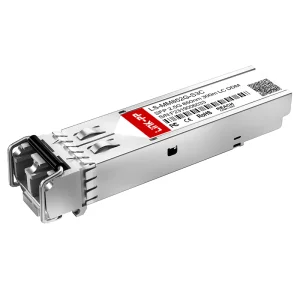
Your trusted one-stop supplier of certified high-performance optical transceivers from China.
Lumopt Opto Technology Co., Ltd., registered as Luguang Communication Technology Co., Ltd. in China, is a professional manufacturer and exporter specializing in high-performance optical transceivers. We focus on the R&D, production, and customization of a full series of optical modules covering 10G, 25G, 100G, 400G, 800G, and 1.6T products, which are widely applied in data centers, telecom networks, cloud computing, AI computing equipment, and enterprise communication systems.
Equipped with standardized dust-free production workshops, advanced automatic testing equipment, and a professional technical R&D team, we implement strict quality control throughout the production process. All our optical transceivers comply with international industry standards and have passed relevant reliability certifications, supporting OEM & ODM customized services to meet diverse demands from global buyers.
Adhering to the core concepts of stable quality, competitive pricing, and reliable after-sales support, Lumopt has built long-term cooperative partnerships with distributors, system integrators, and communication enterprises all over the world. We keep launching innovative optoelectronic products to deliver stable, cost-effective optical transmission solutions for global data communication markets.
Addressing technical, compatibility, and logistical inquiries for global engineering and procurement teams.
Yes. We specialize in custom-coding the EEPROM of every module to match the requirements of specific host switches (including Cisco, Huawei, Juniper, Arista, Ubiquiti, Mikrotik, and HP). Our transceivers comply fully with MSA hardware specifications, preventing compatibility alerts from being flagged by host operating systems.
BiDi optical modules transmit and receive data over a single fiber strand using two distinct wavelengths (e.g., 1310nm-TX and 1550nm-RX). Deploying BiDi modules cuts your fiber cabling footprint and infrastructure deployment costs by 50% compared to traditional duplex fiber setups.
Yes, we provide Industrial Temperature (-40°C to 85°C) variants for our entire portfolio. These modules are built with hardened components and premium lasers that resist thermal drift, making them ideal for outdoor telecom cabinets and industrial IoT networks.
Our quality control process is highly thorough: each transceiver is tested for eye diagram quality, jitter, receiver sensitivity, and optical power output. Following assembly, modules undergo aging tests in thermal chambers to weed out early failures and ensure long-term stability.
For standard models, samples can be shipped within 1–3 business days. Bulk orders or customized configurations (such as specific wavelengths, labels, or custom EEPROM coding) typically ship within 1 to 2 weeks, depending on component availability and production queue size.