Lumopt Lumopt

2026 How to Choose the Right Pluggable Optical Transceiver?

Time:2026-08-26 Author:Henry
0%

In today's rapidly evolving digital landscape, the demand for high-speed data transmission continues to grow. According to a recent market report from LightCounting, the global optical transceiver market is projected to reach $10 billion by 2026. This growth emphasizes the critical importance of selecting the right pluggable optical transceiver to meet increasing bandwidth requirements.

Choosing a suitable pluggable optical transceiver involves understanding various factors such as compatibility, performance, and cost. Performance standards set by organizations like the IEEE and ITU govern these components. However, many organizations face challenges due to the vast array of available options. Some might overlook compatibility, leading to inefficiencies in network performance.

As networks evolve, the need for adaptability becomes paramount. An improper choice can result in poor performance, driving businesses to reconsider their strategies. Organizations must weigh their options cautiously, ensuring alignment with future technological advancements. Seeking expert insight and relying on reputable sources is crucial for making informed decisions in this dynamic environment.
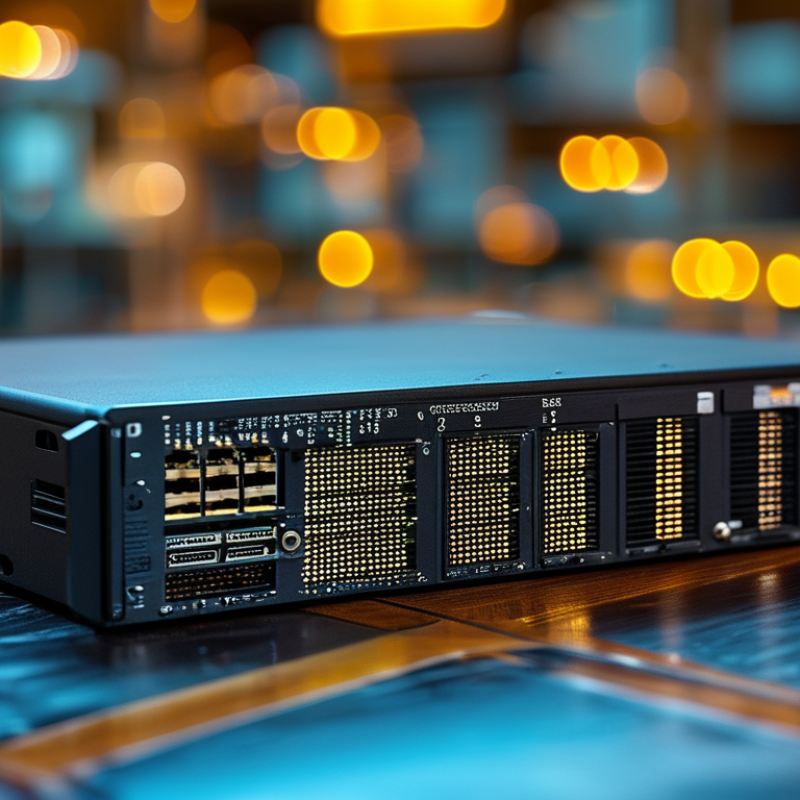
2026 How to Choose the Right Pluggable Optical Transceiver?

Understanding Pluggable Optical Transceivers: A Primer

Understanding pluggable optical transceivers is crucial for modern networks. These devices transform electrical signals into optical signals and vice versa. They play a vital role in data transmission over fiber optic cables. You will find various types of transceivers tailored for different needs, such as Ethernet, Fiber Channel, and SONET. Each serves unique functions and comes with specific specifications.

Choosing the right one can be challenging. Factors such as data rate, distance, and connection type are essential. It’s not just about speed. Reliability and compatibility with existing systems matter too. One must consider future scalability as well. Reflecting on your current and future needs can save costs and avoid frequent upgrades. Many users overlook the importance of firmware compatibility in their selection.

Not everything is straightforward. Misunderstandings can arise regarding distance abilities and signal degradation. What works in one environment might be ineffective in another. Real-world testing often reveals discrepancies between expected and actual performance. The landscape for optical transceivers is evolving quickly. Staying updated with the latest advancements and standards is necessary to make informed decisions.

Key Specifications to Consider When Selecting a Transceiver

When selecting a pluggable optical transceiver, understanding key specifications is crucial. One vital detail is the data rate. Common rates are 1G, 10G, and 100G. These figures represent how much data the transceiver can handle at once. Higher rates often mean better performance in high-demand environments.

Another important specification is the reach. This indicates how far the signal can travel without degradation. Transceivers can vary from short-range to long-range. It's essential to match this reach with your network needs. Consider the physical layout of your cables and devices. Sometimes, you may need more reach than initially planned.

Wavelength is also a critical factor. Different wavelengths serve specific applications and distances. While it may seem minor, an incorrect wavelength can lead to connectivity issues. Always ensure compatibility with existing devices. With these elements in mind, making a choice may still feel overwhelming. Ultimately, reflection on each specification's role in your network setup is necessary for a more informed decision.

Types of Pluggable Optical Transceivers and Their Applications

Pluggable optical transceivers come in various types, each suited for specific applications. Two common types are SFP and SFP+. The SFP is often utilized for gigabit connections, while SFP+ supports higher data rates, up to 10 Gbps. These transceivers are essential in data centers, connecting routers and switches seamlessly. The choice of the right transceiver can significantly impact network performance.

Another category is QSFP, designed for high-density applications and capable of handling multiple channels. QSFP can deliver 40 Gbps or even 100 Gbps over a single module. This performance is particularly beneficial in environments requiring a lot of data transfer, like cloud computing and big data analytics. However, understanding the specific needs of your network is crucial. Not all setups will benefit from high-speed transceivers.

While higher speeds often seem attractive, they may not be necessary for every application. Cost efficiency can sometimes outweigh the need for the latest technology. It’s important to assess both current and future demands. Choosing wisely ensures that your optical transceiver will meet your network's needs effectively. If not, you may find yourself upgrading sooner than expected.

2026 How to Choose the Right Pluggable Optical Transceiver?

Type Wavelength (nm) Max Distance (km) Data Rate (Gbps) Application
SFP 850 300 1-10 Data Centers
SFP+ 1310 80 16 Ethernet
QSFP+ 850 150 40 High-Speed Networking
QSFP28 1310 400 100 Data Centers, Telecommunication
SFP28 1310 10 25 High-Speed Ethernet

Evaluating Compatibility with Existing Network Infrastructure

When selecting pluggable optical transceivers, compatibility with your network infrastructure is crucial. Many organizations overlook this factor, ultimately leading to performance issues. According to a recent industry report, around 30% of companies experience downtime due to mismatched transceivers. Ensuring compatibility can significantly reduce these risks.

Evaluating existing network components is a key step. Look at your current switches, routers, and cabling. For instance, not all transceivers support the same data rates or distances. A study by the Telecommunications Industry Association shows that 40% of network failures stem from improperly matched components. It’s essential to verify the specifications of any new transceiver against your existing infrastructure.

Furthermore, consider the protocols in use. Compatibility is not just about physical connections; it’s also about functionality. Some transceivers may have limitations with certain protocols. Engaging with industry experts can help clarify these complexities. However, building strong relationships with stakeholders who understand your network can also mitigate risks. Compatibility issues often arise from inadequate communication during the upgrade process.

Cost Considerations and Budgeting for Optical Transceivers

When selecting pluggable optical transceivers, cost can significantly impact your budget. Industry reports indicate that optical transceiver prices vary widely, with some costing as low as $30 and others exceeding $1,000 per unit. This range highlights the necessity of understanding your specific needs to avoid overspending. Investing in higher-end transceivers may offer improved performance and longer lifespans, which can offset initial costs in the long run.

Consider these factors when budgeting. Assess the necessary data rates and distances for your network. Choosing an appropriate transceiver based on these criteria can help prevent costly mistakes. Data from the Fiber Optic Association suggests that organizations often underestimate maintenance and upgrading costs, potentially adding 20%-30% to their initial expenditures.

Evaluate your supplier options. Compare prices across multiple sources. While cheaper options might seem appealing initially, they can lead to higher costs in terms of compatibility and reliability. Check product reviews and industry feedback for insights. Transparency in pricing can often indicate a vendor's reliability.

Regularly revisit your budgeting strategy. The optical transceiver market is evolving. Staying informed on new technologies and price trends can ensure you make the best choices in a dynamic environment. Monitor your network performance and willingness to adapt funding allocations based on real-time data. This approach can help maintain efficiency in your optical network deployment.

2026 Cost Considerations for Pluggable Optical Transceivers

FAQS

: What is the primary function of pluggable optical transceivers?

: They convert electrical signals to optical signals for data transmission over fiber optic cables.

What should I consider when choosing an optical transceiver?

Factors include data rate, distance, connection type, reliability, and compatibility with existing systems.

Why is firmware compatibility important?

Many users overlook it, but it ensures smooth integration with current network components and prevents issues.

What variations exist in data rates for transceivers?

Common rates include 1G, 10G, and 100G, affecting how much data the device can handle simultaneously.

How does distance affect signal quality in transceivers?

Transceivers have different reach capabilities. Matching the reach with your network needs is essential.

What happens if I select the wrong wavelength for my transceiver?

An incorrect wavelength may lead to connectivity issues and overall network performance degradation.

Are higher-speed transceivers always the best option?

Not necessarily. Assessing your specific network needs can help avoid unnecessary upgrades and costs.

What is the benefit of using QSFP transceivers?

QSFP can handle multiple channels, delivering high data rates ideal for cloud computing and big data analytics.

How can misunderstandings arise regarding optical transceivers?

Misinterpretations about distance capabilities and signal degradation often occur, highlighting the need for real-world testing.

What should I reflect on when choosing a transceiver?

Consider both current and future needs to save costs and reduce the frequency of upgrades.

Conclusion

In the evolving landscape of networking technology, understanding pluggable optical transceivers is essential for making informed purchasing decisions. This article outlines key specifications to consider such as data rate, reach, and connector types. Various types of pluggable optical transceivers, including SFP, SFP+, and QSFP, are discussed alongside their specific applications, ensuring that readers can match the right transceiver to their network requirements.

Furthermore, evaluating compatibility with existing network infrastructure is crucial to ensure seamless integration and optimal performance. Budget constraints also play a significant role in the selection process, requiring careful cost considerations. By following these guidelines, individuals and organizations can effectively choose the right pluggable optical transceiver that meets their needs while optimizing network capability and budget efficiency.

Henry

Henry

Henry is a dedicated marketing professional with a profound expertise in the company's offerings. With years of experience in the industry, he possesses an impressive understanding of the market dynamics and consumer behaviors that drive success. Henry is committed to sharing his insights through......