Lumopt
The QSFP transceiver, short for Quad Small Form-factor Pluggable transceiver, plays a critical role in modern networking. According to the latest industry reports, the global market for optical transceivers will exceed USD 7 billion by 2026. This growth highlights the rising demand for high-speed data transmission. QSFP transceivers are essential for data centers, telecom networks, and other high-bandwidth applications, leveraging multiple channels in a single module.
A typical QSFP transceiver can support data rates of up to 400 Gbps. This impressive capacity makes it a favorite among network engineers and IT directors. However, despite its advantages, several factors must be considered for optimal performance. Thermal management is crucial, as overheating can lead to failures. Furthermore, compatibility with existing hardware can be an issue, sometimes requiring additional evaluations before deployment.
As the industry evolves, new standards emerge, complicating decisions. Organizations must carefully assess their needs. Relying solely on QSFP transceivers may not be sufficient; a strategic approach can prevent potential pitfalls. Understanding these nuances can enhance network effectiveness, ensuring robust and reliable communication across various platforms.
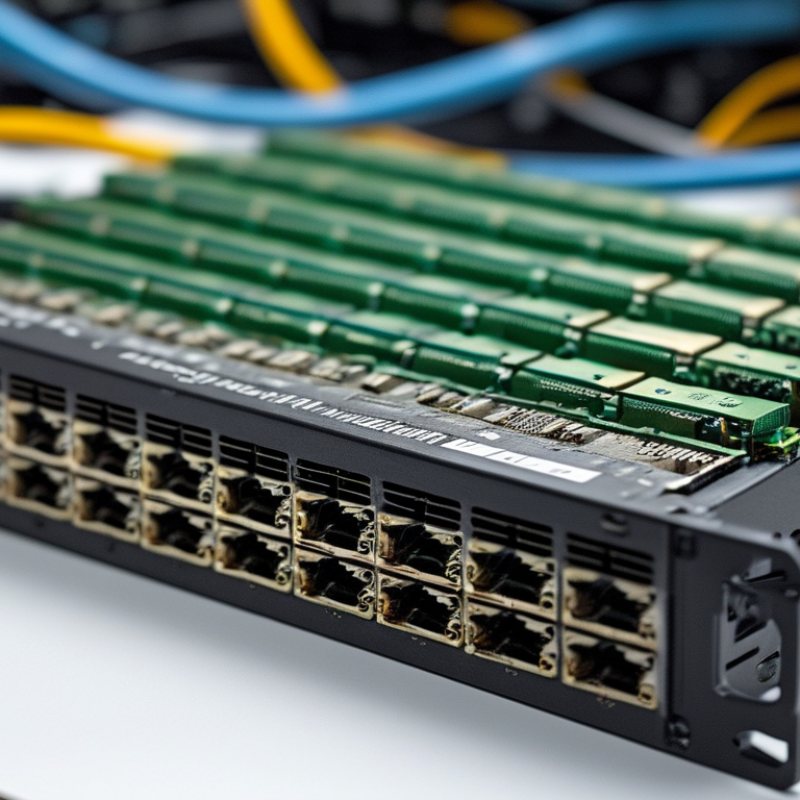
A QSFP transceiver, or Quad Small Form-factor Pluggable transceiver, is an essential component in modern networking. It provides a compact solution for high-speed data transmission. Typically, QSFP modules support data rates ranging from 40 Gbps to 400 Gbps. They play a key role in improving network efficiency. As network demands grow, the QSFP format has gained prominence.
The versatility of QSFP transceivers is noteworthy. They support multiple transmission protocols, including Ethernet and Fibre Channel. This adaptability makes them suitable for a range of applications, from data centers to telecommunications. According to recent reports, the market for QSFP transceivers is expected to reach $5.2 billion by 2026. This growth reflects the increasing need for bandwidth and speed in network infrastructure.
However, challenges remain in integrating QSFP technology. Not all networking equipment is compatible with QSFP modules. This can lead to inefficiencies if users are not careful in their selections. As networks evolve, continual adaptation and learning are vital for utilizing QSFP transceivers effectively. Understanding the limitations and requirements of this technology is crucial for achieving optimal performance.
QSFP transceivers have become a cornerstone in high-speed data transmission. Their key features and specifications highlight their capabilities. Typically, a Quad Small Form-factor Pluggable (QSFP) transceiver supports various data rates. These can range from 40 Gbps up to 100 Gbps. This high capacity makes them ideal for data centers and enterprise networks.
Moreover, QSFP transceivers are designed to optimize space. Their compact form factor allows for more connections in a limited area. They support multiple protocols, making them versatile for different networking needs. Many transceivers also come with advanced thermal management features. This helps prevent overheating during high-performance operations.
Despite their advantages, choosing the right transceiver can be tricky. Compatibility with existing systems is crucial. Not all QSFP modules work with every switch or router. Proper research and understanding of specifications are key. Users should also consider future scalability needs. Reflecting on specific requirements and potential growth can lead to better decisions in procurement.
QSFP transceivers are critical components in high-speed data networks. They enable the transmission of large amounts of data over fiber optic cables. A QSFP module can support multiple channels, typically four, allowing for greater bandwidth in one compact form. The working principle revolves around converting electrical signals into optical signals and vice versa. This process uses laser diodes for transmission and photodetectors for reception.
These transceivers facilitate seamless communication between devices in data centers. By understanding the working mechanism, one can troubleshoot network issues effectively. Maintenance includes regular checks for dust accumulation on connectors. Keeping the connectors clean ensures optimal performance.
Tips: Ensure that the QSFP ports are compatible with your network infrastructure. Pay attention to temperature control within rack-mounted systems. Overheating can lead to performance degradation or failures. Regularly monitor the signal levels to identify potential issues early. By being proactive, you can save time and resources while ensuring uninterrupted network service.
| Parameter | Description | Typical Value |
|---|---|---|
| Type | Form Factor | QSFP |
| Data Rate | Maximum transmission speed | 100 Gbps |
| Connector | Type of connector used | MPO/MTP |
| Distance | Maximum supported distance | Up to 400m (MMF) |
| Wavelength | Operating wavelength of transmission | 850 nm |
| Power Consumption | Typical power usage | 3.5 W |
| Application | Typical use cases | Data Centers, High-Performance Computing |
QSFP transceivers are vital components in modern networking. They are designed to enhance data transfer rates and connectivity across various devices. In networking applications, QSFP transceivers support high bandwidth and energy efficiency. This is particularly essential in data centers, where the demand for fast and reliable connectivity is ever-increasing. Organizations often opt for these transceivers due to their ability to handle multiple connections simultaneously while minimizing latency.
The versatility of QSFP transceivers is noteworthy. They are used in Ethernet, Fibre Channel, and InfiniBand setups. Each application has different requirements, yet QSFP transcends these needs effectively. In cloud computing, their role becomes significant as these networks require rapid data processing and transfer. However, ensuring compatibility with existing infrastructure can be challenging. Network engineers must often reassess configurations and adapt their systems to integrate these advanced components successfuly.
Implementing QSFP technology can lead to remarkable improvements. Yet, it is not without its complications. Proper training for technical staff remains crucial. Regular updates on standards are necessary to stay current in a rapidly evolving field. Balancing cost, performance, and reliability is essential. This ongoing assessment helps organizations reap the full benefits of QSFP transceivers.
The QSFP transceiver stands as a significant player in the networking arena. Its high-density design supports four data channels. Each can deliver up to 25 Gbps, totaling 100 Gbps per module. This efficiency serves data centers in handling vast amounts of traffic. A report from the International Data Corporation (IDC) reveals a growing demand for bandwidth, predicting a compound annual growth rate (CAGR) of 27% through 2025 for network speeds.
In contrast, the SFP+ transceiver offers a lower density. It typically supports a single channel at 10 Gbps, making it less suitable for high-capacity networks. The QSFP's compact form allows for better space utilization in server racks. A study by Market Research Future indicates that QSFP adoption is expected to exceed that of SFP+, signaling a shift in industry preferences.
Despite its advantages, the QSFP is not without challenges. Compatibility with various devices can sometimes pose issues. Additionally, power consumption remains a concern. Not all data centers are equipped to handle the increased energy demands of QSFP transceivers. Balancing performance and efficiency is critical for maximizing their potential.
: A QSFP transceiver is a compact device used for high-speed data transmission. It supports data rates between 40 Gbps and 400 Gbps.
QSFP transceivers are versatile. They are used in data centers and telecommunications, among other networking applications.
QSFP transceivers support four data channels, enabling a total capacity of 100 Gbps per module.
Compatibility is key. Not all QSFP modules work with every device. Research specifications carefully.
The compact design allows for more connections in a limited space. It maximizes efficiency in server racks.
Yes, some networking equipment may not be compatible. Users should reflect on their existing setups.
The QSFP market is projected to reach $5.2 billion by 2026, driven by increasing bandwidth demands.
Power consumption can be a concern. Not all data centers handle the increased energy use effectively.
QSFP offers higher density with four channels. SFP+ typically supports only one channel at 10 Gbps.
Advanced thermal management prevents overheating during high-performance operations. This is essential for maintaining reliability.
The QSFP transceiver, short for Quad Small Form-factor Pluggable transceiver, is a compact, high-speed data communication device widely used in networking applications. It supports multiple transmission protocols and provides high data rates, making it ideal for data centers and telecommunications. Key features of QSFP transceivers include their ability to handle four channels of data simultaneously, along with specifications such as varying data rates and form factors suited for diverse networking needs.
Understanding the working principle of QSFP transceivers reveals that they utilize optical fibers for data transmission, ensuring enhanced bandwidth and speed. Their applications range from enterprise networking to high-performance computing, where efficient data transfer is pivotal. In comparison with other transceiver types, QSFP transceivers stand out due to their superior density and performance, making them a preferred choice for modern networking solutions.
