The increasing demand for data bandwidth has propelled the development of high-speed optical networking solutions. Among these, the 200G optical transceiver has emerged as a pivotal component. According to a recent report by Market Research Future, the global optical transceiver market is projected to reach USD 5.45 billion by 2027, underscoring the significance of high-capacity transceivers like the 200G variant.
Selecting the right 200G optical transceiver can impact network performance significantly. Important factors include compatibility, form factor, and transmission distance. Experts suggest that mismatches in these areas may lead to unnecessary costs or lower performance. Understanding the nuances can be daunting, especially with the rapidly evolving technology.
Moreover, evaluating the reliability and supplier reputation is crucial. Industry standards, such as those set by IEEE, assure that a 200G optical transceiver meets essential performance benchmarks. However, not all vendors maintain these standards. Conducting thorough research and using expert sources is vital for making informed decisions. In an ever-competitive market, the right choice can enhance not only network efficiency but also long-term operational success.
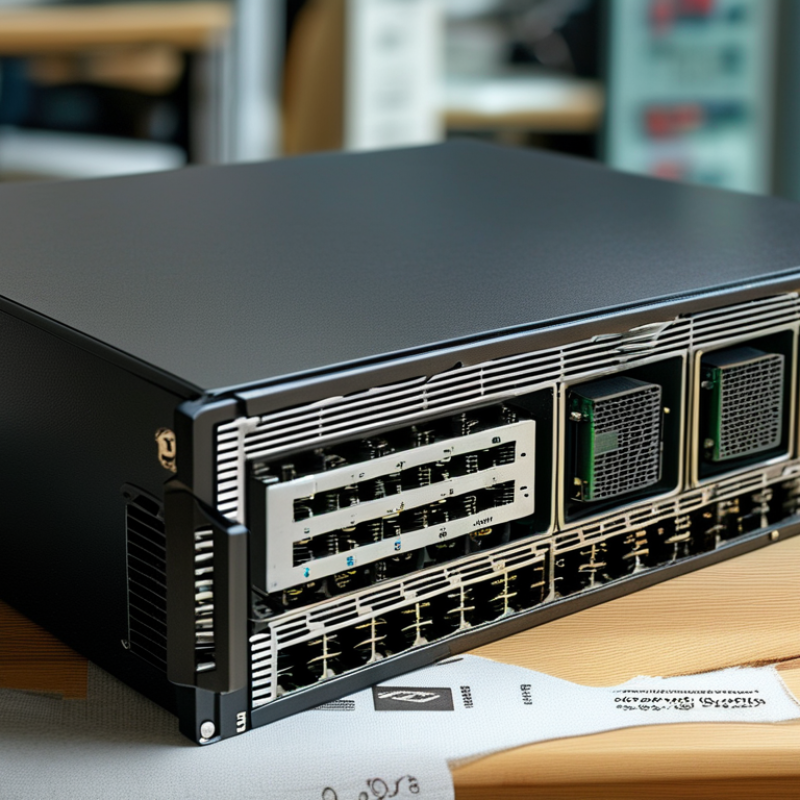
Understanding the Basics of 200G Optical Transceivers
200G optical transceivers play a pivotal role in modern data communications. They enable high-speed data transfer by converting electrical signals to optical signals. Understanding their components is crucial. These transceivers comprise lasers, photodetectors, and electronic circuitry. Each part must function perfectly for optimal performance.
Choosing the right 200G optical transceiver involves examining several factors. A key consideration is the type of fiber optic cable used. Single-mode fibers offer long-distance transmission while multimode fibers suit shorter runs.
Consider your network's requirements carefully. Compatibility with existing hardware is also essential.
Temperature and environmental conditions can impact performance. Ensure that the transceiver is rated for the operating environment. This might seem tedious, but overlooking this could lead to failures. Manufacturers often provide specifications, yet it's wise to double-check real-world performance reports. Testing the transceivers before full deployment is advisable. Performance choices offer room for improvement in reducing costs while enhancing efficiency.
Key Specifications to Consider When Selecting a 200G Optical Transceiver
When selecting a 200G optical transceiver, understanding key specifications is crucial. The first factor to consider is the transmission distance. Reports indicate that the optimal range for 200G transceivers typically spans from a few kilometers up to 80 kilometers, depending on the technology used, such as PAM4 or CWDM. This affects the application and deployment scenarios.
Another important specification is the signal integrity. A 200G optical transceiver must maintain low bit error rates. Research shows that a BER of less than 10^-12 is ideal. Additionally, assessing power consumption is crucial, as it can influence operational costs. Data reveals that the best transceivers consume between 5 to 10 watts. This balance of performance and efficiency is often overlooked.
Lastly, compatibility with existing infrastructure should not be ignored. Reports indicate that interoperability issues can arise with different brands, stressing the need for careful selection. Even minor discrepancies can lead to significant performance losses. Finding a reliable source for technical support is also essential. This expertise helps in troubleshooting and improvements, a step often underestimated by users.
Essential Tips for Choosing 200G Optical Transceiver
| Specification |
Description |
Importance |
| Wavelength |
Typically ranges from 1310 nm to 1550 nm. |
Affects signal attenuation and distance. |
| Max Distance |
Can range from 80 km to over 100 km depending on the type. |
Determines suitability for specific network architecture. |
| Connector Type |
Common types are LC and MPO connectors. |
Compatibility with cables and existing systems. |
| Power Consumption |
Ranges between 5W to 10W depending on the technology. |
Impact on overall system efficiency and operating costs. |
| Modulation Technology |
Includes NRZ, PAM4 technologies. |
Influences data rate and overall performance. |
| Temperature Range |
Standard ranges include 0°C to 70°C or -40°C to 85°C. |
Critical for deployment in various environments. |
Evaluating Compatibility with Your Existing Network Infrastructure
When selecting a 200G optical transceiver, evaluating compatibility with your existing network infrastructure is crucial. Many organizations overlook this step, leading to integration issues. It's vital to assess the current architecture's specifications and capabilities. According to a recent industry report by LightCounting, nearly 30% of organizations reported delays due to compatibility issues when deploying new optical technology.
Simplicity is key. Ensure that the transceiver you choose matches the existing fiber type, whether single-mode or multi-mode. Pay attention to the connector styles in use. Mismatches can lead to costly delays and troubleshooting efforts. Remember, optical transceivers may have different power requirements that can strain your current system performance.
Here are some tips: Examine the transmission distances and look for any existing limitations in your current setup. Evaluate potential issues with latency and throughput. Stay updated with industry standards to ensure your transceiver meets the latest technology requirements. Don't ignore older equipment's capabilities, as they sometimes support newer transceivers through firmware updates. Making informed decisions can save time and resources down the road.
Assessing Performance Metrics: Speed, Distance, and Power Consumption
When selecting a 200G optical transceiver, performance metrics are crucial. Speed, distance, and power consumption significantly impact network efficiency. For speed, a typical 200G transceiver operates at 200 gigabits per second. However, the actual performance can vary based on technology and environmental conditions. Research indicates that fibers optimized for high-speed connections can improve transmission rates significantly.
Distance plays a vital role. Many 200G transceivers can support distances up to 10 kilometers over multimode fiber. For single-mode fiber, this extends dramatically, reaching up to 80 kilometers or more. These variations are important for network design, especially for long-haul connections. It is essential to assess the specific needs of your application when considering these distances.
Power consumption is another key factor. Lower power usage can lead to significant cost savings and reduced heat generation. A study by the Optical Society noted that optimizing transceiver power consumption leads to efficiency improvements. However, many users still underestimate this metric. Choosing a transceiver that aligns power consumption with network requirements can yield long-term benefits, making it an essential consideration for network planners.
Performance Metrics of 200G Optical Transceivers
Brand Reputation and Support: What to Look For in Manufacturers
When selecting a 200G optical transceiver, brand reputation is crucial. A manufacturer with a long-standing history in optics tends to deliver reliable products. Look for companies known for quality engineering and robust customer support models. Check if they offer extensive warranties and responsive service. These factors are indicators of stability in products.
Evaluate customer reviews and industry feedback. They reveal insights about performance and reliability. Brands that prioritize transparency often foster trust. Peer recommendations can guide choices. Don't overlook the importance of technical documentation. A knowledgeable manufacturer should provide detailed specifications and installation manuals.
Consider the manufacturer's commitment to innovation. Staying updated with technology trends indicates a forward-thinking approach. However, claims should be substantiated by case studies or performance metrics. Watch for red flags, such as excessive marketing without substantial proof. Validating the promises through research is essential. Trust your instincts but support them with data.
Conclusion
When selecting a 200G optical transceiver, it's essential to understand the basic functionalities and specifications that define its performance. Key factors include data rate capabilities, transmission distance, and power consumption, all of which significantly influence the overall efficiency of your network.
Compatibility with your existing infrastructure should also be assessed carefully to ensure seamless integration. Additionally, evaluating the performance metrics such as speed and reliability will help in making an informed decision. Finally, considering the reputation and support services of manufacturers can contribute to a smoother implementation and maintenance experience. By following these guidelines, you can effectively choose the right 200G optical transceiver that meets your networking requirements.
 Lumopt
