 Lumopt
Lumopt
Lumopt
As the demand for high-capacity optical networks increases, CWDM transceivers have become essential for global communications. According to the latest market analysis by Mordor Intelligence, the optical transceiver market is projected to grow at a CAGR of 12.4% by 2026. This growth highlights the necessity for efficient data transmission solutions. CWDM transceivers offer a cost-effective way to enhance network capacity without laying additional fiber.
These transceivers are designed to operate over multiple wavelengths, enabling significant data throughput on existing fiber infrastructure. Reports from market leaders like LightCounting and Dell'Oro Group suggest that CWDM technology will continue to play a crucial role in next-generation networks. This offers both opportunities and challenges for buyers. Selecting the right CWDM transceiver requires understanding performance metrics and compatibility.
Buyers must also consider reliability and vendor support in their purchasing decisions. Despite the growing adoption, some users still face integration issues. Market feedback indicates a need for clear documentation and after-sales support to ensure seamless performance. This underscores the ongoing challenge of balancing innovation with practical implementation. Comprehensive knowledge helps buyers make informed decisions in this expanding market.
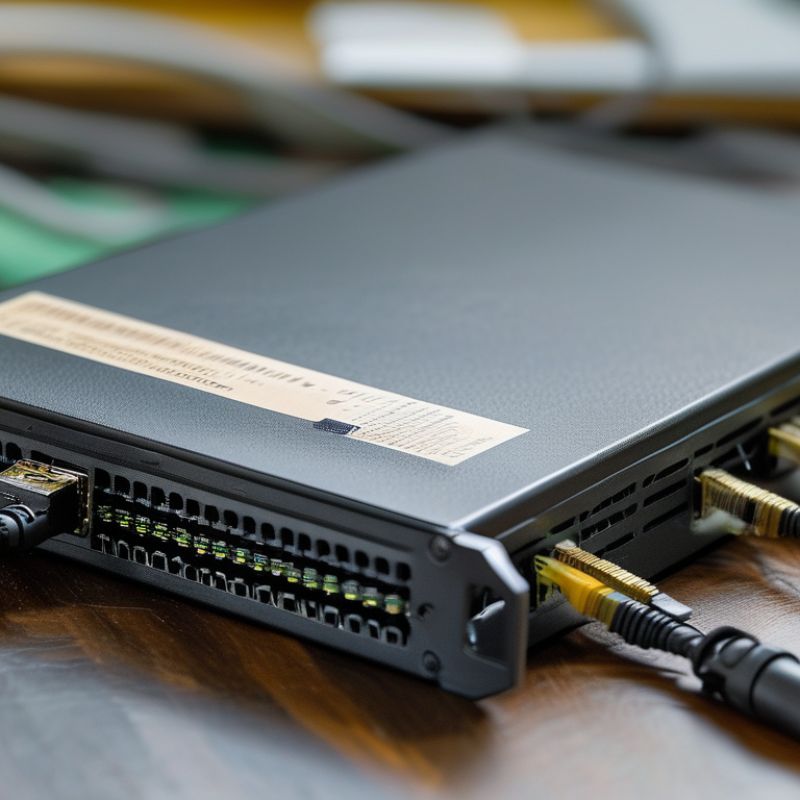
CWDM transceivers play a vital role in modern networking. These devices allow multiple wavelengths of light to travel over a single optical fiber, significantly enhancing bandwidth. As networks grow, the scalability offered by CWDM technology has become increasingly important. It reduces the need for additional fibers, leading to cost savings and efficient resource usage.
The flexibility of CWDM transceivers makes them suitable for various applications. They support long-distance data transmission, maintaining signal integrity. However, users must carefully consider factors like compatibility and distance requirements. Choosing the wrong transceiver can lead to performance issues. Each network setup presents unique challenges, and understanding these is crucial for optimal performance.
Quality is another crucial aspect. Not all CWDM transceivers are created equal. Variability in manufacturing can affect reliability and lifespan. It’s essential to source transceivers that meet industry standards to ensure consistent operation. Regularly assessing network performance can reveal areas needing improvement. This proactive approach helps in maintaining an efficient and robust network infrastructure.
| Transceiver Type | Wavelength (nm) | Data Rate (Gbps) | Transmission Distance (km) | Form Factor | Applications |
|---|---|---|---|---|---|
| CWDM SFP | 1270 - 1330 | 1.25 | 80 | SFP | Metro Ethernet, LAN |
| CWDM XFP | 1470 - 1610 | 10 | 80 | XFP | Data Center Interconnect, Long-haul |
| CWDM QSFP+ | 1270 - 1330 | 40 | 150 | QSFP+ | High-Density Data Transmission, Aggregation Layer |
| CWDM SFP28 | 1330 - 1390 | 25 | 40 | SFP28 | Data Center, Cloud Computing |
: CWDM transceivers allow multiple wavelengths of light to travel over a single optical fiber. This enhances bandwidth significantly.
They improve scalability by reducing the need for additional fibers. This leads to cost savings and resource efficiency.
They support long-distance data transmission while maintaining signal integrity. Their flexibility makes them ideal for various networking needs.
Key factors include wavelength diversity, compatibility with existing networks, and operational reliability. Each aspect affects performance.
Choosing the wrong device can lead to performance issues. It may hinder data transmission and cause network slowdowns.
Not all transceivers are reliable. Manufacturing variability can impact lifespan and performance. It's vital to source quality devices.
Compatibility is essential for integrating new tech with legacy systems. Many face challenges in such integrations, affecting performance.
Yes, temperature tolerance and power consumption affect performance. About 28% of downtime is due to environmental conditions.
Regularly assess network performance to identify improvement areas. A proactive approach helps maintain a robust network infrastructure.
It allows for greater data transmission capacity. Bandwidth efficiency can increase by over 400% compared to traditional methods.
CWDM transceivers play a crucial role in modern networking by enabling high-capacity data transmission over optical fibers. Understanding their key features, such as wavelength precision, data rate compatibility, and operational distance, is essential for buyers looking to optimize their network's performance. As the demand for bandwidth continues to grow, staying informed about the latest market trends and technological innovations in CWDM transceiver technology becomes increasingly important.
When selecting and implementing CWDM transceivers, it is vital to adhere to best practices that encompass a thorough evaluation of equipment compatibility and future scalability. This structured approach not only ensures optimal performance but also helps organizations make informed decisions that align with their networking needs and budget considerations. Overall, the strategic adoption of CWDM transceivers can significantly enhance data transmission efficiency and network reliability in diverse applications.
