In today's fast-paced digital world, the choice of SFP+ transceiver can significantly impact network performance. These small but powerful devices facilitate high-speed data transmission over fiber optic cables. With a variety of options available, selecting the right SFP+ transceiver becomes crucial for businesses worldwide.
The market is flooded with choices, making it difficult to narrow down the best options. Buyers must consider compatibility, data rate, and reach. Some transceivers excel in certain environments, while others may fall short. It’s essential to align the right SFP+ transceiver with specific networking needs.
Understanding the nuances of SFP+ transceivers is vital. Not all devices meet the same standards, and reliability can vary. By closely examining the top options available, buyers can make informed decisions. This ensures their networks remain robust and efficient, accommodating growing data demands. Ultimately, the goal is to find a balance between performance, cost, and long-term reliability.
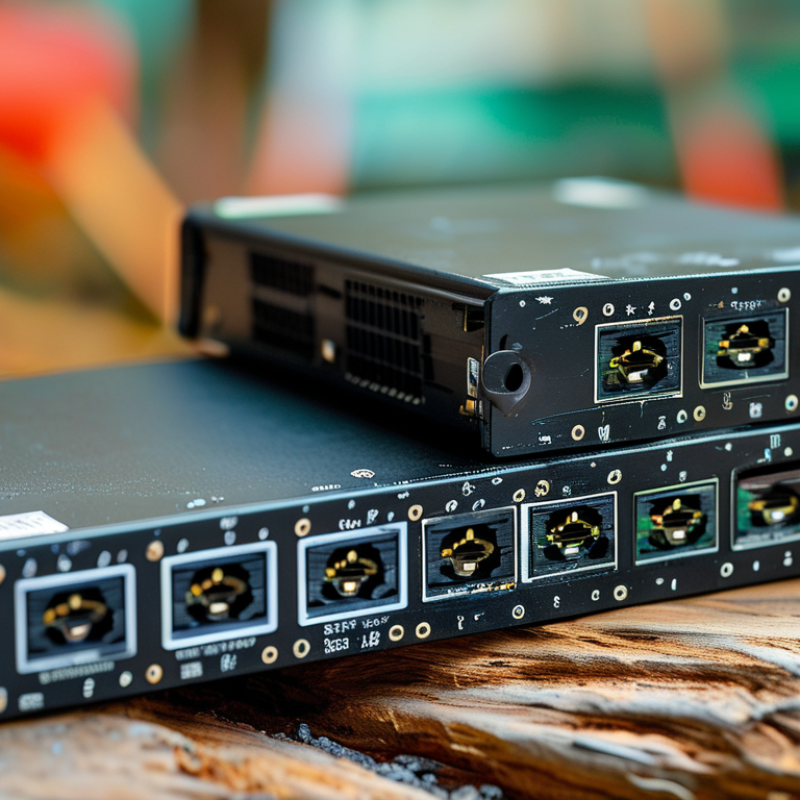
Overview of SFP+ Transceivers and Their Importance in Networking
SFP+ transceivers are vital in modern networking. They provide high-speed data transmission, typically up to 10 Gbps. Their compact size and versatility make them ideal for various applications, including data centers and enterprise networks. These modules plug into SFP+ ports on network devices and offer different functionalities, such as long-range and short-range connections.
The importance of SFP+ transceivers cannot be overstated. They enable seamless connectivity, ensuring efficient data flow between servers, switches, and routers. When selecting a transceiver, buyers need to consider factors like compatibility, distance, and bandwidth requirements. Misunderstanding these aspects can lead to network inefficiencies. Testing transceiver configurations regularly is also key. Often, overlooked details can lead to significant performance issues.
In today’s rapidly evolving network landscape, expertise in choosing the right transceiver is essential. Incorrect choices can create bottlenecks. Yet, the diversity of available options adds complexity to decision-making. Buyers may find it challenging to navigate these choices effectively. Focusing on specifications while keeping future upgrades in mind is crucial for long-term reliability.
Top 10 SFP+ Transceiver Options for Global Buyers
| Transceiver Model |
Wavelength (nm) |
Max Distance (m) |
Data Rate (Gbps) |
Connector Type |
| Model A |
850 |
300 |
10 |
LC |
| Model B |
1310 |
10 |
10 |
LC |
| Model C |
1550 |
40 |
10 |
LC |
| Model D |
850 |
150 |
10 |
MPO |
| Model E |
1310 |
25 |
10 |
LC |
| Model F |
1550 |
80 |
10 |
LC |
| Model G |
850 |
100 |
10 |
MPO |
| Model H |
1310 |
70 |
10 |
LC |
| Model I |
1550 |
50 |
10 |
LC |
| Model J |
850 |
200 |
10 |
MPO |
Key Features to Consider When Selecting SFP+ Transceivers
When choosing SFP+ transceivers, several key features require attention to ensure optimal performance. The compatibility with your network equipment is crucial. Verify that the transceiver matches your hardware specifications. A mismatch can lead to connectivity issues.
Another factor to consider is distance and speed. Different transceivers support various data rates and distances. Standard models typically support speeds up to 10 Gbps. Evaluate your network's needs carefully; a higher speed transceiver may be necessary for data-intensive applications.
Tips: Always check the optical specifications. This ensures that the transceiver will work in your environment. Look for any potential shortcomings in the specifications, as they can affect future upgrades.
Heat generation is also an aspect often overlooked. Some models may run hotter than others, which could affect the longevity and reliability of the equipment. Pay attention to any cooling requirements that may arise with certain transceivers.
Ultimately, your choice can influence network performance. Take time to review data sheets and online resources. Make informed decisions to avoid any regrets later.
Top 10 SFP+ Transceiver Options with Detailed Specifications
When selecting SFP+ transceivers, specifications are vital. These devices typically support data rates up to 10 Gbps. The market has seen a rapid growth in demand, with a report by MarketsandMarkets predicting a compound annual growth rate (CAGR) of 14% from 2021 to 2026.
Understanding the specifications helps identify the best options for different applications. Compatibility with various devices is a crucial factor. Some transceivers offer reach up to 300 meters over multimode fiber, while others are designed for longer distances using single-mode fiber. The choice between hot-pluggable or non-hot-pluggable types can also impact installation flexibility in network environments.
Tips: Always check for compatibility with existing hardware before making a purchase. Look for options that provide detailed specifications, such as wavelength and connector type. A deeper understanding of the market can prevent costly mistakes.
Investing in high-quality transceivers may reduce the total cost of ownership over time. Choosing lower-quality options can lead to performance issues. Depending on network demands, scalability is another factor to consider. Regular reviews of transceiver specifications are essential for optimizing network performance.
Comparative Analysis of SFP+ Transceiver Brands and Performance
When selecting SFP+ transceivers, performance and reliability are crucial. Global buyers face countless options, so a comparative analysis becomes essential. Each brand offers different features that impact transmission rates, distances, and compatibility. Users should consider factors like data rate, reach, and wavelength when choosing a transceiver. Some brands excel in specific applications, while others have broader capabilities.
Testing reveals varied results across brands. Some transceivers focus on cost-effectiveness, while others prioritize long-range performance. Longevity and durability should not be overlooked. Real-world experiences suggest that performance can fall short of advertised specifications. This discrepancy highlights a need for careful evaluation. Some users report unexpected compatibility issues, emphasizing the importance of verifying specifications.
Buyers should think critically about their specific needs. Is it for a data center? A telecommunications network? Not all transceivers serve every purpose equally. Exploring user reviews can provide insights into real-life performance. Opting for well-reviewed options can help minimize risks. However, every choice carries some uncertainty, and remaining informed is key.
Future Trends in SFP+ Technology and Market Outlook
The SFP+ (Small Form-factor Pluggable) technology is evolving rapidly, impacting data centers and network infrastructure. Innovations are focusing on improving bandwidth and reducing latency. The trend towards 400G technology is gaining momentum. More organizations are looking to optimize their network performance. This push is leading to increased interest in multi-rate transceivers. As a result, interoperability and scalability become crucial factors in buyer decisions.
Another noteworthy trend is the integration of SFP+ modules with advanced optics. These advancements enhance signal quality and distance without sacrificing performance. As the demand for high-speed connectivity grows, so do the requirements for energy efficiency. Many buyers now prioritize energy-efficient solutions to reduce operational costs. This shift represents a broader concern about sustainability in tech.
On the flip side, the rapid pace of development creates challenges. Buyers need to evaluate compatibility and future-proof their investments. Choosing the right technology can be daunting. With so many options, it often leads to confusion. A clear understanding of future trends is essential for making informed choices. Although the market outlook is positive, staying updated is crucial for buyers looking to excel in this competitive landscape.
Top 10 SFP+ Transceiver Options for Global Buyers
This chart illustrates the market demand in terms of units sold for various SFP+ transceiver options. The data reflects current trends and preferences among global buyers, showcasing the popularity of specific transceiver types in the market.
FAQS
: SFP+ transceivers typically support high-speed data transmission up to 10 Gbps.
Compatibility ensures proper functioning. A mismatch can lead to connectivity issues and network inefficiencies.
Different transceivers support various distances. Higher-speed options may be needed for data-intensive applications.
Always verify optical specifications to ensure the transceiver suits your network environment.
Yes, some models generate more heat. This can impact the longevity and reliability of your equipment.
Evaluate potential shortcomings in specifications. This will help in making decisions for future network expansions.
Take time to review data sheets and resources. Making informed decisions pays off in the long run.
Ignoring testing can lead to undetected performance issues, impacting overall network efficiency.
Yes, the variety of options can complicate decision-making, leading to potential oversight.
Some transceivers may have specific cooling needs. Overlooking this can affect equipment performance.
Conclusion
This article provides a comprehensive overview of SFP+ transceivers and their critical role in modern networking. It highlights key features to consider when selecting these transceivers, such as compatibility, data rates, and reach. The top 10 SFP+ transceiver options are presented with detailed specifications, allowing buyers to make informed decisions based on performance metrics and technical suitability.
Furthermore, the comparative analysis of various SFP+ transceiver brands sheds light on their respective advantages and limitations, guiding users in selecting the optimal solution for their networking needs. The article concludes with insights into future trends in SFP+ technology, discussing anticipated advancements and the market outlook, which emphasizes the evolving landscape of high-speed data transmission solutions.
 Lumopt
