Lumopt
Lumopt
Lumopt
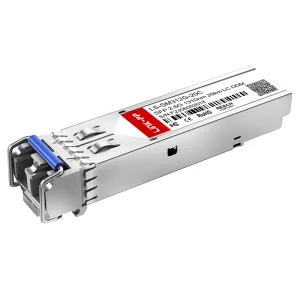
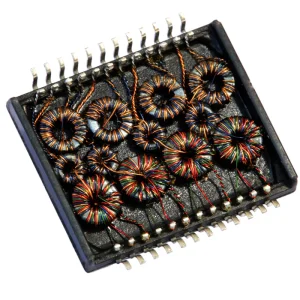
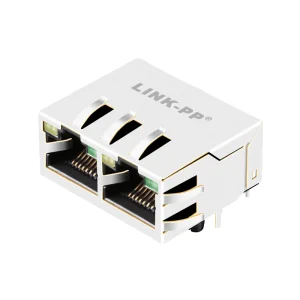
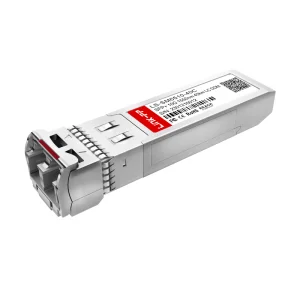
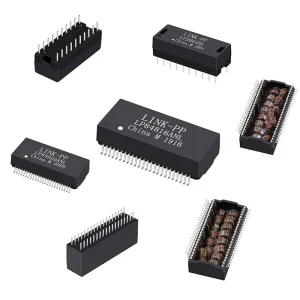
Explore our cutting-edge selection of enterprise-grade transceiver modules, high-speed RJ45 sockets, and advanced network transformers designed to power modern industrial communication lines.
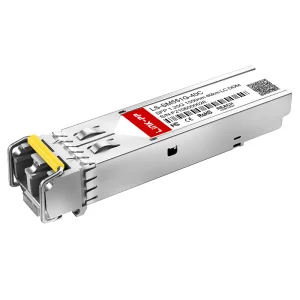
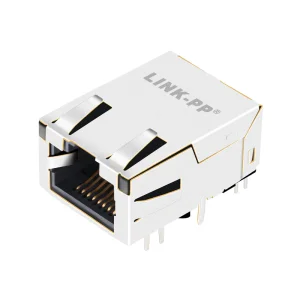
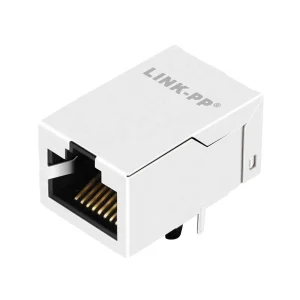
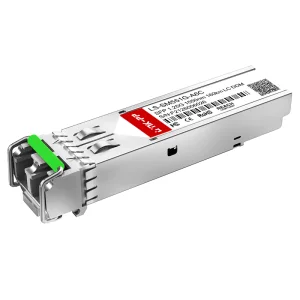
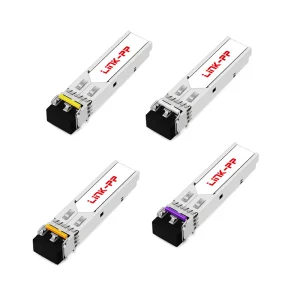
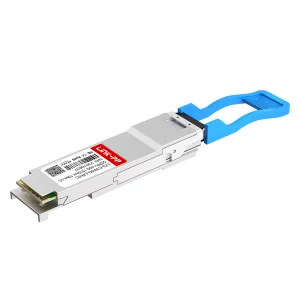
Lumopt Opto Technology Co., Ltd., registered as Luguang Communication Technology Co., Ltd. in China, is an established, professional Chinese manufacturer and exporter specializing in high-performance optical transceivers. Armed with years of industrial expertise, we drive telecom network and enterprise computing evolution through the R&D, production, and precision customization of full-series optical modules covering 10G, 25G, 100G, 400G, 800G, and next-generation 1.6T products.
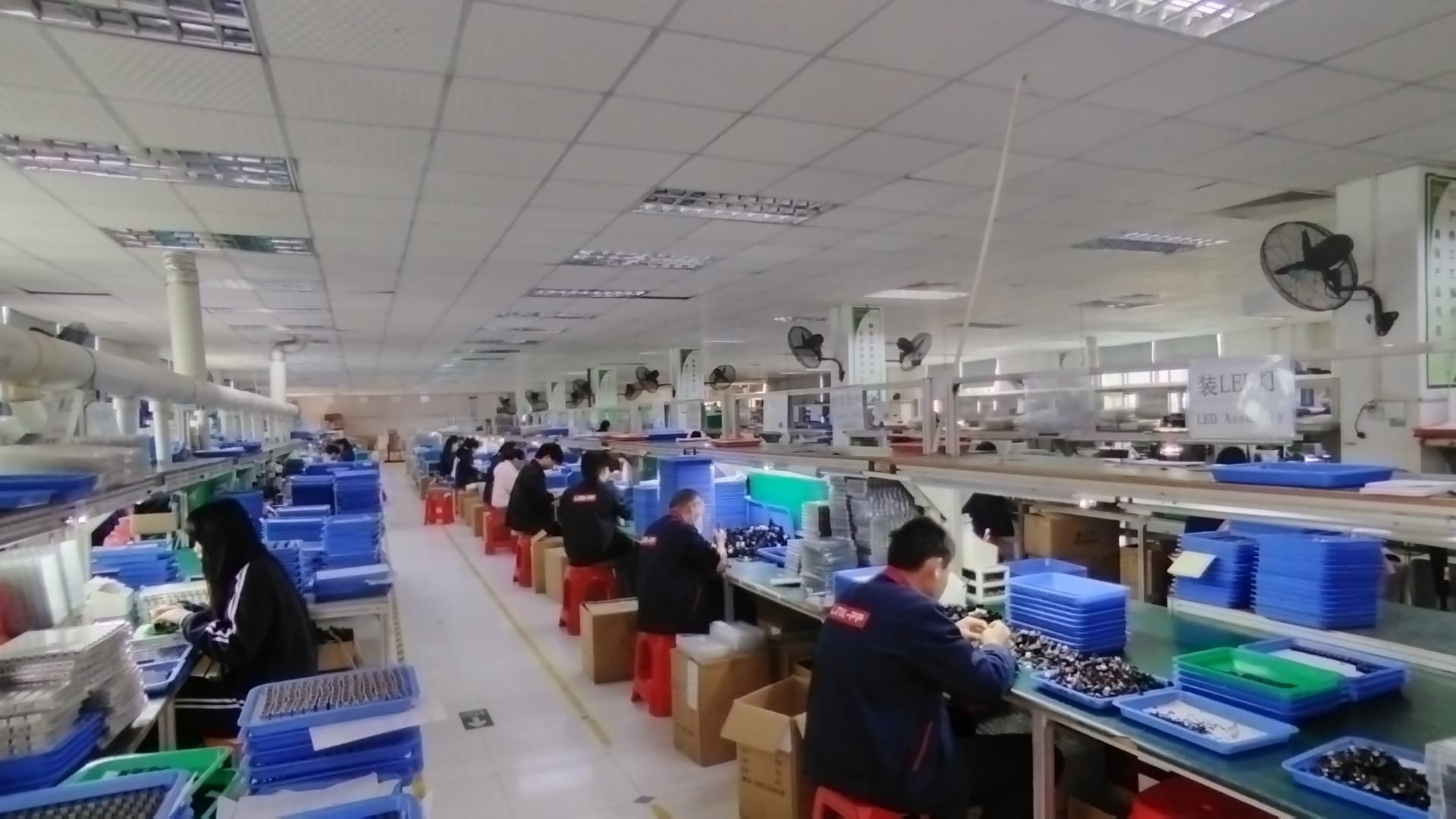
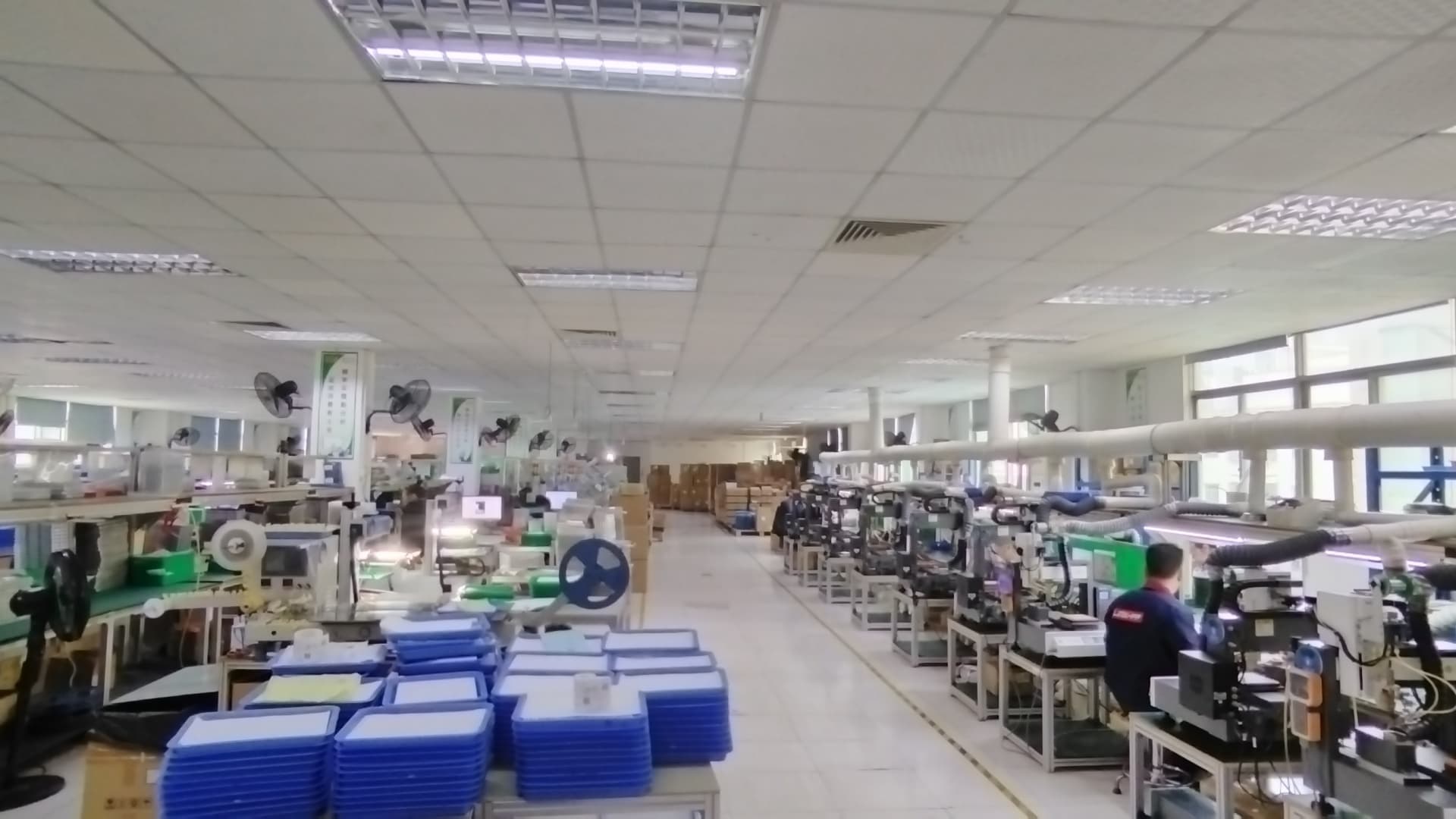
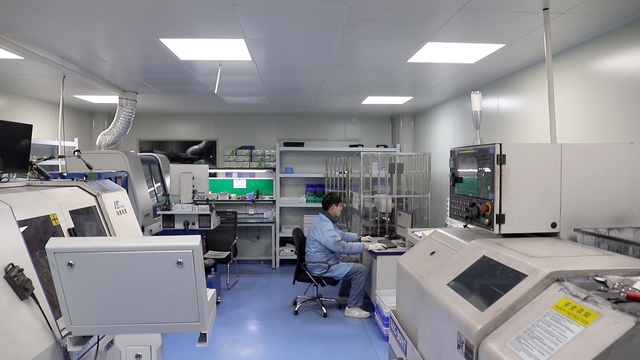
Our state-of-the-art infrastructure features highly standardized dust-free production workshops, advanced automatic testing machinery, and a multi-disciplinary R&D team. This enables us to maintain strict quality metrics throughout the product cycle, assuring that all modules comply with international Multi-Source Agreements (MSA) and pass stringent safety and reliability inspections (including CE, FCC, RoHS, and ISO9001 certifications).
We provide comprehensive OEM & ODM customization services to meet diverse regional demands. By adhering to our founding principles of stable quality, transparent pricing, and reliable support, Lumopt has secured long-term relationships with network engineering companies, wholesale distributors, and IT system integrators worldwide.
The demand for high-bandwidth optical interconnects is growing at an unprecedented rate, fueled by the rapid expansion of generative AI, high-performance computing (HPC) clusters, hyperscale cloud architecture, and global 5G/6G deployments. As networks transition from legacy 10G/25G architectures to 400G, 800G, and eventually 1.6T configurations, optical transceivers have evolved from standard auxiliary accessories into critical components that dictate system-wide throughput, latency, and power efficiency.
Today's international supply chain demands a blend of high-speed manufacturing, reliability, and cost-efficiency. Chinese factories, led by specialized makers like Lumopt, are critical to this ecosystem. By integrating the local manufacturing supply chain with advanced testing labs, we deliver high-performance transceivers at competitive prices. As global carriers and enterprises seek to build robust networks, having a dependable manufacturing partner in China guarantees access to scalable production lines, fast component turnaround times, and certified quality controls.
As hardware demands push physical transmission boundaries, Lumopt is committed to developing new technologies that improve data density, minimize thermal output, and lower operational costs. Below is our R&D and technological implementation roadmap:
By replacing discrete III-V semiconductor elements with integrated silicon photonics, we reduce component footprints, lower insertion loss, and enable the mass production of 400G/800G optical engines on unified silicon wafers.
We are actively developing Linear-drive Pluggable Optics (LPO) that eliminate the DSP (Digital Signal Processor) in the transceiver, dramatically reducing power consumption and latency. For long-term hyperscale deployments, Co-packaged Optics (CPO) architectures are also under deep R&D.
Moving beyond legacy NRZ modulation, our high-bandwidth modules leverage 112Gbps PAM4 signaling for short-reach high-density applications, and Coherent Optical technology for long-haul metropolitan networks up to 160km without inline amplification.
With AI clusters requiring massive East-West traffic throughput, our development pipeline includes 1.6T OSFP-XD transceiver configurations utilizing 224G lanes, designed for the next wave of AI-optimized switching fabrics.
Every component leaving our facility undergoes a rigorous, multi-stage production sequence inside dust-free cleanrooms. This ensures that electrical solder joints, optical alignment, and mechanical structural integrity conform to strict aerospace-level tolerances.

Initial wire and conductor preparation for high-reliability transformers and copper connectors, ensuring balanced electrical performance.
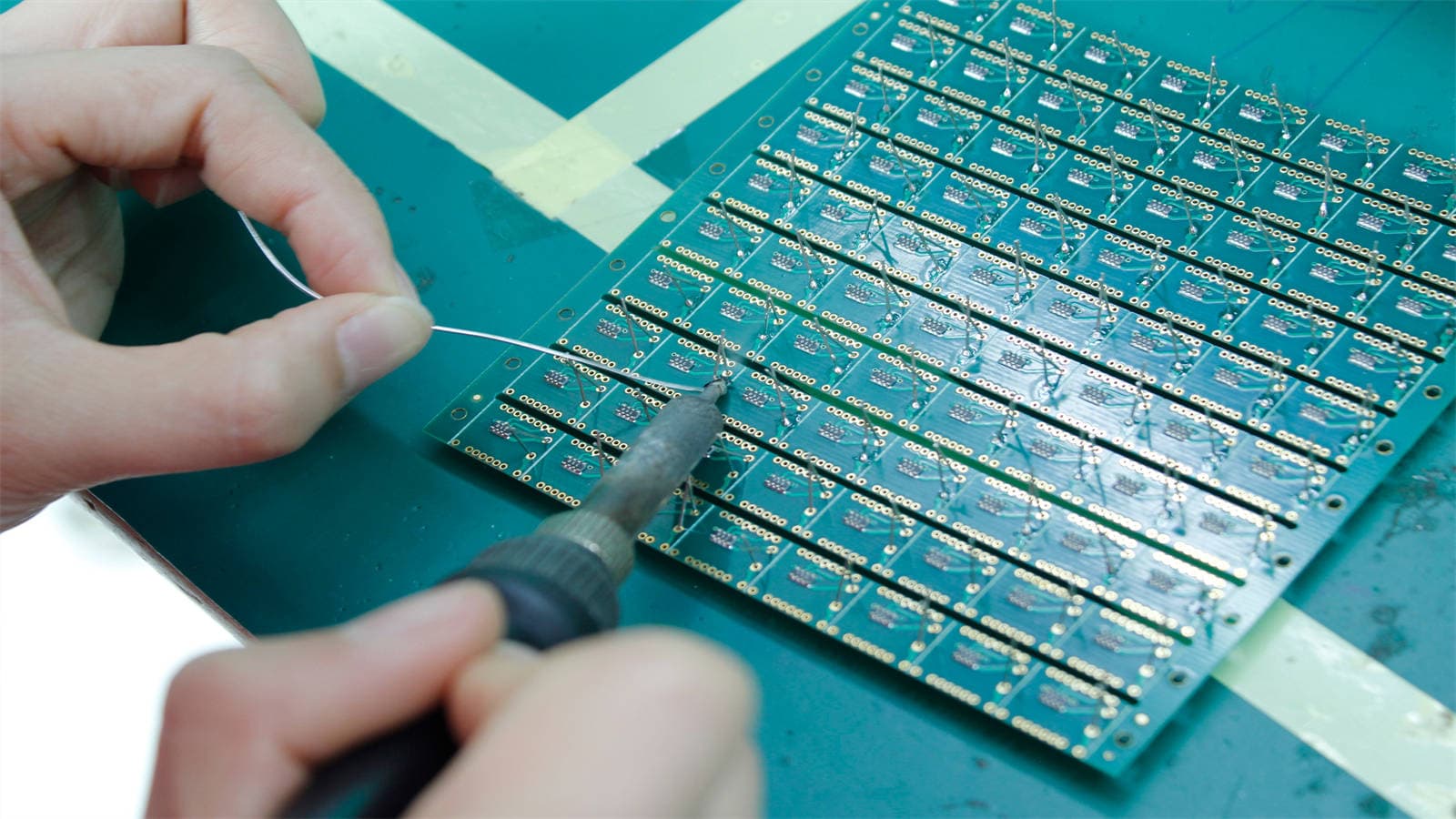
Applying uniform solder plating to the PCB surface. This guarantees robust surface tension and prevents oxidation during downstream heat cycles.
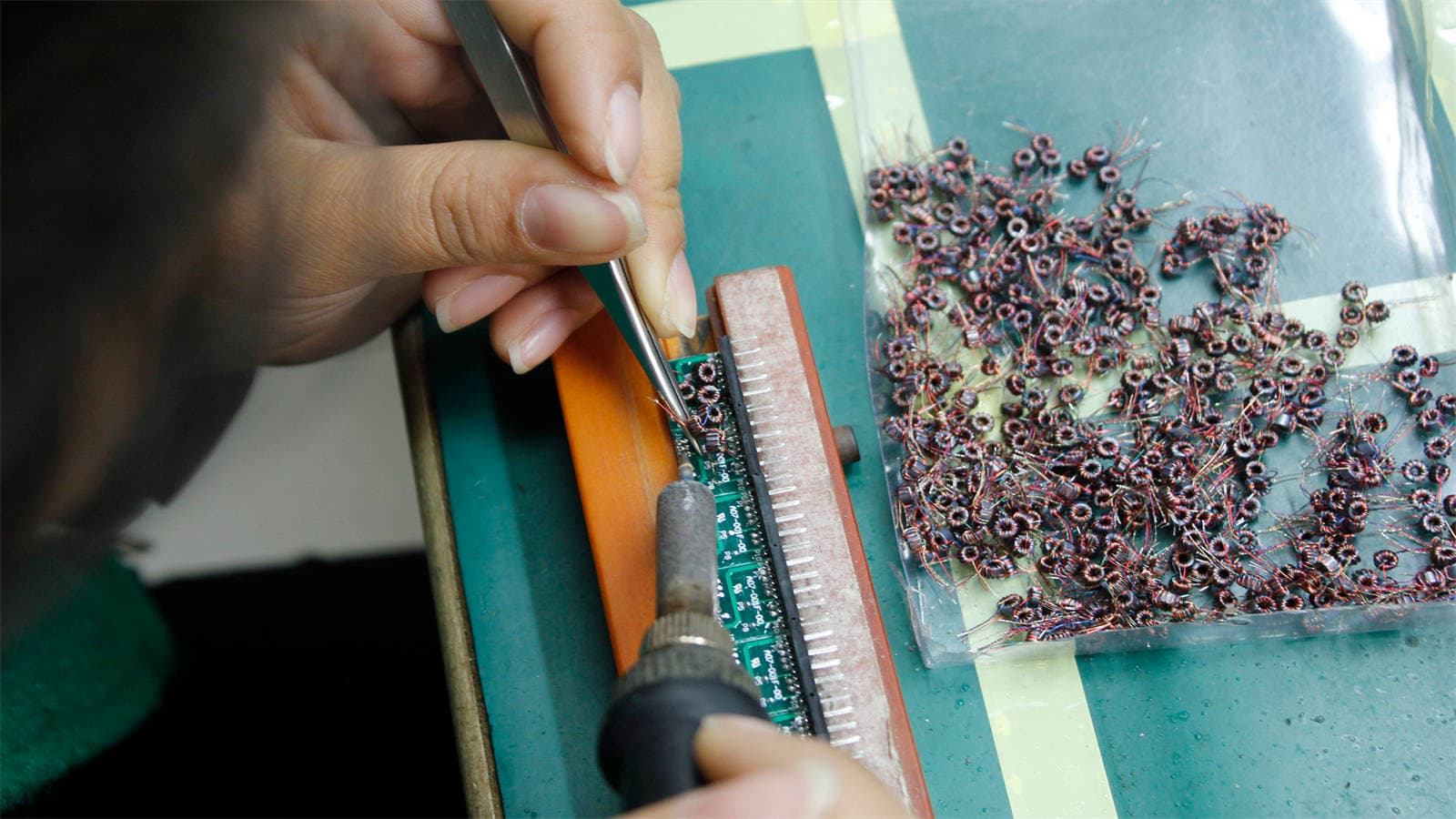
High-precision optical-grade component soldering to secure optoelectronic chips onto substrate interfaces with minimal thermal stress.
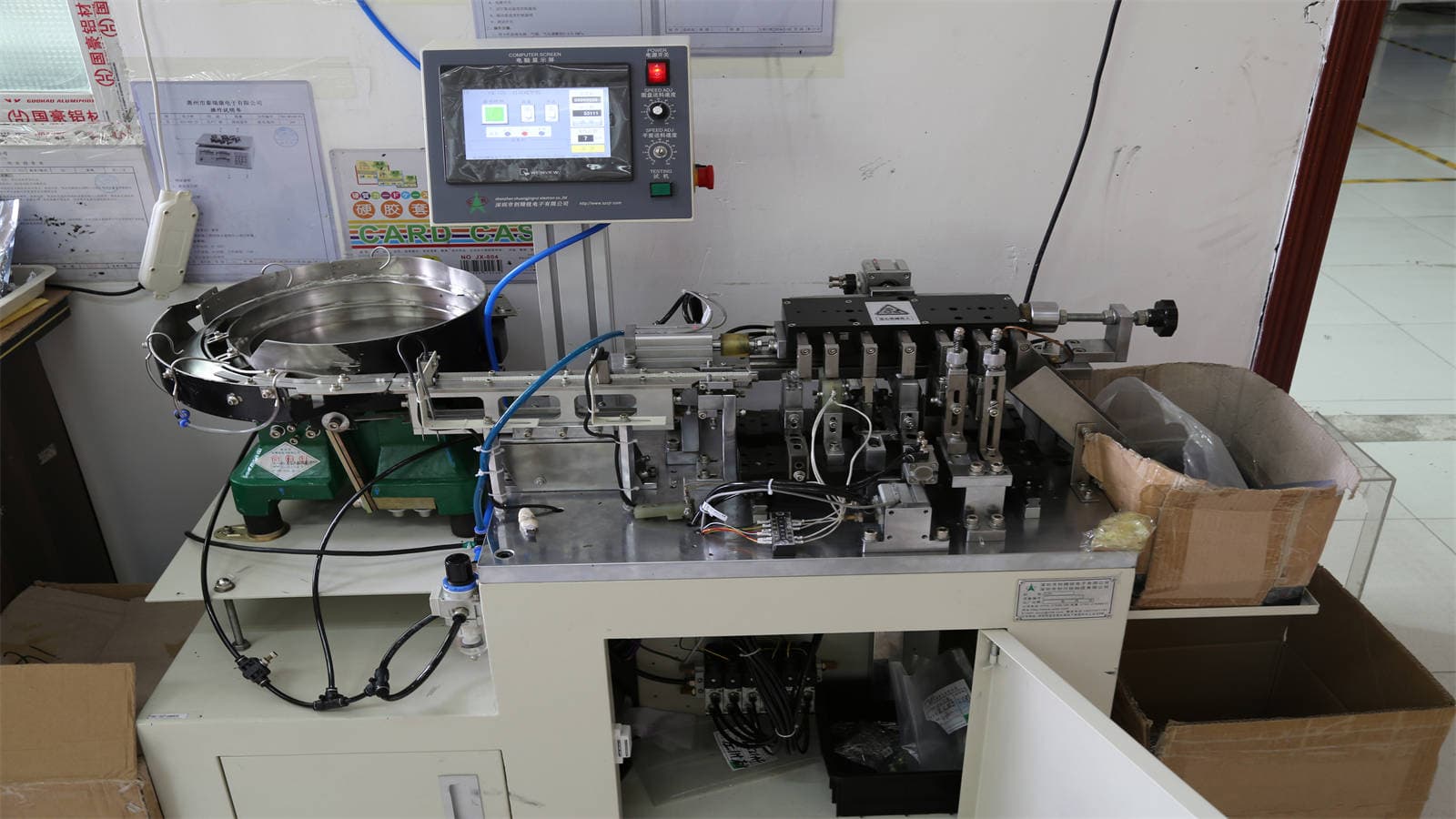
Trimming and precision shearing of indicators and lead pins to exact mechanical specifications, preventing short circuits.
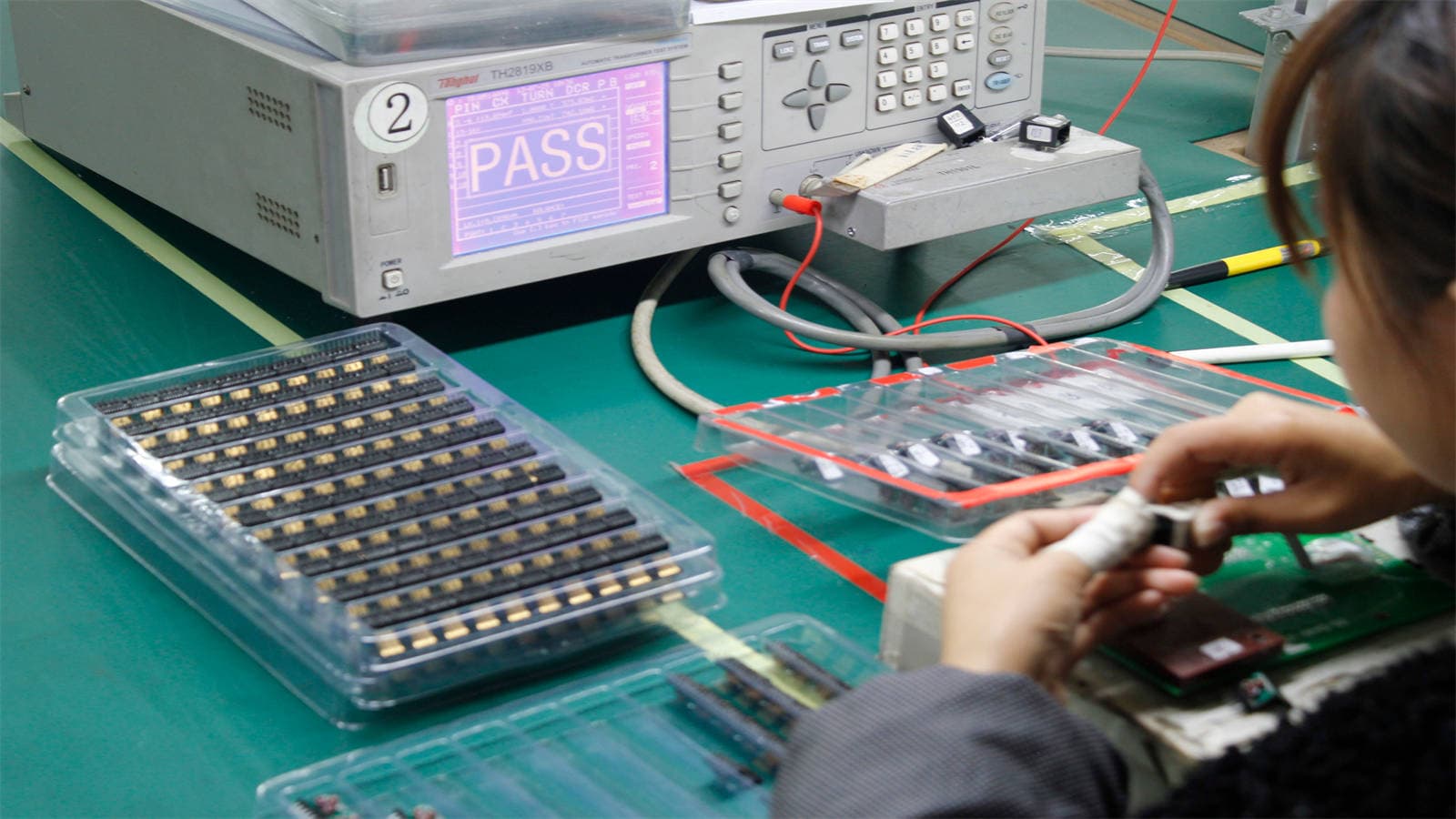
Early-stage automated probing of the circuit boards to verify signal integrity, impedance parameters, and electrical continuity.
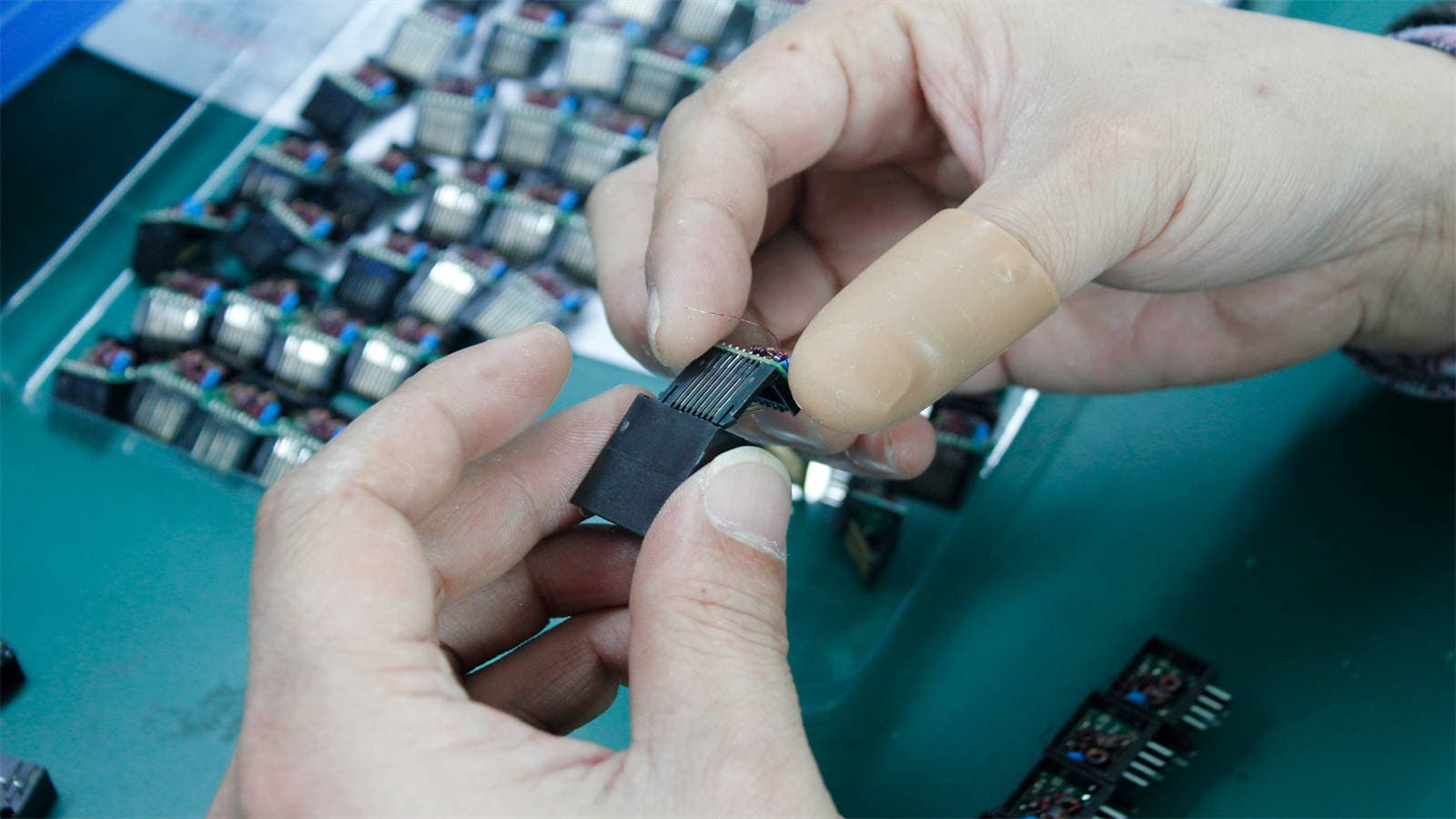
Integrating internal components with shielded plastic and zinc-alloy chassis to ensure EMI protection and robust physical structure.
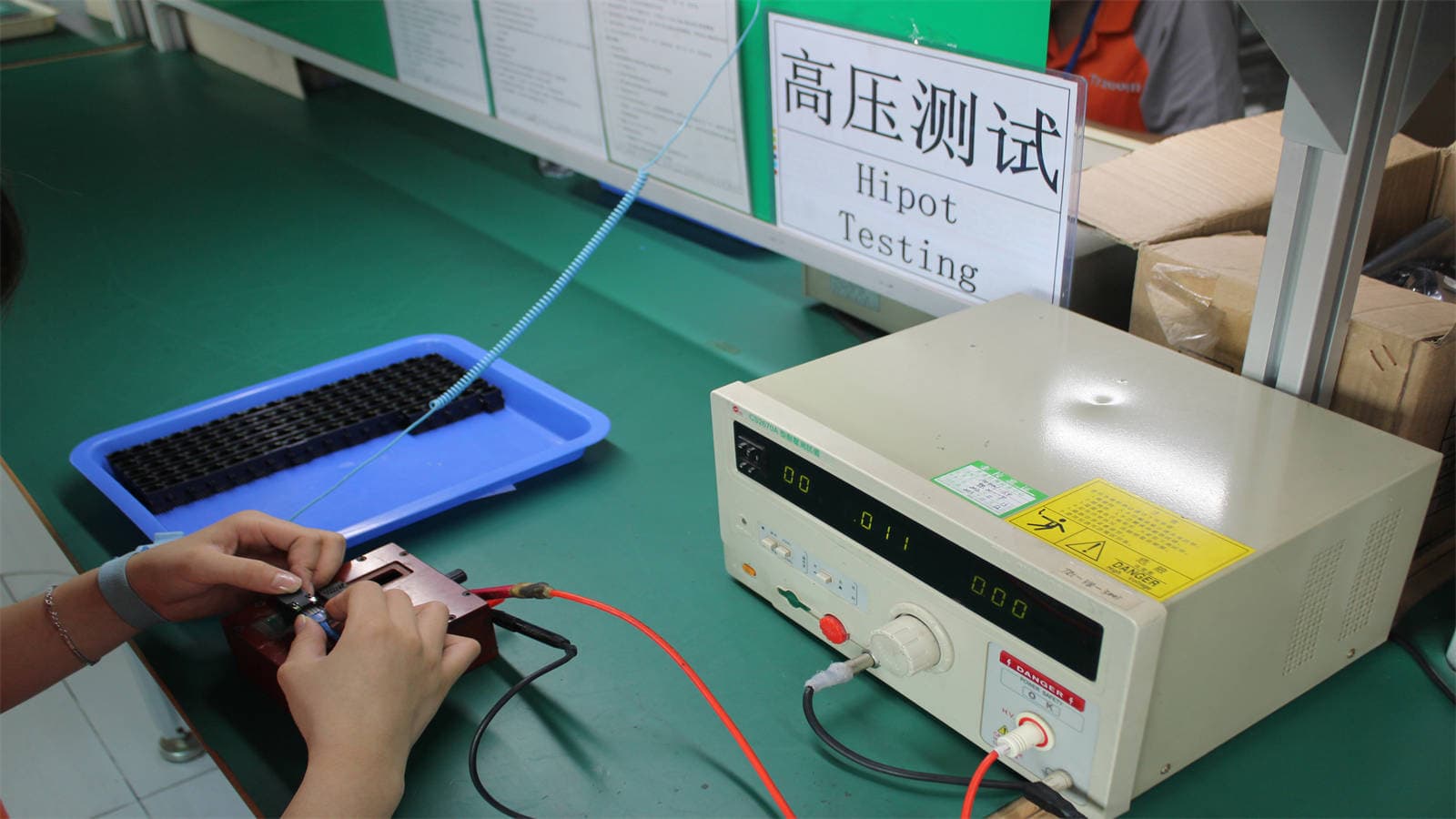
Subjecting modules to high-voltage isolation tests, verifying there are no current leaks or dielectric breakdowns under load.
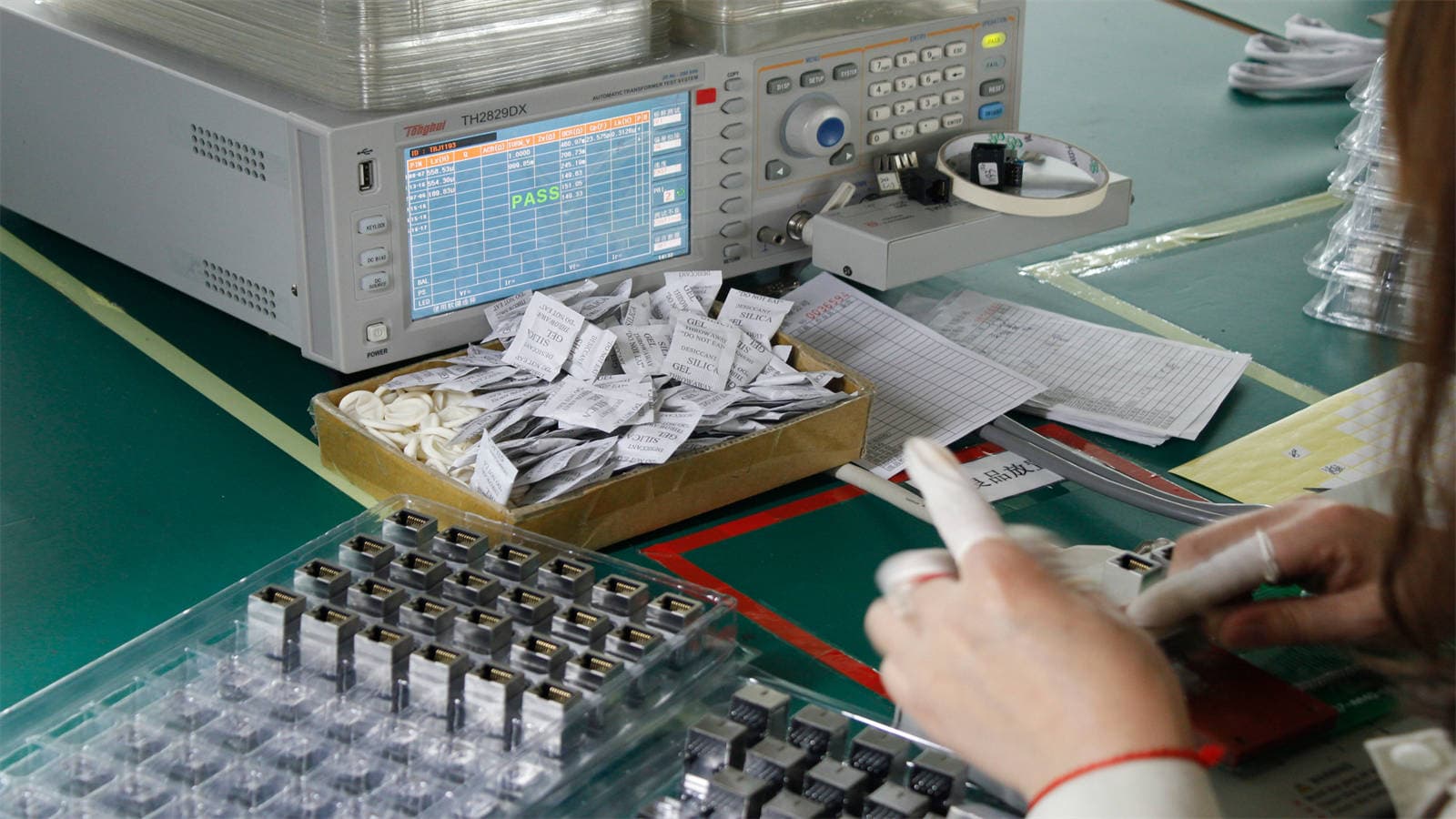
Rigorous optical power, wavelength accuracy, and bit-error-rate (BER) testing using state-of-the-art oscilloscope platforms.
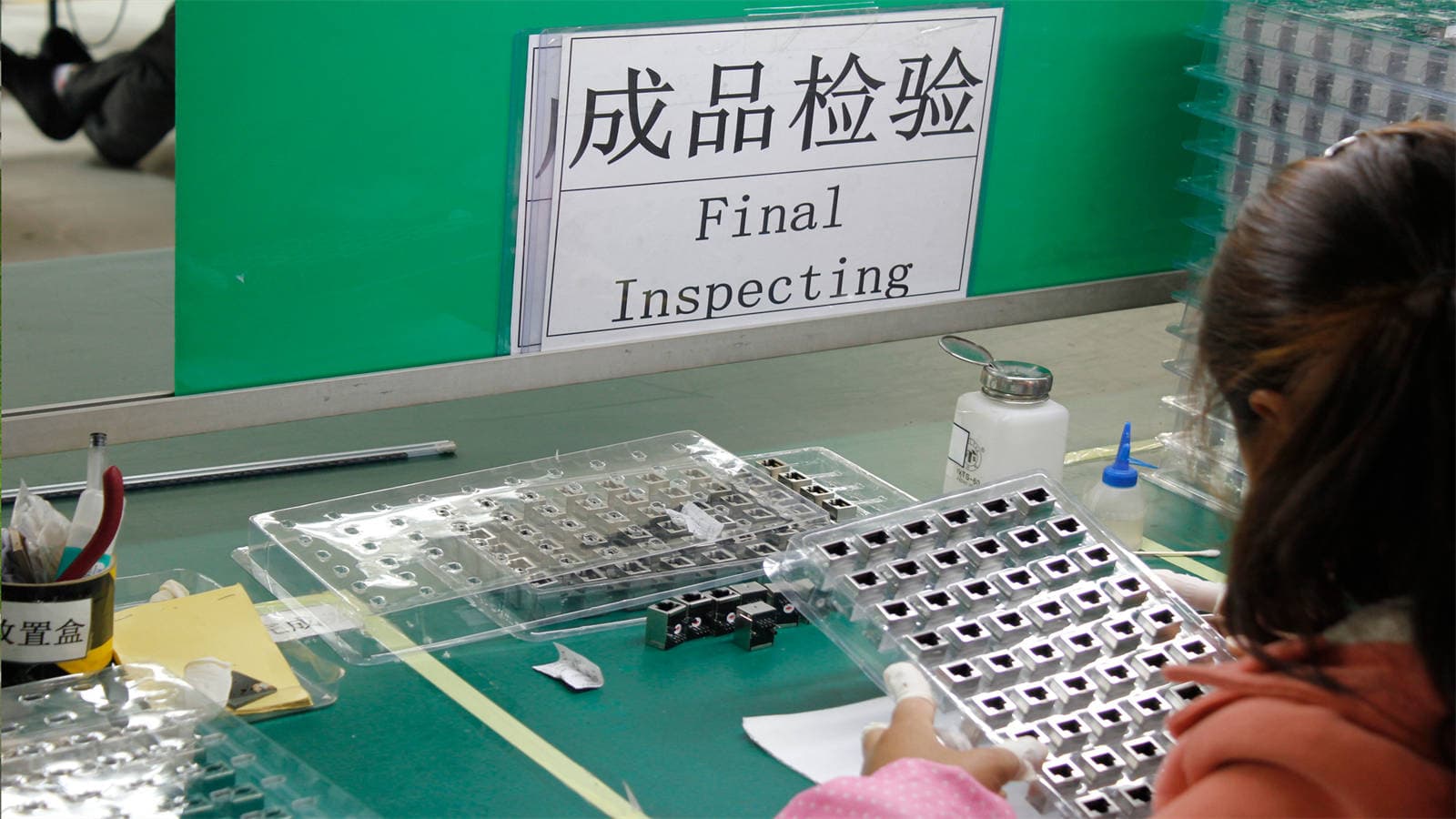
A manual and vision-system inspection checks all external structures, label serializations, and optical port cleanliness before boxing.

Vacuum sealing products into ESD-safe packaging to prevent damage from static discharge and humidity during sea or air shipping.
Consistent performance at scale requires advanced diagnostic tools. We continuously upgrade our manufacturing facility with high-end testing gear to ensure each component meets global network requirements.
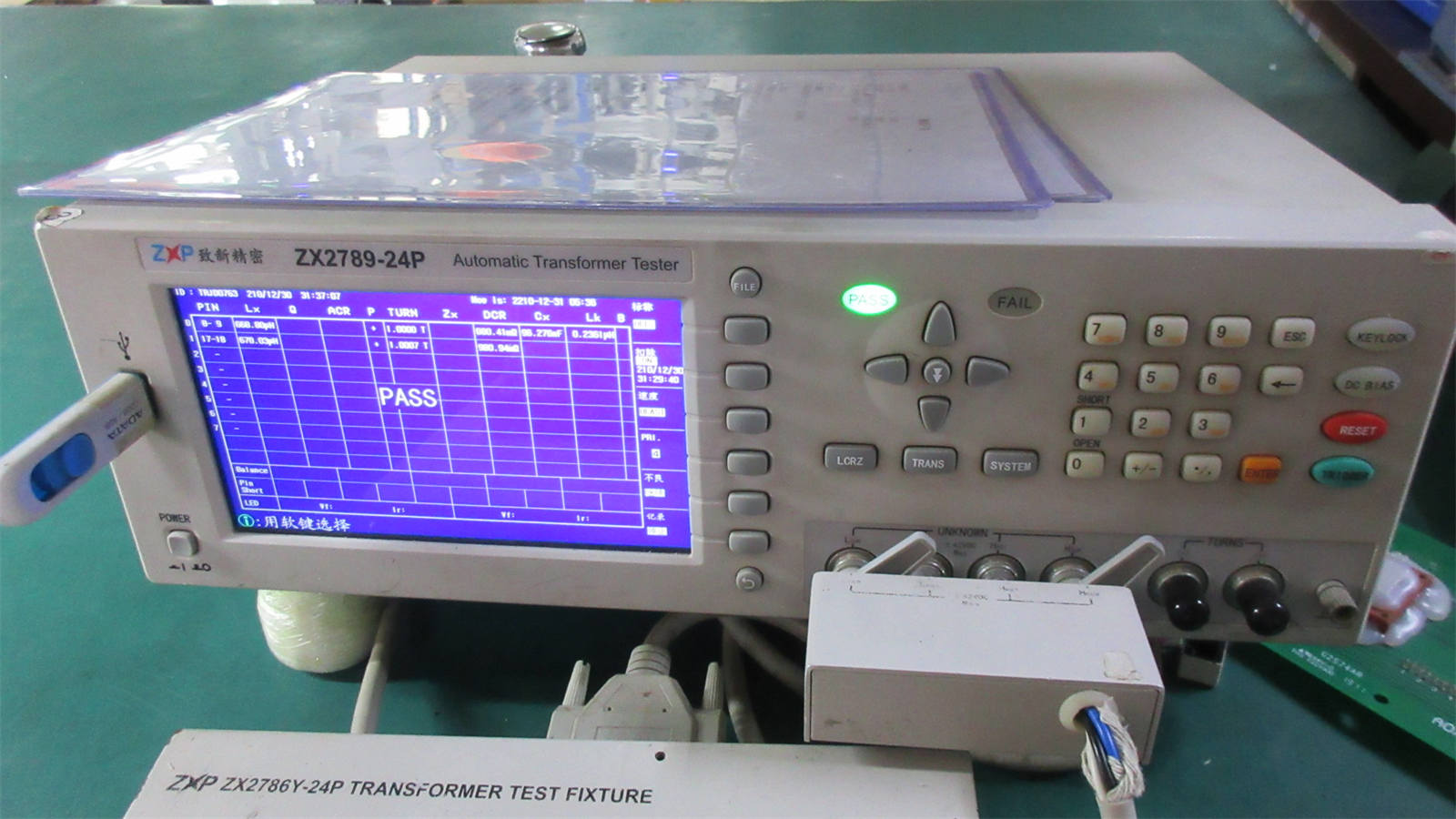
Measures critical transmit power, receiver sensitivity, and eye diagrams across multi-rate protocols.
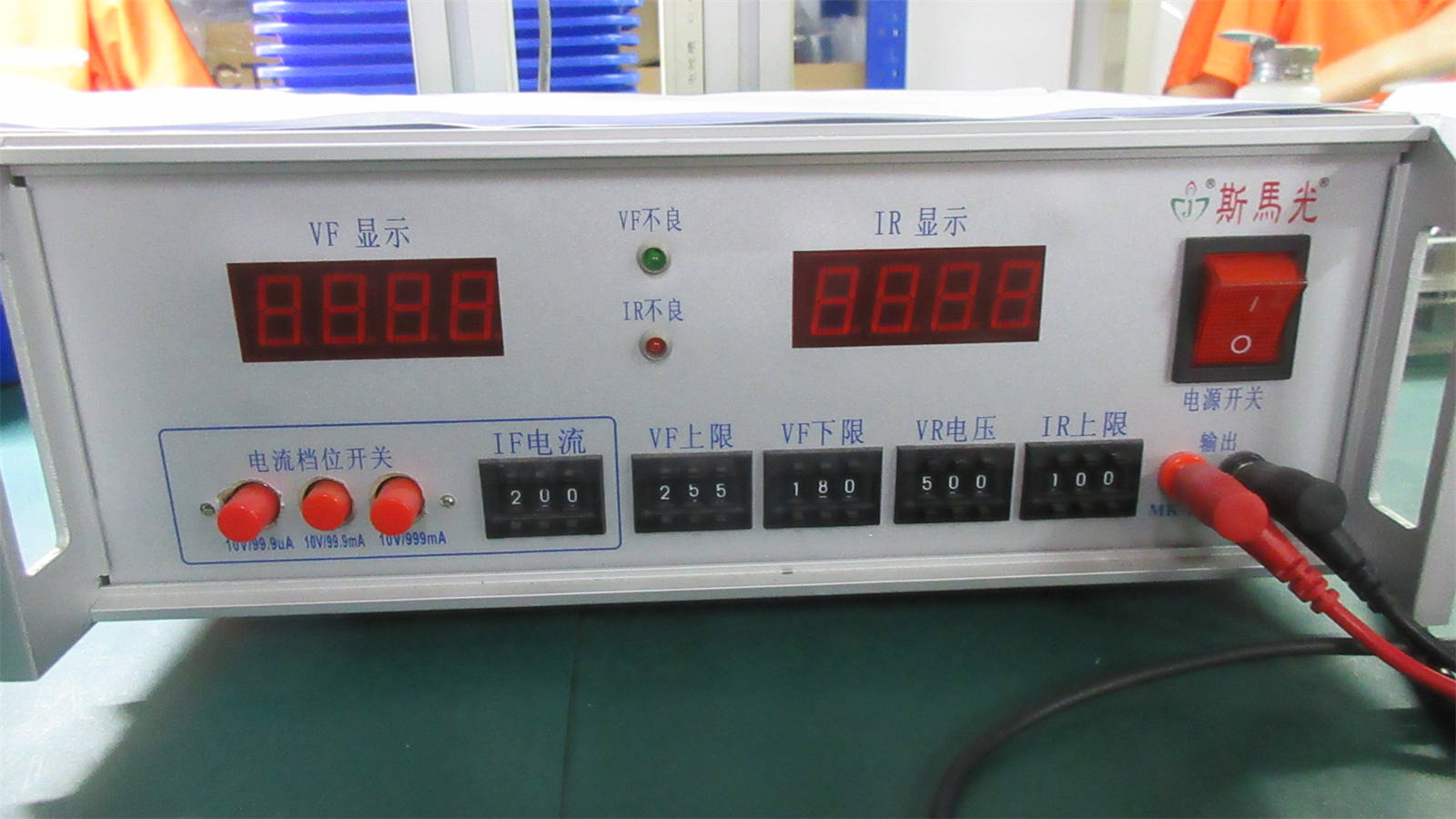
Performs automated color matching and optical intensity inspections for visual network indicators.
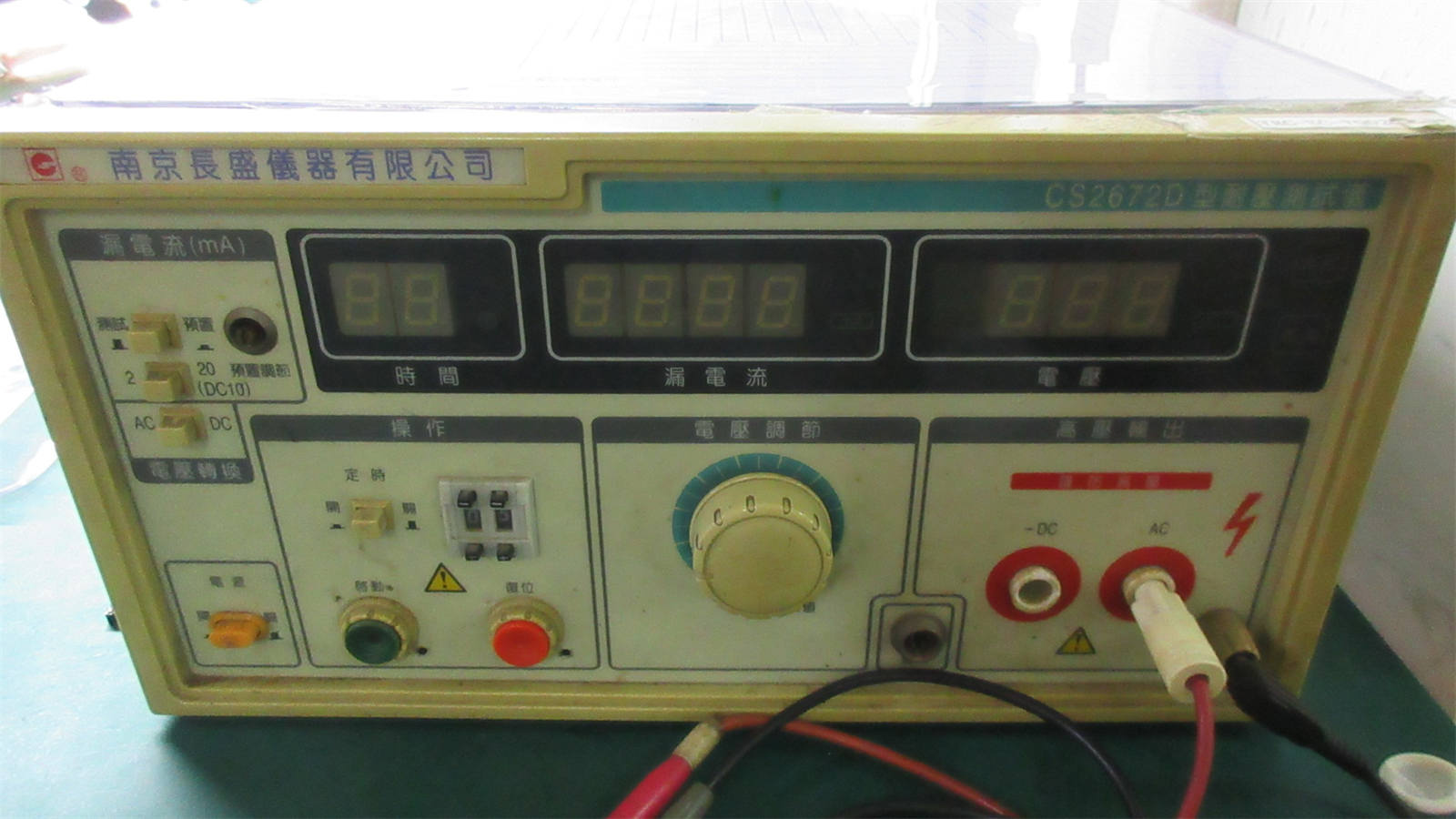
Evaluates electrical insulation levels to prevent voltage spikes from damaging linked active hardware.
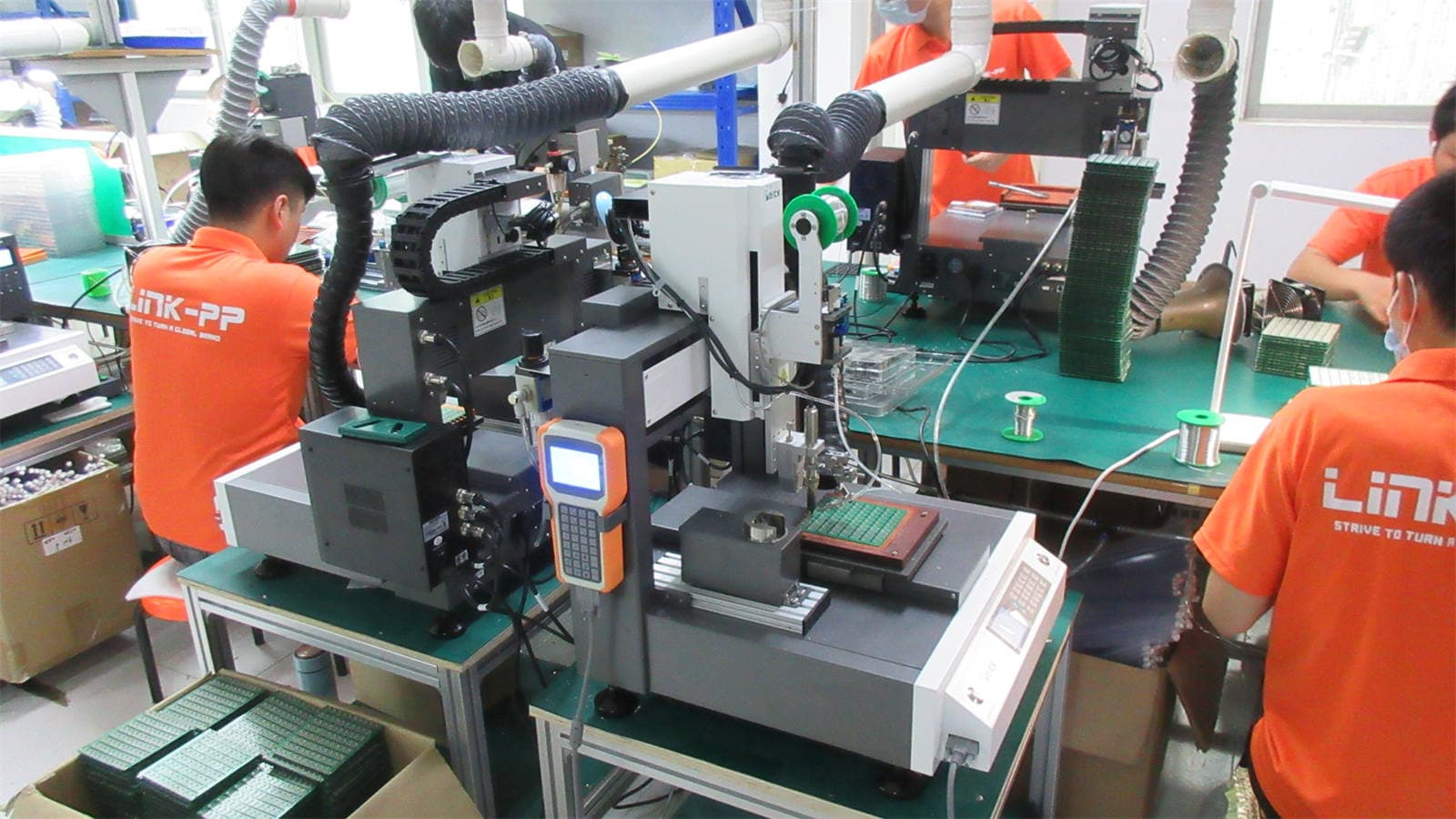
Automated welding systems ensure reliable joints, minimizing human error and solder voids.
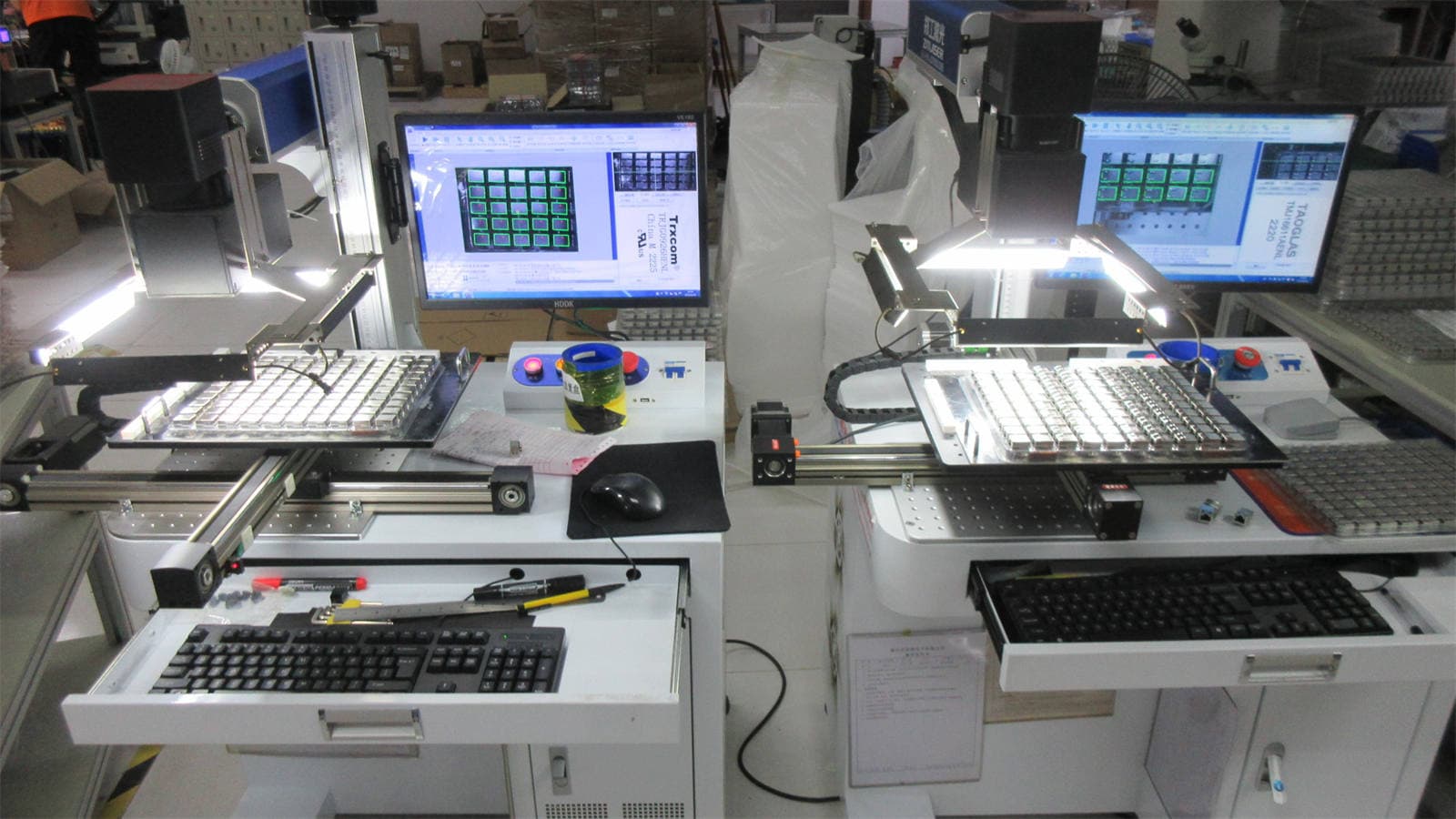
Engraves high-resolution, permanent serial codes and identification logos onto metal transceiver casings for lifetime tracking.
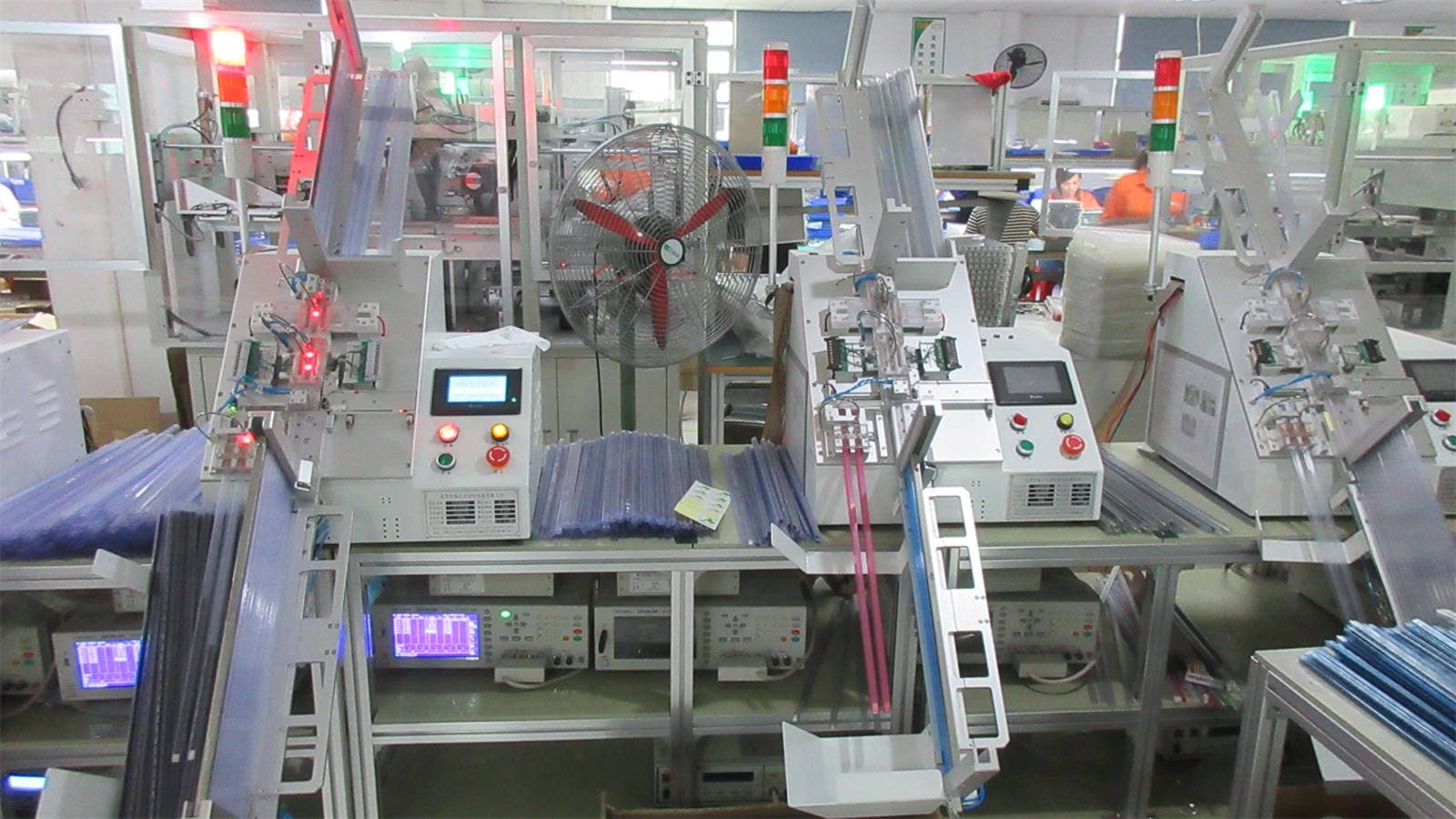
Evaluates magnetic return loss, turns ratio, and cross-talk suppression in LAN transformer components.
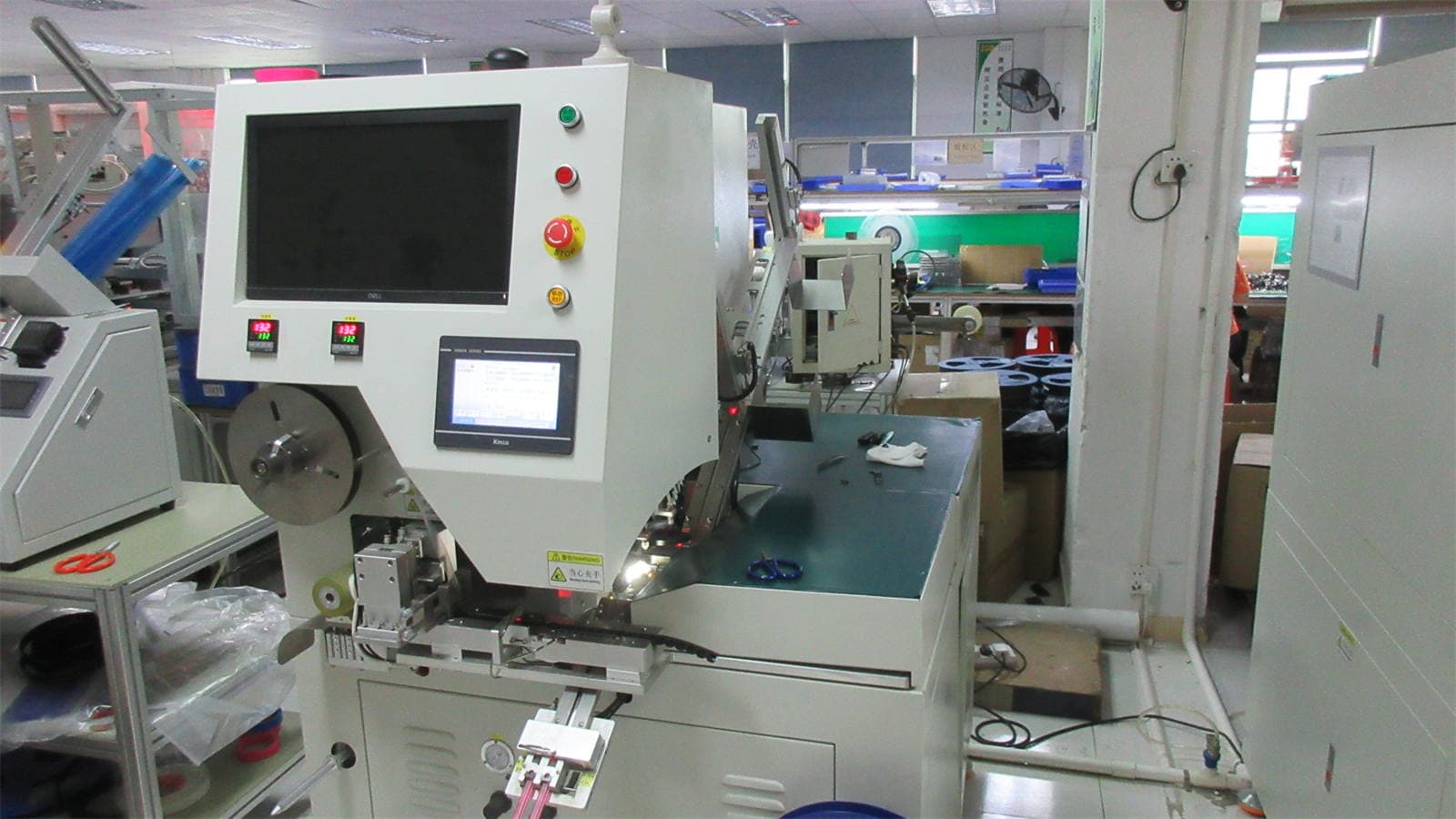
Automatically encapsulates and packs discrete magnetic parts into protective carrier tapes for robotic SMT pick-and-place lines.
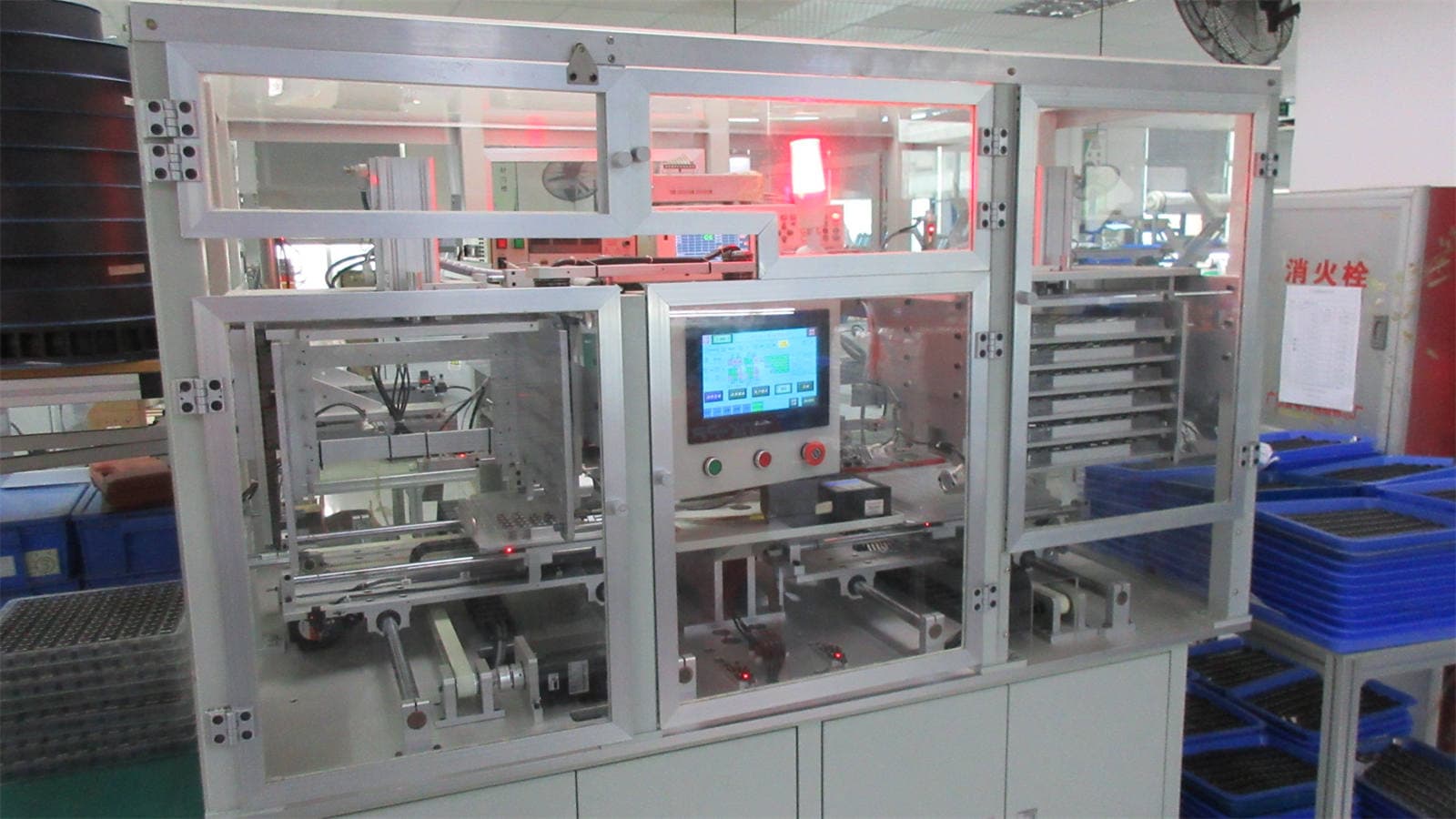
Performs high-speed verification of connector insertion force, pin alignment, and high-frequency electrical performance.
A double-ended inspection rig checking continuity, cross-talk, and PoE power delivery on magnetic RJ45 connectors.
Lumopt’s transceiver modules and interconnect components are engineered for deployment across diverse settings, each presenting unique engineering hurdles:
In AI training environments, switch-to-switch latency is a critical performance bottleneck. Our high-density 100G QSFP28 and 400G/800G modules support high packet throughput with minimal thermal footprints, preventing optical link failure under continuous computational loads.
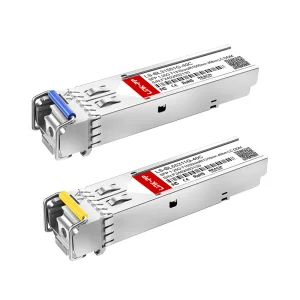
Deploying fiber optics over municipal areas requires modules capable of traversing large distances without intermediate regeneration. Lumopt’s 10GBASE-ER SFP+ (40km) and 1.25G ZXC SFP (160km) use high-power 1550nm lasers to punch through optical attenuation across long single-mode fiber links.
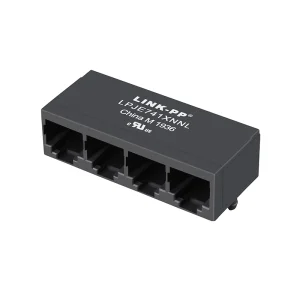
Industrial shop floors suffer from high Electromagnetic Interference (EMI) and extreme operating temperatures. Our range of hardened transceivers and shielded RJ45 magnetic sockets operate stably in temperatures from -40°C to +85°C, providing constant data flows in automated manufacturing environments.
Our hardware supports comprehensive, end-to-end network deployment architectures that balance cost-effectiveness with reliability:
Using a combination of 40G QSFP+ LR4 and 25G DWDM SFP28 modules, operators can build high-bandwidth backbone fabrics linking distant processing units. This provides carrier-grade transmission with low insertion losses and built-in Digital Optical Monitoring (DOM) diagnostic feedback.
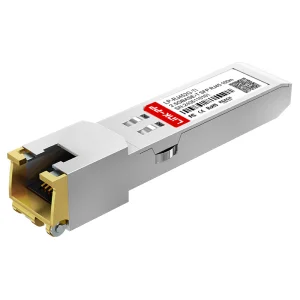
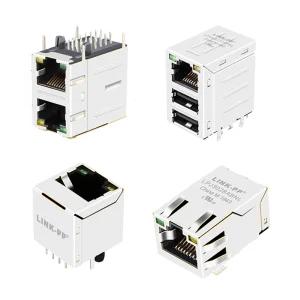
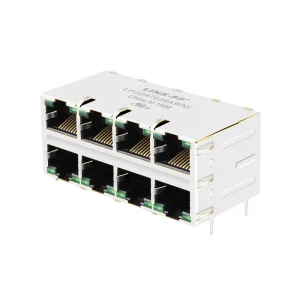
For enterprises seeking to bridge Legacy copper environments with fiber backbones, we provide high-performance RJ45 Copper Transceivers (supporting 2.5GBASE-T configurations) and magnetic jack interfaces. This allows you to upgrade speeds to 2.5G and 10G over existing Cat6e copper lines.
Different networking equipment vendors enforce proprietary EEPROM firmware keys. Lumopt decodes and programs matching firmware signatures for Cisco, Juniper, Arista, and HP hardware, assuring seamless boot-up compatibility and zero port-lockout errors.
Get answers to critical technical questions regarding the performance, compatibility, and thermal management of industrial optical components.
C-Temp modules are designed to run within standard climate-controlled office environments ranging from 0°C to 70°C. In contrast, Industrial Temperature (I-Temp) modules are built to withstand harsh conditions, operating between -40°C and 85°C. These rugged units leverage hardened internal lasers (such as cooled DFB or EMIs), high-isolation transformers, and advanced heat sinks to maintain stable output power without thermal degradation.
DOM (or DDM, Digital Diagnostic Monitoring) provides real-time access to key telemetry metrics, including transmitter optical power, receiver power, operating temperature, laser bias current, and module supply voltage. By tracking these parameters, network engineers can detect fiber degradation, power drops, or temperature spikes, allowing for proactive maintenance and preventing unexpected outages.
Most mainstream hardware vendors (e.g., Cisco, Juniper, Arista) use proprietary host authentication systems. When a transceiver is plugged in, the host switch reads its EEPROM to verify the vendor code. If the code is missing or incorrect, the port is disabled. Lumopt resolves this issue by coding the EEPROM with vendor-compatible firmware, guaranteeing plug-and-play functionality across different platforms.
Standard transceivers run on a single set wavelength (e.g., 1310nm or 1550nm). DWDM technology multiplexes multiple optical carrier signals onto a single fiber pair using tightly packed wavelengths (typically on the ITU-T C-Band grid). This allows network operators to scale their fiber capacity up to 80 or more channels without having to pull new physical fiber, maximizing infrastructure ROI.
Lumopt runs a multi-tier Quality Management System (QMS). Our process includes raw material inspections, semi-finished board tests, and automated testing of critical parameters like Tx power, Rx sensitivity, eye diagrams, and host compatibility. Additionally, every shipment undergoes high-pot isolation testing and automated visual inspections to guarantee out-of-the-box reliability.
Browse our secondary selection of copper transceivers, unshielded jacks, and single-mode fiber modules engineered to optimize your physical layer connectivity.