Lumopt
Lumopt
Lumopt
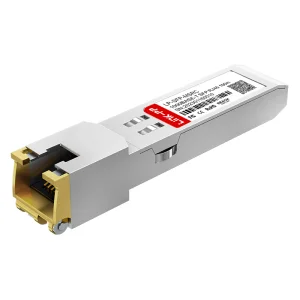
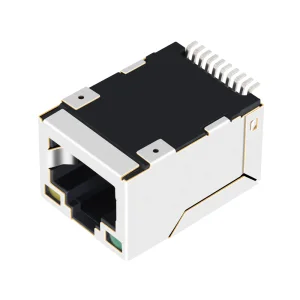
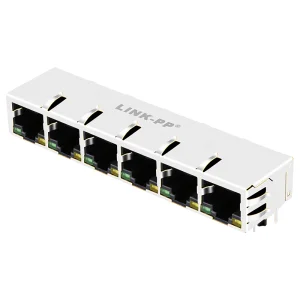
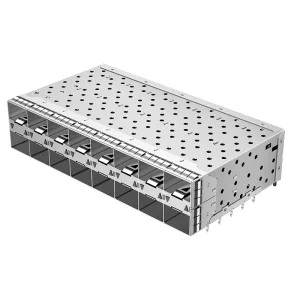
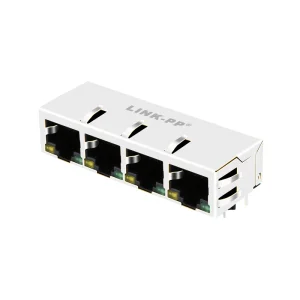
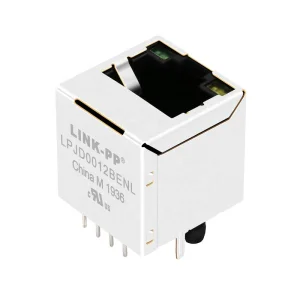
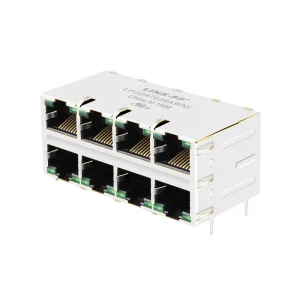
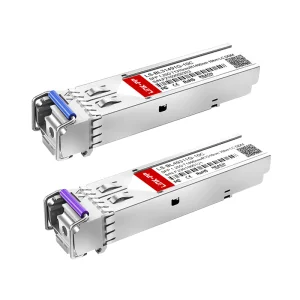
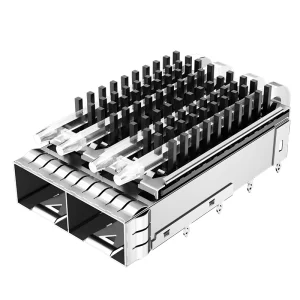
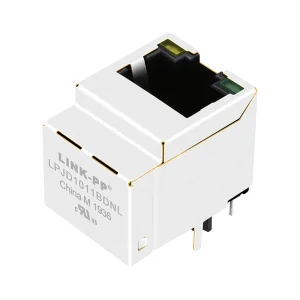
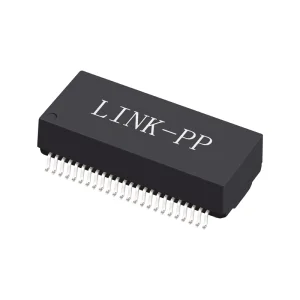
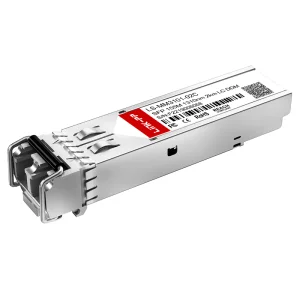
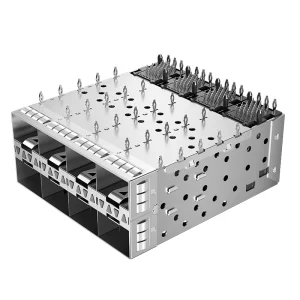
Lumopt Opto Technology Co., Ltd. (registered as Luguang Communication Technology Co., Ltd. in China) stands as a highly specialized Chinese manufacturer and exporter of world-class optical transceivers and high-performance copper connectivity interfaces, specifically focusing on advanced panel mount RJ45 systems, modular jacks, SFP+ cages, and telecom magnetic solutions.
Our operation is driven by continuous R&D, offering vertically integrated manufacturing and advanced customization of standard-compliant Ethernet components. Over the years, our product line has expanded to encompass high-frequency transceivers (covering 10G, 25G, 100G, 400G, 800G, and up to 1.6T) alongside passive modular couplers that service data centers, automated manufacturing hubs, military-grade communication equipment, and telecom operators across five continents.
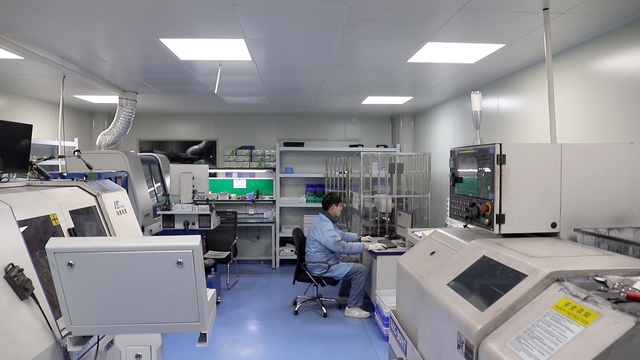
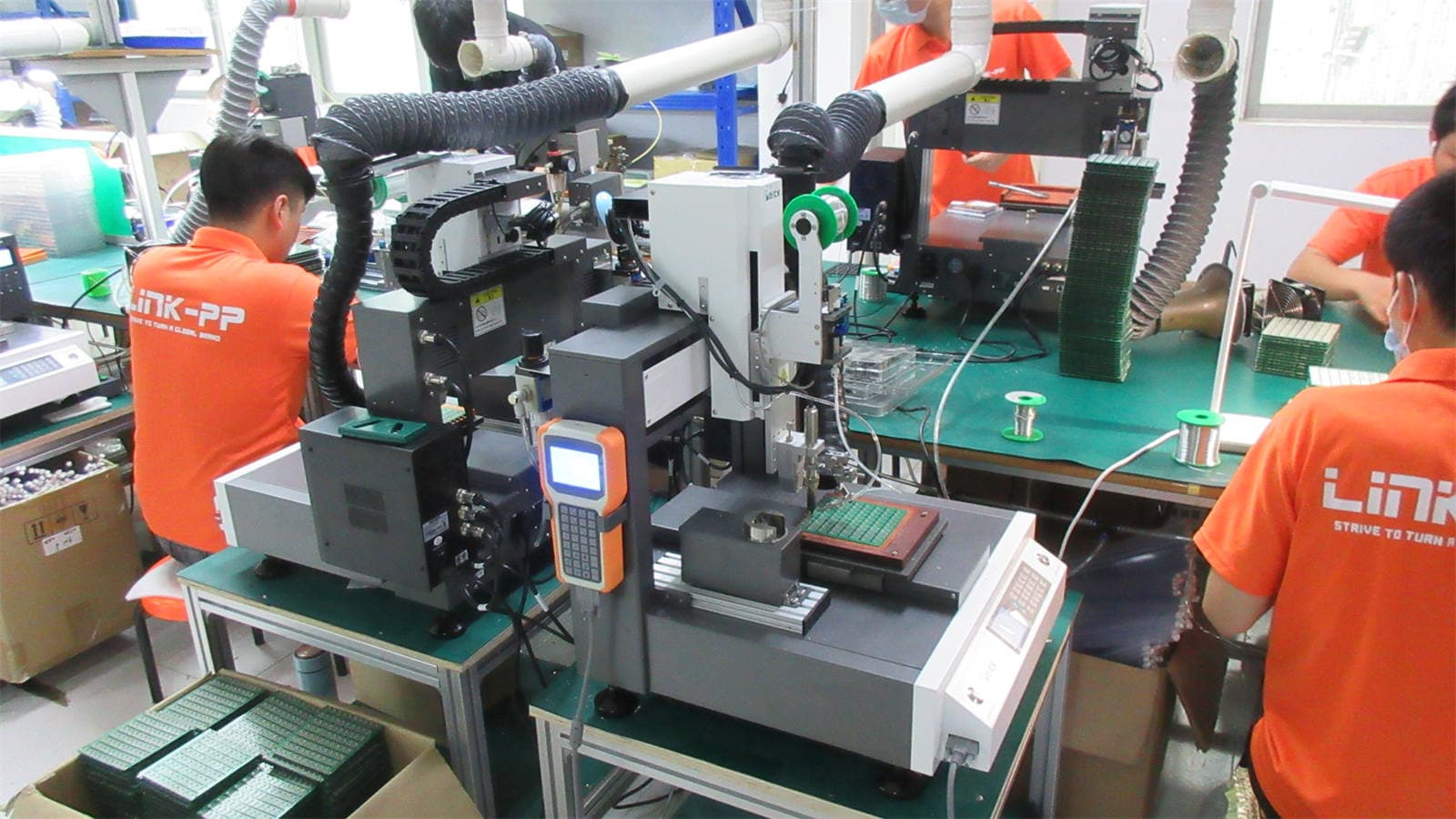
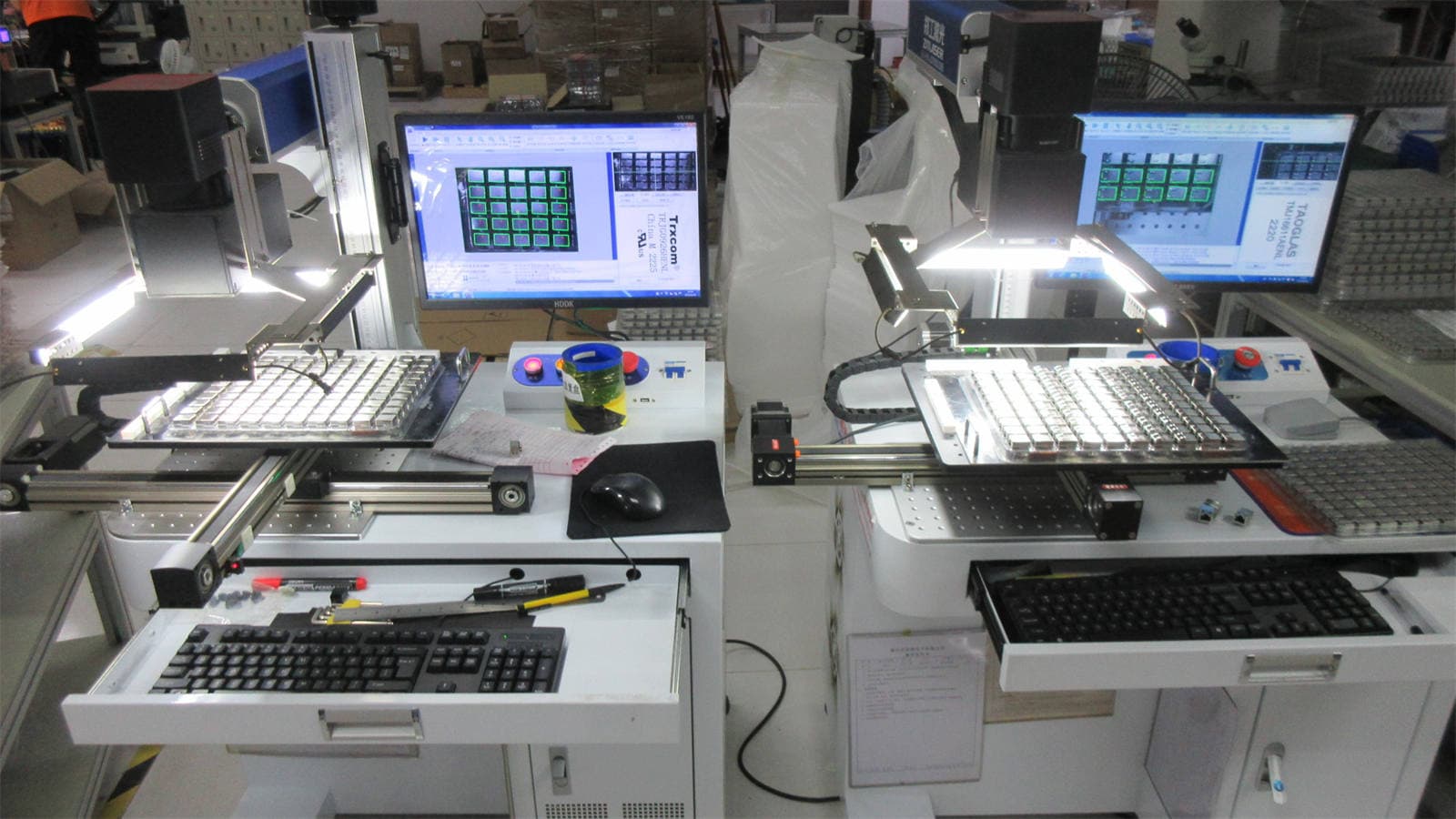
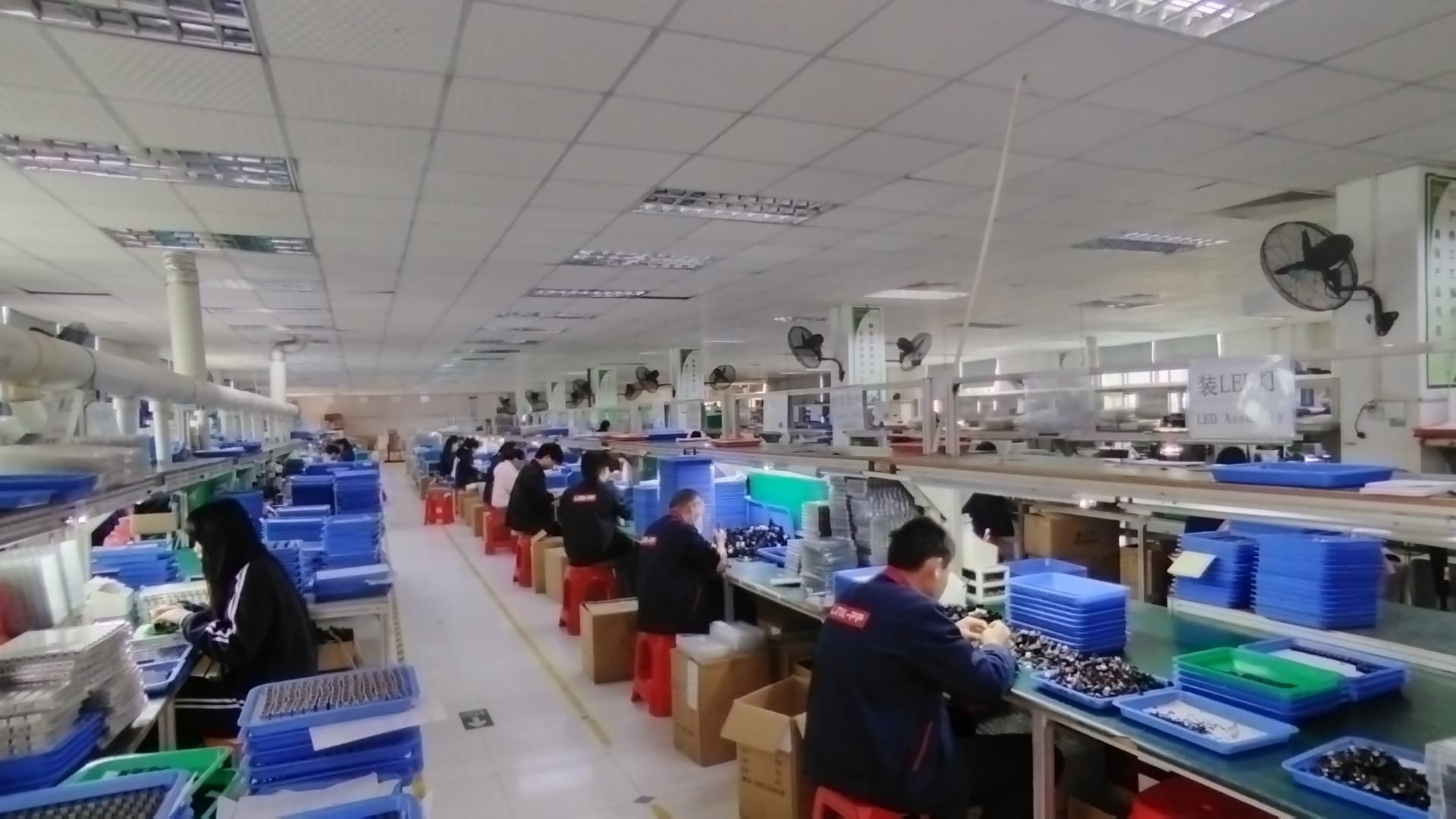
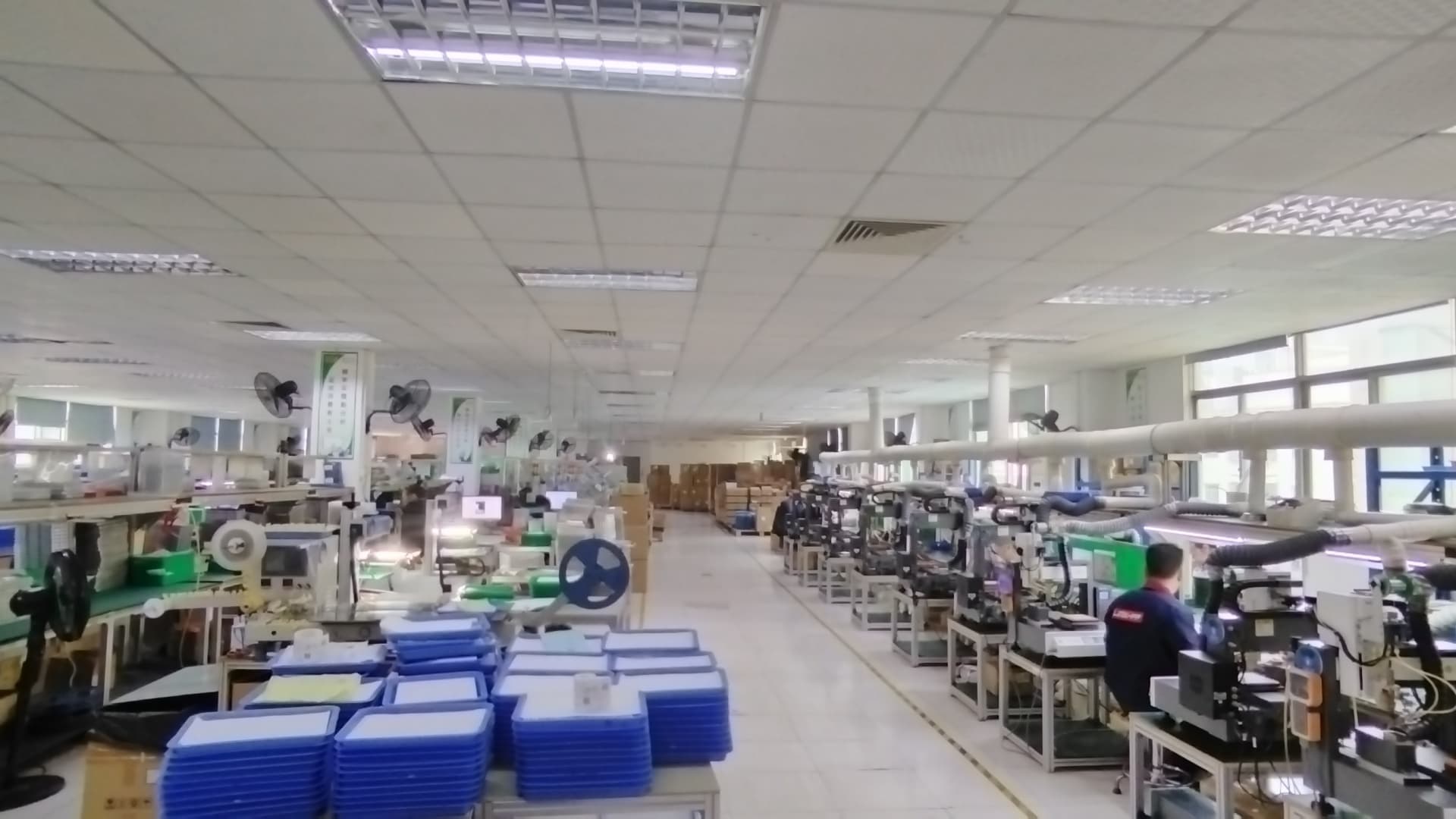
Equipped with state-of-the-art dust-free automated production workshops, precision testing platforms, and a seasoned structural and electrical engineering team, we maintain strict compliance with global quality and Environmental Health and Safety (EHS) standards. Whether supporting TE, Tyco, or Hirschmann compatible footprints, or fabricating bespoke electrical/optical integration systems, Lumopt is committed to absolute electrical reliability, mechanical durability, and comprehensive technical documentation support.
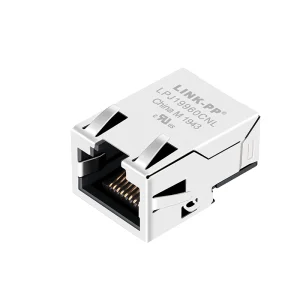
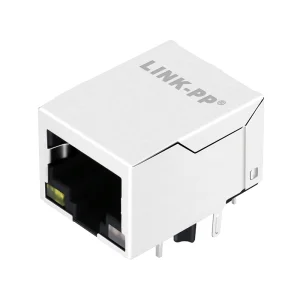
In the modern data communication landscape, bandwidth demands continue to climb exponentially. The standard RJ45 connector, historically limited to Megabit operations, has undergone significant structural transformations. Today’s industrial environments require panel mount RJ45 sockets that support 10G Base-T (Category 6A), and even Category 8 protocols (up to 40Gbps over short copper runs). This evolution demands meticulous design of internal PCB routings, crosstalk reduction elements, and high-conductivity contact terminals to preserve signal integrity against electromagnetic interference (EMI).
As enterprise networks converge, panel mount RJ45 jacks must not only carry high-speed data packets but also deliver significant electrical currents to edge devices. Under the IEEE 802.3bt standard (PoE++), power transmission can reach up to 90W to 100W per port. This thermal load can degrade connector materials if not managed. Leading manufacturers employ high-grade phosphor bronze contacts with 50 micro-inches of gold plating, paired with high-temperature glass-filled thermoplastic housings (UL 94V-0 rated) to prevent contact pitting, thermal runaway, and performance degradation during live disconnects.
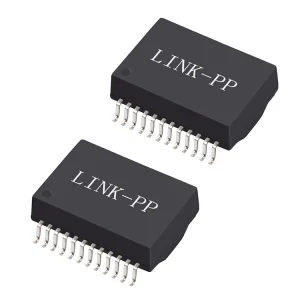
Standard panel mount RJ45 layouts often require external electromagnetic filtering on the system board. By integrating magnetics (such as isolation transformers, common-mode chokes, and status LEDs) directly into the shielded RJ45 metal housing, we significantly reduce PCB footprint, improve EMI rejection by up to 15dB, and eliminate RF noise paths. This is essential for reliable operation in rugged industrial computing and telecom base stations.
Factory floors present harsh conditions, including chemical exposure, severe vibration, dust, and moisture ingress. Conventional plastic modular plugs fail rapidly under these stresses. The industrial-grade panel mount RJ45 connector uses metal-shielded shells (often nickel-plated brass or zinc alloy) with threaded or bayonet locking mechanisms (such as IP67/IP68 rated outer housings). These safeguard physical connections and guarantee continuous data links for robotics, automation PLCs, and outdoor surveillance equipment.
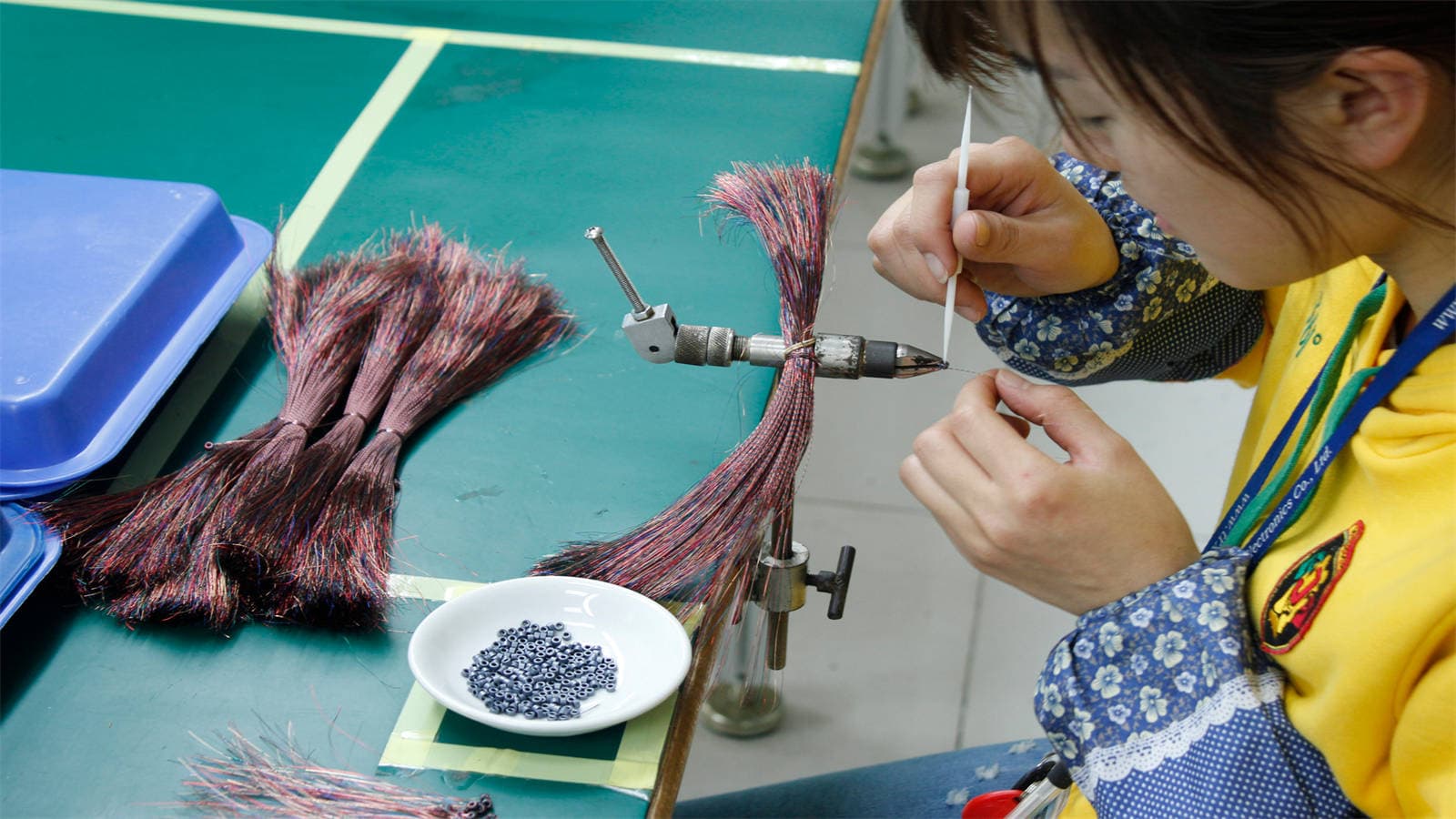
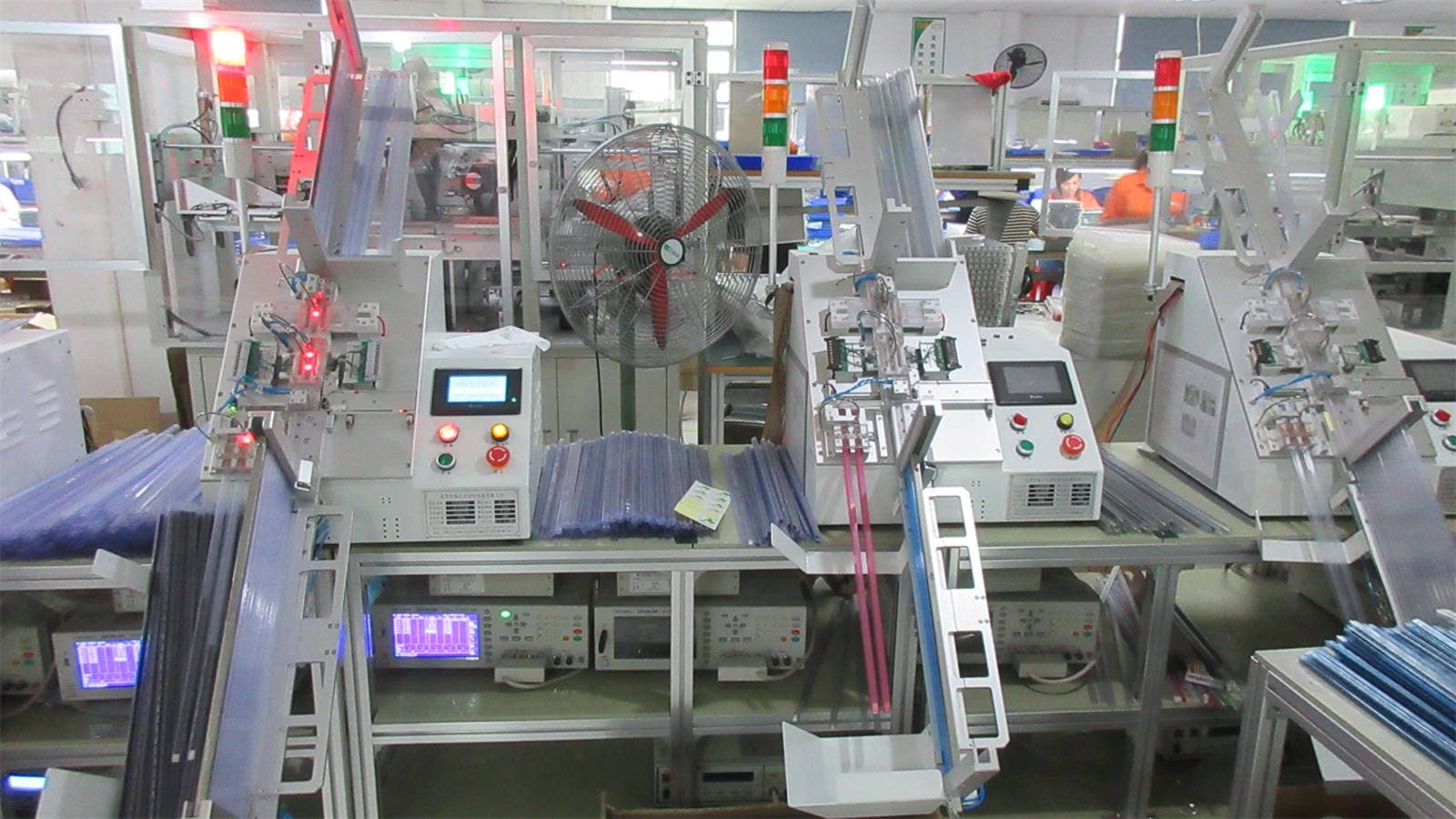
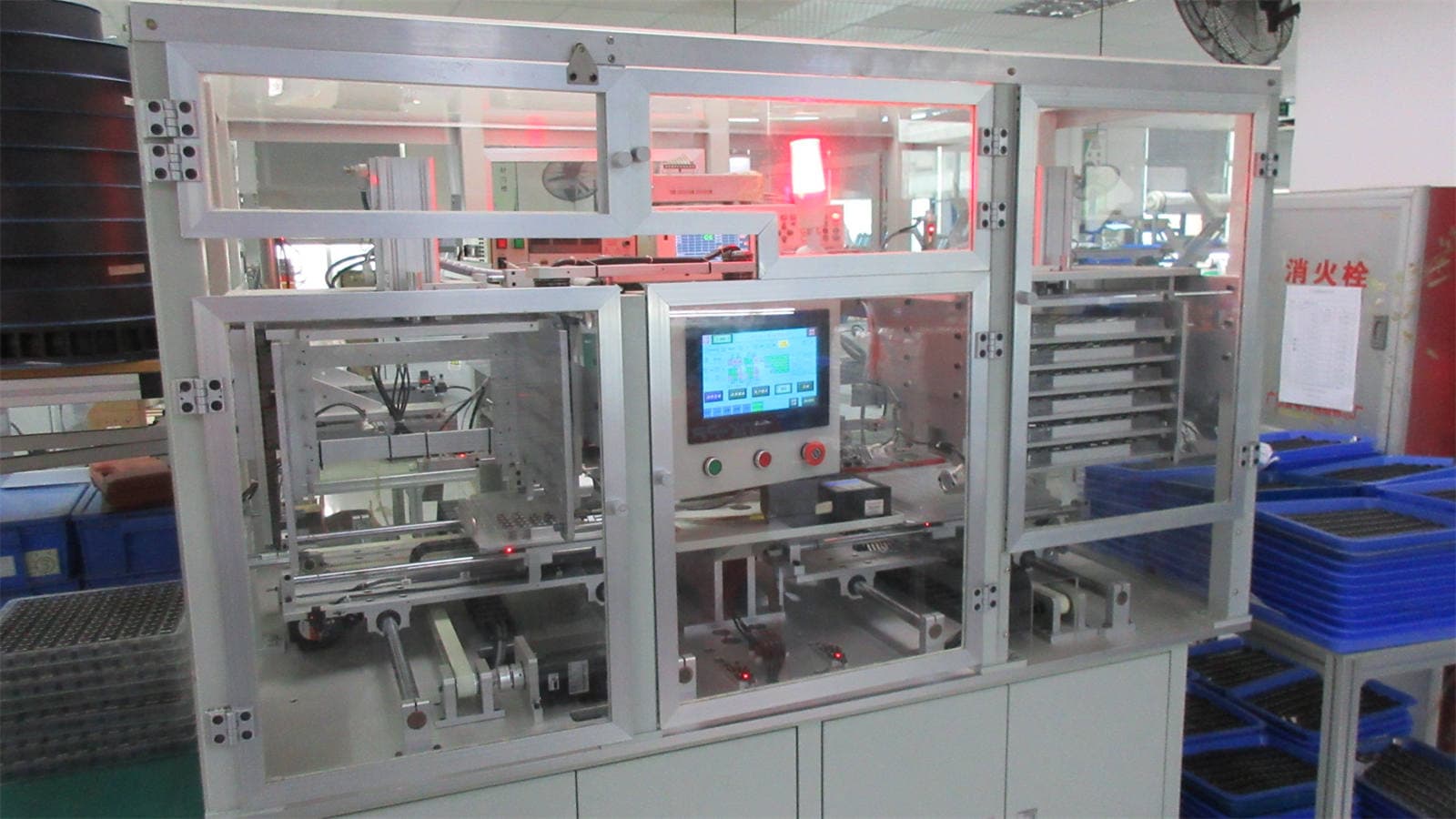
Our production workshops employ strict process controls. From initial conductor prep to automatic sorting, each module is verified to meet international standards.
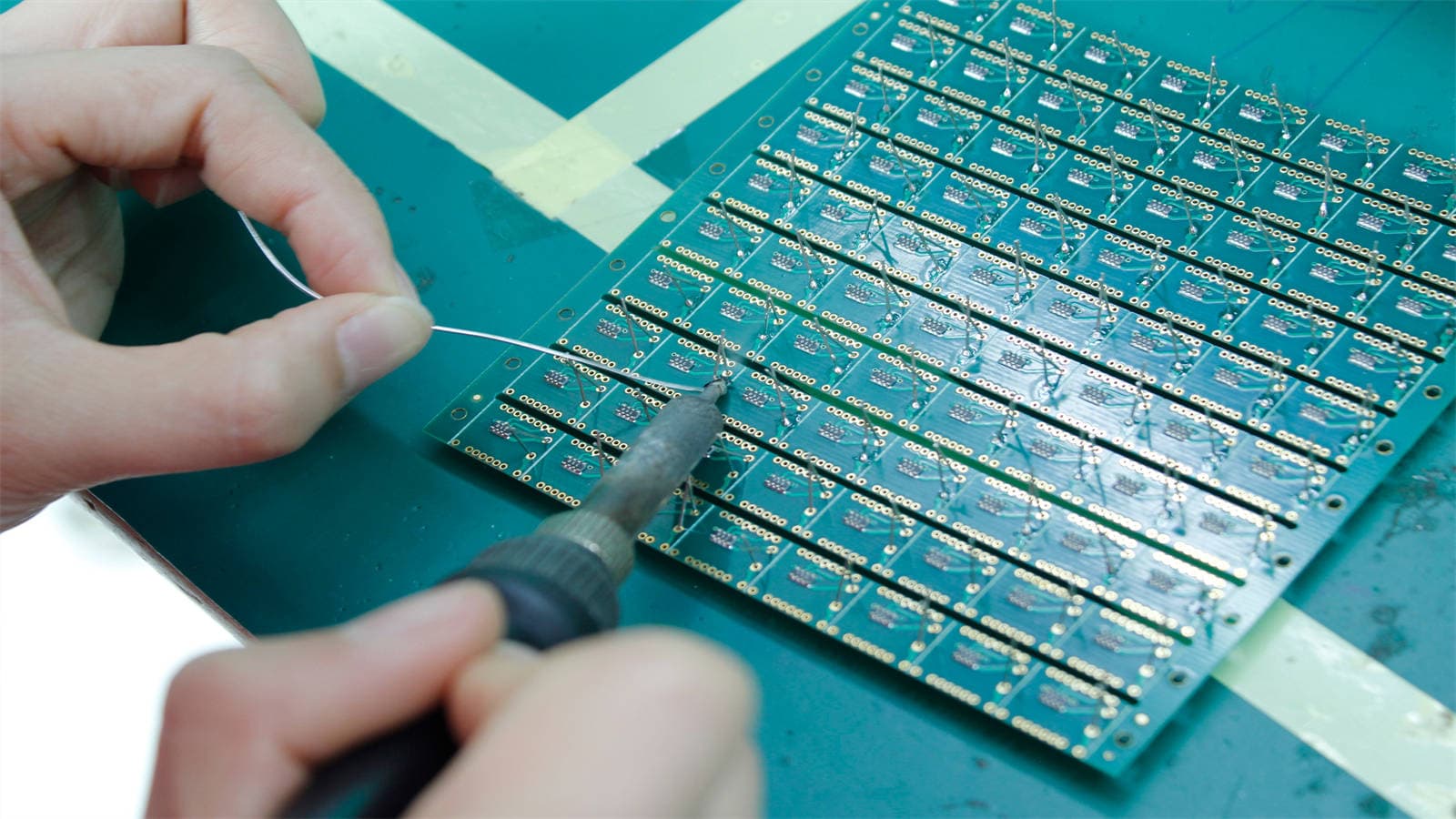
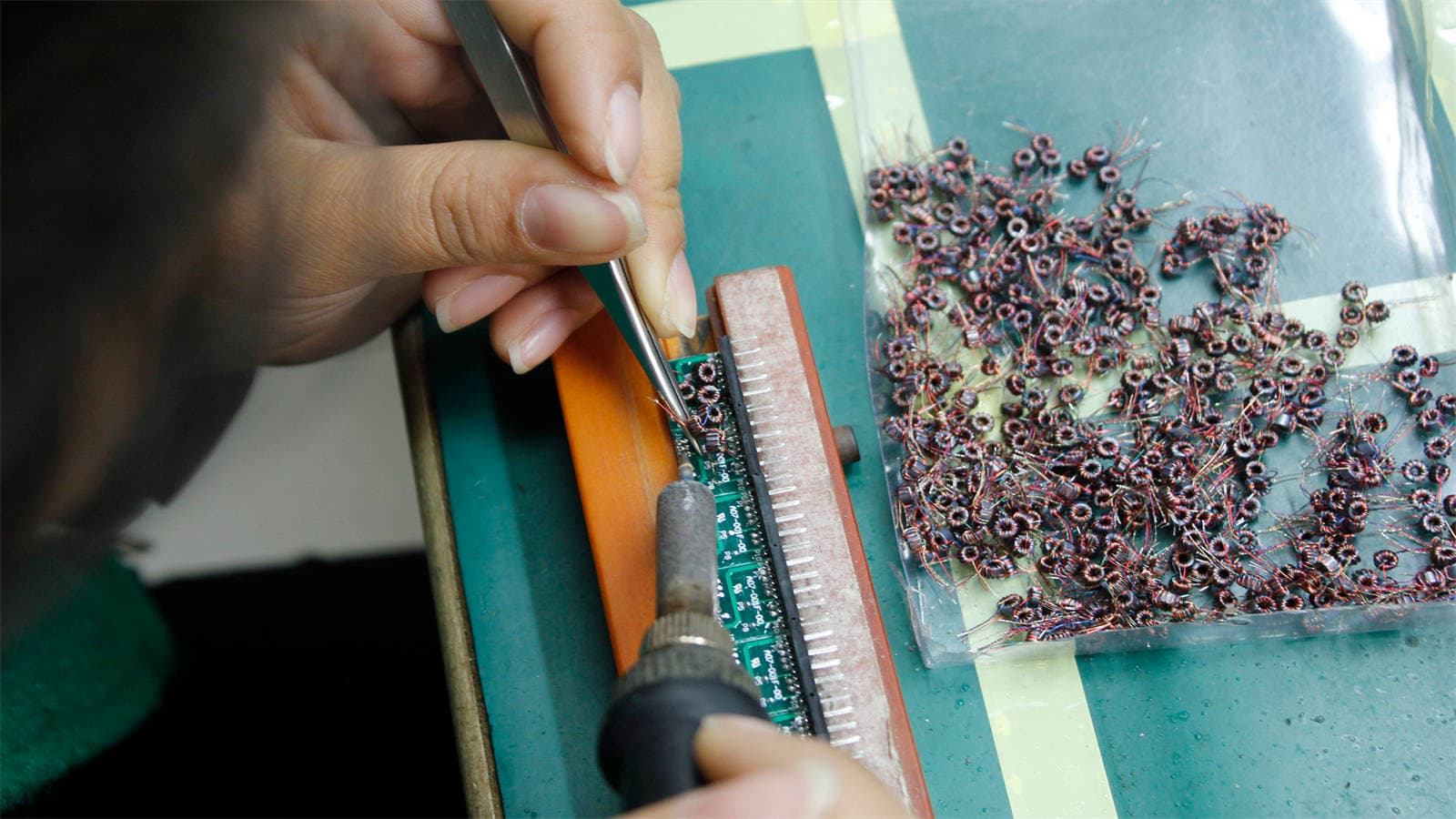
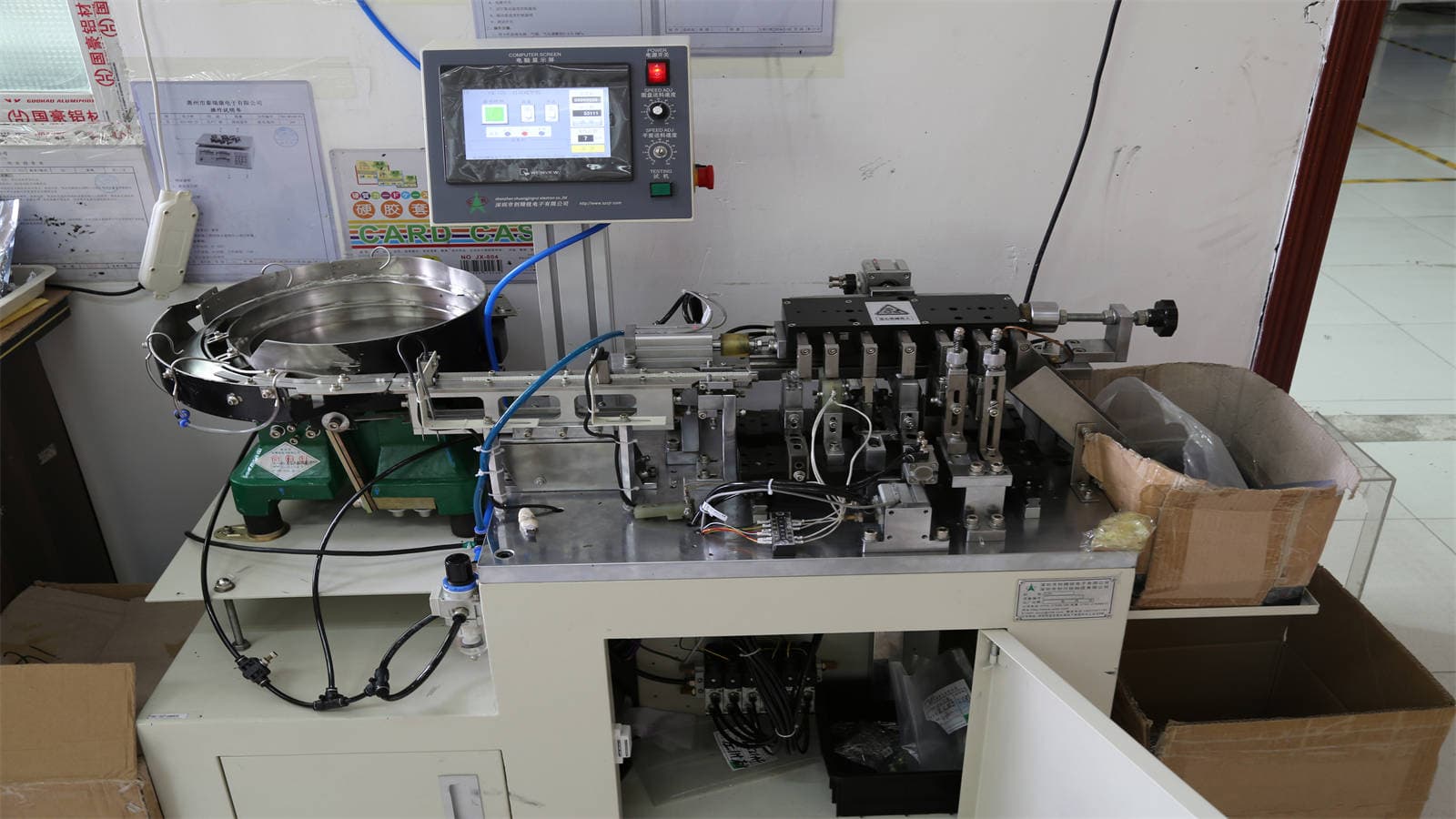
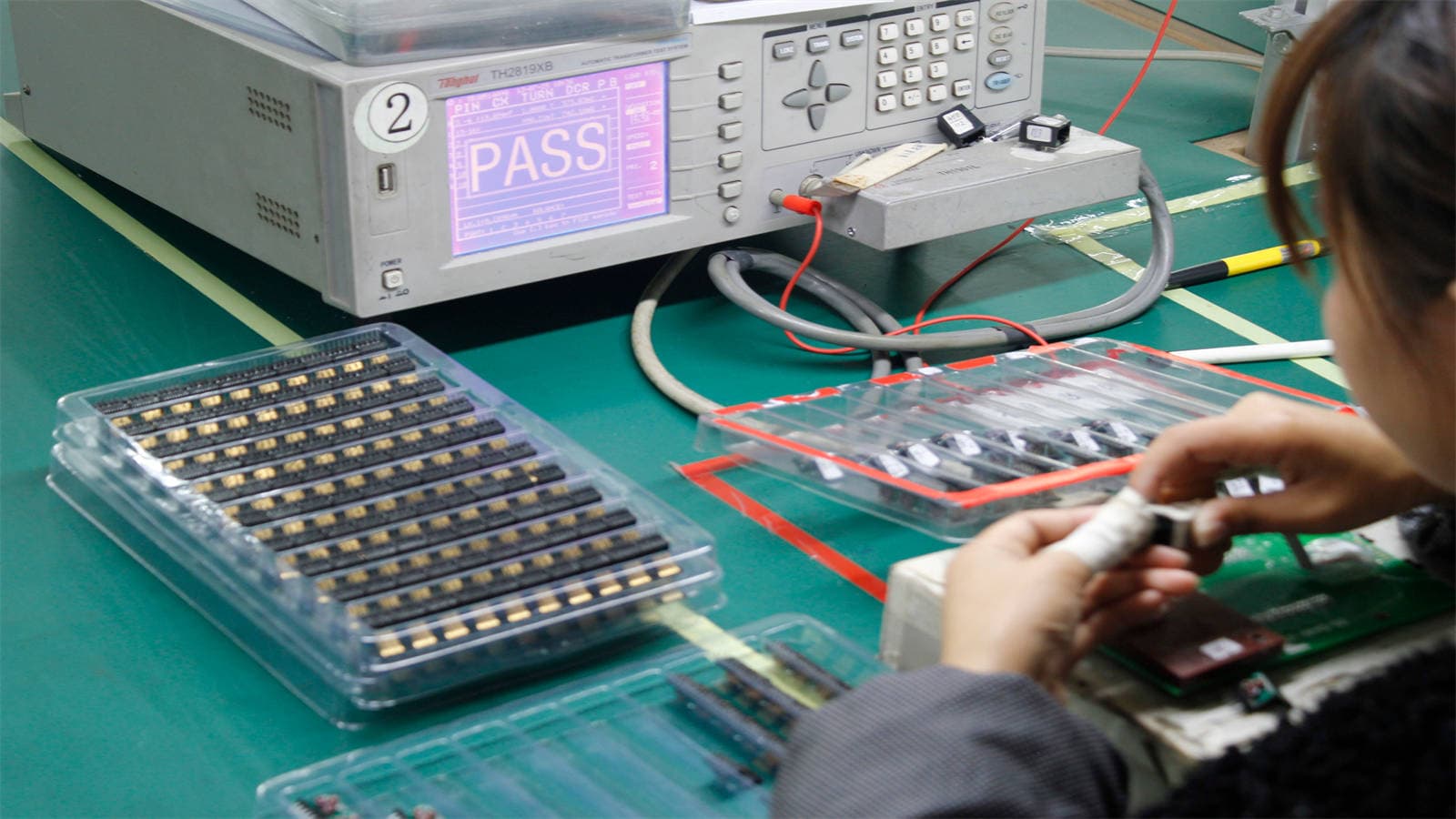
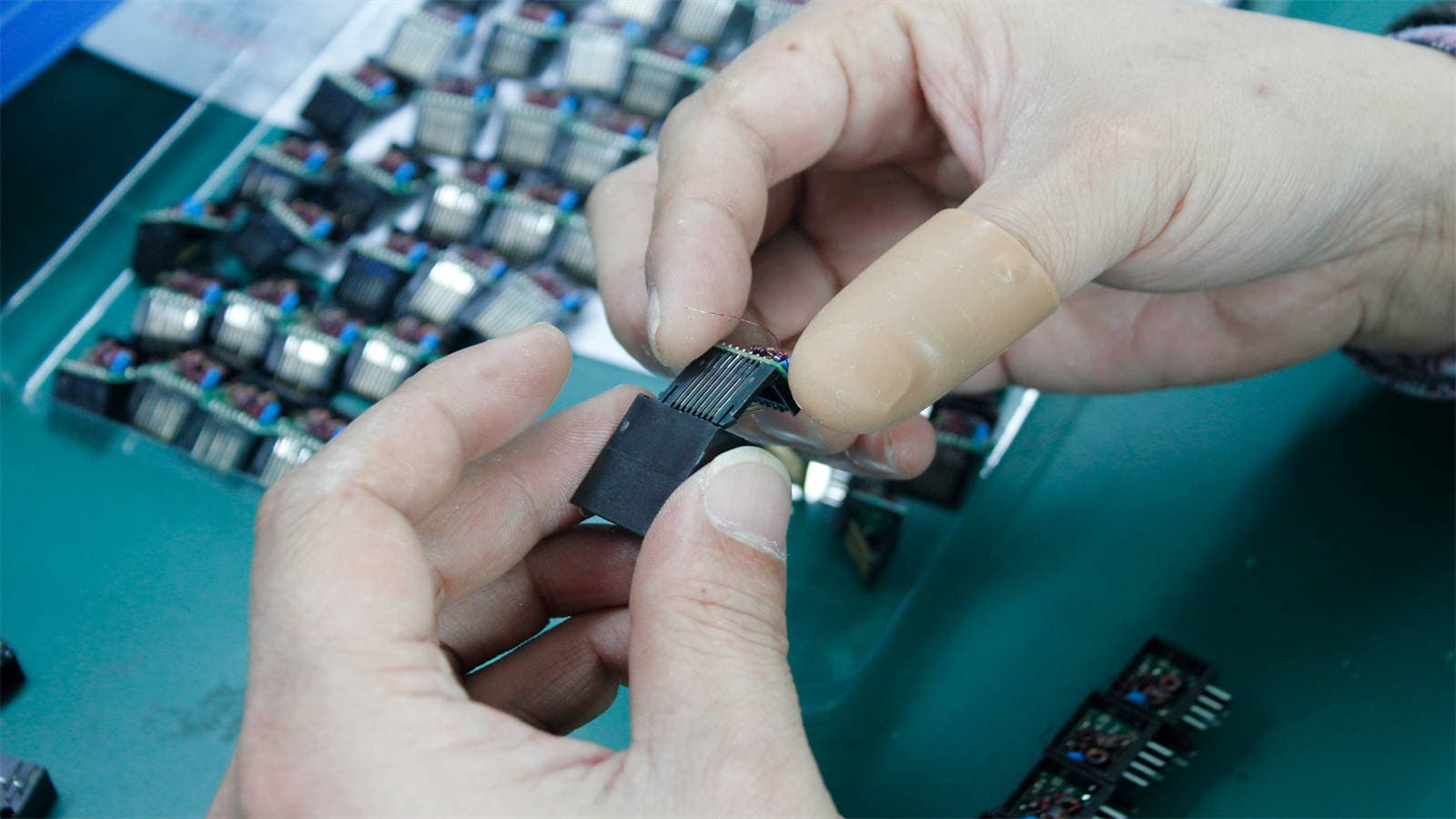
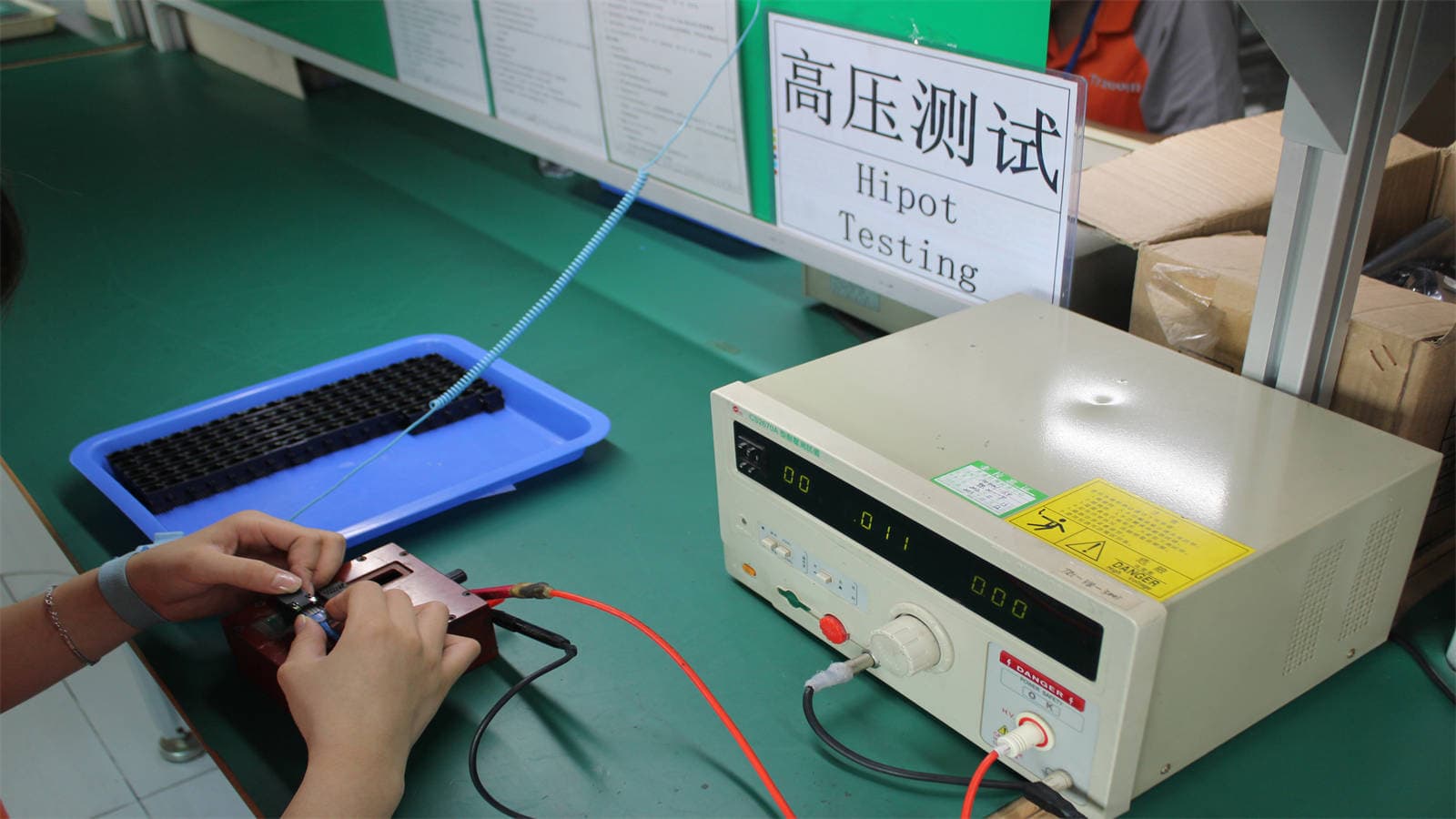
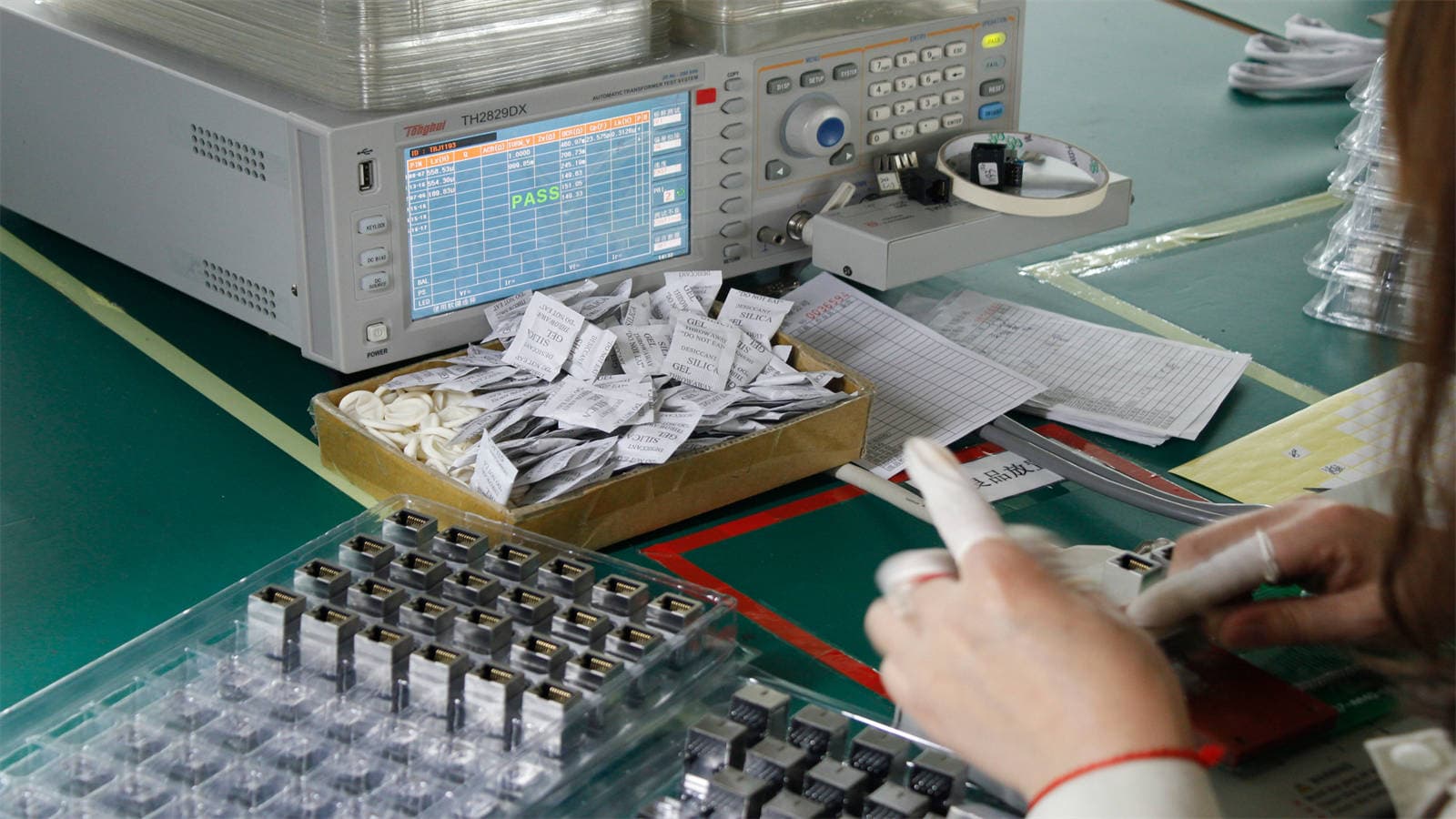
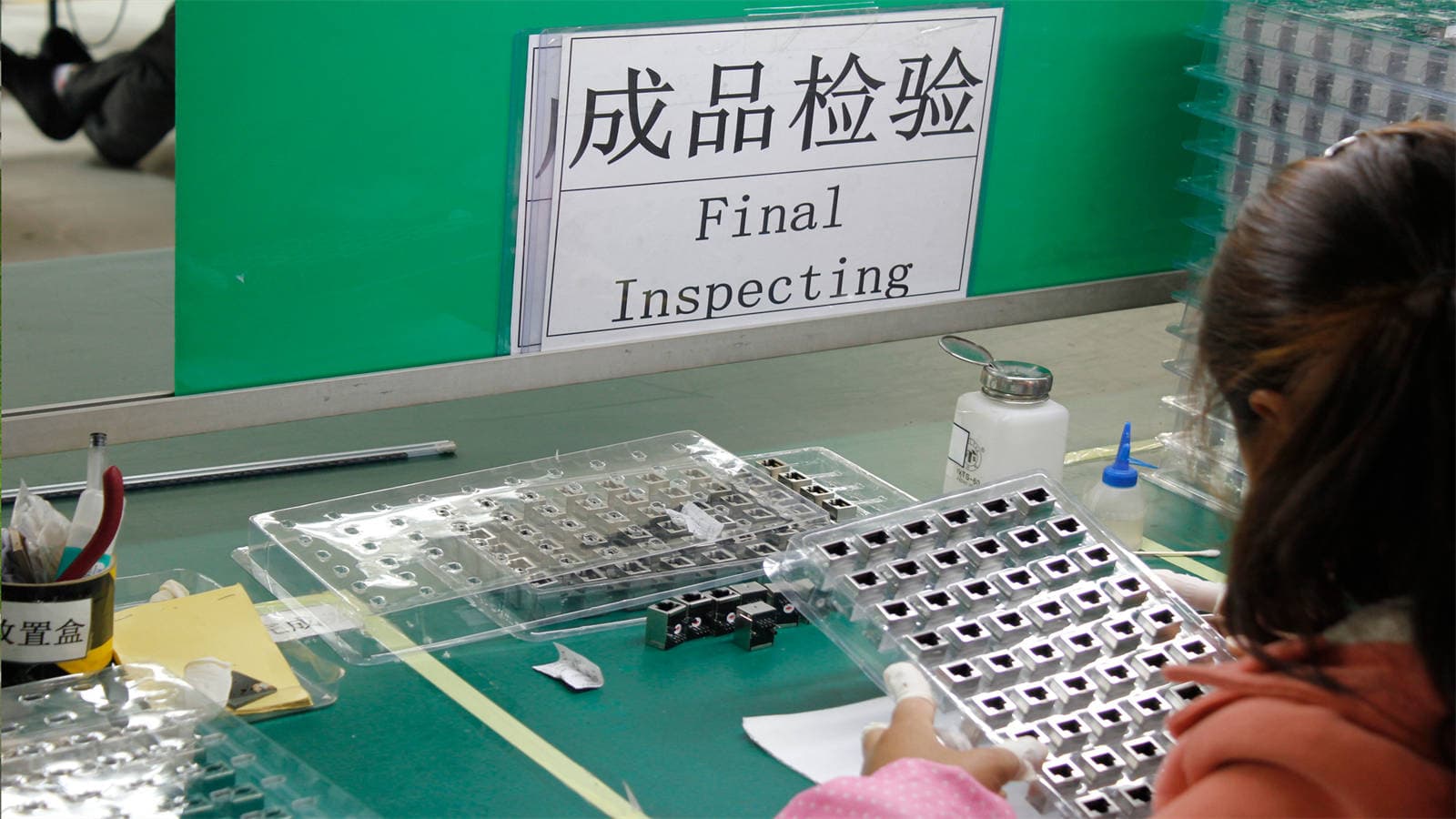

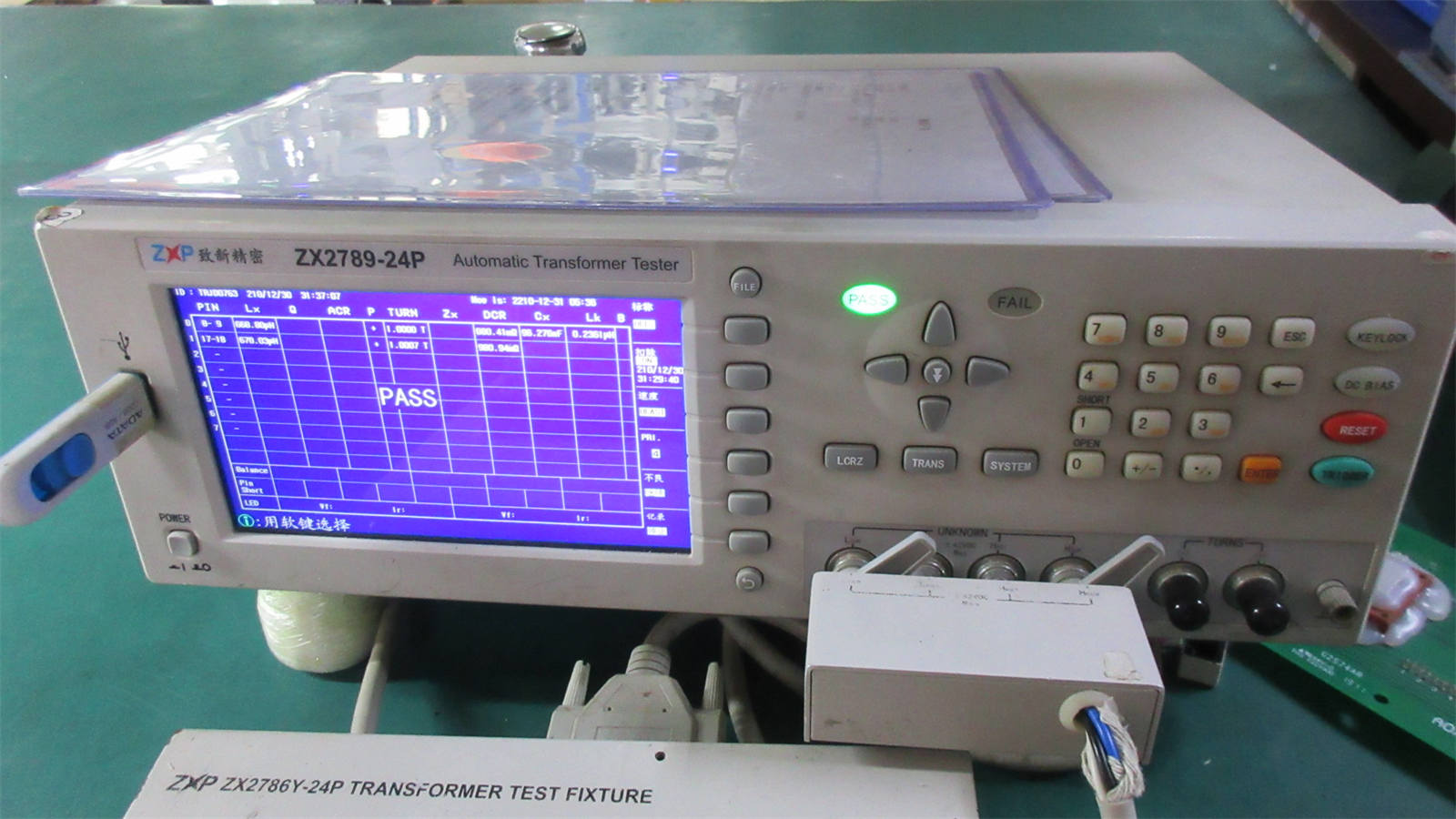
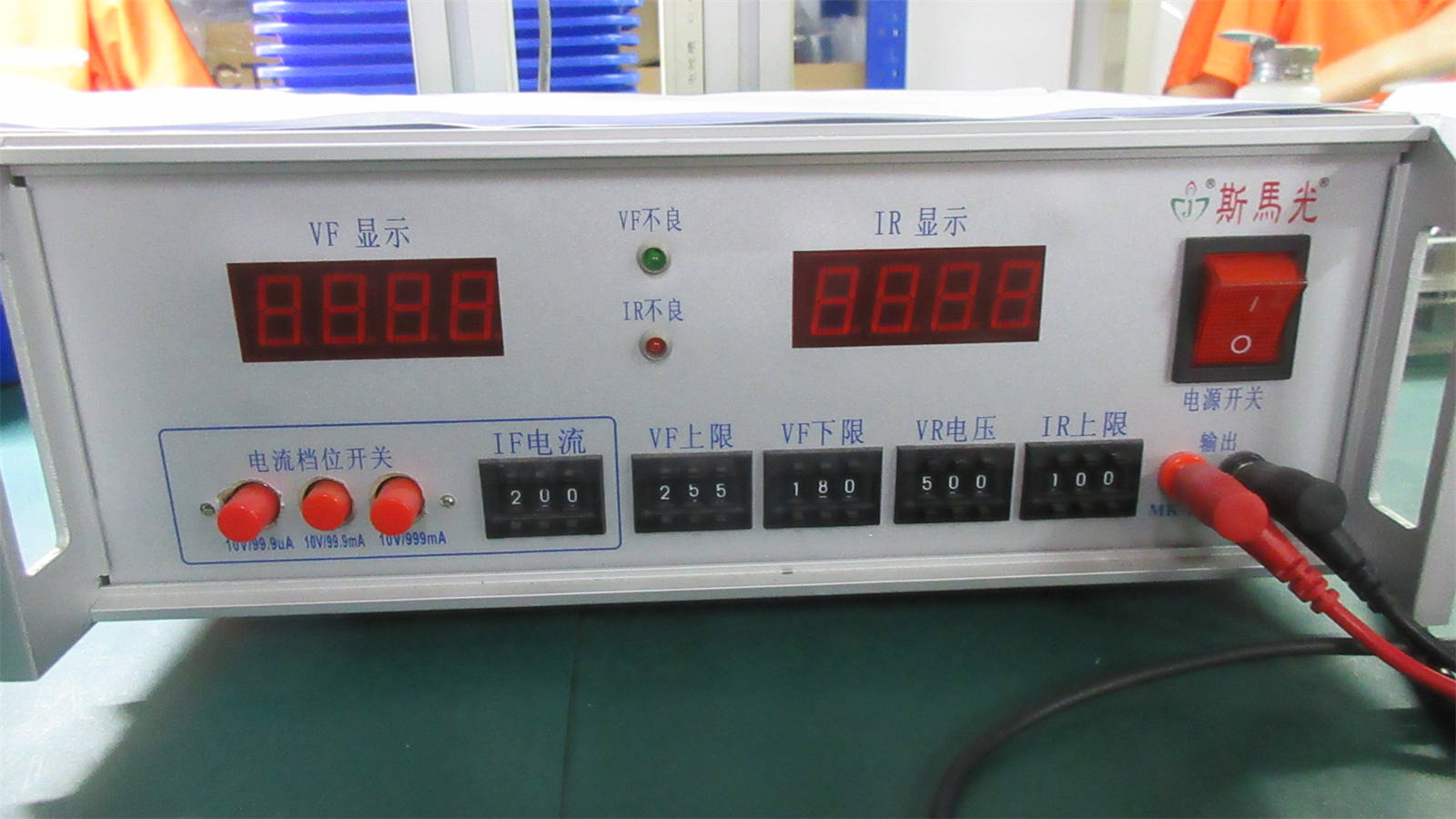
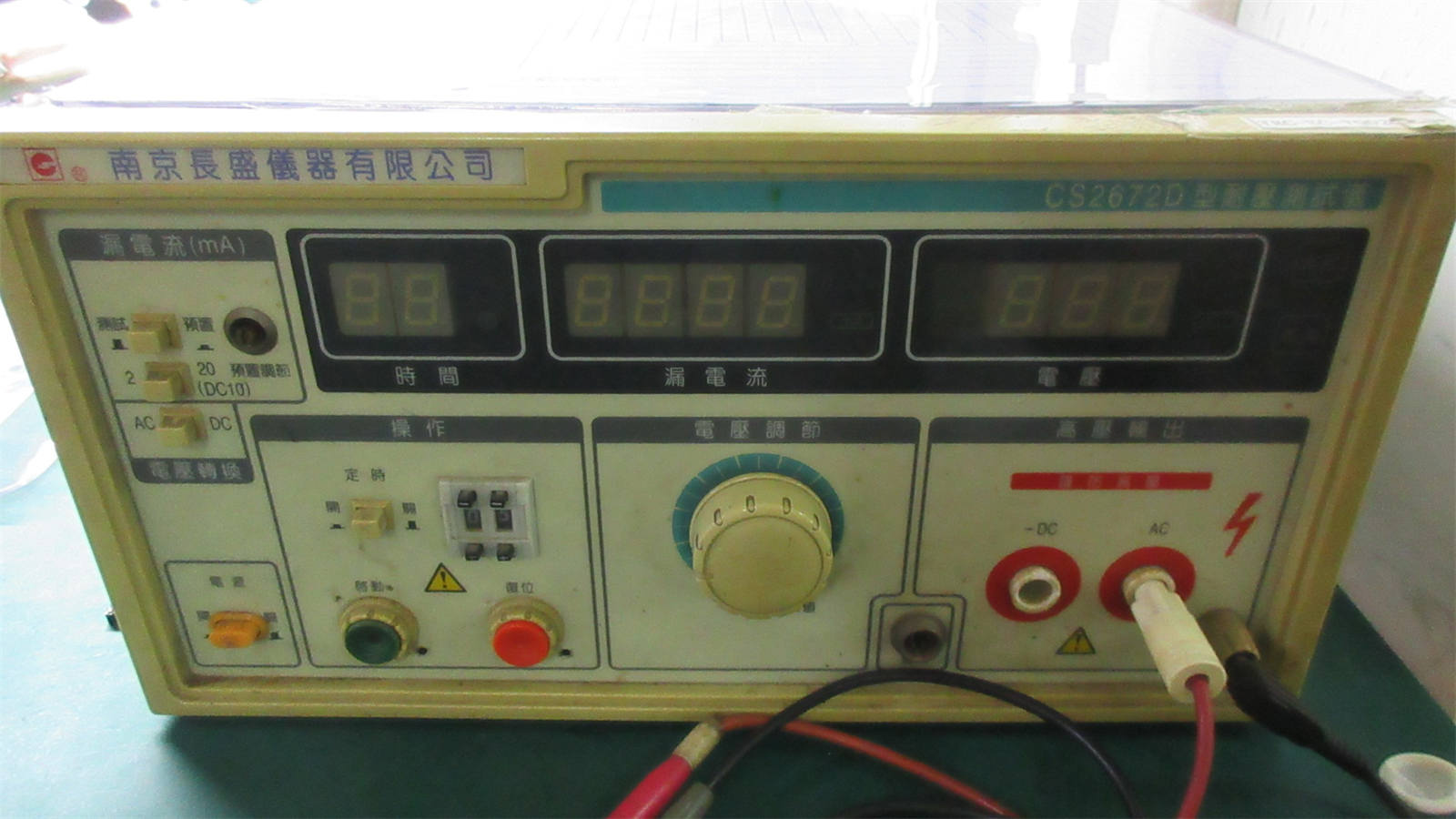
To guarantee consistent signal transmission and component lifetime, we run our products through rigorous mechanical, electrical, and environmental screening using advanced tester equipment.
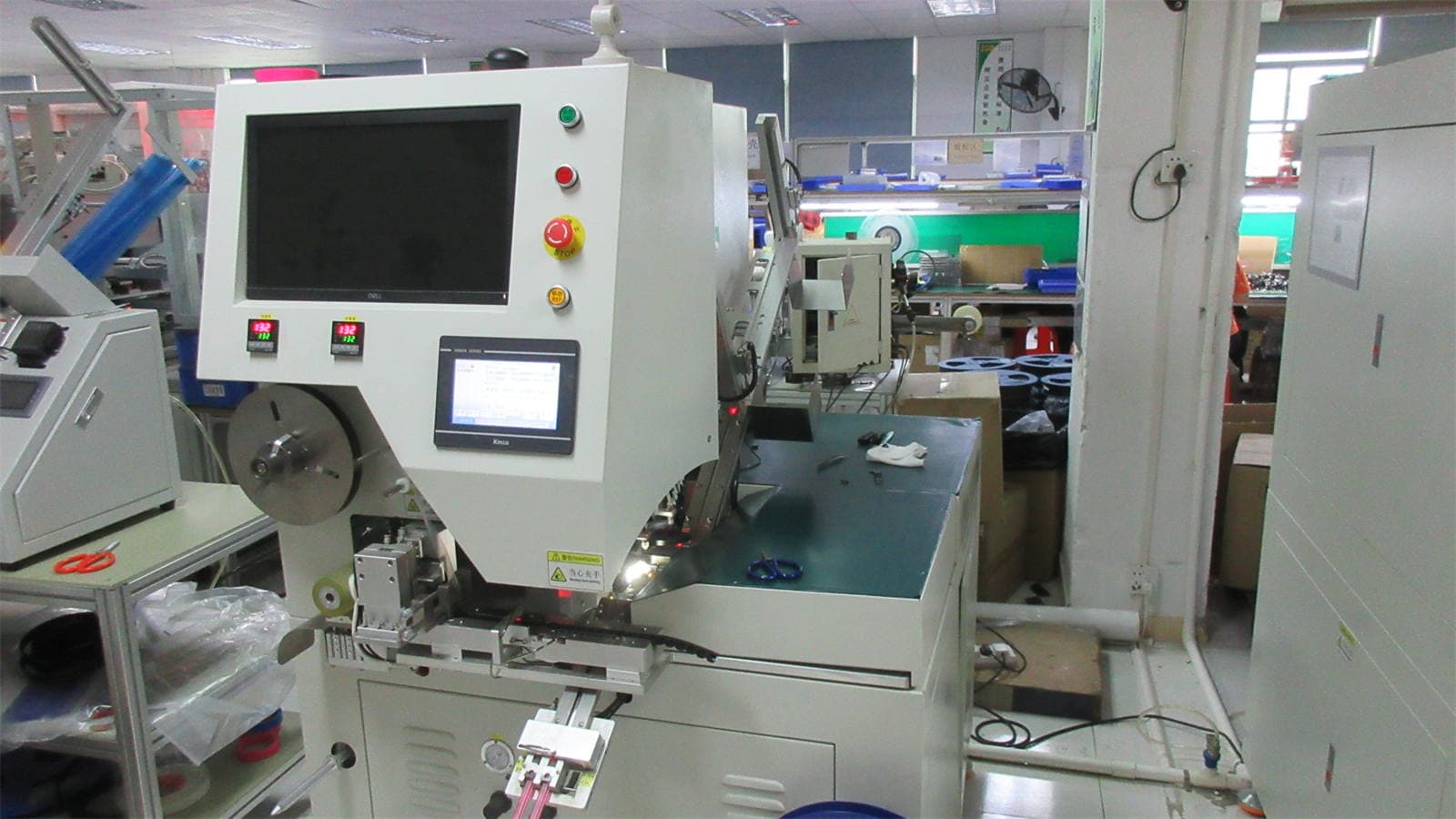
System integrators often face challenges sourcing drop-in replacements for obsolete or costly Western brand connectors. Lumopt engineers develop precise replacements for TE, Tyco, Molex, and Hirschmann connectors, matching electrical characteristics, mechanical pinouts, and PCB footprint geometries.
Different industrial applications require specific panel mount RJ45 materials. For marine environments, we offer nickel-plated brass covers to resist saltwater corrosion. For heavy-machinery automation, we use glass-reinforced polyester shells to survive constant vibration and impacts.
We support international compliance audits by offering full component traceability, Material Safety Data Sheets (MSDS), and certifications for RoHS, REACH, CE, and FCC. These are backed up by comprehensive performance test reports from our internal metrology labs.
As networks expand, copper and optical technologies are converging. The future of panel mount connector design focuses on three key areas:
Integrating magnetic modules (transformers and common-mode chokes) directly inside the RJ45 shielded housing provides three main advantages: first, it saves valuable PCB real estate; second, it optimizes electromagnetic shielding by keeping noise-generating components inside the metal cage; third, it simplifies board-level routing by eliminating the need for separate discrete magnetic components.
Gold plating protects copper alloy contacts from oxidation, wear, and corrosion. While 3u" or 6u" plating is sufficient for standard consumer products, industrial networks require 30u" to 50u" gold plating. This thickness ensures low contact resistance and stable electrical conductivity over hundreds of mating cycles in high-humidity or corrosive industrial environments.
Yes, our engineering team specializes in pin-to-pin compatibility cross-referencing. We design and manufacture drop-in replacements matching TE Connectivity, Molex, Tyco, and Hirschmann footprints, backed by mechanical CAD models, sample testing, and electrical performance reports.
Hi-pot (high potential) testing applies high voltages between isolated circuits to verify insulator integrity. Our automated Hi-pot testers check every single connector assembly to ensure they can withstand voltage surges without dielectric breakdown, preventing field failures.