Lumopt
Lumopt
Lumopt
In modern Ethernet infrastructures, signal integrity and electromagnetic compatibility (EMC) have emerged as primary points of concern for system hardware architects. As data rates climb from Megabit levels to 10G, 25G, and beyond, copper transmission media become increasingly susceptible to Electromagnetic Interference (EMI), Radio Frequency Interference (RFI), and transient voltage surges. An RJ45 Inline Filter (often integrated into a Magnetic Jack or implemented as an inline protective unit) stands as the critical physical defense line. By suppressing common-mode noise and isolating high-voltage transients, these components protect sensitive PHY (Physical Layer) silicon chips, ensuring reliable data packet delivery and maintaining high signal-to-noise ratios (SNR).
This whitepaper provides a thorough evaluation of the global RJ45 filter manufacturing landscape, highlighting the technical designs, quality standards, and strategic sourcing variables that procurement managers must weigh to construct resilient network infrastructures. We explore the design constraints of integrated magnetics, trace the manufacturing path of these high-performance connectors, and review the top manufacturers dominating the sector today.
The global demand for RJ45 connectors with integrated magnetics and inline filters is driven by three main macroeconomic trends: the expansion of industrial IoT (IIoT), the rapid rollout of 5G telecom architectures, and the exponential growth of cloud data centers. In harsh industrial environments—where high-voltage machinery, variable frequency drives, and arc welding systems generate severe electrical noise—standard copper interfaces suffer from frequent packet loss. Industrial Ethernet protocols like EtherCAT, PROFINET, and Modbus TCP require ruggedized RJ45 filter components with high common-mode rejection (CMR) capabilities.
Furthermore, the widespread adoption of Power over Ethernet (PoE, PoE+, and PoE++ under IEEE 802.3bt) has introduced new engineering challenges. Modern filters must handle high currents—up to 960mA per pair—without saturating the internal ferrite cores. System integrators and OEM designers are shifting away from discrete filtering designs in favor of integrated RJ45 Magnetic Jacks (often called ICMs). This transition saves precious PCB board space, simplifies EMI compliance testing, and reduces assembly labor costs. To satisfy these diverse needs, tier-one manufacturers must offer robust, certified solutions that conform to stringent global safety and performance standards.
A Yageo Company, Pulse Electronics is a global leader in magnetic components. Their JT and PulseJack™ series set the standard for integrated RJ45 connectors with built-in EMI filtering and ESD protection, offering solutions ranging from 10/100Base-T up to 10G Ethernet.
Bel Fuse's dedicated magnetics division is renowned for the MagJack® series. These integrated connector modules combine standard RJ45 connectors with filtering magnetics to deliver excellent noise isolation, high reliability, and PoE compatibility across telecommunications and industrial fields.
TE Connectivity is a global connector giant. Their RJ45 Jacks with Integrated Magnetics (ICMs) provide space-saving designs, improved EMI performance, and excellent shielding for server applications, industrial controllers, and medical diagnosis systems.
Widely respected in Europe and North America for outstanding technical support, Wurth's WE-RJ45 LAN series offers integrated filters with or without LEDs, optimized for low insertion loss, high return loss, and reliable performance in automation electronics.
Molex delivers highly engineered interconnect systems. Their Magnetic RJ45 Jacks provide reliable electrical isolation and noise suppression. These components are widely designed into high-density networking switches, routers, and consumer electronics.
Amphenol offers a comprehensive portfolio of filtered connectors. Their integrated RJ45 modules are designed to meet rugged military-grade, aerospace, and outdoor telecom requirements, featuring specialized IP-rated sealing and robust EMI shielding.
Specializing in communication magnetics, HALO is a key supplier of high-quality RJ45 FastJack™ and Ultra-miniature ICM designs. They are a preferred choice for telecom OEMs requiring long-term product availability and precise electrical tolerances.
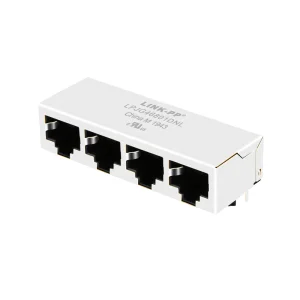
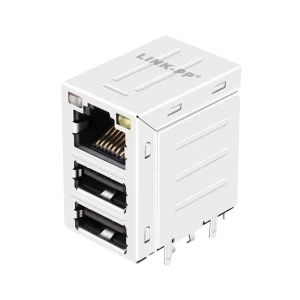
As a premier specialized manufacturer in China, Link-PP offers high-volume production capabilities for RJ45 connectors with integrated magnetics. Their extensive catalog includes cost-effective replacements for top-tier brands, helping optimize supply chains globally.
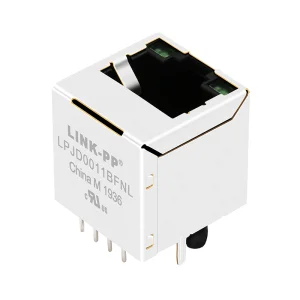
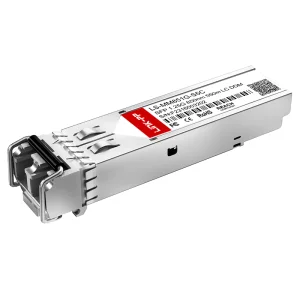
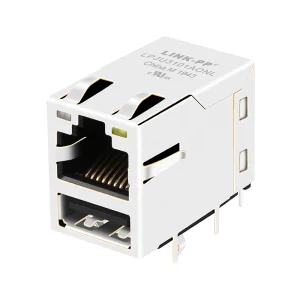
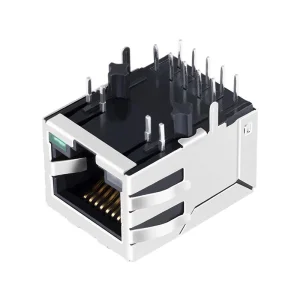
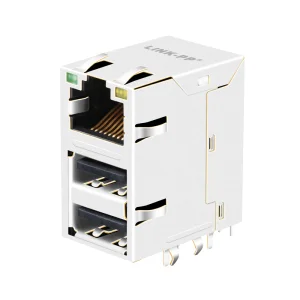
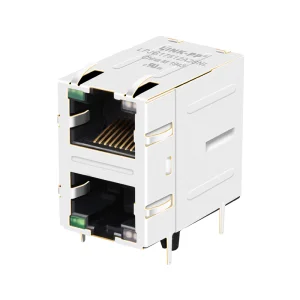
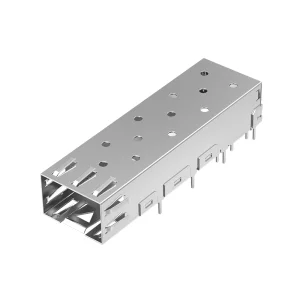
Lumopt specializes in advanced communication components. Combining expert optical module capabilities with an automated copper connector factory, they deliver high-performance integrated RJ45 modular jacks, USB combos, and customizable magnetic filters for AI systems and telecom equipment.
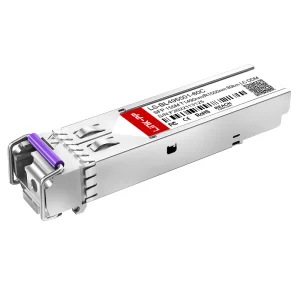
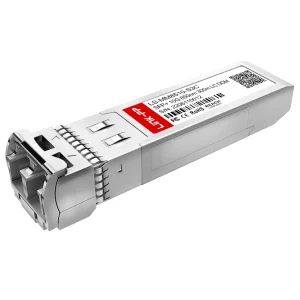
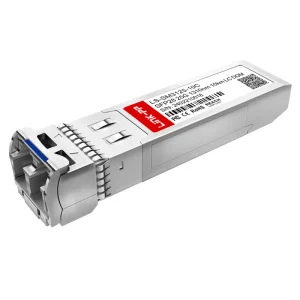
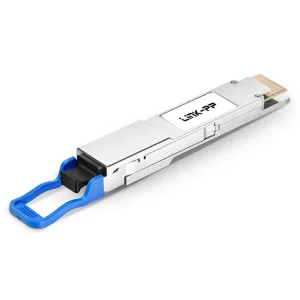
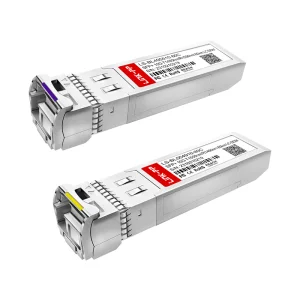
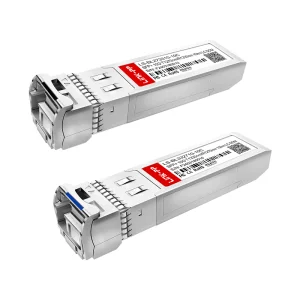
Lumopt Opto Technology Co., Ltd. (registered in China as Luguang Communication Technology Co., Ltd.) is a highly specialized manufacturer and exporter of state-of-the-art optical transceivers and filtered RJ45 connectivity solutions. Leveraging a legacy of precision design, we cover the full spectrum of high-speed interconnects, from 10G to 800G optical modules, down to highly integrated RJ45 connectors featuring built-in magnetic filters.
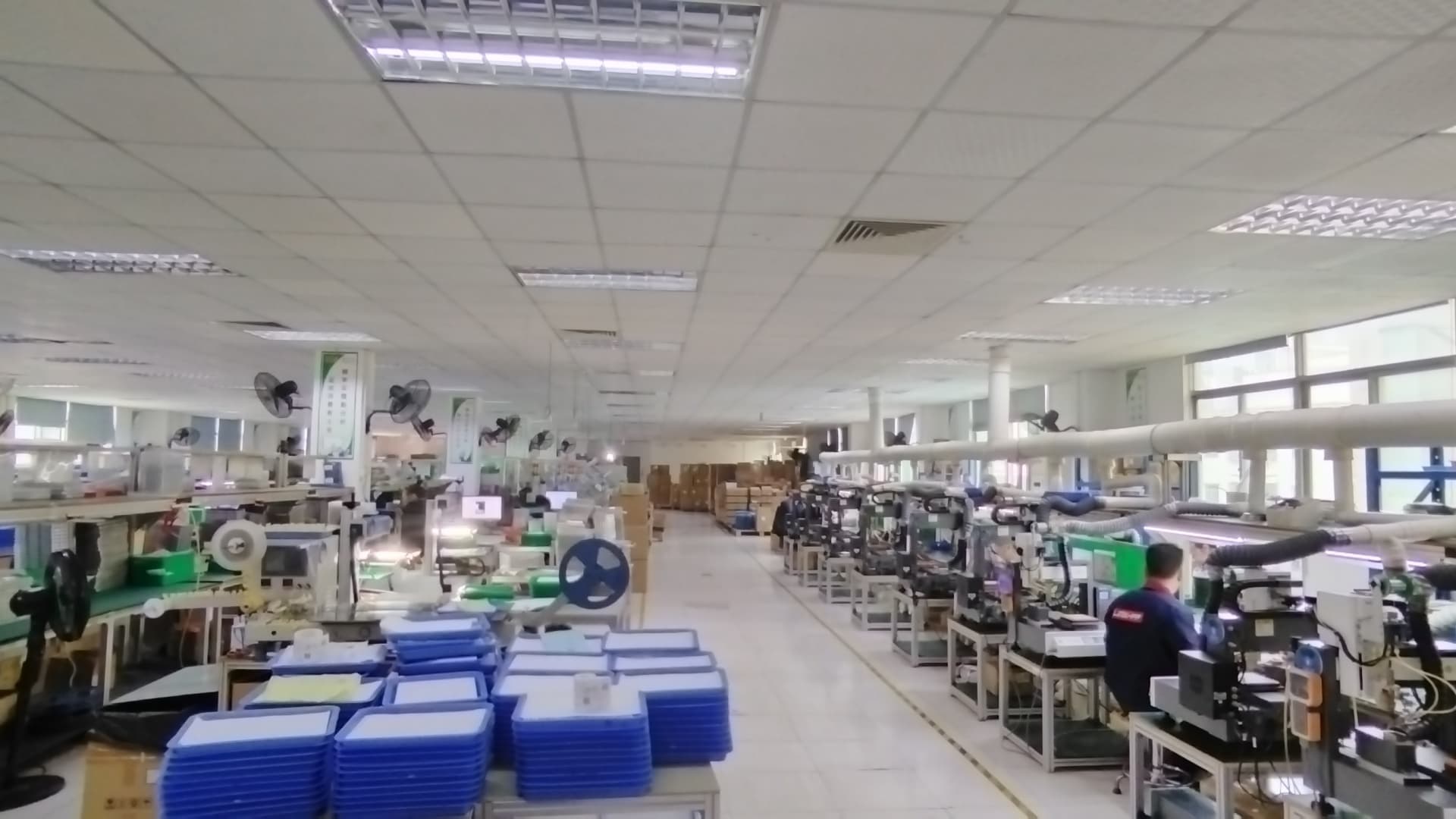
Supported by ISO-certified dust-free production workshops and advanced automated testing environments, Lumopt focuses on delivering reliable quality and cost-effective manufacturing for customers worldwide. We provide custom OEM and ODM services to help system integrators and distributors bypass global supply chain bottlenecks and deploy high-performance network equipment.

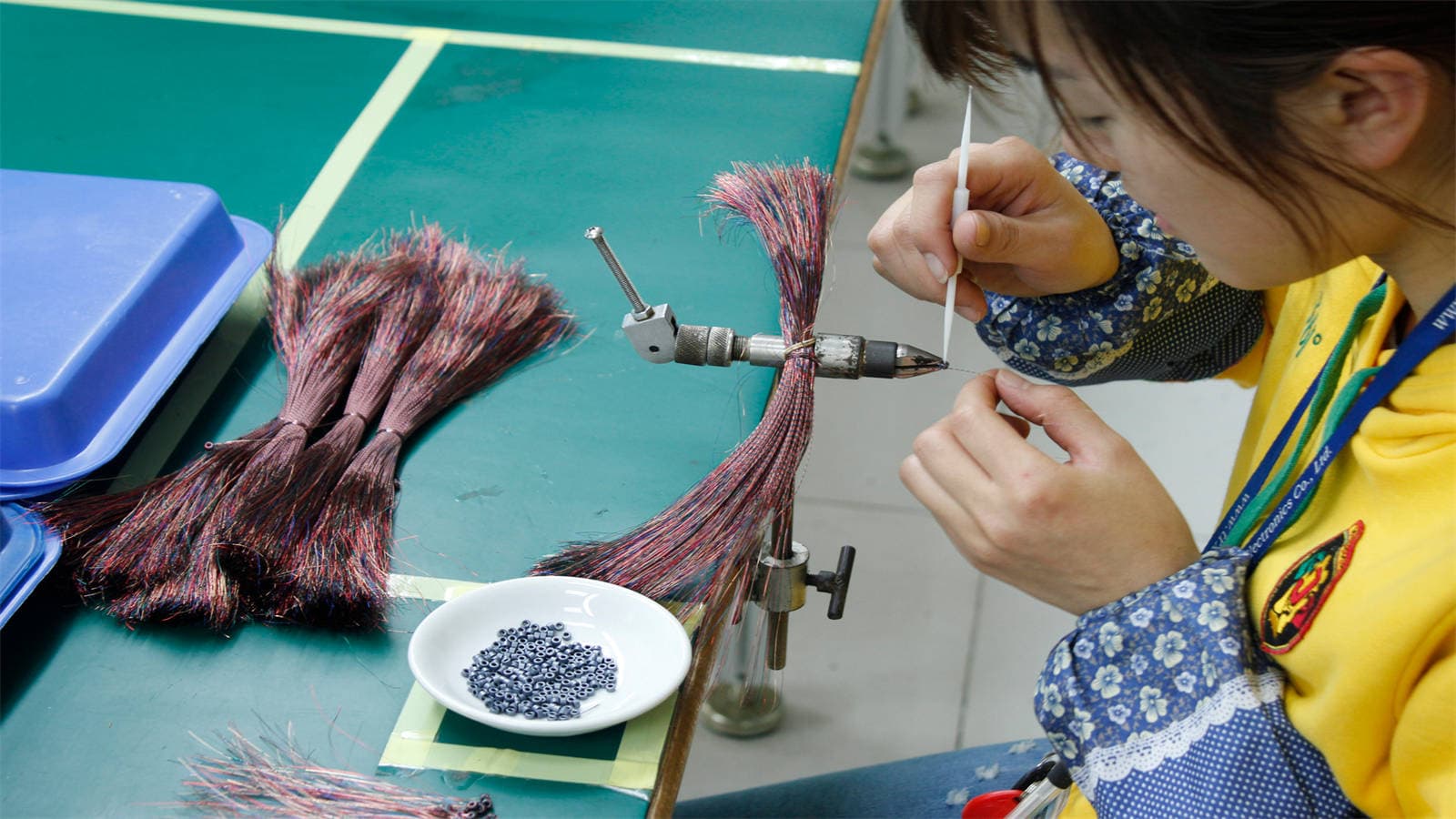
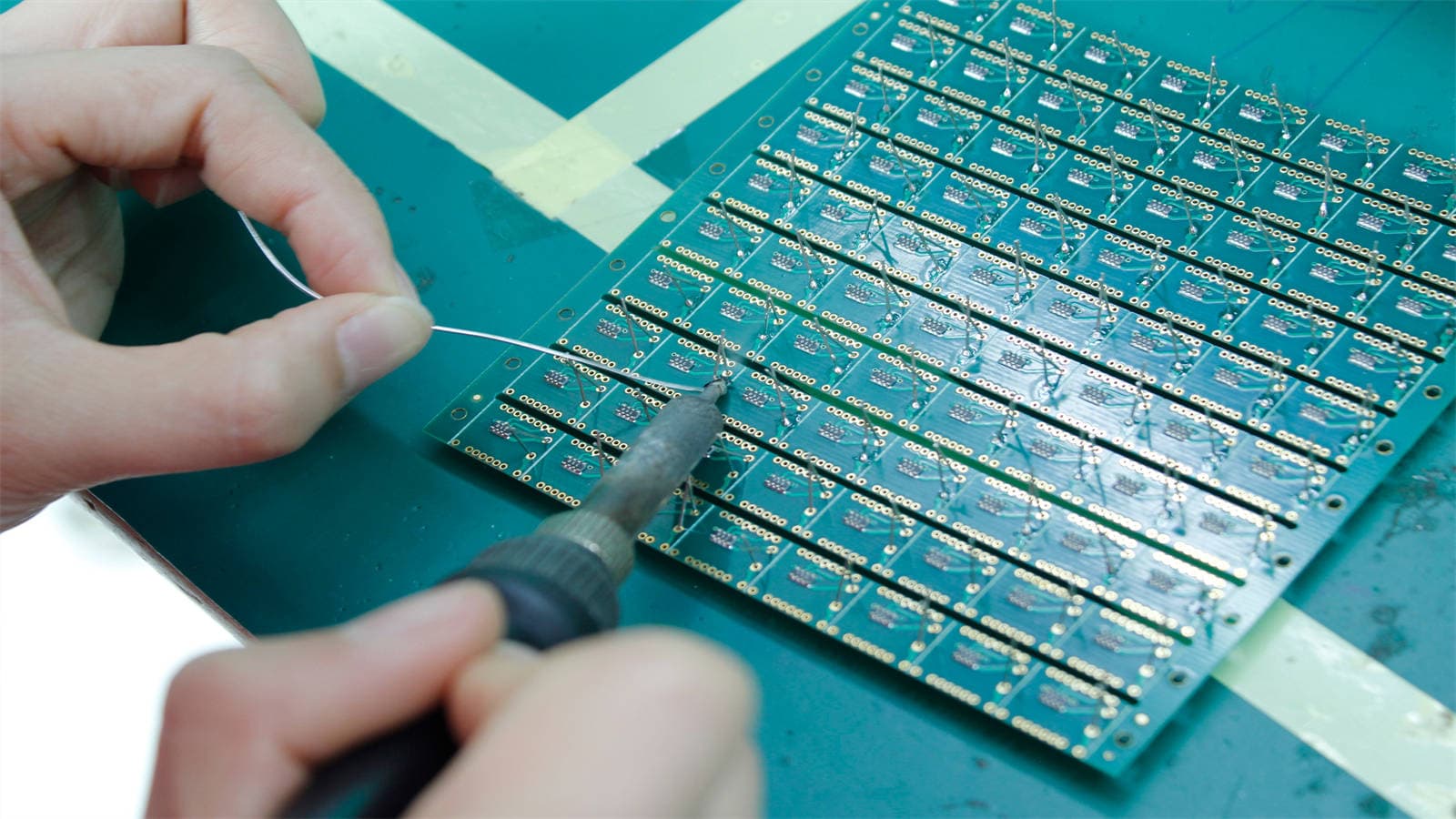
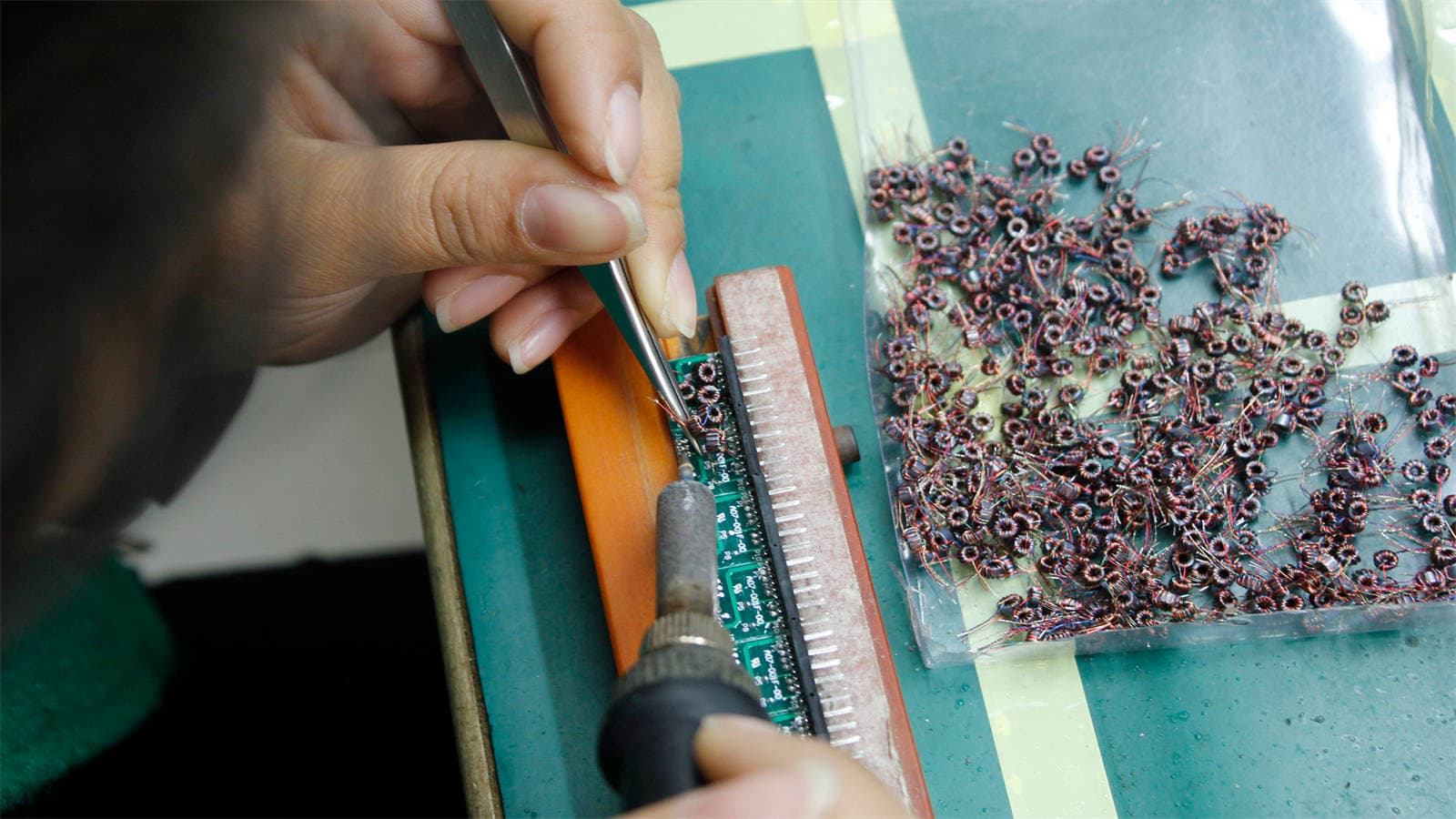
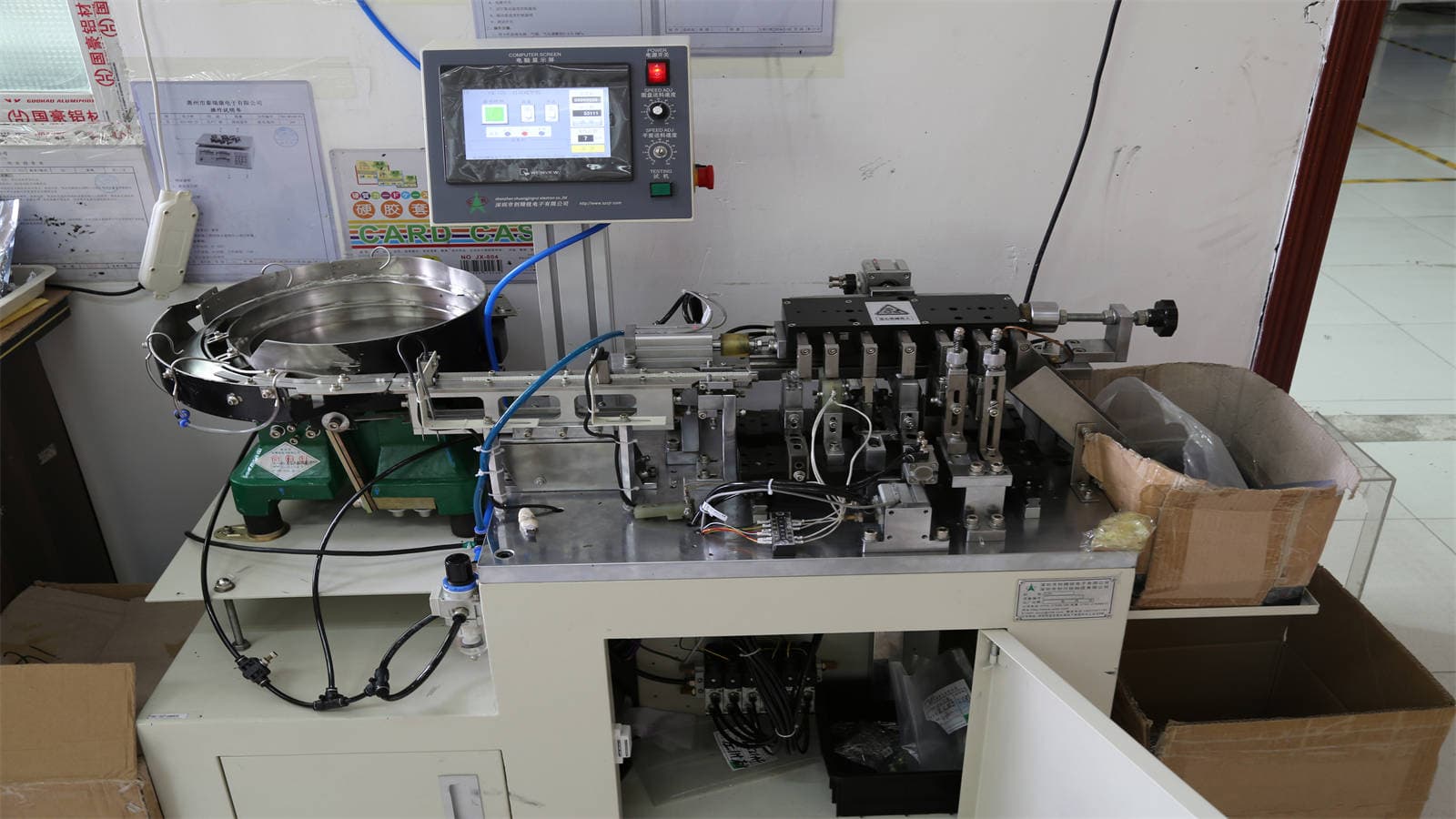
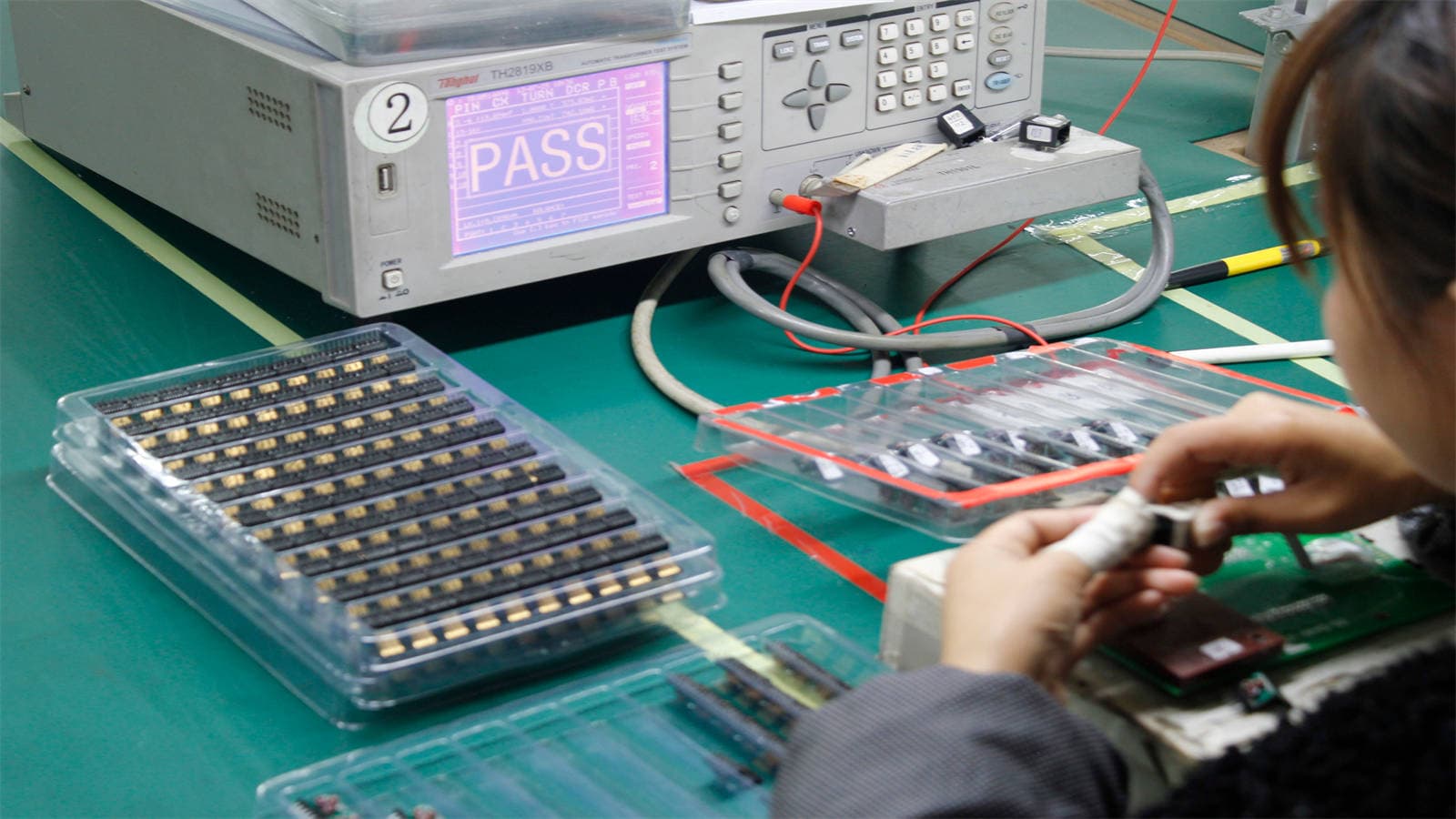
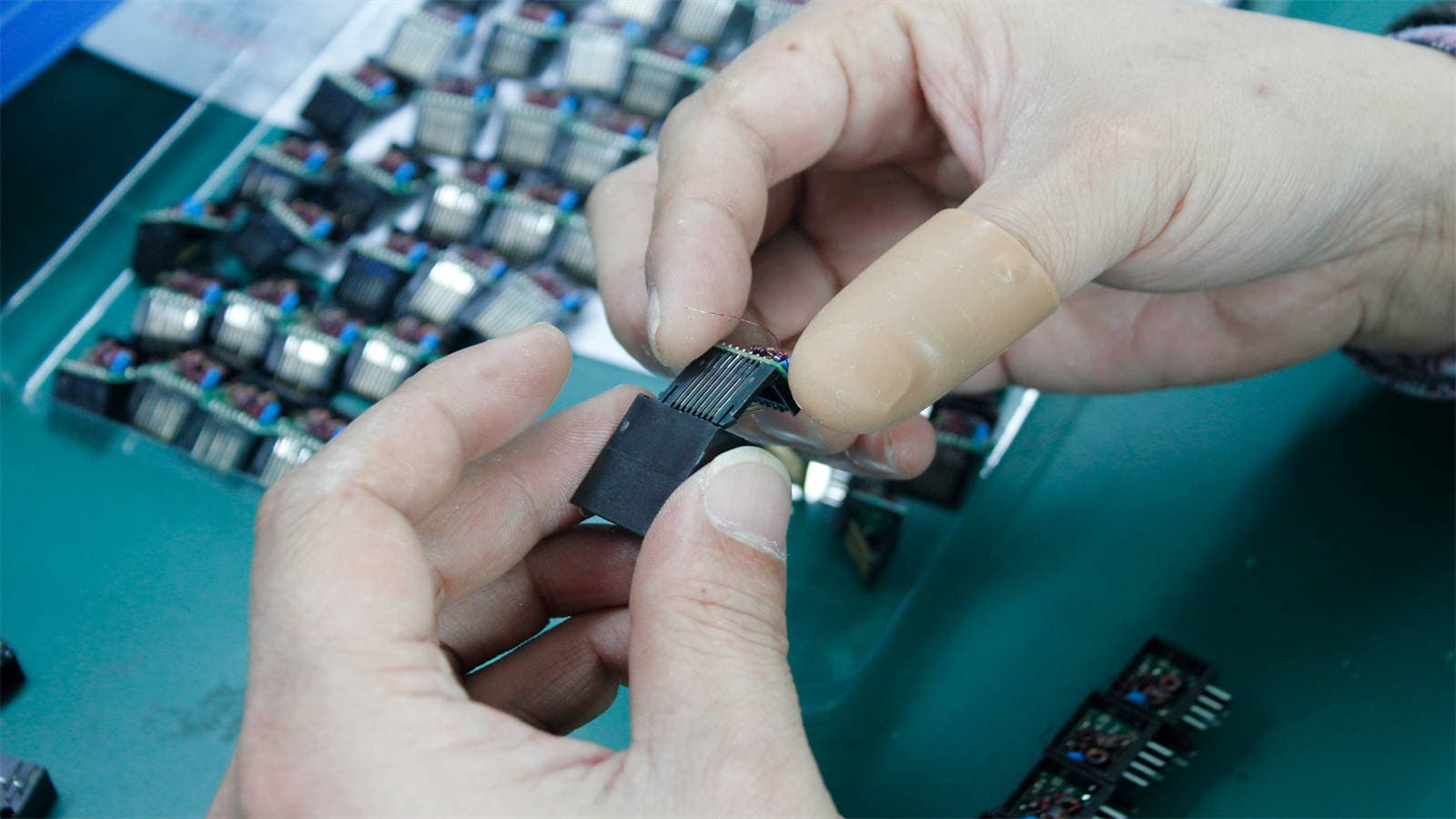
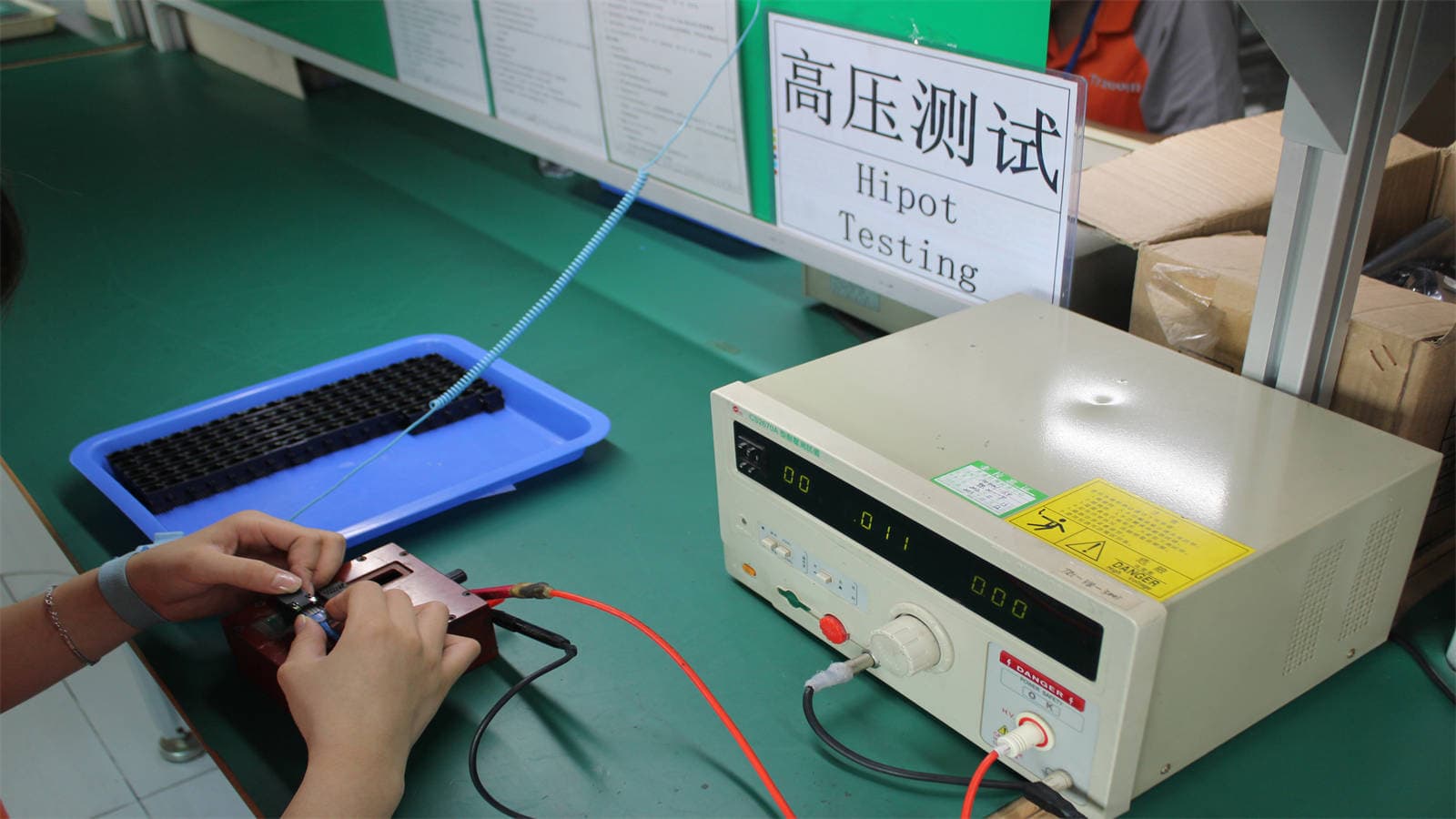
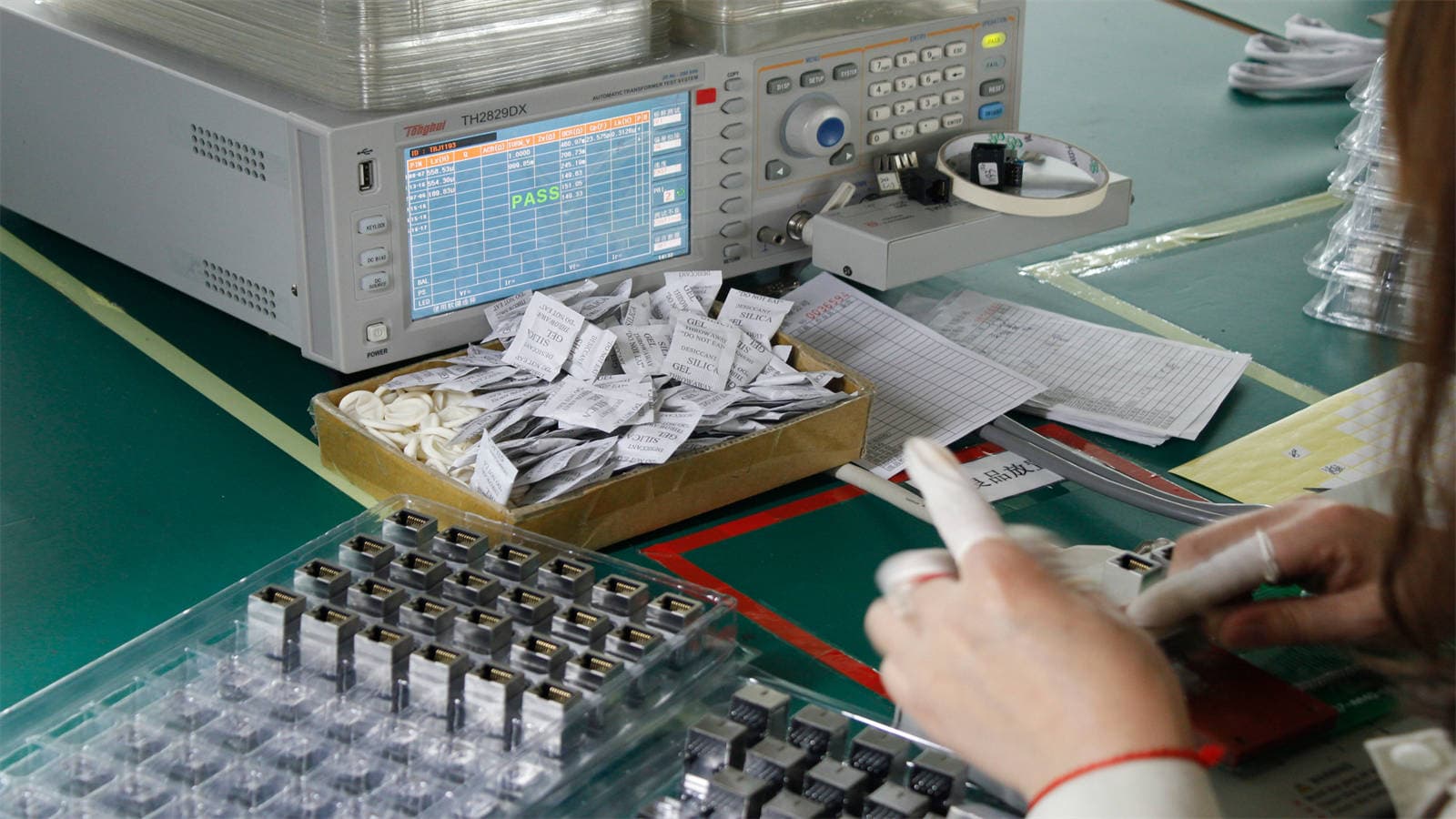
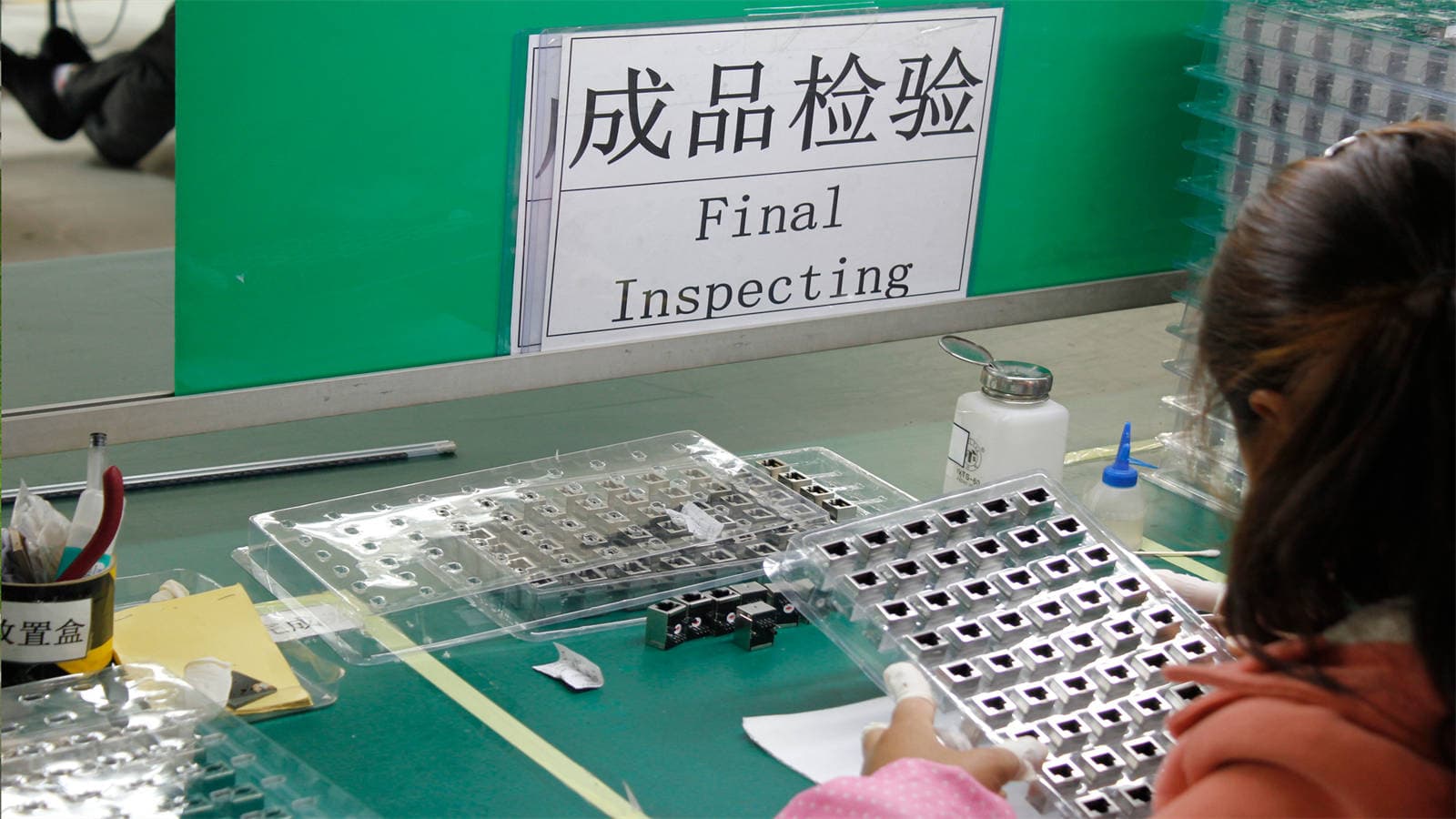

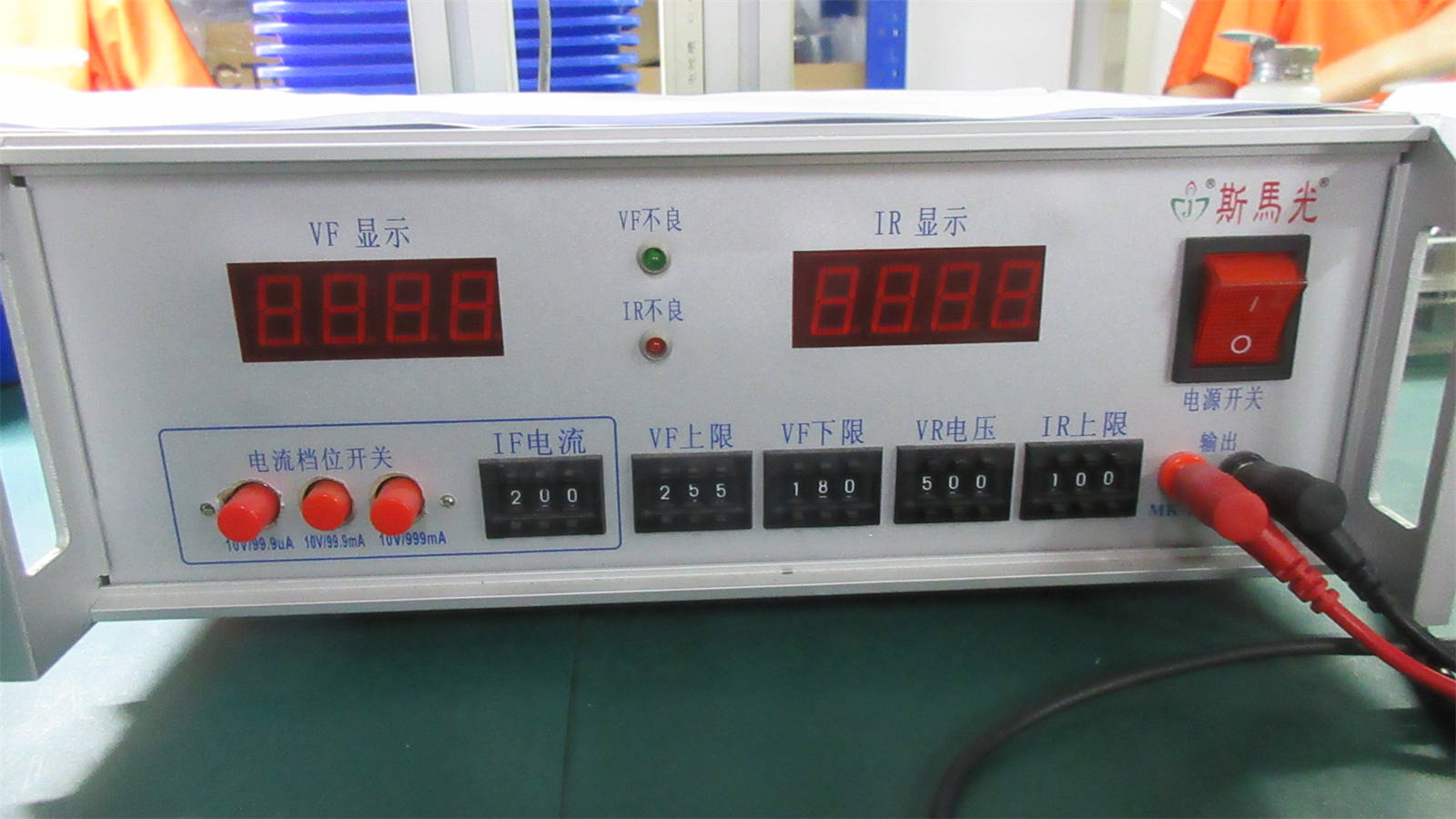
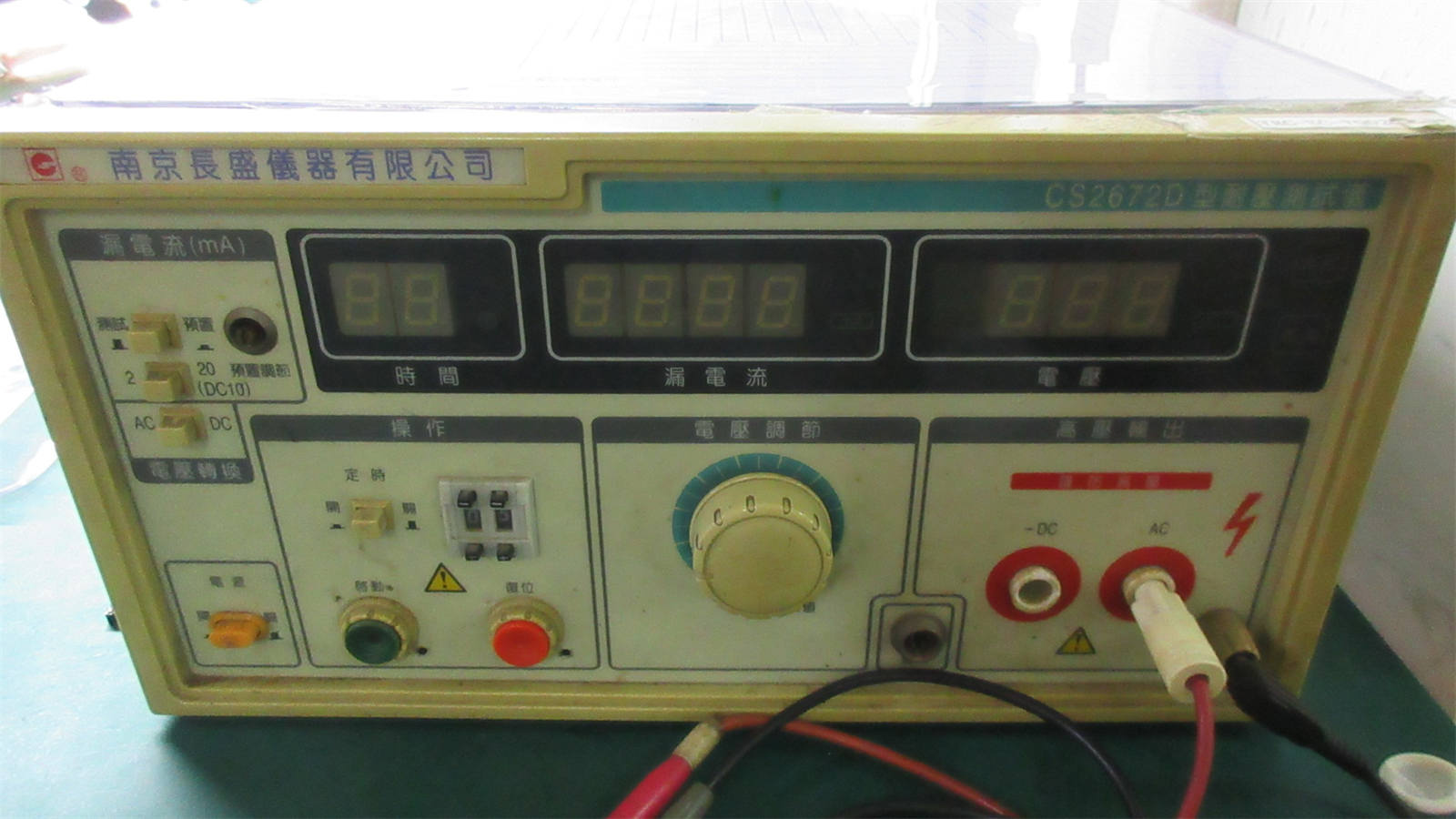
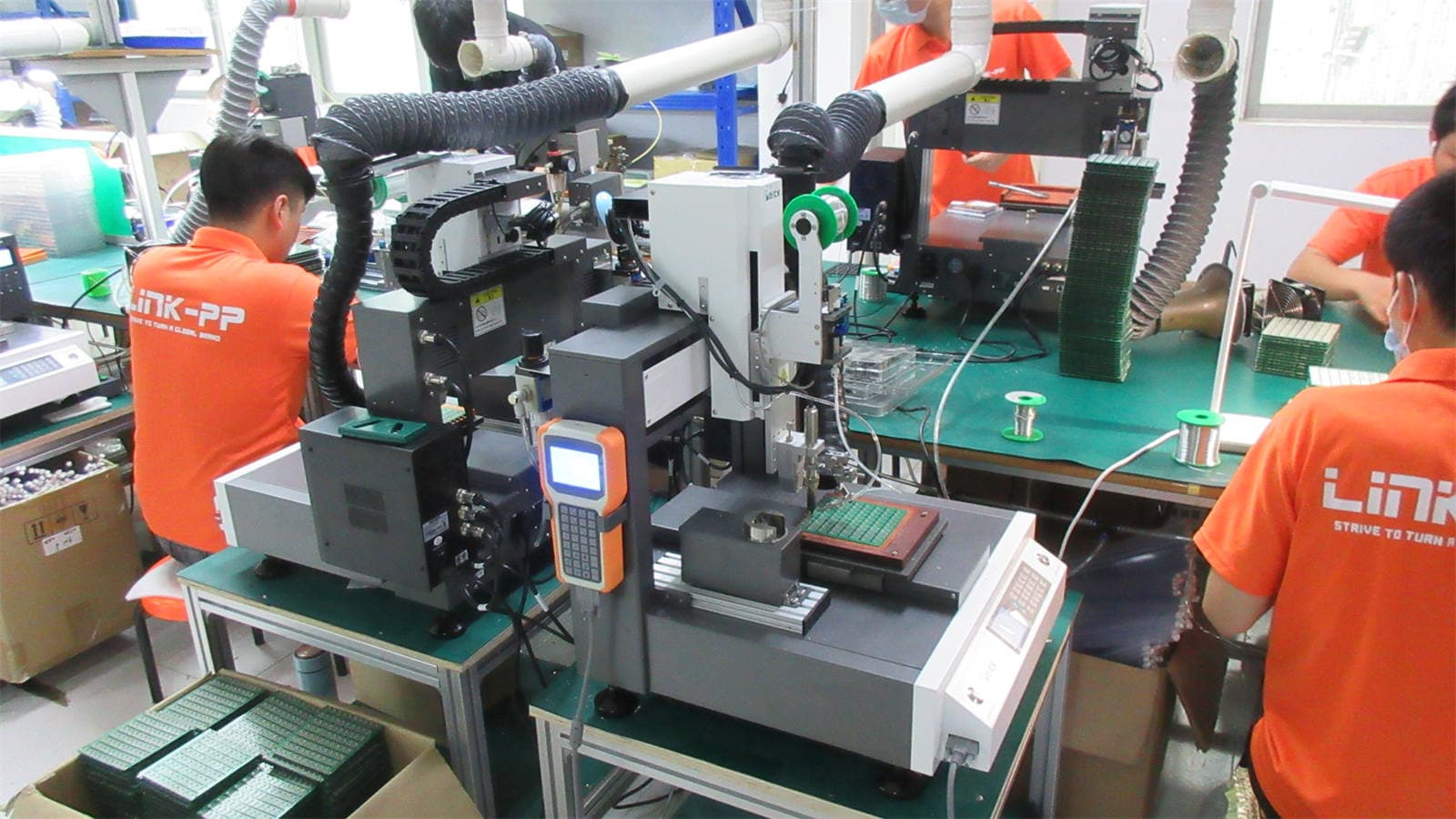
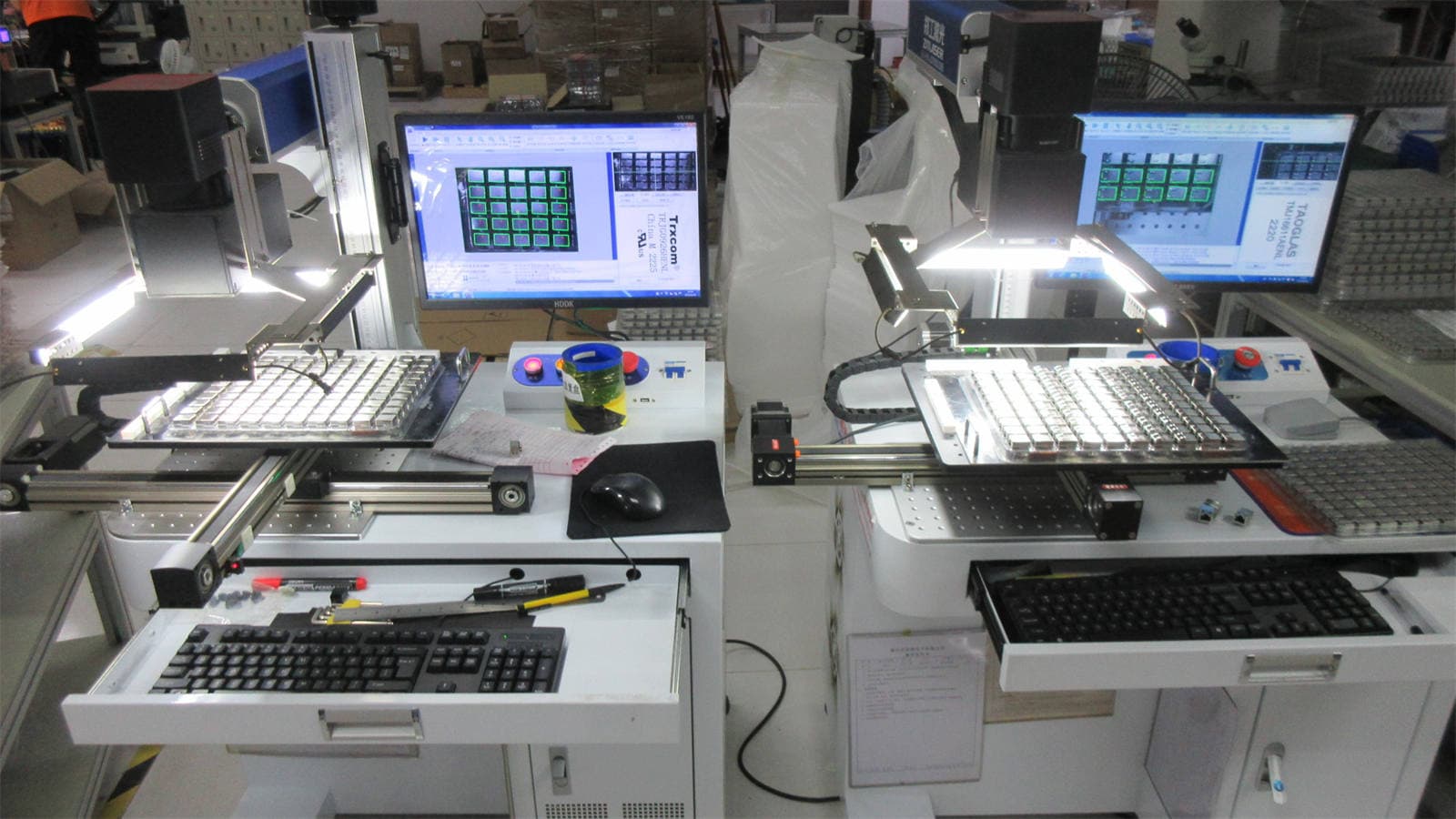
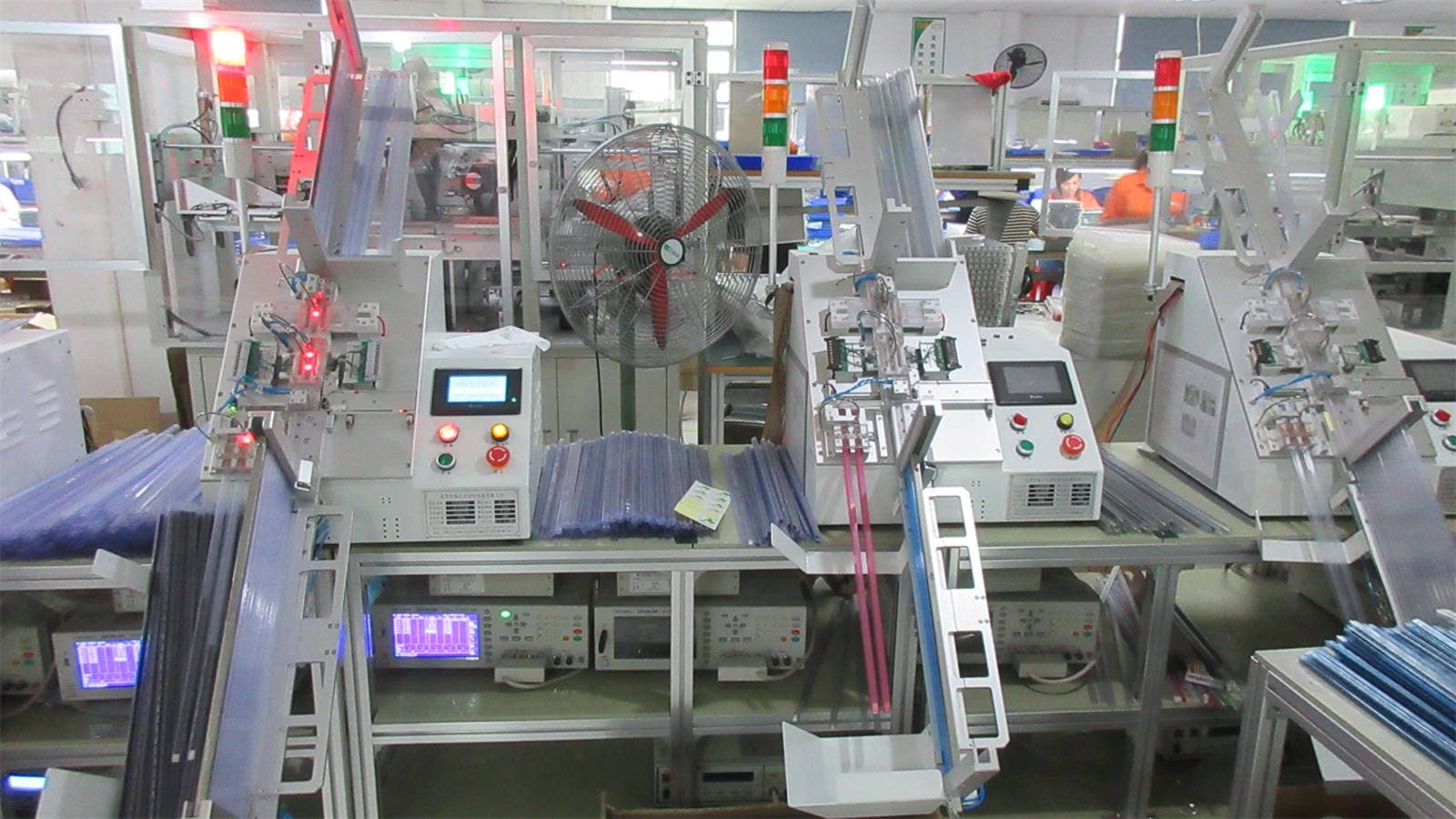
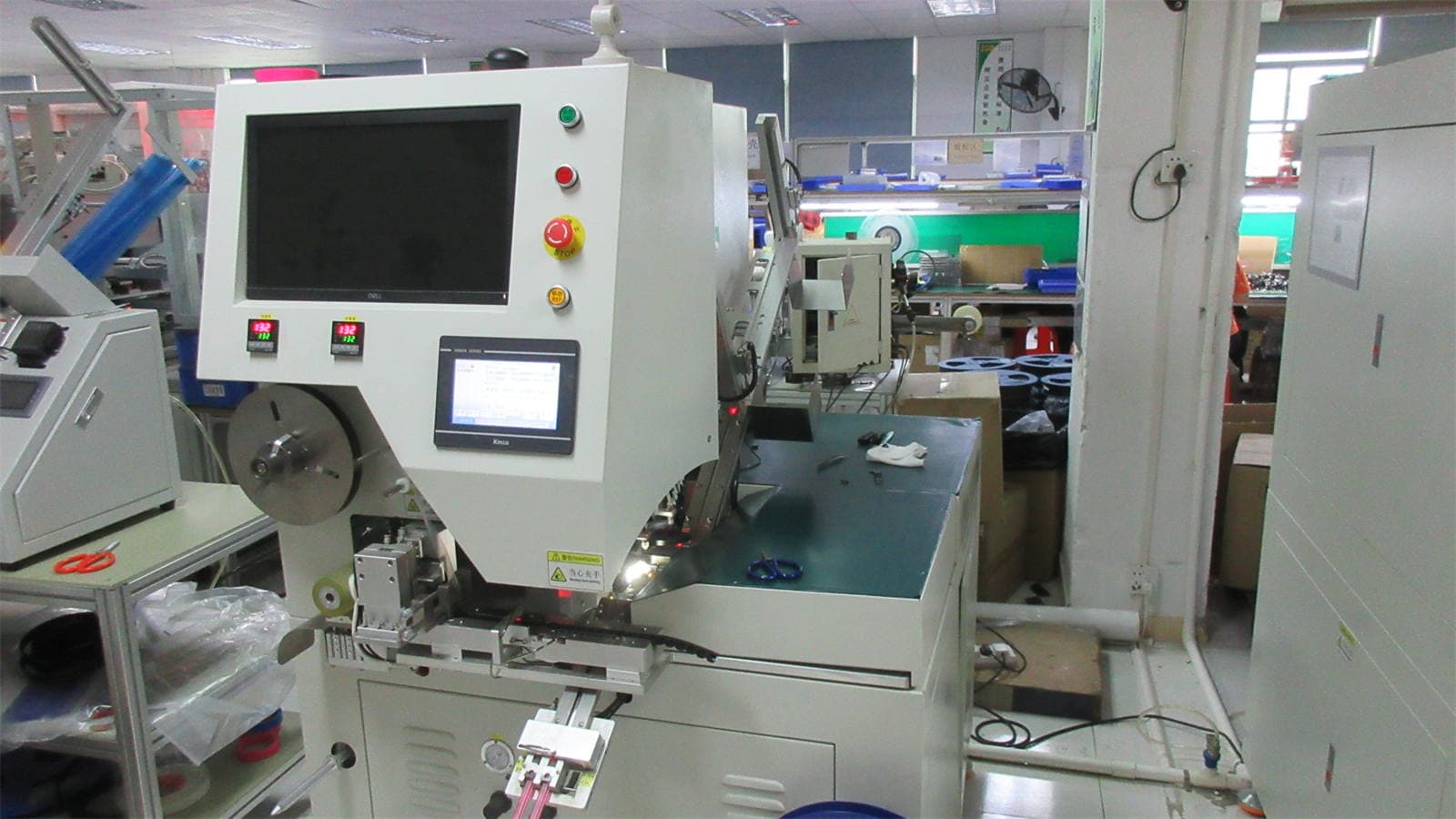
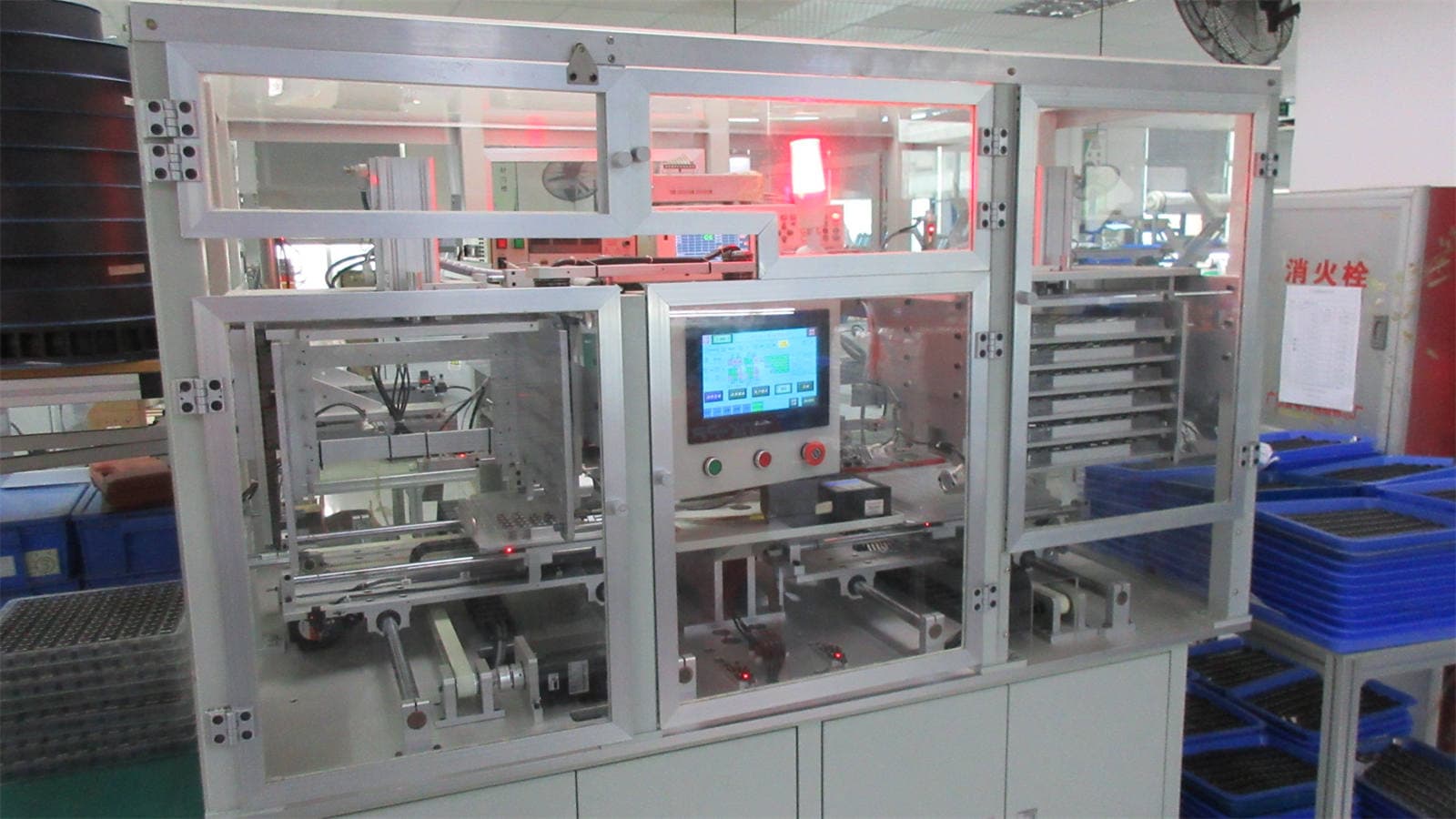
Each step in our manufacturing workflow is calibrated to deliver precise performance. Precision wire twisting helps maintain uniform impedance and control electromagnetic emission. During the soldering and PCB tinning phases, automated machinery ensures clean connections that minimize insertion loss. In the final phases, every product undergoes Hi-pot testing (high-potential isolation testing up to 1500V AC or higher) and full functional parameters checks. This comprehensive approach ensures that our components meet or exceed the performance levels of major market brands.
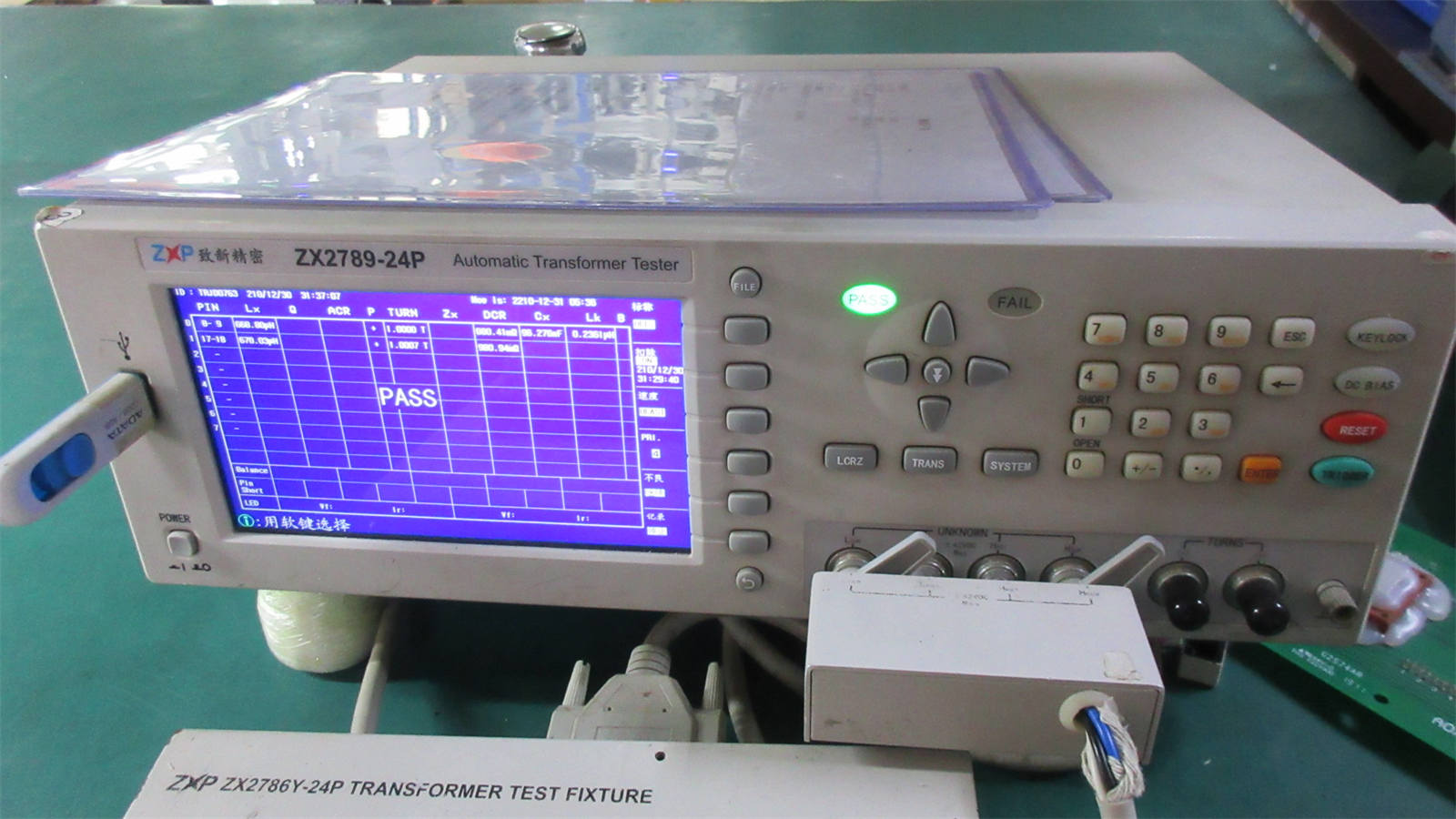

From an electrical engineering perspective, an RJ45 Inline Filter consists of a network of passive components. The main filtering stage uses Common-Mode Chokes (CMC). These are miniature toroids wrapped with bifilar magnet wire. The CMCs are designed to present high impedance to common-mode noise (which travels in the same direction on both conductors of a differential pair) while remaining transparent to the differential-mode signal (the actual Ethernet data). This design provides clean data transmission with minimal attenuation.
Beyond noise suppression, modern filters incorporate ESD suppression diodes or Transient Voltage Suppressors (TVS) directly into the RJ45 housing. This integration is crucial for protecting the PHY transceiver from electrostatic discharge (ESD) and line-surge transients (such as nearby lightning strikes) in accordance with the IEC 61000-4-2 and IEC 61000-4-5 standards. In PoE topologies, the magnetic cores must also be engineered to prevent magnetic core saturation caused by DC bias current. By utilizing high-permeability ferrite materials and precise winding ratios, manufacturers ensure that signal lines can carry up to 90W-100W of power while maintaining clean, uncorrupted Ethernet frames.
Deploying networking equipment in international markets requires strict adherence to global safety and environmental directives. All components from our factories are fully compliant with RoHS and REACH standards, ensuring they are free from restricted hazardous substances. We maintain strict compliance with FCC Part 68 and UL 94 V-0 flammability ratings to guarantee high performance and safety in commercial and industrial environments.
Additionally, our Field Application Engineers (FAE) provide localized technical support to help developers debug board layouts, optimize EMI profiles, and pass FCC/CE certifications. By offering global logistics support, we ensure on-time delivery to distributors and assembly plants in Europe, North America, and across the Asia-Pacific region.