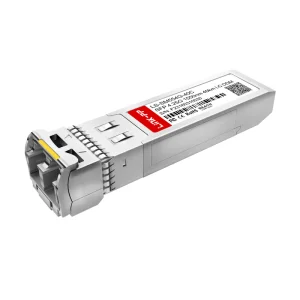
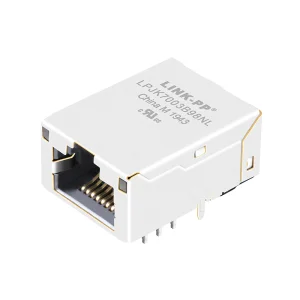
Lumopt Lumopt

Global Optical Transceiver Sourcing Whitepaper

Top 10 Single Mode SFP Module Manufacturers & Factories

400G+
AI Network Readiness
<0.01%
Field Return Rate
80km
Max Long-Haul Reach
100%
MSA Compatibility

Evaluating the Single Mode SFP Manufacturing Landscape

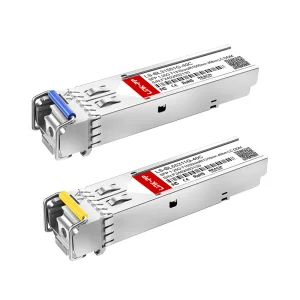
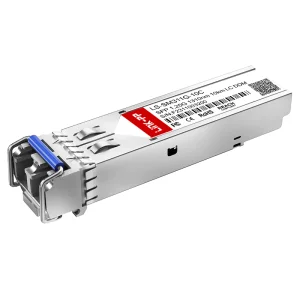
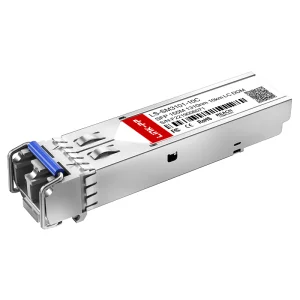
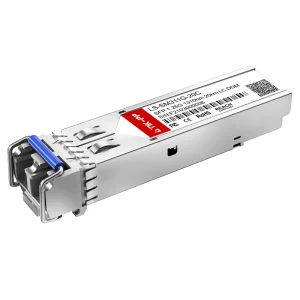
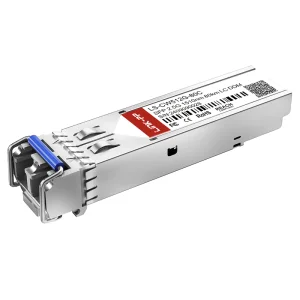
In the rapidly changing landscape of optical communications, Single Mode SFP (Small Form-factor Pluggable) modules serve as the backbone for long-distance, high-bandwidth data transmission. Driven by hyperscale data centers, 5G metro networks, and FTTH (Fiber to the Home) rollouts, the demand for precision-engineered transceivers has reached unprecedented levels. While Multi-Mode fibers (MMF) suffice for short-range links within a rack, Single-Mode Fibers (SMF) leverage narrow-laser emission (typically 1310nm or 1550nm) to transmit signals over tens of kilometers without the performance bottleneck of modal dispersion.

Choosing the right transceiver manufacturing partner is critical. Enterprise procurement leads, system integrators, and telecom engineering teams must evaluate companies not only on raw component cost, but on manufacturing compliance, Multi-Source Agreement (MSA) compatibility, hardware reliability, and production scalability. This whitepaper analyzes the market's leading optical transceiver factories and provides a technical framework for strategic sourcing.

Featured OEM/ODM Partner: Lumopt Opto Technology Co., Ltd.

Lumopt Opto Technology Co., Ltd. (registered as Luguang Communication Technology Co., Ltd. in China) is an established Chinese manufacturer and exporter specializing in high-performance optical transceivers. The company integrates design, R&D, and bulk manufacturing to supply high-reliability transceivers to global enterprise clients.

Focusing on the customization and supply of optical modules covering 1G, 10G, 25G, 100G, 400G, 800G, and next-generation 1.6T speeds, Lumopt products are widely applied in data centers, telecom network architectures, cloud computing networks, AI computing clusters, and enterprise communication systems. By maintaining cleanrooms and standardized test laboratories, they control quality parameters at every production stage.

Lumopt Opto Office Building

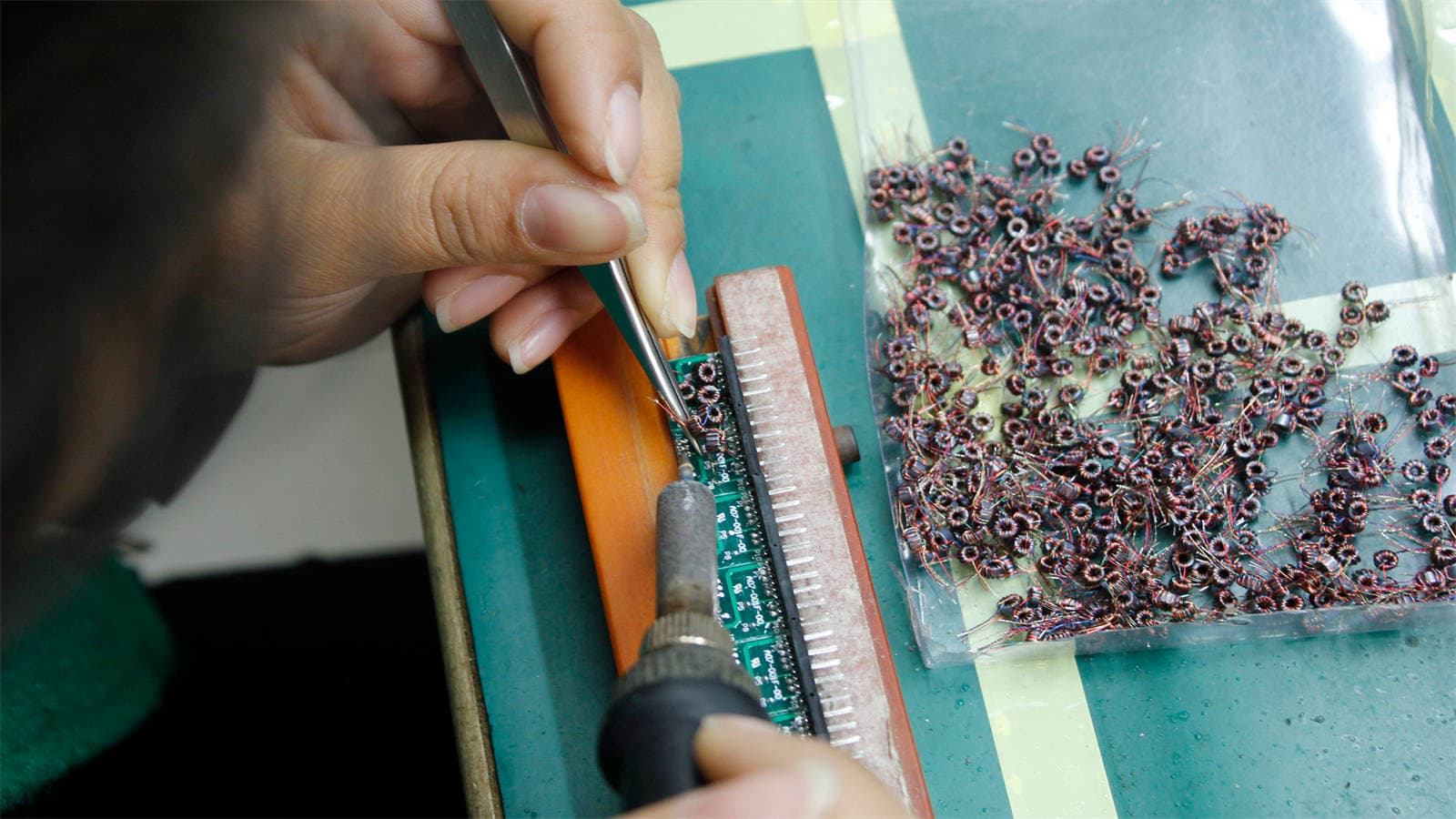
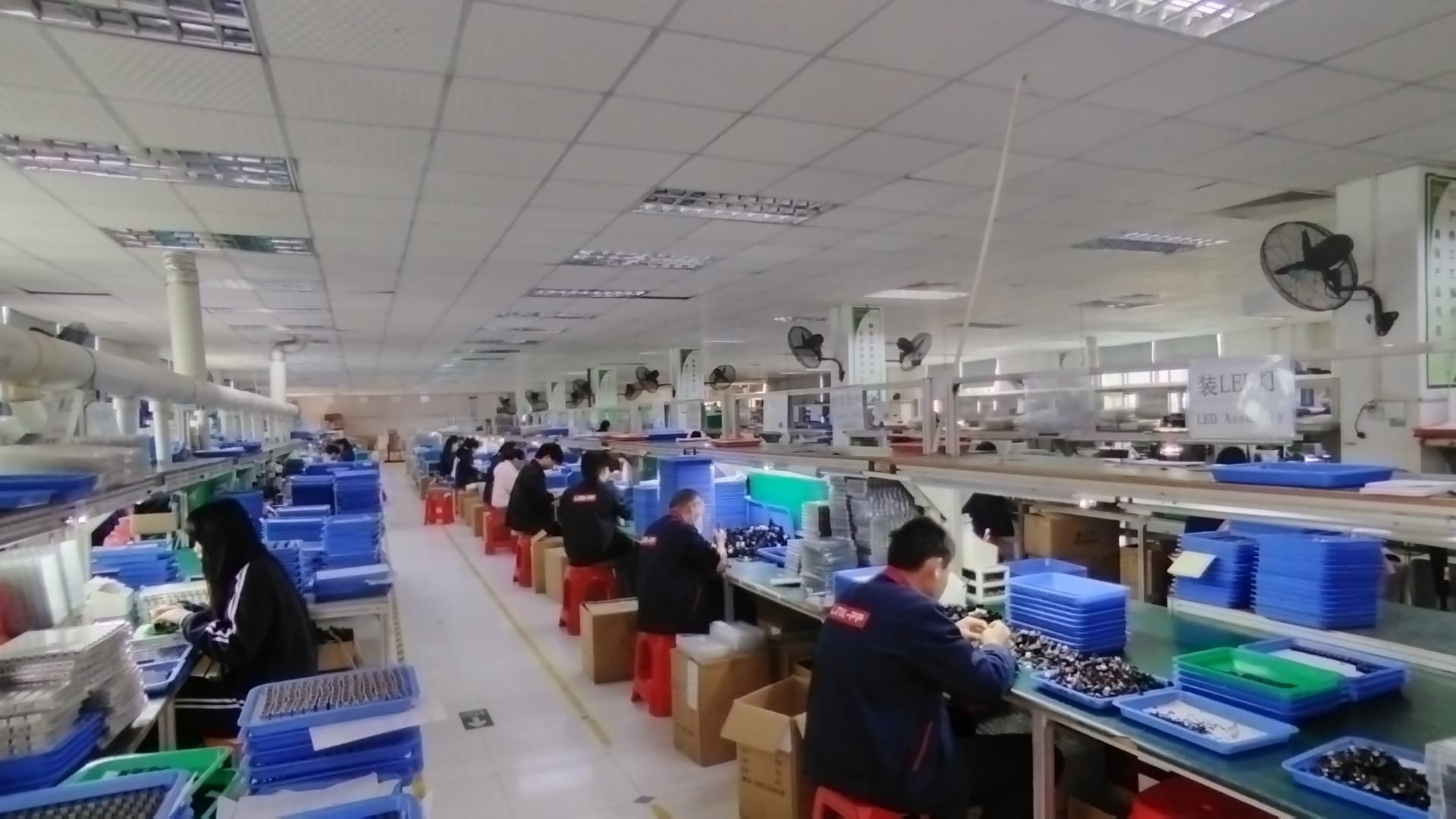
Inside the Cleanroom: Step-by-Step Transceiver Assembly

From sub-component calibration to optical alignment and performance testing, the assembly of a single-mode transceiver requires clean environments and automated machinery to achieve sub-micron accuracy.

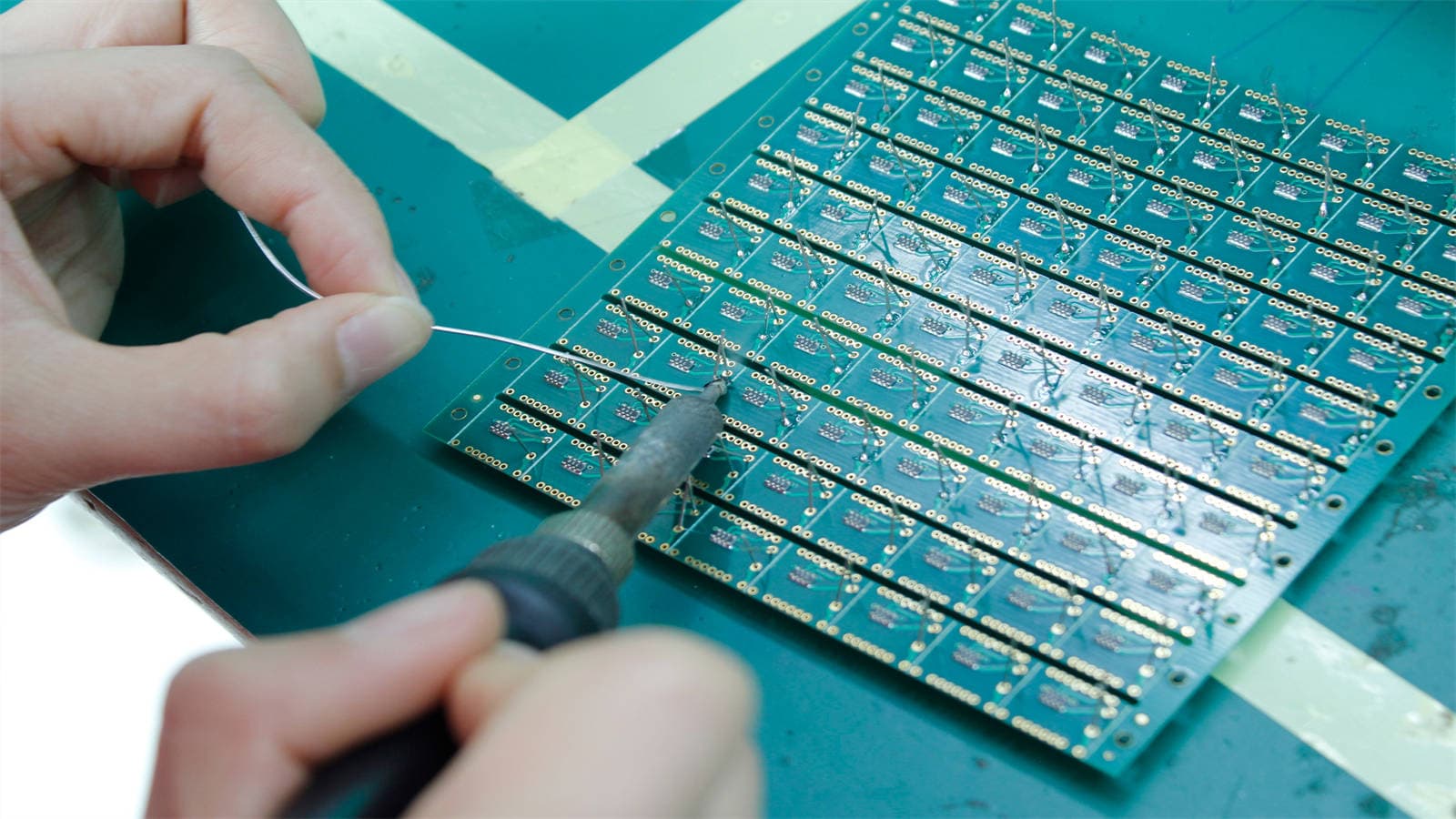
Twisting Process
1. Cable Twisting
PCB Tinned
2. PCB Tinning
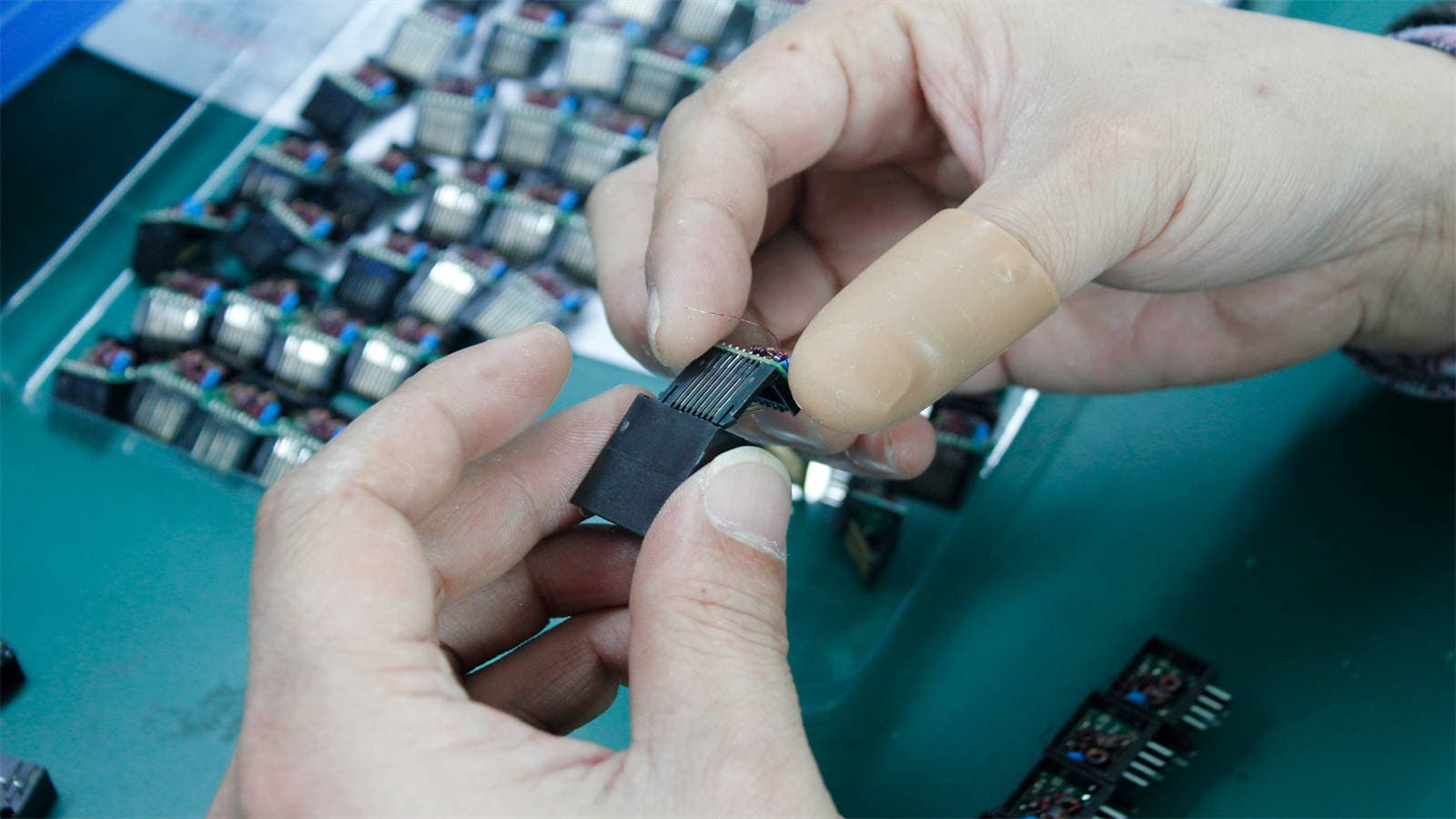
Soldering
3. Component Soldering
Shear-LED-Pin
4. Pin Shearing
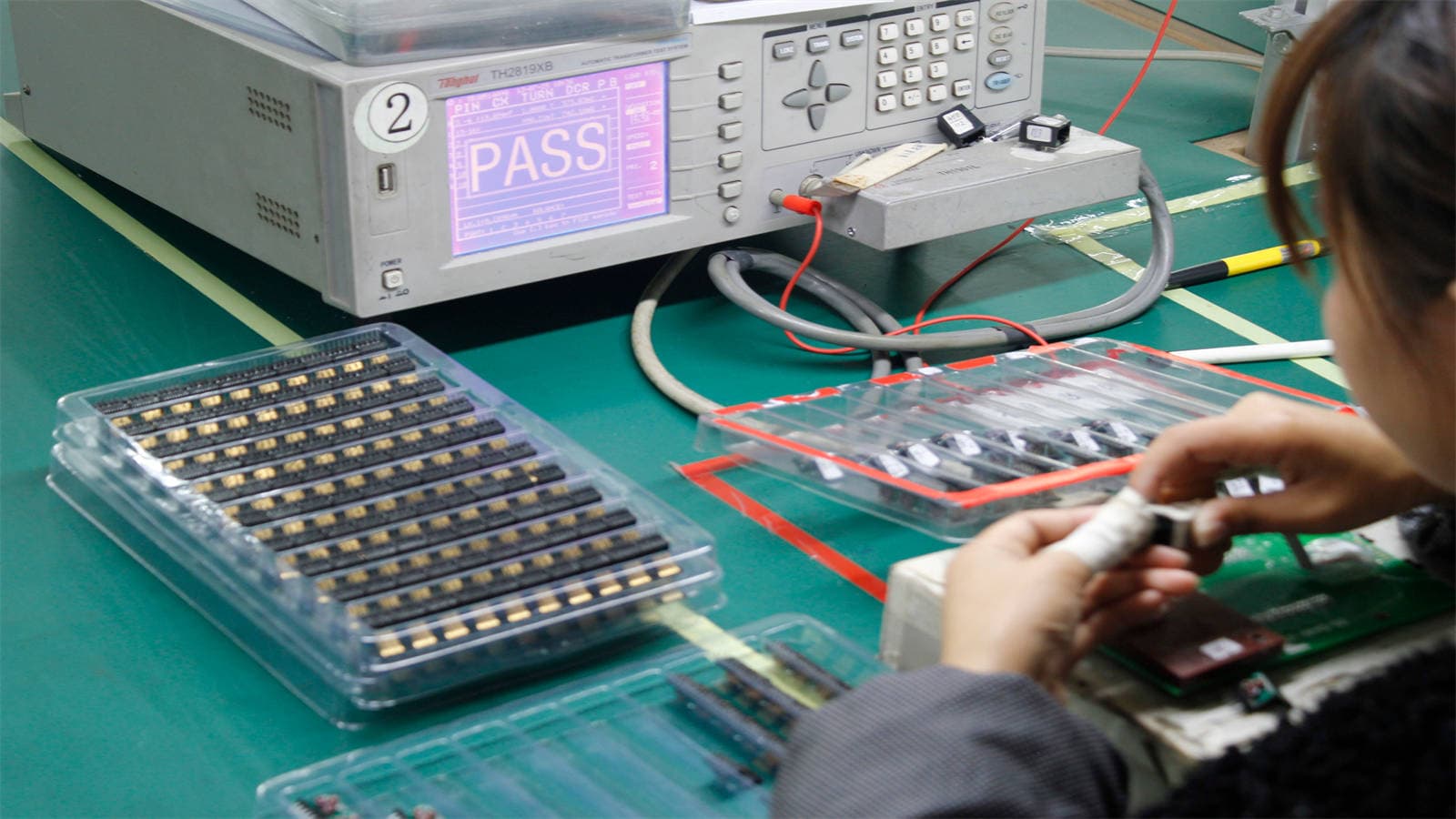
Semi-finished Testing
5. Semi-Finished Test
Plastic-Case-Assembly
6. Case Assembly
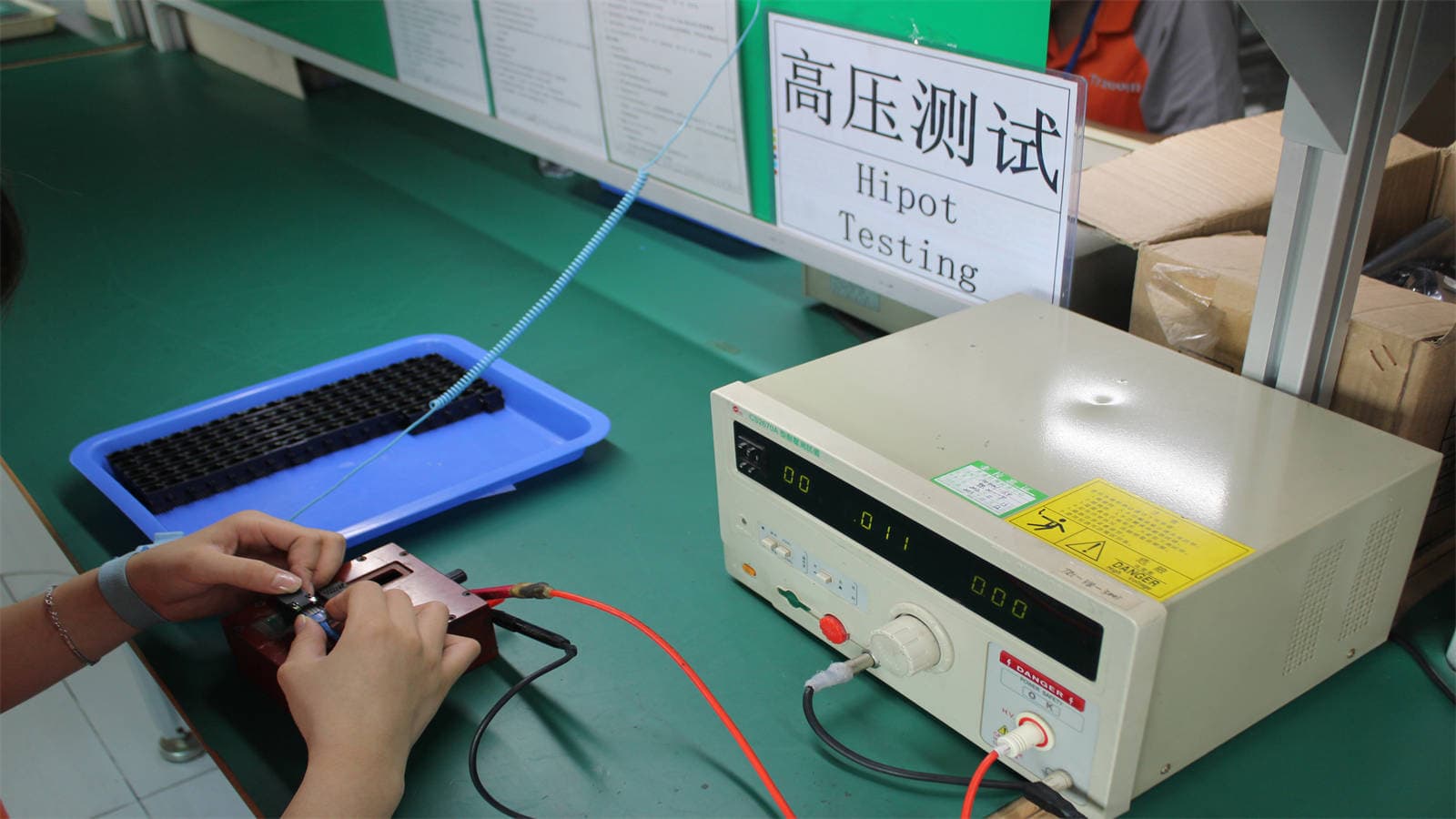
Hi-pot Testing
7. Hi-Pot Testing
Integrated-Testing
8. Integrated Testing
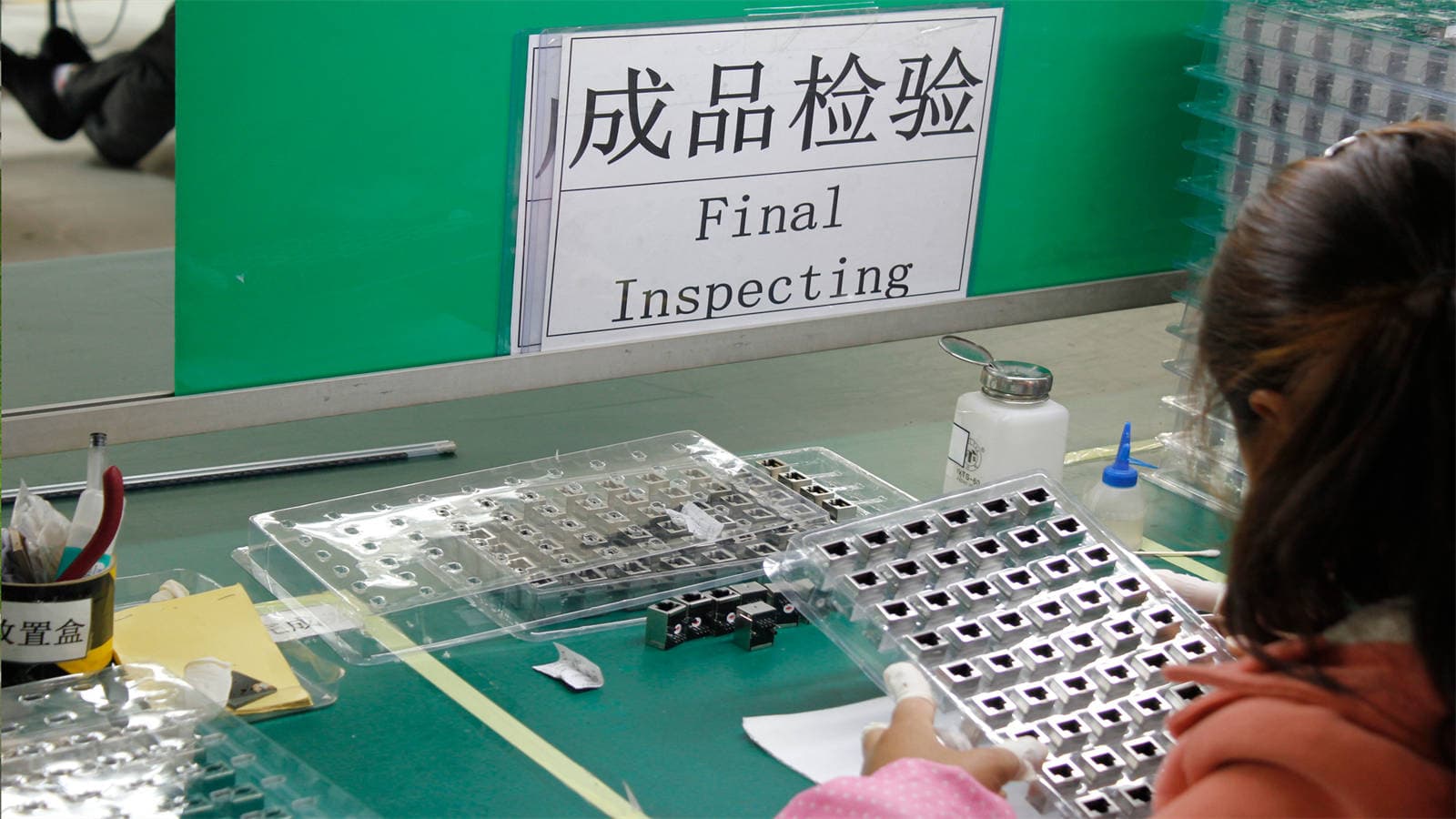
Final-Inspecting
9. Optical Inspection
Packing
10. Final Packing

Selection Framework: Key Factors in Evaluating Global SFP Factories

When ranking the world's leading optical module manufacturers (such as Finisar/Coherent, Lumentum, Cisco, Innolight, Intel, Broadcom, Sumitomo Electric, NeoPhotonics, Fujitsu, and Lumopt), sourcing executives look beyond high-level specifications. The actual differences emerge from structural and design choices:

Evaluation Parameter Tier-1 Premium Brands (e.g., Coherent, Lumentum) Direct Chinese Manufacturers (e.g., Lumopt) Third-Party Compatibility Resellers
Primary Laser Source In-house EML & DFB Lasers (Vertically integrated) Top-tier Silicon Photonics & Tier-1 Laser chips Variable / Sourced from various third parties
Cost & Budget Efficiency High premium (Often marked up 300% to 500%) Direct factory-to-buyer pricing (High efficiency) Moderate markup with added logistics fees
Compatibility Strategy Proprietary locking (Locks out other platforms) Open-source MSA with dual/multi-code EEPROMs Broad, software-coded compatibility profiles
Lead Times 12–24 weeks (Highly vulnerable to volume bottlenecks) 2–4 weeks (Fast scaling & inventory buffer) Varies based on distributor stock levels
Customization (ODM) Hardly available for small-to-mid size enterprise orders Highly flexible customization & white-labeling Not supported (Sell pre-packaged SKUs)

An optimal strategy for global enterprise procurement is a hybrid approach: using original network equipment manufacturers (NEMs) for the core distribution layer, while leveraging factory-direct, MSA-compliant manufacturers for access and aggregation layers. This strategy helps reduce capital expenditures without compromising link reliability.

China Factory 4.0: Supply Chain Resilience, Automation, and Testing Rigor

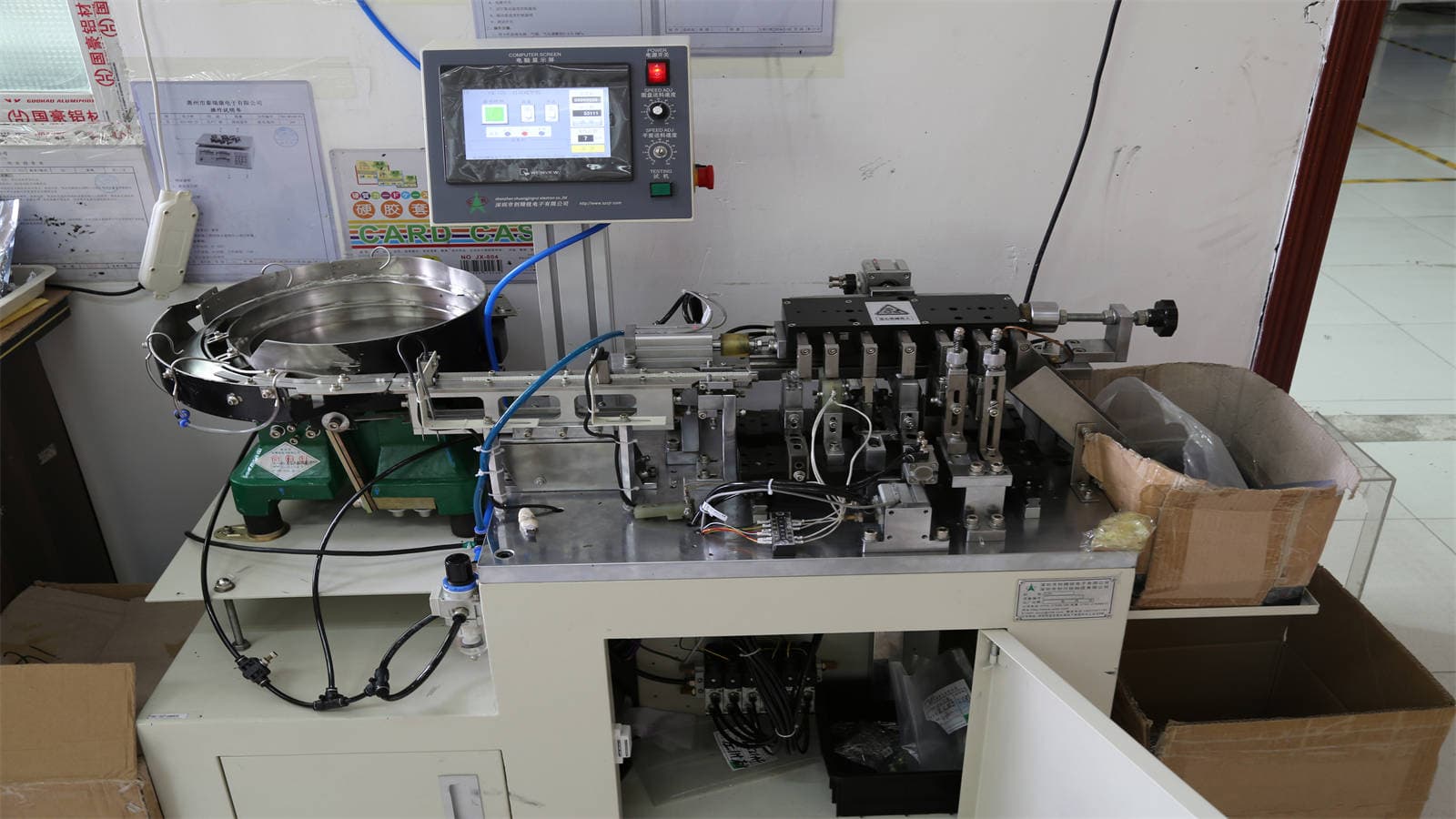
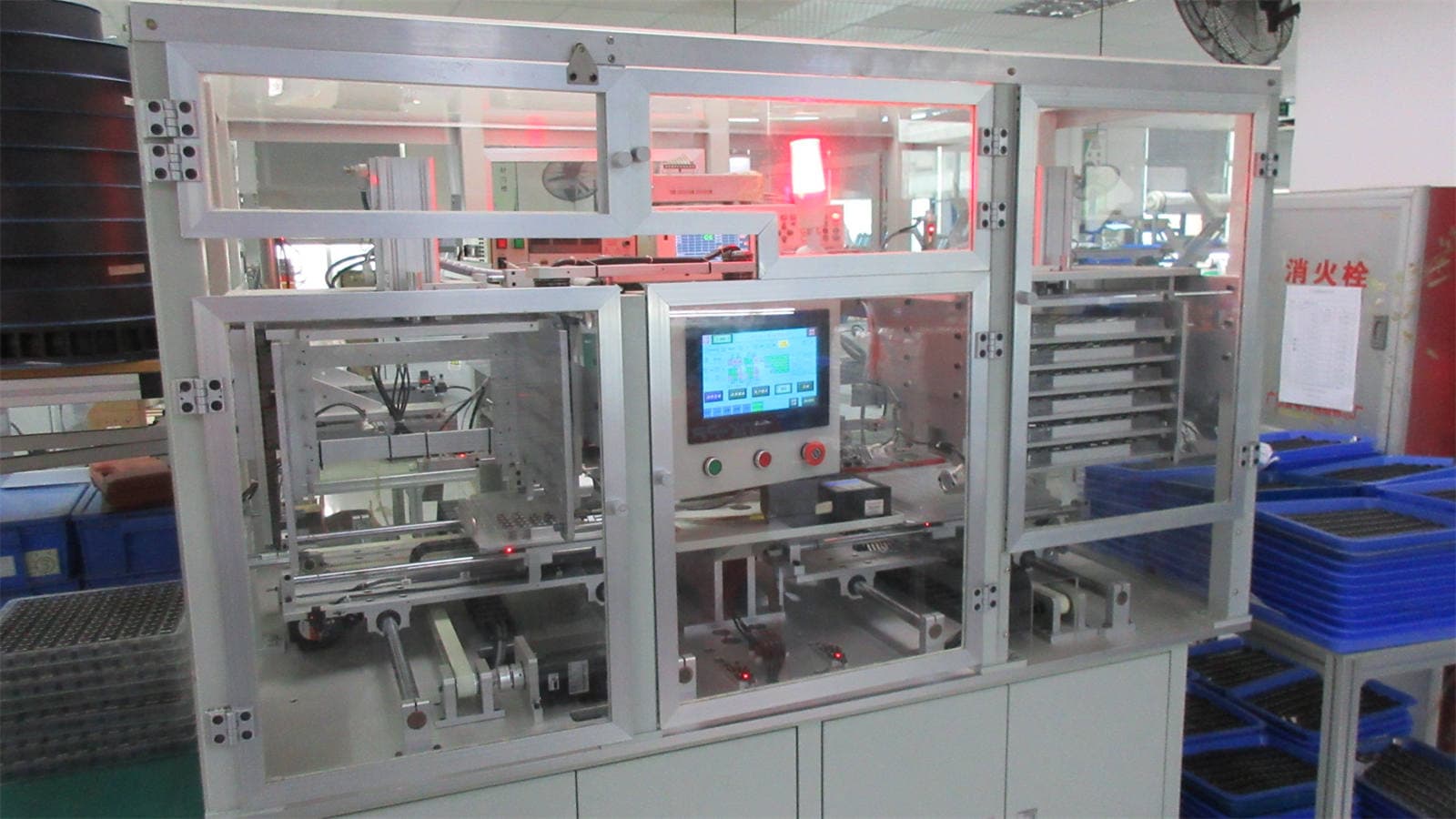
The reliability of a single-mode SFP module depends on its manufacturing process. In modern optoelectronics factories, manual assembly has been replaced by high-precision automated systems. This transition is essential for maintaining uniform performance across large-volume production runs.

Lumopt implements advanced hardware and software protocols at its facility to ensure high yields and quality assurance. Their specialized test equipment handles key manufacturing steps:
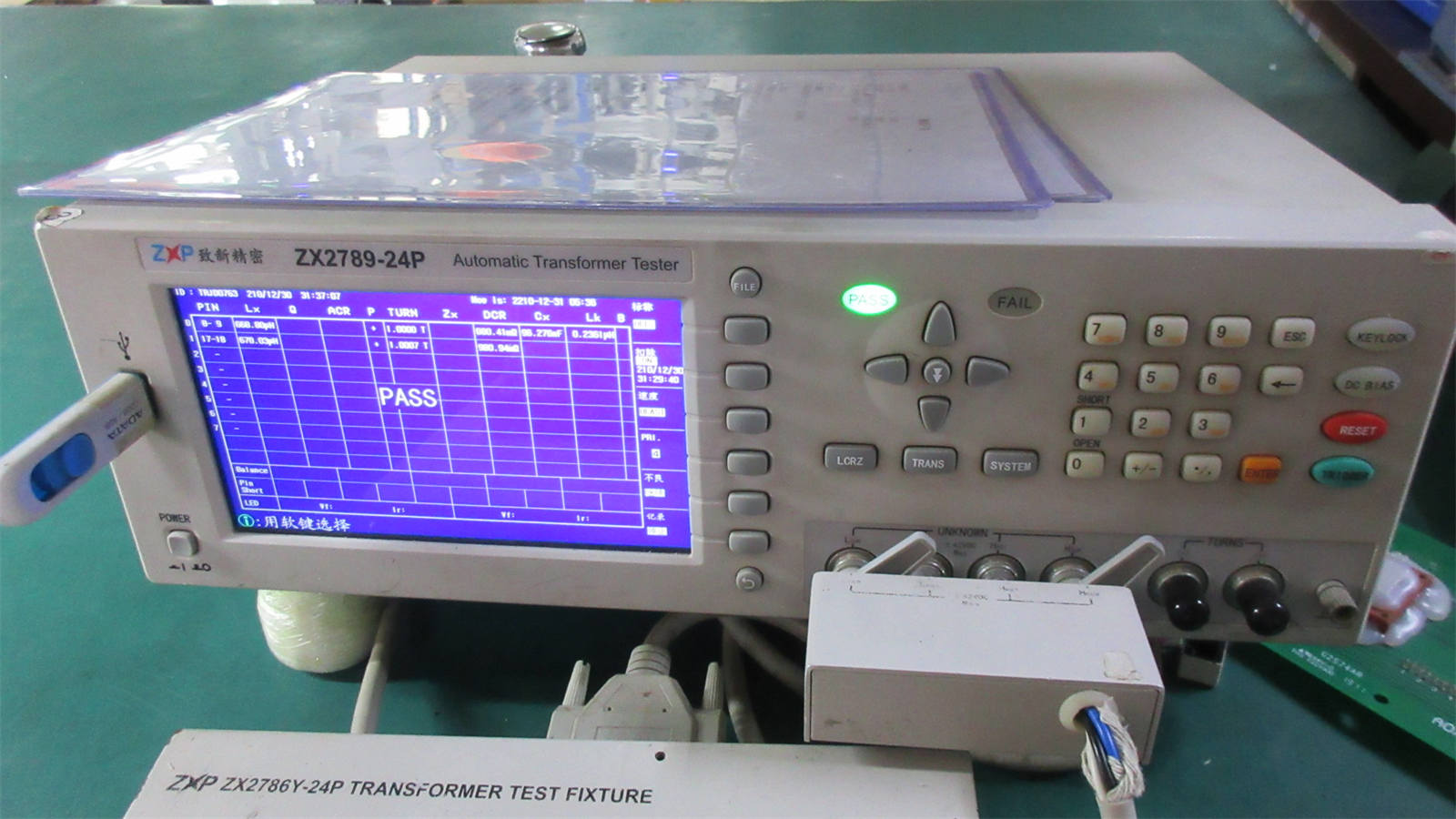
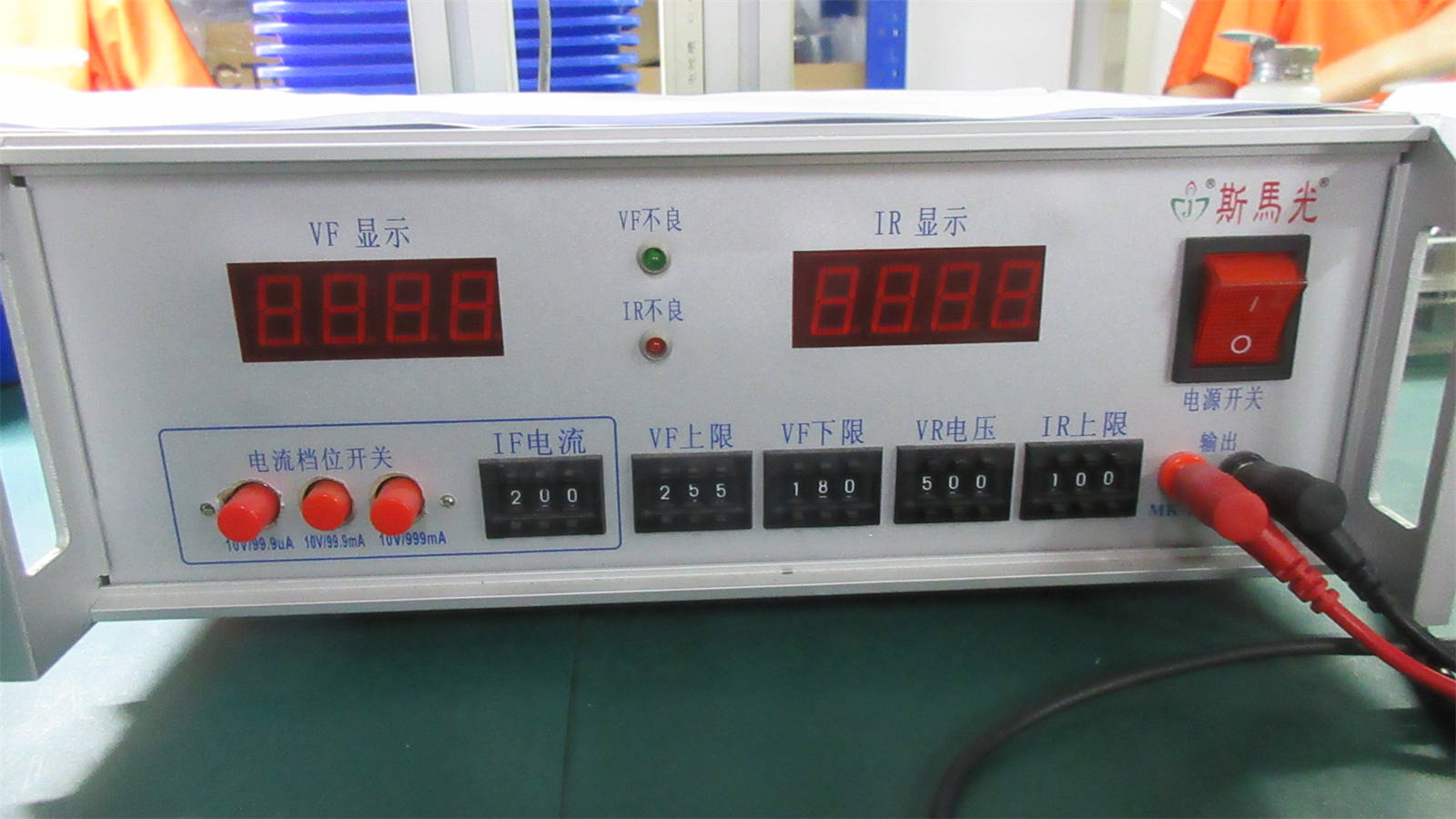
Comprehensive Tester
LED Lamp Tester
LED Lamp Tester
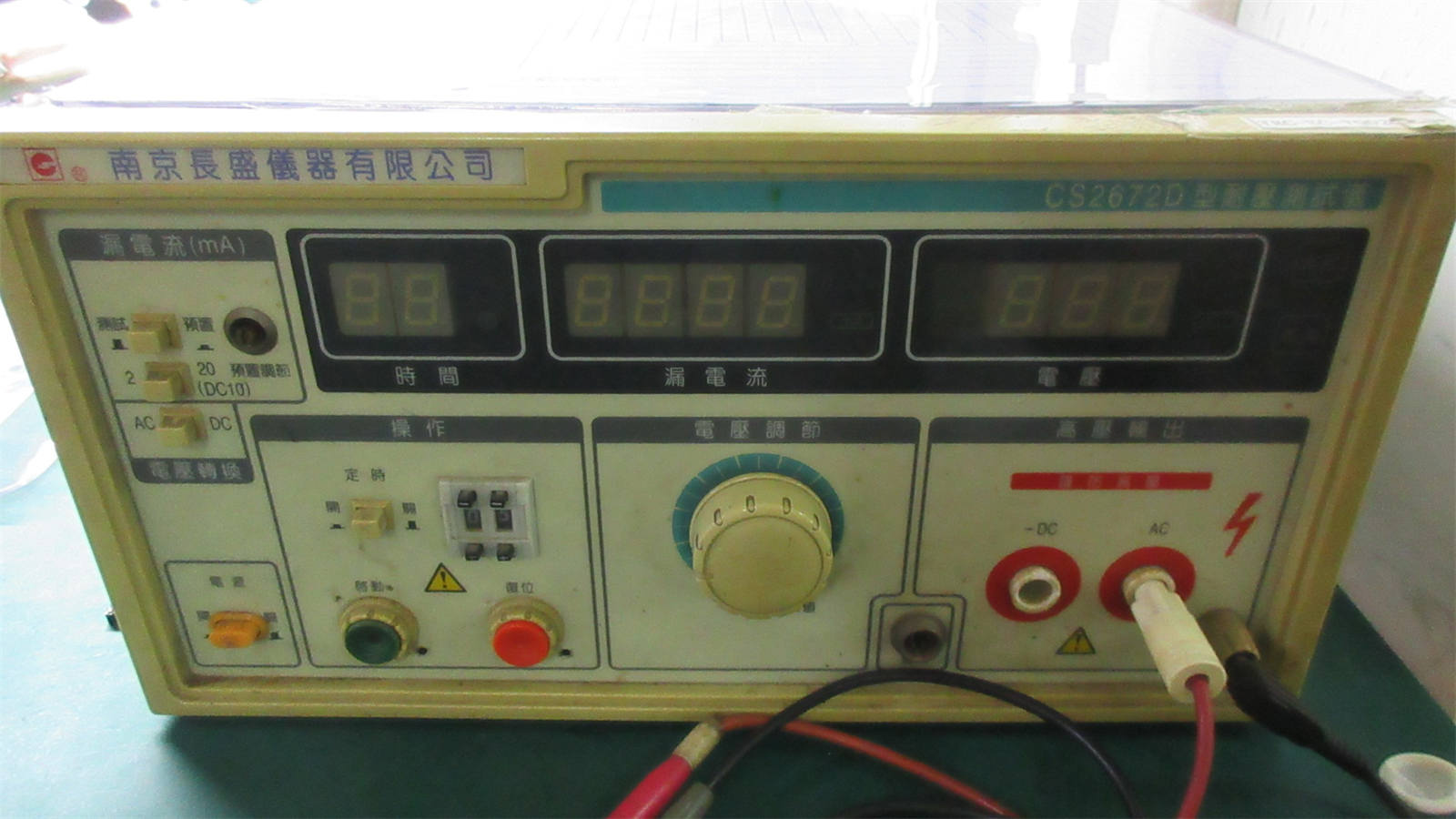
Hi-Pot Tester
Hi-Pot Tester
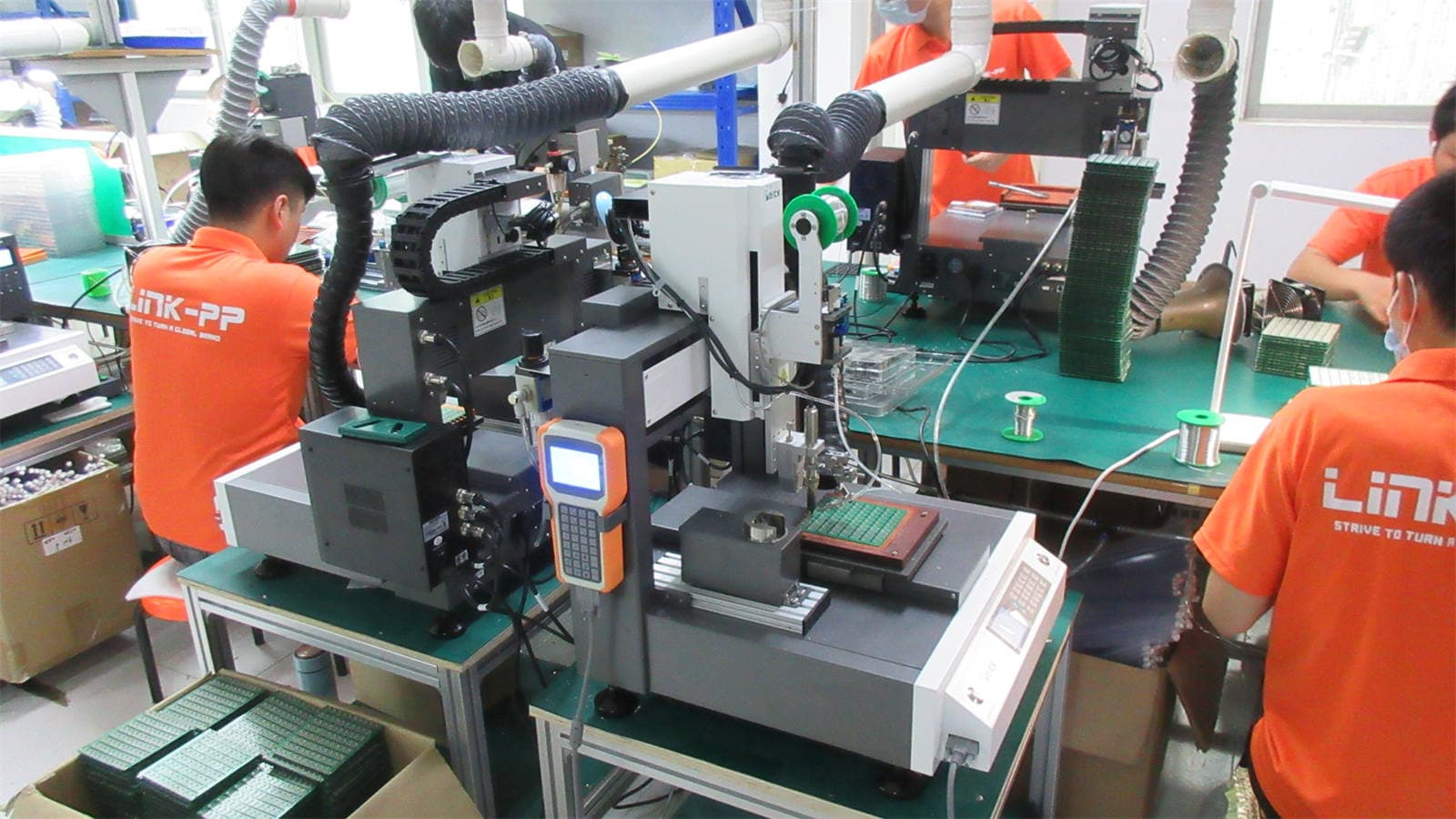
Automatic Welding Machine
Automatic Welding
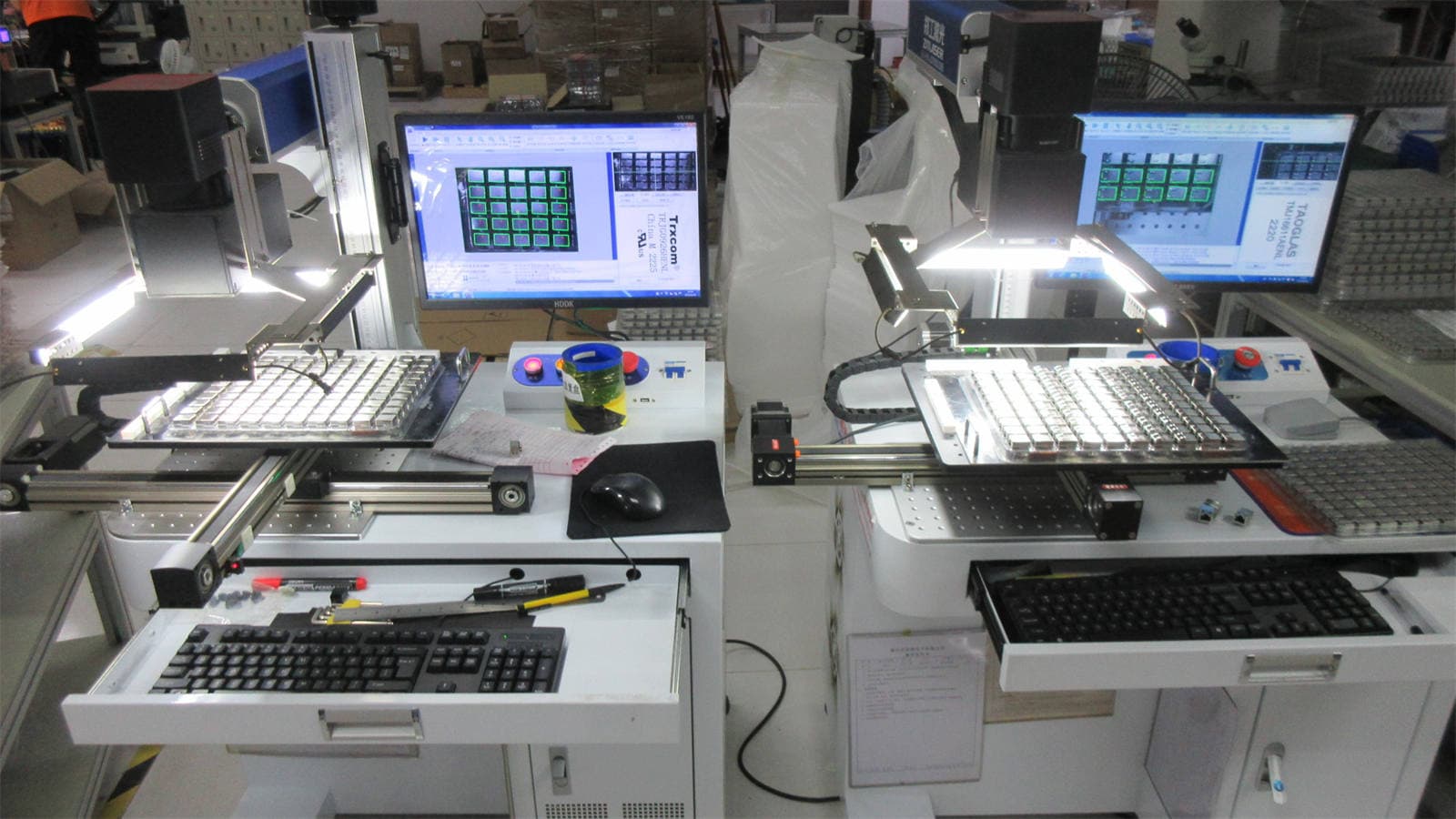
Laser Marking Machine
Laser Marking
Transformer Automatic Tester
Transformer Auto Tester
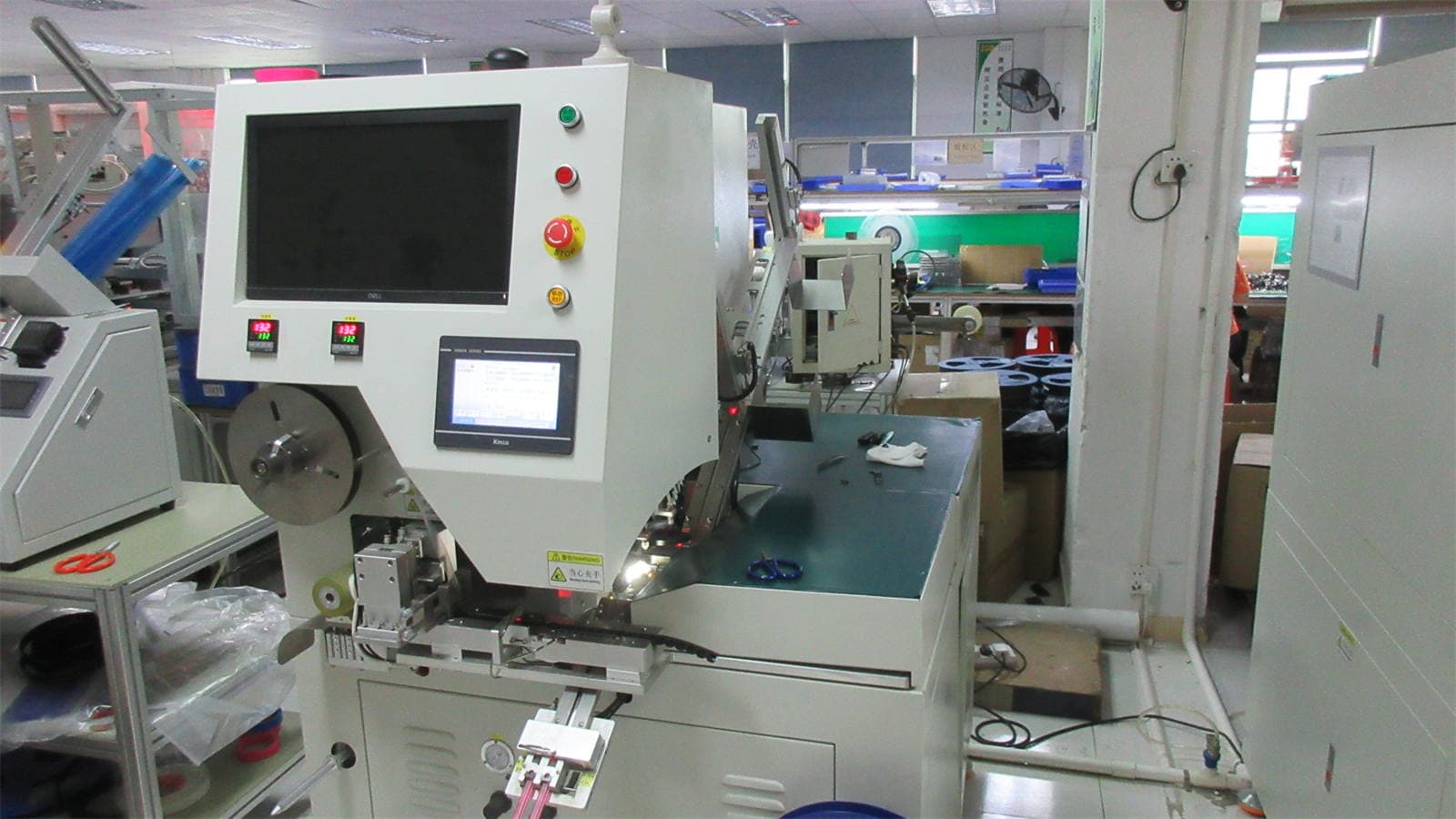
Transformer Automatic Packing Machine
Transformer Auto Packer
RJ45 Automatic Tester
RJ45 Auto Tester
Factory QC Station
QC Testing Station
Finished Goods Inspection
Finished Goods Audit

Automating these processes helps prevent manual alignment errors, a common cause of high insertion loss and return loss. By using computerized equipment for testing and verification, modern facilities can scale production to meet the volume requirements of large-scale cloud projects while maintaining performance standards.

Technical Roadmap & Future Outlook: 800G, 1.6T & Silicon Photonics

The optical transceiver market is driven by continuous engineering efforts to increase density, reduce power consumption, and lower per-gigabit transmission costs. Key developments shape the industry's future roadmap:

Co-Packaged Optics (CPO)
To bypass electrical signal loss at high speeds, CPO integrates optical engines directly onto the network switch ASIC substrate. This architecture reduces trace lengths and minimizes parasitics, targeting power reductions of over 30% for 51.2T and 102.4T switching nodes.
Silicon Photonics (SiPh)
By shifting optical component manufacturing to standard CMOS semiconductor lines, Silicon Photonics scales production capacity while simplifying optical coupling. Integrated lasers, modulators, and detectors on a single silicon chip improve reliability by reducing physical interfaces.
Linear Drive Pluggable Optics (LPO)
LPO designs eliminate the internal Digital Signal Processor (DSP) chip inside pluggable SFP/QSFP modules, relying on the host ASIC's SerDes for signal conditioning. This configuration lowers power consumption and reduces latency, making it suitable for AI and ML training clusters.

Macro-Industry Solutions: Multi-Vertical Deployment Scenarios

Single Mode SFP Modules are deployed across diverse industries, each requiring specific parameters for compliance, temperature ranges, and link performance:

Telecom & FTTH Networks
GPON, EPON, and 10G-PON systems rely on single-mode optical transceivers to connect Central Offices (CO) to Customer Premises Equipment (CPE) over distances exceeding 20km. The passive splitter architecture requires high optical power budgets and receiver sensitivity to minimize bit-error rates (BER) across hundreds of connections.
Hyperscale Cloud Data Centers
Leaf-spine architectures in modern data centers use single-mode links to interconnect racks and distinct facility halls. Deploying single-mode modules (such as 100G DR1/FR1 and 400G DR4) helps avoid the distance limitations of multi-mode fiber, supporting longer link runs throughout the facility.
Industrial & Smart Grid Systems
Electrical substations and manufacturing environments present high electromagnetic interference (EMI) risks. Optically isolated single-mode networks provide complete immunity to EMI. Industrial-grade modules are designed to operate across wide temperature ranges (-40°C to +85°C) without signal degradation.

Global Sourcing Requirements: Compatibility, Certification & Compliance

For system administrators and network engineers, compatibility is a key priority. Original Equipment Manufacturers (OEMs) like Cisco, Juniper, and HP construct proprietary software environments that query the transceiver's EEPROM for specific vendor identifiers. If these identifiers are missing, the switch port may disable the link.

Manufacturers like Lumopt address this by offering customized programming services. By reading and writing the module's EEPROM, they configure compatibility profiles for over 50 different switch vendors on the same production line. In addition, quality management systems must carry industry certifications to meet global standards:
Regulatory Compliance (CE/FCC/UL)
Certifications from accredited bodies ensure that modules comply with electromagnetic emission regulations and laser safety requirements, preventing damage to connected network equipment.
Environmental Standards (RoHS/REACH)
Strict control over materials (such as lead, cadmium, and mercury) is required for compliance with European and global environmental regulations during import clearance.
Optical Standards (IEC 60825-1 Class 1)
All transceivers must meet Class 1 laser safety standards, ensuring that emissions remain eye-safe under normal operating and single-fault conditions.

Frequently Asked Questions (FAQ)

What is the difference between single mode and multi-mode SFP modules?
Single-mode SFP modules use a narrow 9µm core optical fiber and lasers (usually 1310nm or 1550nm) to transmit light in a single ray. This design minimizes modal dispersion and supports transmission distances from 10km up to 80km+. In contrast, multi-mode SFP modules use a wider 50µm or 62.5µm core fiber and 850nm VCSEL lasers, which are limited to short-range connections up to about 550m due to modal dispersion.
How does a BiDi (Bidirectional) SFP module work over a single fiber?
Standard duplex SFP modules require two fiber strands: one to transmit (TX) and one to receive (RX). BiDi SFPs use Wavelength Division Multiplexing (WDM) to transmit and receive signals over a single strand of fiber (simplex LC). They operate in pairs using complementary wavelengths—for example, one unit transmits at 1310nm and receives at 1550nm, while the opposite unit transmits at 1550nm and receives at 1310nm.
What is DDM/DOM in single mode optical transceivers?
DDM (Digital Diagnostics Monitoring) or DOM (Digital Optical Monitoring) is a feature defined by the SFF-8472 standard. It allows users to monitor real-time parameters of the SFP module, including optical output power, optical input power (RSSI), transceiver temperature, laser bias current, and transceiver supply voltage. This capability is used to identify potential optical path failures before they lead to link downtime.
Can a 10G SFP+ module plug into a 1G SFP port?
In most network architectures, a 10G SFP+ transceiver will not operate in a standard 1G SFP slot because the slot's electrical interface lacks the capability to negotiate down to 1G. However, plugging a 1G SFP module into a 10G SFP+ port is often supported, provided the switch port's configuration is manually set to 1G speed mode.
How do you ensure third-party SFP compatibility?
Compatibility is verified by writing vendor-specific coding profiles (complying with SFF-8472 / MSA specifications) to the transceiver's onboard EEPROM chip. Manufacturers like Lumopt utilize testing environments with native host equipment (such as Cisco, Juniper, Arista, and Dell switches) to confirm correct identification and port negotiation.