Lumopt
Lumopt
Lumopt
In the era of Industry 4.0 and Spatial Computing, the USB Hub is no longer a mere peripheral—it is the central nervous system of the modern digital workstation. This report analyzes the top 10 manufacturers leading the charge in signal integrity, power delivery (PD), and electromagnetic interference (EMI) shielding.
Manufacturers are migrating from USB 3.0 to USB4 protocols, offering 40Gbps bandwidth. This allows for dual 4K display support and external GPU connectivity through a single hub.
Advanced hubs now utilize GaN (Gallium Nitride) technology to provide up to 140W-240W of Power Delivery, intelligently sharing power between laptops, tablets, and mobile devices.
Data sovereignty is a priority. Top-tier manufacturers are implementing hardware-level data encryption and port-management firmware to prevent unauthorized data exfiltration in secure environments.
Specialty: Consumer & Enterprise Reliability. Belkin is a legacy leader with a focus on Apple-certified MFi connectivity and high-end aesthetics combined with rigorous testing.
Specialty: GaN Integration & Compact Design. Anker has revolutionized the market with highly efficient charging hubs that minimize heat generation.
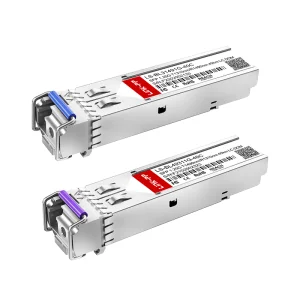
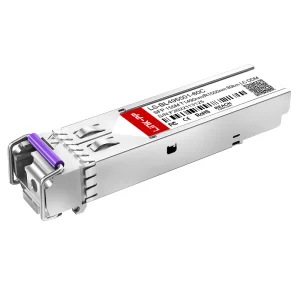
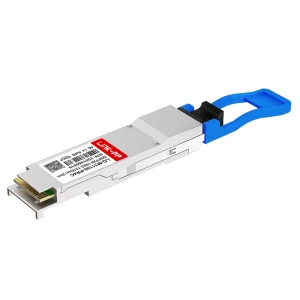
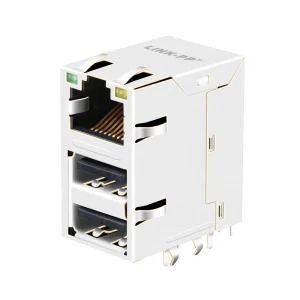
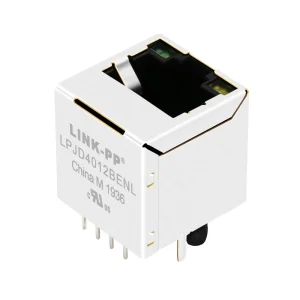
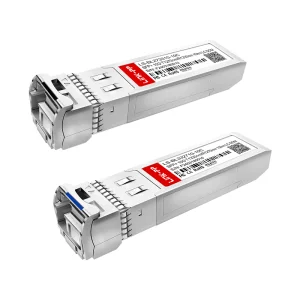
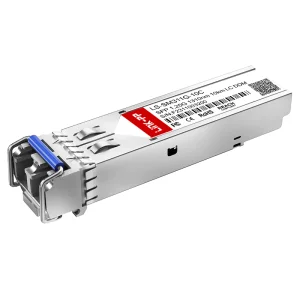
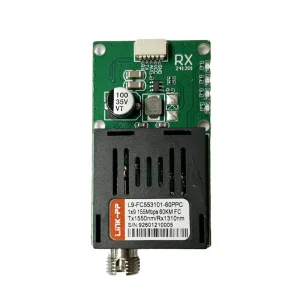
Specialty: Industrial Fiber Optic & Optical Hubs. Lumopt bridges the gap between traditional USB connectivity and high-speed optical transmission for data centers and AI computing.
Specialty: Universal Docking Solutions. Known for the "one-size-fits-all" approach, Targus provides robust hubs for corporate hot-desking environments.
Specialty: Thunderbolt Performance. The gold standard for creative professionals, CalDigit focuses on high-bandwidth storage and video editing workflows.
Specialty: IT Professional Solutions. They specialize in hard-to-find legacy support and diverse industrial mounting options for server racks.
Specialty: Ergonmics & Physical Security. Integrating lock slots into USB hubs, they serve financial and government sectors where hardware security is paramount.
Specialty: Apple Ecosystem Specialist. OWC provides extremely durable, aluminum-clad hubs designed for Mac Pro and MacBook Pro users.
Specialty: Design-led Connectivity. A leader in sleek, high-finish aluminum hubs that complement modern mobile office setups.
Specialty: Mass Port Density. For users requiring 7 to 16+ ports, Sabrent dominates the high-port-count market with reliable external power supplies.
Registered as Luguang Communication Technology Co., Ltd. in China, we are a professional Chinese manufacturer and exporter specializing in high-performance optical transceivers and connectivity components.
We focus on the R&D, production, and customization of full-series optical modules covering 10G, 25G, 100G, 400G, 800G, and 1.6T products. Our solutions are widely applied in data centers, telecom networks, cloud computing, AI computing equipment, and enterprise communication systems.
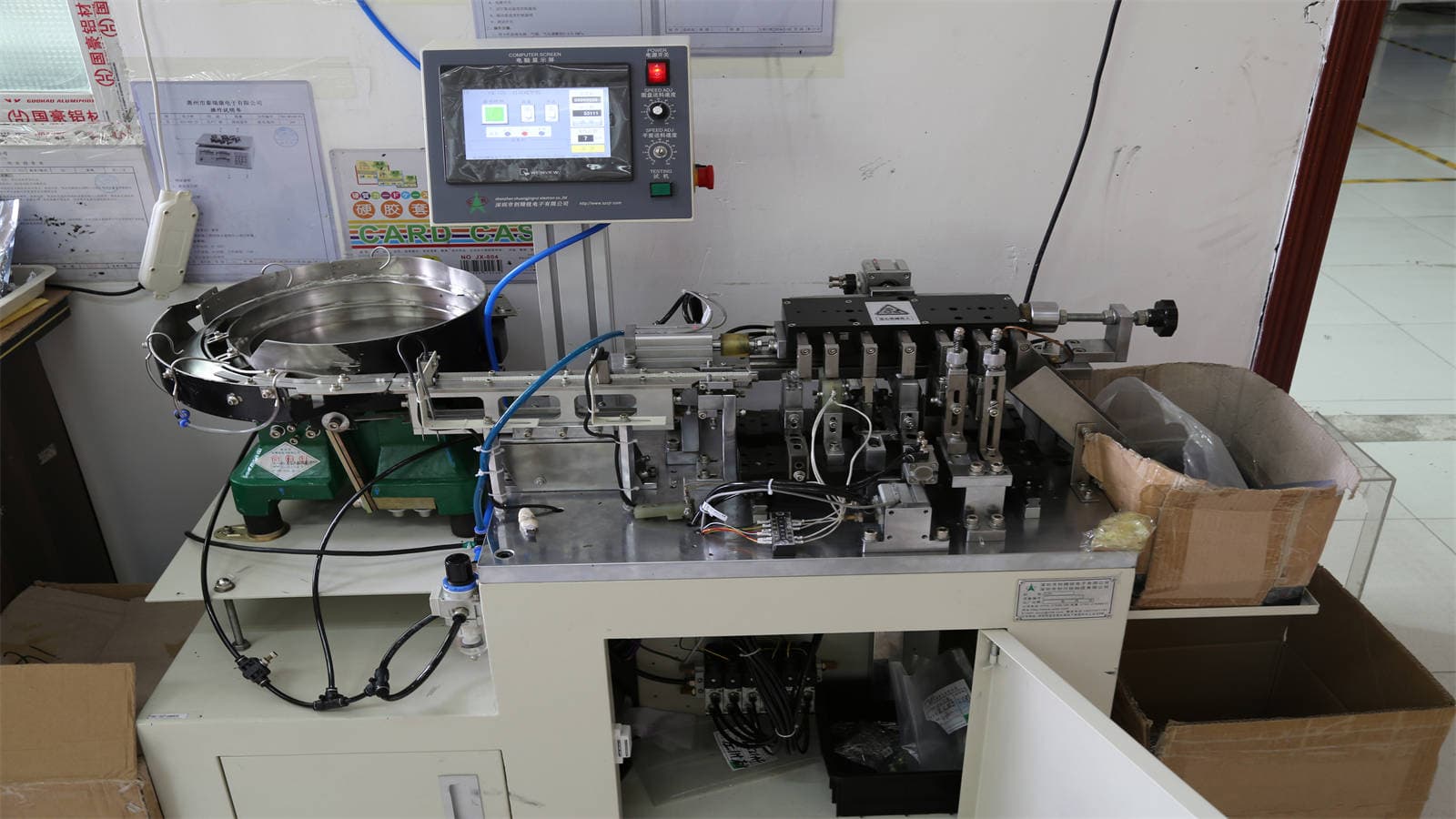
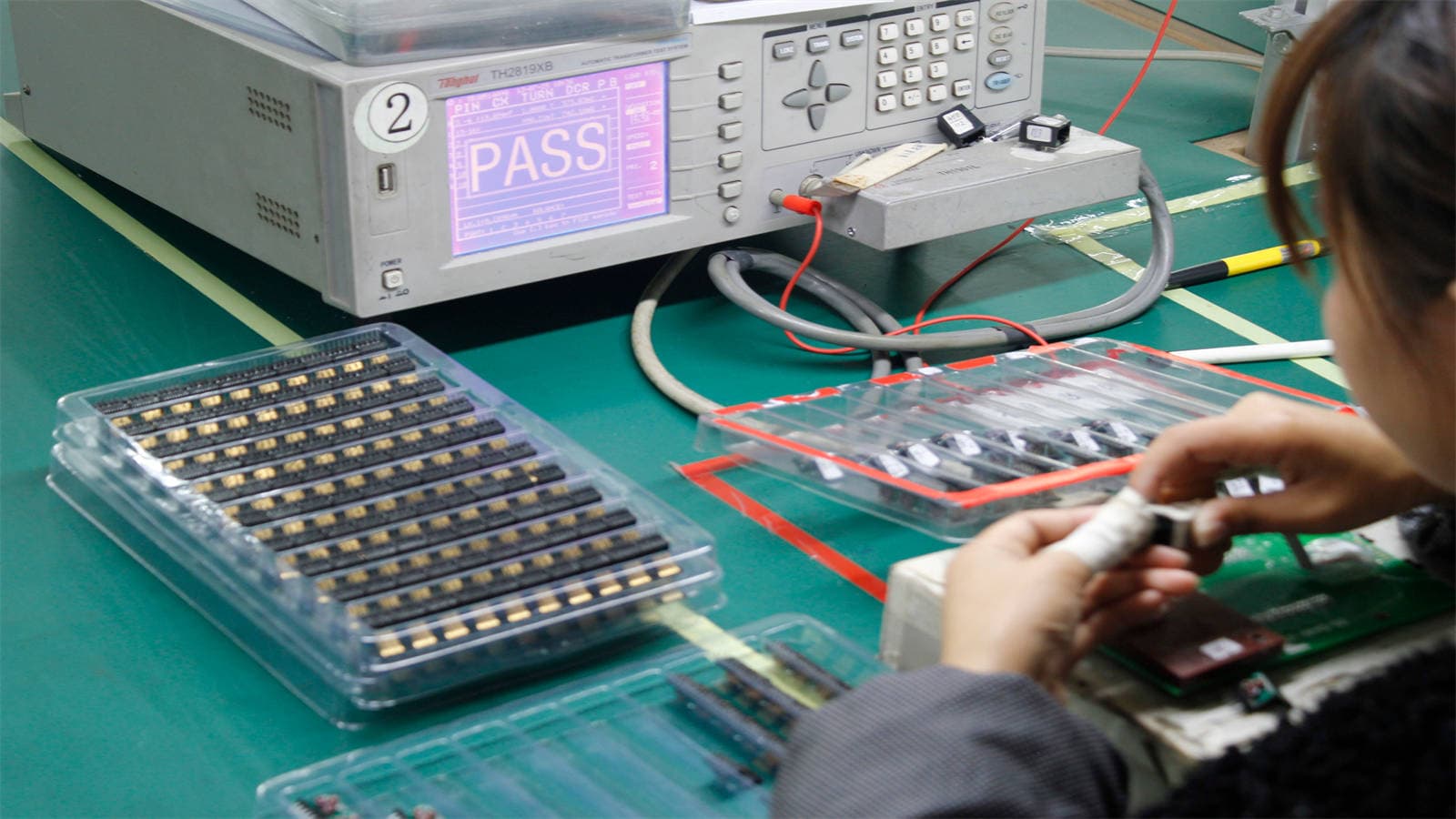
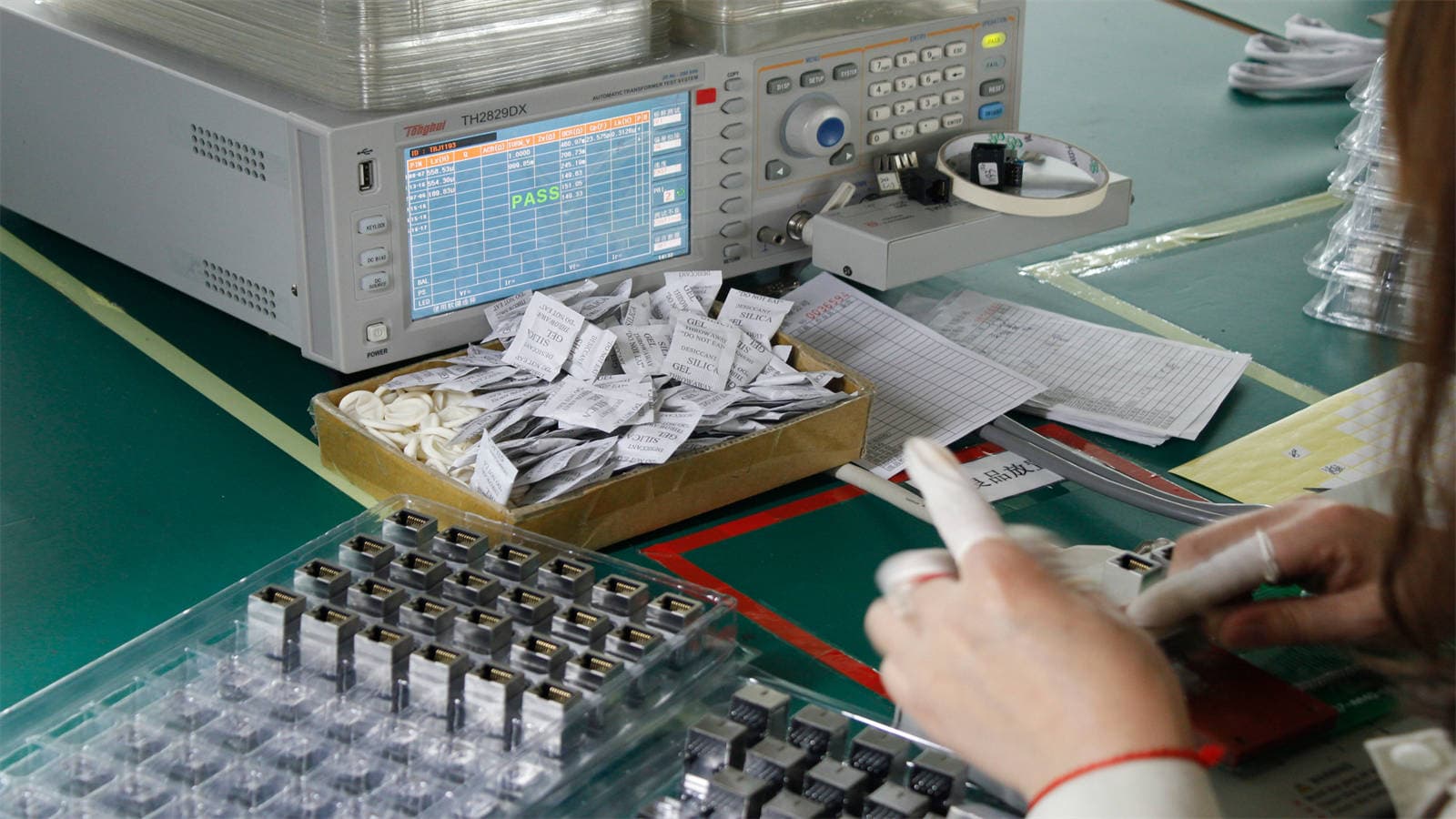
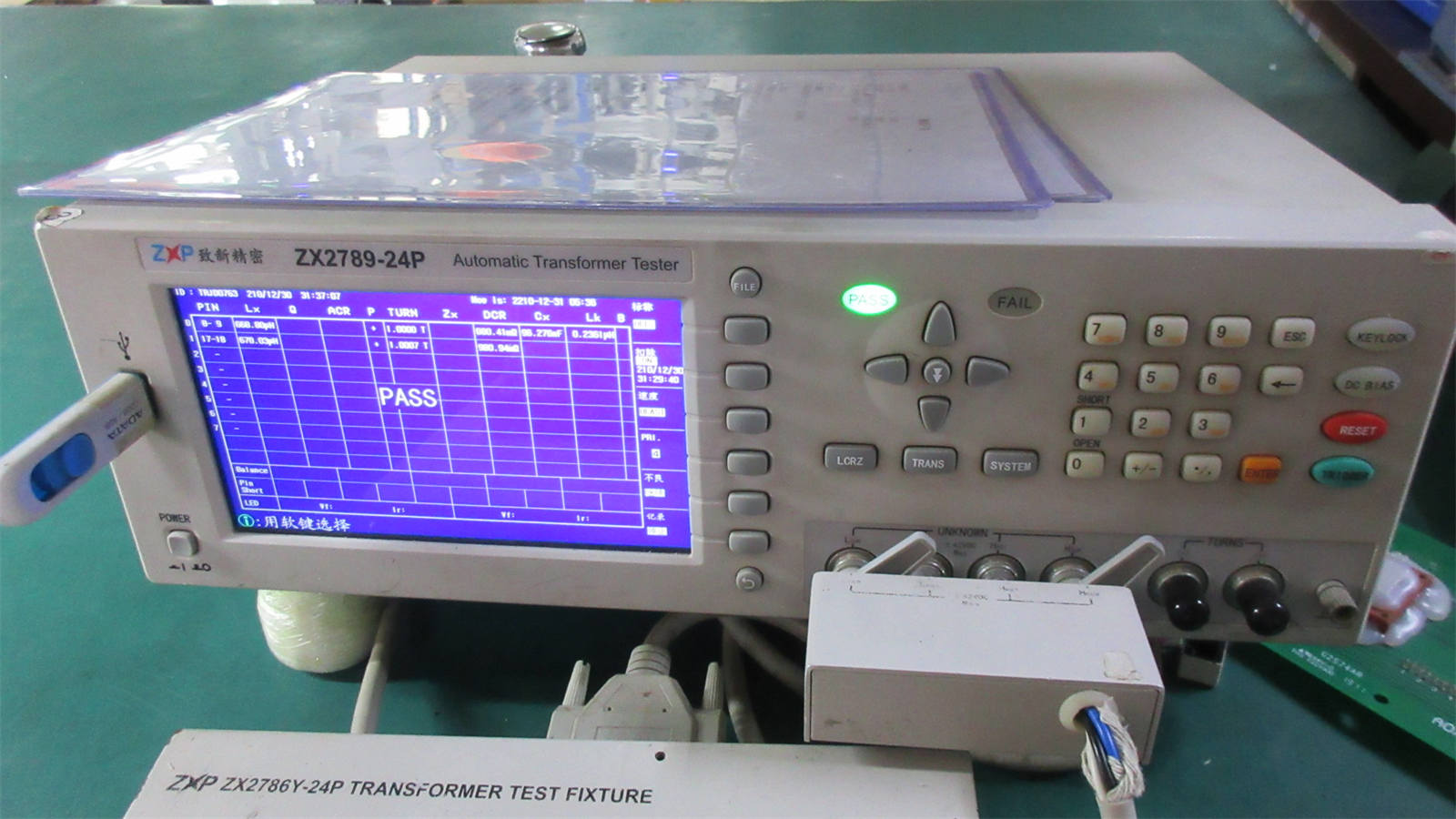
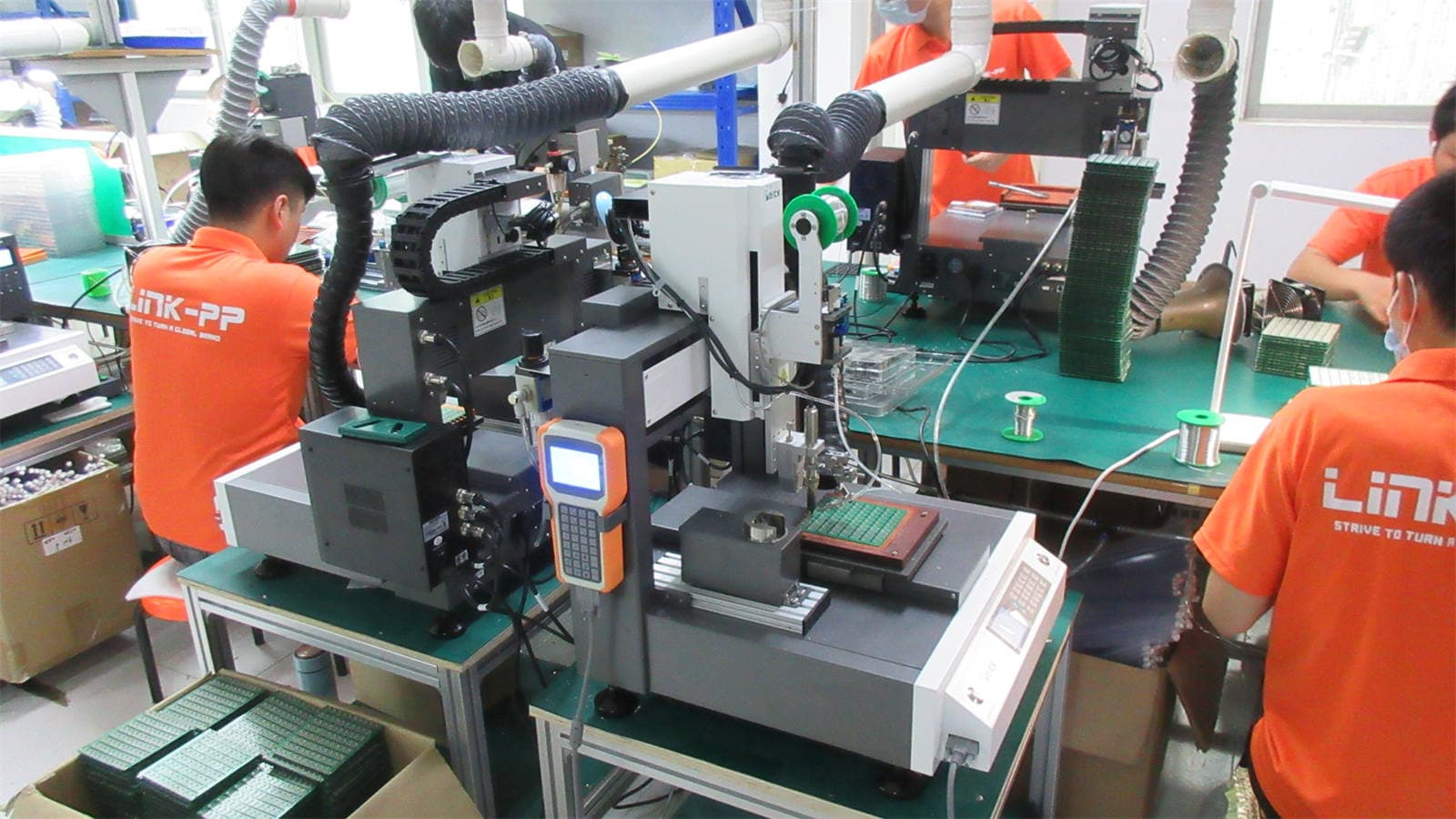
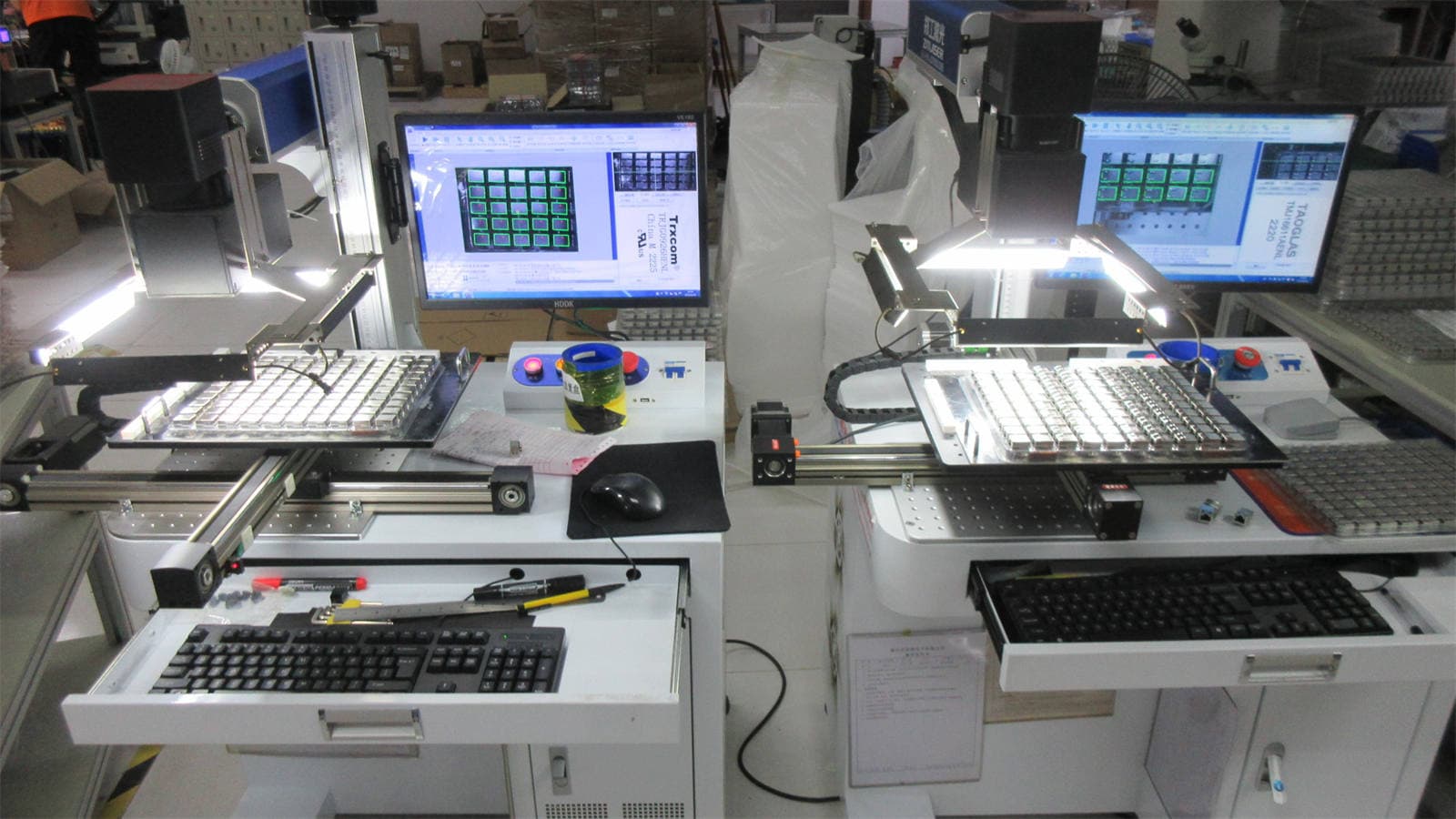
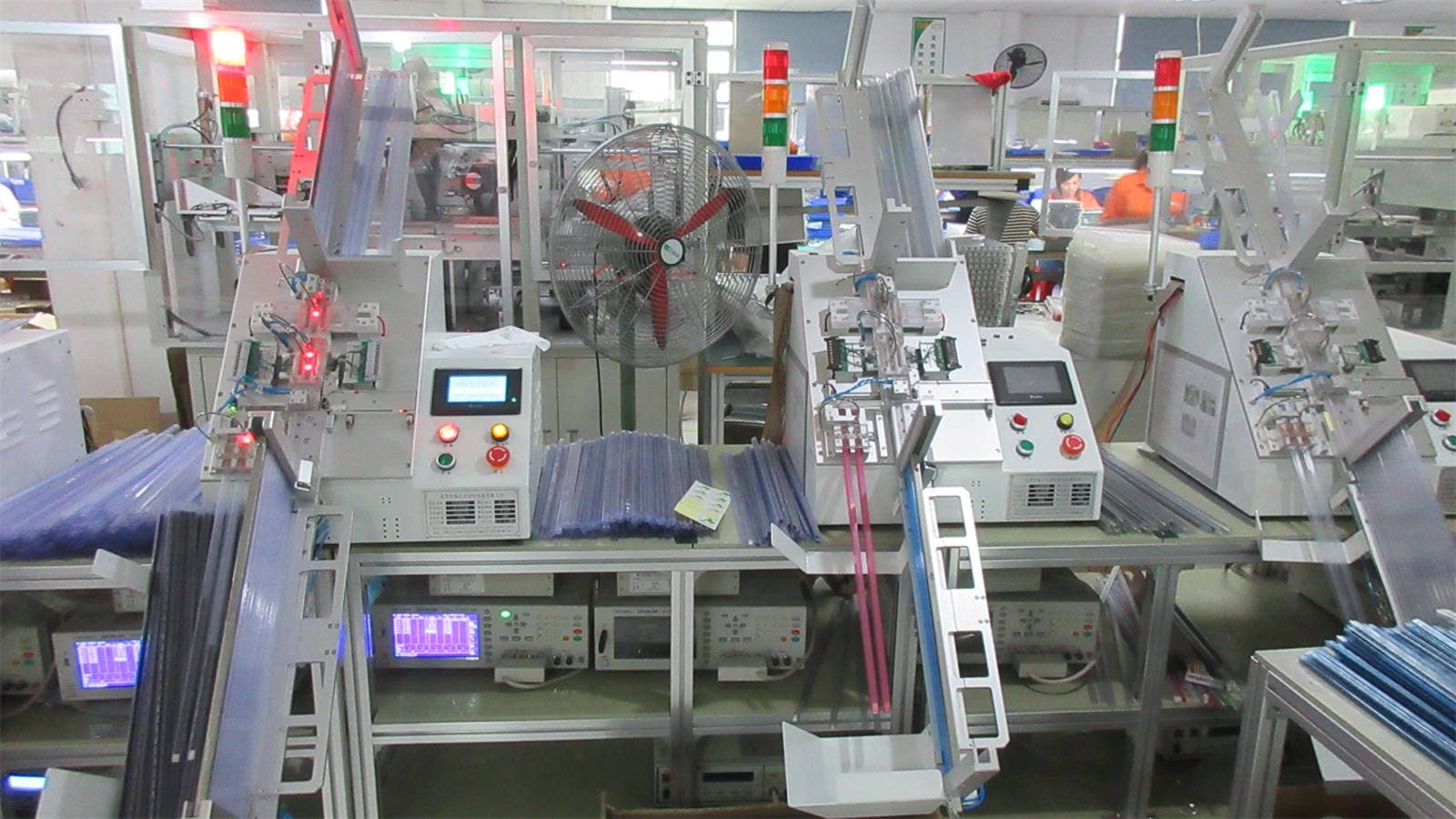
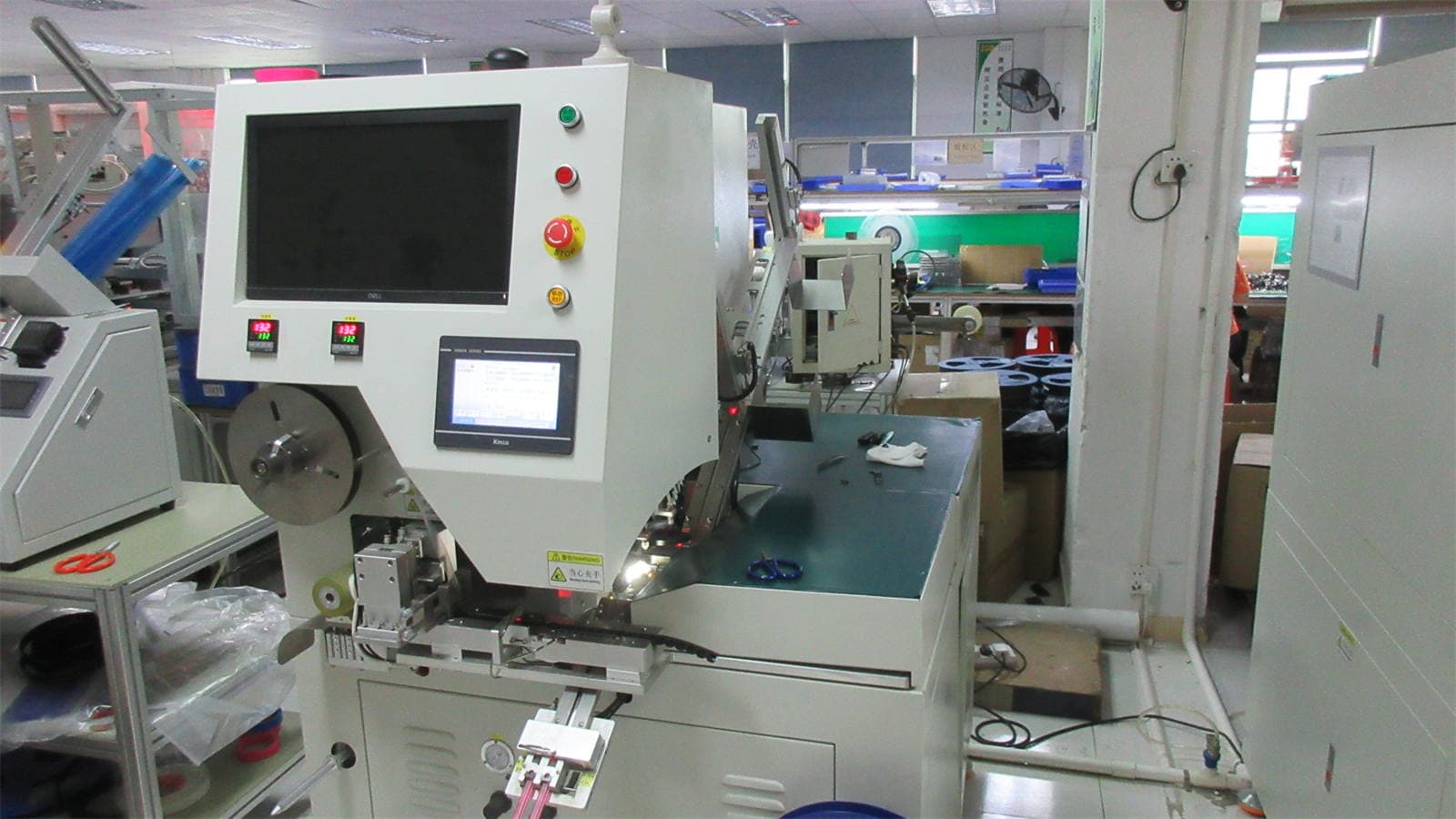
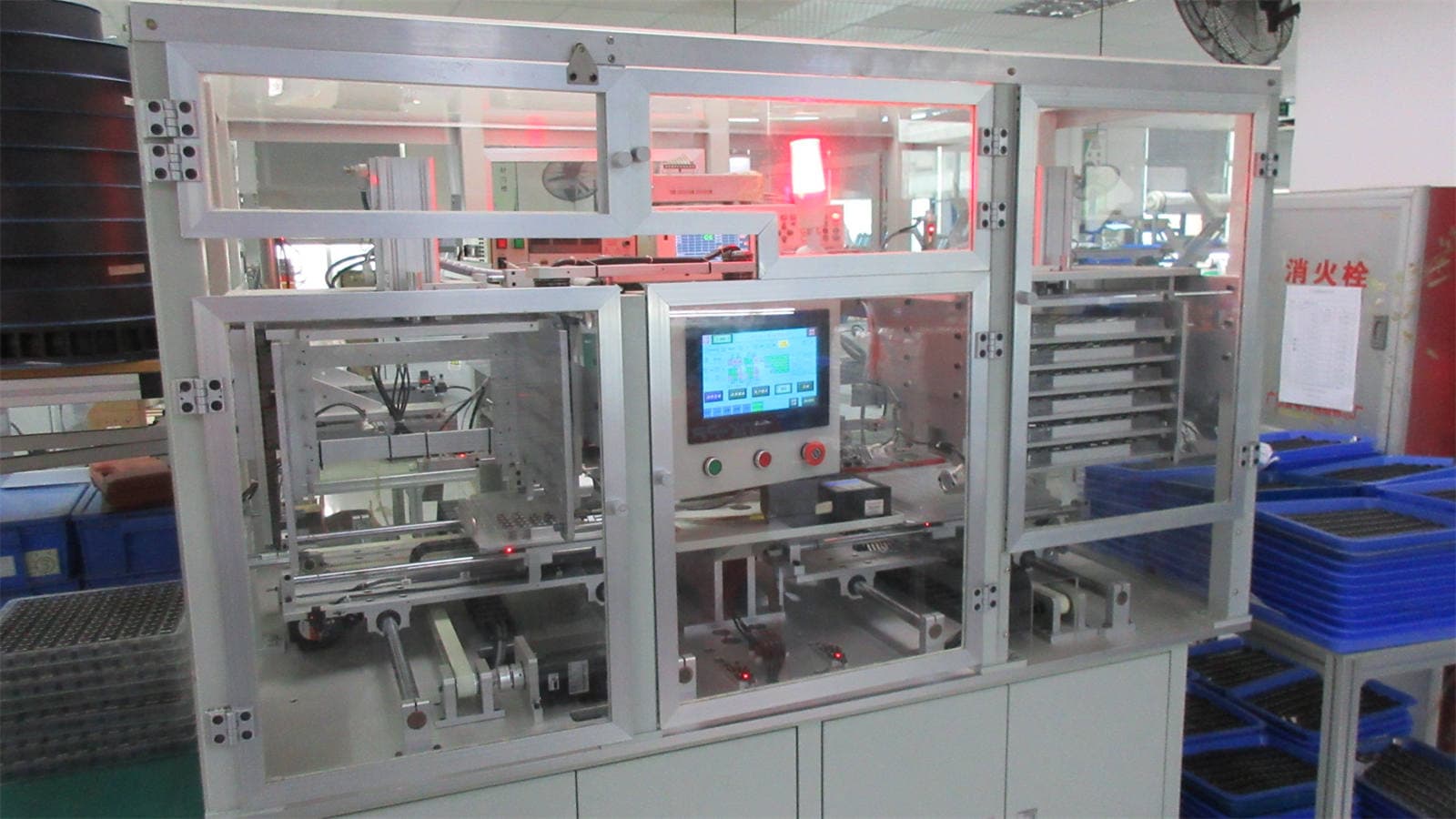
Equipped with standardized dust-free production workshops and advanced automatic testing equipment, we implement strict quality control (ISO 9001) throughout the production lifecycle.
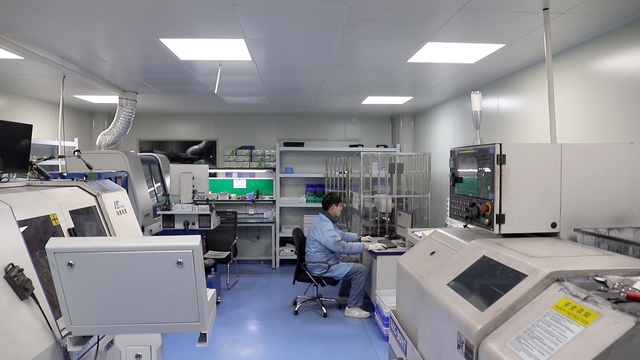
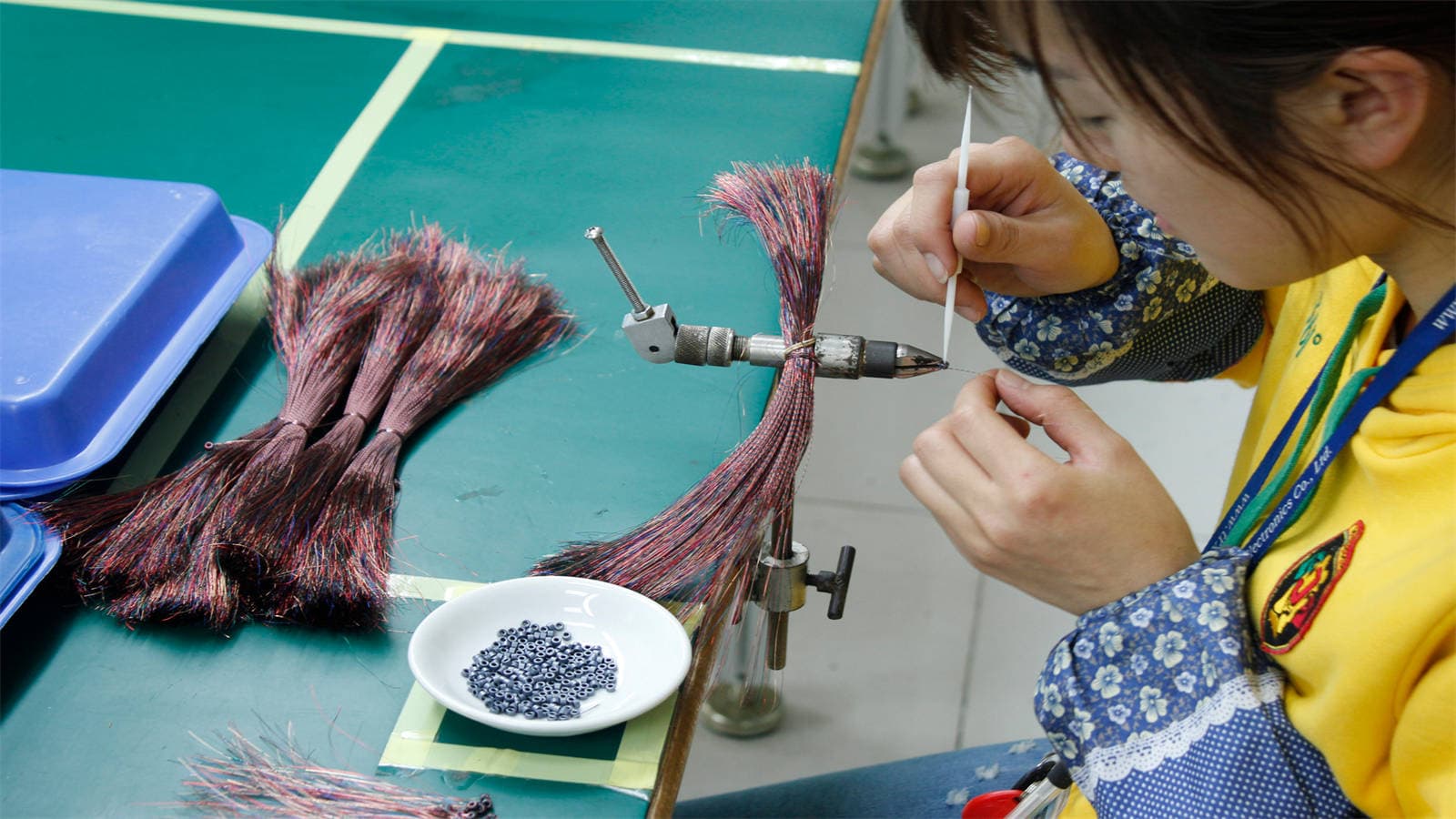
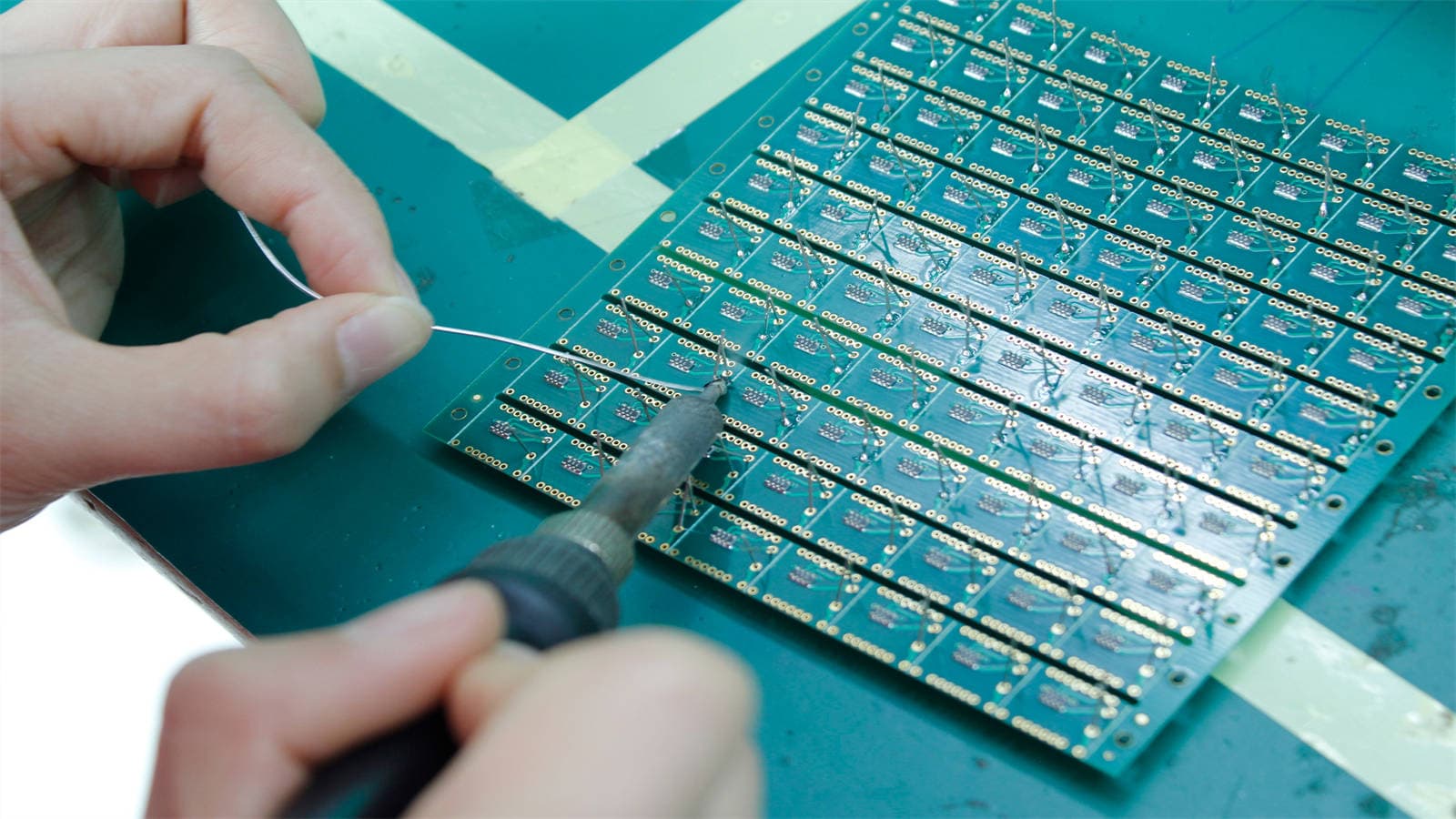
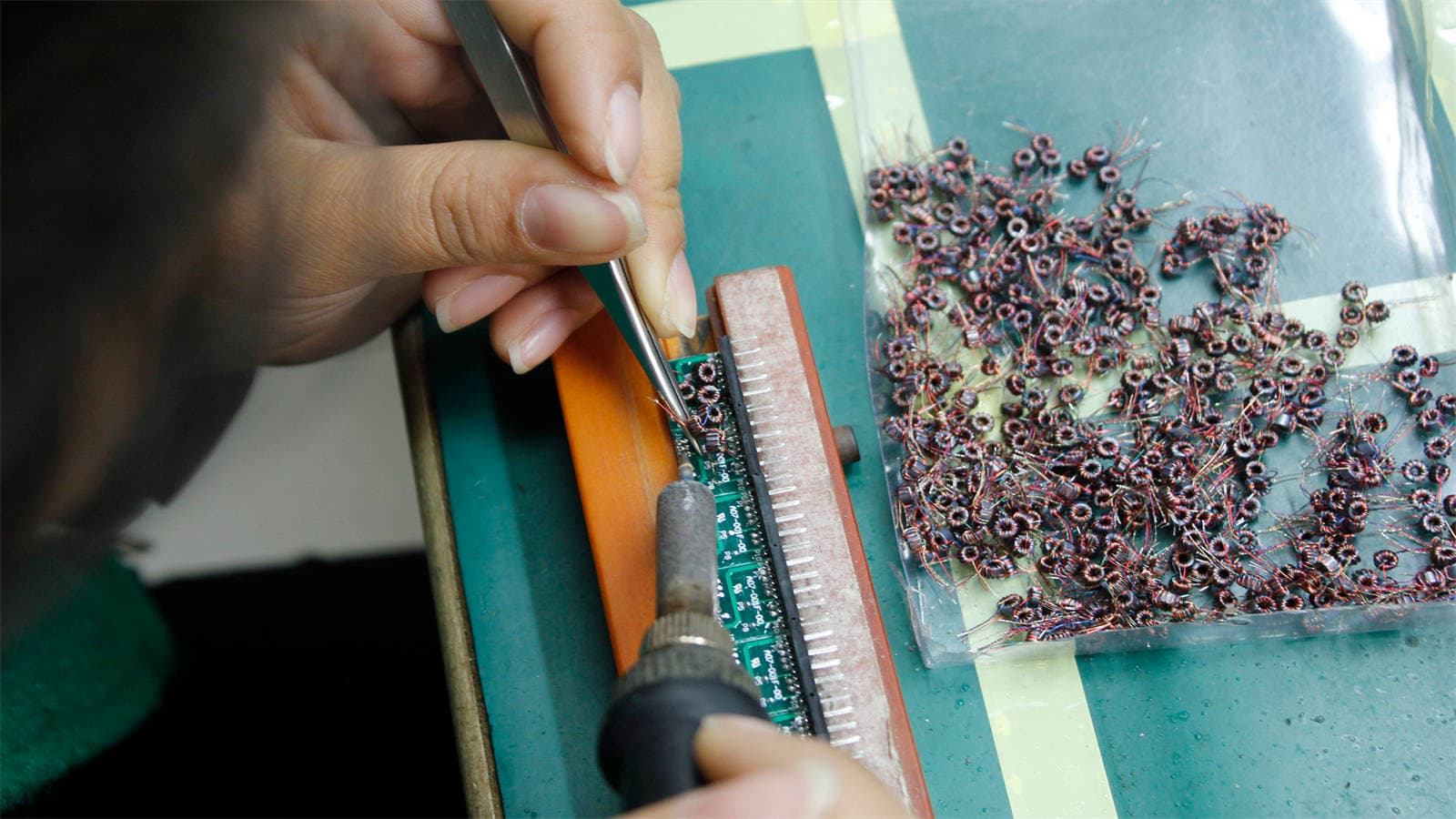
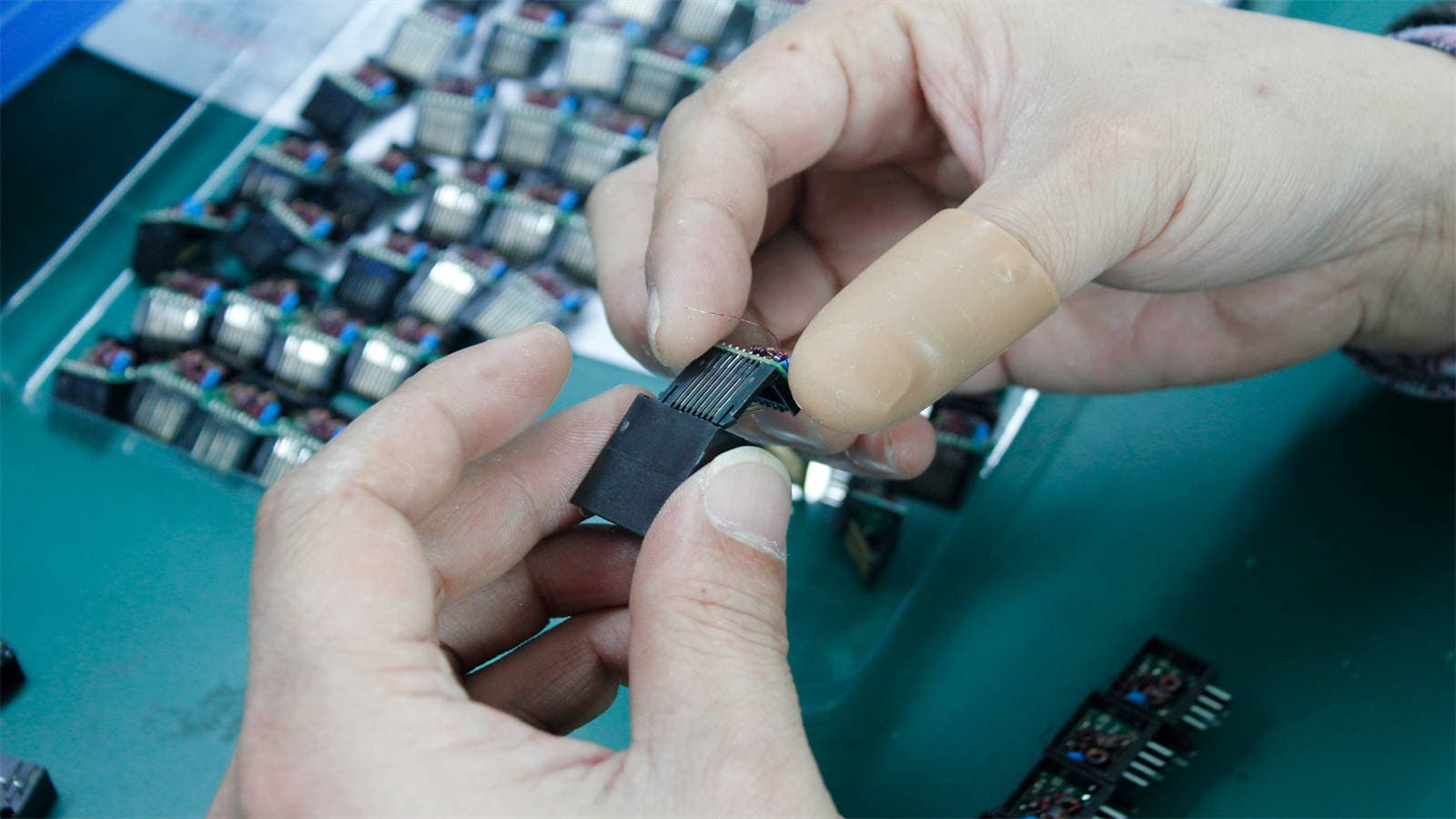
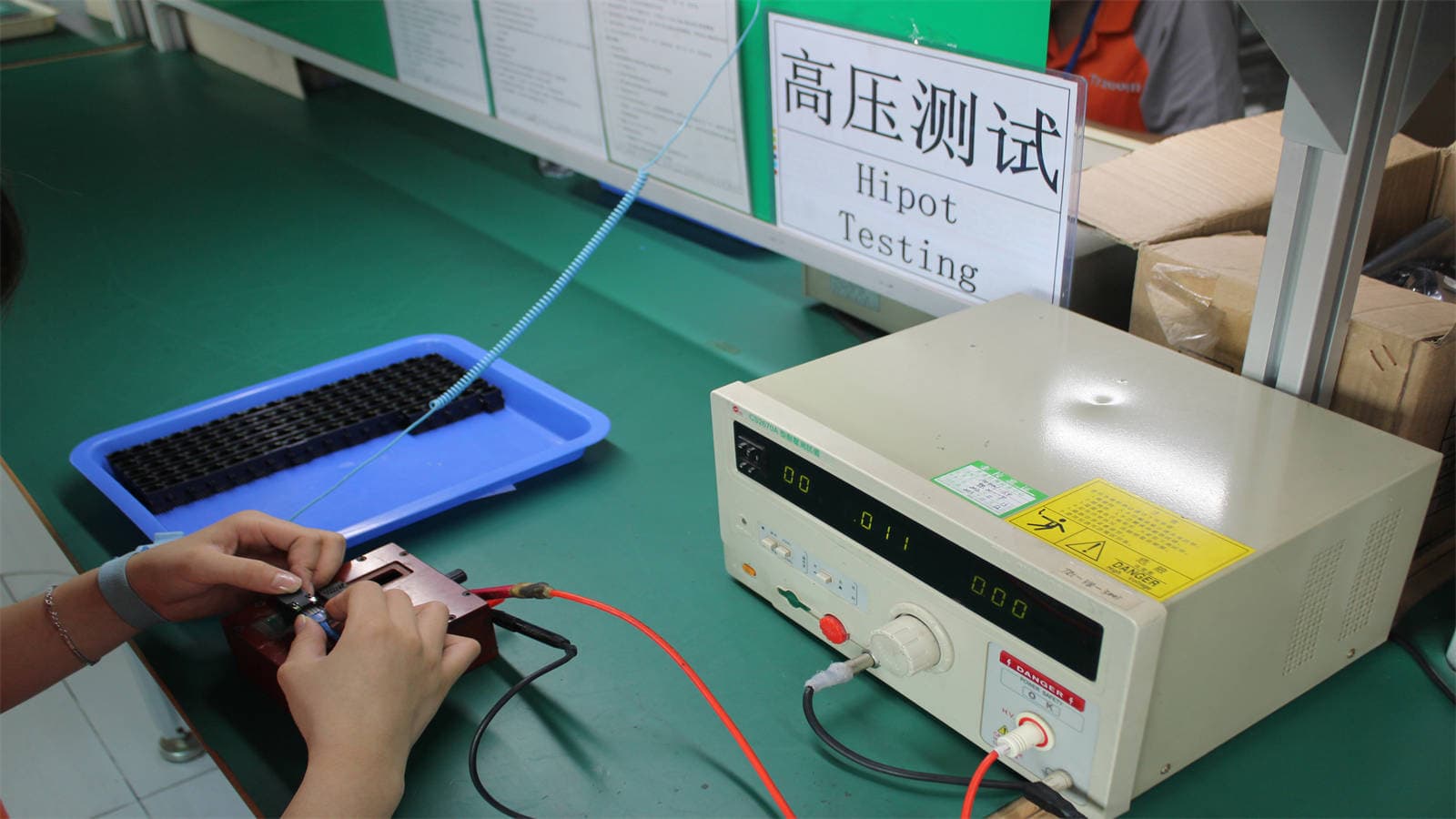
Our manufacturing process utilizes the latest in AI-driven automation to ensure each component of a USB hub or transceiver meets stringent global standards. From precision soldering to Hi-pot testing, quality is engineered into every step.




Hospitals require "Medical-Grade" USB hubs with galvanic isolation to prevent electrical leakage between connected diagnostic equipment and patient monitoring systems.
In factory settings, USB hubs must withstand extreme temperatures, vibrations, and high EMI from heavy machinery. DIN-rail mounting and metal housings are standard requirements for procurement.
Film and audio studios procure hubs with dedicated power circuits per port to ensure that high-speed NVMe drives and audio interfaces don't drop connection due to power fluctuations.