Lumopt
Lumopt
Lumopt
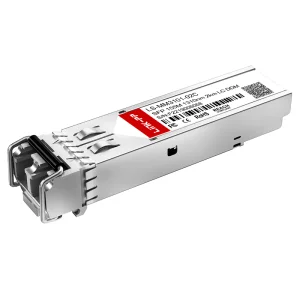
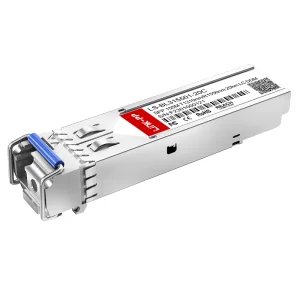
While the global telecommunication narrative is dominated by hyperscale migration towards 400G, 800G, and 1.6T transceiver speeds, critical industrial infrastructures continue to rely heavily on the deterministic behavior and unparalleled long-term stability of 155 Mbps and 622 Mbps optical interfaces. In the Hanshin Industrial Region and Osaka Metropolitan Area, this legacy footprint remains highly critical. Systems operating on Fast Ethernet (100BASE-FX) and Synchronous Digital Hierarchy (SDH STM-1/STM-4) require continuous high-tier hardware replacement components to guarantee 99.999% system availability.
Osaka's status as a gateway of Japanese manufacturing and urban railway networking creates unique operational challenges. The city’s underground transport structures, automated marine cargo terminals around the Port of Osaka, and precision electronic factories in surrounding prefectures like Kadoma and Sakai, rely on existing legacy single-mode and multi-mode networks. These networks, deployed over the last two decades, require optical transceivers that match original specifications without needing massive system-wide physical layer upgrades. Lumopt Opto Technology Co., Ltd. addresses this persistent demand by engineering premium SFP transceiver solutions that bridge the gap between legacy reliability and modern fabrication standards.
The adoption of our 155M and 622M SFP modules across Western Japan is driven by key sectors:
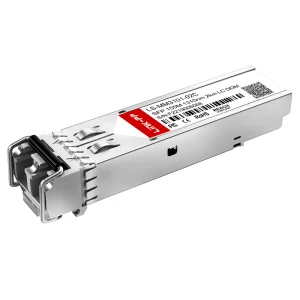
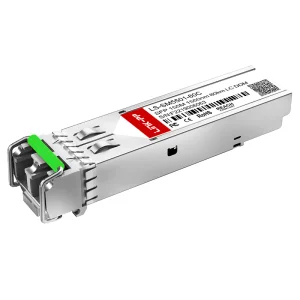
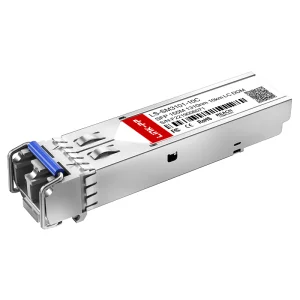
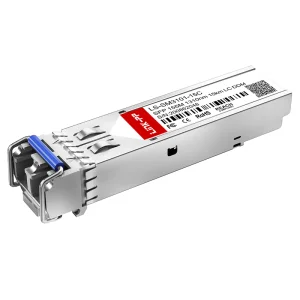
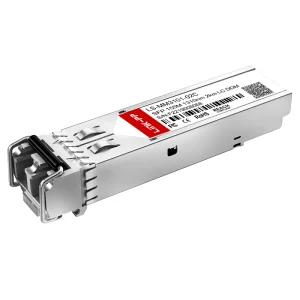
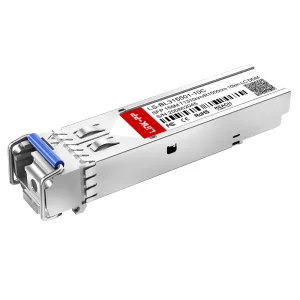
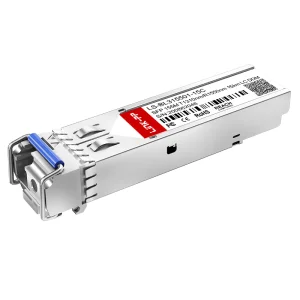
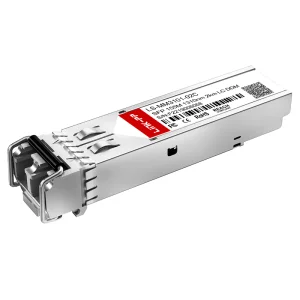
Lumopt's 155M/622M SFP transceivers are engineered using high-stability Distributed Feedback (DFB) and Fabry-Perot (FP) laser transmitters, paired with high-sensitivity PIN-PD (Photodiode) or APD (Avalanche Photodiode) receivers. Designed in strict compliance with the SFP Multi-Source Agreement (MSA) and the IEEE 802.3ah 100BASE-LX10 / 100BASE-BX10 standards, these modules offer drops-in compatibility across a wide range of OEM hardware platforms.
A critical engineering highlight of our modules is their optimized optical power budget. To avoid receiver saturation over short distances (such as inside a localized Osaka data room), while still guaranteeing long-distance signal integrity over long fiber spans (e.g., 40km to 80km backhauls), our modules employ high-quality internal attenuators and Digital Diagnostics Monitoring (DDM / DOM). This allows network administrators to monitor real-time metrics including optical output power, receiver input power, temperature, and laser bias current.
Lumopt Opto Technology Co., Ltd. (registered as Luguang Communication Technology Co., Ltd. in China) is a professional Chinese manufacturer and exporter specializing in high-performance optical transceivers. We focus on the R&D, production, and customization of a full range of optical modules covering 10G, 25G, 100G, 400G, 800G, and 1.6T products. These are widely applied in data centers, telecom networks, cloud computing, AI computing equipment, and enterprise communication systems.
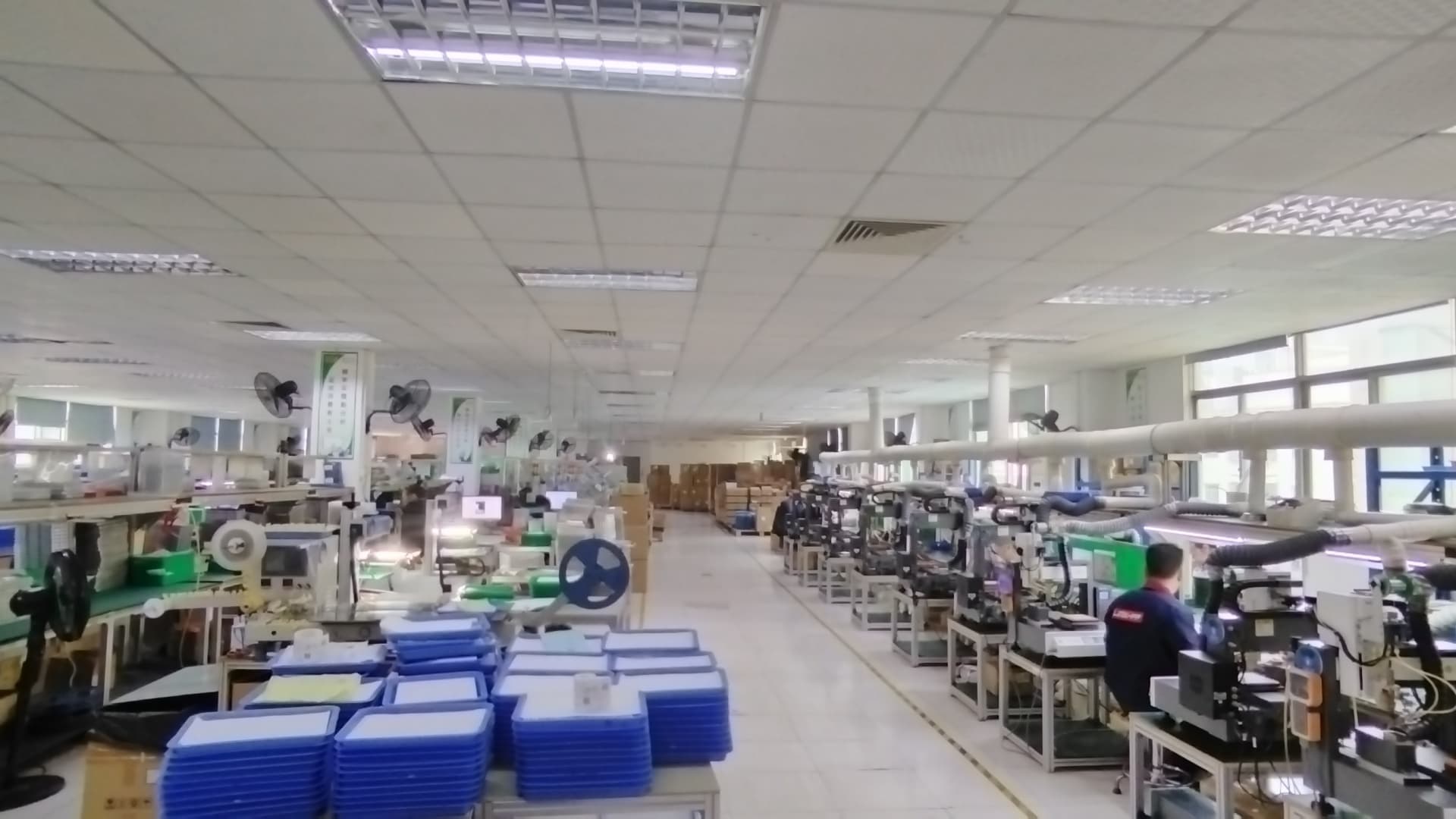
For industrial markets like Osaka, we maintain active production lines for legacy 155M and 622M modules. Armed with dust-free workshops and comprehensive diagnostic instruments, our team enforces strict quality checks at every step.
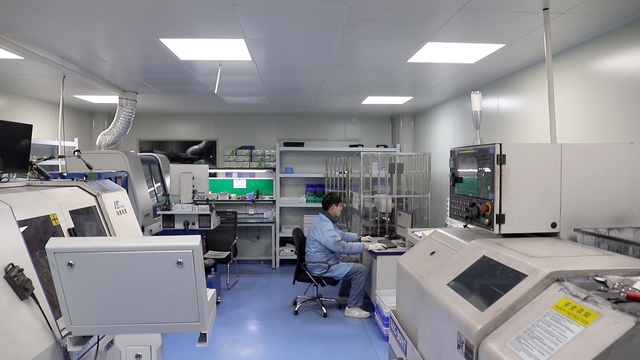

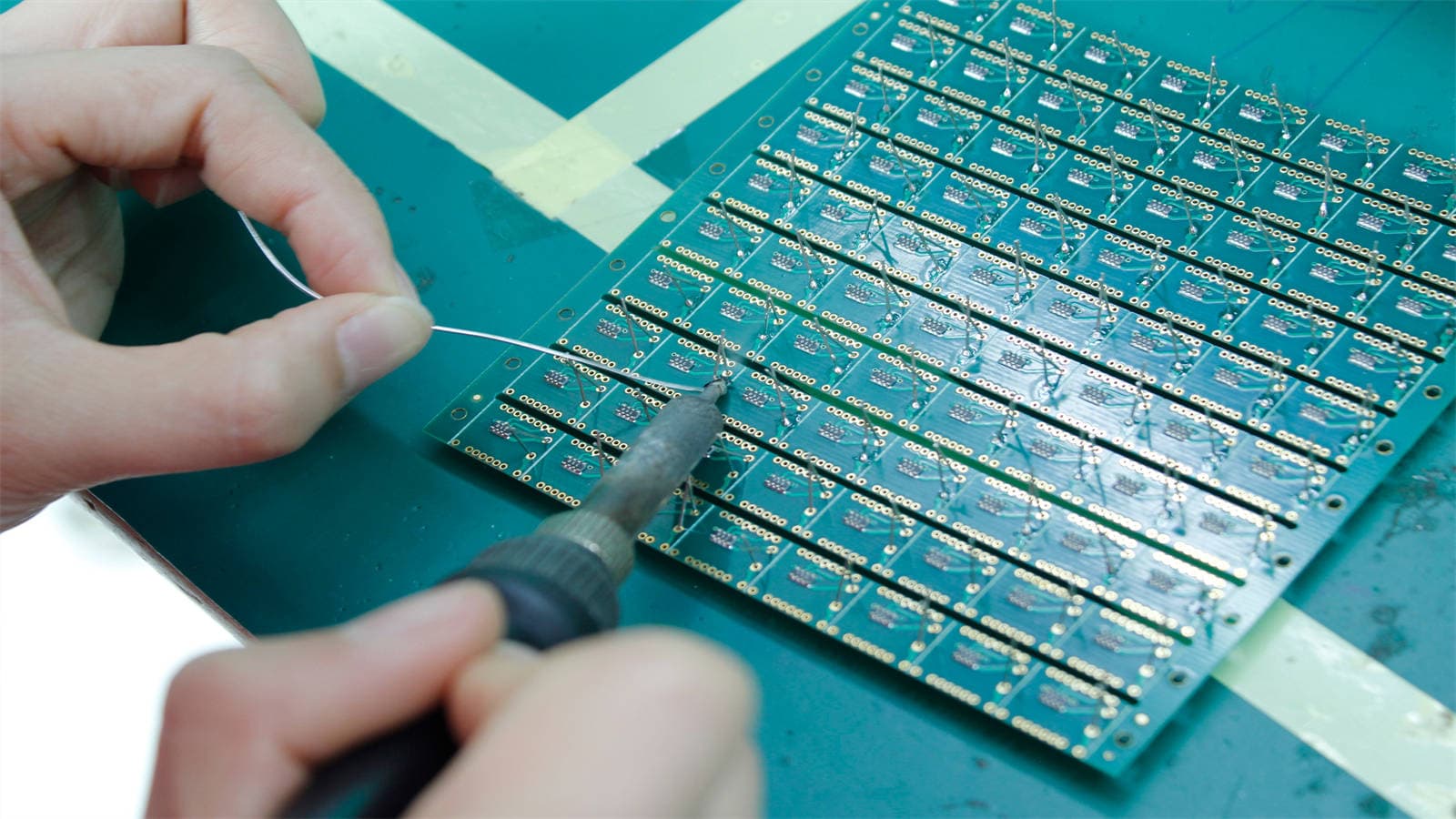
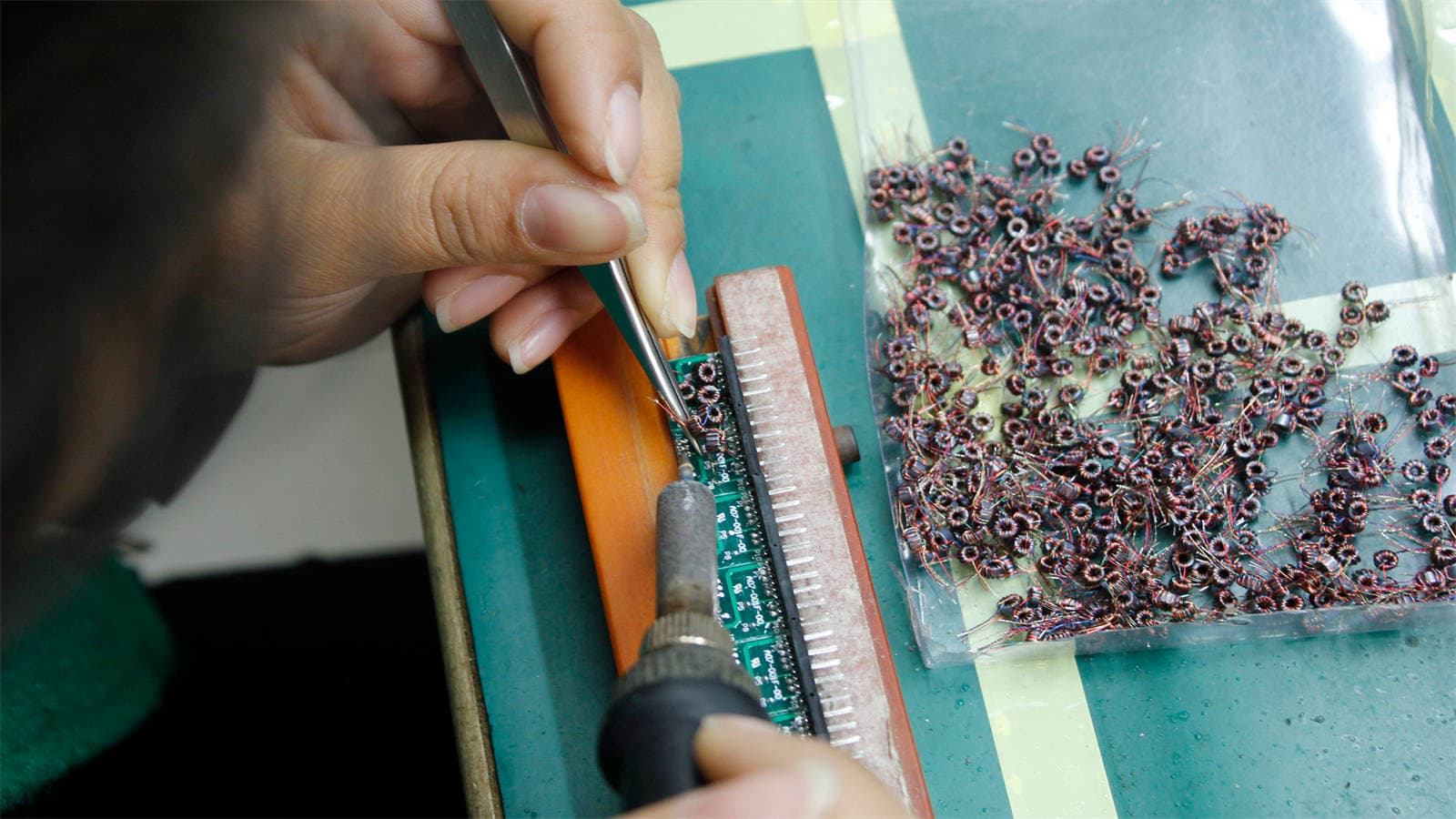
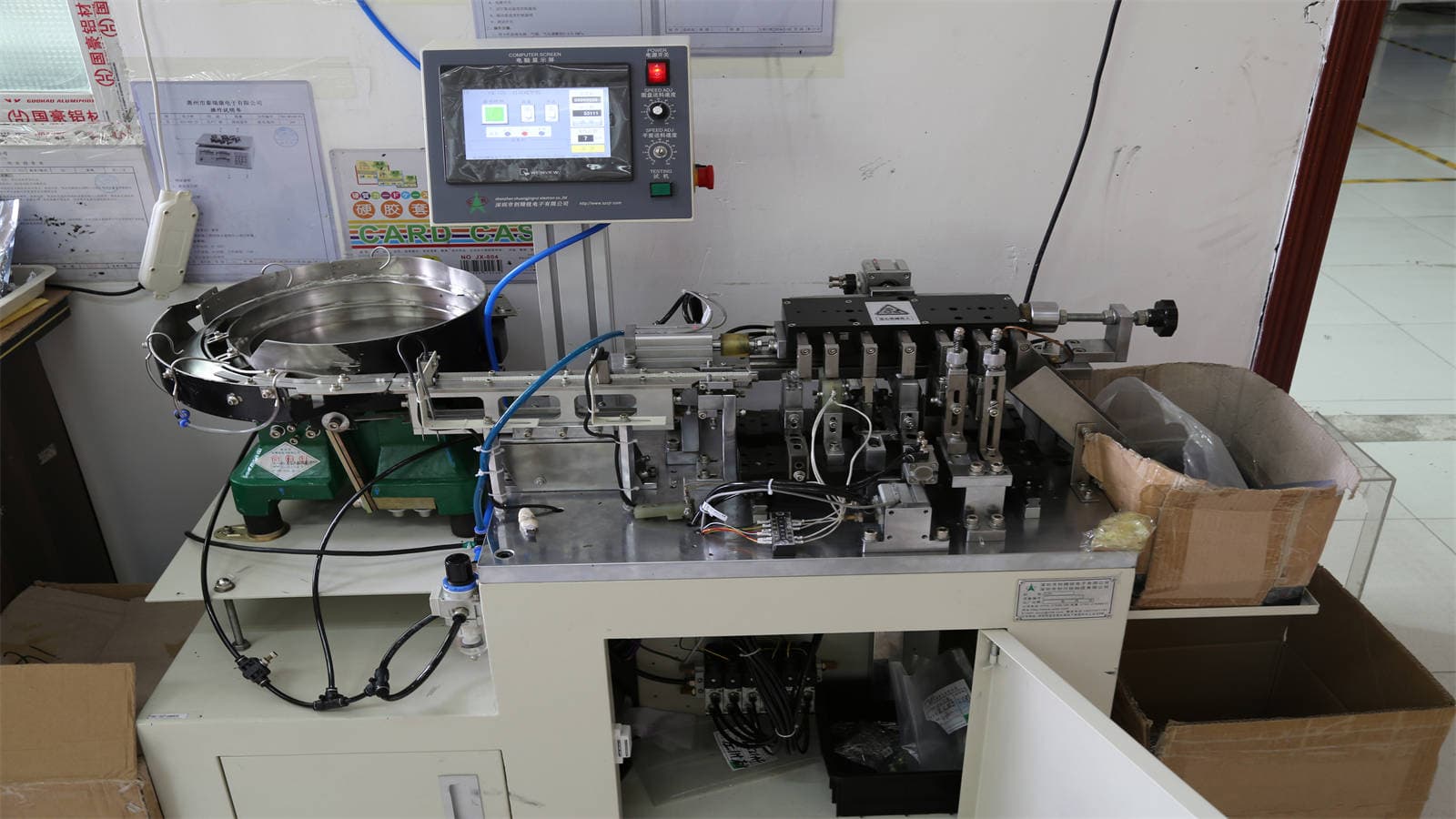


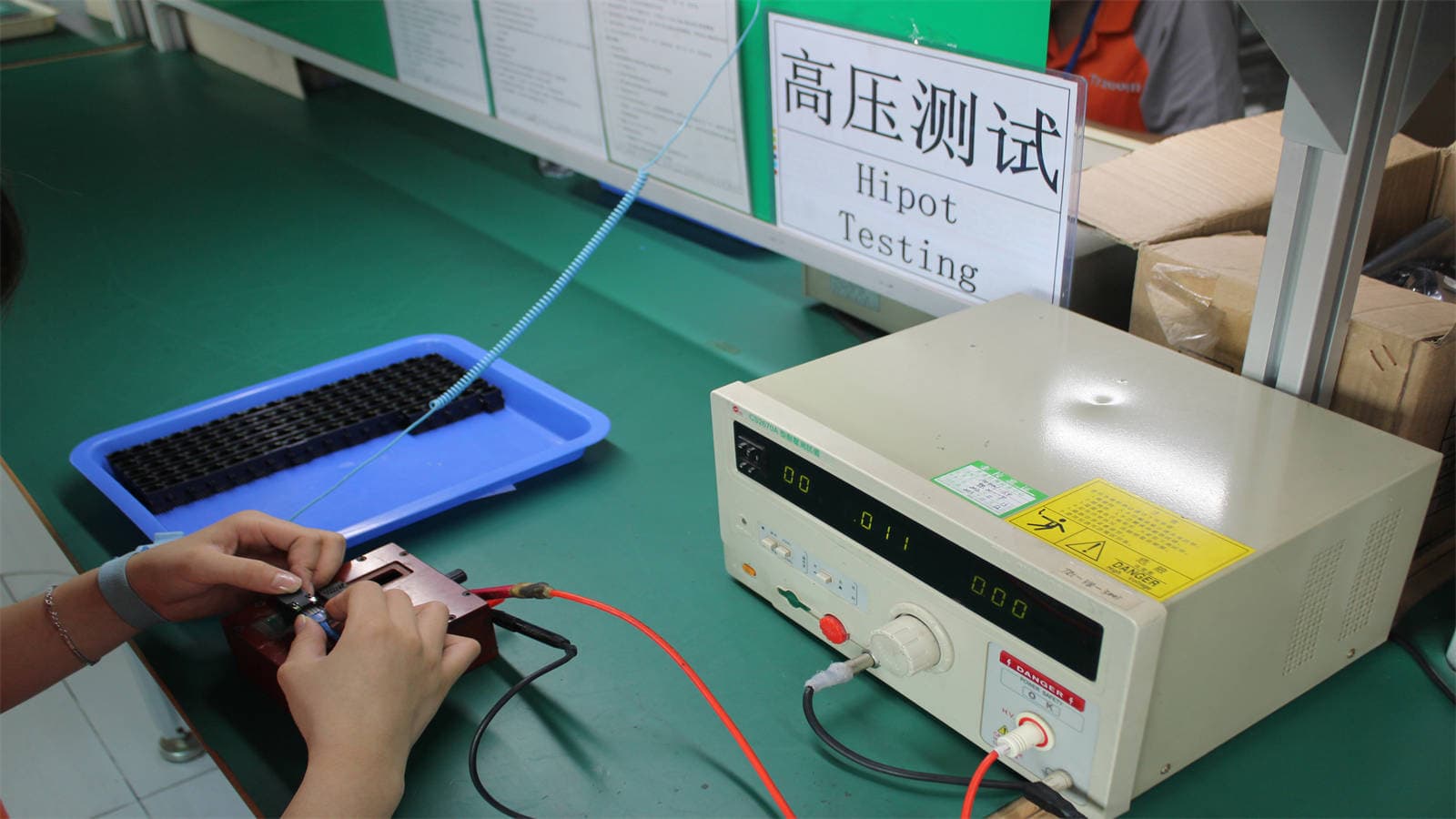



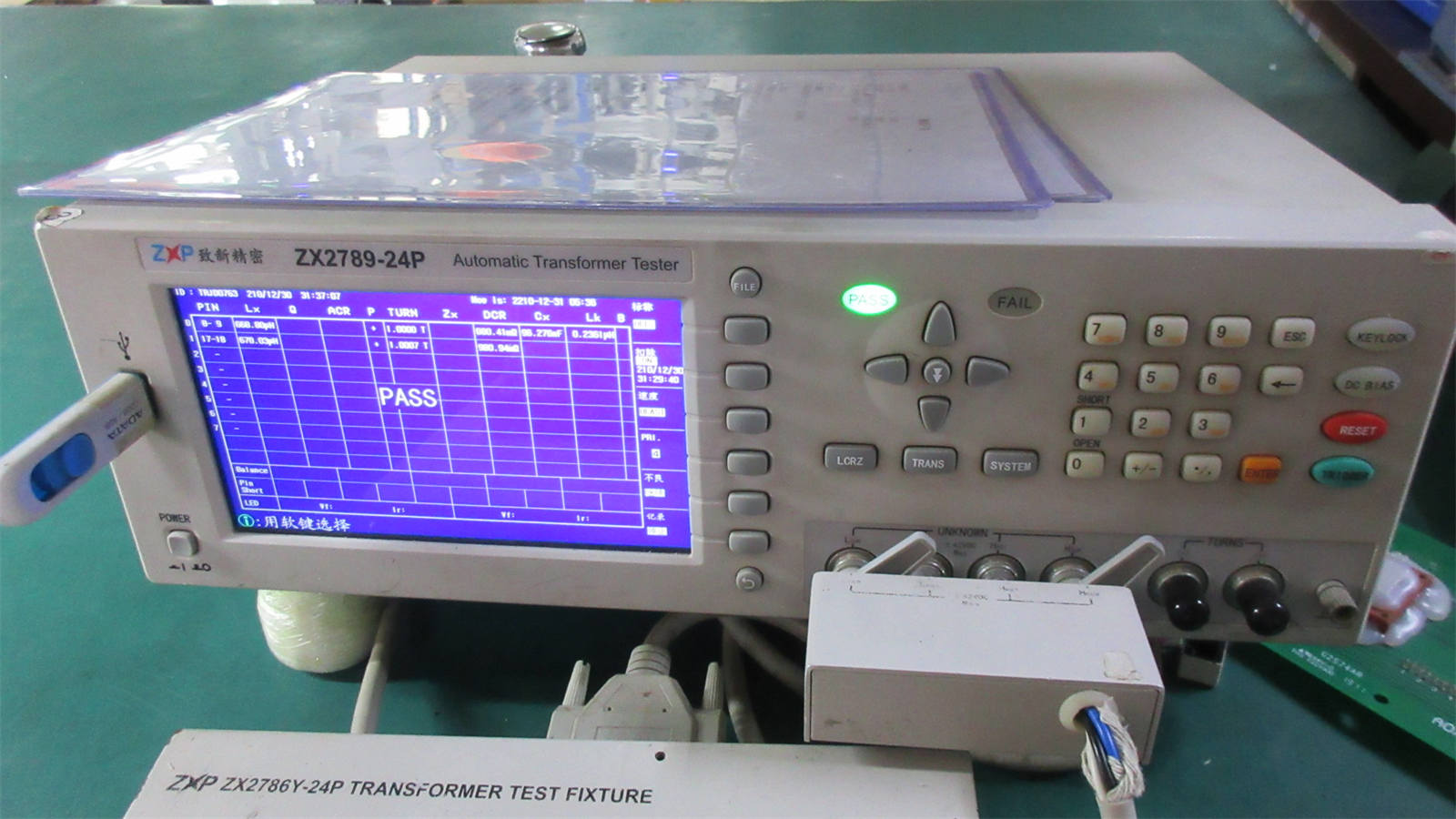
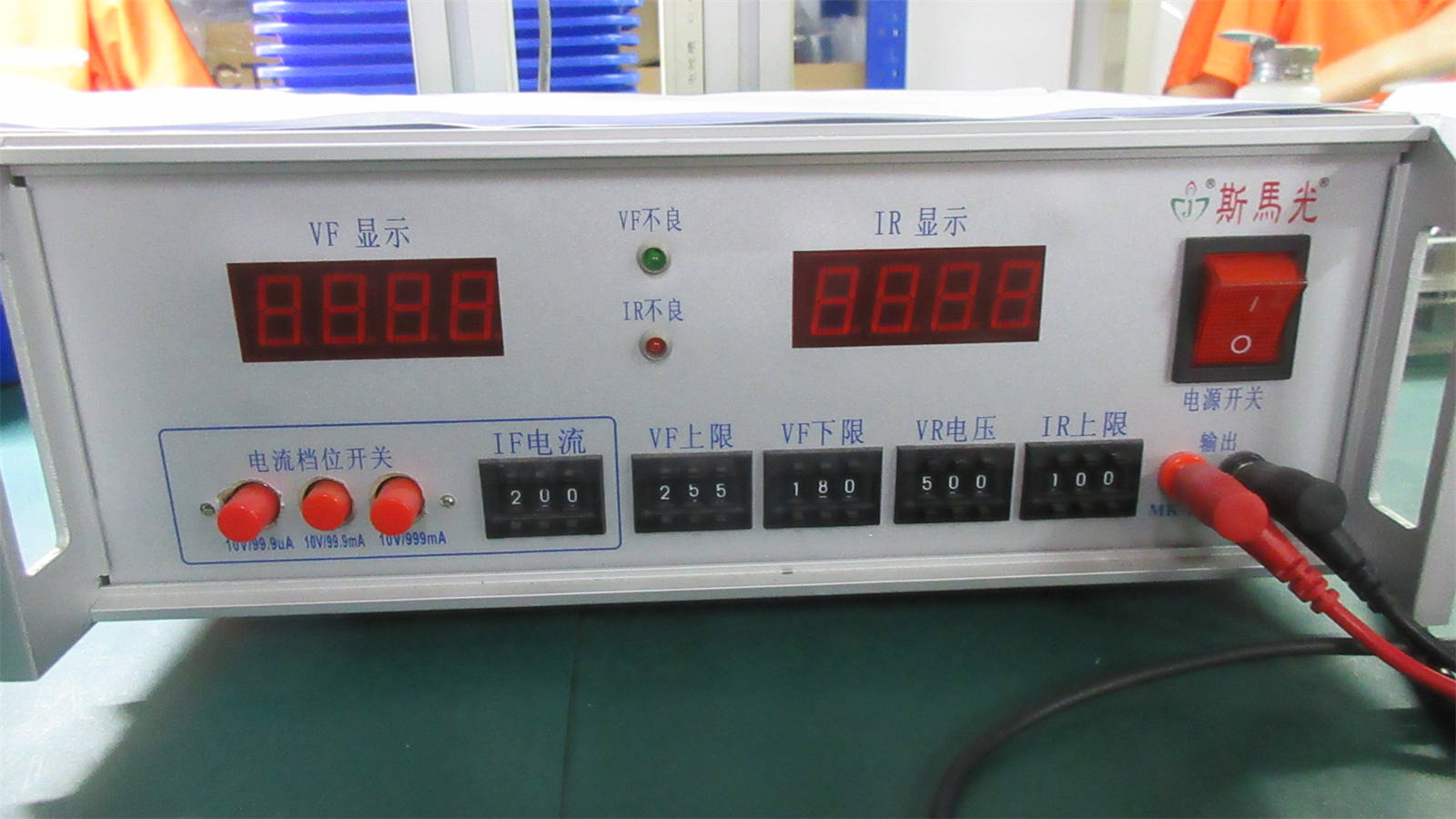

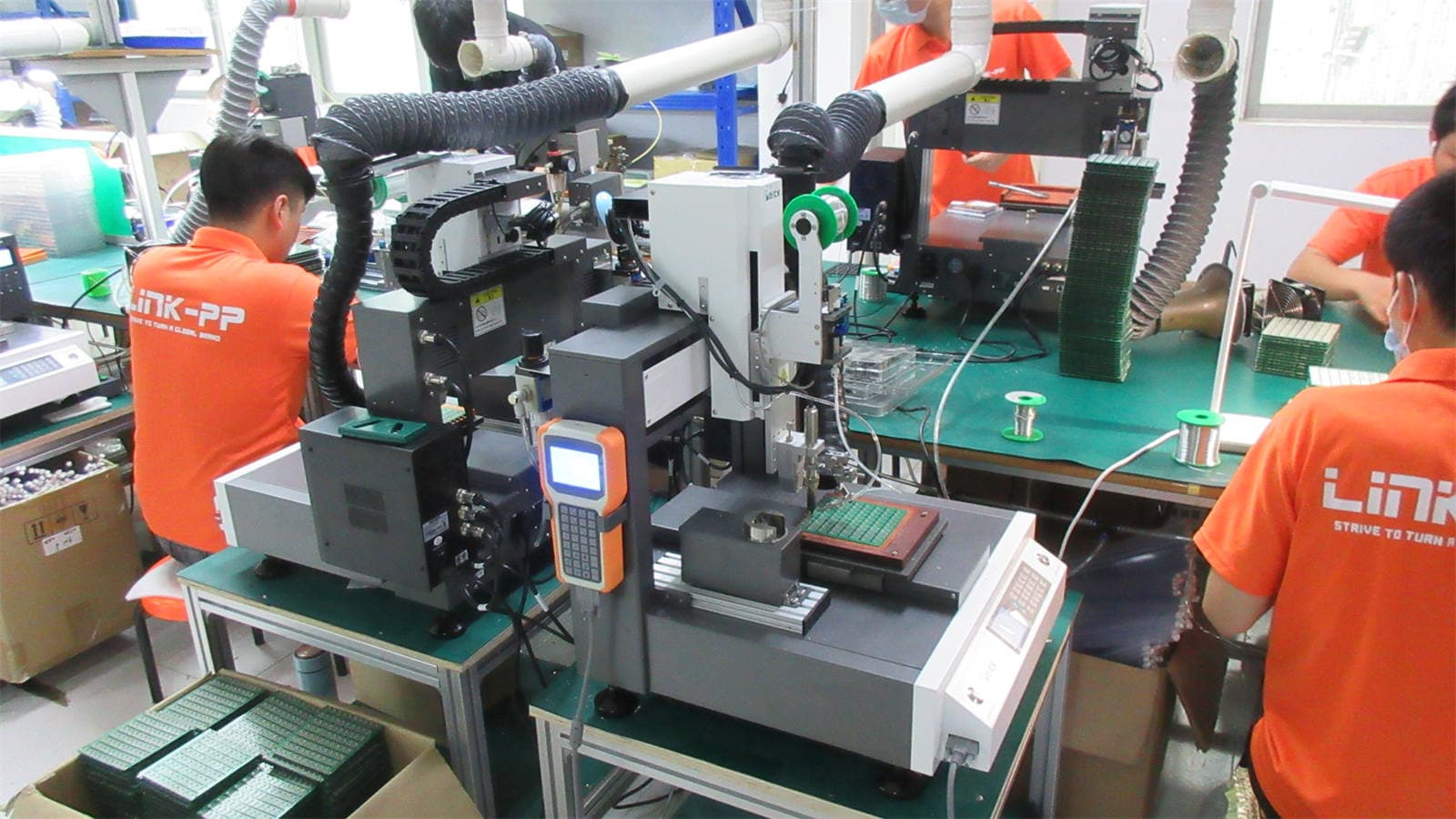
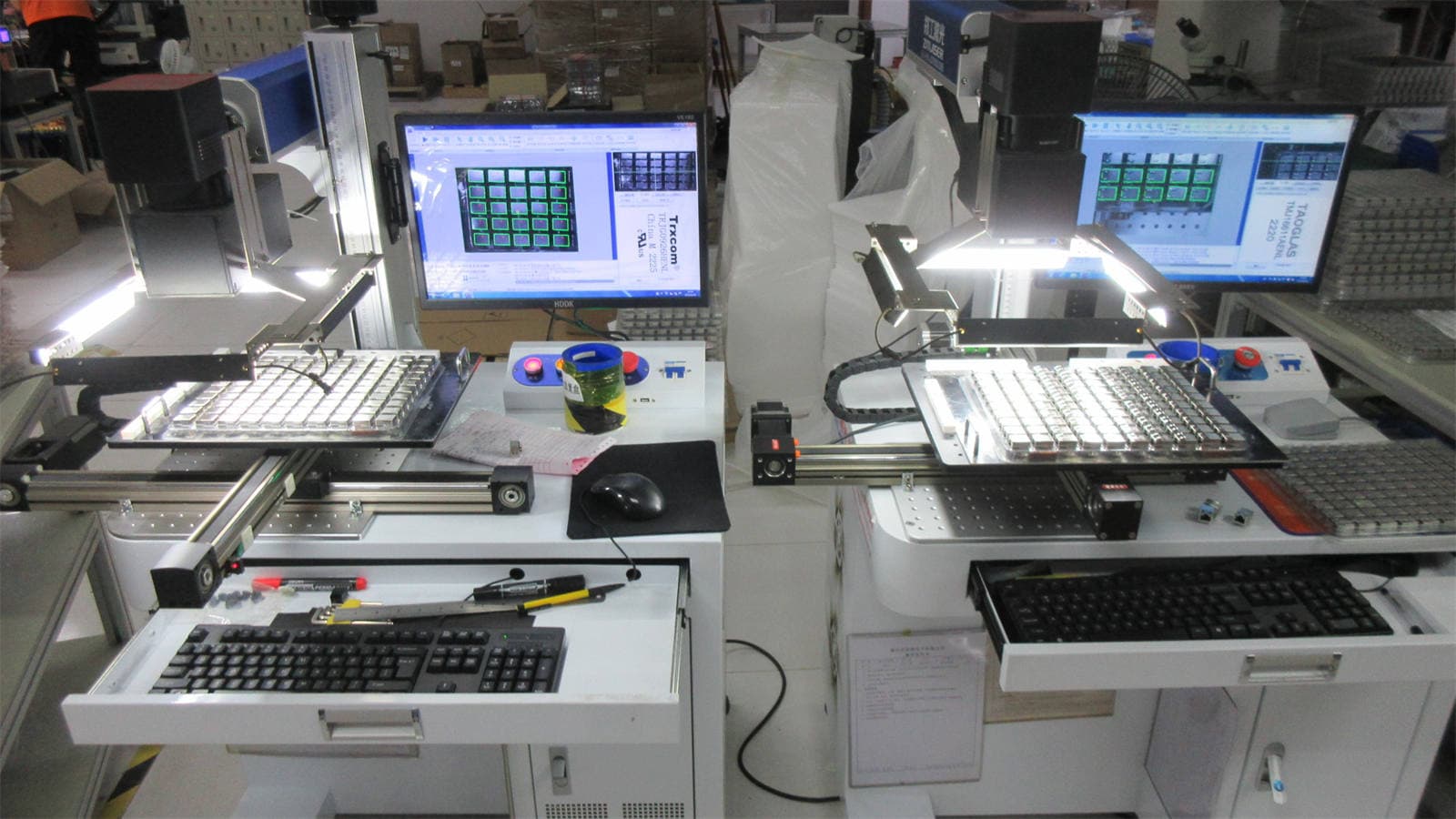
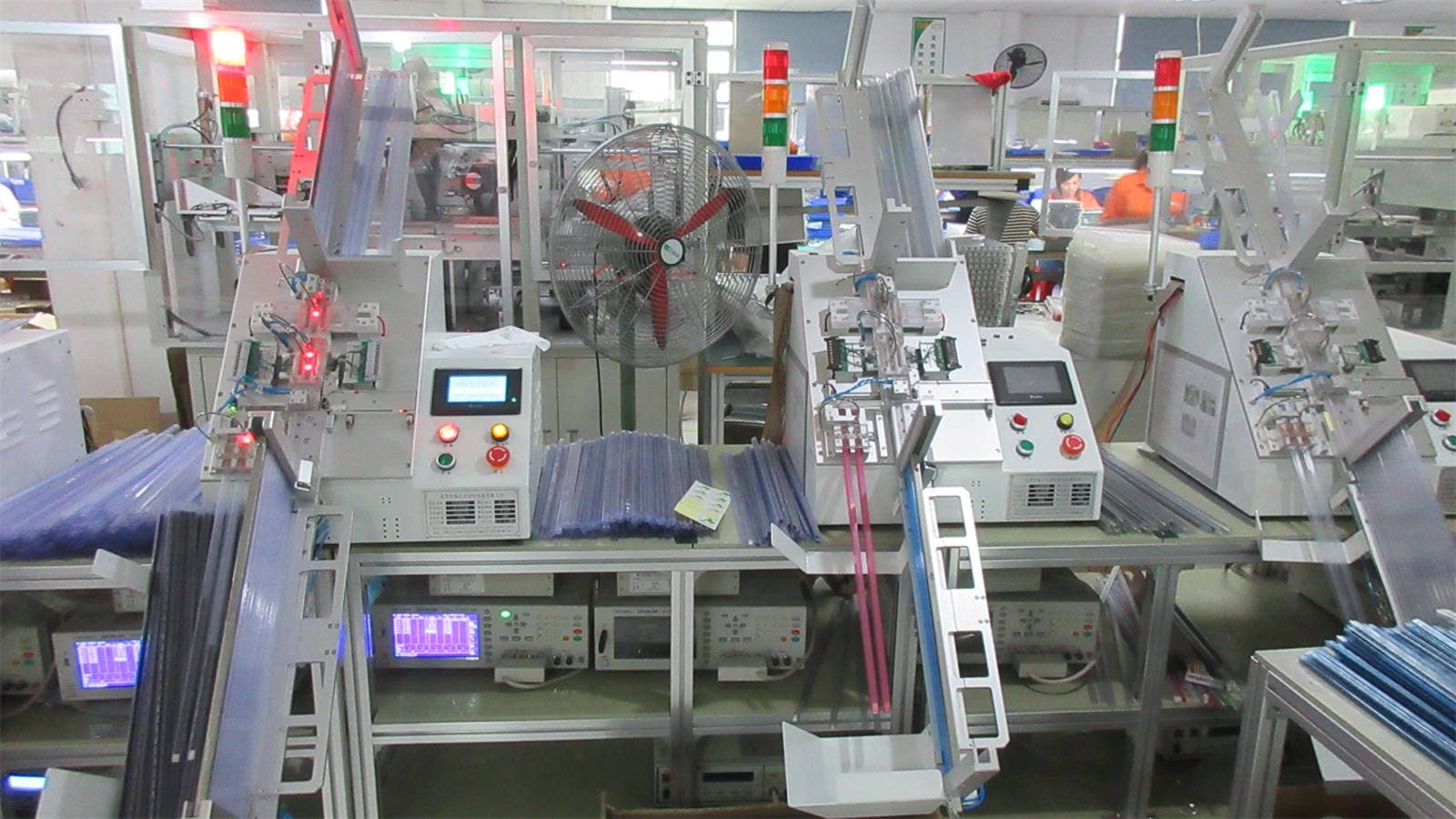
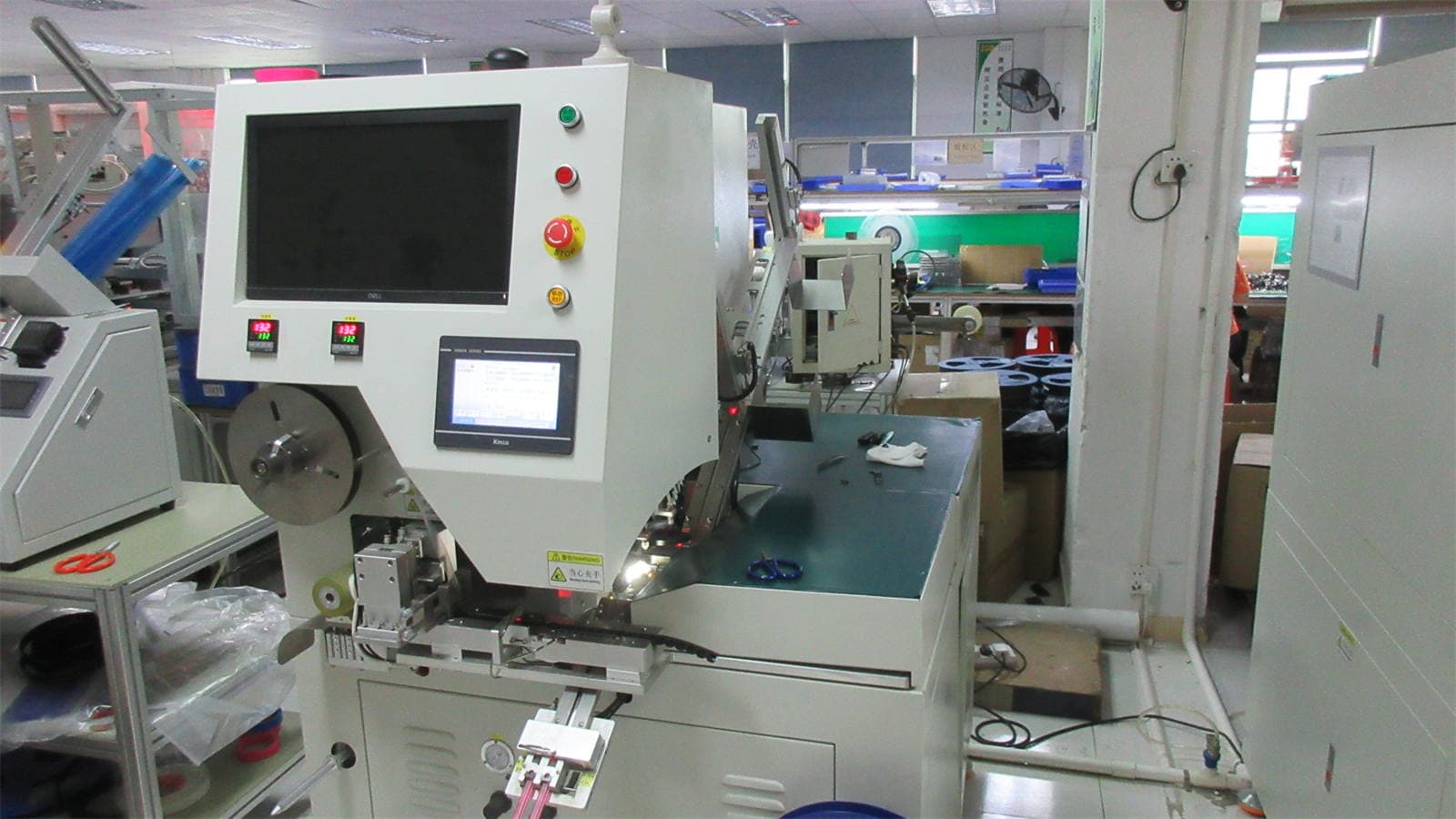
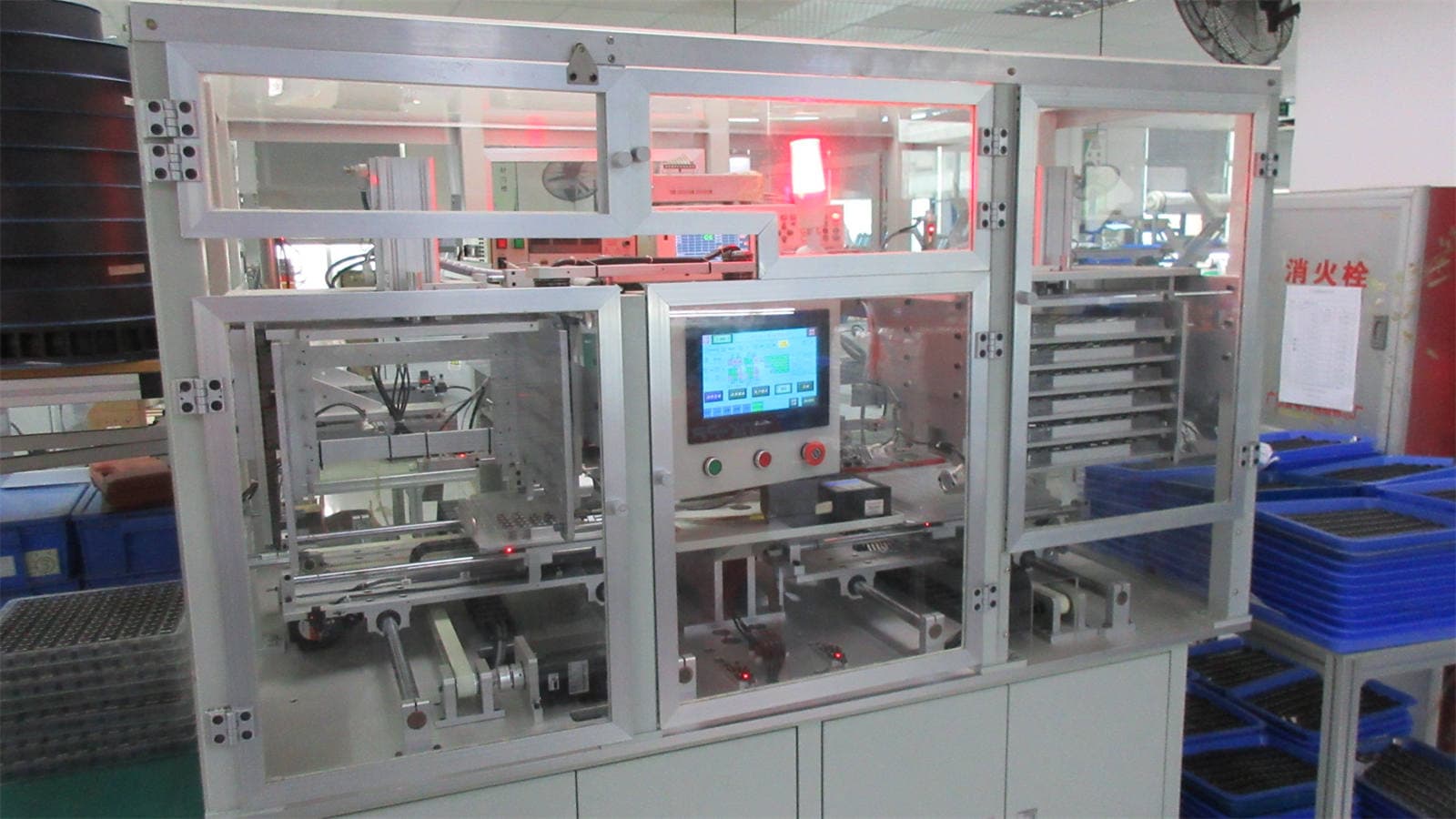
Deploying active optical components in Japanese network infrastructures requires adherence to strict quality and compliance regulations. The Ministry of Internal Affairs and Communications (MIC) and local standards committees mandate compliance across electromagnetic interference, laser safety, and environmental impact. Lumopt transceivers are built and certified to clear these regulatory hurdles:
As industrial operations in Kansai adapt to smart manufacturing (Society 5.0), the requirement for system throughput naturally increases. However, a rapid conversion of legacy infrastructure is cost-prohibitive. Lumopt’s product roadmap focuses on multi-rate SFP architectures. Our modules allow network interfaces to auto-negotiate from 100Mbps up to 1.25Gbps. This enables operators of sub-rate networks to retain existing copper/fiber media converters while laying the foundation for a transition to Gigabit and 10G networks in the future.