Lumopt
Lumopt
Lumopt
Belgium sits at the geographic and economic heart of Europe. Brussels acts as the regulatory and policy hub of the European Union, making data security, sovereignty, and speed paramount. Simultaneously, the Flanders region—anchored by the Port of Antwerp-Bruges—is undergoing a rapid technological transformation. Autonomous operations, IoT sensor arrays, and AI-driven supply chain management demand ultra-low latency.
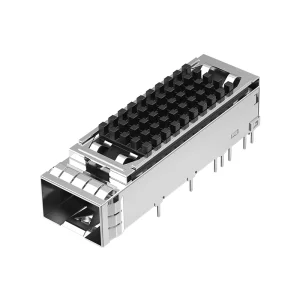
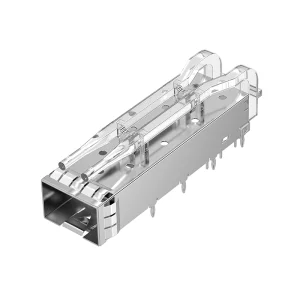
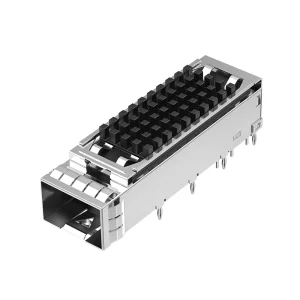
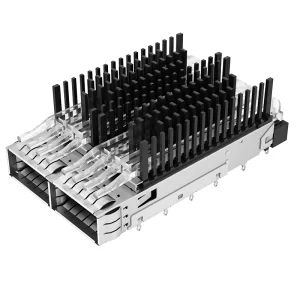
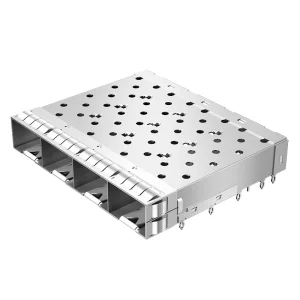
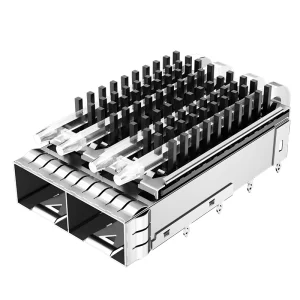
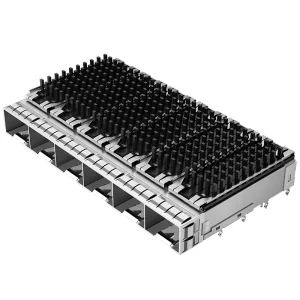
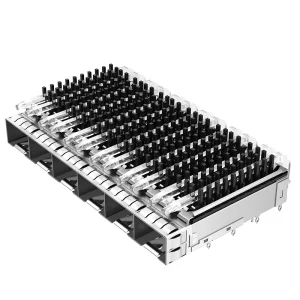
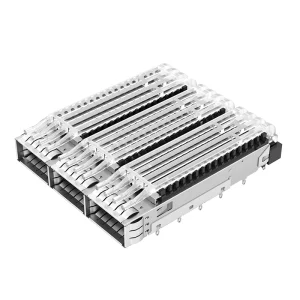
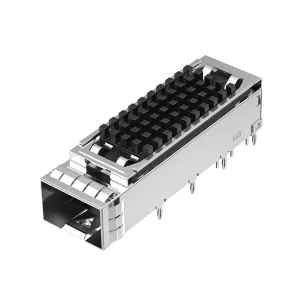
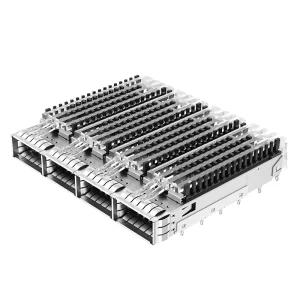
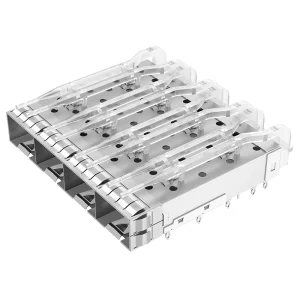
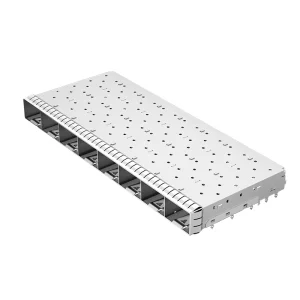
To power these data-heavy applications, Belgium’s regional data hubs (such as those in Brussels, Antwerp, Ghent, and Liège) require optimized physical-layer transceivers and connector components. The 1xN (Ganged) SFP and SFP+ cages are structural building blocks that allow network engineers to maximize the port density on the front panels of switches, network interface cards (NICs), and routers. By integrating several SFP+ ports into a single metal frame housing, ganged cages reduce PCB board layout complexity, improve electromagnetic shielding, and facilitate localized thermal dissipation.
As telecom giants in Belgium deploy FTTH (Fiber-to-the-Home) and 5G networks, the necessity for high-reliability components is critical. From edge computing nodes in Wallonia's biotech cluster to deep-learning server farms in Ghent, 1xN SFP+ cages with custom heatsinks provide the mechanical and thermal reliability required to maintain continuous, zero-down-time operations.
In high-density optical communication panels, two physical factors severely threaten signal integrity and hardware longevity: Electromagnetic Interference (EMI) and Thermal Accumulation. As data rates climb from 10Gbps (SFP+) to 28Gbps (SFP28) and beyond, the high-frequency components produce radiation that can bypass loose shielding.
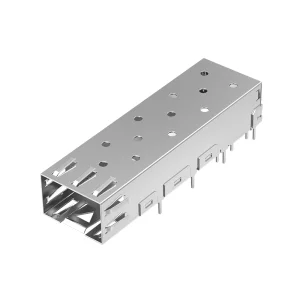
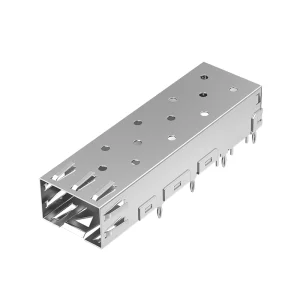
Standard single-port SFP cages are simple to shield using simple spring fingers. However, a 1xN (e.g., 1x4, 1x6, or 1x8) ganged port layout introduces parallel channels that are susceptible to crosstalk and EMI leakages between adjacent slots. Our replacement cages for TE Connectivity and Amphenol address this by incorporating continuous elastomeric EMI gaskets or multi-point, high-flexibility beryllium copper (BeCu) spring fingers. These spring fingers ground the cage directly to the chassis cutout, bridging any mechanical gaps and maintaining a robust Faraday cage structure.
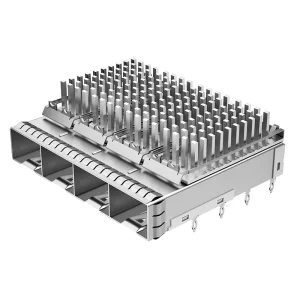
Active optical transceivers generate significant heat under continuous workloads. If the internal temperature exceeds 70°C, the laser diodes degrade quickly, causing packet loss and reduced life span. To prevent thermal throttling, 1xN ganged ports must feature highly efficient heat dissipation mechanisms. By utilizing a "riding heatsink" design, the heatsink is clip-mounted and makes direct contact with the module through a precise window in the cage structure. This thermal path allows natural convection or forced chassis airflow to carry away heat, maintaining optimal transceiver operational temperatures.
At Lumopt Opto Technology Co., Ltd. (Luguang Communication Technology Co., Ltd.), quality control is embedded in every stage of our supply chain. 1xN SFP cages require precise metal stamping and plating to ensure mechanical compliance with SFP Multi-Source Agreement (MSA) standards.
Our factories leverage state-of-the-art automated tooling to maintain tolerances within ±0.05 mm. Whether the application calls for Through-Hole Technology (THT) solder connections or press-fit designs, our cages undergo strict mechanical testing to verify insertion and extraction forces. Press-fit terminals must be compliant enough to slide smoothly into standard PCB layouts without damaging the board vias, yet snug enough to guarantee permanent mechanical contact under thermal stress.
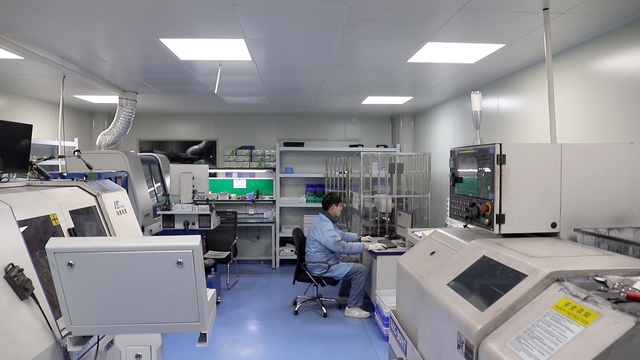
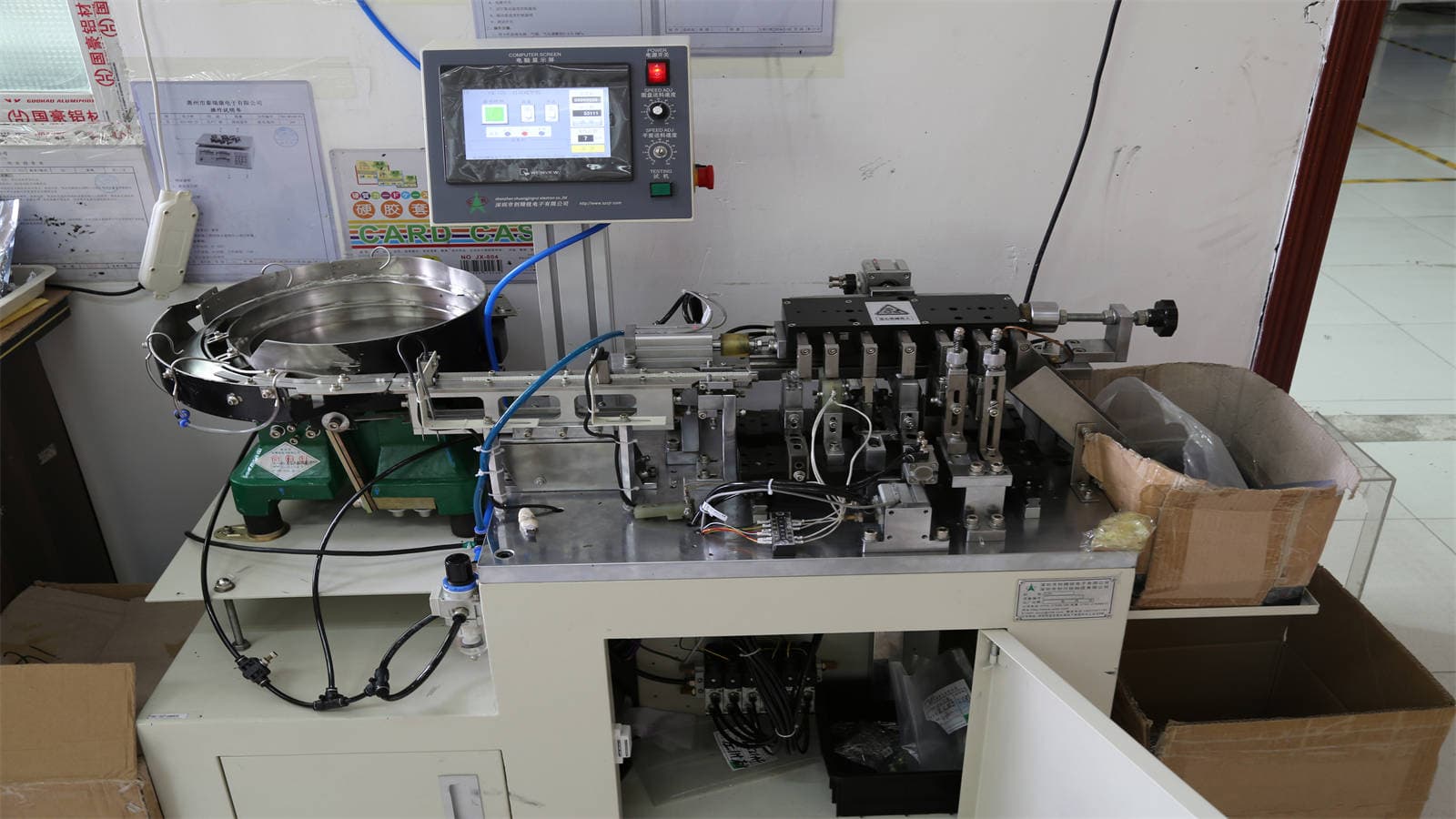
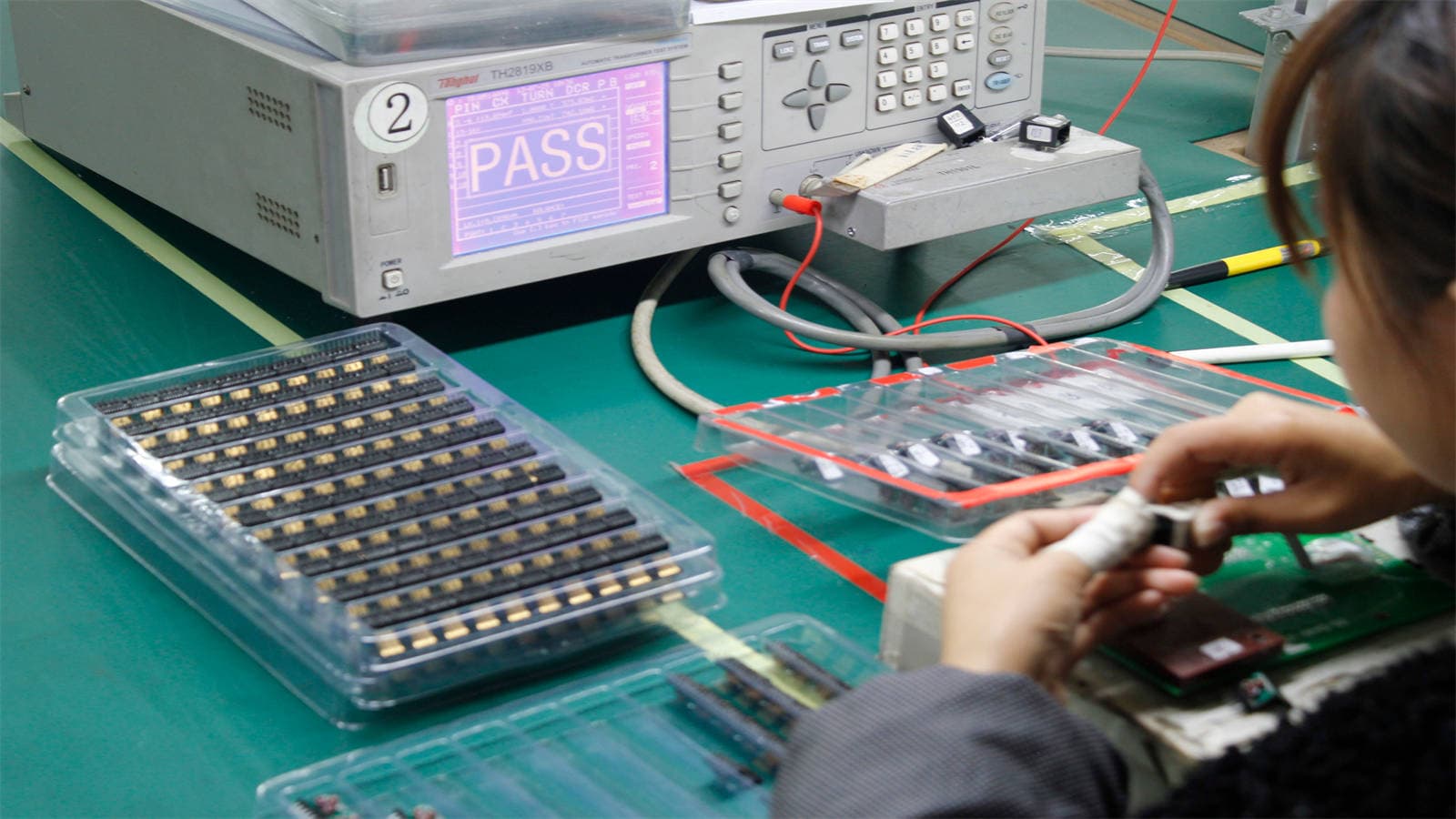
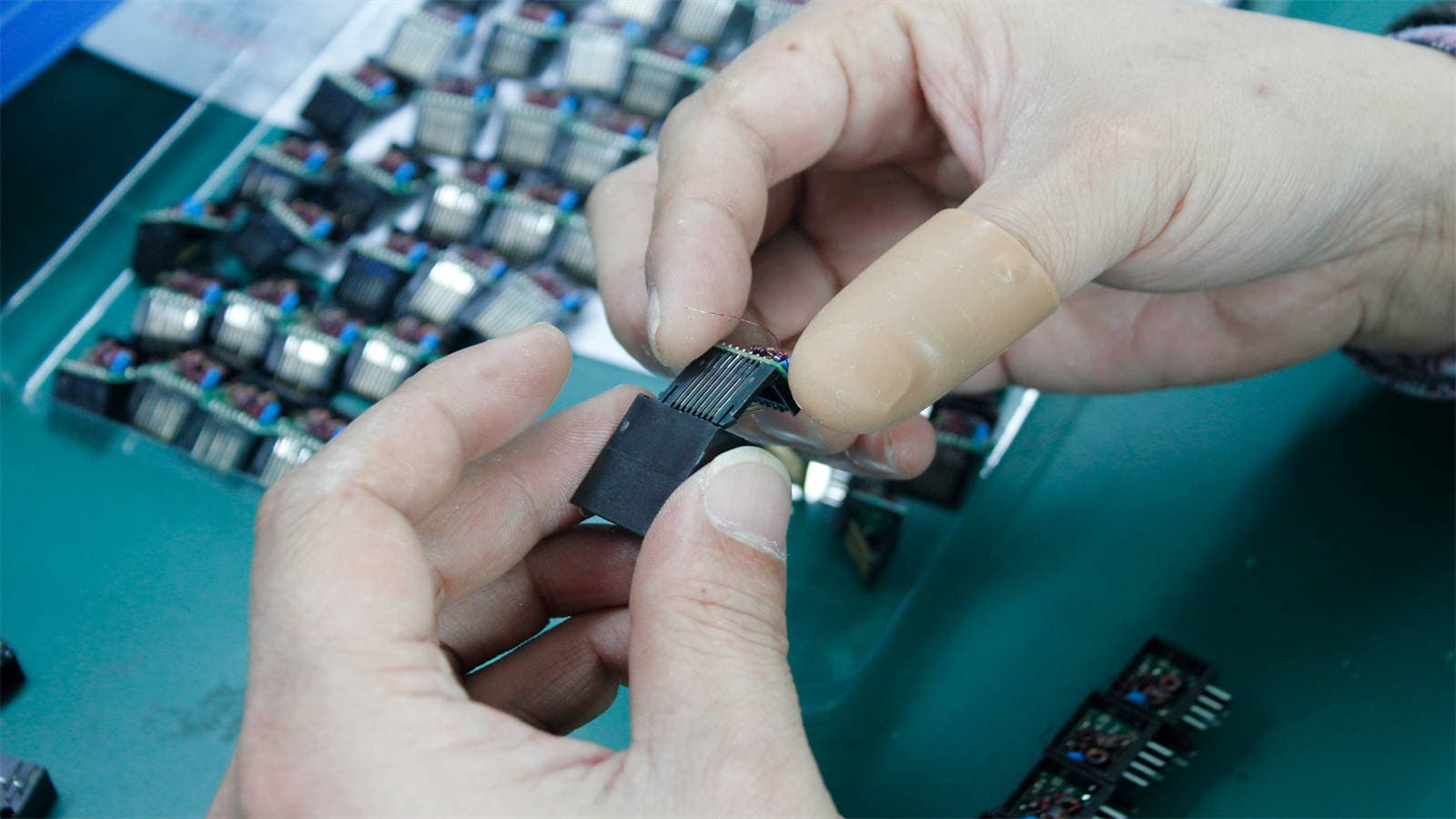
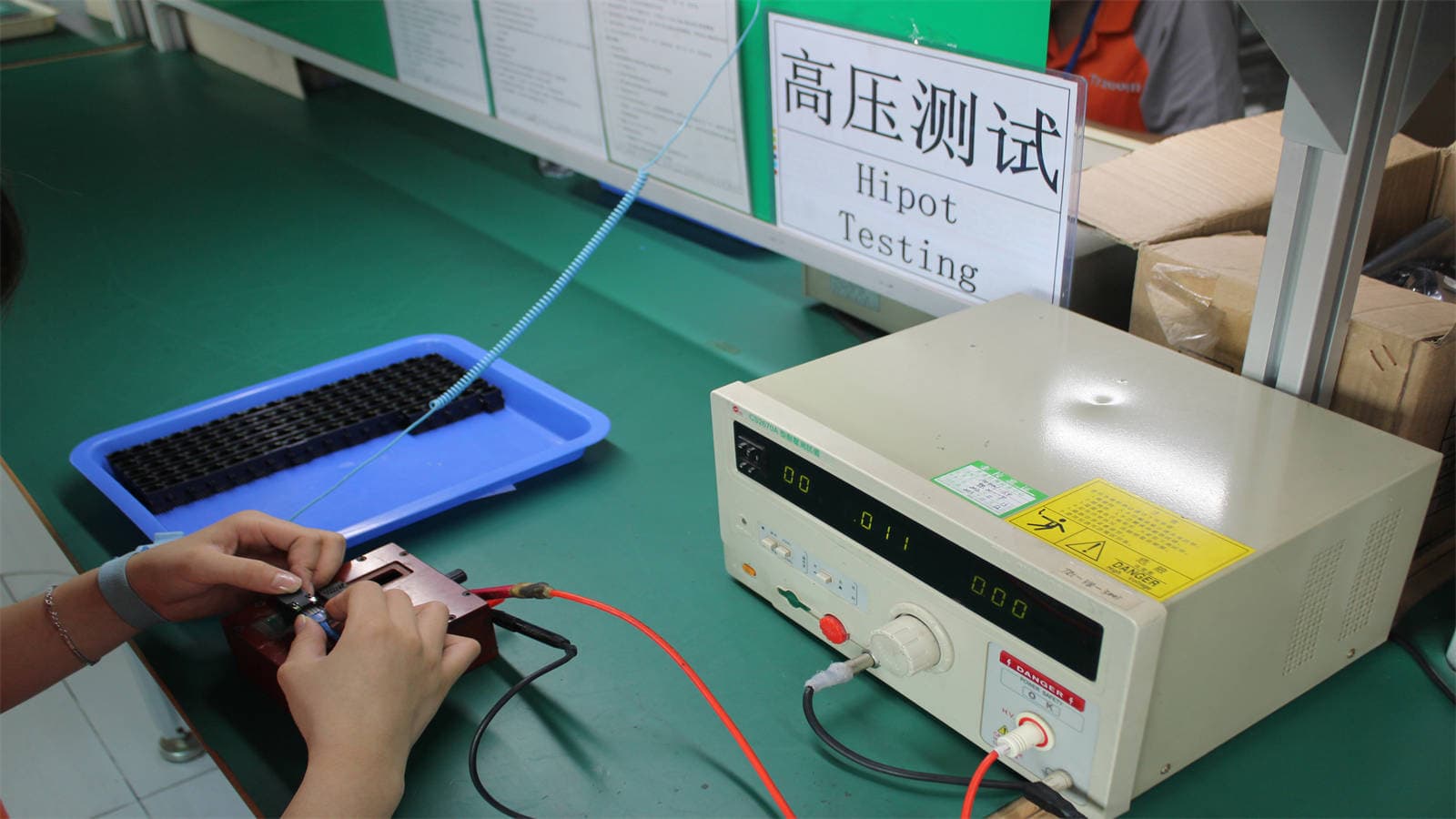
Our multi-stage manufacturing is optimized to reduce lead times for Belgian distributors and global enterprise network buyers. Below is an overview of our state-of-the-art production line where precision meets high-speed automation.
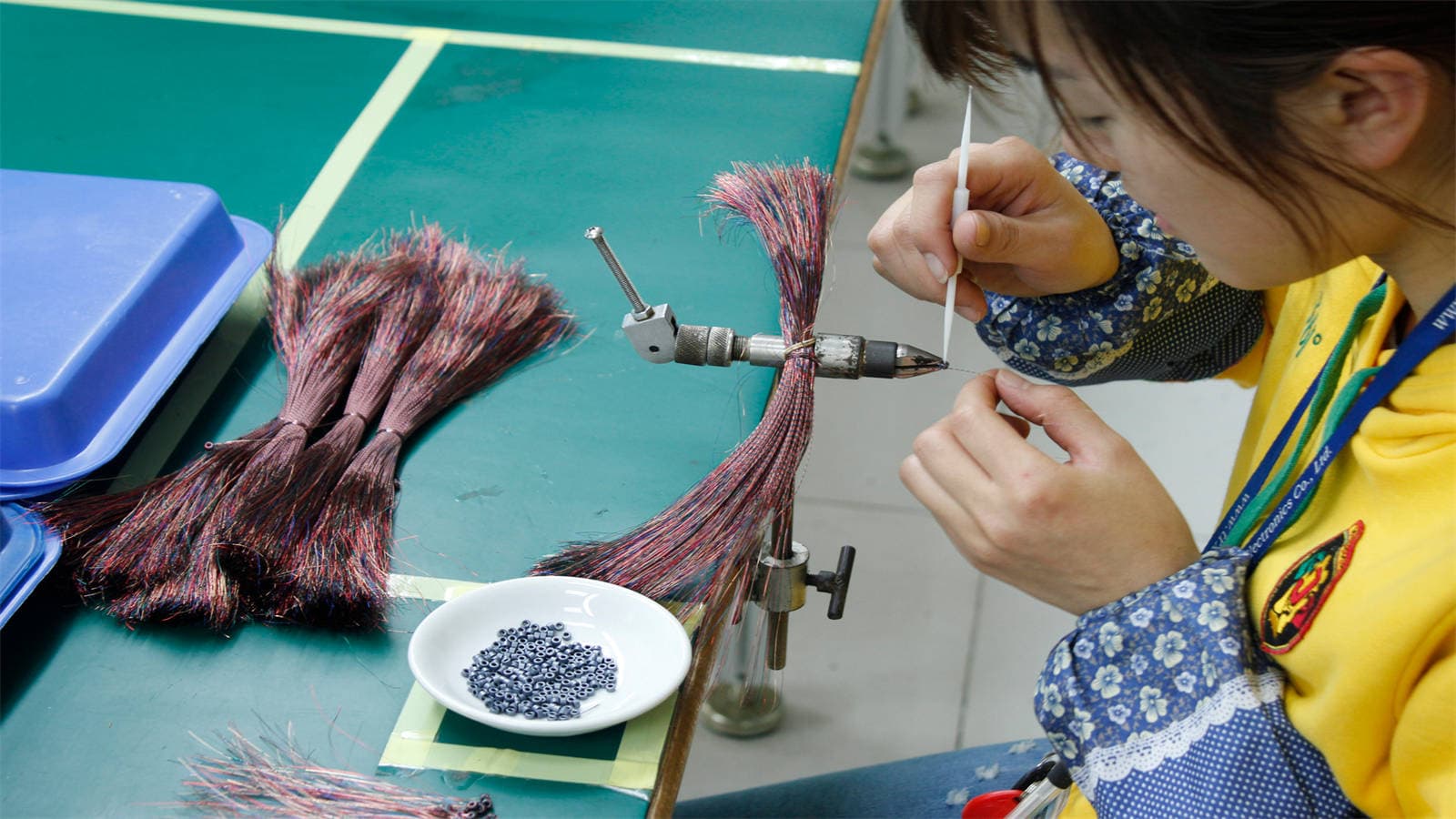
Precise cable twisting and pre-assembly ensuring standard optical configuration baselines.
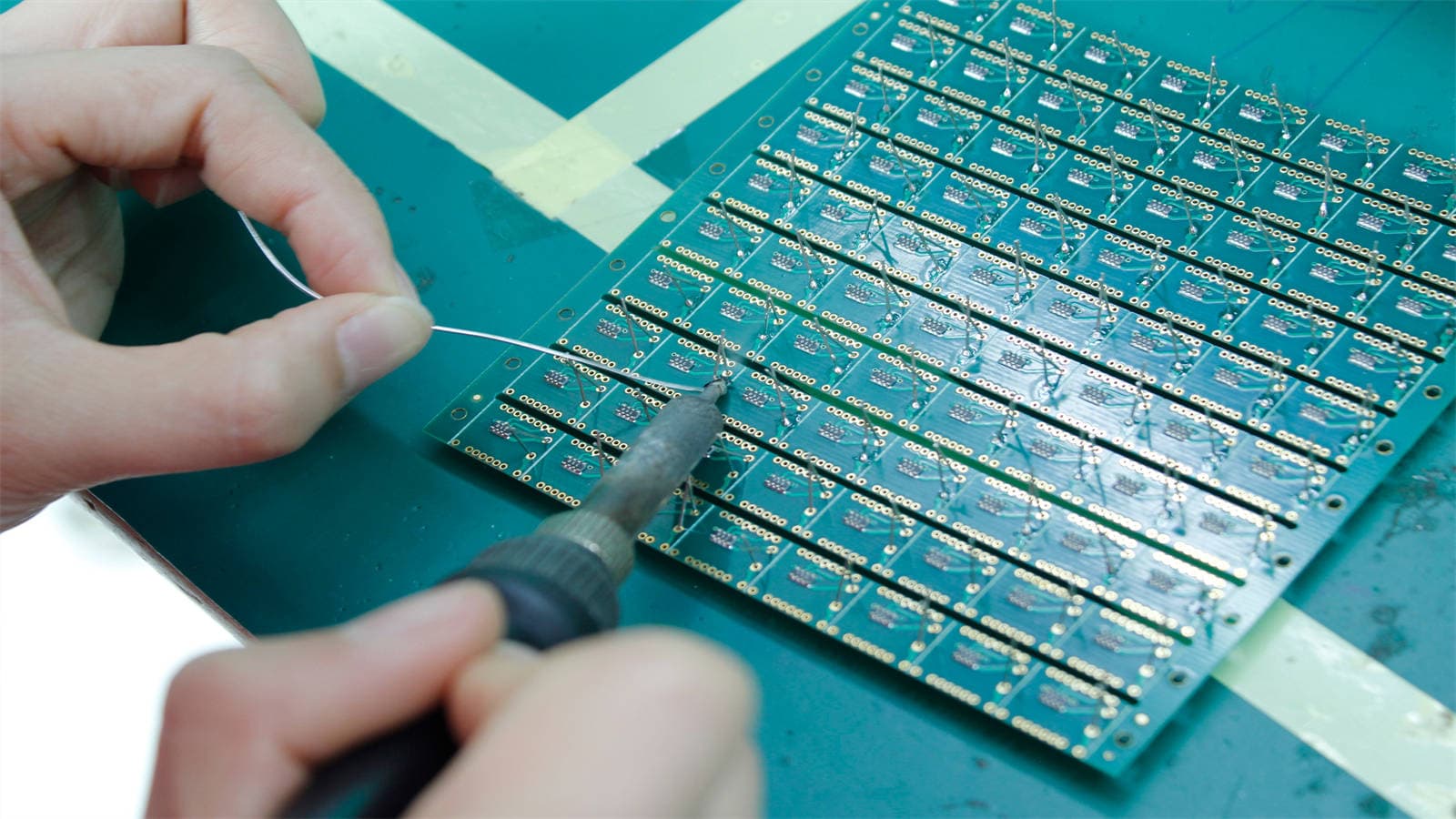
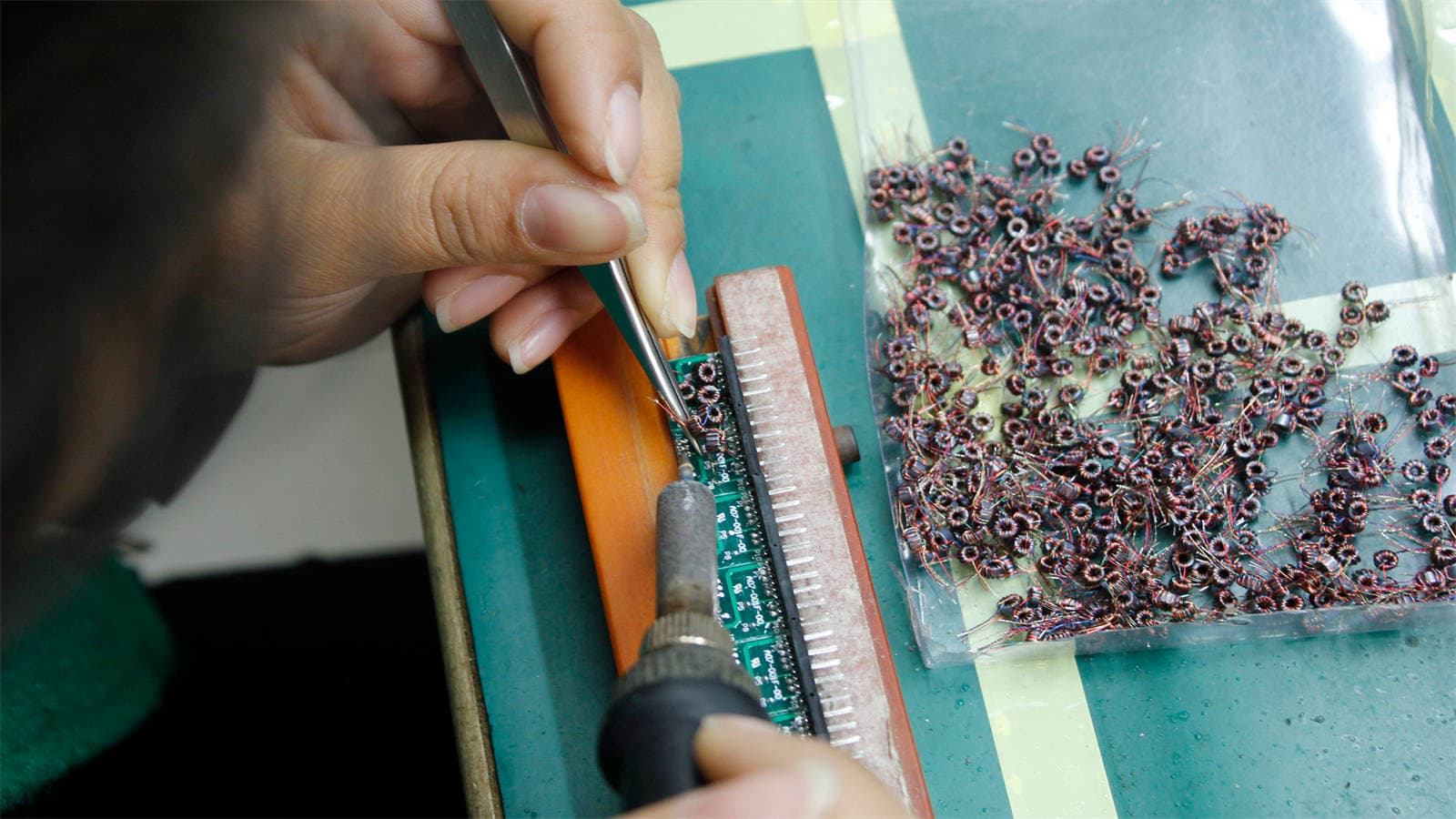
Advanced automated soldering machines guarantee consistent joint electrical paths and clean shielding.
Clean mechanical trimming of lightpipe and LED status indicators to prevent chassis interference.
Comprehensive high-potential insulation tests to ensure no grounding shorts or system leakages.
Testing mechanical tolerances, transceivers fit, and data line compatibility.
Detailed visual inspection and standard anti-static packaging ensuring safe long-distance transit.


Deploying high-speed transceiver hardware requires understanding localized operational conditions. Across Belgium, different sectors leverage our 1xN SFP/SFP+ cage technology to fulfill distinct requirements:
In government and financial institutions, network security is paramount. The 1xN cages utilized in secure routing panels are equipped with custom EMI shielding fingers. This architecture minimizes side-channel RF leakages that can be targets for espionage. By preventing EMI leakage, these cages ensure administrative communication links comply with strict European cybersecurity and hardware emission regulations.
The Port of Antwerp-Bruges requires network nodes to operate reliably under variable thermal conditions and humidity. SFP+ cages designed for these scenarios feature corrosion-resistant alloy platings (nickel or tin-lead alternatives). This prevents salt-spray and moisture from forming oxidation barriers on the compliant grounding joints. Integrated heatsinks are also vital for high-temperature container storage facilities.
In high-density server configurations where switches stack 1x8 SFP+ cages closely, passive heat dissipation is insufficient. Our design supports riding heatsinks with pin-fin patterns. This allows standard chassis rack fans to blow cooling air across the SFP modules, lowering optical component operating temperatures.
The network interconnect landscape is evolving rapidly. As the industry moves from 10G/25G to 100G/400G and 800G, form factors are transitioning from SFP+ to QSFP-DD, OSFP, and future Co-Packaged Optics (CPO) architectures. The underlying principles of 1xN ganged layouts remain consistent: saving space, managing heat, and reducing electromagnetic noise. Lumopt works closely with design engineers worldwide to develop custom optical interfaces for tomorrow's networks.