Lumopt
Lumopt
Lumopt
High-performance optical transceivers compliant with international standards, delivering seamless compatibility and high-speed data transmission for Uzbekistan's expanding optical networks.
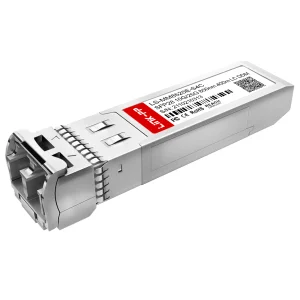
The telecommunications landscape in Uzbekistan is undergoing an unprecedented modernization cycle, driven by the government's ambitious "Digital Uzbekistan 2030" national strategy. The Ministry of Digital Technologies of the Republic of Uzbekistan has prioritized the expansion of high-speed broadband, the deployment of 5G mobile networks, and the construction of state-of-the-art regional data centers. To sustain this exponential growth in data traffic, telecommunications operators, including Uztelecom, Ucell, Beeline Uzbekistan, and Mobiuz, are aggressively upgrading their network backbones from legacy 10G networks to highly efficient 25G SFP28 and 32G Fibre Channel (FC) configurations.
As a double-landlocked nation in Central Asia, Uzbekistan faces unique optical transport and backhaul challenges. Connecting regional industrial hubs like Navoi, Samarkand, and Bukhara to Tashkent's central processing nodes requires reliable, low-latency transit corridors. The implementation of 25G SFP28 transceivers offers local network designers an ideal balance: quadrupling the throughput of legacy 10G SFP+ lines while maintaining the exact physical SFP footprint. This bypasses the need for massive capital expenditure on new switches, providing a cost-effective path to high-speed data transmission.
The SFP28 (Small Form-factor Pluggable 28) standard is defined by SFF-8402 and SFF-8432. It uses a single-lane electrical interface that runs at 25 Gbps (or 28 Gbps for Fibre Channel applications), making it the direct successor to the 10G SFP+ form factor. Unlike QSFP+ which uses four 10G lanes to achieve 40G, SFP28 relies on a single high-speed lane. This reduces optical fiber usage, reduces power consumption, and simplifies host system design, making it highly suitable for high-density configurations in corporate network environments.
In high-density SAN (Storage Area Network) arrays, 32G Fibre Channel SFP28 modules support backward compatibility with 16G and 8G FC protocols. They facilitate high-bandwidth, low-latency links between flash storage arrays and core compute nodes. By mitigating the bottleneck at the physical network layer, 32G FC modules optimize NVMe-over-Fabrics (NVMe-oF) performance, which is vital for banking networks and transactional databases operating in Tashkent's financial district.
| Transceiver Model | Data Rate | Laser Wavelength | Fiber Type | Max Reach | Standard Applications |
|---|---|---|---|---|---|
| 25G SFP28 SR | 25.78 Gbps | 850nm VCSEL | MMF (OM3/OM4) | 100m (OM4) | ToR/Leaf-Spine Interconnects |
| 25G SFP28 LR | 25.78 Gbps | 1310nm DFB | SMF (G.652) | 10km | Enterprise WAN & Metro Backhaul |
| 25G SFP28 ER | 25.78 Gbps | 1310nm EML | SMF (G.652) | 40km | Long-haul Telco Distribution |
| 25G SFP28 BiDi | 25.78 Gbps | 1270nm-TX / 1330nm-RX | Simplex SMF | 10km - 40km | 5G Fronthaul Fiber Saving Schemes |
| 32G FC SFP28 | 28.05 Gbps | 850nm / 1310nm | MMF / SMF | Up to 10km | Storage Area Networks (SAN) |
For network engineers and systems integrators in Uzbekistan, procuring high-quality optical components from global suppliers requires careful consideration of compatibility, technical support, and logistics. Lumopt Opto Technology Co., Ltd. (operating as Luguang Communication Technology Co., Ltd. in China) provides streamlined optical solutions directly mapped to the requirements of Central Asian buyers. We maintain full hardware compatibility with major networking brands such as Cisco, Huawei, Juniper, MikroTik, and ZTE, enabling easy integration with legacy infrastructures without the premium pricing of branded transceivers.
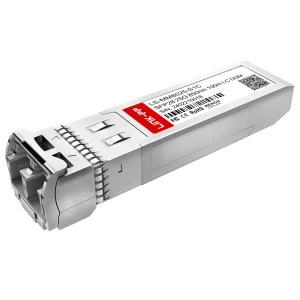
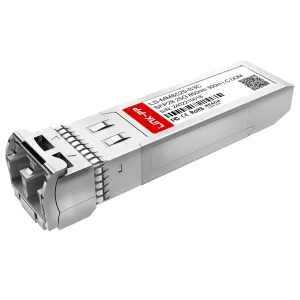
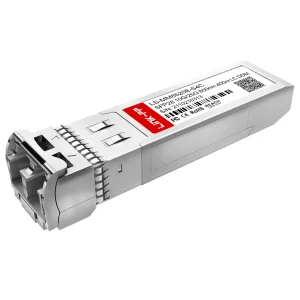
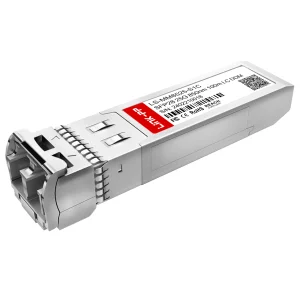
Our Cisco-compatible SFP28 modules are engineered to meet strict enterprise specifications, providing reliable alternatives for high-density data center rollouts.
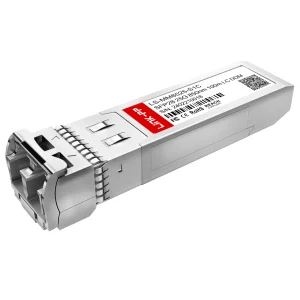
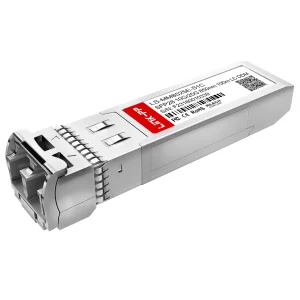
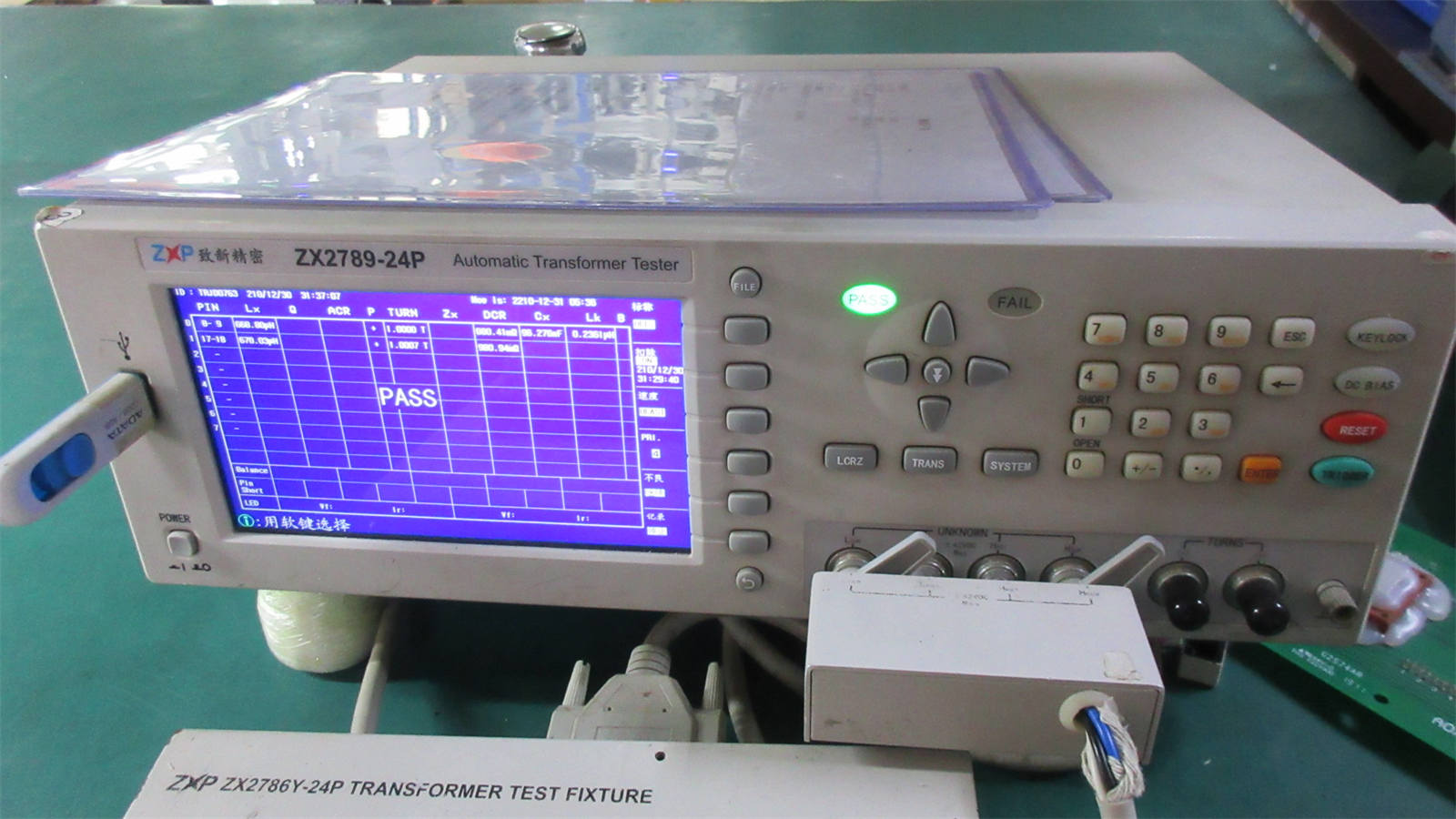
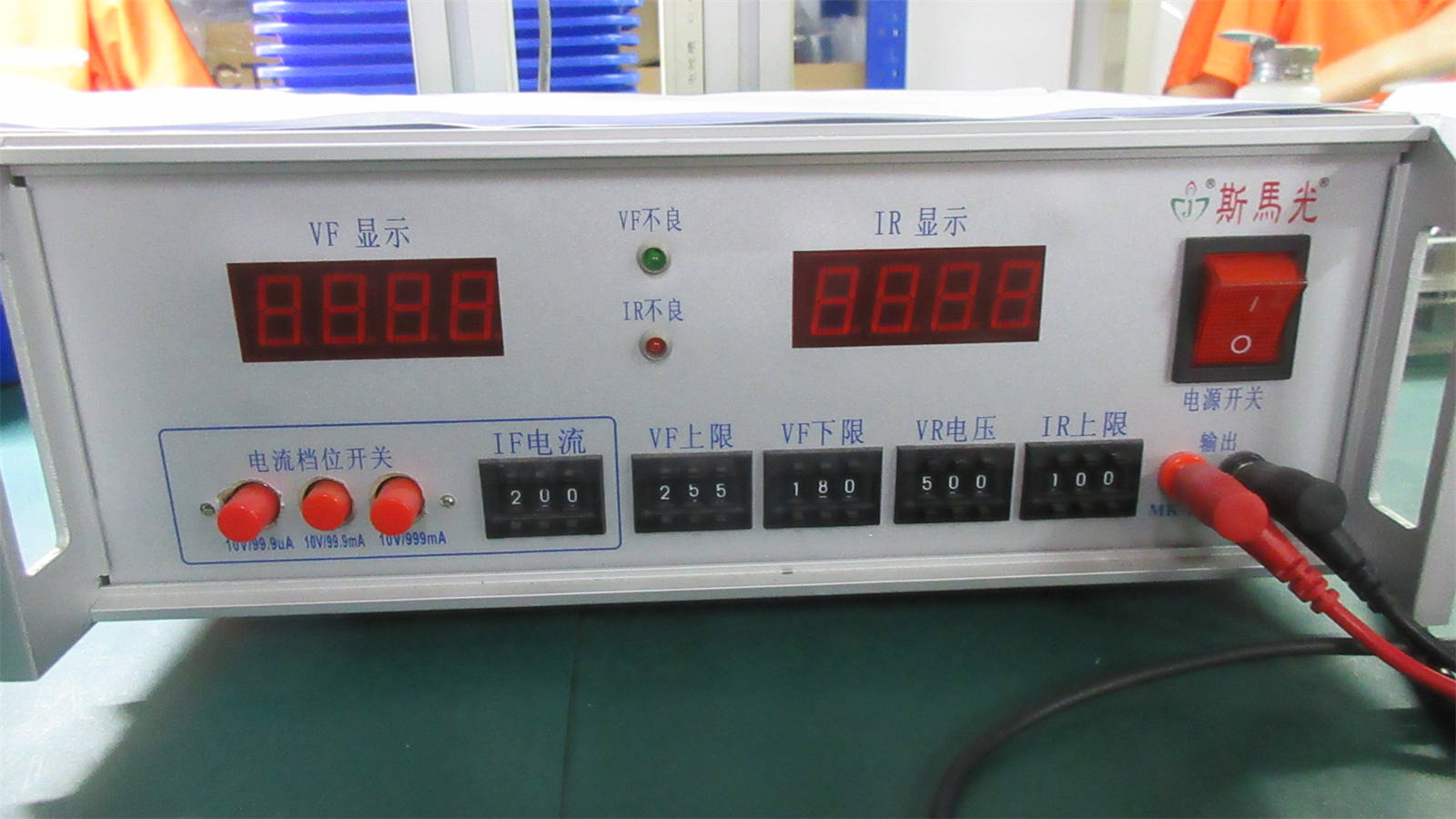
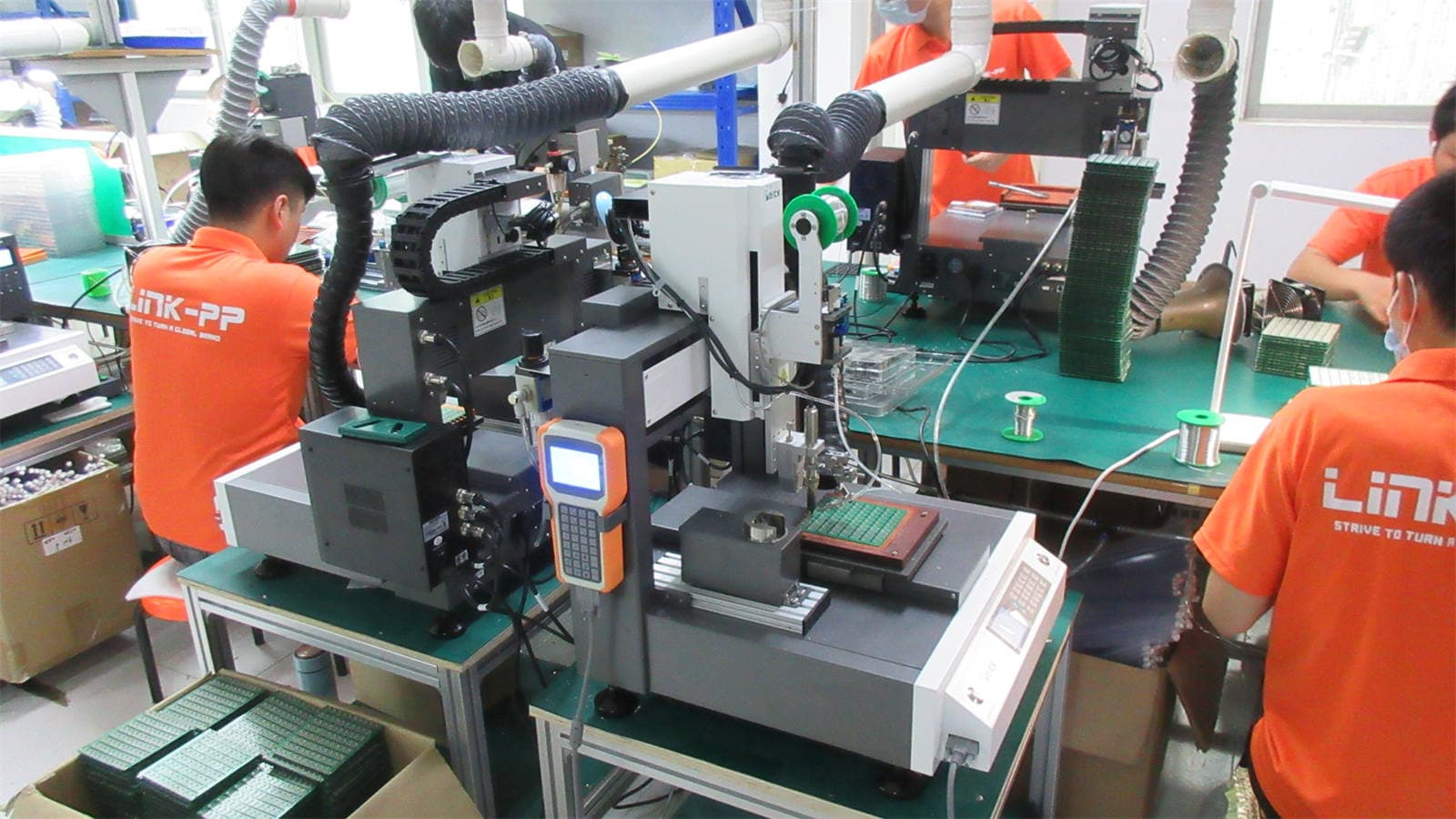
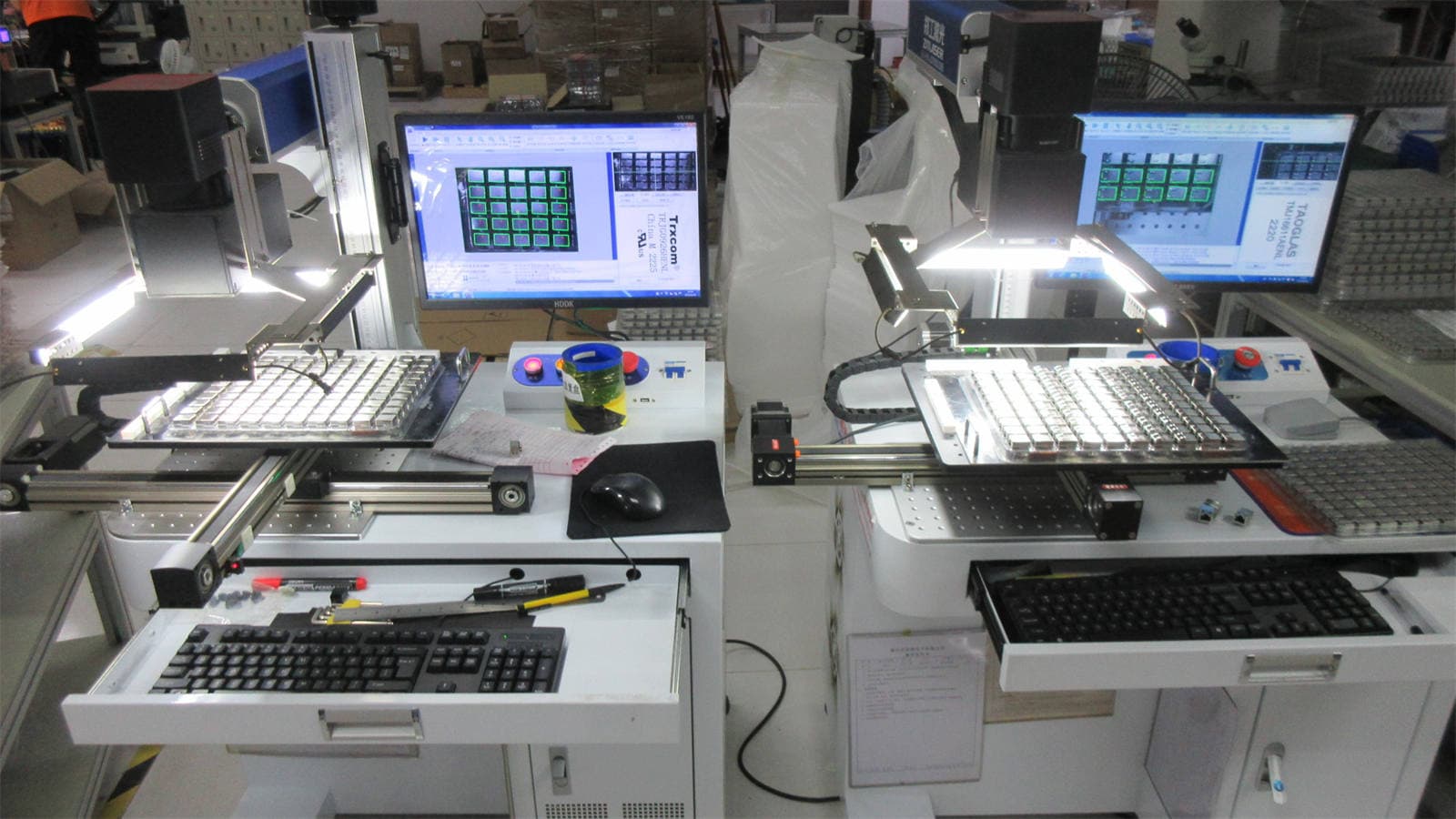
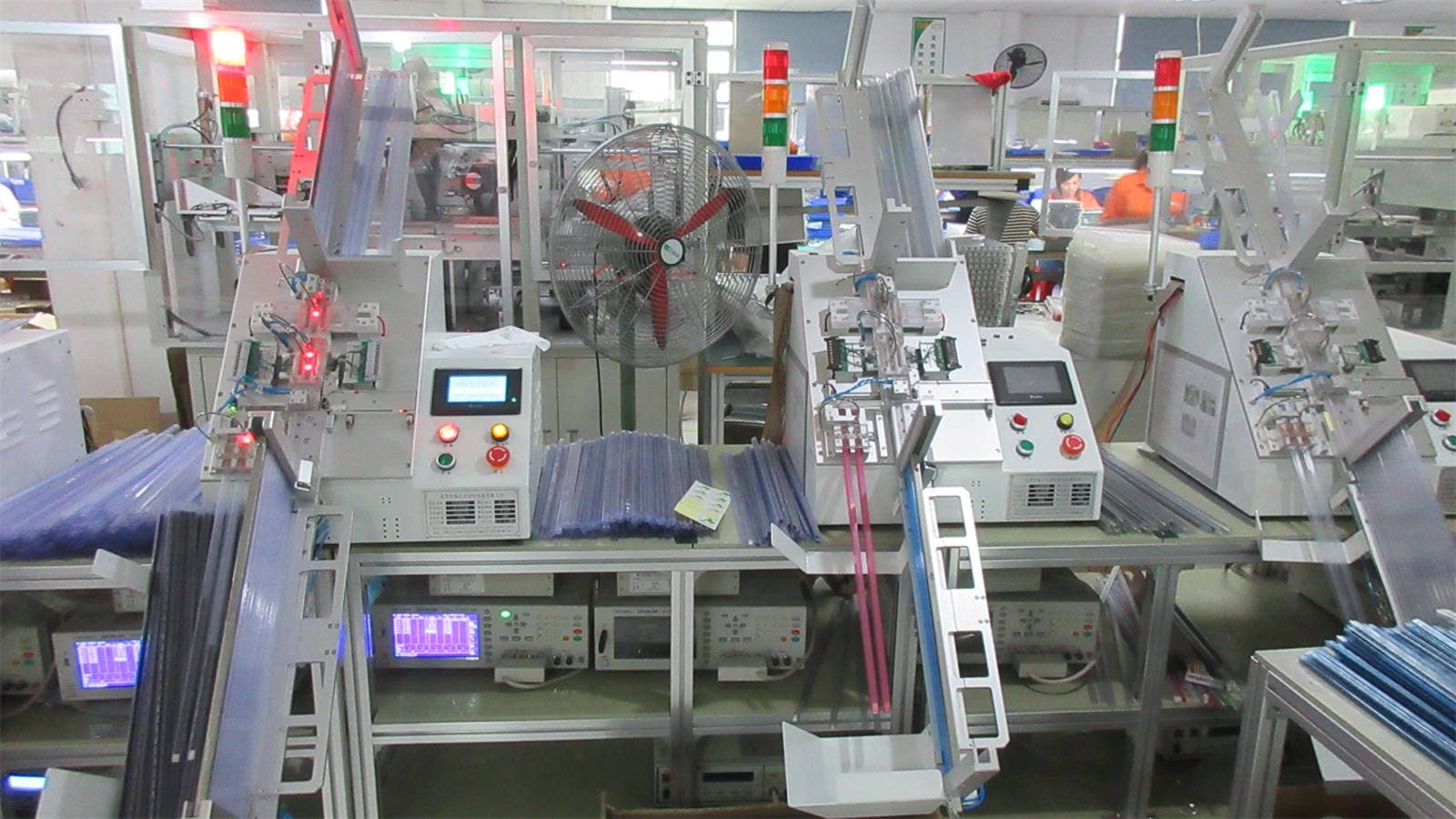
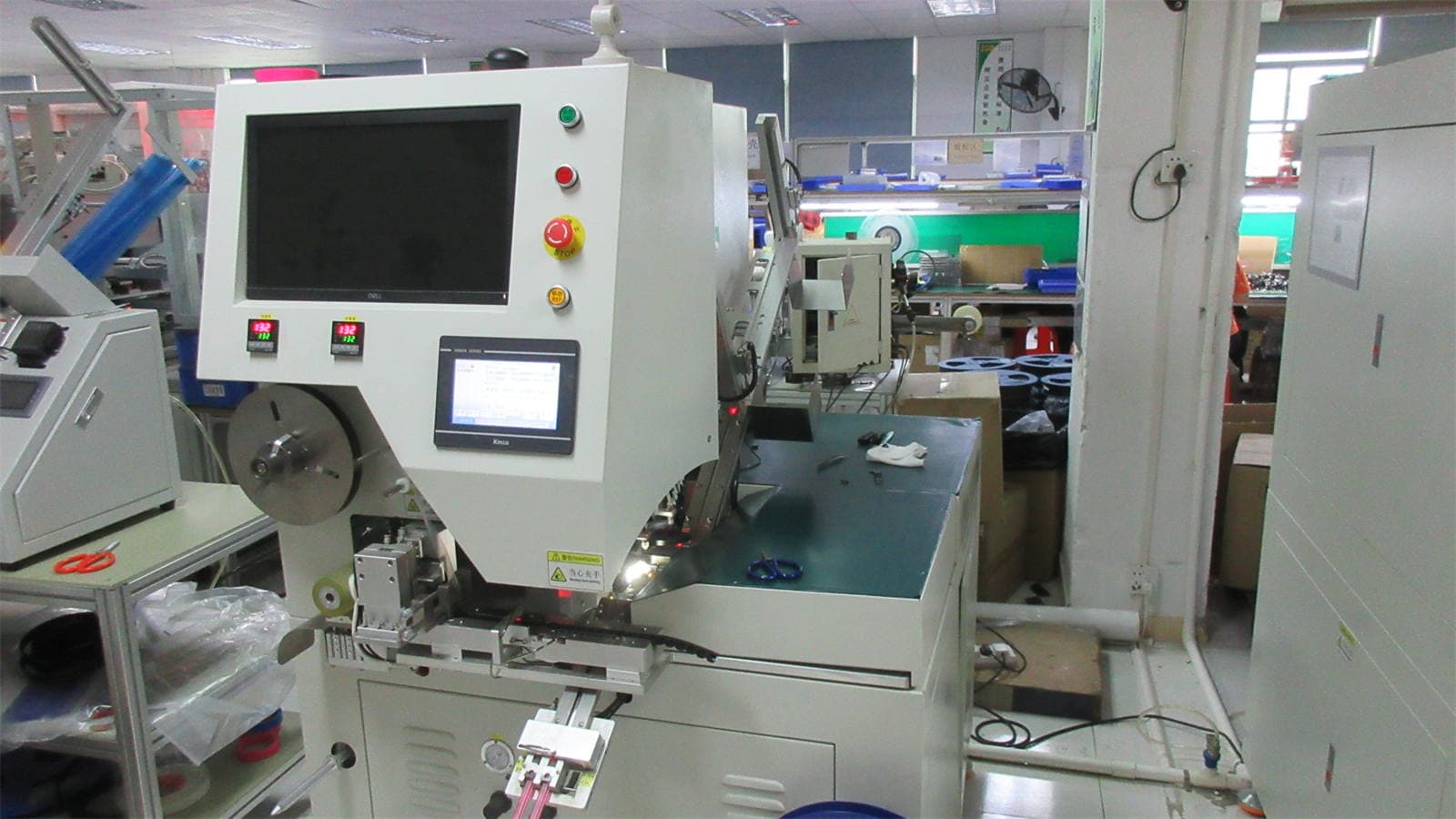
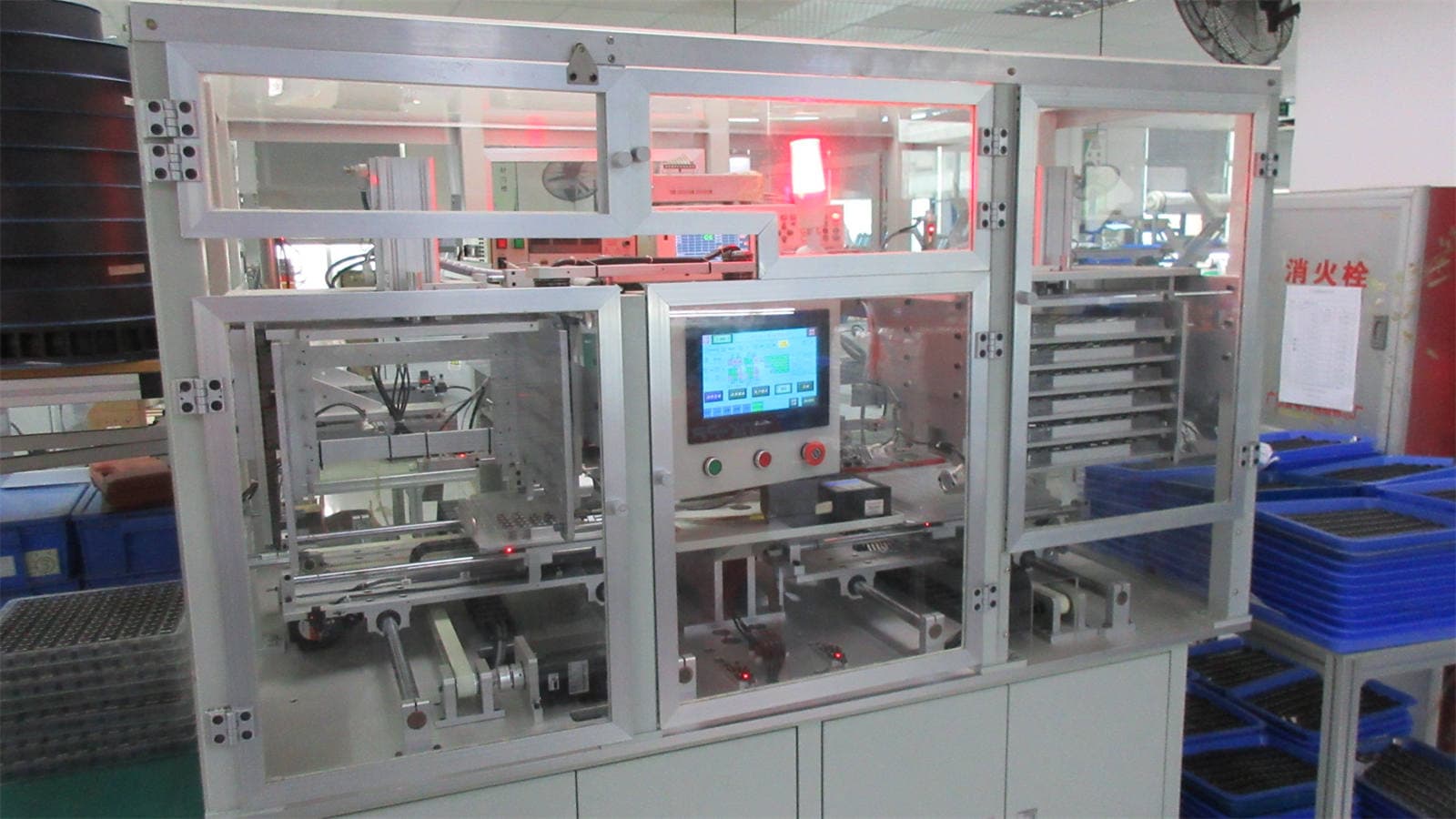
Lumopt Opto Technology Co., Ltd. (registered as Luguang Communication Technology Co., Ltd. in China) operates state-of-the-art dust-free production workshops. Every optical module, from the entry-level 10G transceivers to the advanced 800G coherent optics, undergoes a strict manufacturing pipeline. We utilize automated optoelectronic alignment systems, real-time Bit Error Rate (BER) analysis, and multi-vendor switch environments to verify 100% compatibility and physical layer stability.
We focus on the R&D, production, and customization of a full series of optical modules covering 10G, 25G, 100G, 400G, 800G, and 1.6T products. These are widely applied in data centers, telecom networks, cloud computing, AI computing equipment, and enterprise communication systems.
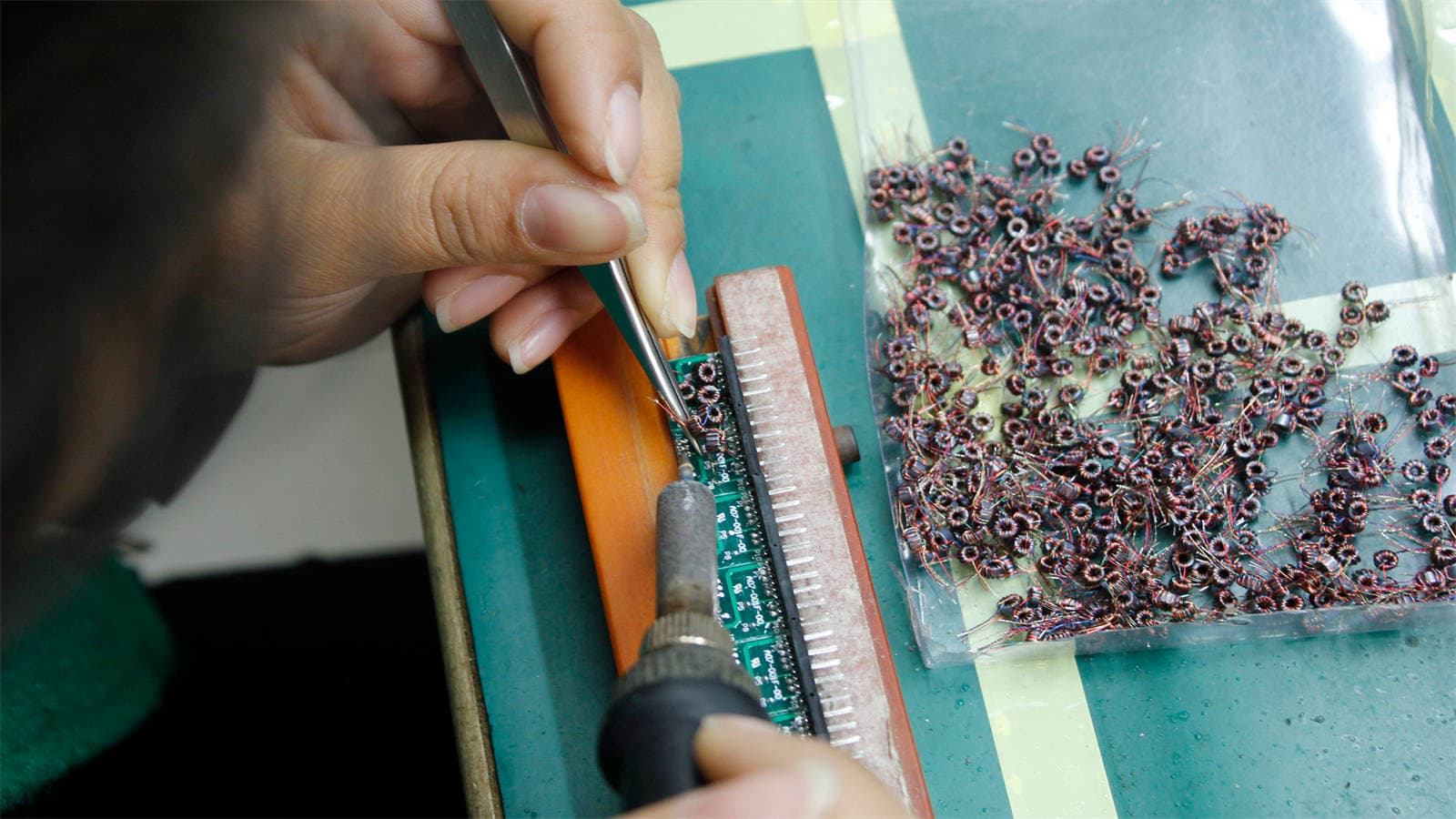
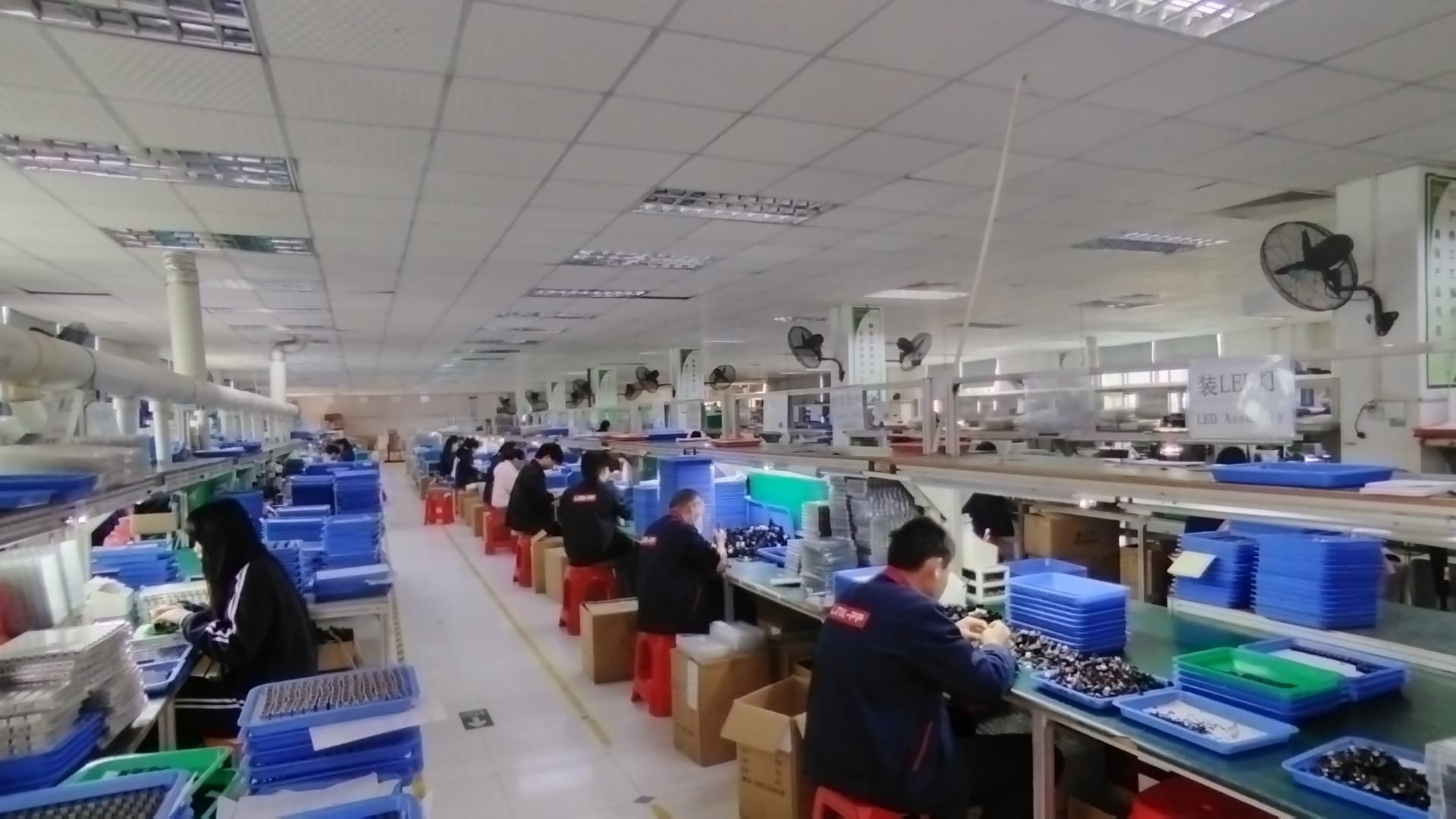
Equipped with standardized dust-free production workshops, advanced automatic testing equipment, and a professional technical R&D team, we implement strict quality control throughout the production process. All our optical transceivers comply with international industry standards and have passed relevant reliability certifications, supporting OEM & ODM customized services to meet diverse demands from global buyers.
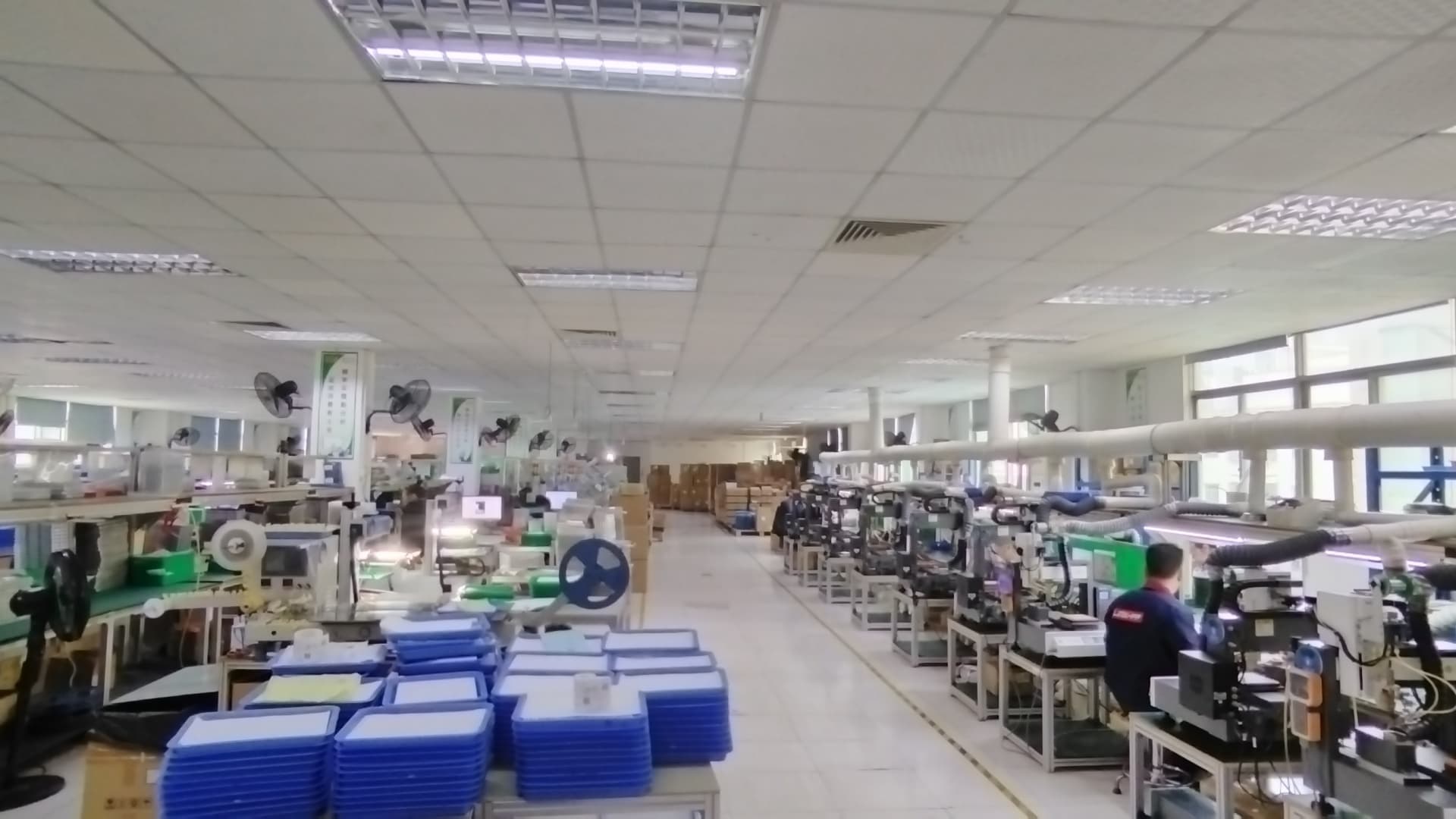
We believe in full transparency. Below are the verified stages of our manufacturing process, ensuring that every transceiver shipped to Tashkent, Samarkand, or international destinations meets strict quality criteria:


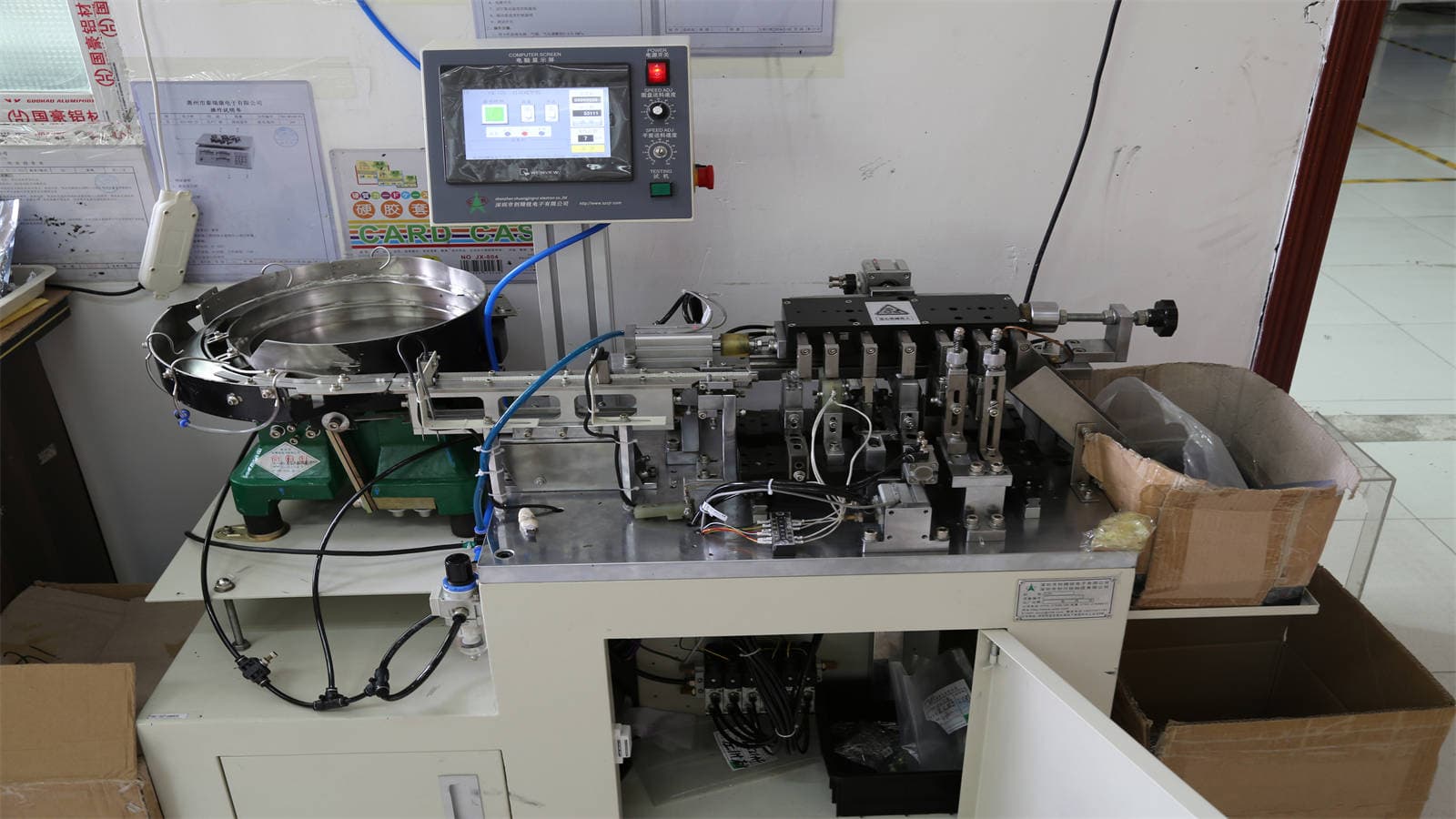

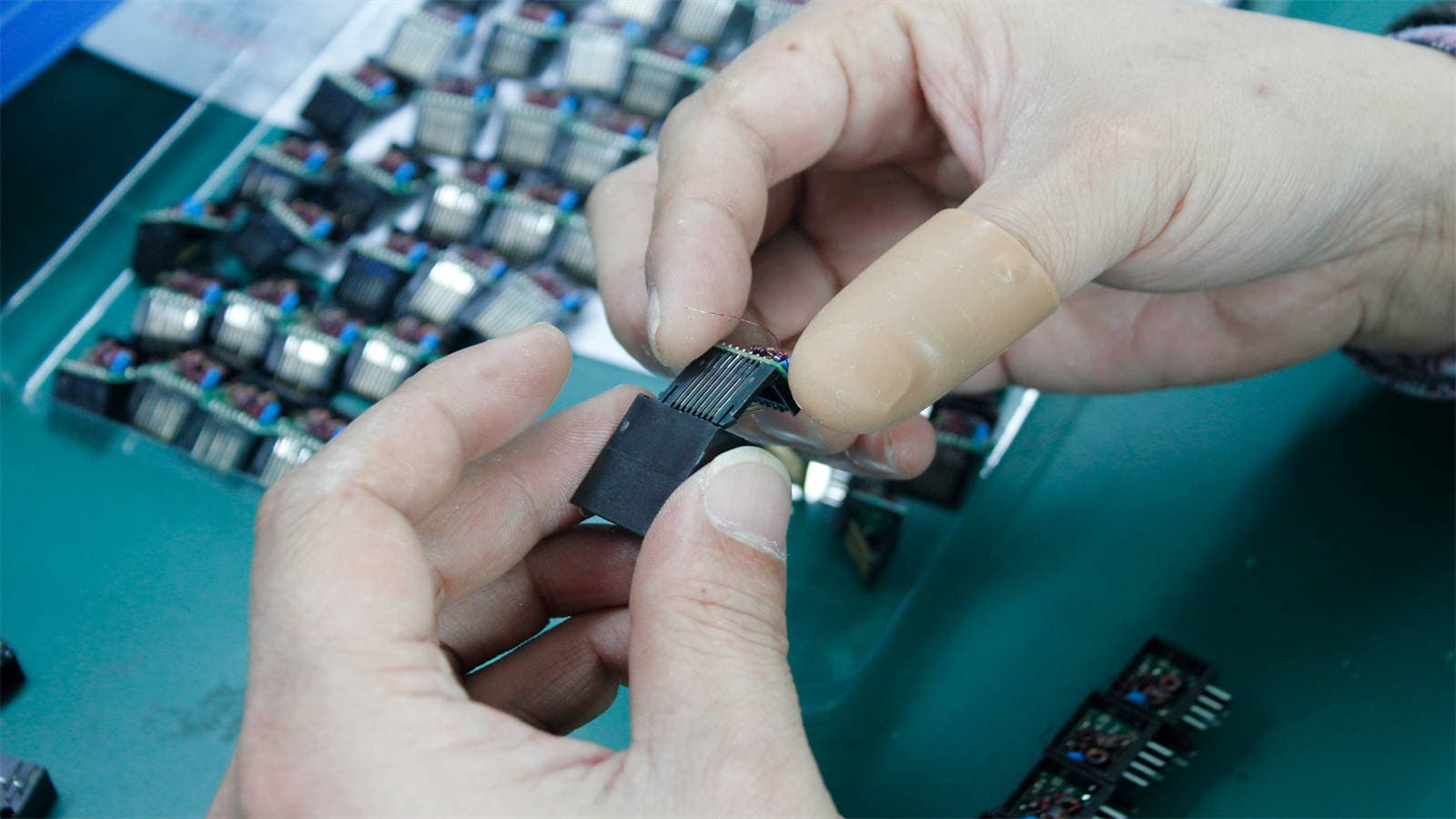
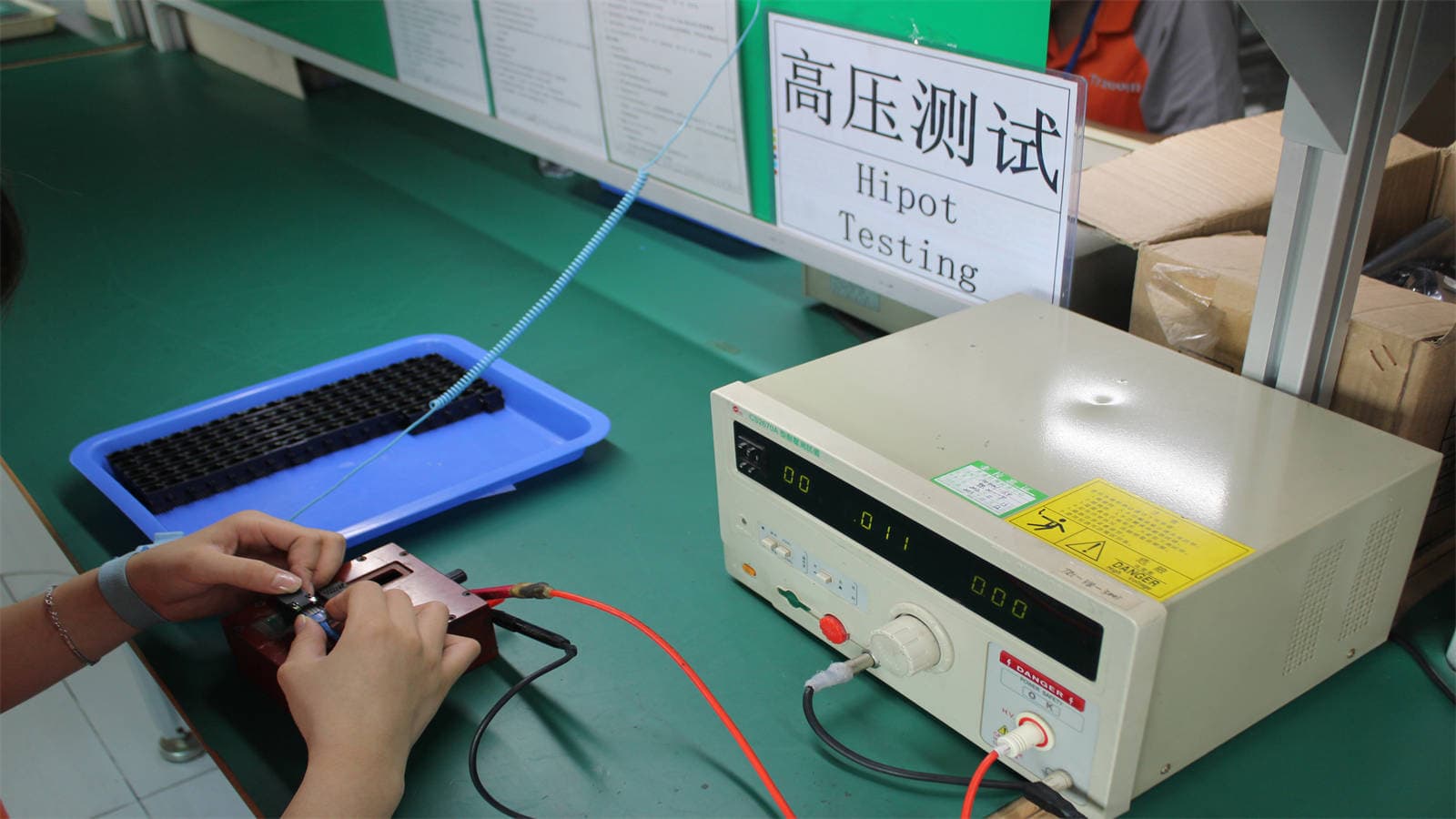


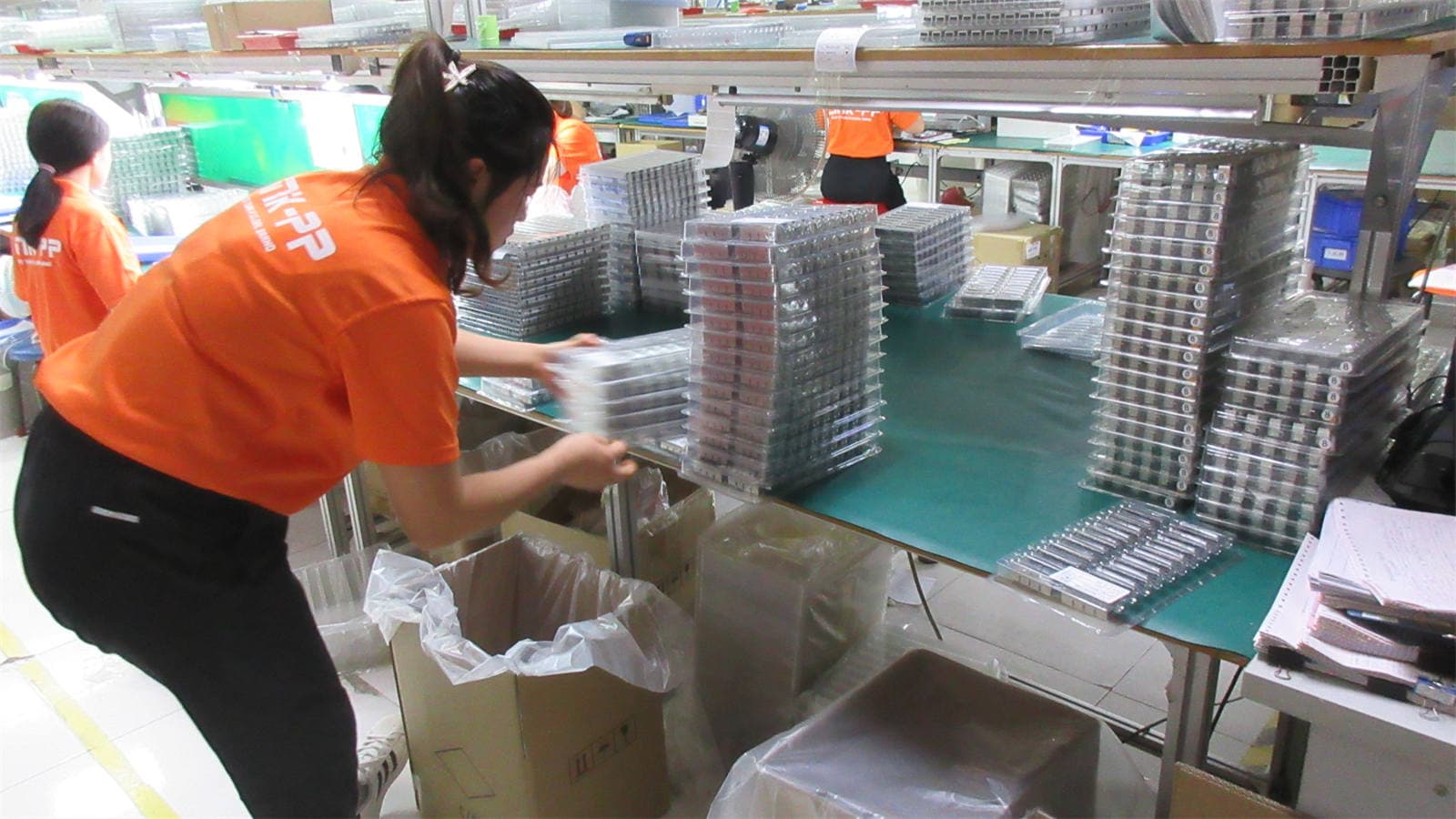

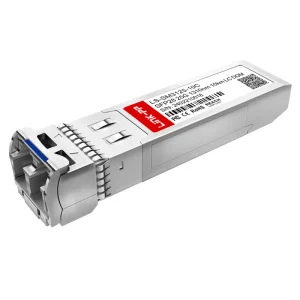
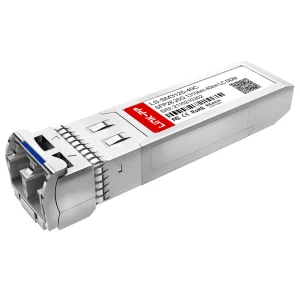
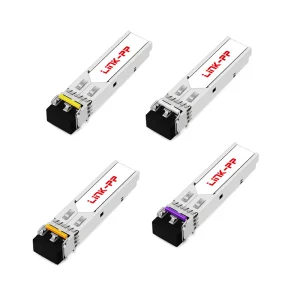
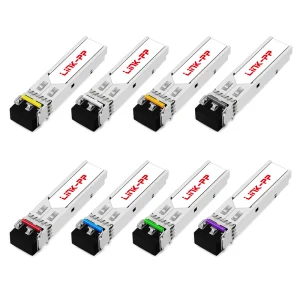
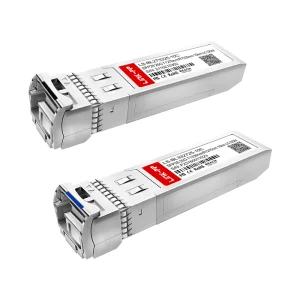
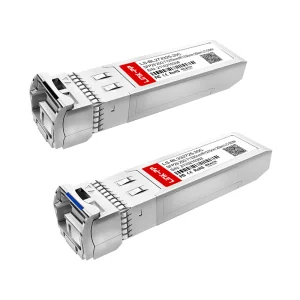
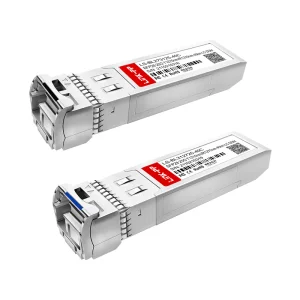
Our complete portfolio of BiDi and WDM SFP28 transceivers is engineered for single-fiber optimizations and long-haul connections throughout Uzbekistan.
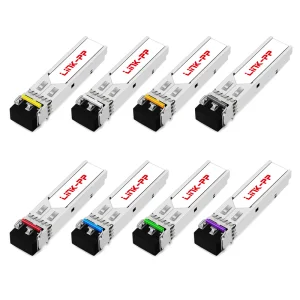
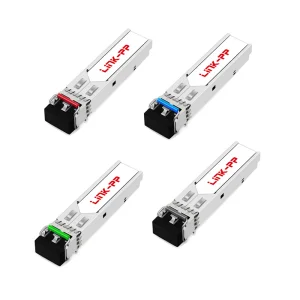
Uzbekistan has a continental climate with extreme seasonal temperature fluctuations. In the Kyzylkum desert and southern regions like Surxondaryo, summer ambient temperatures can exceed 45°C. Conversely, during winter, temperatures can drop below -20°C in the north-western regions of Karakalpakstan. These extreme variations pose challenges for outdoor network deployments, such as 5G base station remote radio heads (RRH) and roadside optical distribution cabinets.
Standard commercial-grade optical modules are designed for operating temperatures between 0°C and 70°C. In unconditioned outdoor cabinets in Uzbekistan, these limits can be exceeded, leading to wavelength drift, degradation of the transmitter's laser diode, and higher bit error rates. To address this, Lumopt supplies Industrial-Grade Temperature (-40°C to 85°C) 25G SFP28 modules. These modules utilize ruggedized laser packages (DFB or EML) and advanced thermoelectric coolers (TEC) to maintain wavelength stability and prevent signal loss in extreme conditions.
All our 25G/32G SFP28 modules include Digital Diagnostic Monitoring (DDM), also known as Digital Optical Monitoring (DOM), in accordance with SFF-8472. This feature allows network engineers at telecom monitoring centers in Tashkent to track transceiver performance parameters in real-time:
By leveraging DDM parameters, network operators can transition from reactive troubleshooting to predictive maintenance. This helps minimize downtime across critical fiber routes, such as the Tashkent-to-Samarkand high-speed rail communications backbone.
As network requirements expand, the transition from 25G and 32G systems to next-generation speeds is already being planned. Modern networks are migrating towards 50G SFP56 and 100G QSFP28 standards, with core transport networks adopting 400G and 800G coherent optics. By implementing SFP28 interfaces today, network operators establish a modular architecture that supports dual-rate configurations (e.g., 10G/25G operation). This design simplifies future capacity upgrades, allowing nodes to transition to higher speeds as demands grow.
Lumopt is positioned to support this evolution. Our ongoing R&D program targets high-density optoelectronic packaging, low-power digital signal processors (DSP), and advanced silicon photonics. This ensures that our clients in Uzbekistan and across the global market have access to stable, scalable optical transmission technology for their future network requirements.