 Lumopt
Lumopt
Lumopt
Premium components engineered to meet stringent Japanese industrial and telecom specifications
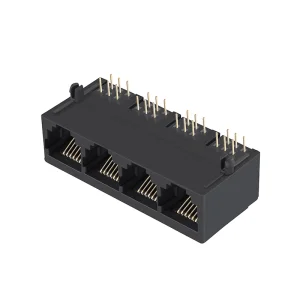
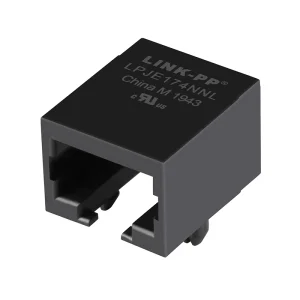
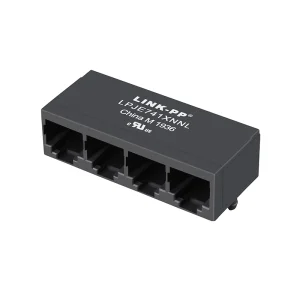
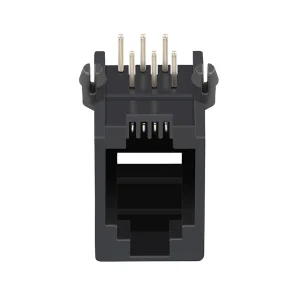
Understanding the technical rigor and evolution of telecom & automation interfaces in the Japanese market
In Japan's heavy industrial and PLC sectors (dominated by systems like Mitsubishi Electric and Omron), RJ11 connectors serve as vital programming interfaces, legacy sensor links, and diagnostic ports. Reliability in high-vibration and high-temperature environments is non-negotiable.
Japanese electrical designs adhere closely to the Japanese Industrial Standards (JIS). Connectors must withstand high insulation resistance testing, feature specific gold plating thicknesses (up to 50u"), and conform to environmental directives including RoHS and REACH.
Under the Home Energy Management System (HEMS) architectural protocol in Japan (ECHONET Lite), modular interfaces like the RJ11 and RJ12 remain staple choices for physical transport layers in household energy metering and legacy building controls.
The Sino-Japan Strategic Synergy: While Japan remains a beacon of pioneering electronic engineering, local production costs and lead times have prompted leading Japanese conglomerates to establish reliable procurement pipelines with advanced Chinese factories. The transition to high-capacity Chinese manufacturing centers allows Japanese companies to remain highly competitive in global markets while retaining the flawless product quality demanded by domestic standards.
At Lumopt Opto Technology Co., Ltd. (operating as Luguang Communication Technology Co., Ltd. in China), we act as a bridge of high-precision engineering. Our production line balances strict Japanese-style quality management system (QMS) methodologies with the immense cost efficiency and raw material sourcing capacity of the Chinese supply chain. We guarantee rapid turnaround times, advanced engineering validation support, and flexible customization services.
Your Trusted One-Stop Manufacturer & Exporter of Optical Transceivers and Precision Modular Connectors
Lumopt Opto Technology Co., Ltd., registered as Luguang Communication Technology Co., Ltd. in China, is a professional Chinese manufacturer and exporter specializing in high-performance optical transceivers, SFP cages, and precision RJ45/RJ11 connectors.
We focus on the R&D, production, and customization of full-series connectivity products. In addition to our modular jack solutions, our optical transceivers cover 10G, 25G, 100G, 400G, 800G, and 1.6T speeds, which are widely applied in data centers, telecom networks, cloud computing, AI computing equipment, and industrial communication networks across Japan, North America, and Europe.
Equipped with standardized dust-free production workshops, advanced automatic testing equipment, and a professional technical R&D team, we implement strict quality control throughout the whole production process. All our optical transceivers and connector components comply with international industry standards and have passed relevant reliability certifications, supporting OEM & ODM customized services to meet diverse demands from global buyers.

Adhering to our core philosophy of stable quality, competitive pricing, and reliable after-sales support, Lumopt has built long-term cooperative partnerships with distributors, system integrators, and communication enterprises throughout Japan and globally. We continuously launch innovative optoelectronic products to deliver stable, cost-effective physical layer transport and optical transmission solutions.
Committed to becoming your trusted partner from China, we sincerely welcome Japanese and global customers to contact us for technical consultations, sample validation tests, and bulk OEM/ODM order inquiries.
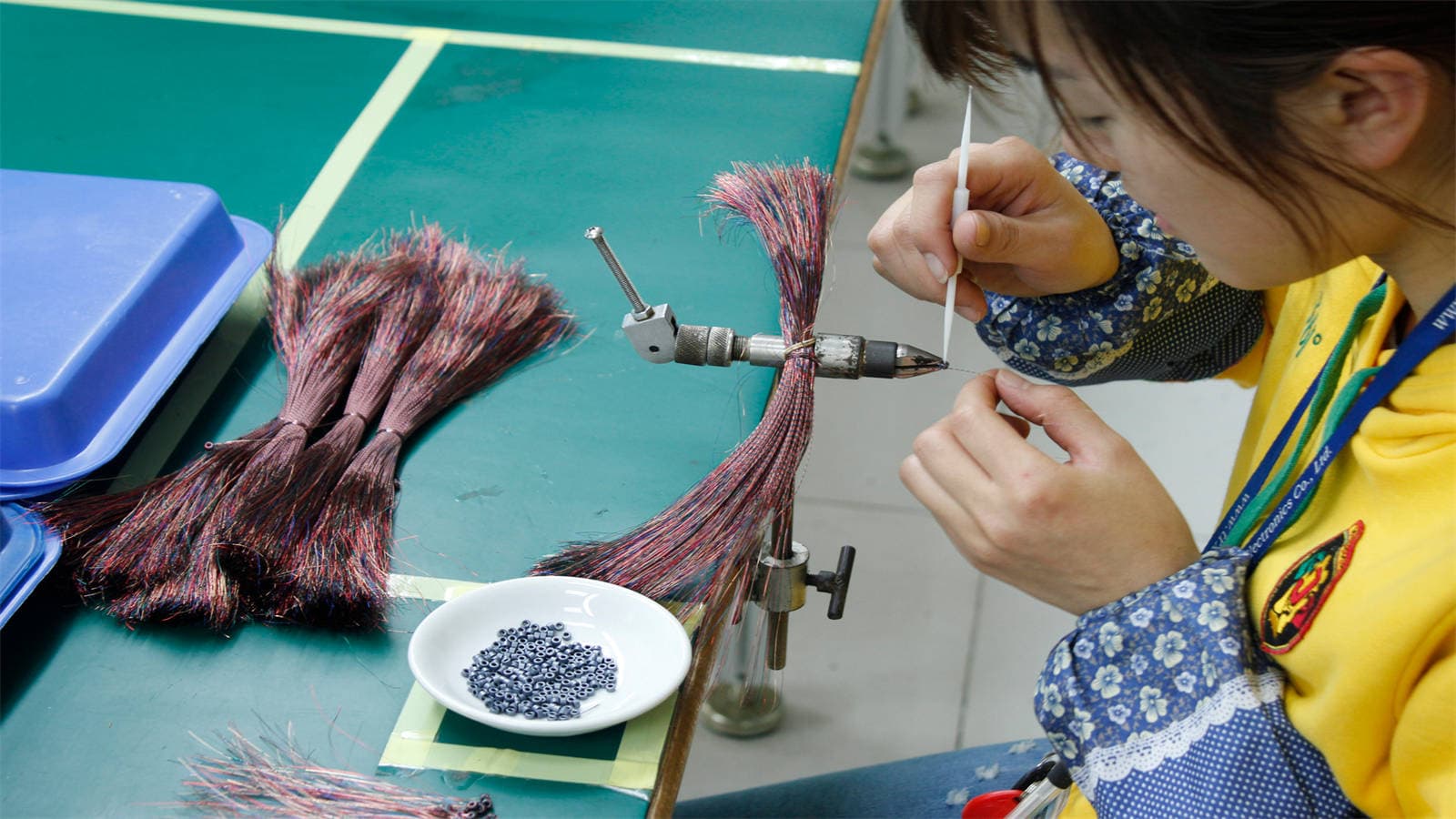
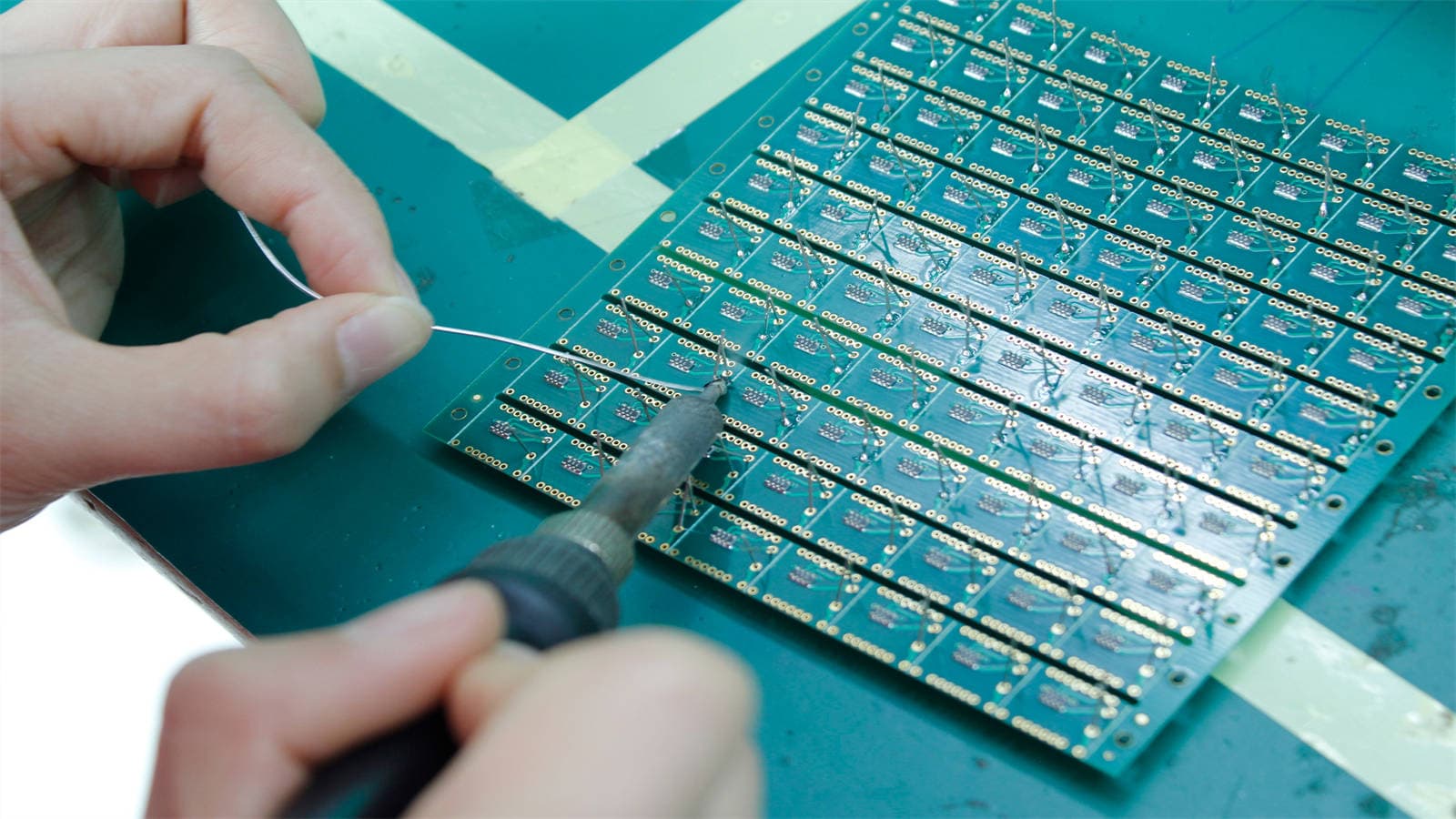
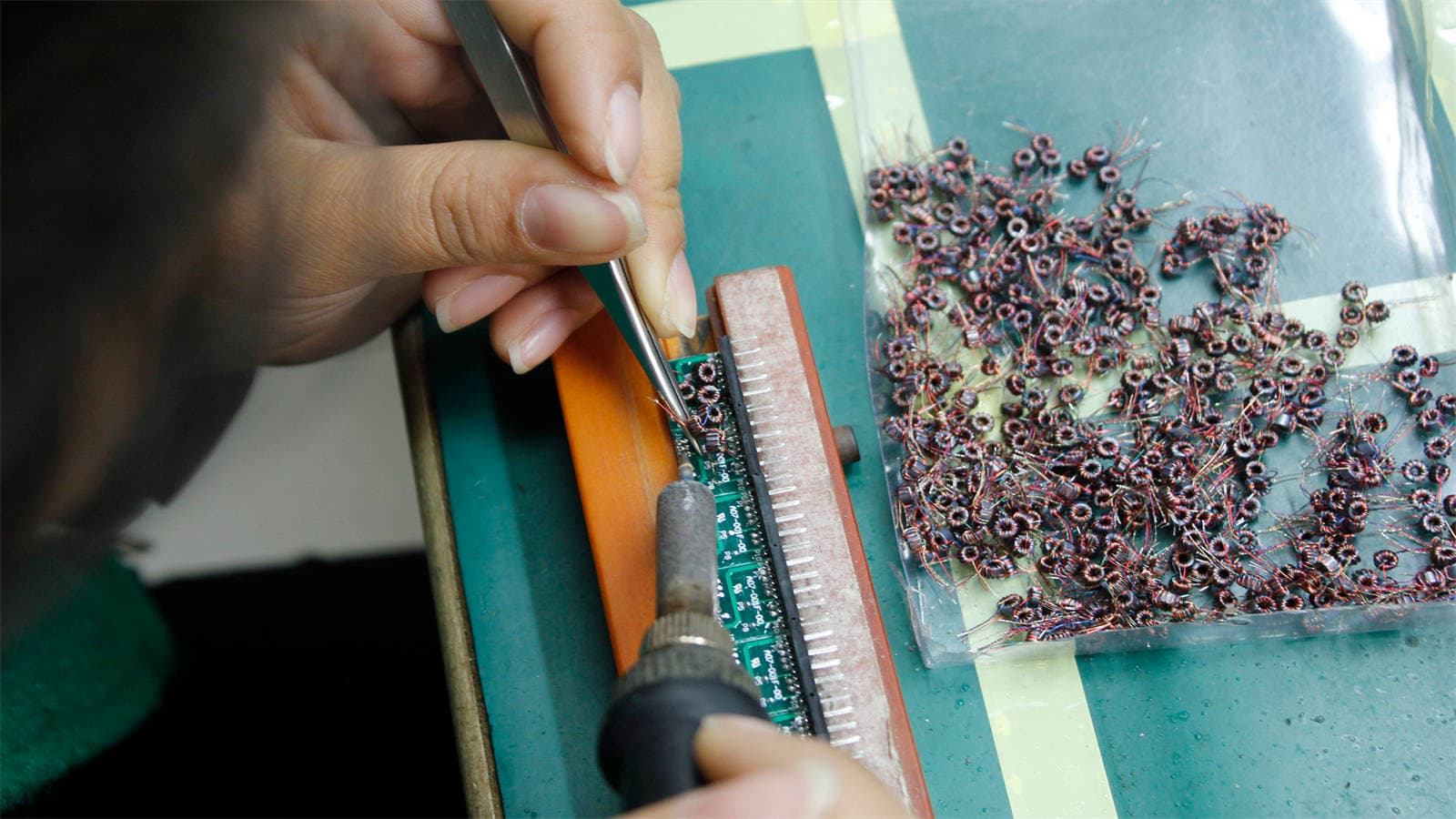
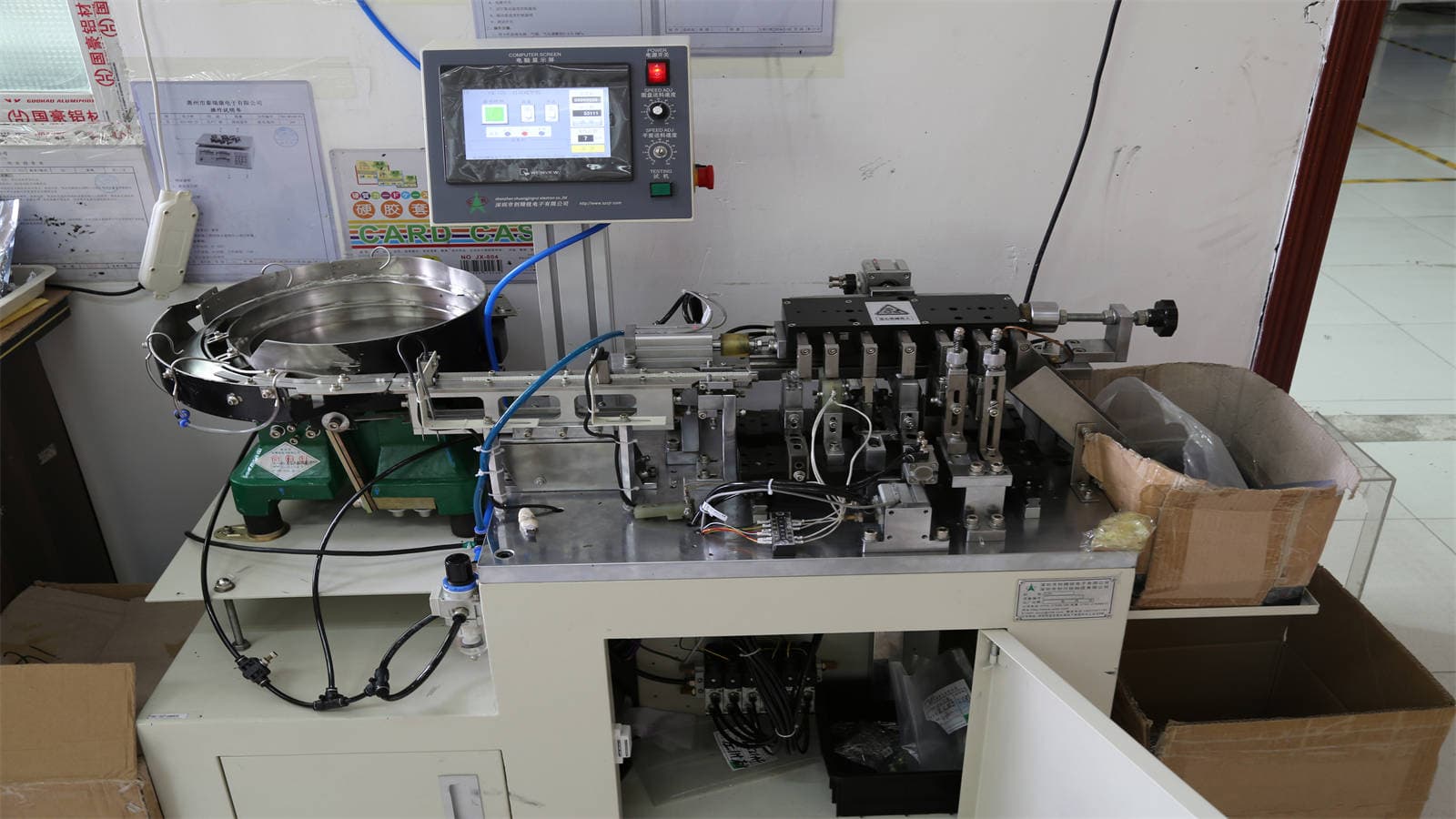
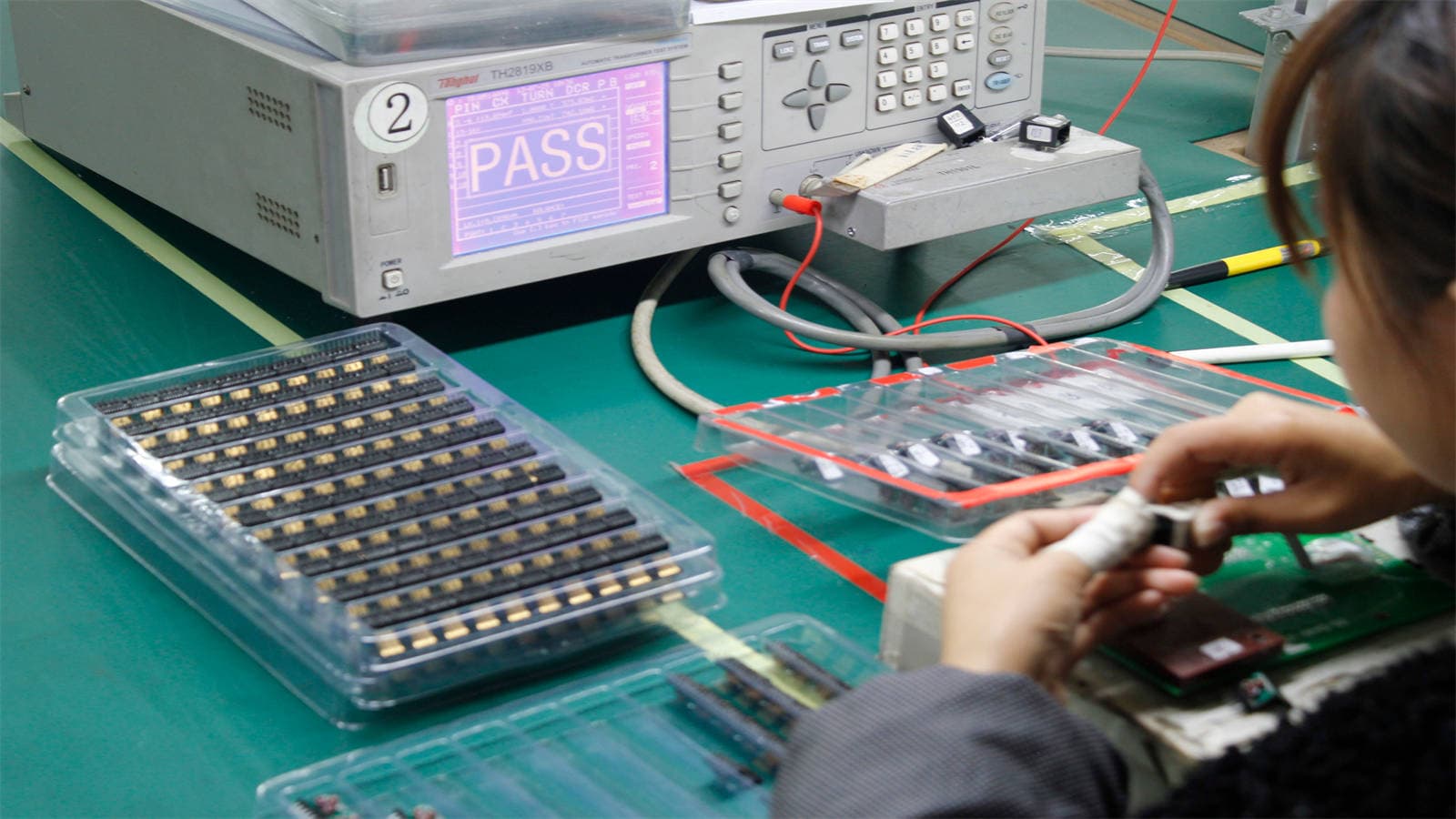
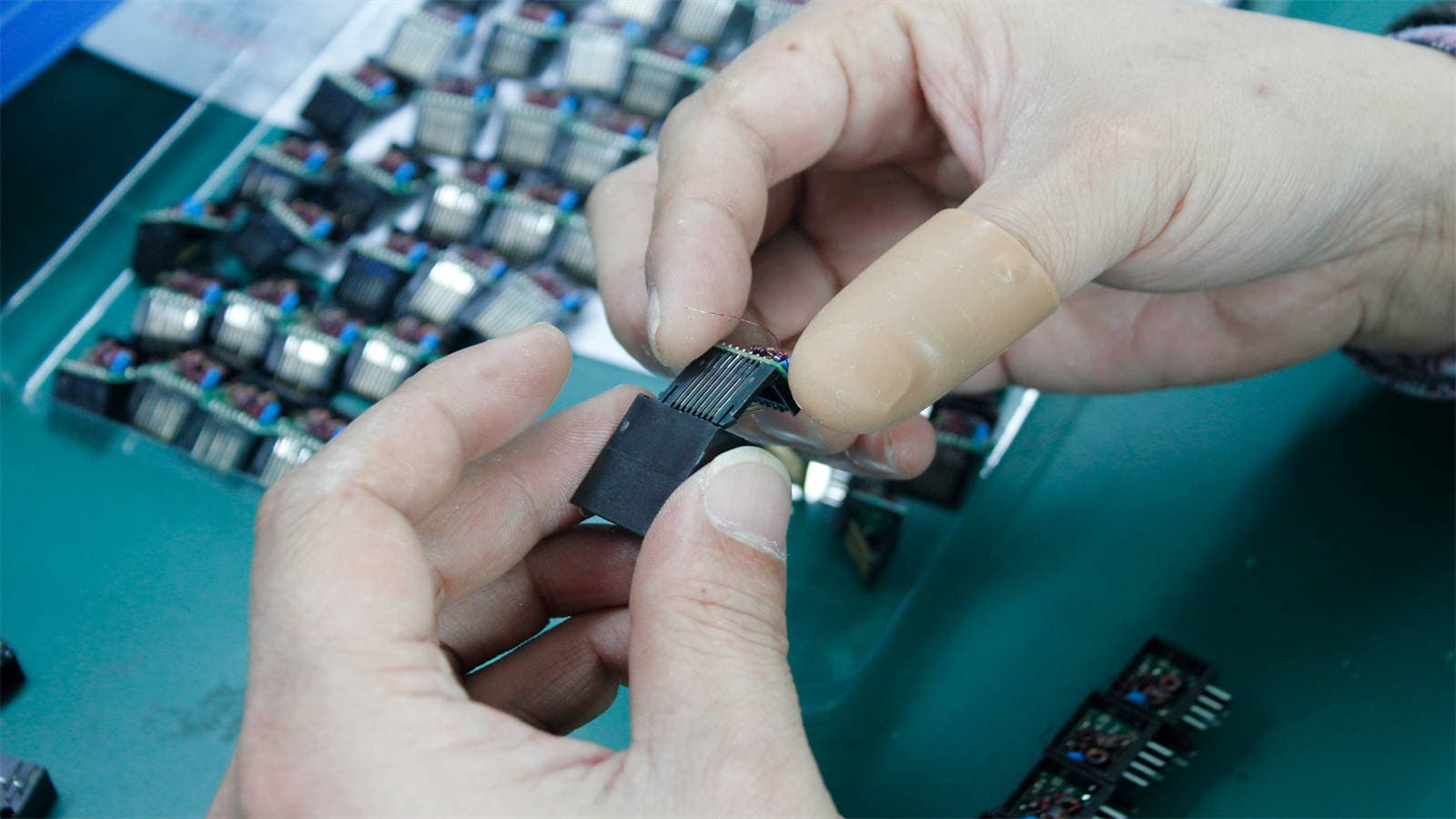
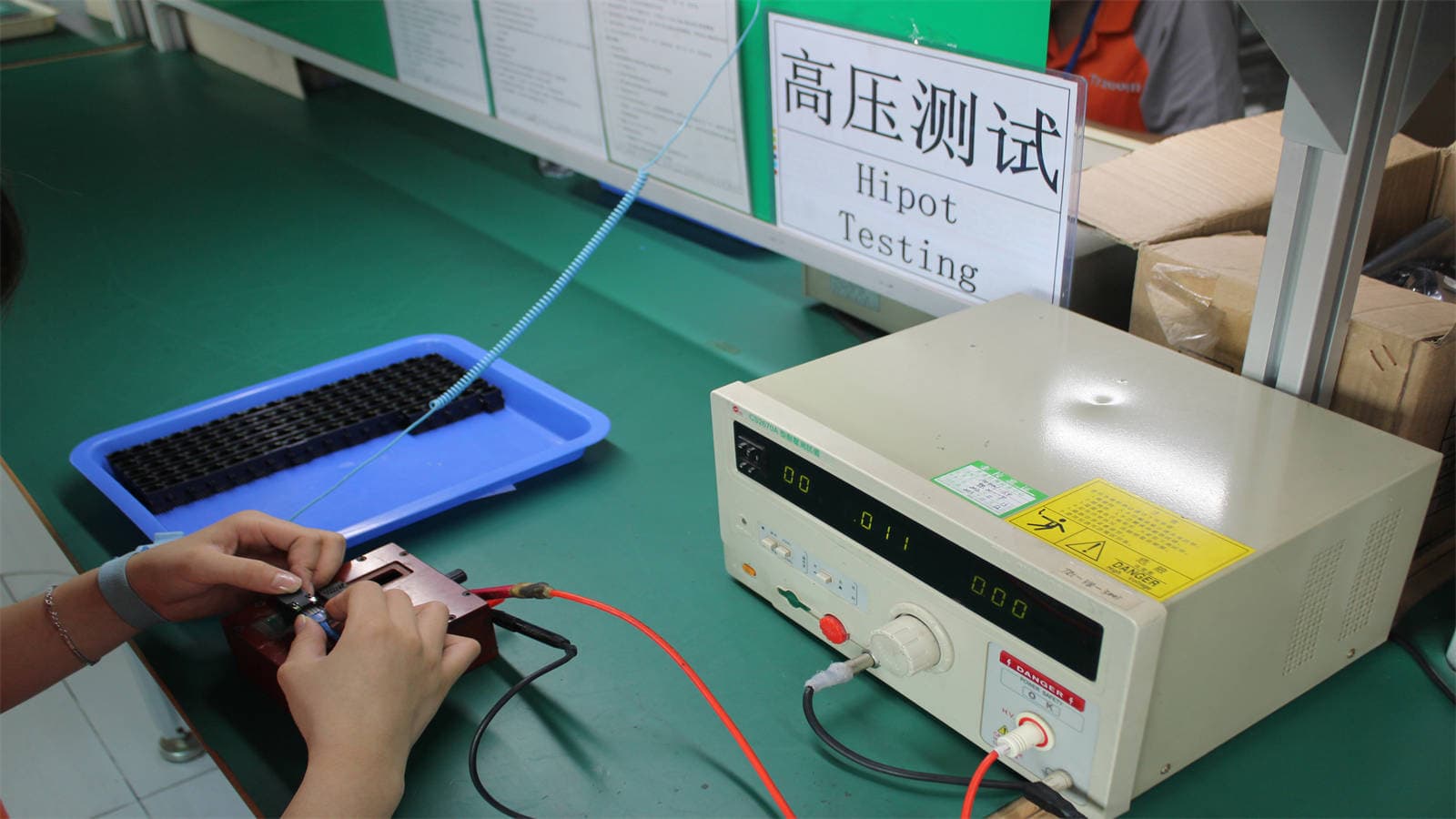
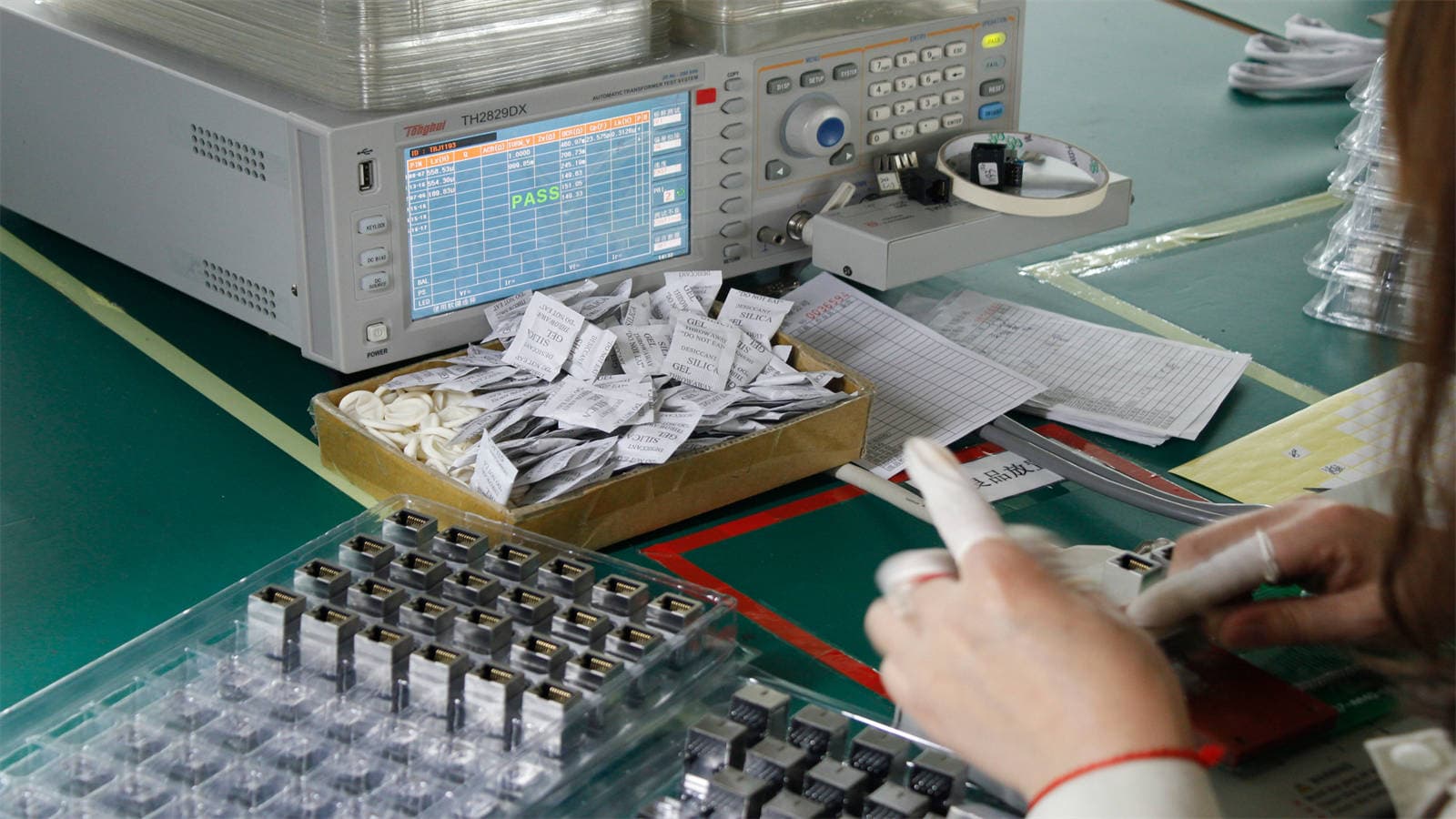
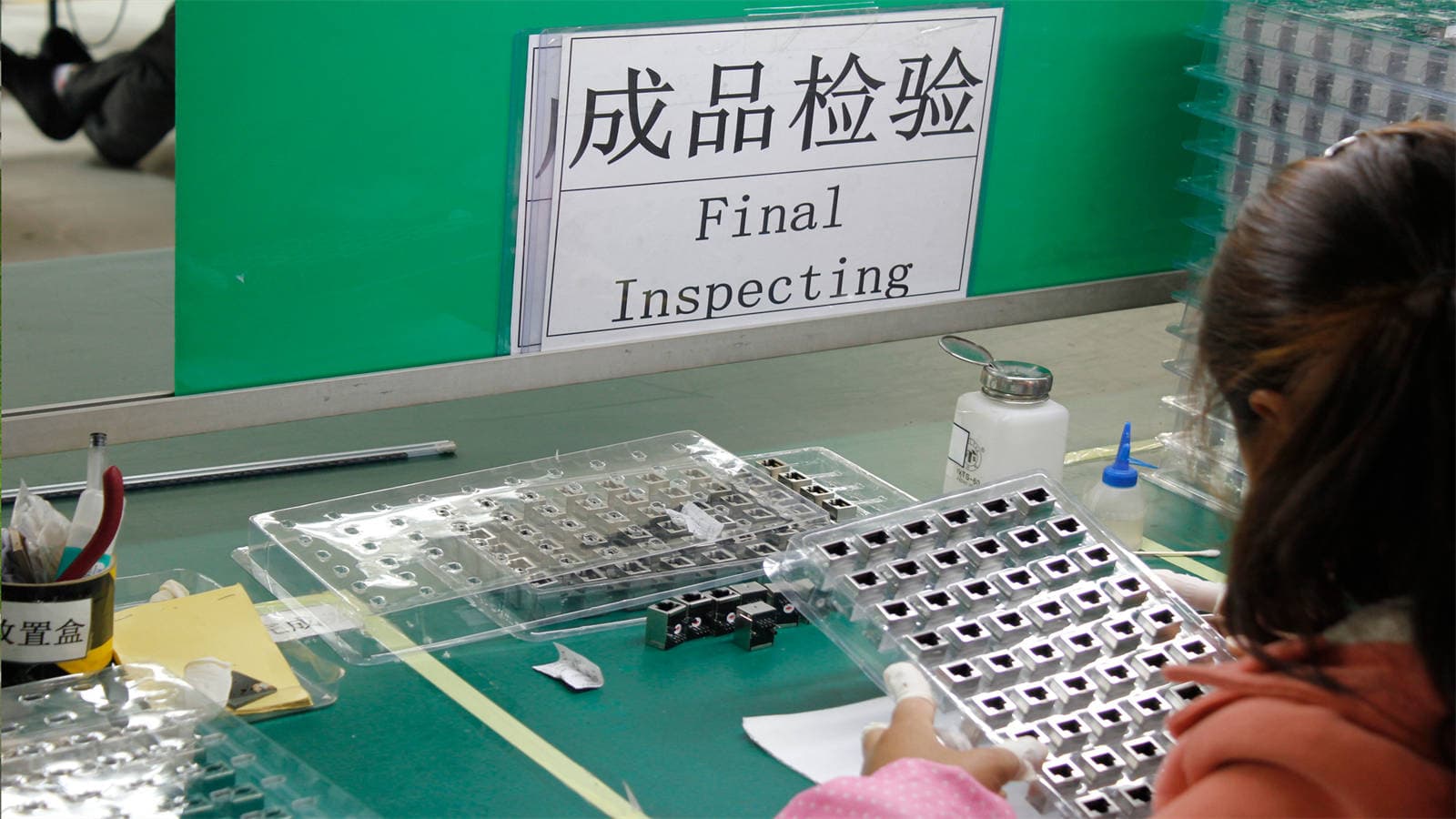
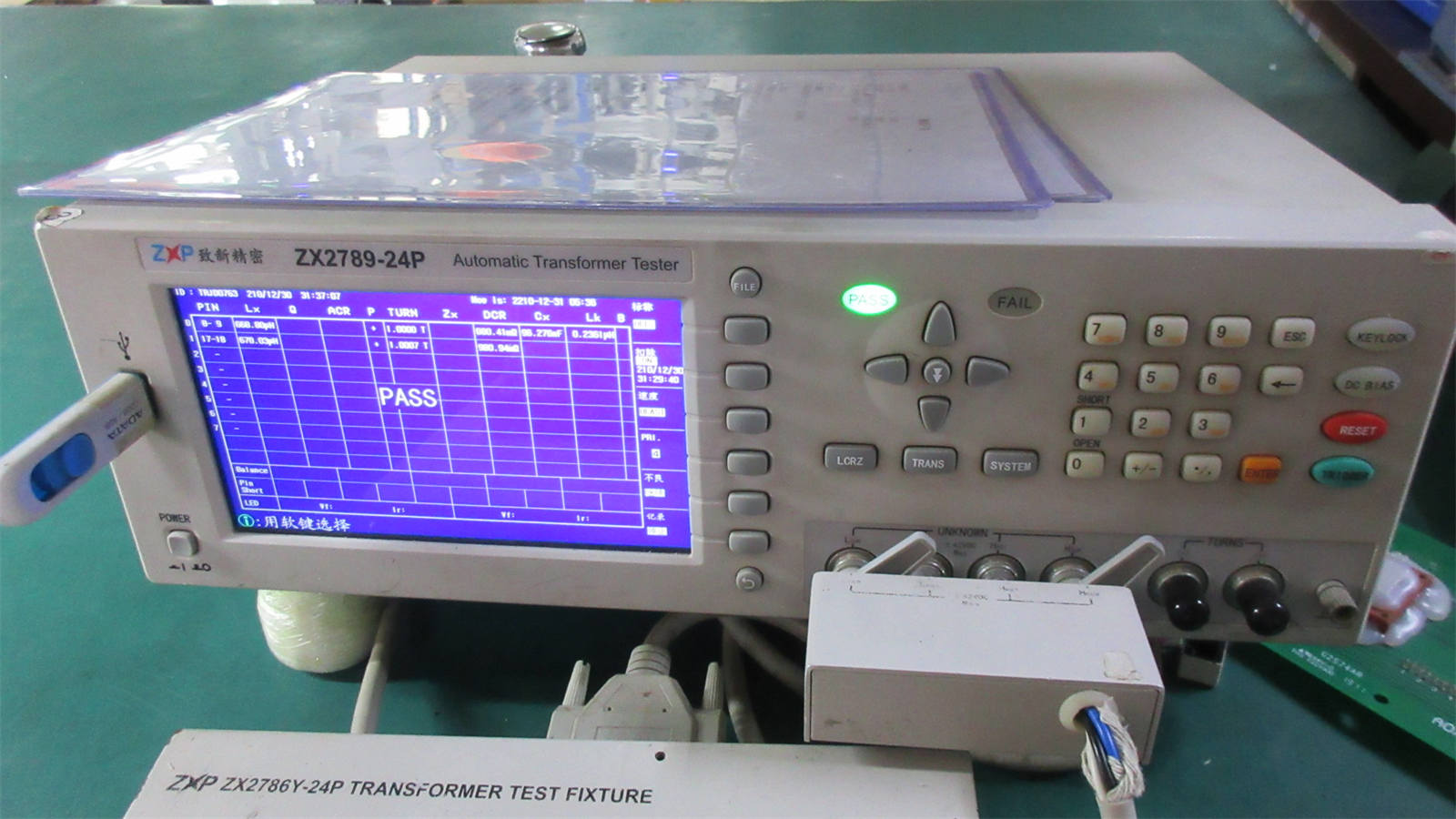
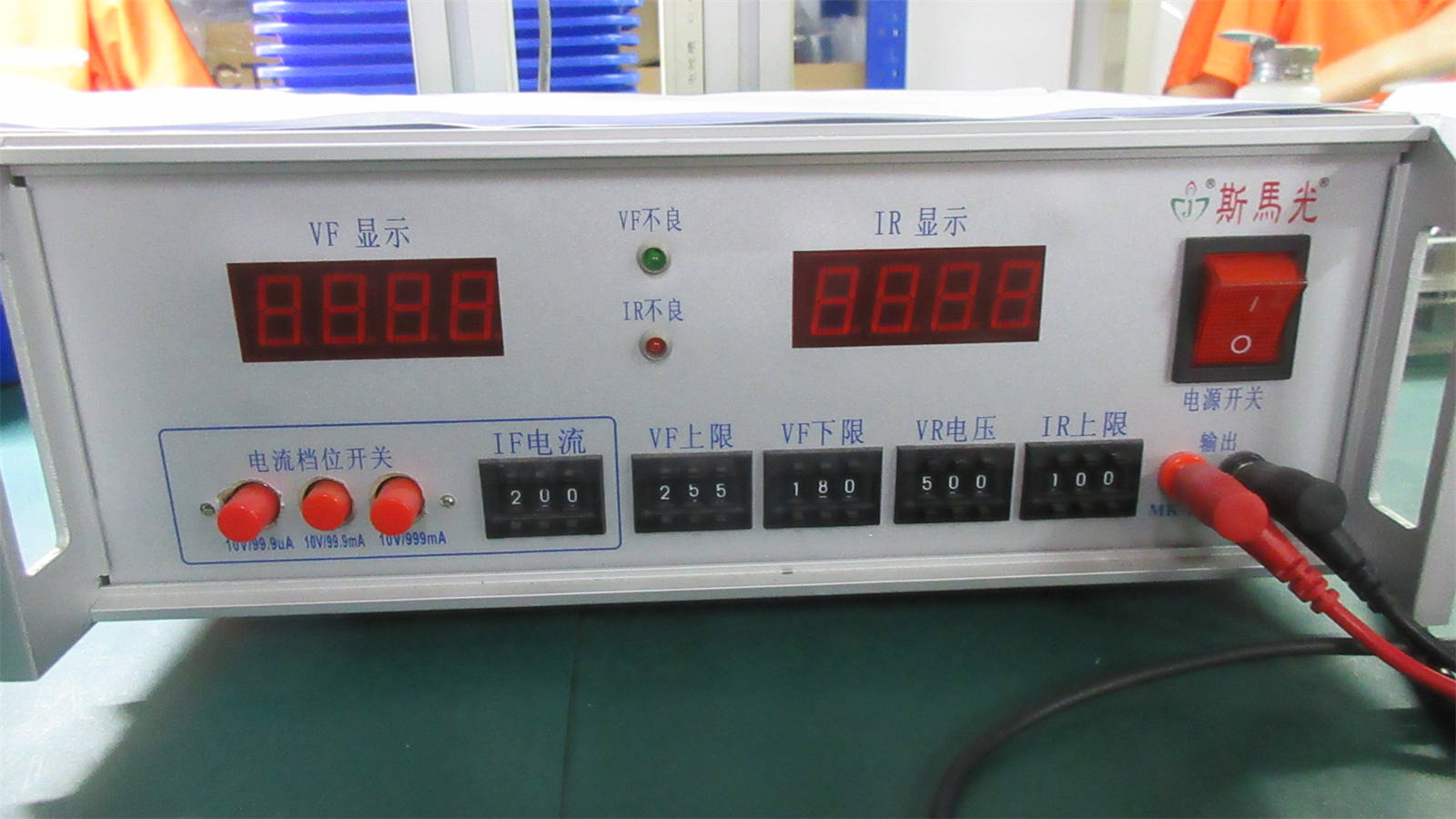
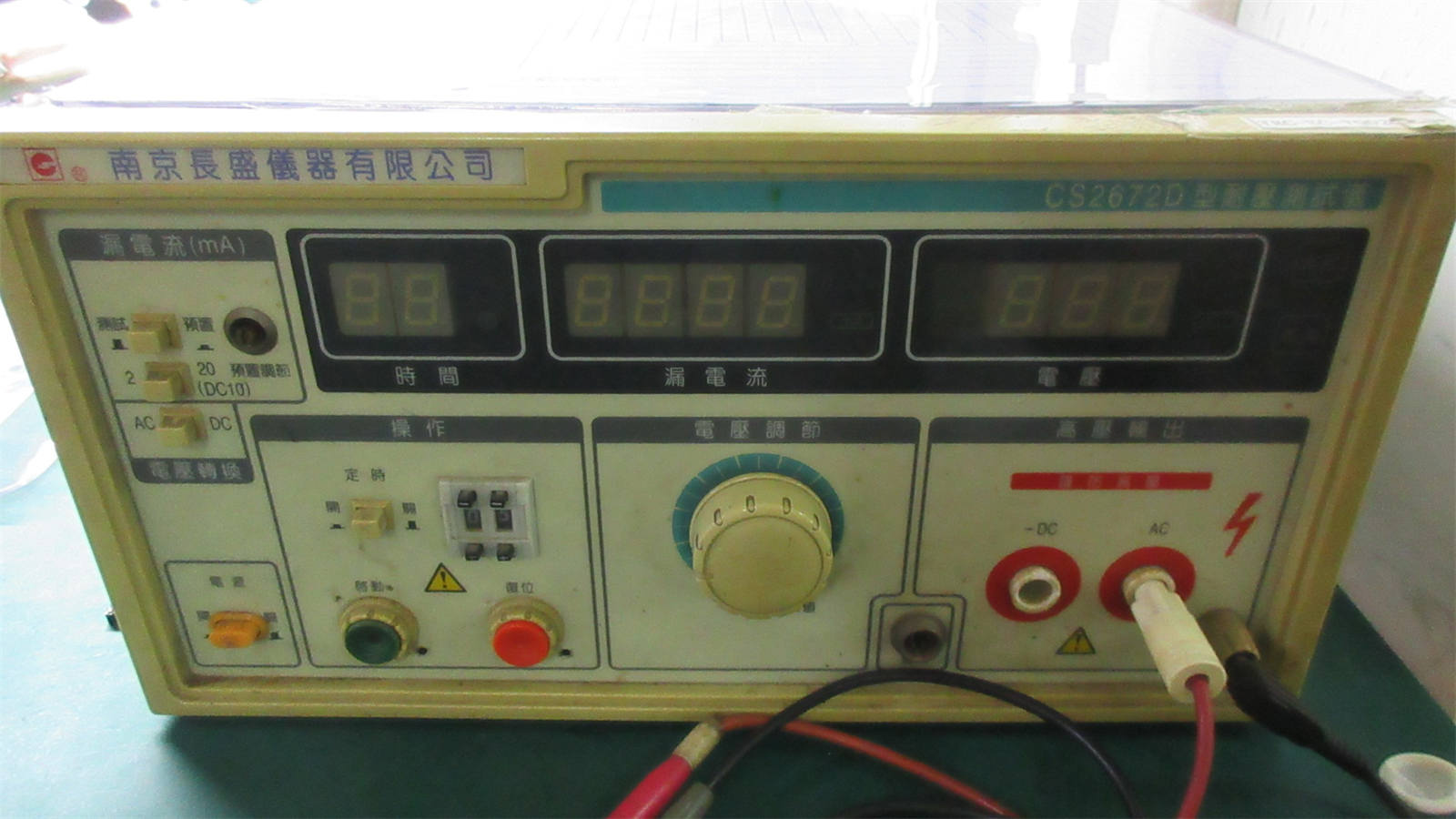
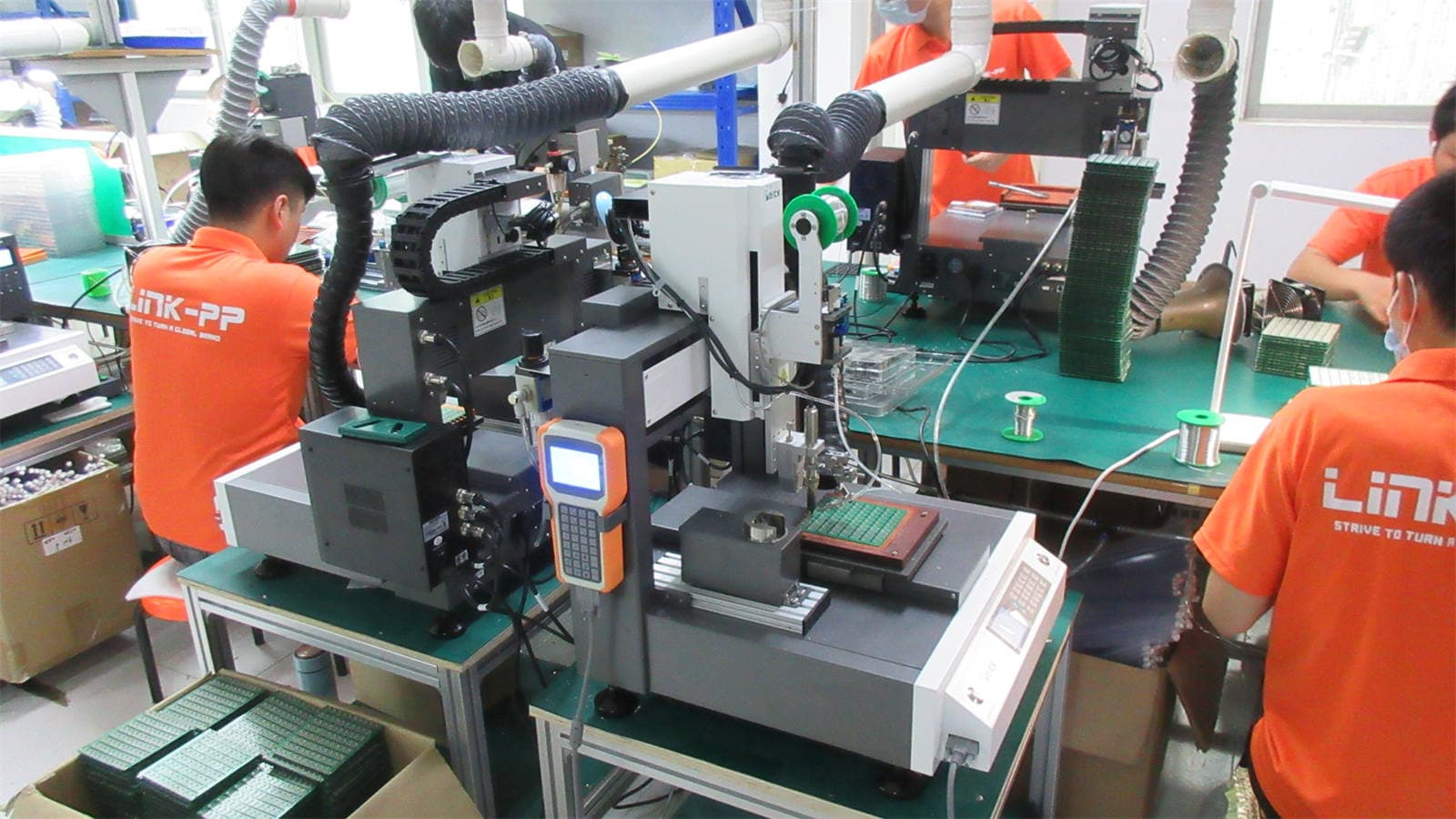
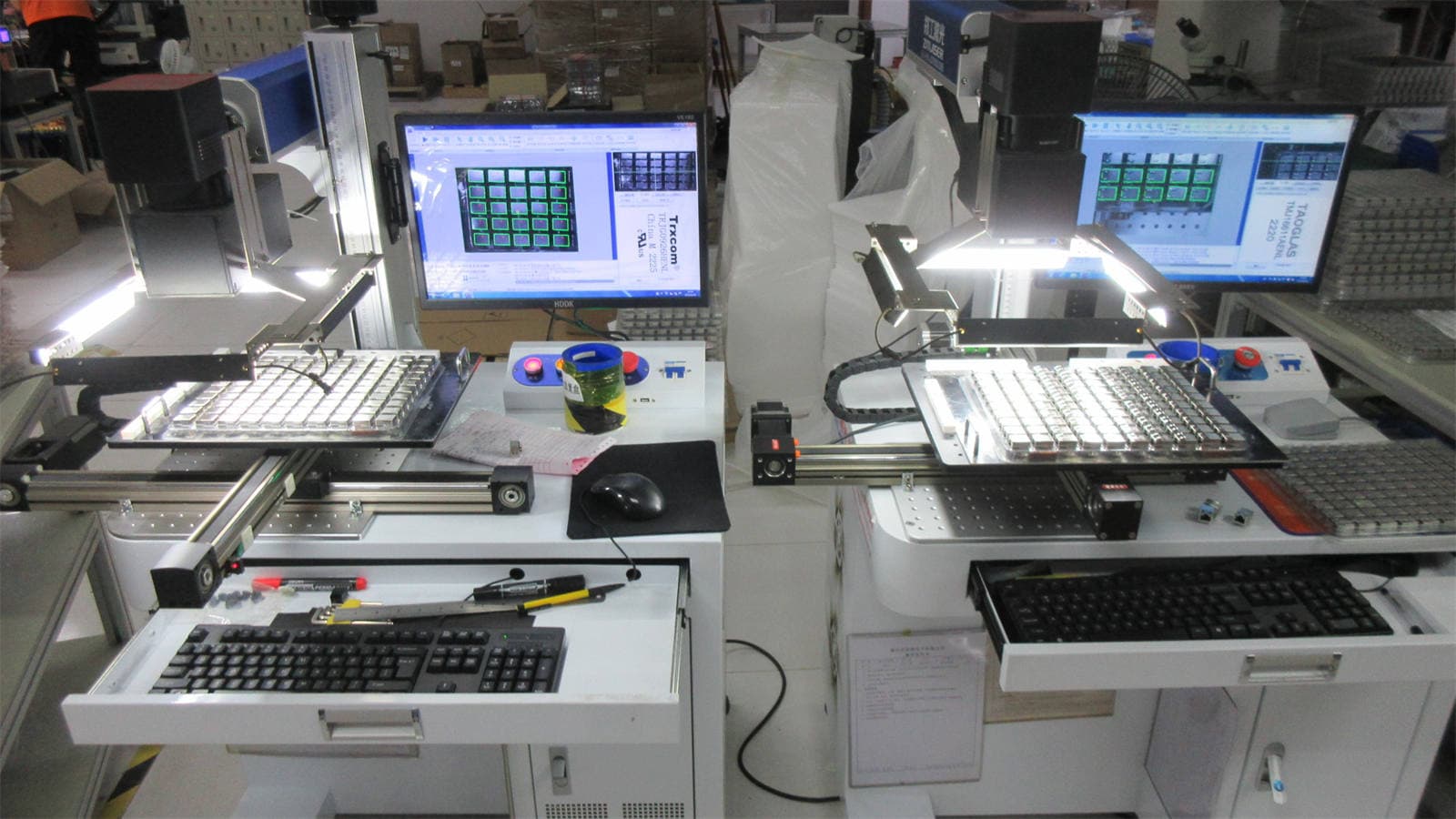
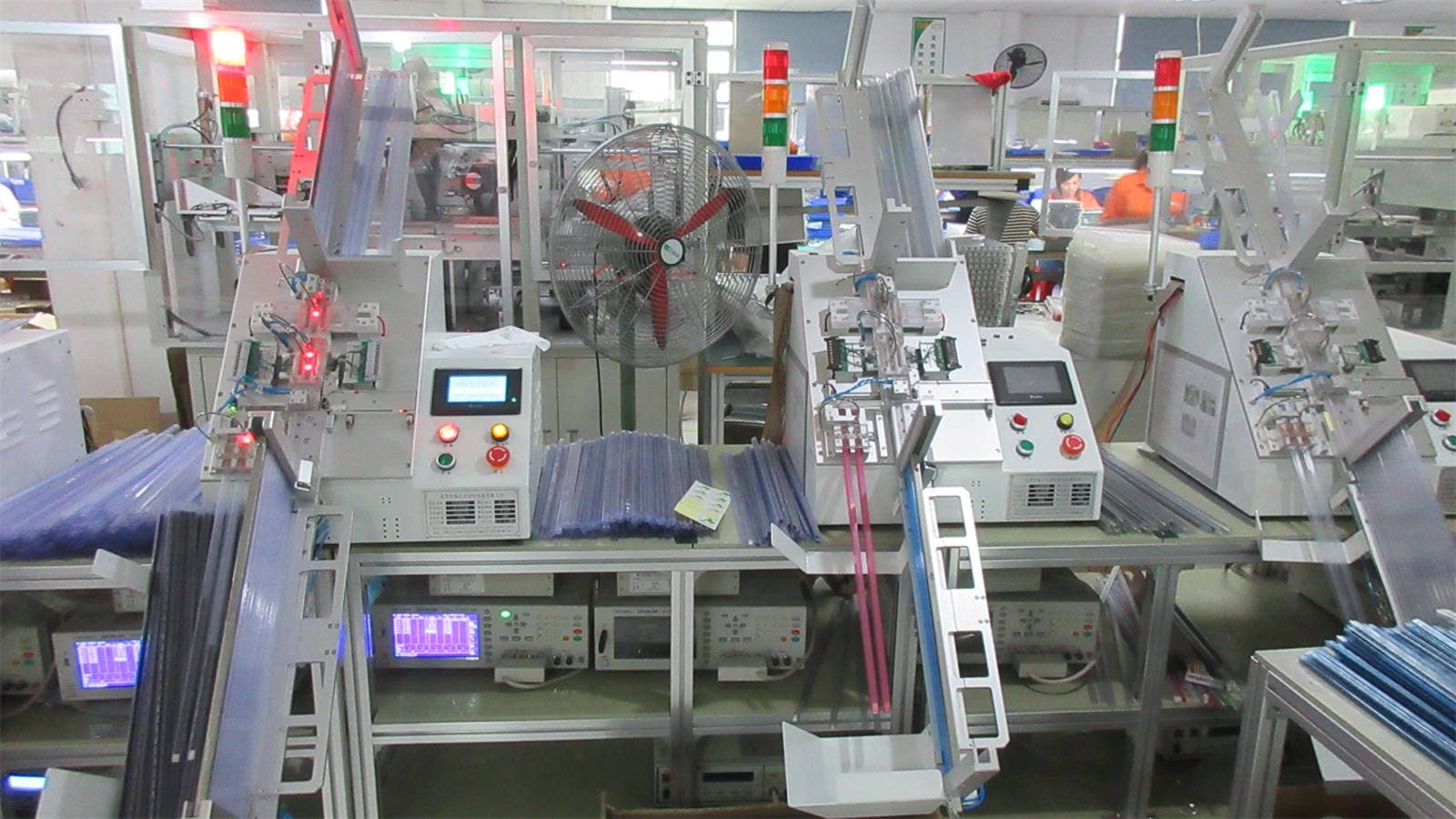
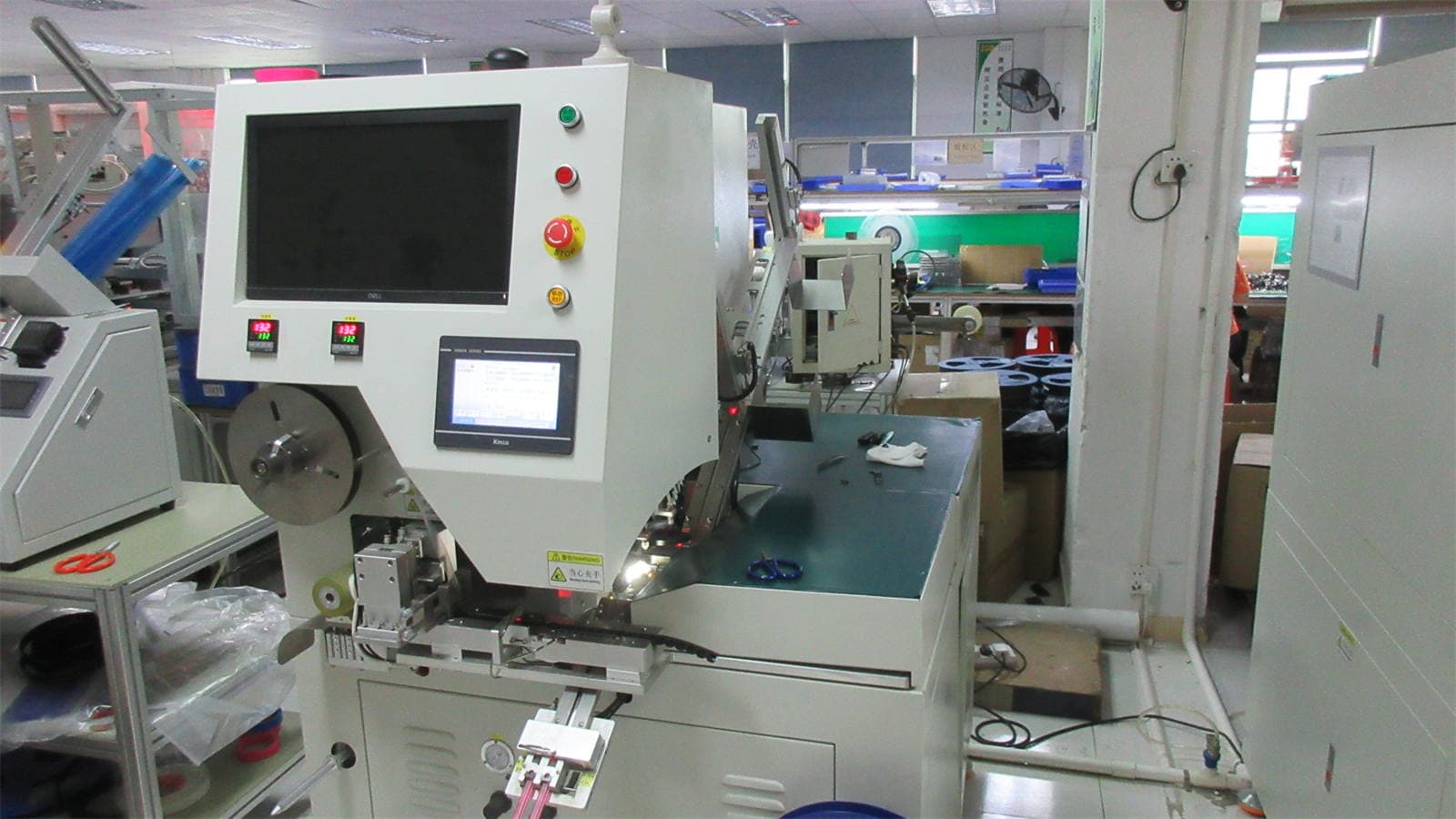
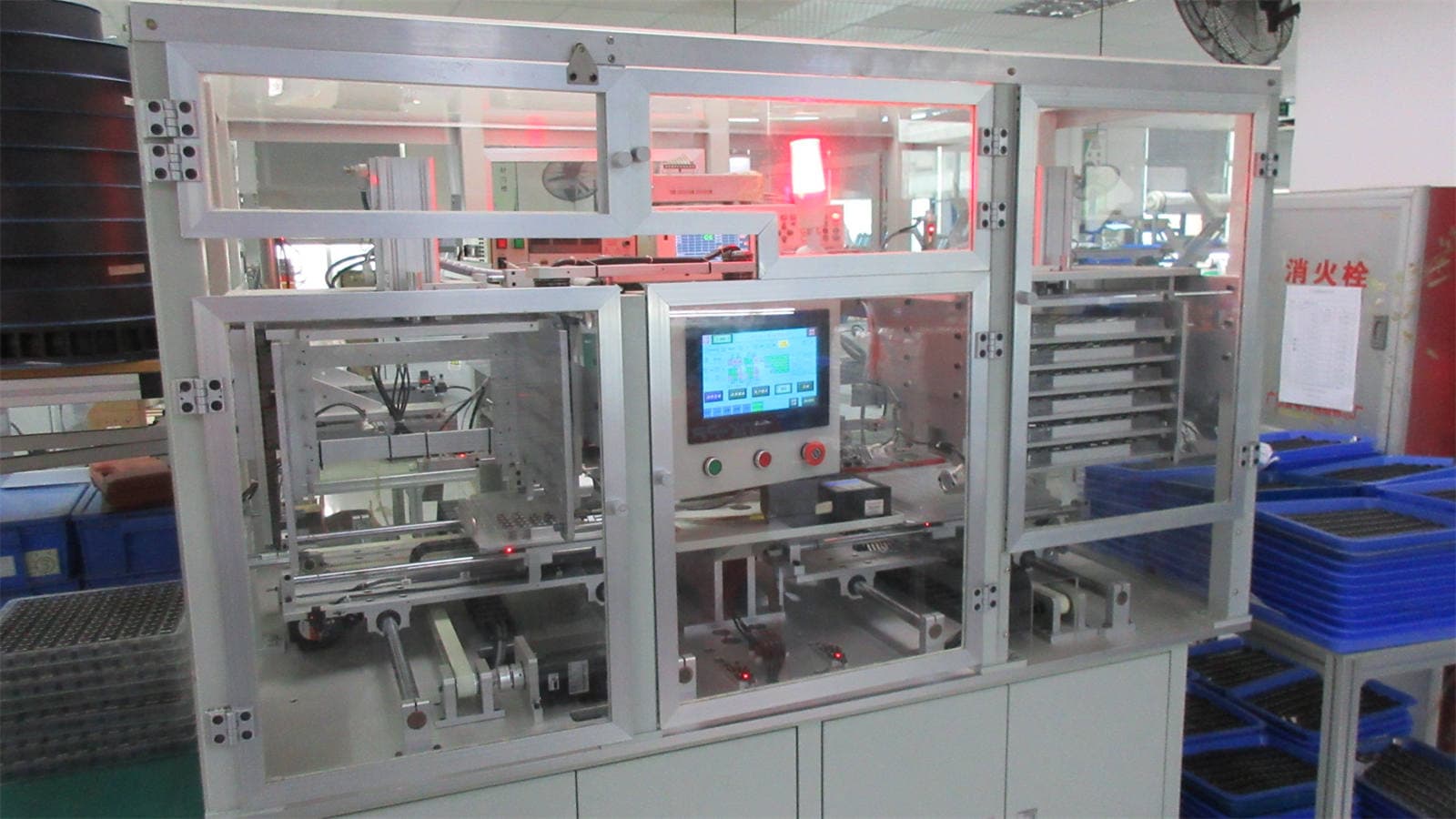
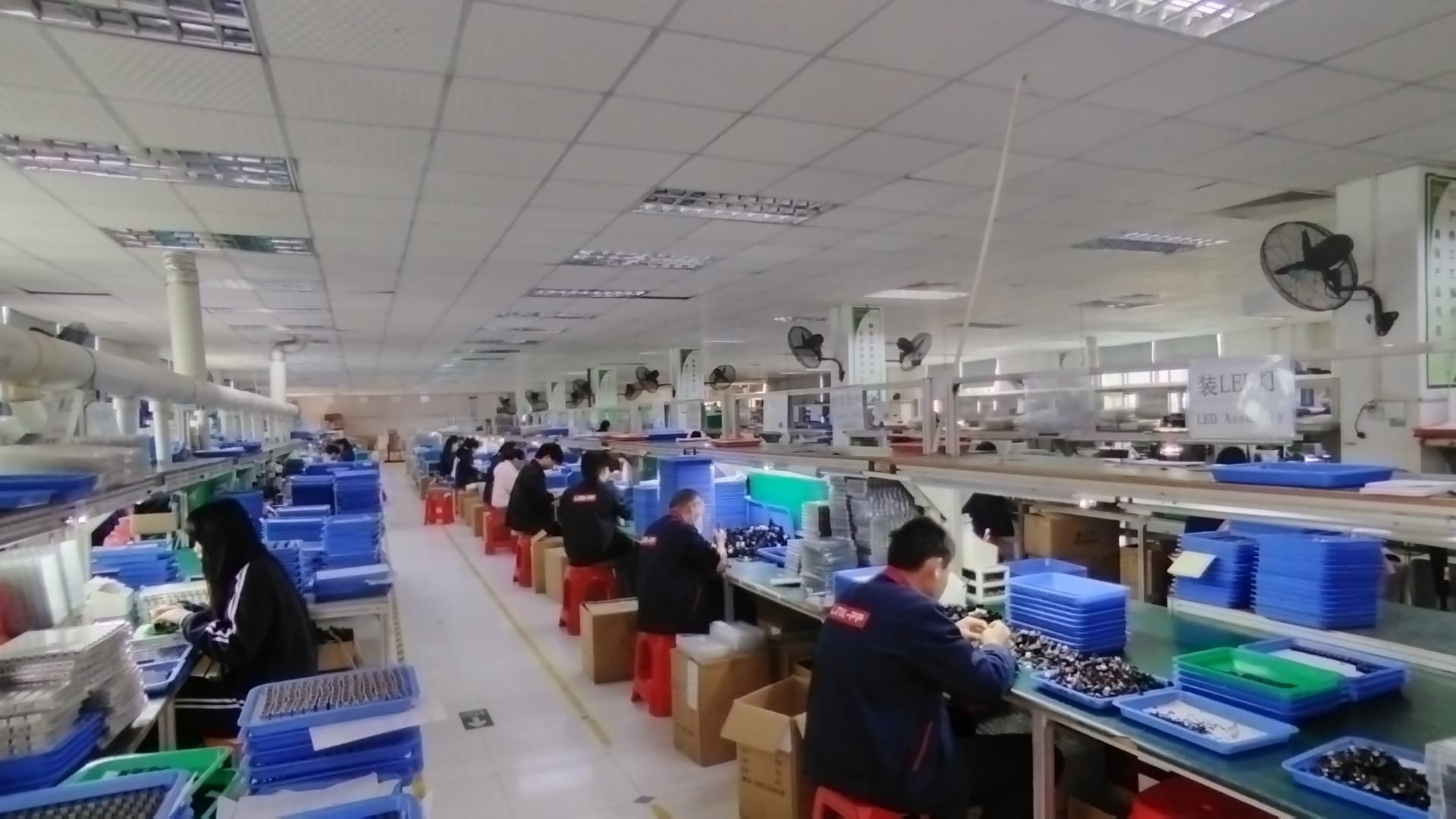
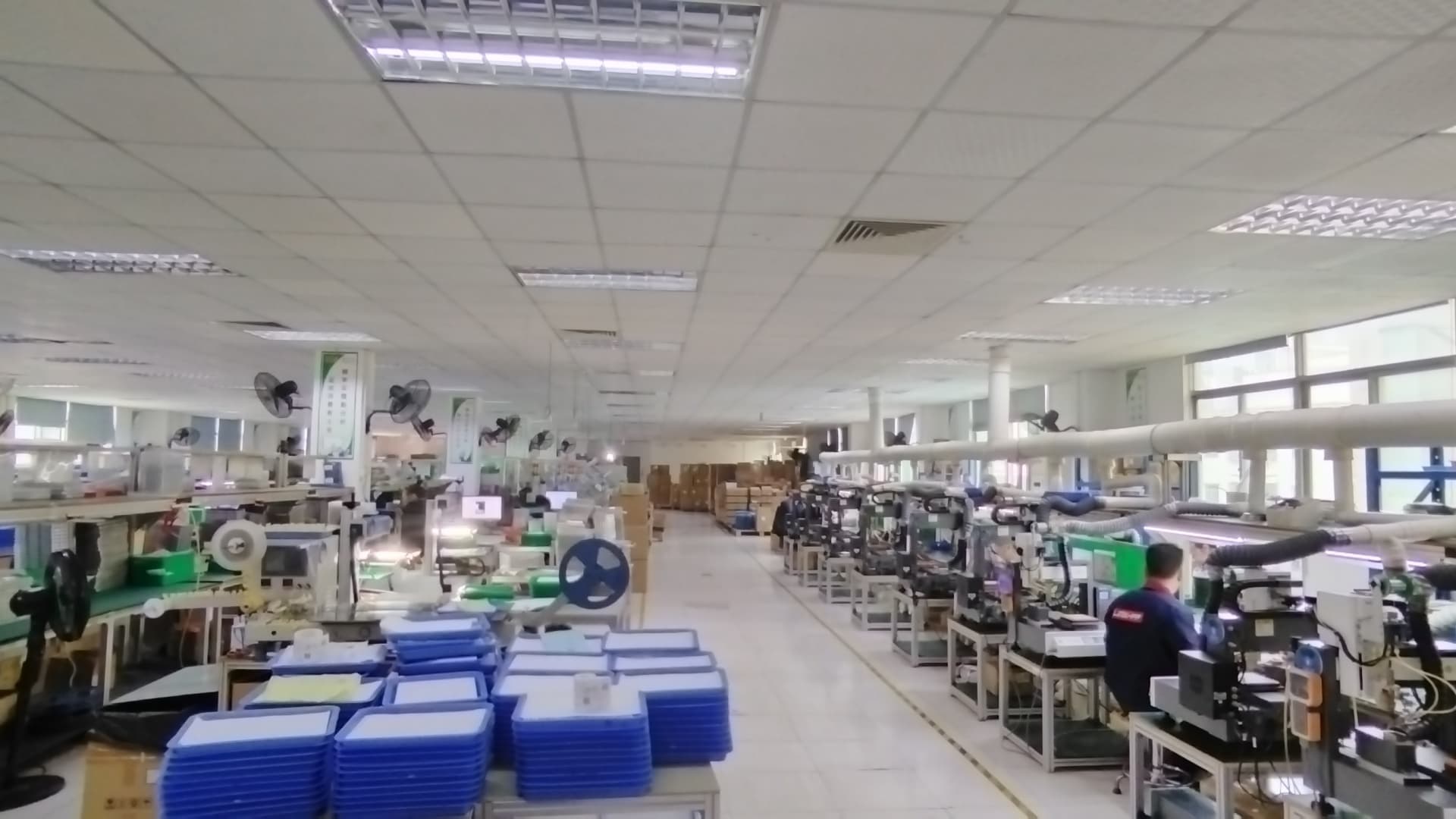
Every RJ11 Modular Jack and Optical Module undergoes step-by-step assembly, precision verification, and test flows.

Providing structural interconnect systems for telecom grids, transit systems, and enterprise hubs
In modern Japanese cities like Tokyo, Osaka, and Yokohama, high-speed fiber internet operates alongside copper terminal networks. Our optical transceivers and RJ11/RJ45 connector systems work in tandem to route signals from the optical network terminal (ONT) directly to standard communication points inside homes and offices.
For Japanese manufacturing hubs in Nagoya and Shizuoka, downtime on an assembly line is extremely costly. Lumopt's gold-plated modular interfaces provide reliable connections for sensor lines, instrumentation buses, and PLC systems.
Looking ahead at the technological shifts in local and global markets
Although fiber and wireless technologies dominate modern consumer communication, physical modular copper connectors like the RJ11 (6P4C/6P6C configurations) remain highly critical. The global market is seeing a major shift toward hybrid deployments, where copper interfaces serve as failsafe communication lines or localized controls connected to smart cloud servers.
As micro-controllers and IoT smart devices shrink, PCB space is increasingly limited. The demand for low-profile, right-angle, and vertical top-entry modular jacks is rising. Engineers in Japan's advanced robotics industries require custom footprints that save valuable PCB surface area without compromising mechanical stability.
Industrial applications demand gold plating on contacts to prevent oxidation in environments with high humidity and chemical exposure. Modern standards are moving from standard flash gold plating to premium 30μ" and 50μ" gold-plated copper alloy contact terminals, guaranteeing stable signal paths for critical systems.
With Japan's focus on green energy and home automation, Smart Energy Management Systems (HEMS) continue to utilize modular jacks for direct communication links to local sensors, metering devices, and legacy control modules. Reliability is key to ensuring consistent utility tracking and automated load shedding.
Explore our full line of unshielded modular jacks, specialized connectors, and high-speed optical transceivers
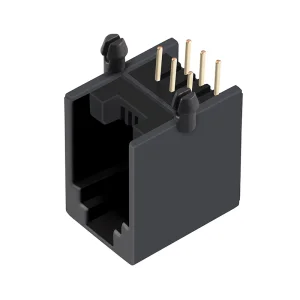
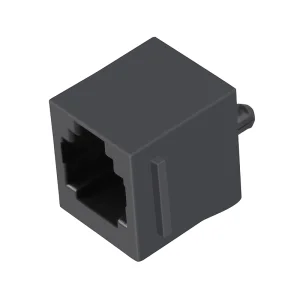
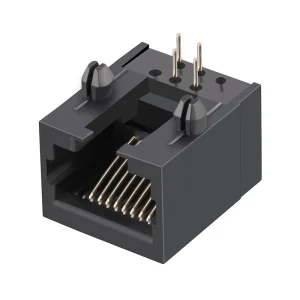
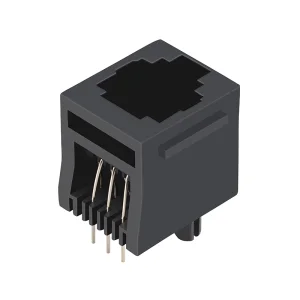
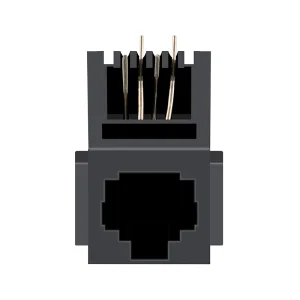
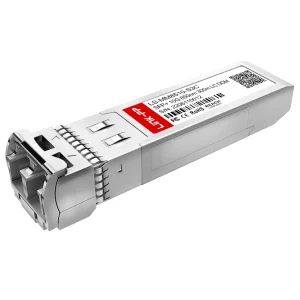
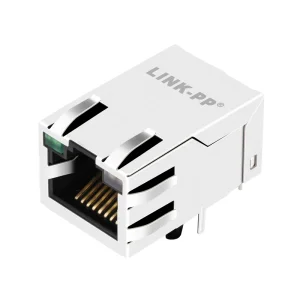
Addressing key purchasing priorities for international buyers, supply chain managers, and systems integrators
For international procurement managers, sourcing modular connector systems involves evaluating key criteria beyond the basic unit cost. High-performance projects require suppliers who consistently meet expectations across several critical areas:
Technical answers about RJ11 connector manufacturing, customization, and importing to Japan
A1: These variations indicate the physical configuration of the connector. The 'P' stands for Positions (slots for contacts) and the 'C' stands for Contacts (gold-plated copper pins installed). An RJ11 plug or jack shell typically features 6 positions. 6P2C has 2 active pins (common in basic telephone lines), 6P4C has 4 active pins (standard for telephone systems with dual lines or system power), and 6P6C has all 6 pins populated (often called RJ12, commonly used for proprietary telephone networks and industrial control buses).
A2: Our products undergo rigorous testing to ensure conformity with JIS requirements. We use high-purity phosphor bronze contact pins, specify precise gold-plating thicknesses, and construct connector housings from UL94V-0 rated thermoplastic materials. All shipments comply with international and local standards, including RoHS, REACH, and domestic PSE requirements when applicable.
A3: Yes. As an experienced OEM/ODM manufacturer, we offer full design flexibility. This includes options for integrated LEDs in custom colors (such as green, yellow, or bi-color), shielded housings with grounding tabs to minimize EMI/RFI, and multi-port configurations (e.g., 1x2, 1x4, and 2x6 layouts) tailored to your PCB requirements.
A4: For standard catalog items, samples are typically dispatched within 3–5 working days, with bulk production orders completing in 2–3 weeks. Custom OEM/ODM designs requiring tooling modifications generally require an additional 15–20 days for tooling validation and sample approval prior to production.
A5: We run a comprehensive quality assurance workflow. This includes incoming quality control (IQC) on raw plastic resins and contact pins, in-process testing (IPQC) checking alignment and soldering steps, and final out-going quality checks (OQC). Every modular connector and SFP module undergoes automated optical inspection, mechanical fit checks, and electrical diagnostic testing (including Hi-pot and insulation resistance testing) to ensure a high first-pass yield rate.