Lumopt
Lumopt
Lumopt
Explore our precision-engineered RJ45 network interfaces, SFP transceivers, and optical components certified for global enterprise systems.
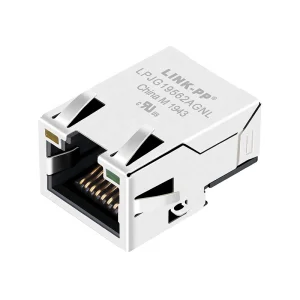
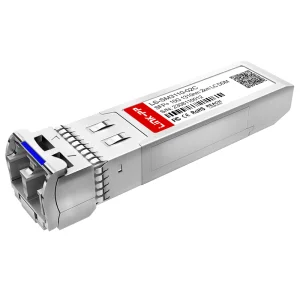
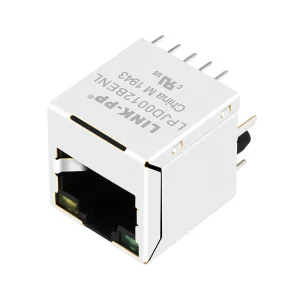
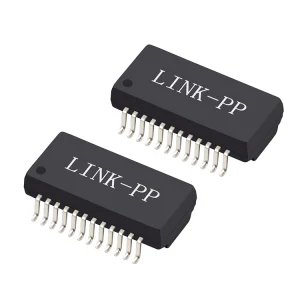
A B2B technical guide analyzing the structural innovations, global industrial demand, and engineering benefits of high-density SFP interconnect systems.
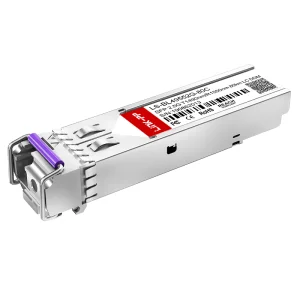
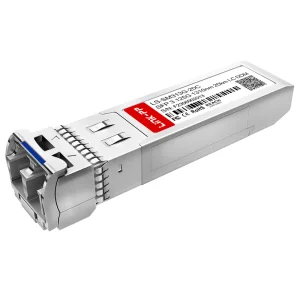
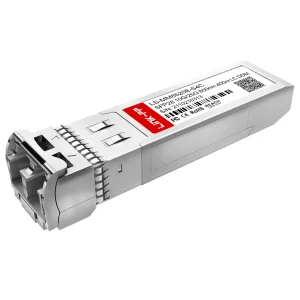
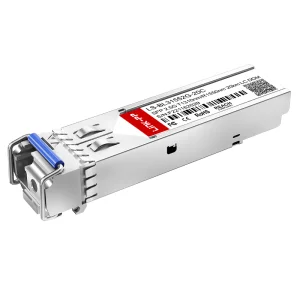
The global demand for high-speed telecommunications and data processing has accelerated the development of high-density interconnect technologies. The Compact Small Form-Factor Pluggable (CSFP) interface represents a major step in optical transceiver design. Built upon the standard SFP footprint, CSFP technology integrates two independent bidirectional (BiDi) optical channels within a single module space.
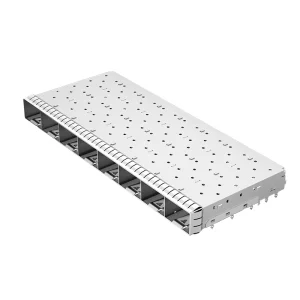
This 2-in-1 channel density allows network engineers to double the port density of host boards, line cards, and switches without redesigning the chassis layout or increasing hardware footprints. CSFP connectors and cages provide the essential mechanical and electrical interfaces required to support these dual-channel configurations. The design demands high shielding effectiveness (EMI), minimal crosstalk between channels, and stable electrical integrity at high signal frequencies.
As mobile operators transition to 5G Advanced and 6G development, the need for dense front-haul and back-haul fiber networks has surged. Similarly, hyperscale data centers, distributed edge nodes, and cloud computing environments are pushing the physical boundaries of rack space.
In these environments, upgrading to Compact SFP connectors provides clear operational and capital cost advantages. Instead of acquiring new network chassis, operators can double fiber connections using existing systems. This upgrade path minimizes power consumption, decreases fiber routing complexity, and reduces cooling overheads at regional switching stations and central offices.
Enables telecom providers to aggregate Passive Optical Network (PON) lines at the central office, maximizing port count per rack unit.
Supports the high-bandwidth BiDi connections needed to link Baseband Units (BBUs) with Remote Radio Heads (RRHs) in limited enclosure space.
Increases high-density Top-of-Rack (ToR) switch port efficiency, keeping deployment costs low while maintaining routing capability.
A transparent look into the fabrication, assembly, and quality verification processes at the Lumopt Opto Technology facility in China.
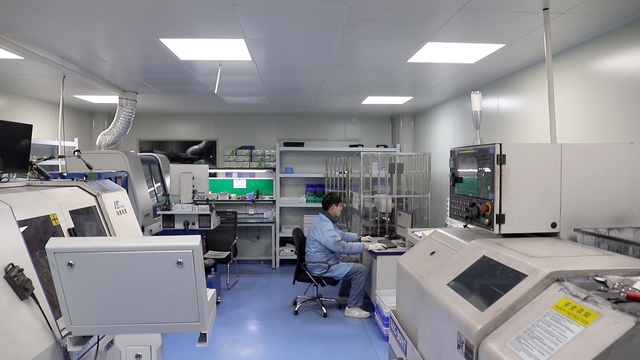
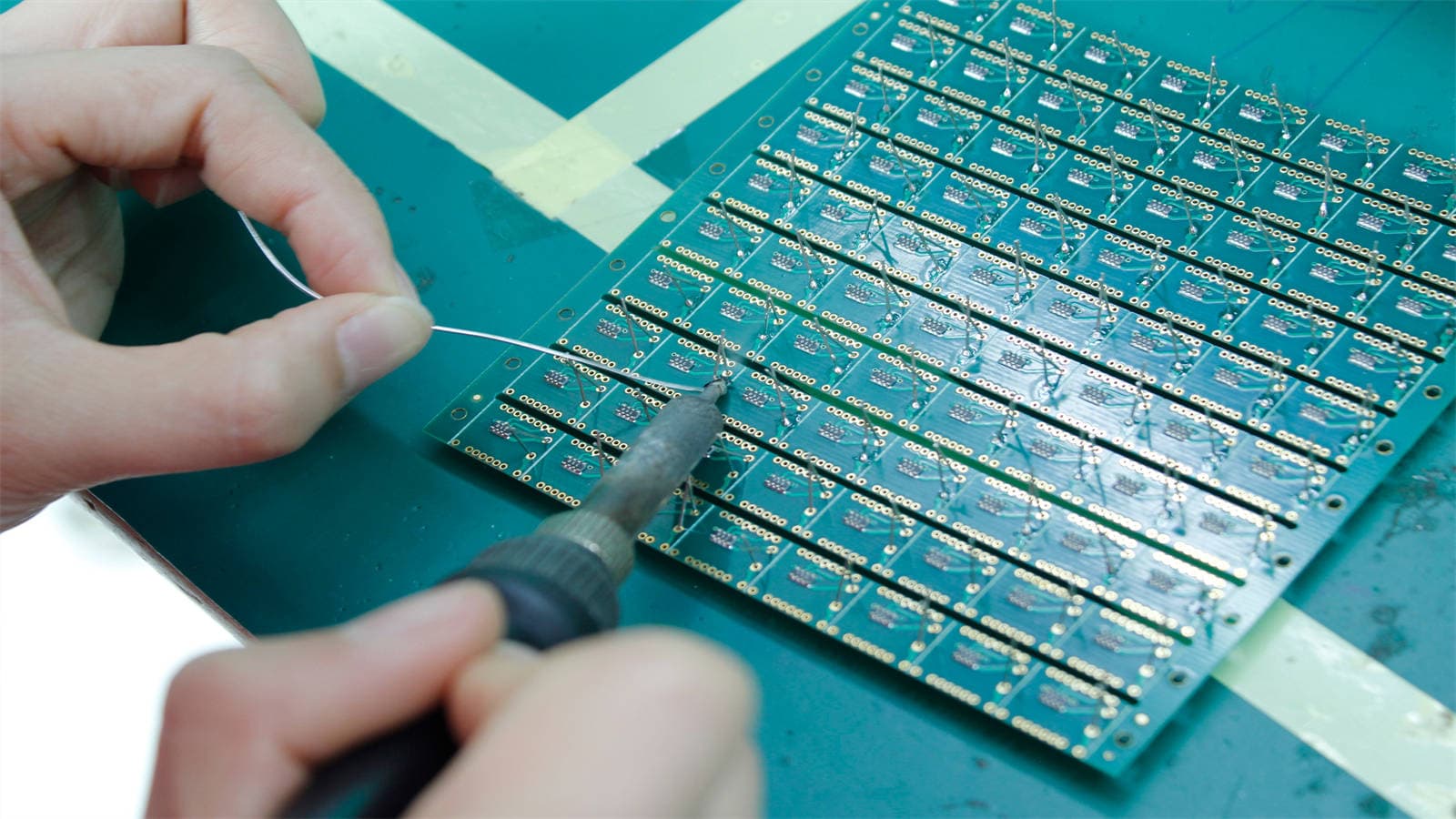
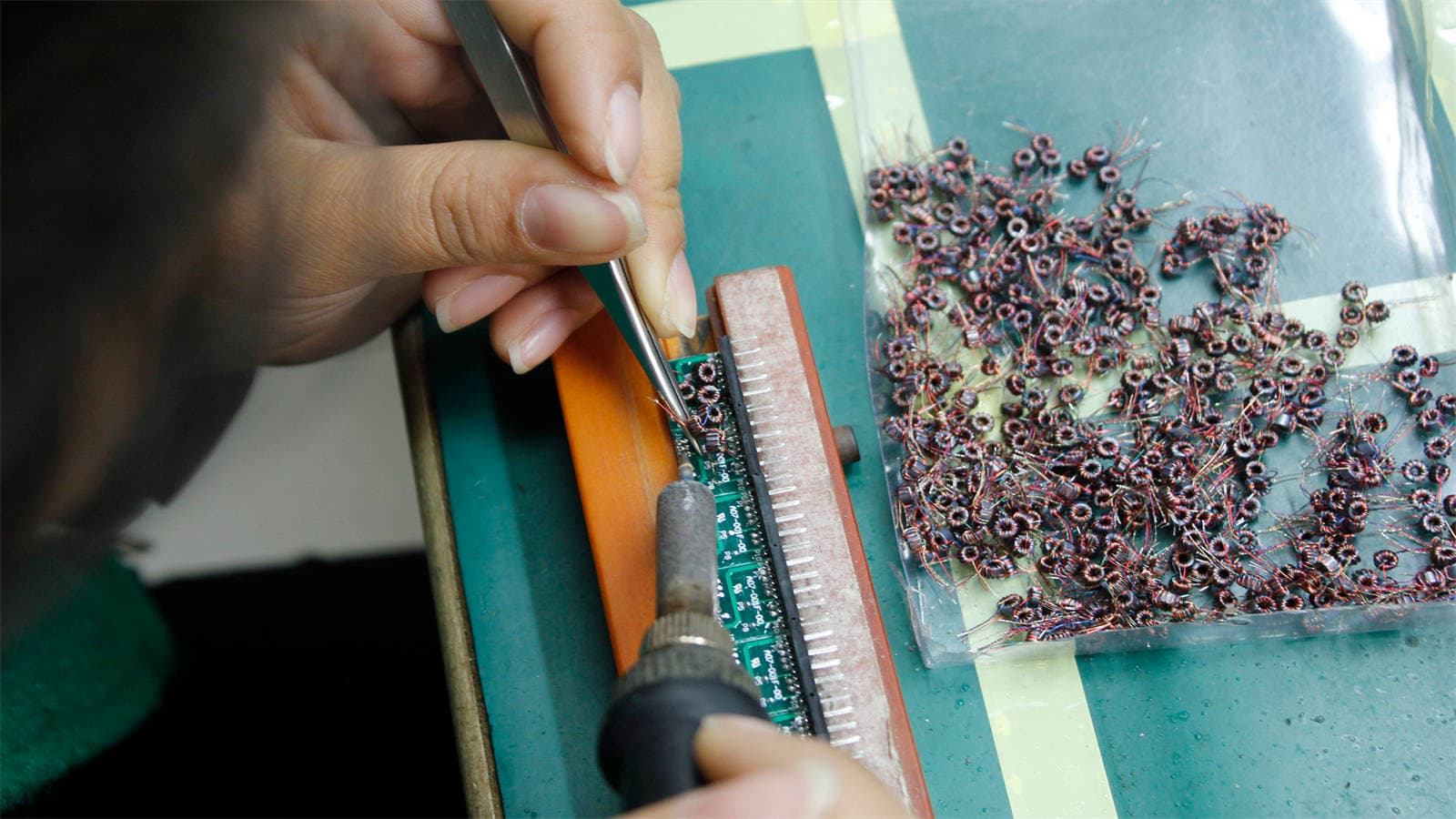
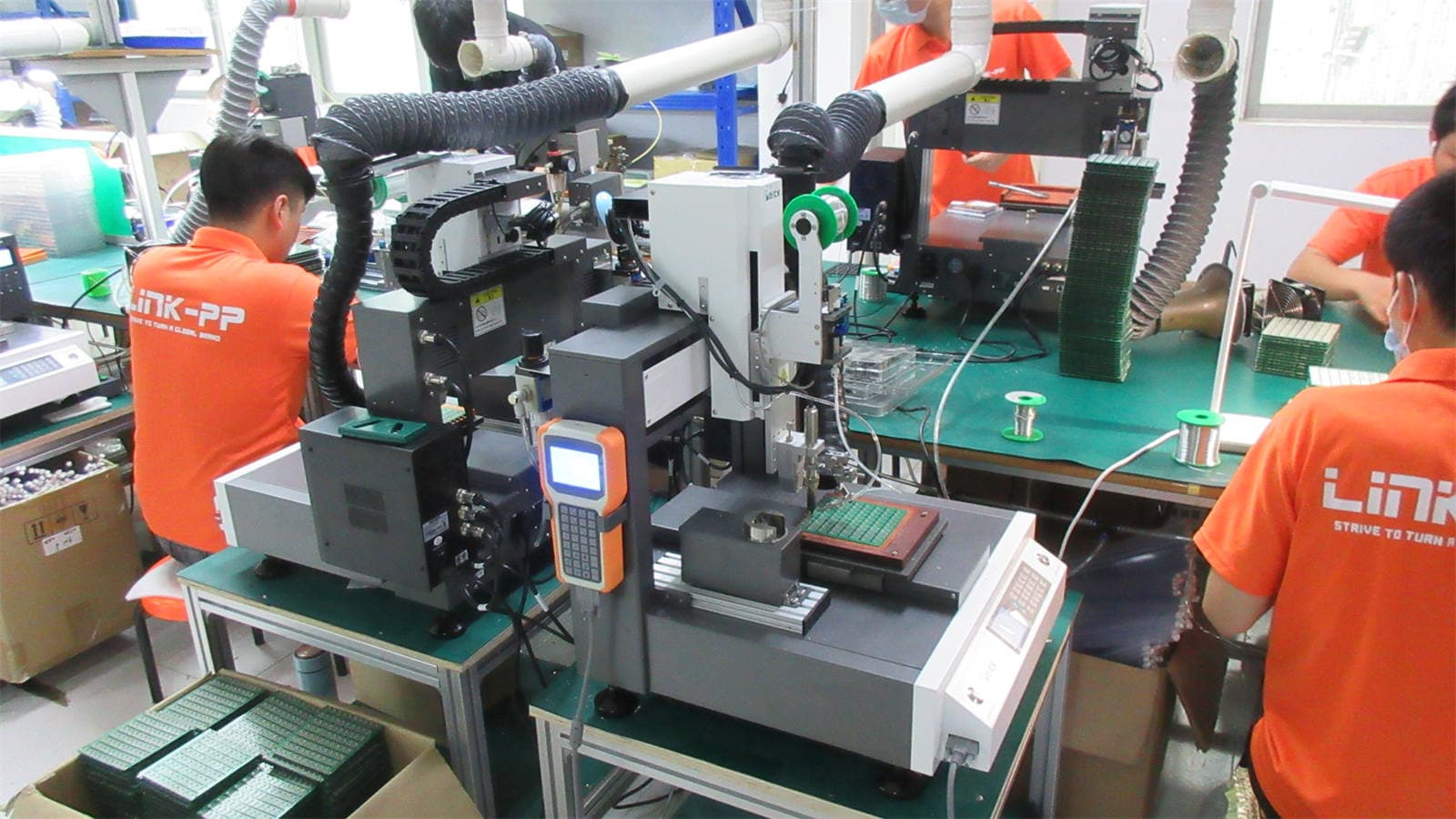
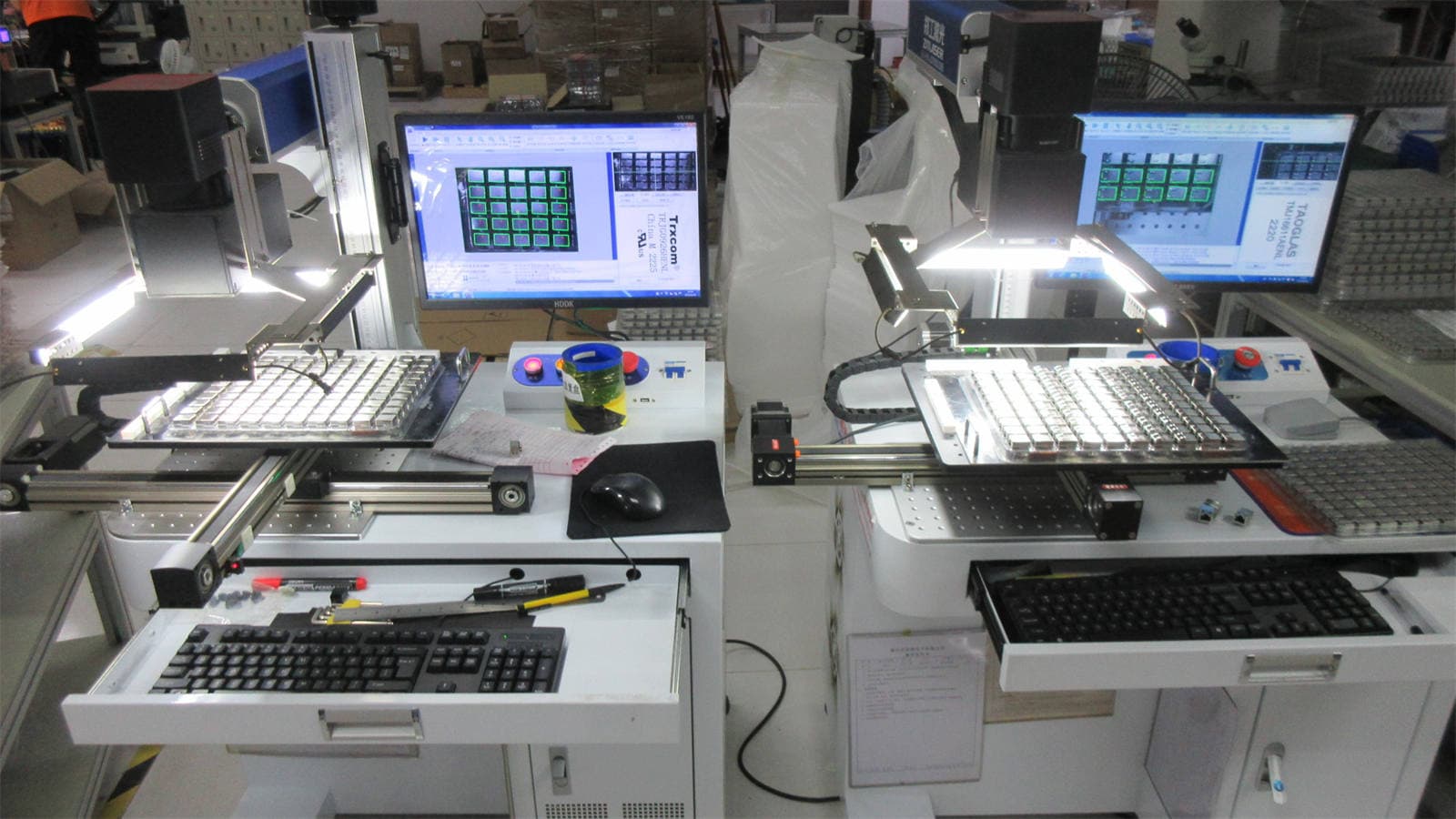
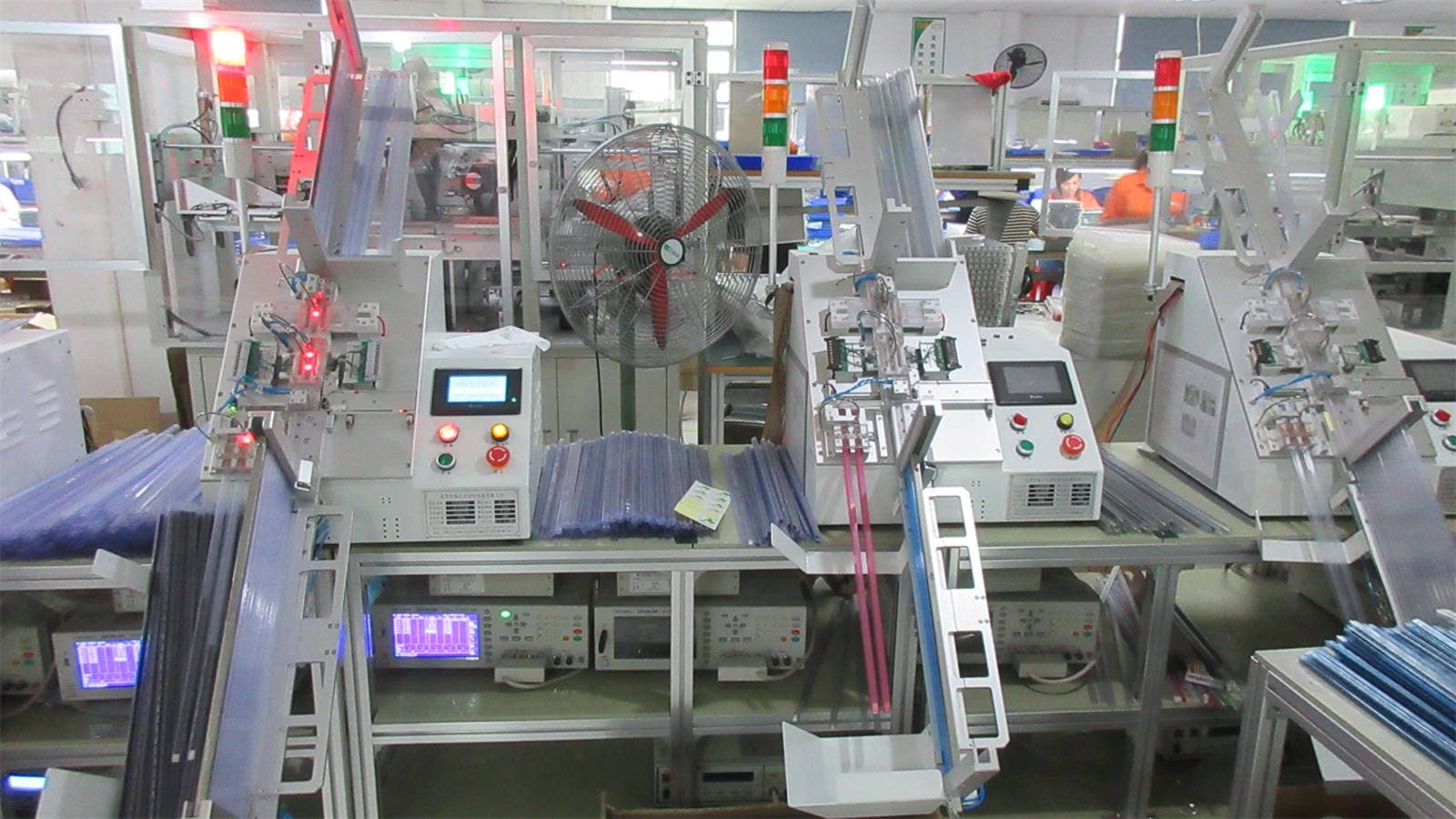
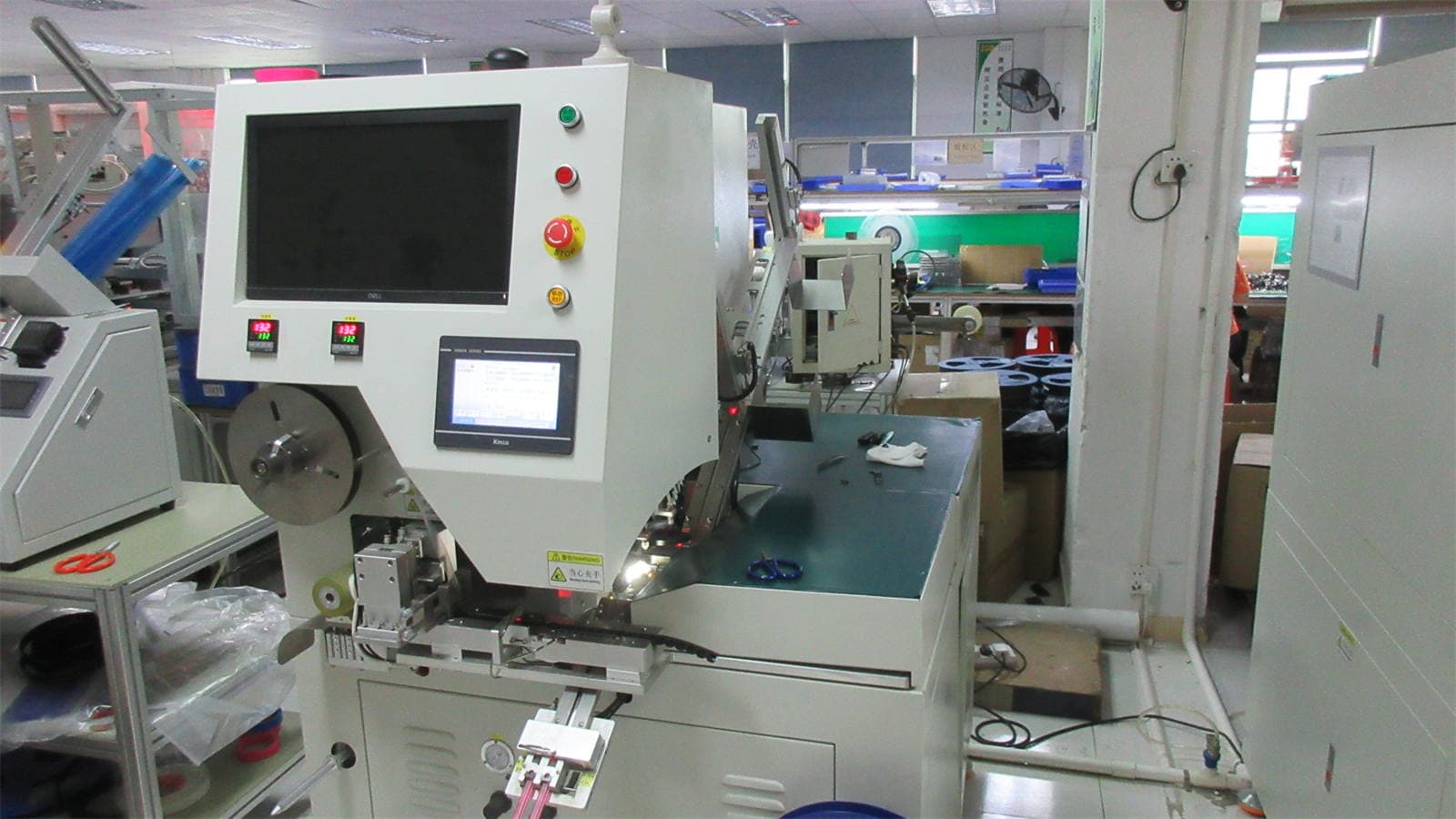
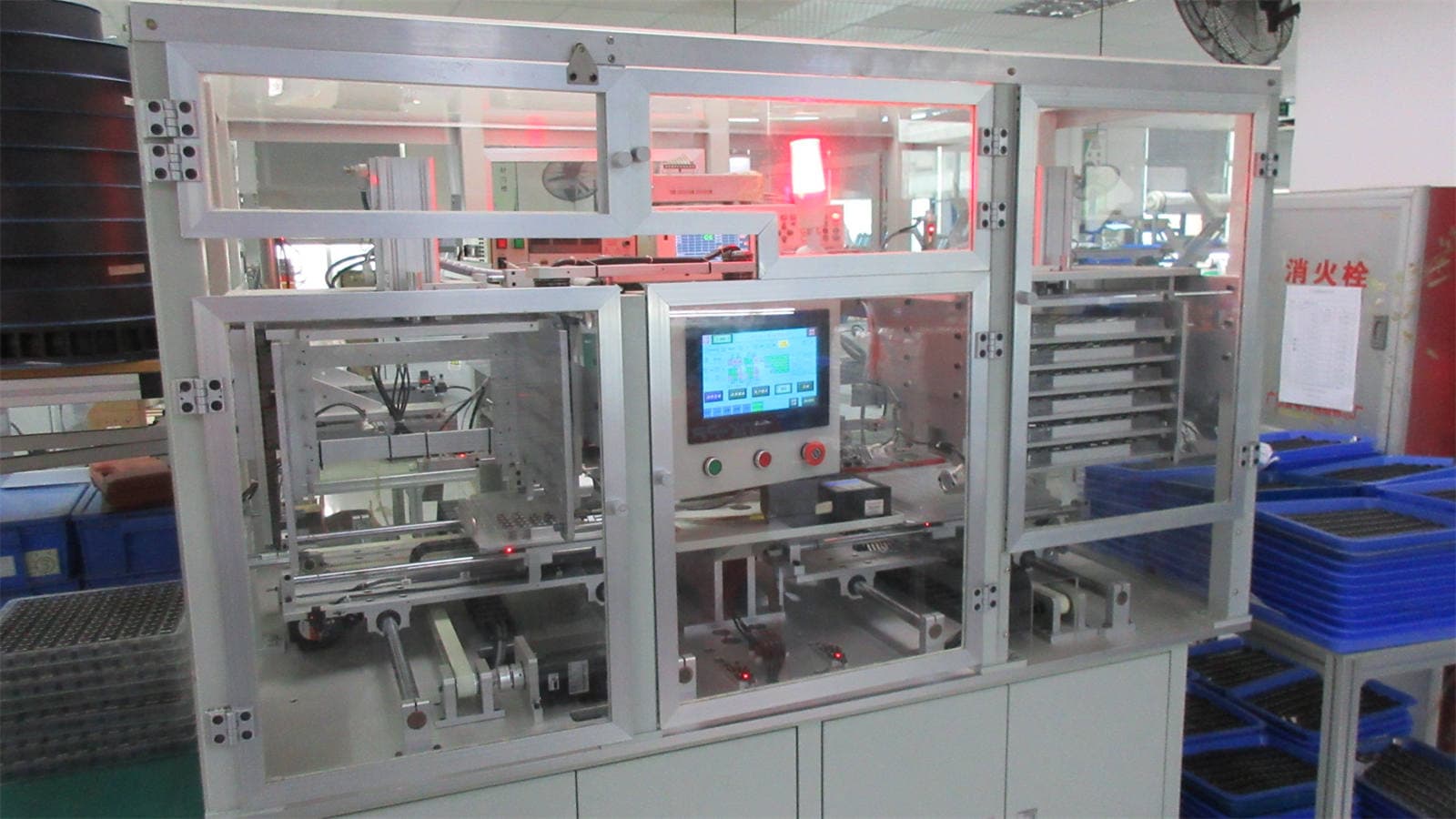
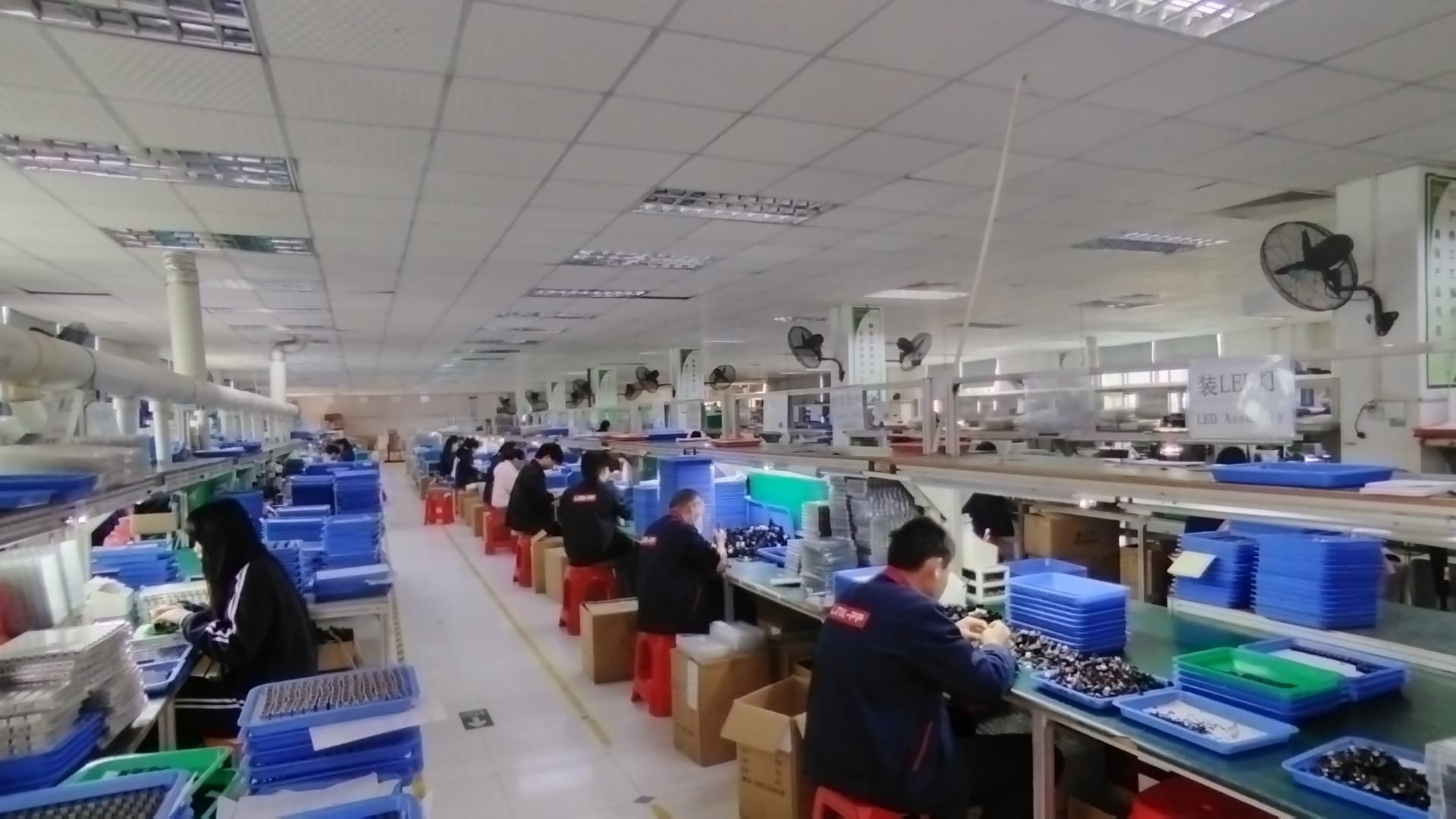
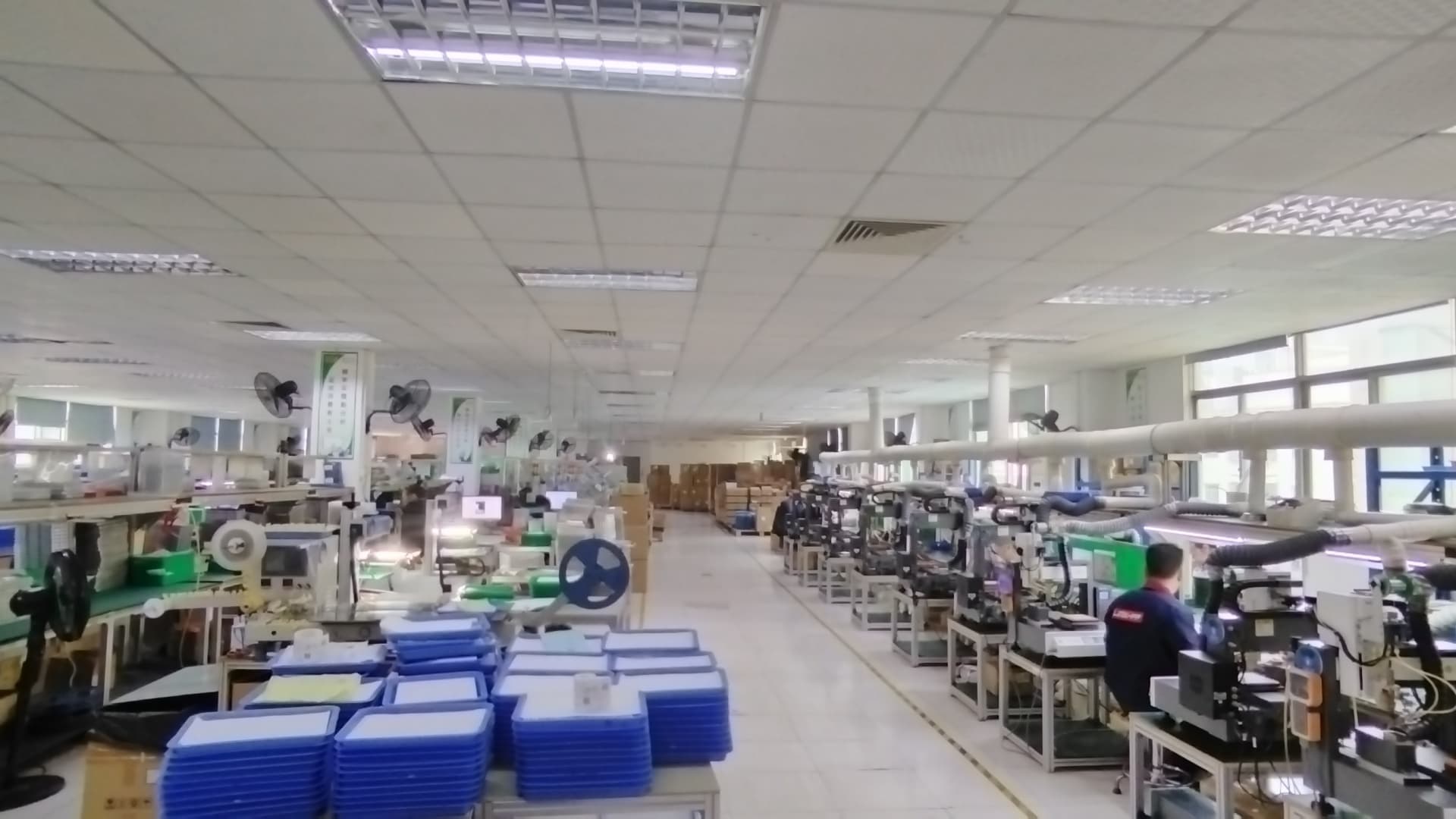
Based in China, Lumopt Opto Technology Co., Ltd. (registered locally as Luguang Communication Technology Co., Ltd.) runs a production model that combines economies of scale with strict quality controls. Using automated component placement, precision soldering, and multi-stage optoelectronic testing, the facility delivers high product yield rates and long-term reliability.
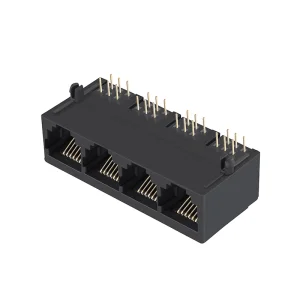
Our manufacturing line integrates 10 processes, ensuring that every SFP cage, optical transceiver, and RJ45 connector meets international standards before packaging.

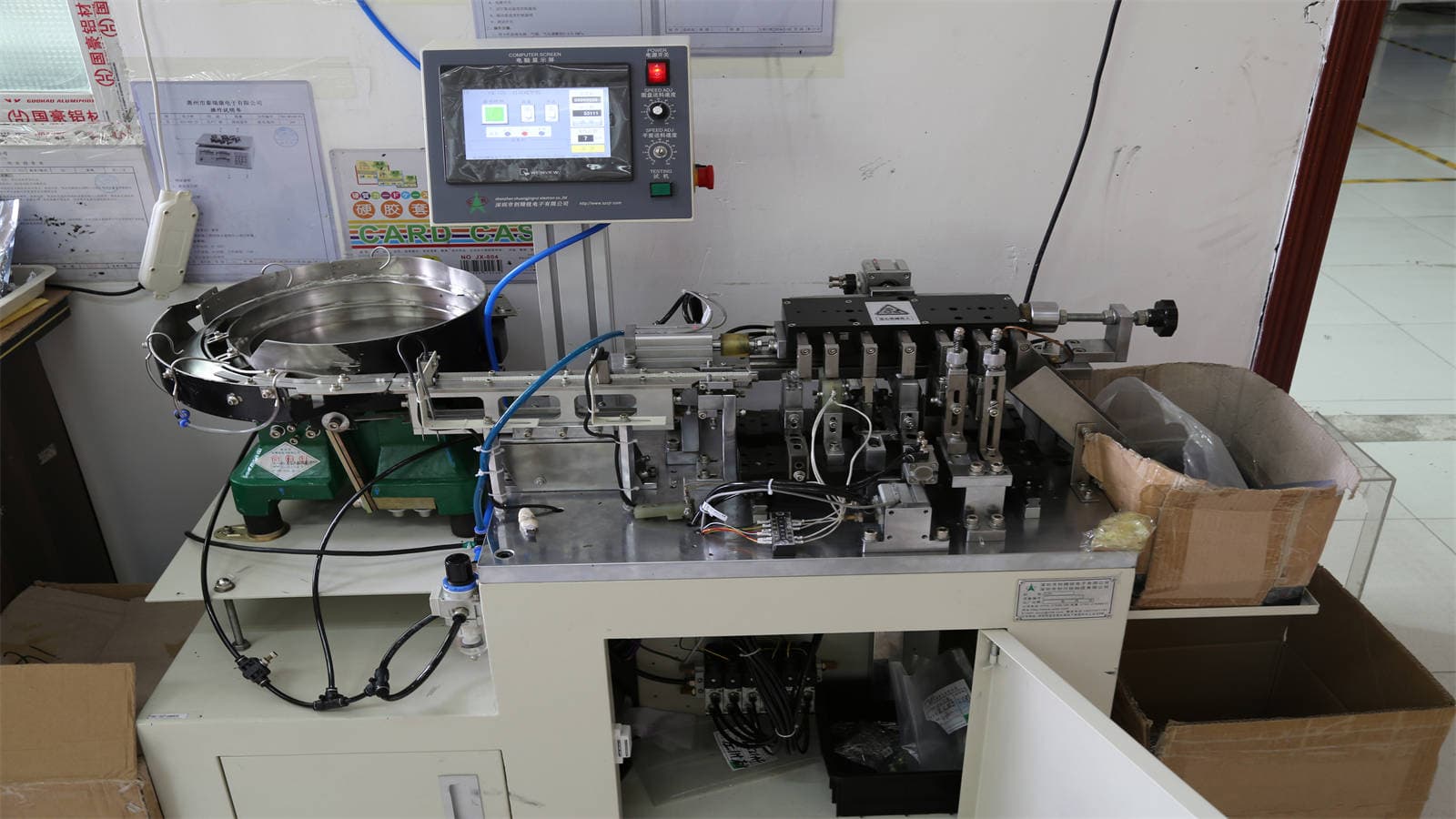
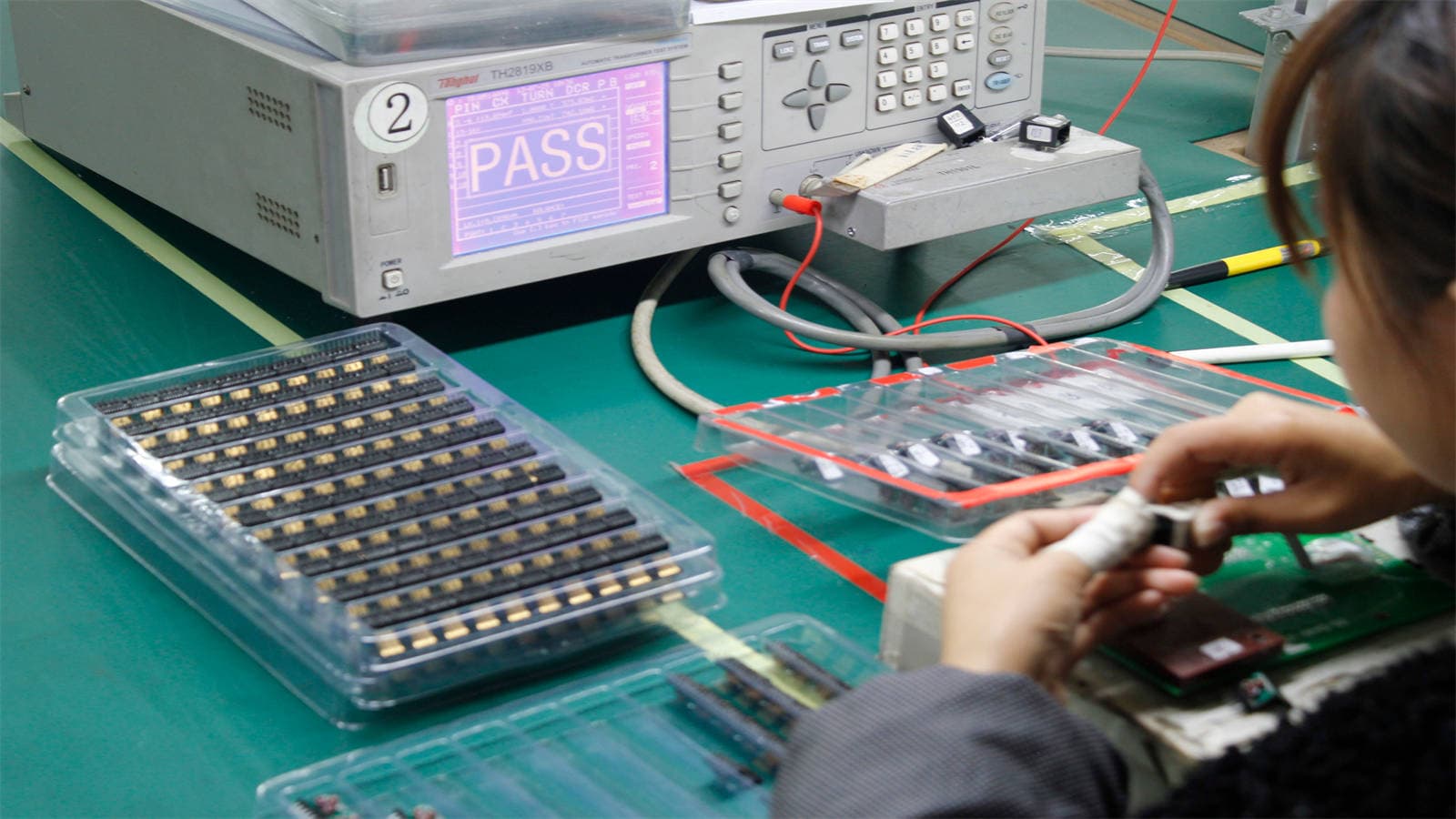
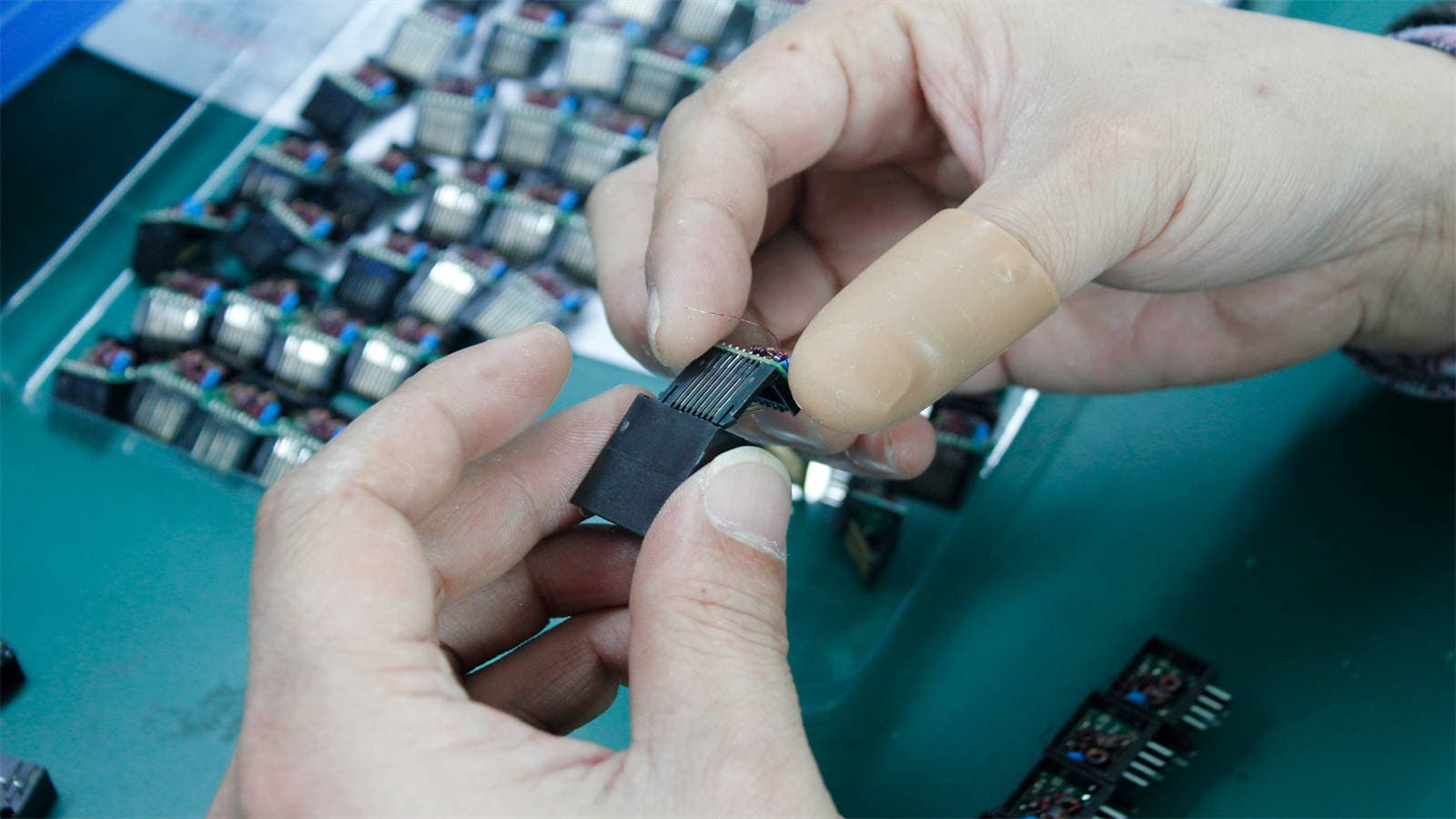
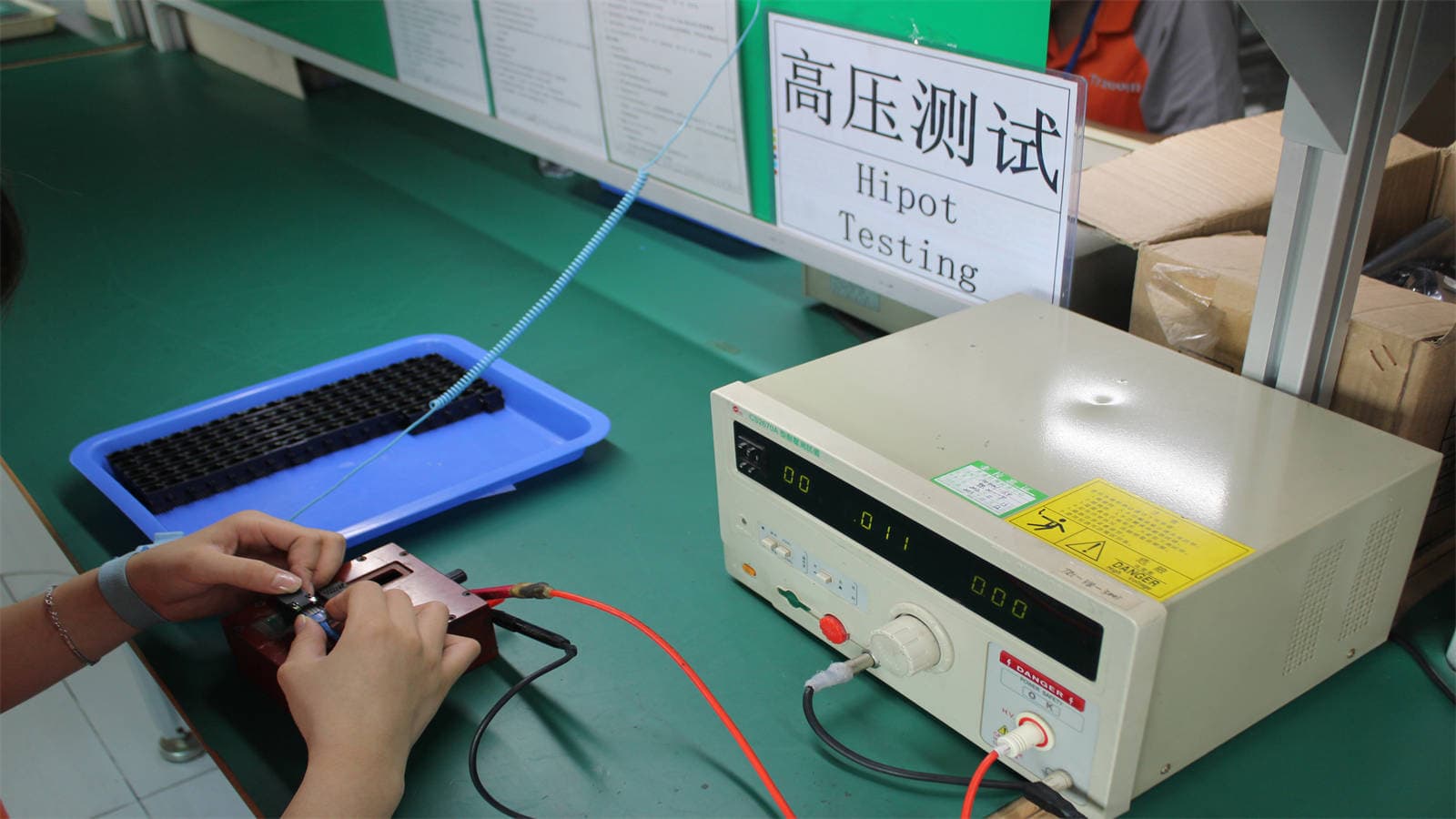

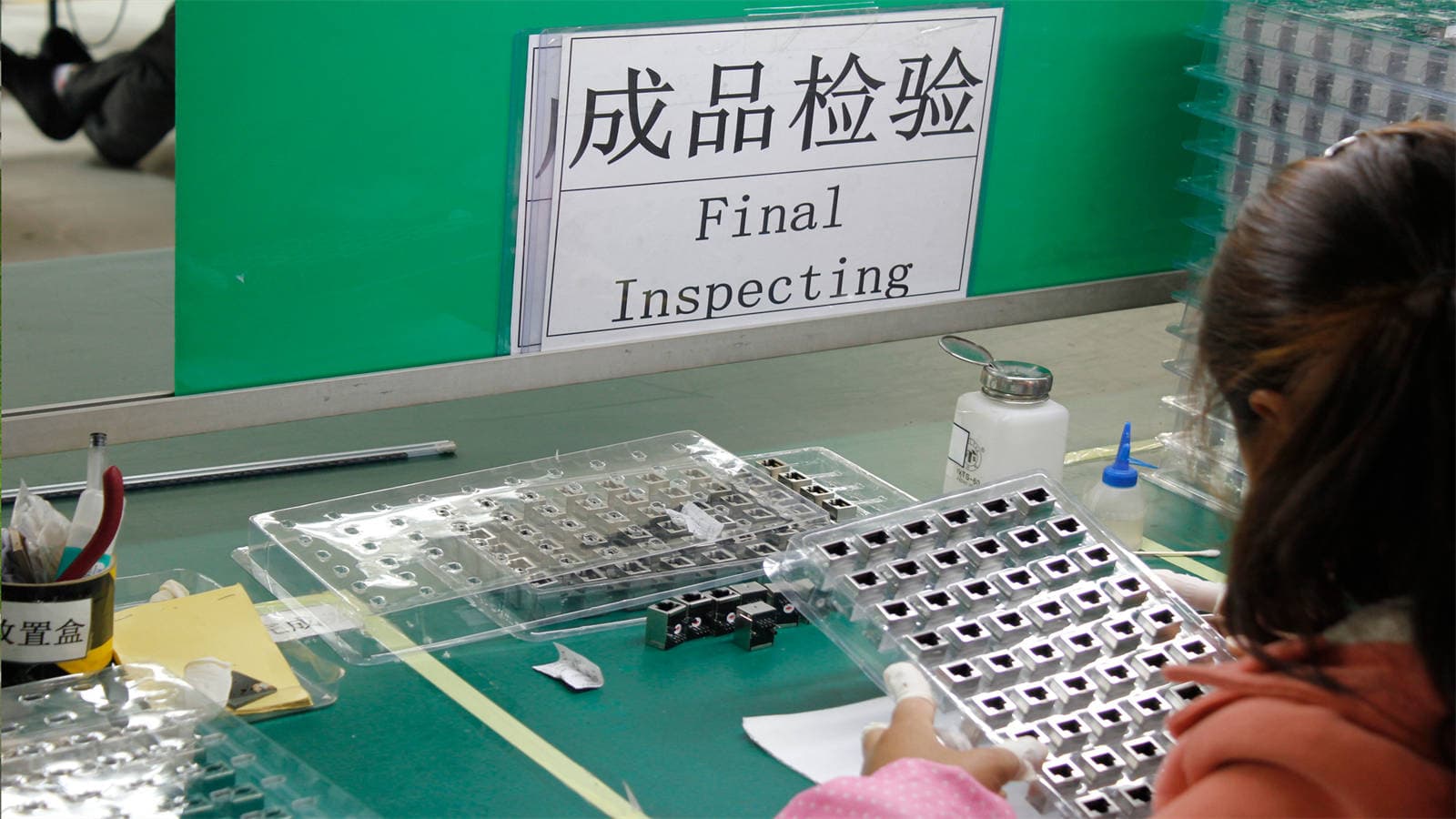

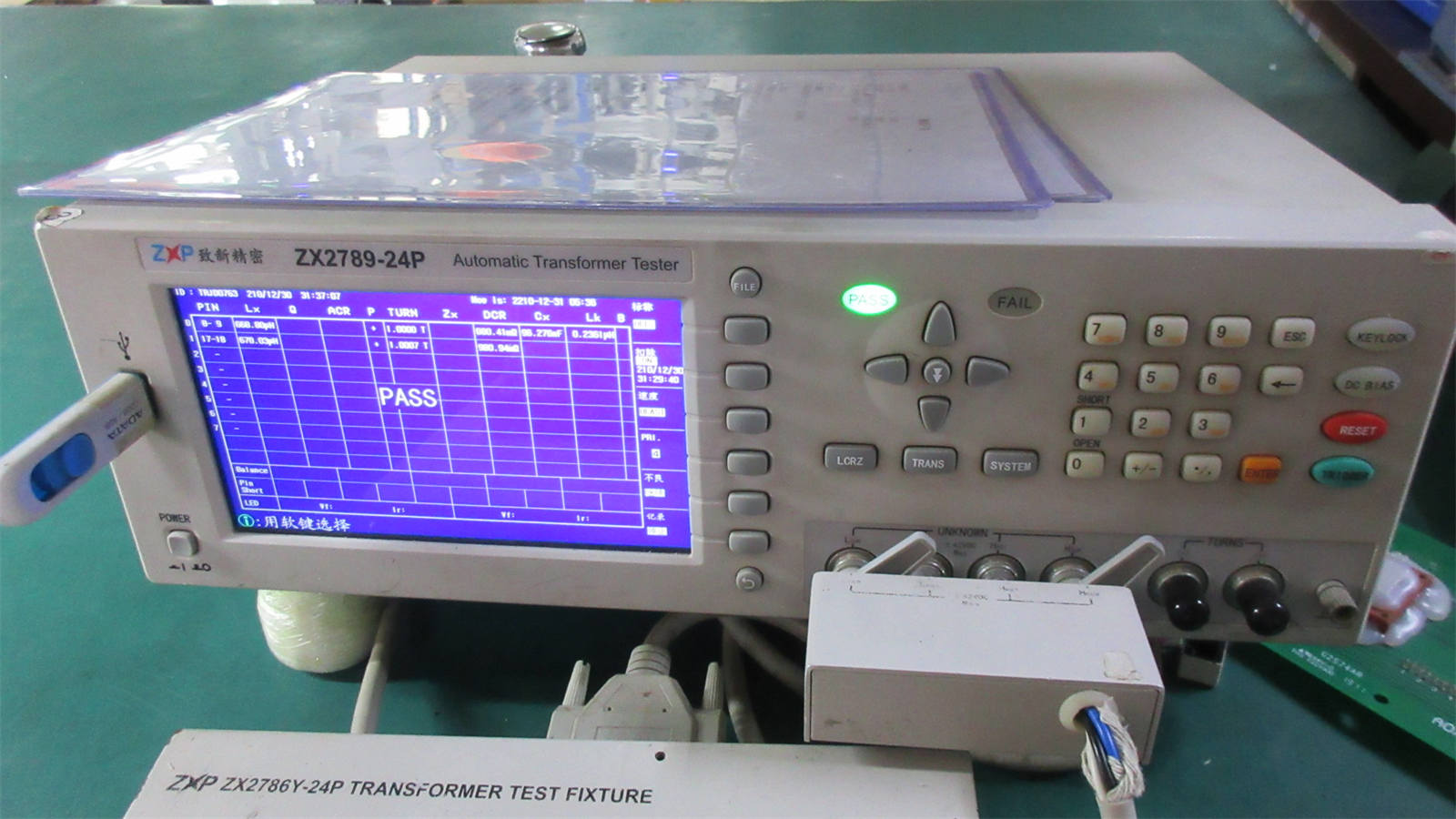
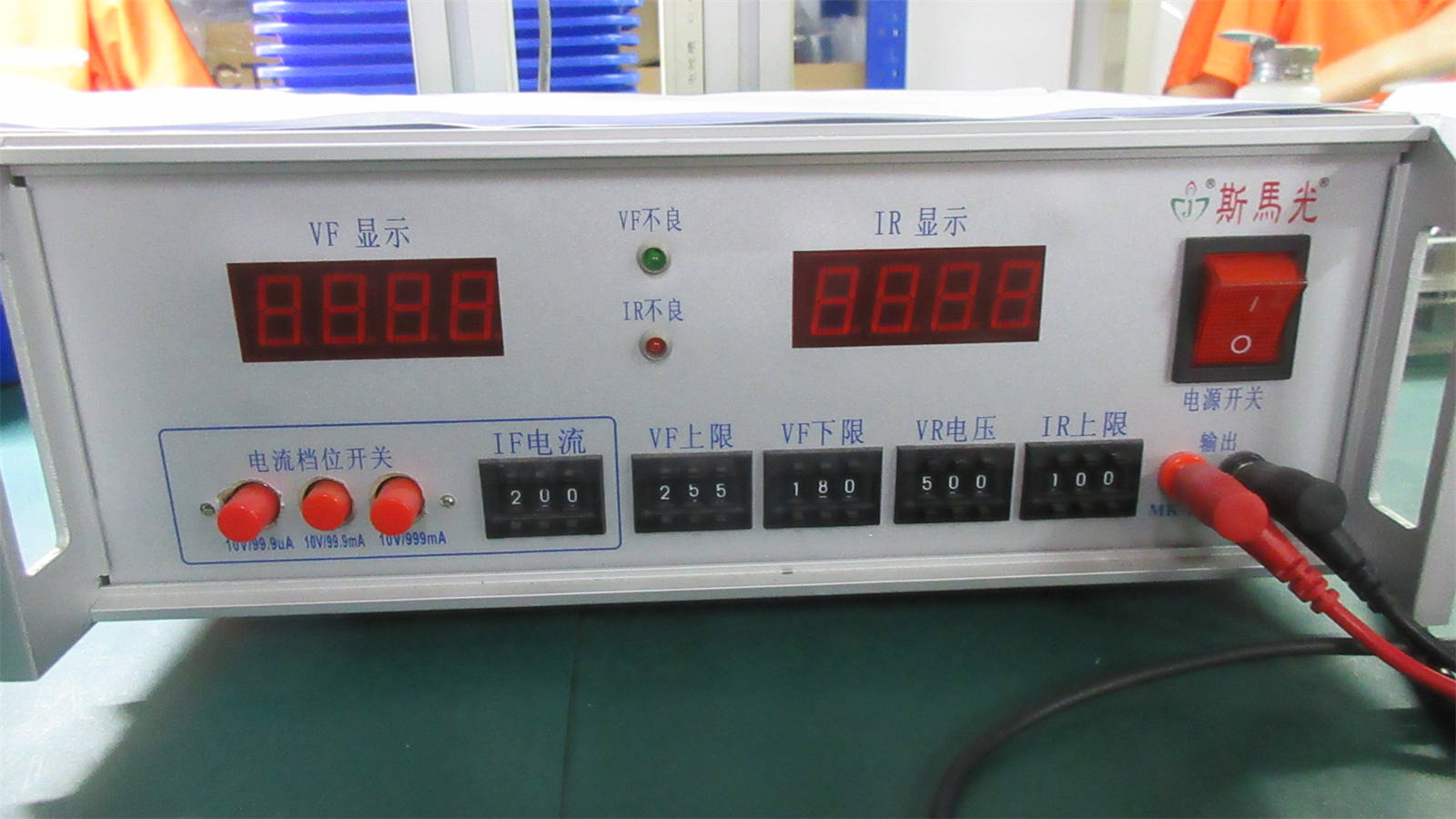
Reliability requires dedicated testing infrastructure. Our facility runs specialized equipment to verify optical and electrical parameters under thermal and structural stresses.

Ensure hardware compatibility, signal integrity, and international regulatory compliance during product sourcing.
When procurement professionals evaluate CSFP cages and optical modules, they must consider factors beyond unit cost. Maintaining high throughput in optical transceivers requires looking closely at key performance metrics:
Lumopt Opto Technology Co., Ltd. addresses these technical needs by manufacturing full-series optical modules from 10G up to 1.6T.
Our dust-free workshops and automated test rigs verify that all exported assemblies meet IEEE standards, RoHS environmental regulations, and electrical certifications. This attention to detail prevents field failures and simplifies multi-vendor system integration.
Detailed technical answers to common questions about Compact SFP interconnect products.
Complete your design with our high-density SFP cages, high-speed transceivers, and magnetics.