Lumopt
Lumopt
Lumopt
Engineered for extreme reliability, low insertion loss, and seamless backward compatibility in enterprise communication systems.
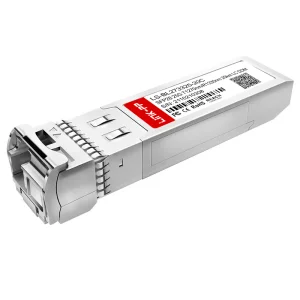
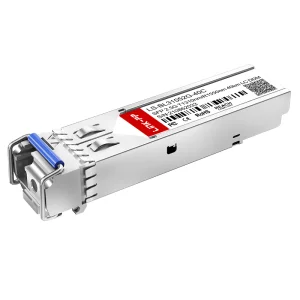
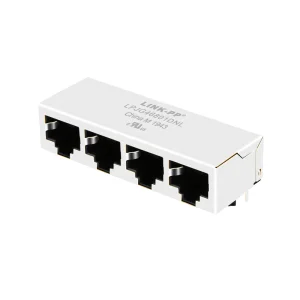
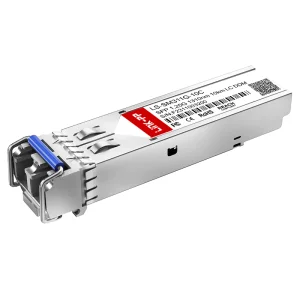
Lumopt Opto Technology Co., Ltd., registered as Luguang Communication Technology Co., Ltd. in China, stands at the absolute vanguard of high-performance optoelectronic and ethernet interconnect engineering. As an industry-leading Chinese manufacturer and exporter, our core expertise is centered around the complete research and development, high-precision assembly, and strategic customization of full-series optical modules and compact Ethernet connectors.
Our active product matrix covers network transmission bandwidths spanning 10G, 25G, 100G, 400G, 800G, and next-generation 1.6T protocols. These solutions are key structural elements inside high-density enterprise communication systems, hyper-scale data centers, telecom networks, municipal cloud architectures, and specialized AI computing equipment.
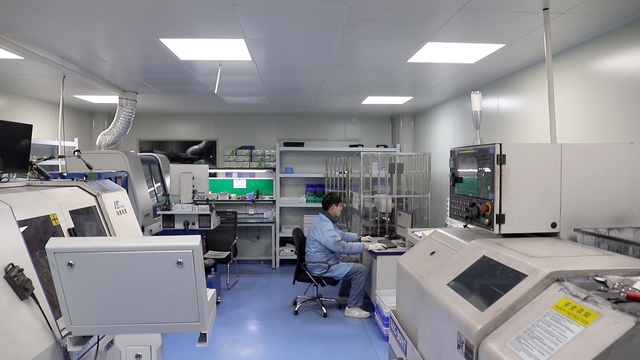
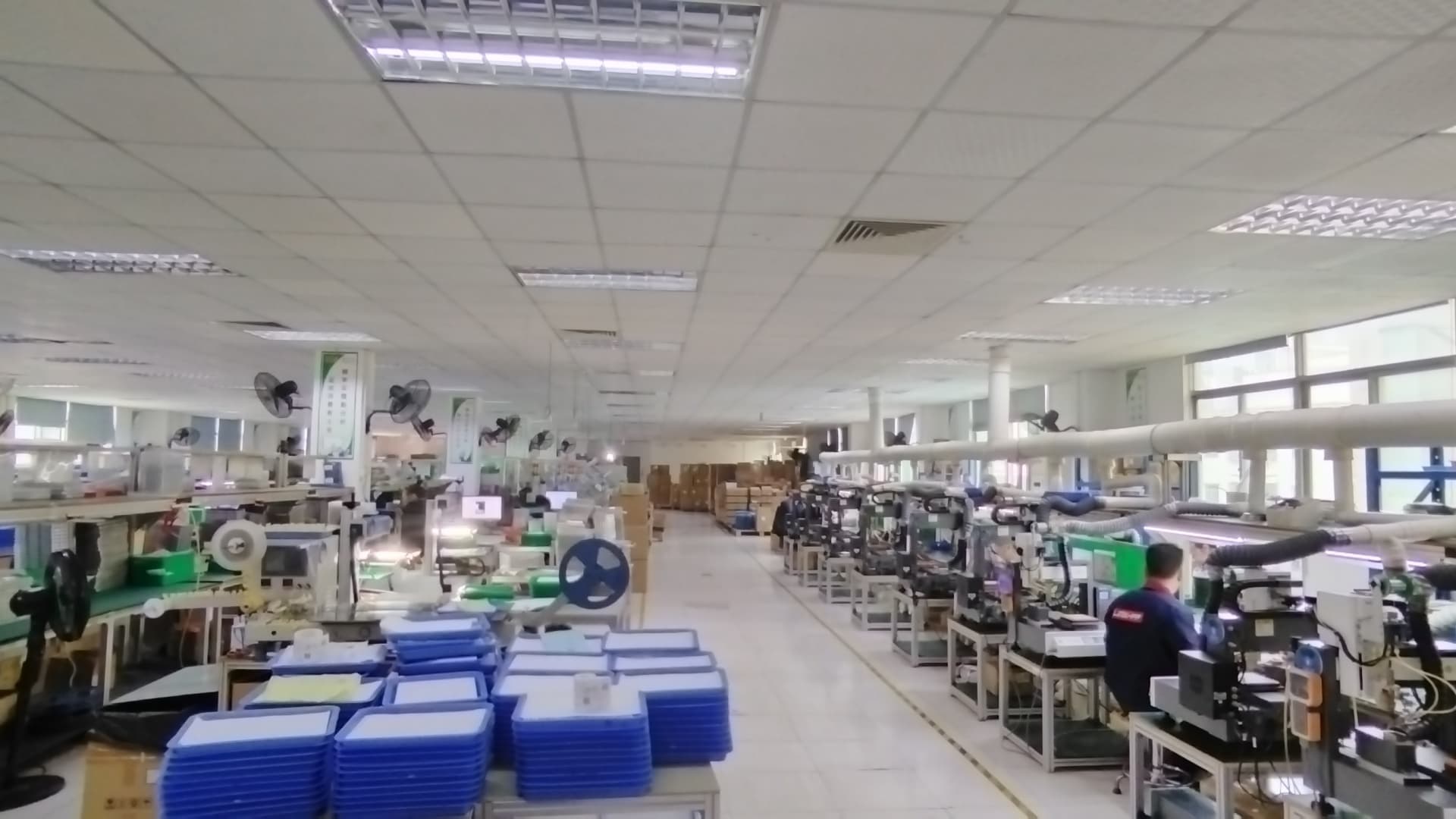
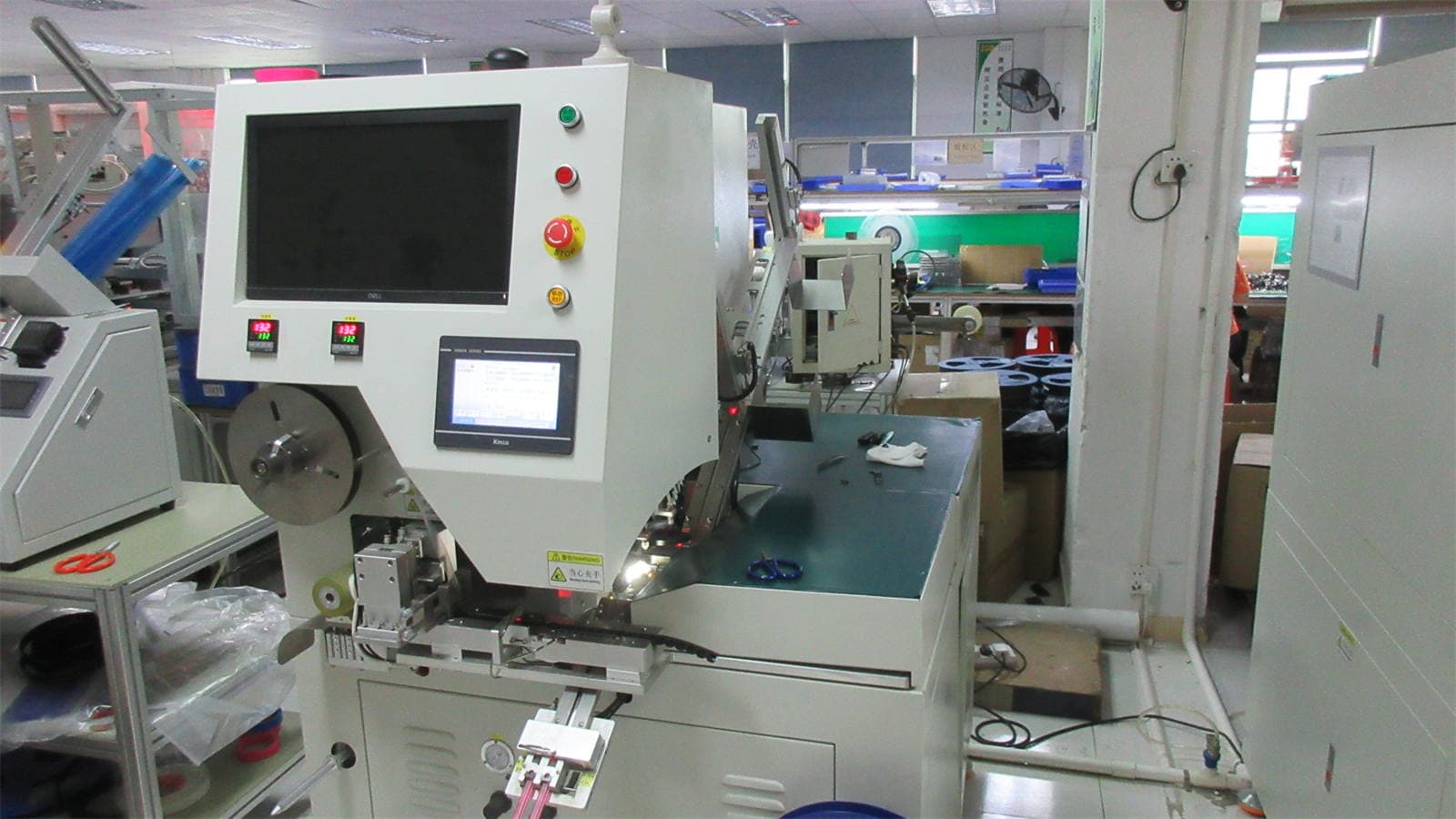
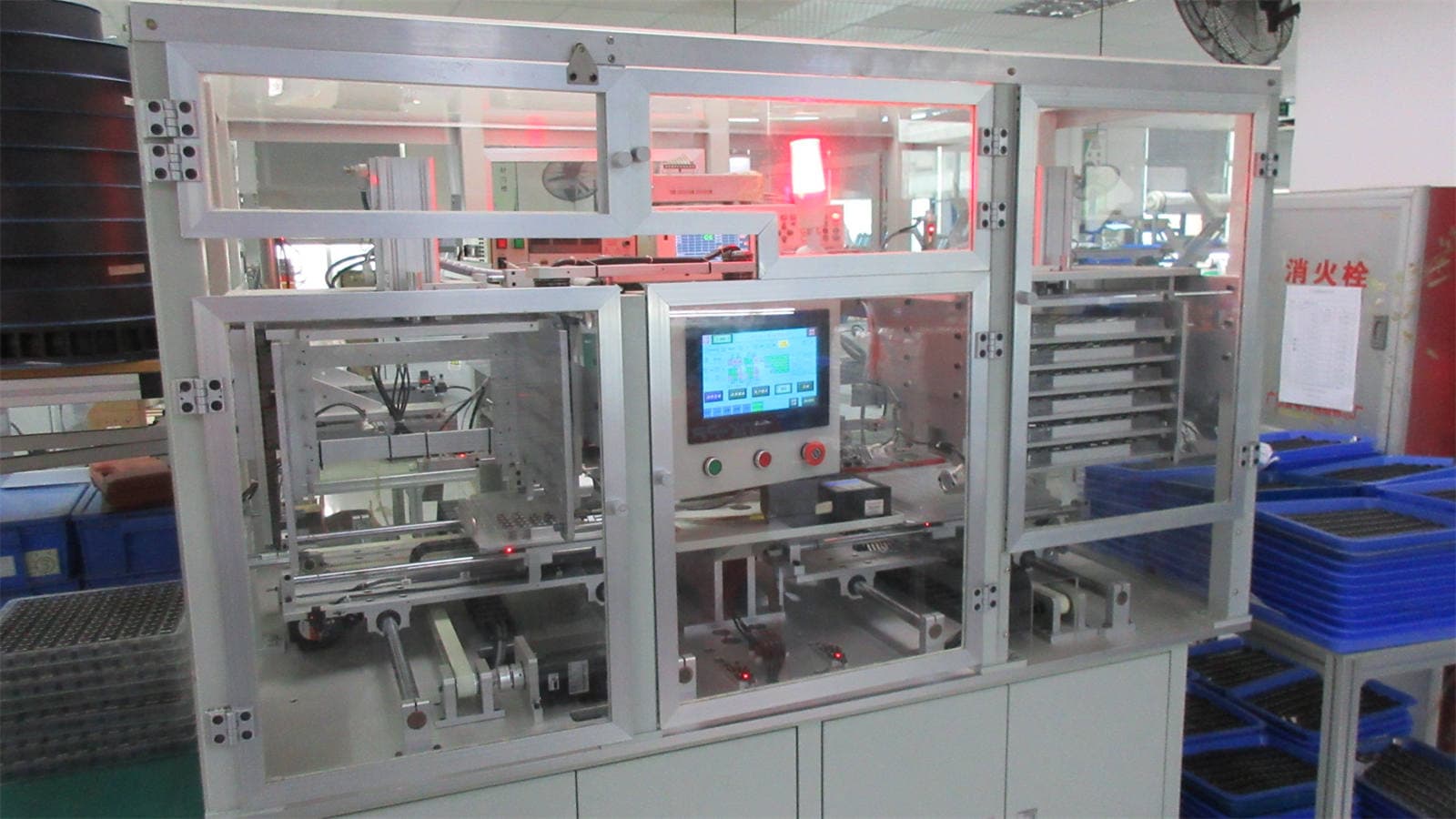
By leveraging standardized Class 100,000 dust-free automated production zones, advanced digital testbeds, and a world-class R&D cohort, we verify that every transceiver module and Ethernet port connector complies with rigorous international standards. Our manufacturing infrastructure is purpose-built to deliver both OEM and ODM custom specifications, guaranteeing maximum resilience, lowest insertion loss, and high-efficiency signal propagation for tier-one global buyers.

The exponential growth of data traffic, driven by generative AI models, high-performance computing (HPC), and 5G edge deployments, has pushed traditional network interconnects to their physical limits. The modern hardware stack demands higher packaging density, minimal crosstalk, and thermal layouts that prevent localized overheating. The industry is rapidly shifting toward Compact Ethernet Connectors and low-profile magnetic jacks that minimize circuit board real estate while maintaining signal integrity at microwave frequencies.
"The transition from discrete magnetics and standard RJ45 ports to integrated magnetics (ICMs) and press-fit SMT shielding cages marks the defining architectural leap in high-density PCB designs. As speeds push beyond 25G per lane, parasitic capacitance and electromagnetic radiation become primary engineering bottlenecks."
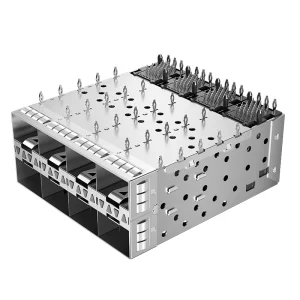
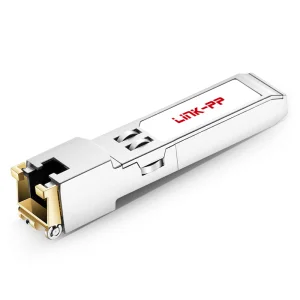
While copper remains the backbone for short-reach, cost-effective server-to-switch connections (using RJ45 SFP transceivers and direct attach copper cables), optical transceivers govern the medium-to-long-haul fabric. Lumopt’s technical roadmap balances both worlds. By designing cages that support both copper SFP SGMII transceivers and high-speed single-mode/multimode optical transceivers, we enable network architects to dynamically configure hardware platforms based on path distance and thermal envelopes.
Our development cycle is currently focusing on three key technical frontiers:
How our compact Ethernet architecture and high-performance optical modules power the world's most demanding digital infrastructures.
High-density QSFP28 100G and 25G BiDi modules deployed in leaf-spine architectures to reduce cabling complexity and latency. Designed for 24/7 continuous packet processing environments.
Ruggedized low-profile 5G/2.5G RJ45 connectors and SFP cages engineered to withstand extreme outdoor temperature variations, power surges, and high humidity in remote base stations.
Ultra-low latency transceivers and high-capacity parallel optical modules supporting multi-gigabit clusters, reducing system-level bottlenecks during deep learning model parallel runs.
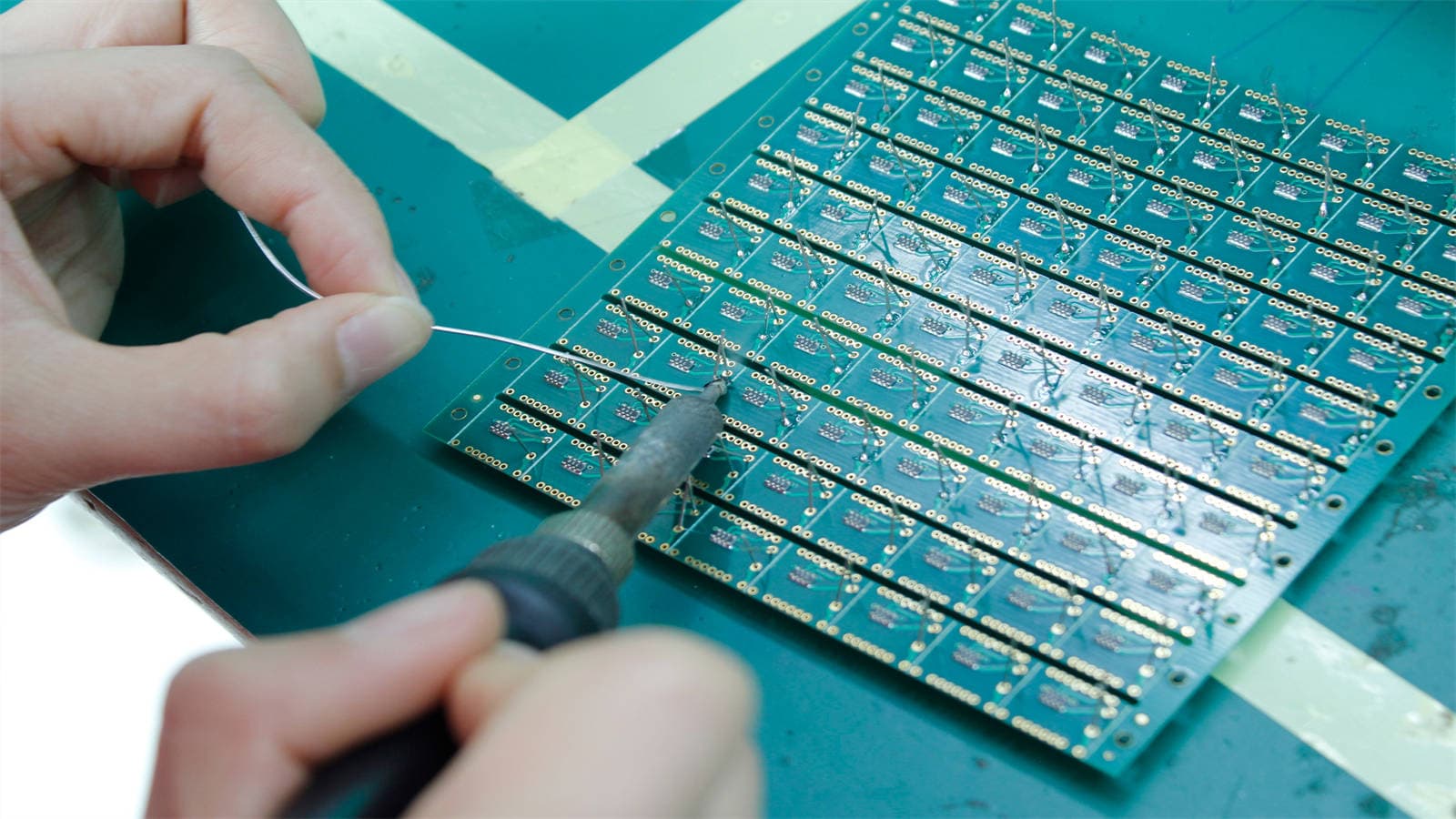
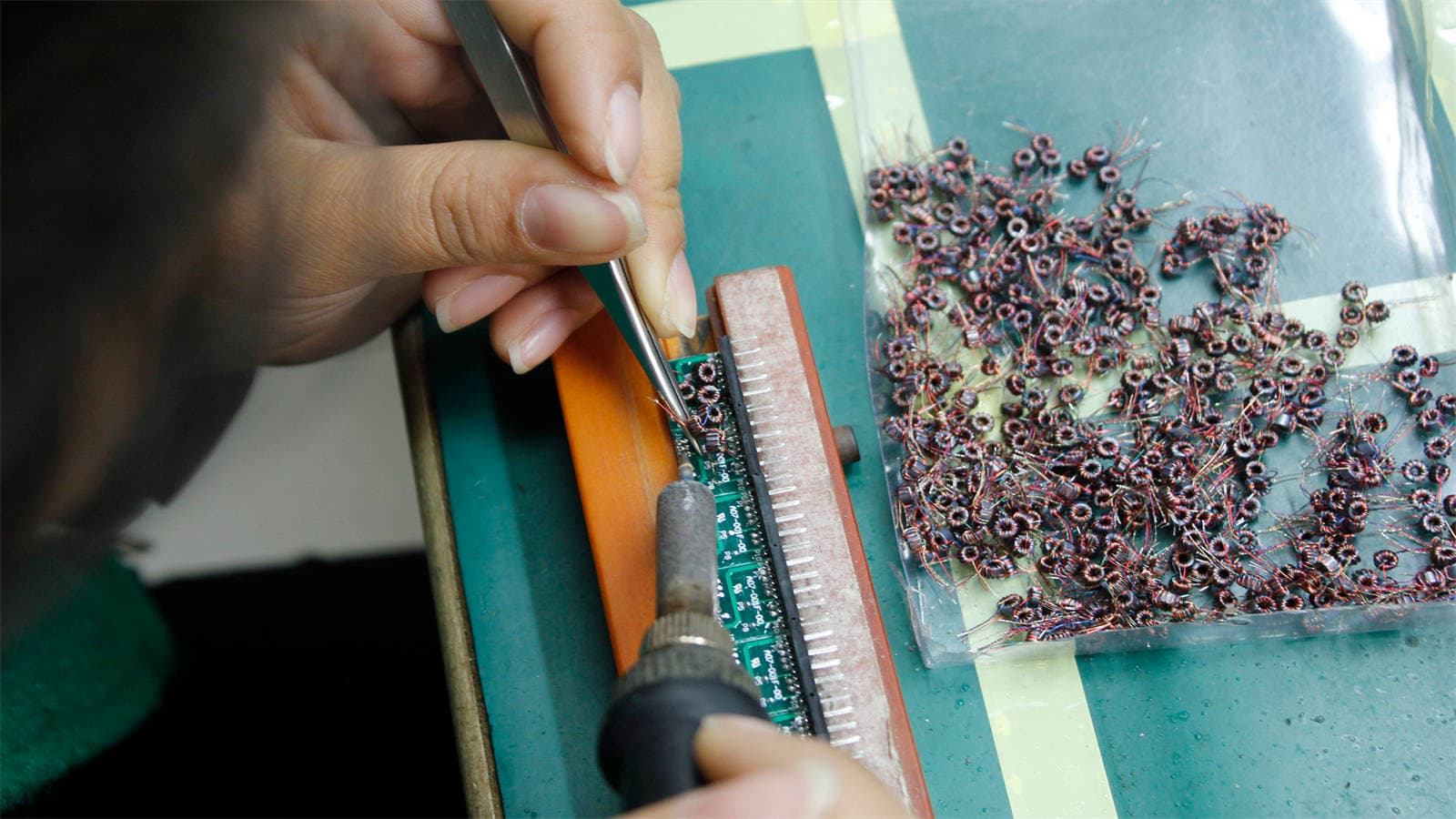
Every single product undergoes an exhaustive 19-step manufacturing, assembly, and testing protocol to guarantee absolute zero-defect delivery.
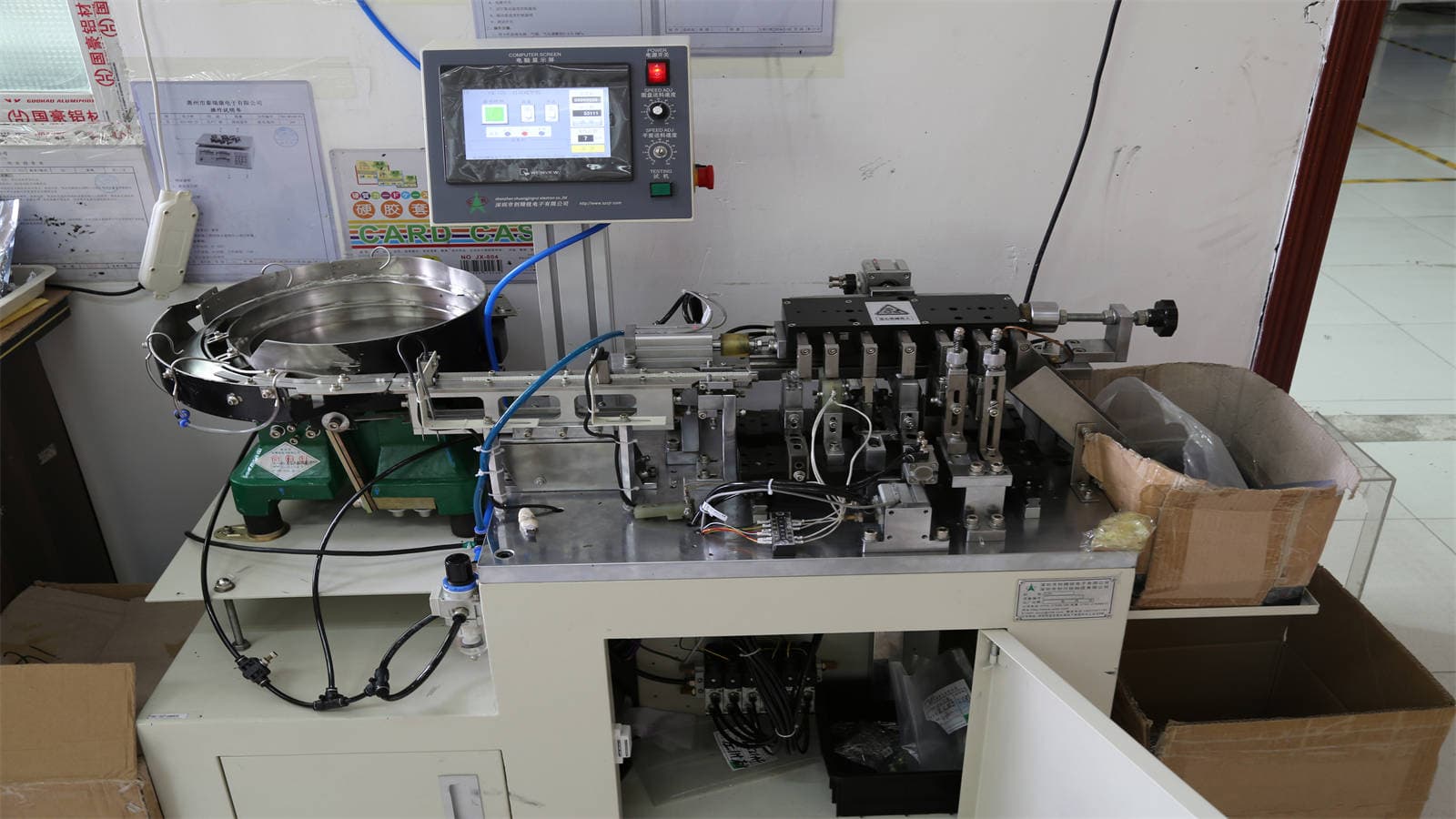
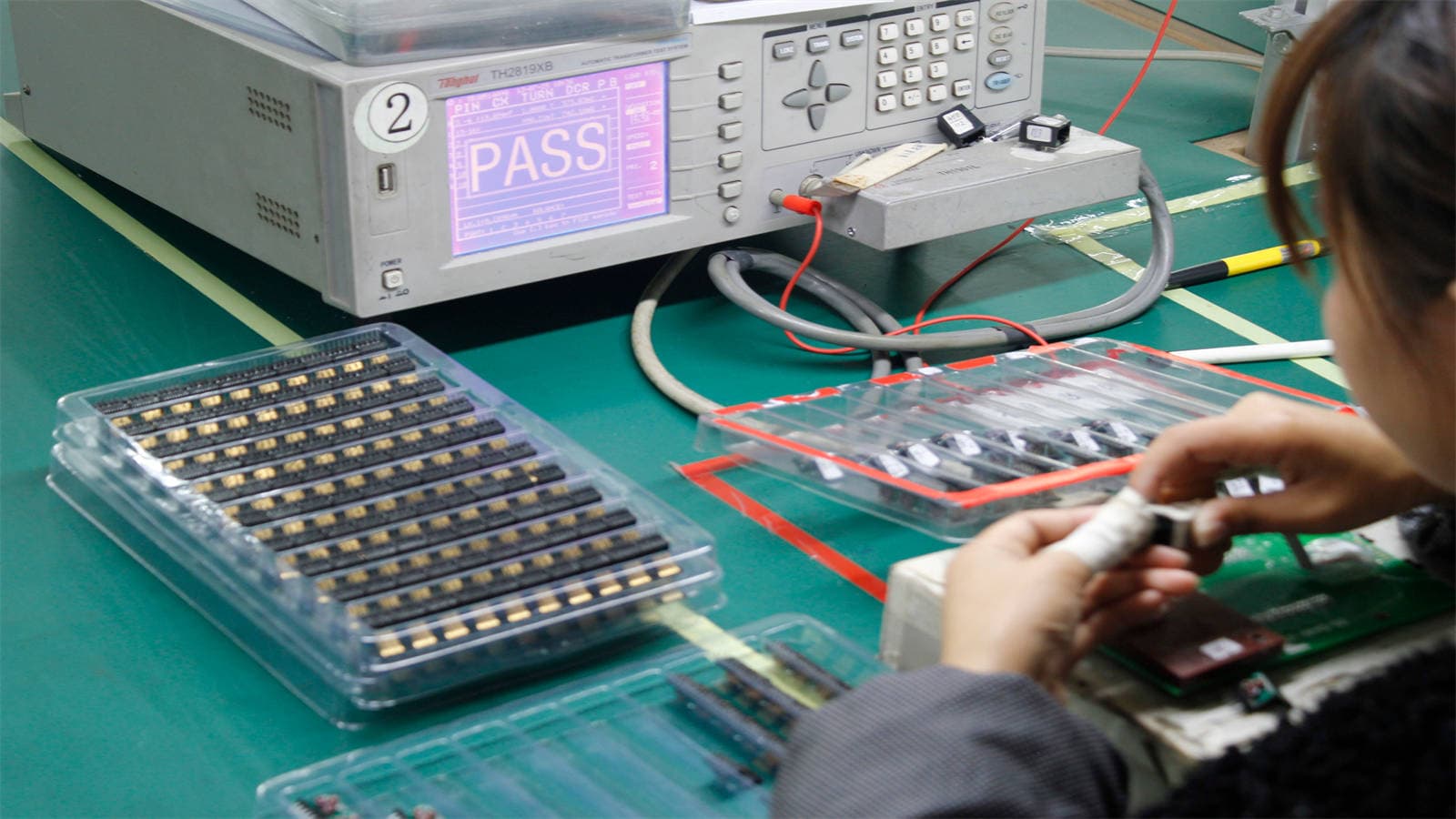
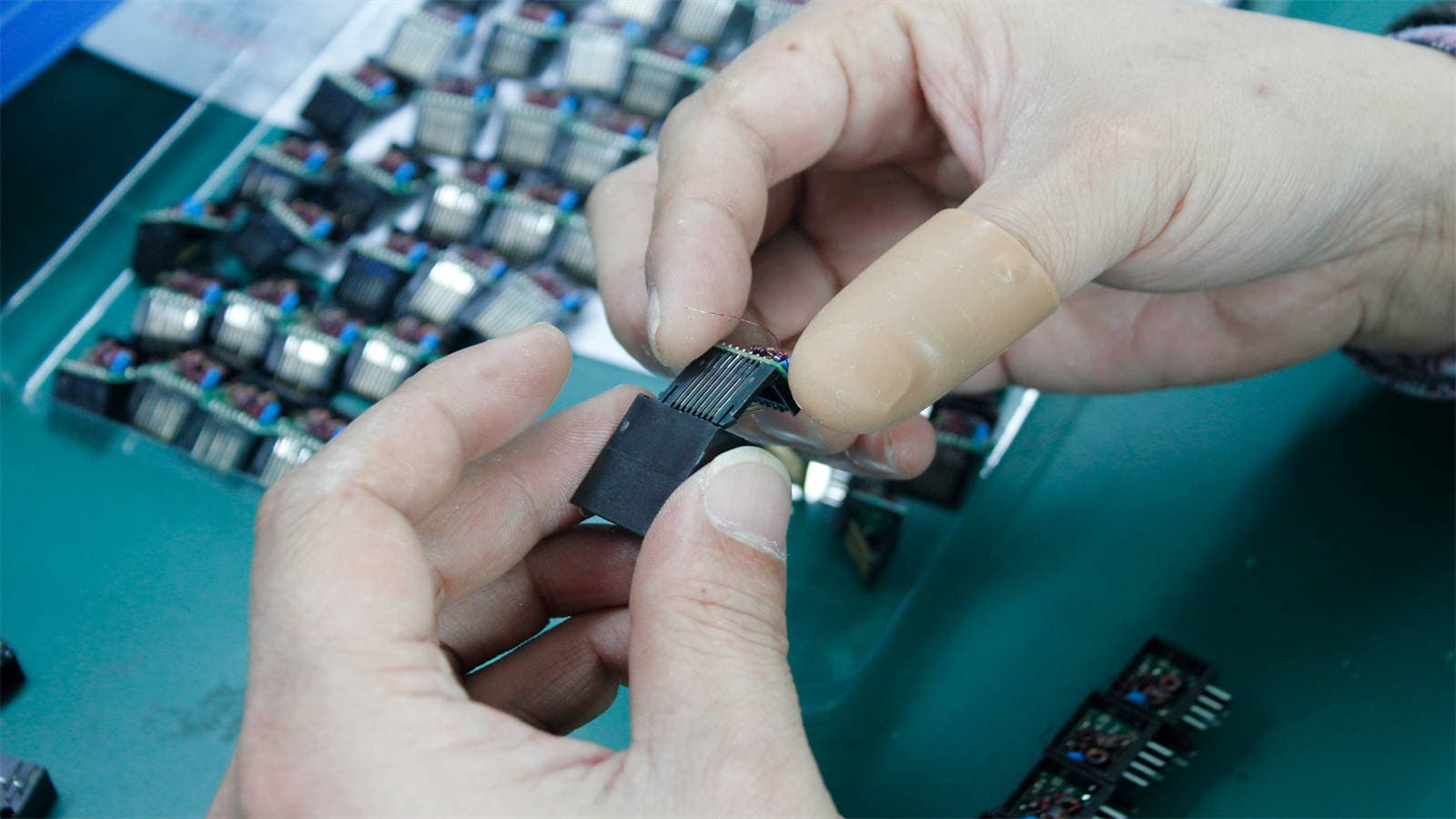
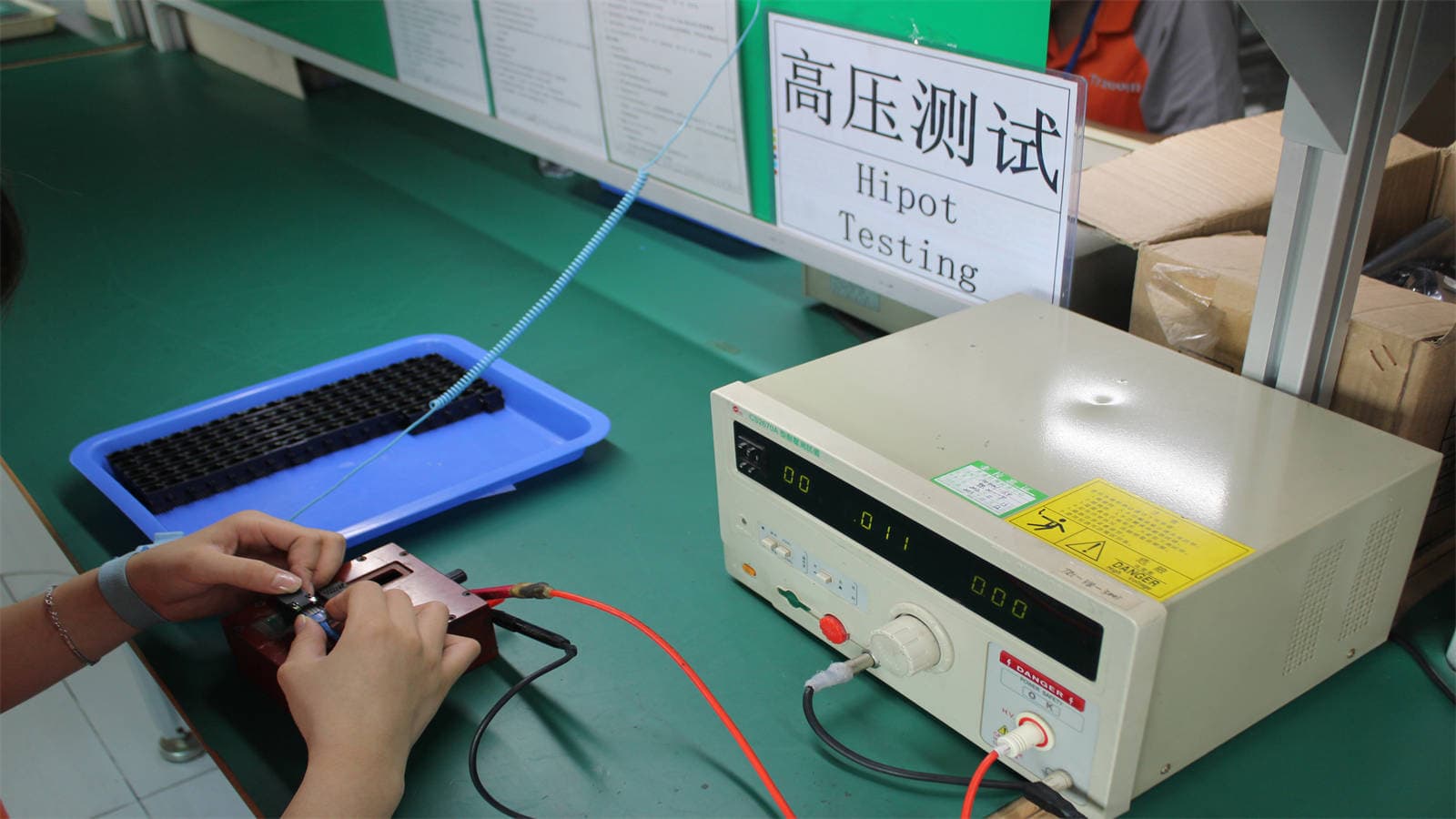
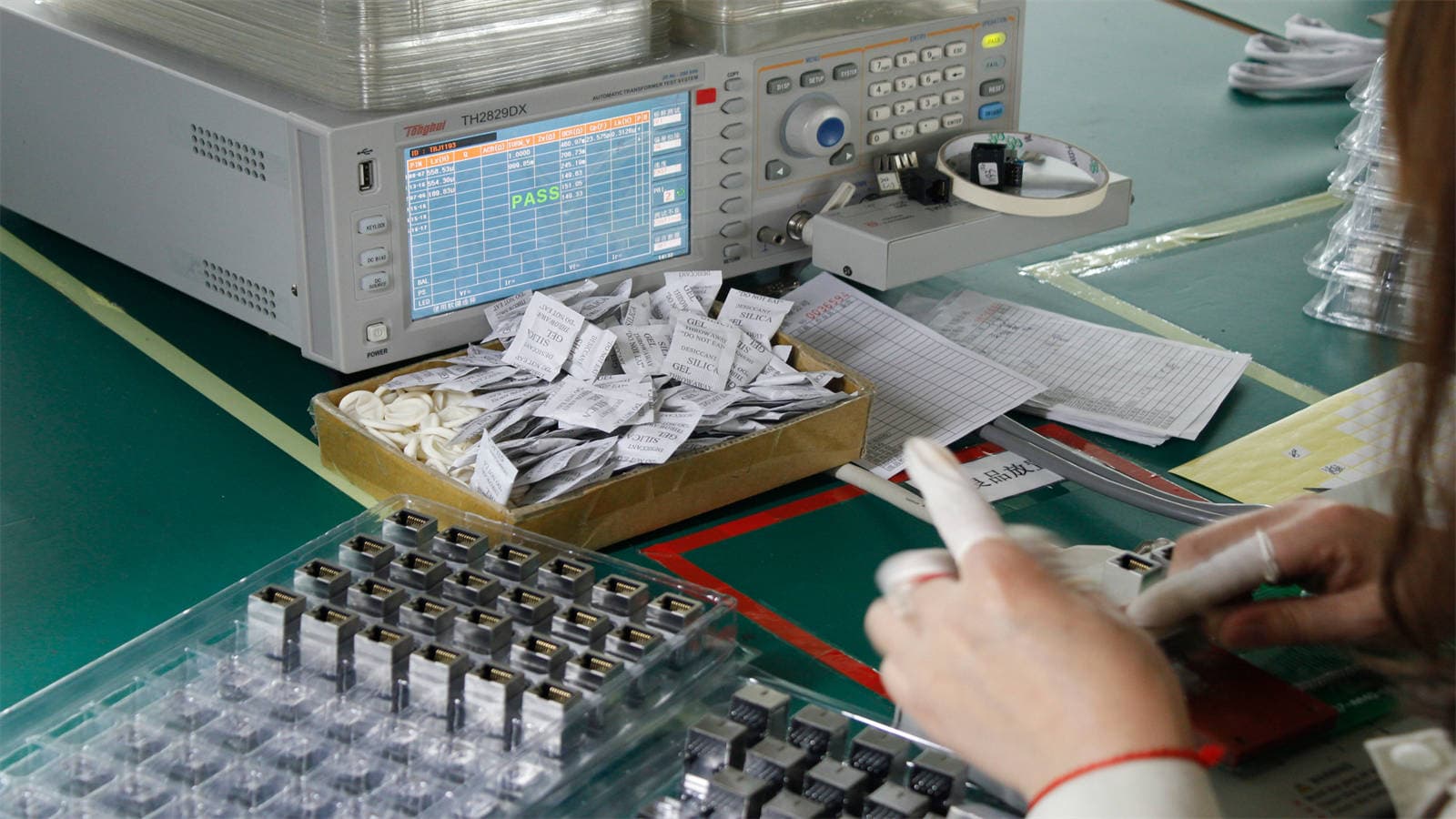
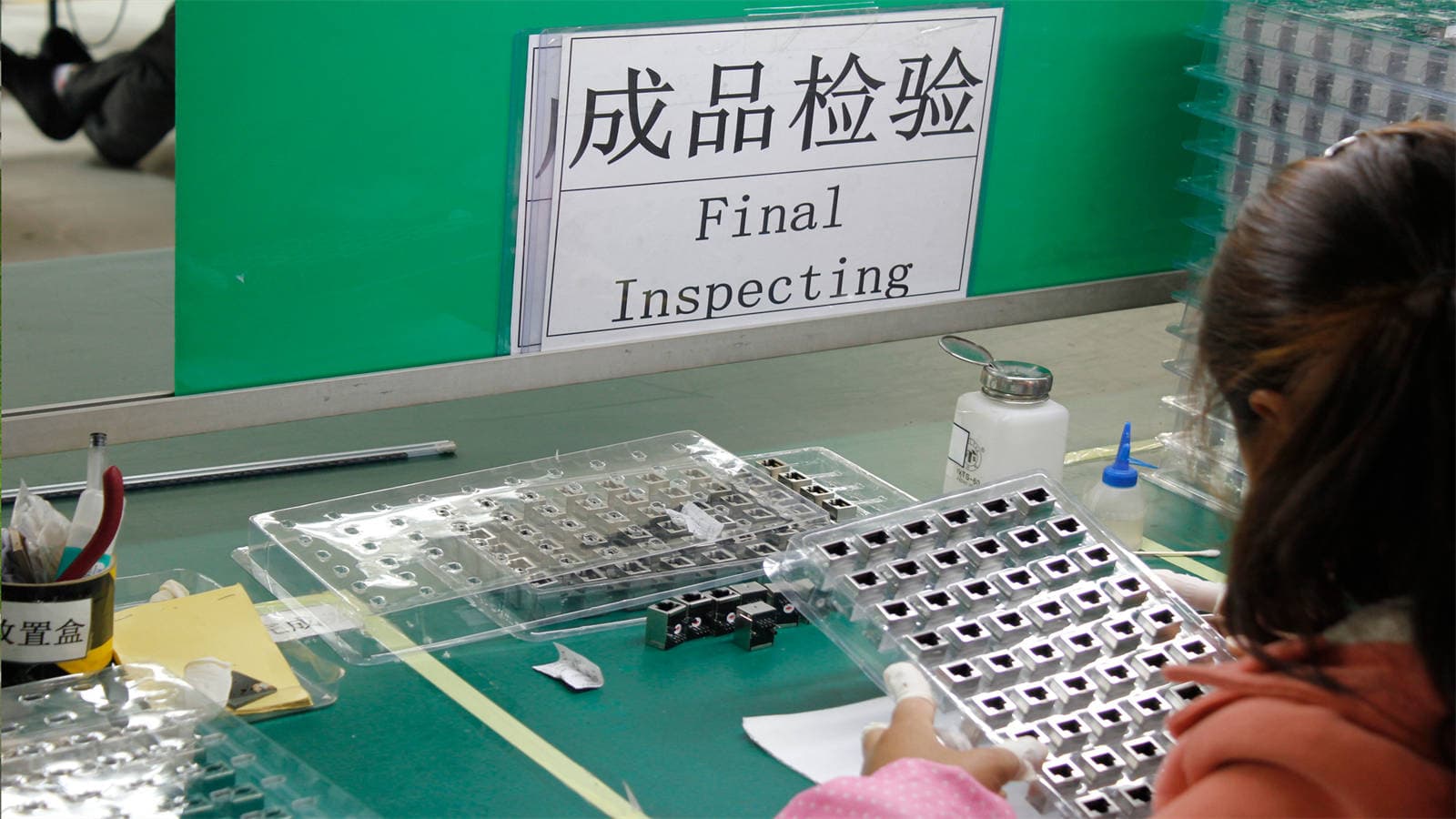

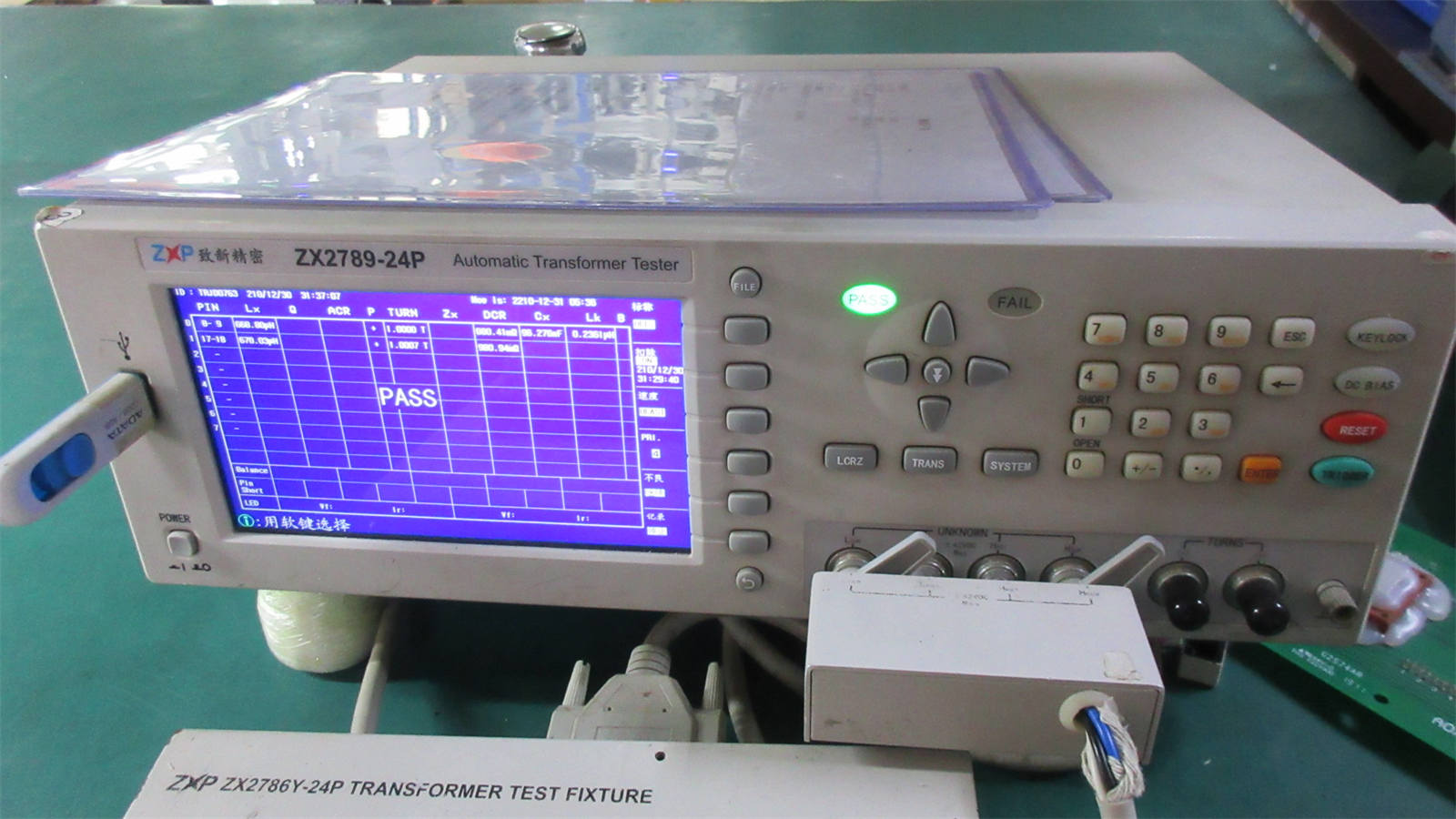
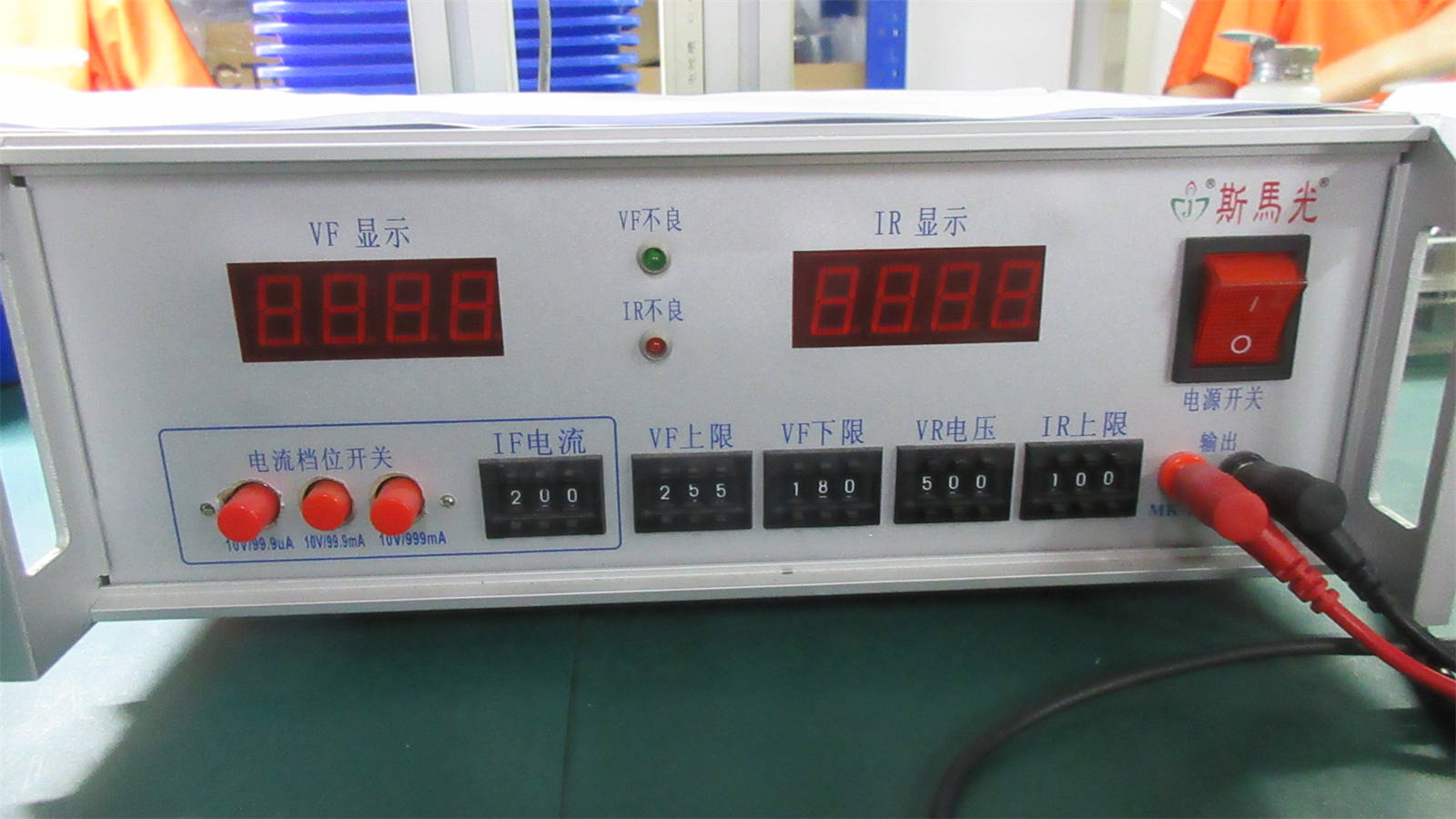
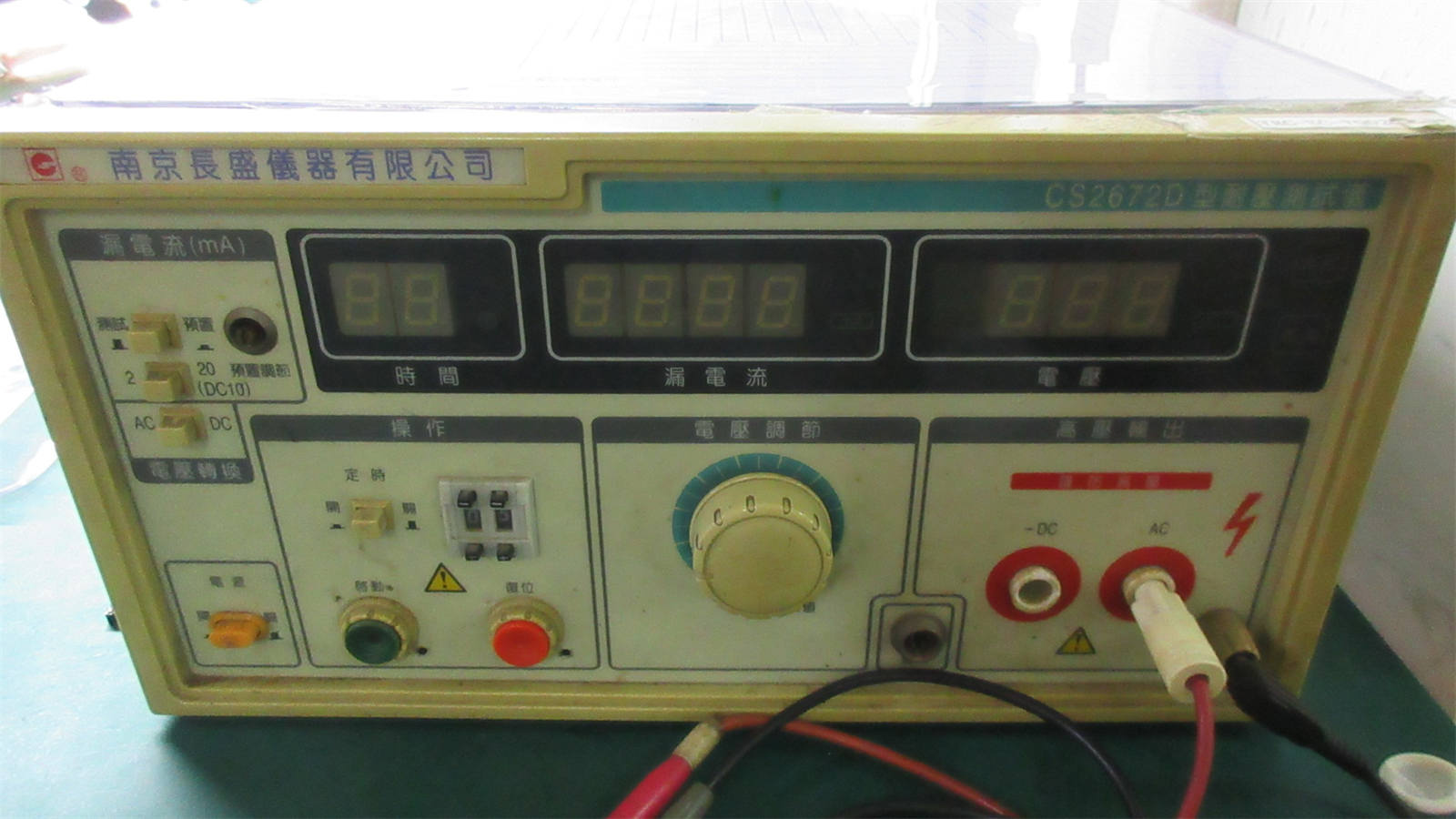
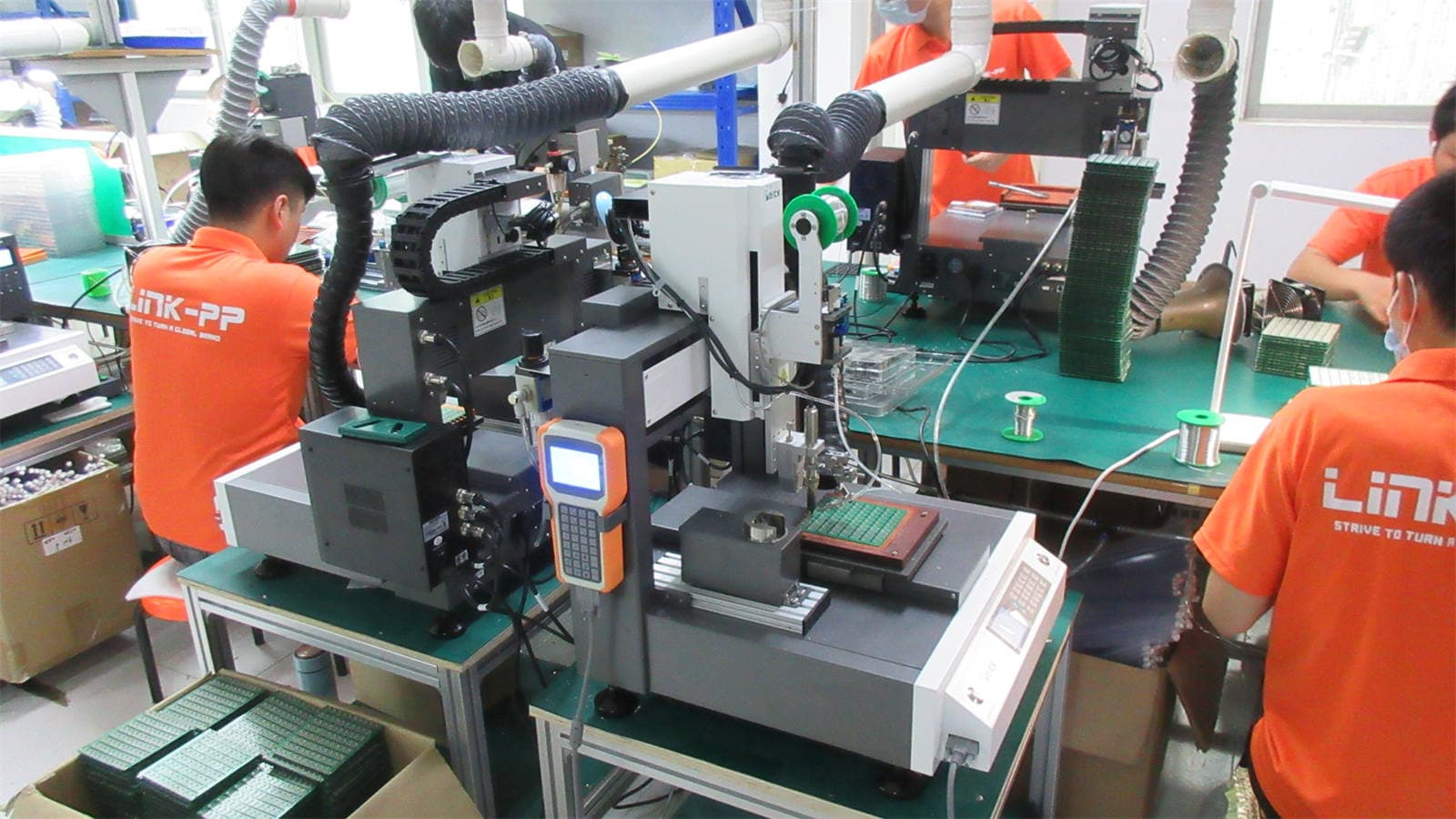
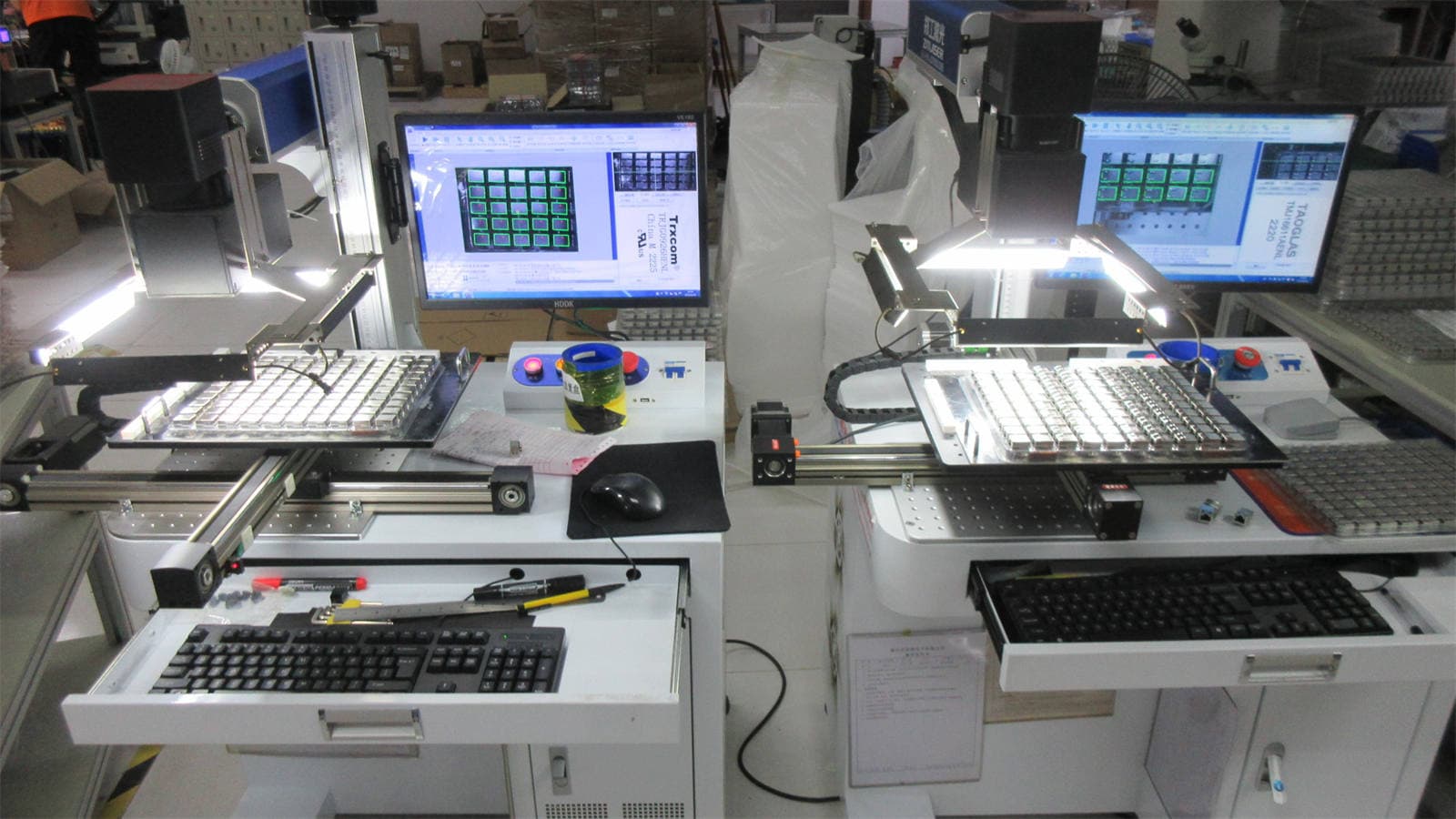
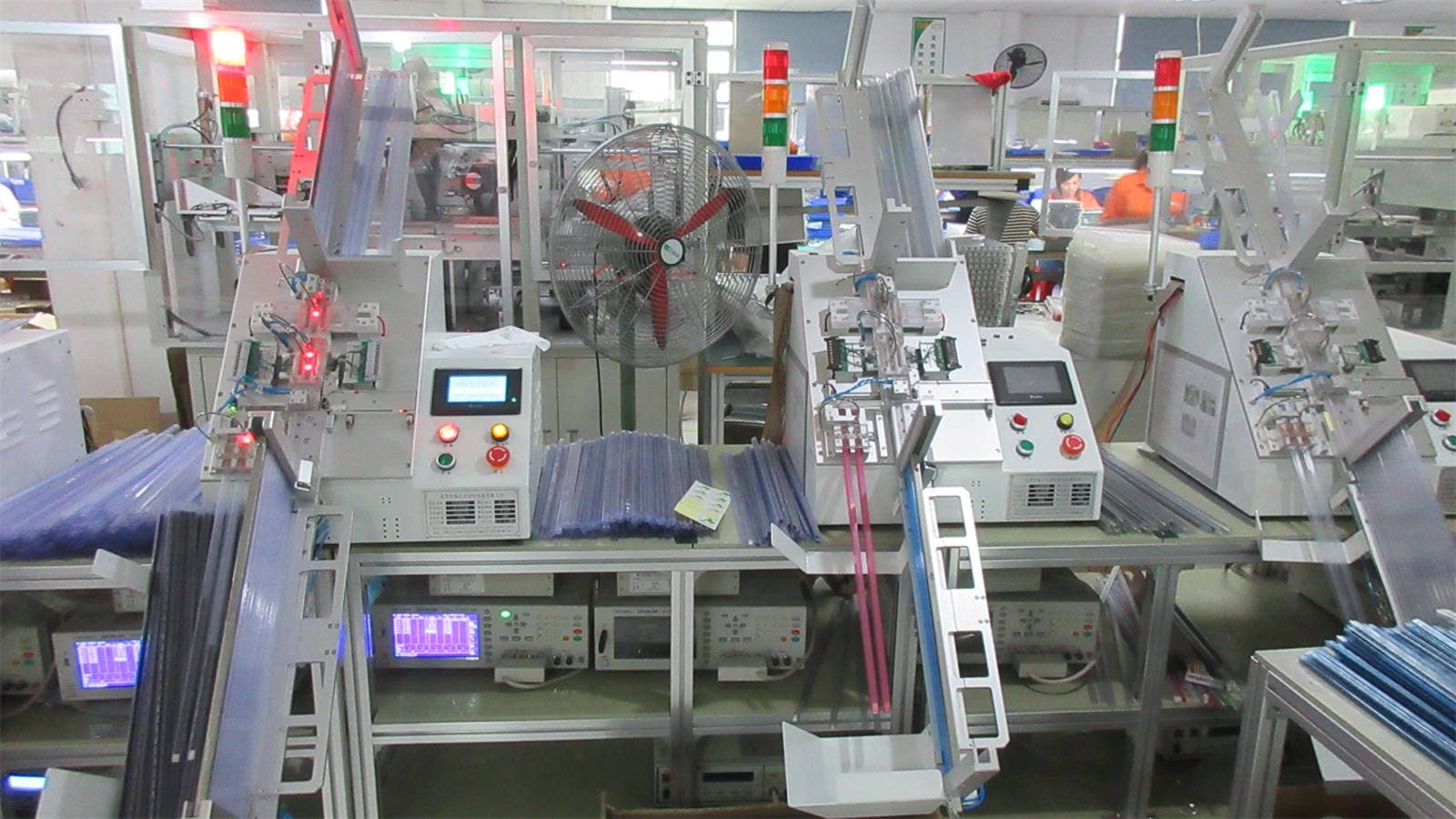

Selecting the appropriate compact Ethernet connector or optical transceiver module requires a deep understanding of physical transmission parameters and structural design standards. System integrators and sourcing directors must verify that hardware matches the operating margins of their target environment. Below is the technical performance criteria observed by Lumopt to guarantee cross-manufacturer compatibility and structural longevity.
| Product Category | Standard Protocols | Target Insertion Loss | EMI Shielding Spec | Industrial Certification |
|---|---|---|---|---|
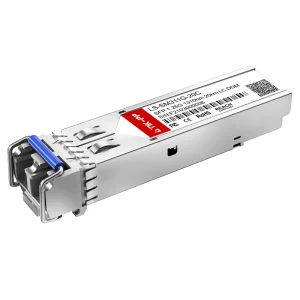
| Optical Transceivers (10G/25G/100G) | SFF-8431, SFF-8472, IEEE 802.3by | < 0.2 dB (Interface) | 360-degree shielded cage with spring tabs | CE, FCC Class B, RoHS Compliant |
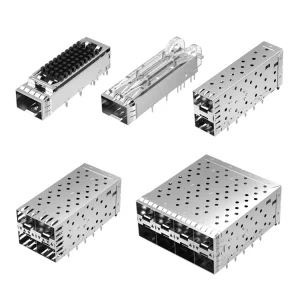
| High-Speed SFP Cages | SFF-8432, SFF-8071 | N/A (Mechanical) | Multiple press-fit pins, integrated elastomeric gaskets | UL 94V-0 Flammability Rated |
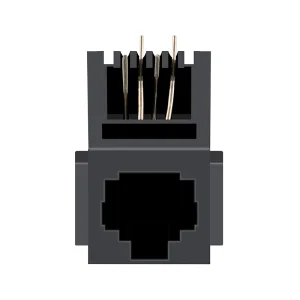
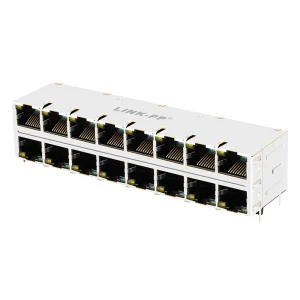
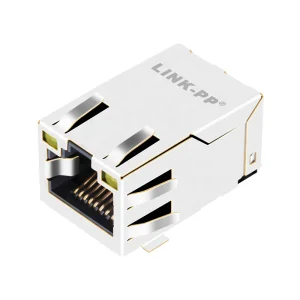
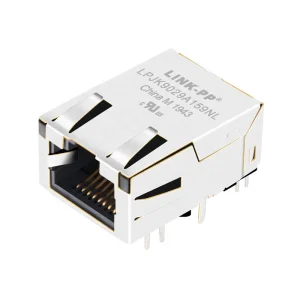
| Compact RJ45 Jacks | IEEE 802.3ab (1000Base-T), IEEE 802.3bz | < 0.8 dB (100 MHz) | Internal copper alloy shell, nickel plated | Telcordia GR-1217-CORE |
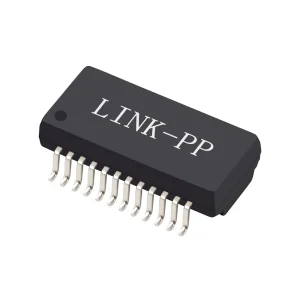
| Ethernet Transformers | IEEE 802.3 compliant | < 1.0 dB (1-100 MHz) | High-isolation toroidal cores, 1.5kV isolation | Hi-Pot tested per IEEE requirements |
Modern assembly lines rely heavily on Surface Mount Technology (SMT) and press-fit connectors. Unlike legacy through-hole wave-soldered pins, press-fit connectors establish a highly reliable mechanical and electrical connection through elastic deformation inside the plated through-holes (PTH) of the PCB. This design eliminates thermal stress during assembly, avoids solder bridging defects, and facilitates simple field replacement without requiring de-soldering tools.
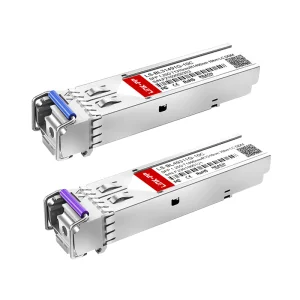
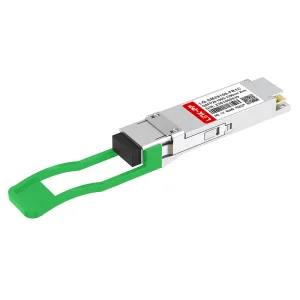
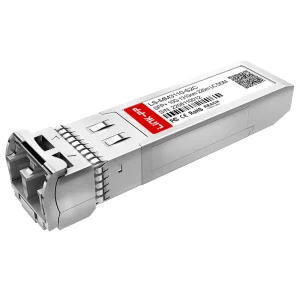
For optical modules like our SFP28 25G BiDi and QSFP28 100G Series, maintaining a precise interface contact point is vital for Digital Diagnostics Monitoring (DDM). Through real-time monitoring of receiver sensitivity, optical output power, temperature, and supply voltage, DDM alerts network operators of imminent link failures before they cause critical system downtime.
Technical clarifications regarding customization, compatibility, manufacturing standards, and bulk procurement logistics.
Explore our robust selection of low-profile Ethernet ports, shielded SFP+ cages, and sub-assembly transformers.