Lumopt
Lumopt
Lumopt
High-speed optical modules and passive cages designed to deliver optimal thermal efficiency and return-loss margins under full capacity.
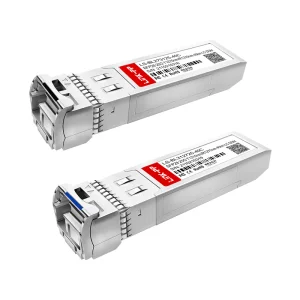
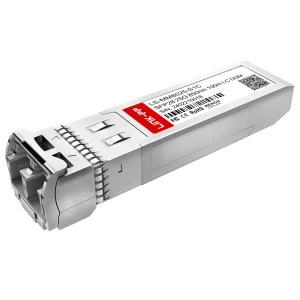
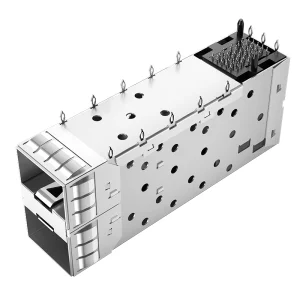
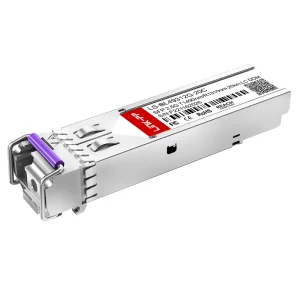
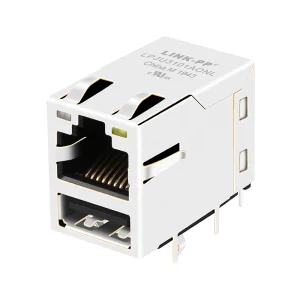
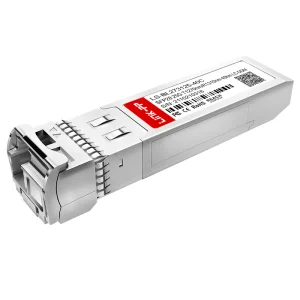
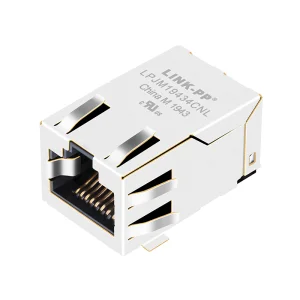
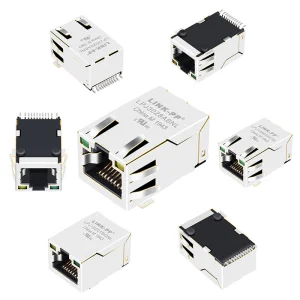
As the backbone of global cloud fabrics, next-generation fiber infrastructure demands extreme performance margins. The integration between passive connectivity—like optical fiber adapters—and active transceivers determines the physical integrity of data networks. A fraction of a decibel in insertion loss could compromise link budgets in dense hyperscale architectures running 400G and 800G protocols.
For network architects, selecting a reliable manufacturer is not merely about finding a vendor; it is about partnering with an engineering entity that can assure precision alignment, return-loss mitigation, and long-term mechanical endurance under dynamic thermal cycles.
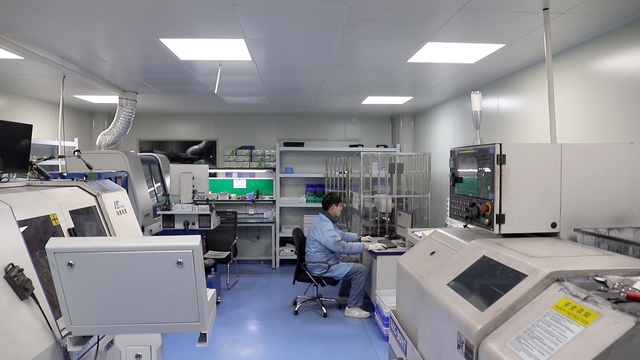
Registered in China as Luguang Communication Technology Co., Ltd., Lumopt stands as an industry-leading OEM/ODM manufacturer specializing in high-performance active optical transceivers and high-density passive fiber infrastructure components.
Our operations focus on research, development, and complex customization of transceiver arrays spanning legacy 10G and 25G channels up to advanced 400G, 800G, and pioneering 1.6T systems. These critical system nodes support primary hyperscalers, global edge nodes, AI deep-learning computing networks, and multi-tenant enterprise switching networks.
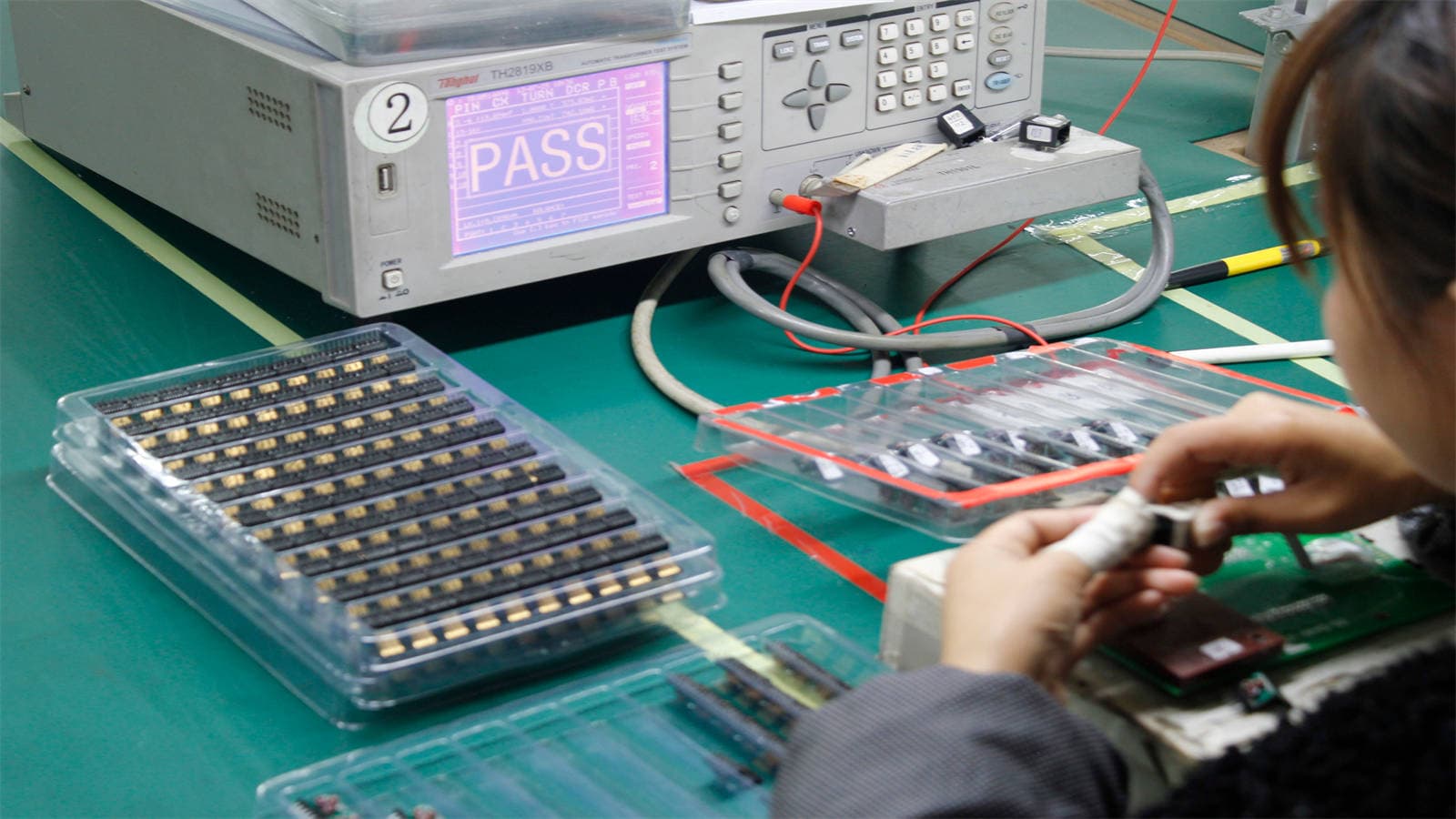
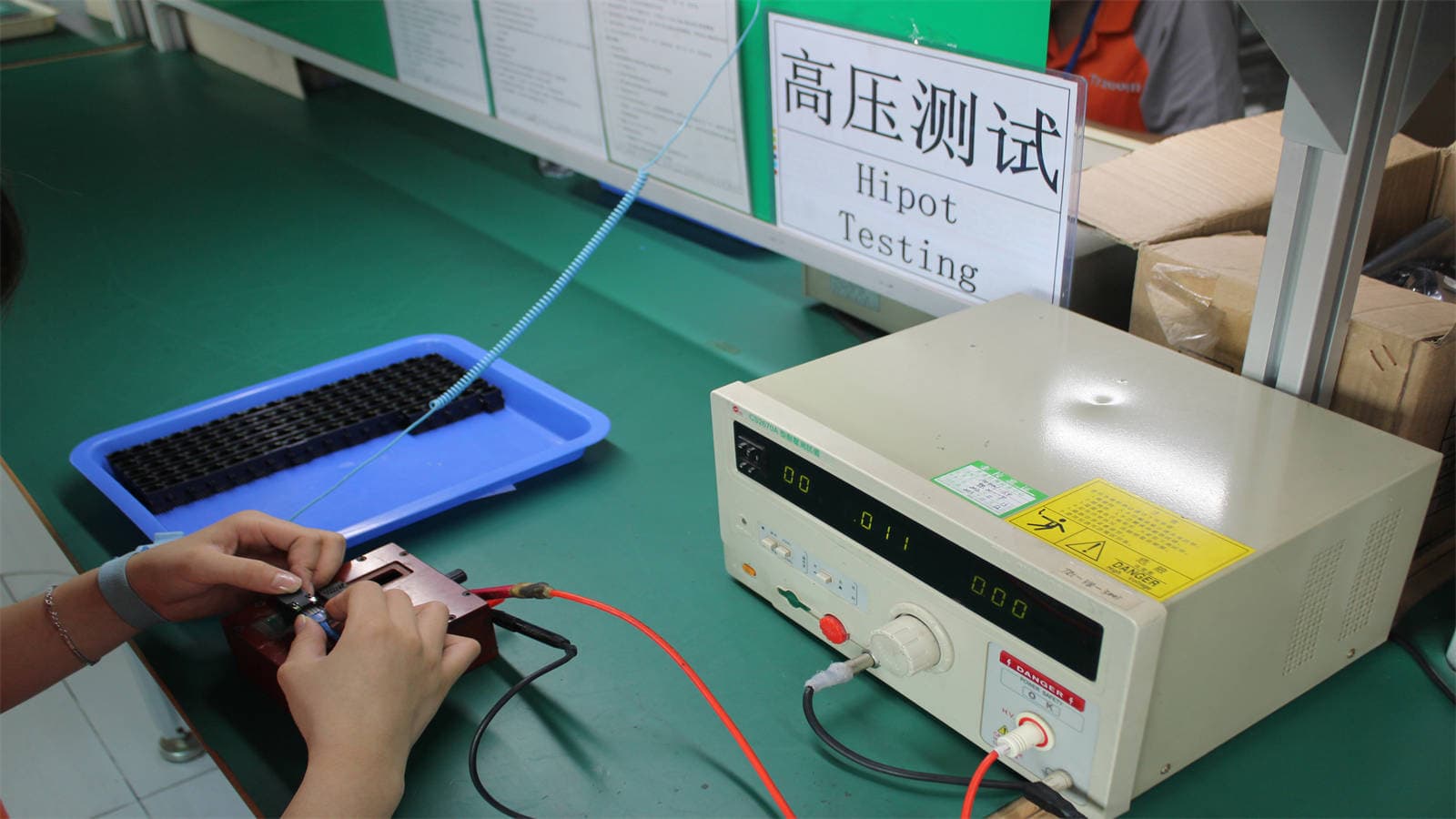
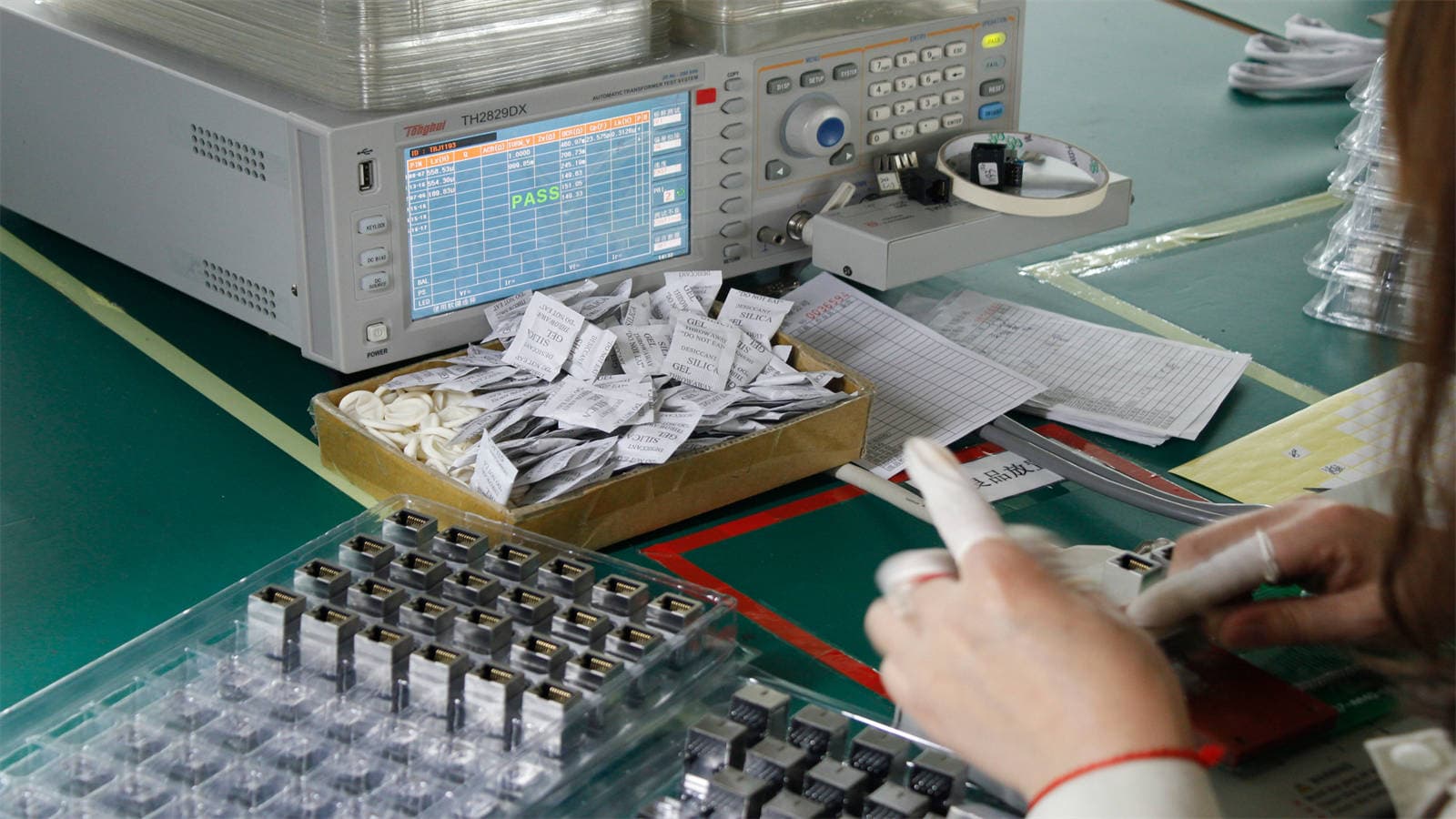
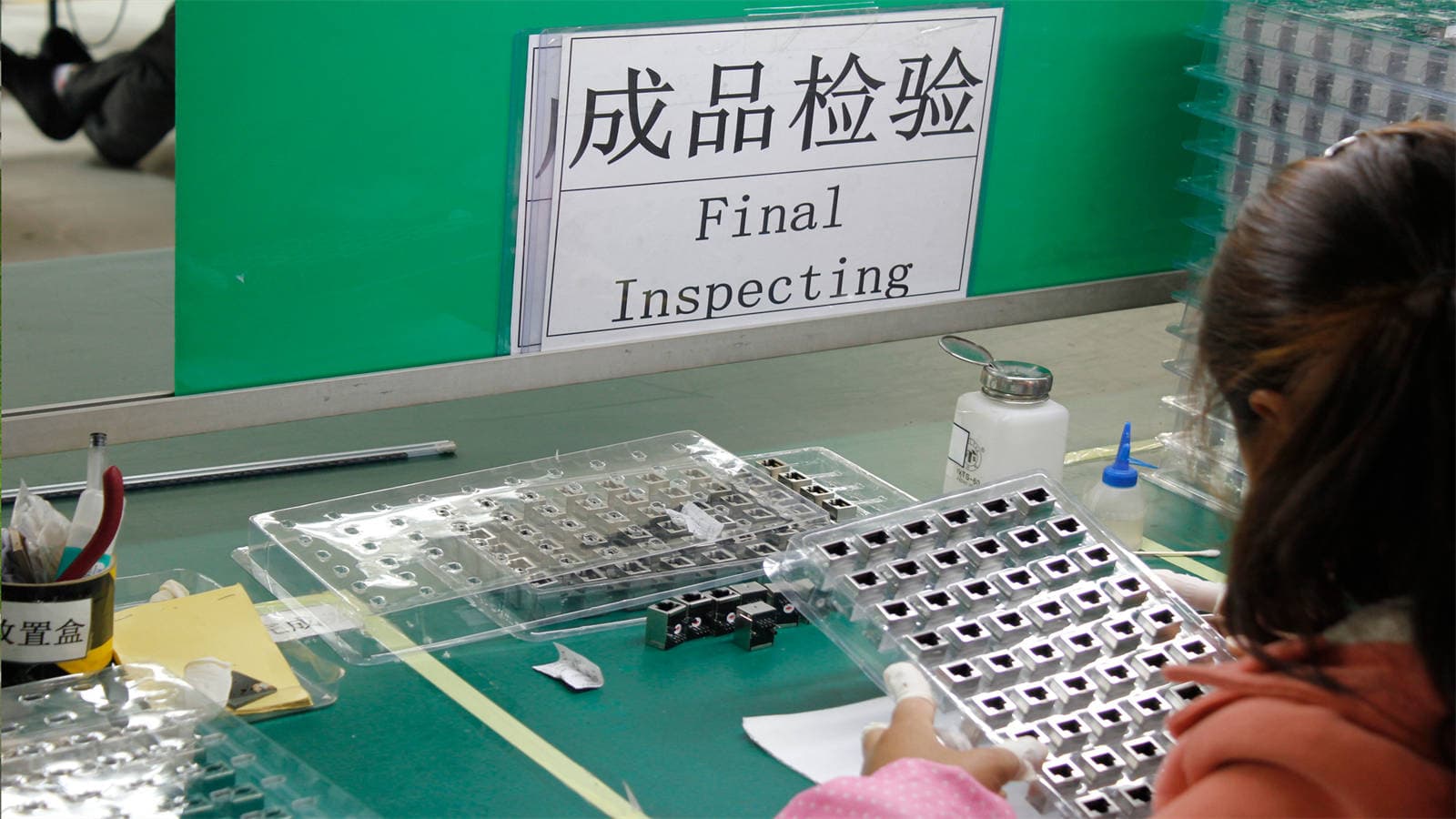
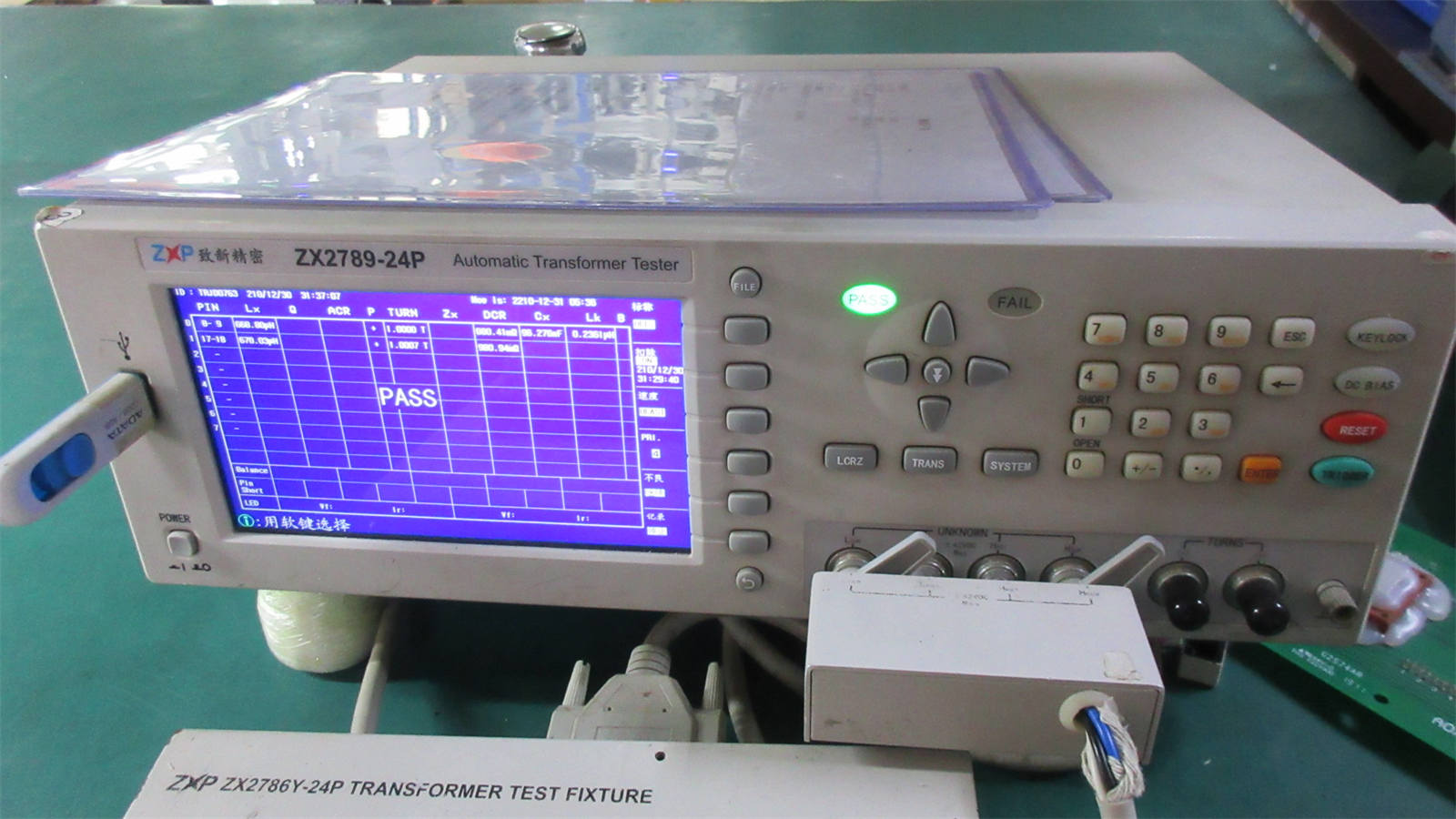
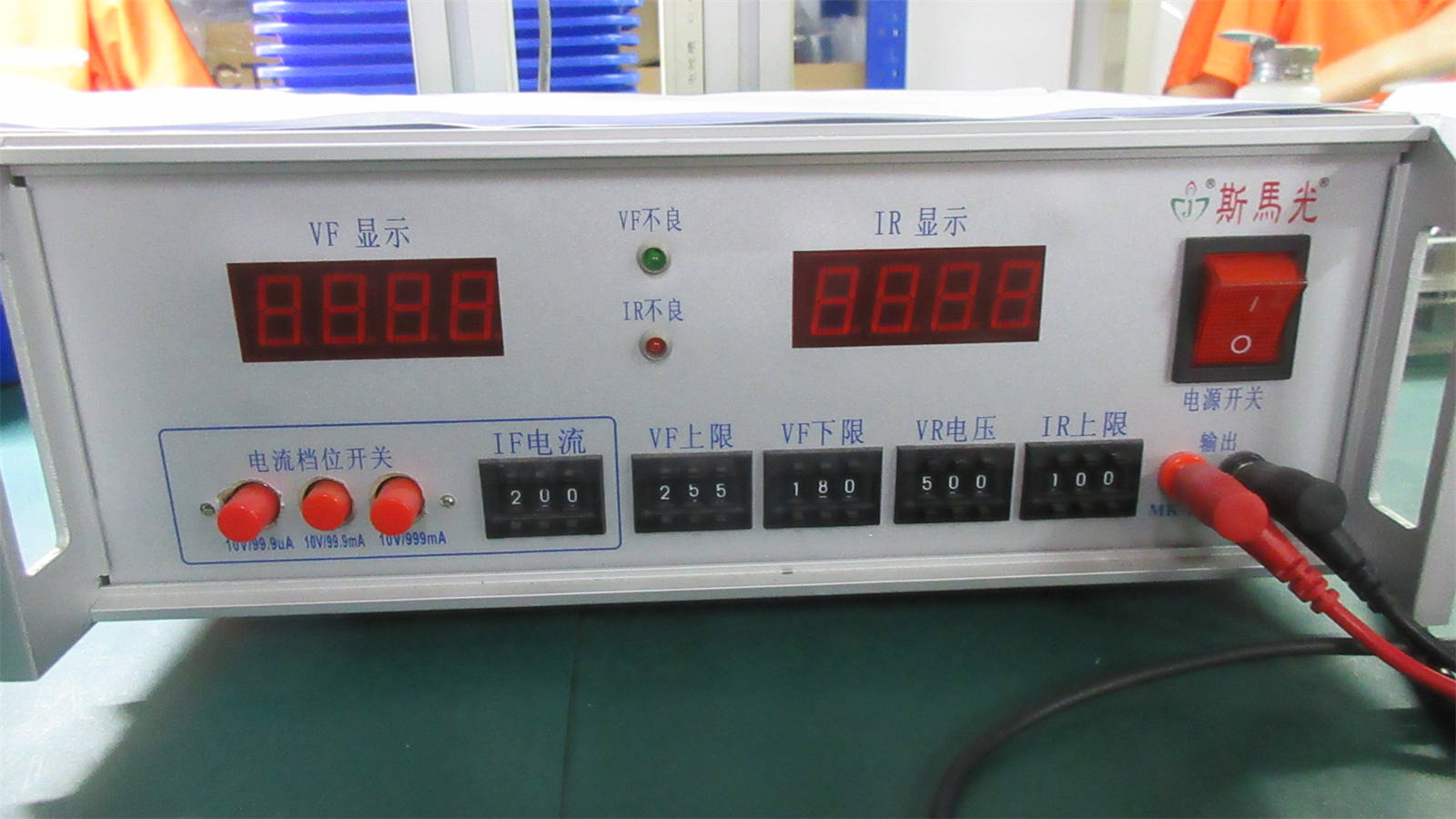
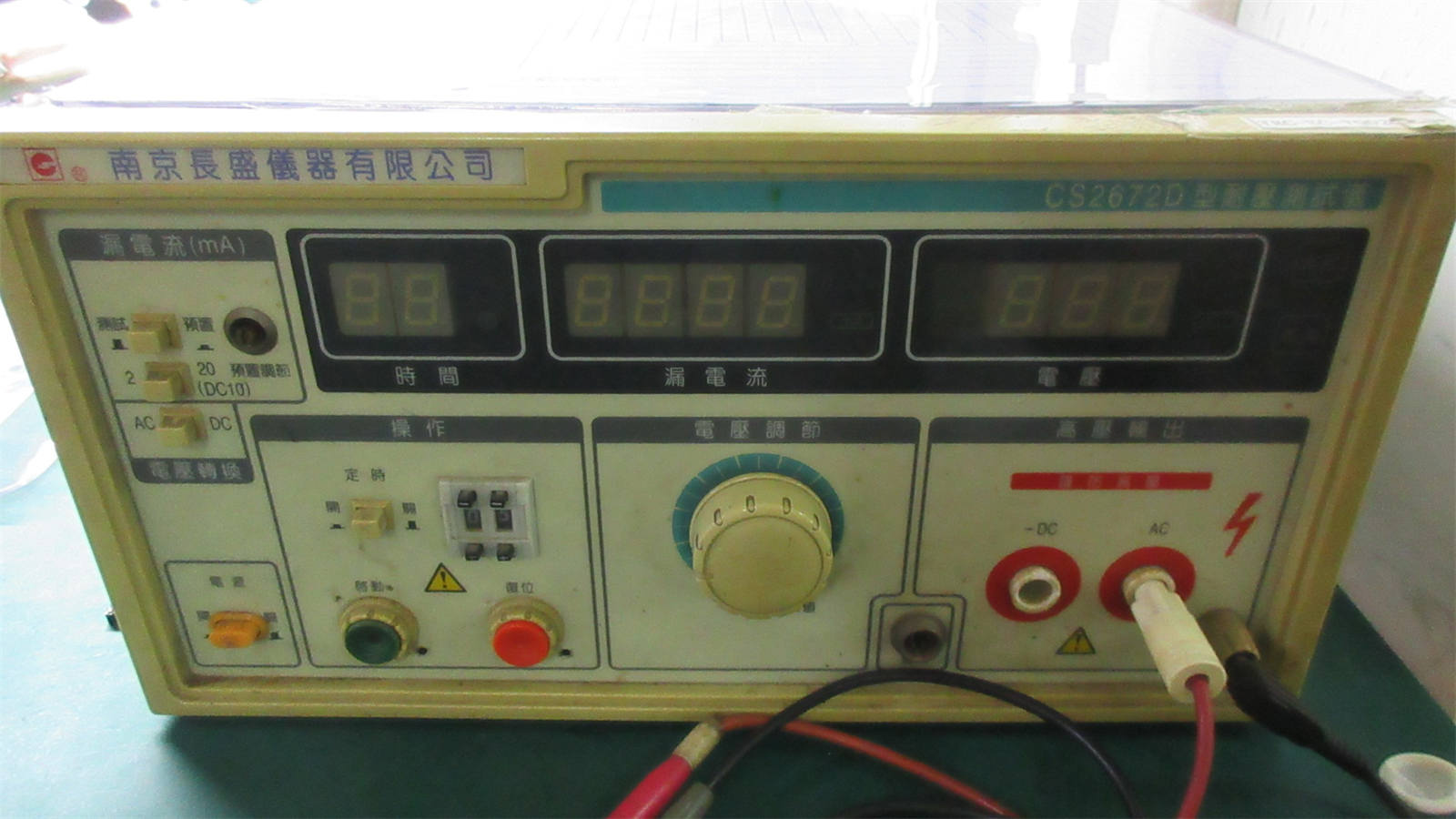
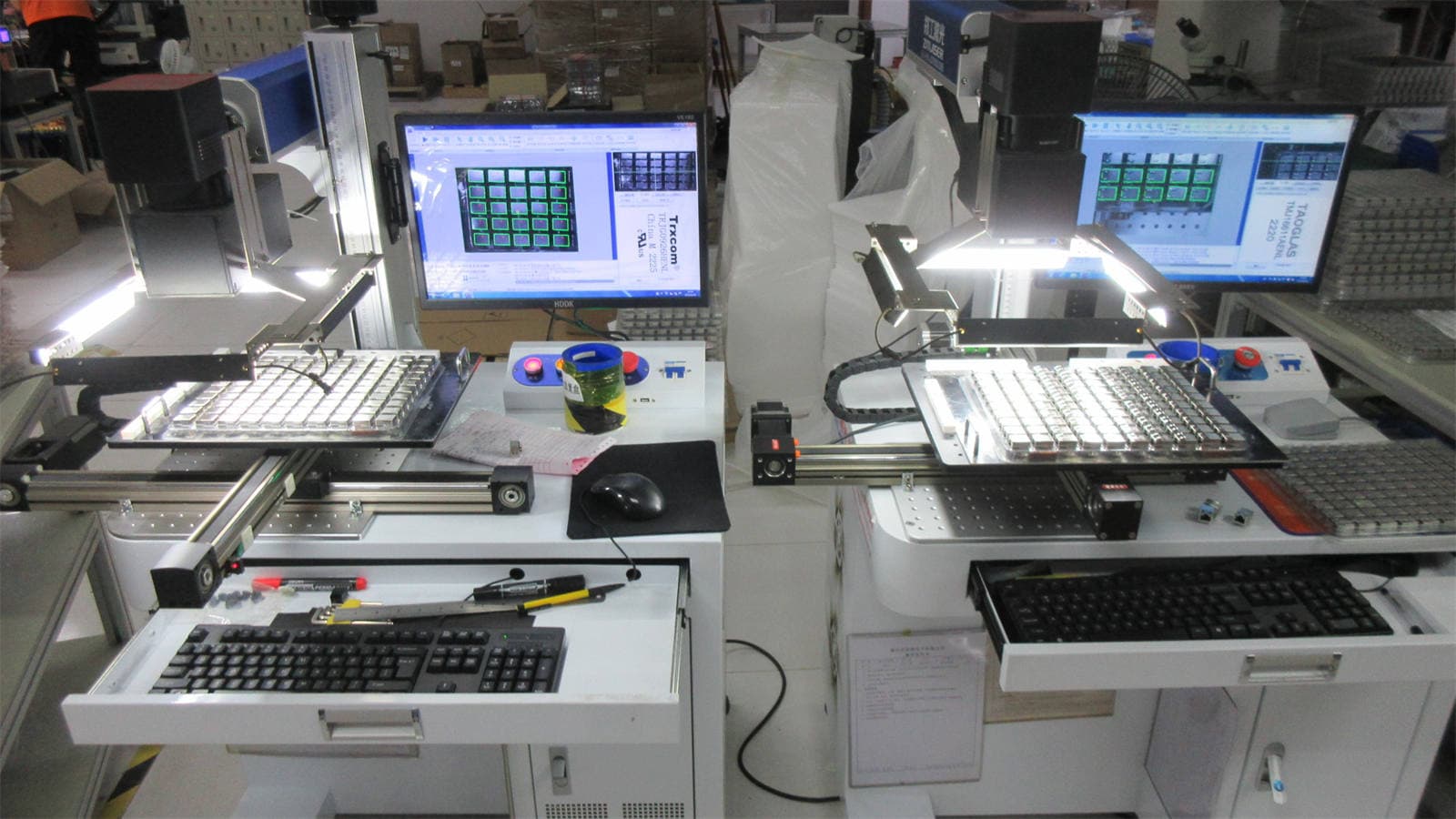
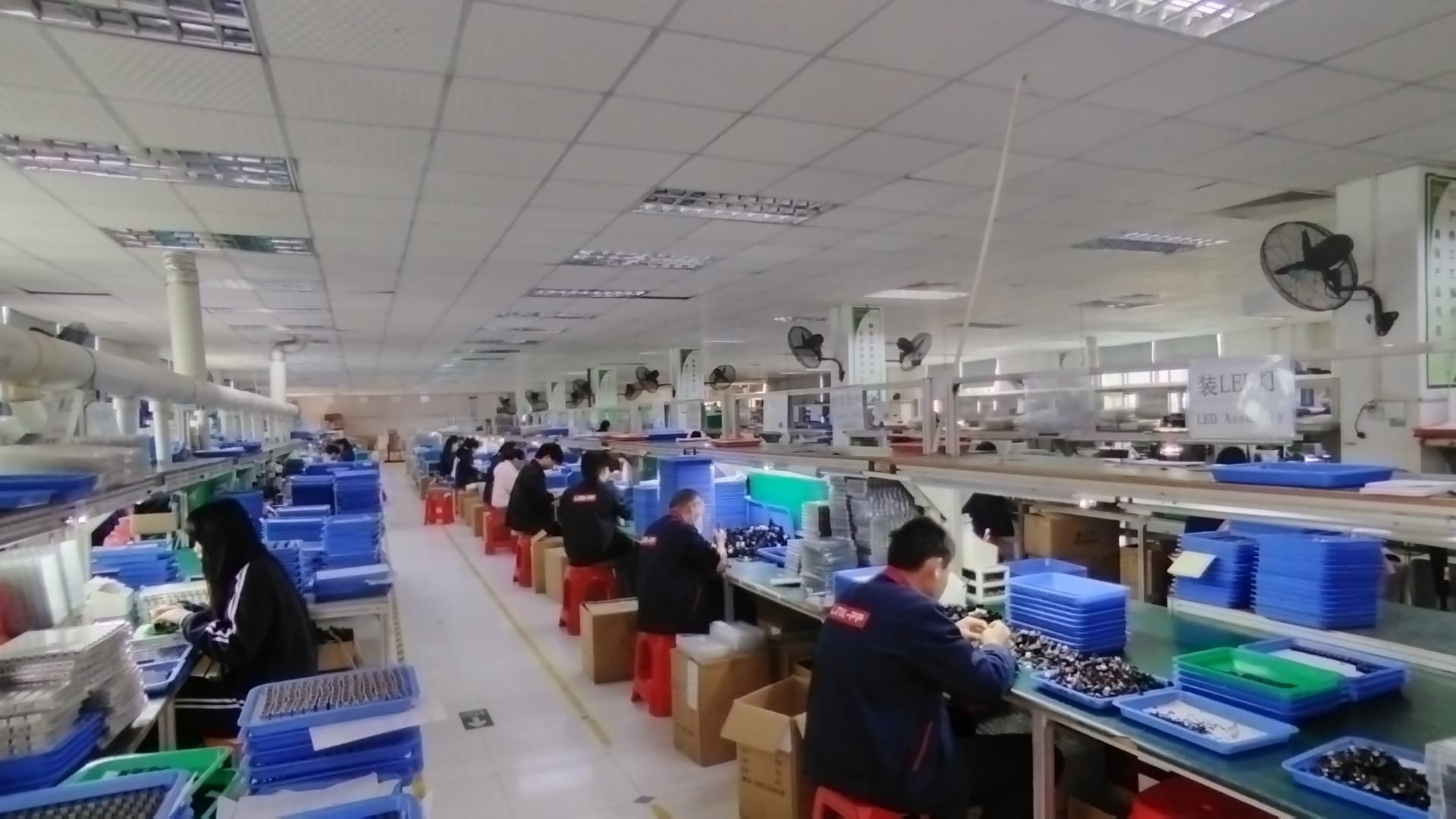
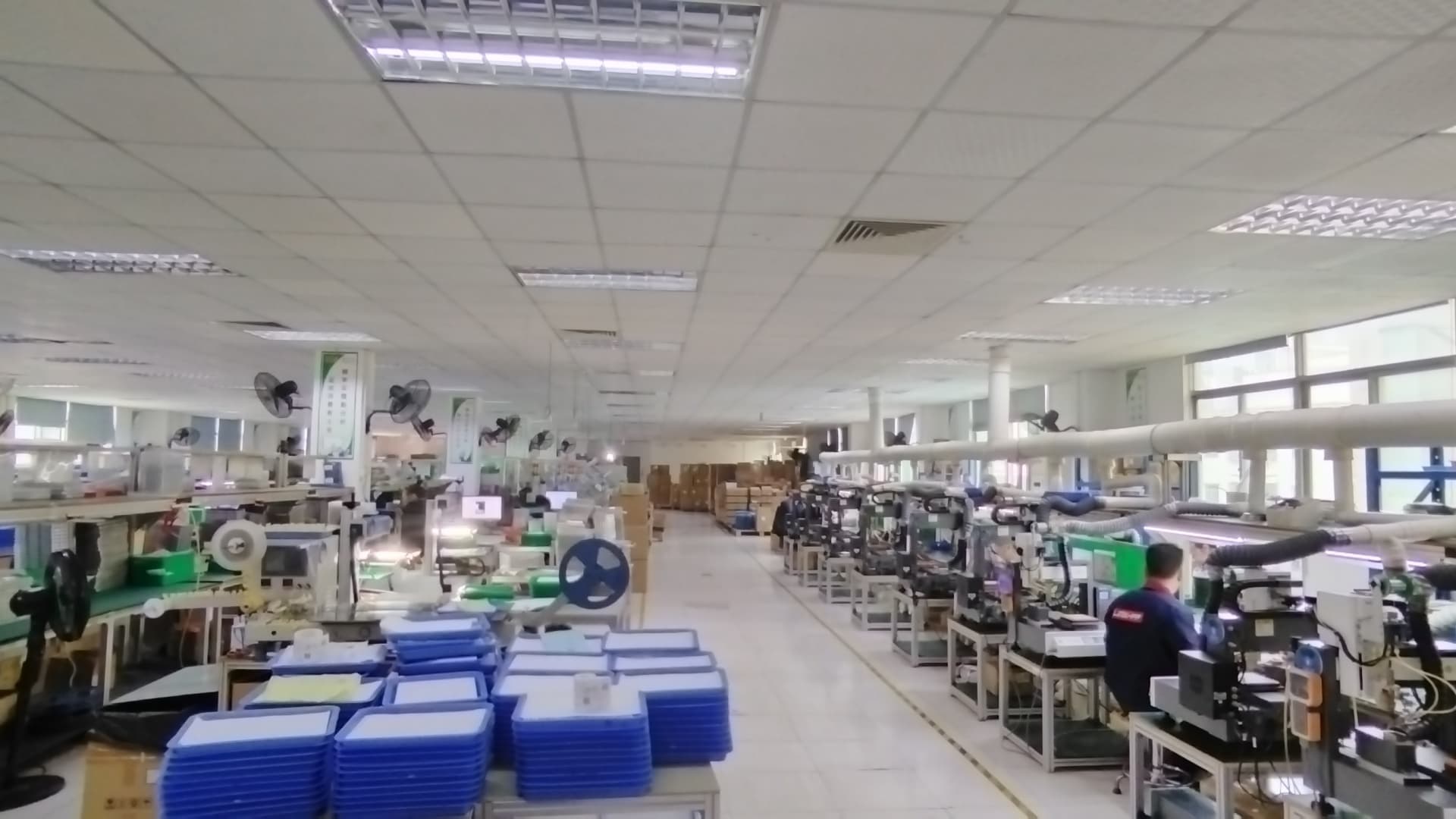
Through our dedicated class-10,000 cleanroom workshops, Automated Optical Inspection systems, and proprietary Bit Error Rate (BER) analysis software, we maintain high yield rates. Every component, from a simple simplex LC adapter to an intricate 25G BiDi transceiver, undergoes strict verification regimes. This commitment allows our global export channels to satisfy critical network architecture guidelines with high reliability.
Our collaborative dynamic targets engineering-focused partnerships. Distributors, global cloud system integrators, and telecom carriers rely on Lumopt's ability to customize hardware specs and reprogram transceiver firmware on demand. This flexibility enables seamless interoperability with legacy and next-generation equipment platforms, including Cisco, Juniper, Arista, and Mellanox architectures.
Operating as an expert manufacturer and exporter, our logistical pipelines are streamlined for international freight. We provide full compliance documentation, customized labeling, and localized technical field assistance to secure long-term engineering relationships.
Why Lumopt’s vertically integrated production clusters in China ensure optimized cost structures and reliable supply lines.
Proximity to local high-precision zirconia sleeve manufacturing and semiconductor packaging clusters enables rapid sourcing and reduces material lead times by up to 45% compared to non-integrated production hubs.
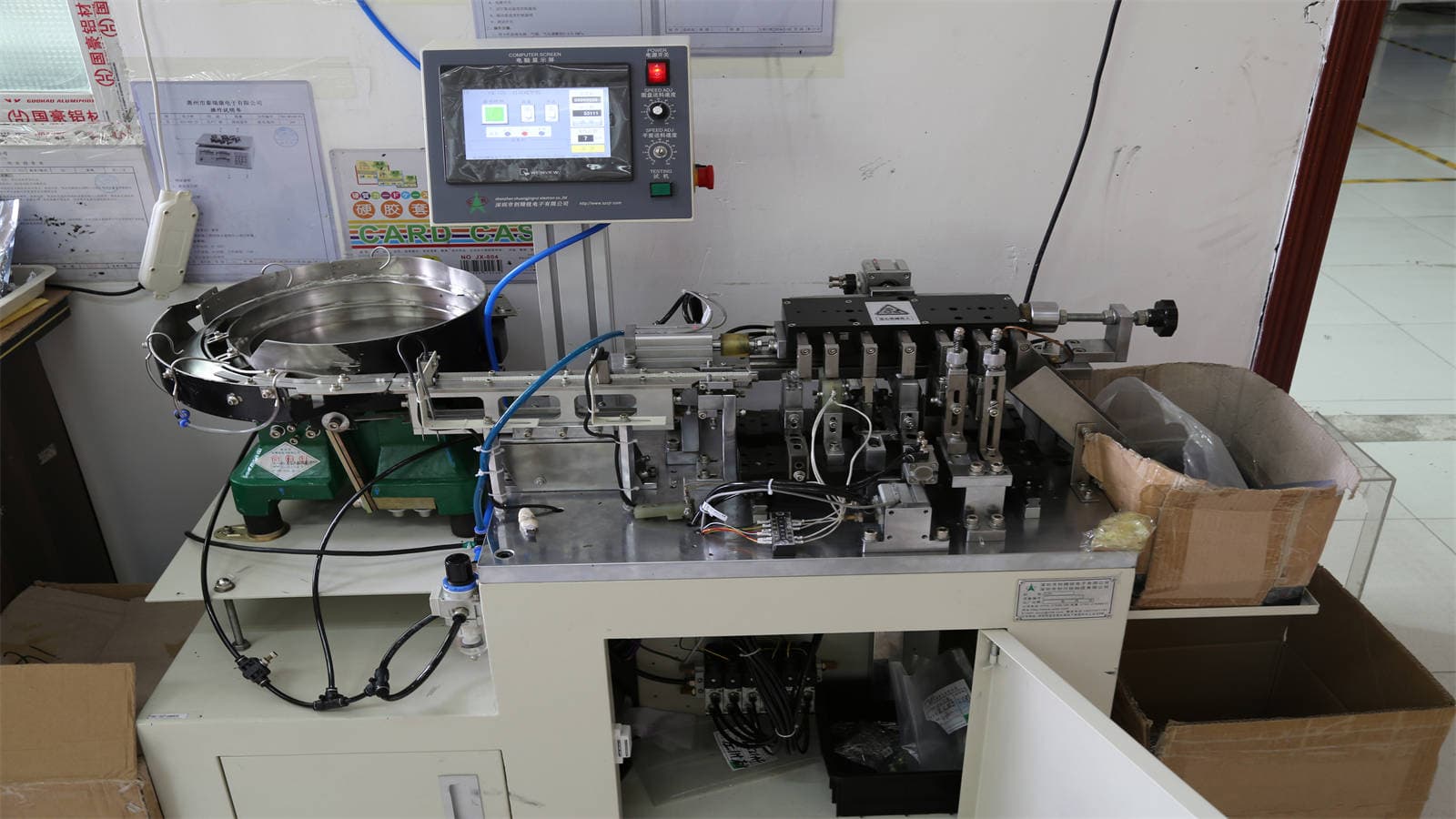
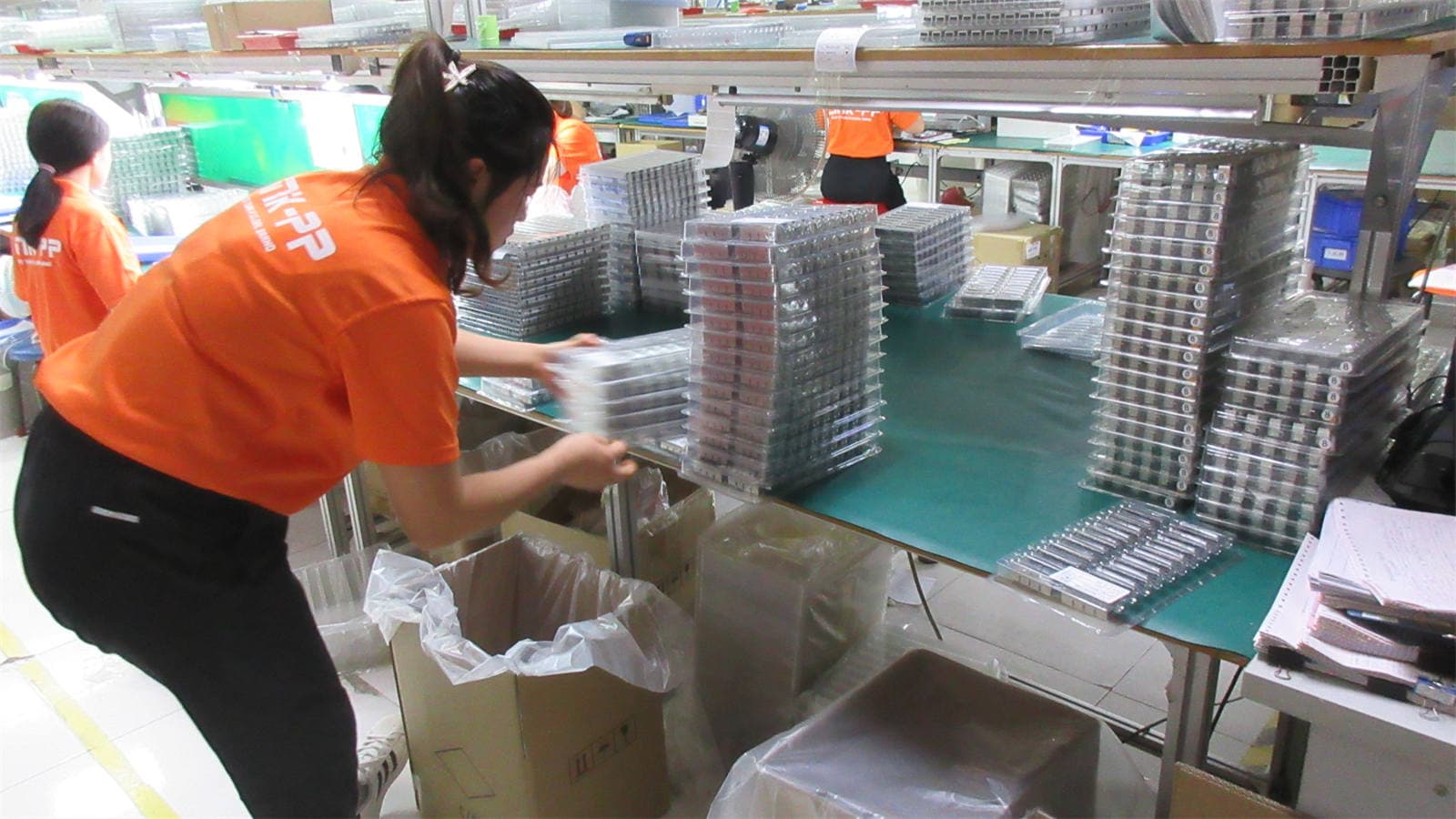
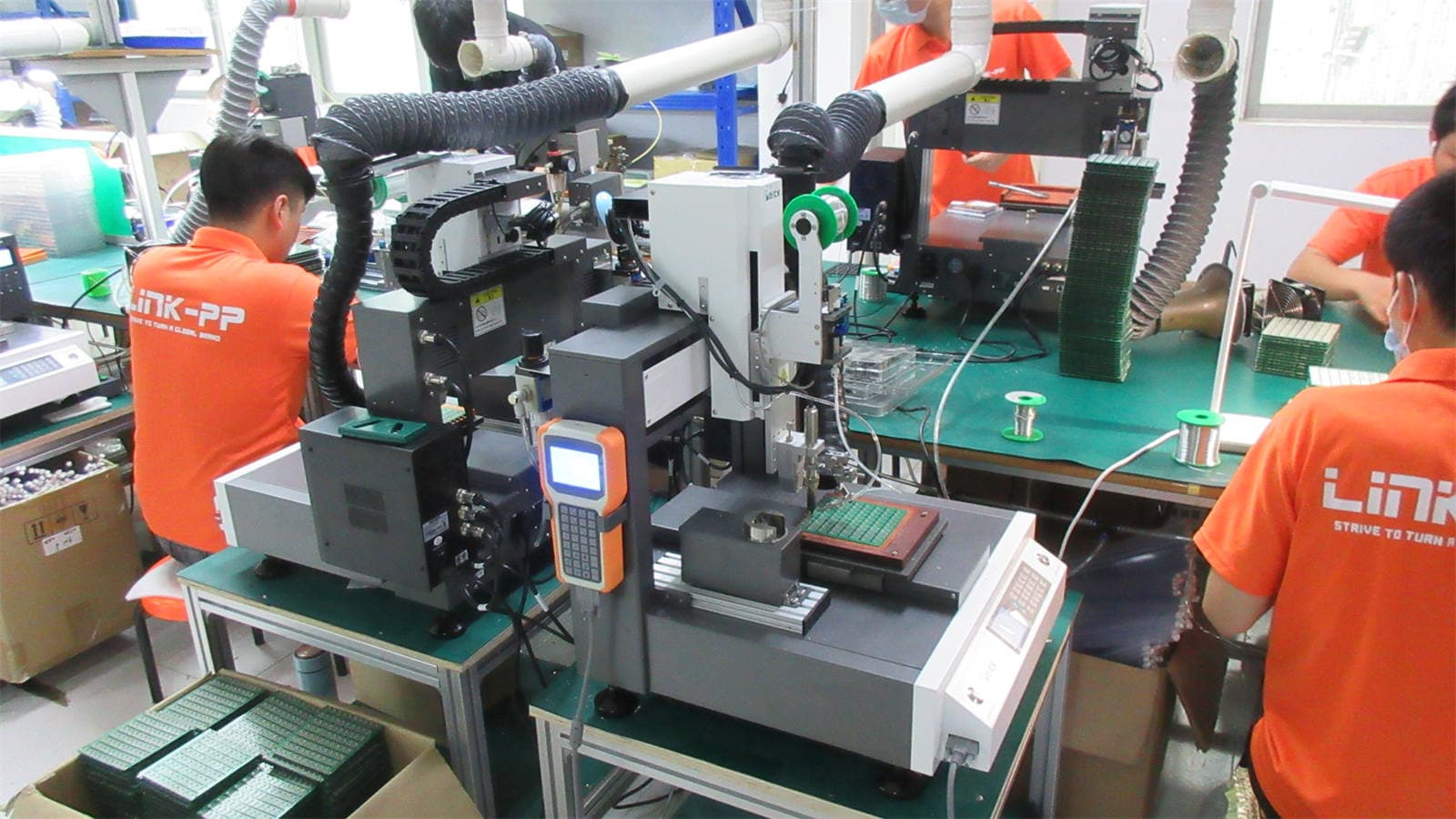
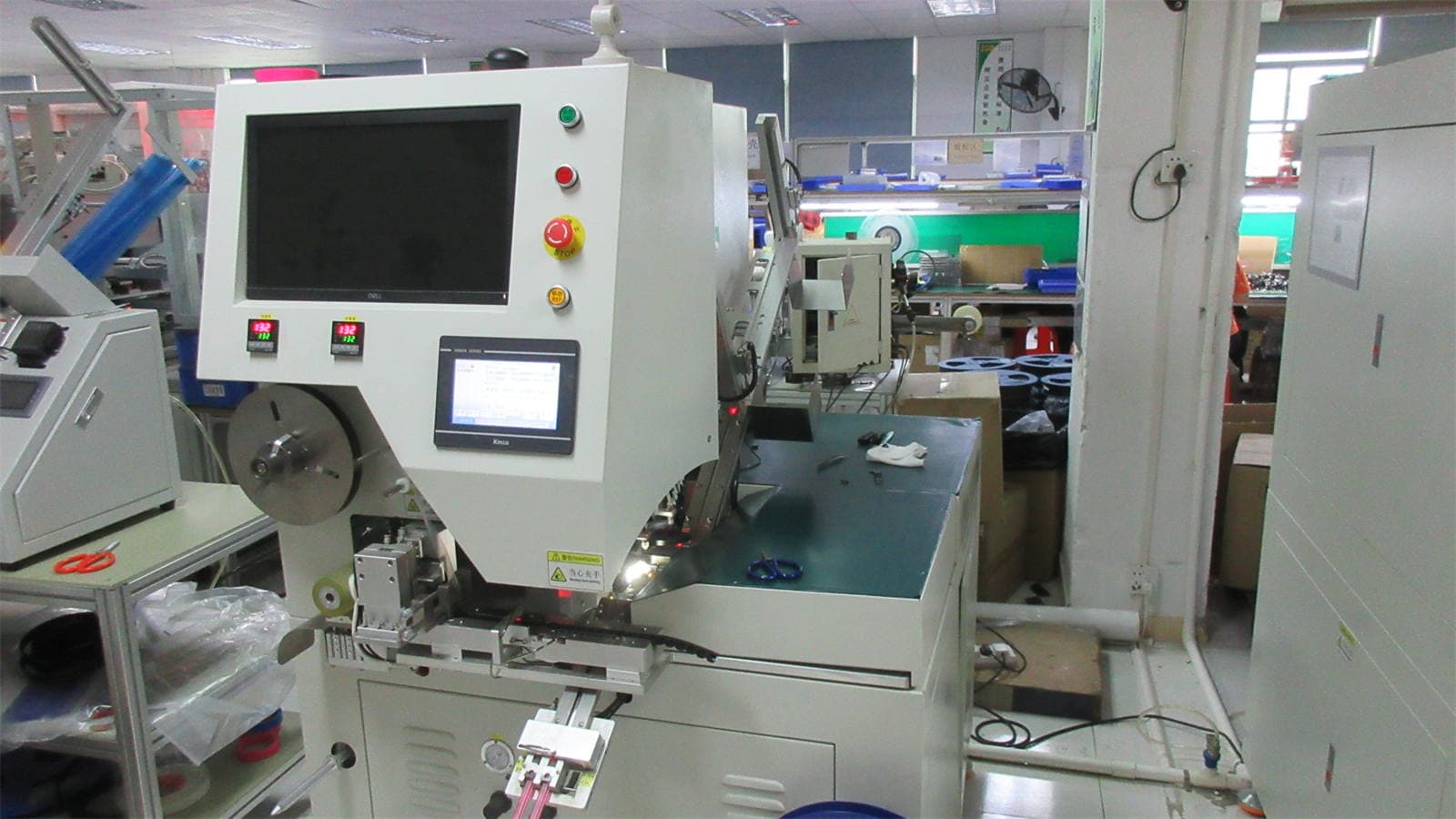
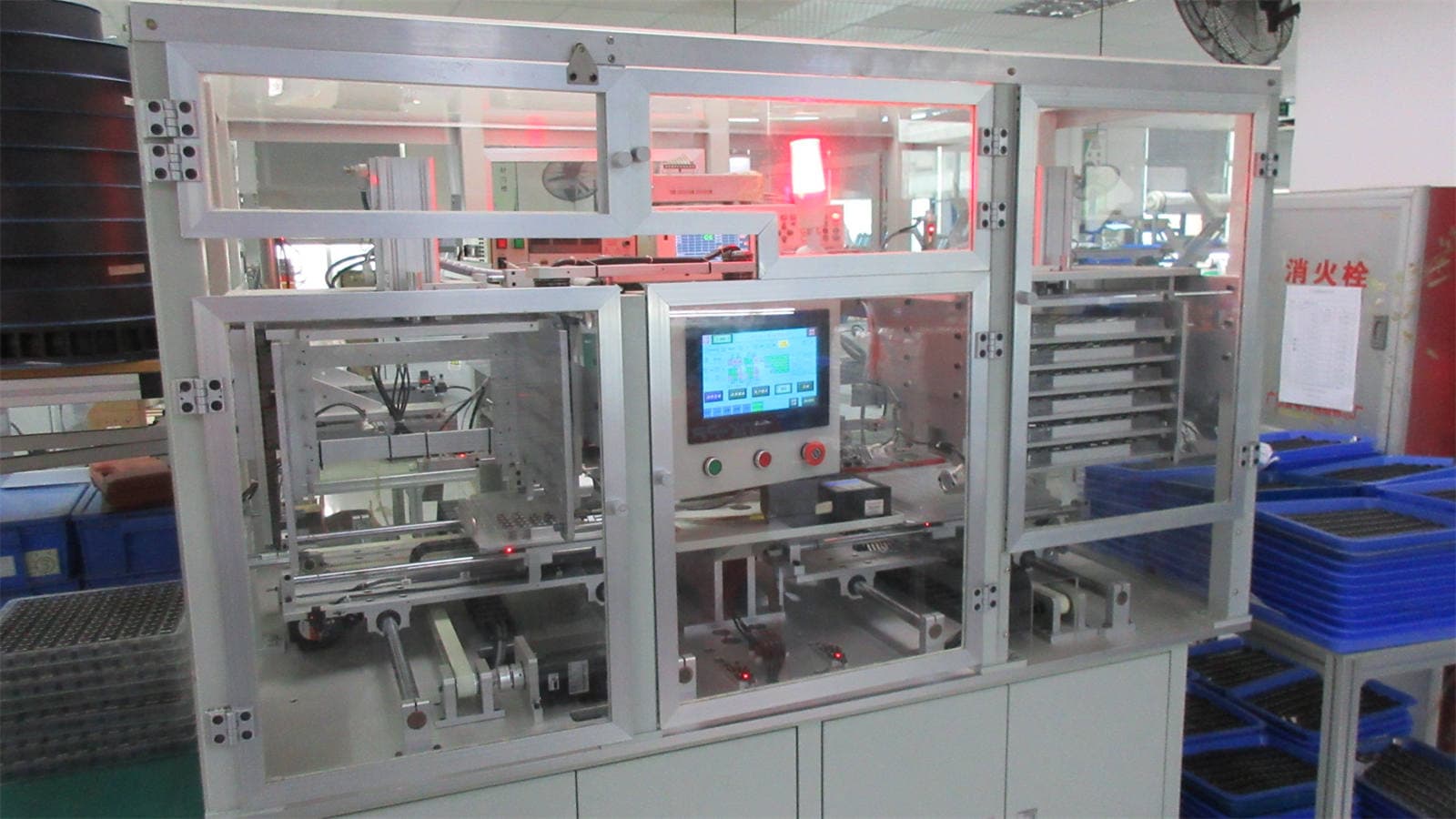
Our operations leverage advanced automated wire bonding, pick-and-place, and automated optic alignment machinery to scale manufacturing capacity seamlessly, meeting requirements for major network upgrades.
Our domestic R&D facilities allow us to transition custom designs from initial conceptual diagrams to functional pre-production prototypes within short turnaround windows, accelerating time-to-market for complex configurations.
An analysis of key procurement metrics that system architects evaluate when selecting strategic optical interconnect partners.
Global optical sourcing strategies demand close alignment with technical standards. When sourcing active and passive transceiver components, network engineers prioritize mechanical tolerances, housing compositions, and manufacturing quality consistency over unit cost alone.
Key technical criteria include:
Additionally, modern supply chain risk management requires comprehensive compliance documentation. Strategic partners expect manufacturers to maintain thorough quality systems, clear trace records, and open engineering access to material specifications.
As a seasoned exporter, Lumopt integrates these requirements into our quality assurance frameworks. By ensuring full visibility into testing procedures, raw material origins, and engineering revisions, we help our partners simplify qualification processes and protect global supply lines.
Technological shifts driving the development of modern high-density optical fiber adapters and transceiver modules.
As modern compute nodes transition to 800G and 1.6T protocols, the market is moving toward co-packaged optics (CPO) and high-density, low-profile fiber connectors that bring optical interfaces directly to the ASIC panel.
LPO technologies eliminate DSP cores inside transceivers, reducing power draw and latency. This approach places strict requirements on the physical signal integrity of passive adapters and connections.
Power efficiency and material recycling parameters are now primary sourcing requirements. Lumopt focuses on RoHS-compliant manufacturing processes to help partners meet carbon reduction goals.
How we navigate global standards, international environmental compliance, and localized customer assistance.
Operating a global fiber export network requires adherence to local regulatory regimes. At Lumopt, we maintain compliance with international environmental and electrical safety standards, facilitating seamless entry into European, North American, and Asia-Pacific markets.
Our compliance coverage includes:
Furthermore, we understand the importance of quick engineering turnaround times. Lumopt provides localized technical support by offering fast-response FAE (Field Application Engineering) consulting. This helps system designers resolve signal mismatch, impedance anomalies, and firmware translation issues across different operating platforms.
By providing direct developer-to-developer communication channels, we help our partners reduce complex commissioning times, streamline testing routines, and accelerate field deployments.
Deploying Lumopt optical interconnect solutions across diverse and demanding network topographies.
With thousands of active optical transceivers running in high-density rack configurations, our low-loss LC/MPO adapters and high-efficiency SFP+/QSFP cages help manage thermal dissipation and support high-throughput data rates.
For outdoor macro stations and remote radio heads (RRH), our industrial-grade, bidirectionally hardened optical modules maintain stable connectivity under wide outdoor temperature swings and harsh weather conditions.
Compact, high-density edge designs require EMI shielding and low-profile connector layouts. Lumopt's integrated RJ45/USB and SFP combo assemblies help optimize board space in space-constrained installations.
Detailed technical answers to common engineering questions regarding fiber optics, transceiver configurations, and manufacturing systems.
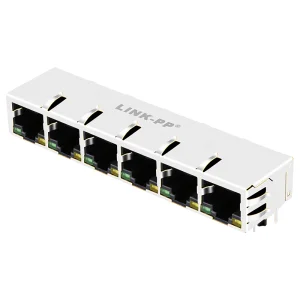
High-reliability shielded RJ45 integrated connectors, high-speed SFP+ cages, and specialty copper transceivers.
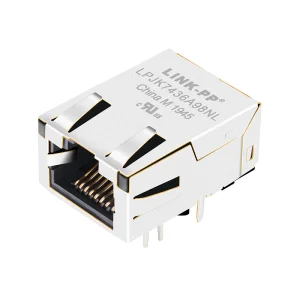
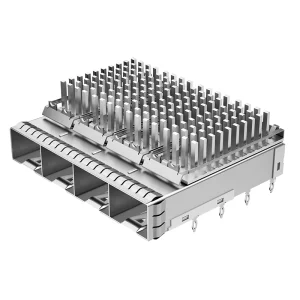
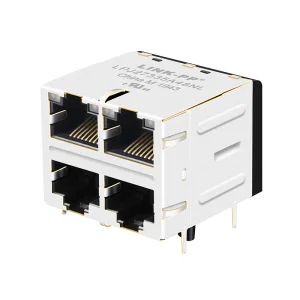
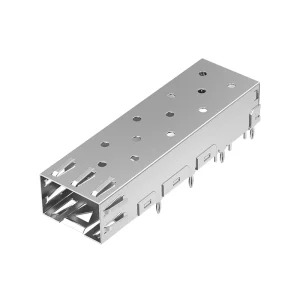
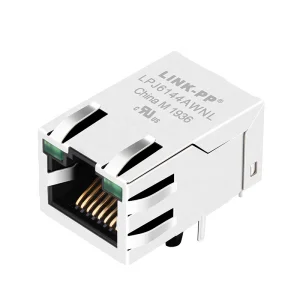
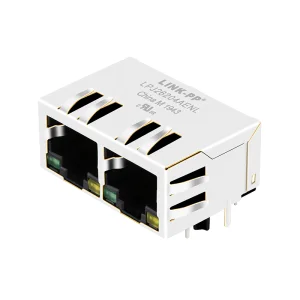
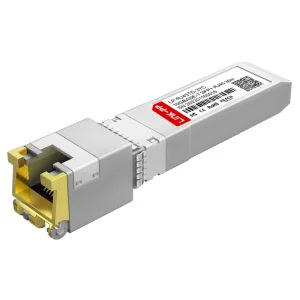
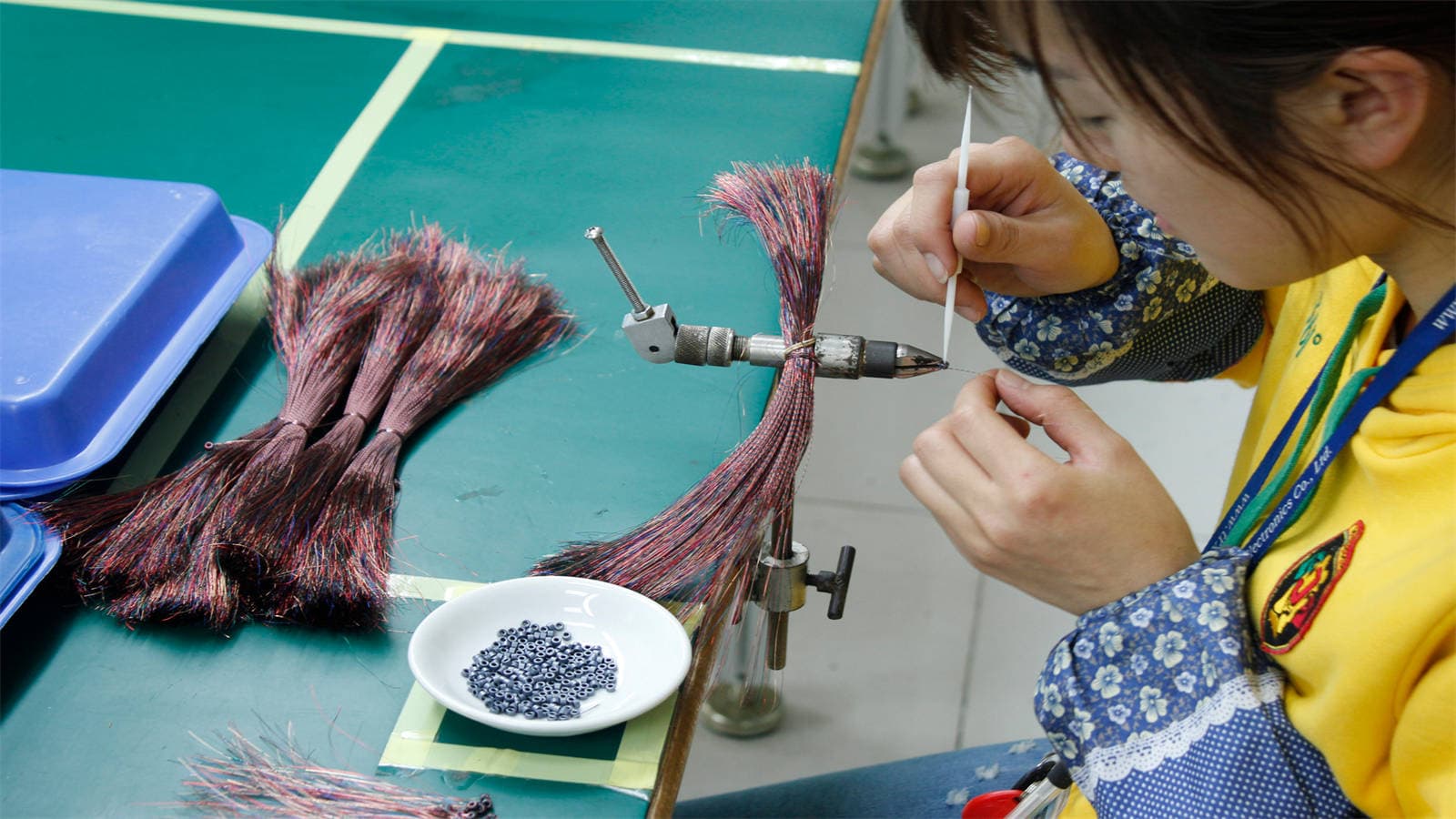
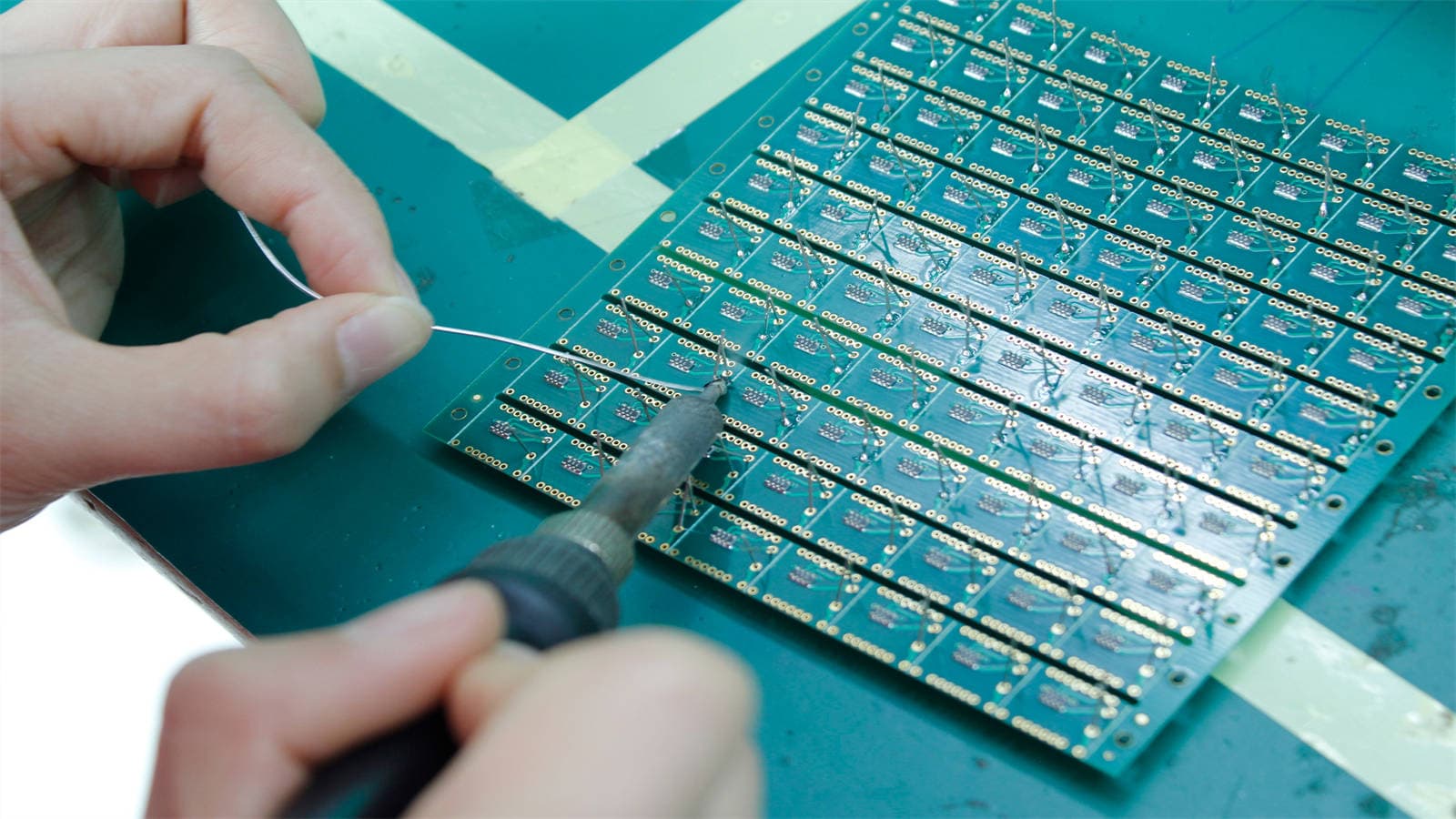
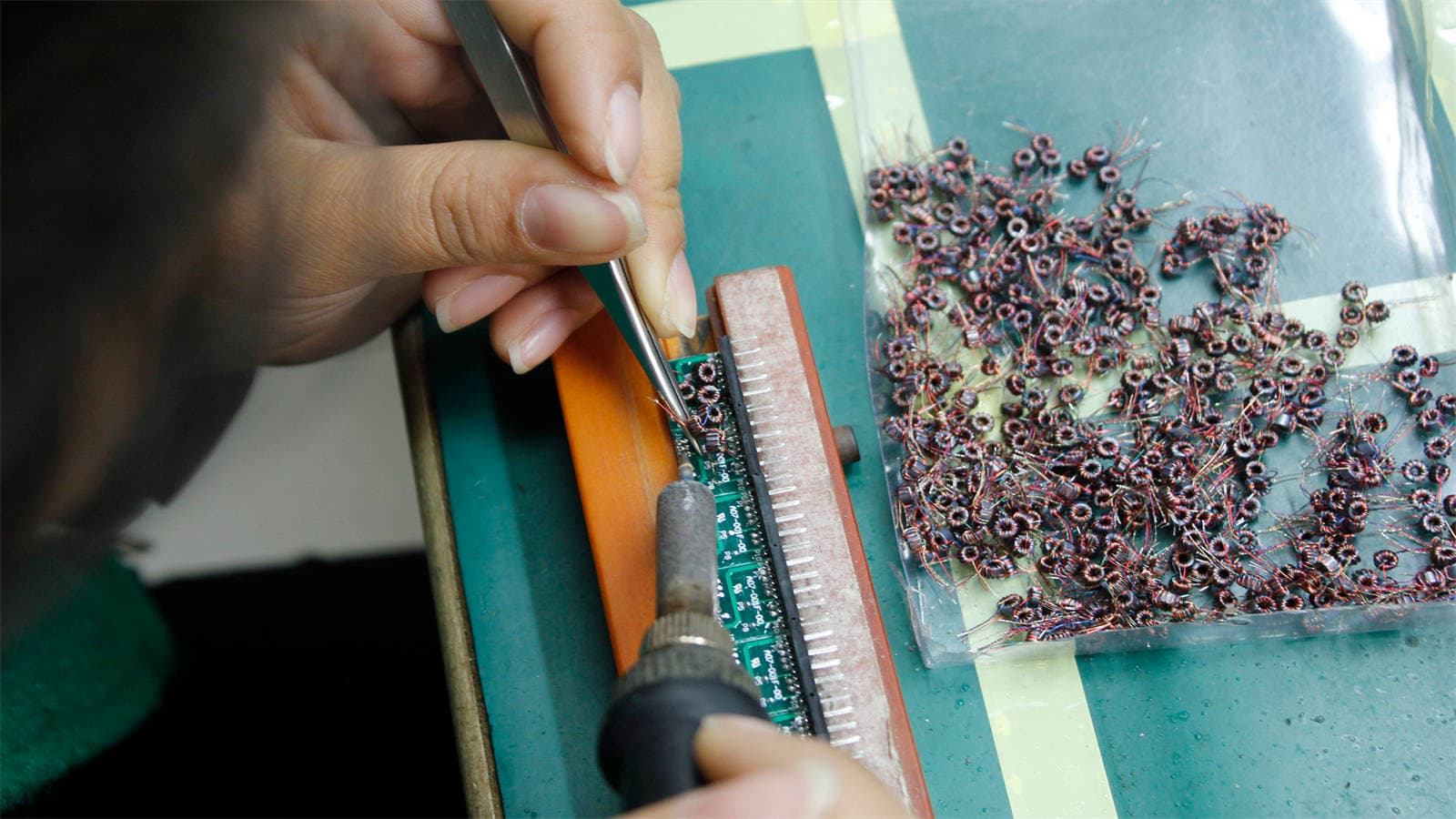
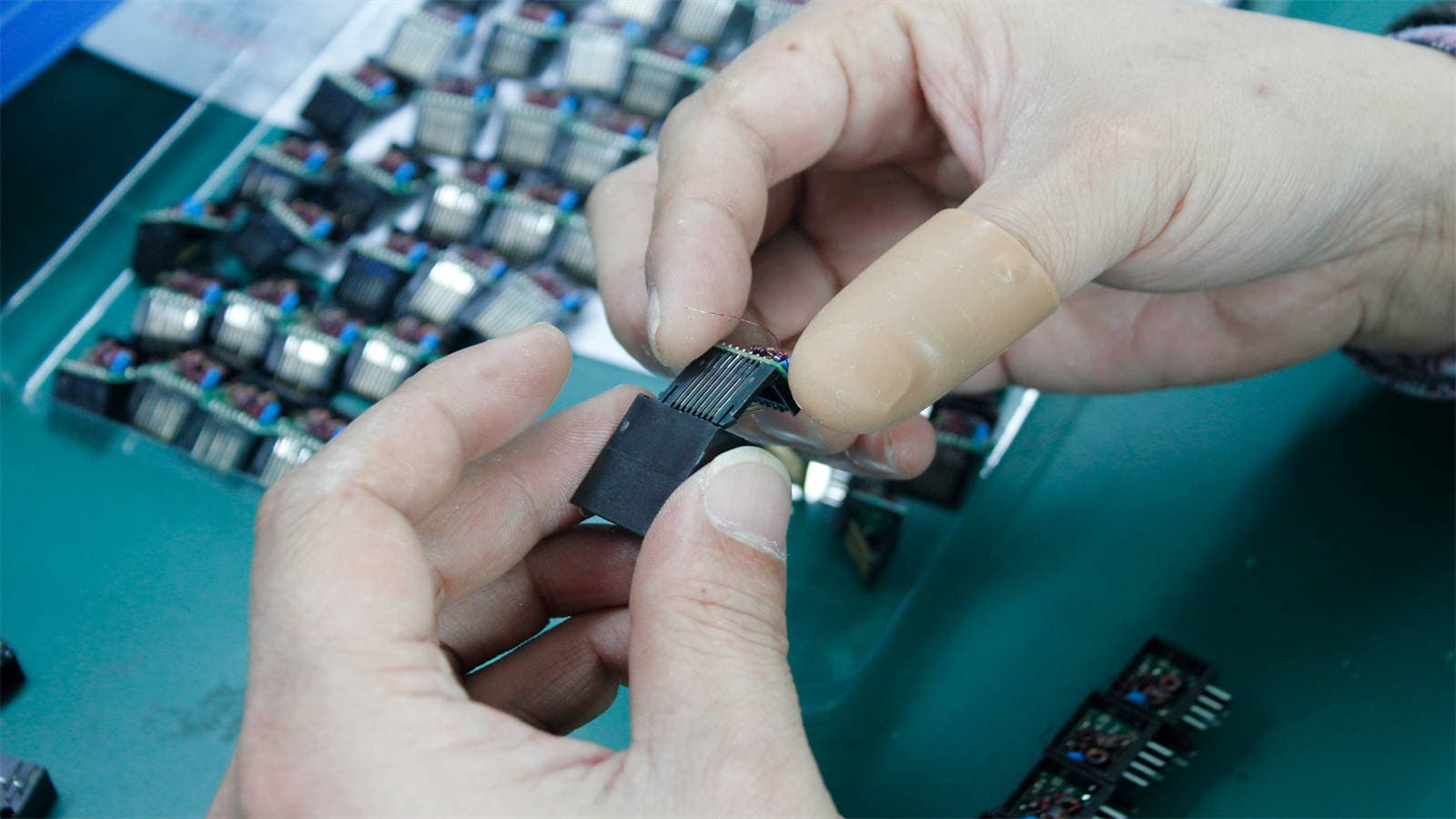
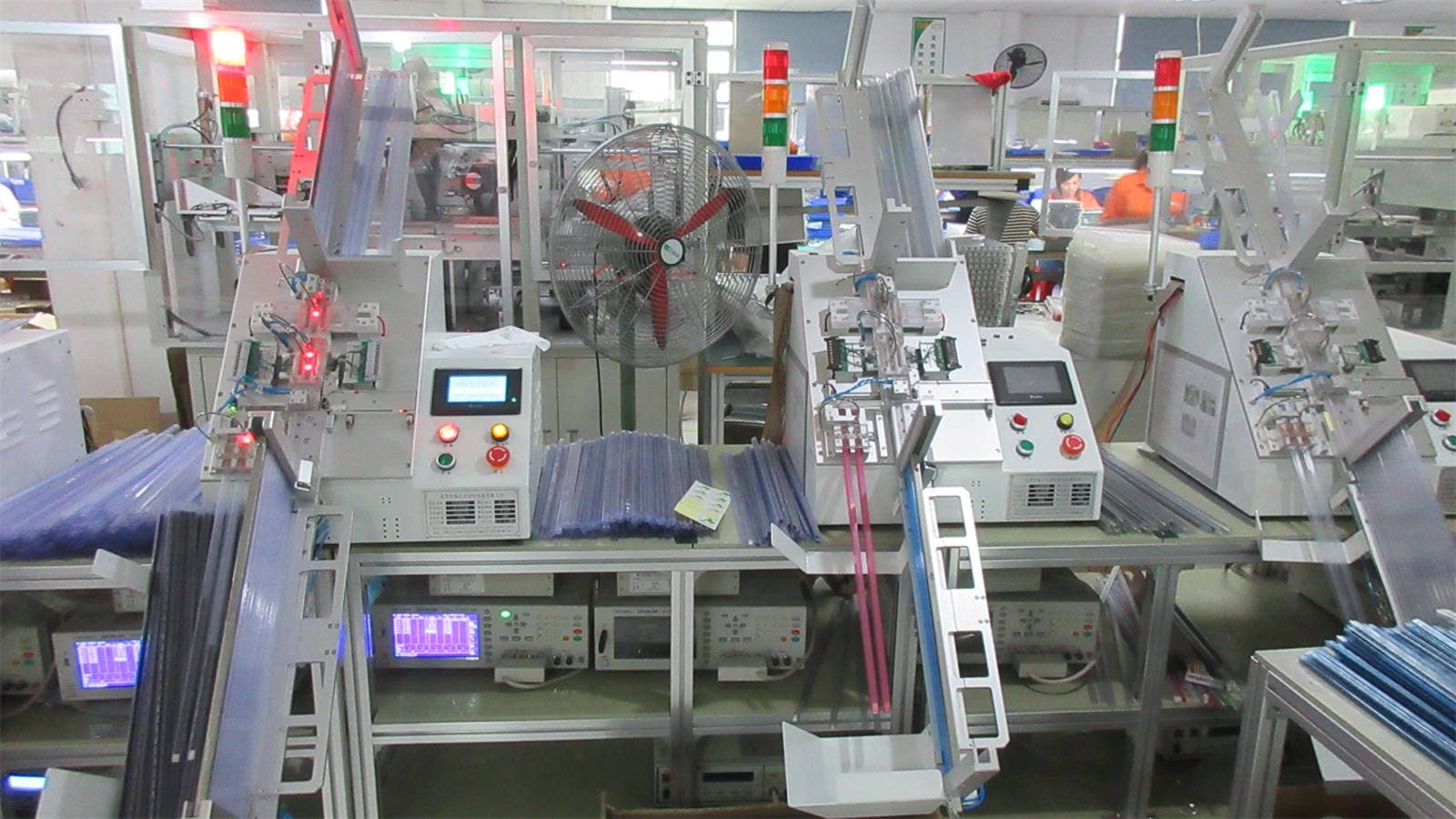
Every stage of production—from the winding of core elements to final automated validation—adheres to strict ISO standards.