Lumopt
Lumopt
Lumopt
Precision-Engineered Integrated Magnetics, High-Frequency Ethernet Connectors & Custom Optical Transceivers for Next-Generation Network Architecture.
Explore our leading selection of integrated RJ45 jacks, SFP modules, and magnetic components built for stable high-frequency data transmission.
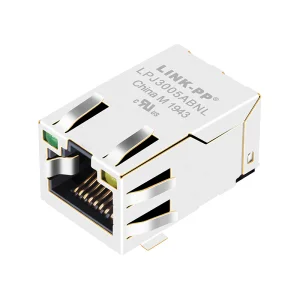
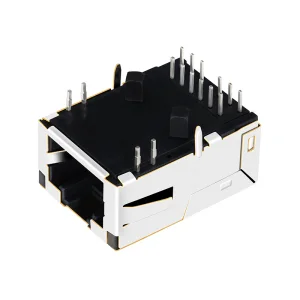
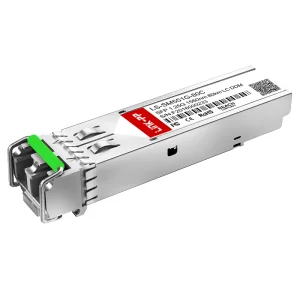
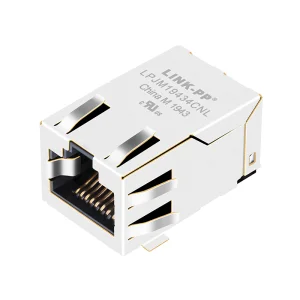
Lumopt Opto Technology Co., Ltd. (registered in China as Luguang Communication Technology Co., Ltd.) represents the pinnacle of Chinese engineering and export specialization in high-performance integrated RJ45 jacks, magnetic modules, and optical transceivers. Our dual capability in both copper Ethernet solutions and high-bandwidth optical architectures provides global networks with unprecedented physical-layer integrity.
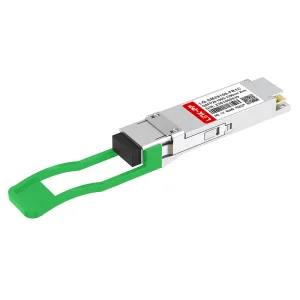
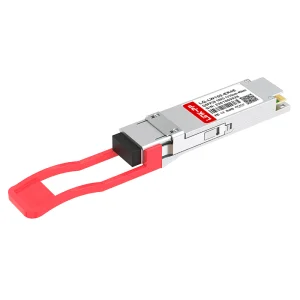
We focus on the complete design cycle: R&D, precision manufacturing, and strategic customization of full-series optical modules spanning 10G, 25G, 100G, 400G, 800G, and 1.6T alongside specialized Integrated Connector Modules (ICMs). Our hardware acts as the backbone for hyperscale data centers, telecommunications carrier systems, cloud computing nodes, AI supercomputing clusters, and modern enterprise IT infrastructures.
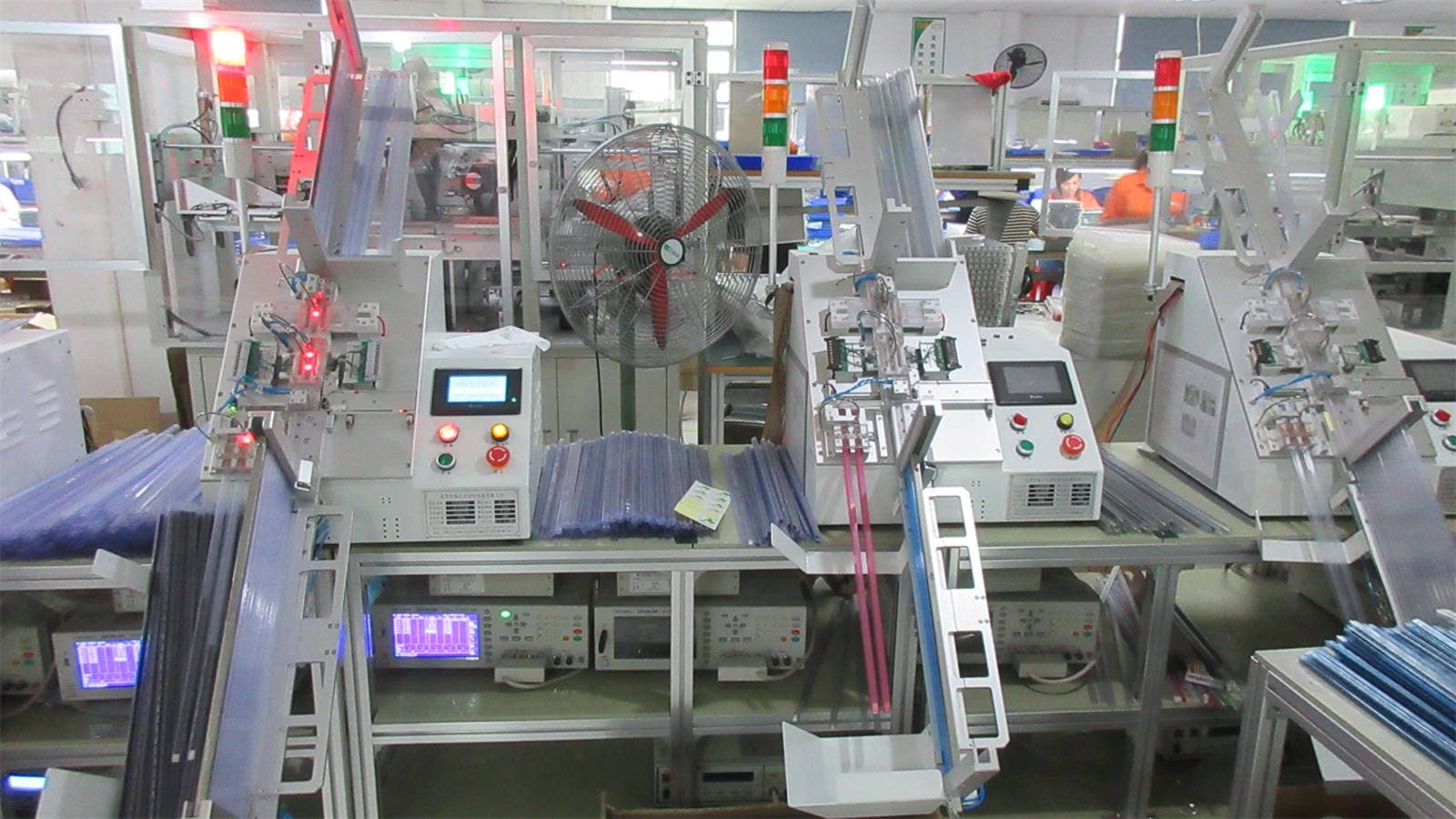
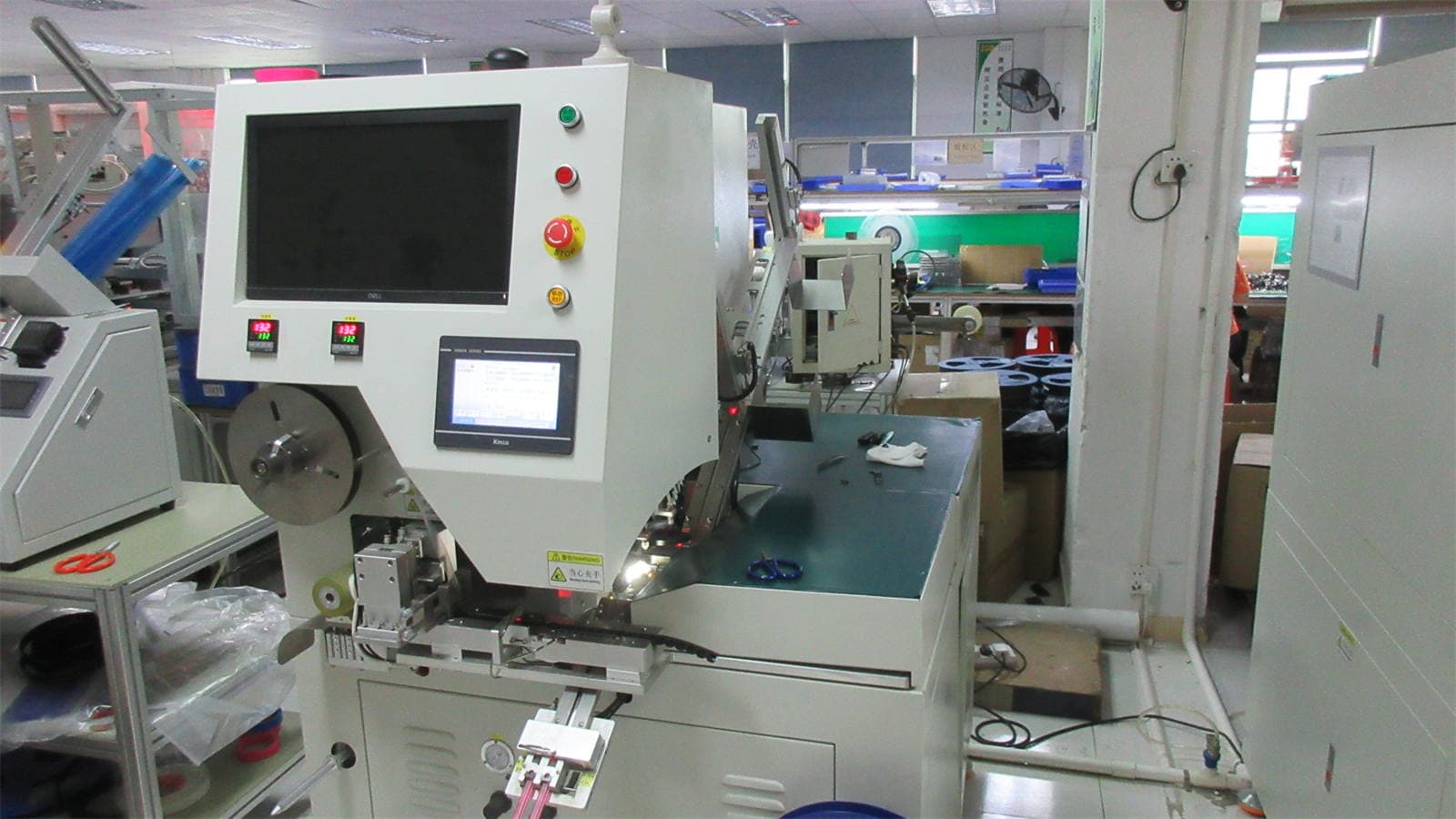
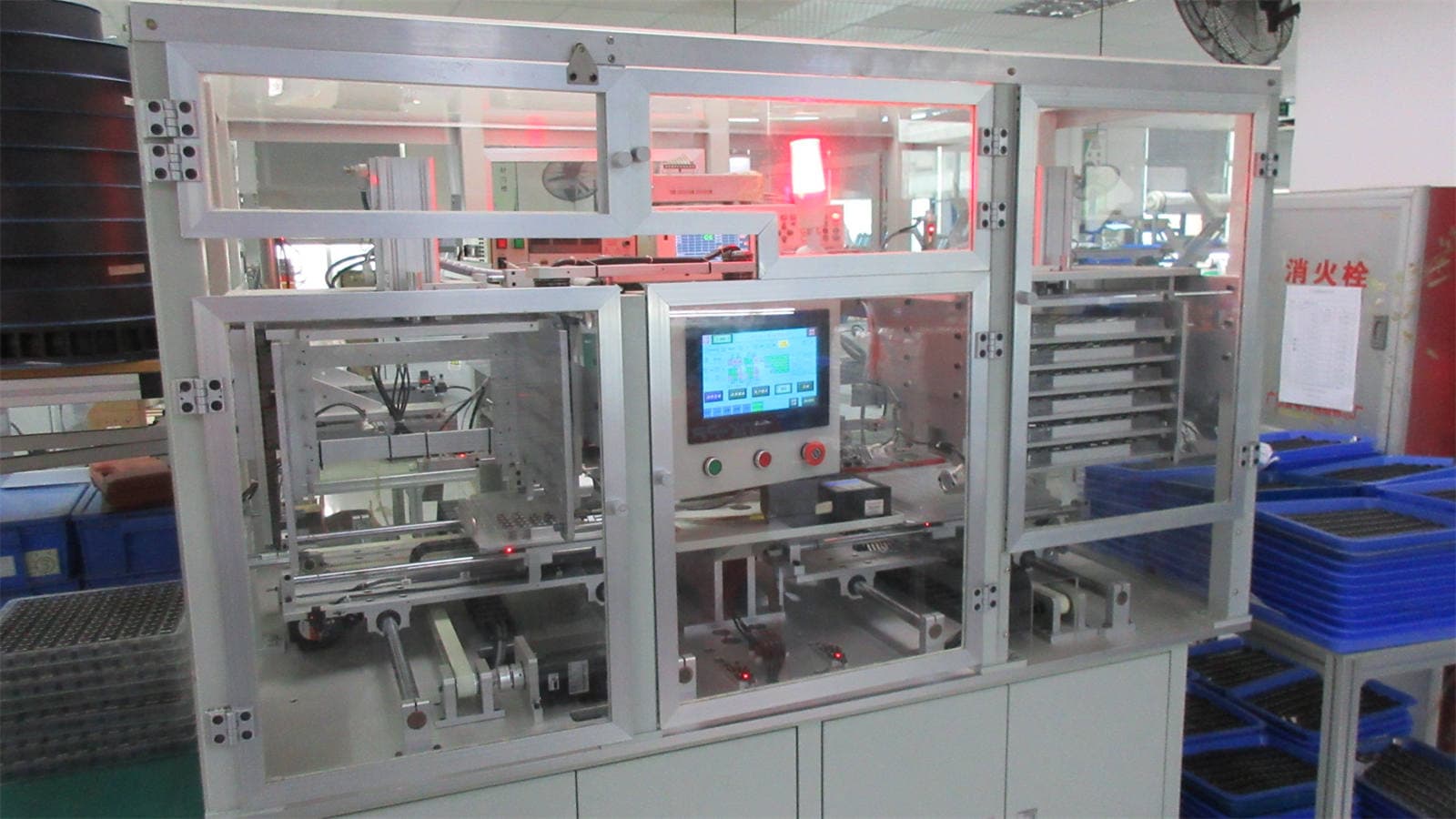
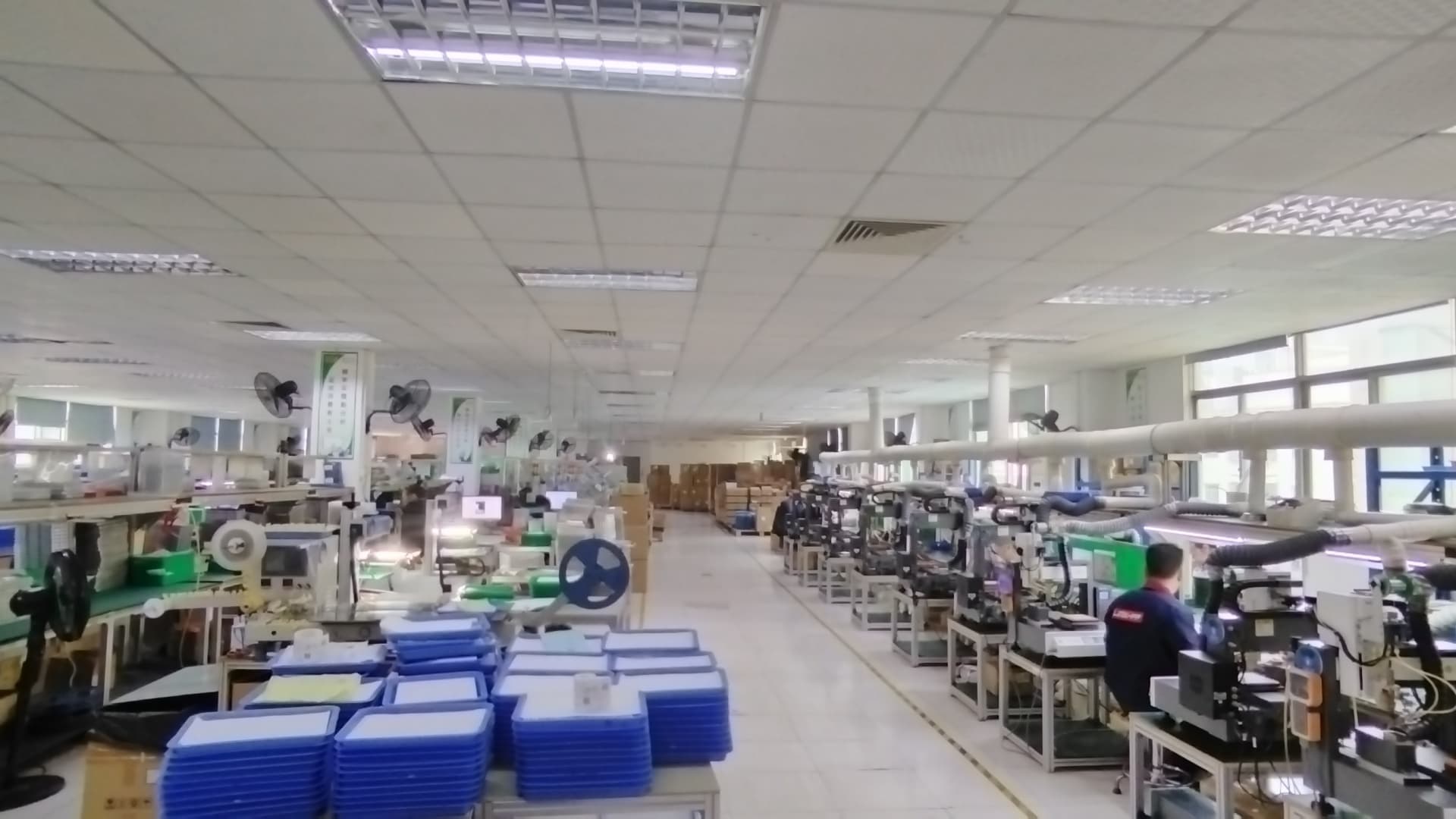
By coupling standardized Class 100,000 dust-free automated cleanrooms with automated multi-parameter testing suites, our production floors guarantee zero-defect yields. All products conform to strict international electrical and environmental standards, satisfying global requirements for OEM/ODM integration with drop-in compatibility.

Understanding how modern cloud networks, multi-gigabit protocols, and thermal realities govern the selection of RJ45 magnetic connectors and SFP modular cages.
With standard 1G copper interfaces bottlenecking modern edge environments, the migration toward 2.5G, 5G, and 10G Base-T speeds has become essential. Modern MagJack modules incorporate sophisticated filtering circuitry to filter out high-frequency EMI, maintaining stable signal-to-noise ratios (SNR) over 100-meter copper spans.
High-density GPU architectures require rapid optical interconnections. The demand for 400G, 800G, and 1.6T transceivers has transformed the design of transceiver cages. The physical design of SFP/QSFP structures must prevent crosstalk, reduce insertion losses, and manage severe thermal dissipation profiles efficiently.
The rise of PoE++ (IEEE 802.3bt) means sending up to 90W-100W of electrical power through data lines. RJ45 connectors must feature heavy gold plating (30u" to 50u") and robust thermal engineering to prevent contact degradation and localized heating at the copper junctions.
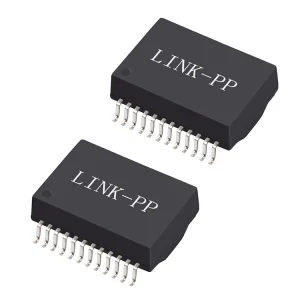
In traditional network PCB designs, the magnetic isolation transformer and common-mode chokes are placed as separate components on the motherboard. This discrete architecture poses several design risks:
By implementing Lumopt's integrated RJ45 jacks, hardware layout designers can secure optimal EMI suppression, shorten design cycles, and guarantee compliance with IEEE 802.3 isolation parameters without secondary debugging.
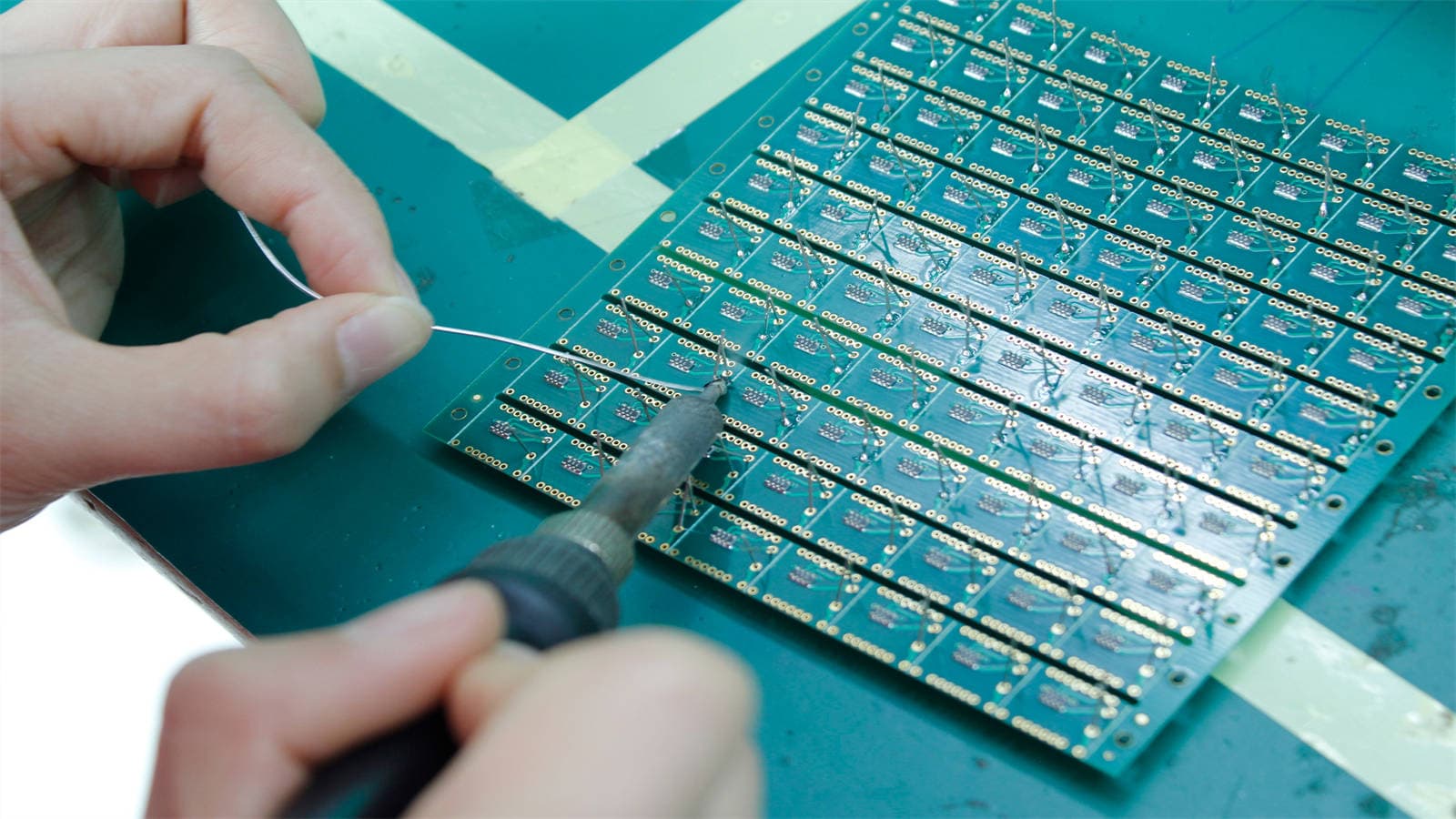
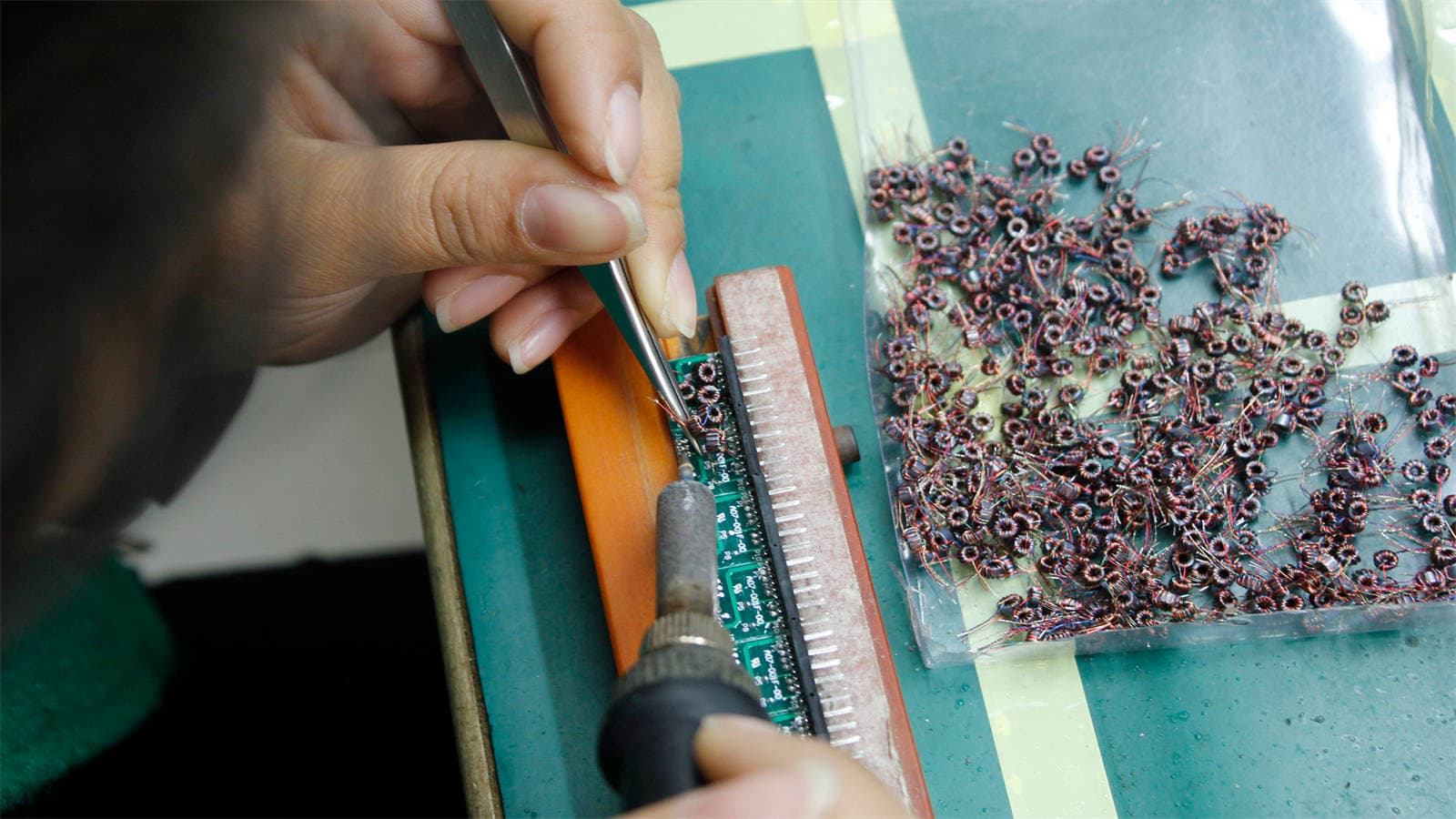
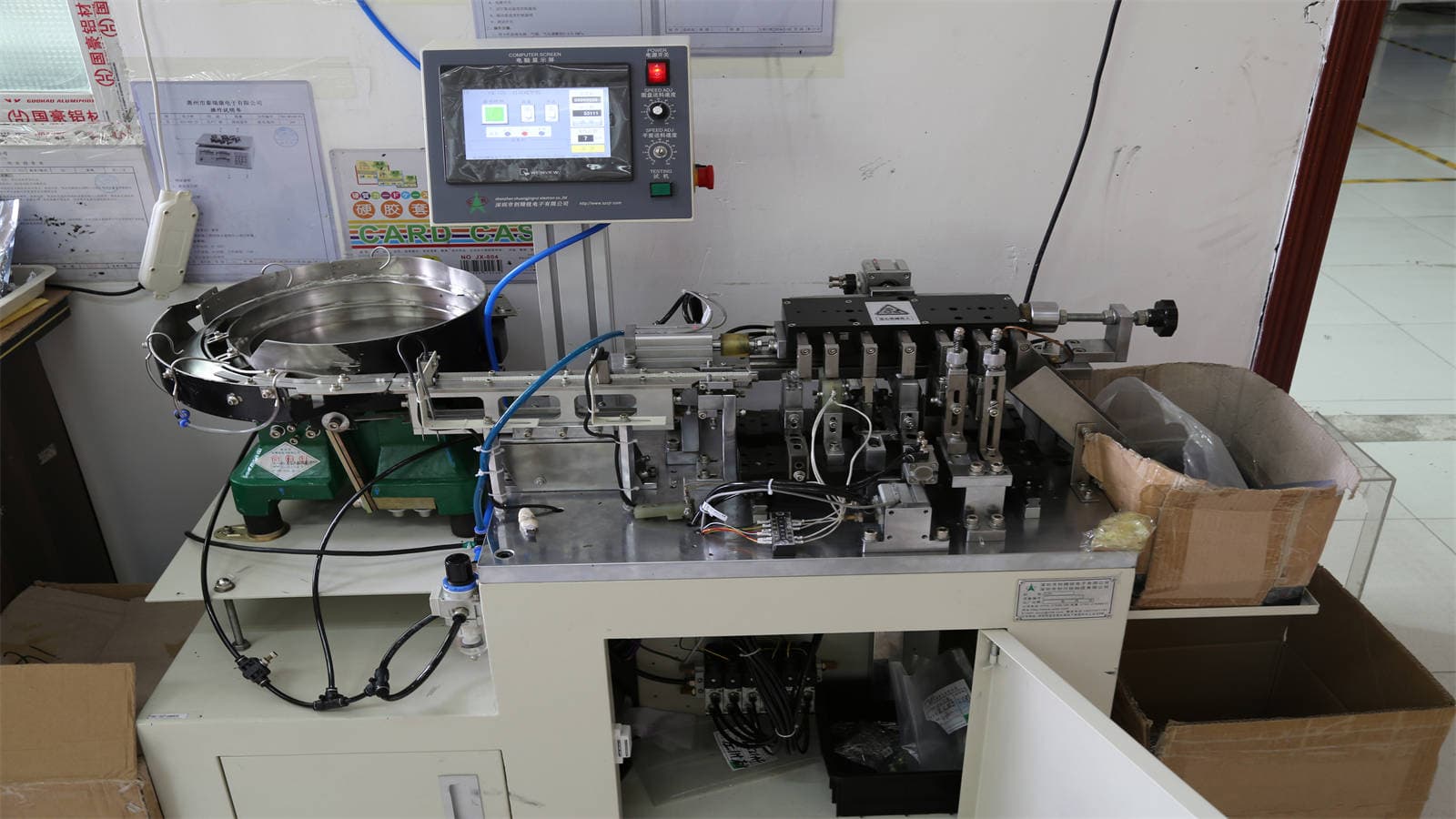
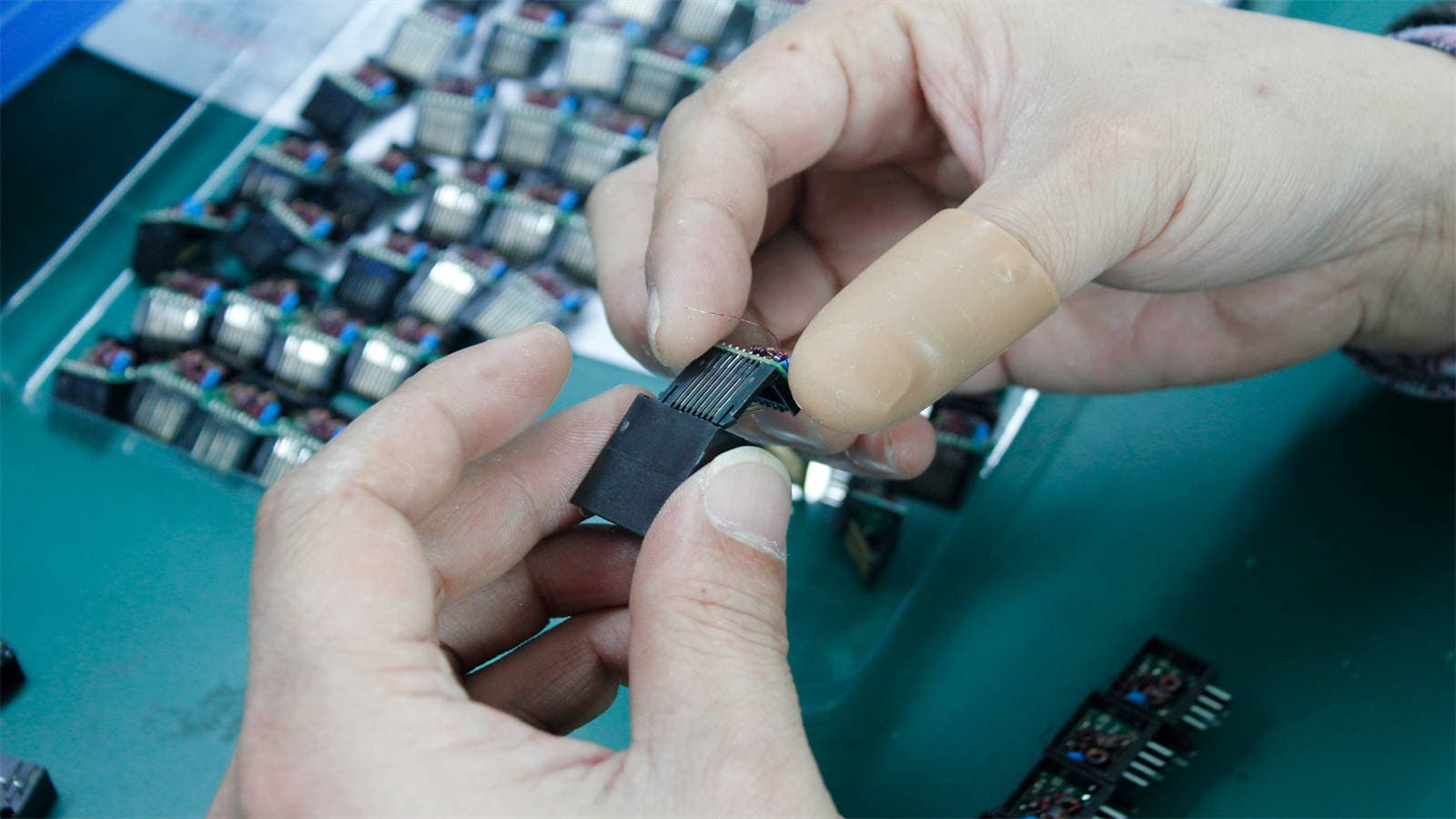
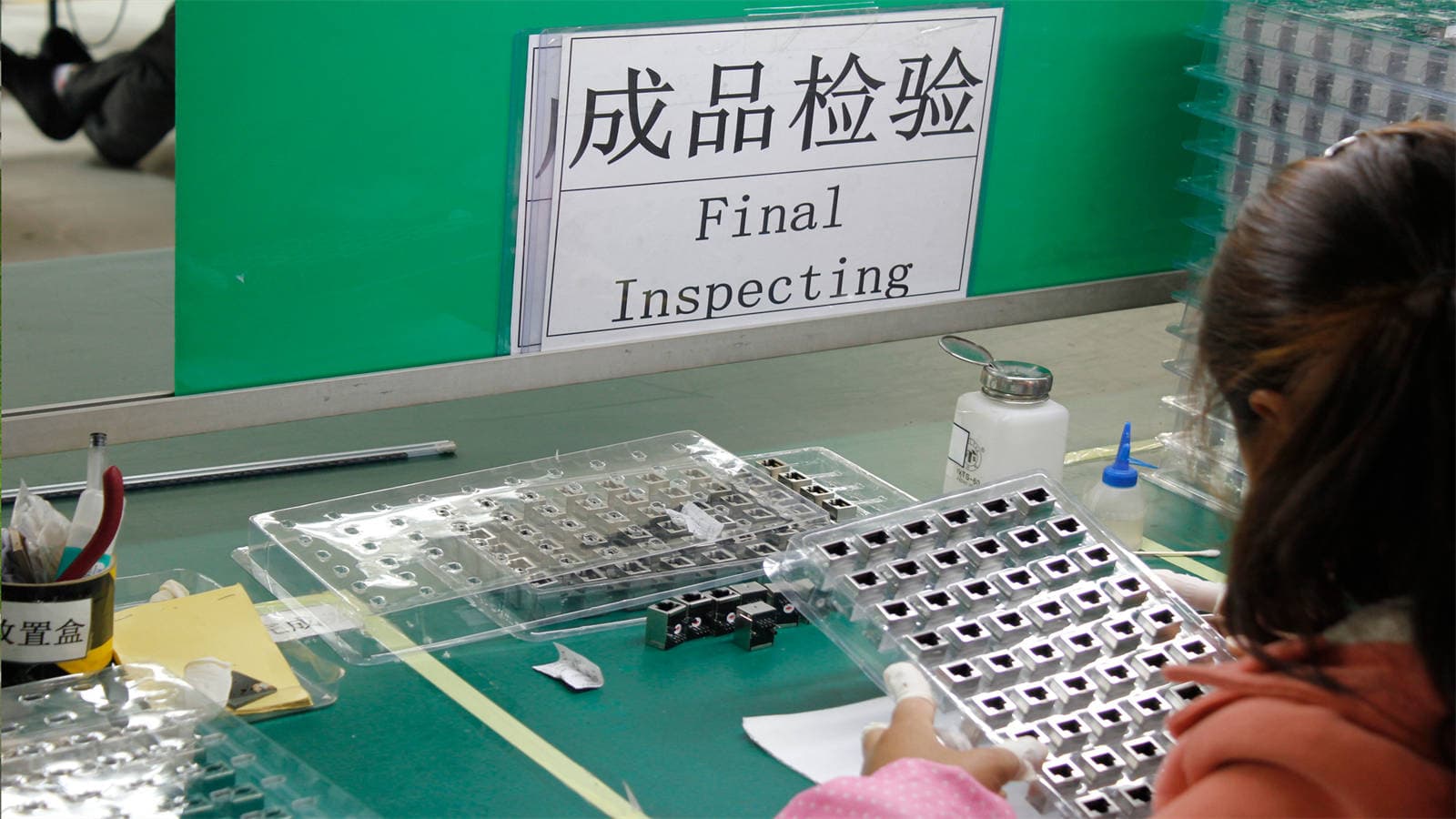
How Lumopt guarantees structural uniformity and signal reliability at every stage of the assembly process.


Mitigating lead-time volatility, ensuring brand cross-compatibility, and establishing dual-sourcing security for critical network connectors.
For system integrators, telecommunication equipment manufacturers (TEMs), and industrial computer providers, the physical port connector is a high-impact point of failure. If an RJ45 jack or SFP cage fails, the entire router, switch, or edge controller becomes useless. Consequently, procurement officers must look beyond unit costs and focus on structural variables:
Redesigning a network PCB due to a connector shortage can cost thousands of dollars in tooling, delay time-to-market, and require re-certification of EMC test plans. Lumopt designs integrated RJ45 sockets to match the physical footprints of major global brands such as TE Connectivity, Molex, Pulse Electronics, Amphenol, and Wurth Elektronik. This cross-compatibility allows buyers to build a reliable secondary source without modifying existing PCB artwork.
Industrial applications expose connectors to mechanical stress and dust. Our catalog features various physical variants to fit different device architectures:
To resist high-temperature lead-free reflow soldering profiles (reaching up to 260°C), Lumopt uses High-Temperature Nylon (LCP or PA9T) polymer plastics rated to UL 94V-0. This prevents structural warping or bubbling of the housing during oven runs, ensuring complete coplanarity across the gold-plated contact array.
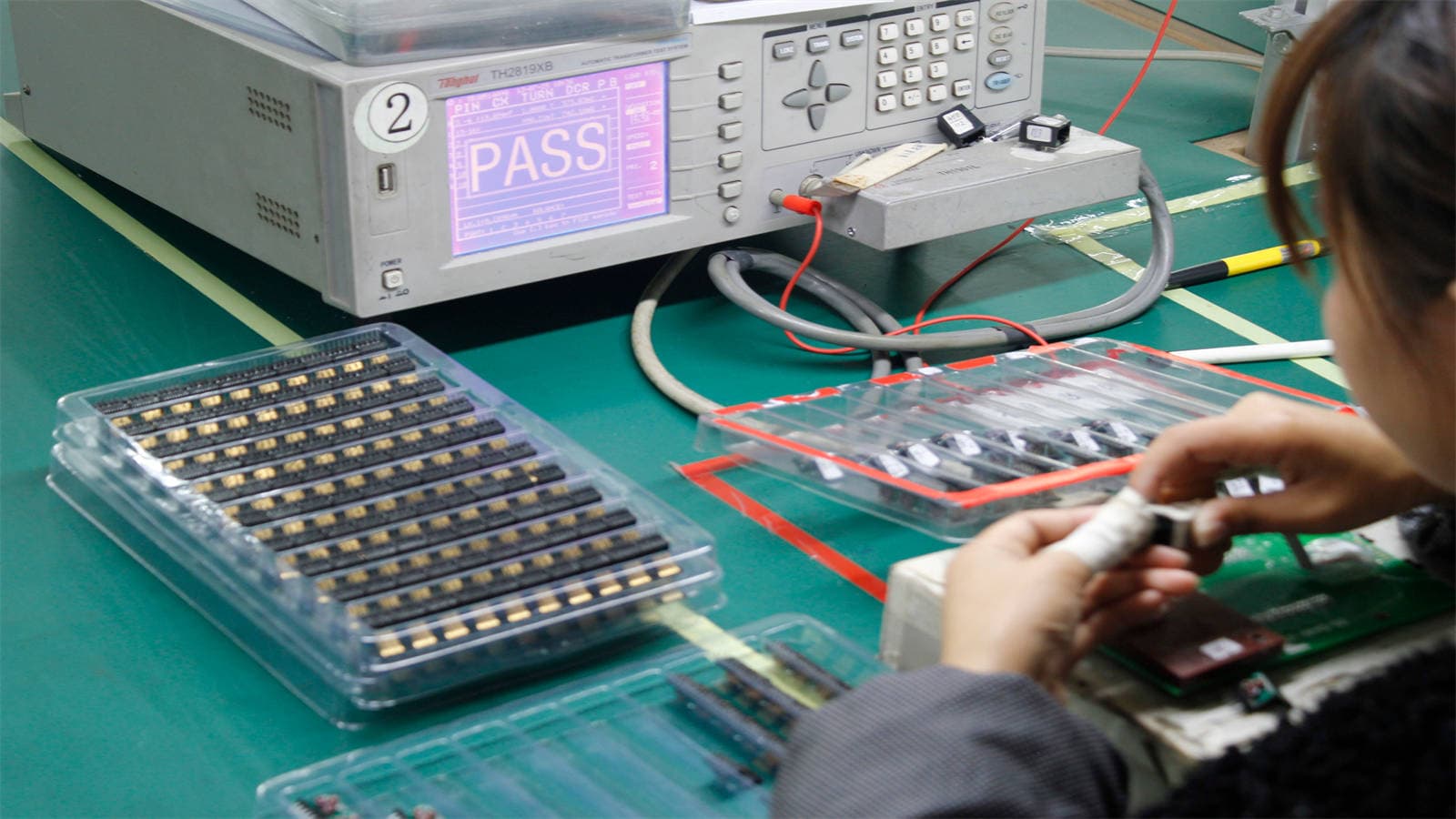
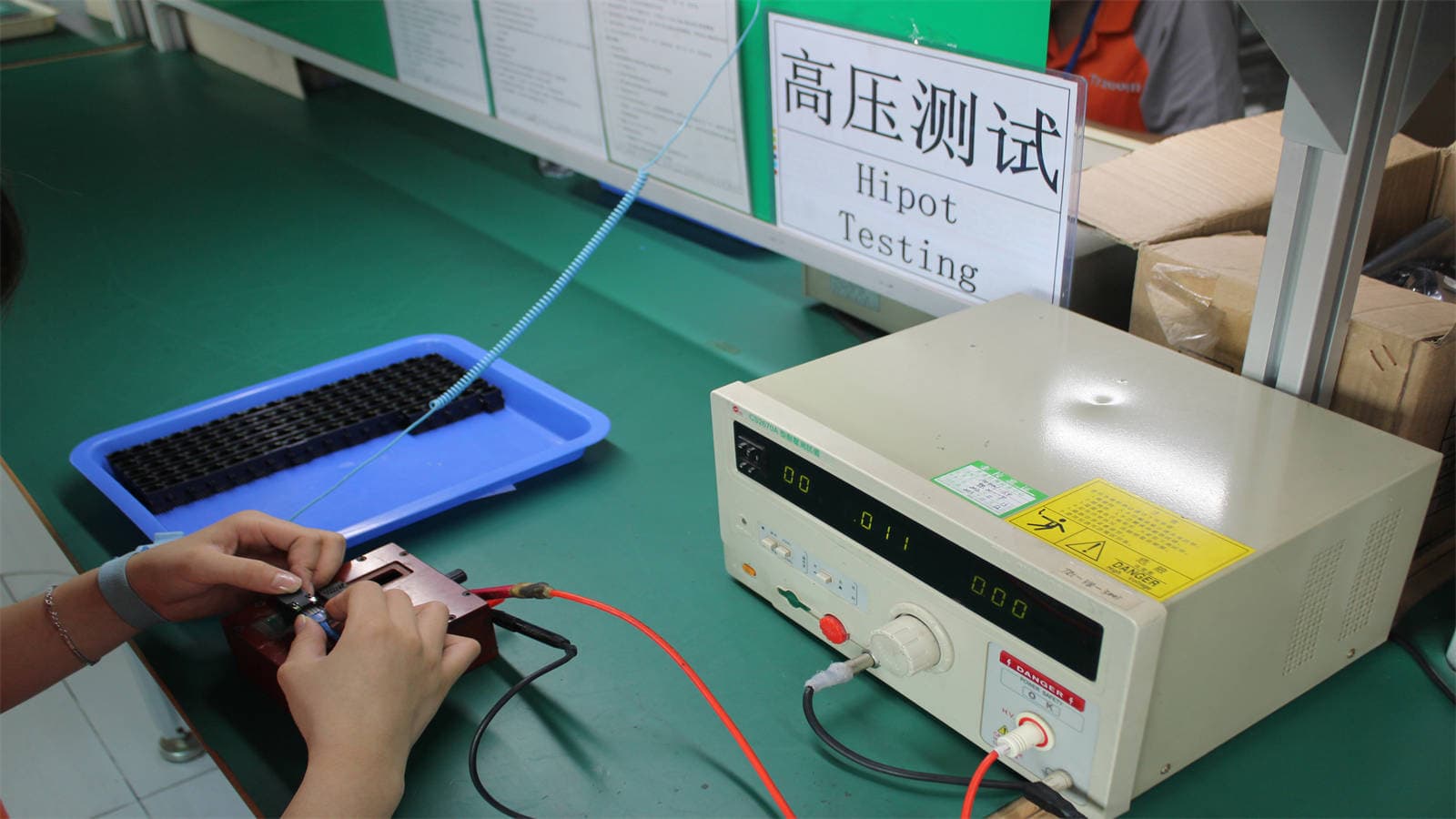
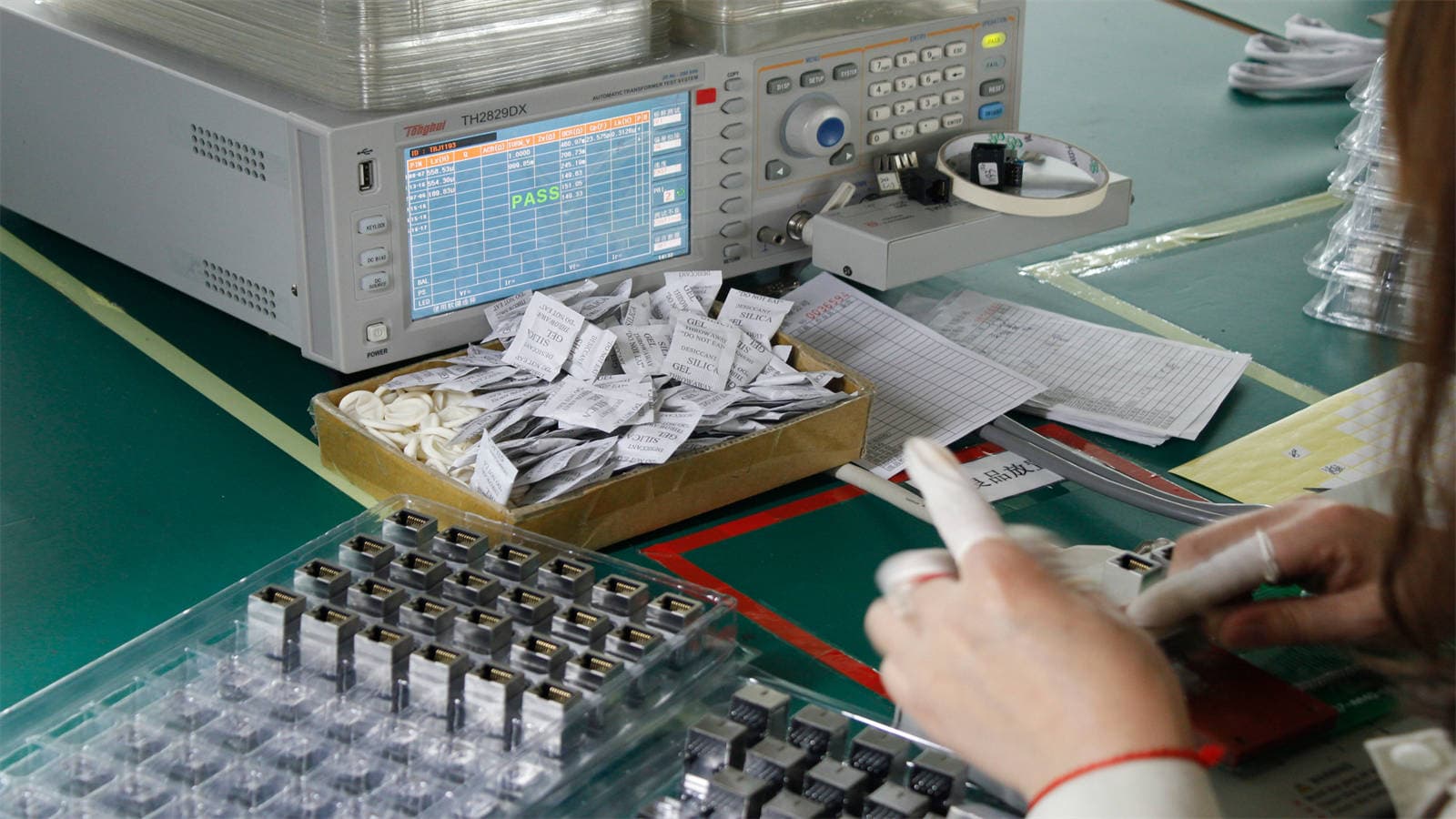
Deep analysis of our on-site laboratory systems used to validate compliance and mechanical reliability.
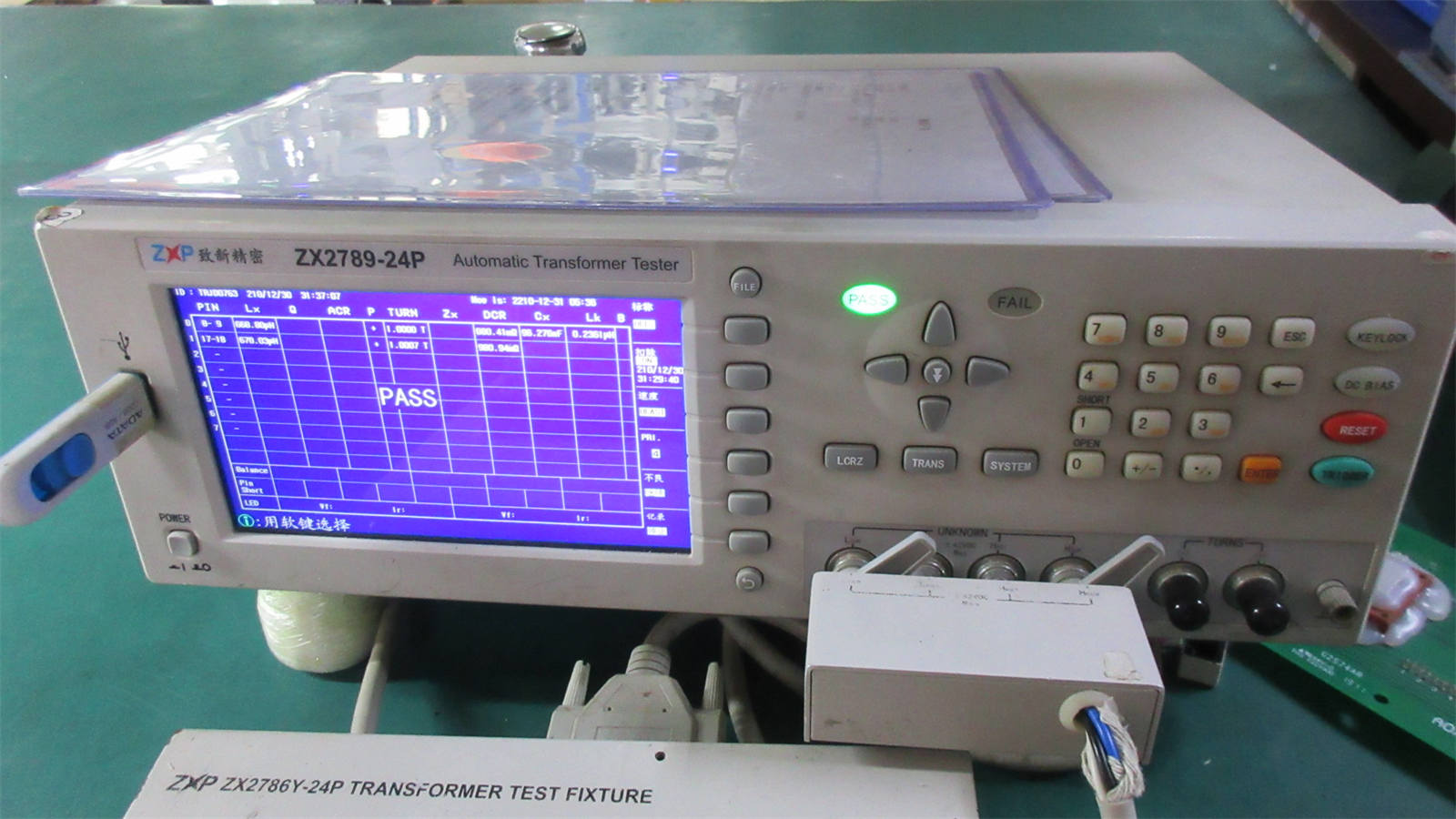
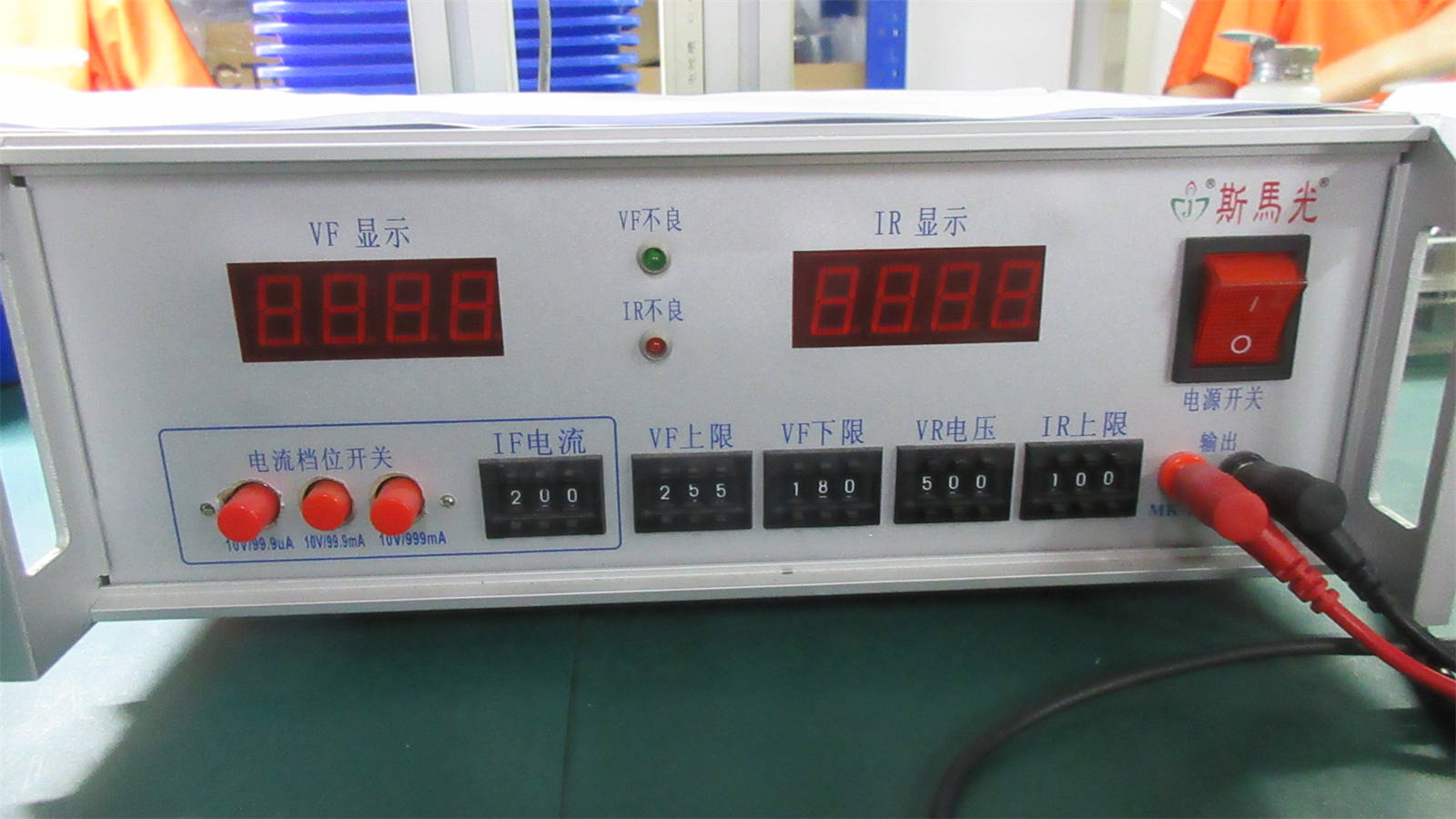

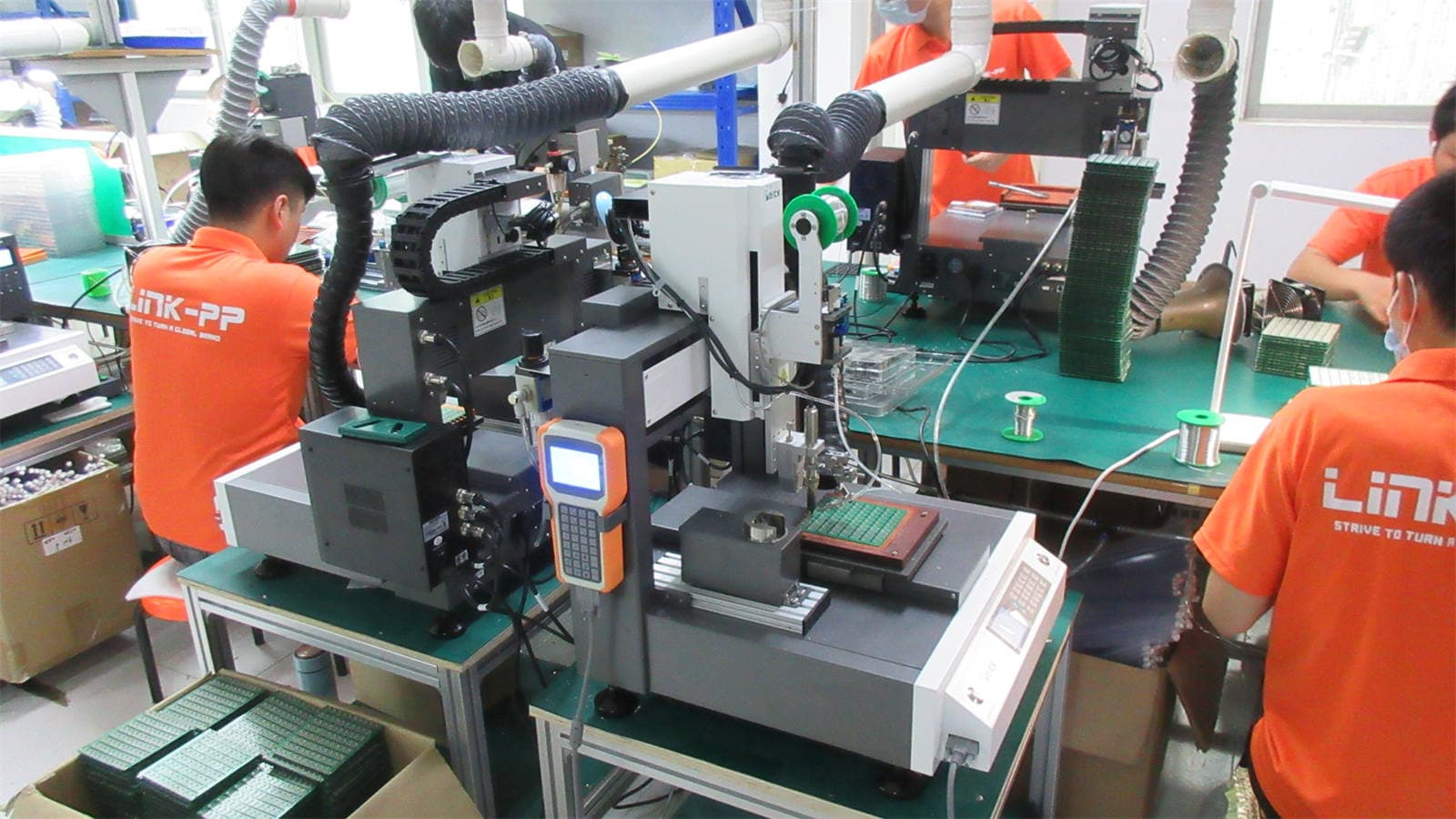
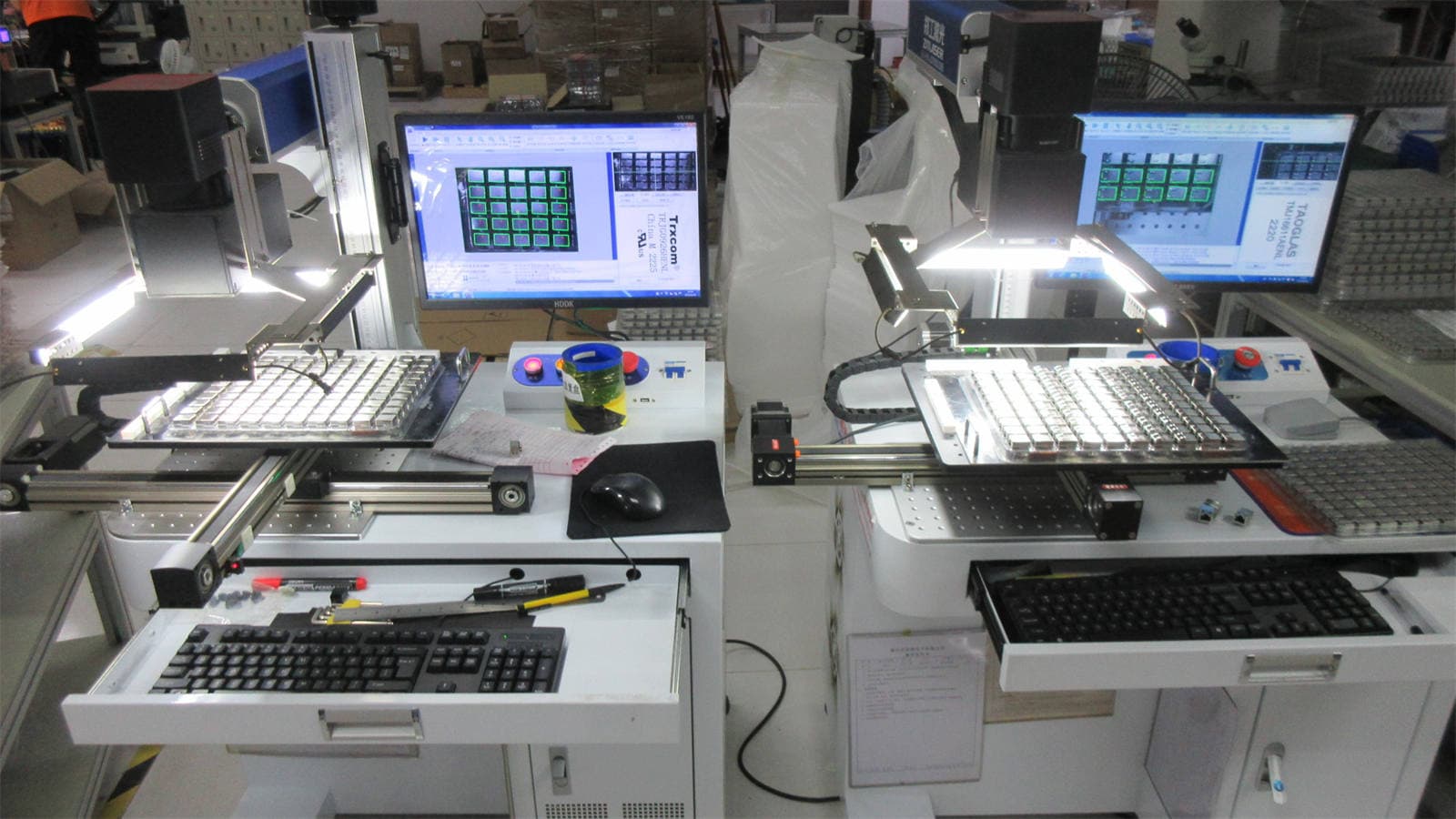

From internal schematic adjustments to tailored optoelectronic integration—how we support complex design projects.
Standard components don't always fit advanced network designs. Lumopt offers comprehensive design support for hardware developers requiring specialized connector solutions:
Whether you need custom SFP transceiver modules with unique firmware maps or customized multi-gigabit MagJack layouts, our R&D team can guide you from early design and quick-turn prototyping to bulk volume production.
Ensuring our components meet global safety, performance, and environmental standards.
Global logistics demand strict compliance with regional safety and environmental rules. Lumopt ensures all components pass major international certifications:
All plastic housings are built from flame-retardant thermoplastics, ensuring structural integrity and safety under high-temperature loads.
We use lead-free, cadmium-free, and halogen-free raw materials in all production lines, meeting strict European environmental standards.
Every magnetic connector is 100% tested for high-potential isolation (1500V AC rms / 2250V DC) to ensure complete safety and prevent damage from voltage surges.
Looking ahead at the next phase of copper and fiber architectures through 2030.
Integrating 2.5G/5G SMT-mounted MagJacks into high-density consumer and IoT switches, with automated coplanarity inspection down to 0.1mm.
Co-designing high-density SFP+ and QSFP cages for Co-Packaged Optics (CPO) architectures, minimizing insertion losses at high operating frequencies.
Scaling high-volume production of 1.6T silicon photonics transceivers to support high-density AI clusters and hyperscale cloud systems.
Detailed technical answers to common engineering, procurement, and deployment questions.
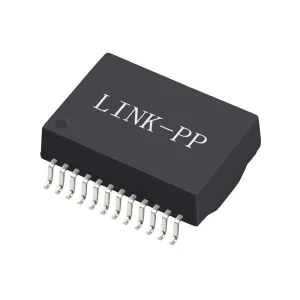
An Integrated Connector Module (ICM or MagJack) places all the copper filter circuitry, isolation transformers, common-mode chokes, resistors, and capacitors inside the shielded RJ45 connector housing. This saves PCB board space, reduces high-frequency noise by shortening signal traces, and improves return loss and EMC compliance compared to discrete layouts.
We build our components to standard mechanical layouts, ensuring pin-to-pin and footprint compatibility with global brands like TE Connectivity, Molex, Pulse Electronics, and Amphenol. This allows buyers to easily source replacement parts without changing their existing PCB design.
Every 10G Base-T connector is tested for electrical performance up to 500 MHz, including insertion loss, return loss, and crosstalk. We also perform 100% Hi-pot testing (1500V AC RMS) to guarantee electrical isolation and safety, along with automated coplanarity checks on the SMT terminals.
Yes. We customize transceiver EEPROM/MCU firmware to ensure compatibility with major switch systems (e.g., Cisco, Juniper, Arista, HP, Dell). This ensures correct identification of optical parameters and diagnostic data (DOM) in host systems.
Our manufacturing facility is equipped with automated assembly systems, automatic soldering, and automated winding machines. We use a step-by-step quality control system from raw material verification to final optical inspection, ensuring high yields and reliable delivery for global OEM buyers.
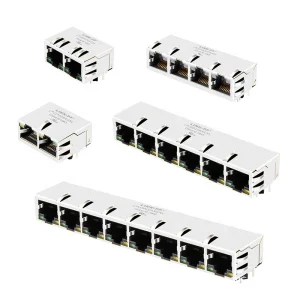
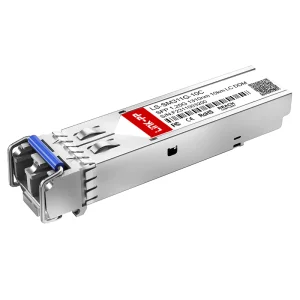
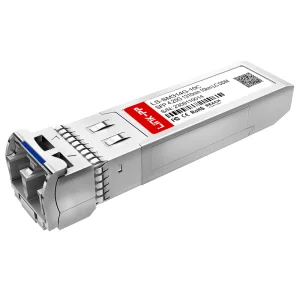
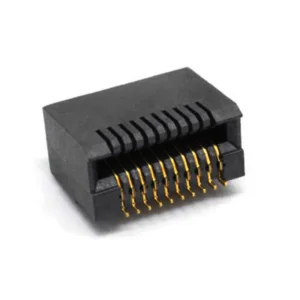
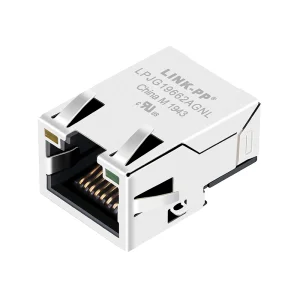
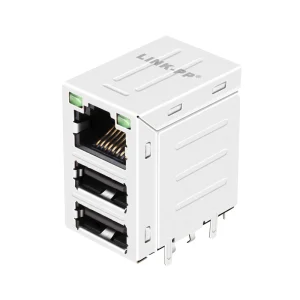
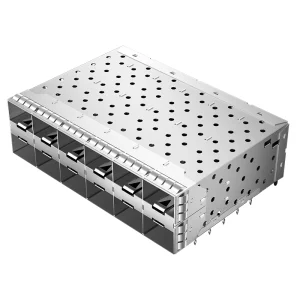
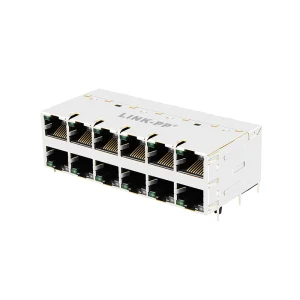
Select from our range of high-density SFP transceivers, SMT RJ45 connectors, and heavy-duty stacked modular ports.