Lumopt
Lumopt
Lumopt
Engineered to exact OEM specifications, offering robust mechanical stability, optimal return loss profile, and high electromagnetic compatibility.
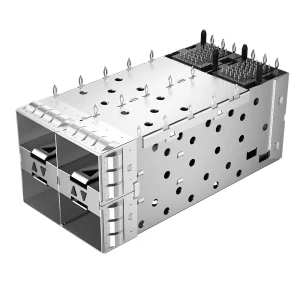
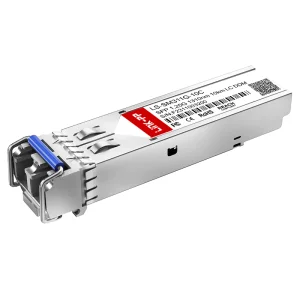
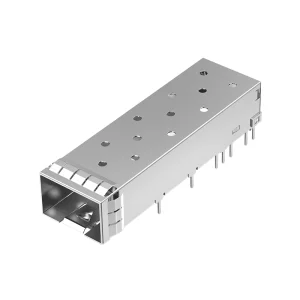
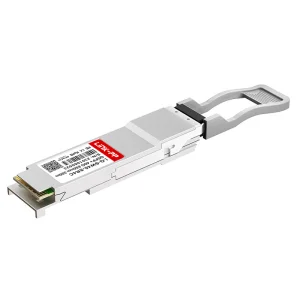
Modern enterprise-scale systems require more than basic interconnect compliance. High-density server environments, cloud computing, and automotive IoT require connectivity components designed to mitigate electromagnetic interference (EMI), manage high levels of power dissipation, and operate continuously without thermal degradation.
For procurement officers and technical leads, finding a premier Ethernet Port Connector Manufacturer means evaluating manufacturers based on objective metrics: insertion loss profiles, durability ratings, cross-talk reduction, and supply chain adaptability. Component failure can result in costly network downtime and degradation of systemic throughput.
Lumopt Opto Technology Co., Ltd. (registered as Luguang Communication Technology Co., Ltd. in China) meets these high-performance demands by offering advanced optical transceivers and robust physical interface connectors engineered for the most rigorous telecommunication and enterprise settings.

How we align advanced physical layer connectivity with global industrial standards and architectural frameworks.
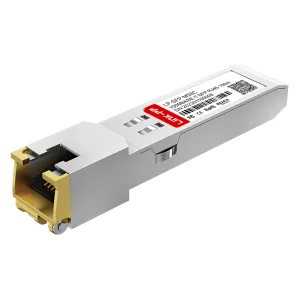
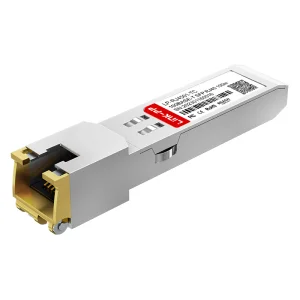
Hyperscale platforms running intensive LLM workloads require physical connections that support high-density configurations. Our TE-compatible SFP+ cages and multi-gigabit copper transceivers minimize latency and maximize card density in 1RU rack server configurations.
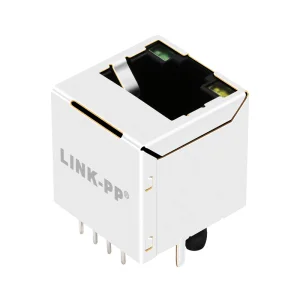
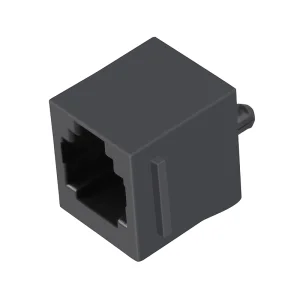
Factory floors present high levels of EMI and thermal stress. Our shielded vertical RJ45 jacks and Cat3 modular jacks are engineered to withstand ambient heat and prevent signal degradation, ensuring reliable machine-to-machine (M2M) communication.
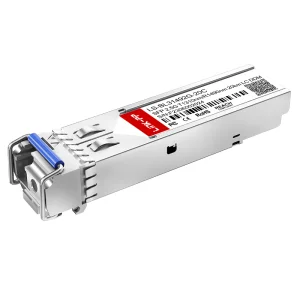
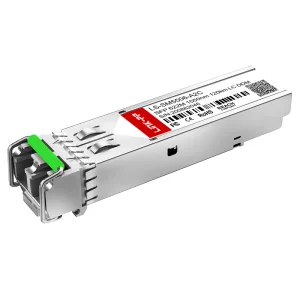
We supply telecom carriers with optical modules capable of bidirectional transmission over distances exceeding 10km to 120km. Advanced single-mode SFP assemblies feature low insertion loss and optimized return loss profiles for high network reliability.
A technical overview of the engineering specifications required to maintain signal integrity in high-speed, high-density physical layer interconnects.
| Parameter Category | Technical Feature / Standard | Engineering Benefit | Lumopt Target Compliance |
|---|---|---|---|
| EMI / RFI Suppression | Multiple outer-grounding tabs with full metal shielding | Prevents electromagnetic crosstalk and radiation leakage | FCC Class B, CISPR 22 compliant SFP+ cages |
| Contact Plating Integrity | 30μ" to 50μ" Gold-plating over Nickel substrate | Prevents oxidization and ensures stable impedance over 750 mating cycles | All copper connector contact pins |
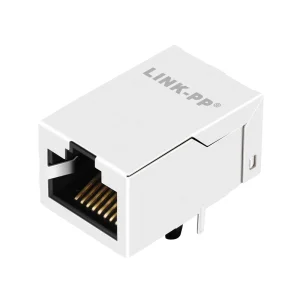
| Power over Ethernet (PoE) | PoE, PoE+, and PoE++ compatibility (IEEE 802.3bt) | Delivers up to 90W power while maintaining signal integrity | Qualified RJ45 modular jacks with integrated magnetics |
| Optical Wavelength Stability | DFB + APD, TOSA, ROSA technology integration | Ensures low jitter and dispersion across single-mode and multi-mode systems | 1G to 400G optical module spectrum compliance |
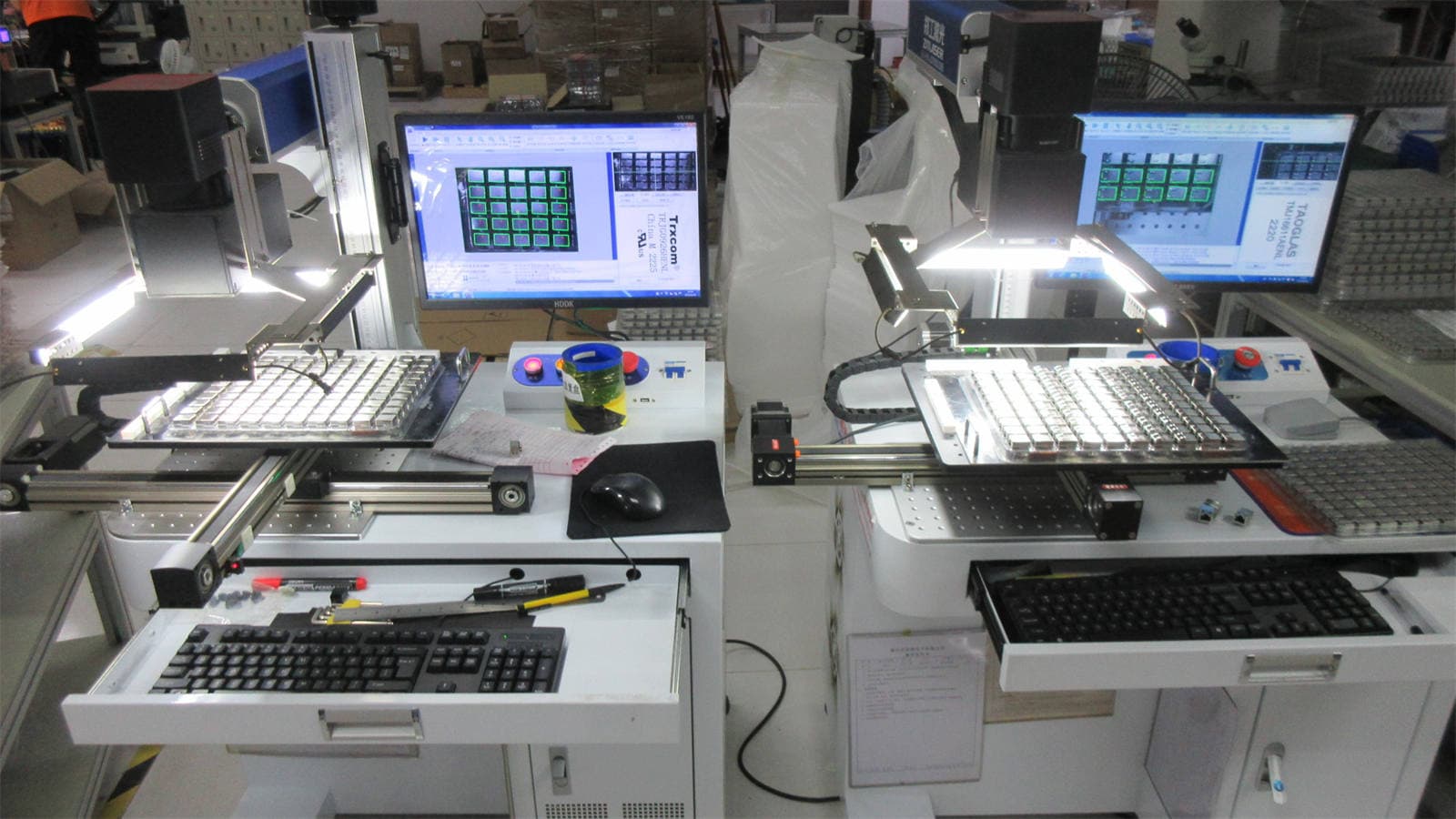
To achieve high efficiency, physical connections must be optimized to reduce signal degradation. When deploying SFP+ cages or high-density RJ45 connectors, small inconsistencies in mechanical alignment can cause signal reflections, increasing the bit error rate (BER). By using automated laser marking, precision mechanical stamping, and high-frequency impedance testing, we ensure every connector meets global performance expectations.
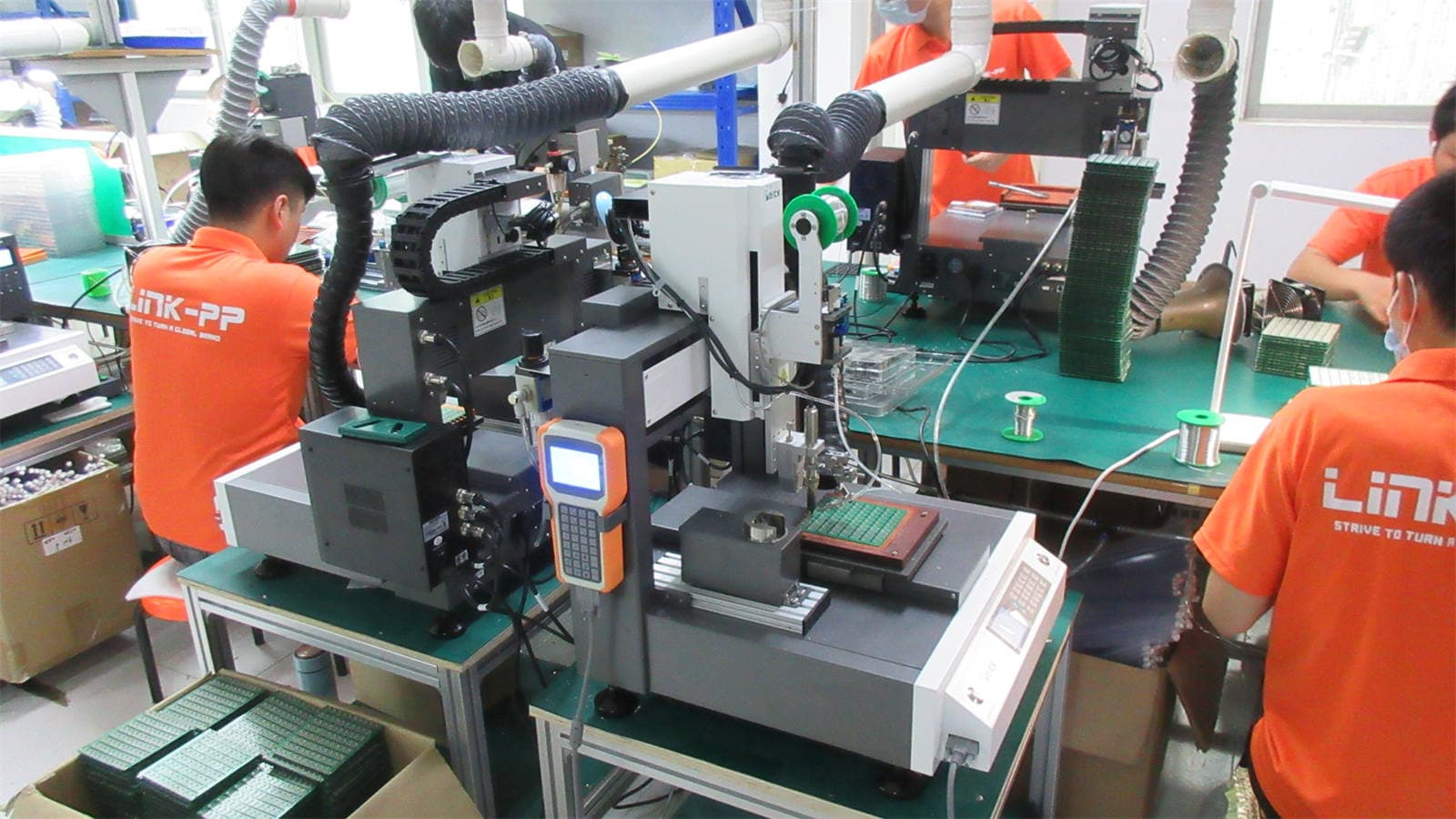
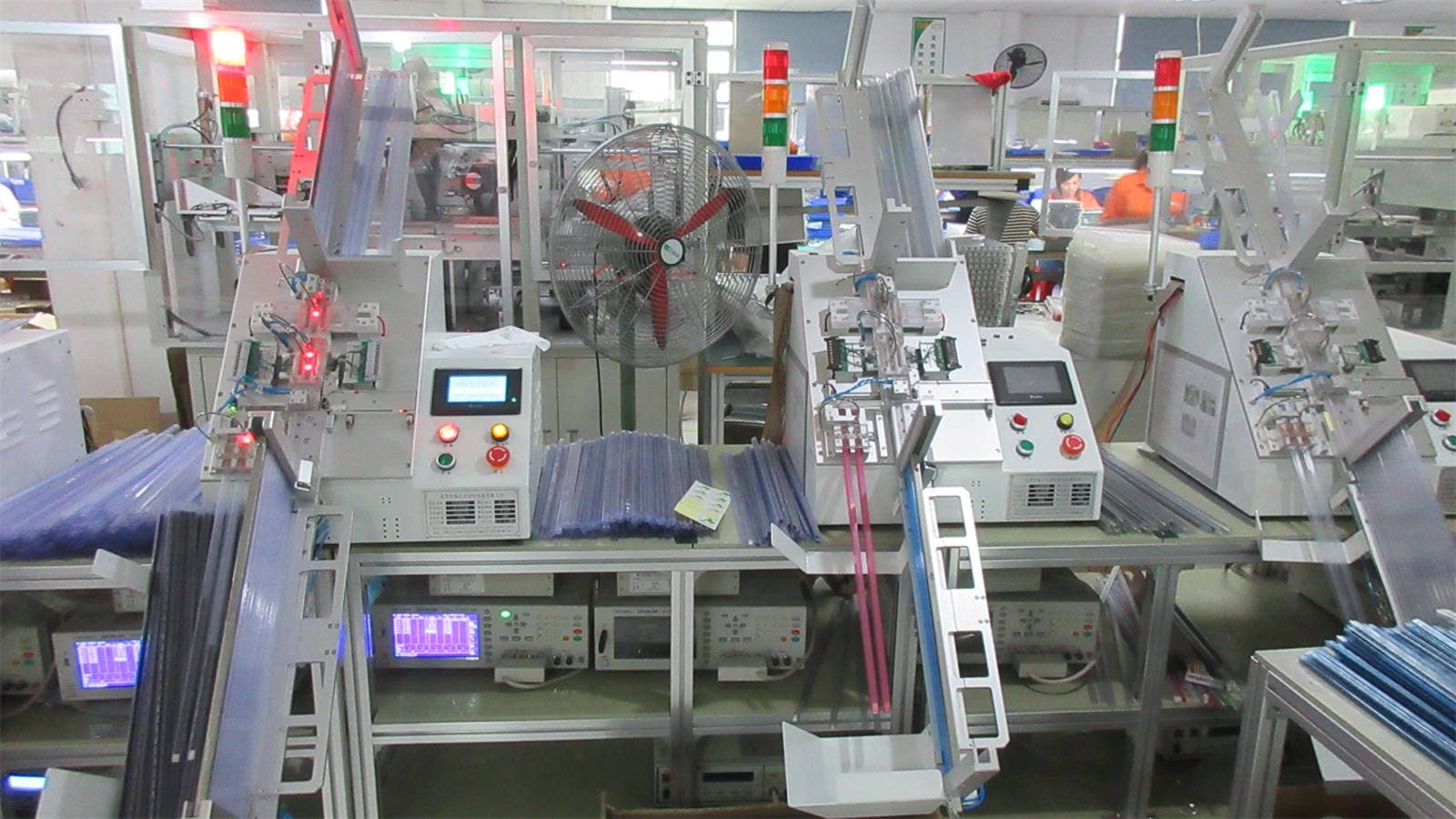
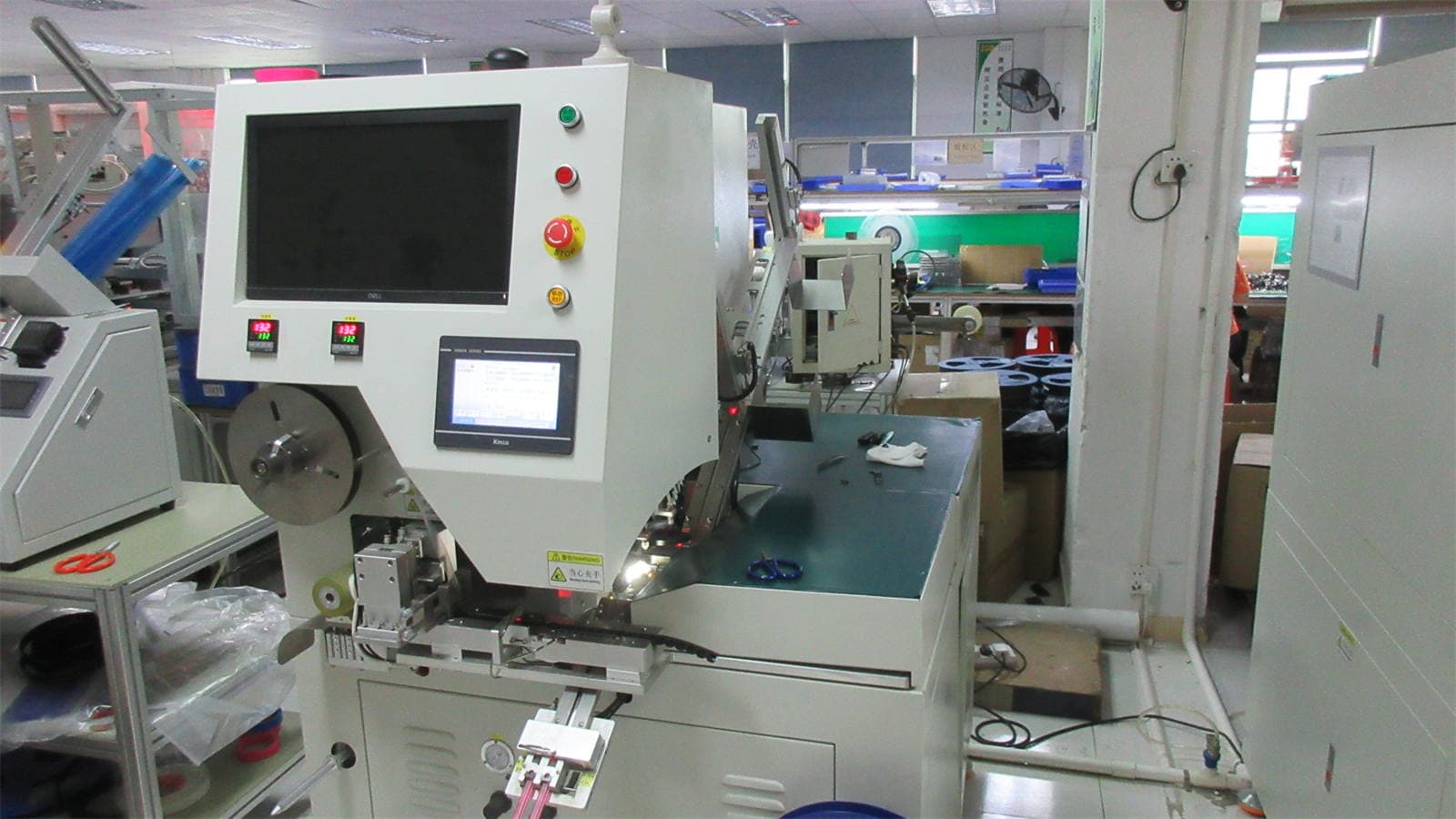
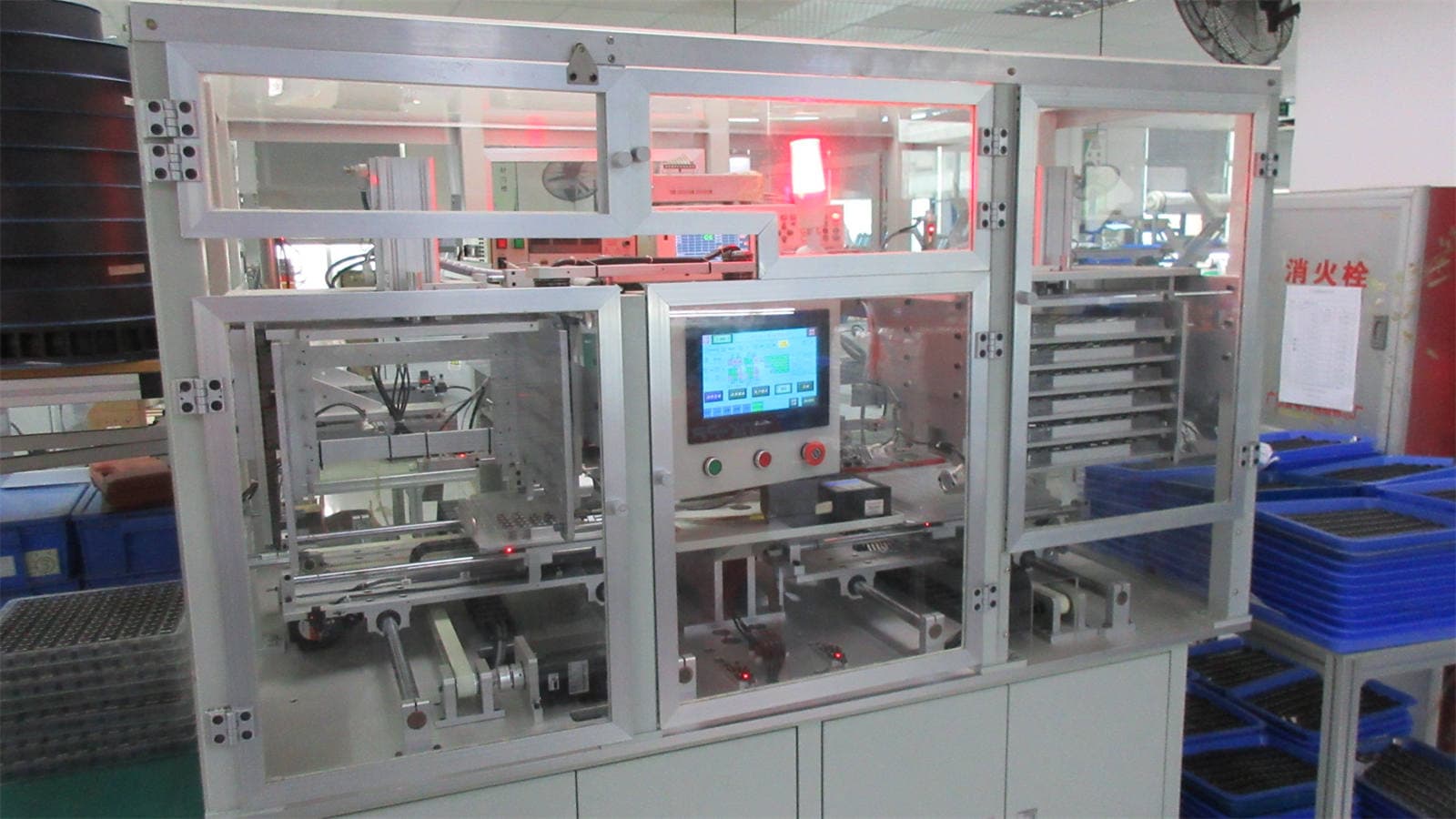
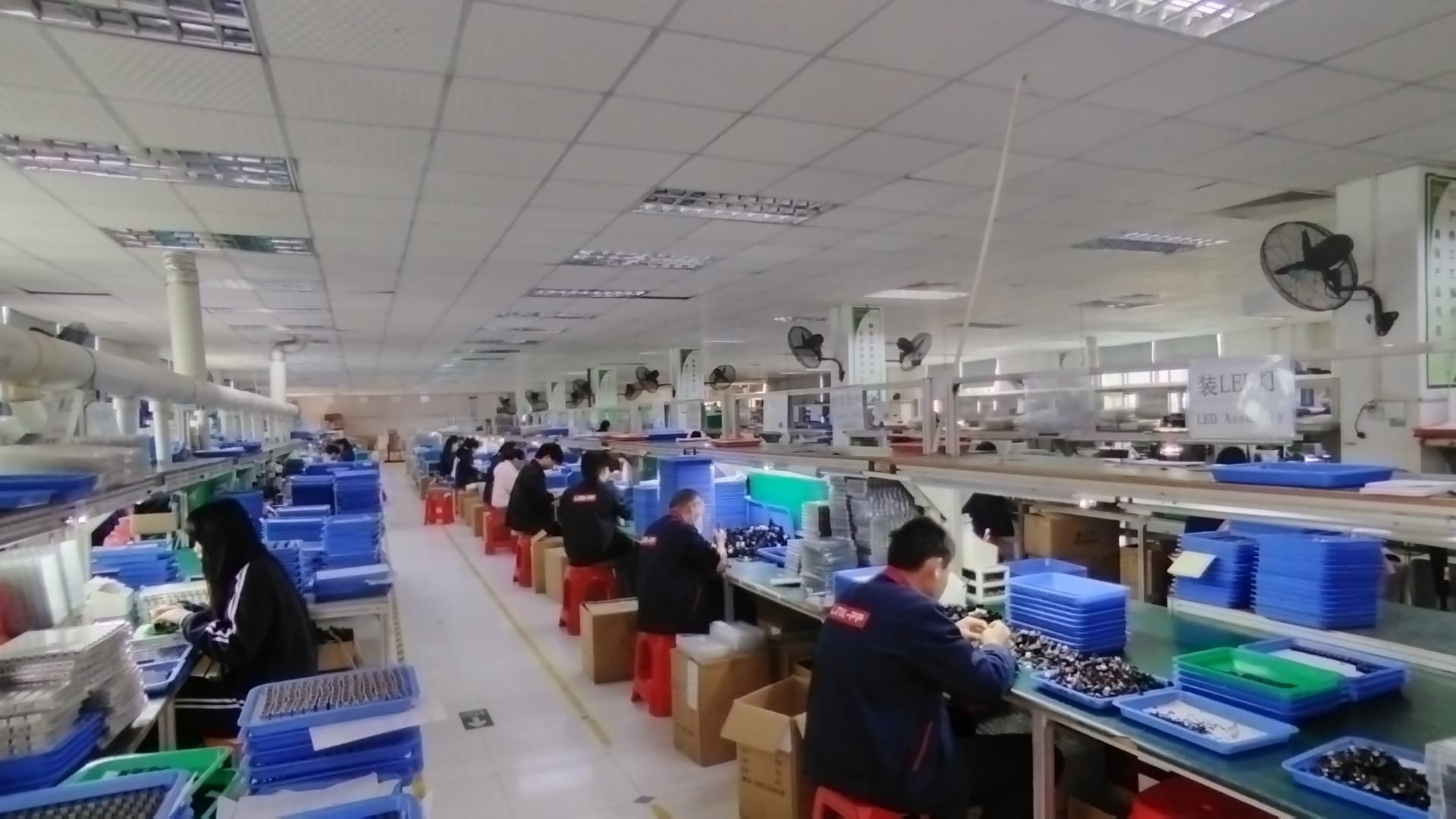
Take an inside look at our standardized, dust-free manufacturing workshops where advanced testing equipment ensures strict quality control at every phase of production.
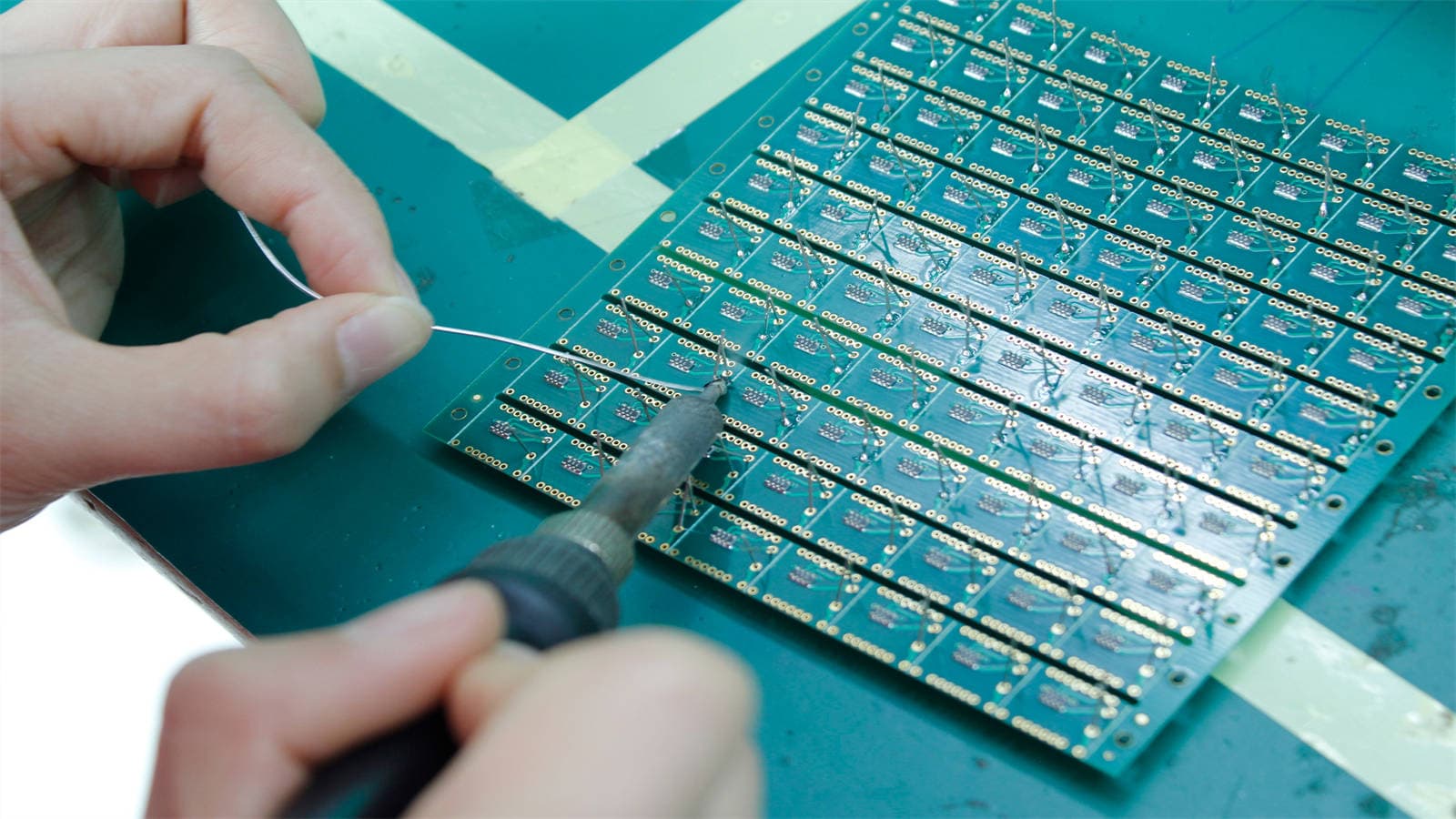
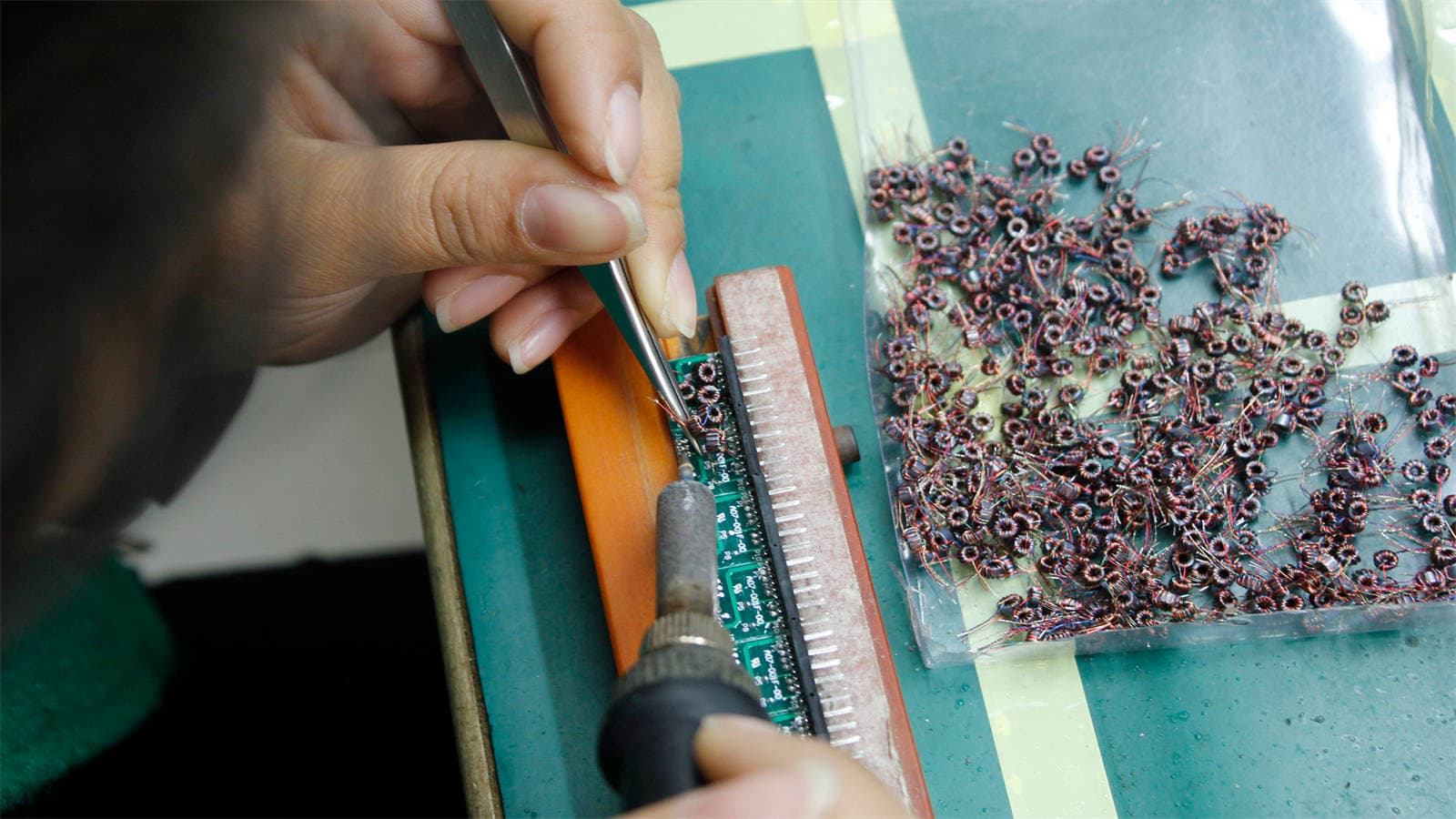
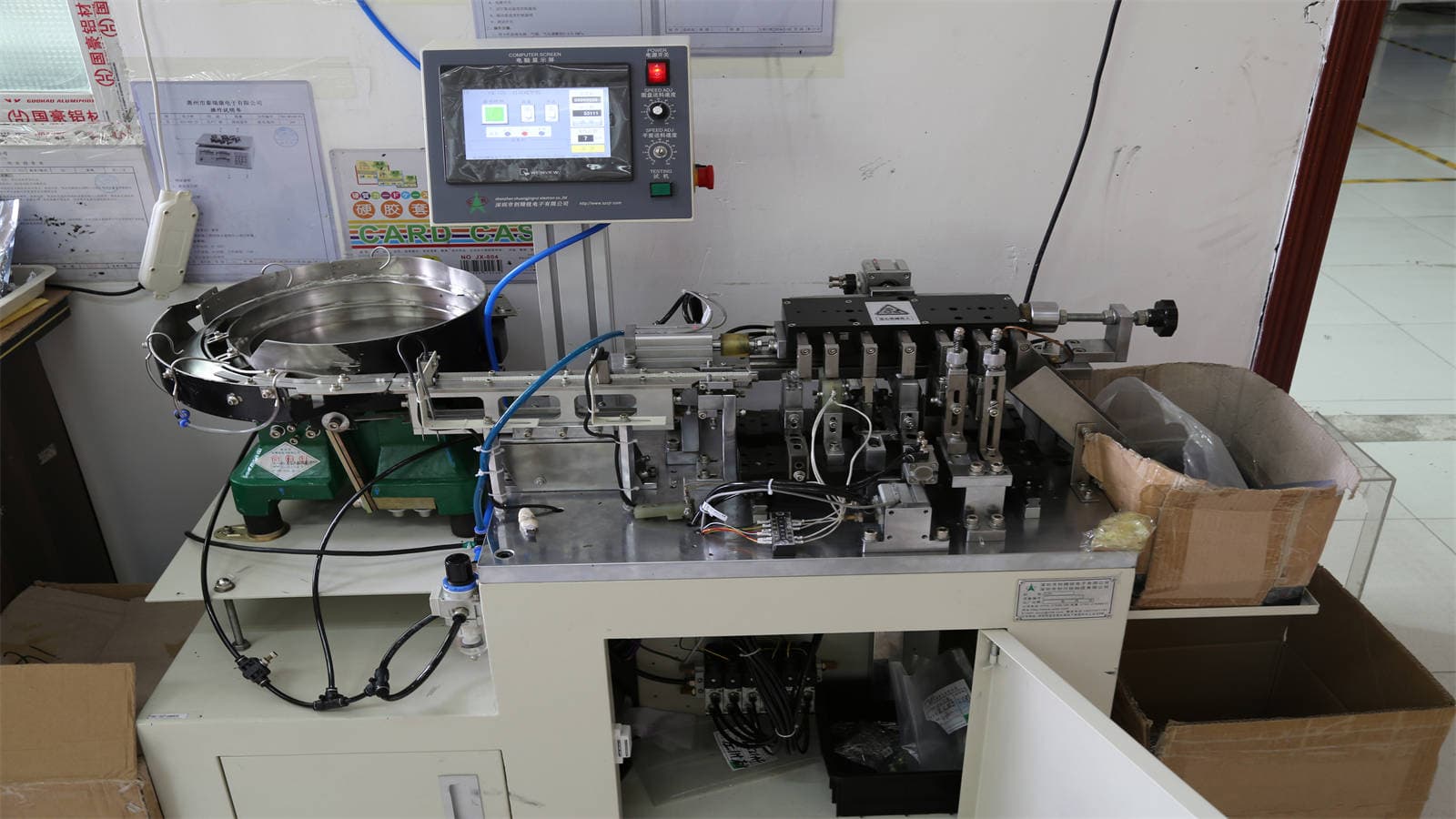
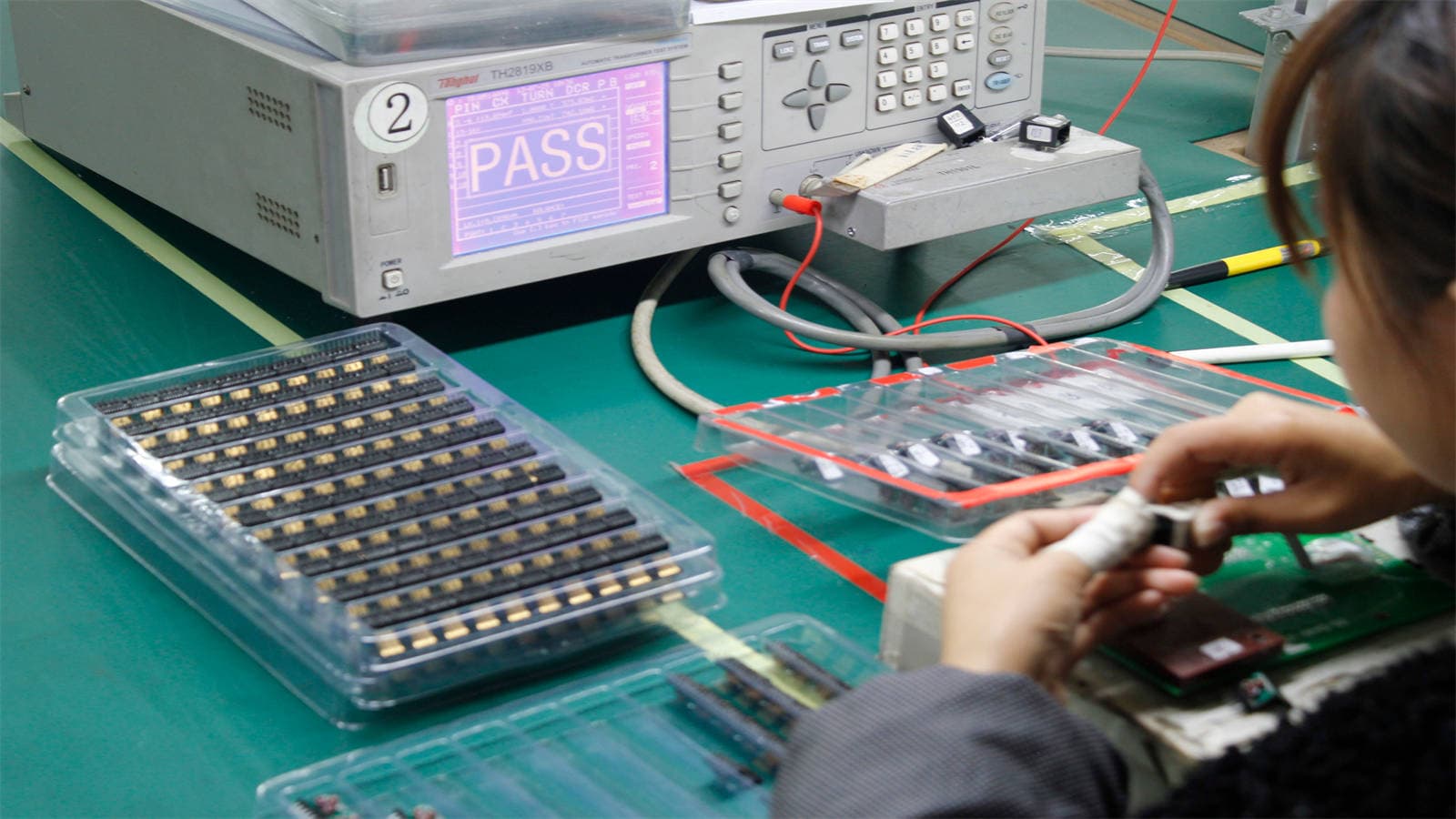
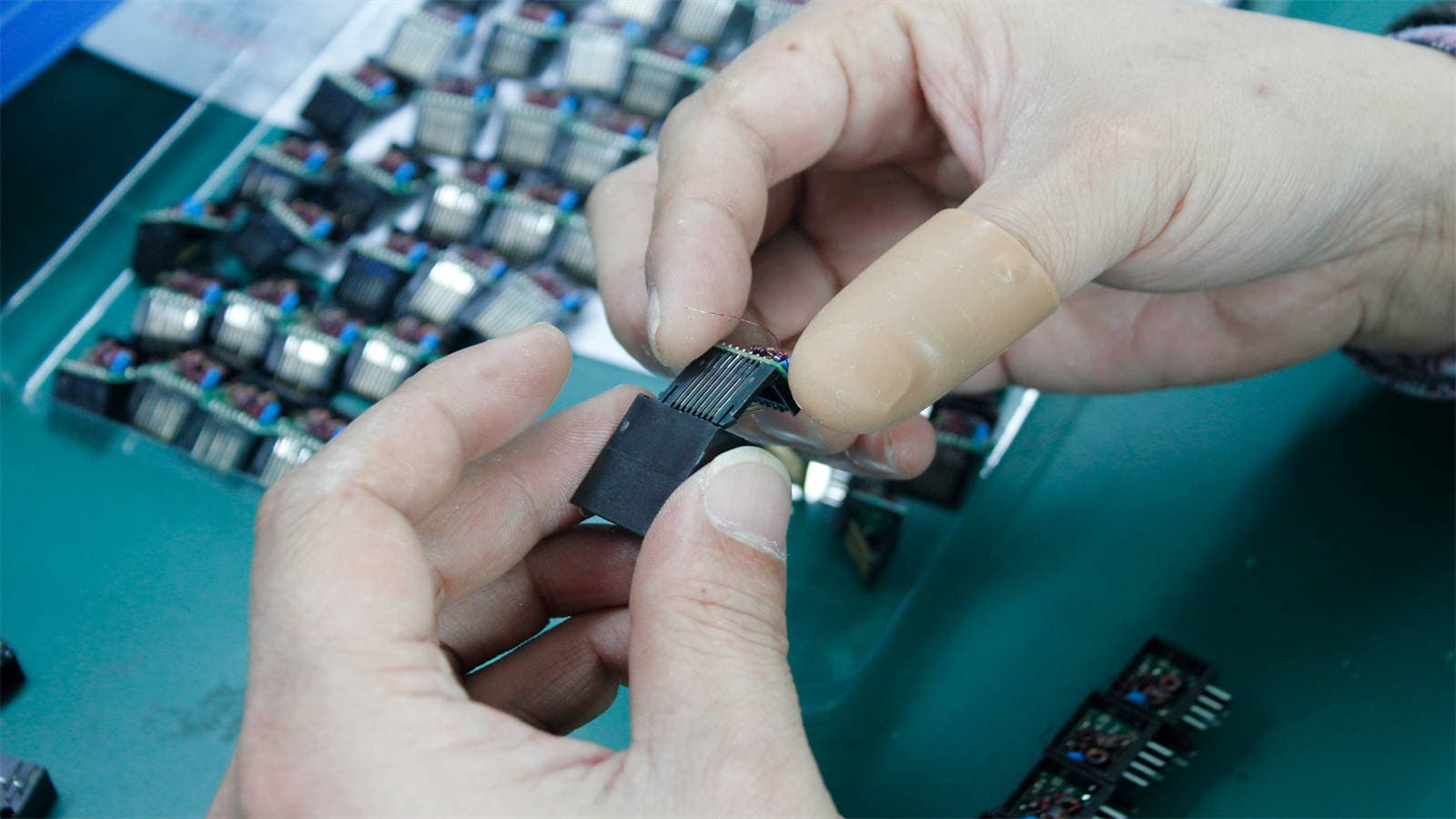
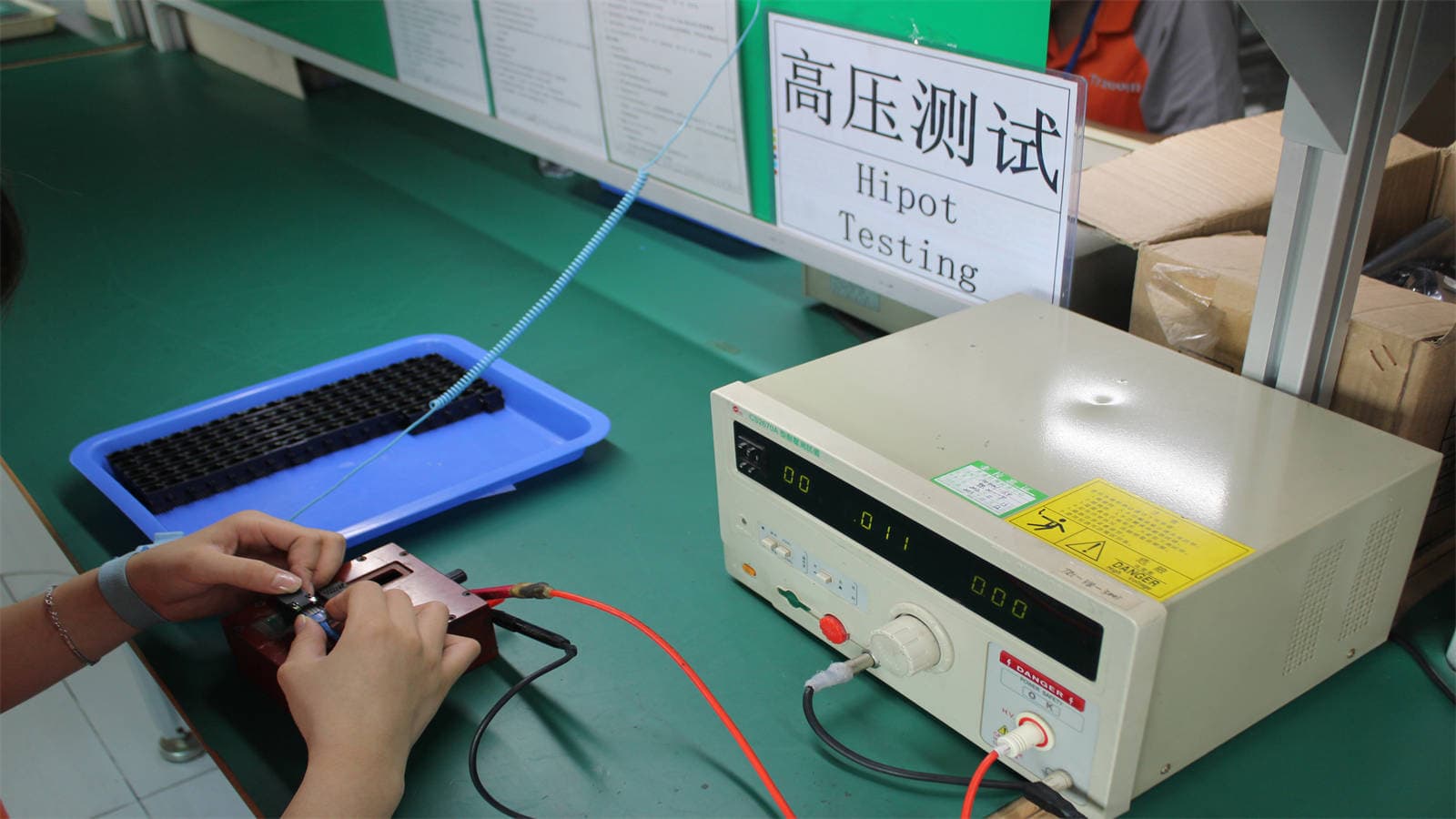
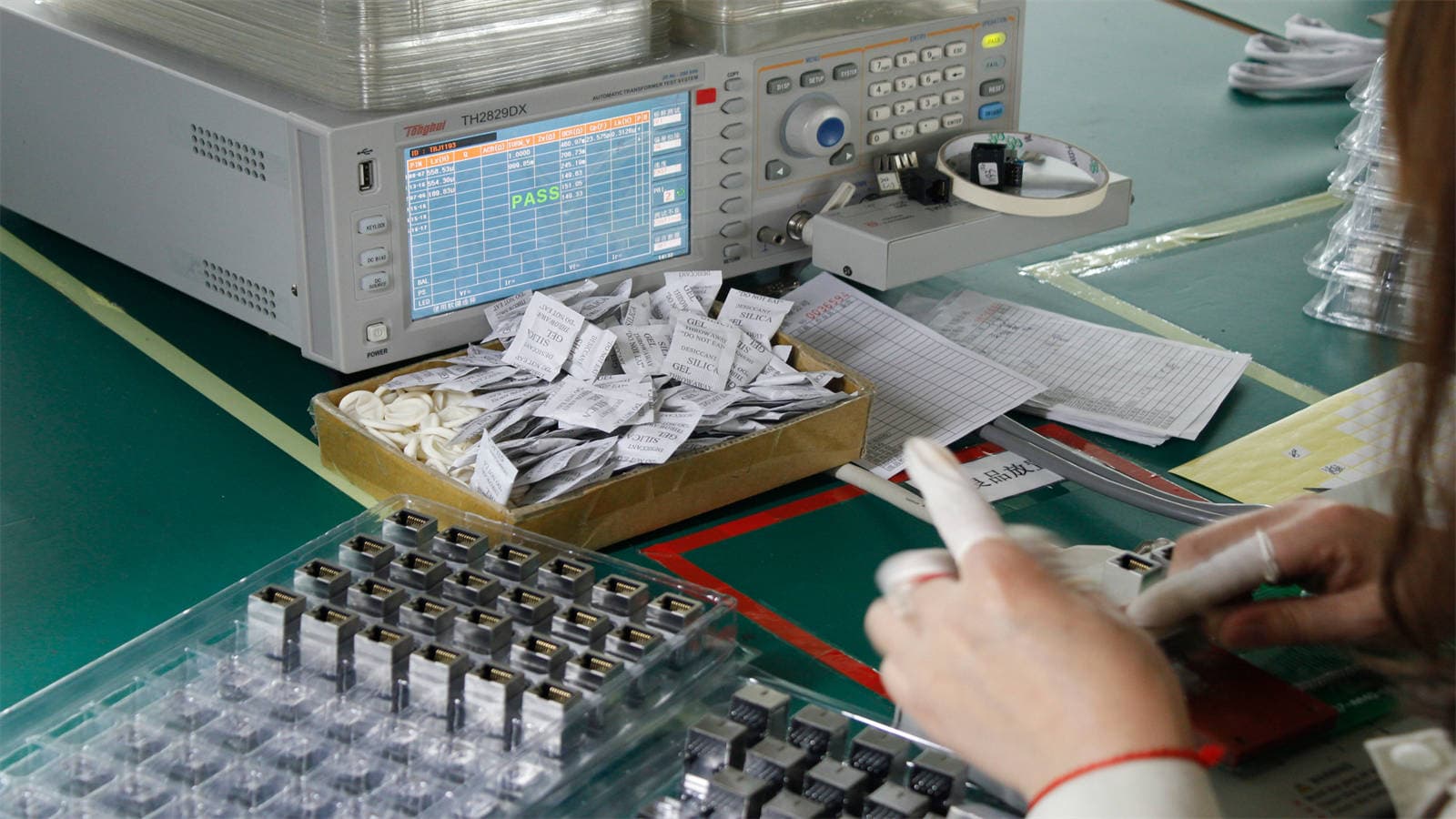
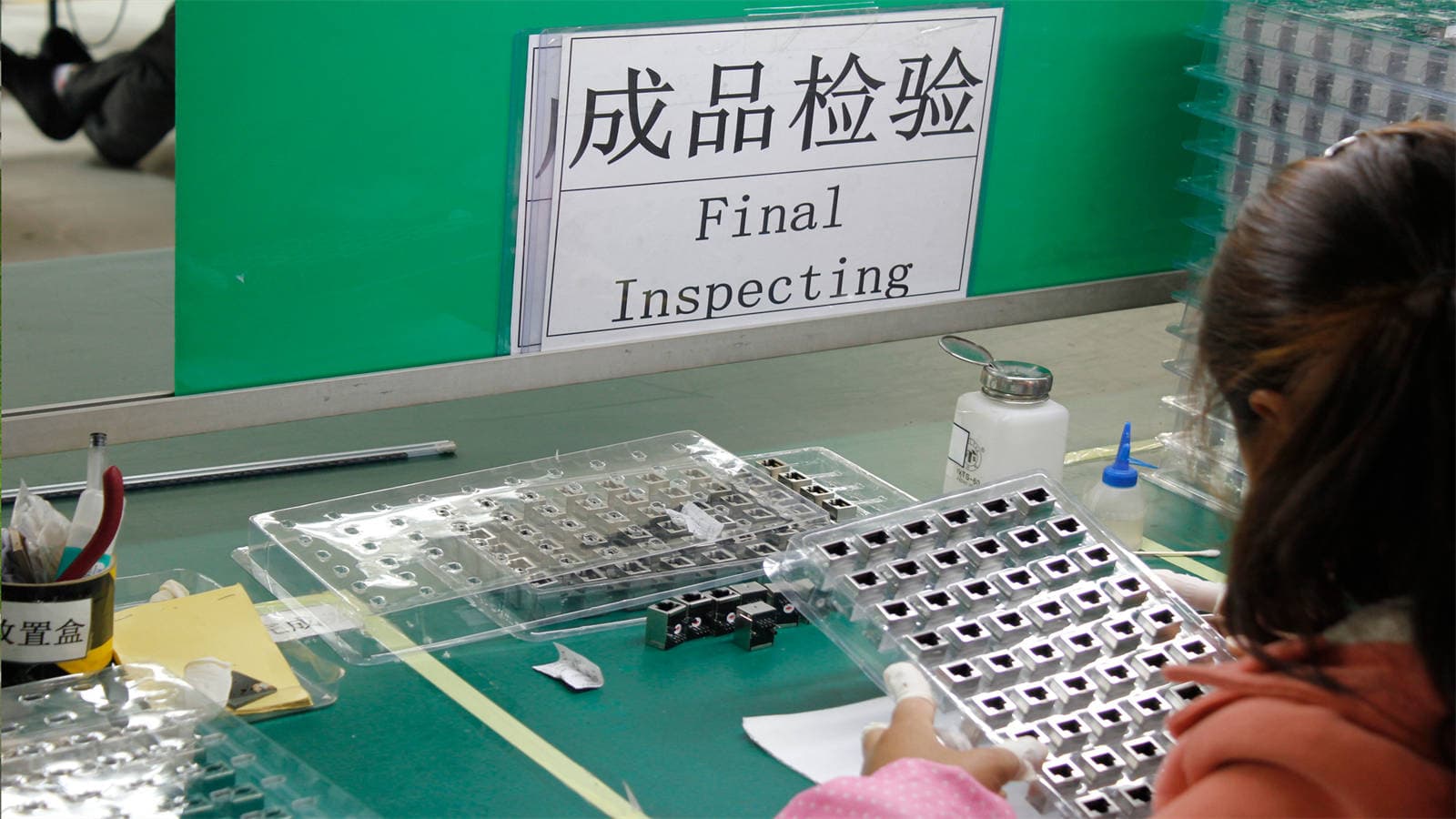

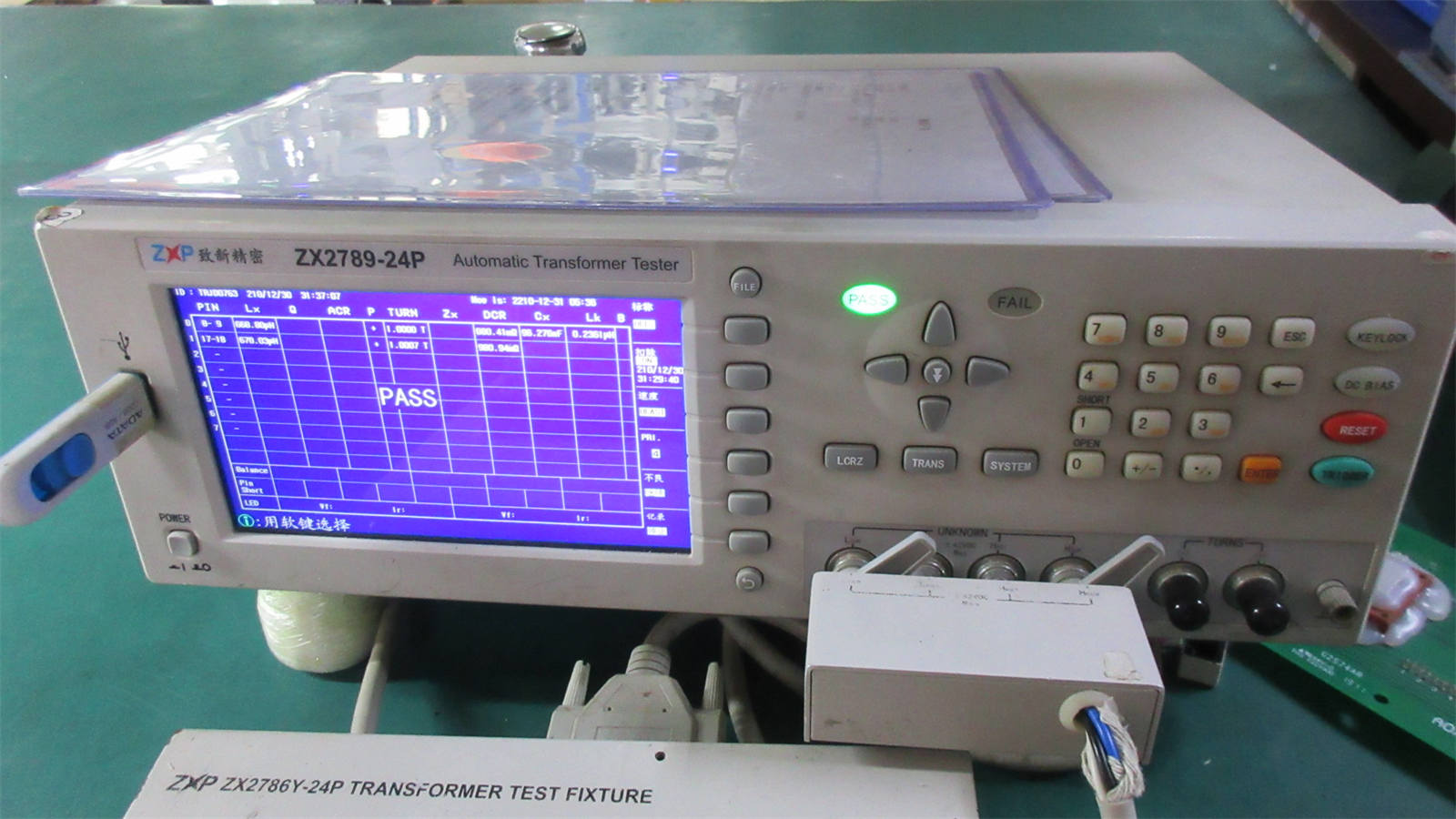
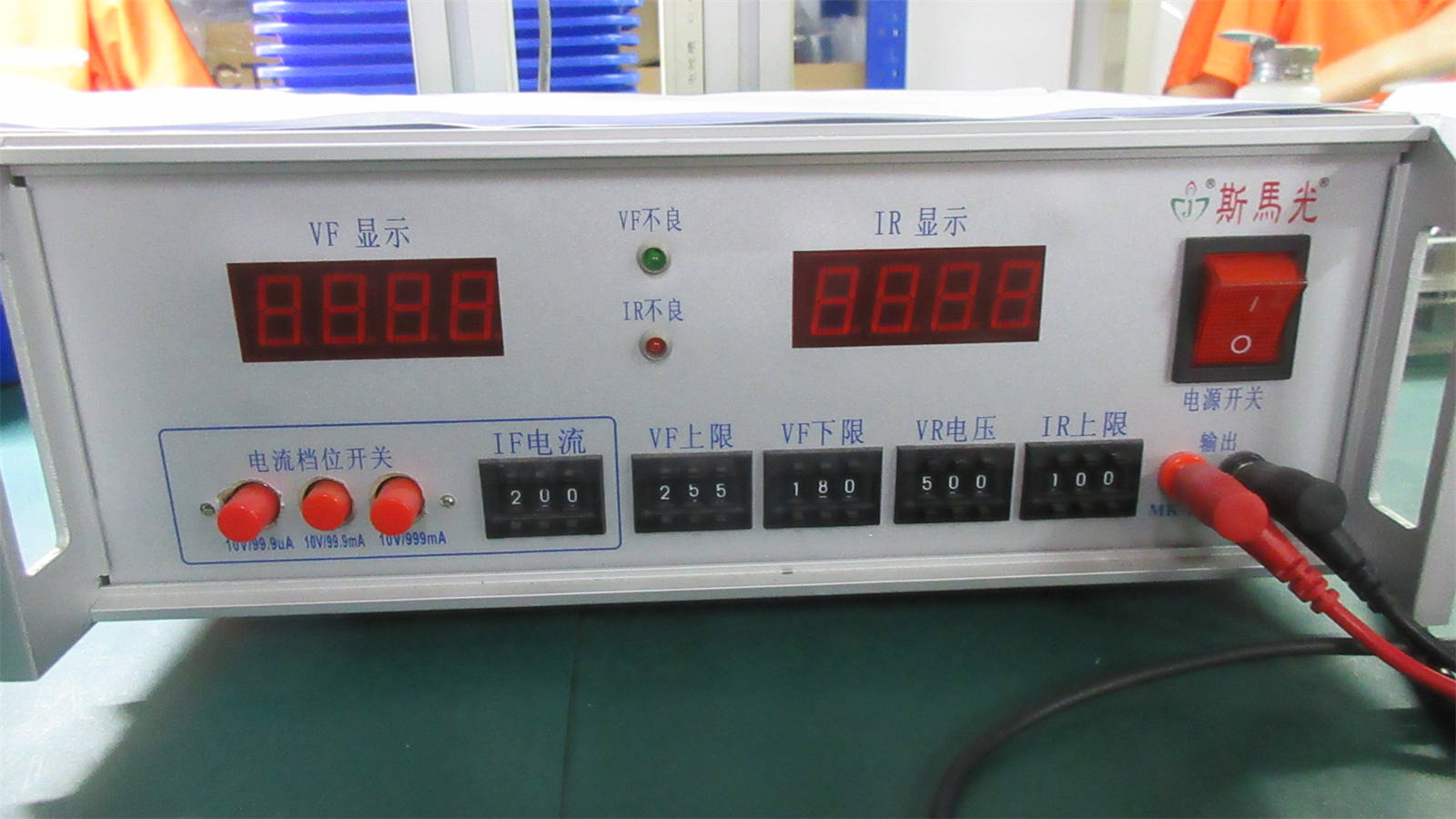
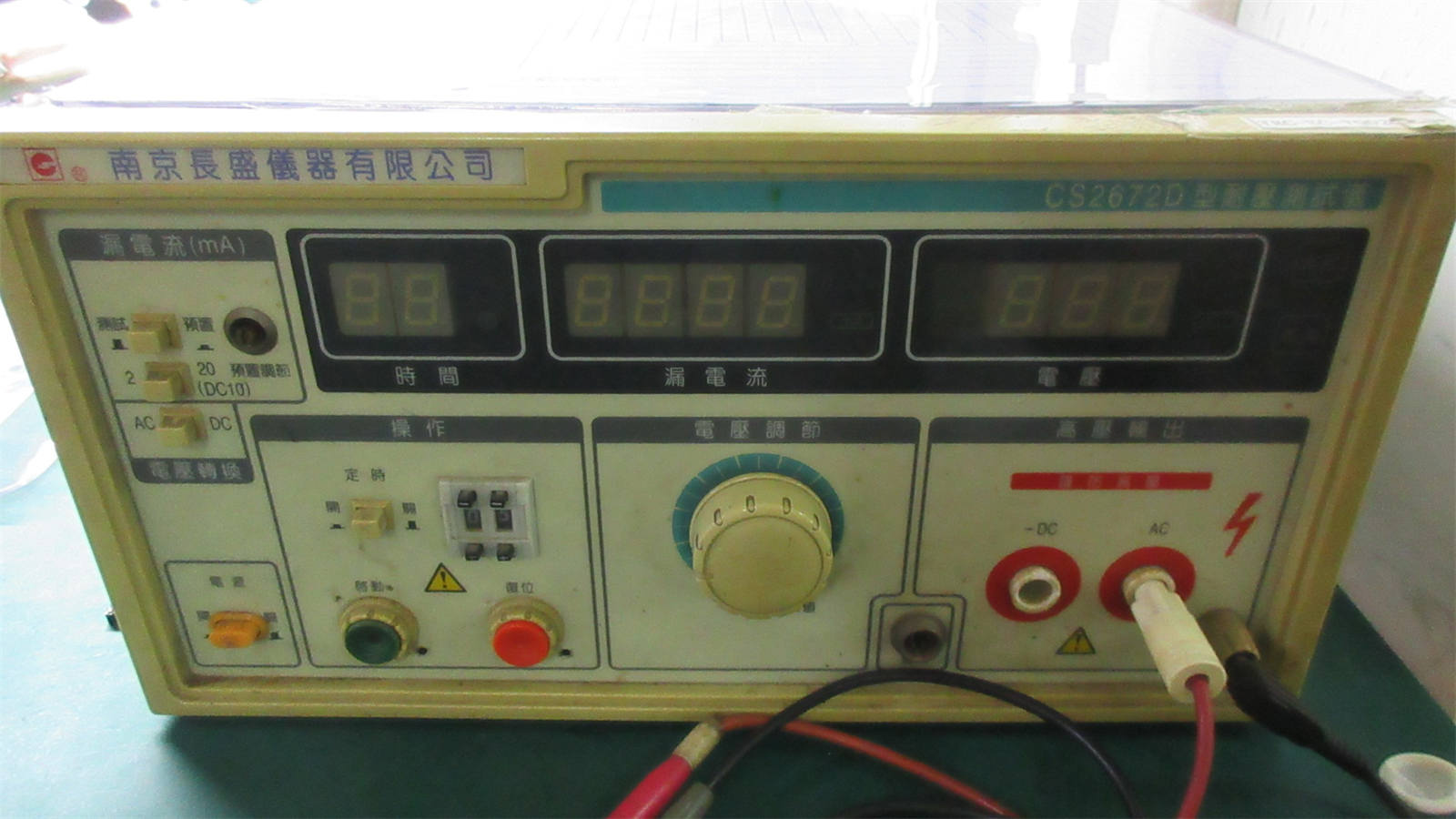
To deliver consistent transmission performance, every production run is subjected to rigorous electrical, mechanical, and optical testing. Our facility is equipped with automated systems that check parameters such as input/output voltage margins, insertion force, optical power variance, and insulation resistance.
From high-pot isolation checks to automated transformer packaging, we ensure our connectors and optical modules maintain stable long-term operation. Adhering to the core concepts of stable quality, competitive pricing, and reliable support, we maintain strict quality control throughout the entire manufacturing process.

As transmission rates transition from 400G to 800G and 1.6T, conventional copper interfaces face physics-based performance limits. High-speed signal loss, cross-talk, and power dissipation increase significantly at higher frequencies.
To address these challenges, we are developing next-generation transceivers and connector assemblies that utilize PAM4 (Pulse Amplitude Modulation) signaling and Co-Packaged Optics (CPO). Our product roadmap focuses on:

Ensuring compliance with global supply chain standards, regional import guidelines, and environmental requirements.
Our manufacturing processes and facilities conform to international environmental standards, including RoHS and REACH regulations. We also hold UL and CE certifications for our connector systems.
We provide full-service customization options, including custom gold plating thickness, tailored pin layouts, alternative mounting configurations (such as press-fit or SMT), and custom SFP optical firmware.
We maintain structured safety stock levels and offer flexible transit agreements, protecting our global partners from shipping disruptions and fluctuations in raw material pricing.
Answers to technical, regulatory, and logistics questions from our enterprise clients and engineering teams.
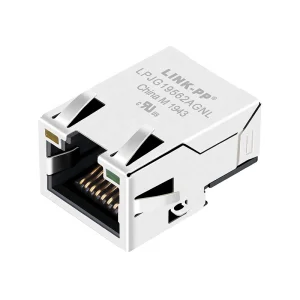
Integrated modular jacks (commonly called MagJacks) incorporate isolation transformers, common-mode chokes, and conditioning circuitry within the connector body itself. This saves PCB space, improves EMI shielding, and simplifies circuit design. Non-integrated modular jacks require these magnetic components to be placed separately on the PCB.
Gold contact plating prevents wear and surface oxidation over repeated mating cycles. Standard commercial applications typically use 15μ" to 30μ" gold plating, while high-reliability industrial and telecom systems require 50μ" plating to prevent signal degradation and contact failure in high-humidity or corrosive settings.
SFP+ slots are typically backward compatible with standard SFP modules, though they will operate at the lower SFP speed. SFP+ modules, however, cannot be used in older SFP slots unless the host equipment's firmware and port controller support rate select configuration.
We use automated test equipment to measure insertion loss, return loss, and near-end crosstalk (NEXT) across the required frequency range. Optical transceivers undergo eye diagram testing, bit error rate (BER) validation, and optical wavelength measurements to ensure full compliance with IEEE standards.
Providing high bandwidth, long-distance transmission, and mechanical reliability for modern telecommunication and network infrastructures.