Lumopt Lumopt

China Top Data Cable Factories & Exporter

High-Speed Interconnect & Optoelectronic Infrastructure Solutions for Global Enterprise Markets

Enterprise Sourcing Hub

Lumopt Opto Technology Co., Ltd. (registered in mainland China as Luguang Communication Technology Co., Ltd.) stands as a premier developer and OEM/ODM manufacturer in the highly specialized fields of optical transceivers and high-speed data interconnect interfaces.

Our state-of-the-art facility integrates Research & Development, precision testing, and high-capacity manufacturing lines. We specialize in components supporting networks from 10G, 25G, 100G, and 400G up to 800G and next-generation 1.6T systems. These components serve as structural pillars for hyperscale cloud data centers, high-performance computing (HPC) environments, enterprise local area networks (LAN), telecom backhauls, and deep AI model hardware pipelines.

By deploying clean-room environments, robust testing instrumentation, and a engineering team focused on electromagnetic and optical design, we maintain quality standards across all production runs. Lumopt remains dedicated to delivering performance, competitive price structures, and engineering-level global support.
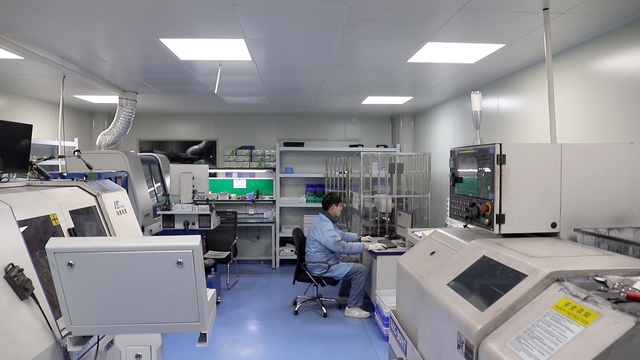
Lumopt Precision Manufacturing Facility
10K+
Sqm Production Base
1.6T
Module Capability
100%
Fully System-Tested
80+
Global Regions Served

Industrial High-Speed Data Communications Landscape

Addressing physical layer challenges: speed, latency, thermal, and shielding requirements

Hyperscale Data Center Architectures

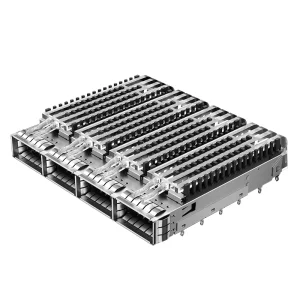
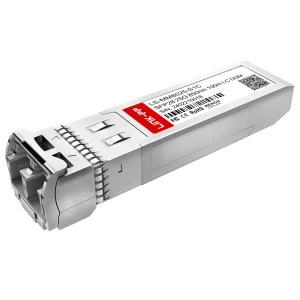
As hyperscale operators transit from 100G architectures to 400G and 800G spine-leaf configurations, physical infrastructure demands surge. Our specialized optical transceivers, low-loss connectors, and ganged SFP+ cages provide the high density and low insertion loss required for reliable data pathways.

AI Training Clusters & HPC Networks

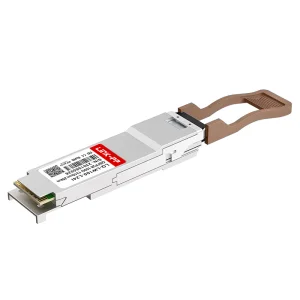
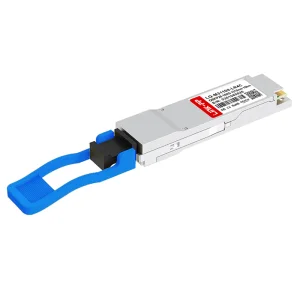
Artificial Intelligence clusters running deep learning workflows require low latency and high bandwidth. Our QSFP28 modules and shielded copper cage systems mitigate electromagnetic interference (EMI) and heat buildup, stabilizing physical connections under heavy transmission loads.

Industrial Ethernet & Telecom Systems

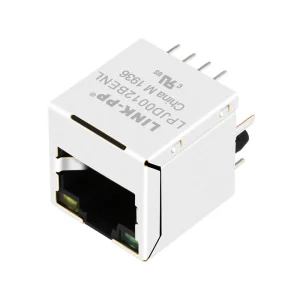
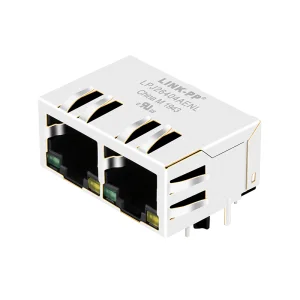
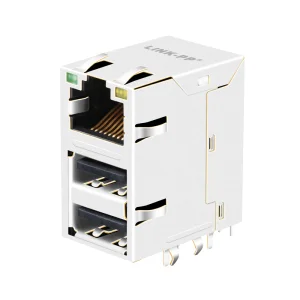
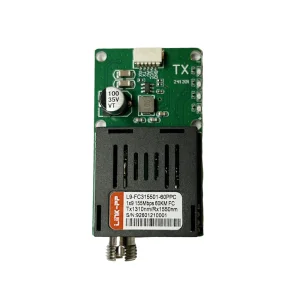
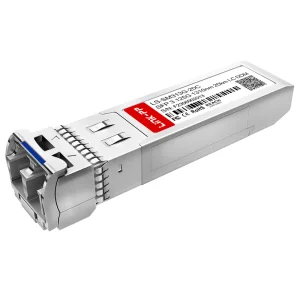
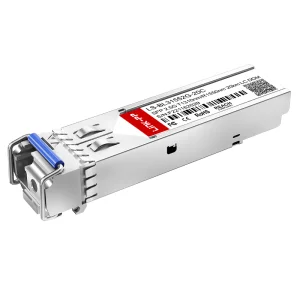
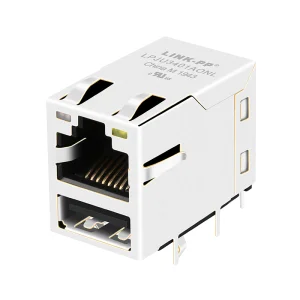
Telecom backhaul environments require durable, weather-resistant hardware. Lumopt offers single-mode transceivers for long-distance spans up to 60km, paired with integrated magnetic RJ45 connectors featuring isolation transformers to protect sensitive control circuitry.

Step-by-Step Quality Control & Production Workflow

Our 10-stage assembly and certification sequence delivers reliable optical and copper interconnects
Twisting Stage
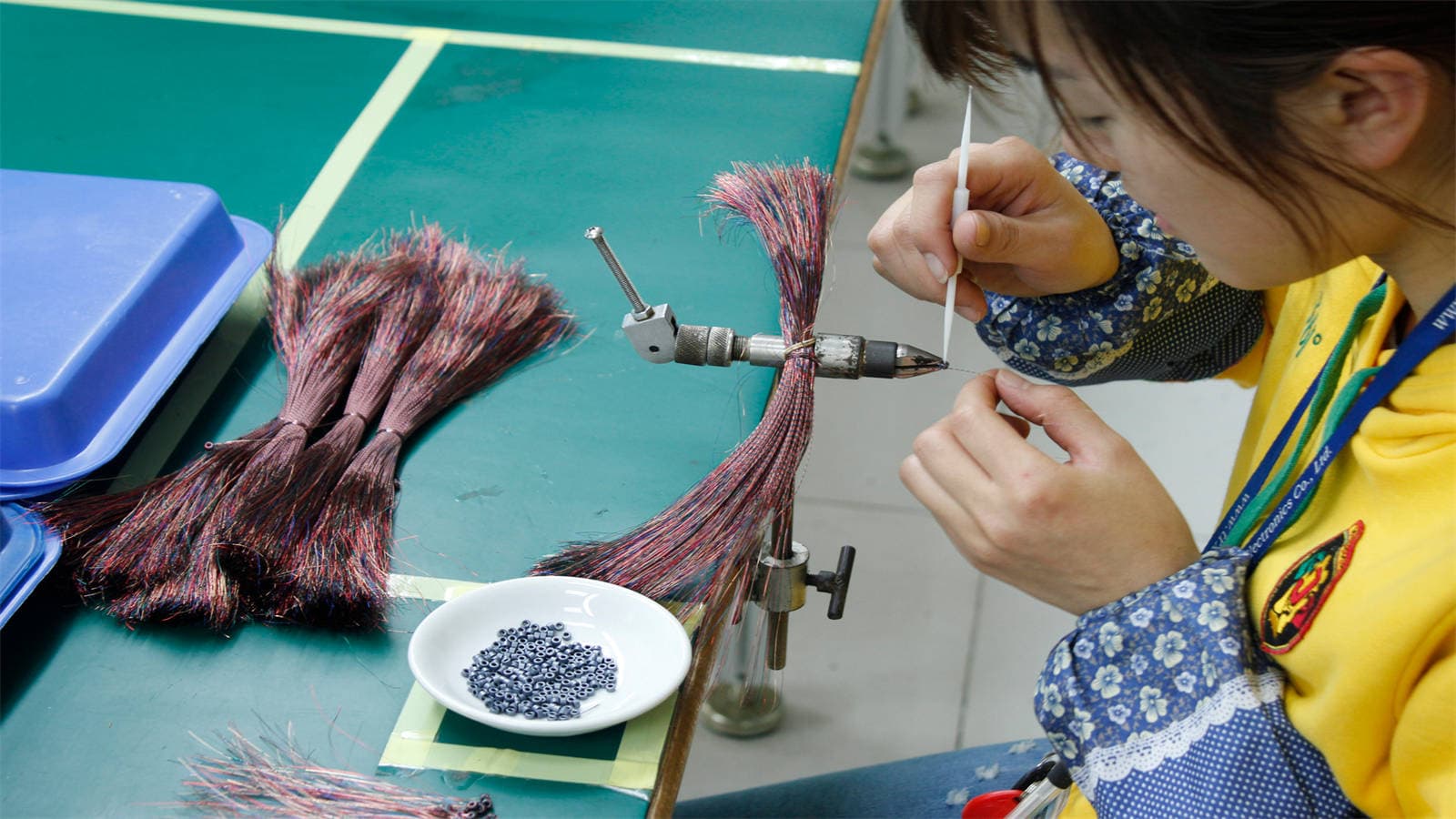
1. Twisting
Precise pair-twisting cancels out crosstalk and maintains characteristic impedance stability across the cable core.
PCB Tinned Stage
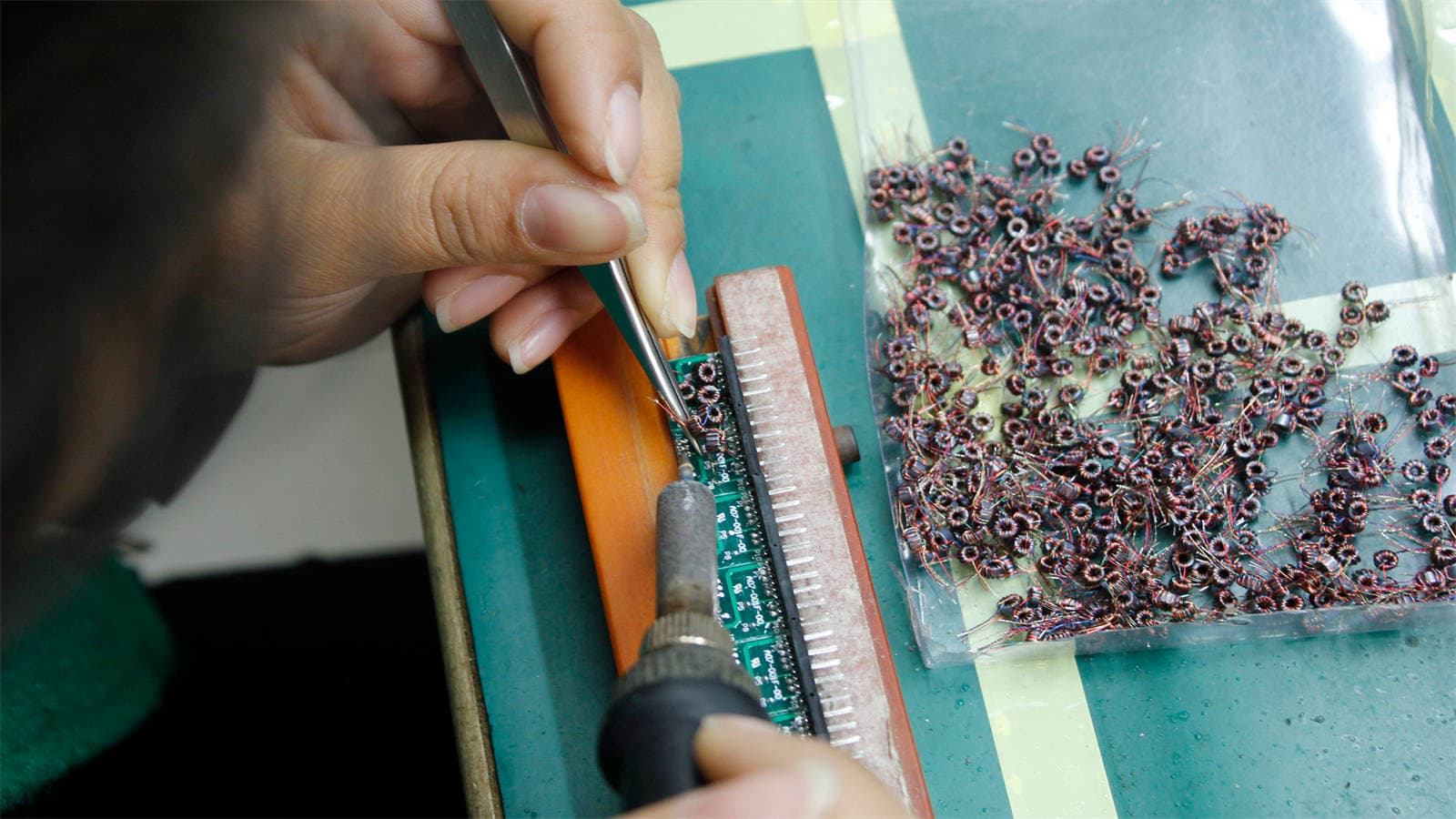
2. PCB Tinned
Electro-tin plating of raw PCB contact pads prevents trace oxidation and optimizes solder-joint wetting.
Soldering Process
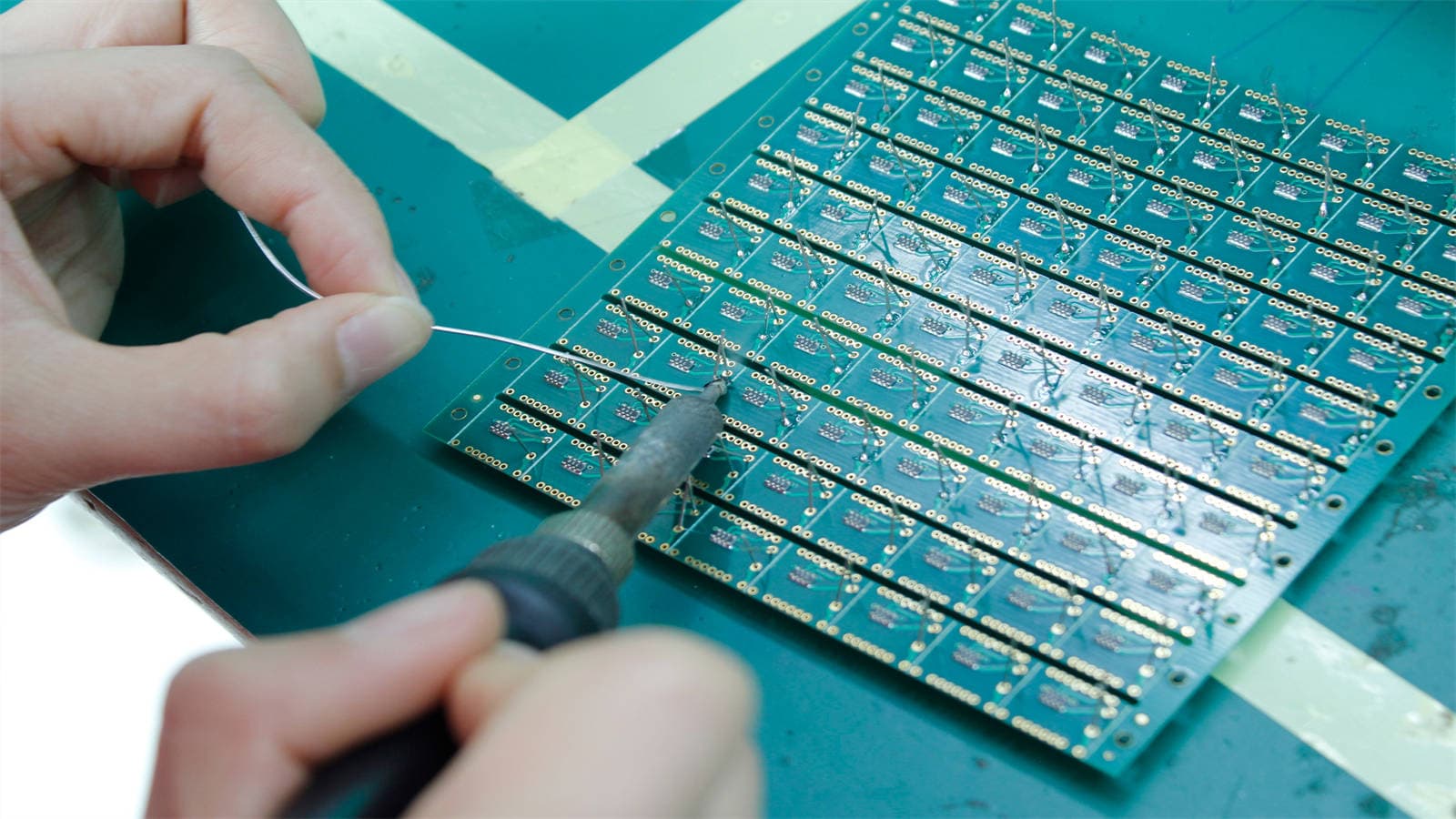
3. Soldering
Controlled thermal profiles during soldering secure optical and electrical leads, preventing cold joints.
Shear-LED-Pin
4. Shear-LED-Pin
Automated trimming of pin leads maintains mechanical tolerances for smooth socket insertion.
Semi-finished Testing
5. Semi-finished Testing
Early diagnostic sweeps verify trace continuity and signal integrity prior to final encapsulation.
Plastic-Case-Assembly
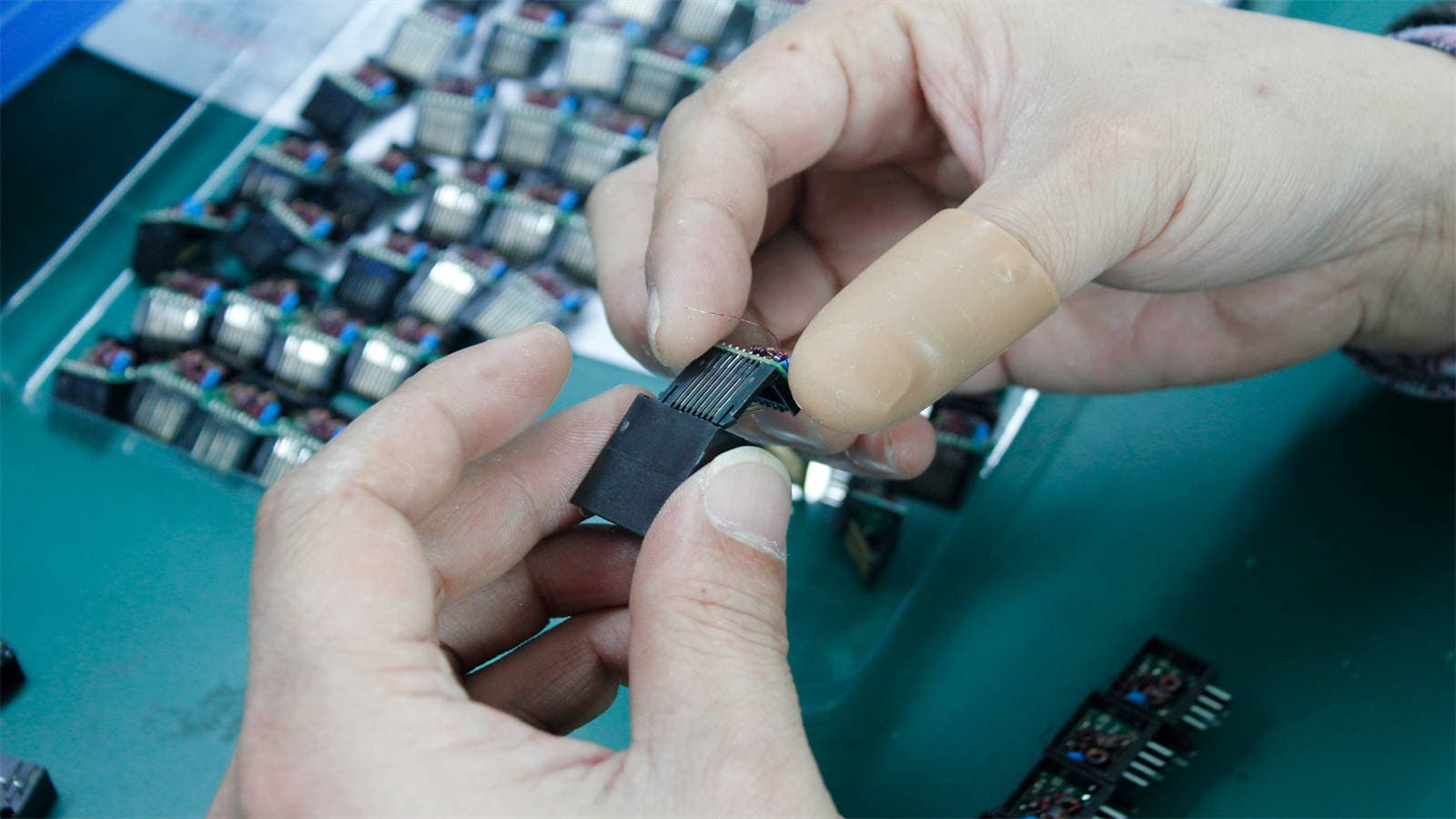
6. Plastic-Case-Assembly
Modular casings are assembled using alignment guides to shield internal components from dust.
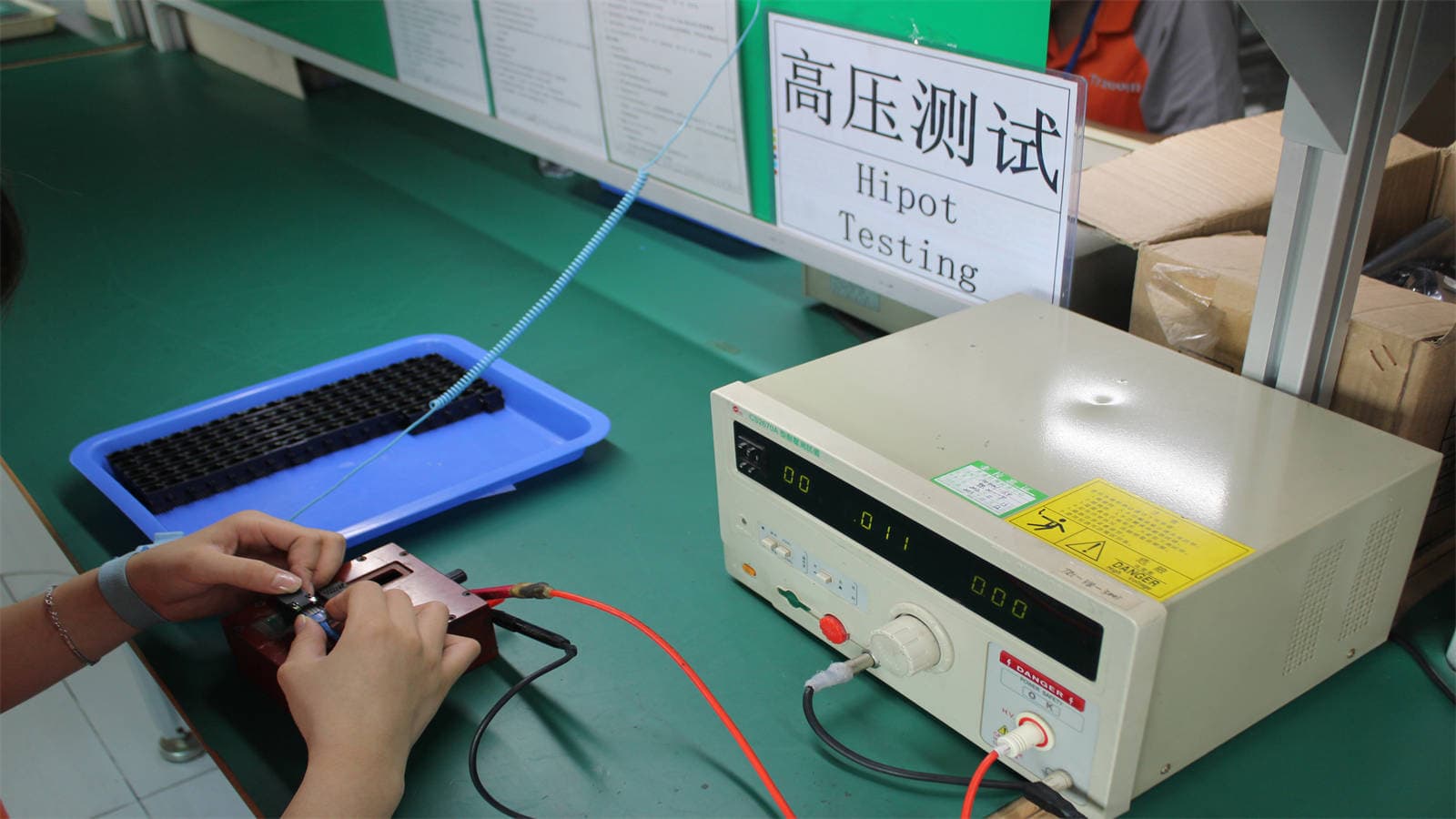
Hi-pot Testing
7. Hi-pot Testing
High-voltage isolation testing verifies barrier performance and prevents leakage currents under load.
Integrated-Testing
8. Integrated-Testing
Comprehensive hardware loopback testing validates bit error rates and optical power budgets.
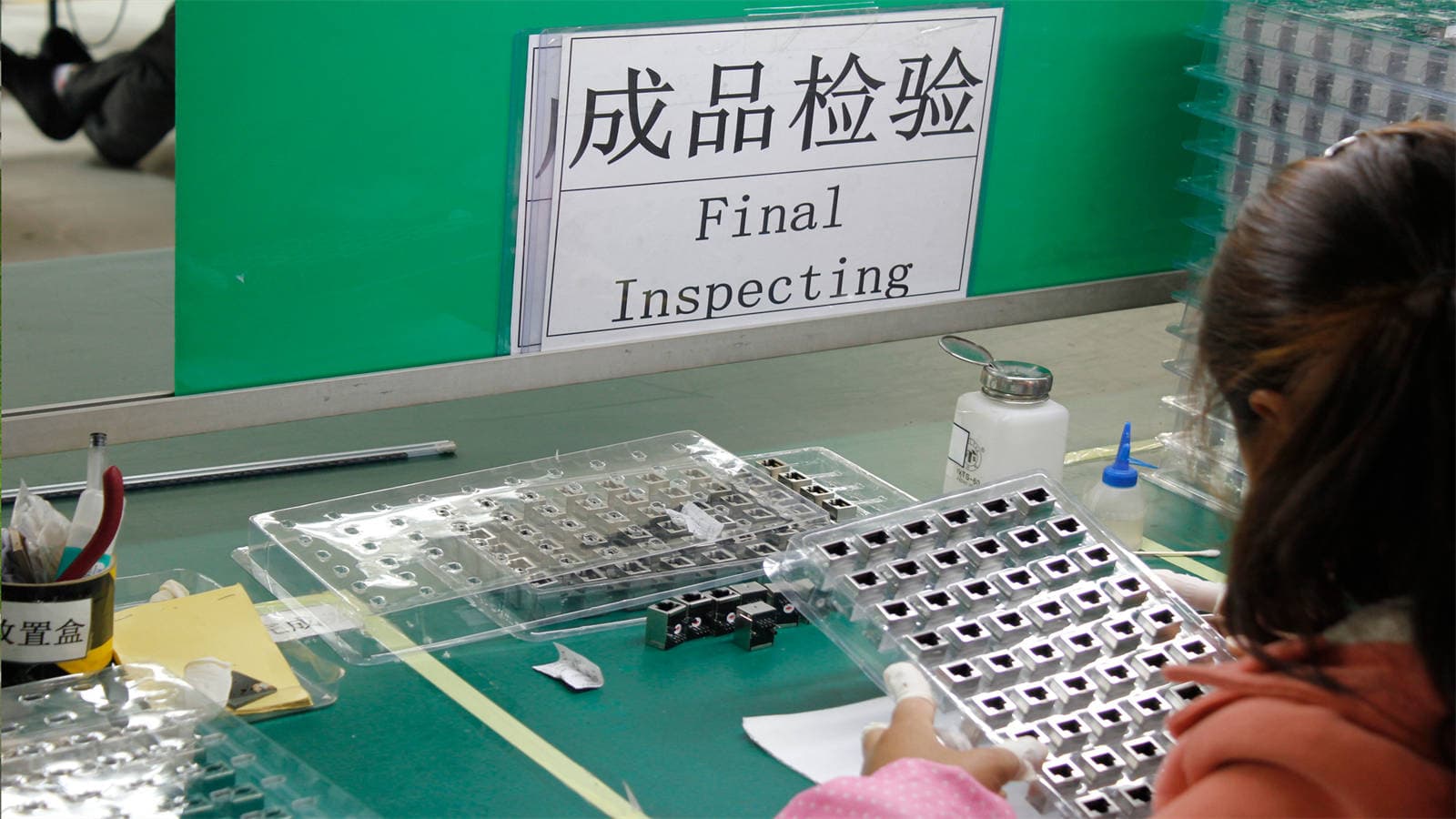
Final-Inspecting
9. Final-Inspecting
Strict visual, optical, and mechanical audits confirm compliance before sending modules to packaging.
Packing
10. Packing
Anti-static, climate-stable packaging protects sensitive optics and circuits during transit.

Industrial Validation & Calibration Infrastructure

Our testing systems ensure reliable physical layer performance and standard compatibility
Comprehensive Tester
Measures multi-protocol optical transmission parameters, checking eye diagrams and jitter limits.
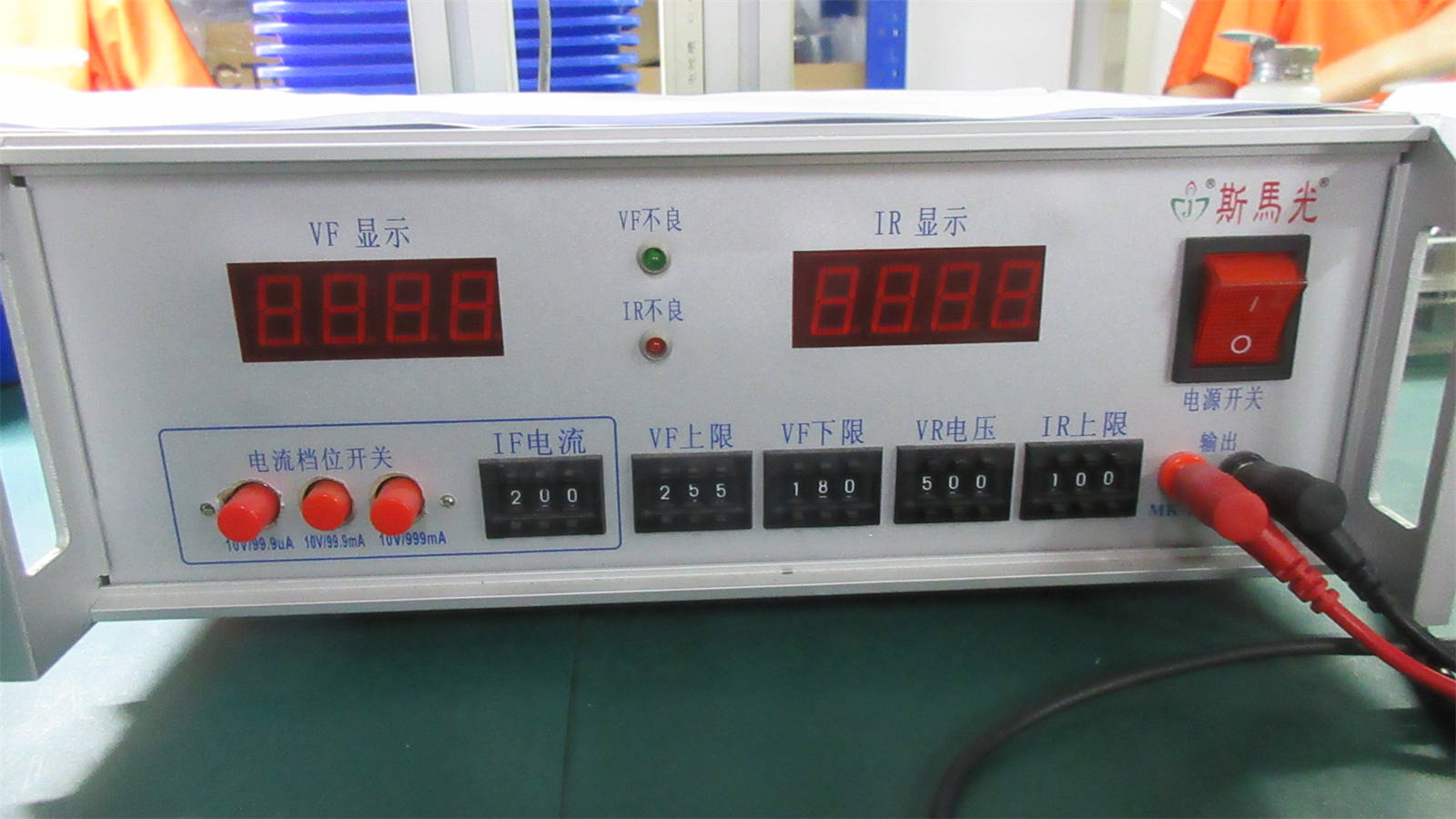
LED Lamp Tester
LED Lamp Tester
Evaluates status light illumination, forward voltage, and polarization on RJ45 status LEDs.
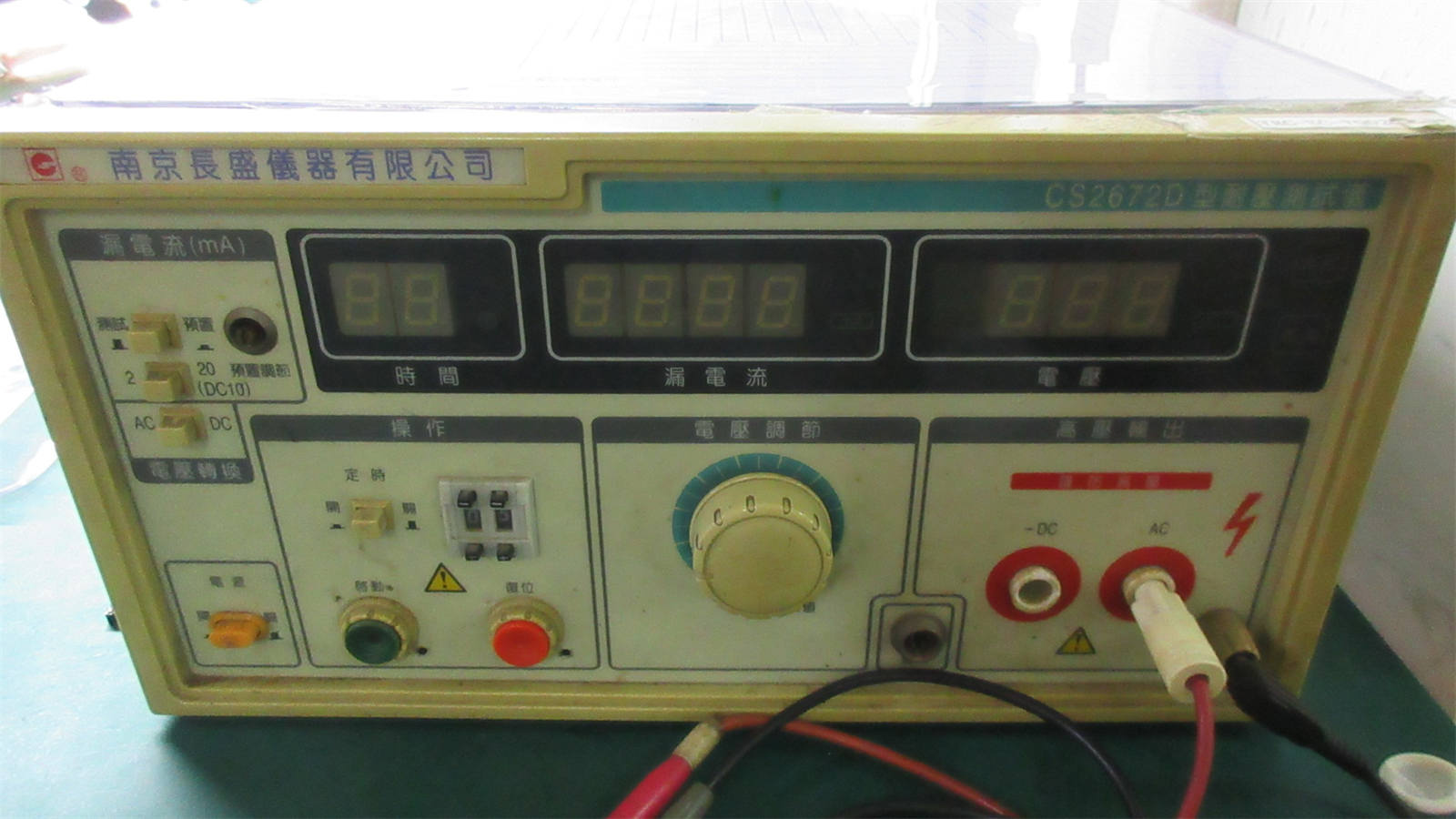
Hi-Pot Tester
Hi-Pot Tester
Checks electrical safety margins via high-voltage tests, preventing field insulation failures.
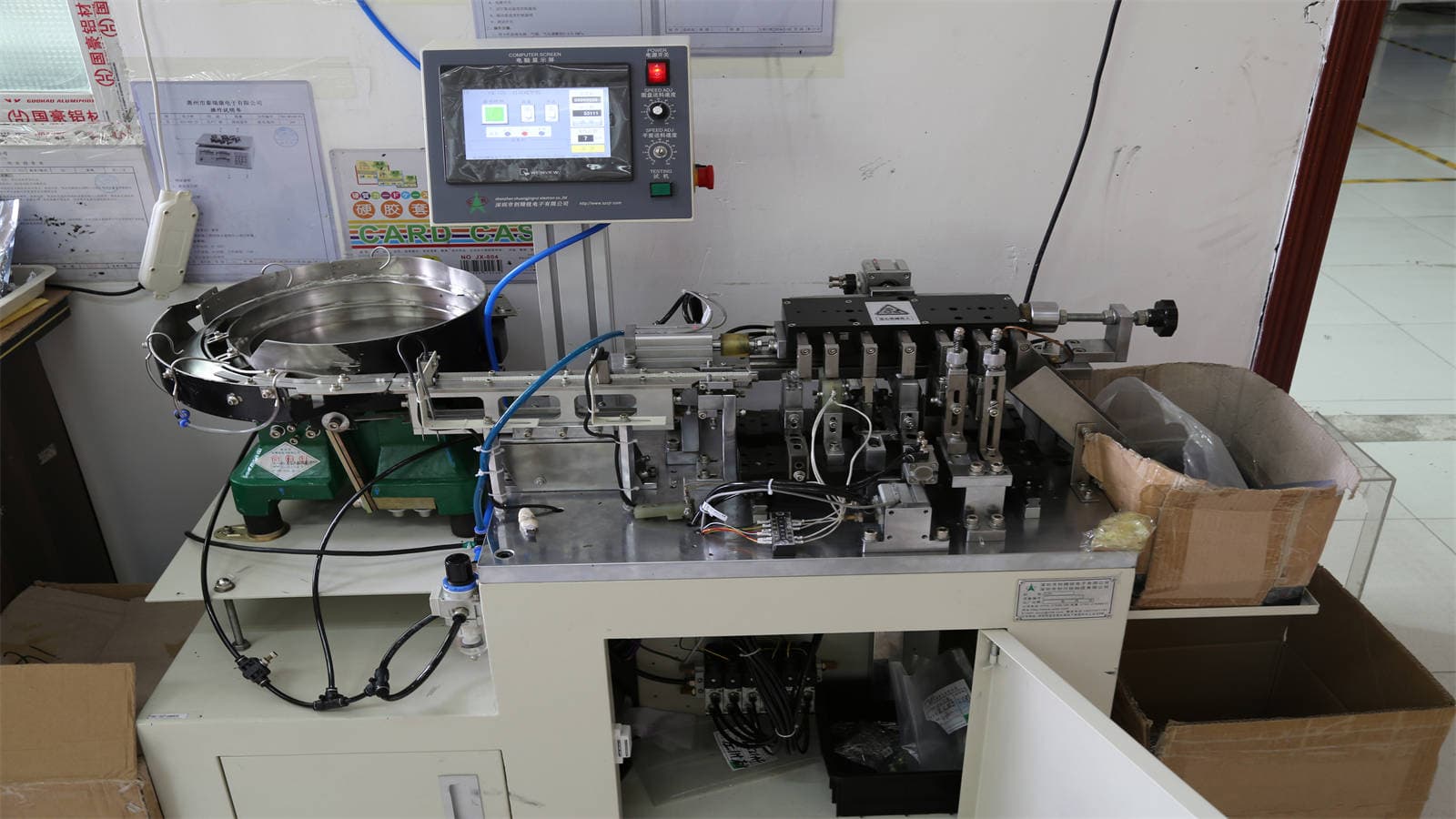
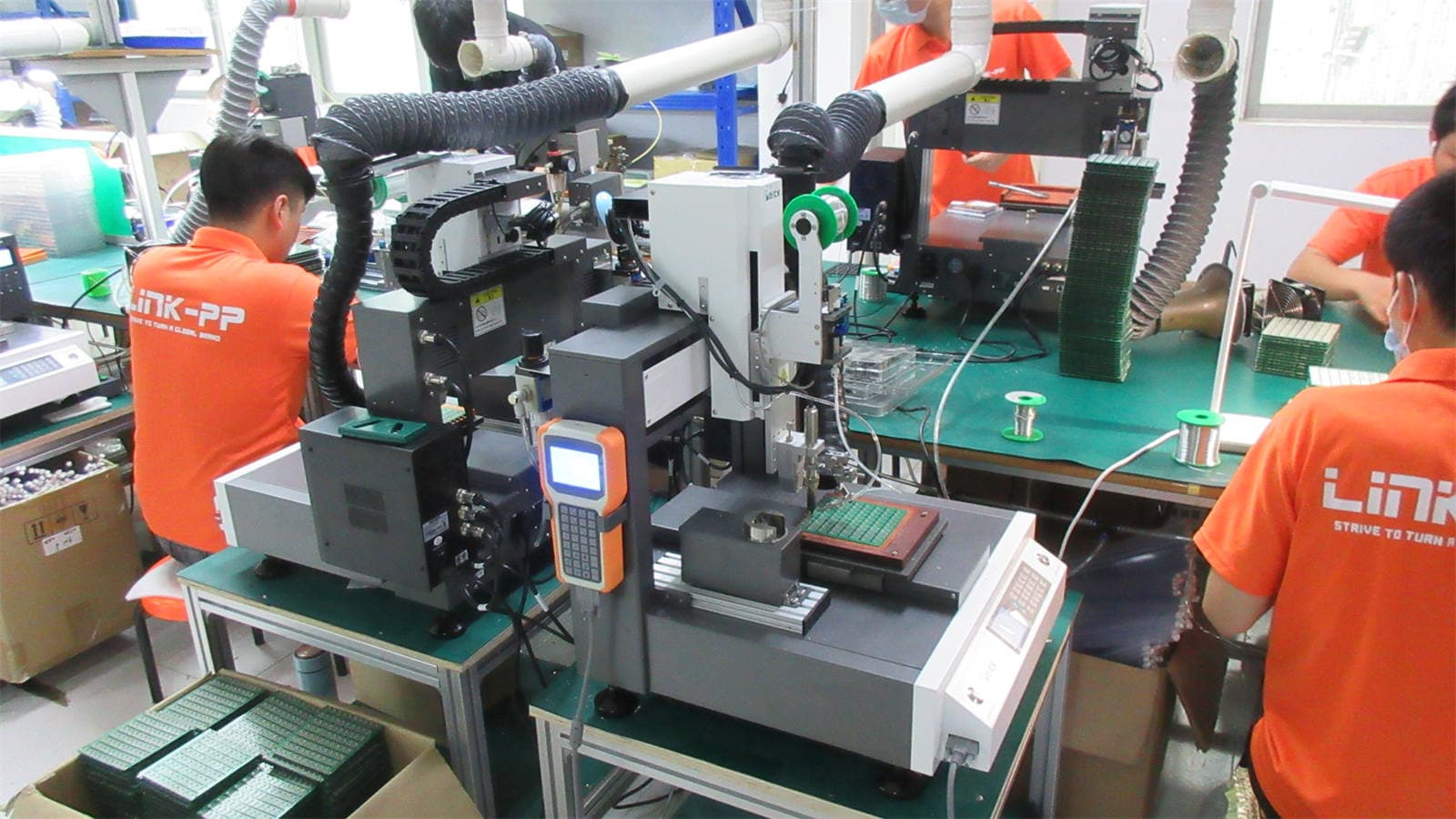
Automatic Welding Machine
Automatic Welding
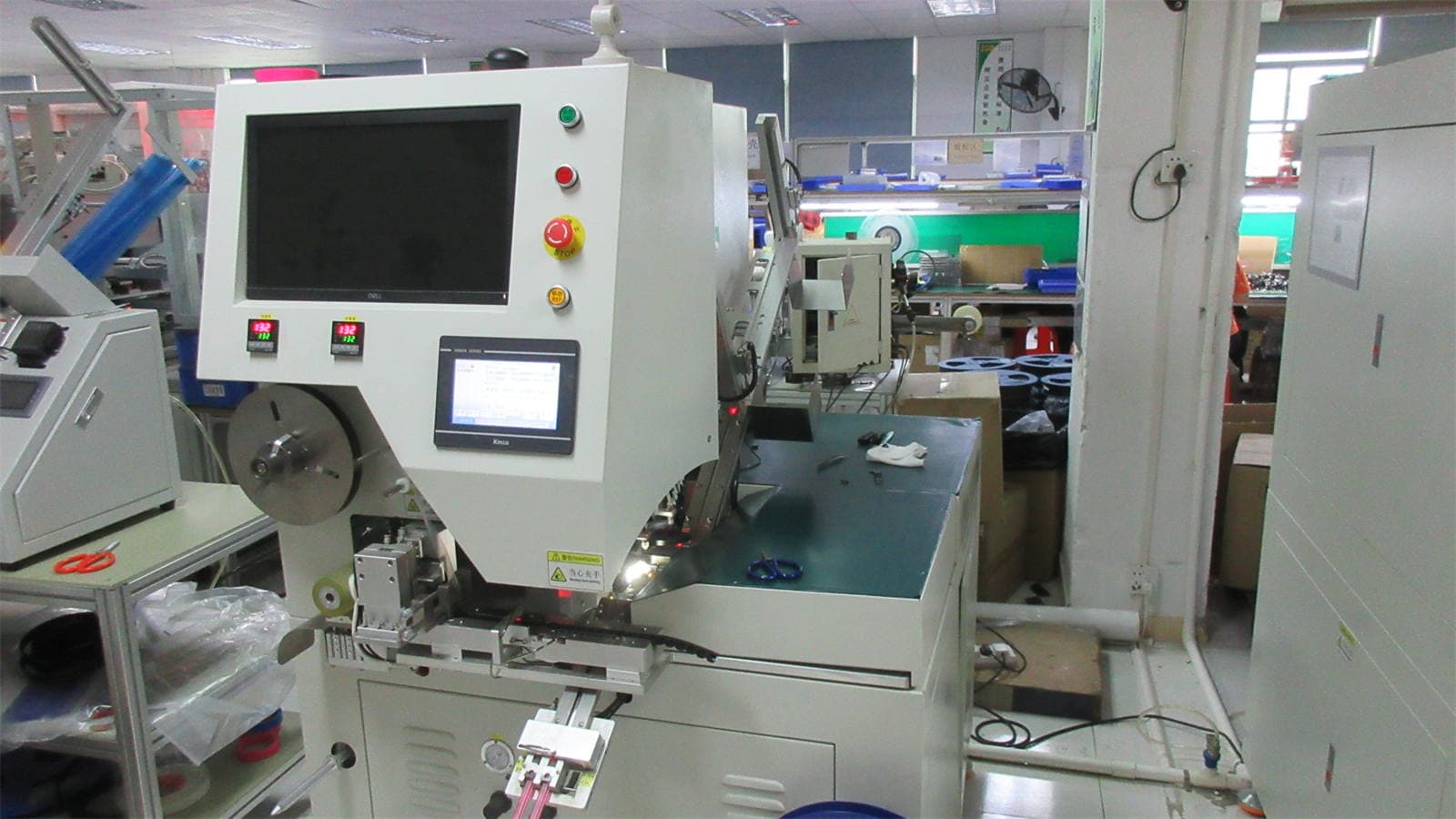
Automated solder stations ensure precise alignment and thermal consistency for complex terminals.
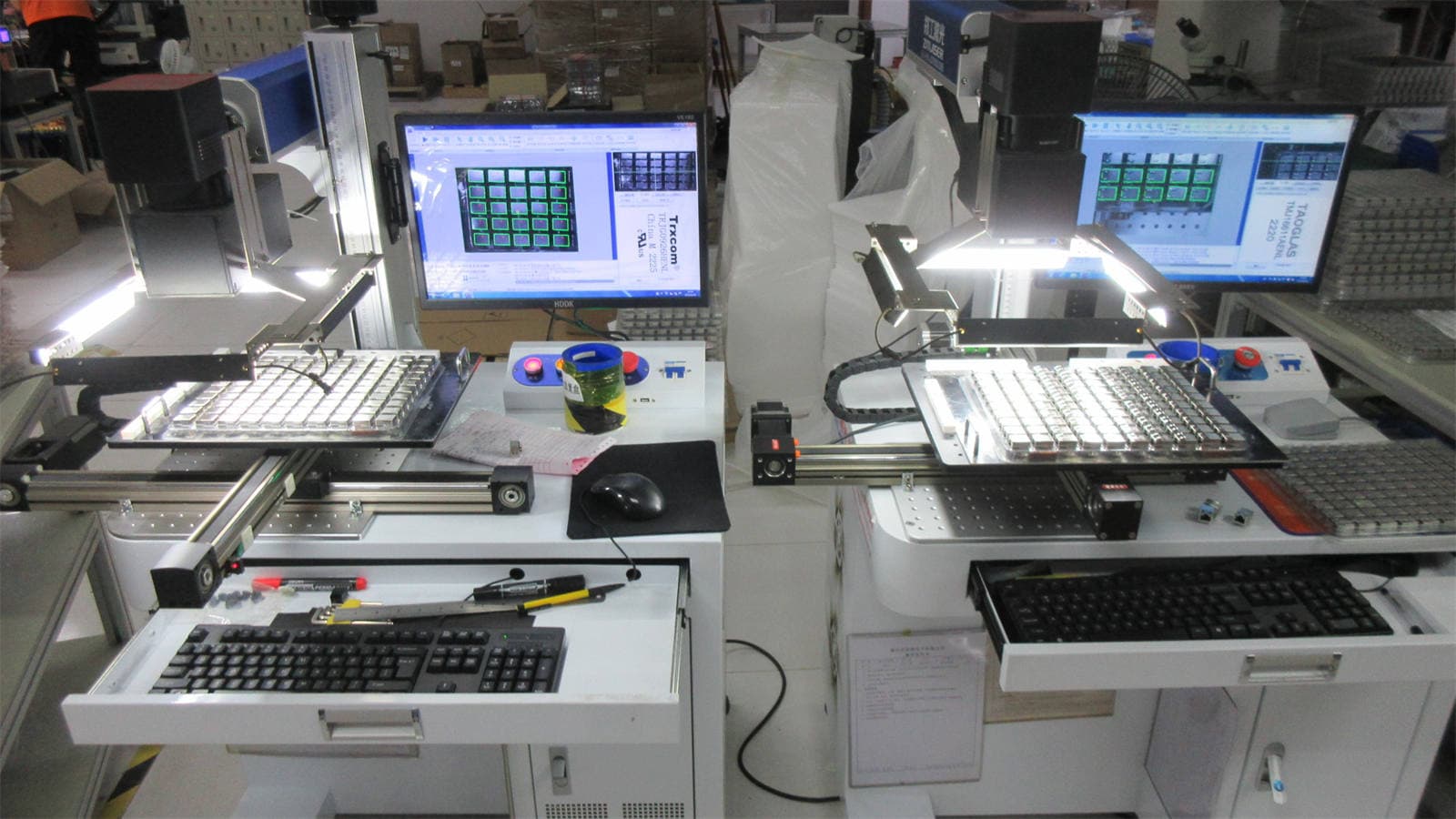
Laser Marking Machine
Applies permanent product codes, serial numbers, and safety certifications for traceability.
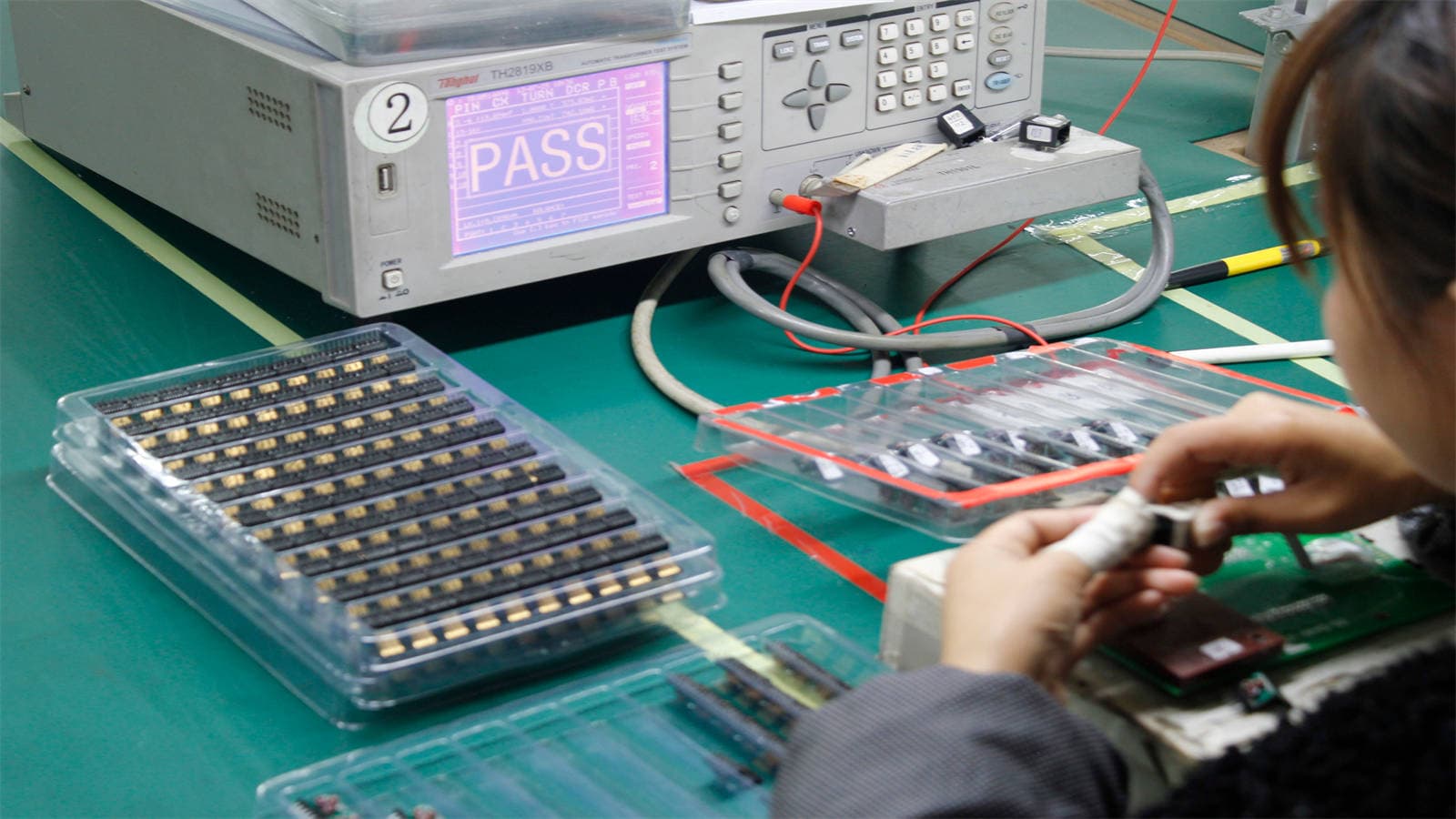
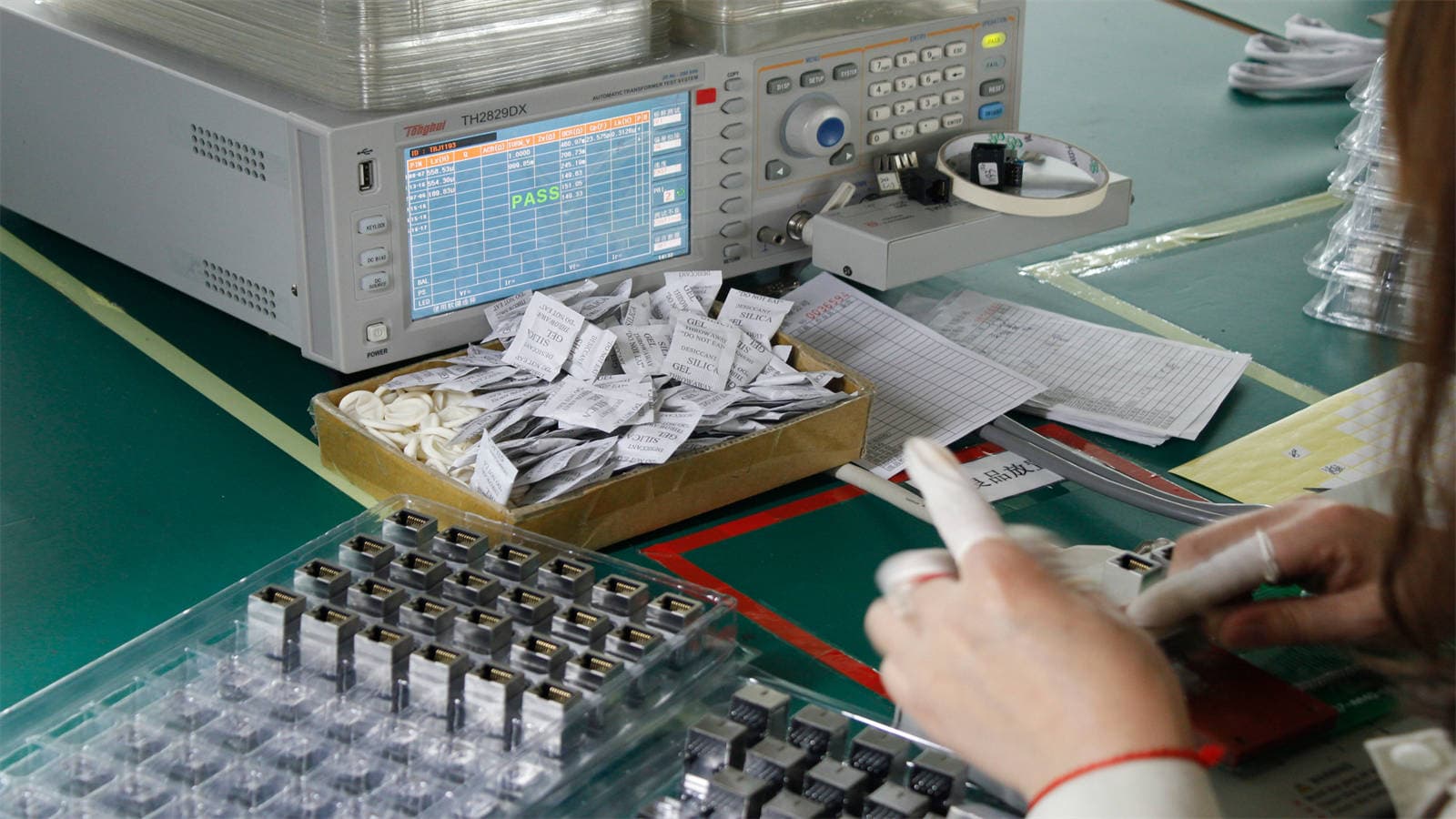
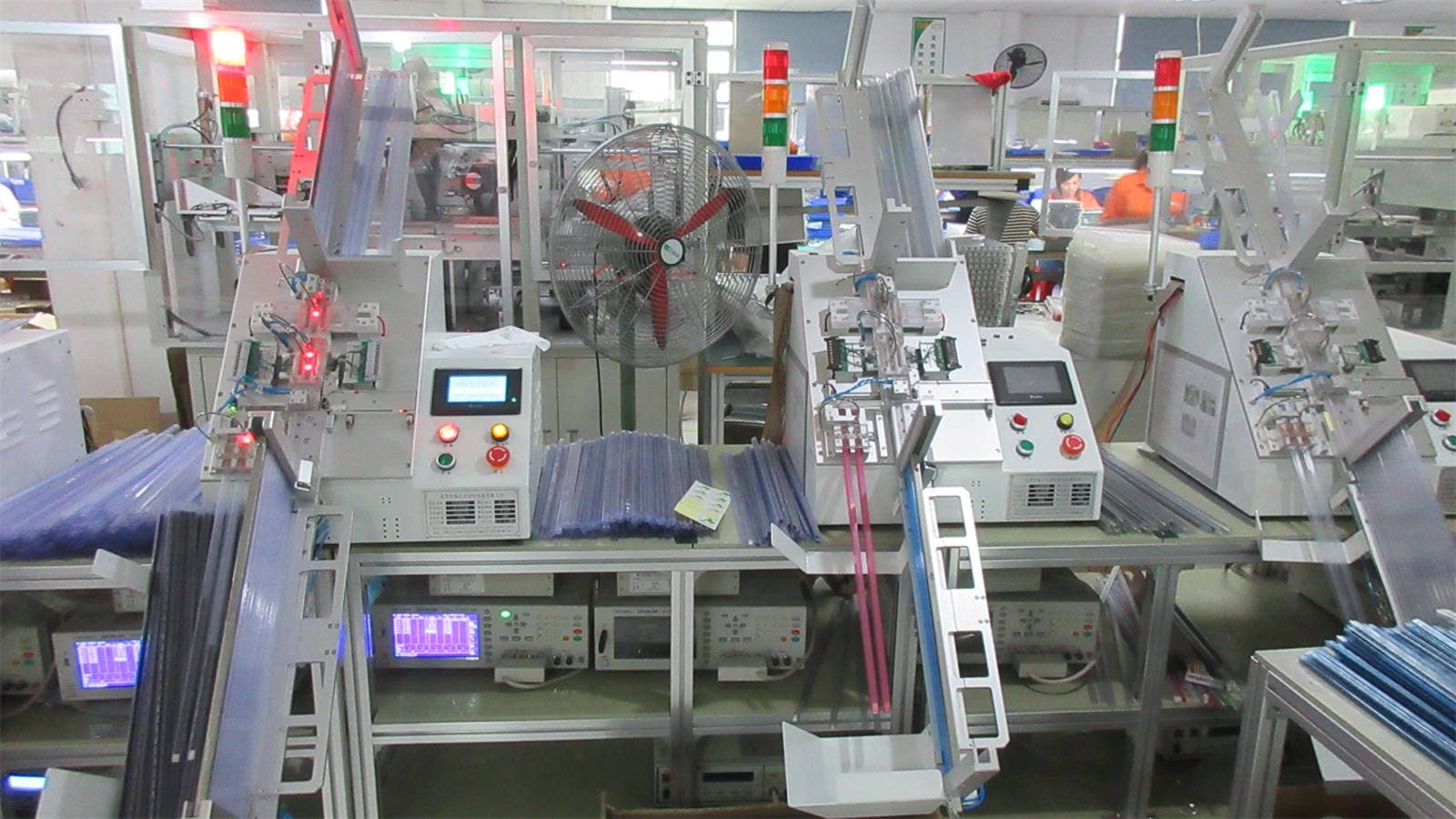
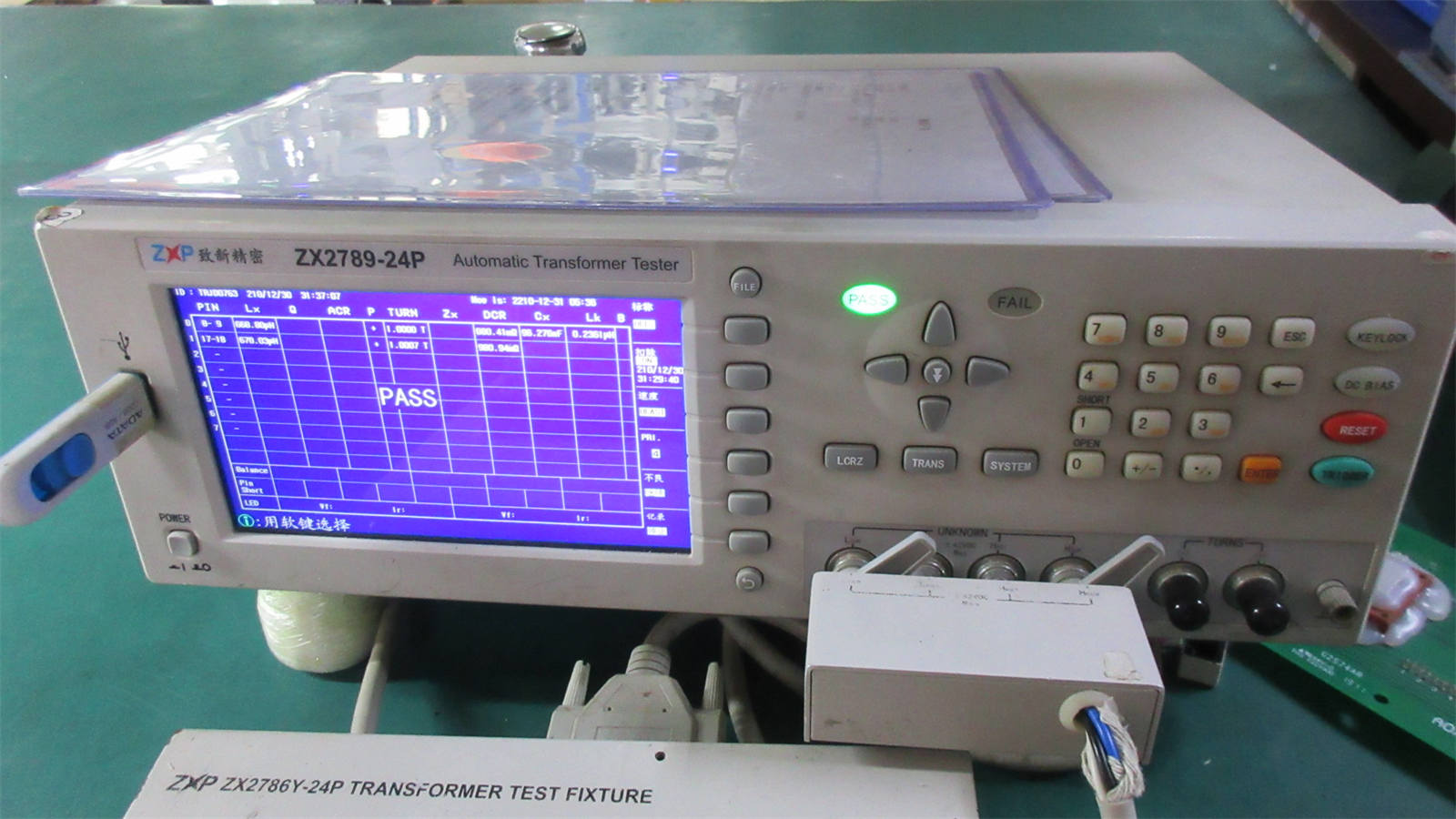
Transformer Automatic Tester
Transformer Auto Tester
Verifies magnetic properties, including inductance, leakage, and turn ratios on RJ45 filter circuits.
Transformer Automatic Packing Machine
Transformer Auto Packing
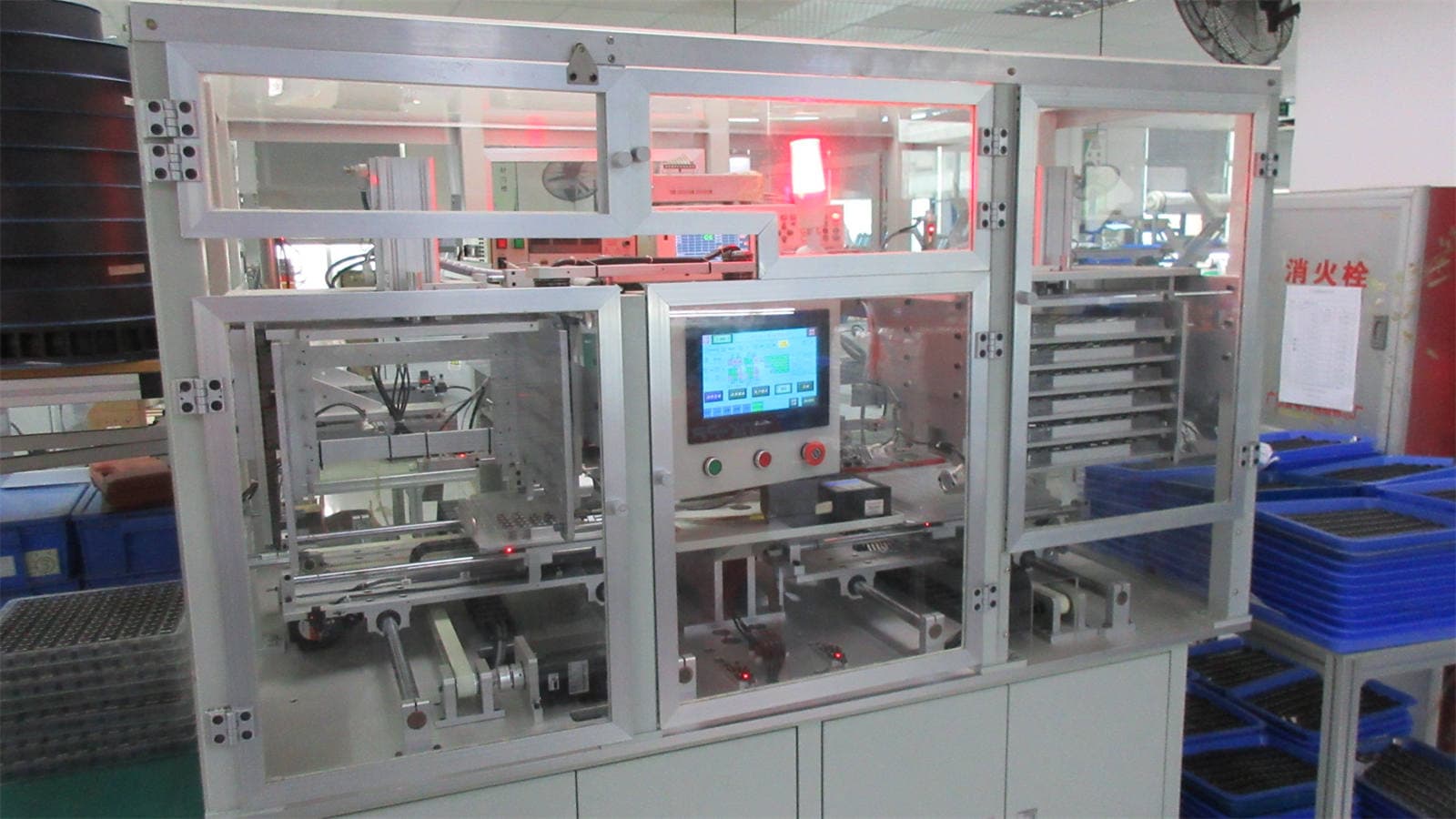
Automates standard tape-and-reel or tray packing to shield components before final transport.
RJ45 Automatic Tester
Runs physical layer validation on RJ45 units, testing crossover, isolation, and pin performance.
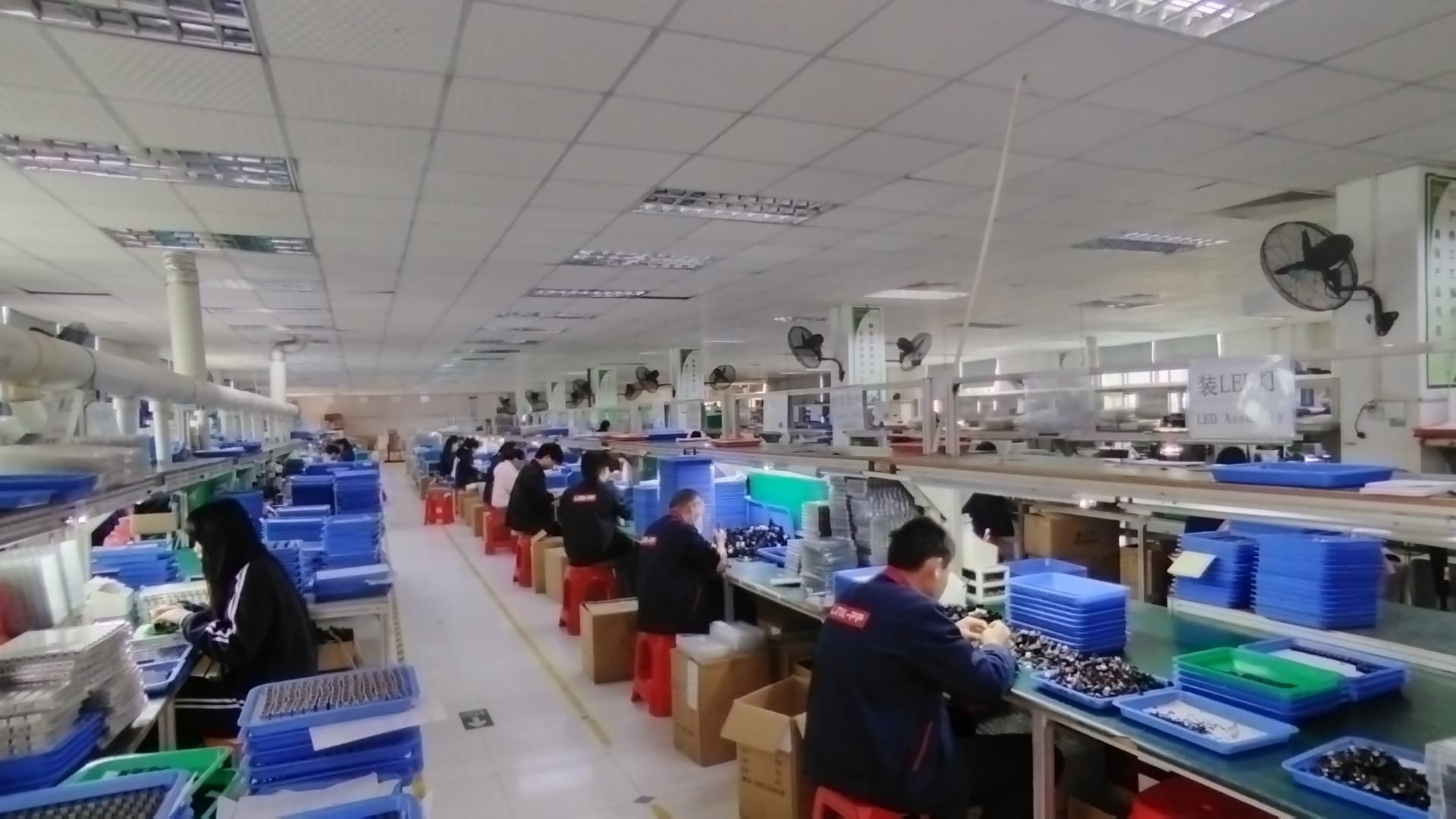
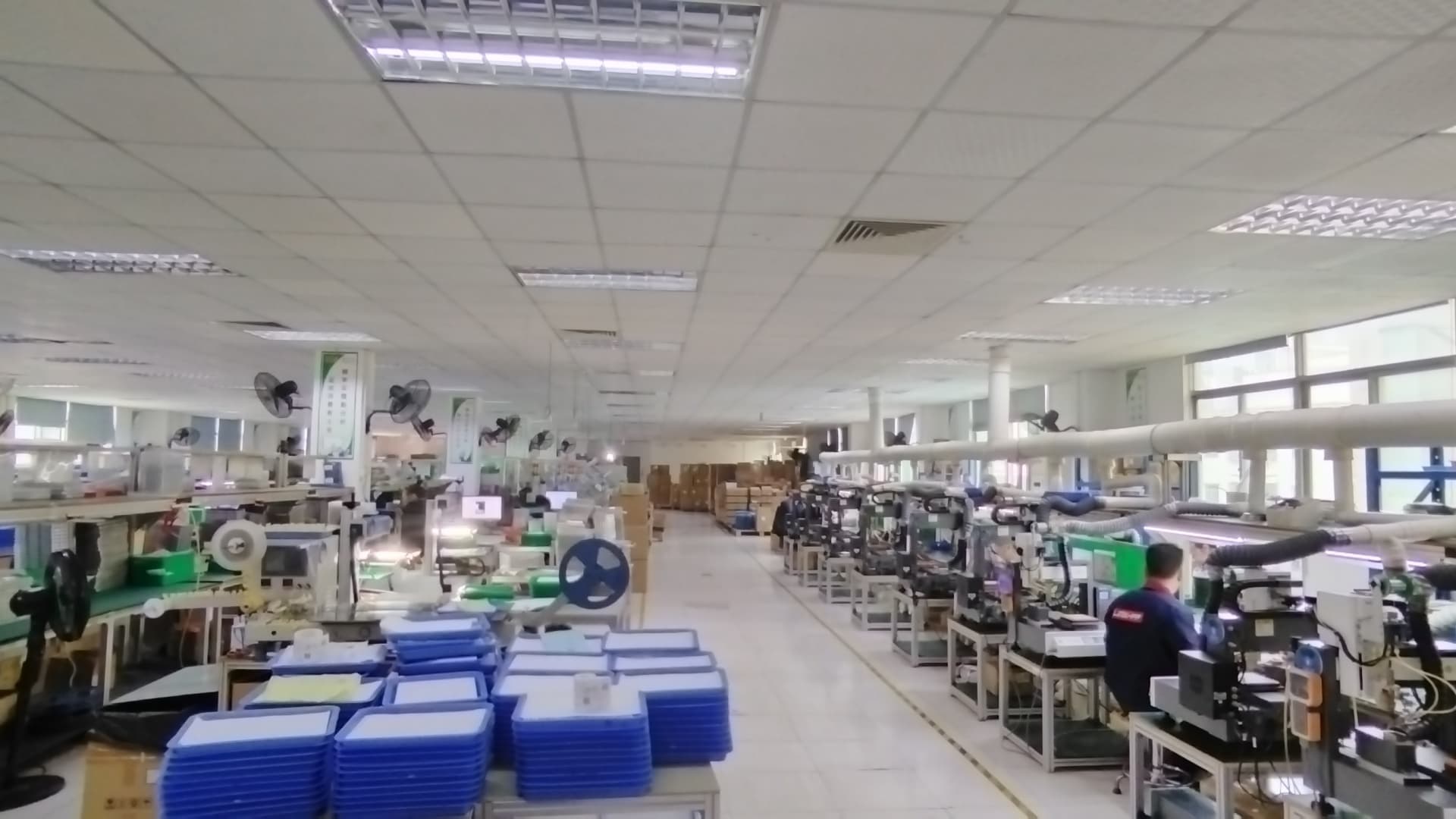
Clean Assembly Station

Cleanroom Assembly Workstations
Reliability Lab

Reliability and Environmental Testing Lab

Technology Roadmap & Market Outlook

Key milestones in the evolution of high-speed interconnect physical layers

Phase 1: High Density SFP+/QSFP28

Standardizing 10G-100G interconnect portfolios. Optimizing EMI cages, thermal dissipation structures, and integrating LED/magnetic filtering inside standard RJ45 units.

Phase 2: 400G & 800G Coherent Systems

Transitioning to PAM4 modulation schemes to support higher density. Enhancing single-mode BiDi spans and heat sink integration to limit signal loss at high operating temperatures.

Phase 3: 1.6T & Co-Packaged Optics (CPO)

Developing 1.6T form factors and co-packaged optical designs that mount silicon engines directly to computing boards, reducing power loss at the optical interface.

Technical Sourcing & Engineering QA

Answers to common structural and physical layer design questions

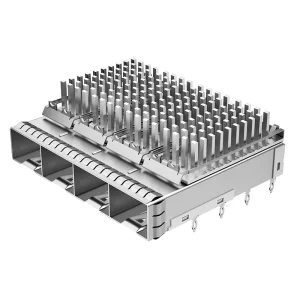
How do Lumopt SFP+ cages and thermal assemblies address high-density heat buildup?
Our cages utilize high-conductivity copper alloys combined with thermal interfaces that contact modules directly. Integrated heat sinks, featuring optimized fin arrays, use airflow to lower module temperatures, helping maintain signal integrity and prevent optical drift at high link densities.
What makes your integrated magnetic RJ45 connectors suitable for industrial environments?
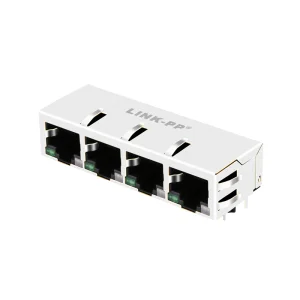
Our RJ45 jacks feature internal magnetic components, including isolation transformers and common-mode chokes. This design isolates system circuits up to 1500 Vrms, mitigates EMI, and blocks ground loops, helping protect critical processing nodes in industrial plants and data centers.
How does the factory verify compatibility with third-party networking switches?
Each optical module undergoes EEPROM coding compatibility verification against target system hardware. We write device-specific registry information (MSA-compliant) and test the transceivers in our integrated testing lab using switches from leading network brands, checking for interface faults or packet loss.
What parameters are tested in the optical module final inspections?
We perform complete physical audits that assess optical emission power, center wavelengths, receiver sensitivity, and eye pattern margins. Built-in DDM (Digital Diagnostics Monitoring) features are also calibrated, allowing end users to track module voltage, temperature, and current in real time.