China Top SFP Module Connector Manufacturer & Suppliers
Delivering High-Speed Optoelectronic Interconnect Solutions and Custom Optical Transceivers for Global Hyperscale Data Centers, AI Clusters, and Telecom Infrastructures.
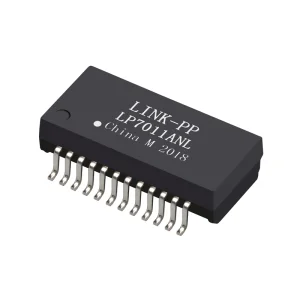
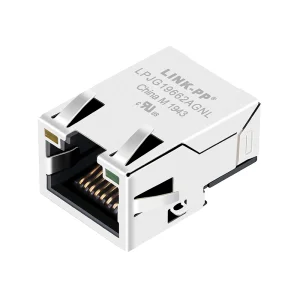
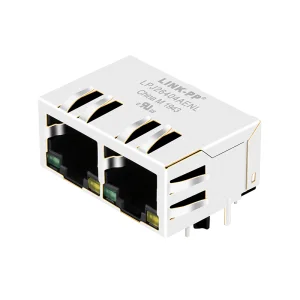
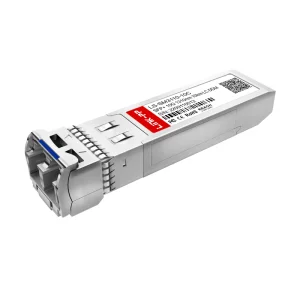
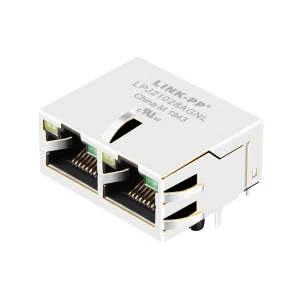
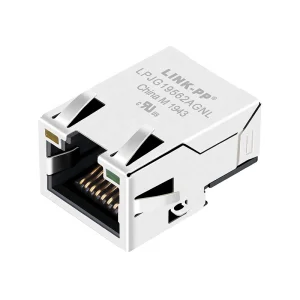
Featured High-Performance Networking Interfaces
Engineered for low latency, optimal signal integrity, and exceptional electromagnetic compatibility (EMC) in enterprise networking environments.
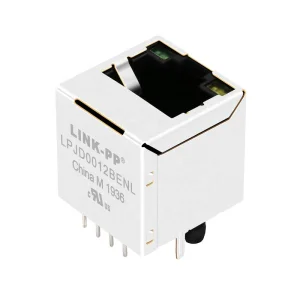
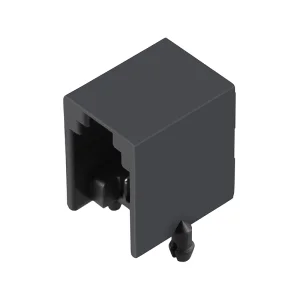
51F-1203GYD2NL Single Port 10/100 Base-T 8 Pin Vertical RJ45 Connector
Executive Summary: SFP Module Connectors in Modern Telecom & Computing
In the rapidly shifting architecture of the global digital economy, the performance demands on fiber optic transmission infrastructure are experiencing exponential growth. As hyperscale data centers, 5G cloud radio access networks (C-RAN), and ultra-high-performance artificial intelligence (AI) compute clusters scale, the components linking high-speed electrical signals and optical pathways have become critical bottlenecks. Key to this transition is the SFP (Small Form-factor Pluggable) module connector and its evolution paths, including SFP+, SFP28, QSFP+, QSFP28, QSFP-DD, and the newest OSFP specifications.
Lumopt Opto Technology Co., Ltd. (legally registered as Luguang Communication Technology Co., Ltd. in China) operates at the vanguard of this engineering domain. As a premier Chinese manufacturer, we specialize in high-precision, low-insertion-loss connectivity technologies. Our operations span from advanced design and simulation to automated mass production, satisfying stringent signal integrity demands across global telecom systems, enterprise private networks, and next-generation AI pipelines.
The core function of an SFP cage and connector assembly is to establish a secure, hot-pluggable, and high-density link between copper PCB traces and the optical transceivers converting packets to light. Engineering these units requires navigating multi-GHz electromagnetic behaviors. At data rates exceeding 25 Gbps per channel (NRZ signaling) and 56/112 Gbps (PAM4 signaling), signal distortion, impedance mismatches, and electromagnetic interference (EMI) become increasingly critical.
Z-Axis Contact Force Optimization
Ensures persistent surface contact under heavy thermal stresses, lowering contact resistance and preventing intermittent connection dropouts during operational cycles.
Advanced EMI Containment
Integrated metal fingers, elastomeric gaskets, and strategic PCB ground stitching minimize EMI leakages, guaranteeing compliance with FCC and CISPR standards.
Thermal Management Cages
Engineered with integrated copper or aluminum alloy heatsinks and air-flow bypass channels, preventing thermal runaway in power-intensive optical modules.
Our SFP cages and connector interfaces utilize high-performance copper alloys with selective gold plating (up to 30u") on contact interfaces. This ensures reliable insertion and extraction cycles (up to 250 matings minimum) without elevating insertion loss. Lumopt’s through-hole press-fit configurations provide exceptional mechanical anchorage compared to surface-mount (SMT) variants, absorbing mating stress and protecting the host board's integrity.
Localization & Industry Application Scenarios
Industrial and telecommunication deployments have distinct mechanical and environmental requirements. A generic, off-the-shelf SFP connector is rarely optimized for specialized operating conditions. Below are key scenarios where Lumopt's customized connector systems deliver critical performance advantages:
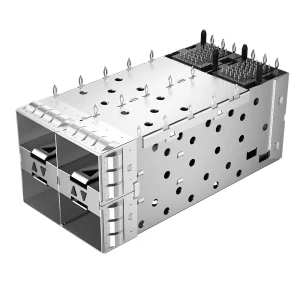
AI Compute Clusters and High-Speed Ethernet Fabric: In clusters executing massive Large Language Model (LLM) training workloads, low latency is critical. We deploy high-density, multi-ganged (e.g., 2x2, 2x4, 2x6) SFP28 and QSFP28 cages featuring integrated light pipes. These facilitate real-time system status diagnostic checks inside highly packed rack environments, maximizing cooling efficiency.
Edge Computing & Harsh Industrial Environments: Outdoor telecom cabinets, industrial IoT switches, and smart transportation grid controls are subject to extreme temperatures (-40°C to +85°C) and constant vibrations. Our industrial-grade connectors, built with ruggedized alloy enclosures and high-strength plastic housings, prevent micro-motion corrosion.
Optical Networks for Metropolitan and Carrier Networks: To support fiber-to-the-home (FTTH) distribution hubs and optical line terminals (OLT), connectors must maintain low insertion losses over decades. The precision assembly of our cages ensures seamless alignment with transceiver modules, keeping connection losses below 0.2 dB.
China Manufacturing Supply Chain Resilience & Process Excellence
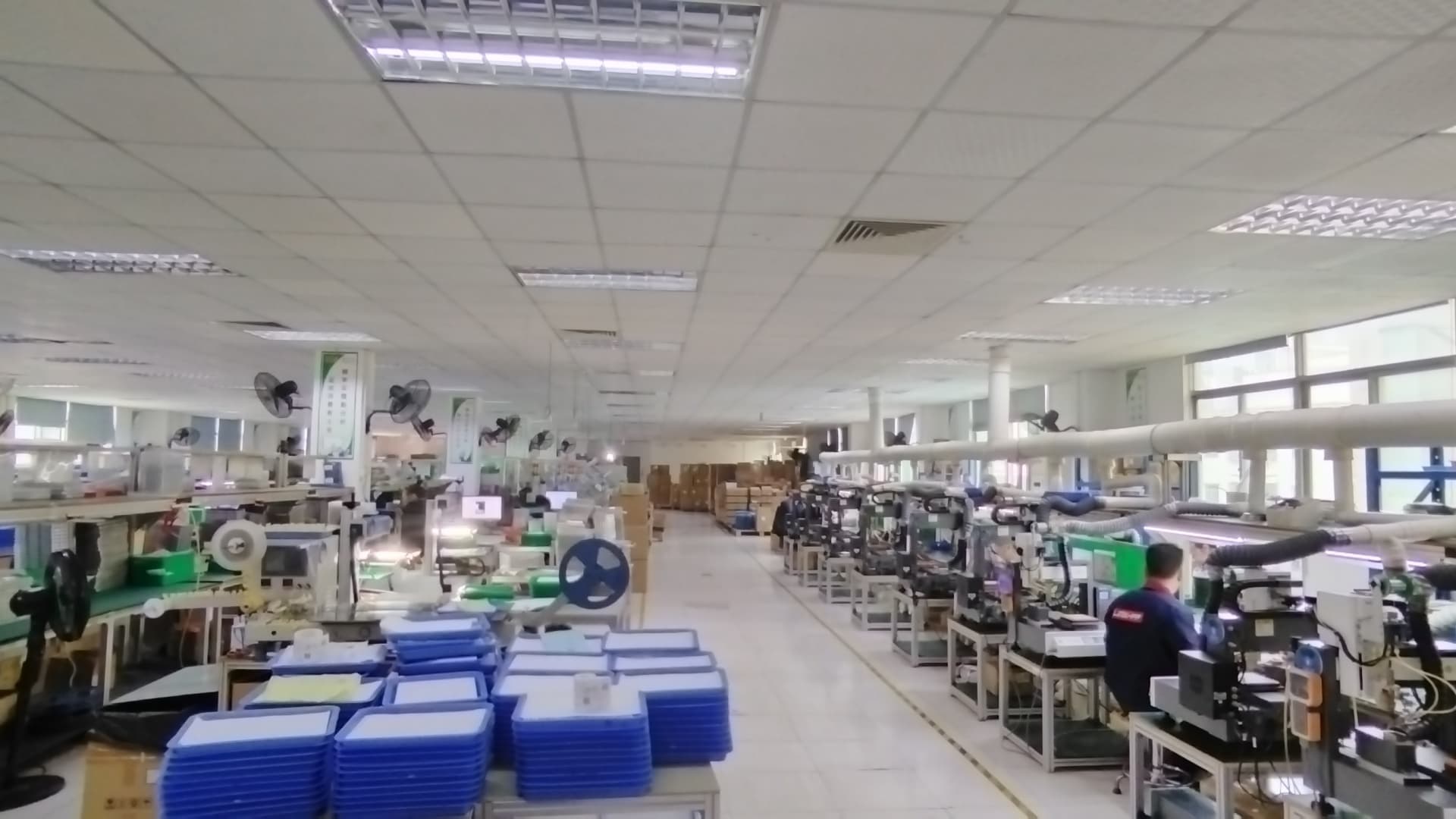
Building high-speed network interfaces is a complex process. The ability of Chinese manufacturers to optimize supply chains lies in integrating material sourcing, tool-and-die fabrication, high-speed stamping, automated injection molding, and digital quality testing within a single ecosystem.
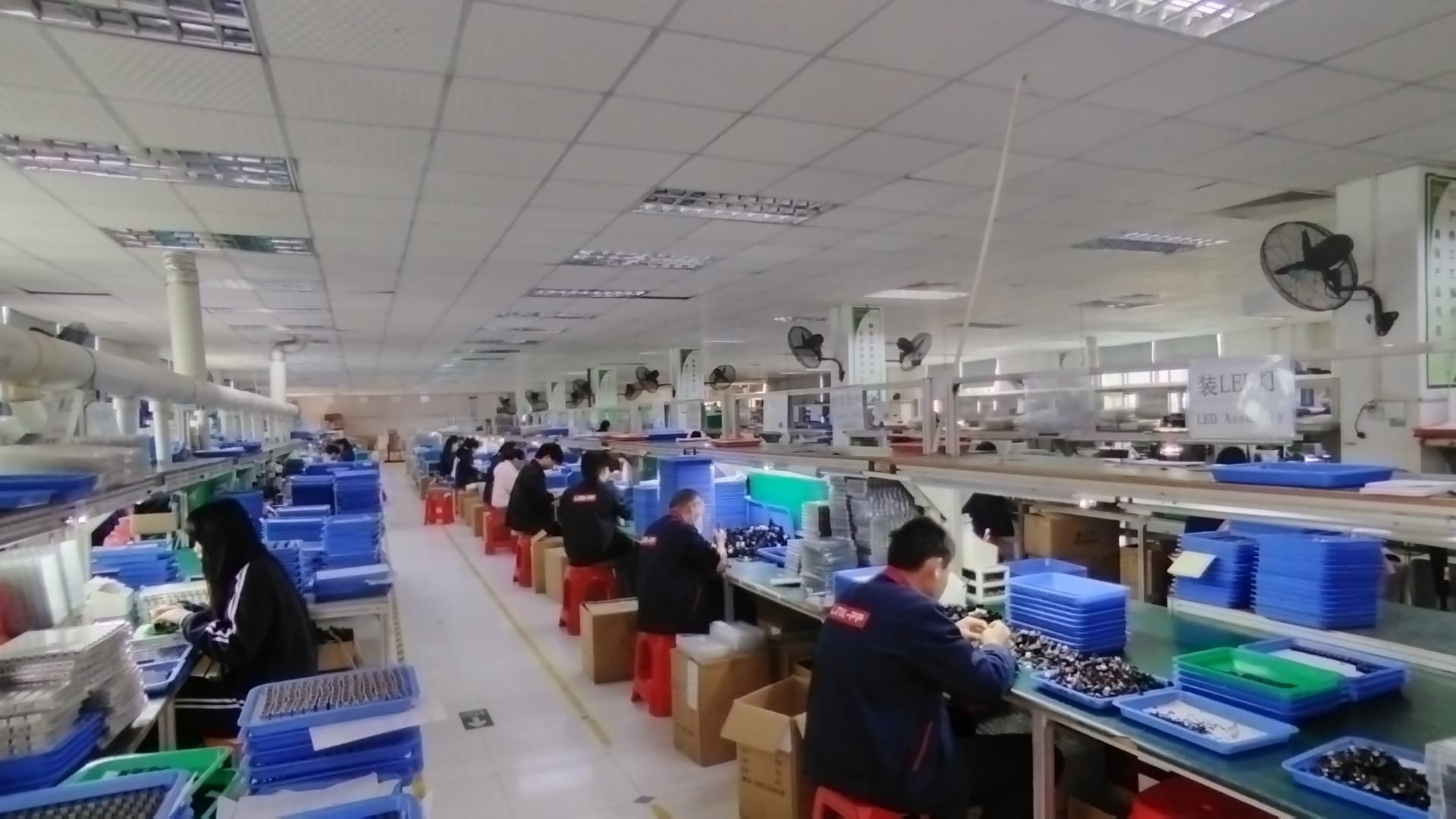
At Lumopt (Luguang Communication Technology), our vertical integration ensures we mitigate geopolitical and logistics disruptions. We source raw plastics (LCP, PPS) and specialized alloy strips locally, reducing lead times for customized configurations to under three weeks. This is paired with an ISO 9001-certified factory implementing rigorous, step-by-step production and verification protocols.
Step-by-Step Production & Automated Quality Inspection
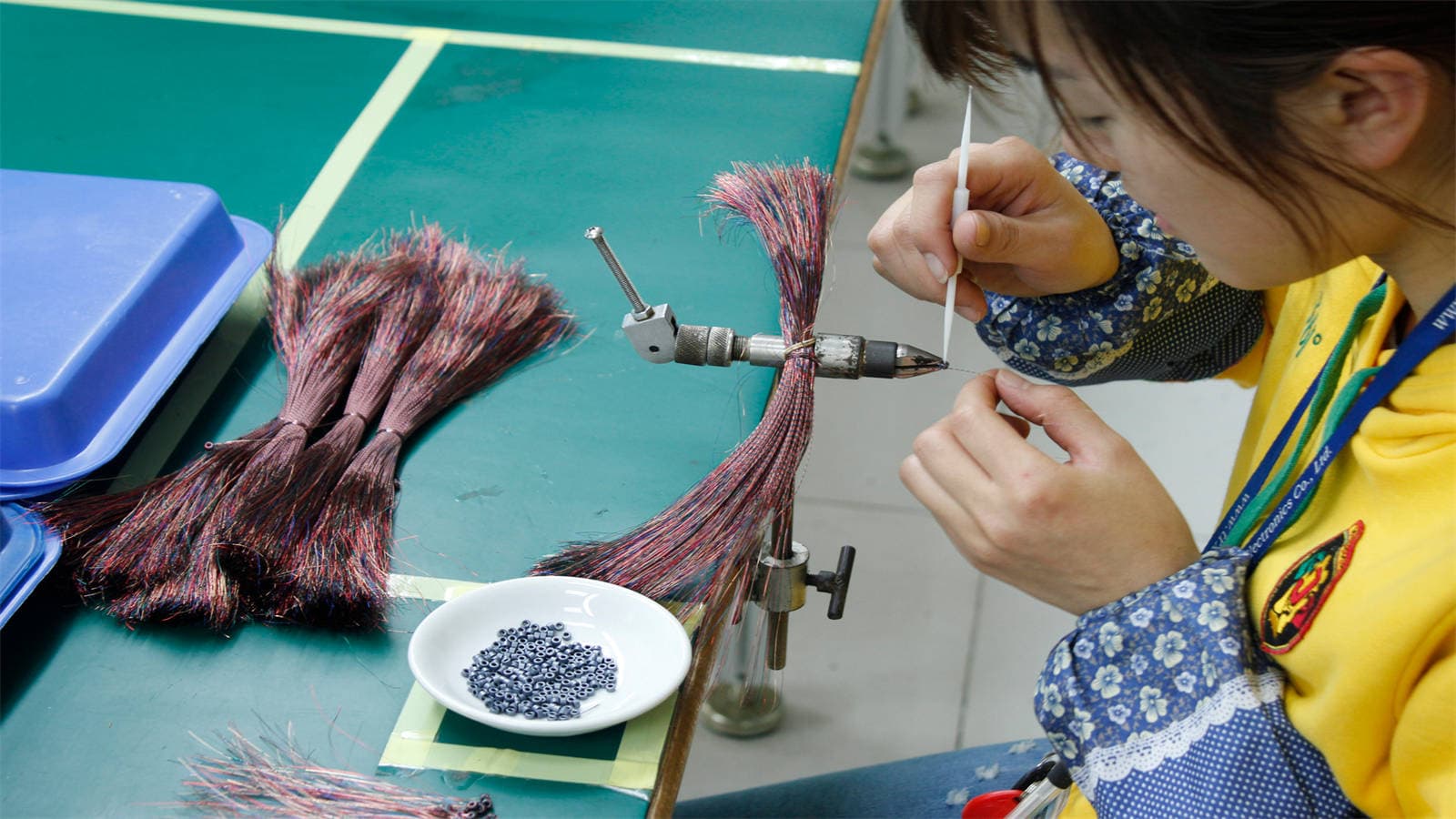
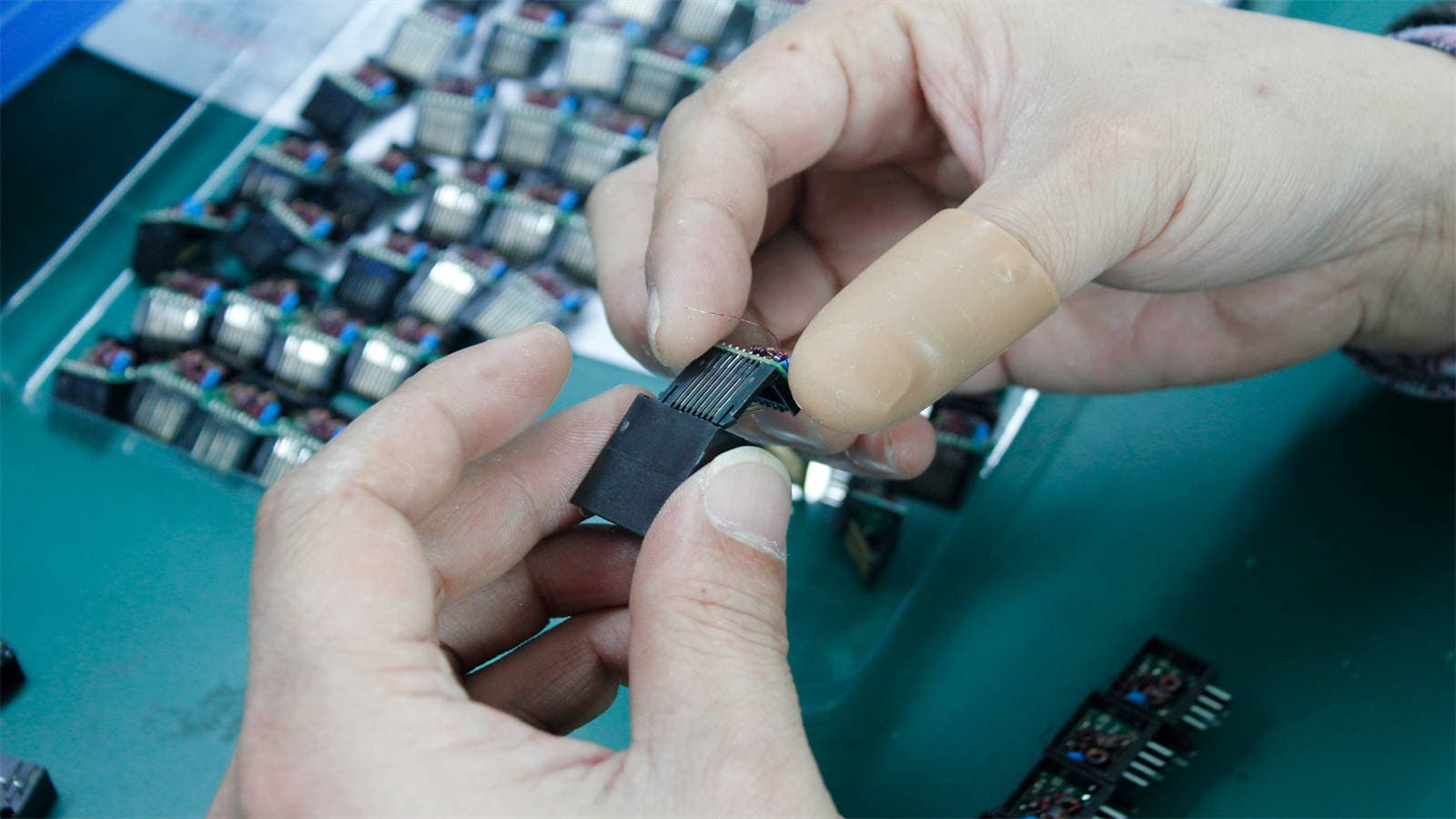
Twisting
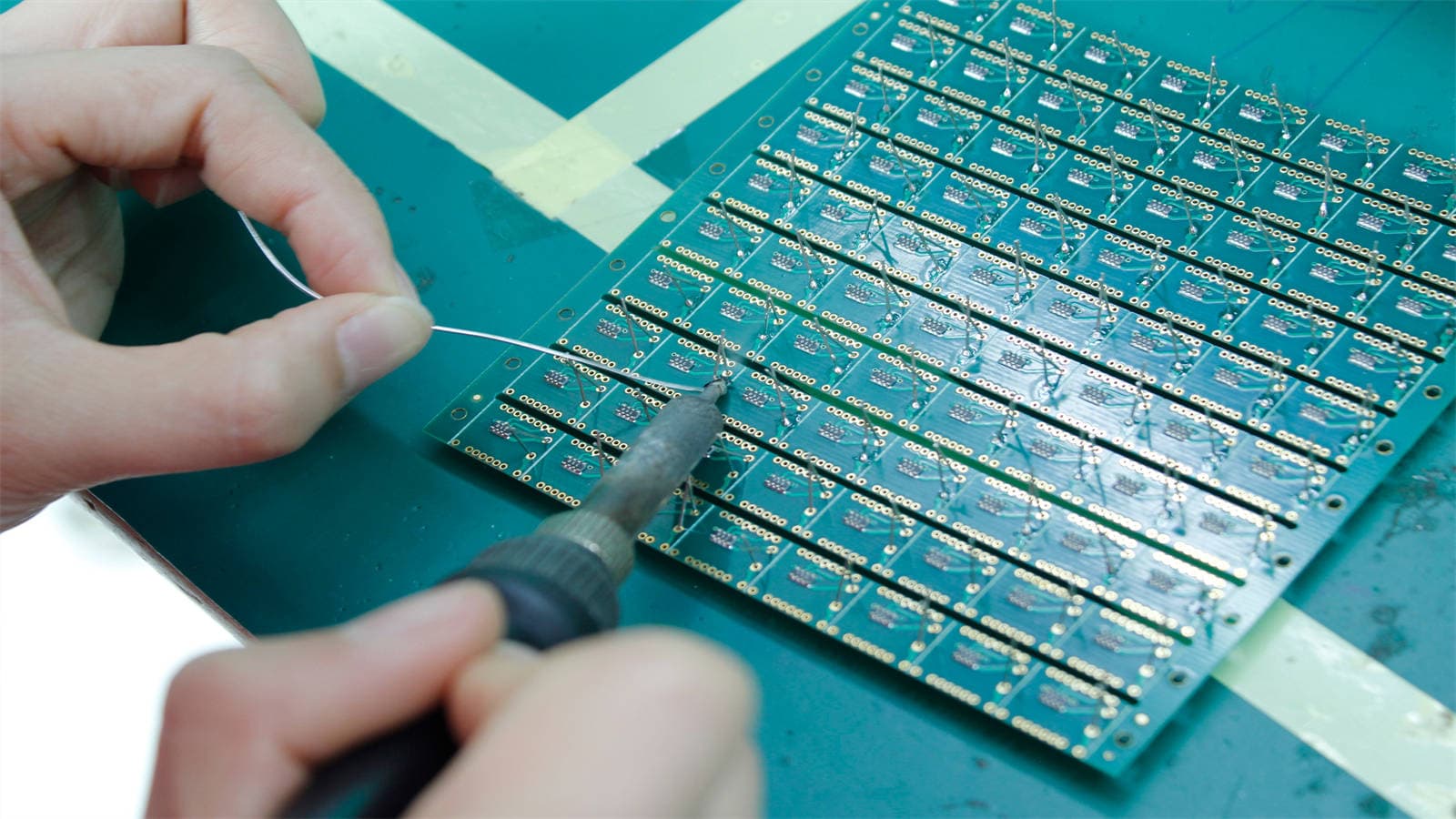
PCB Tinned
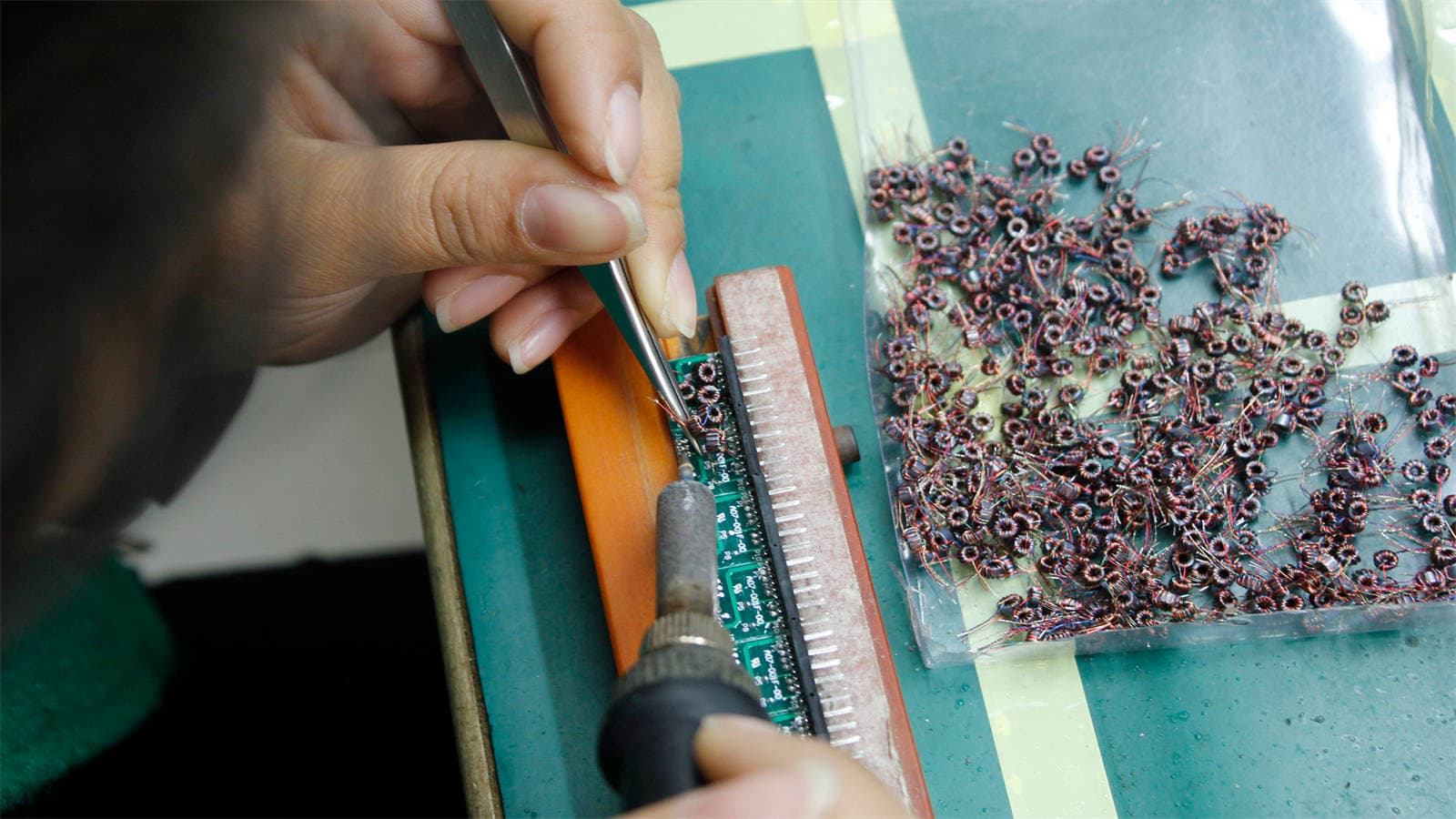
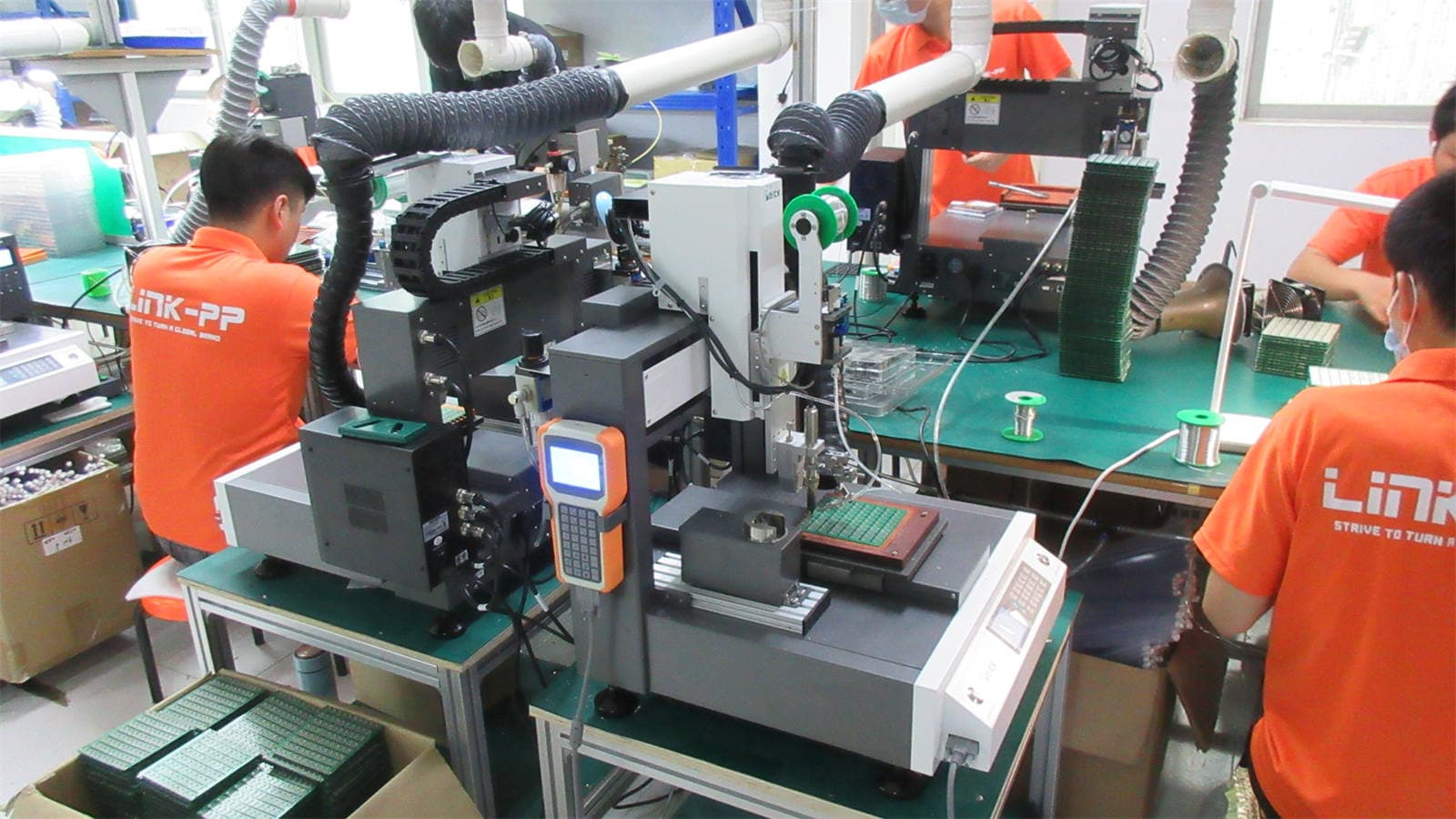
Soldering
Shear-LED-Pin
Semi-finished Testing
Plastic-Case-Assembly
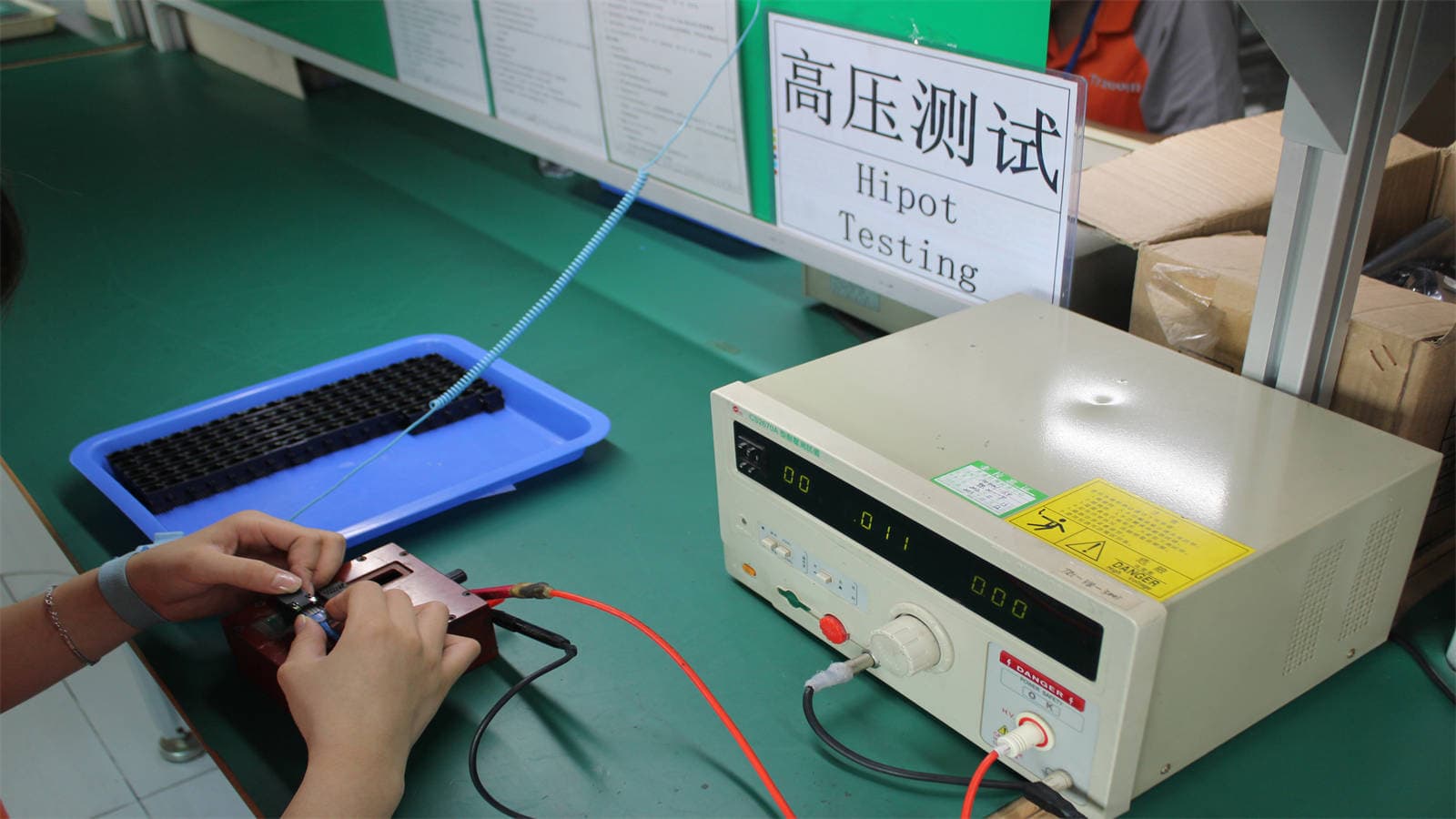
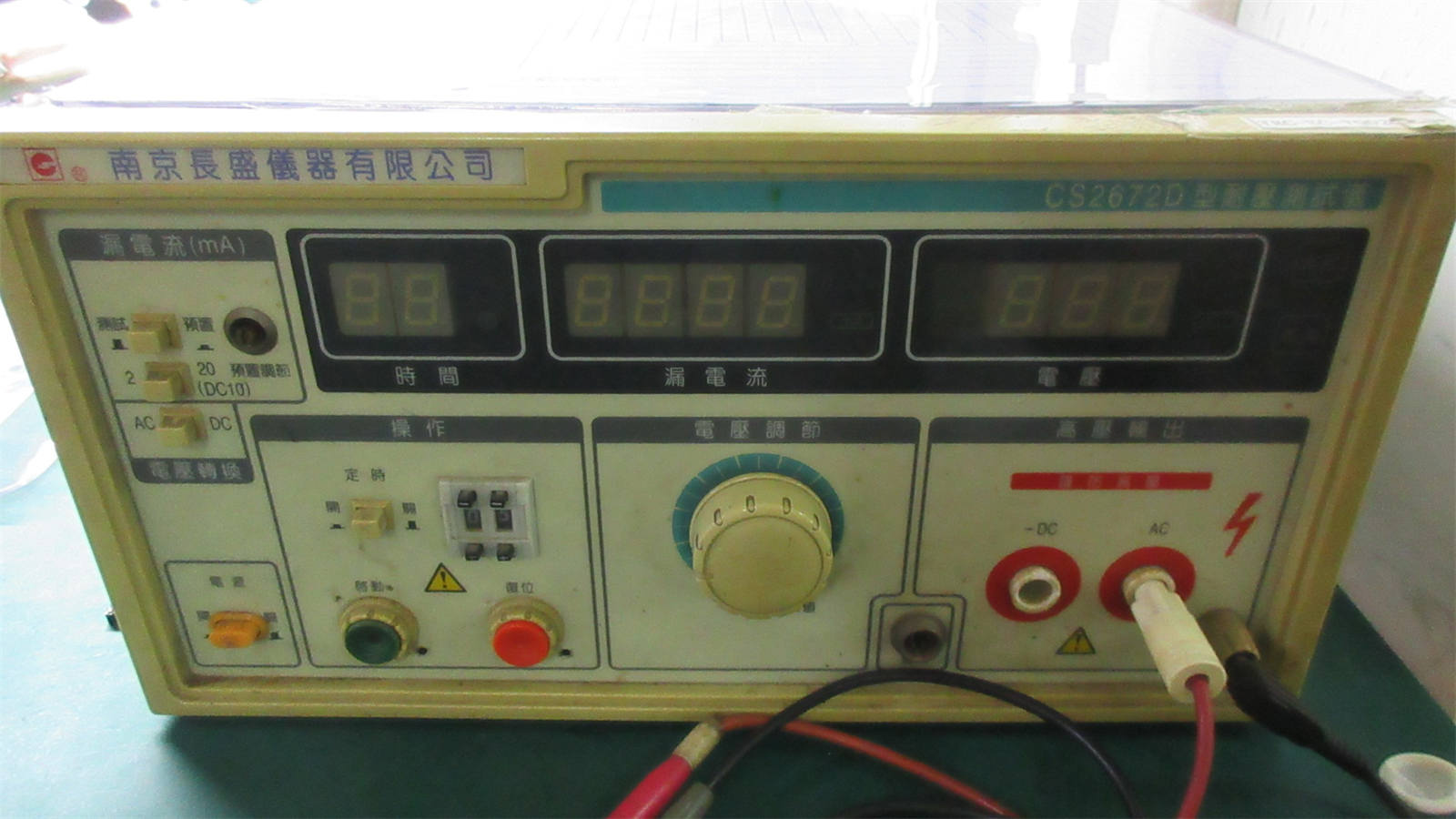
Hi-pot Testing
Integrated-Testing
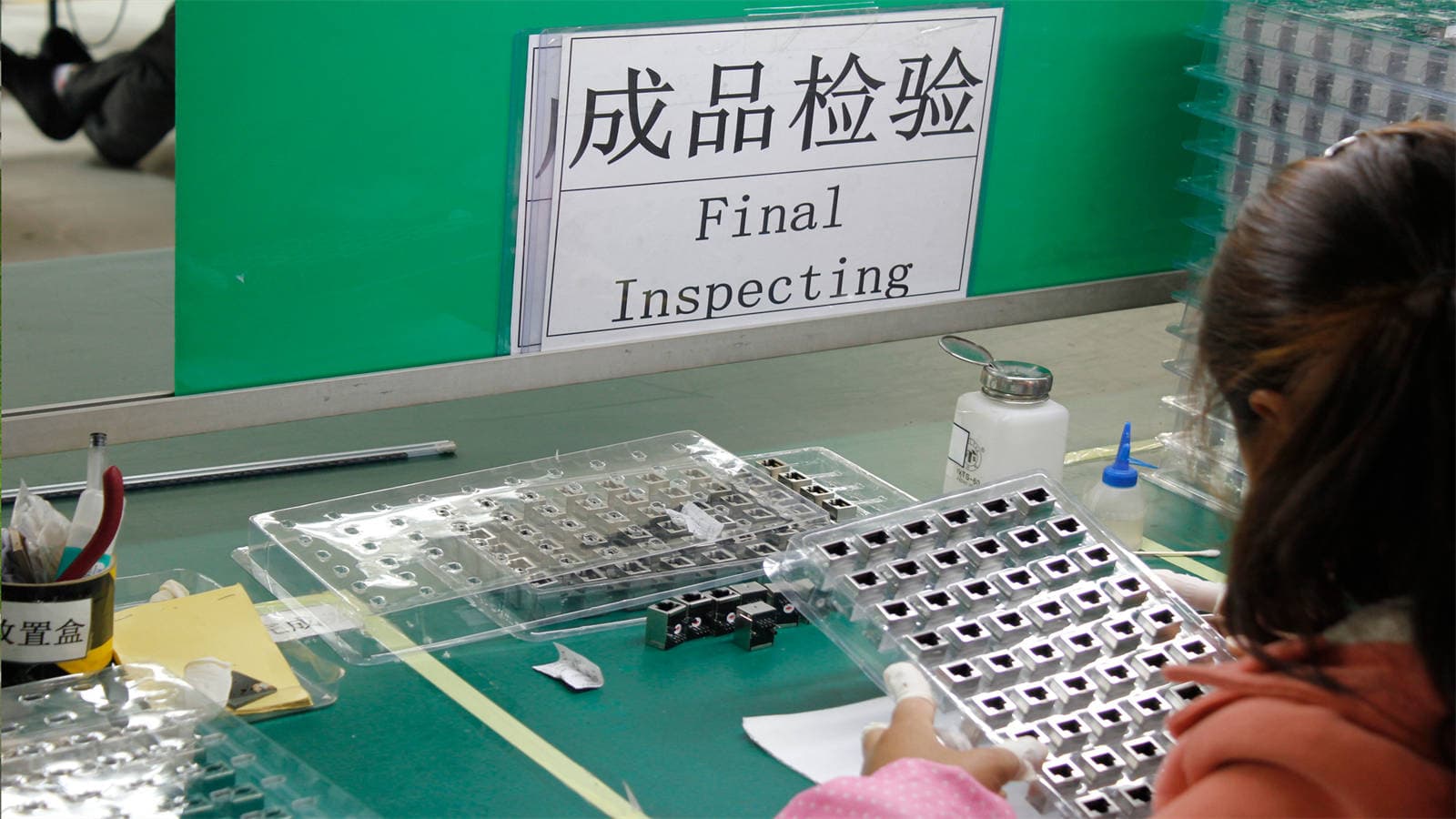
Final-Inspecting
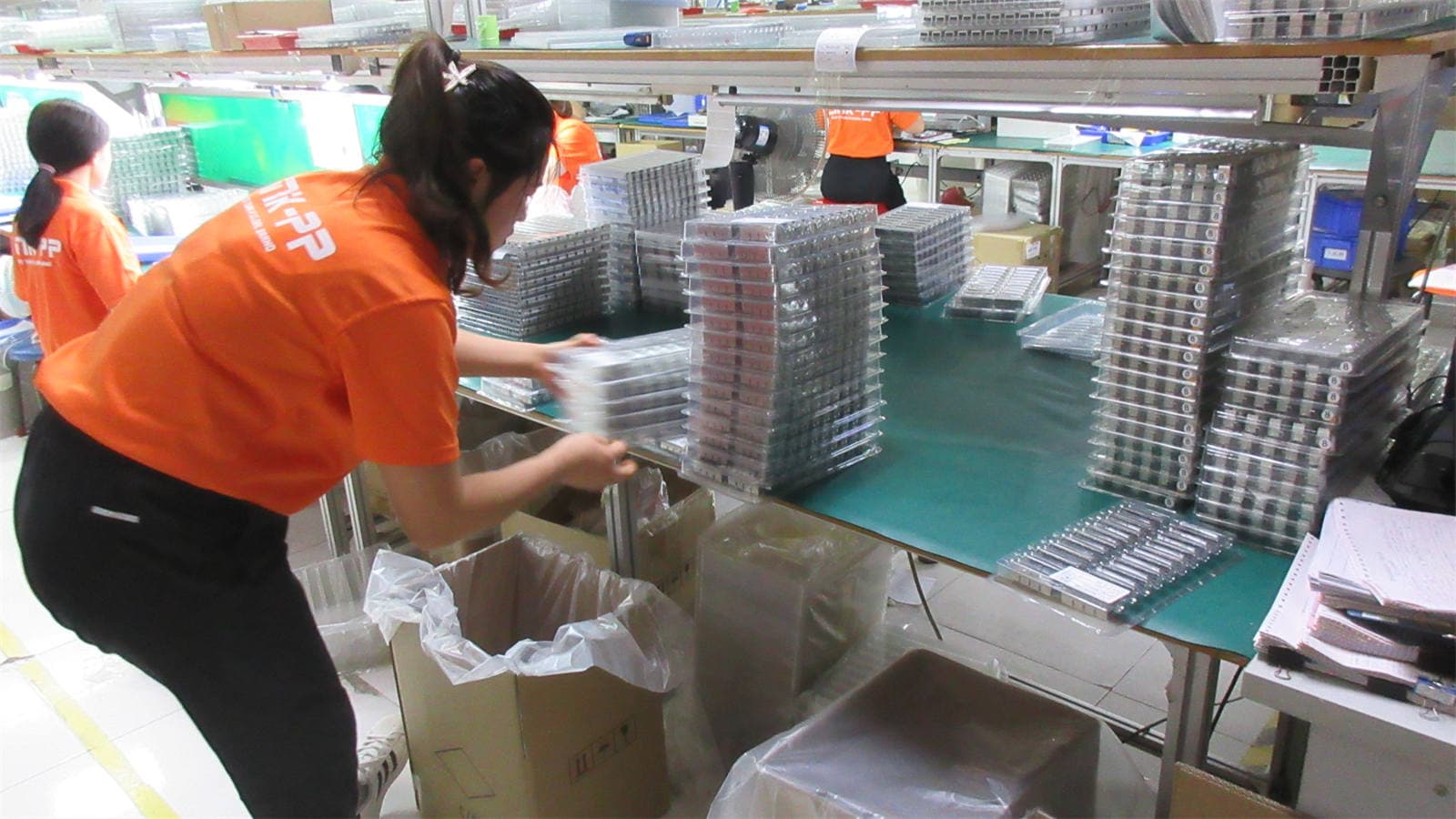
Packing
Comprehensive Tester
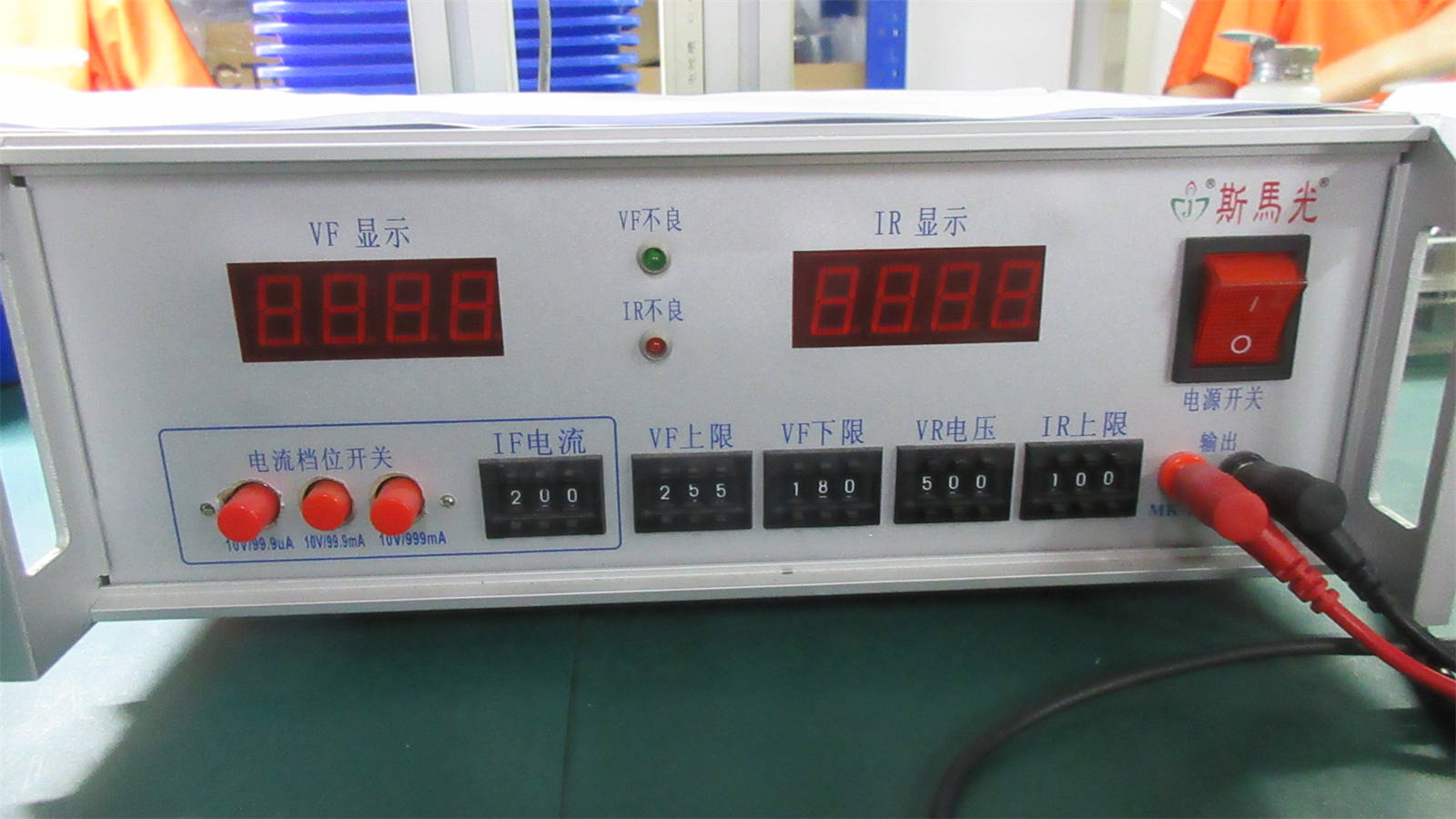
LED Lamp Tester
Hi-Pot Tester
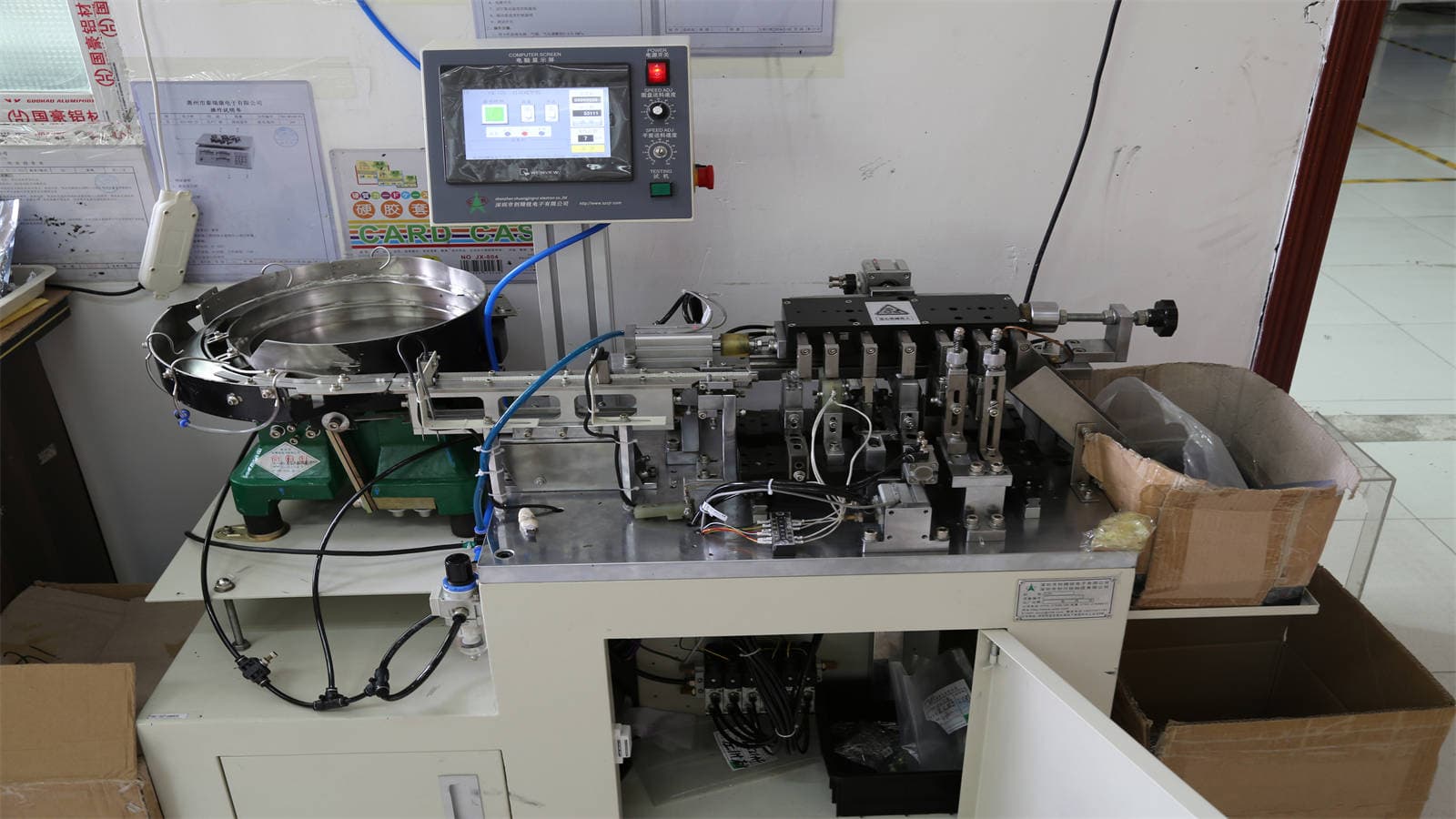
Automatic Welding Machine
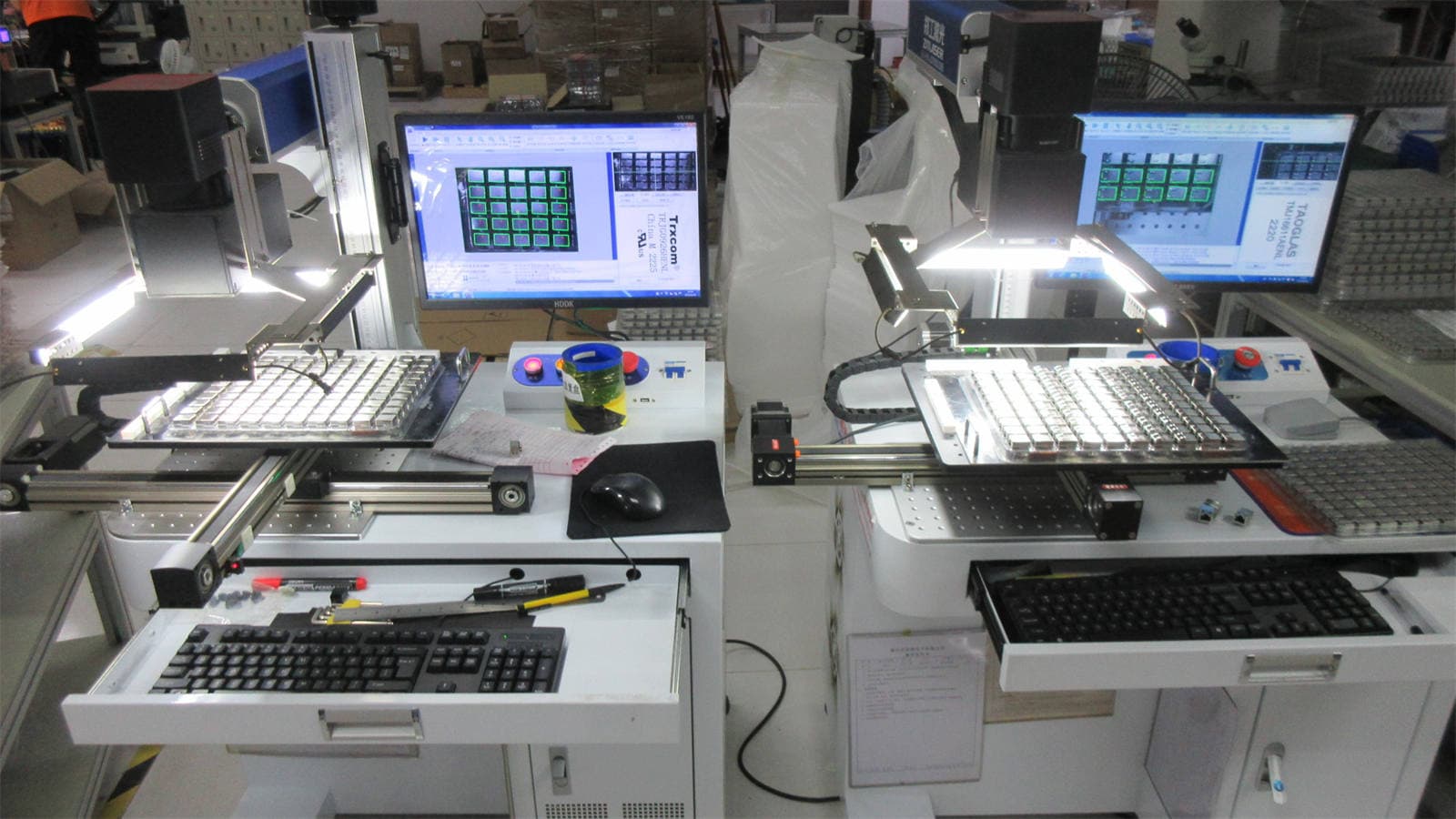
Laser Marking Machine
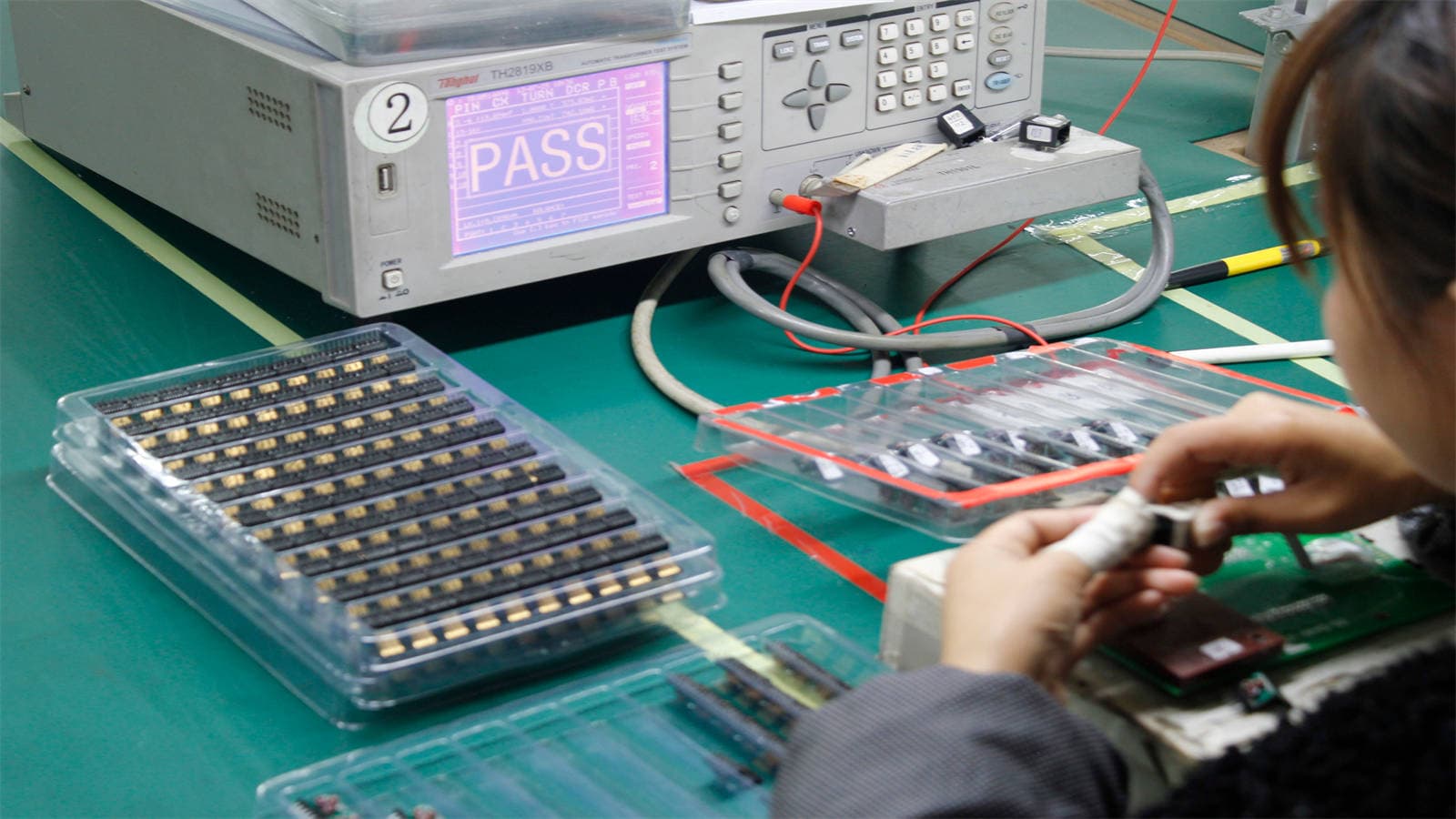
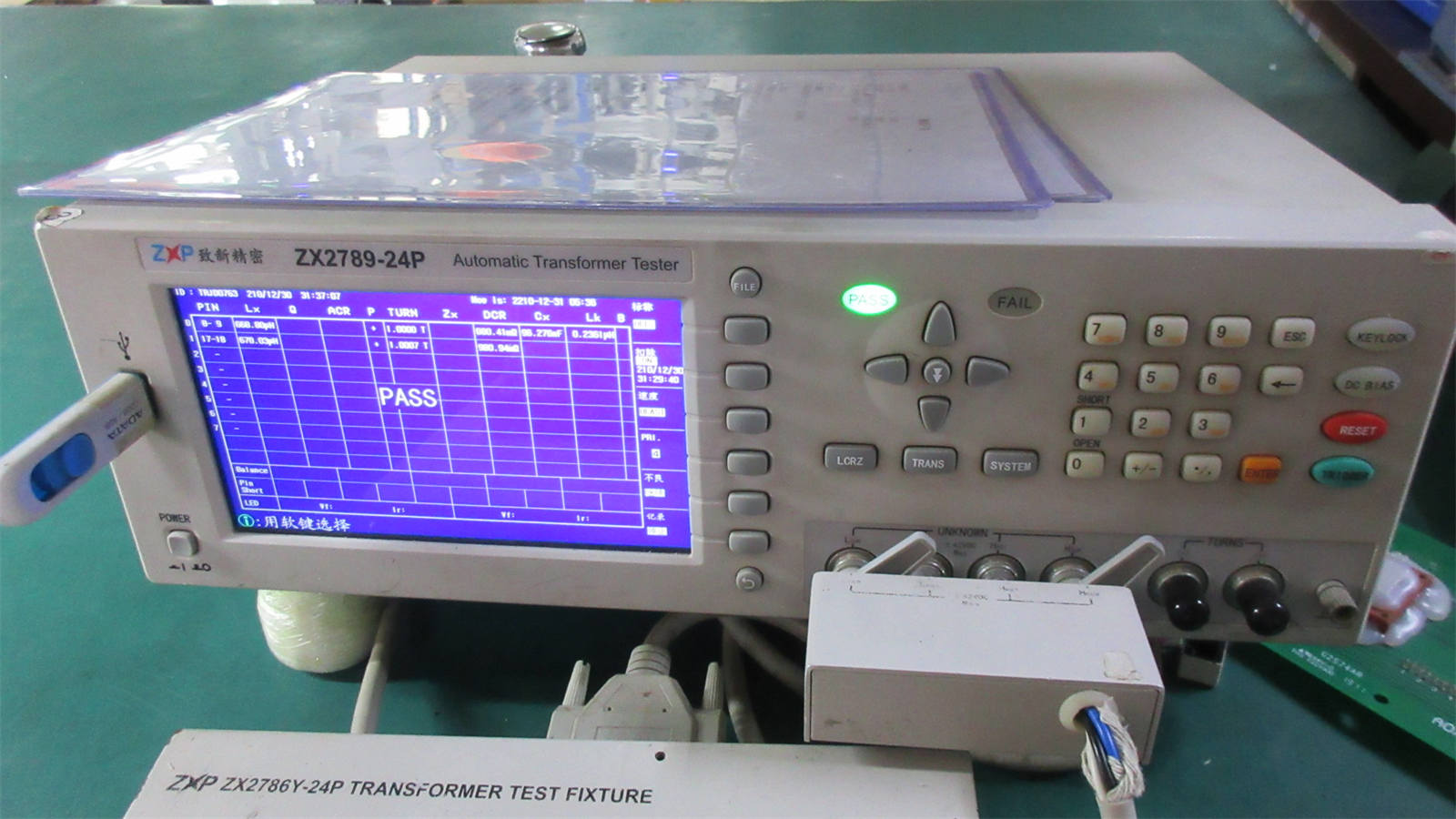
Transformer Automatic Tester
Transformer Automatic Packing
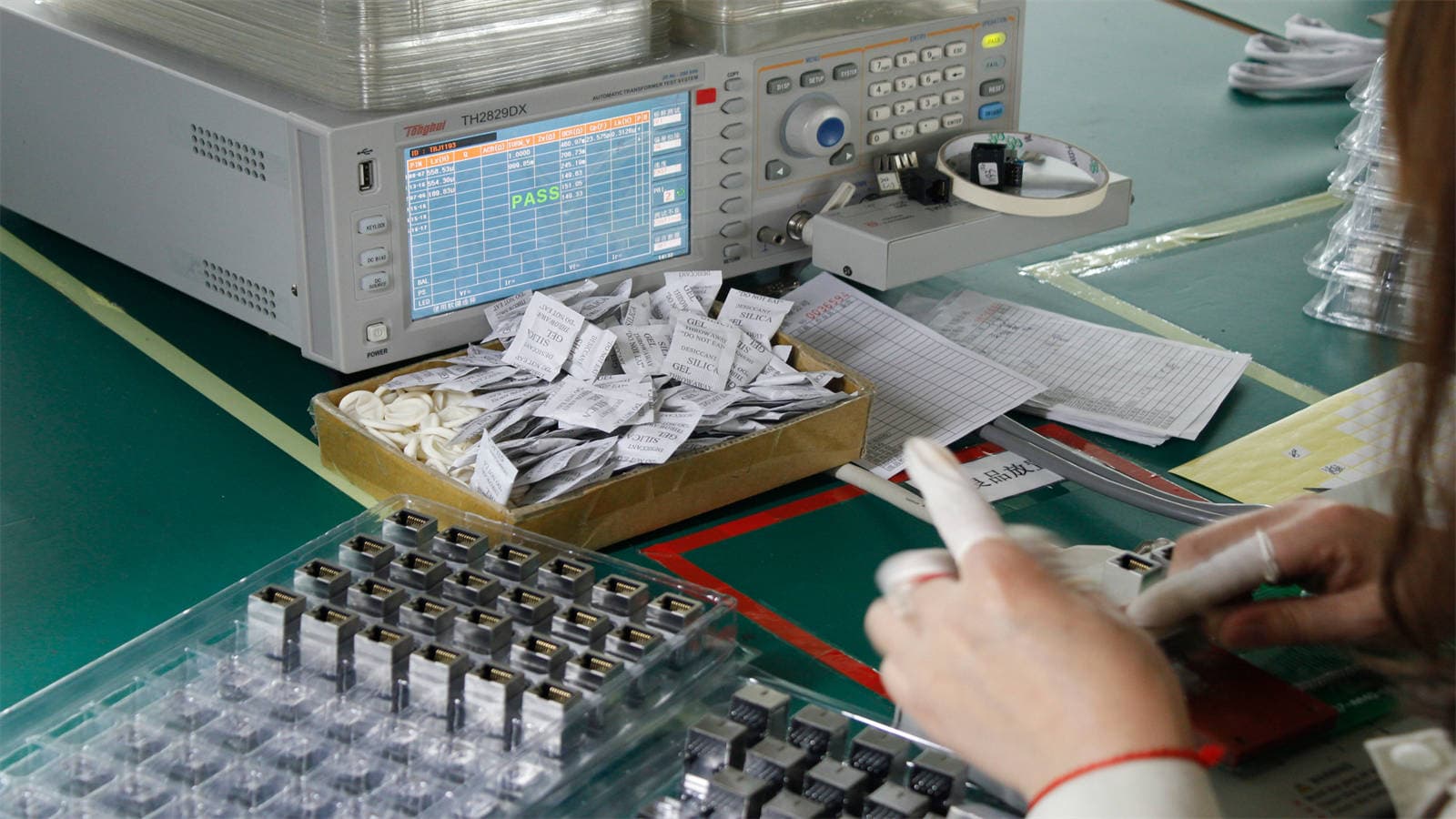
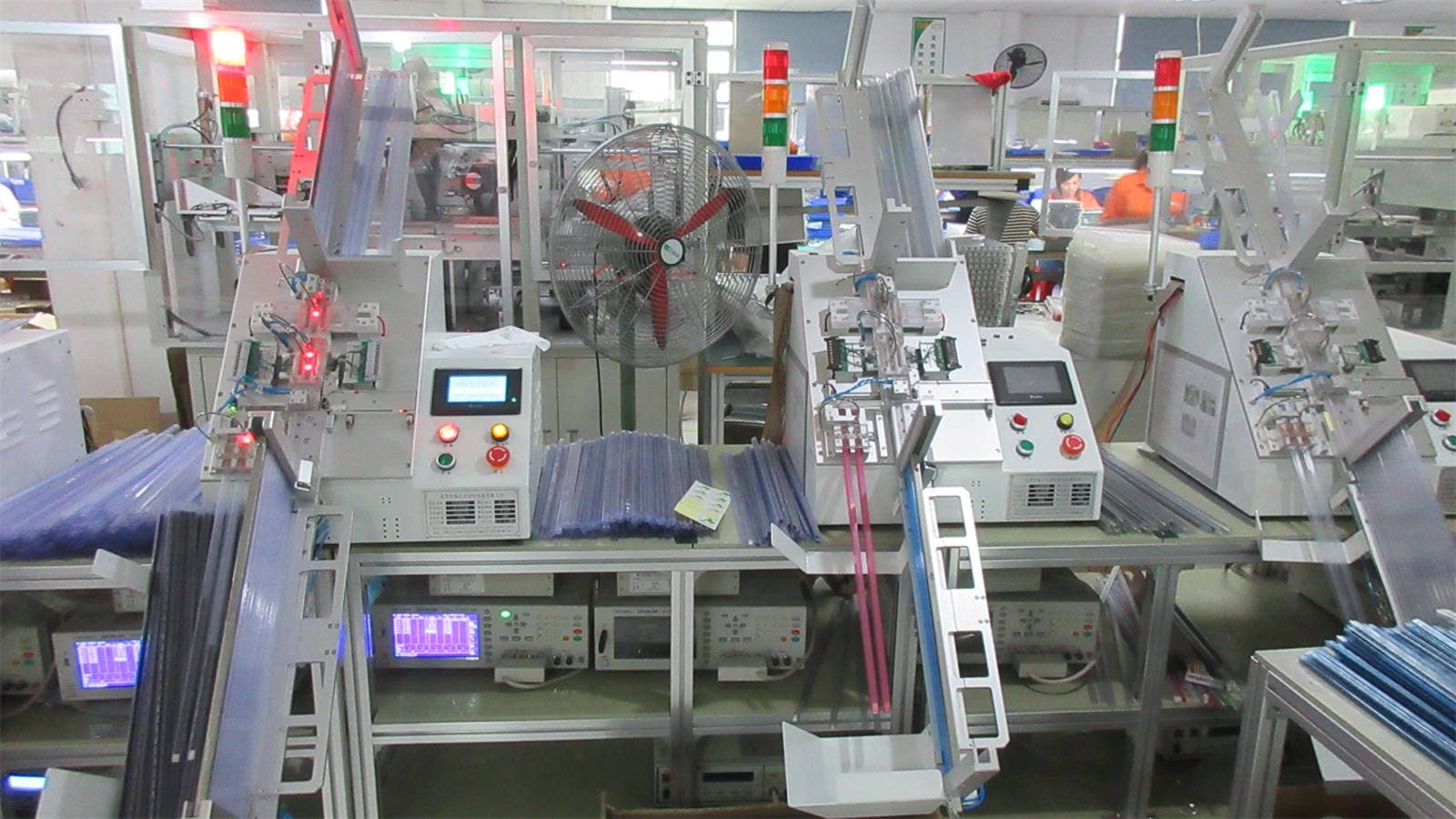
RJ45 Automatic Tester 1
RJ45 Automatic Tester 2
Factory Laboratory Analysis
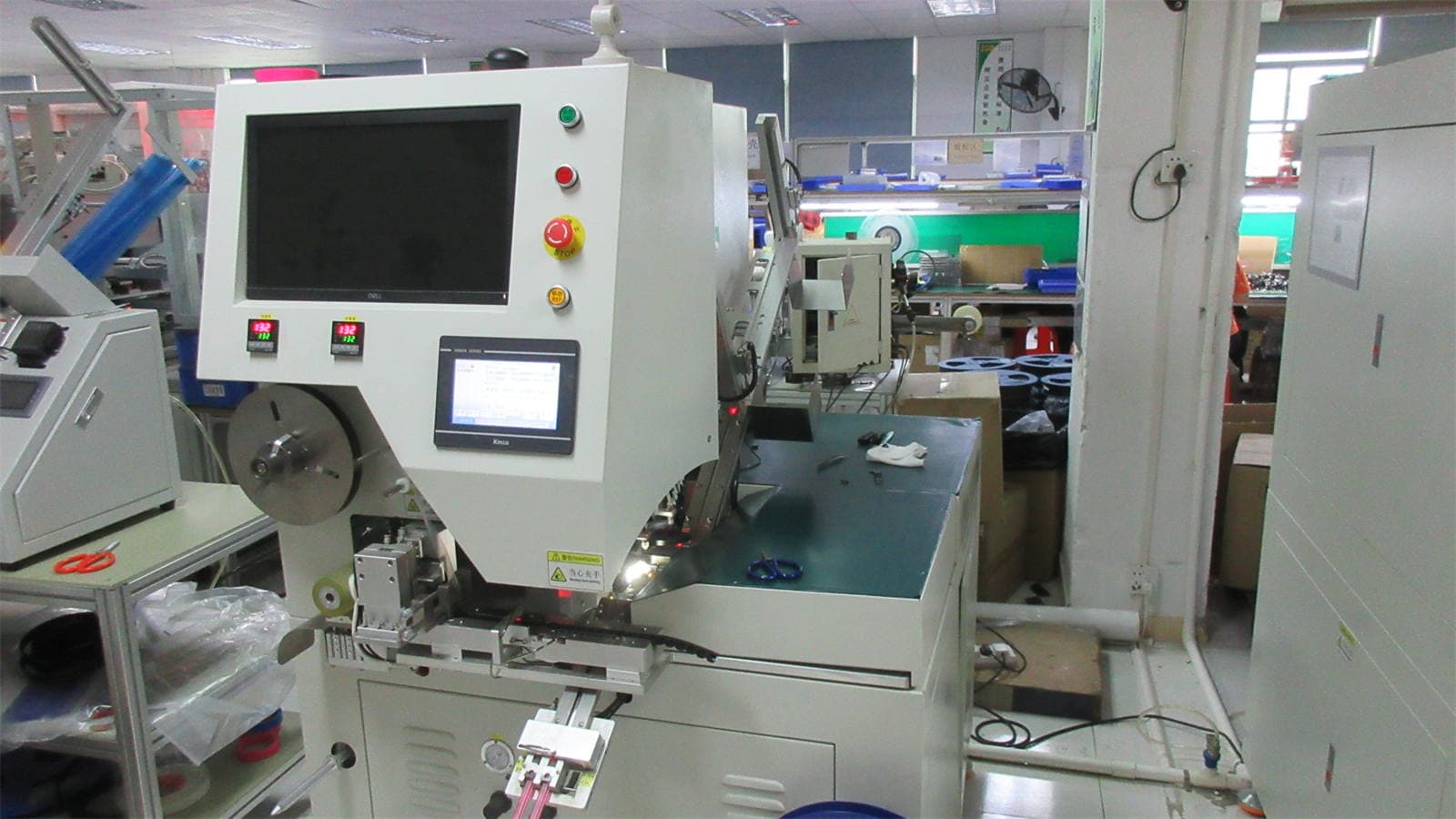
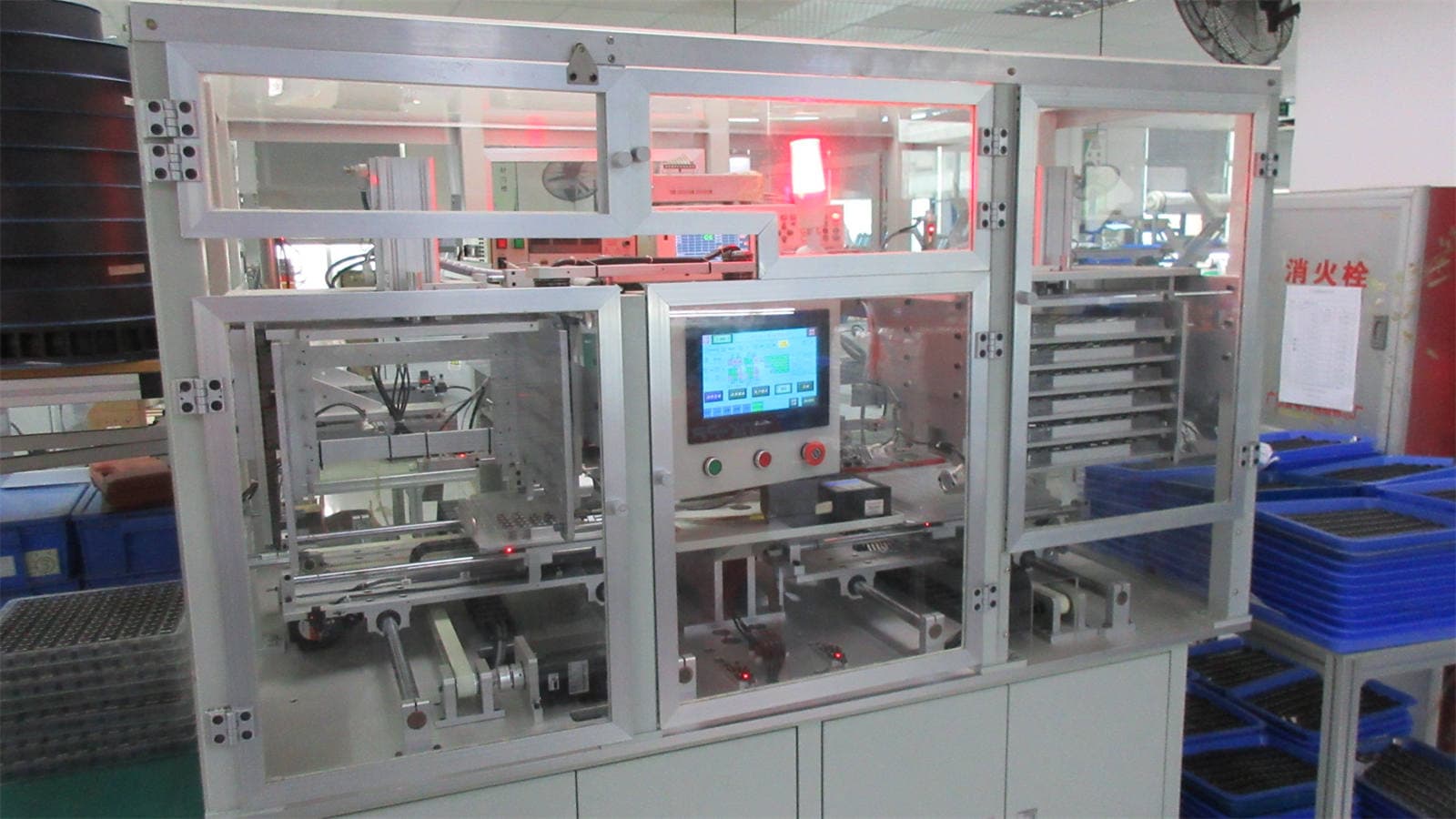
Our factory utilizes advanced automated testing equipment, including LED lamp testers, automatic transformer testers, RJ45 automatic testing units, and high-precision laser marking machines. These systems minimize human error and guarantee stable, reproducible production quality across batch shipments.
Technology Roadmap & Future Outlook
As networking demands shift from 400G toward 800G and 1.6T systems, standard SFP geometries are reaching their physical limits. Interconnect architectures must adapt to handle issues like high signal attenuation, elevated temperatures, and limited board space.
1. Co-Packaged Optics (CPO): Integrating optics directly with the ASIC substrate reduces trace distances, cutting power requirements and signal degradation. While this reduces the need for traditional front-panel cages, it creates a demand for high-density, internal optical connectors.
2. Silicon Photonics: Fabricating optical modulators and detectors on silicon substrates enables high-speed, integrated optical circuits. To support this technology, SFP connectors must achieve tighter mechanical tolerances to maintain alignment with silicon waveguide structures.
3. Thermal Interface Advancements: Next-generation transceivers require specialized thermal materials and redesigned cages to handle heat loads of up to 30W per module. Lumopt is currently prototyping micro-fluidic heatsinks integrated into double-density cages to address these thermal demands.
Localized Technical Support and Compliance
Global supply chain integration requires compliance with various regional and international regulatory structures. Lumopt products are fully compliant with RoHS, REACH, CE, and FCC frameworks. For European partners, we provide full technical documentation to simplify the CE self-declaration process.
We also support customized configurations, including custom cage shapes, specialized LED configurations, and unique pin arrangements. Our localized engineering support team assists clients during the initial design phase, helping resolve signal integrity and thermal challenges prior to production.
FAQ: High-Speed Connectors and Cages
What is the difference between SFP, SFP+, and SFP28 connectors?
While sharing identical form factors, they differ in data rate capacity. Standard SFP supports up to 4 Gbps. SFP+ supports up to 10 Gbps with enhanced jitter performance. SFP28 is designed for 25 Gbps per channel with tighter impedance controls (typically 100 ohms +/- 5 ohms) and optimized signal integrity.
Can Lumopt customize the LED indicators on RJ45 and SFP cages?
Yes. We support custom LED configurations, including green, yellow, orange, and dual-color combinations. We can also modify light pipe geometries to fit custom housing profiles.
How does press-fit mounting compare to SMT soldering for SFP cages?
Press-fit (elastic eye-of-the-needle design) eliminates solder joints, reducing thermal stress on the host PCB. It offers superior mechanical retention and shielding, making it ideal for multi-port cages subject to frequent insertions. SMT is preferred for low-profile, single-port layouts.
What quality testing steps do your connectors undergo?
All parts undergo complete optical, mechanical, and electrical checks. Key tests include Hi-Pot isolation testing, contact resistance, dimensional analysis, optical eye diagrams for transceivers, and insertion force verification.
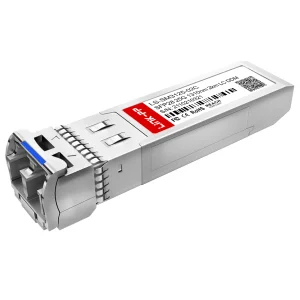
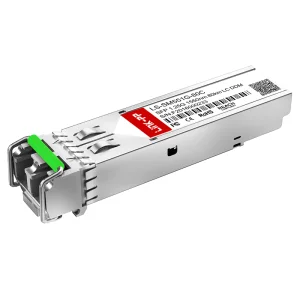
Optical Transceivers & Magnetics Catalog
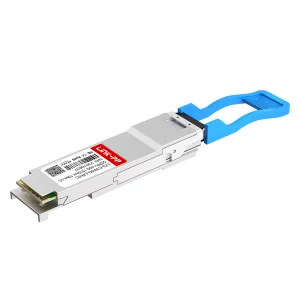
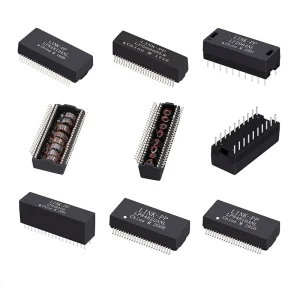
Complementary high-speed active transceivers and isolation transformers designed for robust network interfaces.
2007417-1 TE Compatible Through Hole 80P 2x2 Ports Press-Fit SFP+ Cage & Connector With Light Pipe
 Lumopt