Lumopt
Lumopt
Lumopt
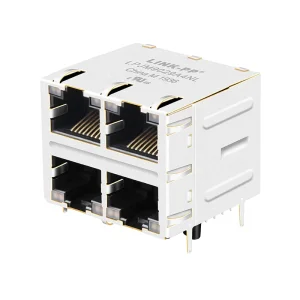
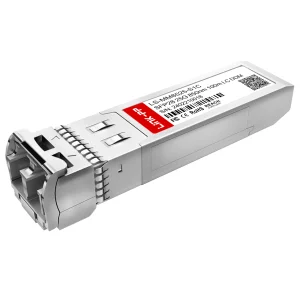
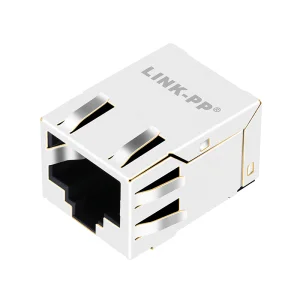
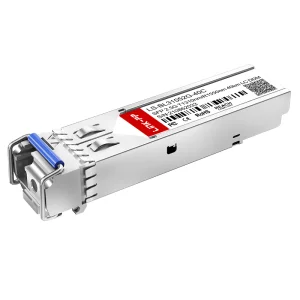
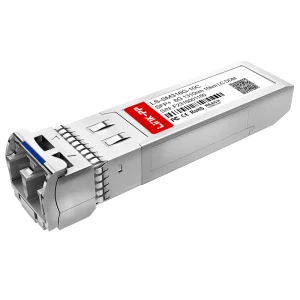
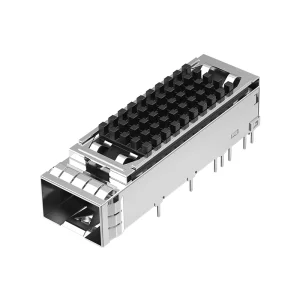
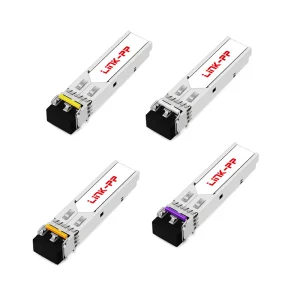
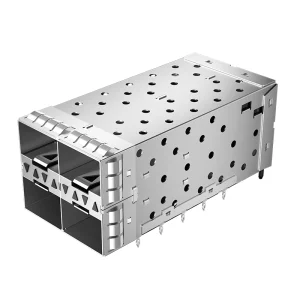
The global networking landscape is undergoing a massive architectural shift. Historically, copper-based Ethernet Cable Connectors (predominantly standard and modular RJ45 designs) dominated local enterprise and campus networks. However, with the exponential rise of Artificial Intelligence (AI) clusters, machine learning compute environments, and high-frequency trading (HFT) platforms, the demand for bandwidth and ultra-low latency has forced a convergence between traditional copper infrastructure and active optoelectronic devices.
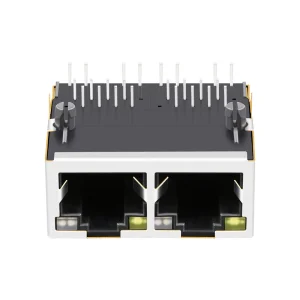
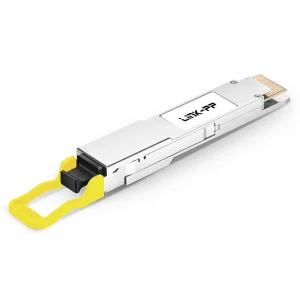
Modern data centers no longer treat physical layers as passive components. Whether dealing with a 10G Base-T Multi-port PCB RJ45 Modular Jack or a high-capacity 400G QSFP-DD PAM4 Optical Transceiver Module, signal integrity, EMI mitigation, and thermal efficiency are critical. To maintain stability across massive computing structures, enterprise buyers and system integrators must thoroughly understand both the passive connector hardware and active optical components that link modern switches and routers.
Global procurement and design engineers face unique bottlenecks when sourcing Ethernet components and optical transceivers. Addressing these challenges is key to ensuring network longevity and stability:
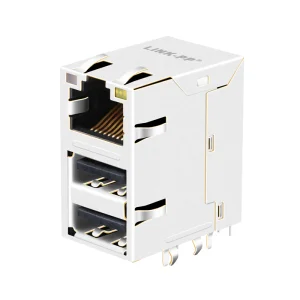
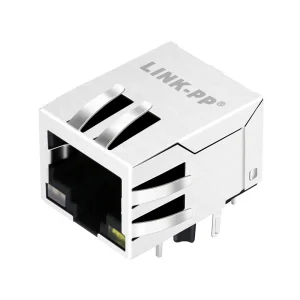
Copper technology remains highly cost-effective for short distances, utilizing innovations like multi-port RJ45 connectors with integrated magnetics (MagJack) to save board space and provide isolation. However, physical constraints limit copper over long distances at speeds exceeding 10Gbps.
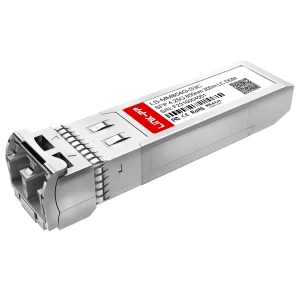
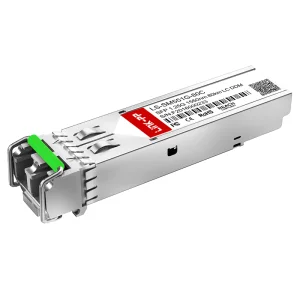
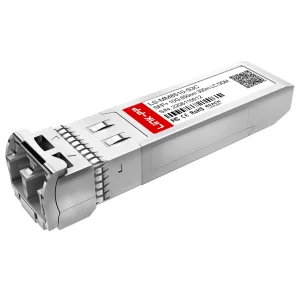
For data transmission over longer runs and high bandwidth interfaces, active optical transceivers—ranging from 10G SFP+ to 400G QSFP-DD and future 800G/1.6T form factors—use PAM4 (Pulse Amplitude Modulation 4-Level) coding and silicon photonics. This ensures clean, low-latency performance over single-mode (SMF) or multi-mode fiber (MMF), bypassing the signal attenuation and EMI risks associated with traditional copper links.
Integrated magnetics shield against common-mode noise and protect PHY chips from power surges.
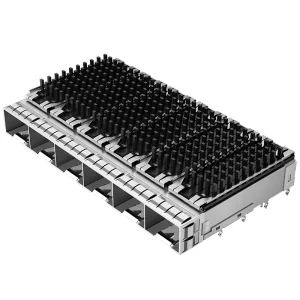
Advanced through-hole technology (THT) and press-fit cage structures optimize airflow and dissipation.
Custom EEPROM coding processes ensure seamless integration with major network operating systems.
Lumopt Opto Technology Co., Ltd. (registered as Luguang Communication Technology Co., Ltd. in China) is an established Chinese manufacturer and exporter specializing in high-performance optical transceivers and network interconnects.
We focus on the R&D, production, and customization of a full series of optical modules covering 10G, 25G, 100G, 400G, 800G, and 1.6T products. These components are widely applied in data centers, telecom networks, cloud computing, AI computing equipment, and enterprise communication systems.
Equipped with standardized dust-free production workshops, advanced automatic testing equipment, and a professional technical R&D team, we implement strict quality control throughout the whole production process. All our optical transceivers comply with international industry standards and have passed relevant reliability certifications, supporting OEM & ODM customized services to meet diverse demands from global buyers.
Adhering to the core concept of stable quality, competitive pricing, and reliable after-sales support, Lumopt has built long-term cooperative partnerships with distributors, system integrators, and communication enterprises all over the world.
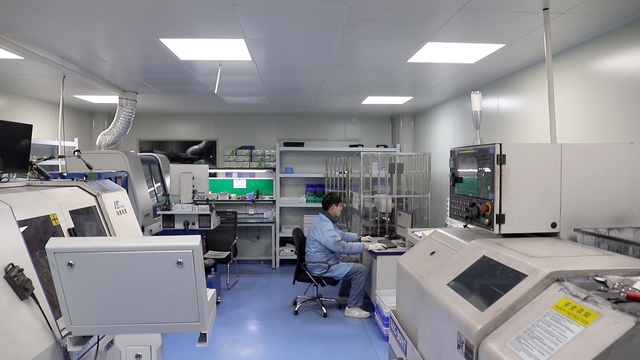

Maintaining micro-tolerance alignment and clean connections requires rigorous precision. Here is how Lumopt controls quality across the production line:
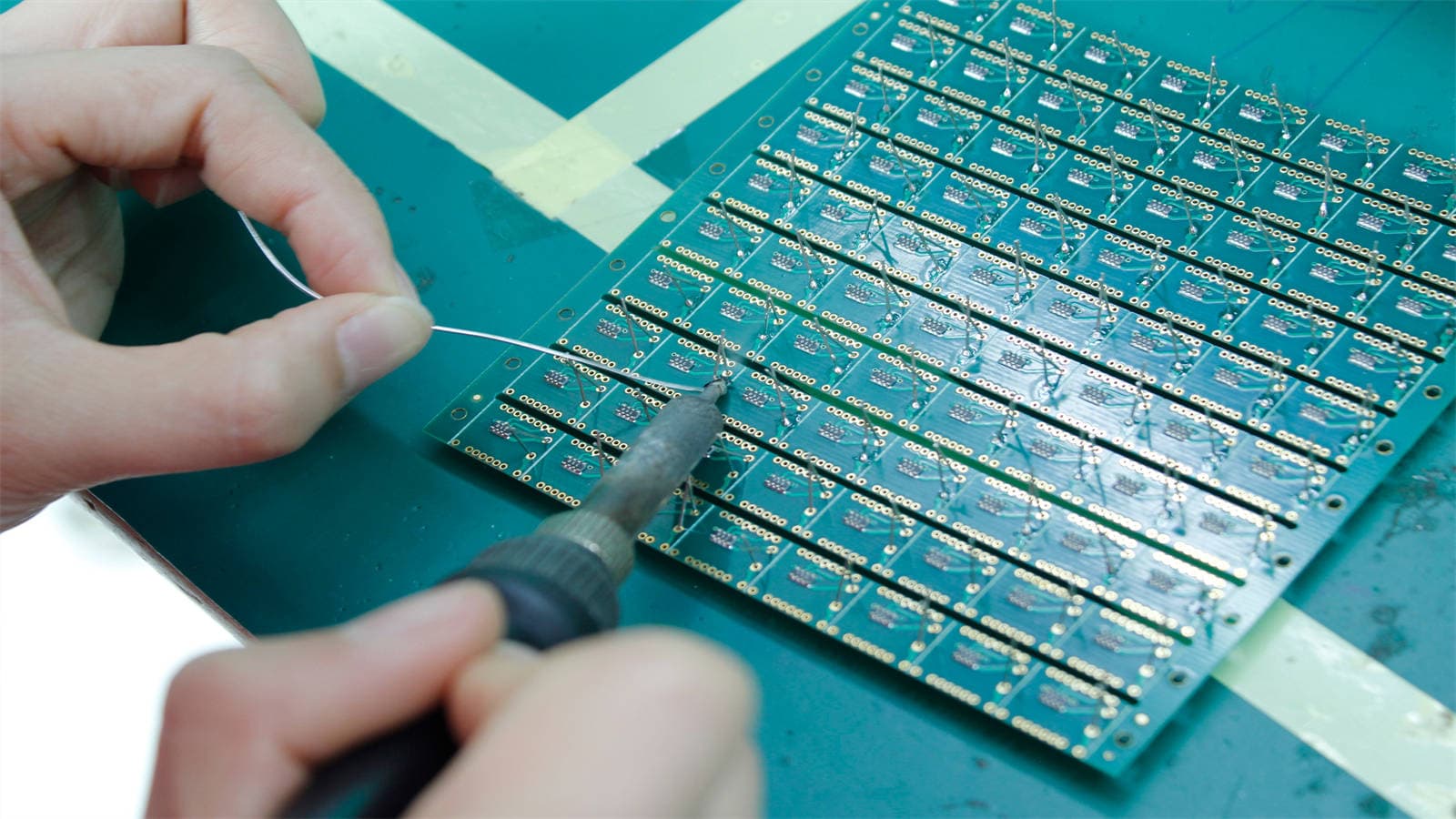
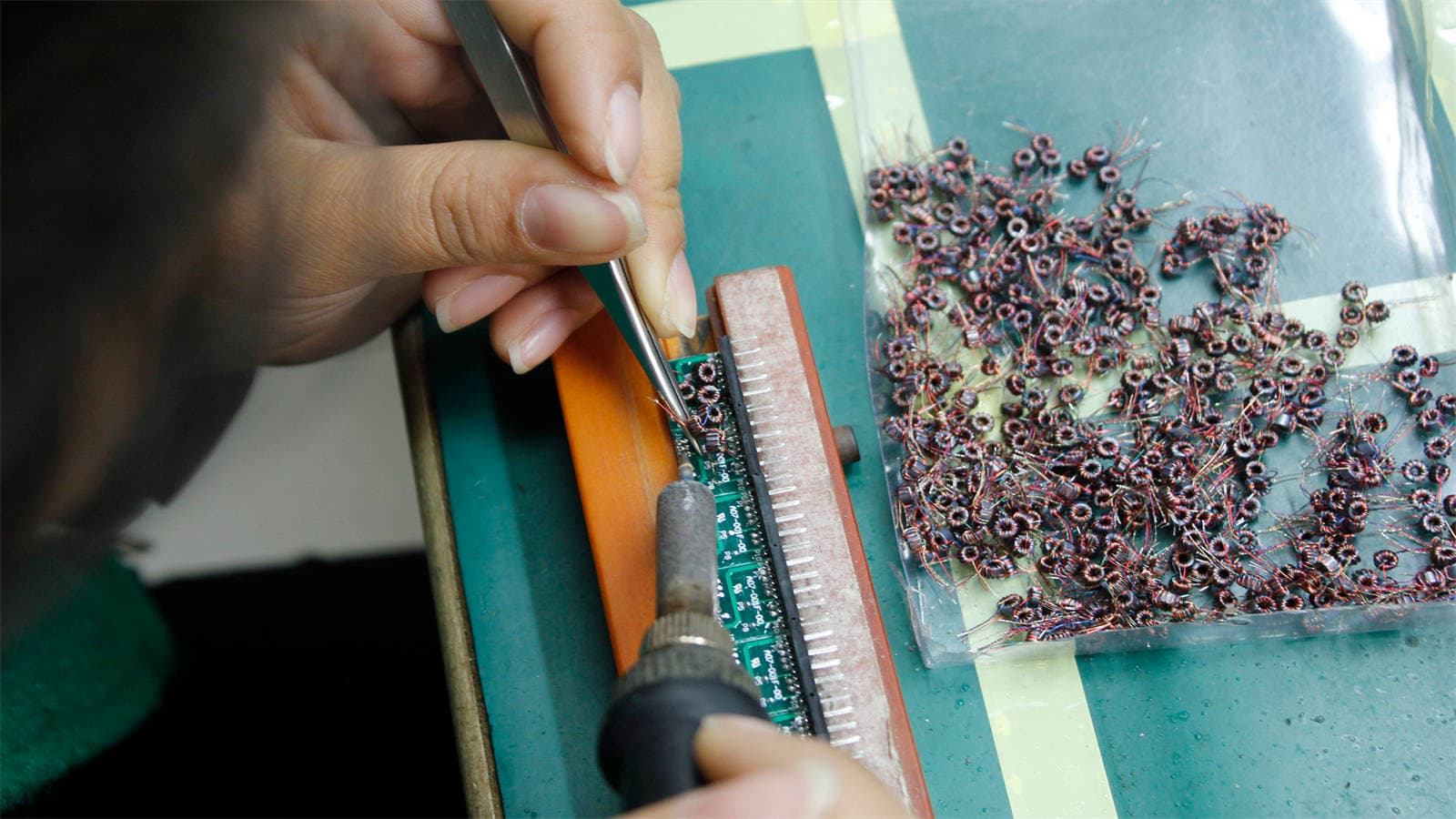
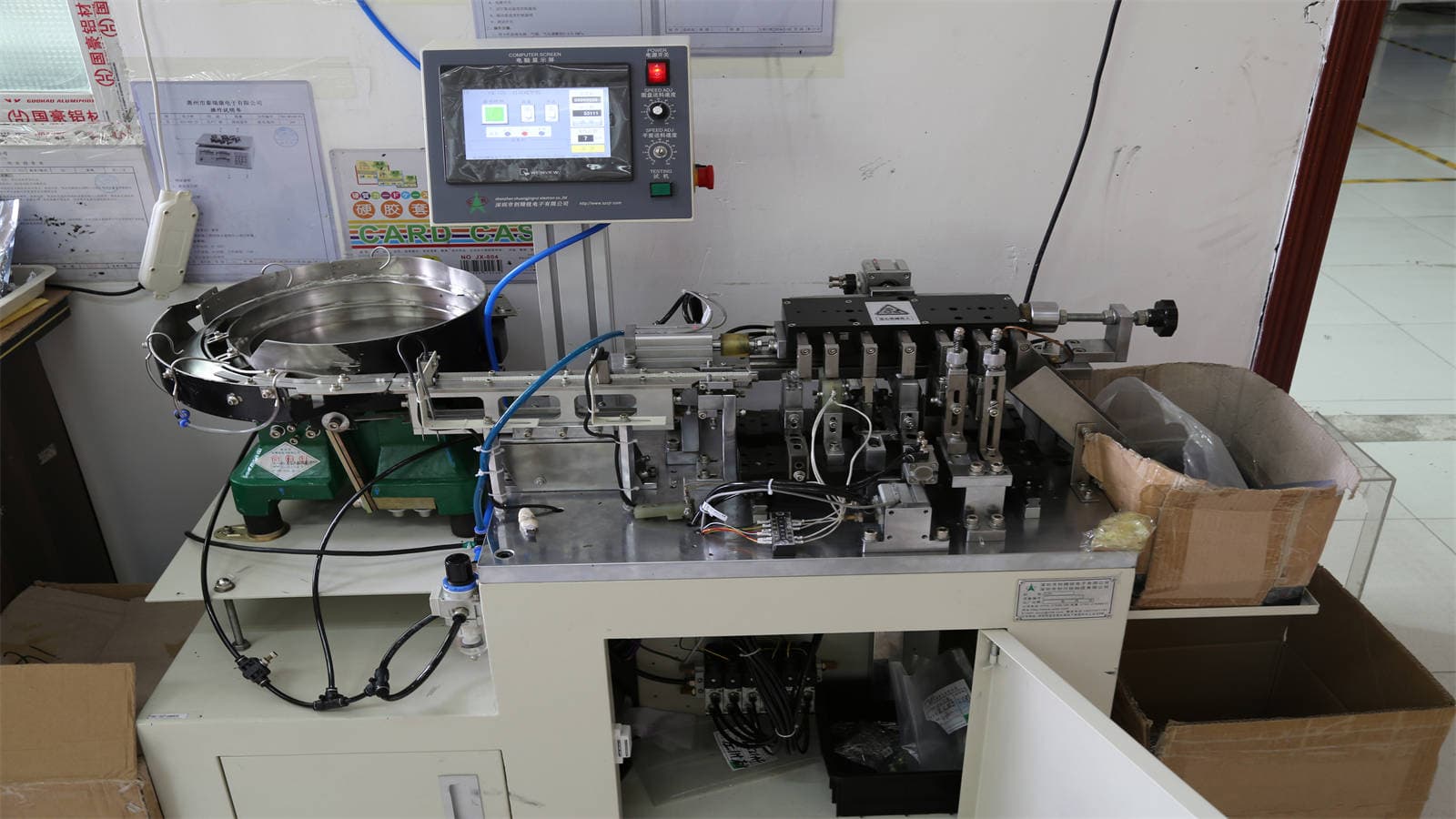
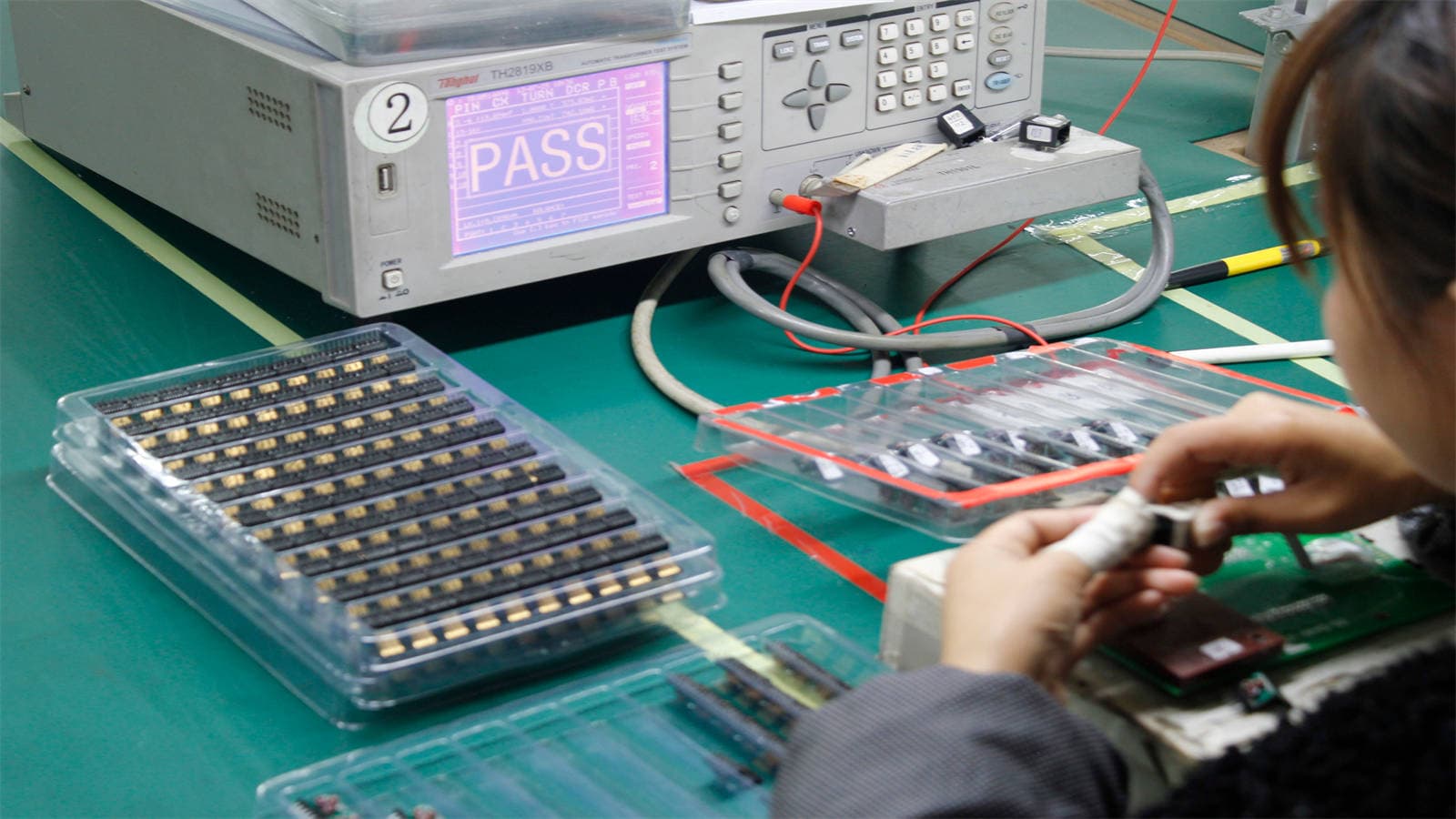
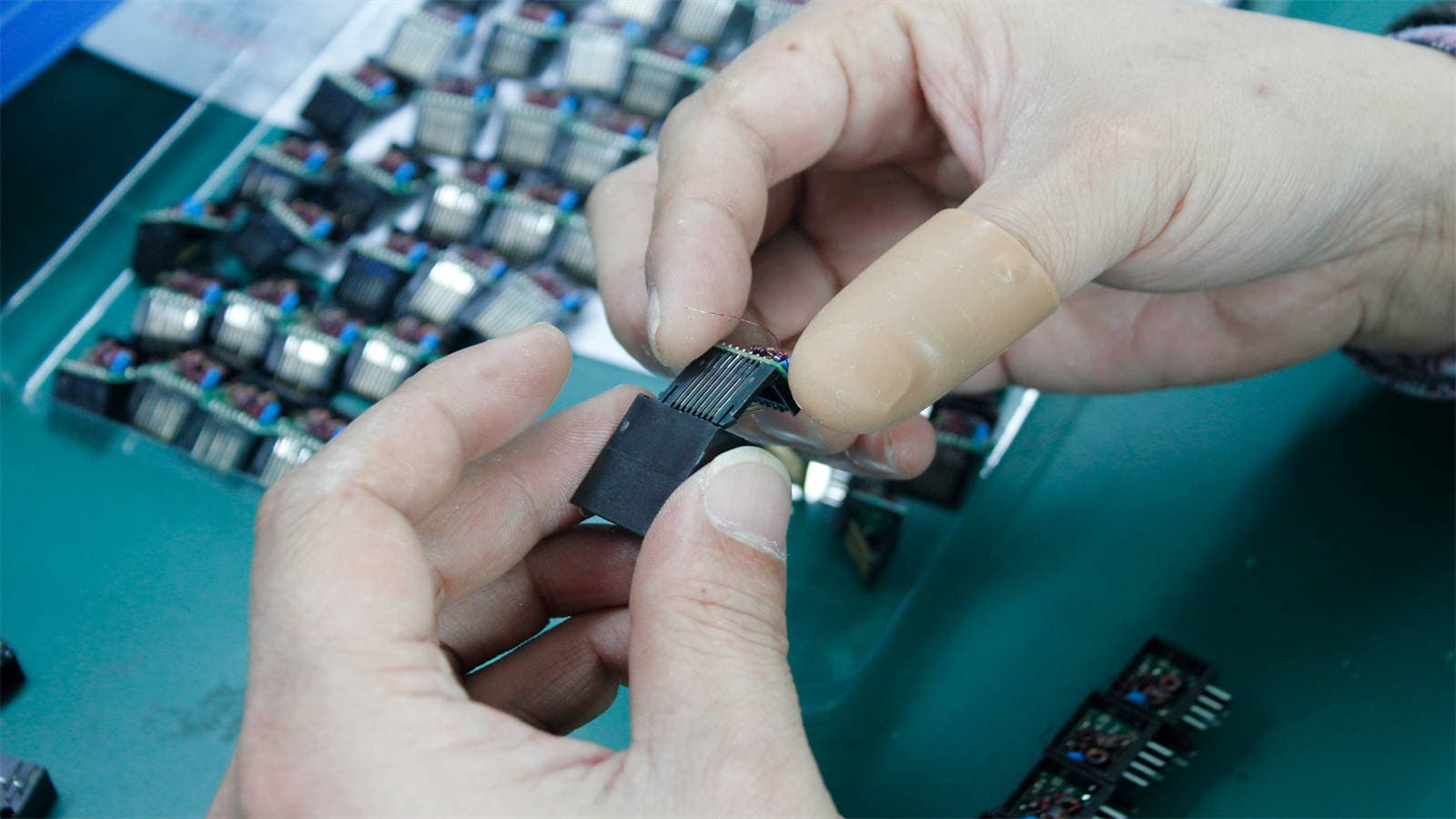
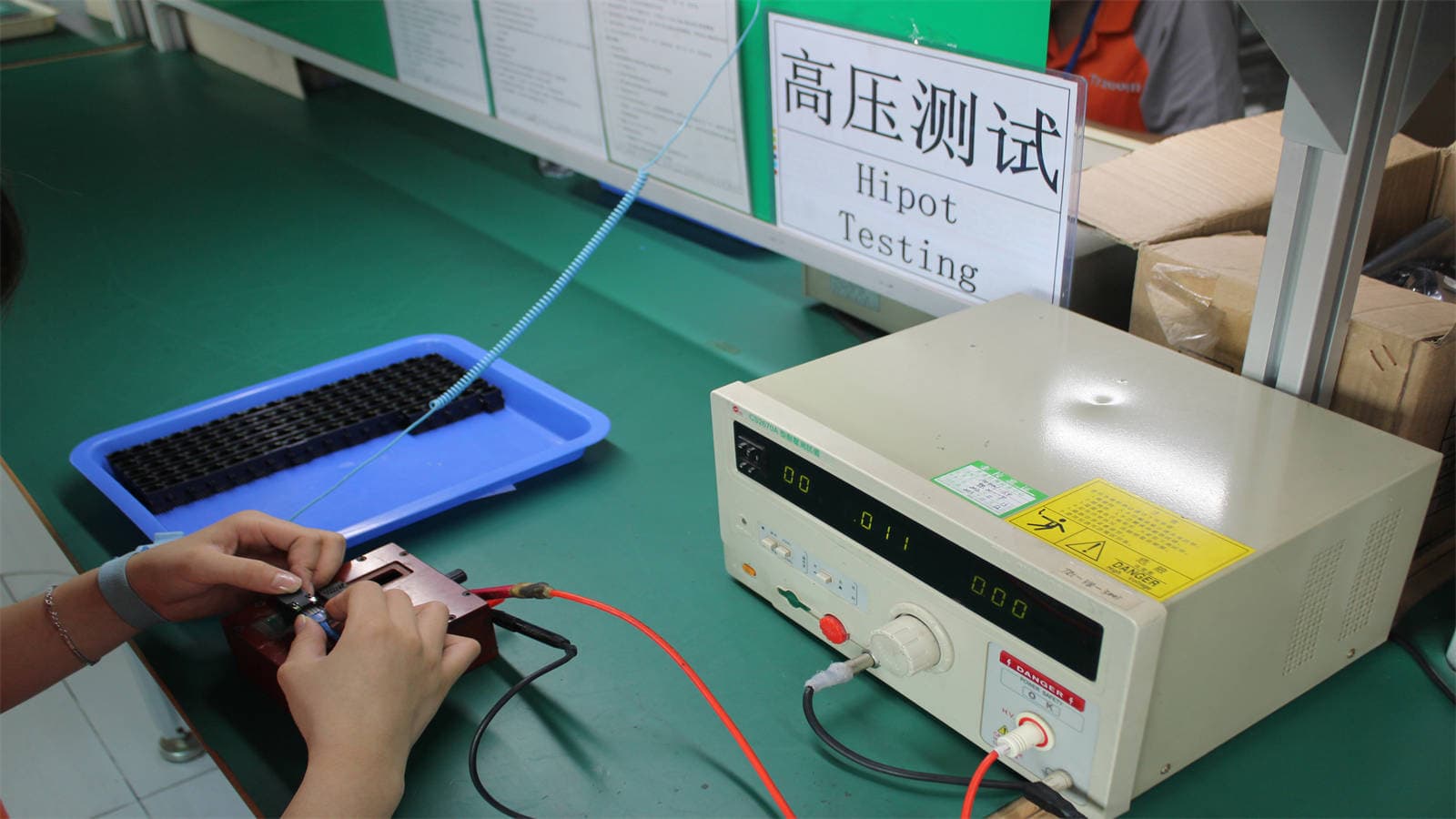

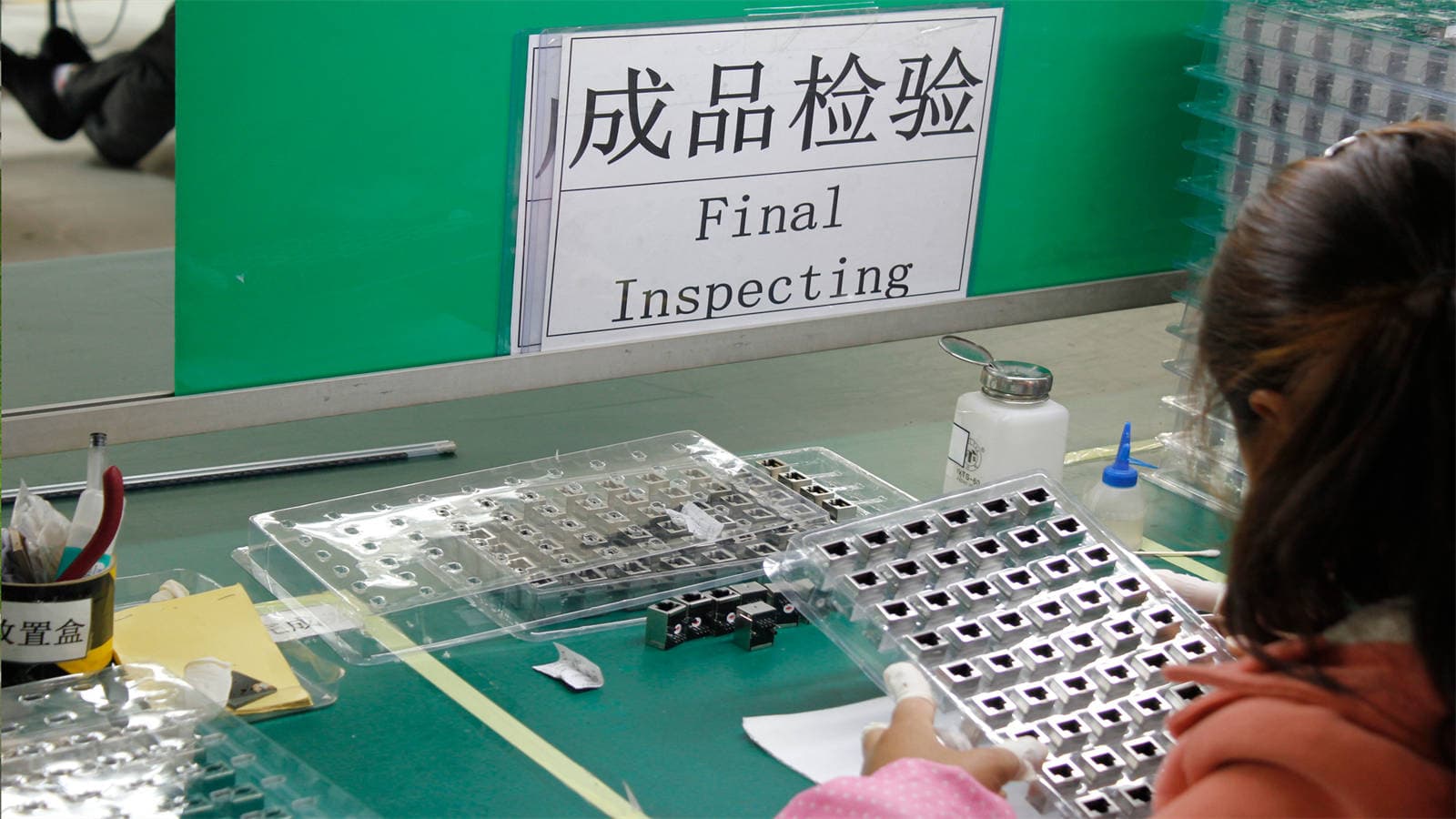

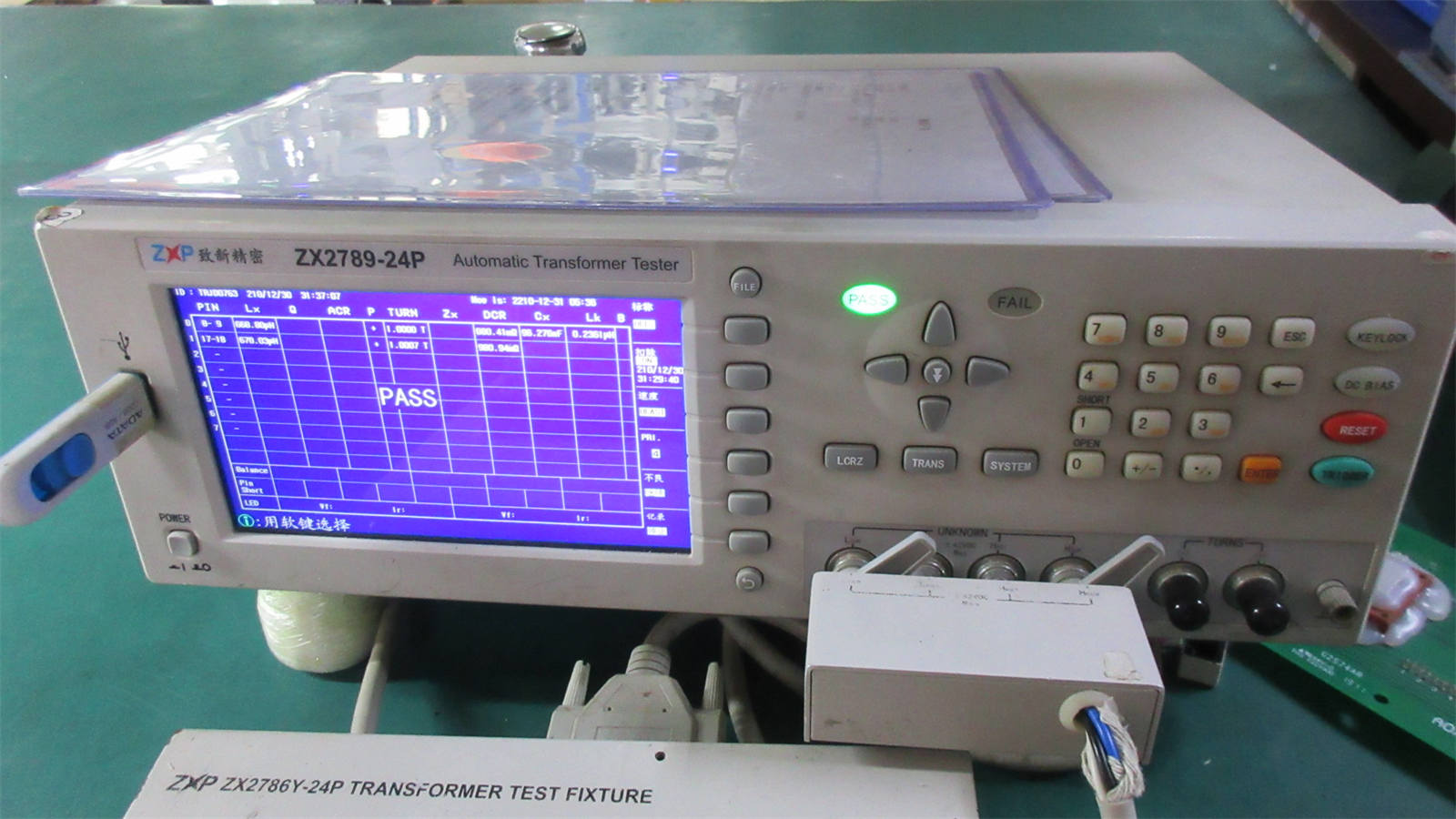
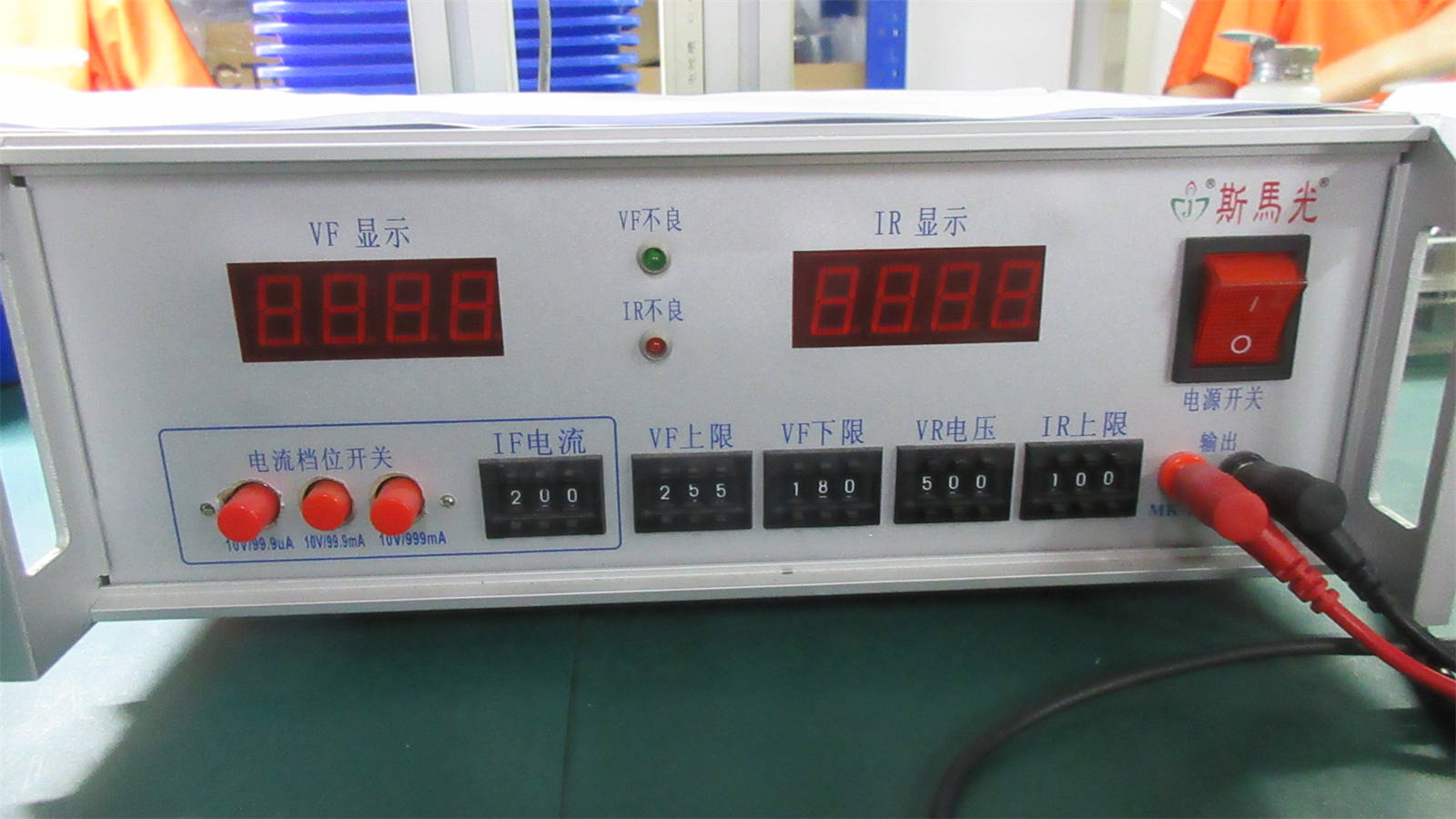
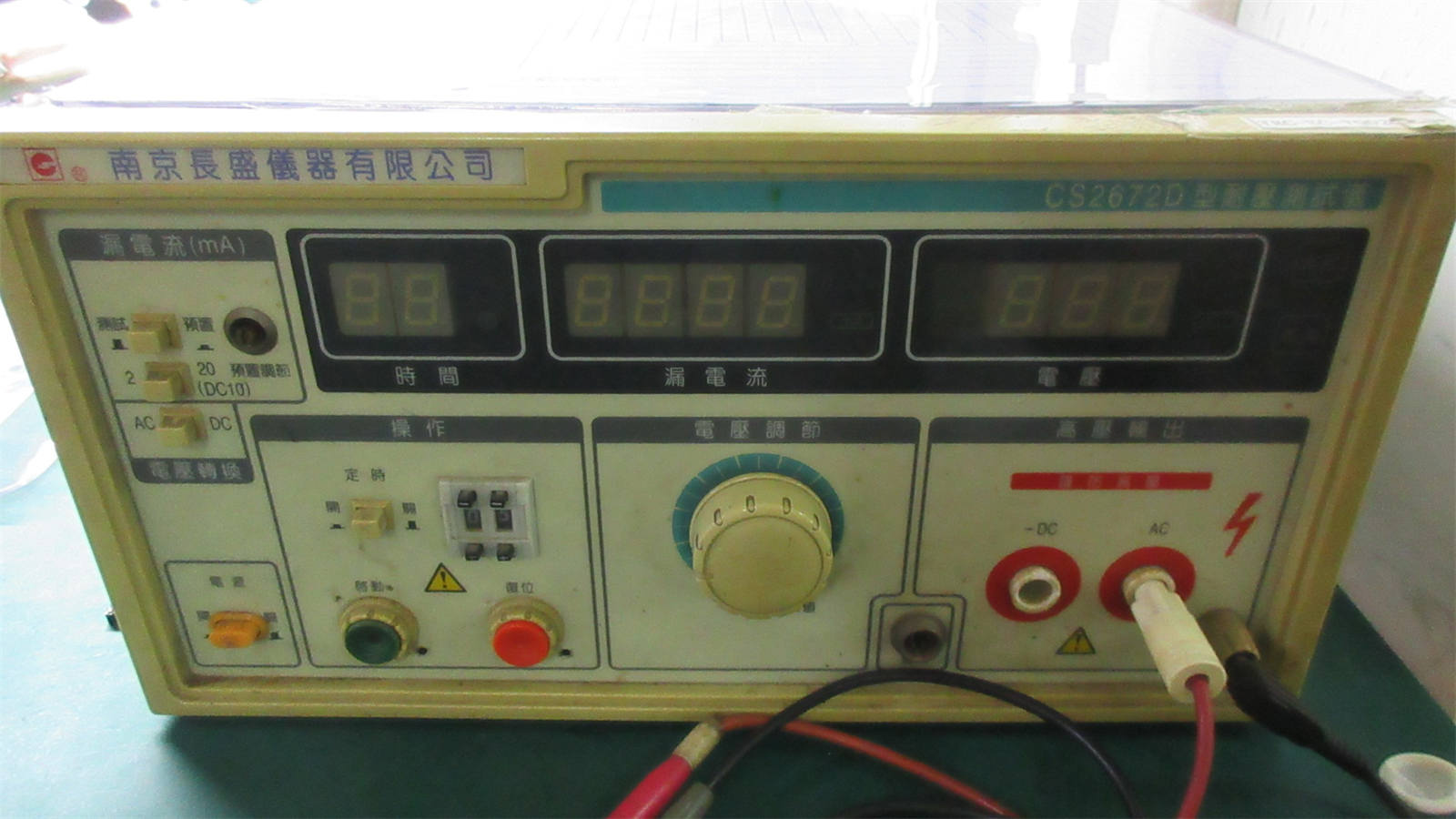
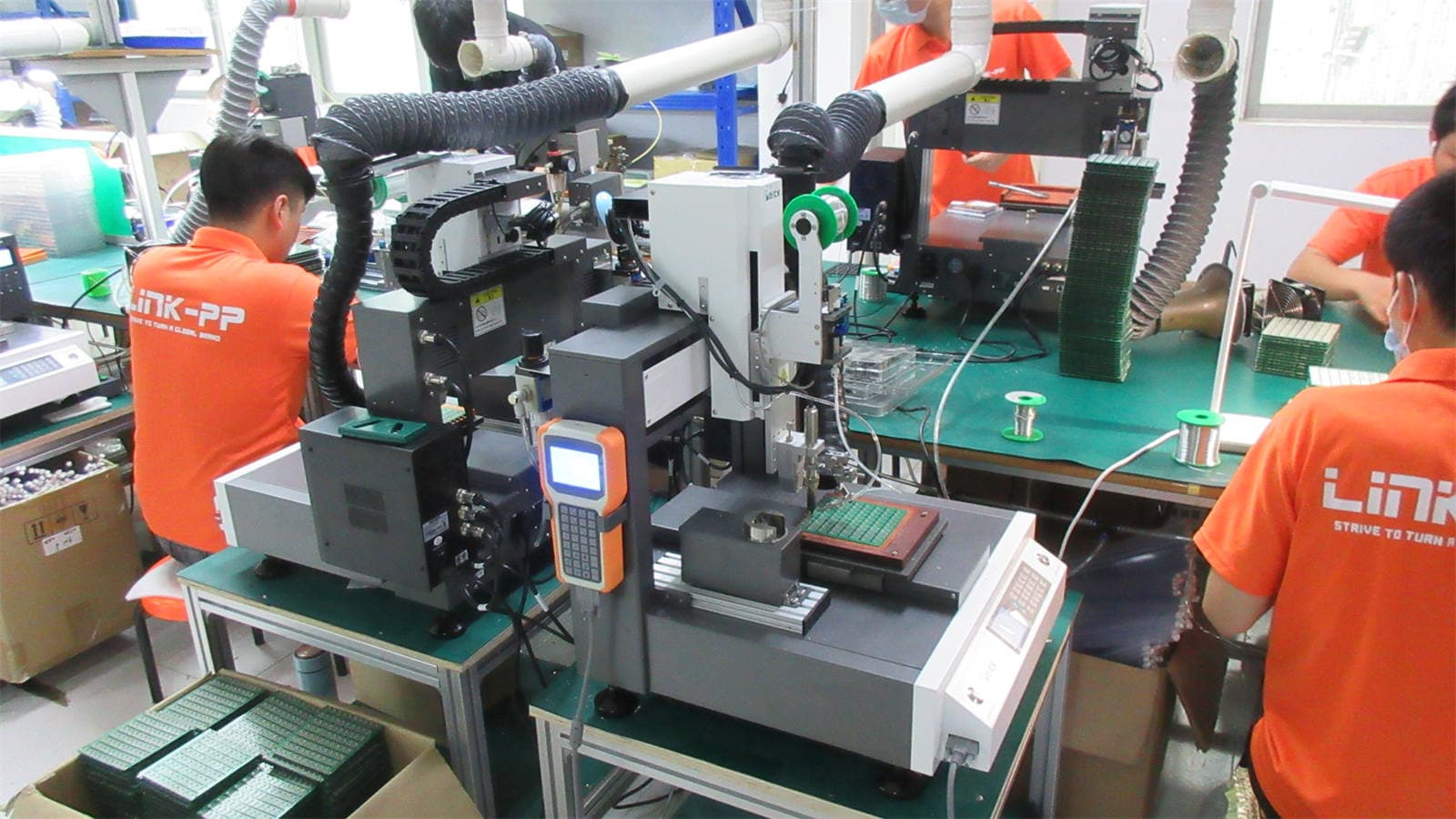
High yields depend on precision manufacturing. Our production floor uses specialized automated machinery and diagnostic systems to verify every electrical connection and optical alignment:
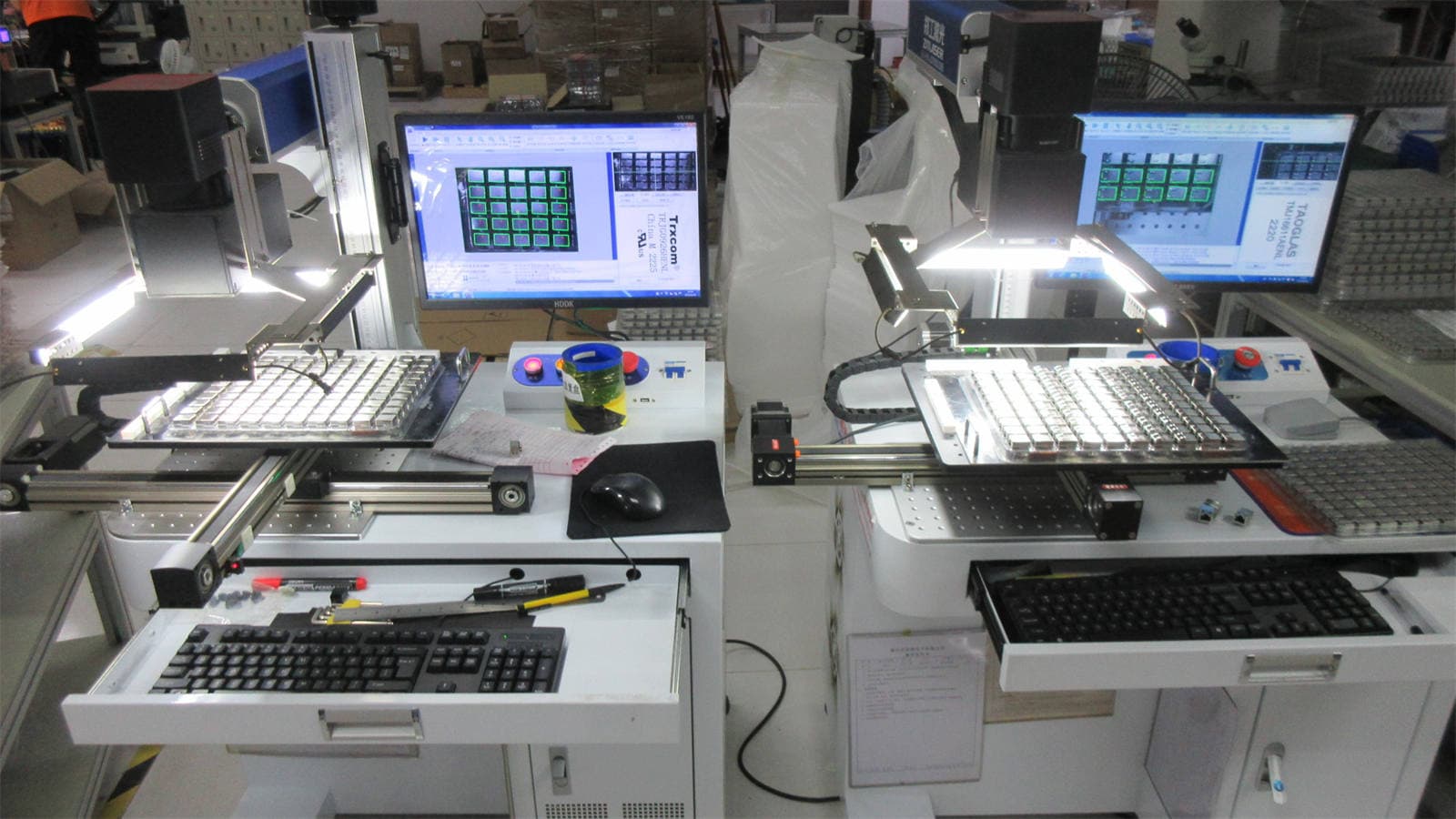
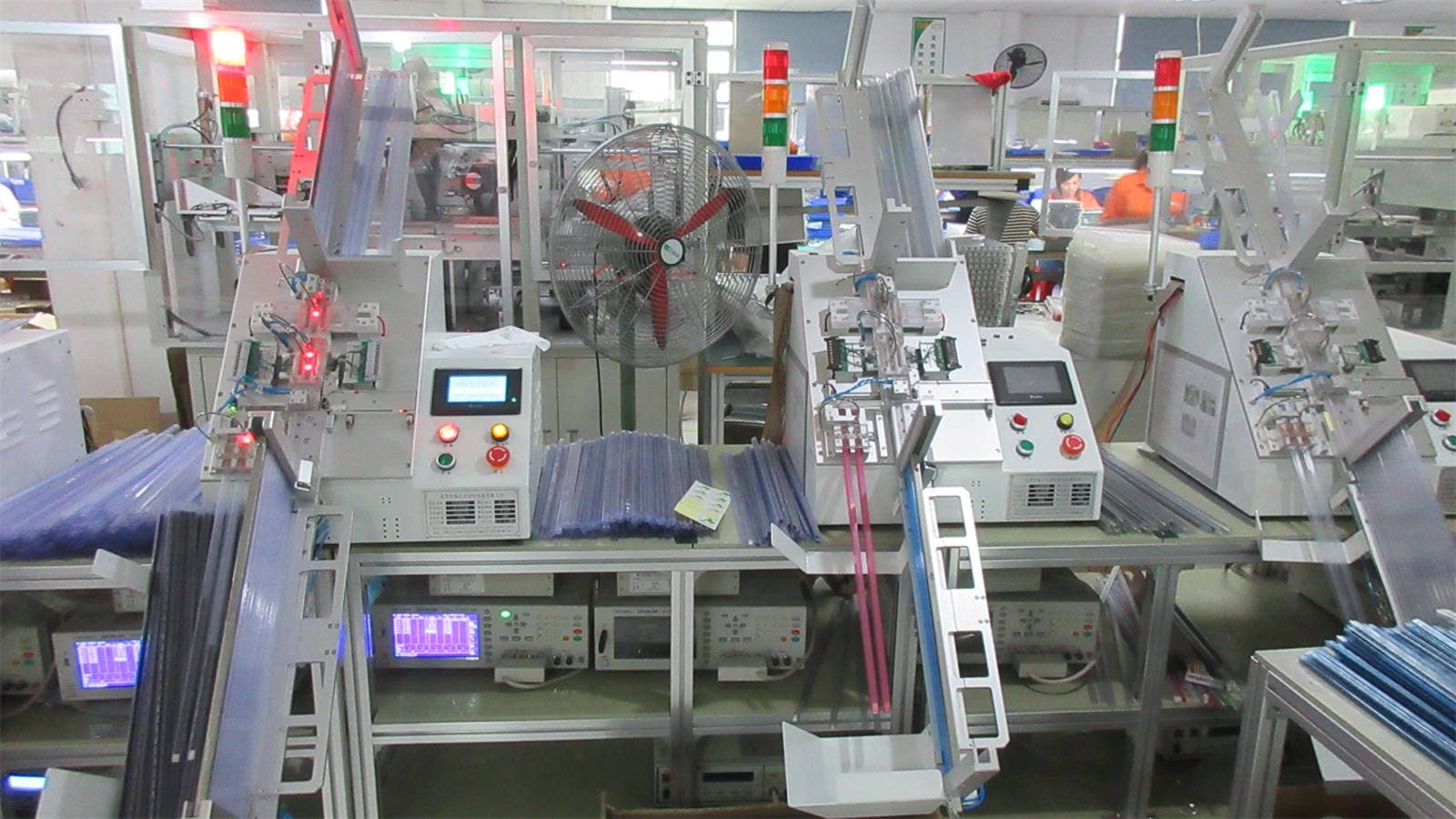
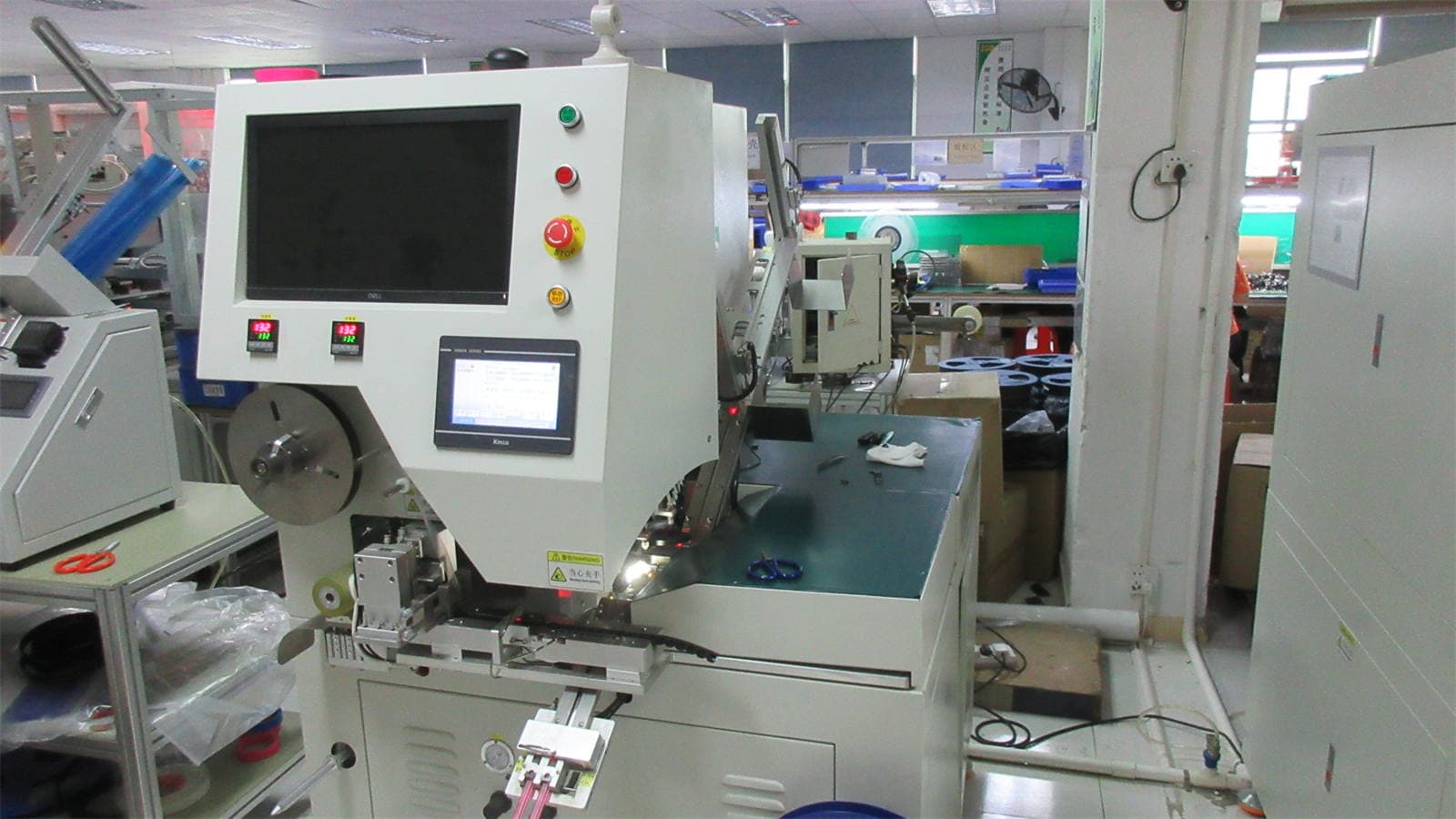
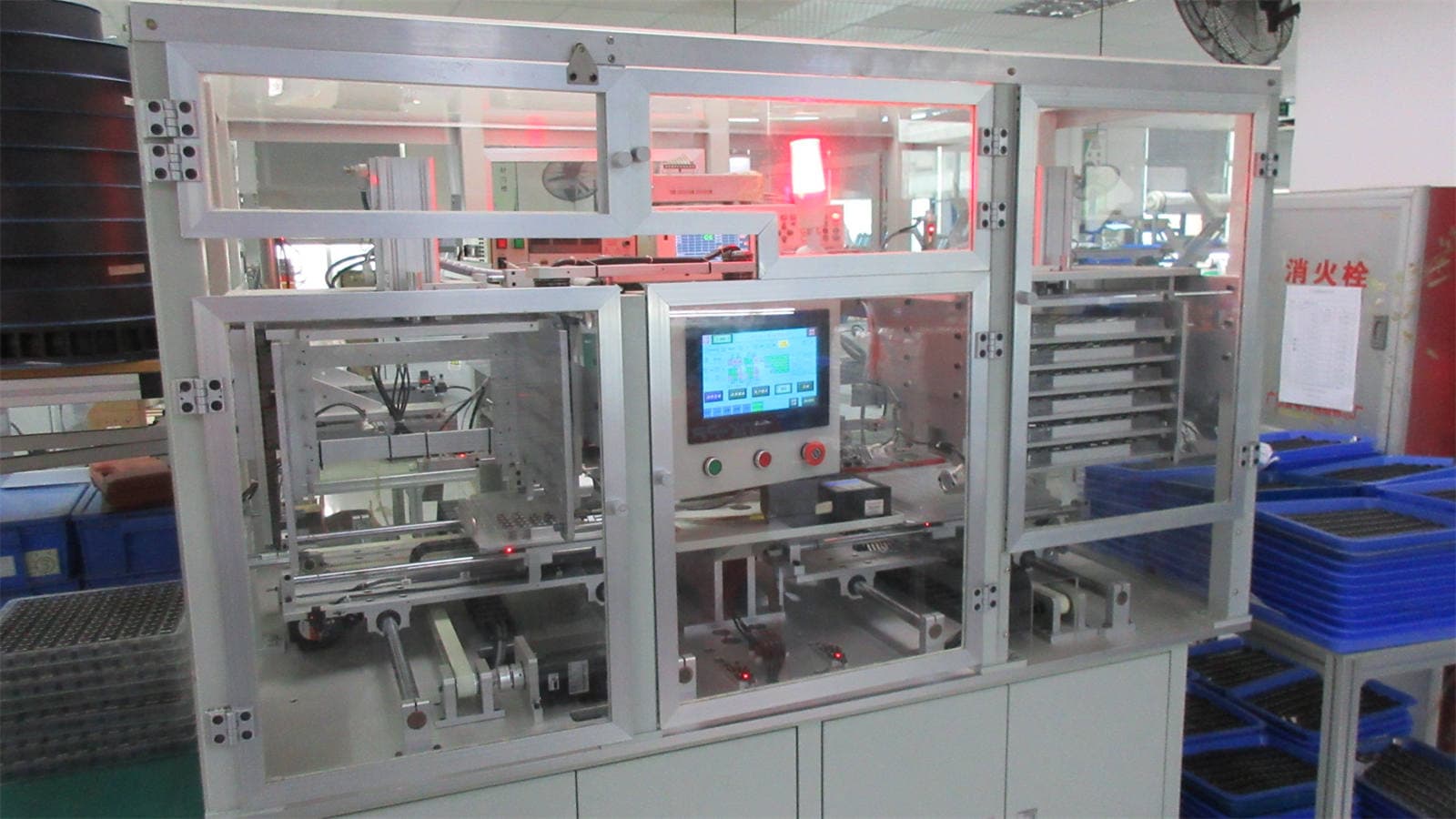
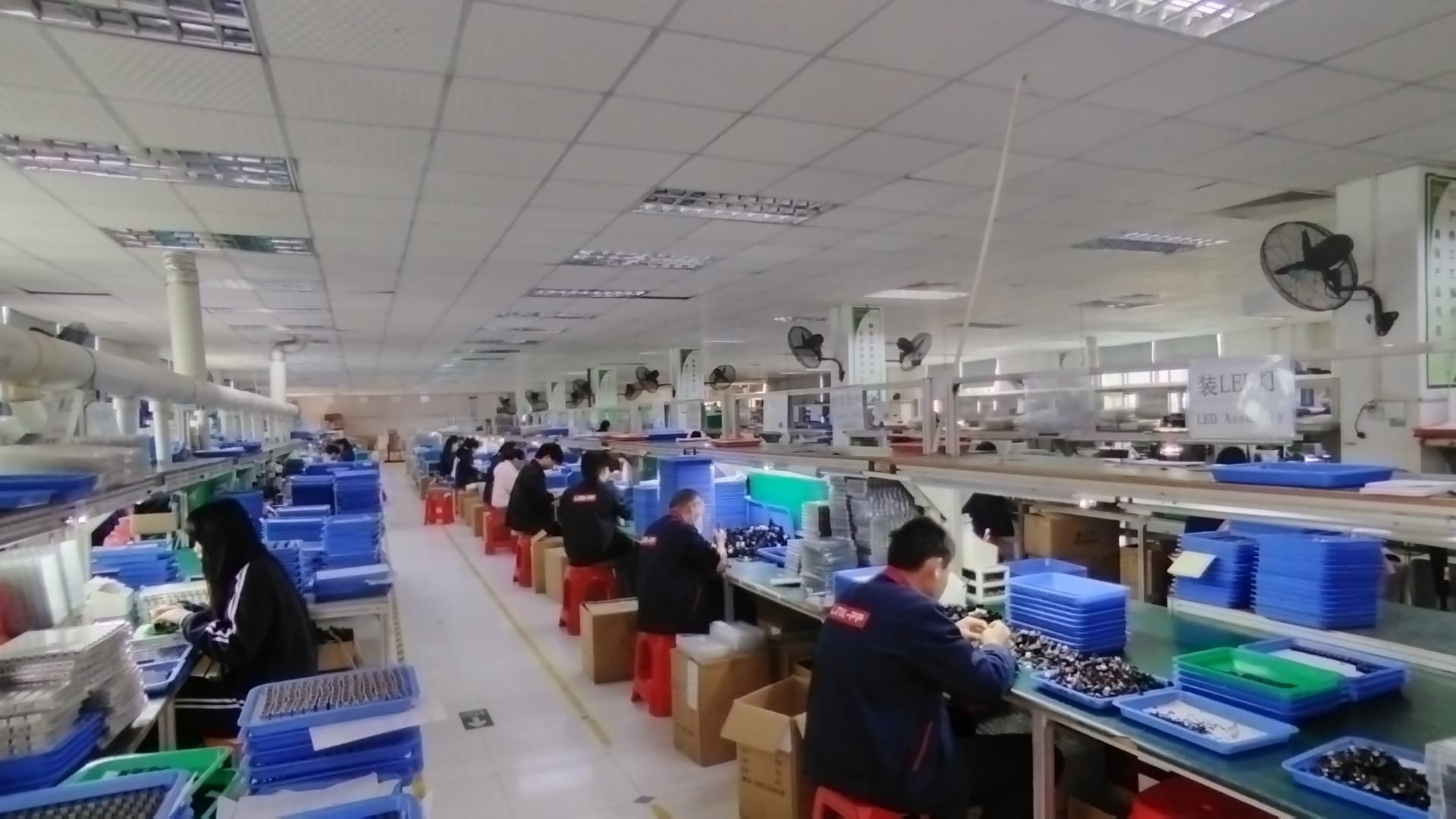
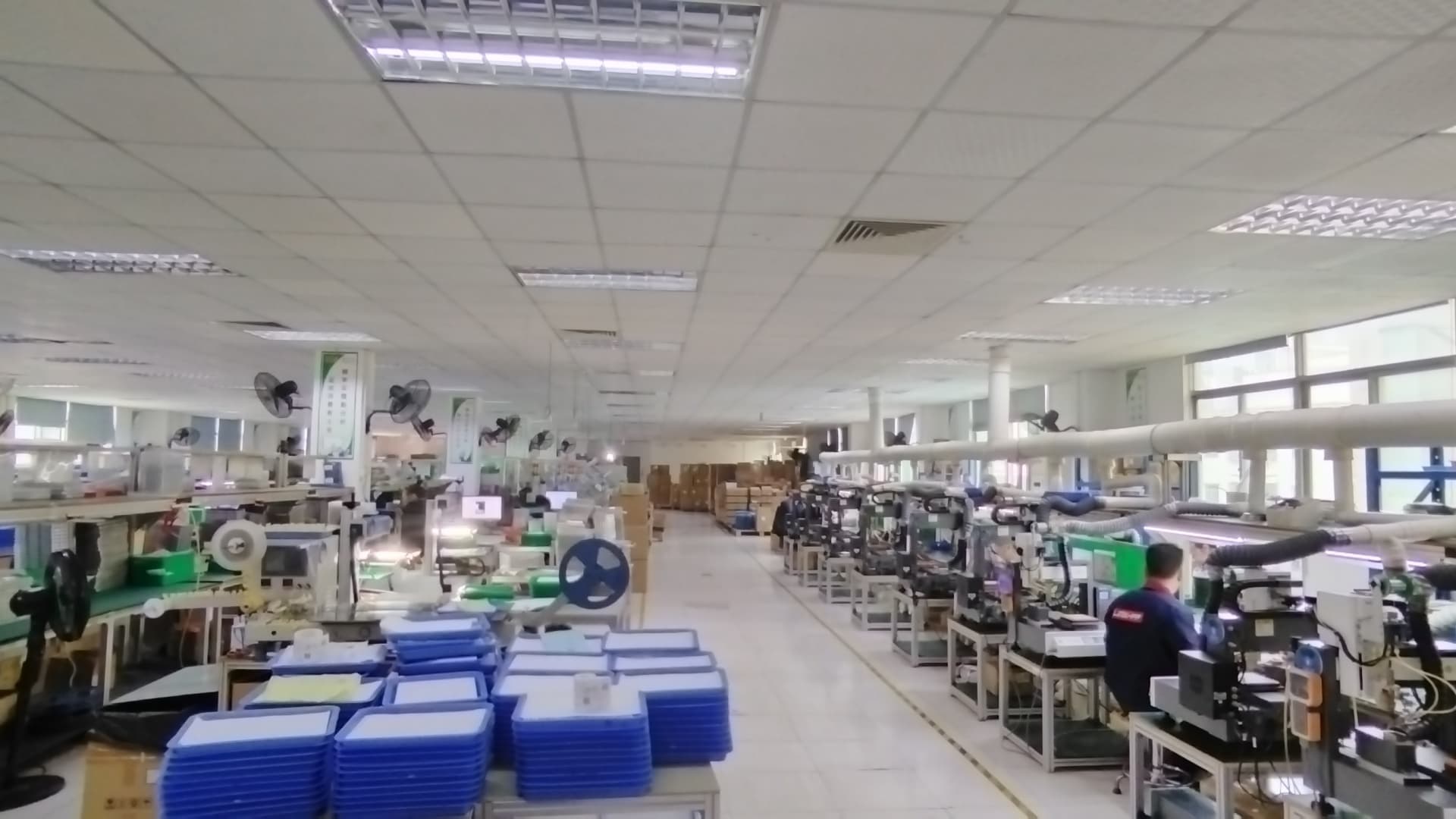
To assist procurement teams in making informed sourcing decisions, the table below highlights the comparative advantages and focal areas of the industry's top 10 manufacturers and exporters:
| Manufacturer / Brand | Core Product Focus | Primary Target Market | Sourcing Advantage |
|---|---|---|---|
| TE Connectivity | High-density SFP Cages, Heavy Industrial RJ45 | Automotive, Enterprise Networking, Aerospace | Industry-standard IP patents, high durability |
| Amphenol | High-speed Backplane Connectors, QSFP cages | Hyperscale Cloud Data Centers, Industrial Systems | Excellent thermal design for stacked systems |
| Molex | Micro-connectors, Magnetic RJ45 Modular Jacks | Consumer Electronics, Industrial Automation | Massive global supply chain footprint |
| Lumopt (Luguang Comm) | Compatible Optical Transceivers (10G-400G), RJ45 Jacks | Telecom Networks, AI Data Clusters, Enterprise Communication | OEM/ODM pricing, custom EEPROM coding, fast turnaround |
| Hirose Electric | SMT Modular Sockets, Low-Profile RJ45 Connectors | Medical Equipment, Compact Device Telecom | High-precision miniaturized connector assemblies |
| Harting Technology | Heavy-Duty Industrial RJ45, Ethernet M12 Round Connectors | Rail Transit, Smart Factory Robotics, Automation | IP65/IP67 ruggedization, extreme vibration tolerance |
| Belden (Stewart Connector) | CAT6A/CAT8 Plugs, Shielded Keystone Sockets | Structured Structured Cabling Systems | Excellent transmission performance over copper |
| Foxconn Interconnect Tech | High-volume Optical transceivers, standard RJ45 | PC OEM, Telecom Infrastructure | High-volume manufacturing capacity |
| Phoenix Contact | DIN-Rail mounted Ethernet, field-installable plugs | Process Automation, Energy Grids | Fast tool-free termination designs |
| Panduit | Enterprise Keystone jacks, network distribution systems | Smart Buildings, Corporate Networks | Comprehensive structured cabling eco-systems |
RJ45 connectors with integrated magnetics (MagJacks) contain isolation transformers and common-mode chokes. These components shield physical layer chips (PHY) from electromagnetic interference (EMI), common-mode noise, and static discharge, ensuring signal integrity across copper runs.
As ports are packed closer together on network switches, high-frequency signals can leak and cause crosstalk. Shielded cages feature metal finger gaskets or press-fit pins that ground the enclosure to the PCB, minimizing EMI leakage and ensuring compliance with FCC and CISPR limits.
Single-mode (SMF) optical transceivers operate using a narrow laser path (typically 1310nm or 1550nm) and are designed for long distances (up to 10km-80km). Multi-mode (MMF) transceivers use a wider optical core (typically 850nm) and are ideal for shorter, cost-effective runs within data center racks (up to 100m-300m).
Lumopt uses advanced EEPROM programmers to write vendor-specific microcode (including serial number formats, checksum values, and vendor identifiers) onto each optical transceiver. This guarantees that modules are recognized as native replacements by platforms like Cisco, Juniper, and Arista.
Press-fit SFP cages use elastic pins that wedge into plated through-holes on the PCB, providing a strong connection without heat. This makes installation easier, simplifies board rework, and avoids the thermal stress that soldering can introduce to nearby components.
Unlike standard NRZ modulation, which uses binary states (0 and 1) to transmit one bit per cycle, PAM4 uses four signal levels (00, 01, 10, 11) to transmit two bits per cycle. This effectively doubles the data throughput without requiring a corresponding increase in laser transmission frequency.