Lumopt
Lumopt
Lumopt
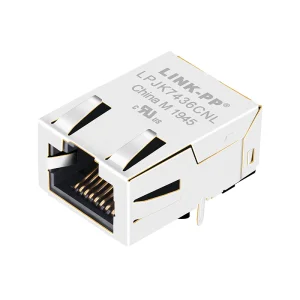
Engineered to meet IEEE 802.3 standards with advanced magnetic filters, integrated EMI suppression, and precision gold-plated configurations.
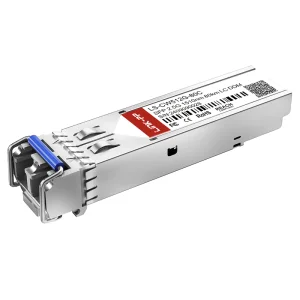
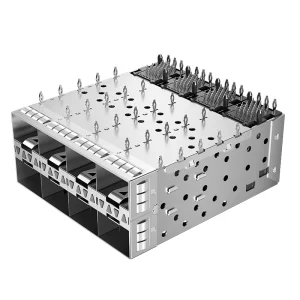
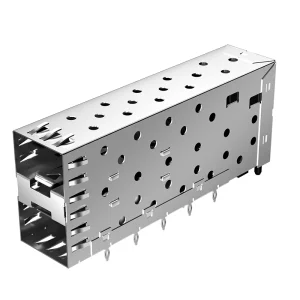
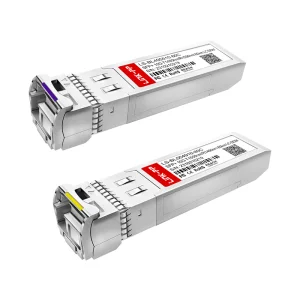
A comprehensive B2B purchasing guide covering electrical engineering, material sciences, and environmental compliance.
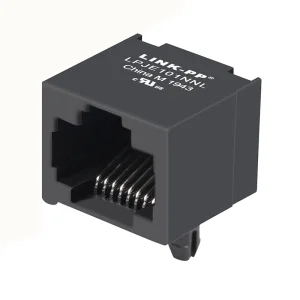
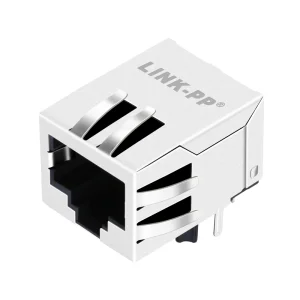
In high-frequency data networks, telecommunications, and industrial automation, the RJ45 connector housing acts as the physical, structural, and electromagnetic foundation of the interconnect interface. Sourcing managers, system hardware architects, and engineering leads must look beyond basic dimensions to identify suppliers capable of meeting the rigorous requirements of modern edge-computing and enterprise networking environments.
High-quality RJ45 housings are molded from advanced engineering thermoplastics. The industry standard mandates the use of LCP (Liquid Crystal Polymer), PPS (Polyphenylene Sulfide), or high-temperature nylon (PA46 / PA9T). These materials are chosen for their high glass transition temperatures, maintaining mechanical tolerance stability up to 260°C to withstand lead-free wave and SMT (Surface Mount Technology) reflow soldering processes.
Exceptional flow properties for thin-walled molding. Best suited for fine-pitch multi-port RJ45 architectures (e.g., stacked 2x4 configurations).
High mechanical toughness and excellent wear resistance. Favored for rugged industrial applications with frequent mating cycles.
Cost-effective housing material with high chemical resistance. Typically restricted to through-hole components operating under lower peak temperatures.
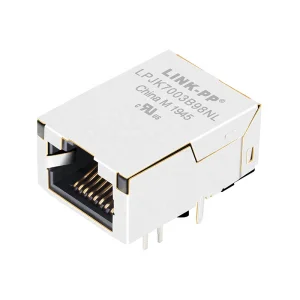
To prevent Near-End Crosstalk (NEXT), Far-End Crosstalk (FEXT), and electromagnetic interference from adjacent high-speed circuits, the housing design must integrate a robust shielding cage. Copper alloy (brass or phosphor bronze) plated with nickel or tin is the standard. Look for suppliers who design housings with multiple grounding tabs (EMI fingers) to establish low-resistance contact with the chassis panel.
Data indicating the growing demand for high-speed RJ45 connectors driven by cloud data centers, IoT, and AI network expansion.
A objective analysis of the world's leading tier-1 connector brands and high-capacity manufacturing suppliers.
When selecting a supplier for bulk integration, understanding the capabilities of top global manufacturers helps benchmark lead times, customization limits, and compliance. Below is an overview of the key players defining structural and electrical standards in the RJ45 ecosystem:
Known for highly engineered structural solutions, TE Connectivity offers a broad catalog of RJ45 modular jacks, including models featuring integrated magnetics (Mag45) and SFP cages. Their housings are optimized for robust mechanical retention and EMI shielding, making them a default standard for military, aerospace, and industrial networks.
Amphenol is a pioneer in ruggedized connector housings. They excel in IP67/IP68 rated water-resistant RJ45 shells designed for harsh deployment settings, such as outdoor telecom towers and marine installations. Their designs prioritize heavy metal casings and durable sealing gaskets.
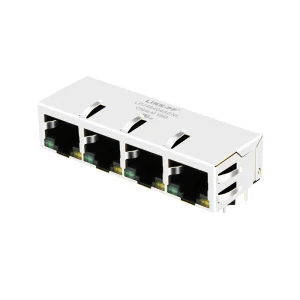
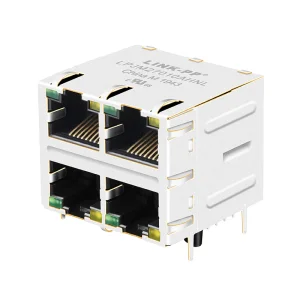
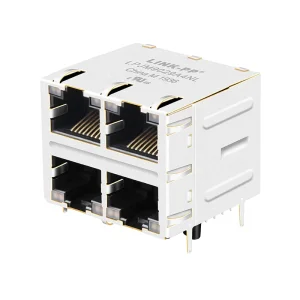
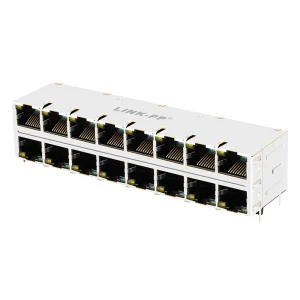
Molex specializes in high-density stacked configurations (e.g., 2x6 and 2x8 ports). Their multi-port RJ45 housings feature patented light-pipe integrated designs, minimizing footprint space on the PCB while providing status indicators directly inside the housing profile.
A major player in integrated magnetics, Pulse designs RJ45 housings that balance electrical filtration with compact structural footprints. Their products are widely used in commercial switches, routers, and high-frequency communication motherboards.
Stewart Connector's portfolio features high-performance RJ45 plugs and jacks designed for Cat6a and Cat8 transmission speeds. Their housing engineering focuses on reducing crosstalk (NEXT/FEXT) through optimized contact geometry and internal shielding barriers.
A Japanese leader in precision electronics, Hirose offers miniaturized RJ45 profiles with unique latch mechanisms that prevent accidental decoupling. Their housings are ideal for compact consumer devices and slim-profile switches.
Harting is synonymous with industrial ethernet (EtherNet/IP, PROFINET). Their RJ45 housings are built using metal die-cast shells, offering high mechanical resistance and superior resistance to chemical cleaners and industrial oils.
Würth offers a wide range of standard RJ45 connectors with integrated magnetics. Their housings are designed for easy automated SMT pick-and-place assembly, accompanied by extensive reference designs for hardware development.
An agile, high-volume manufacturing specialist in Asia, producing drop-in replacements for tier-1 brands. Their vertically integrated production makes them a competitive option for high-volume consumer and enterprise-grade network hardware.
A prominent, vertically integrated Chinese manufacturer specializing in high-performance optical transceivers and network interface hardware (RJ45 modular jacks, SFP/SFP+ cages). Backed by ISO-certified testing labs and comprehensive automated welding, Lumopt bridges the gap between copper and optical transceiver modules, offering complete system integration solutions.
How state-of-the-art Chinese factories utilize vertical integration, automated precision assembly, and strict testing protocols to achieve global competitiveness.
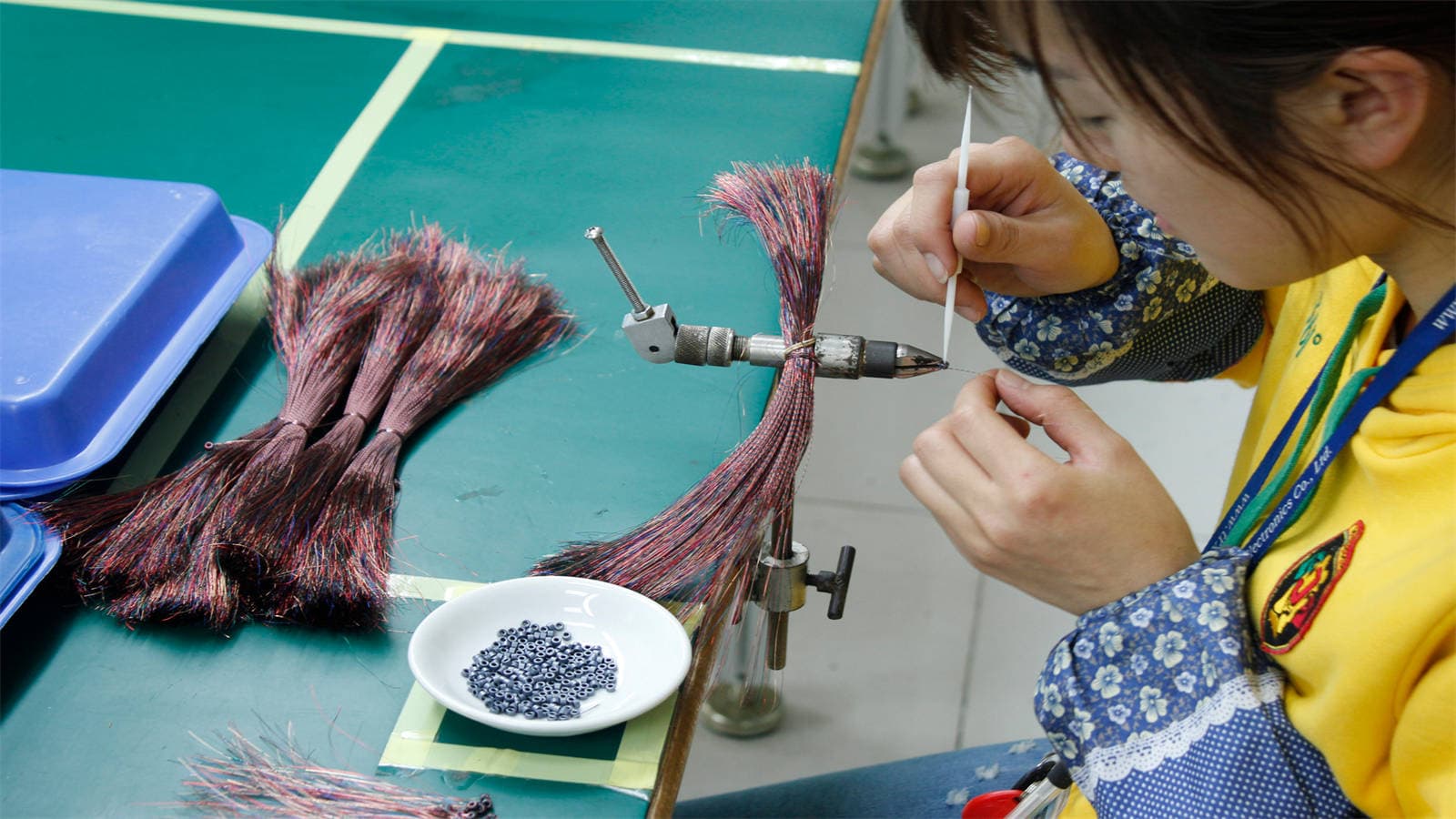
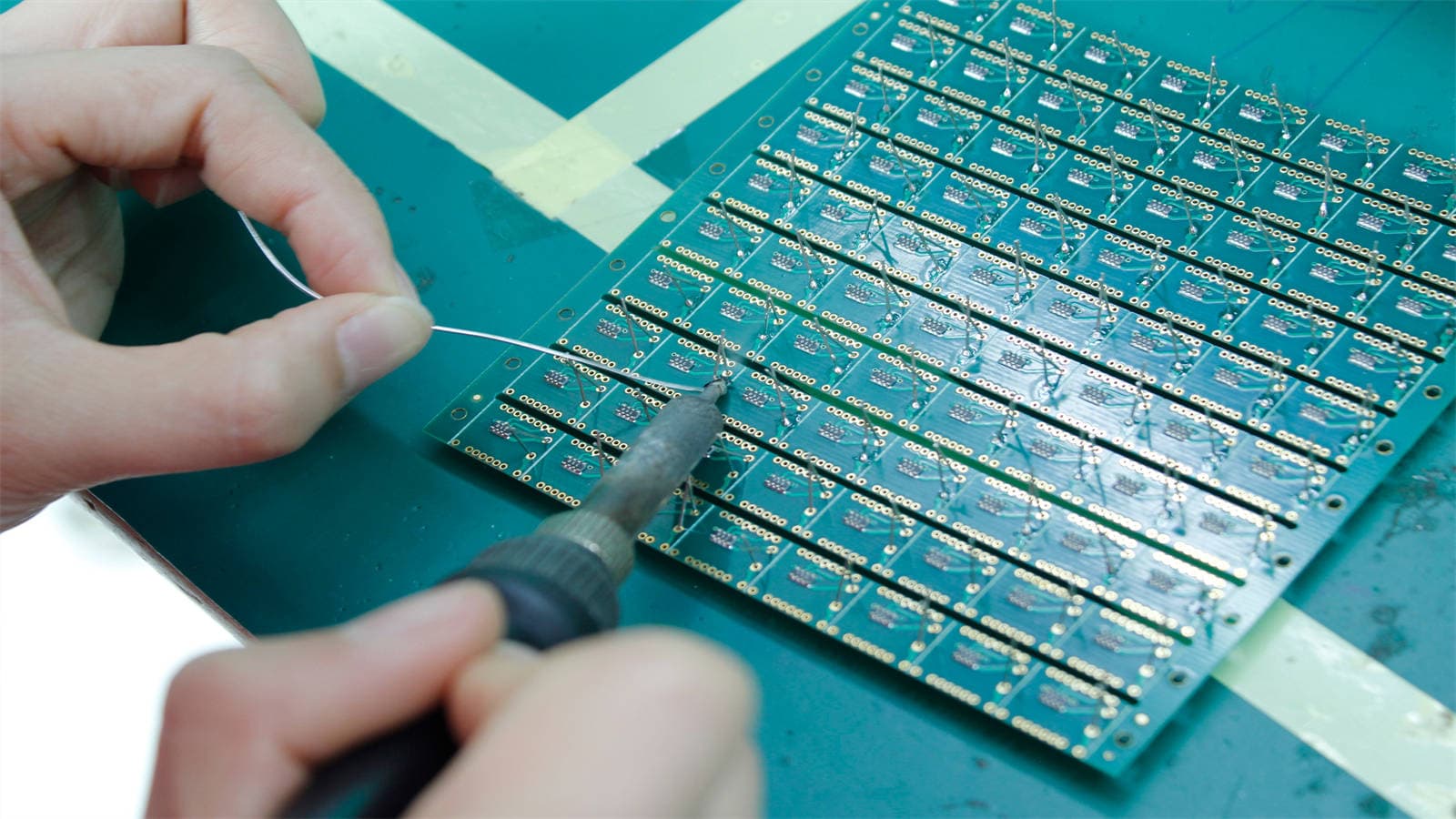
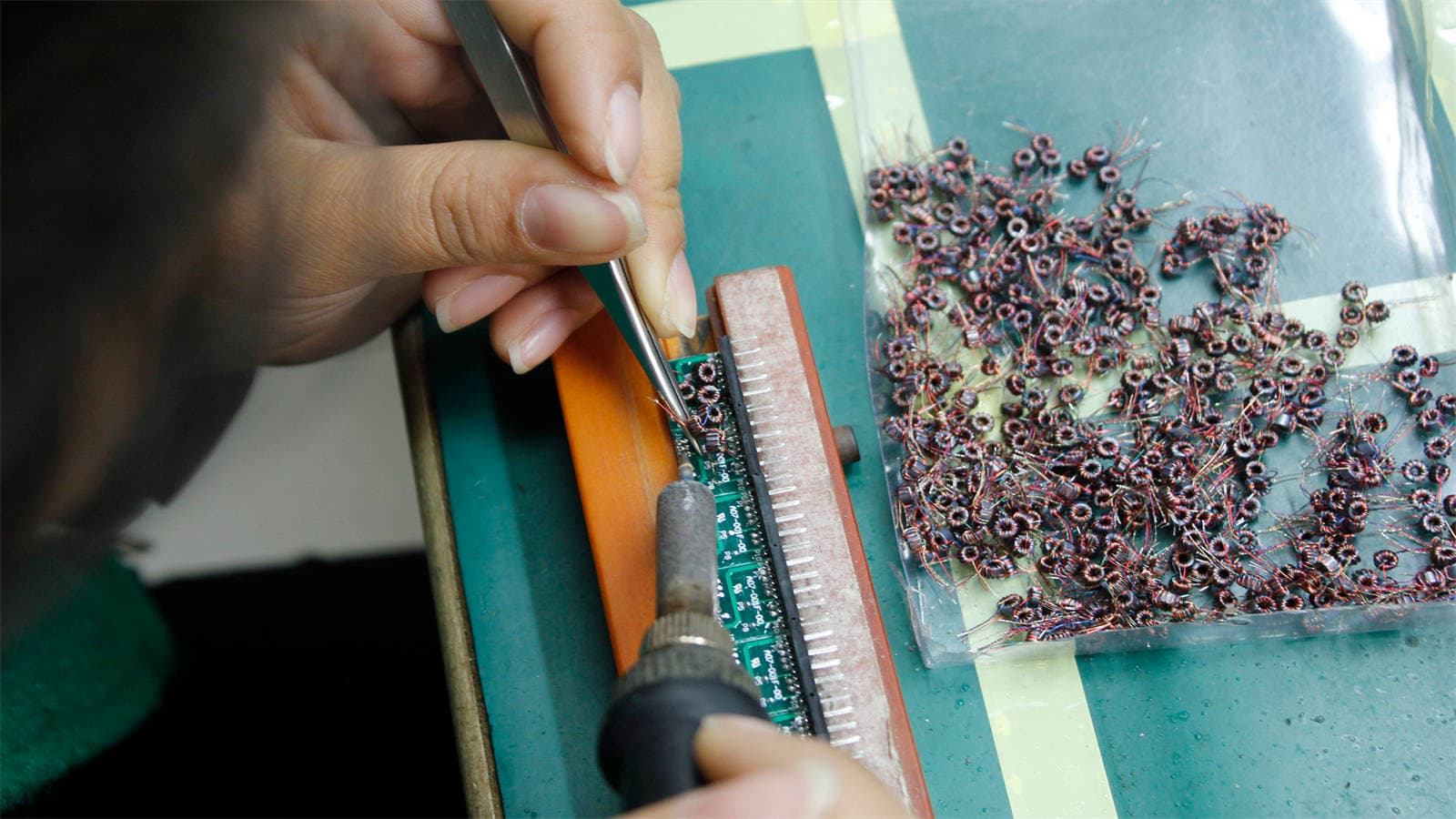
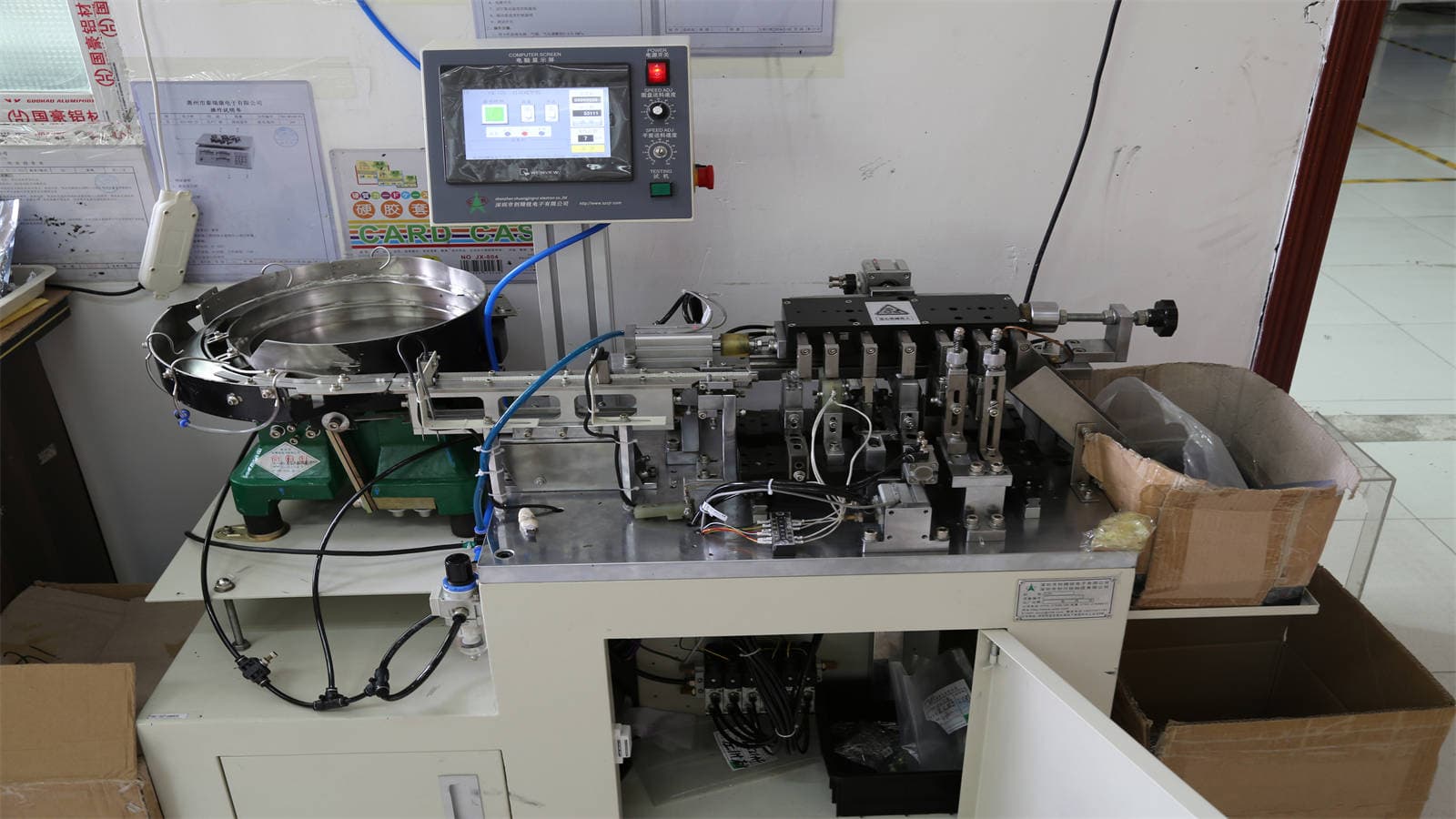
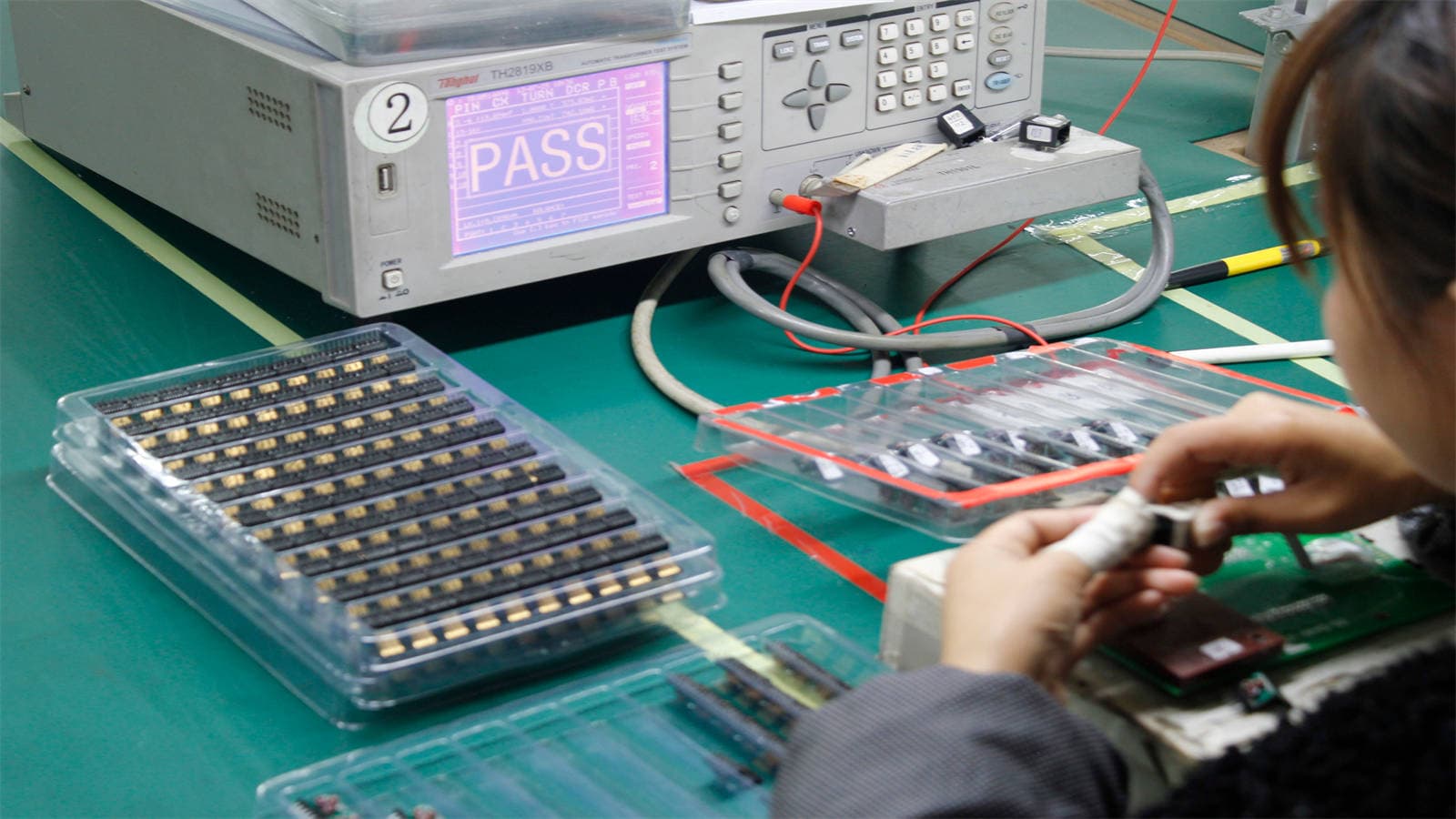
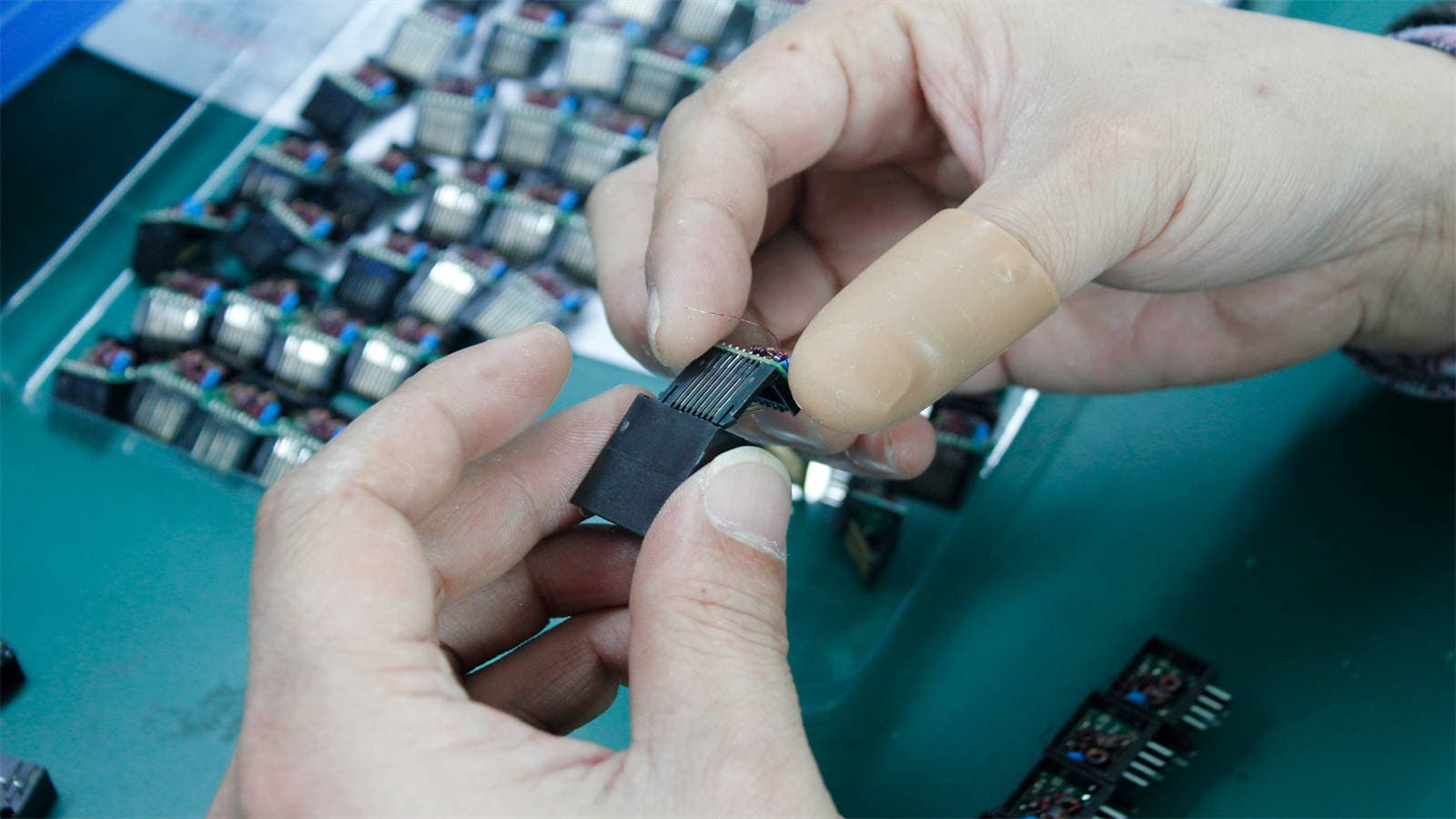
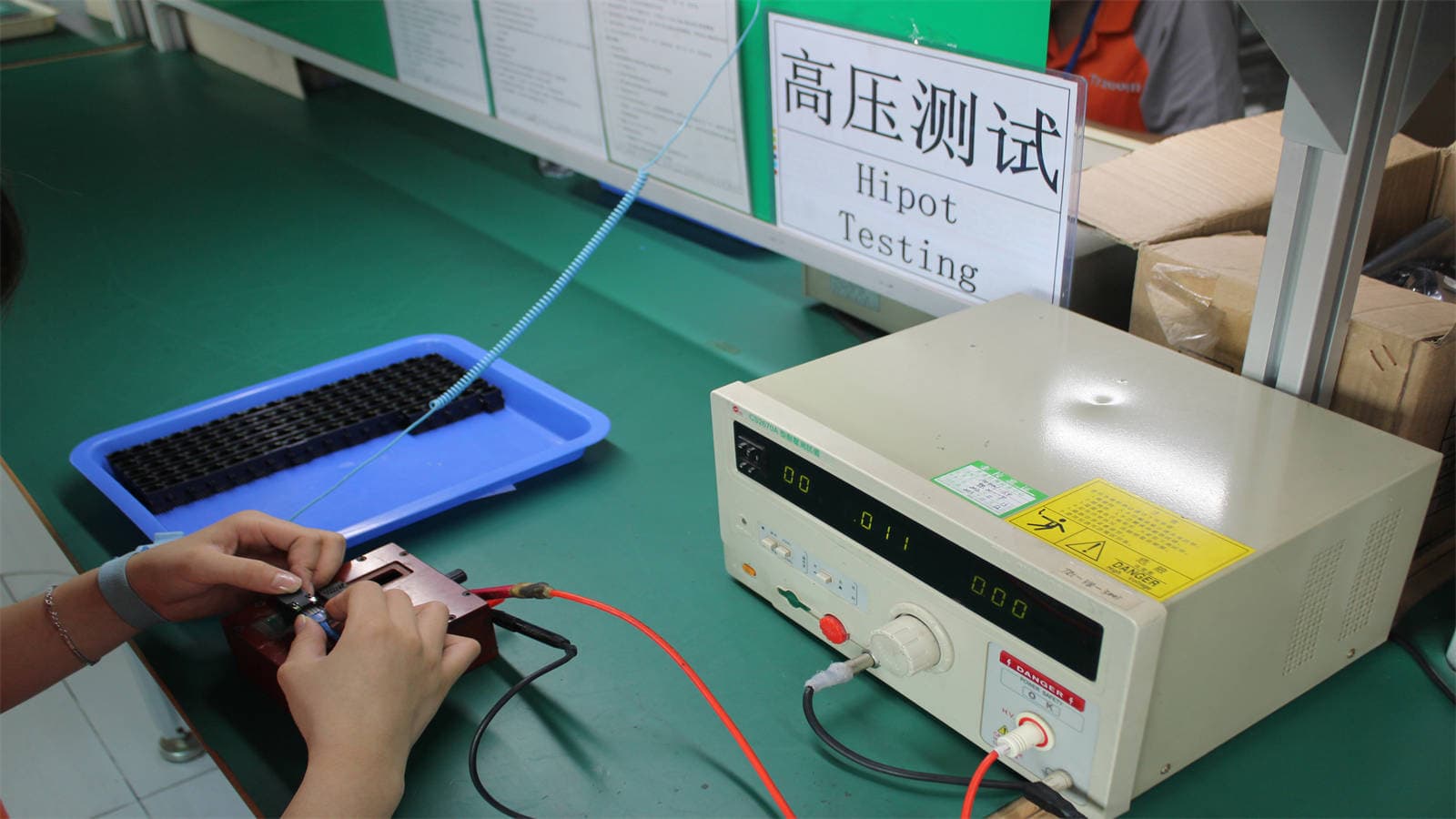
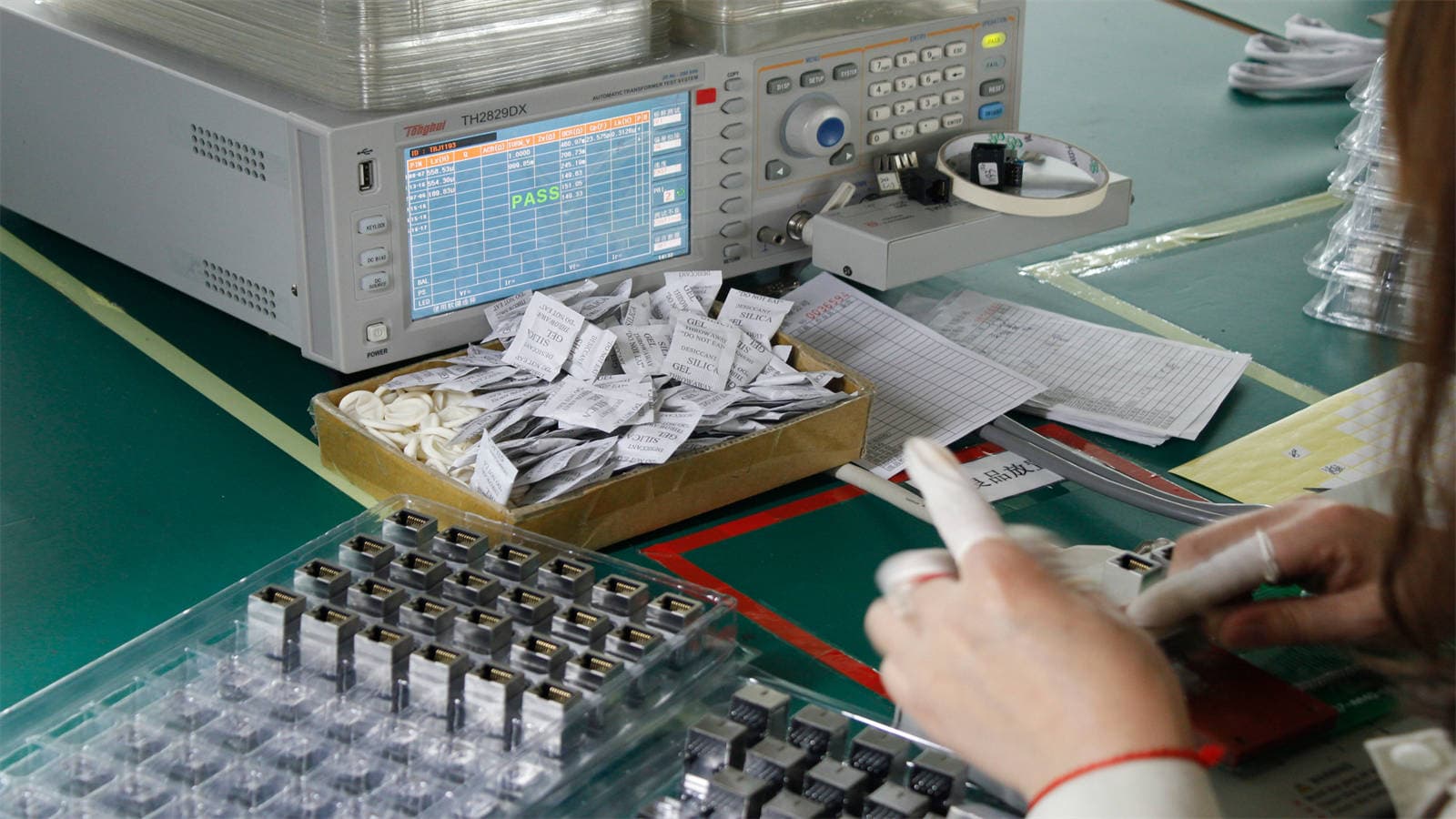
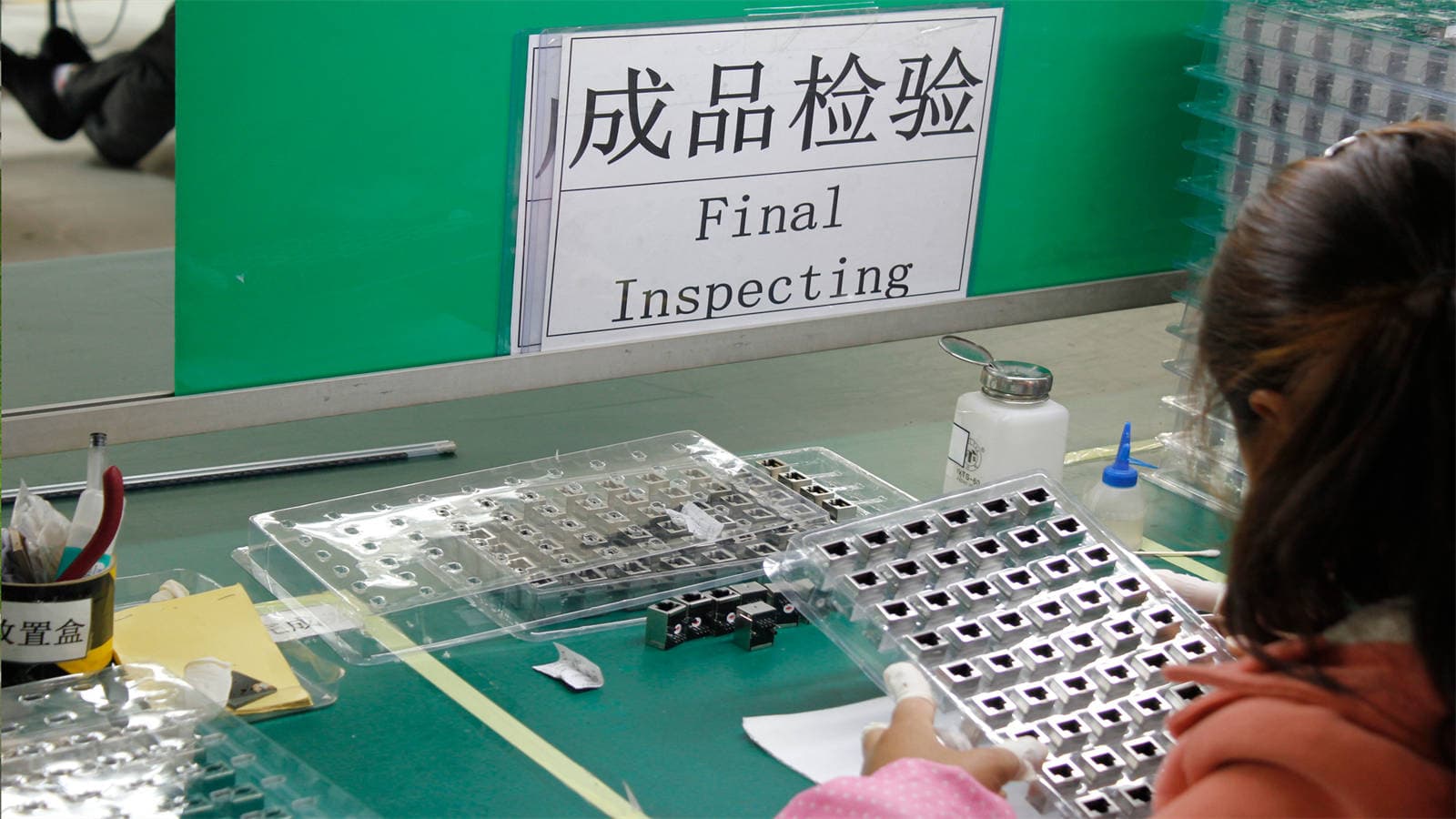
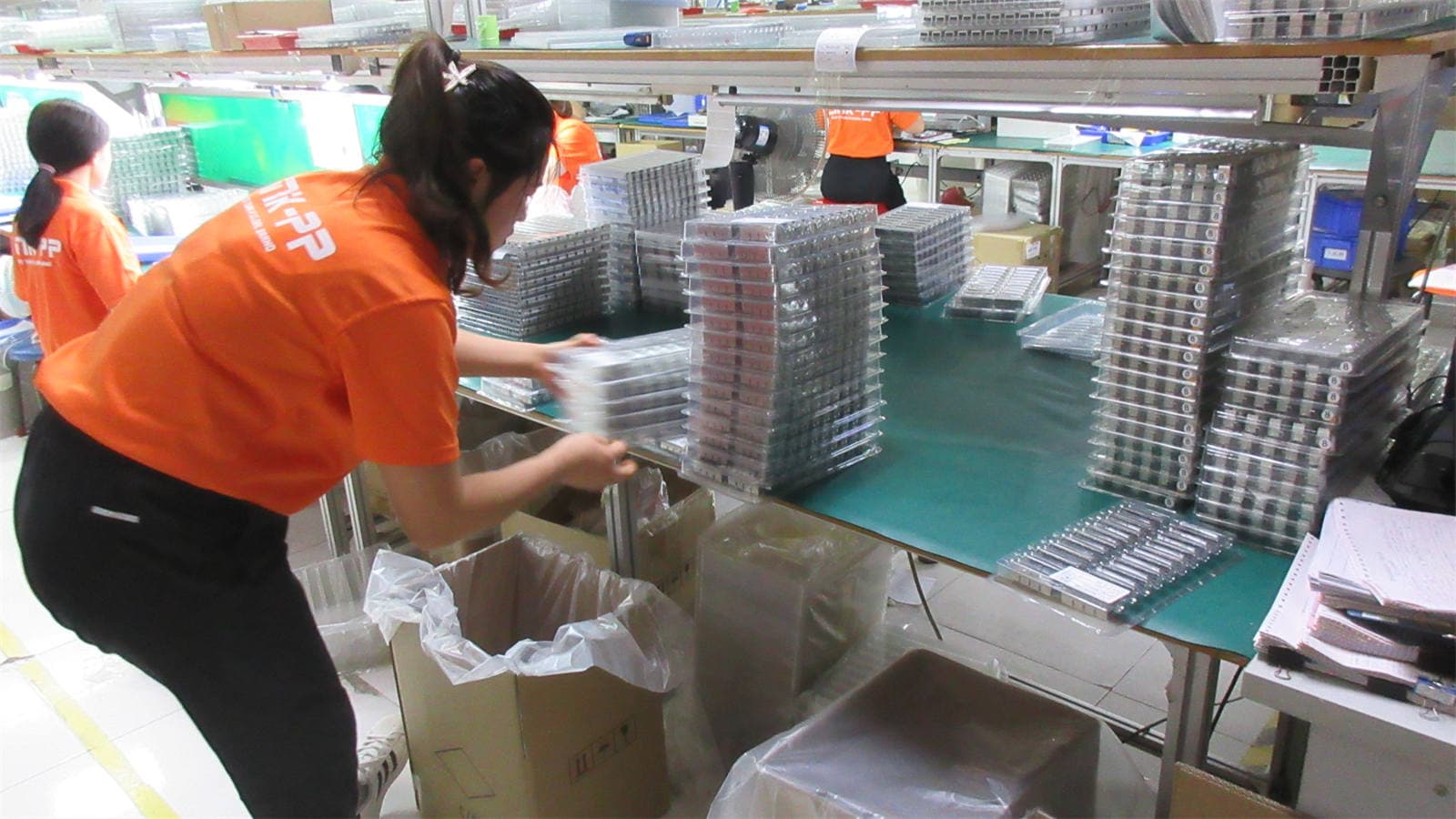
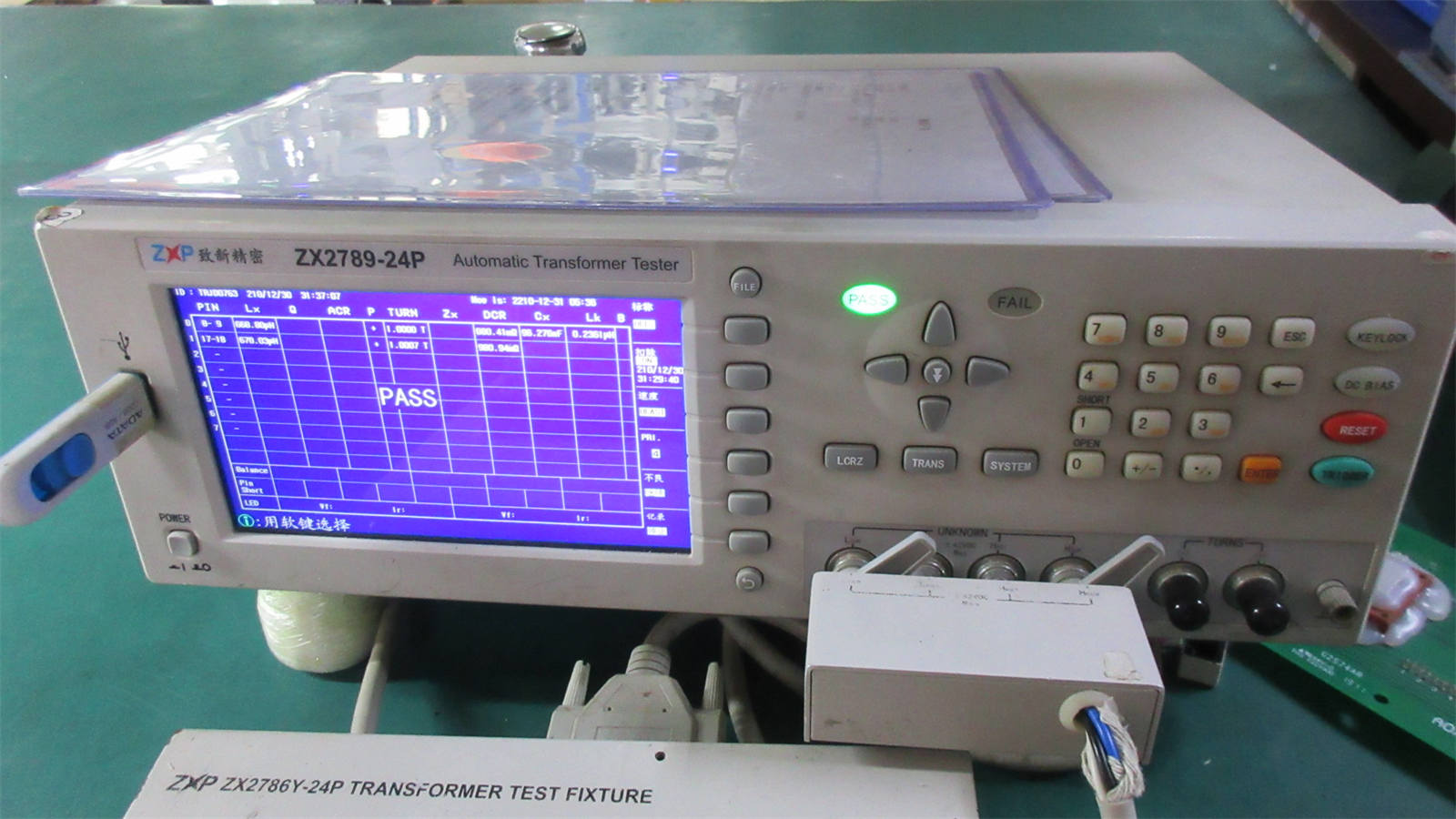
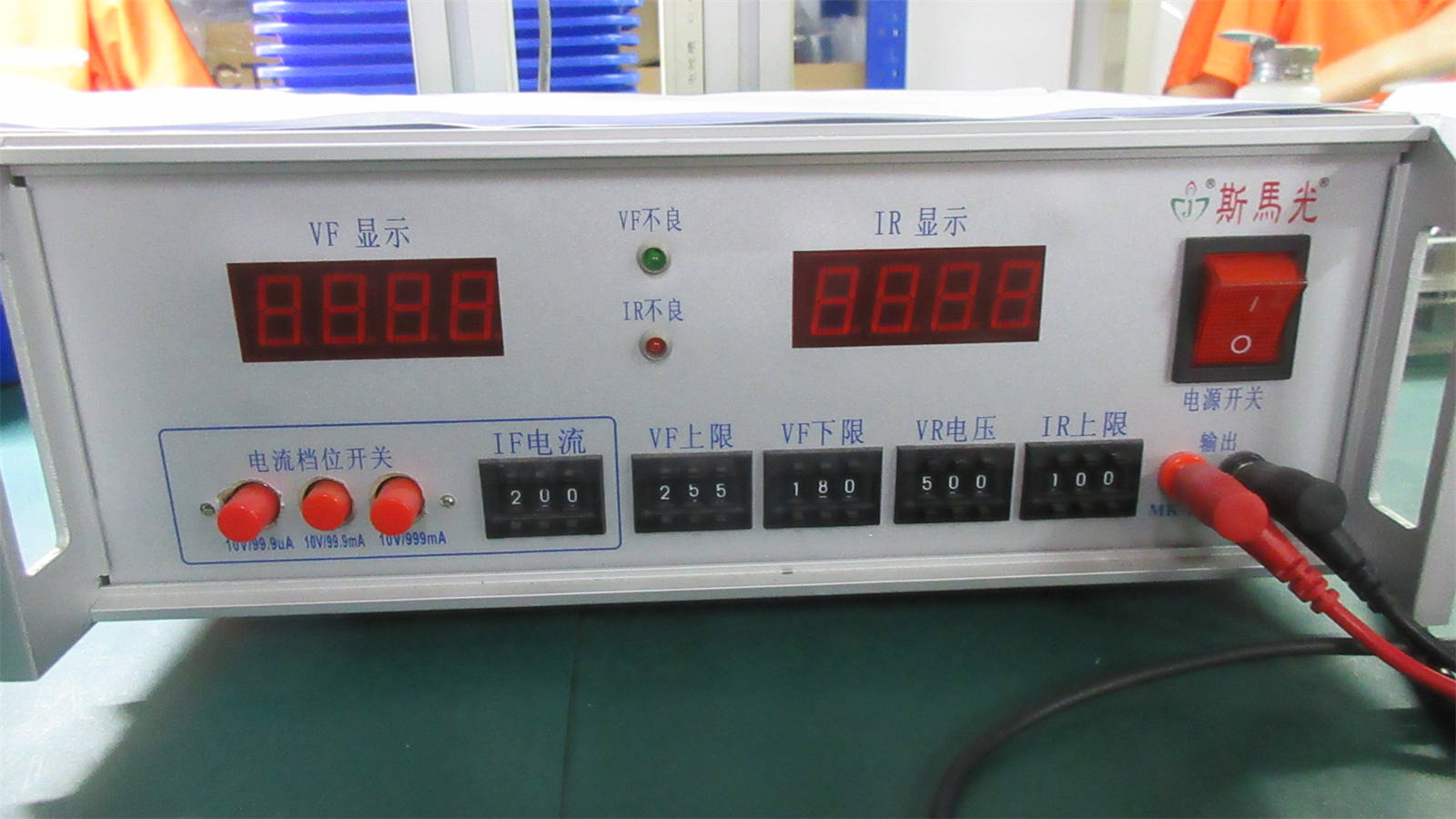
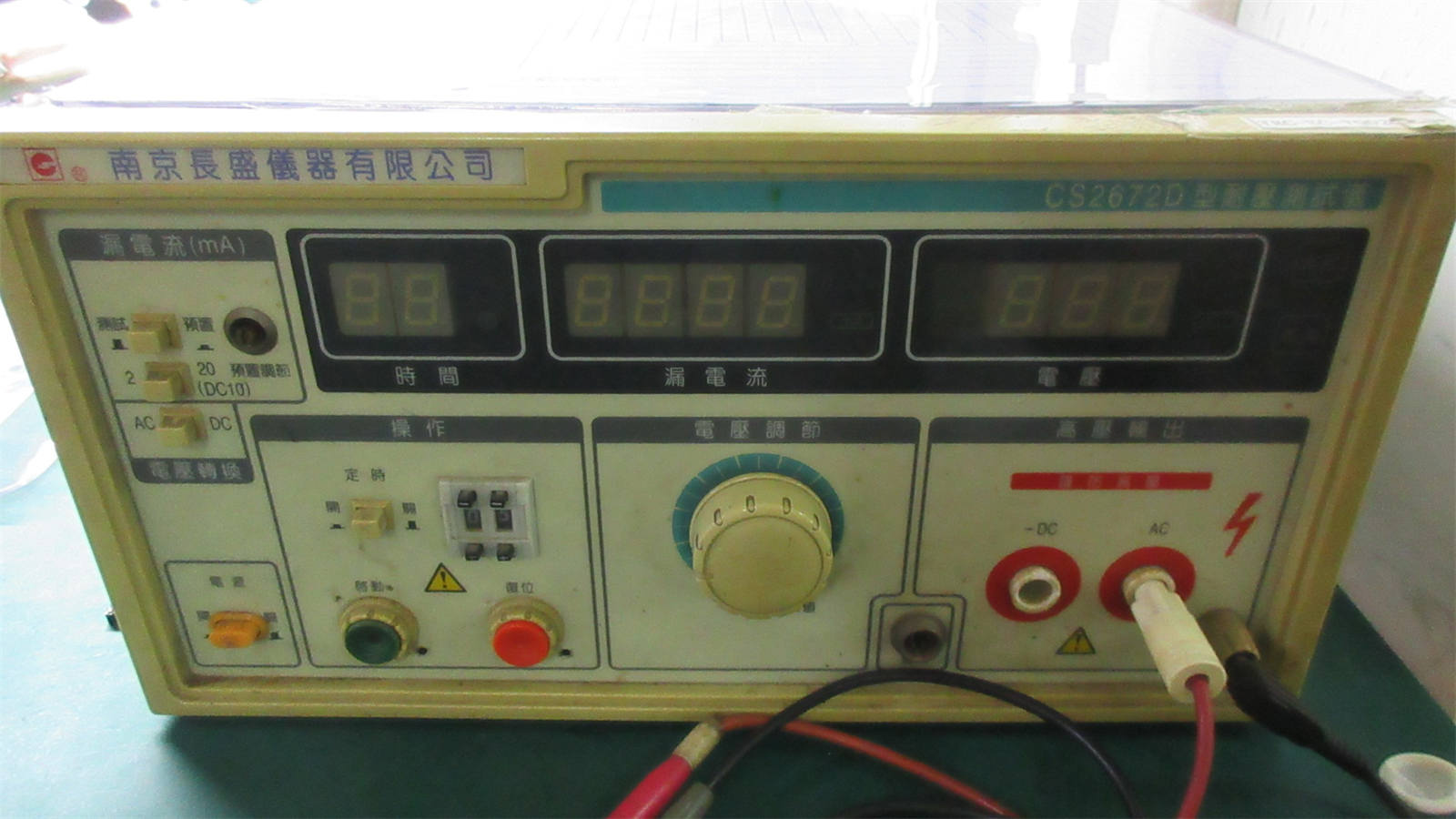
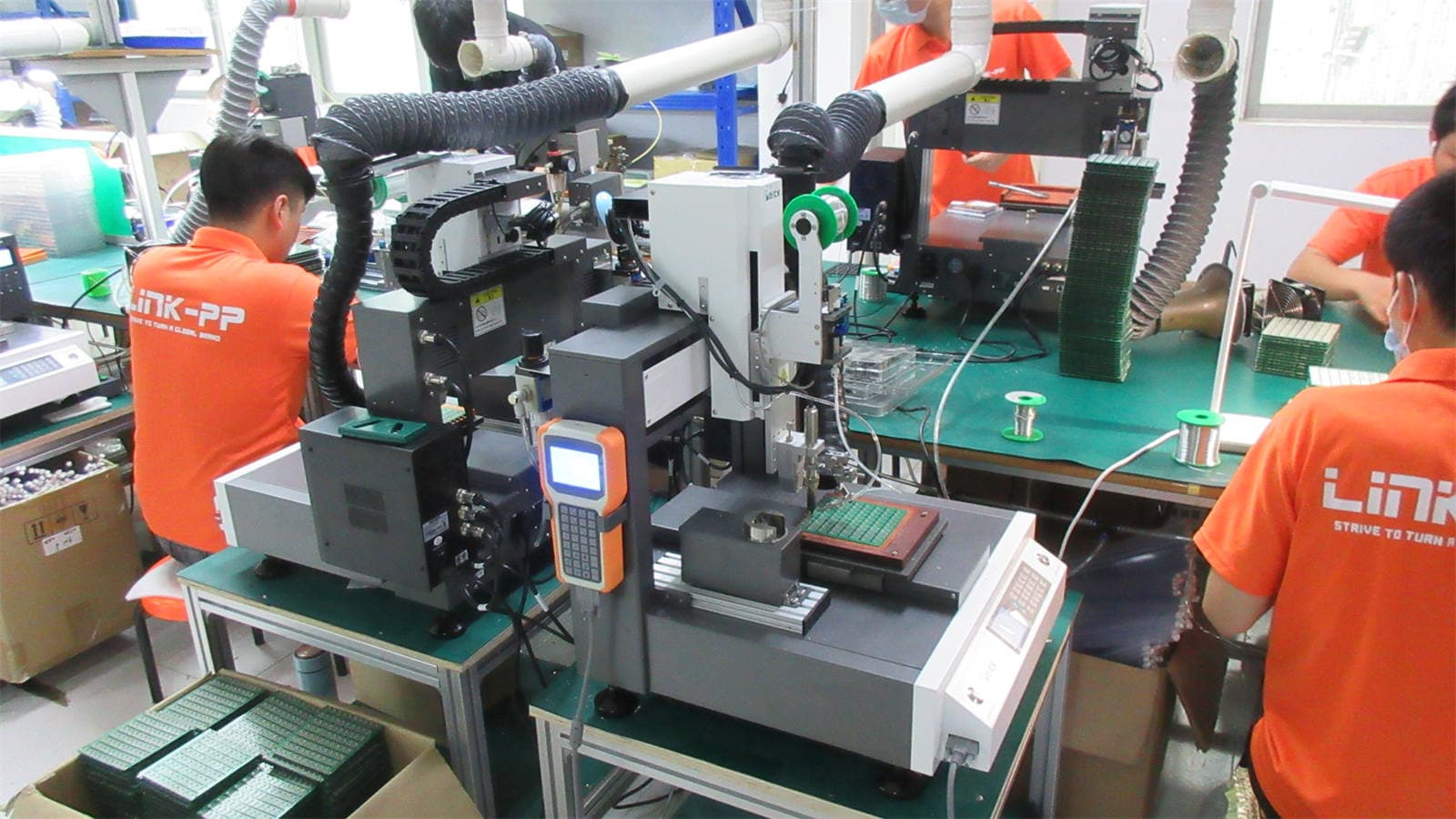
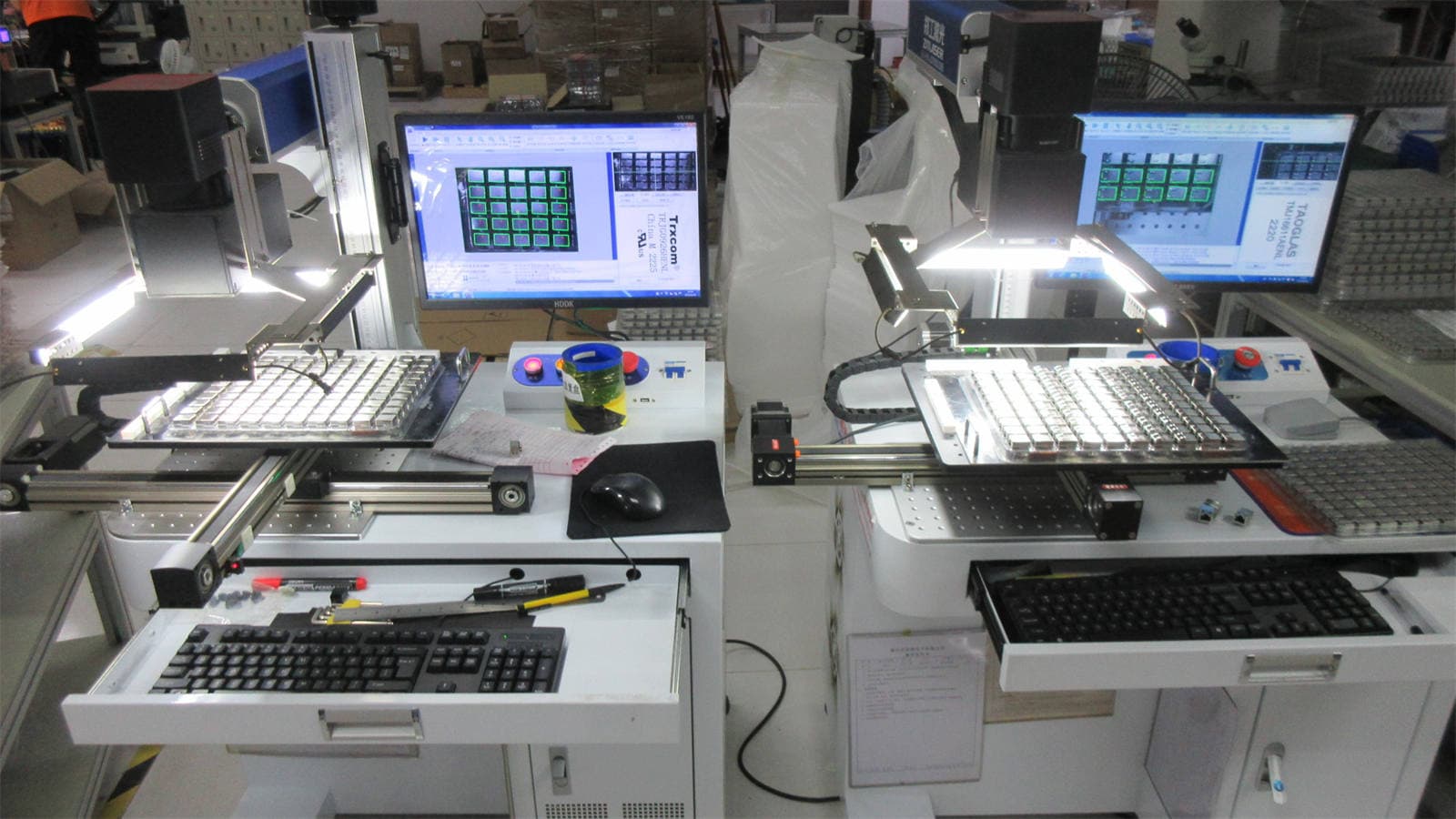
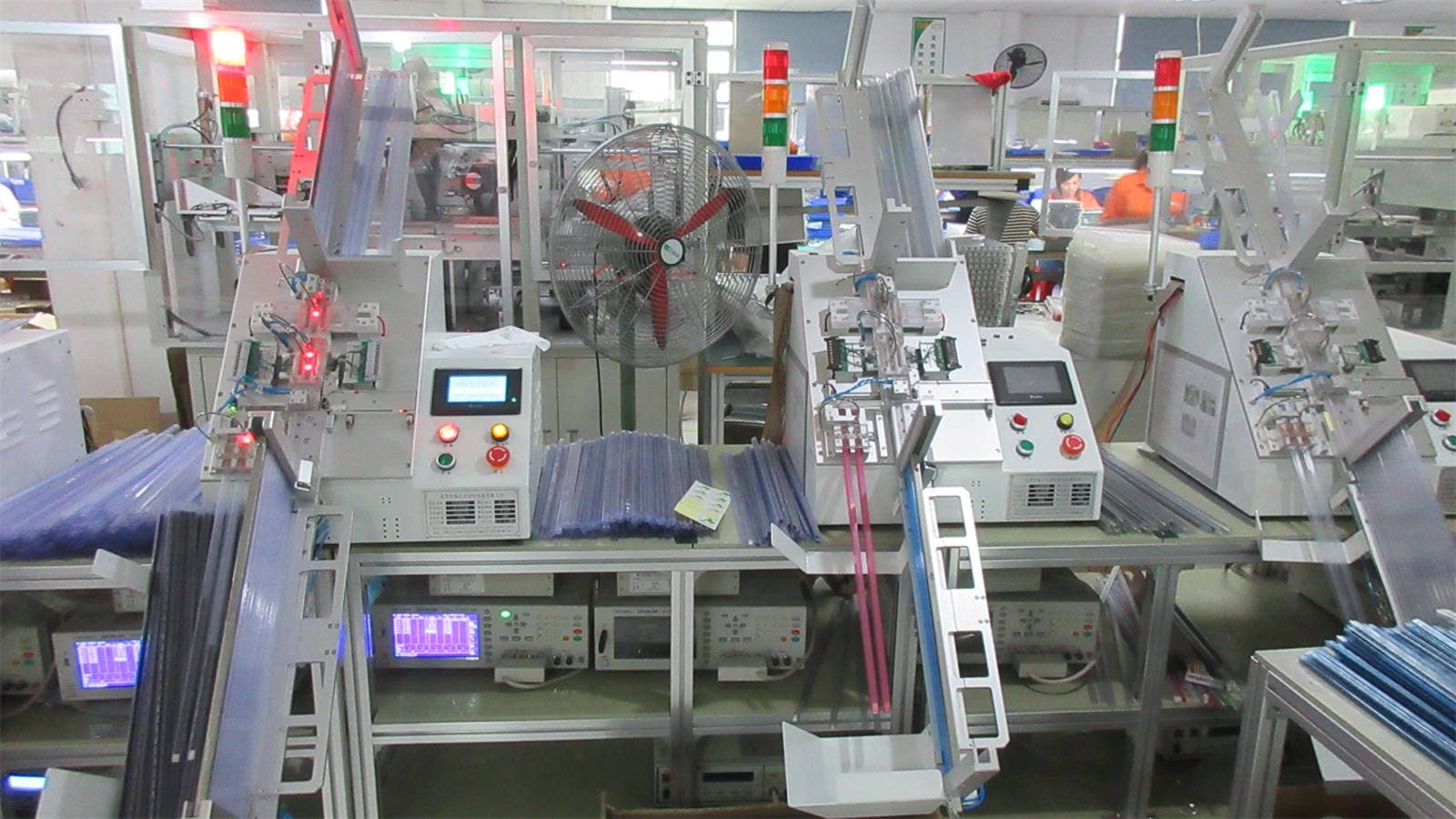
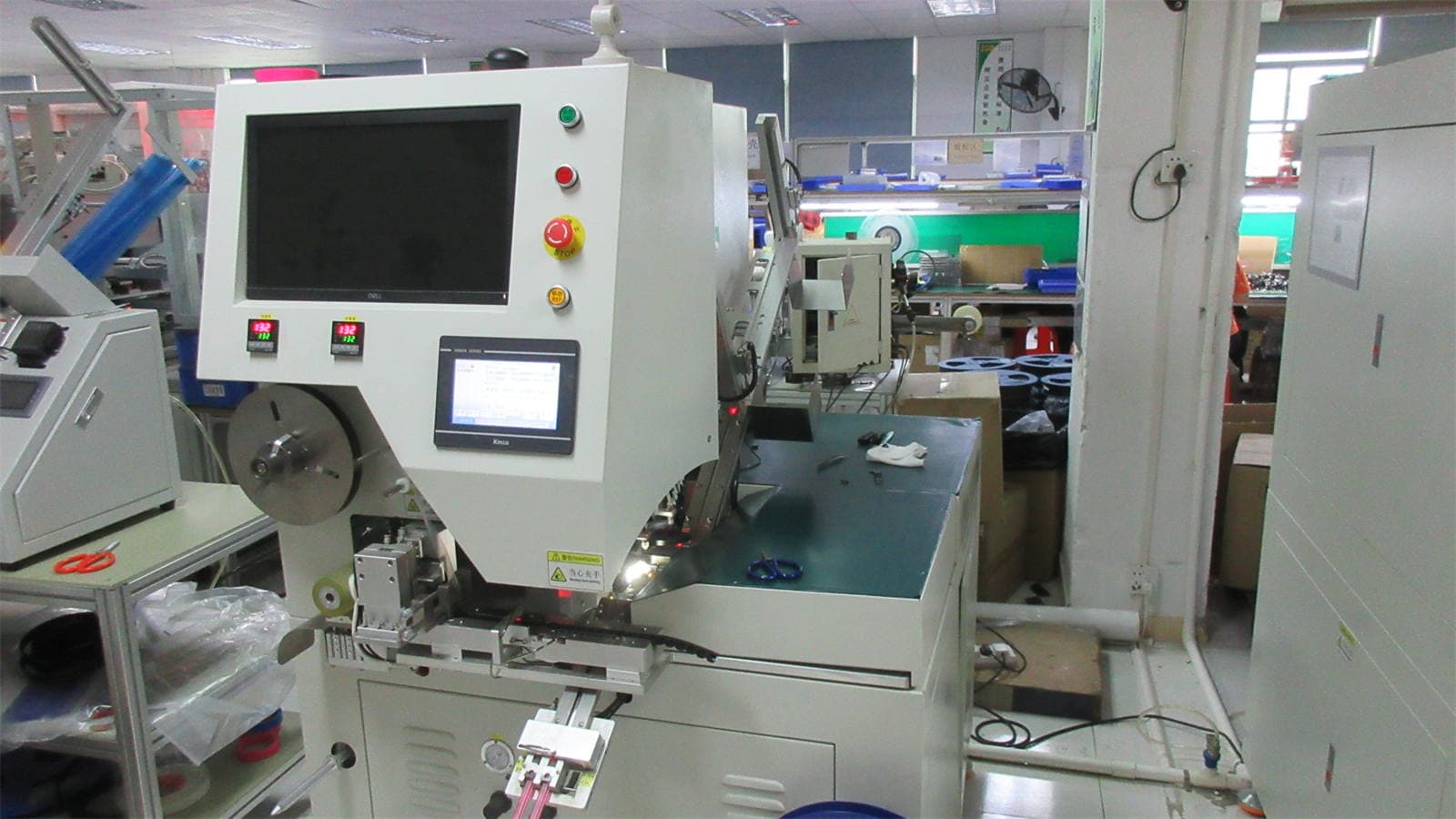
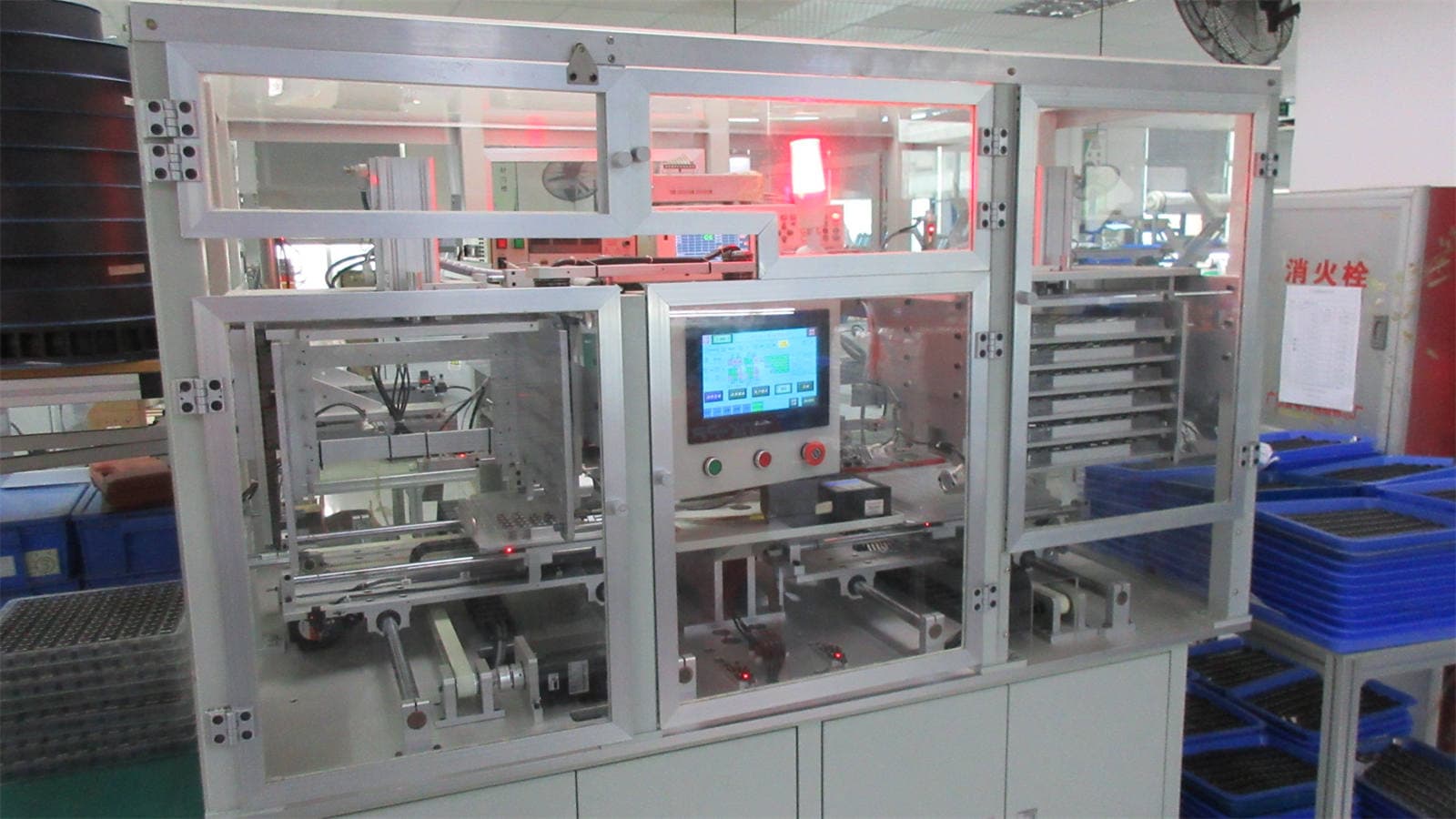
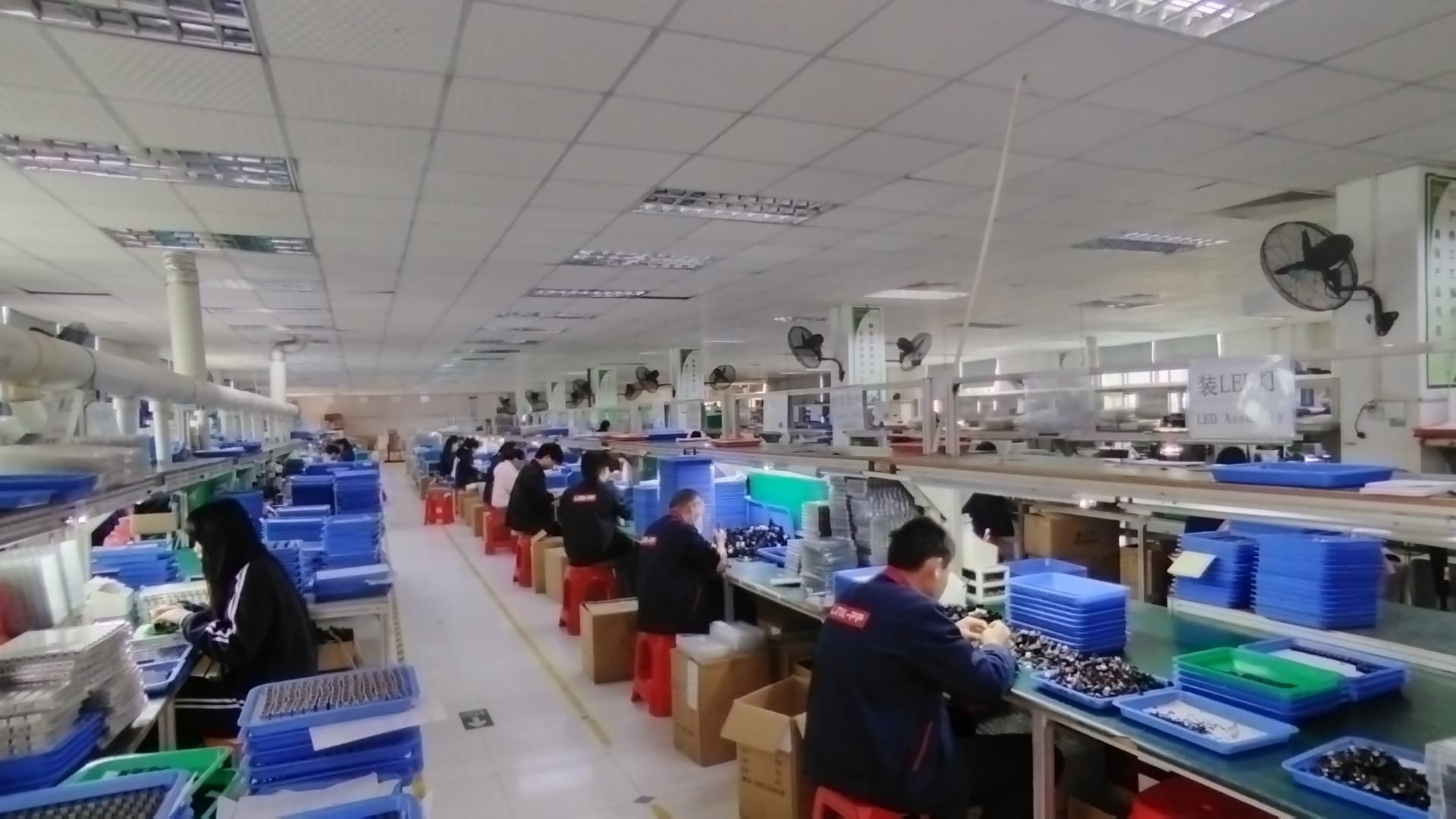
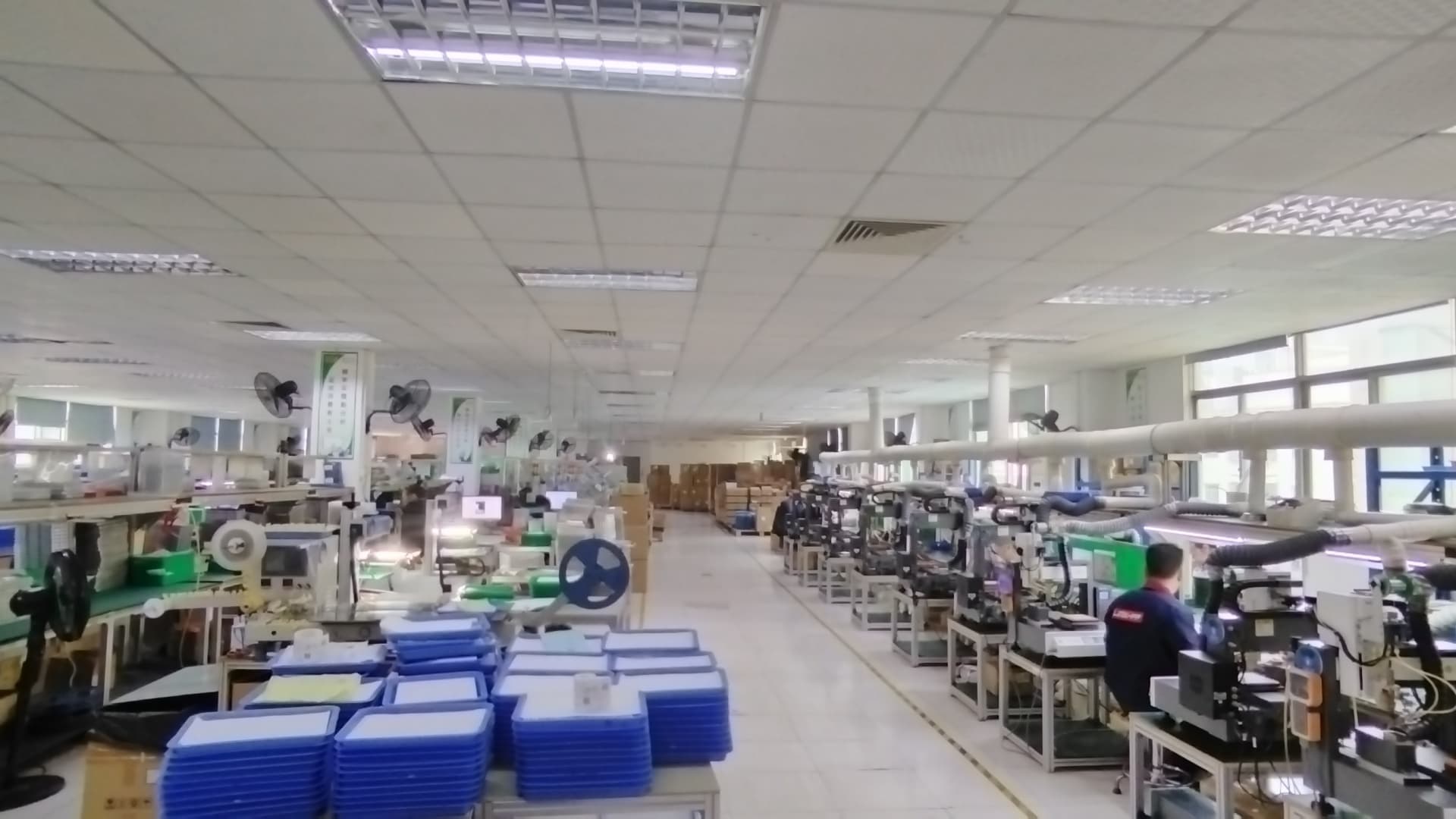
Modern Chinese manufacturing facilities in regions like Guangdong and Zhejiang have evolved from simple assembly workshops into centers of advanced optoelectronic engineering. By integrating raw plastic compounding, metal stamping, high-precision winding, and advanced testing under one roof, these factories control quality at every step of the supply chain:
Your Trusted OEM/ODM Partner for Optical Modules, SFP Cages, and Integrated RJ45 Jacks.
Lumopt Opto Technology Co., Ltd. (registered as Luguang Communication Technology Co., Ltd. in China) is a professional Chinese manufacturer and exporter specializing in high-performance optical transceivers and network interface hardware.
We focus on the R&D, production and customization of full-series optical modules covering 10G, 25G, 100G, 400G, 800G and 1.6T products, which are widely applied in data centers, telecom networks, cloud computing, AI computing equipment and enterprise communication systems.
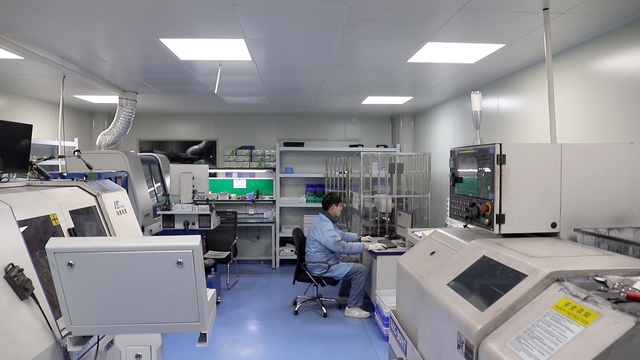
Equipped with standardized dust-free production workshops, advanced automatic testing equipment and a professional technical R&D team, we implement strict quality control throughout the whole production process. All our optical transceivers comply with international industry standards and have passed relevant reliability certifications, supporting OEM & ODM customized services to meet diverse demands from global buyers.
Adhering to the core concept of stable quality, competitive pricing and reliable after-sales support, Lumopt has built long-term cooperative partnerships with distributors, system integrators and communication enterprises all over the world. We keep launching innovative optoelectronic products to deliver stable, cost-effective optical transmission solutions for global data communication markets.
Aligning electrical characteristics and connector durability with modern network application demands.
AI compute clusters demand extreme bandwidth and near-zero latency. While optical transceivers (like Lumopt 400G/800G modules) handle long-reach and inter-rack communication, copper connectivity via high-performance RJ45 and SFP+ direct-attach copper (DAC) setups handles management networks, node telemetry, and power control distribution. Connector housings in these systems must offer high thermal dissipation capacity, often requiring ventilation slots, heat sinks, and integrated light pipes to monitor port status in crowded server racks.
Industrial settings expose connectors to vibrations, electromagnetic noise, and mechanical stress. The RJ45 housing must be built to withstand these demands, featuring mechanical properties like vibration-resistant solder pins and thick metal shielding cages. For these applications, components are typically specified with 50 micro-inches (u") gold plating on contact points to prevent corrosion and maintain low contact resistance over decades of operation.
The standard plating specifications range from Gold Flash (1-3u") to 15u", 30u", and 50u". For industrial and enterprise environments, 30u" and 50u" gold plating thickness is required to prevent oxidation and endure up to 750 insertion cycles without degrading data transmission quality.
Modern networks run power and data over the same copper pair. Under IEEE 802.3bt (PoE++), up to 90W of power can be transmitted, generating significant heat inside the connector. Housing materials must have high thermal conductivity and excellent dielectric strength (typically 1000V AC minimum) to prevent electrical arcing and heat damage.
Detailed engineering answers regarding RJ45 connector housing design, procurement, and integration.
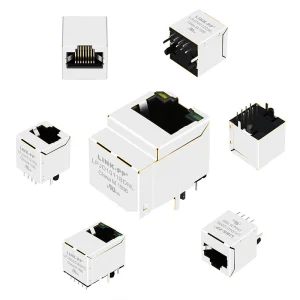
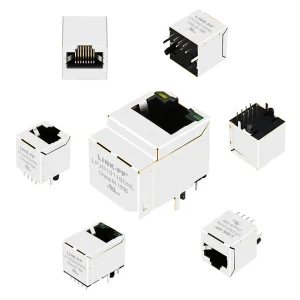
Additional core components engineered to support high-density configurations in enterprise networking, telecommunications, and industrial control systems.