Lumopt
Lumopt
Lumopt
High-performance optical transceivers, RJ45 modular jacks, and LAN transformers optimized for next-generation patch panel installations.
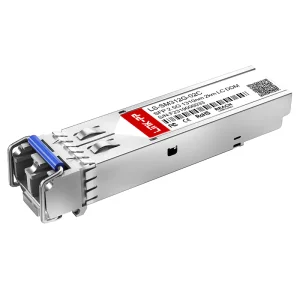
Structured cabling system topologies constitute the physical baseline of modern information transfer. At the critical node of distribution sits the patch panel—the foundational junction box responsible for routing, managing, and terminating transmission pathways. Patch panels act as the interface between structural horizontal cable runs and active network switches, providing standard modular access points that protect expensive machinery from connection fatigue and high insertion-wear cycles.
Historically, patch panels operated solely as mechanical terminations. However, the rise of hyperscale cloud infrastructures, high-performance computing (HPC) nodes, and localized AI farms has shifted the demand towards High-Density Patch Panels (HDPPs), shielded Cat6A/Cat8 systems, and ultra-high-density optical distribution frames (ODFs). China's industrial manufacturing ecosystem has evolved to lead this transformation, integrating high-frequency structural plastics, precision stampings, and advanced electromagnetic compatibility (EMC) shielded components to construct high-integrity patch assemblies.
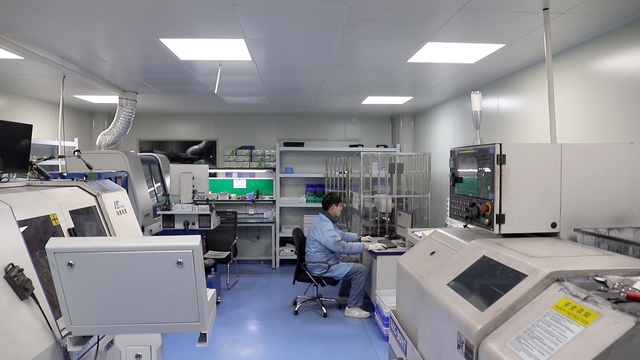
Lumopt Opto Technology Co., Ltd. (Luguang Communication Technology Co., Ltd.)
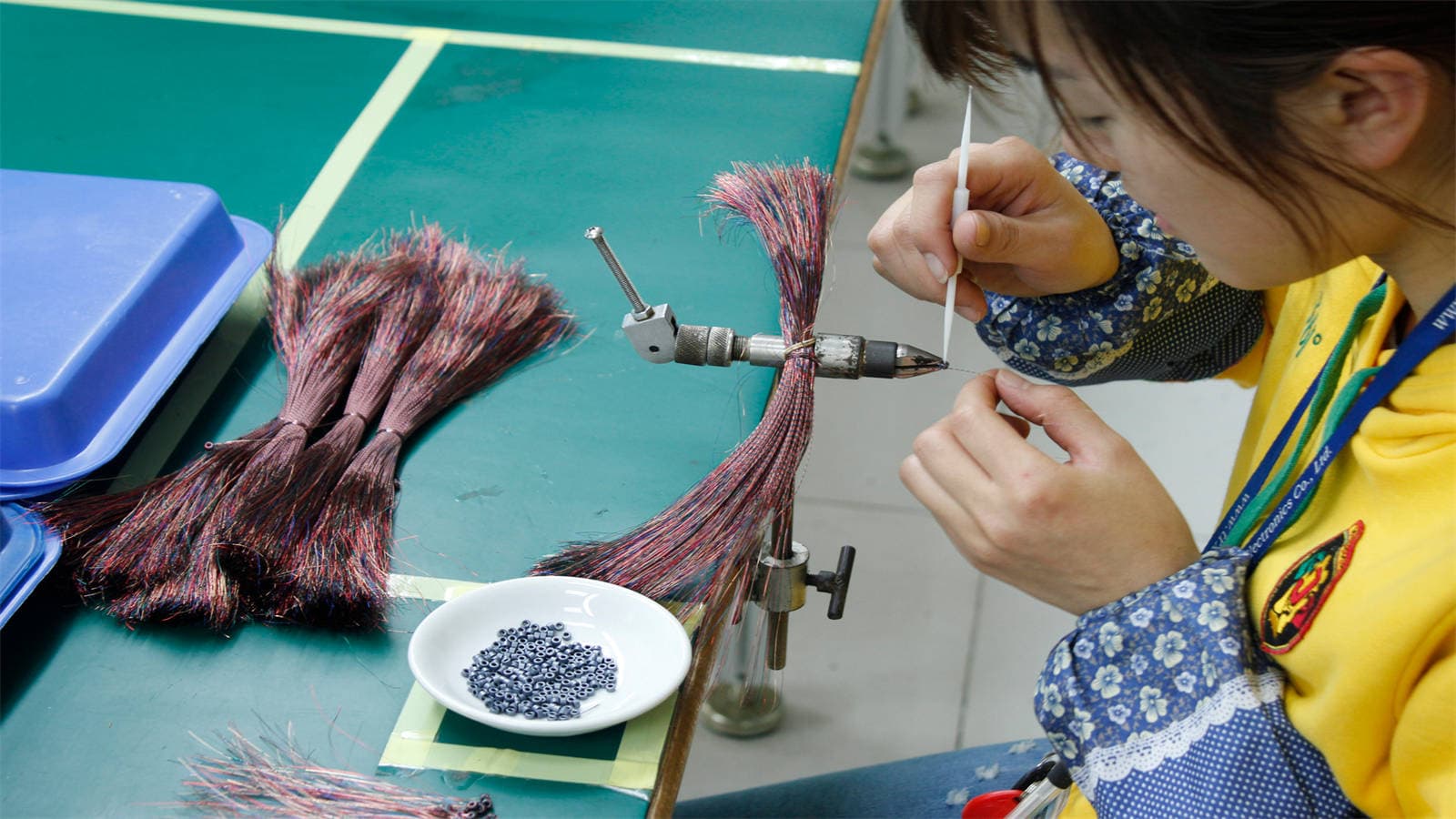
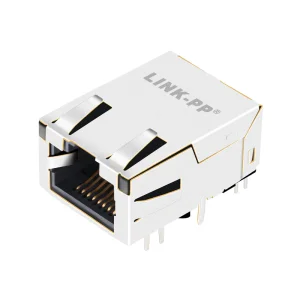
Lumopt Opto Technology Co., Ltd. (registered as Luguang Communication Technology Co., Ltd. in China) stands at the forefront of China's high-performance optoelectronic and interconnect sector. As a dedicated manufacturer and exporter, we specialize in high-integrity hardware components, network interfaces, and optical transceivers. Our core expertise bridges the gap between passive distribution arrays (like structural patch panels and keystones) and active high-speed processing clusters.
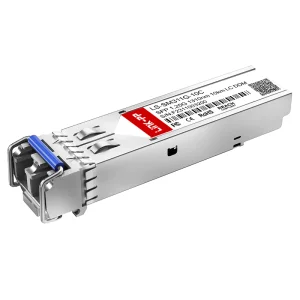
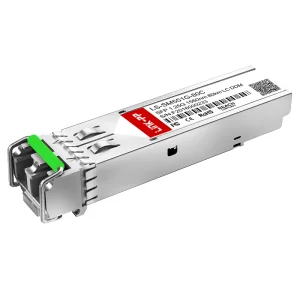
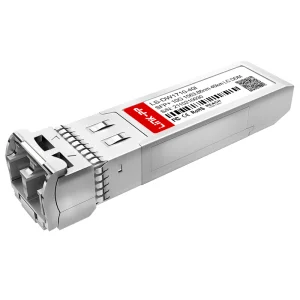
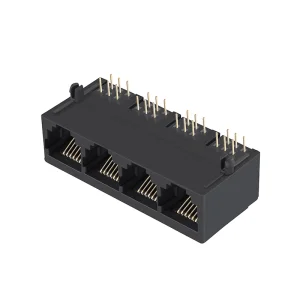
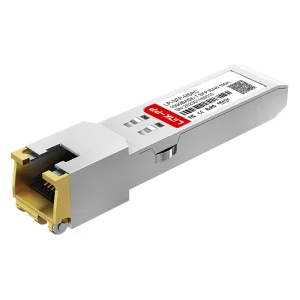
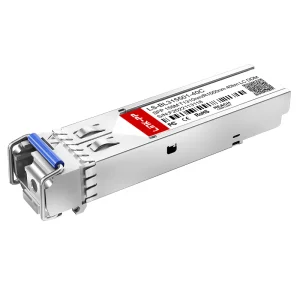
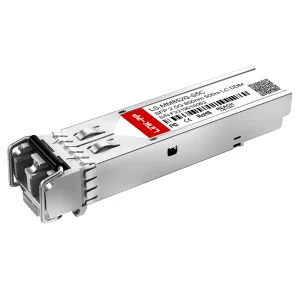
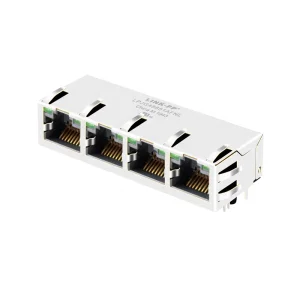
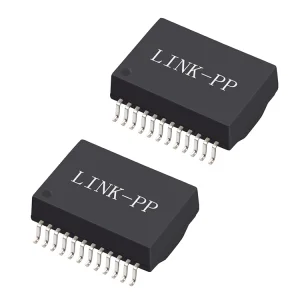
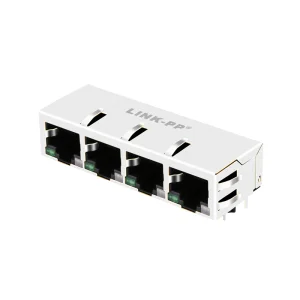
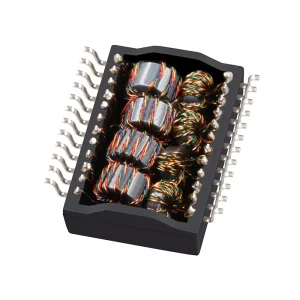
We implement strict quality control loops throughout the engineering lifespan, focusing on R&D, fabrication, and precision customization of full-series optical modules spanning 10G, 25G, 100G, 400G, 800G, and 1.6T limits. By fabricating high-spec Ethernet LAN transformers, shielded RJ45 modular jacks, and fiber-optic modules, Lumopt ensures that patch panel systems operate with minimized signal distortion and insertion loss under continuous thermal loads.
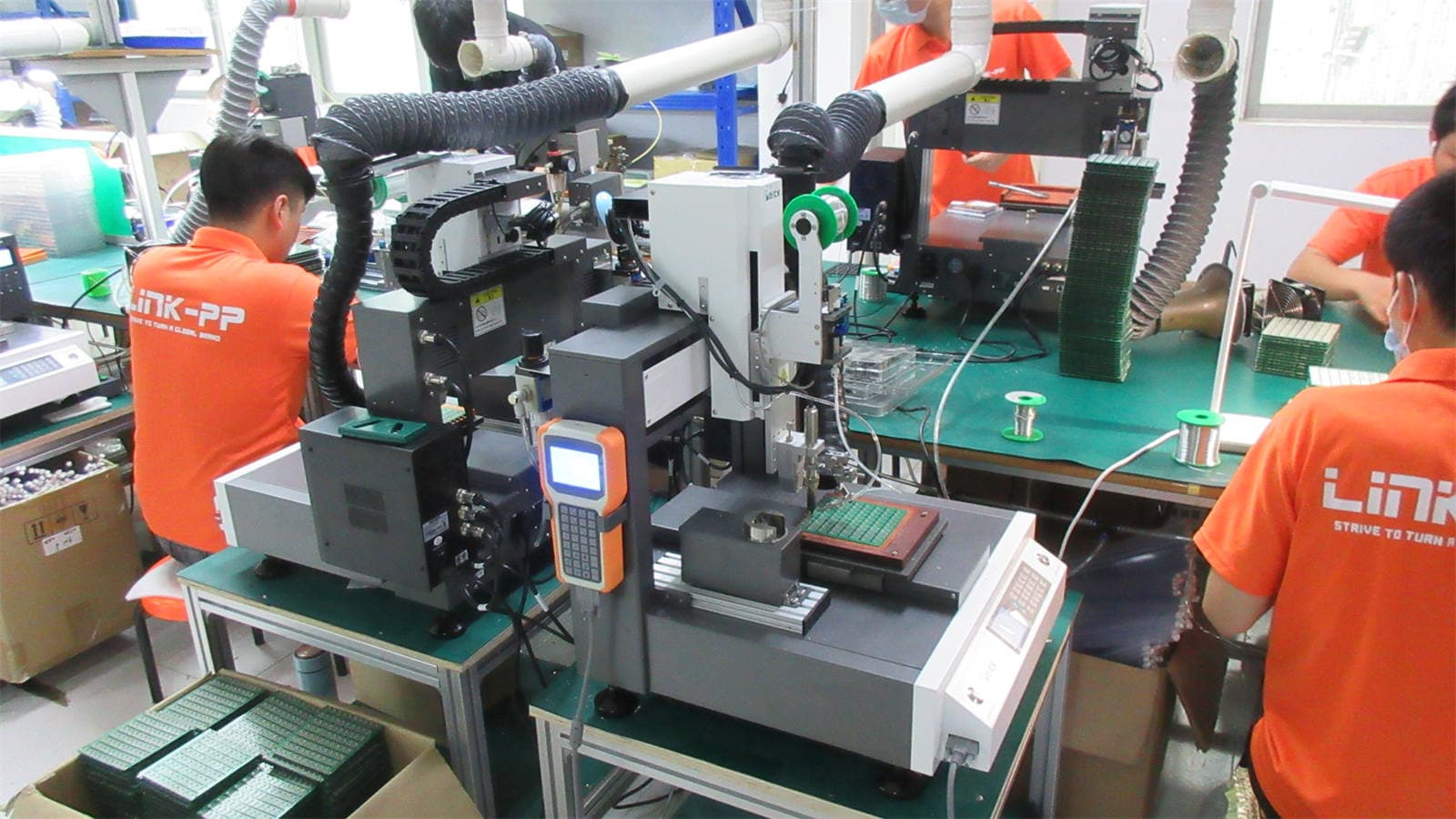
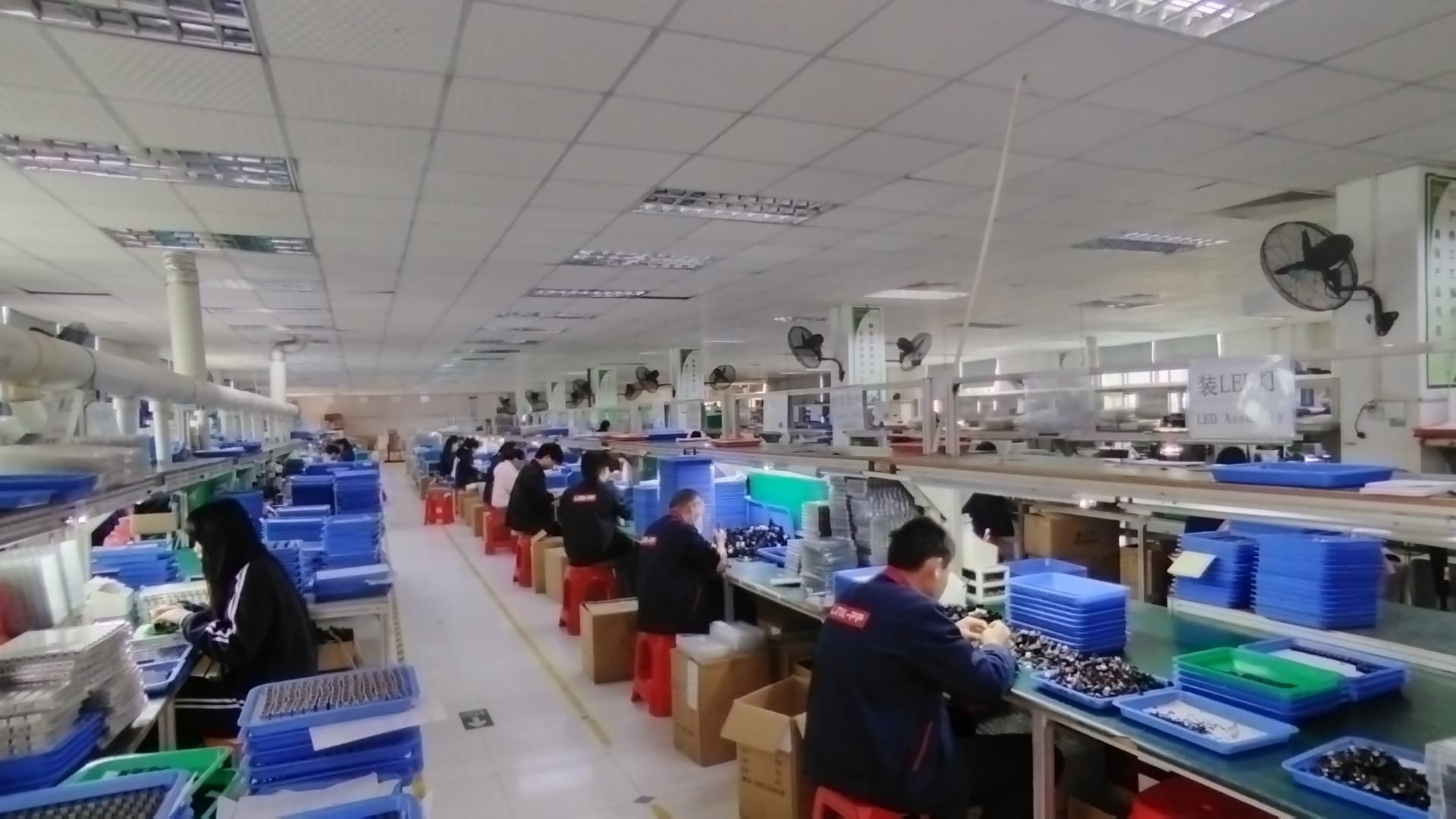
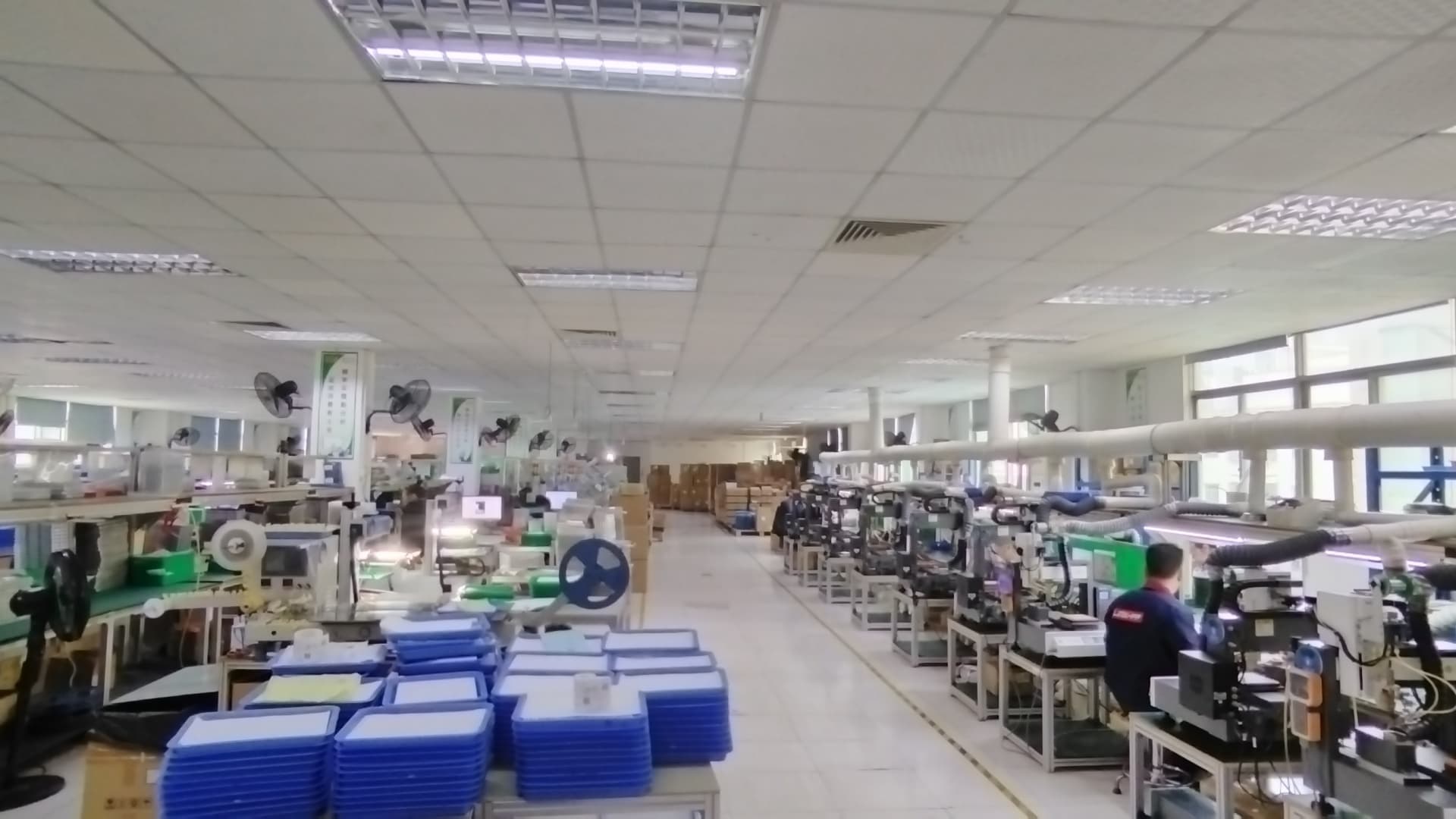
Equipped with standardized dust-free production workshops, advanced automatic verification testing arrays, and a professional engineering R&D team, our components comply with all relevant international norms (RoHS, CE, FCC). Lumopt offers robust OEM & ODM services to support tailored specifications from B2B purchasers worldwide.
Maintaining transmission reliability from single component twisting to final product certification.
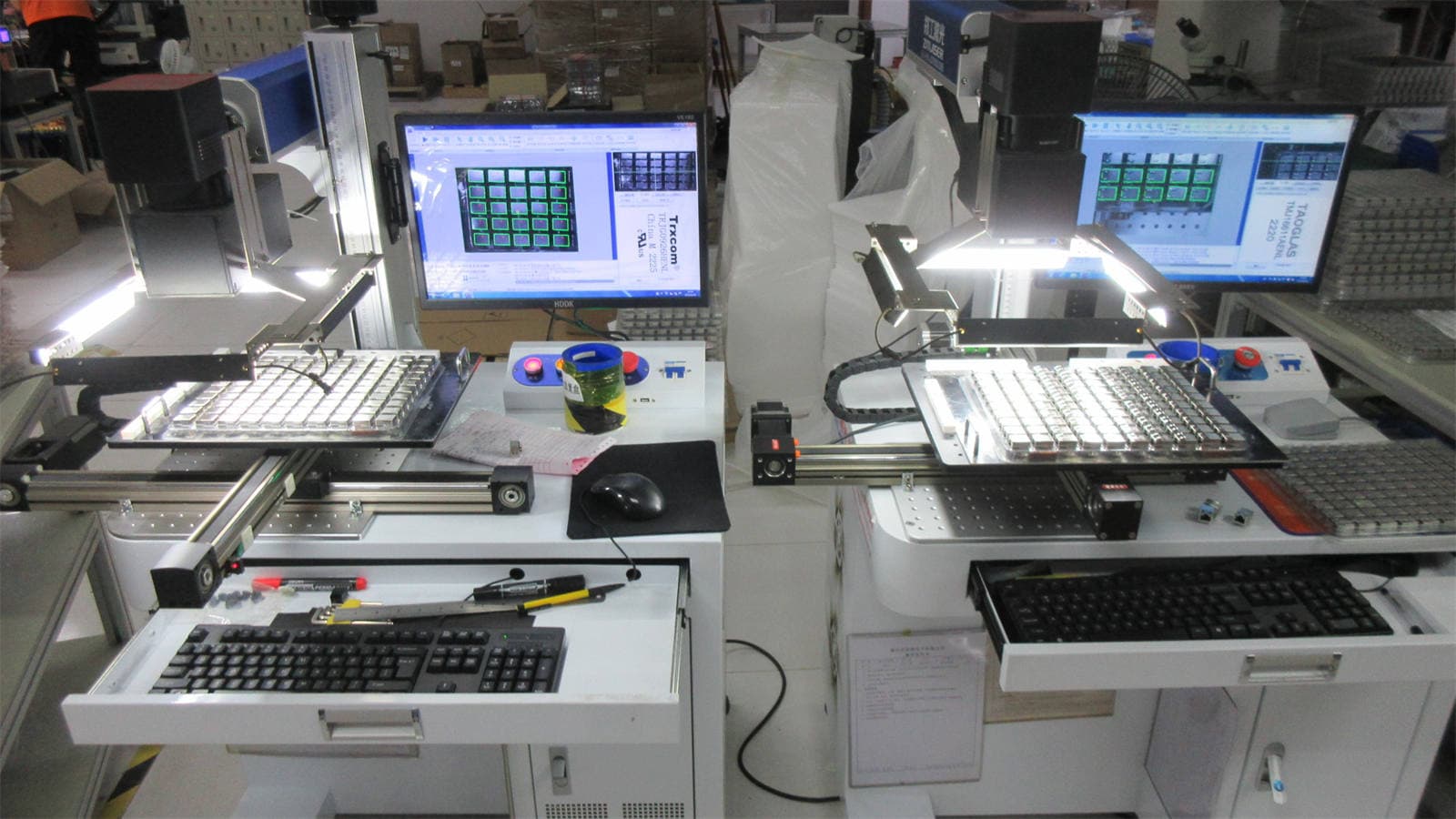
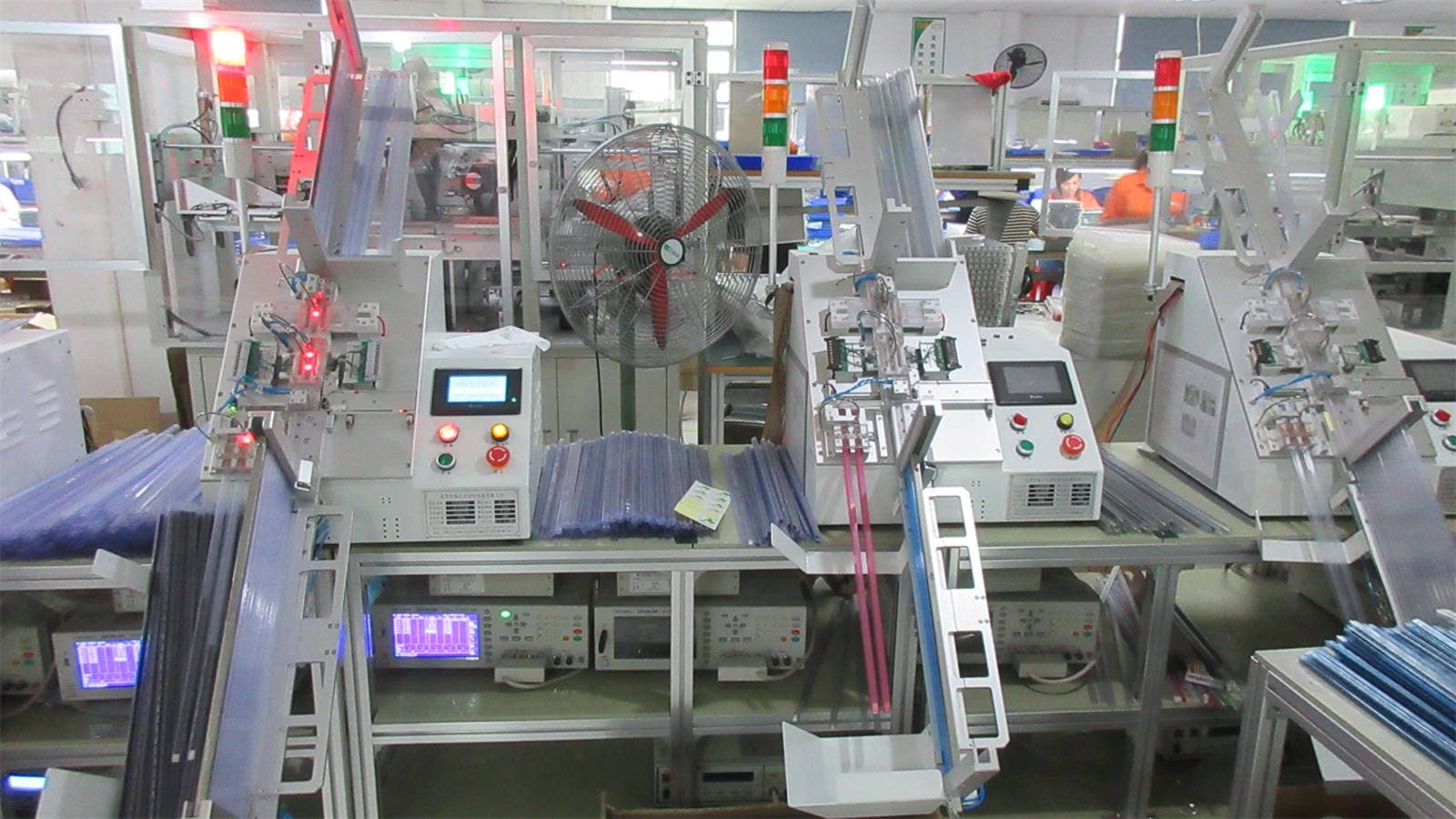
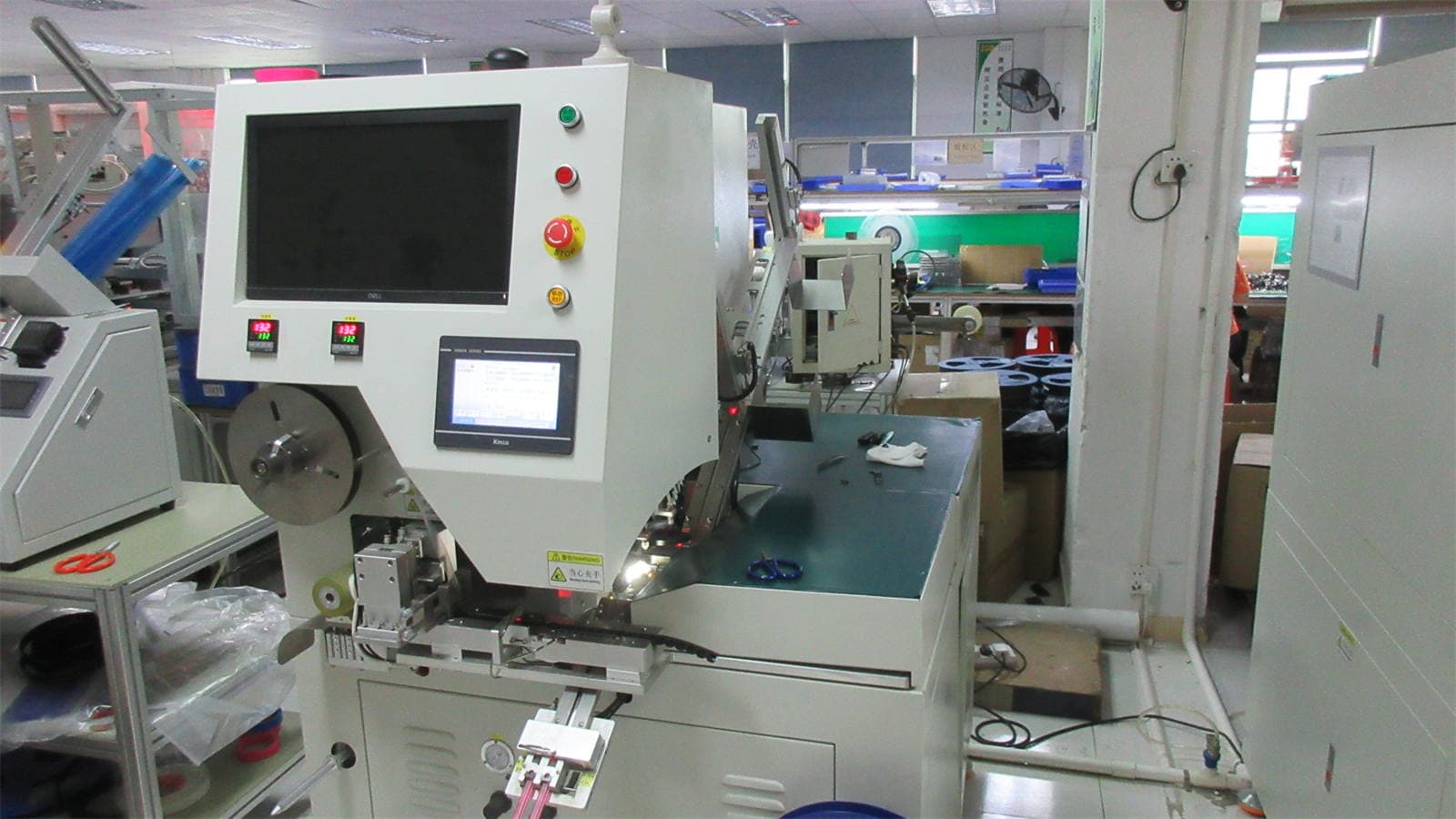
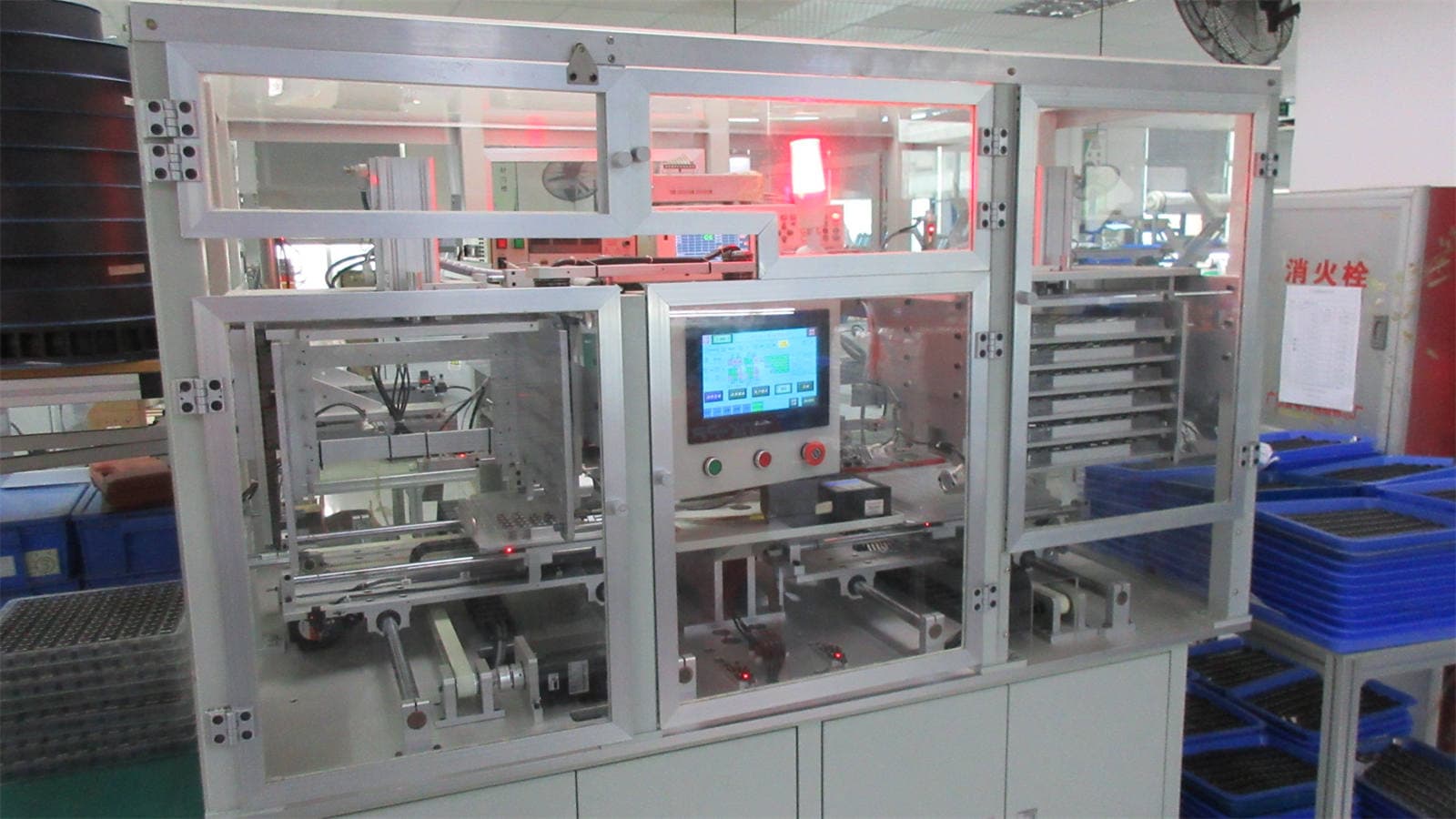
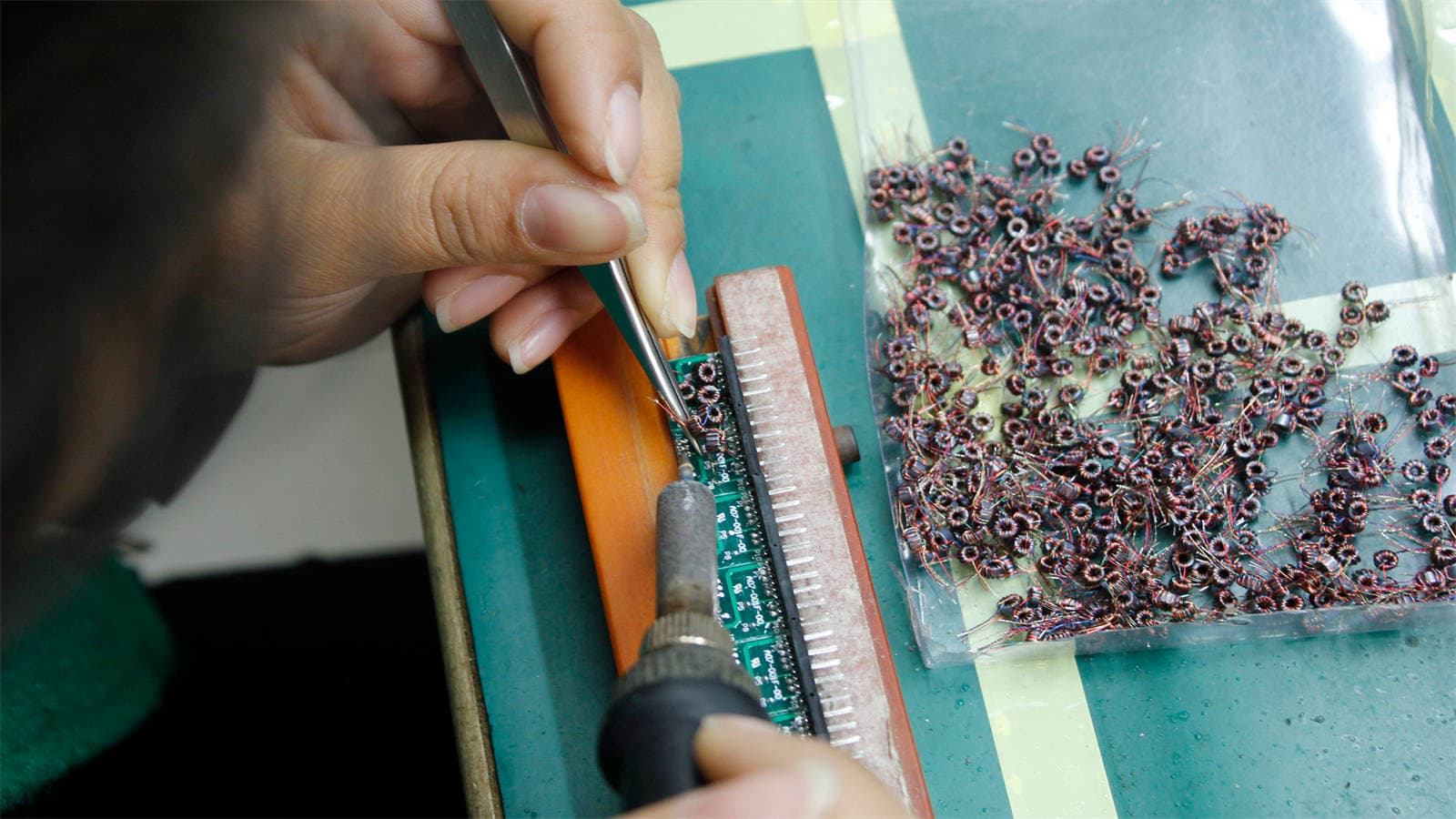
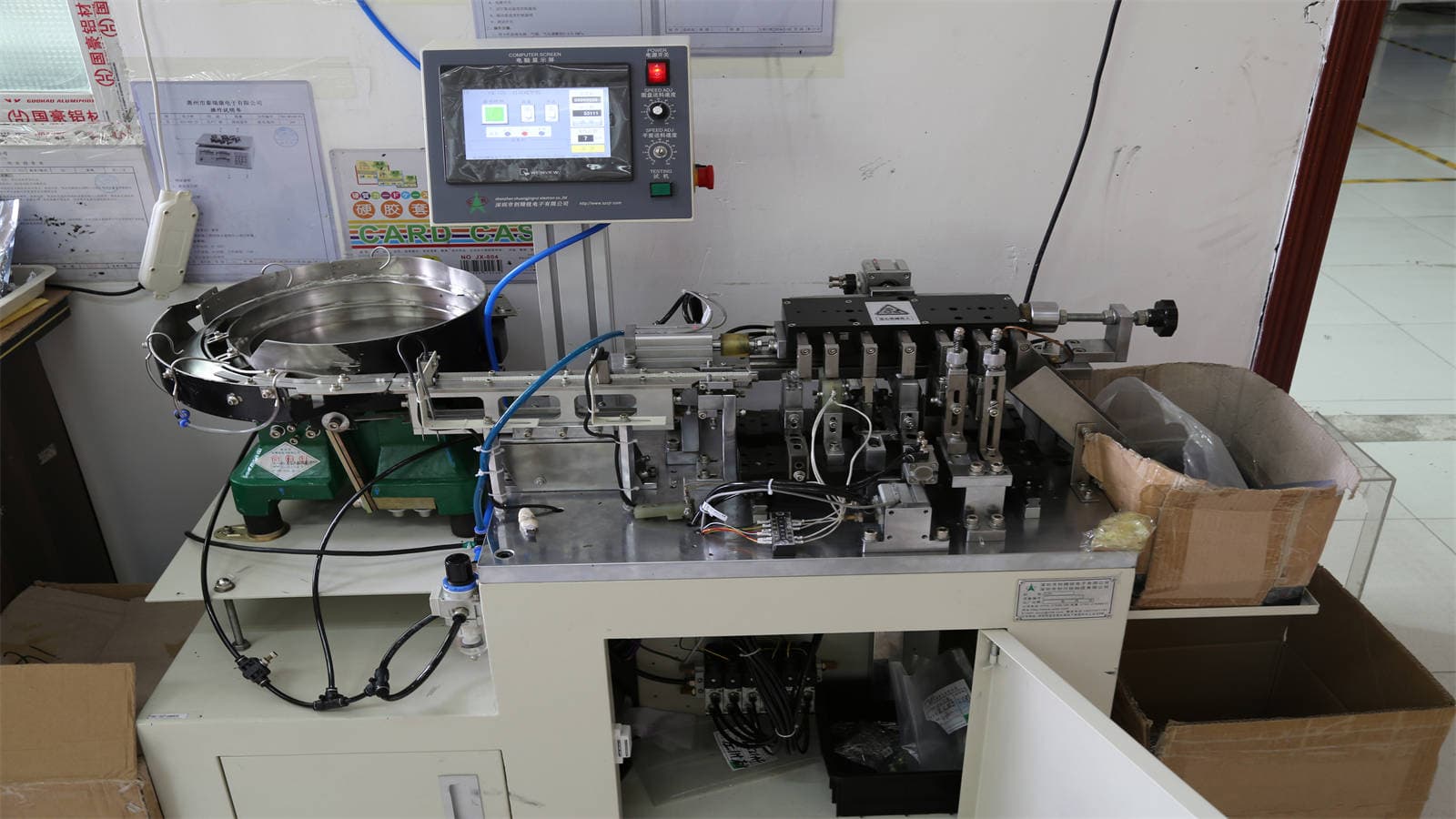
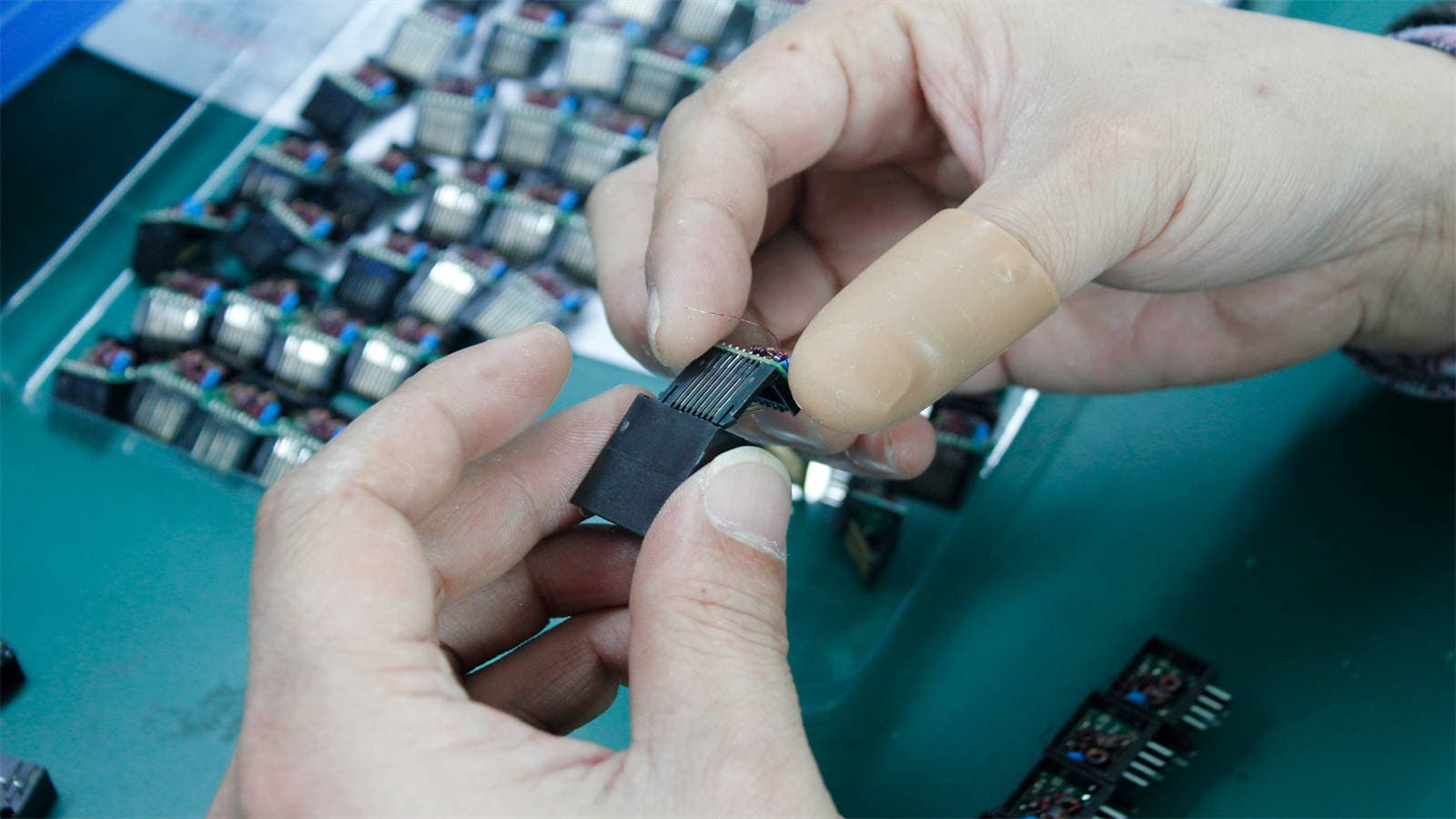
Quality is not a final inspection step—it is built into every single point of the manufacturing cycle. Below is our internal Factory 4.0 assembly process, ensuring total physical and electrical conformity.
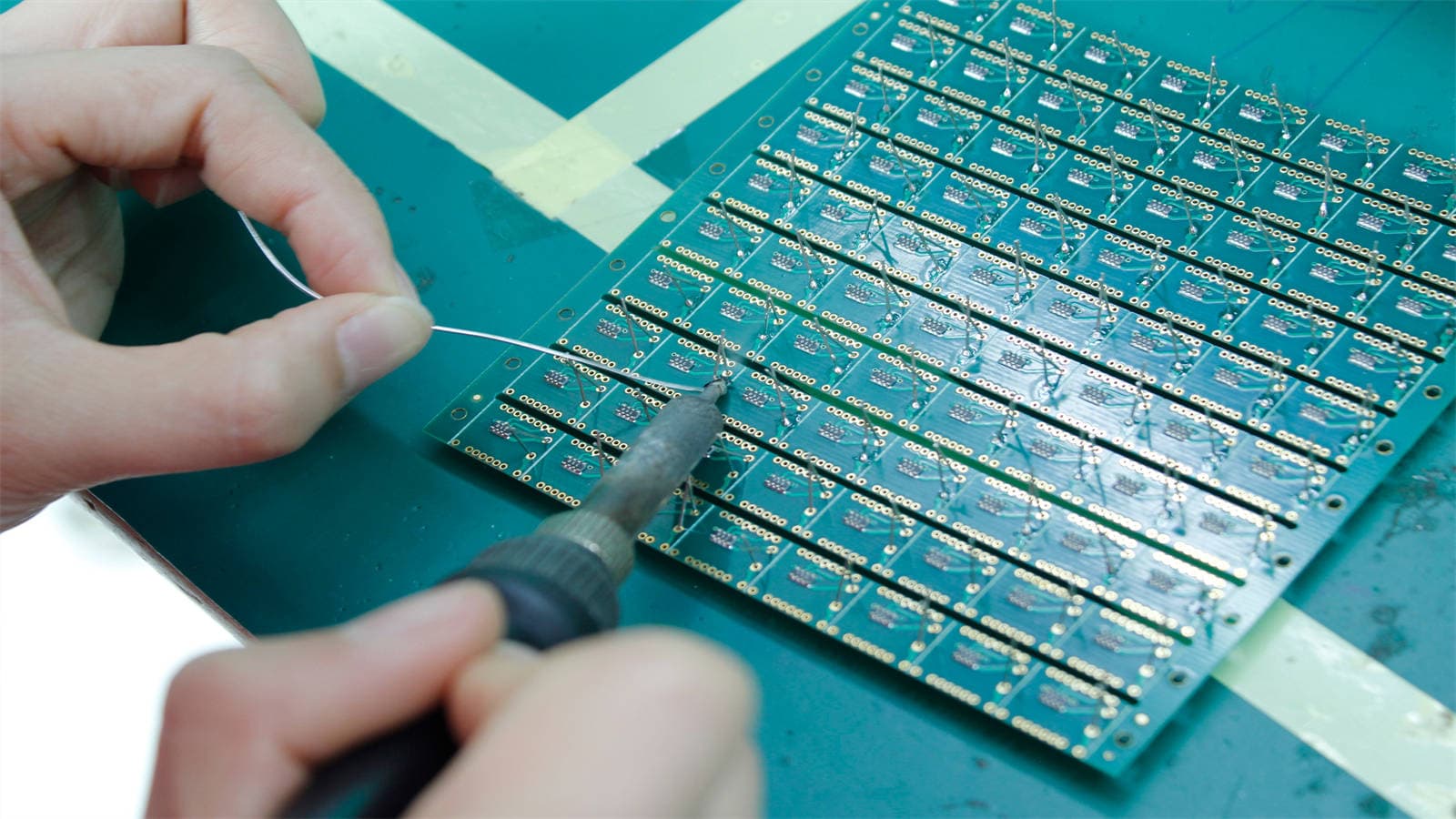
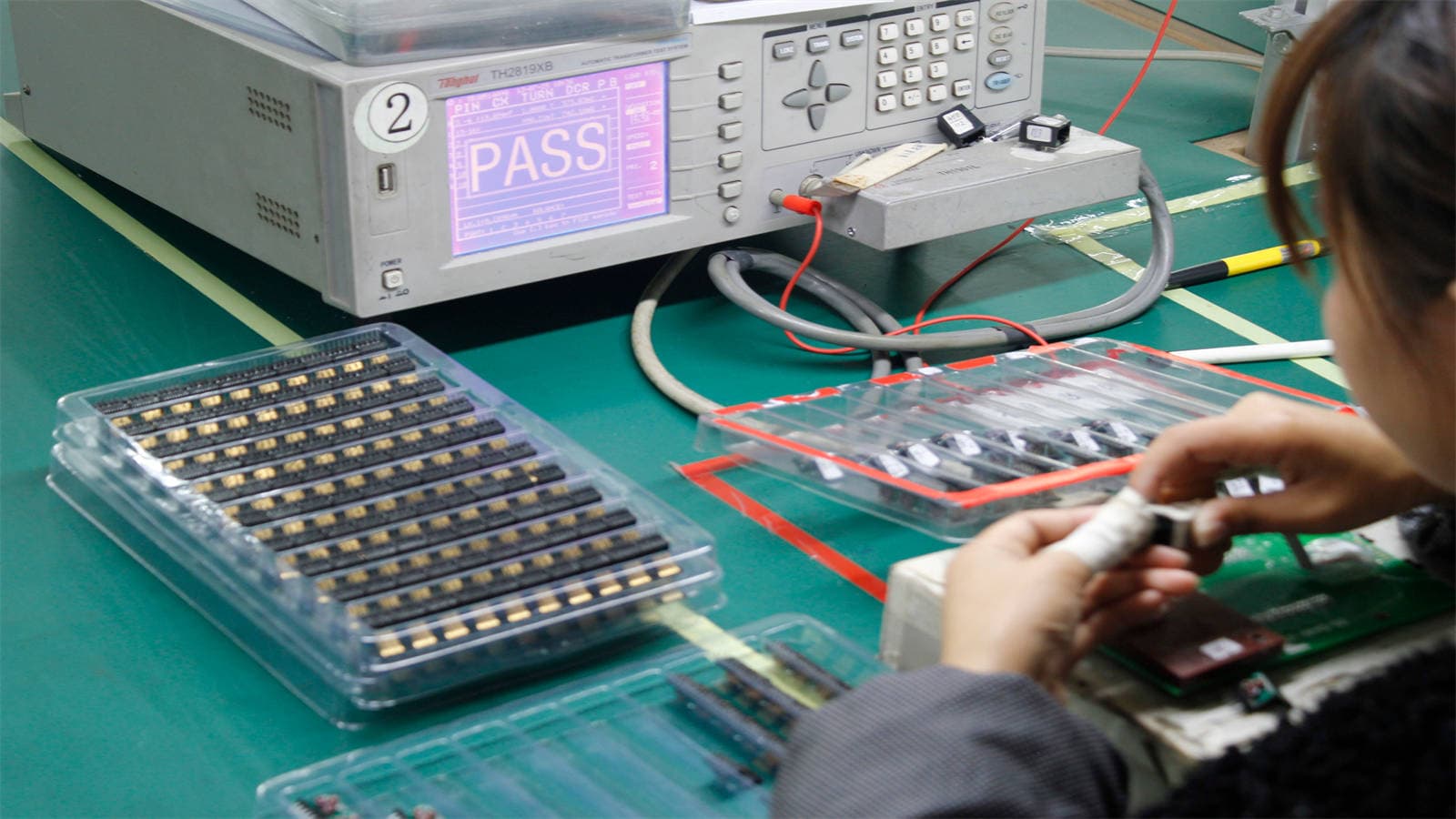
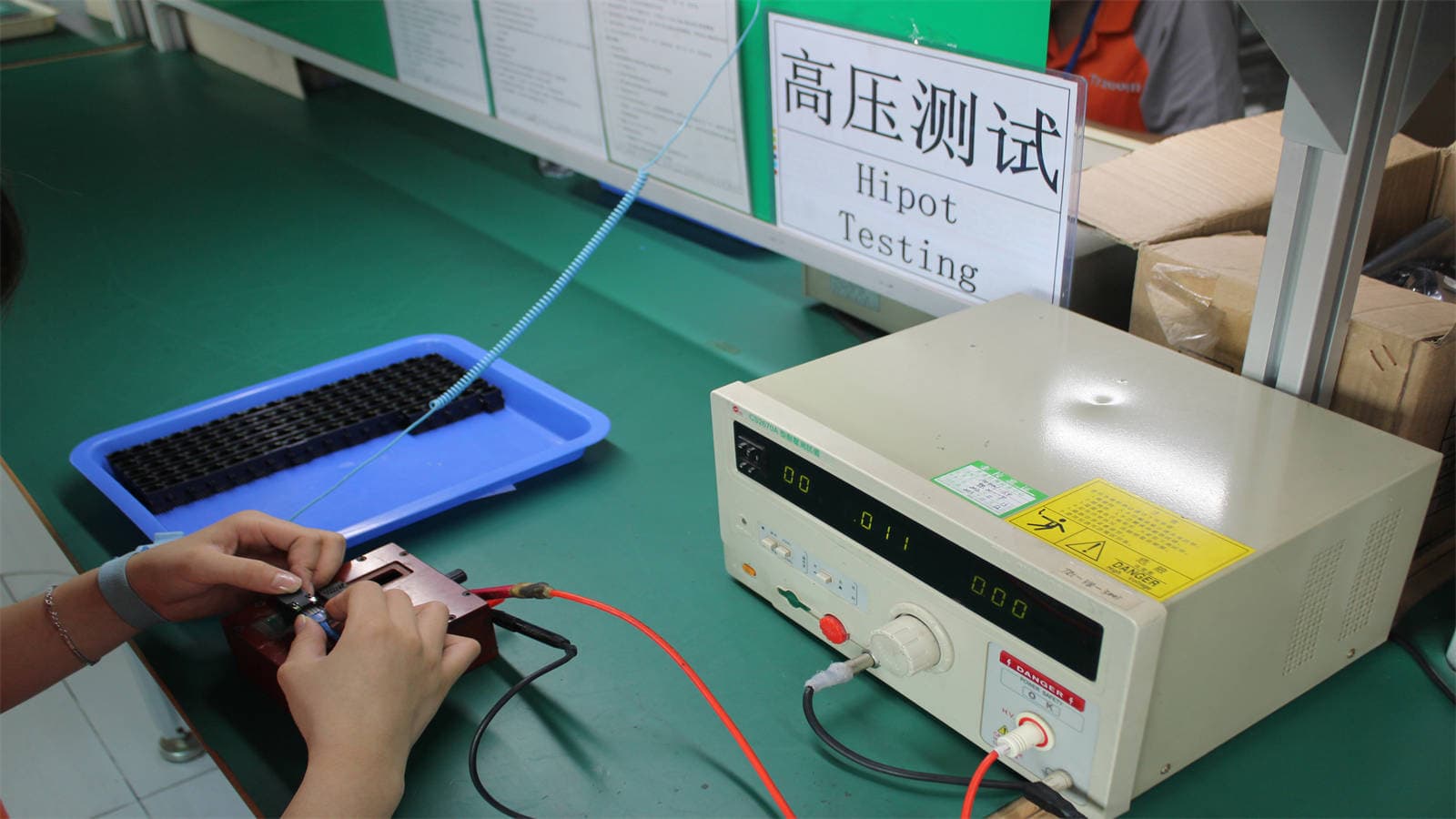
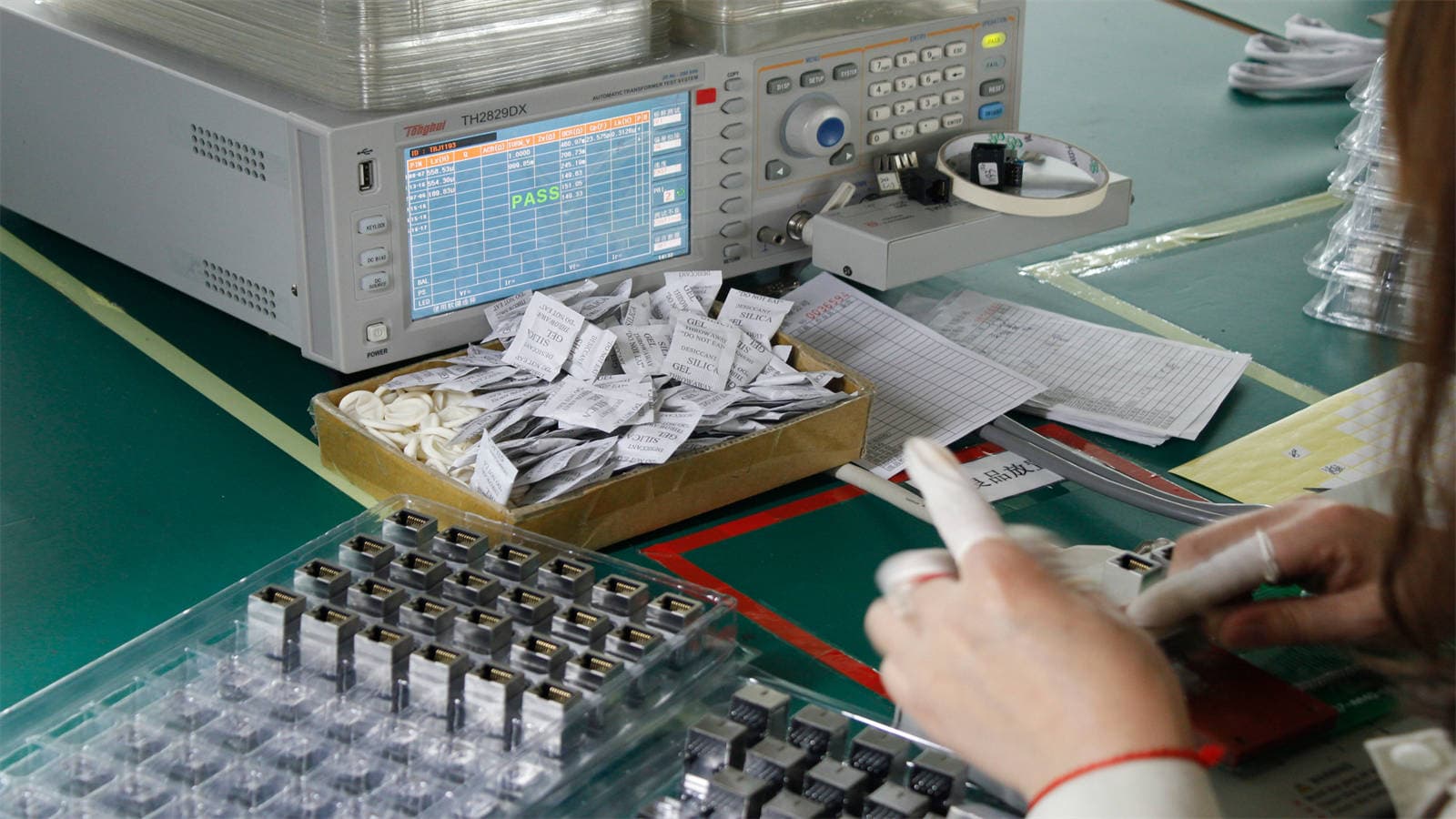
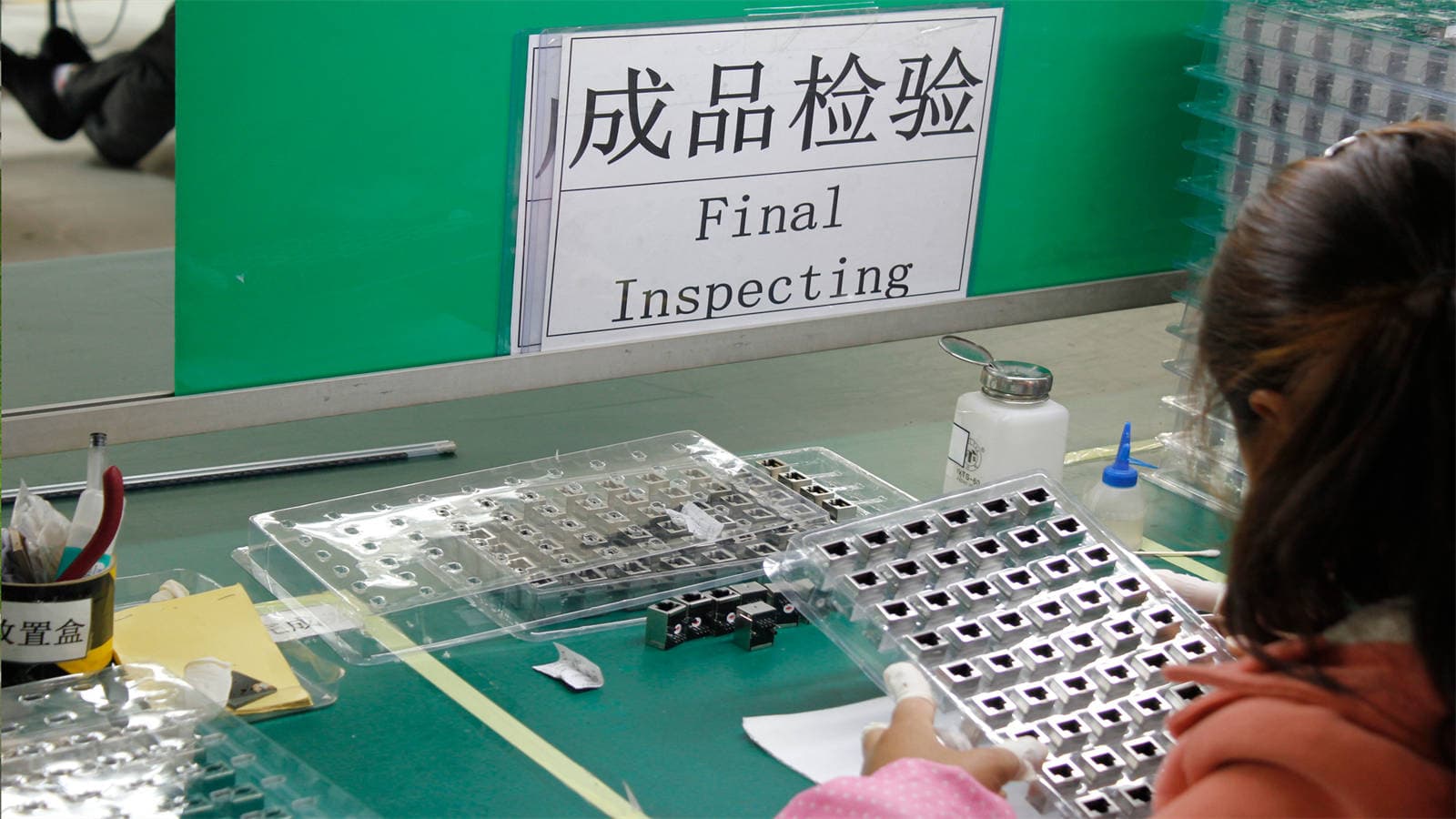

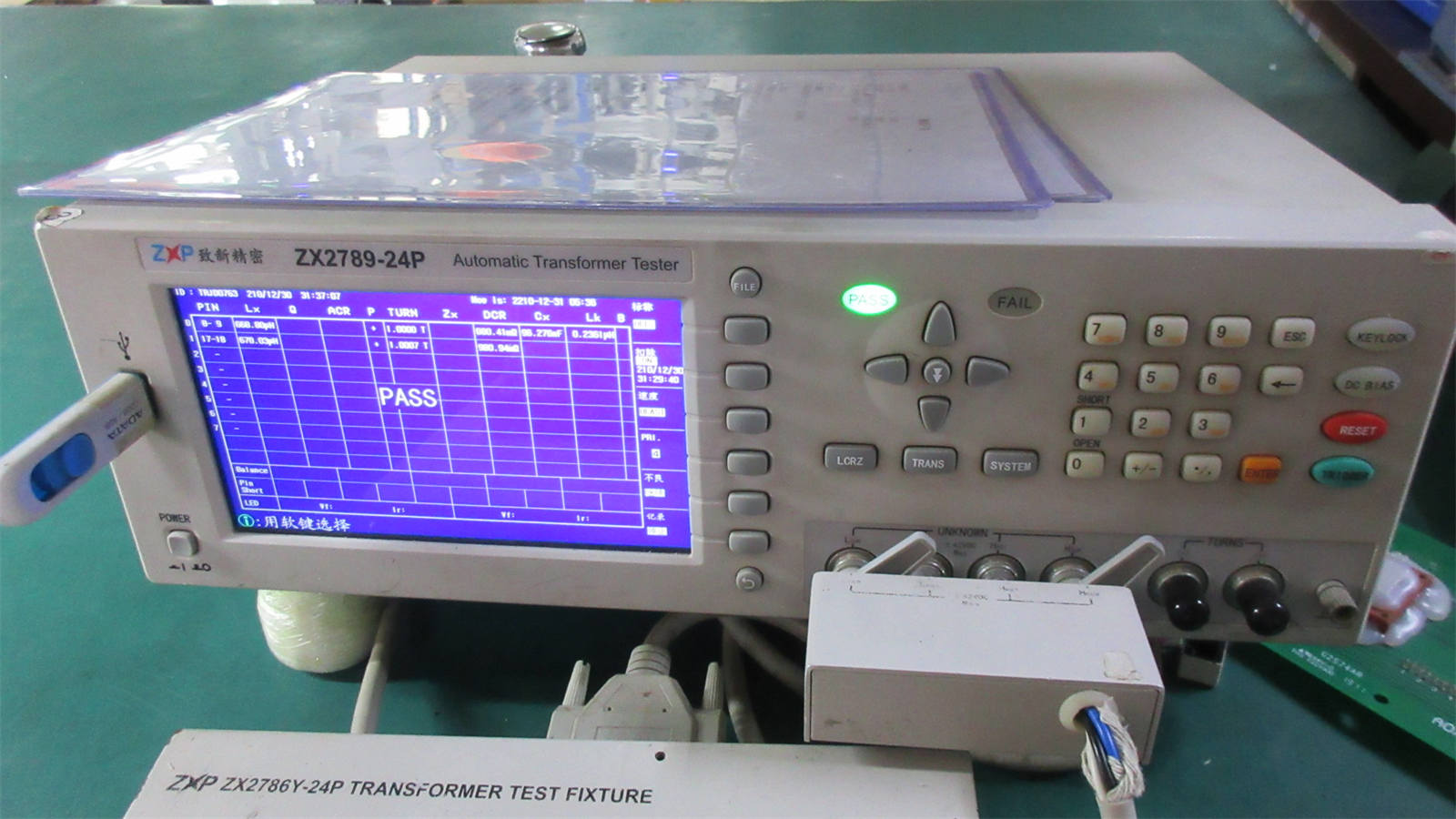
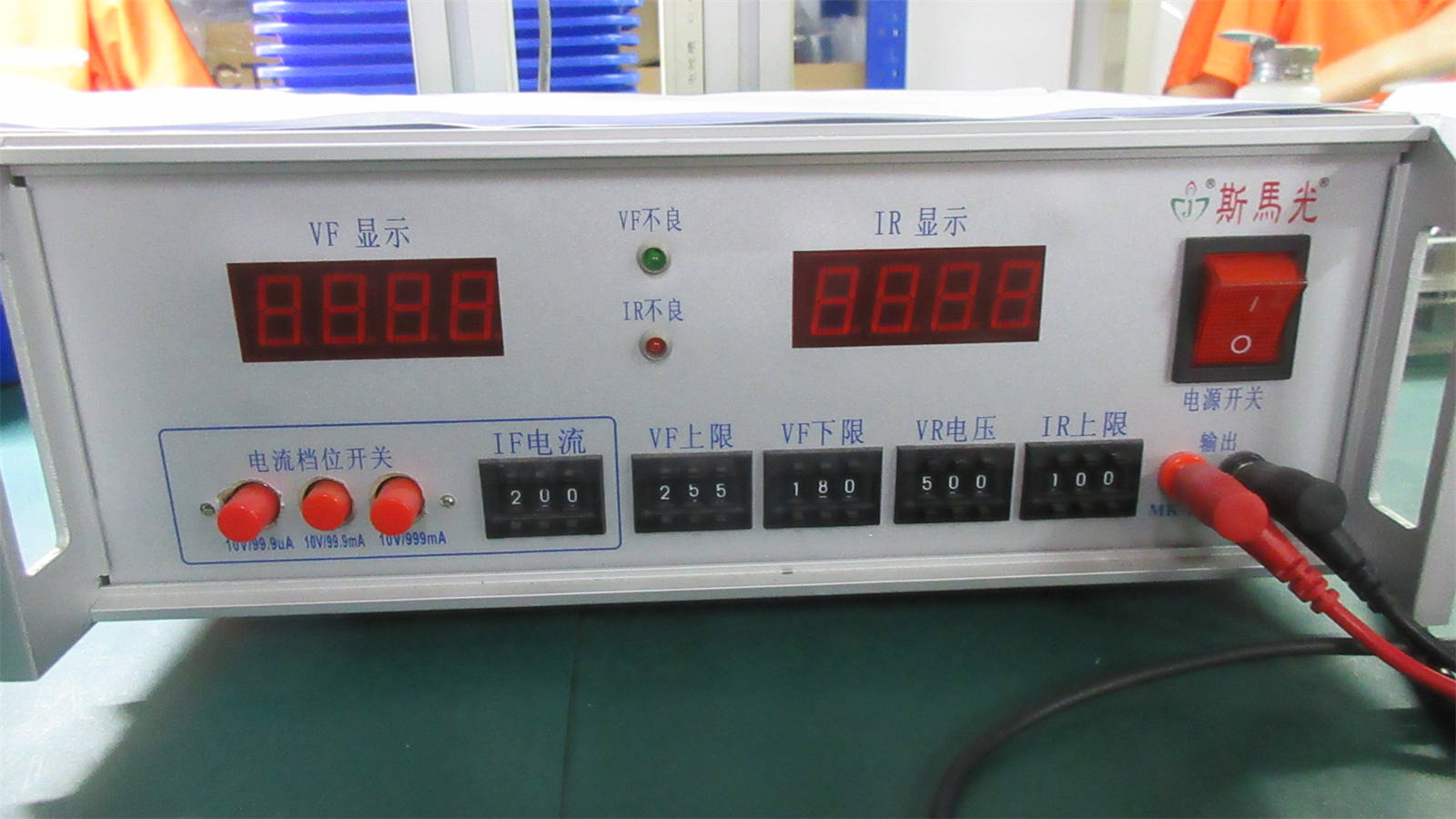
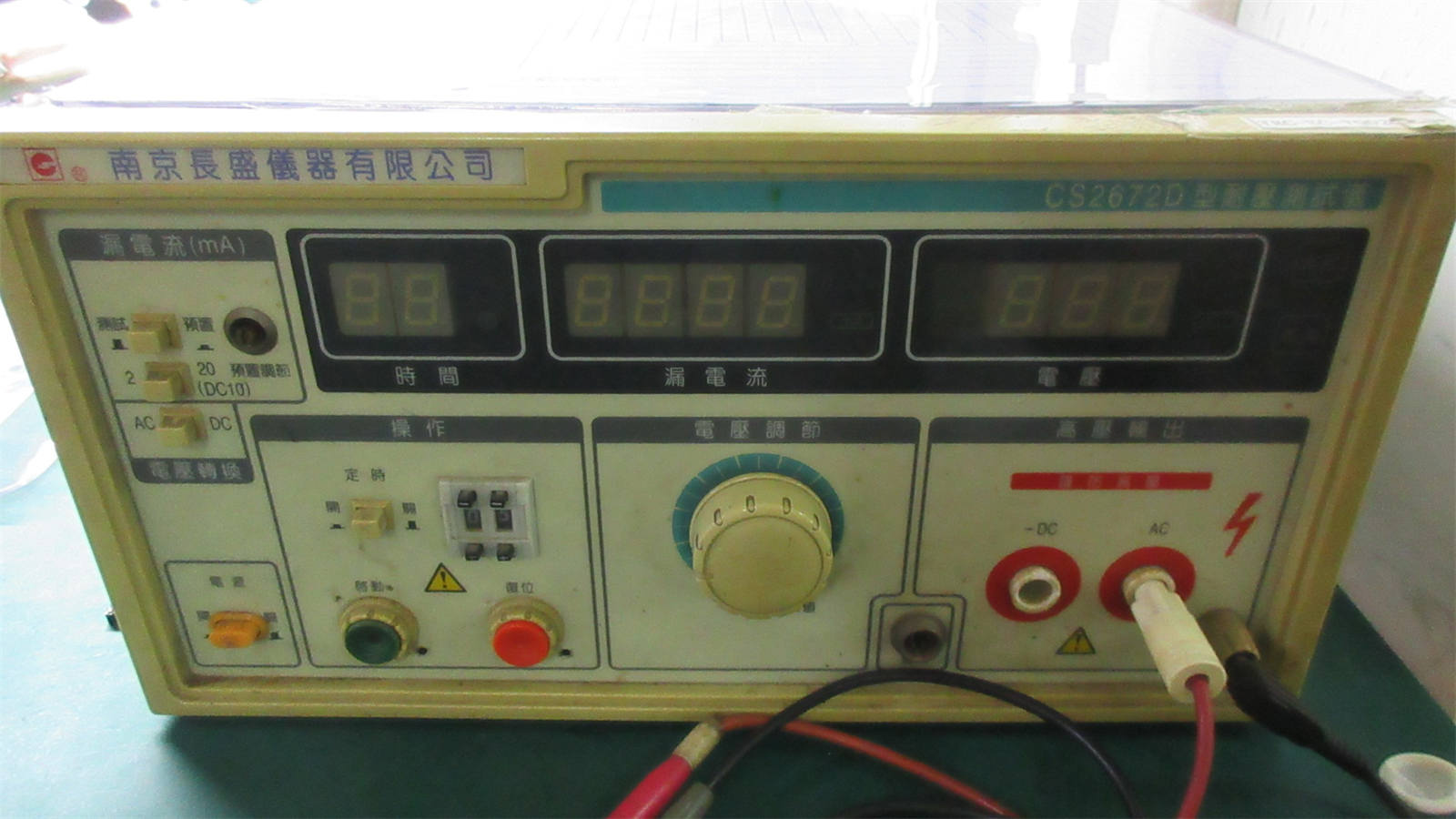
Absolute verification via automated parametric measurement.
Custom solutions across enterprise cloud architectures, edge computing nodes, and public telecom networks.
High-density cabling requires efficient optimization space. Integrating Lumopt's SFP28/QSFP28 optical modules with fiber patch panels reduces system power consumption while ensuring zero frame-loss up to 100G/400G backbone loops. Heat dissipation layout and airflow optimization are built directly into standard module housings.
Rugged and outdoor-deployed patch panels demand components with wide temperature tolerances. Our industrial-grade transceivers and shielded RJ45 modules survive from -40°C to +85°C. These systems prevent data package drops caused by harsh weather conditions and mechanical vibration.
For high-frequency trading terminals or local AI training rigs, low latency is critical. Deploying Cat6A/Cat8 copper patch panels along with Lumopt's custom low-profile LAN transformers guarantees maximized NEXT (Near-End Crosstalk) margins, preventing operational packet retransmissions.
Strategic parameters for patch panel and transceiver selection.
| Interface Parameter | Cat6A Copper Keystone Patch Node | Cat8 Ultra-Speed Copper Node | MPO/MTP Single-Mode Fiber Panel |
|---|---|---|---|
| Max Data Rate | 10 Gbps | 25 / 40 Gbps | 100 / 400 / 800 Gbps |
| Max Cable Reach | 100 Meters | 30 Meters (Channel limited) | Up to 10 Kilometers (SMF) |
| Frequency Range | 500 MHz | 2000 MHz | N/A (Optical Carrier) |
| Power Delivery | PoE / PoE+ / PoE++ (Up to 100W) | PoE Capable (Short distances) | None (Passive Glass Carrier) |
| Component Interface | RJ45 8P8C Jack (Shielded) | Shielded Keystone modular casing | LC Duplex / MPO Multi-fiber adapter |
| Interference Tolerance | EMI Resistant (F/UTP or S/FTP) | Highest Copper Shielding required | 100% EMI/RFI Immune |
The networking industry is on the verge of a shift from traditional pluggable optical components toward Co-Packaged Optics (CPO). This migration is driven by the limits of copper traces on standard PCBs, which struggle to maintain signal integrity beyond 112G SerDes speeds. In this new design paradigm, patch panels must evolutionize into optical distribution matrices that directly interface with high-density fibers routed right to the silicon ASIC packages.
Additionally, modern systems demand *intelligent patch panels* equipped with automated infrastructure management (AIM). These panels feature built-in microcontrollers that sense physical connection states, reporting changes directly to system managers. To support this growth, Lumopt is developing ultra-low insertion loss optical adapters and hybrid copper-fiber connectors that streamline connectivity from internal PCB components to exterior patch arrays.
How China's production scale provides stable supply chains for global enterprise buyers.
Every transceiver, LAN transformer, and connector produced by Lumopt undergoes strict tests to guarantee compliance with RoHS and REACH standards. We verify all raw plastics and soldering compounds to make sure they are heavy-metal free, simplifying customs clearance in the EU and North American markets.
We test our optical transceivers and modular connectors using original systems from global vendors (including Cisco, Juniper, Arista, and Huawei). This testing ensures that our parts work out of the box without flagging system errors or compatibility warnings.
Lumopt has built long-term cooperative partnerships with distributors, system integrators, and communication enterprises worldwide. Based in China's advanced industrial manufacturing corridors, we secure direct access to high-grade silicon, raw copper, and advanced optoelectronics to guarantee stable lead times.
Detailed answers to the most common questions raised by network engineers and sourcing leads.
Shielded patch panels use a metal ground plane to surround the internal connectors, reducing external electromagnetic interference (EMI) and alien crosstalk (AXT). Unshielded patch panels are easier to deploy but lack this protection. Shielded panels are recommended for environments with high cable densities or adjacent electrical wiring to prevent packet drop issues.
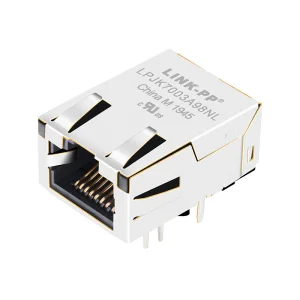
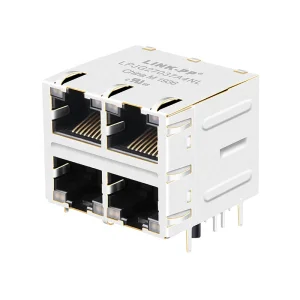
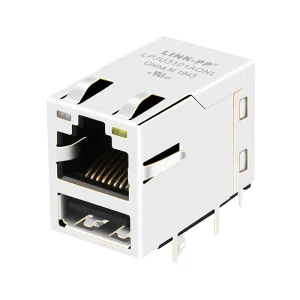
Integrated magnetic RJ45 connectors (often called Magjacks) combine the physical RJ45 port with the passive components needed for signal isolation and noise filtering. Putting these components directly inside the shielded connector housing saves valuable board space, reduces electromagnetic noise, and improves overall signal integrity across the channel.
Engineers must balance insertion loss budgets (measured in dB), transmitter optical power limits, receiver sensitivity, and cooling capabilities. Choosing transceivers with high-quality laser components ensures low optical return loss (ORL) and high signal quality, allowing systems to operate reliably across the planned link distance.
Insertion loss measures the signal power lost as it passes through a connector. Return loss measures the signal reflected back to the source. High insertion loss or low return loss can degrade signal quality, causing errors and packet retransmissions in high-speed networks. This is why we test every panel and connector before shipment.
Lumopt offers comprehensive OEM/ODM services. We can customize port layouts, change shell shielding materials, modify internal PCB layout specs, and customize optical module firmware to ensure compatibility with specific switch systems. We provide sample testing and full traceability reports to simplify approval phases.
Explore our full line of network transformers, shielded connectors, and optical transceivers.