Lumopt
Lumopt
Lumopt
Optimized and pre-configured transceiver configurations compatible with Tier-1 network switches deployed across Aichi Prefectural enterprise and manufacturing sectors.
 Data Center Core
As the capital of Aichi Prefecture, Nagoya stands as the beating heart of Japan's automotive, aerospace, and precision manufacturing industries. Known globally as the cradle of Toyota Motor Corporation's ecosystem, Nagoya is rapidly migrating from traditional OT (Operational Technology) frameworks to smart, AI-driven manufacturing networks. This industrial paradigm shift requires high-speed, high-density optical communication technologies to support vast computational loads, automated guided vehicles (AGVs), real-time machine learning, and IoT telemetry across manufacturing floors.
Additionally, the Port of Nagoya, being Japan's largest and busiest port by cargo throughput, relies heavily on digitized automated logistics centers. Integrating high-performance 40G QSFP+ (Quad Small Form-factor Pluggable Plus) transceivers into local networks has become vital for maintaining low-latency data transmission, preventing operational bottlenecks, and supporting the massive database syncs required by modern supply-chain networks.
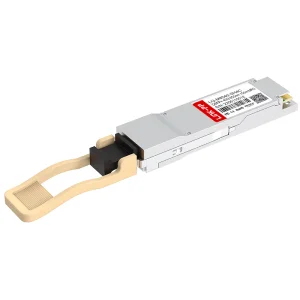
40G QSFP+ modules are standardized under the Multi-Source Agreement (MSA) SFF-8436. By bundling four independent 10 Gbps transmit and receive channels, QSFP+ modules provide a total aggregate bandwidth of 40 Gbps. Understanding the specific physical layer media, connector layouts, and laser wavelengths is critical for network engineers specifying transceivers for industrial and telecom environments.
Short-reach standards (e.g., 40GBASE-SR4) utilize 12-fiber MPO/MTP connectors. Four fibers transmit at 850nm, four receive, and the middle four remain unused. Long-reach standards (e.g., 40GBASE-LR4) utilize duplex LC connectors, multiplexing four wavelengths (1271, 1291, 1311, and 1331nm) internally over a single SMF line using coarse wavelength division multiplexing (CWDM).
From short-range multimode runs (100m to 150m using OM3/OM4) to extreme long-haul single-mode topologies, engineers must choose between SR4, LR4, ER4, and ZR4 based on optical power budget constraints. ZR4, for example, features APD receiver sensitivity to achieve 80km links without external EDFA amplification.
Also known as DOM (Digital Optical Monitoring), this feature allows real-time telemetry access to laser bias current, optical output power, optical input power, internal temperature, and transceiver voltage. Crucial for predictive maintenance protocols in remote automated warehouses.
A major issue faced by Japanese system integrators is strict vendor lock-in implemented by switch manufacturers. Our transceivers are programmed at the EEPROM level using custom-written compatibility profiles. Whether your infrastructure relies on Cisco Catalyst/Nexus, Juniper EX/QFX, Arista, Edge-Core, or Allied Telesis (commonly deployed in Japanese public networks), our modules bypass proprietary screening blocks, ensuring seamless autonegotiation and interface stability.

Lumopt Opto Technology Co., Ltd., registered as Luguang Communication Technology Co., Ltd. in China, is a professional Chinese manufacturer and exporter specializing in high-performance optical transceivers.
We focus on the R&D, production and customization of full-series optical modules covering 10G, 25G, 100G, 400G, 800G and 1.6T products, which are widely applied in data centers, telecom networks, cloud computing, AI computing equipment and enterprise communication systems.
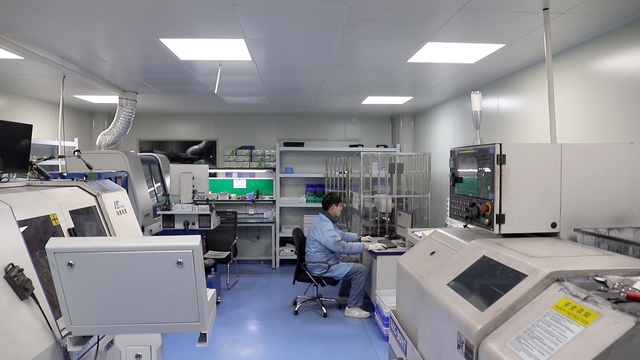
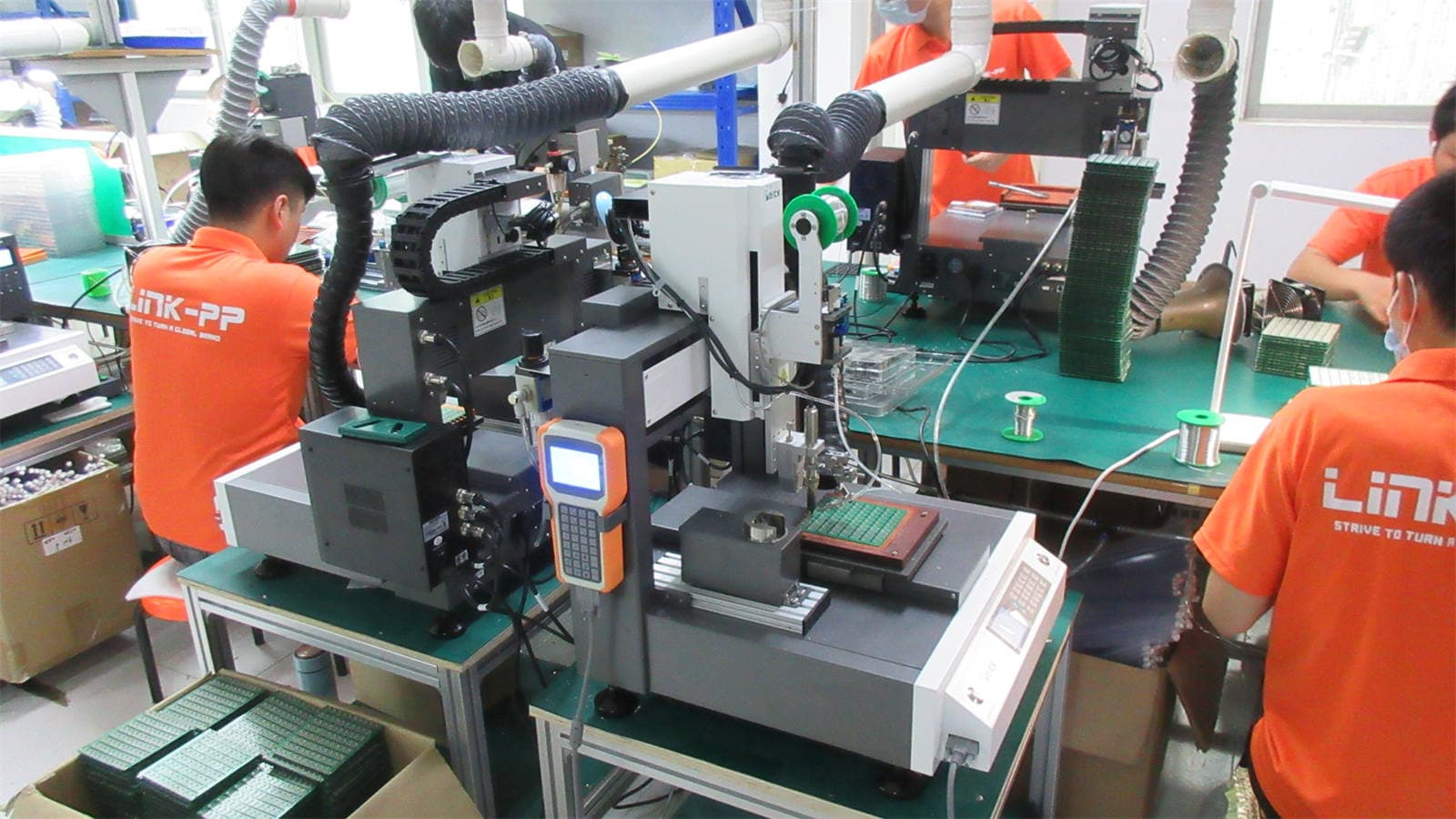
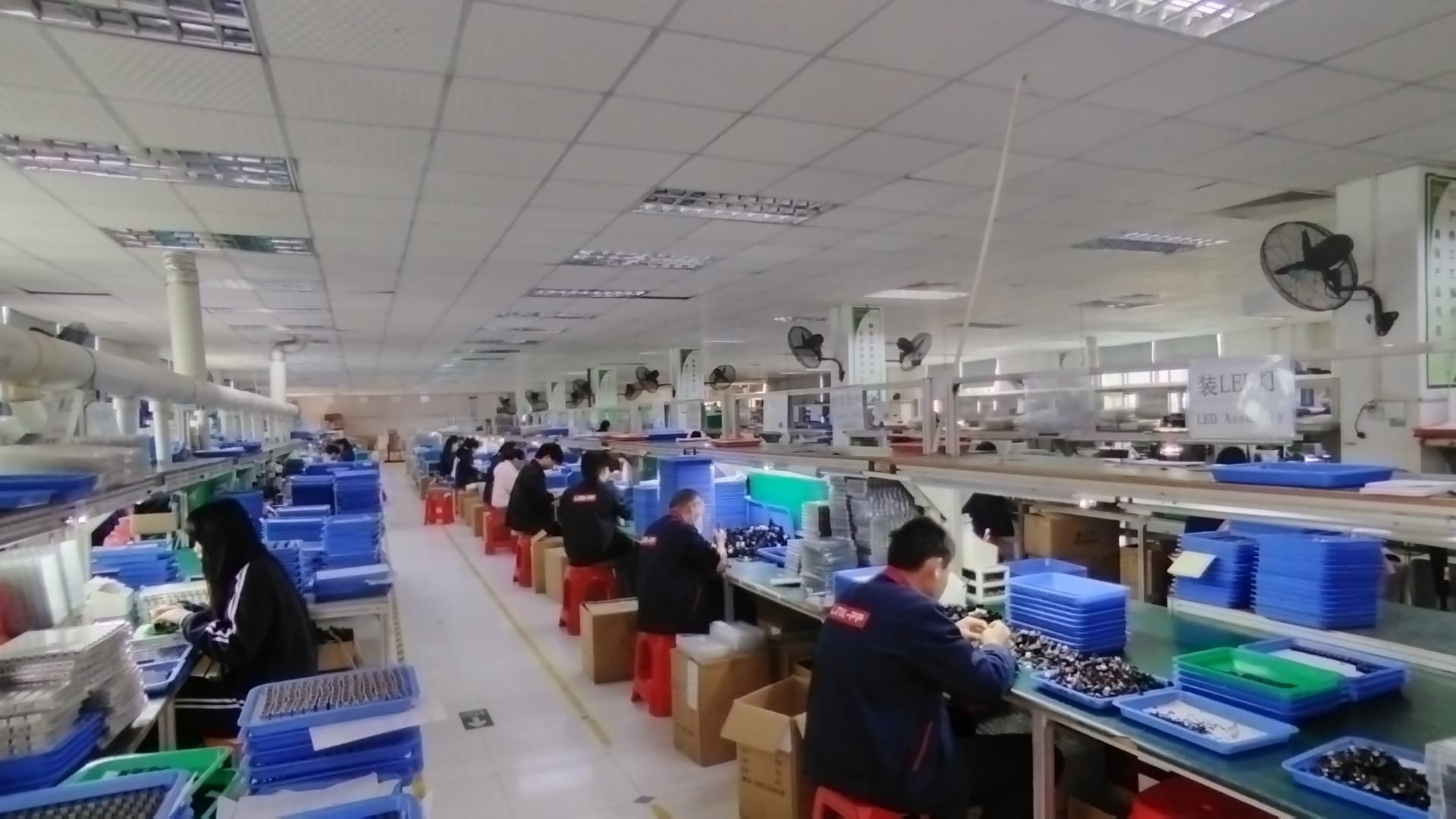
Equipped with standardized dust-free production workshops, advanced automatic testing equipment and a professional technical R&D team, we implement strict quality control throughout the whole production process. All our optical transceivers comply with international industry standards and have passed relevant reliability certifications, supporting OEM & ODM customized services to meet diverse demands from global buyers.
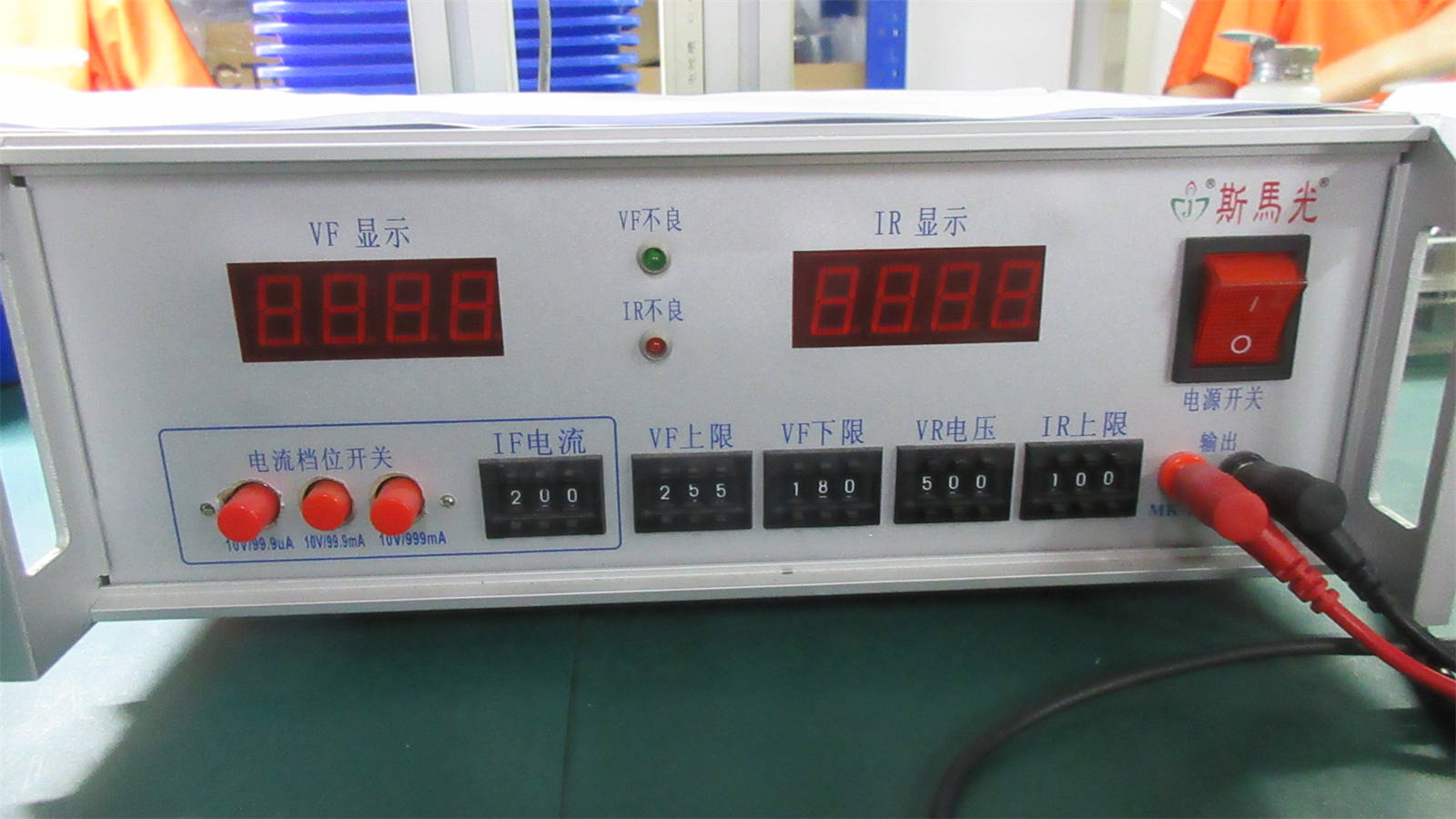
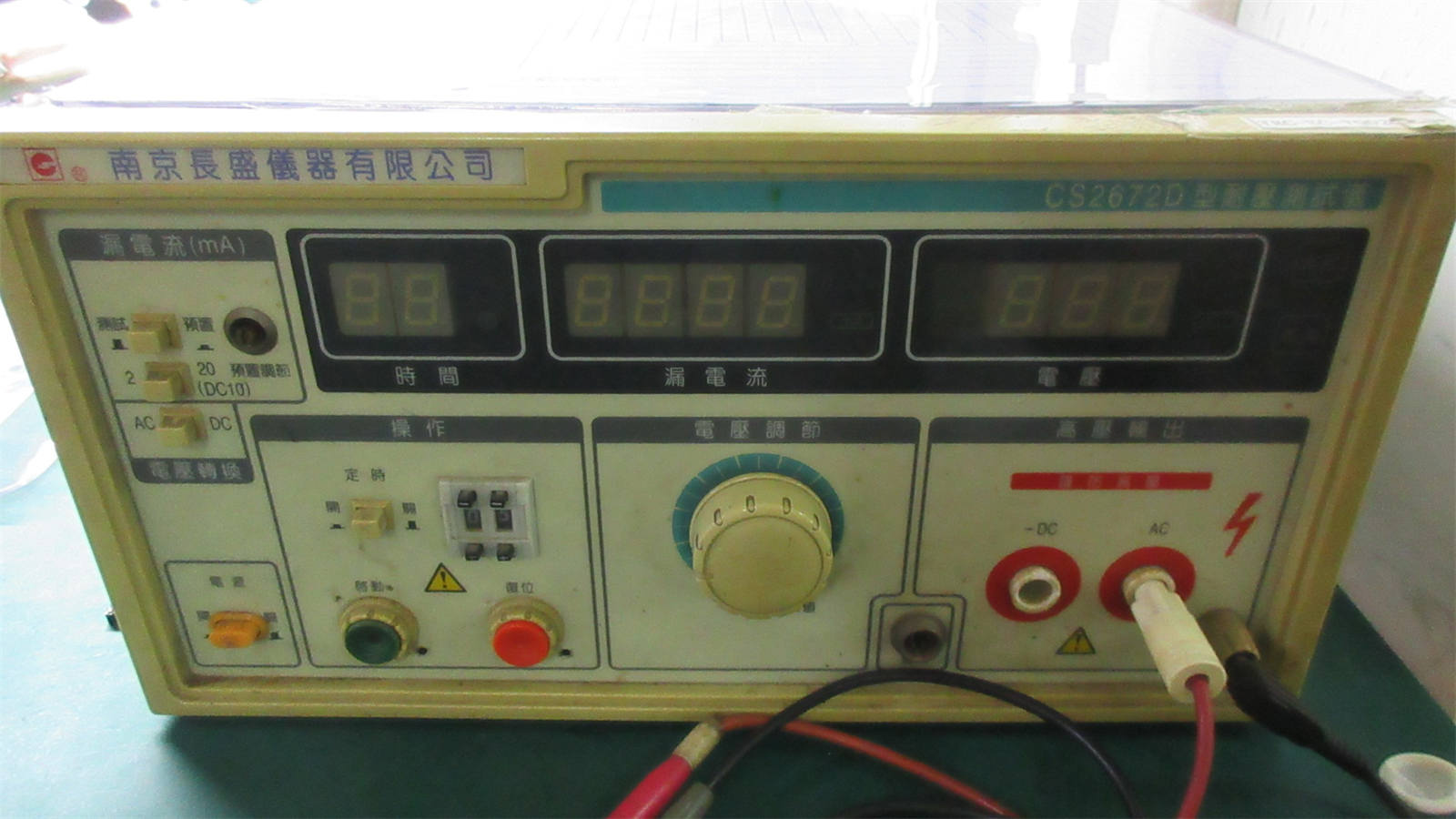
Inquire Bulk RatesTrace our end-to-end production pipeline ensuring optical calibration, structural durability, and high signal-to-noise ratios.
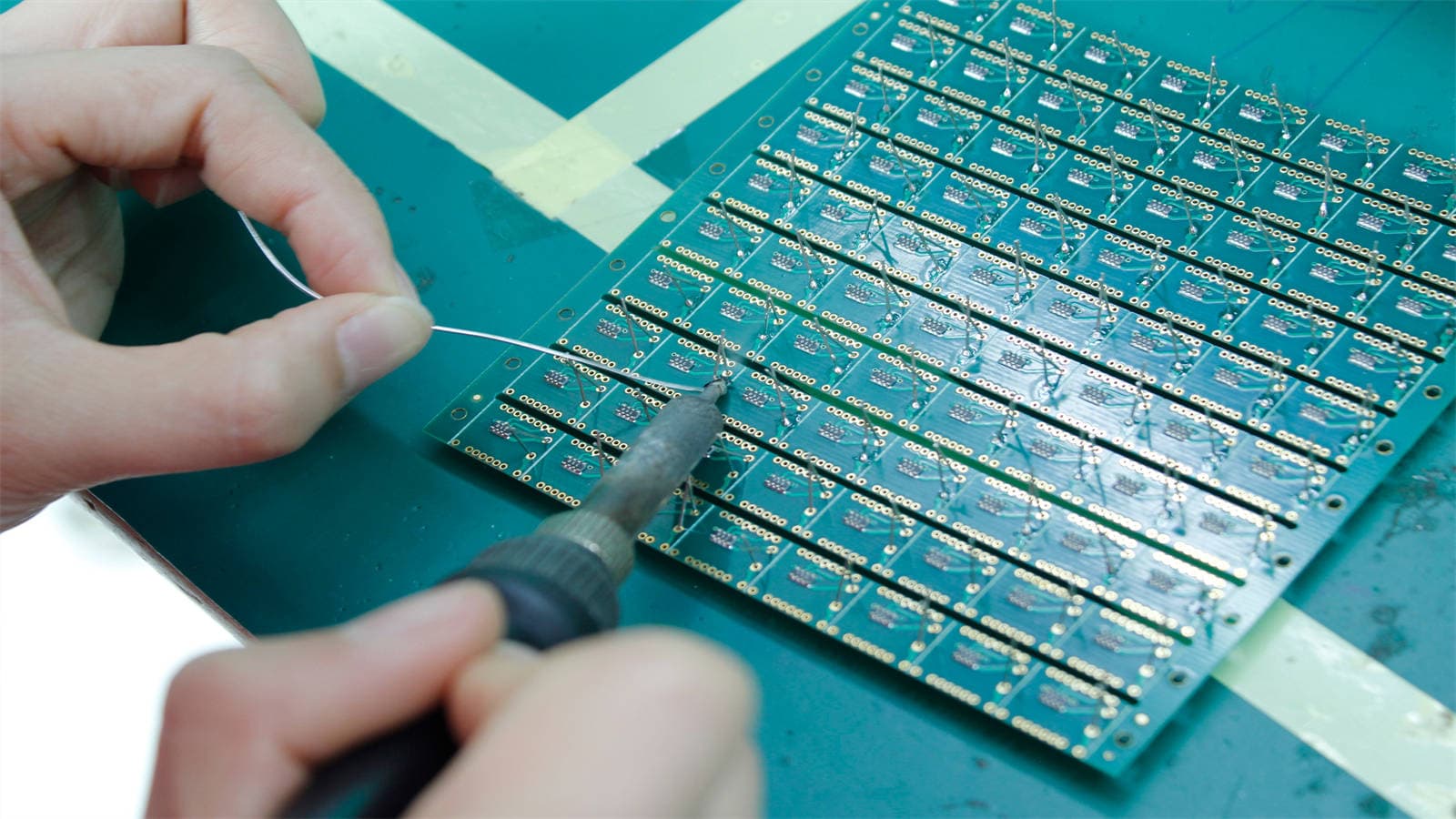
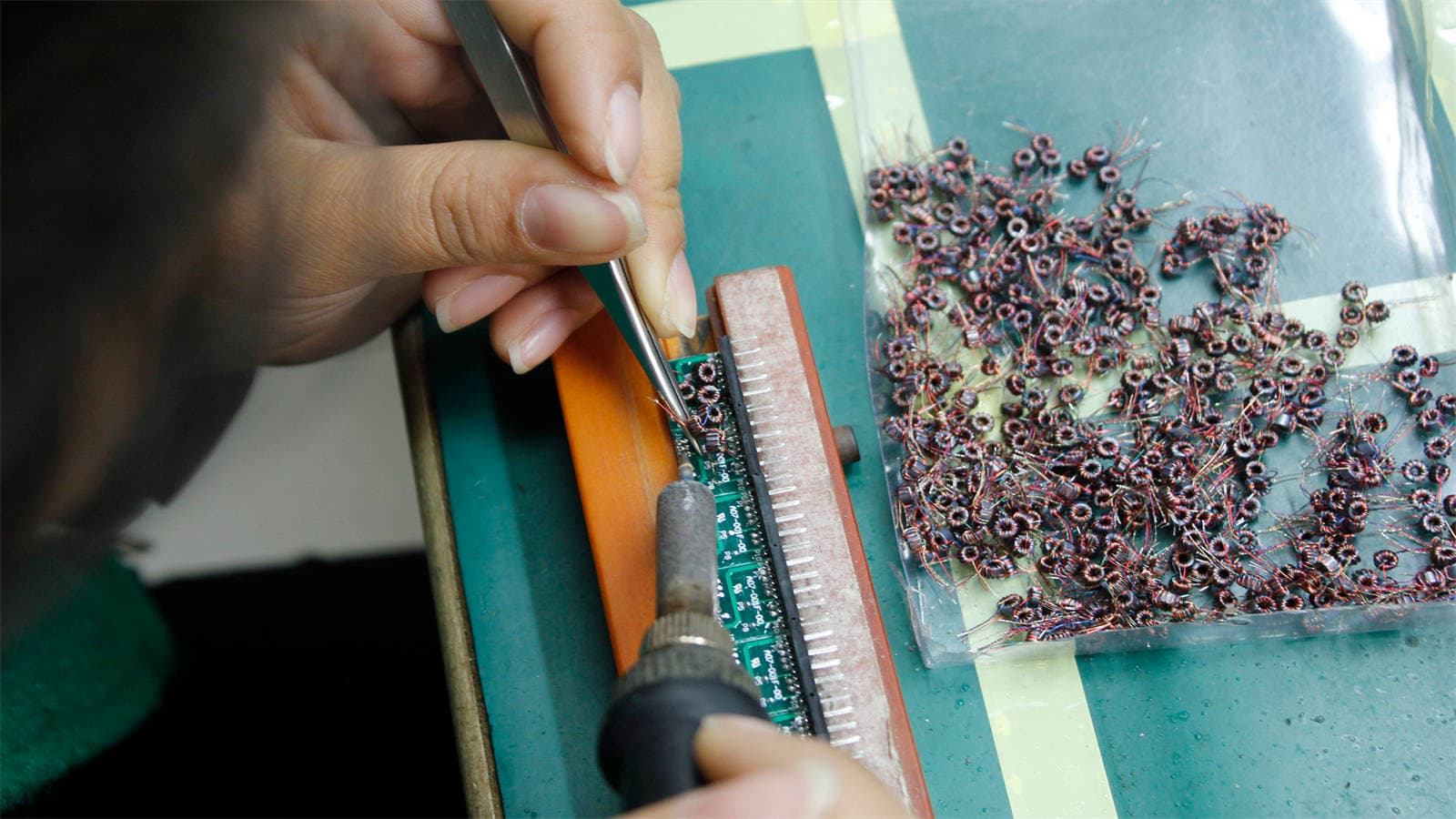
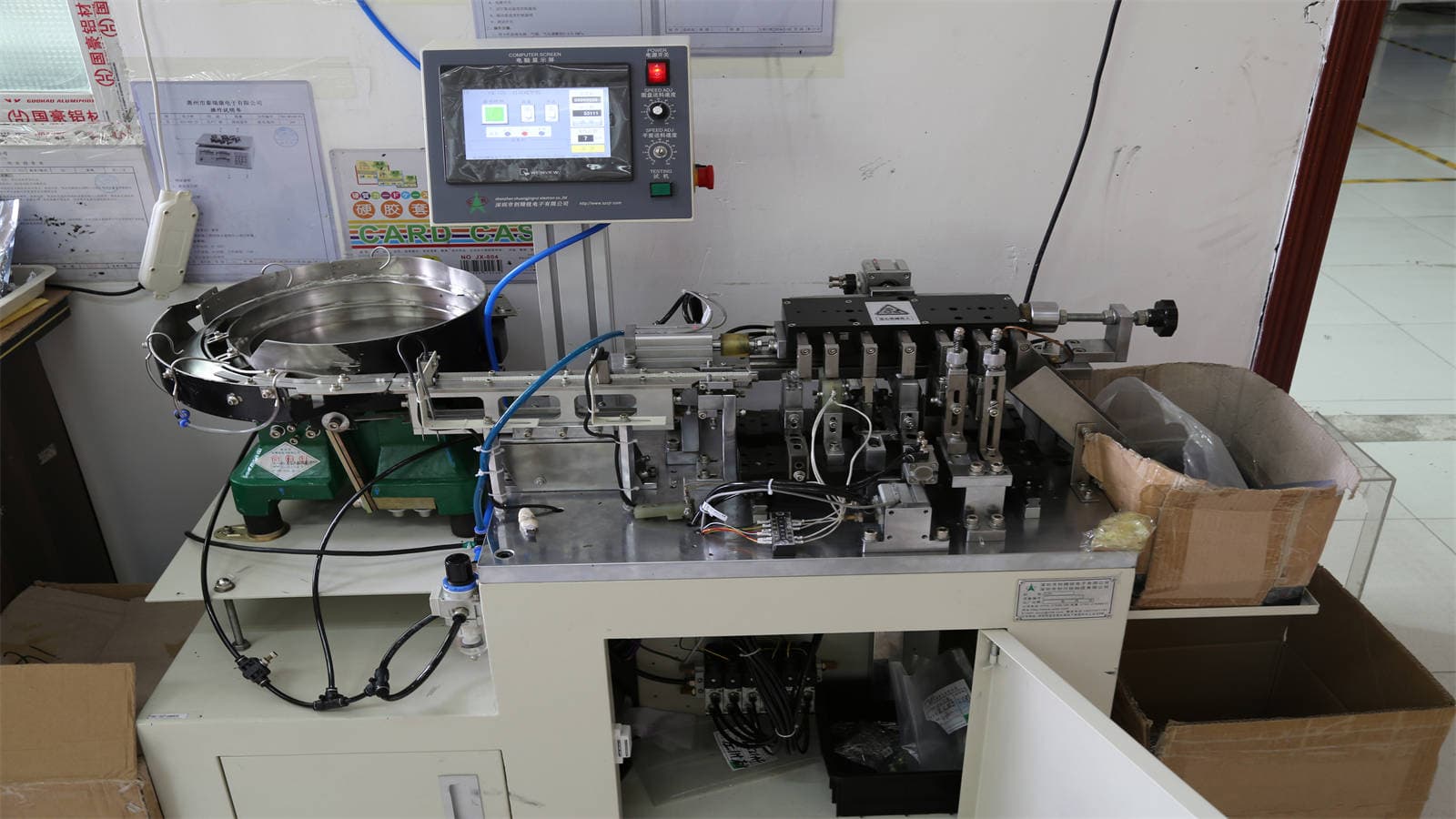
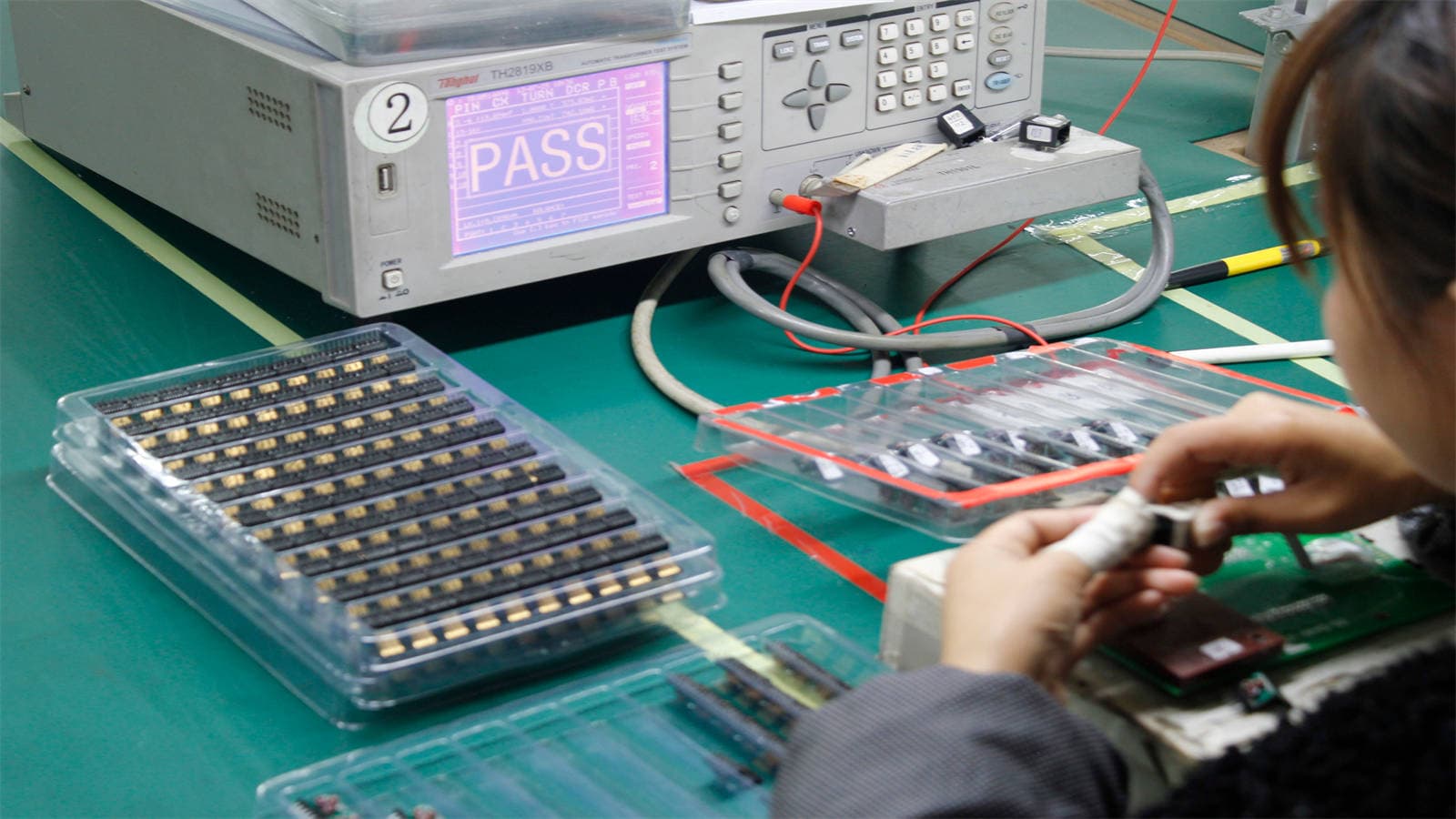
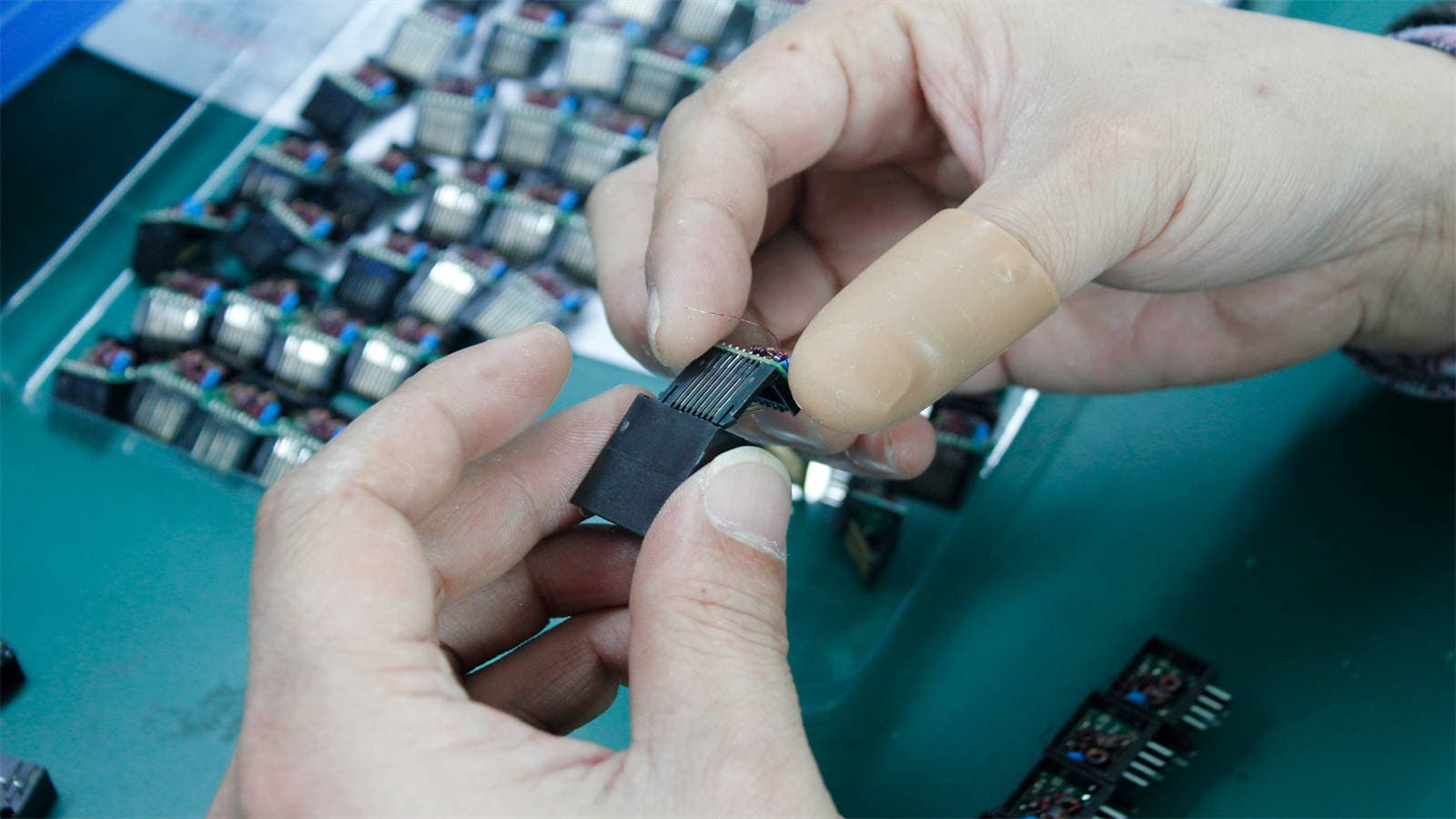
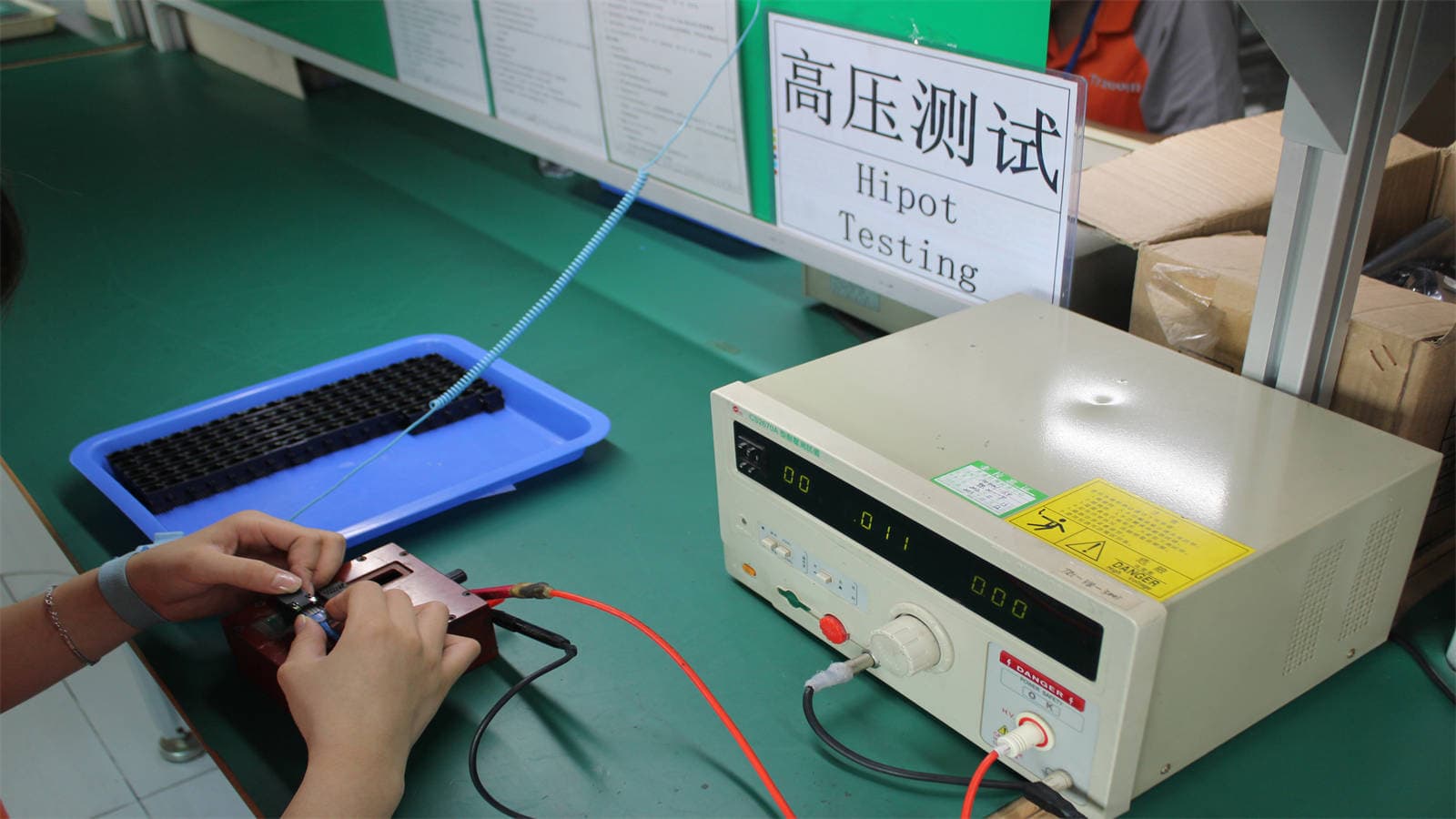
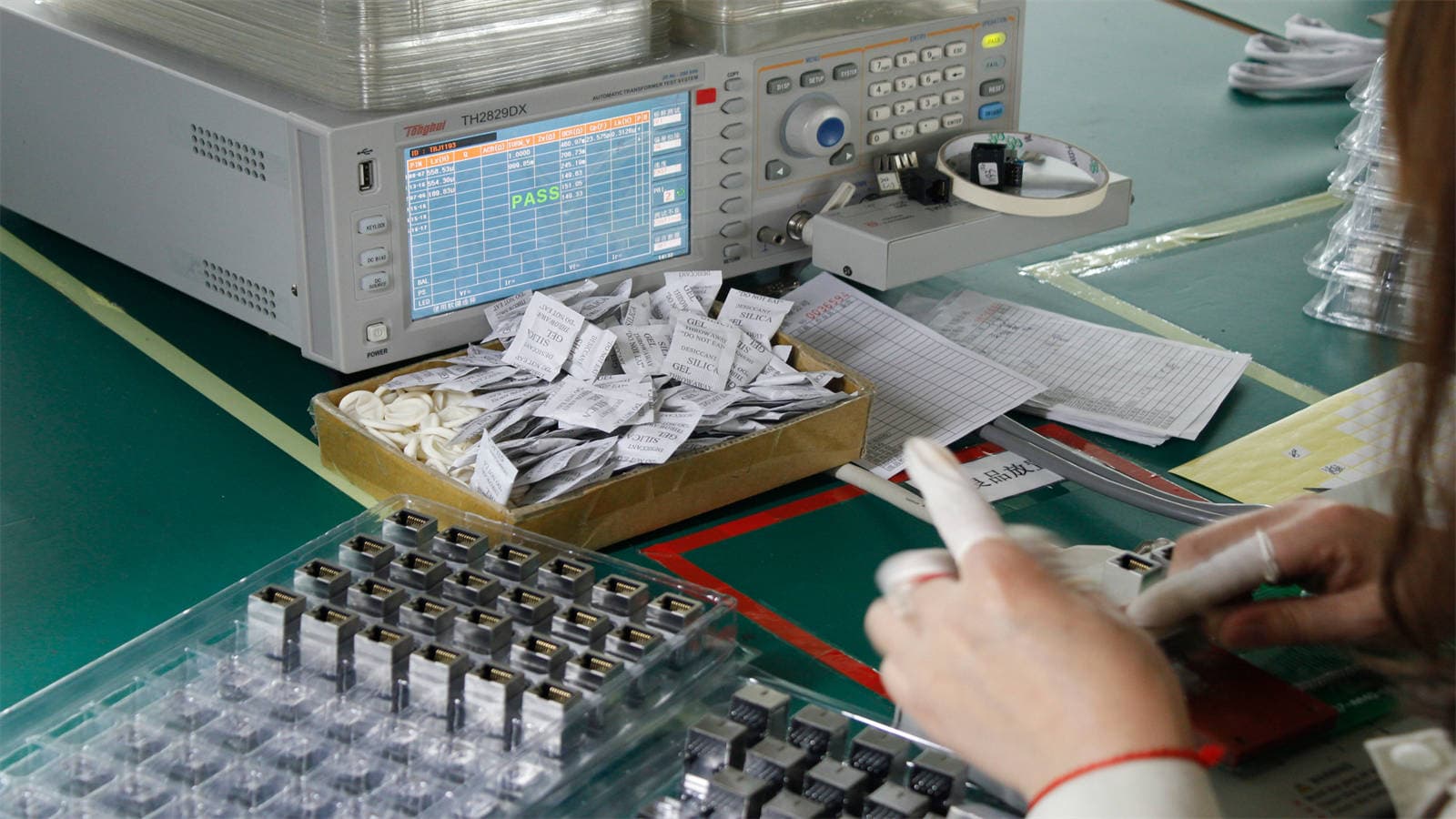
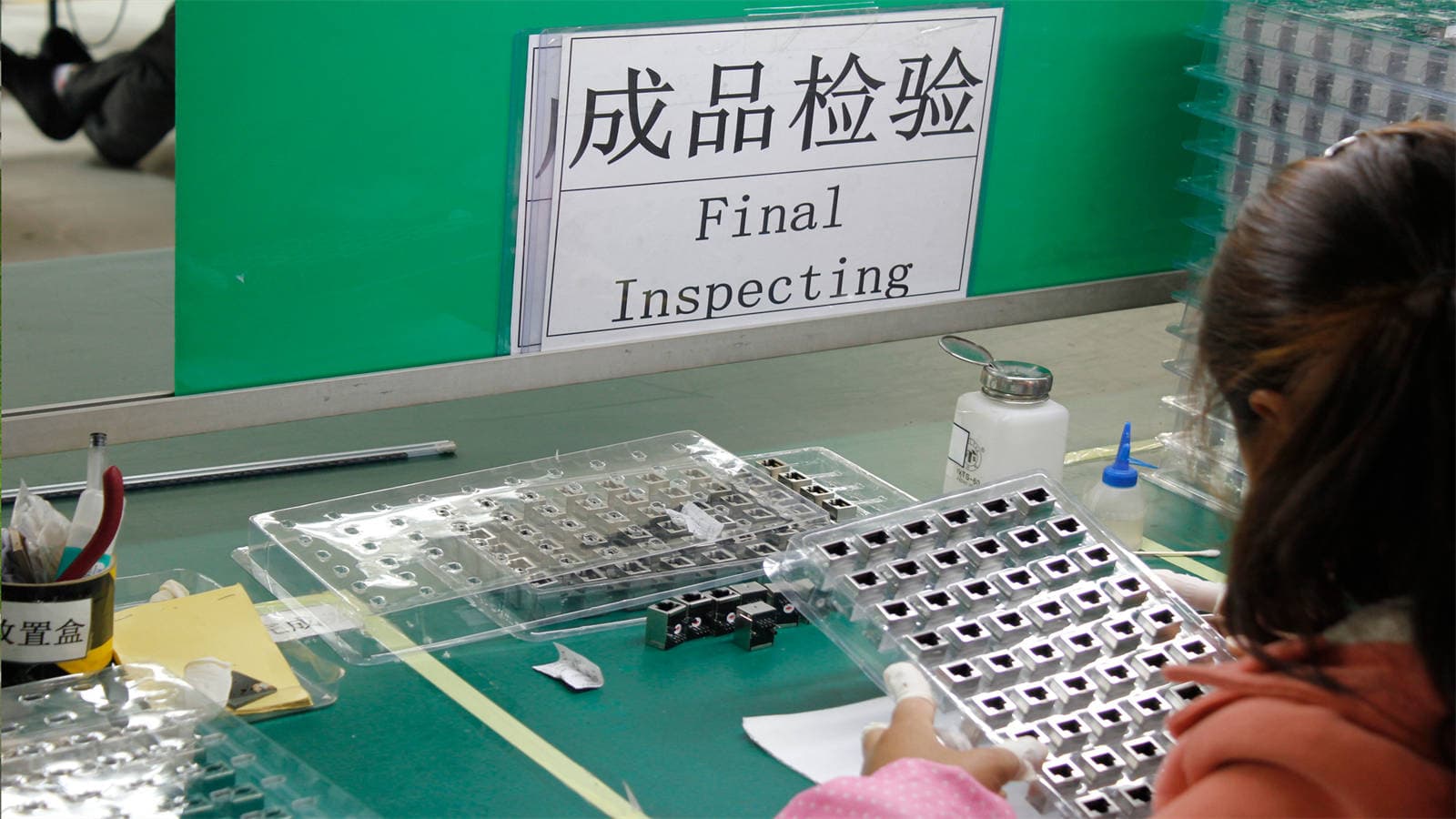

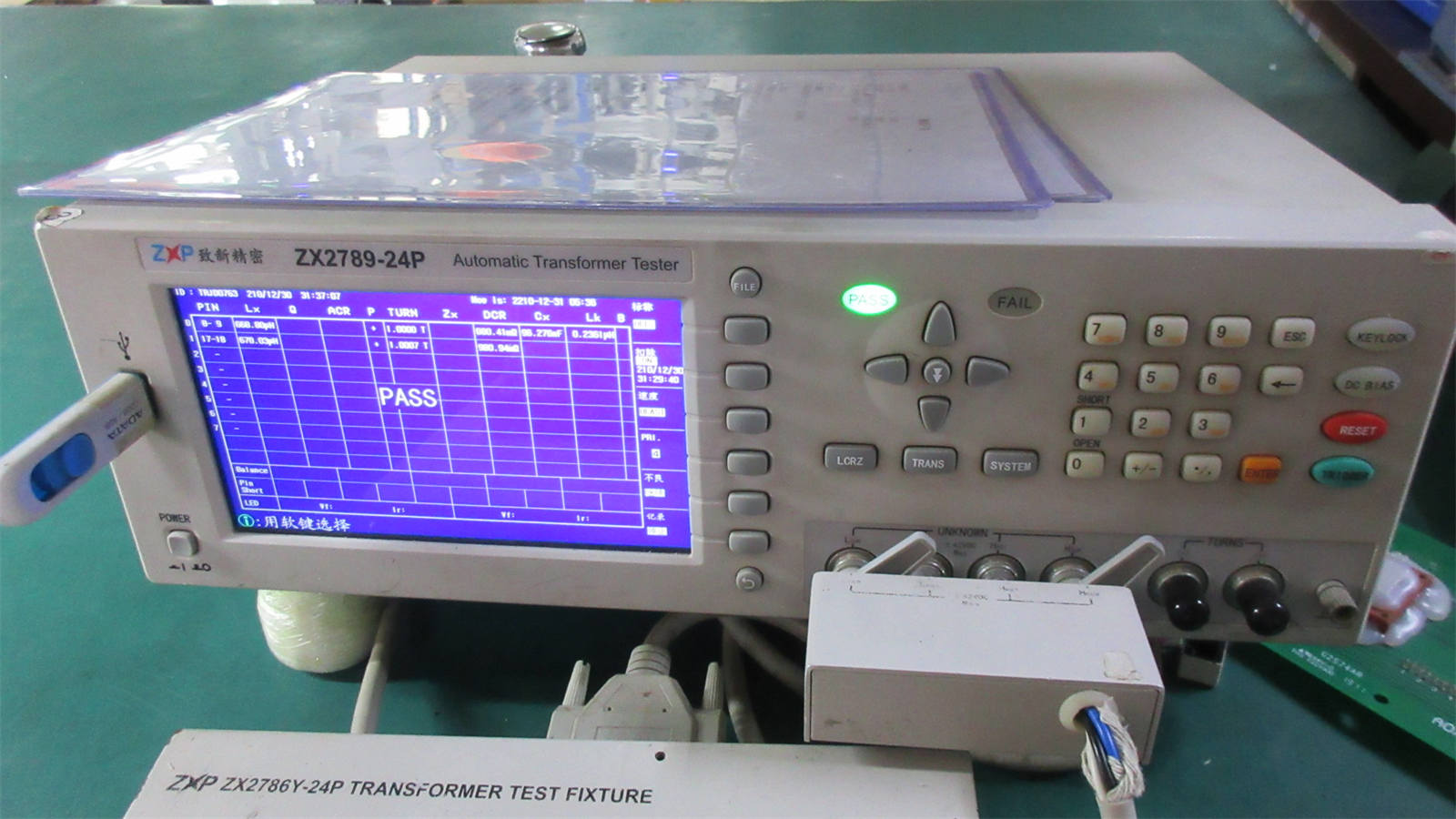
Every transceiver undergoes rigorous electrical, signal-integrity, and automated thermal-cycling testing prior to shipment to the Japanese market.
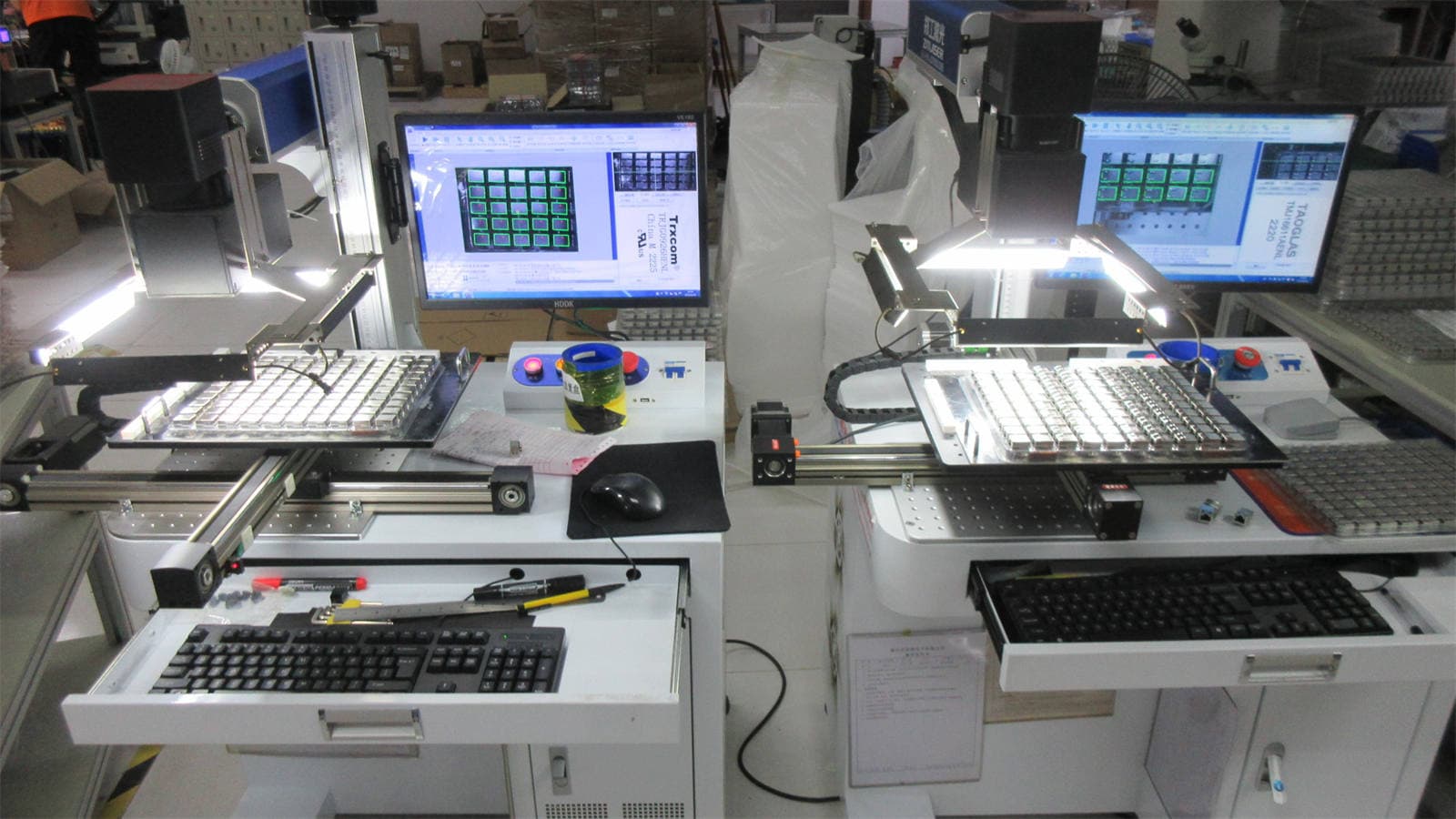
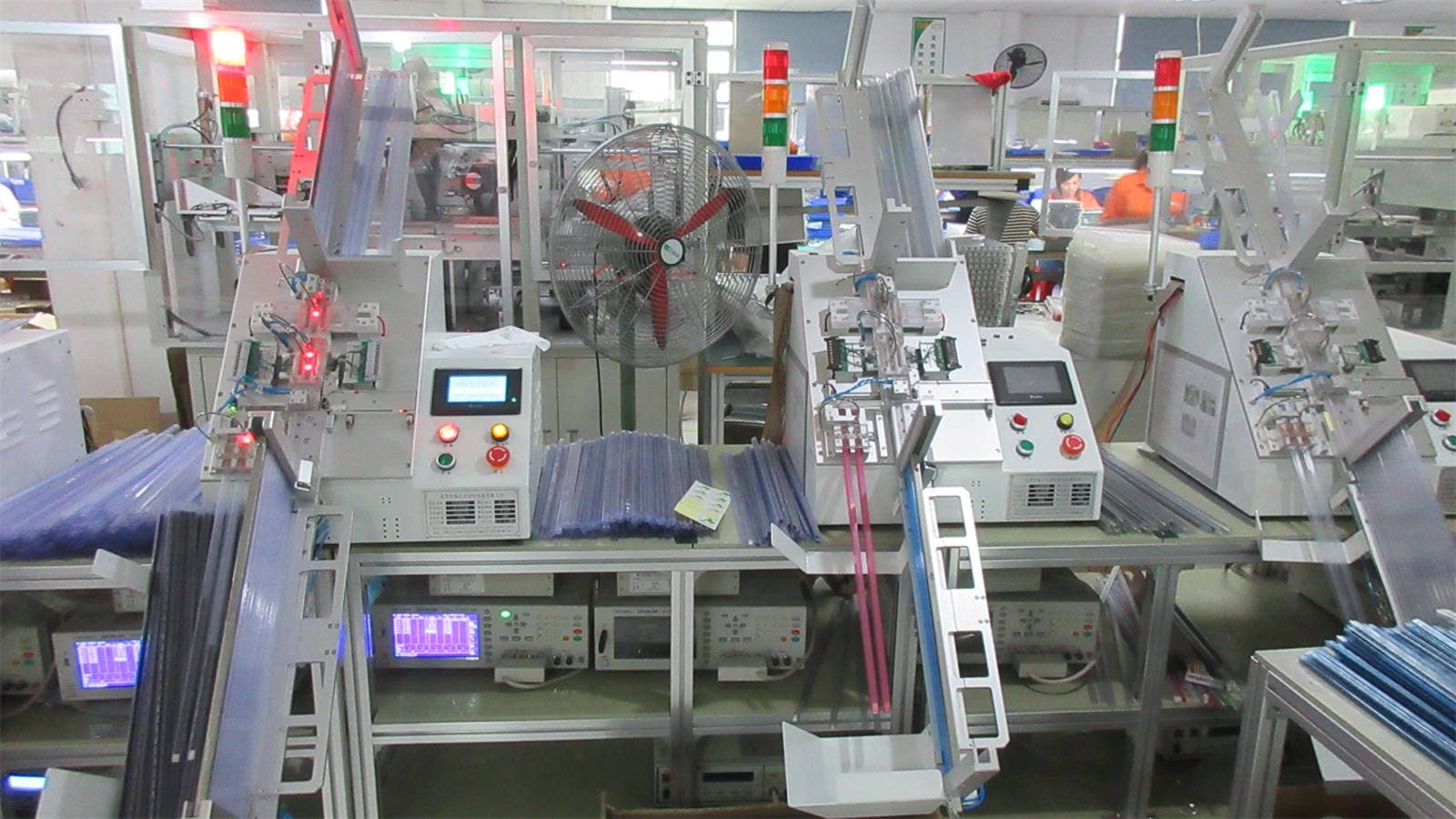
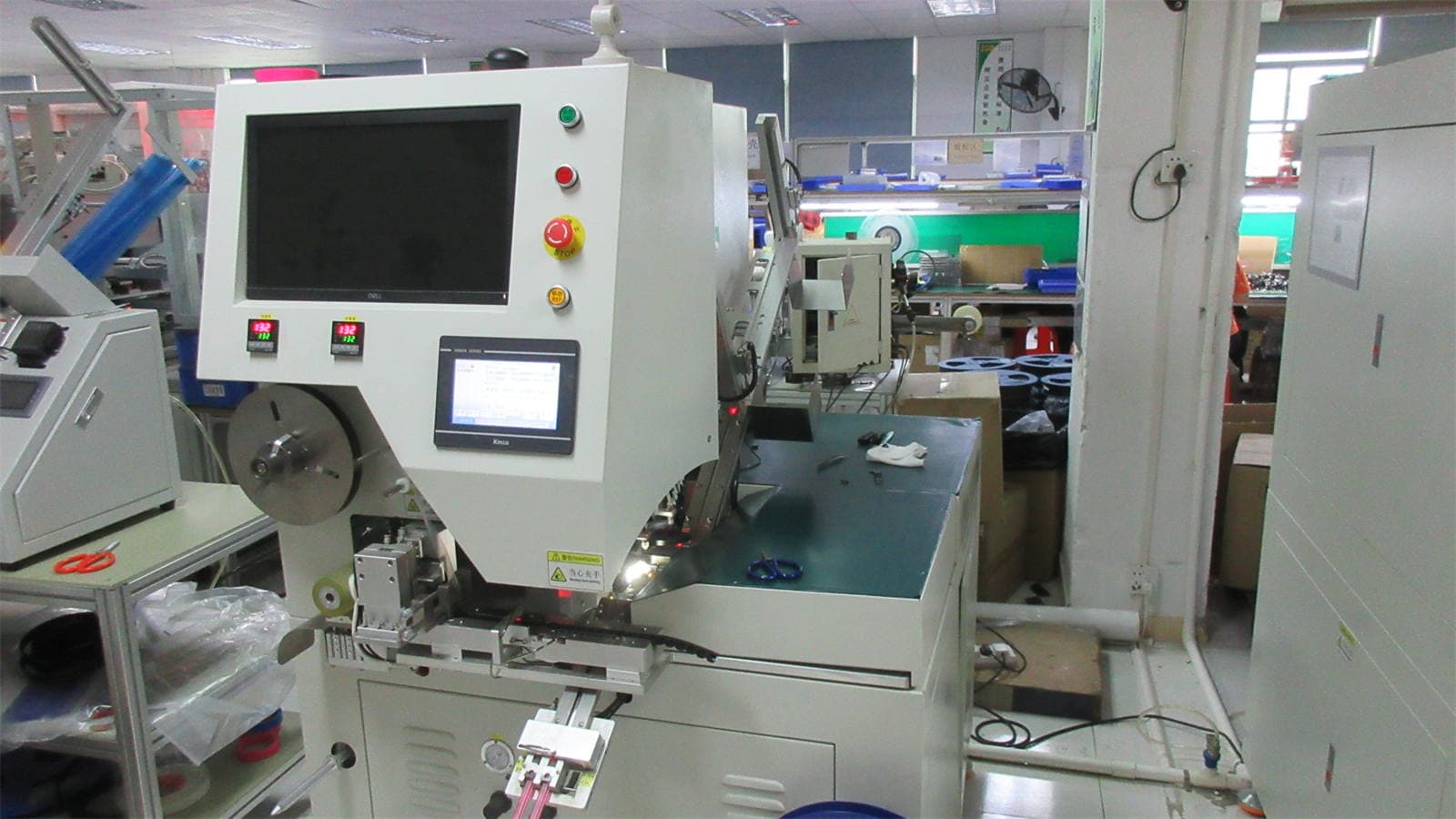
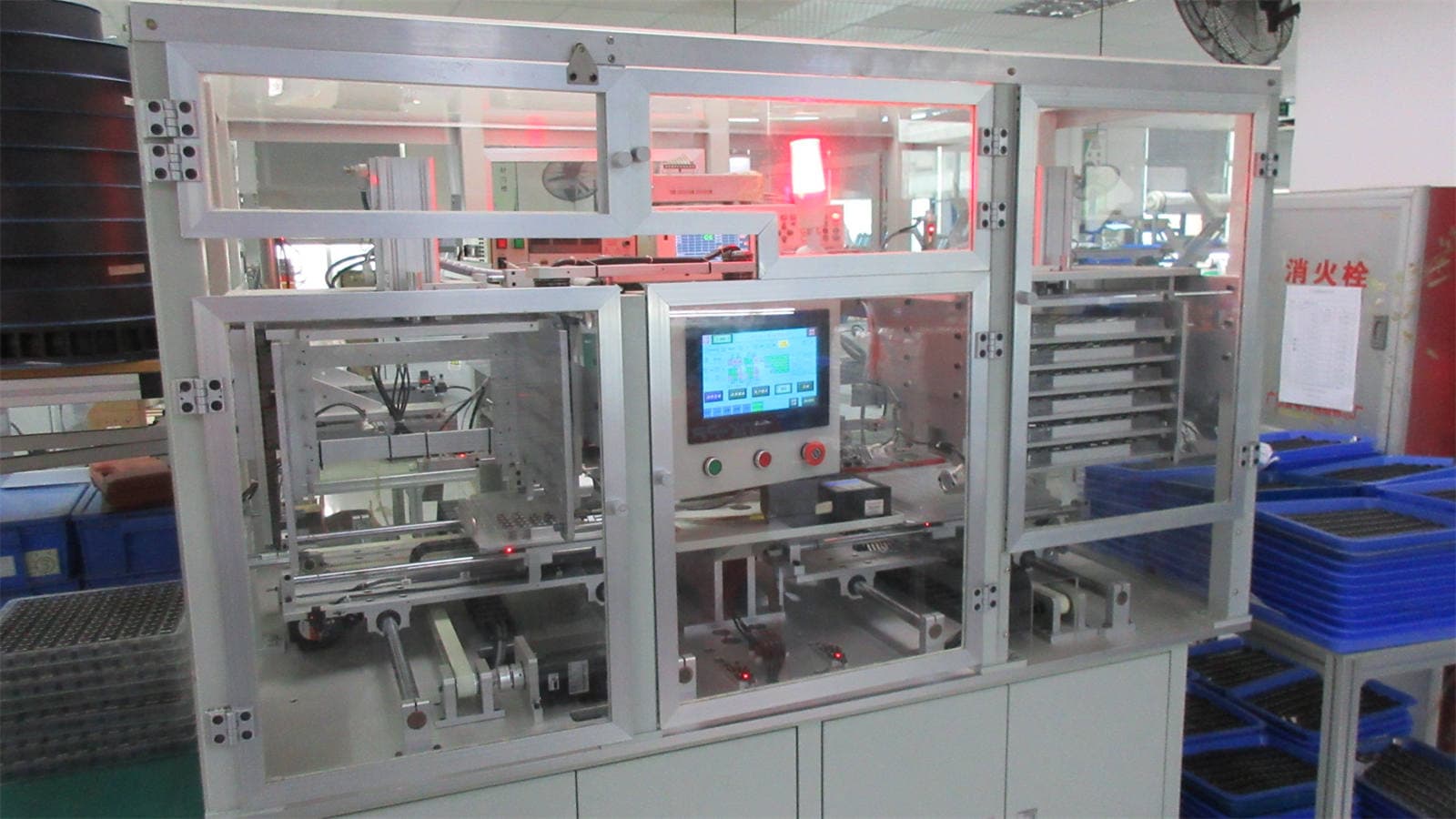

Implementing reliable hardware within high-stakes automotive assembly networks or seaport monitoring centers requires strict compliance with domestic and international safety standards. Our transceivers conform to regulatory guidelines including:
Ensuring our transceivers prevent electromagnetic wave interference when operated within dense industrial zones adjacent to high-precision sensor systems.
Our manufacturing process eliminates lead, mercury, and other hazardous substances, helping Nagoya companies achieve green procurement targets.
Rigorous electrical and mechanical alignment conforming directly to MSA specifications, guaranteeing compatibility across cross-vendor environments.
We leverage air cargo pipelines through Centrair (NGO) and ocean container transport straight to the Port of Nagoya. For mission-critical data center migrations, we coordinate specialized fast-customs clearings, reducing delivery timelines to Nagoya destinations to 3-5 business days for stocked components.
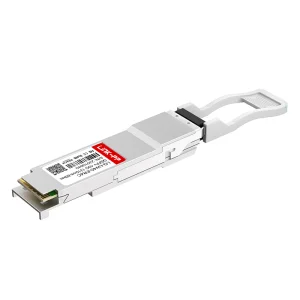
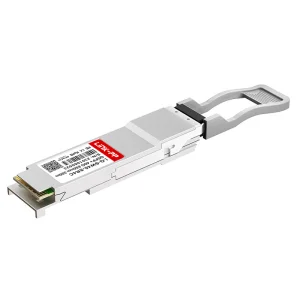
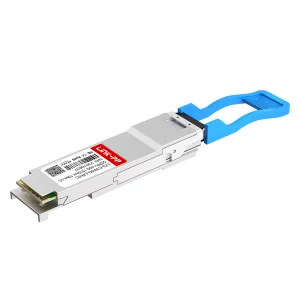
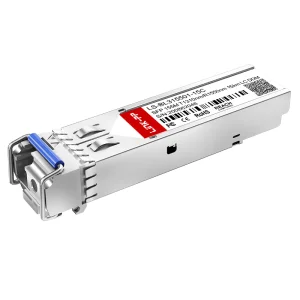
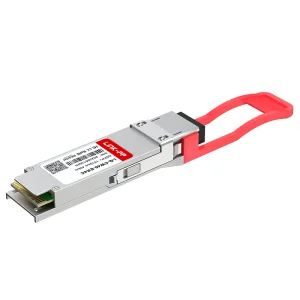
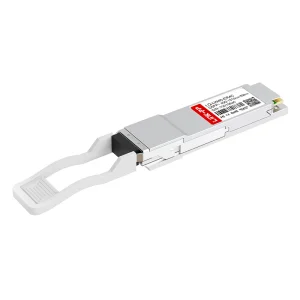
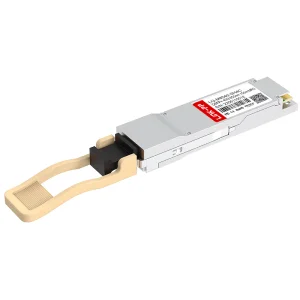
From long-reach single-mode QSFP+ circuits to optical network interfaces, our range provides solid inter-node connectivity.
 Extended Reach
 Ultra Long-Haul
 MPO-12 High Density
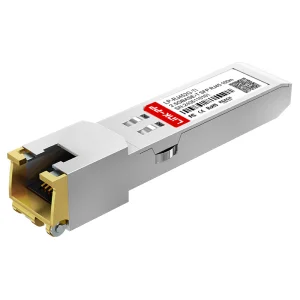
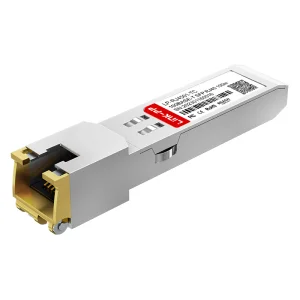 Legacy Copper
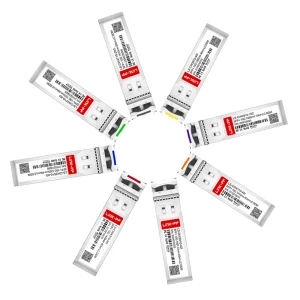
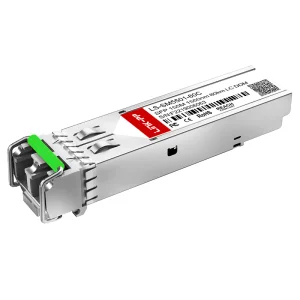 Telecom SFP
Looking for component connections? We also supply 2x4 Port 8 Pin RJ45 Connectors, 2x4 Port PoE Cat5e Connectors, Cisco GLC-TE 1000BASE-T Modules, and Press-fit SMT Heat Sink SFP Cages.
Expert answers addressing compatibility, logistics, optical parameters, and localized requirements for 40G QSFP+ transceivers.
Yes. We maintain a database of domestic Japanese switch firmwares (including Allied Telesis, NEC, and Fujitsu). Our engineering lab writes custom firmware configurations to the module EEPROM so that switches identify them identically to OEM parts, avoiding port lockout errors.
For stocked units, air shipment via DHL or FedEx to Nagoya (Centrair Airport) takes 3 to 5 business days. Bulk sea freight orders delivered to the Port of Nagoya usually take 12 to 15 business days depending on customs clearance times.
40GBASE-SR4 uses multi-mode fiber (MMF) patch cables with MPO-12/MTP connectors. 40GBASE-LR4 uses single-mode fiber (SMF) patch cables with standard duplex LC connectors. They cannot be mixed or interchanged.
Our optical transceivers are certified under VCCI Class A & B. Our shielding structures minimize electromagnetic radiation, making them safe for installation next to precision industrial equipment.
Standard SR4 requires MPO cabling. BiDi modules allow the reuse of existing 10G duplex LC multimode fiber infrastructure, upgrading the network path to 40G without running new optical cables.
Yes, all our 40G QSFP+ optical transceivers include standard digital diagnostic monitoring (DDM). This tracks laser operating parameters, helping technicians predict potential link drops.
We provide a 3-year replacement warranty on our entire range of optical transceivers. We offer rapid email and video engineering support to assist you with installation issues.
Yes, we provide OEM & ODM programming services. You can send us your equipment specifications and firmware profiles, and our team will prepare custom-configured engineering samples for validation.
Get in touch with our engineering team today to receive a comprehensive quote or request trial transceiver samples.
Send Inquiry Now