Lumopt
Lumopt
Lumopt
Explore our premier physical layer network interfaces, high-capacity transceivers, and heavy-duty magnetic couplers engineered for high-density environments.
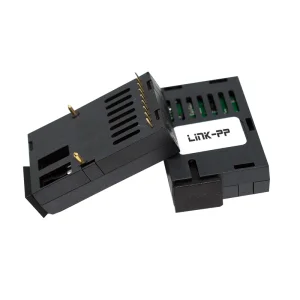
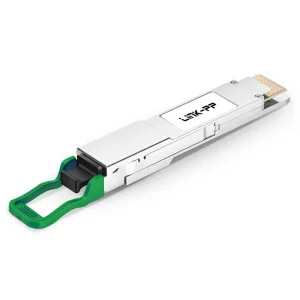
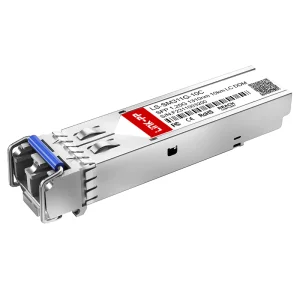
In modern enterprise-level networking, the physical interface layer is the absolute foundation of system reliability. As data transmission speeds demand low latency and robust fault tolerance, structural designs utilizing Link Aggregation (LACP under IEEE 802.3ad / IEEE 802.1AX) have shifted from pure software management down to highly integrated hardware architectures. RJ45 Link Aggregation Modules allow networking hardware like edge switches, network interface cards (NICs), routers, and storage arrays to group multiple physical Ethernet ports into a single, high-bandwidth logical link.
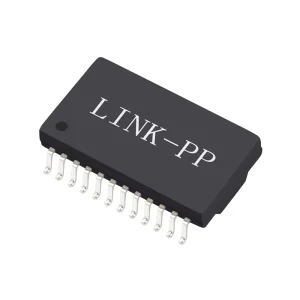
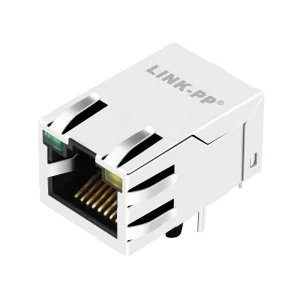
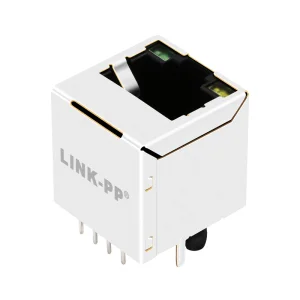
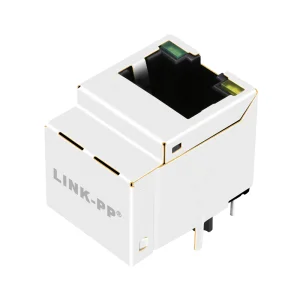
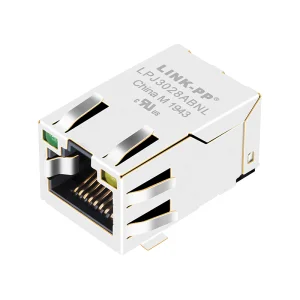
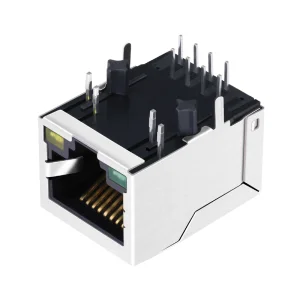
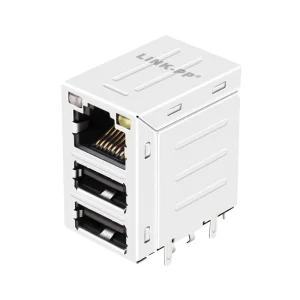
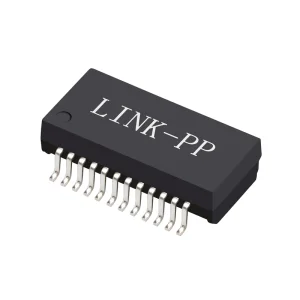
Achieving stable Link Aggregation at the hardware layer requires specialized multi-port magnetic couplers and Ethernet jacks. A typical multi-port RJ45 modular setup acts as the physical terminal where high-frequency signals meet magnetics. These components incorporate isolation transformers and common-mode chokes to suppress electromagnetic interference (EMI) and protect the PHY (Physical Layer chip) from voltage surges. Our manufacturing techniques focus heavily on reducing crosstalk (Near-End Crosstalk - NEXT and Far-End Crosstalk - FEXT) and maintaining optimal return loss across multi-gigabit connections.
Custom-wound core structures inside our quad-port and multi-port modular connectors minimize magnetic coupling between adjacent lines, crucial for aggregated high-throughput ports.
Utilizing high-grade copper alloy shells with multi-point grounding tabs. This ensures complete shielding coverage that conforms to strict FCC Part 15 and EN 55022 Class B criteria.
Our RJ45 magnetic modules can be engineered to support IEEE 802.3af/at/bt specifications, supplying up to 90W of power alongside raw multi-gigabit signal transmission.
Registered in China as Luguang Communication Technology Co., Ltd.
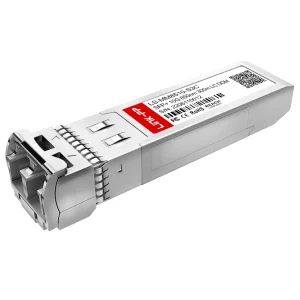
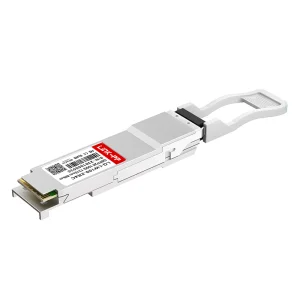
Lumopt is a premier, certified Chinese manufacturer specializing in the development, fabrication, and global export of high-performance optical transceivers and modular network interfaces. Our focus covers comprehensive product lines including 10G, 25G, 100G, 400G, 800G, and next-generation 1.6T optical modules and high-speed network physical-layer connectors.
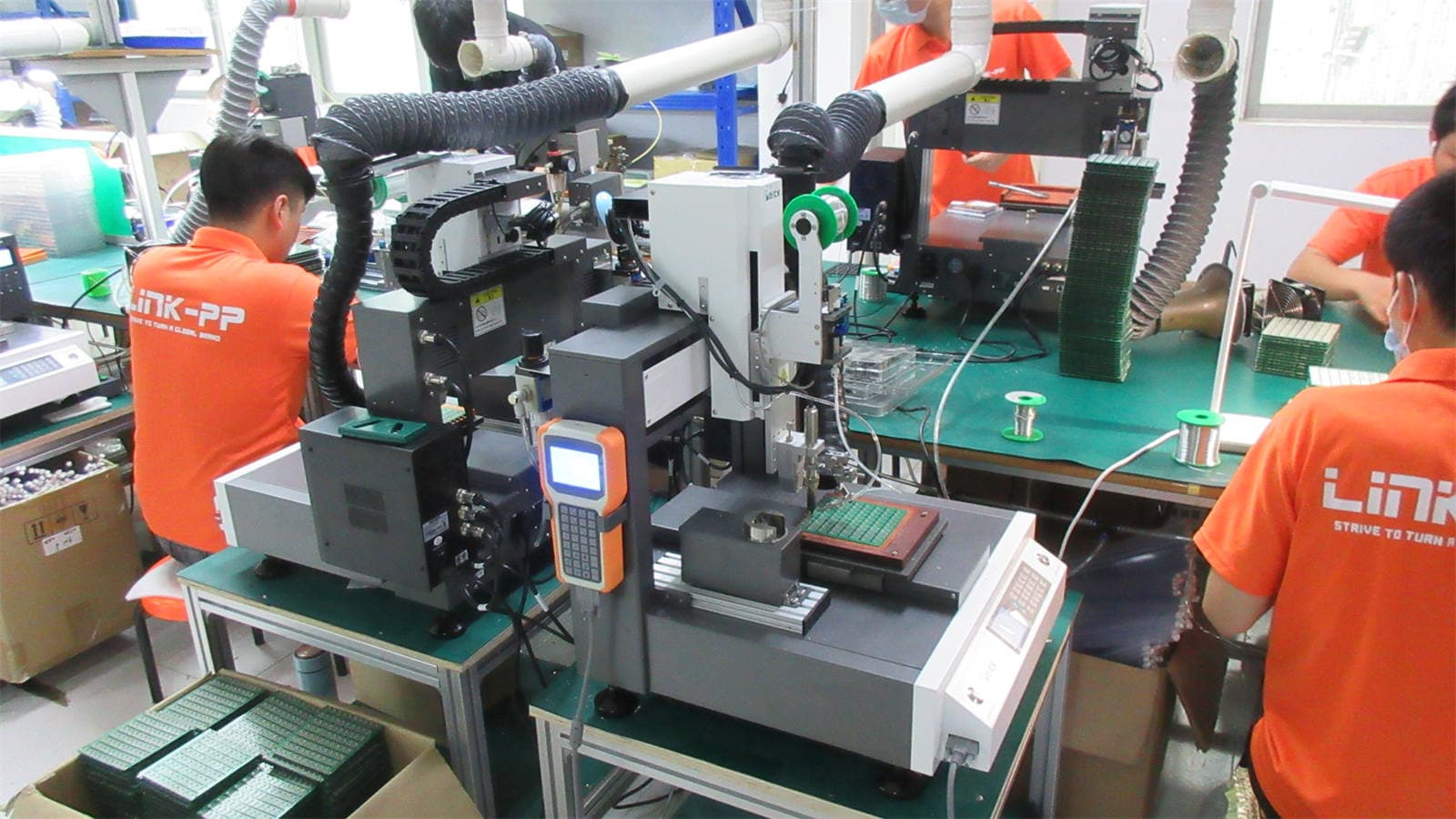
Our solutions are designed specifically for mission-critical sectors: enterprise cloud centers, hyperscale data centers, 5G cellular stations, and AI hardware-accelerated clusters. Backed by automated, dust-free manufacturing spaces and rigorous mechanical inspection setups, we provide both standard and customized OEM/ODM services to meet the exact design needs of modern network engineering.
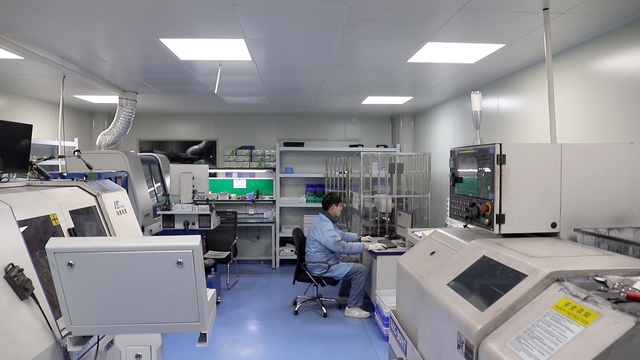
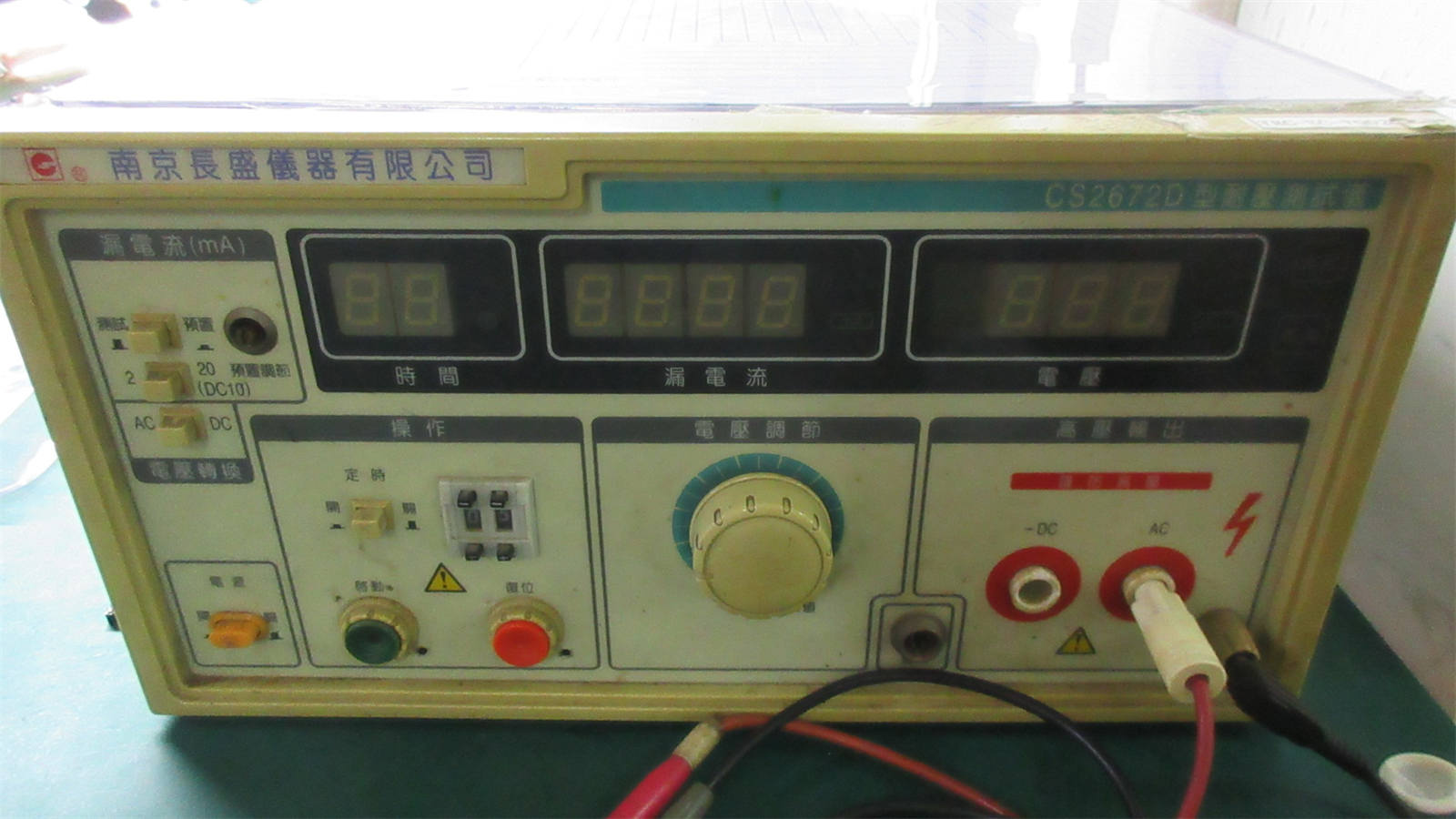
How our automated facility guarantees high signal integrity, durability, and standard compliance for every RJ45 and Optical component produced.

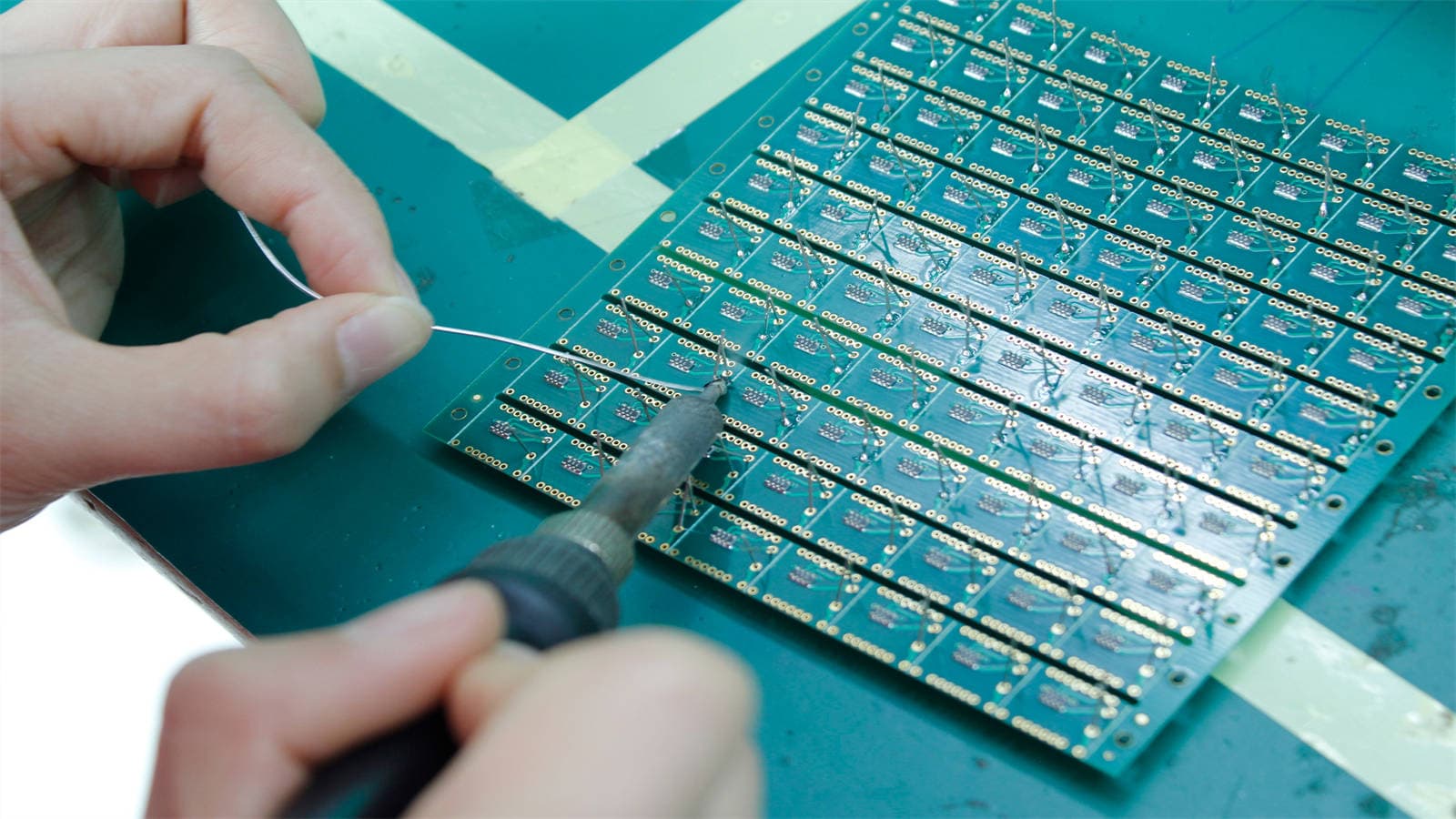
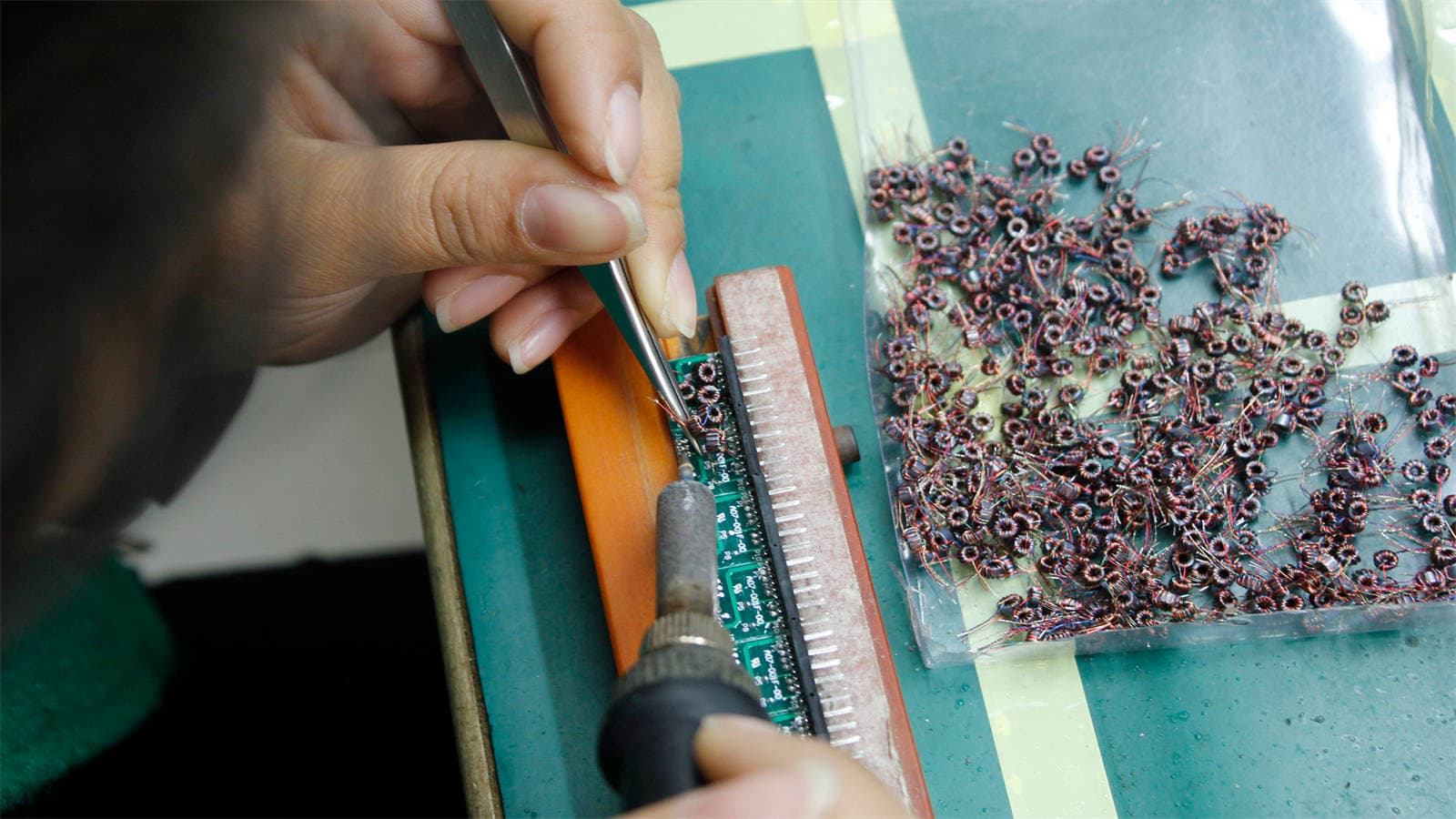
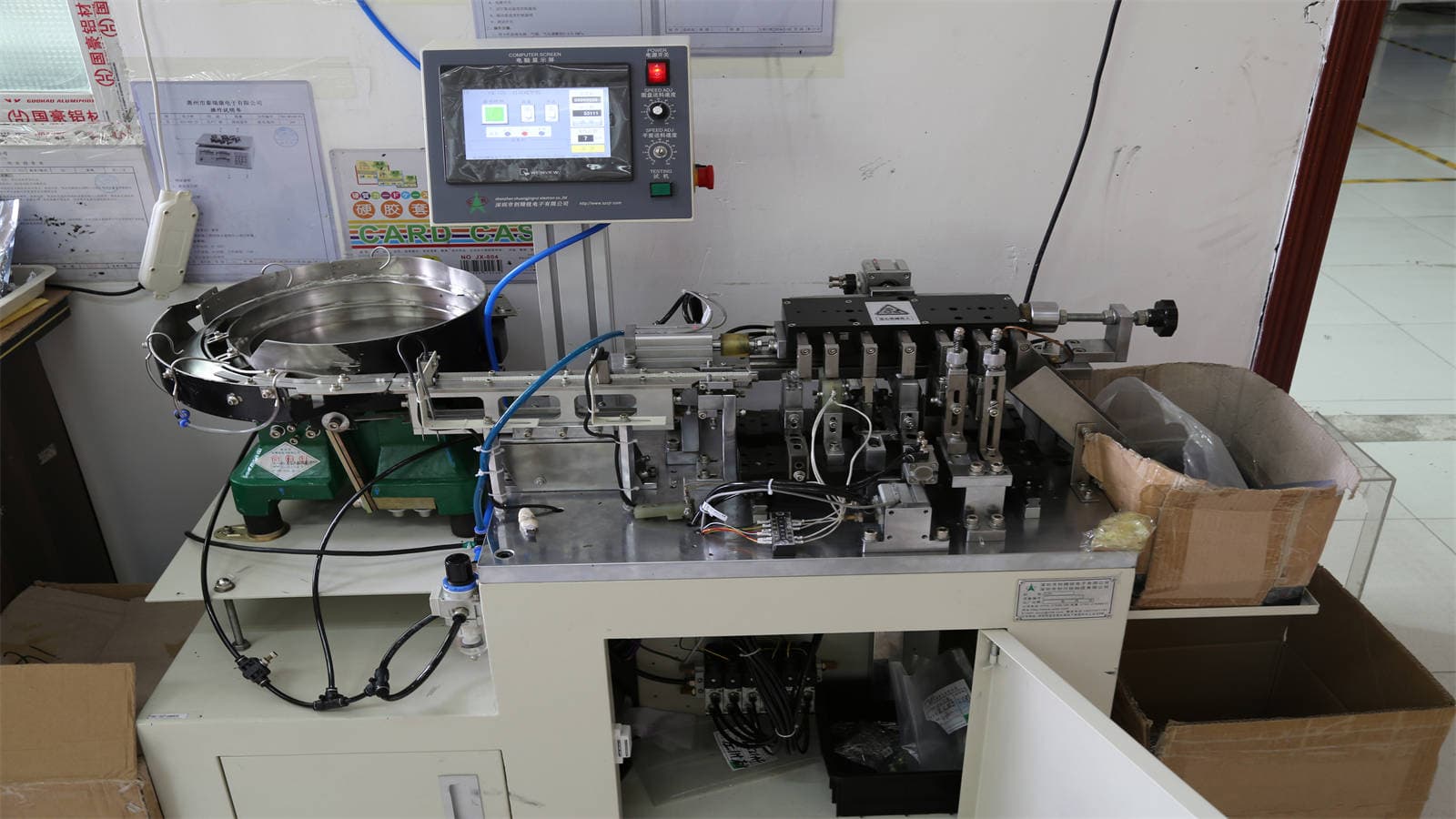
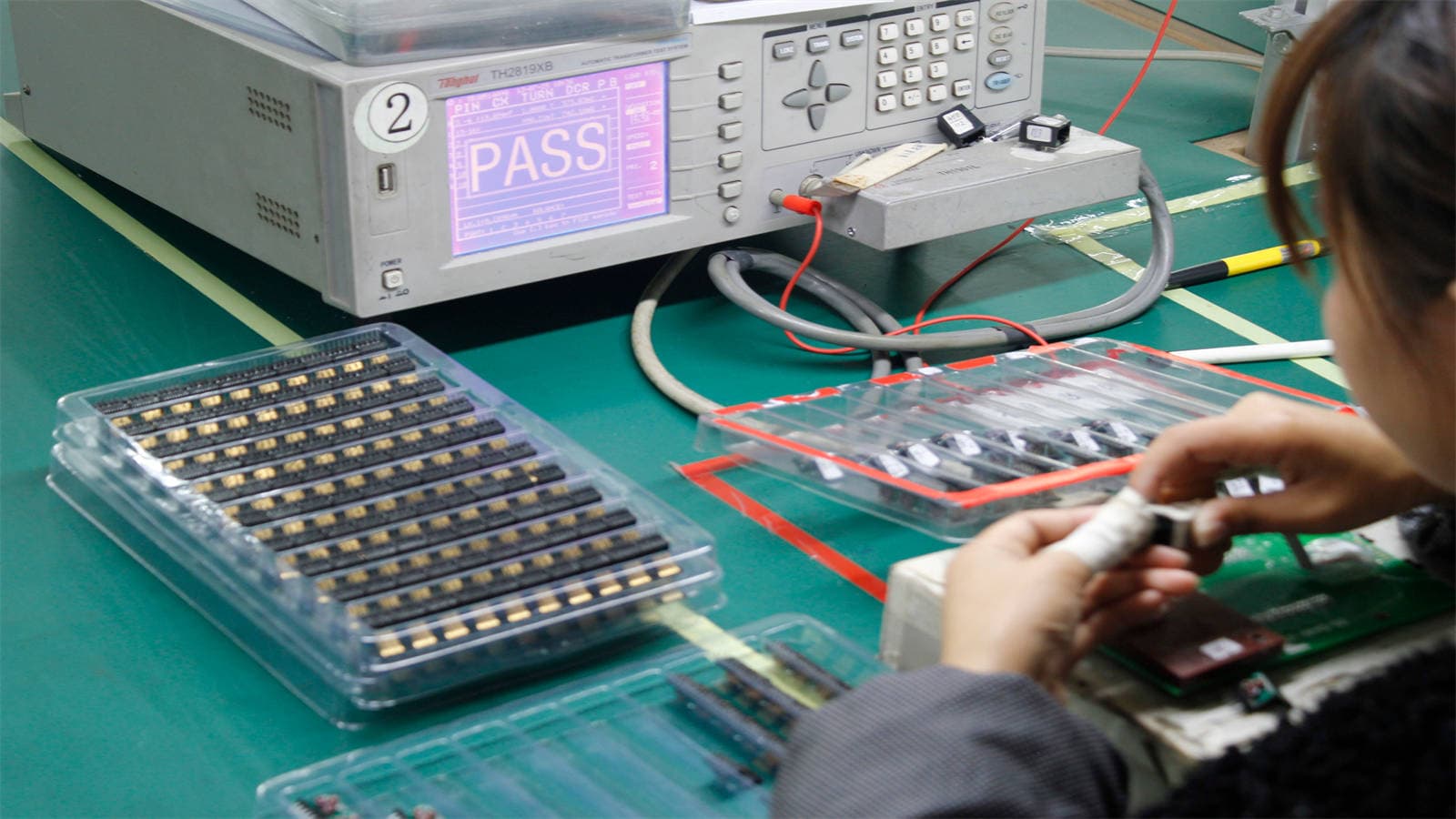
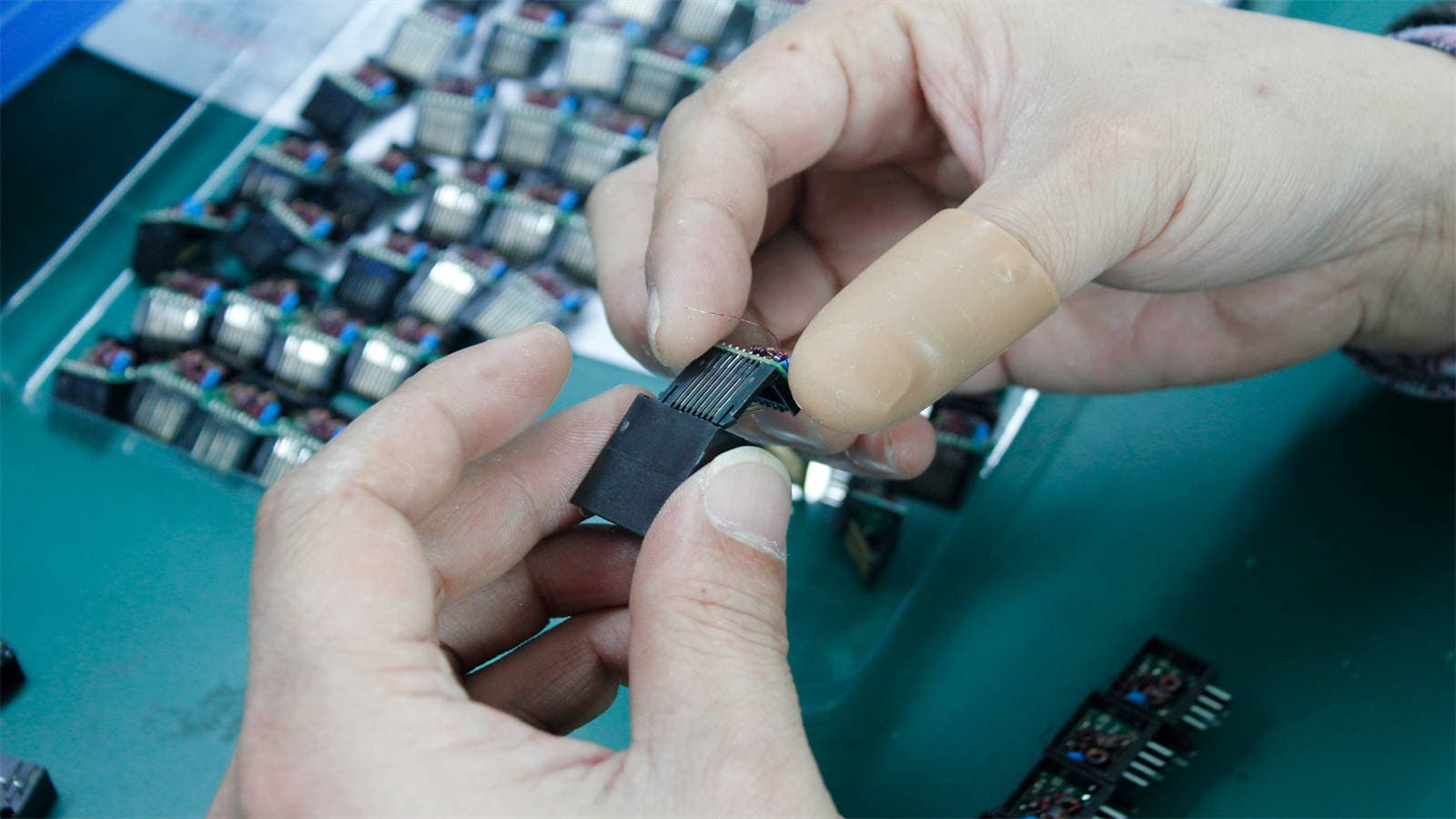
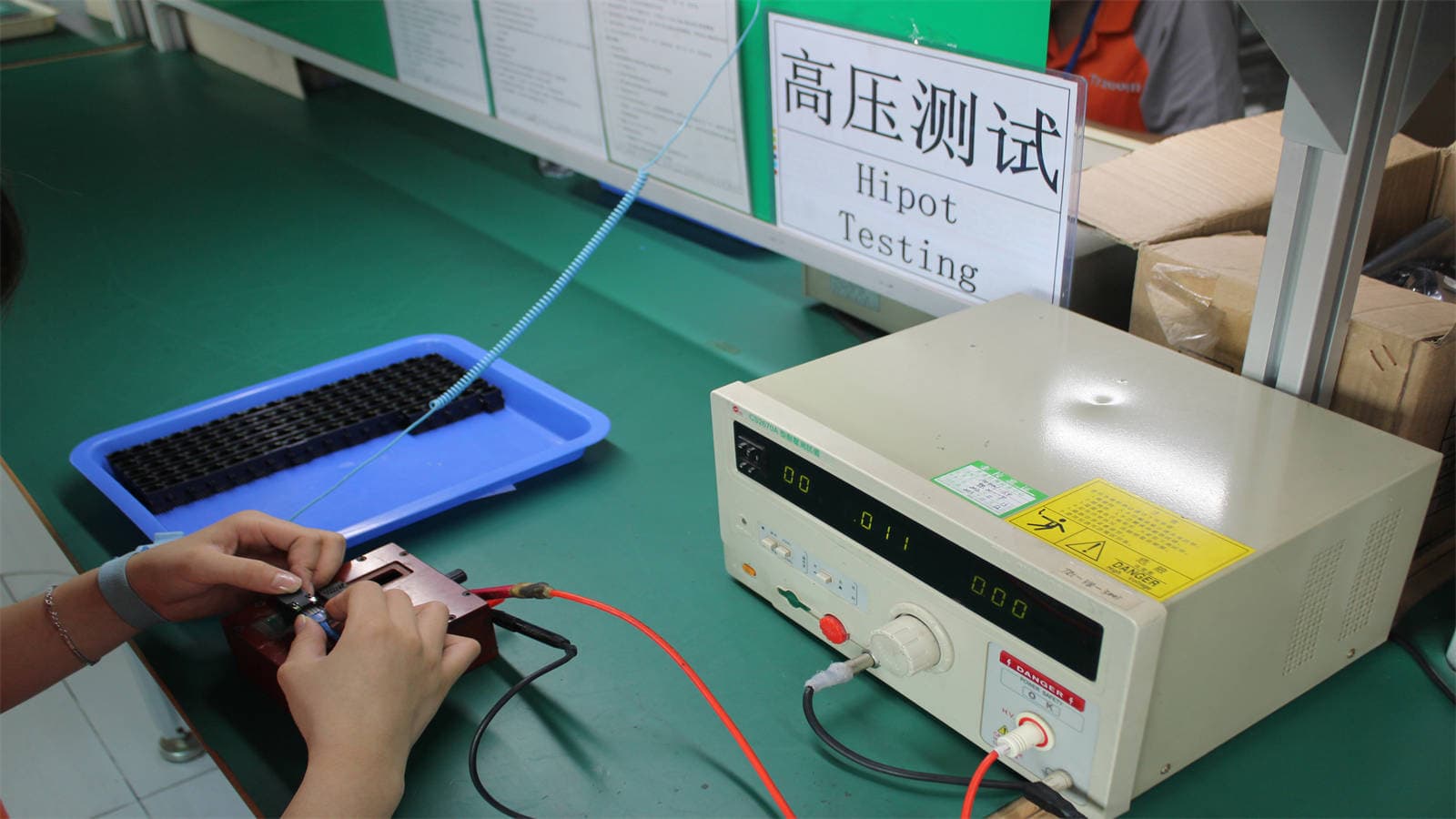

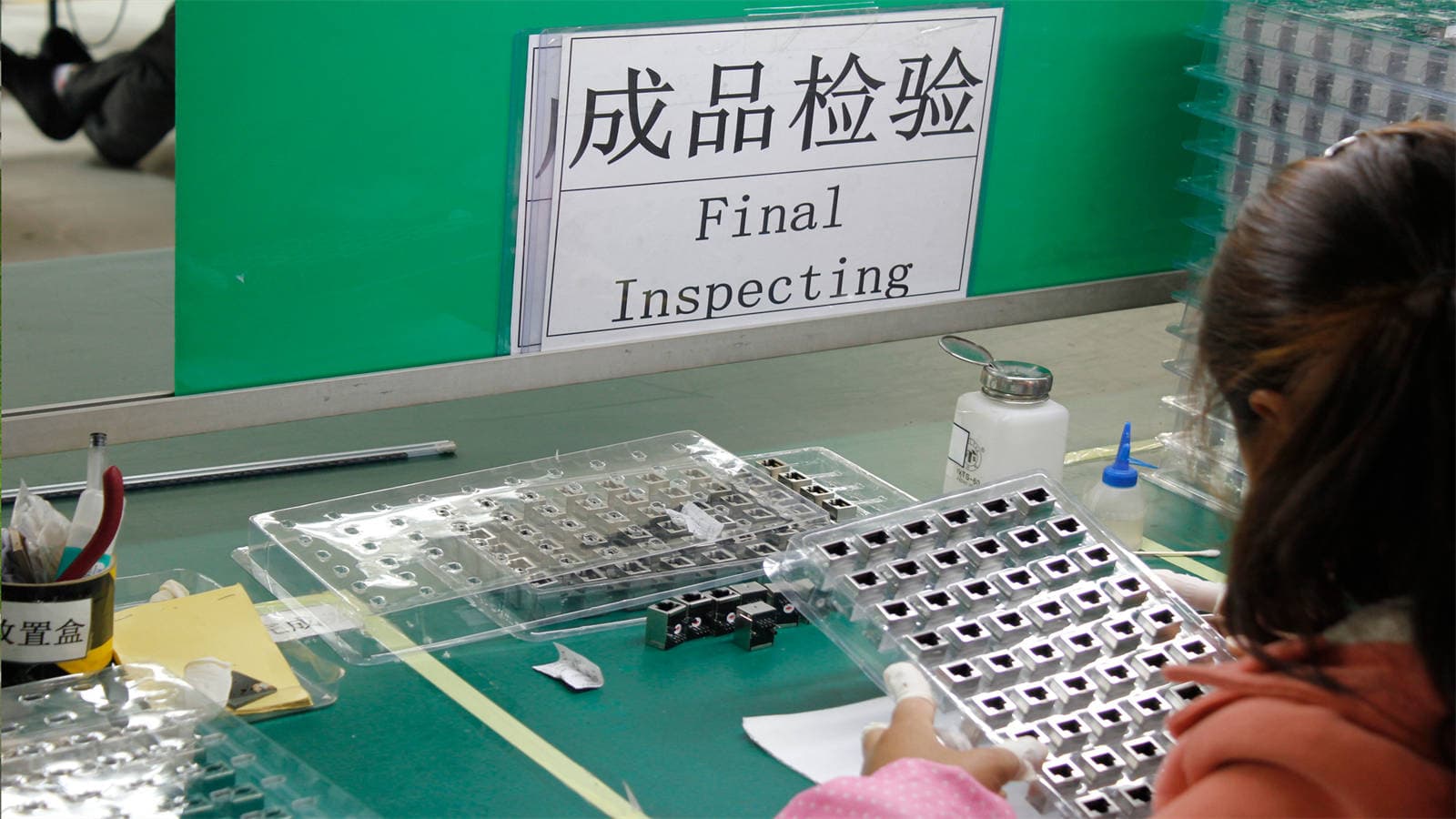

Zero-tolerance for defects. Every batch is benchmarked against IEEE specifications using industry-leading machinery.
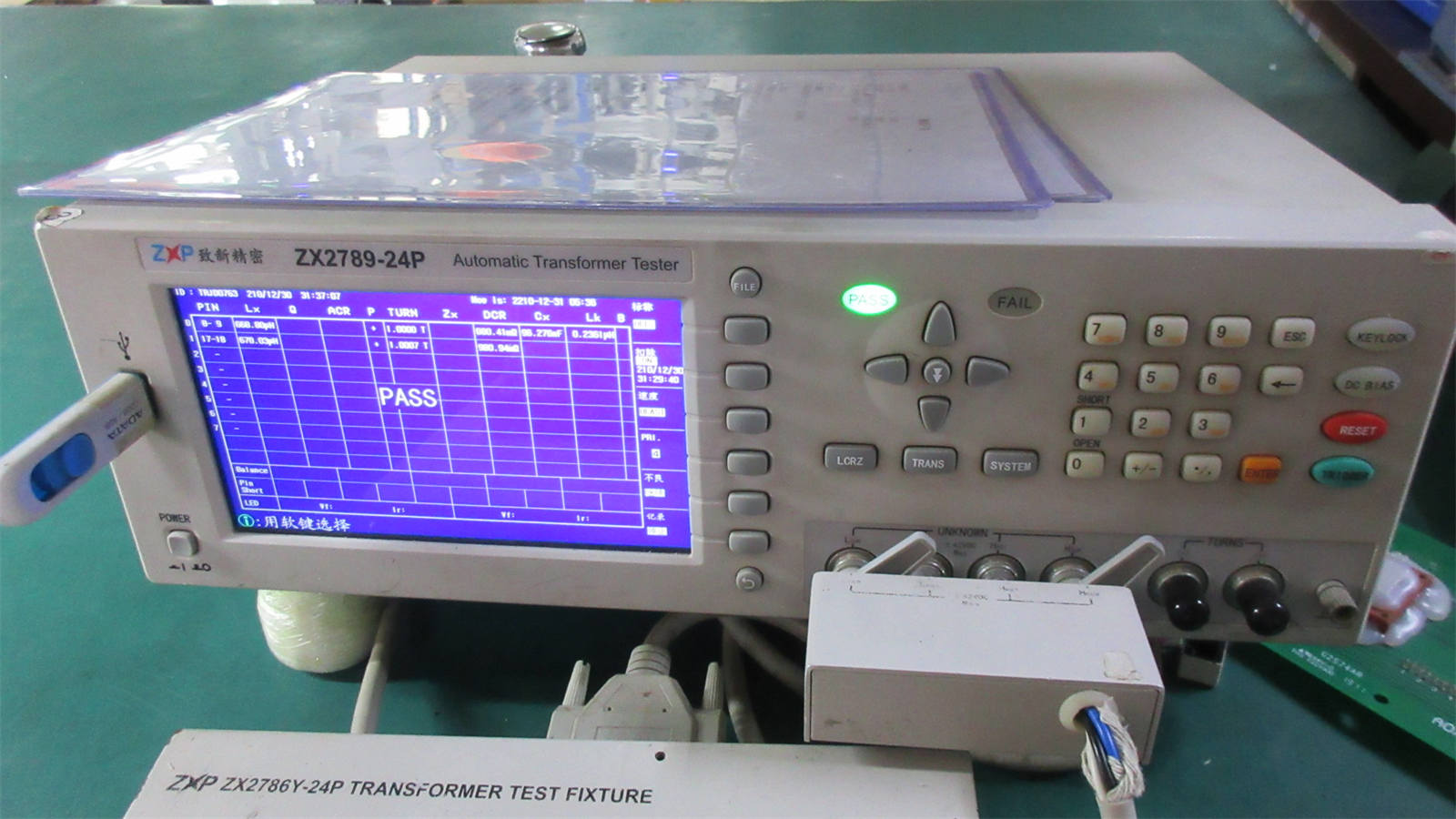
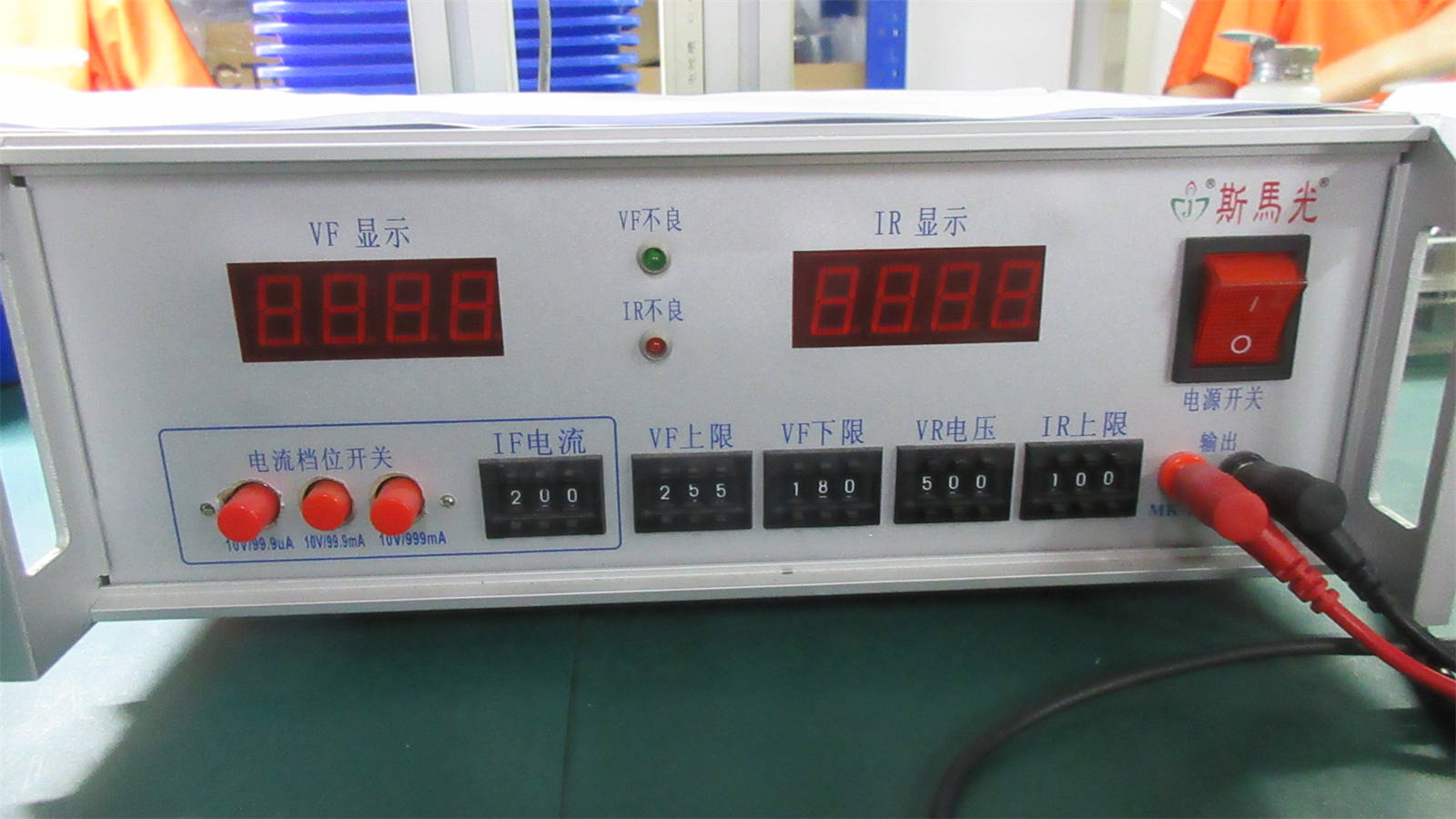
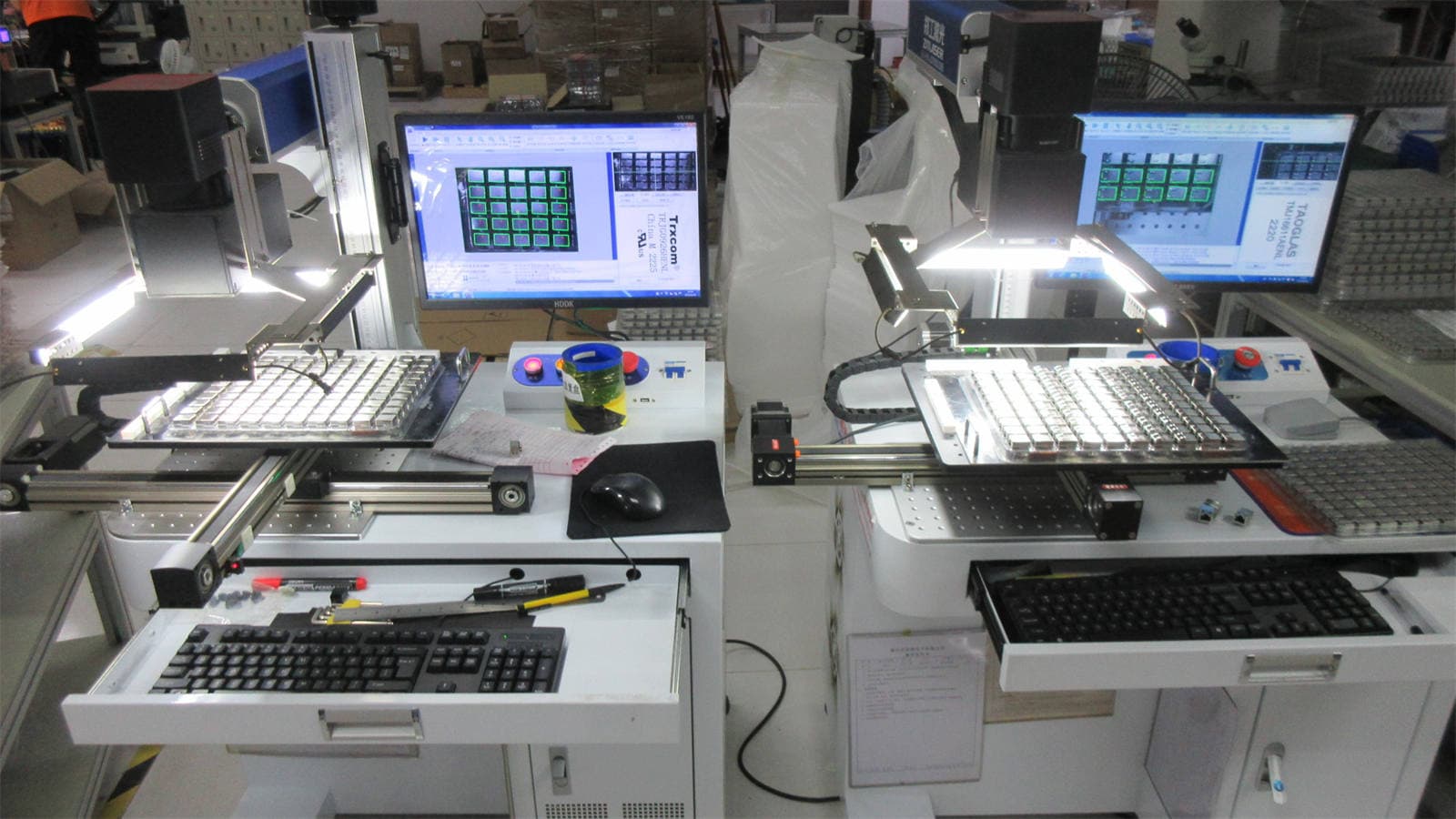
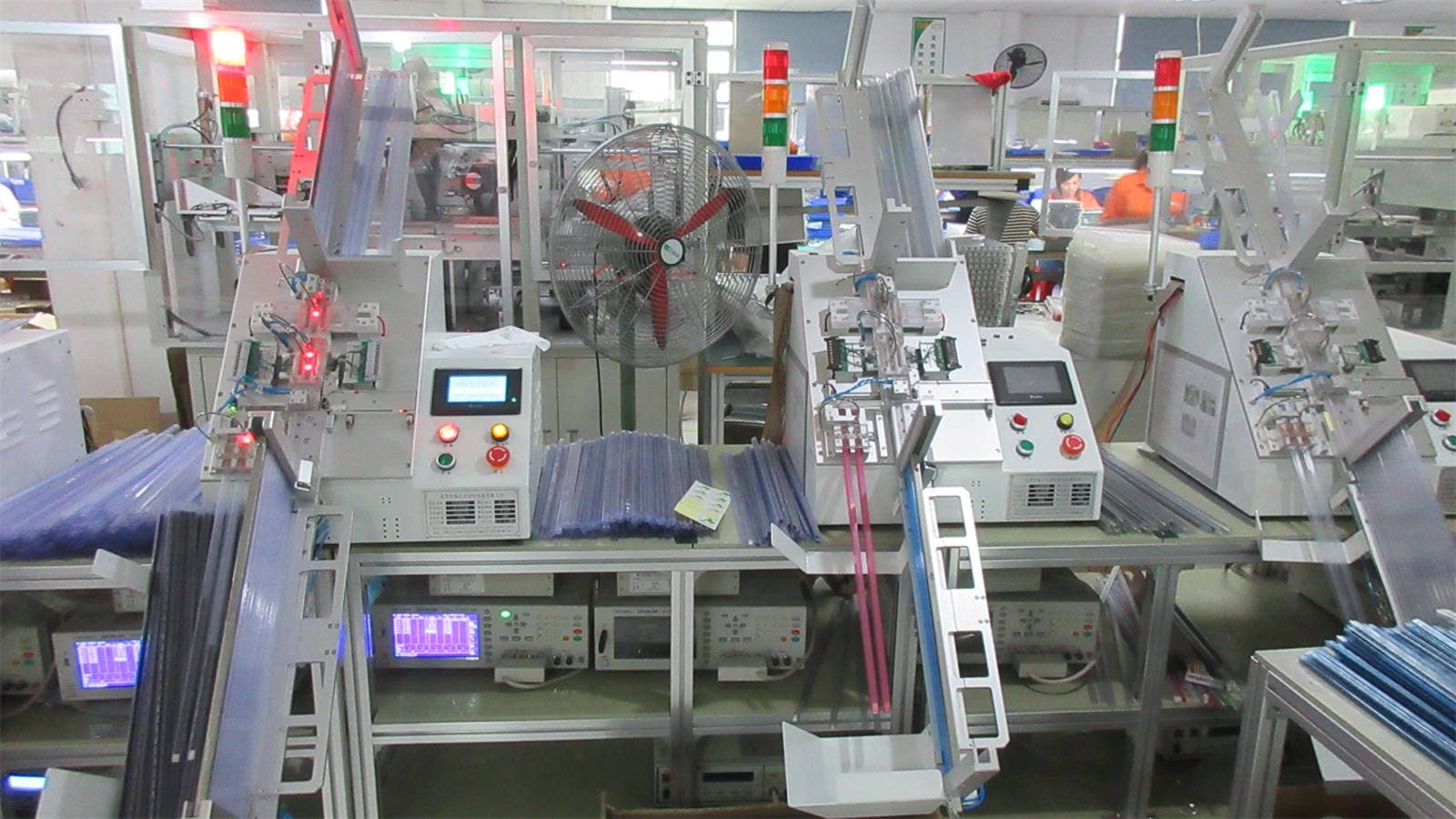
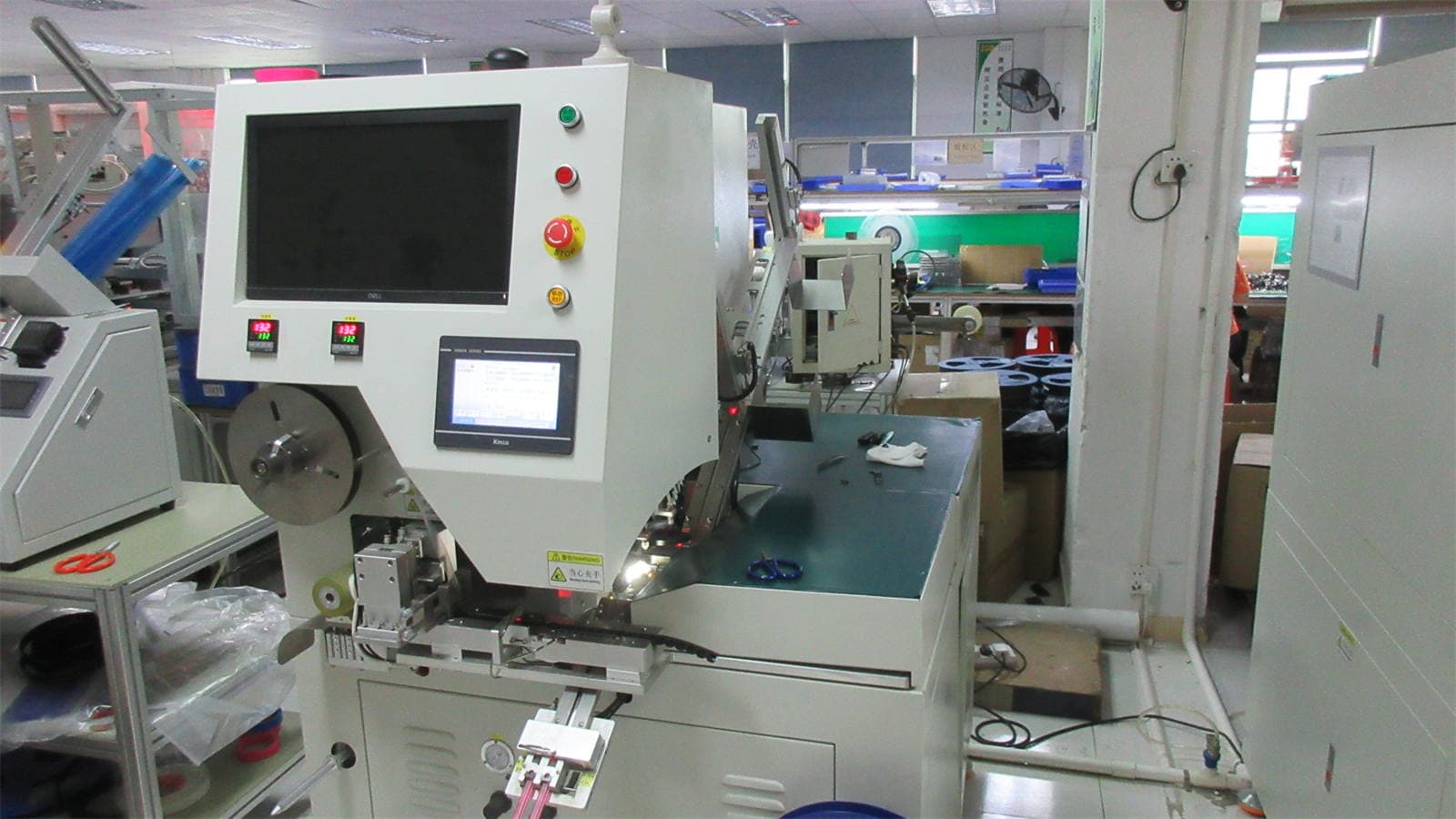
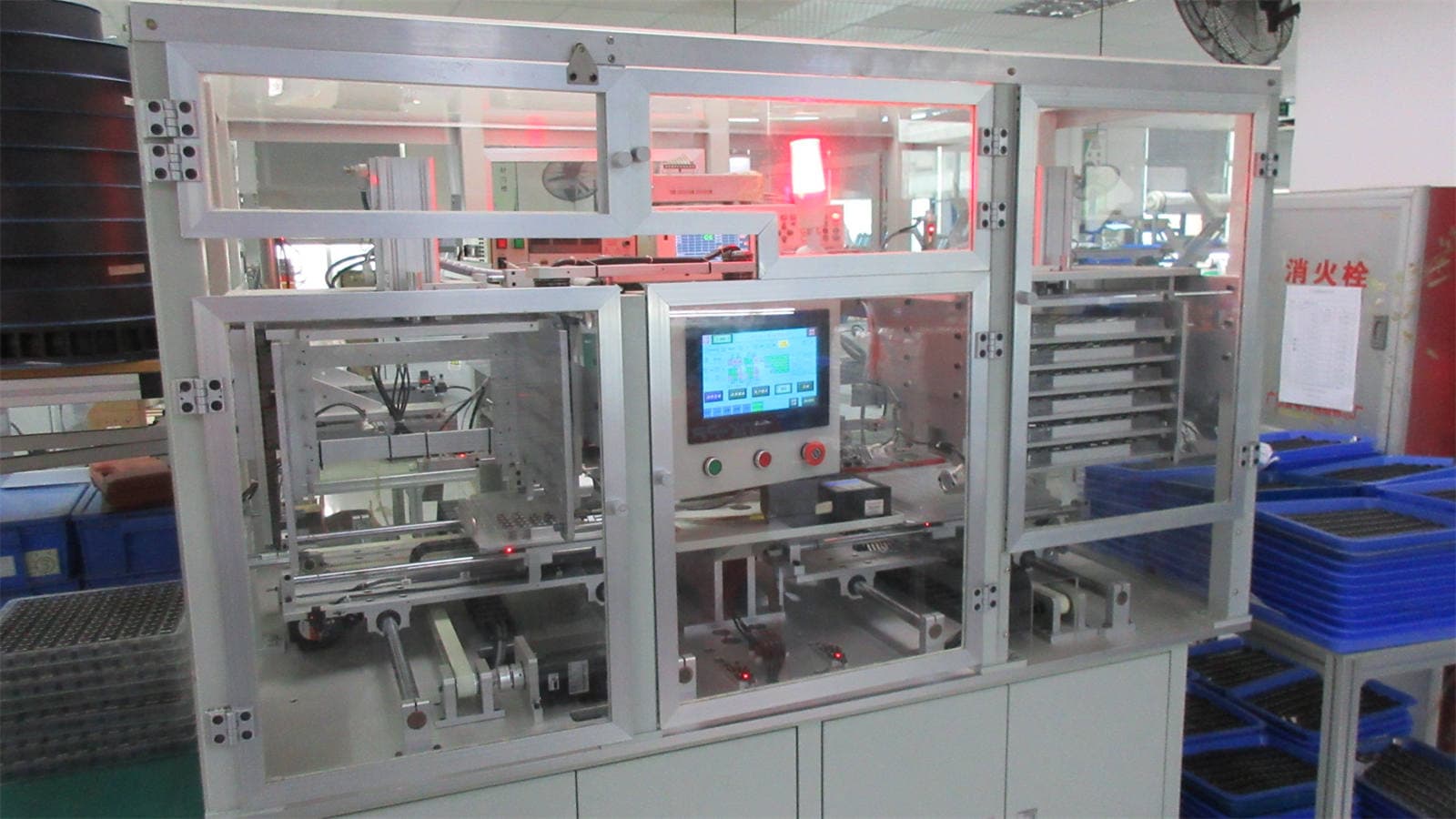


Global system integrators and telecommunications giants rely heavily on the Chinese supply chain for passive and active Ethernet components. The reasons stem from a unique combination of high-density industrial clustering, deep engineering expertise, and advanced material processing capabilities:
Modern networking demands different physical configurations depending on the operational environment. Standard RJ45 modules are suited for simple commercial connections, but aggregation-level hardware is built for resilience. Below are the key scenarios where our specialized RJ45 and optical transceiver solutions deliver critical performance:
In high-density server configurations, space and thermal management are major bottlenecks. Multi-port integrated RJ45 modules with integrated magnetics (ICMs) reduce motherboard footprint, enabling dense Top-of-Rack (ToR) switch designs that group redundant paths for fault tolerance.
Harsh factory environments feature high electromagnetic interference (EMI) and physical vibration. Our shielded, right-angle modular jacks ensure continuous signal links, preventing packet loss in real-time EtherCAT or Modbus-TCP automated control architectures.
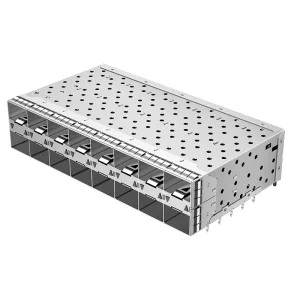
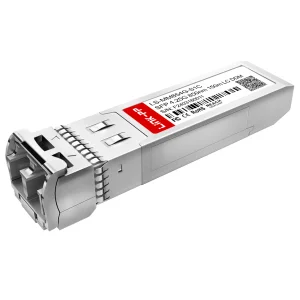
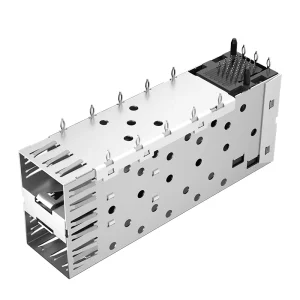
Edge nodes process massive regional data. Combining SFP+ cages and rugged RJ45 connectors with built-in EMI shielding allows telecom providers to transition smoothly between local copper distributions and fiber-optic backhauls.
In high-speed data transmission, the physical connection point is prone to impedance discontinuity. When a 100-ohm twisted-pair Ethernet cable meets the RJ45 pin layout, any slight geometric variation can cause signal reflections. This translates directly into higher Bit Error Rates (BER) and packet retransmissions.
To counteract this, our research and development team uses advanced software simulations (like HFSS) to analyze the electromagnetic behavior of the pin configuration. By carefully calculating the spacing of the lead frames and matching the transformer core's parasitic inductance, we keep insertion loss below -1.0 dB up to 100 MHz and return loss better than -18 dB. This precise engineering is why our components are selected by manufacturers worldwide to build networking devices that require reliable, continuous link aggregation.
Furthermore, managing high voltages is critical. Standard networking systems can build up significant electrostatic charges or experience power surges on the lines. Our magnetic connectors feature a minimum of 1500Vrms isolation, isolating the sensitive PHY chip from dangerous voltage spikes. This layer of physical protection is essential for keeping high-speed enterprise networks running smoothly and preventing hardware failures.
Technical answers to key sourcing and engineering queries regarding Link Aggregation and physical layer components.
Browse our selection of shielded SFP cages, optical transceivers, and integrated magnetic jacks engineered to meet international telecom benchmarks.