Lumopt
Lumopt
Lumopt
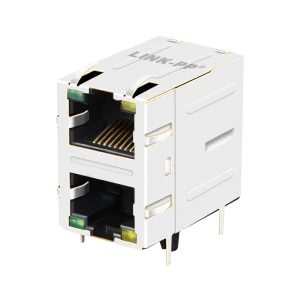
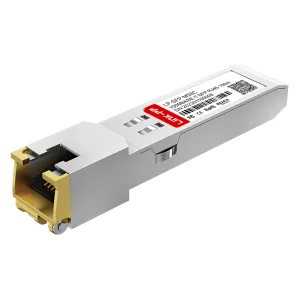
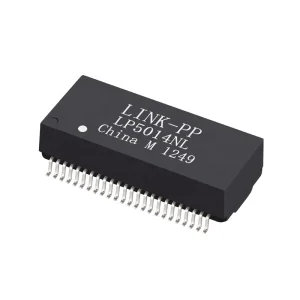
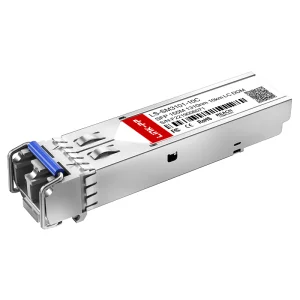
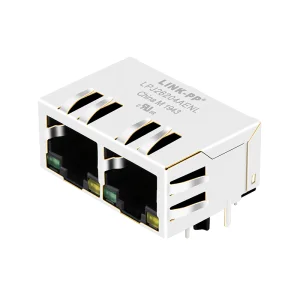
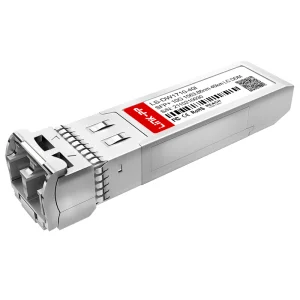
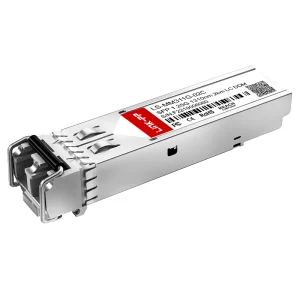
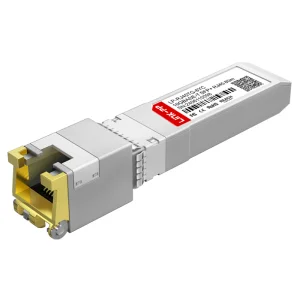
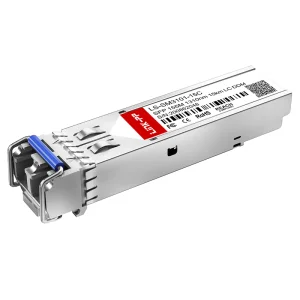
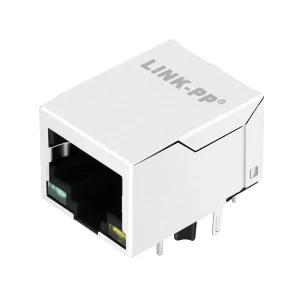
Discover our engineered optical transceivers and high-density magnetic connector modules designed for low-loss transmission lines.
In modern telecom, cloud computing, and high-frequency RF networks, the integration of optical systems and premium copper transmission lines is critical. Lumopt Opto Technology Co., Ltd. (registered as Luguang Communication Technology Co., Ltd. in China) operates at the forefront of this convergence. By merging high-frequency coaxial transmission theories with optoelectronic engineering, we design, develop, and manufacture enterprise-grade signal solutions.
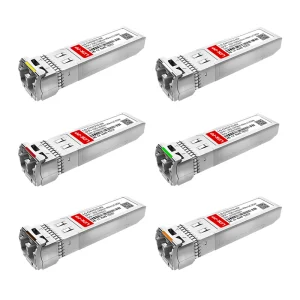
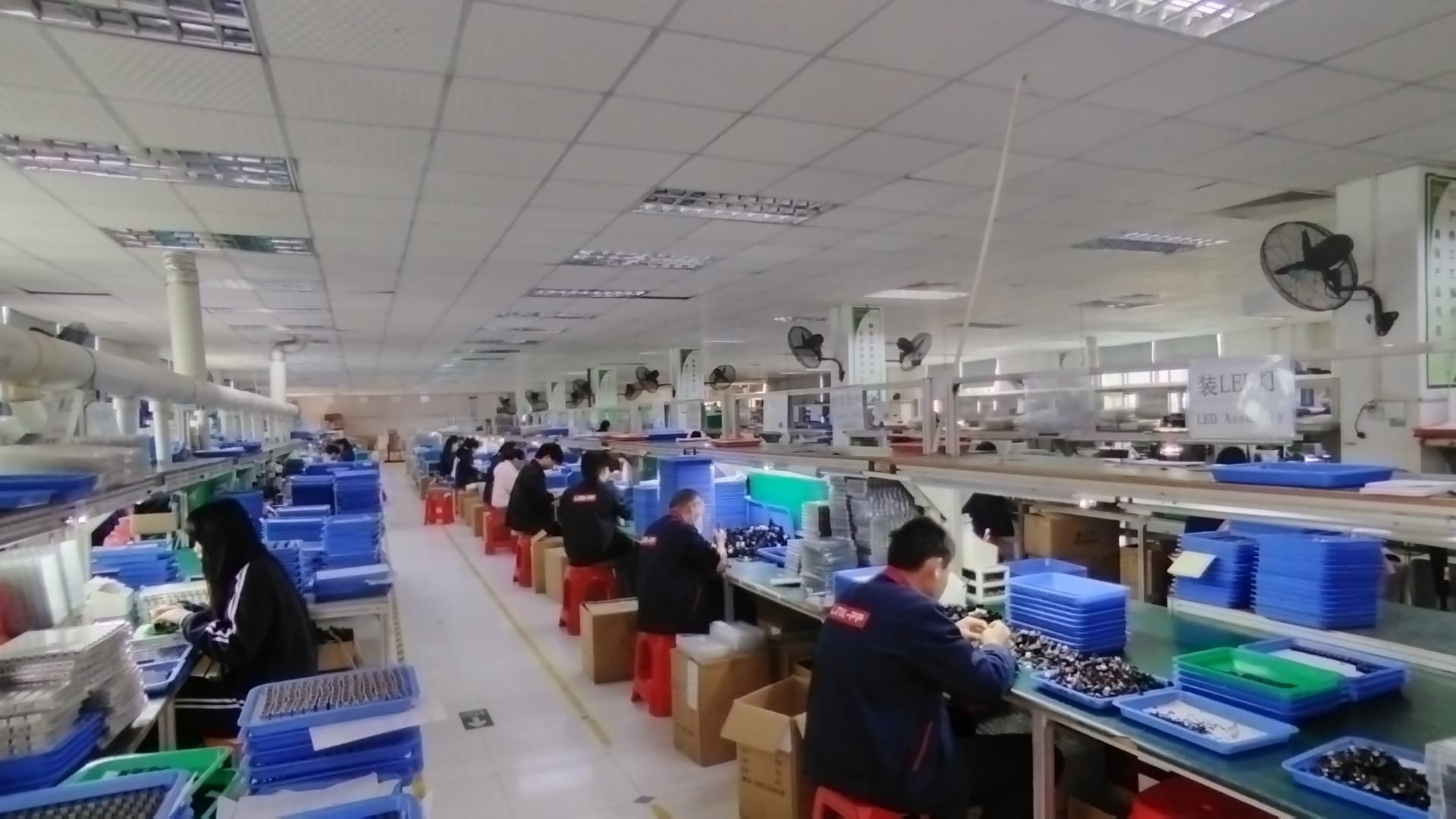
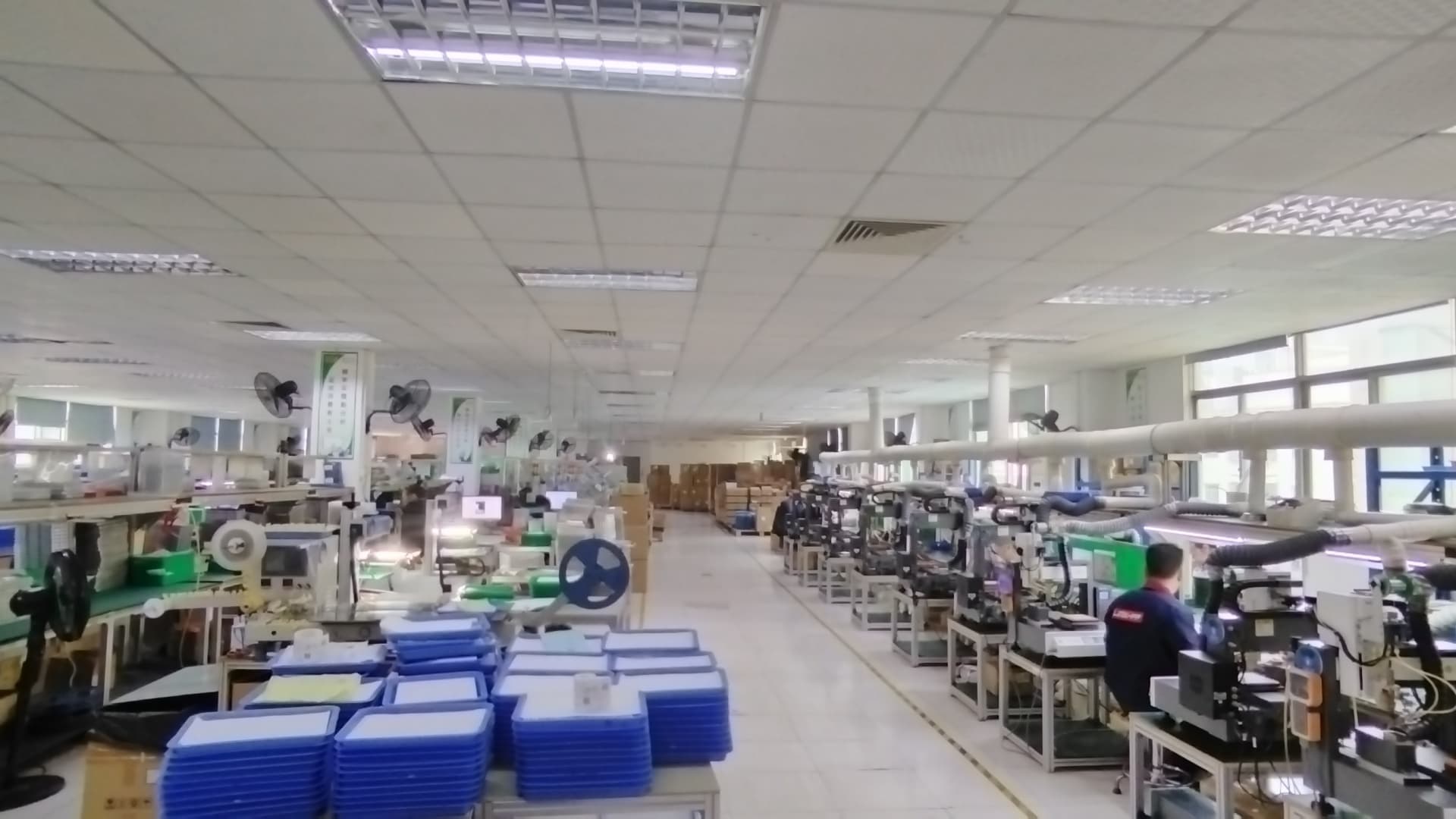
Our standard and customized coaxial cable structures and optical modules are engineered to minimize attenuation, prevent electromagnetic interference (EMI), and maximize structural return loss. Our dust-free facilities manufacture solutions spanning 10G, 25G, 100G, 400G, and 800G optical interfaces, alongside high-speed twinaxial and micro-coaxial cable systems.
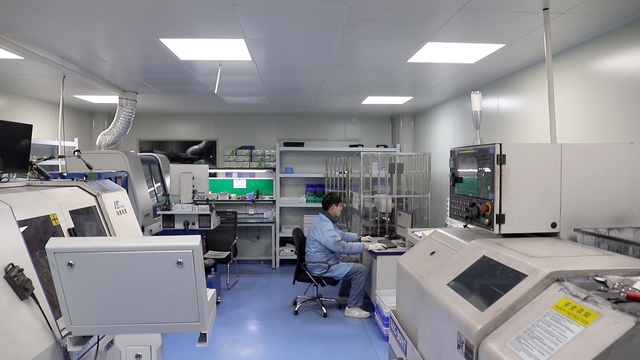
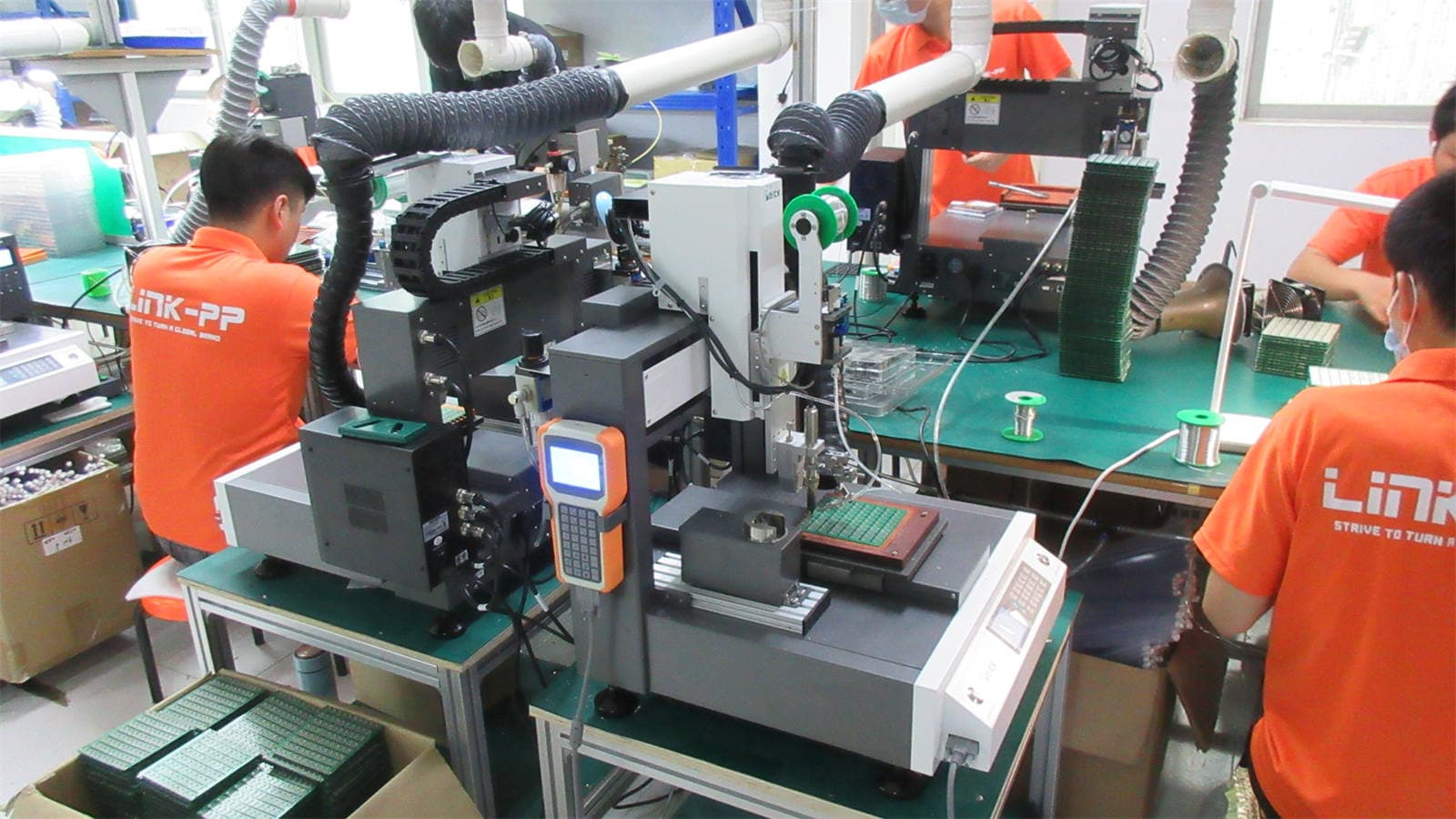
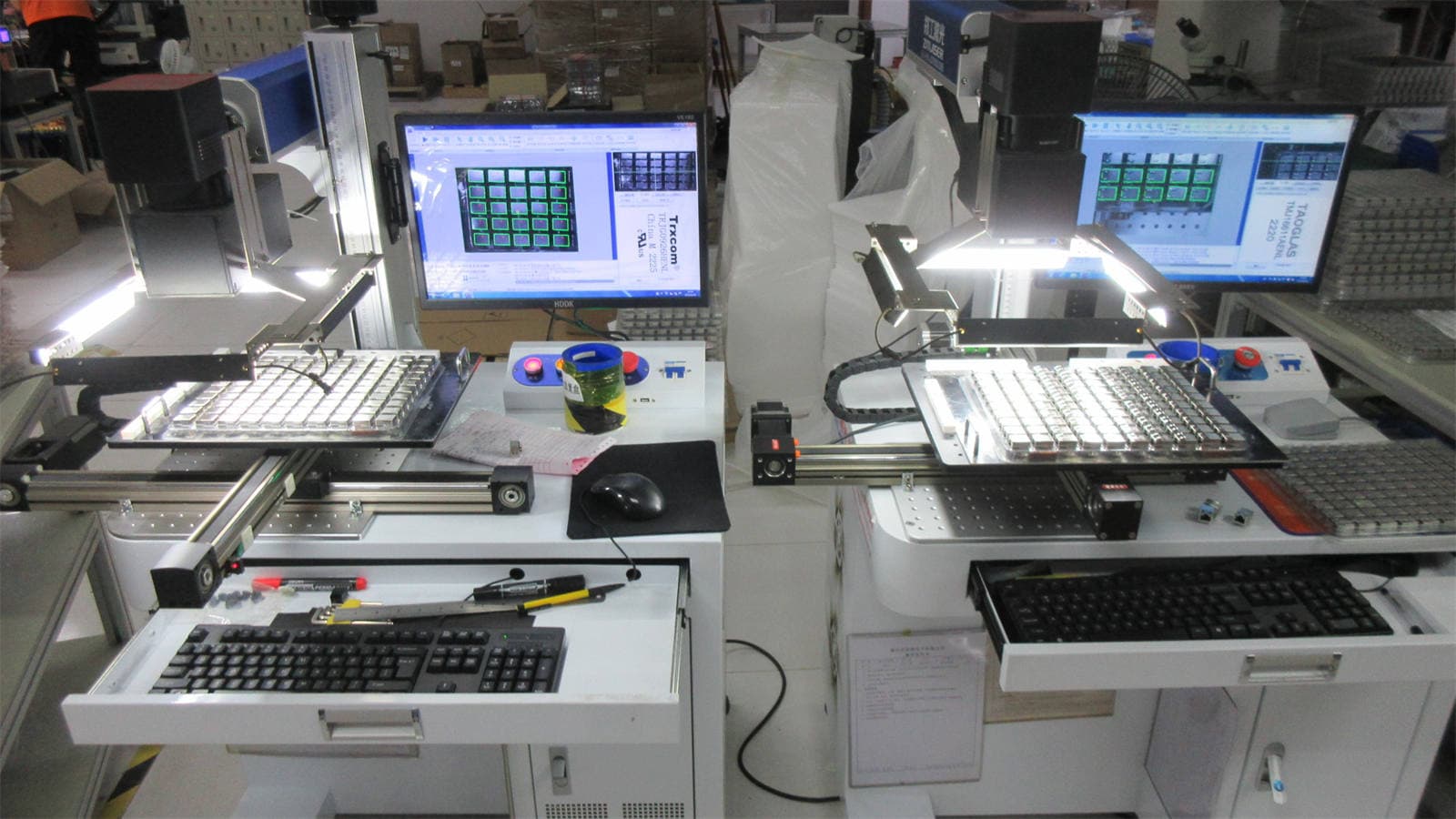
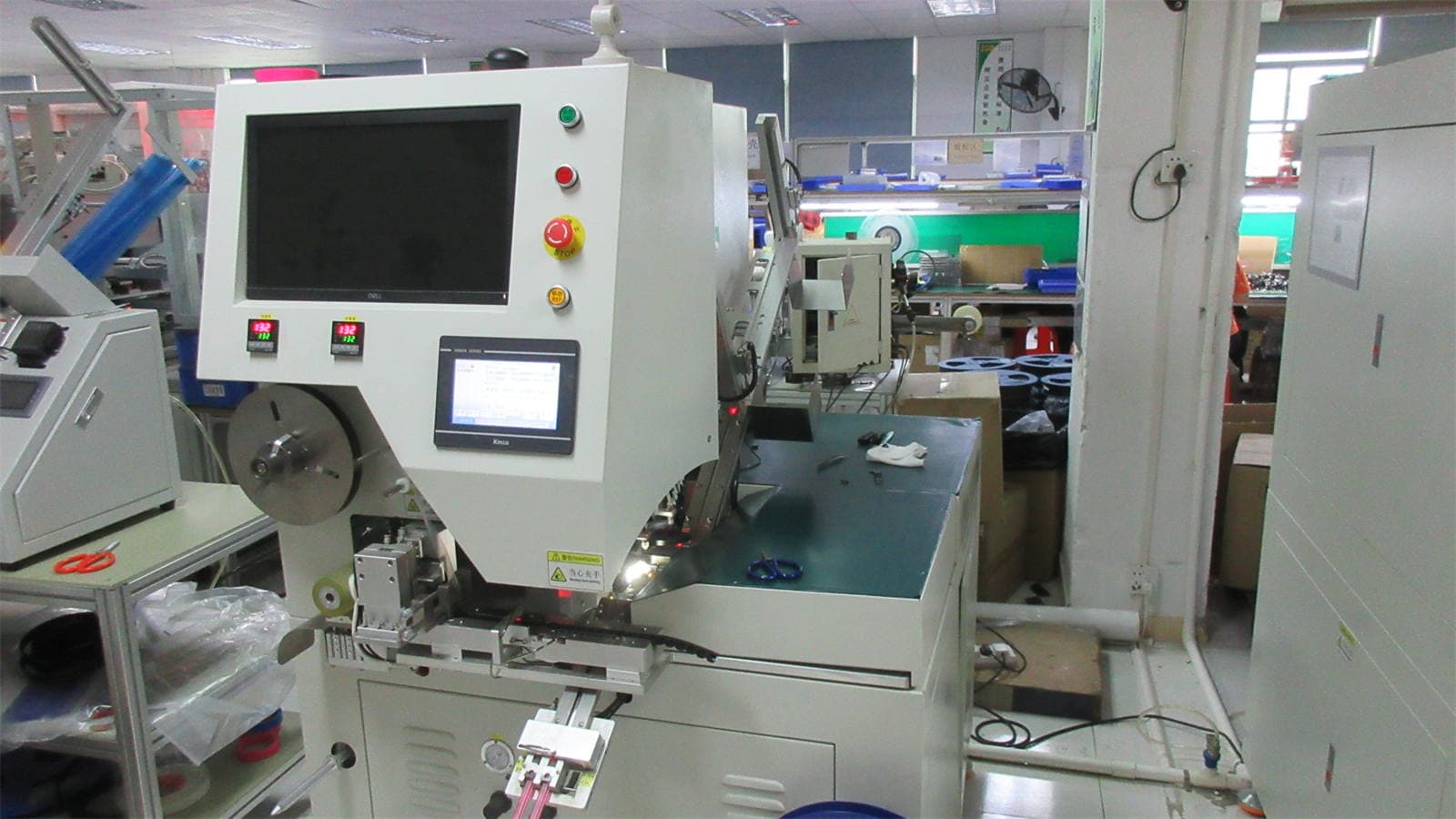
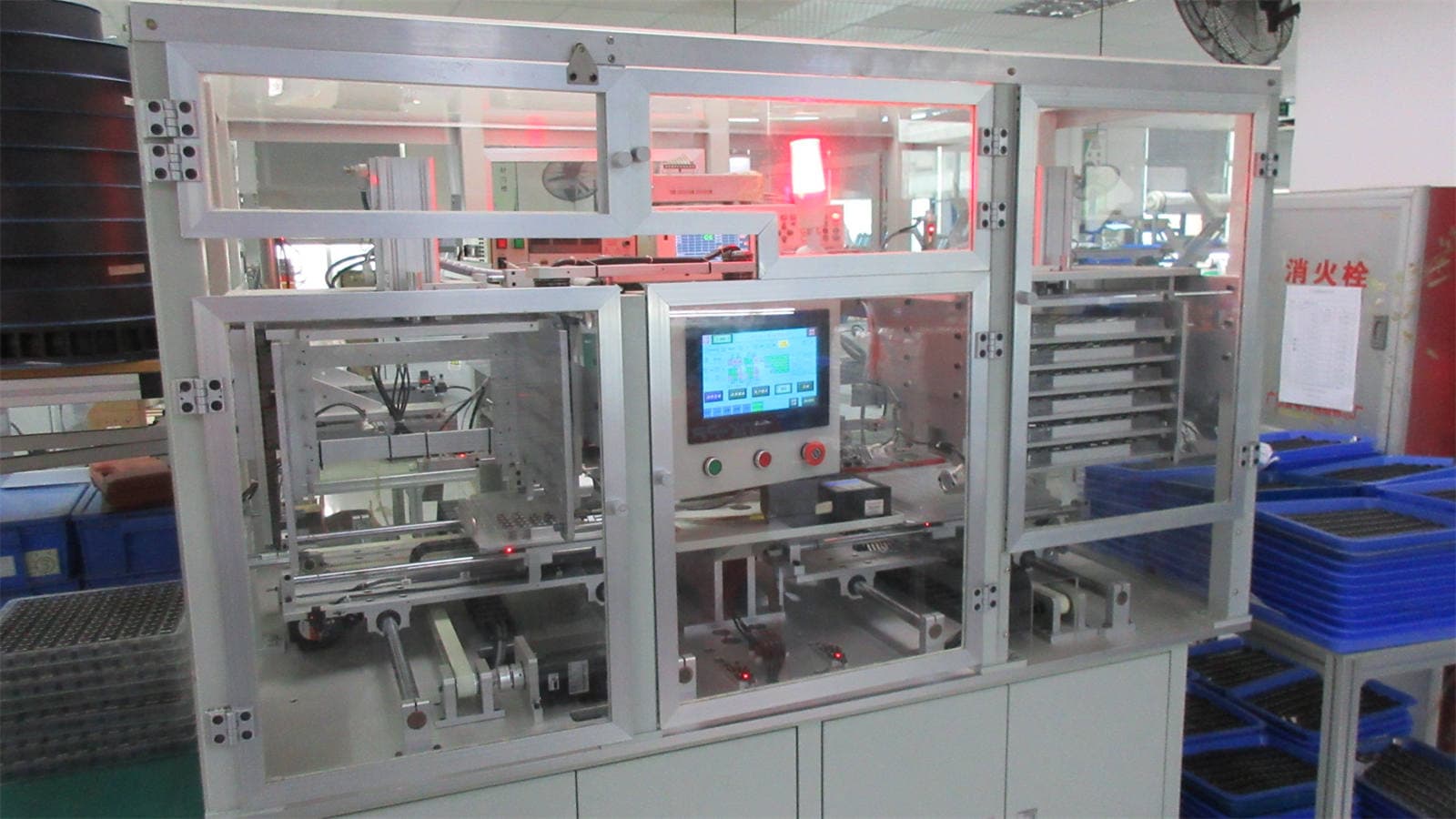
Lumopt SMT and High-Frequency Testing Laboratory Assembly Line
Navigating physical performance limits: dielectric optimizations, impedance control, and shielding mechanisms for the next generation of RF & high-speed data transmission.
We maintain precise control over the dielectric constant (Dk) and dissipation factor (Df). By using expanded polytetrafluoroethylene (ePTFE) and fluorinated ethylene propylene (FEP), our coaxial designs guarantee stable 50-ohm and 75-ohm impedance variations within a tight tolerance of ±1%. This minimizes standing waves (VSWR) and signal degradation at multi-gigahertz frequencies.
For high-density RF environments, our coaxial cables feature multi-layer shielding configurations, including silver-plated copper wire braids, aluminum foil tapes, and spiral-wrapped shields. This design ensures superior shielding effectiveness (>90 dB) to combat cross-talk and preserve signal integrity alongside high-voltage components.
As transmission speeds transition from NRZ to PAM4, traditional physical limitations challenge copper networks. Our development roadmap integrates micro-coaxial structure innovations and Twinaxial DAC (Direct Attach Copper) technologies. These developments support internal server routing, including PCIe 5.0, PCIe 6.0, MCIO, and SlimSAS form factors.
Industrial and telecommunication sectors require reliable connection interfaces that withstand physical stress and environmental changes. Lumopt offers customized coaxial assemblies tailored to specialized industries:
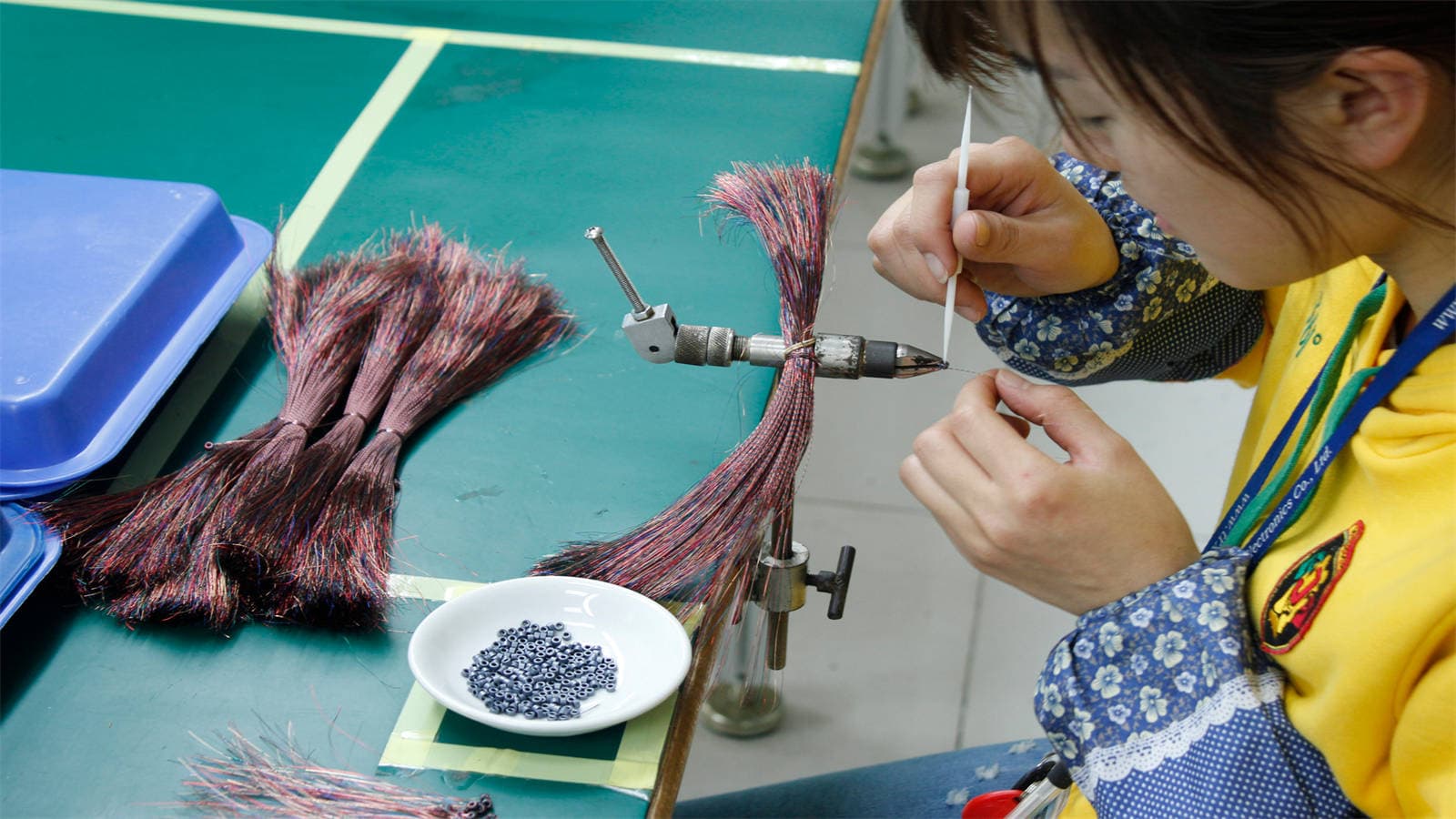
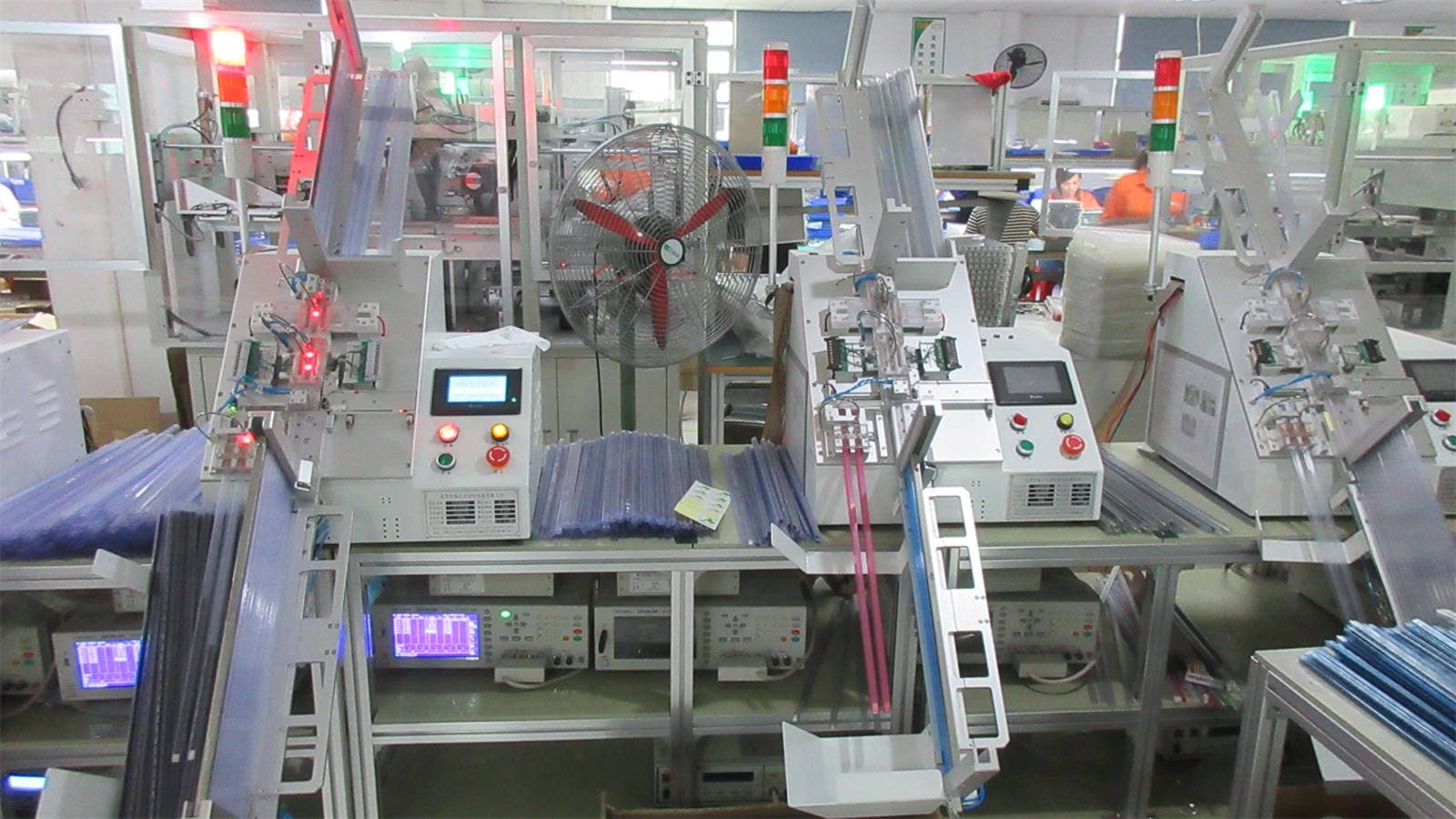
High-Speed Data Communications Interface Verification Systems
Combining automation, real-time quality tracking, and precision craftsmanship to deliver consistent high-frequency cables and optical products.
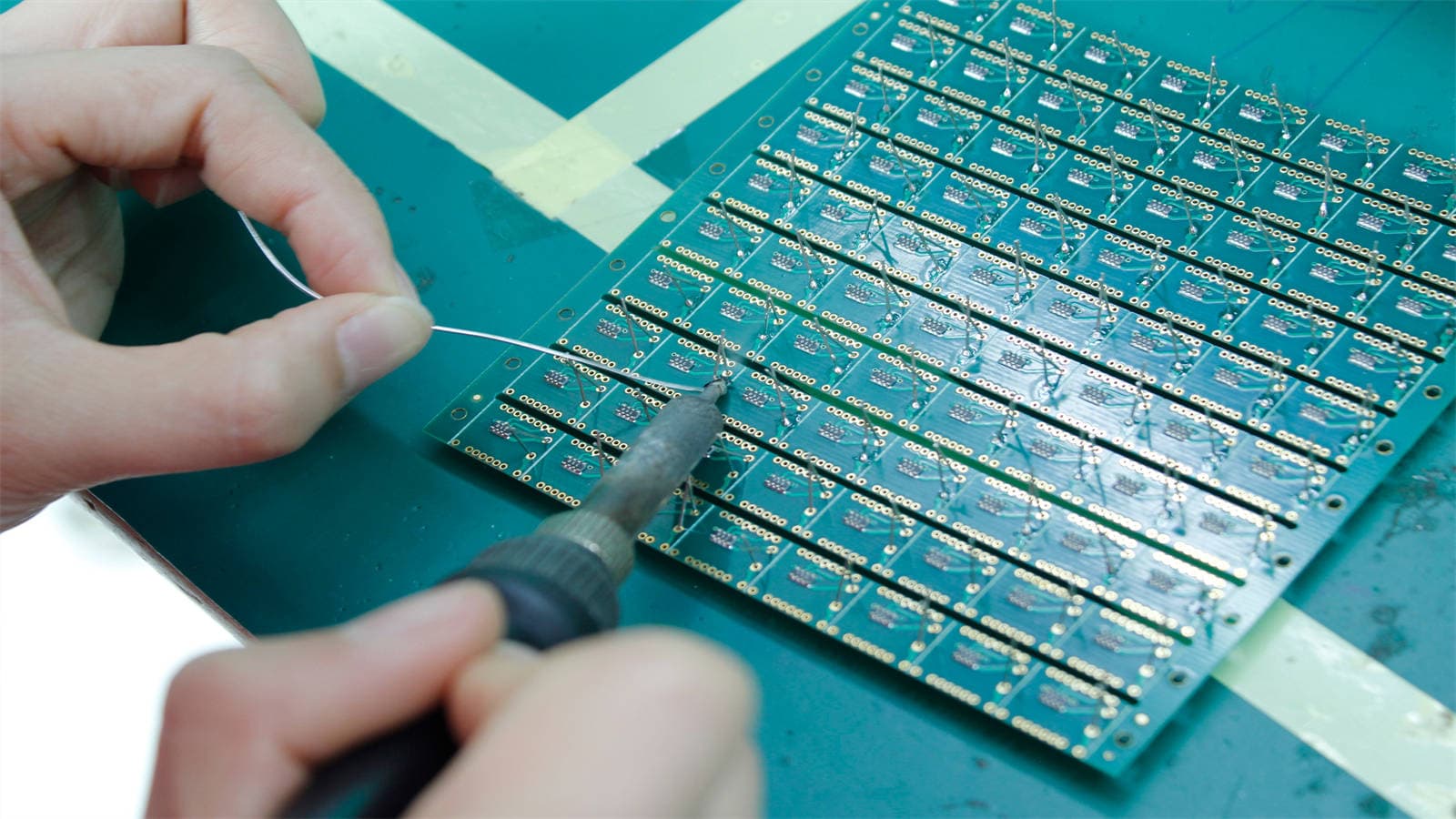
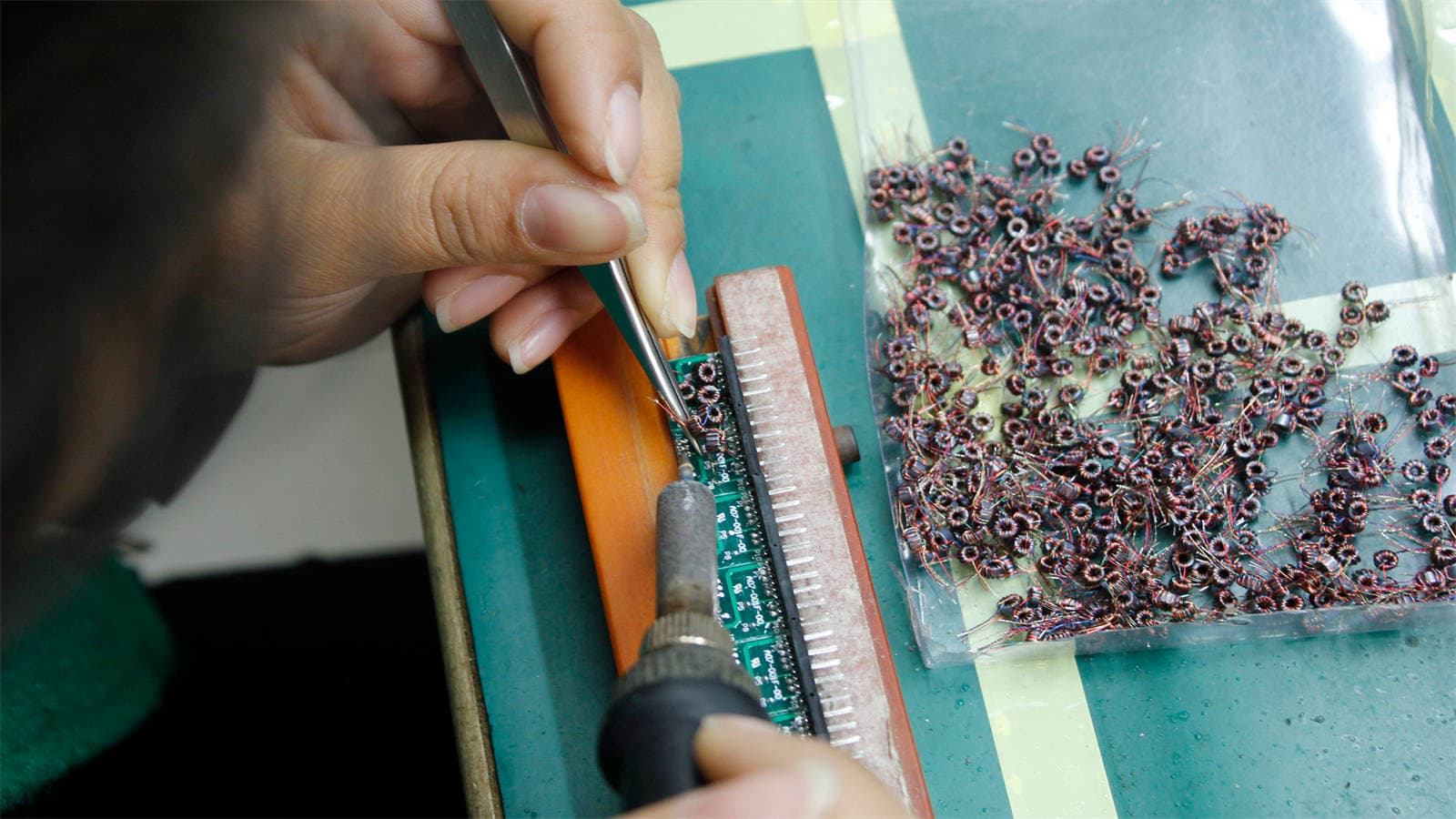
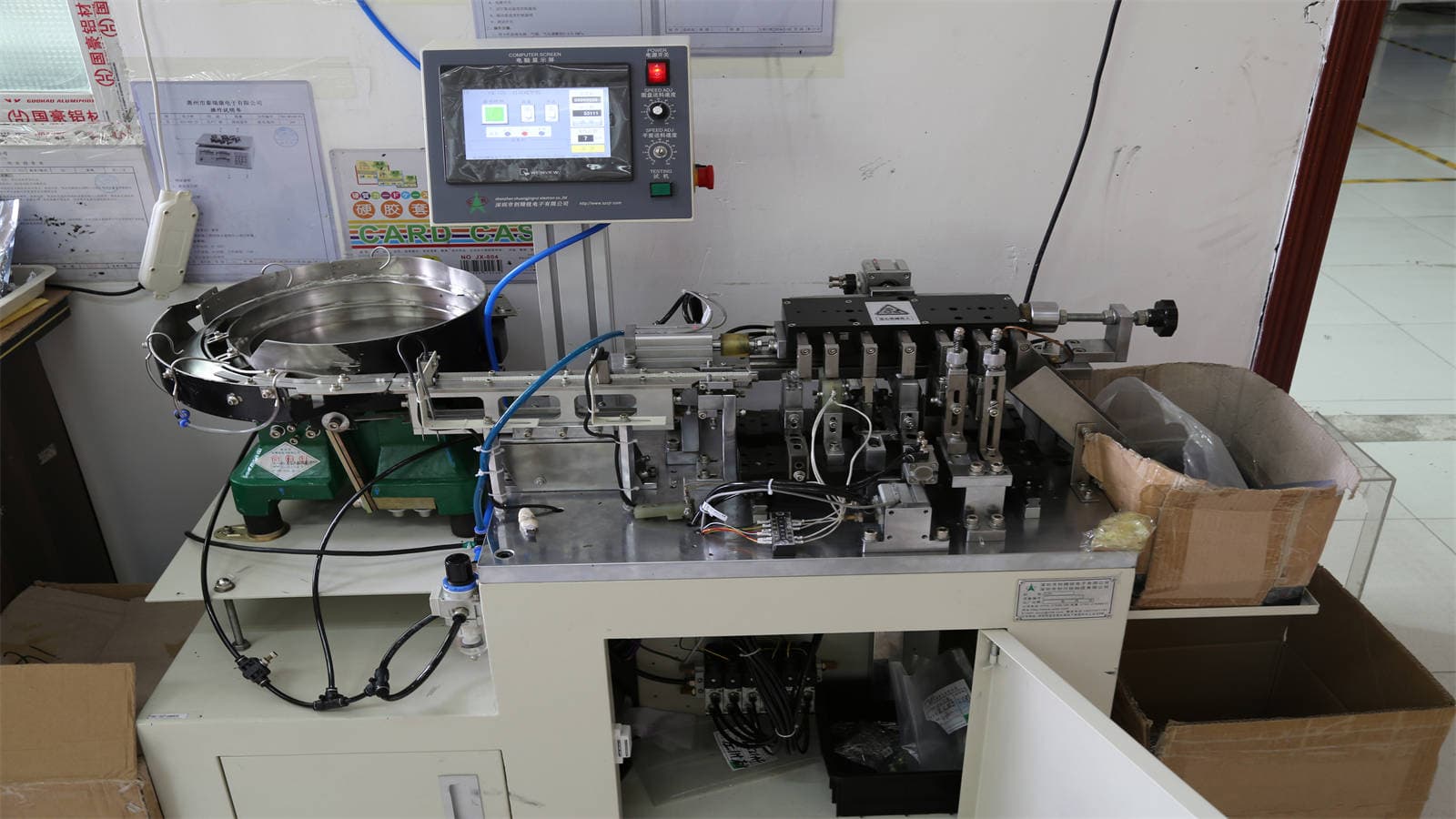
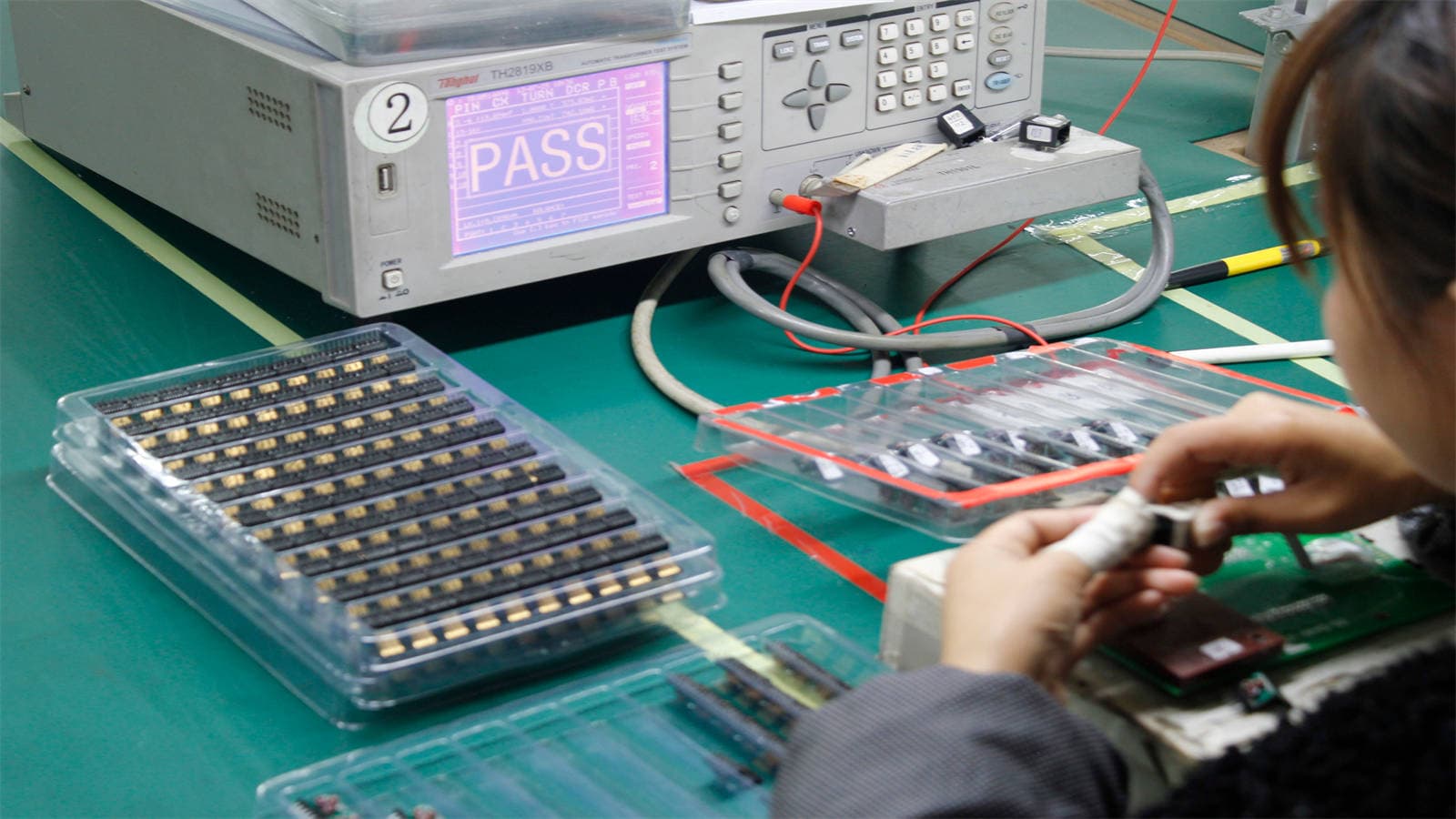
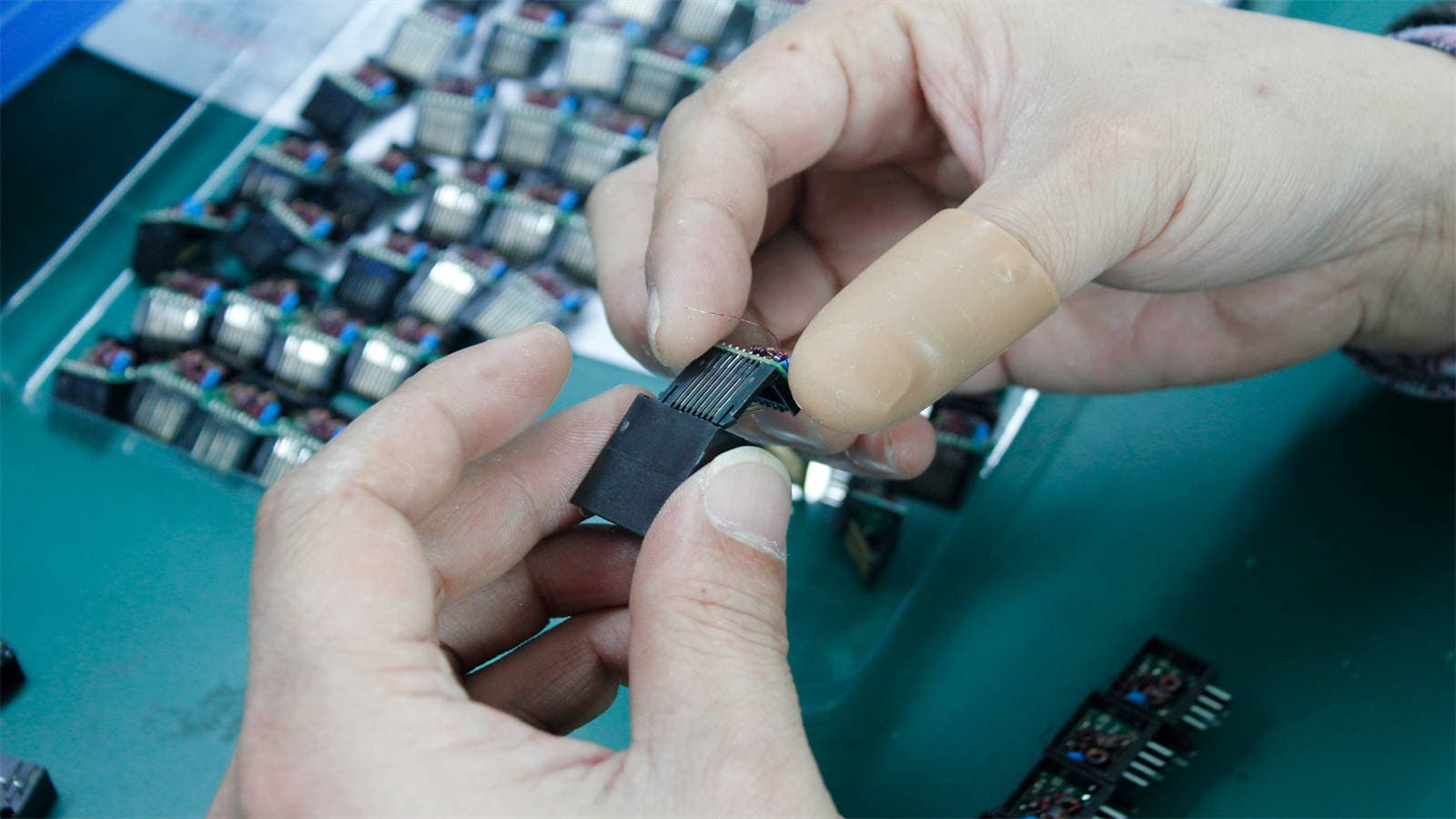
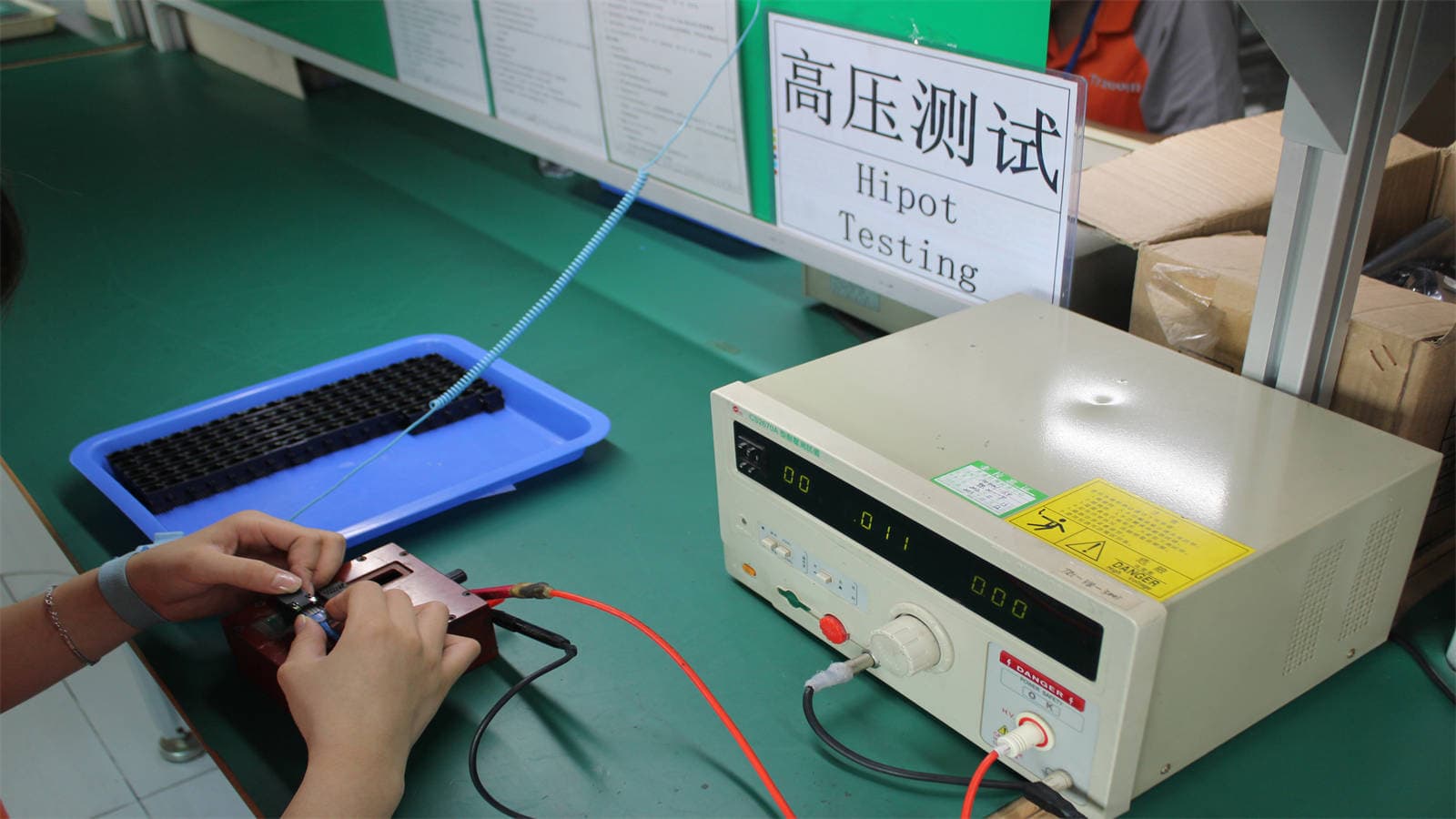
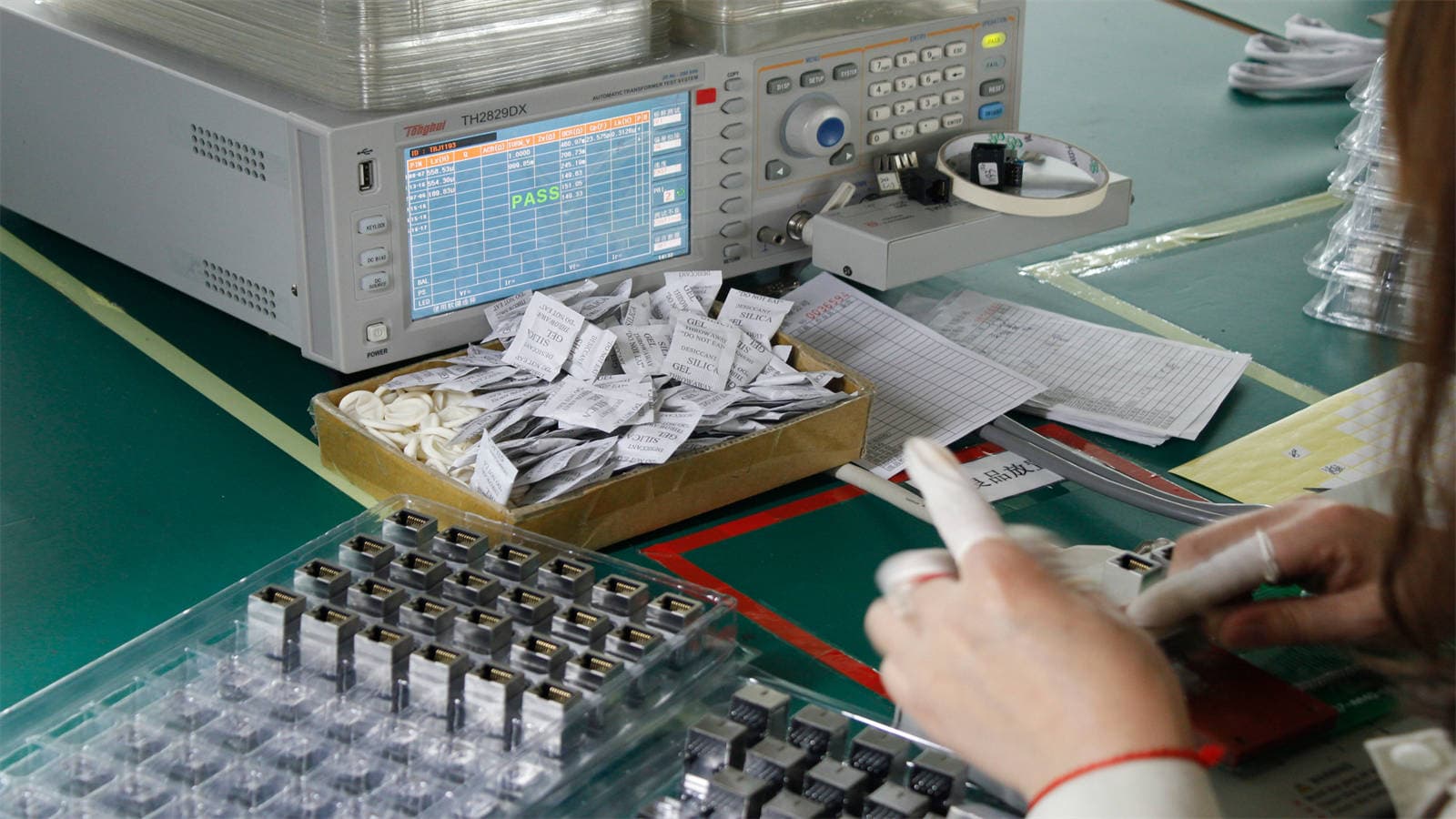
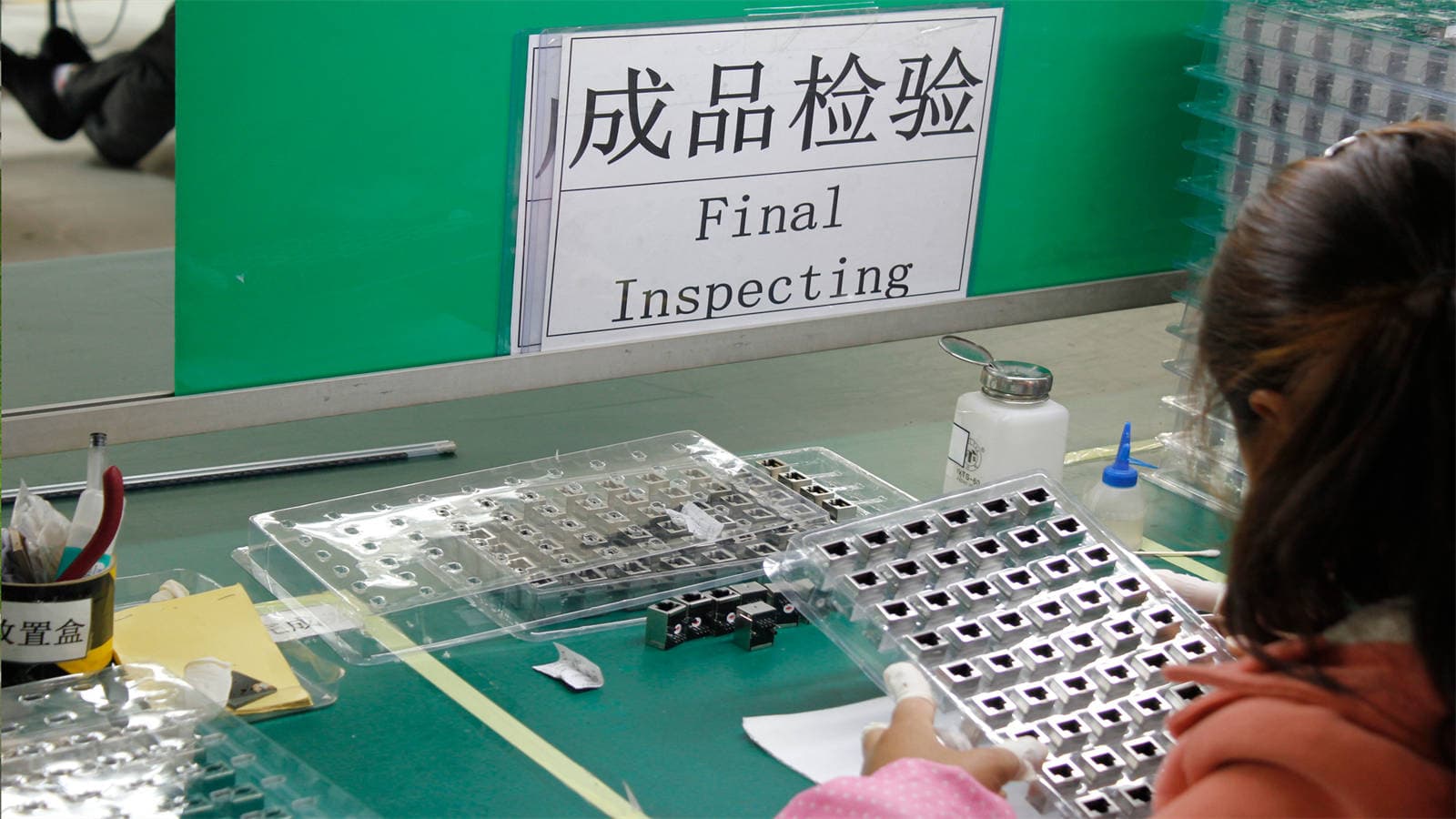
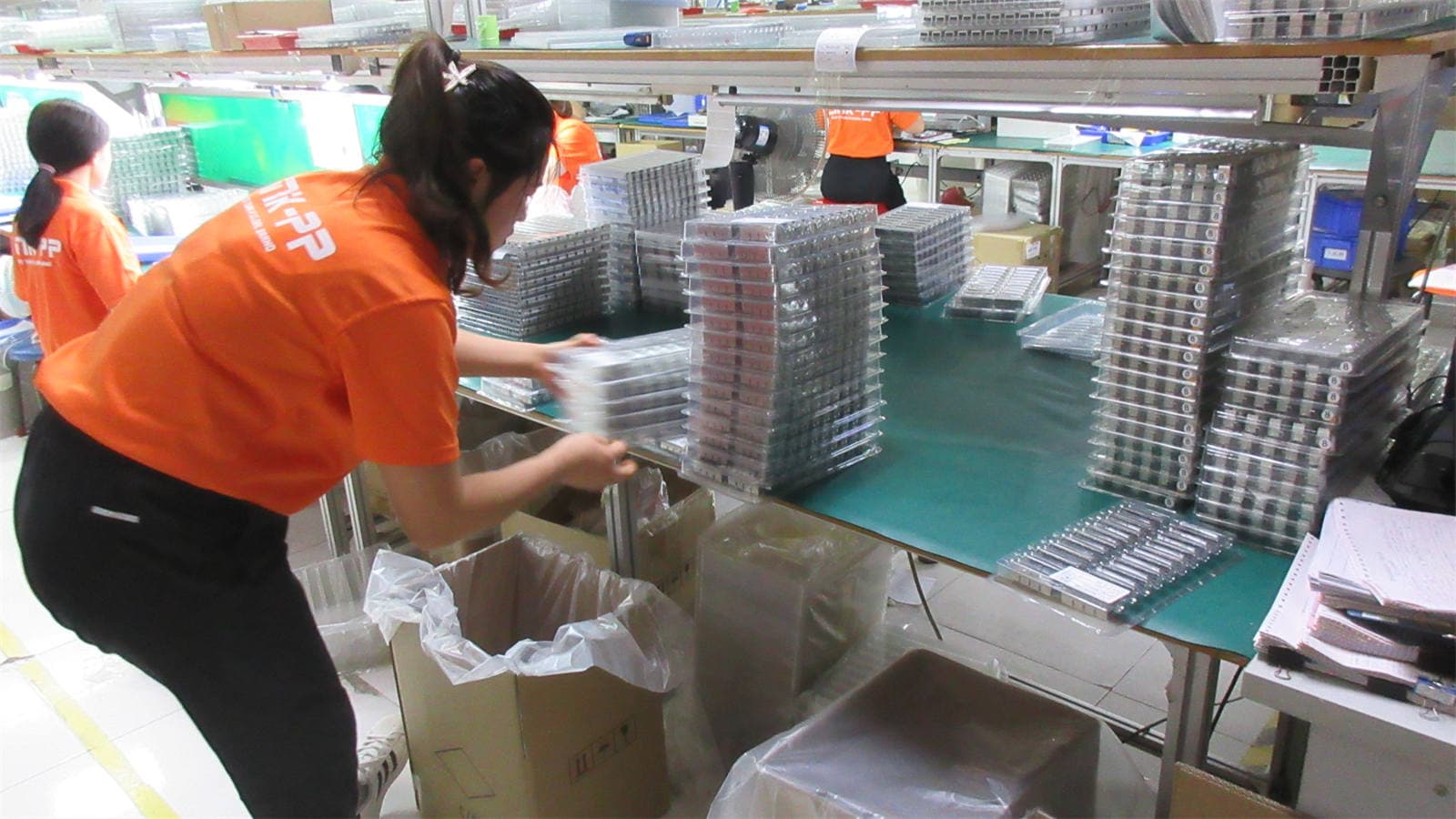
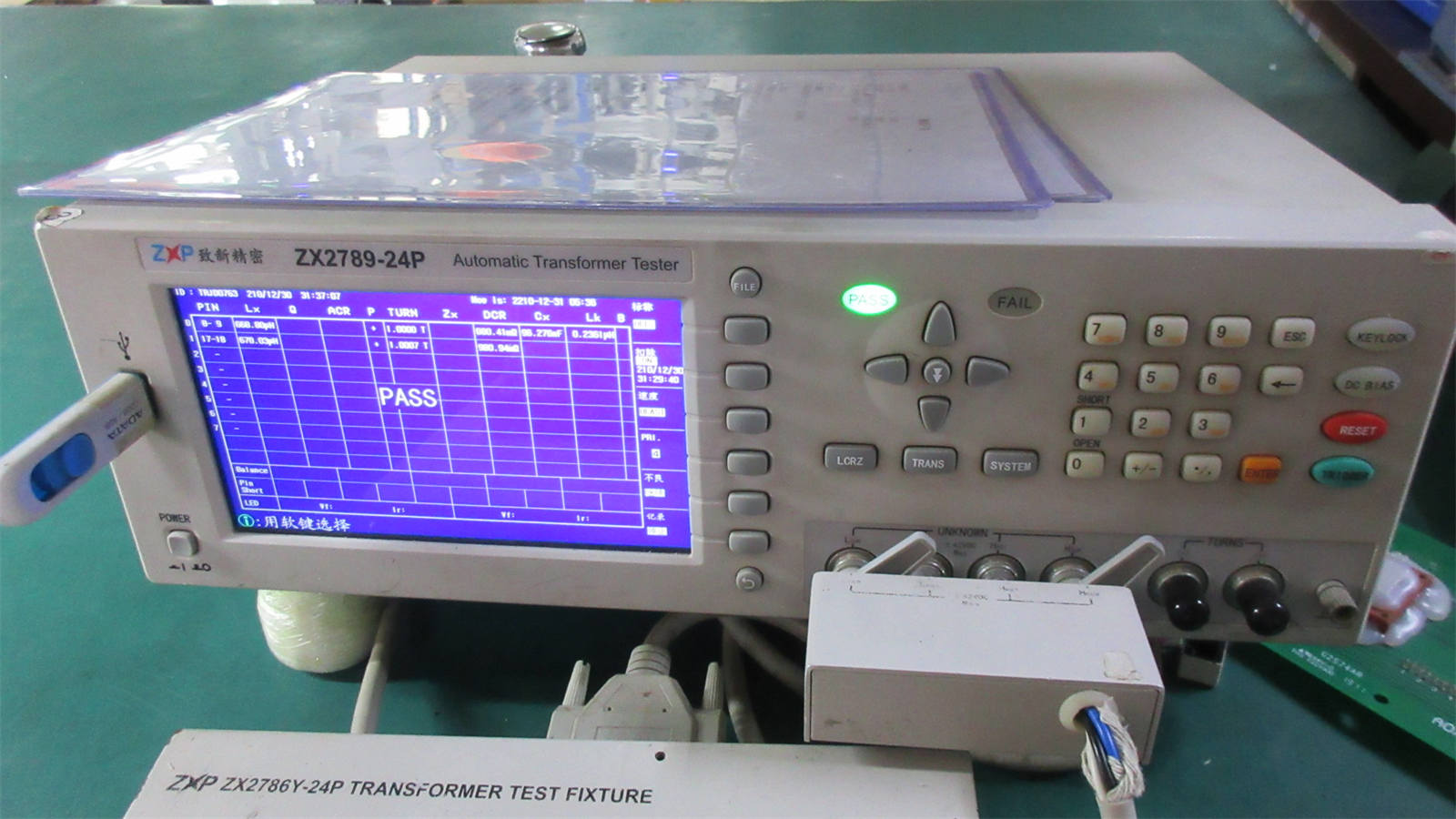
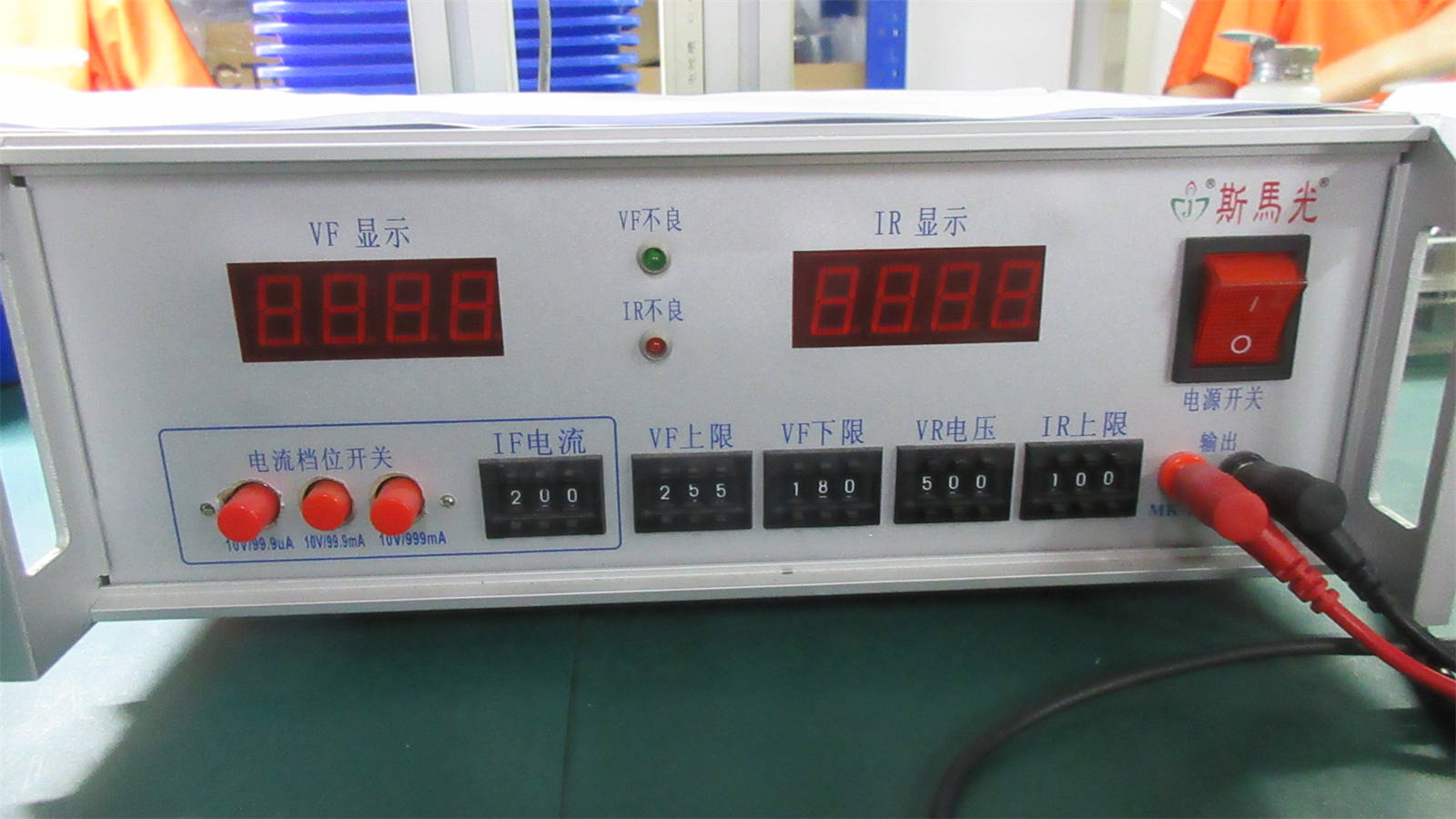
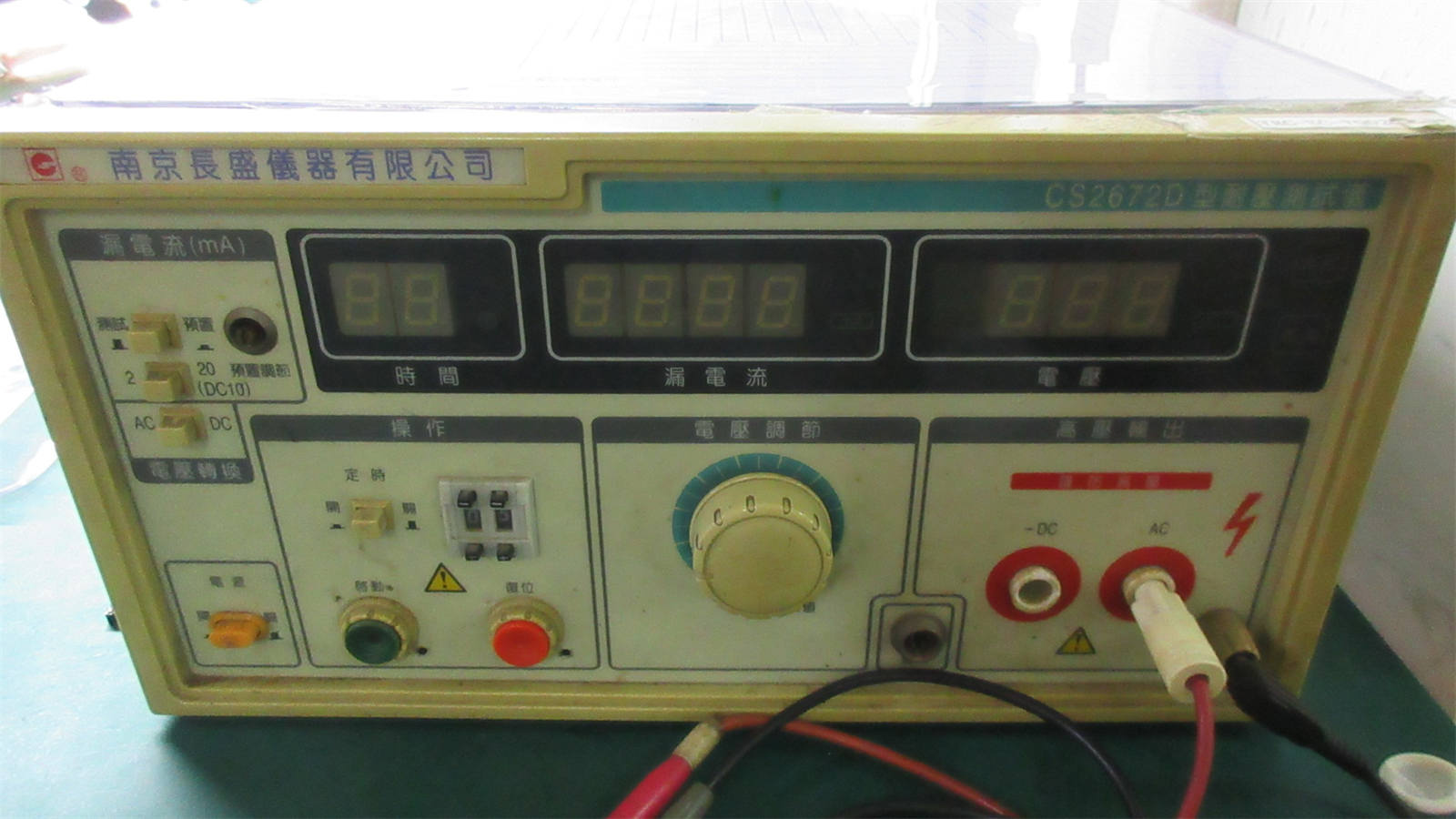
Every production batch undergoes testing via automated systems, verifying physical, electrical, and optical properties against global specifications.
Meeting international performance, environmental, and security standards for enterprise connectivity networks.
All our custom coaxial cables and high-speed assemblies comply with RoHS, REACH, and WEEE directives, specifying the omission of lead, mercury, cadmium, and hexavalent chromium.
Through regional supply channels and distributor networks, we provide Field Application Engineering (FAE) support to assist customers with impedance validation, cable routing, and link budget calculations.
Our cable jackets are available in LSZH (Low Smoke Zero Halogen), Plenum (OFNP), and Riser (OFNR) formulations. This compliance meets fire safety standards for drop-ceiling runs and vertical shafts.
Technical answers regarding coaxial matching, customization capabilities, and manufacturing options.
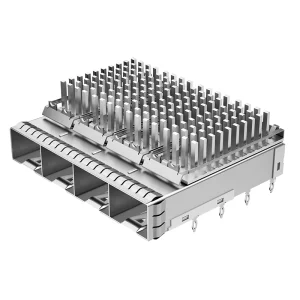
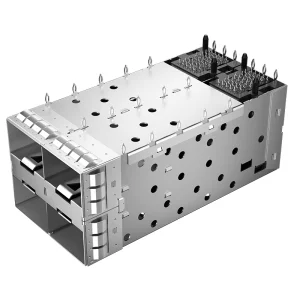
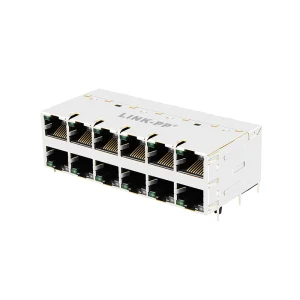
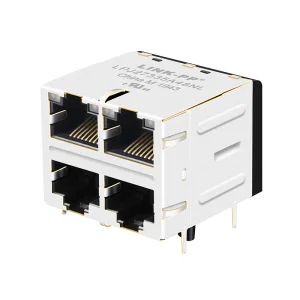
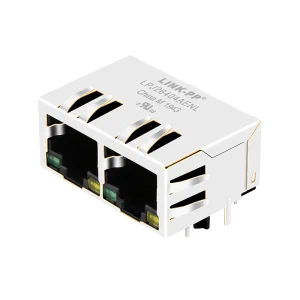
Explore our line of modular connectors, shielded cages, and high-frequency telecom components.