Lumopt
Lumopt
Lumopt
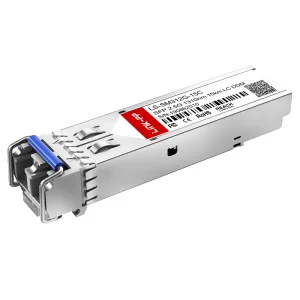
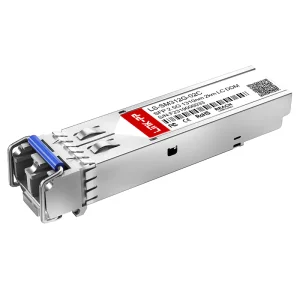
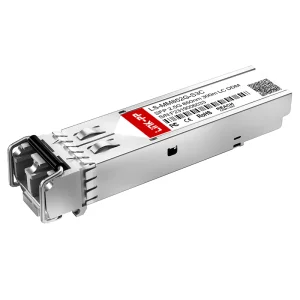
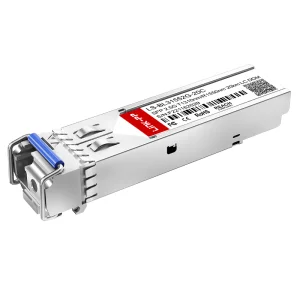
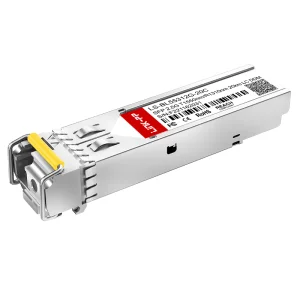
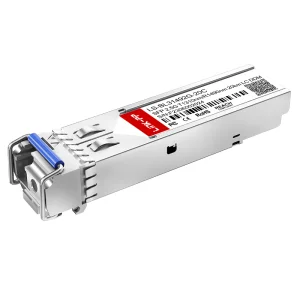
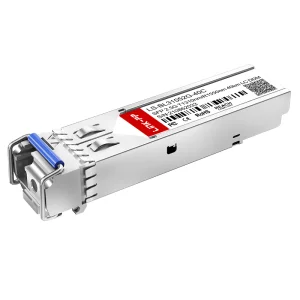
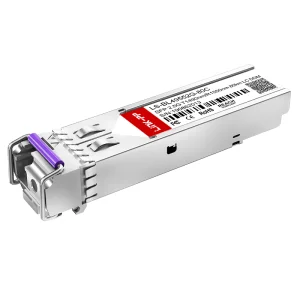
Optimized for high-performance municipal, telecom, and maritime communications in Castries. Engineered to meet strict IEEE and SFF standards with low-latency capabilities.
Castries, as the vital trade center of Saint Lucia and the wider OECS (Organisation of Eastern Caribbean States), is experiencing a structural digital transformation. The acceleration of tourism logistics, digital banking, and government network centralization has created an urgent demand for optimized transmission systems. Under the guidelines of the Eastern Caribbean Telecommunications Authority (ECTEL), regional telecommunications networks are transitioning from legacy copper lines and standard 1G optical networks to resilient multi-gigabit topologies.
While 10G and 25G options represent the future of long-haul backbones, the deployment of 2.5G to 6G SFP optical transceivers represents the most cost-effective and energy-efficient pathway for intermediate edge links. These modules serve as the critical connection point for 5G fronthaul deployments, high-capacity WiFi 6/6E access points, and metropolitan fiber ring access points. Our optical transceivers provide the stability required to resist the Caribbean's specific climatic challenges while offering optimal insertion loss performance.
Globally, optical transceivers are adapting to meet the demands of edge cloud computing and dense 5G radio installations. The 2.5G and 6G SFP variants occupy a crucial role in these setups, acting as interfaces for CPRI (Common Public Radio Interface) protocols and intermediate wireless backhaul networks. For regional hub setups in Castries, deploying these speeds allows network operators to maximize their current fiber infrastructures (such as single-mode G.652 fibers) without facing the high power consumption and cost overheads that come with immediate 10G/25G upgrades.
| Transceiver Class | Common Wavelengths | Fiber Type | Max Link Distance | Optical Components (TX/RX) | Target Applications |
|---|---|---|---|---|---|
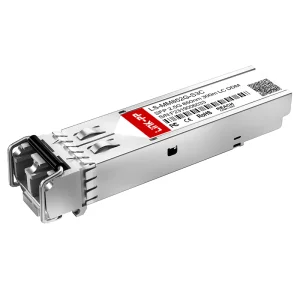
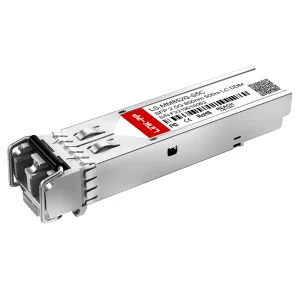
| 2.5GBASE-SX | 850nm | Multimode (MMF) | 300m - 550m | VCSEL / PIN | Intra-datacenter, LAN uplinks, server rooms |
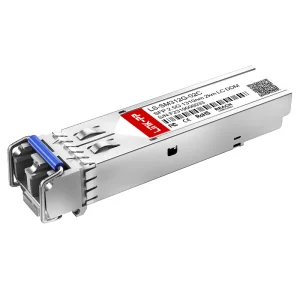
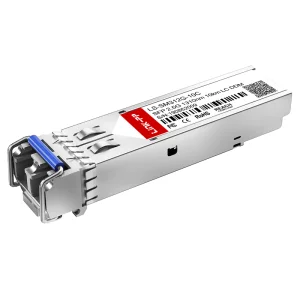
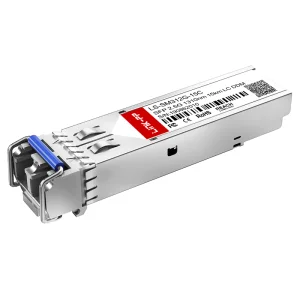
| 2.5GBASE-LX | 1310nm | Single Mode (SMF) | 2km - 15km | DFB / PIN | Campus backbones, municipal WAN nodes |
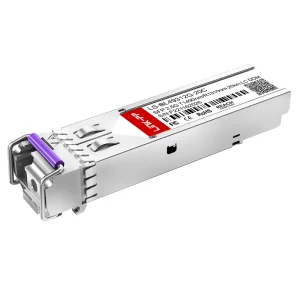
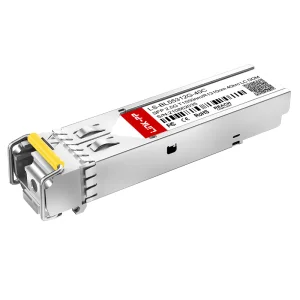
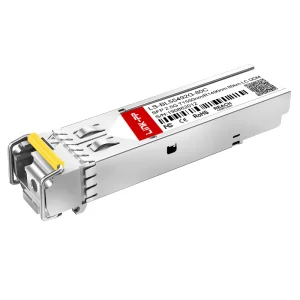
| 2.5G Bidi (Simplex) | 1310nm-TX / 1550nm-RX | Single Mode (SMF) | 20km - 80km | DFB / PIN (APD for 80km) | Single-fiber telecom access networks, FTTH |
| 6.144G CPRI SFP | 1310nm / 1550nm | Single Mode (SMF) | 10km - 40km | DFB / PIN | LTE/5G Wireless Fronthaul, Base Station links |
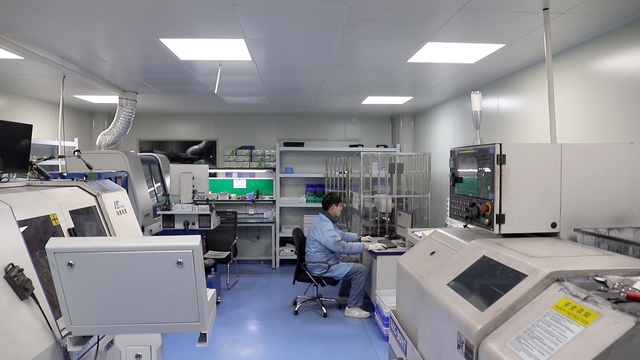
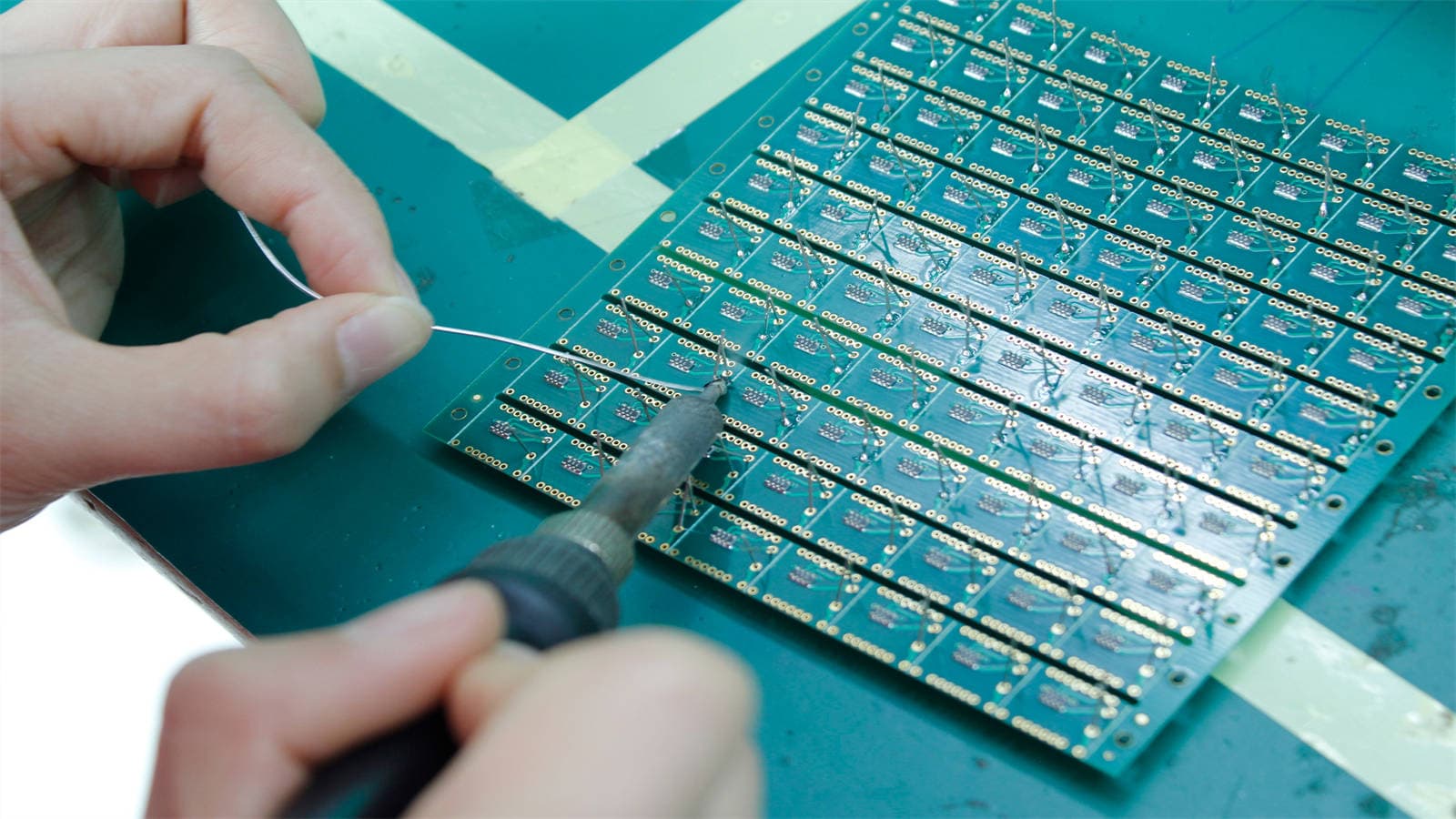
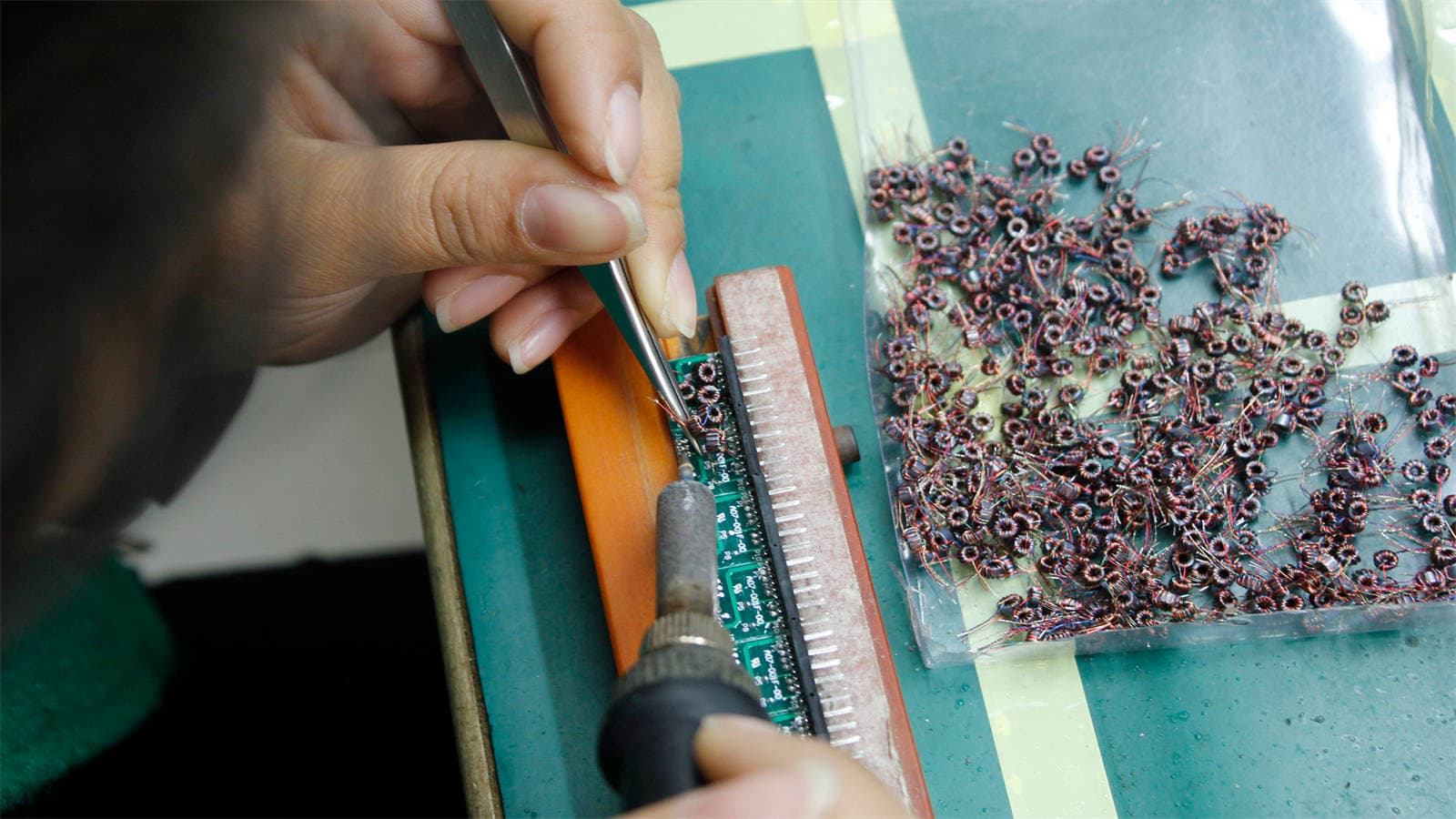
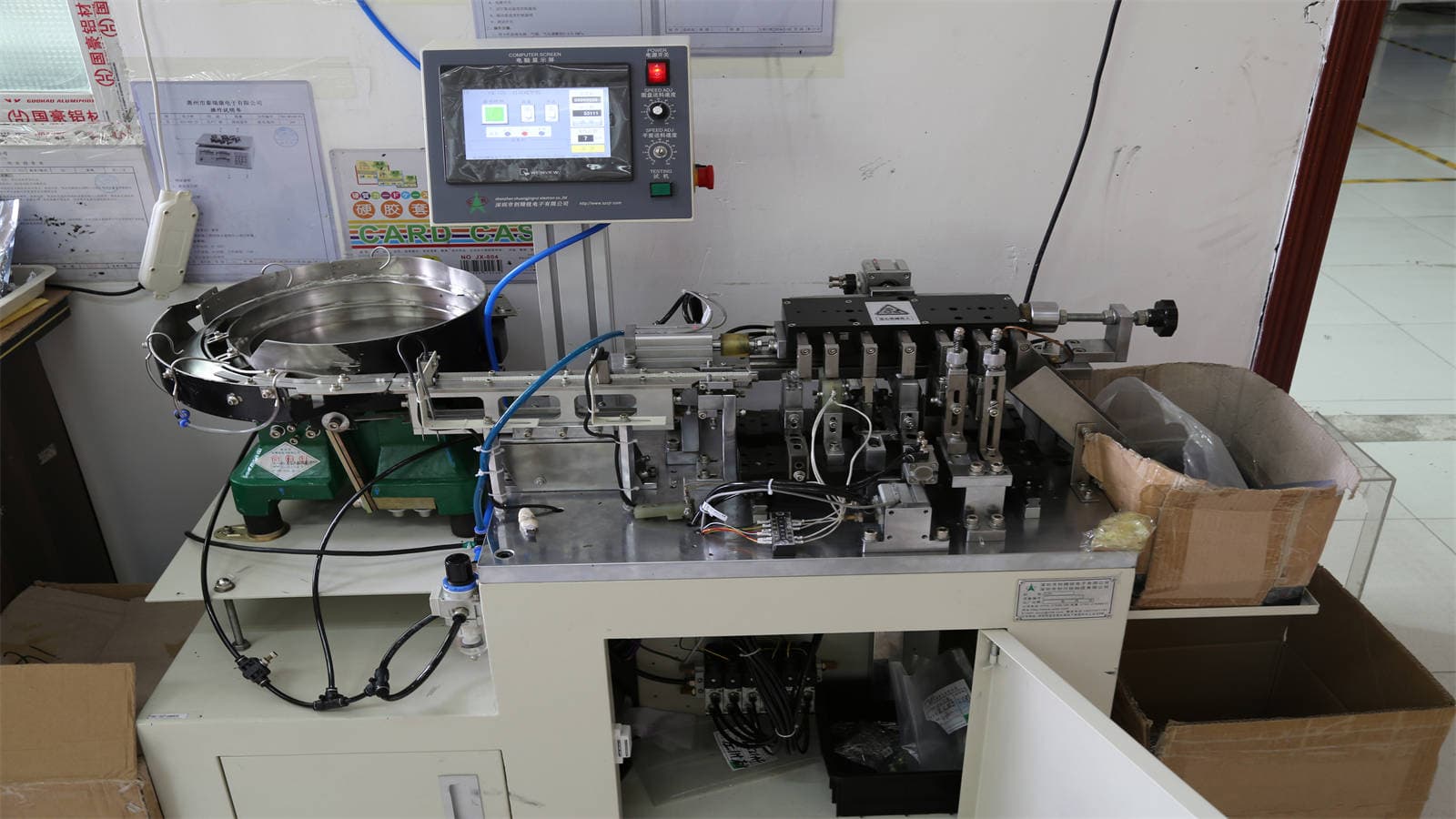
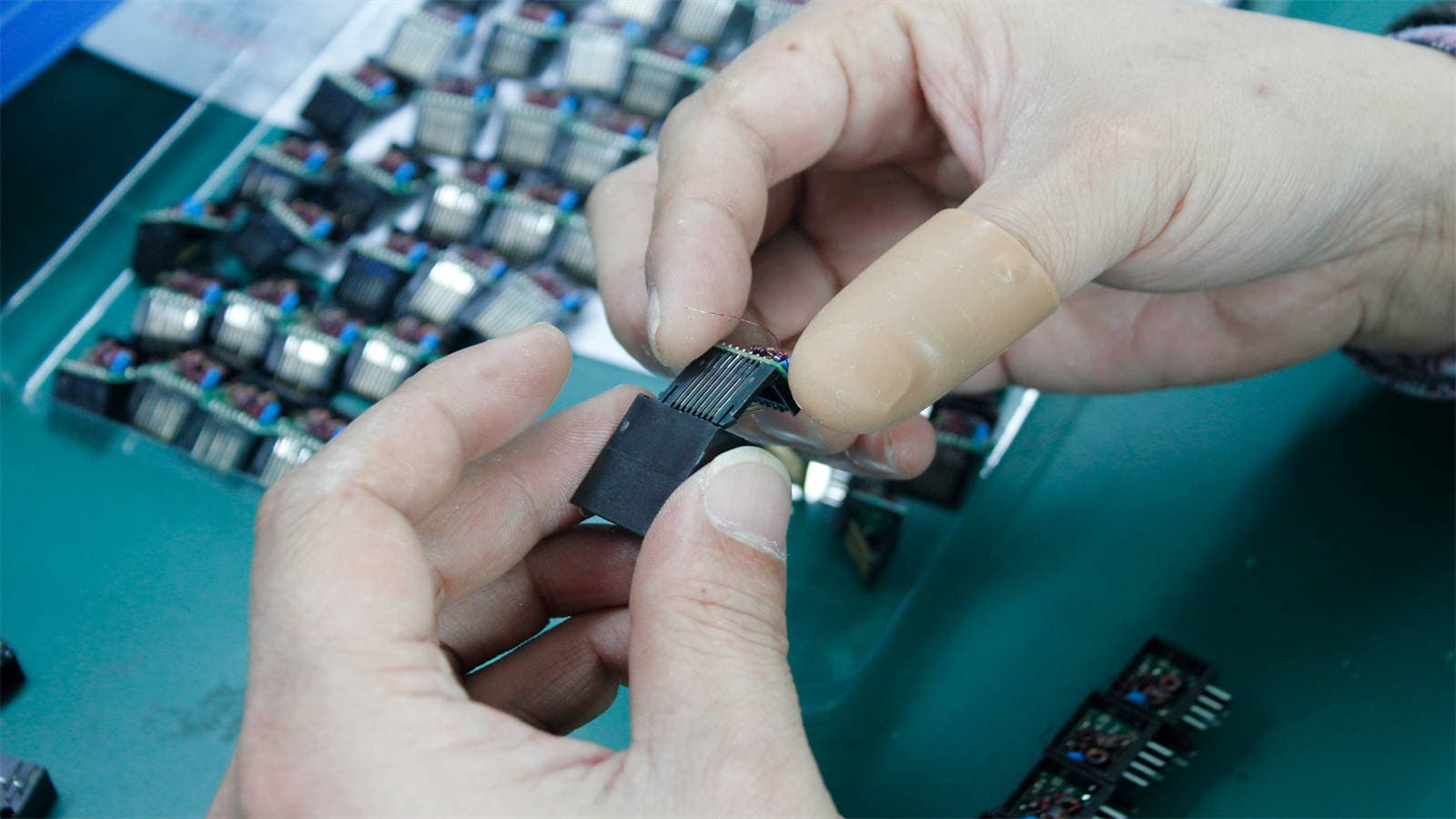
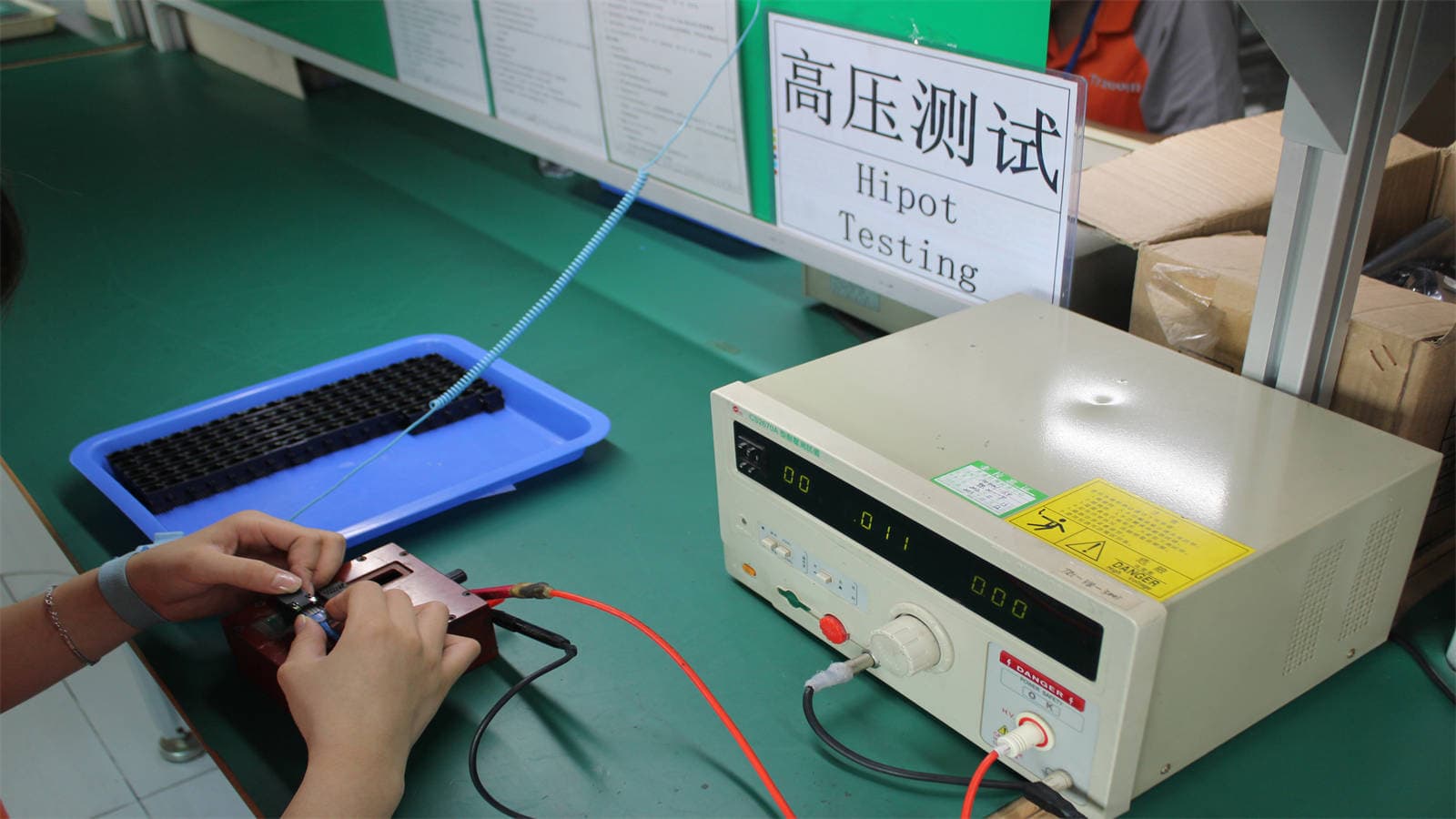
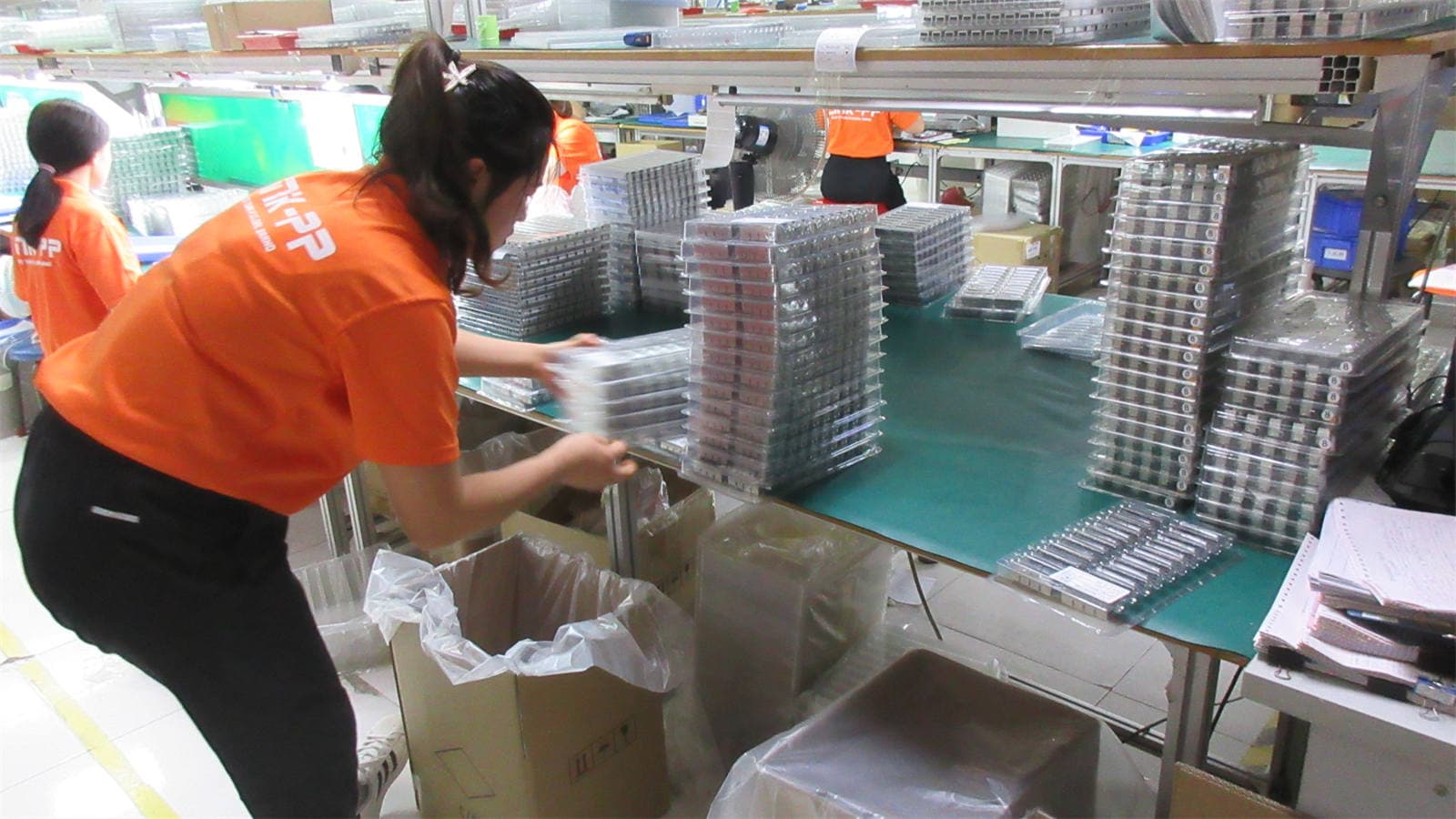
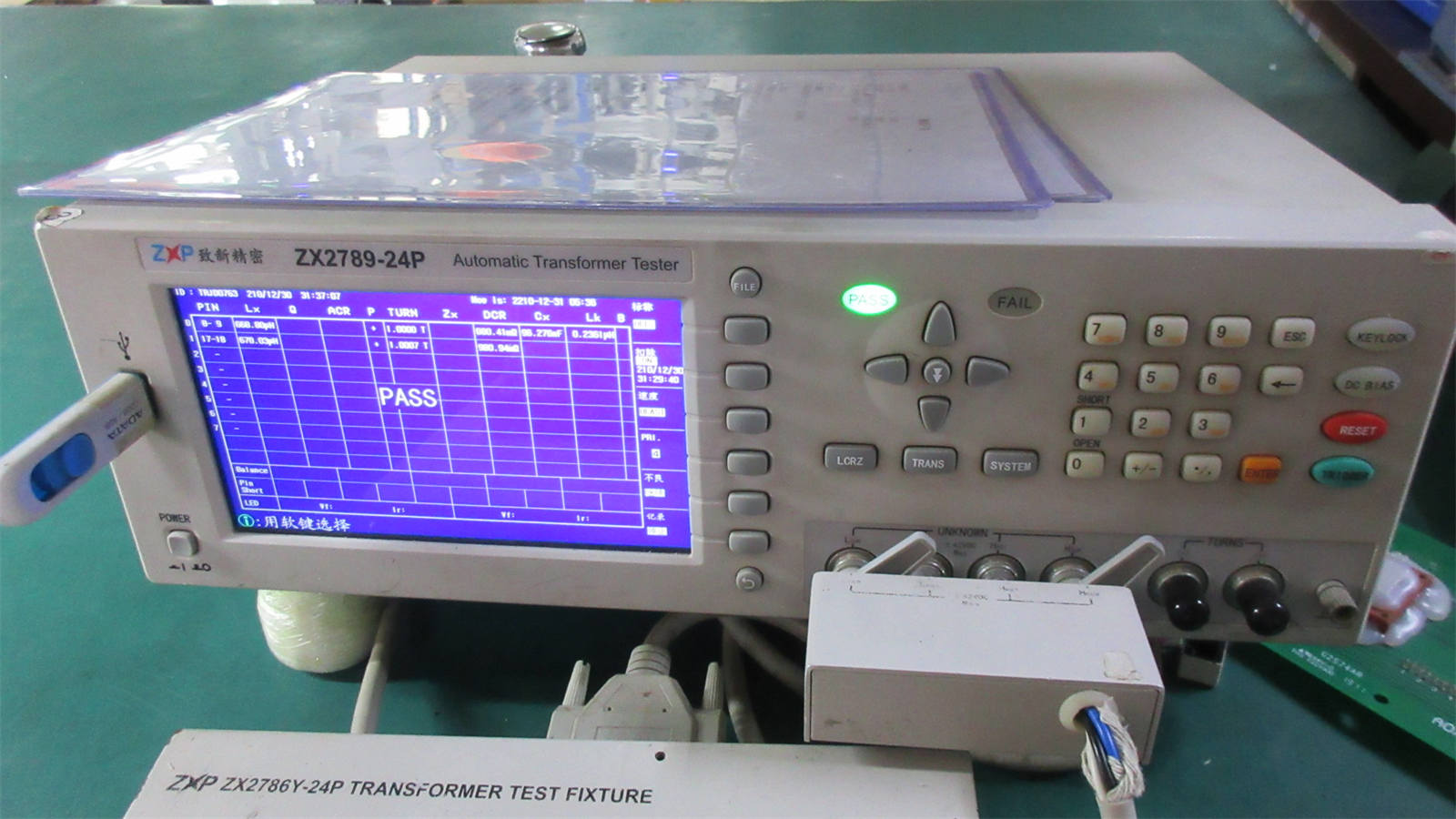
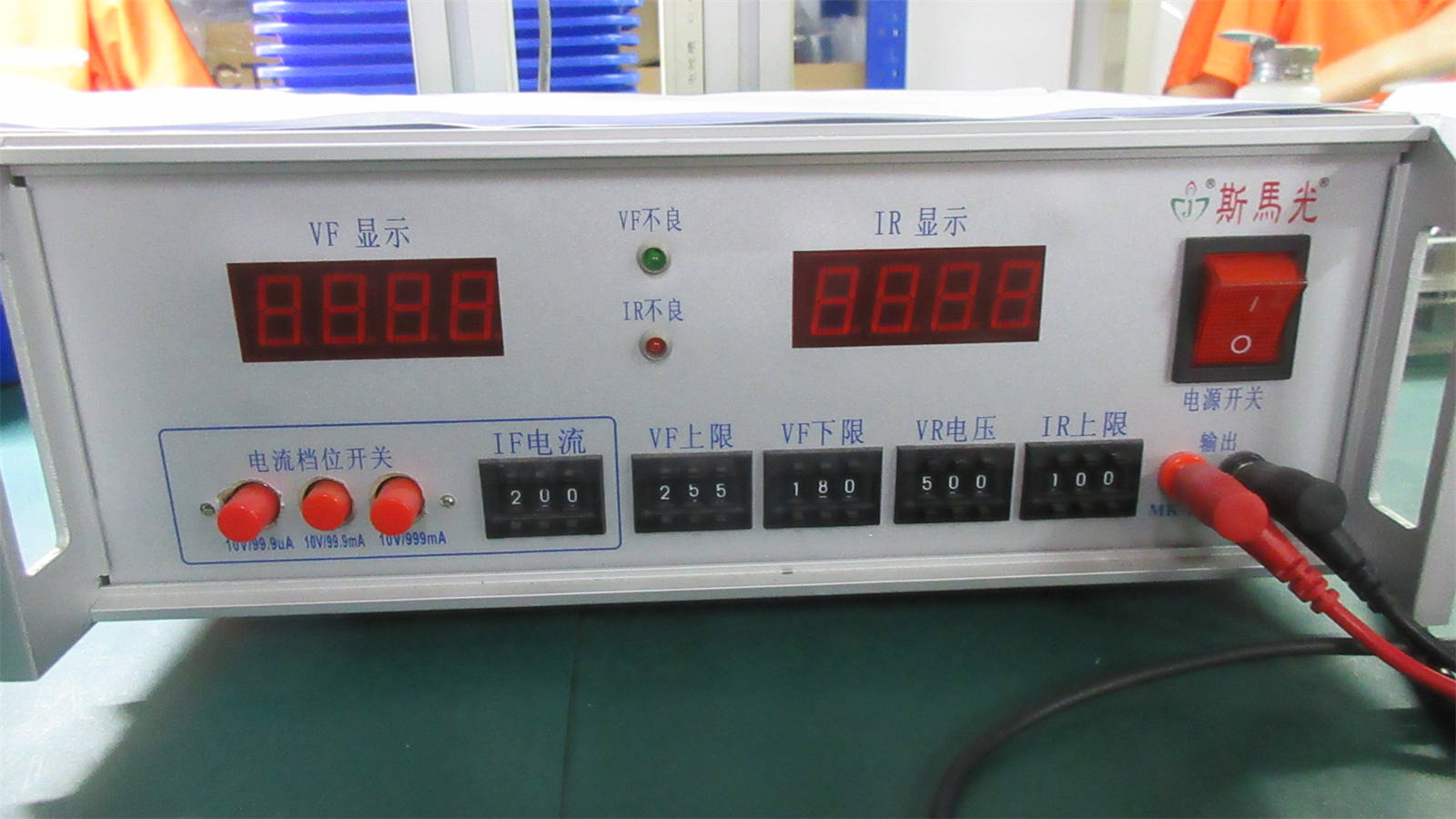
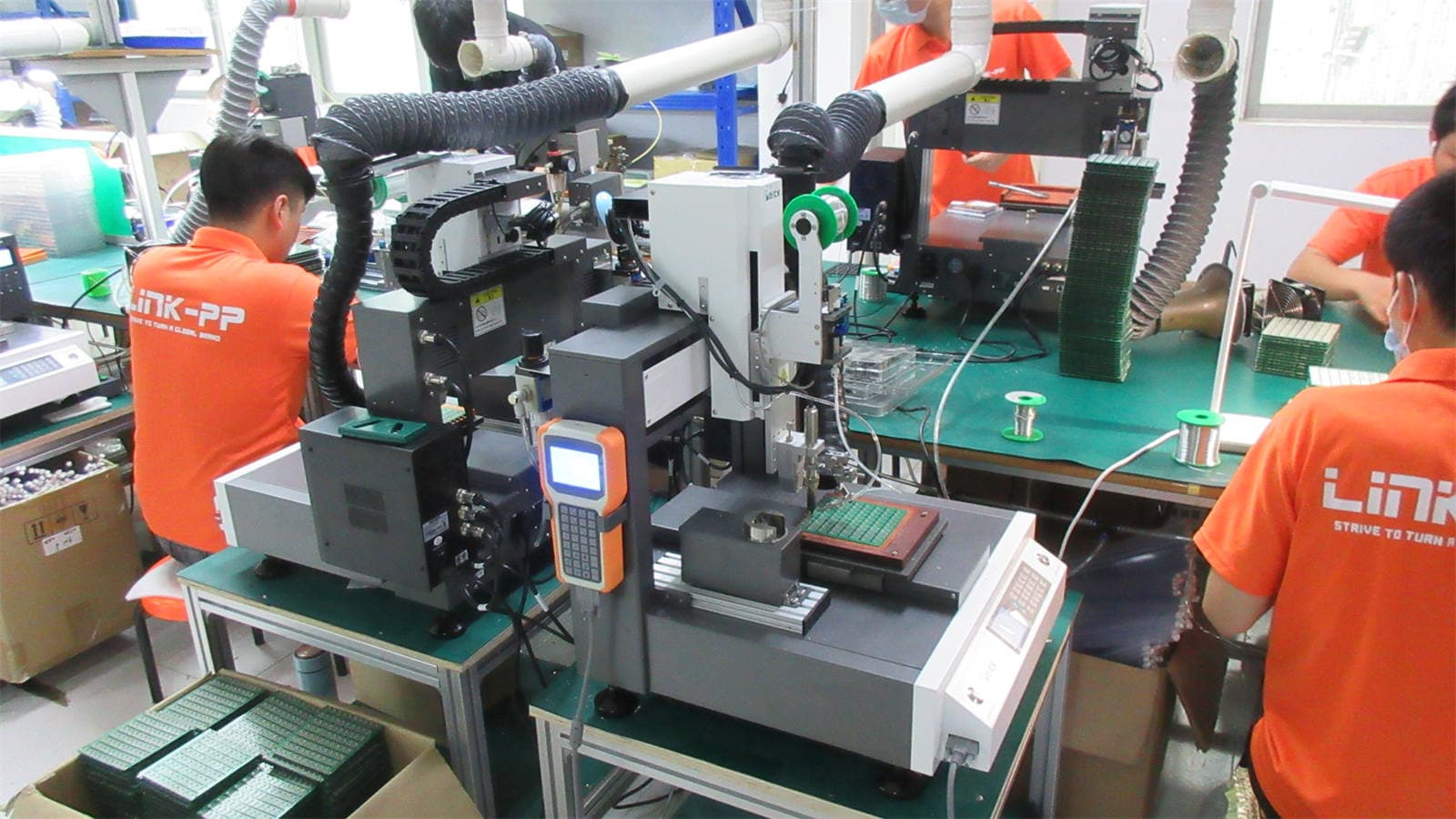
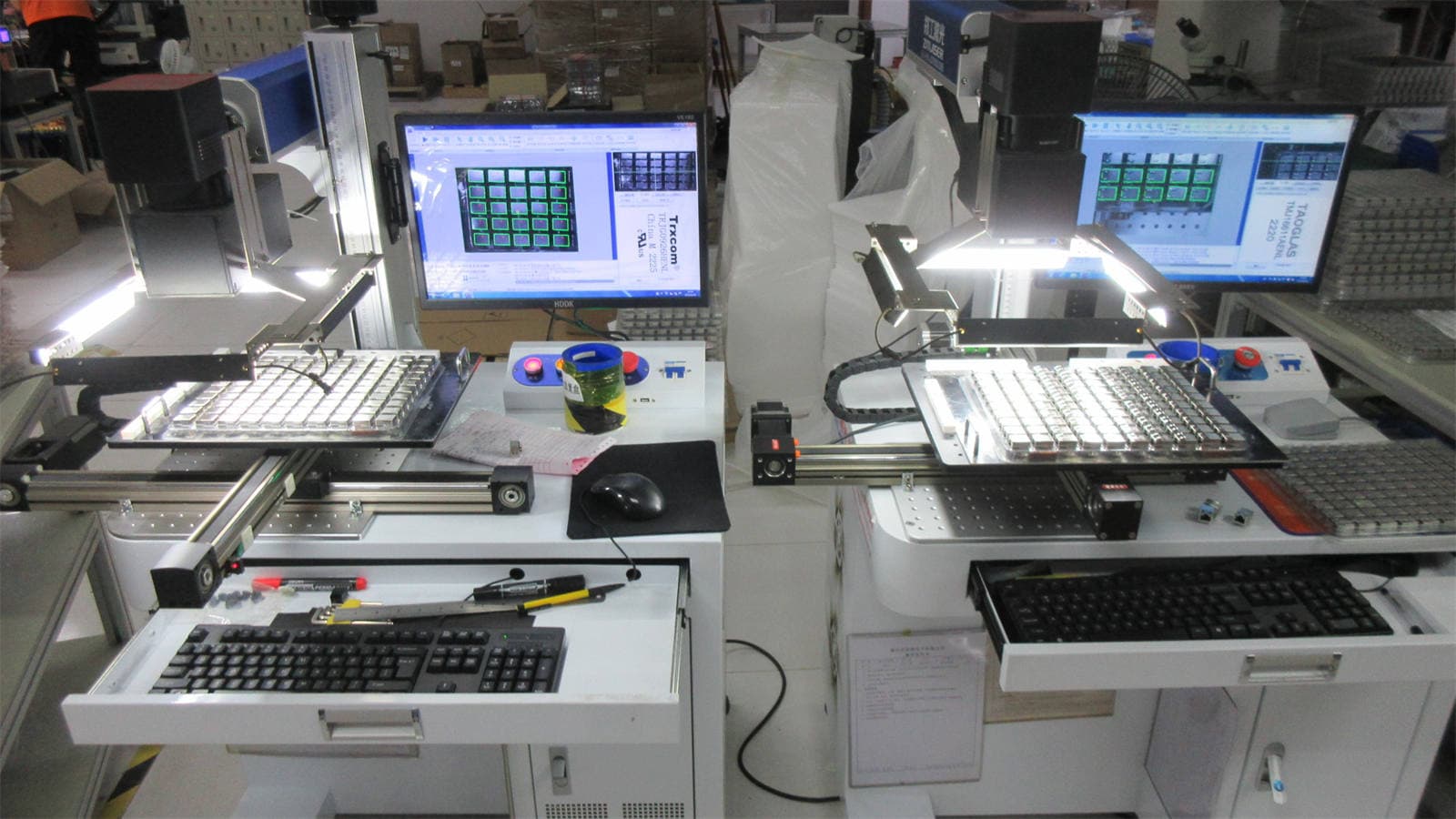
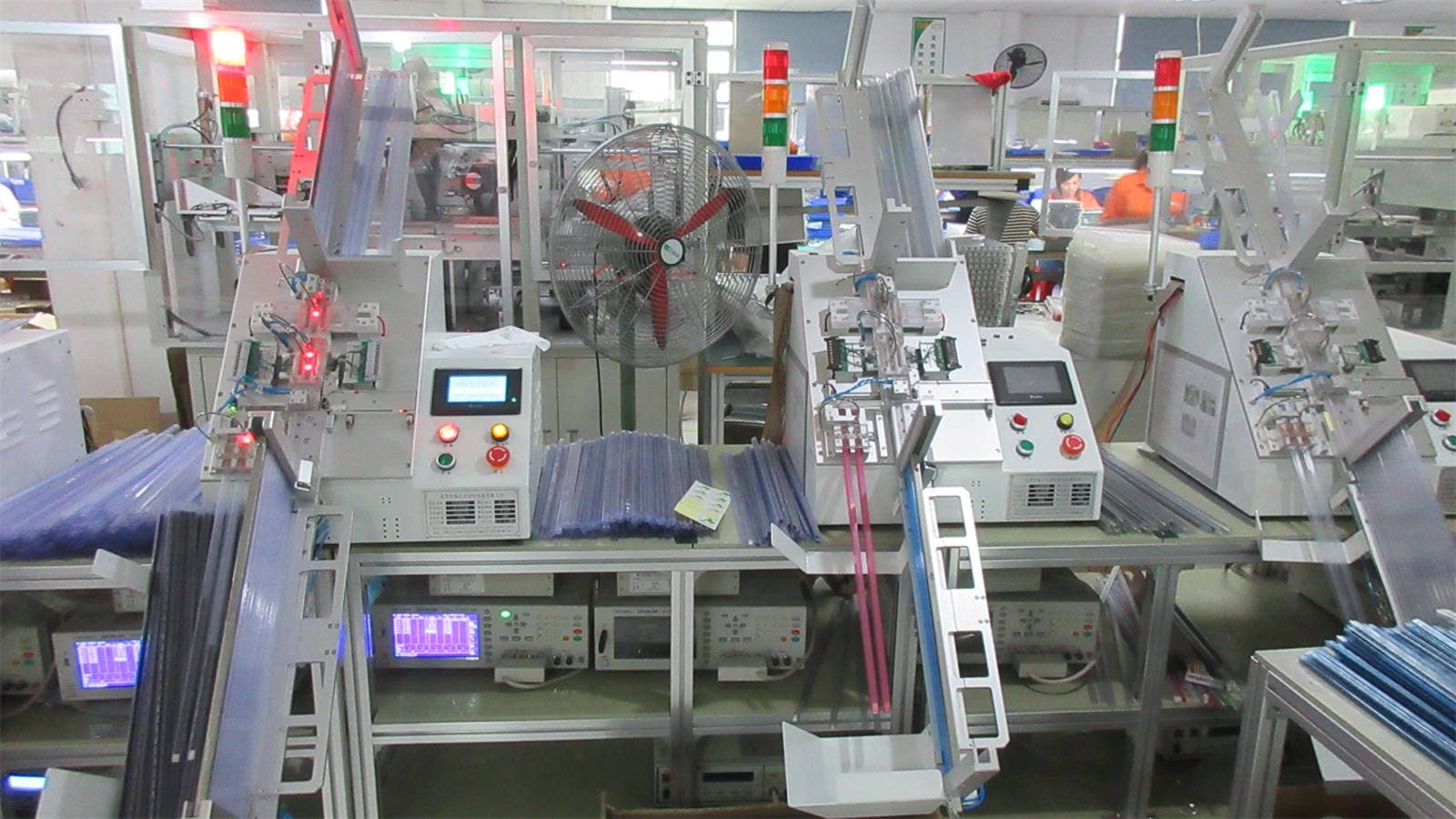
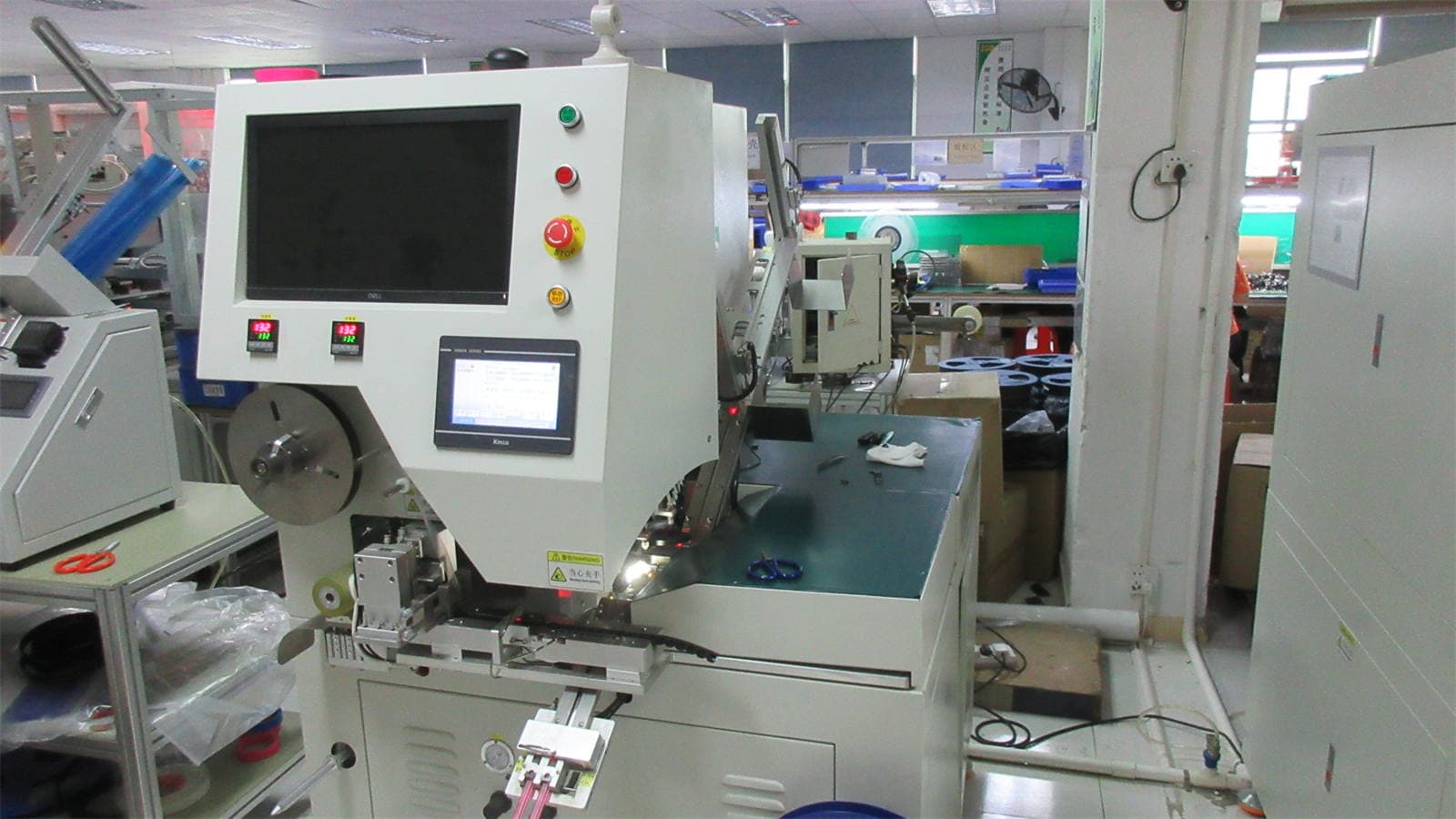
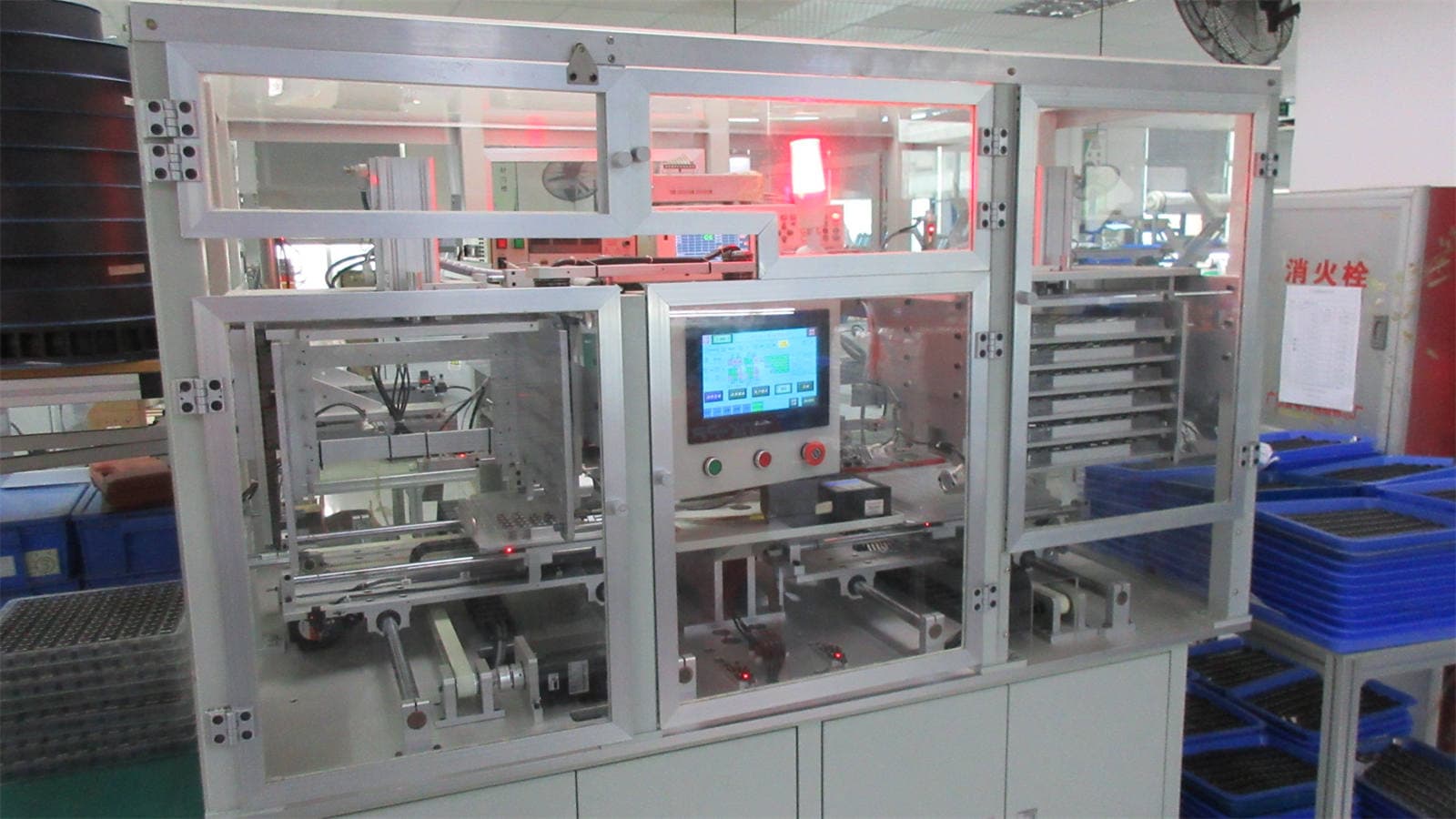
Lumopt Opto Technology Co., Ltd. (operating as Luguang Communication Technology Co., Ltd.) coordinates its production processes within dust-free cleanrooms. This environment is crucial for avoiding particle contamination on laser faces, which can lead to high insertion loss or premature optical failure. Our automated assembly lines perform multiple stages of verification to ensure each transceiver maintains precise tolerances before leaving the facility.





Coastal and tropical urban centers like Castries face unique environmental challenges. The proximity to the marine port introduces high levels of airborne sodium chloride (salt fog), which can quickly corrode unprotected metals and accelerate electrical degradation. High humidity also increases condensation risk inside outdoor fiber cabinets, such as those situated near Port Castries or George F. L. Charles Airport.
To prevent these issues, our transceivers use corrosion-resistant materials on their metal housings and feature gold-plated connectors to protect contact points. We also offer industrial-grade operating temperature variants (-40°C to 85°C) to prevent thermal degradation during hot afternoons, maintaining stable laser emission levels and reducing receiver saturation risks.
Our 2.5G to 6G SFP transceivers support a variety of deployment scenarios across St. Lucia's private and public sectors:
Modern shipping and logistics require continuous data communication. Using 2.5G single-mode fiber links to connect remote terminal gates, CCTV security cameras, and logistics offices back to central servers helps minimize latency and packet drops. This supports reliable operation for barcode scanning, automated gate checking, and administrative tracking.
Regional air terminal networks require localized fiber networks to manage check-in systems, radar telemetry, and passenger services. Deploying our duplex single-mode 2.5G transceivers allows administrative systems to run stably over multi-kilometer spans without electromagnetic interference from aviation radio frequencies.
Along the northern corridor of Saint Lucia, resort complexes rely on internal passive optical networks (GPON) or active Ethernet connections to distribute high-speed internet to guests. Our 2.5G SFP transceivers function as the links between primary switches and floor distribution units, providing the bandwidth needed for concurrent streaming, video conferencing, and hospitality management services.
Optical networking is shifting toward higher densities and more efficient power profiles. Standard 2.5G configurations are now commonly used in place of traditional 1.25G setups, providing double the bandwidth capacity over the same physical fiber path. As systems prepare for 10G and 25G speeds, adopting Multi-Source Agreement (MSA) compliant transceivers ensures that equipment deployed today can interface with future network cards.
Our engineering roadmap focuses on integrating DDM (Digital Diagnostic Monitoring) across all modules. This feature allows network engineers to monitor parameters like optical output power, receiver input power, laser bias current, temperature, and supply voltage in real time. For network managers in Castries, this makes it easier to troubleshoot fiber degradation from a central office before it impacts end-user services.
Browse our complete list of single-mode and multi-mode optical modules. Customized wavelengths and reach profiles are available upon request.