Lumopt Lumopt

2.5G~6G SFP Module Manufacturers & Supplier Empowering High-Speed Networks Across Toronto & Global Enterprises

Industrial-grade optical transceivers engineered for telecom carrier networks, next-generation 5G RAN cell sites, and hyper-scale enterprise infrastructure. Proudly serving Toronto's growing technology corridor.

Premium Optical Transceivers

Optimized for rapid deployment in Toronto's enterprise systems, multi-gigabit campus architectures, and edge network infrastructures.

Toronto's Telecom Landscape

As Canada's leading financial and technological center, Toronto, Ontario demands resilient, scalable digital infrastructure. From downtown financial headquarters along Bay Street to the booming carrier hotels like Equinix TR2 at 151 Front Street West and data centers in Markham, Mississauga, and Vaughan, network architects are facing unprecedented demands for bandwidth capacity.

The expansion of multi-gigabit broadband, 5G wireless networks, and distributed enterprise edge computing nodes has created a significant surge in the procurement of optical modules. Specifically, 2.5G to 6G SFP transceivers are crucial components for network operators upgrading legacy 1G infrastructure. They provide a cost-effective gateway to higher data rates without requiring a complete overhaul of fiber patch cables and switch architectures.

These transceivers are optimized for local deployment environments, offering seamless compatibility with popular core architectures deployed across major Canadian service providers (Bell, Rogers, Telus) and local campus networks such as the University of Toronto and York University.

Global Market Dynamics

On a global scale, the market for 2.5G, 3G, 4G, 5G, and 6G SFP modules is driven by the rise of Wi-Fi 6E/7 access point backhauling, CPRI/eCPRI interfaces in cellular mobile towers, and industrial automation networks.

While data center centers prioritize high-density 400G and 800G optical lines, the enterprise access layer and distributed metro networks rely heavily on fractional speeds (like 2.5G and 6G) to optimize spectral efficiency and optical budgets over extended distances.

2.5G
SFP Rate
80km
Max Reach
100%
QC Testing
-40°C
Ind. Temp

High-Efficiency Manufacturing & Quality Control

How Lumopt Opto Technology (Luguang Communication) translates manufacturing scale into field reliability.

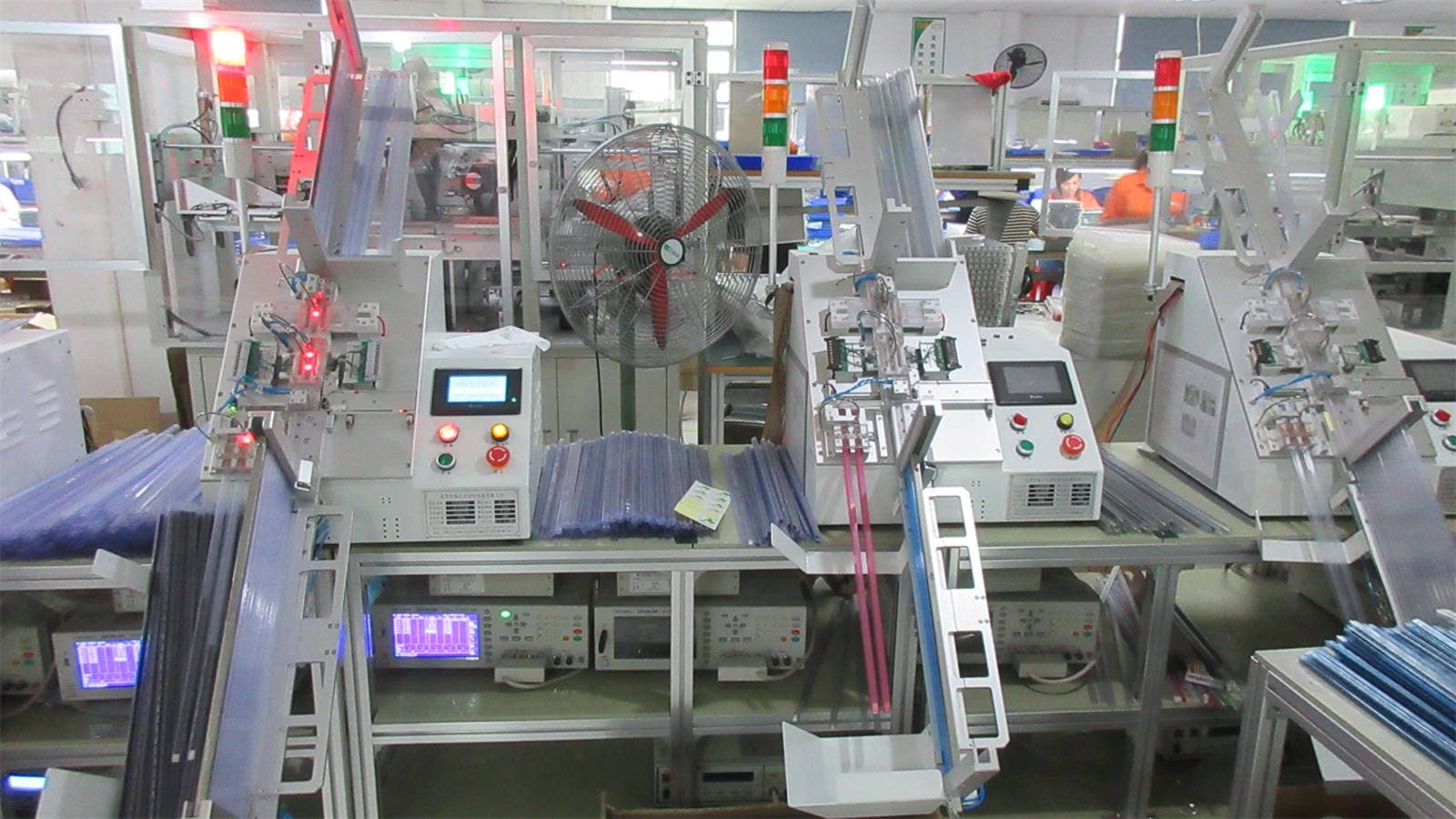
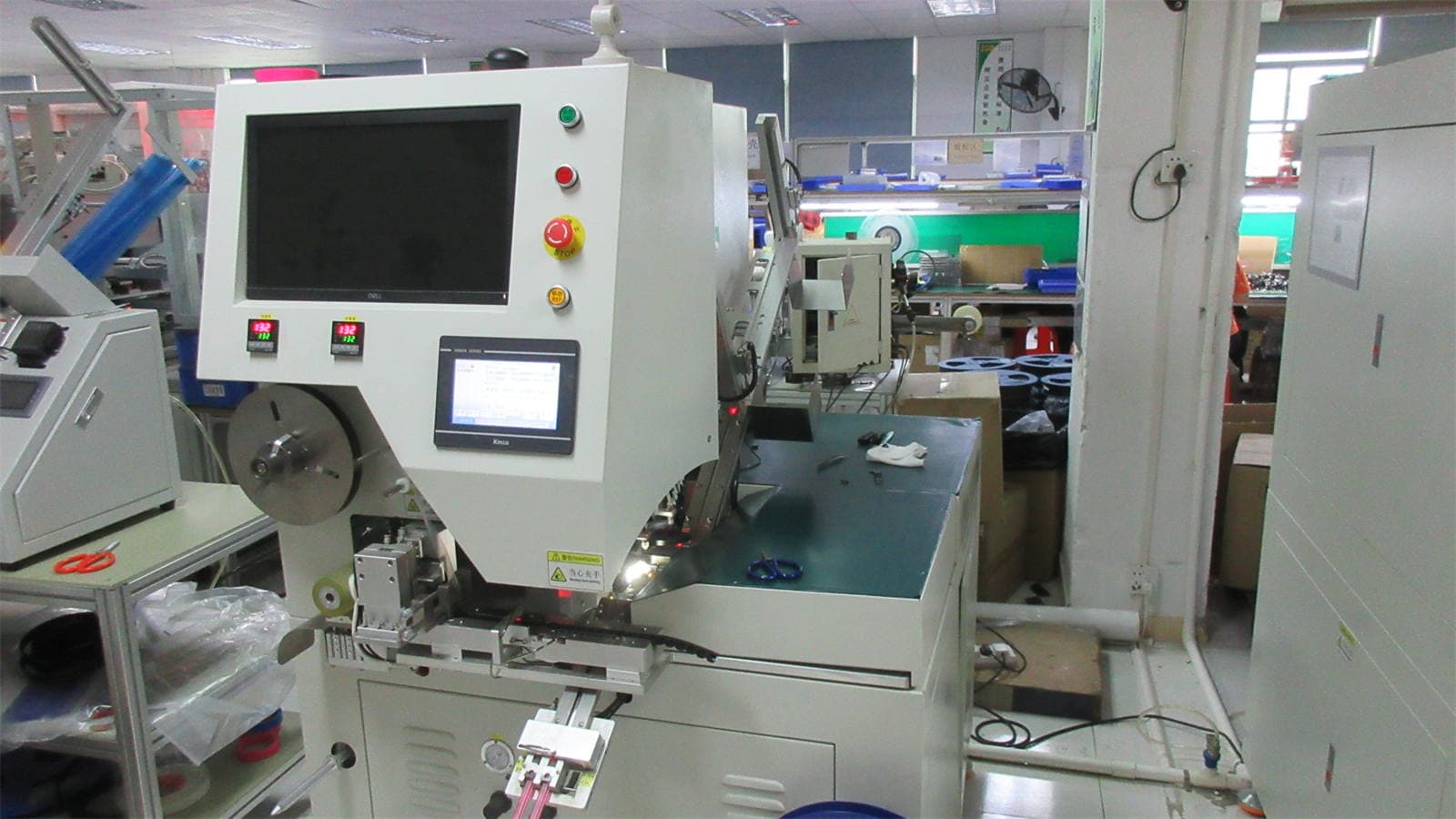
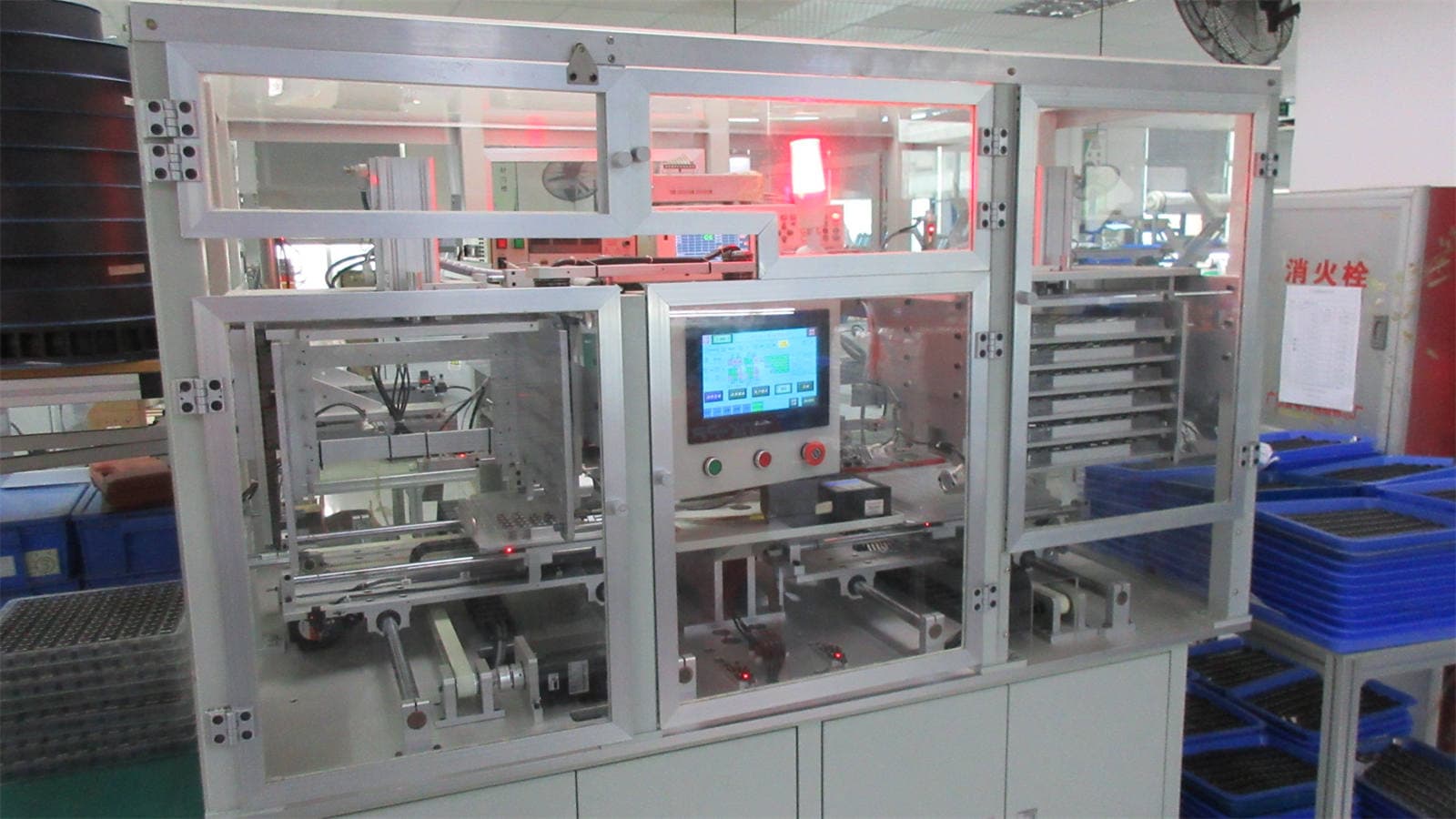
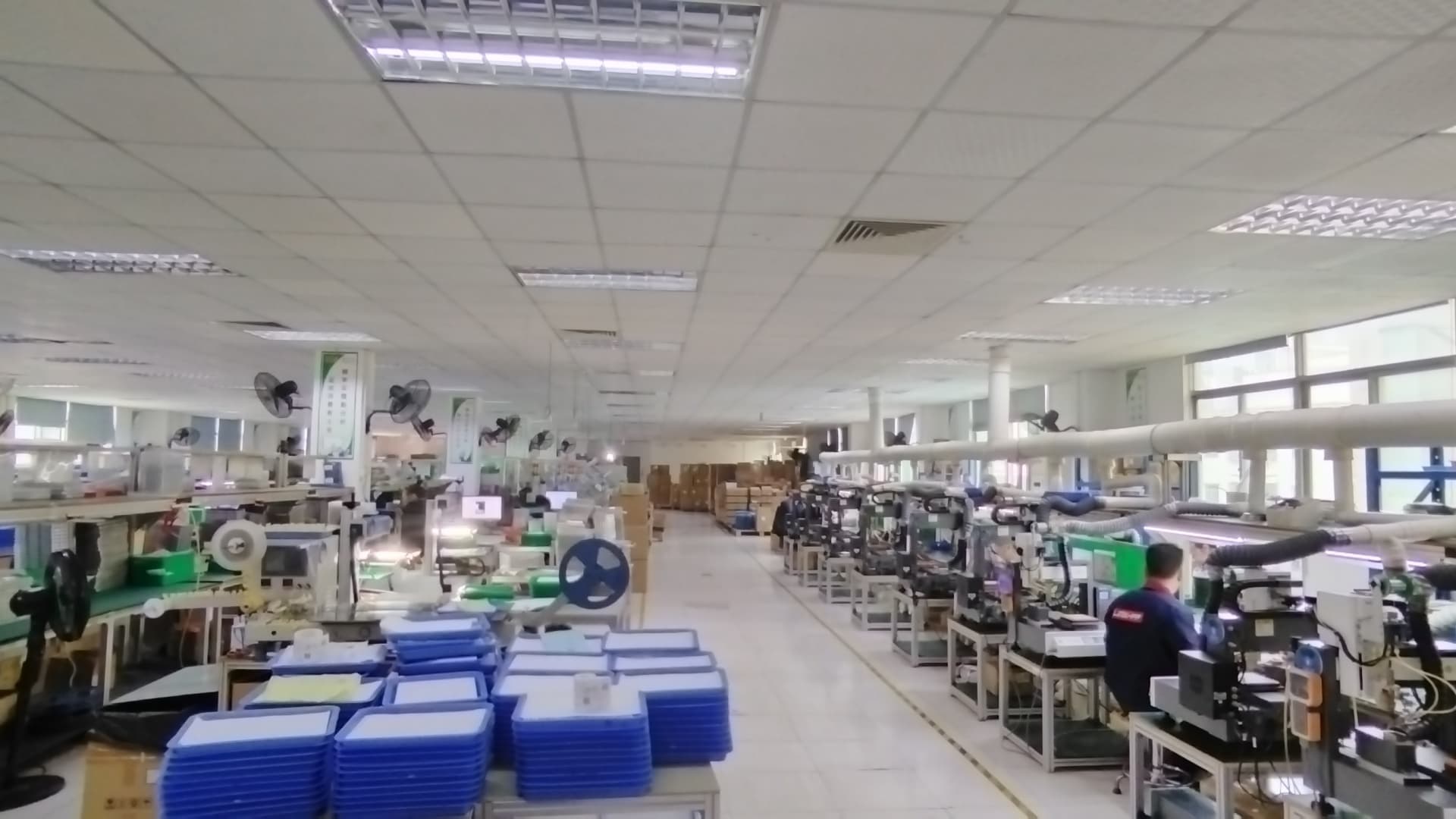
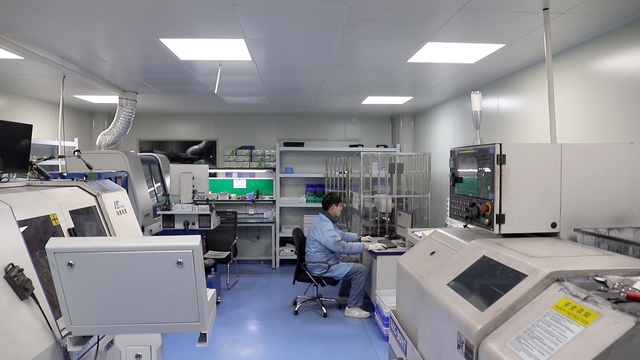
Based in China, Lumopt Opto Technology Co., Ltd. (operating locally as Luguang Communication Technology Co., Ltd.) leverages a highly integrated manufacturing ecosystem. This ecosystem allows us to achieve exceptional cost-efficiency without compromising on technical quality or mechanical tolerances. Our production center is equipped with cleanroom environments, high-precision surface-mount technology (SMT) lines, and custom diagnostic testing rigs.

Every 2.5G~6G SFP transceiver we assemble goes through an exhaustive multi-stage verification protocol, including:

  • Automated Solder Paste Printing: Guaranteeing high-precision component contact alignment.
  • Semi-Finished Optical Performance Testing: Verifying transmitter power and receiver sensitivity before final casing.
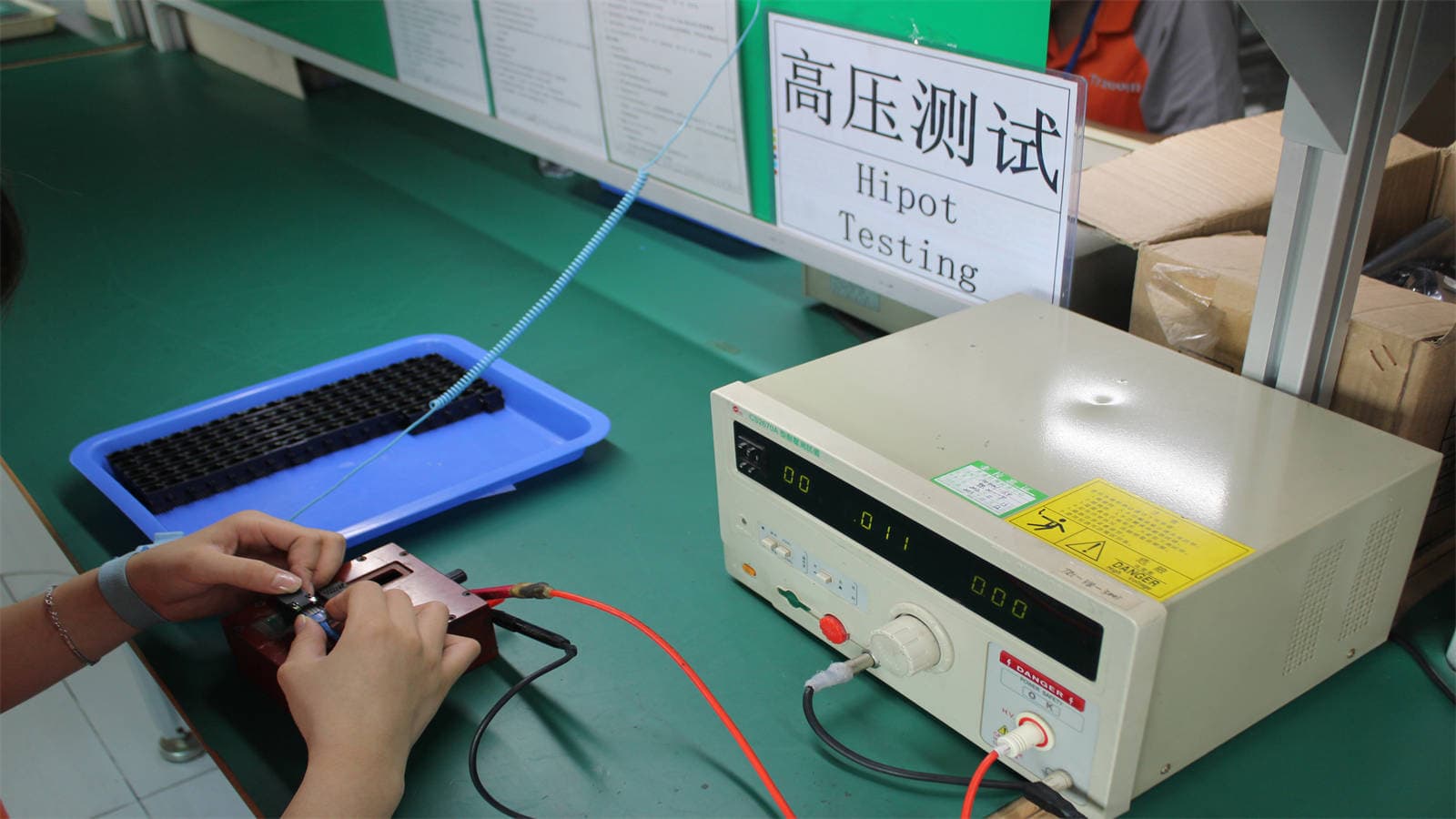
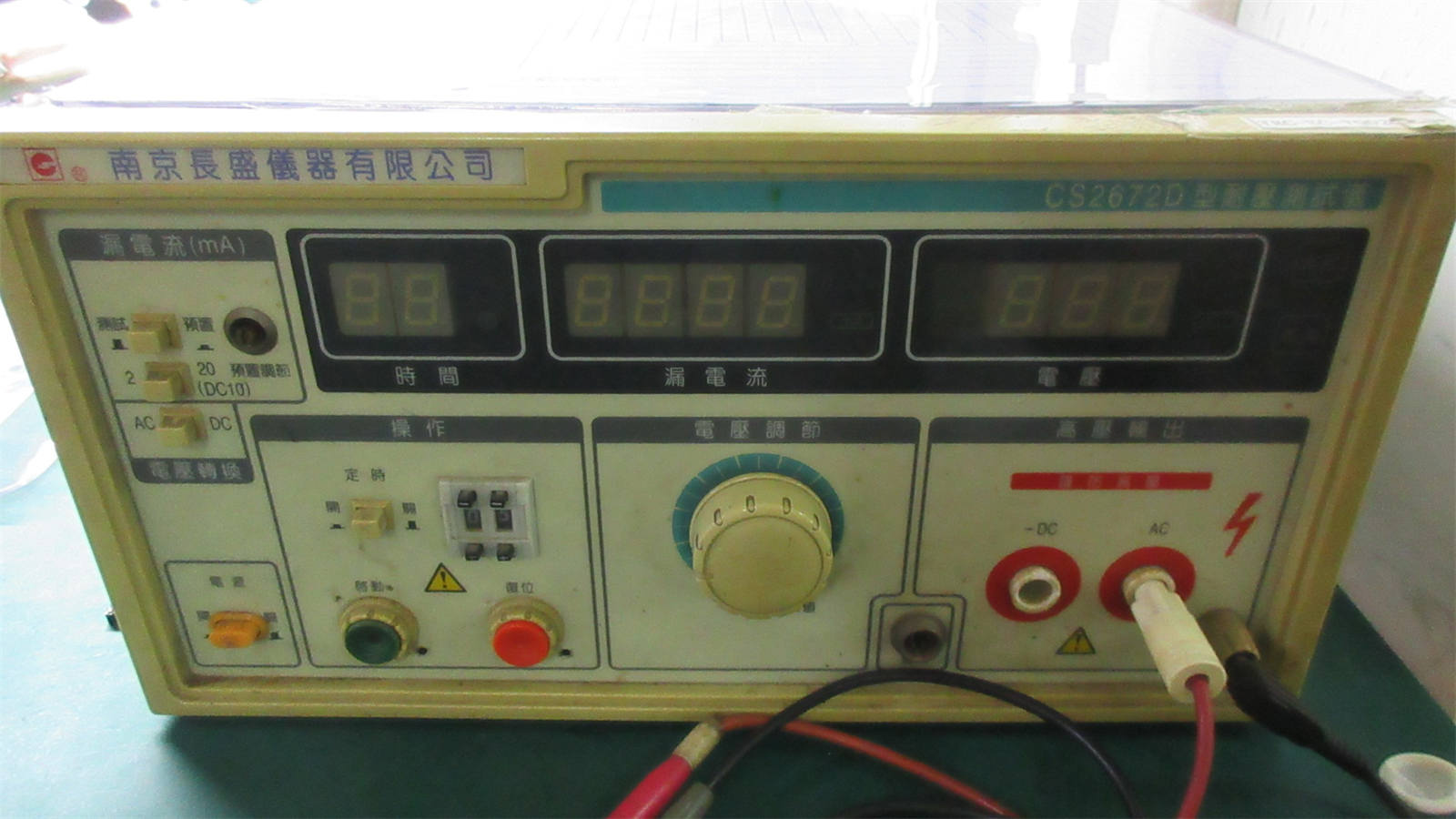
  • Hi-Pot Testing: Ensuring isolation resistance and electrical safety under demanding environmental currents.
  • Integrated Compatibility Matrices: Programming EEPROM chips to maintain native compatibility with switches from Cisco, Juniper, Ubiquiti, Mikrotik, and Ciena.
Lumopt Optical Transceiver Production Cleanroom

Step-by-Step Production & Quality Verification

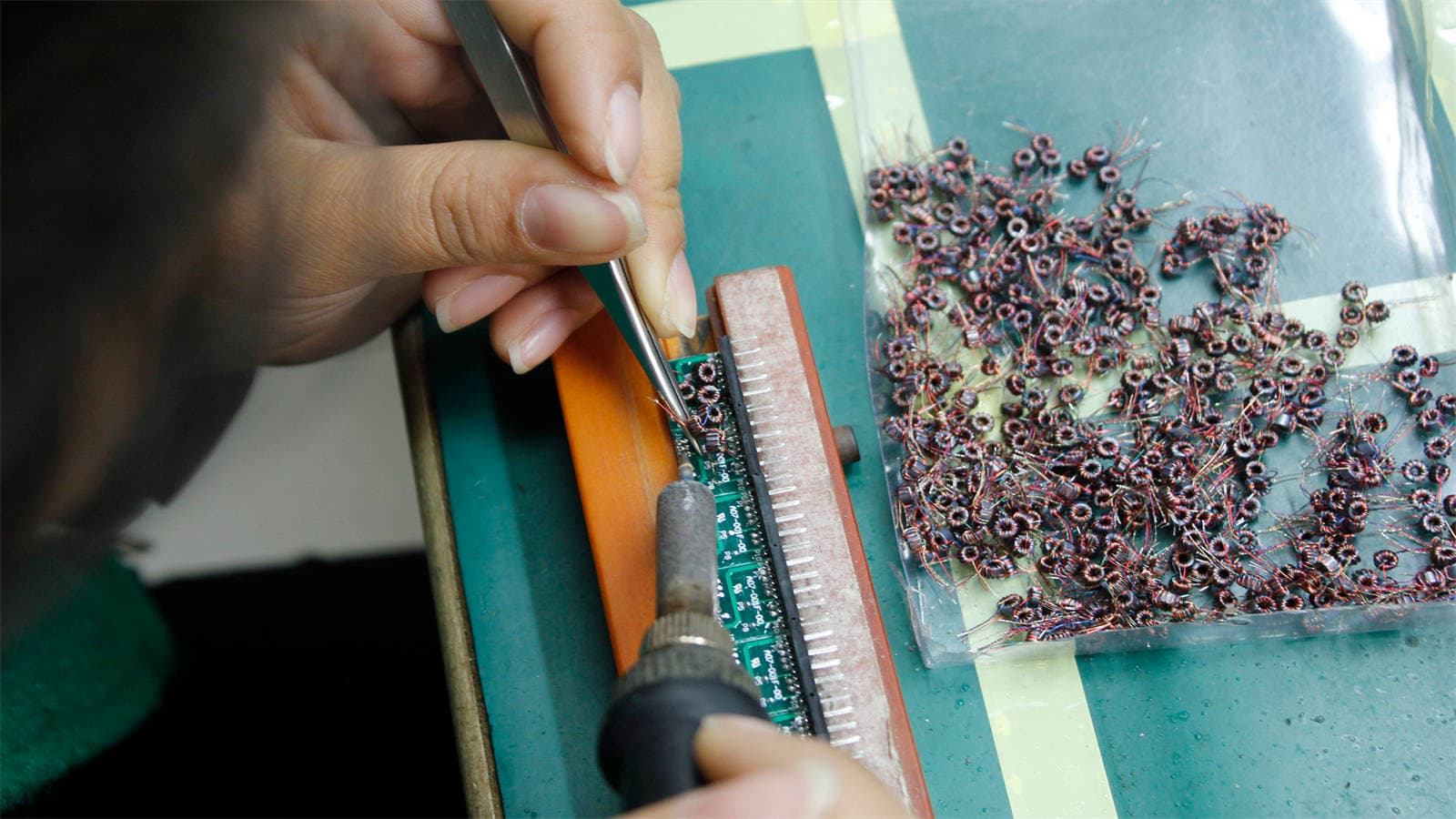
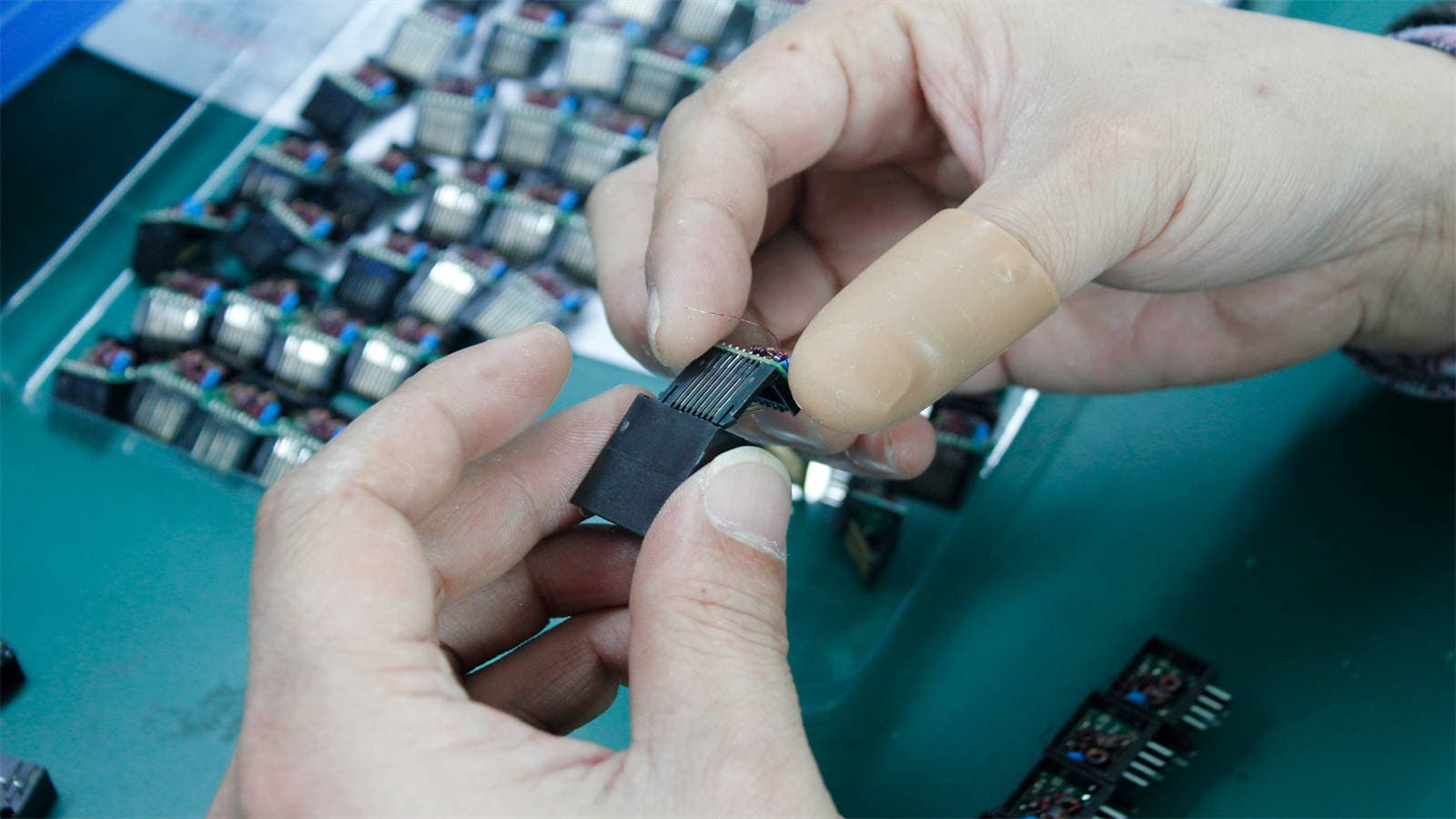
Twisting Stage
Twisting Stage
PCB Tinned
PCB Tinned
Soldering Stage
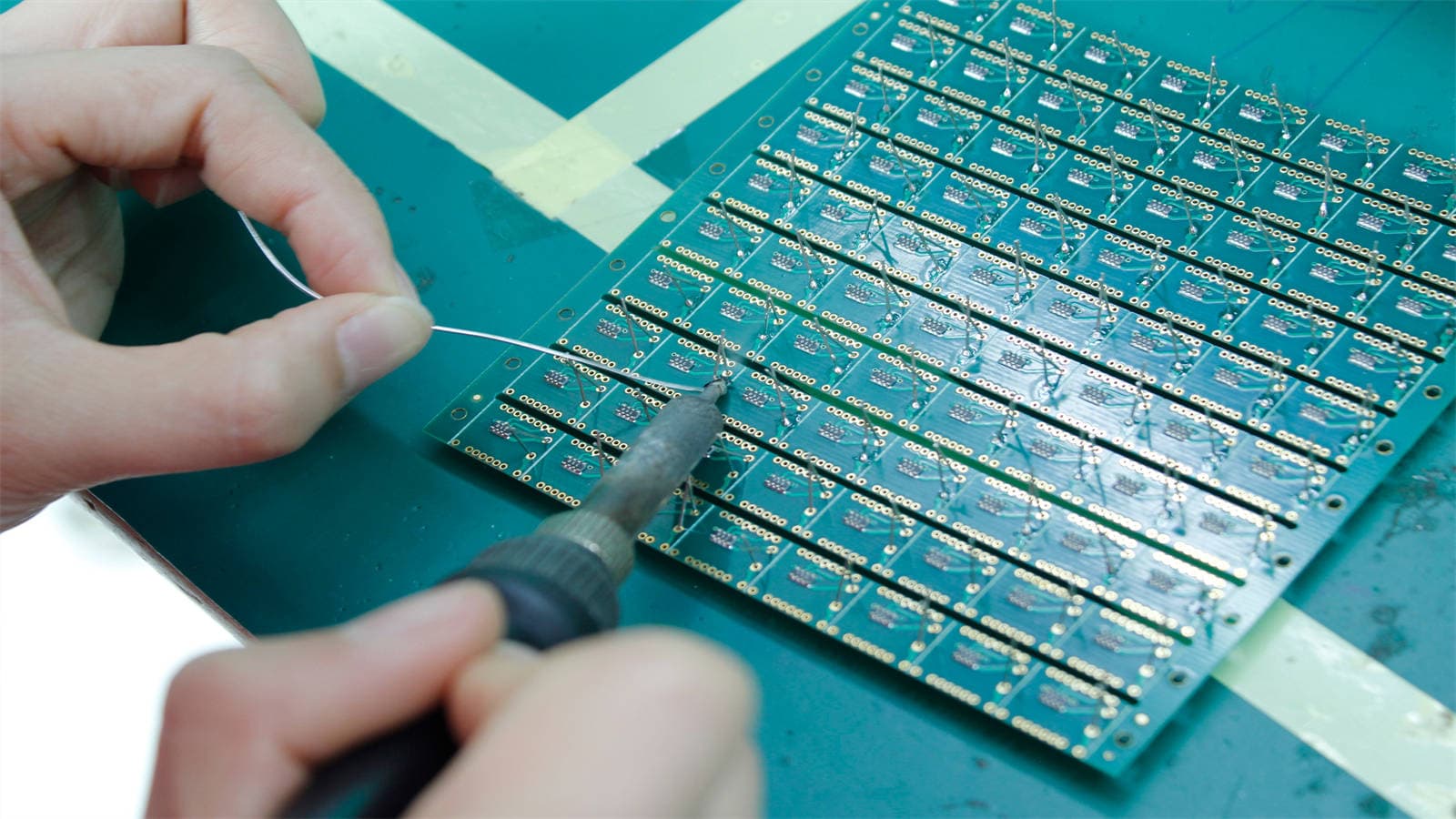
Soldering Process
Shear-LED-Pin
Shear-LED-Pin
Semi-finished Testing
Plastic-Case-Assembly
Hi-pot Testing
Hi-pot Testing
Integrated-Testing
Integrated-Testing
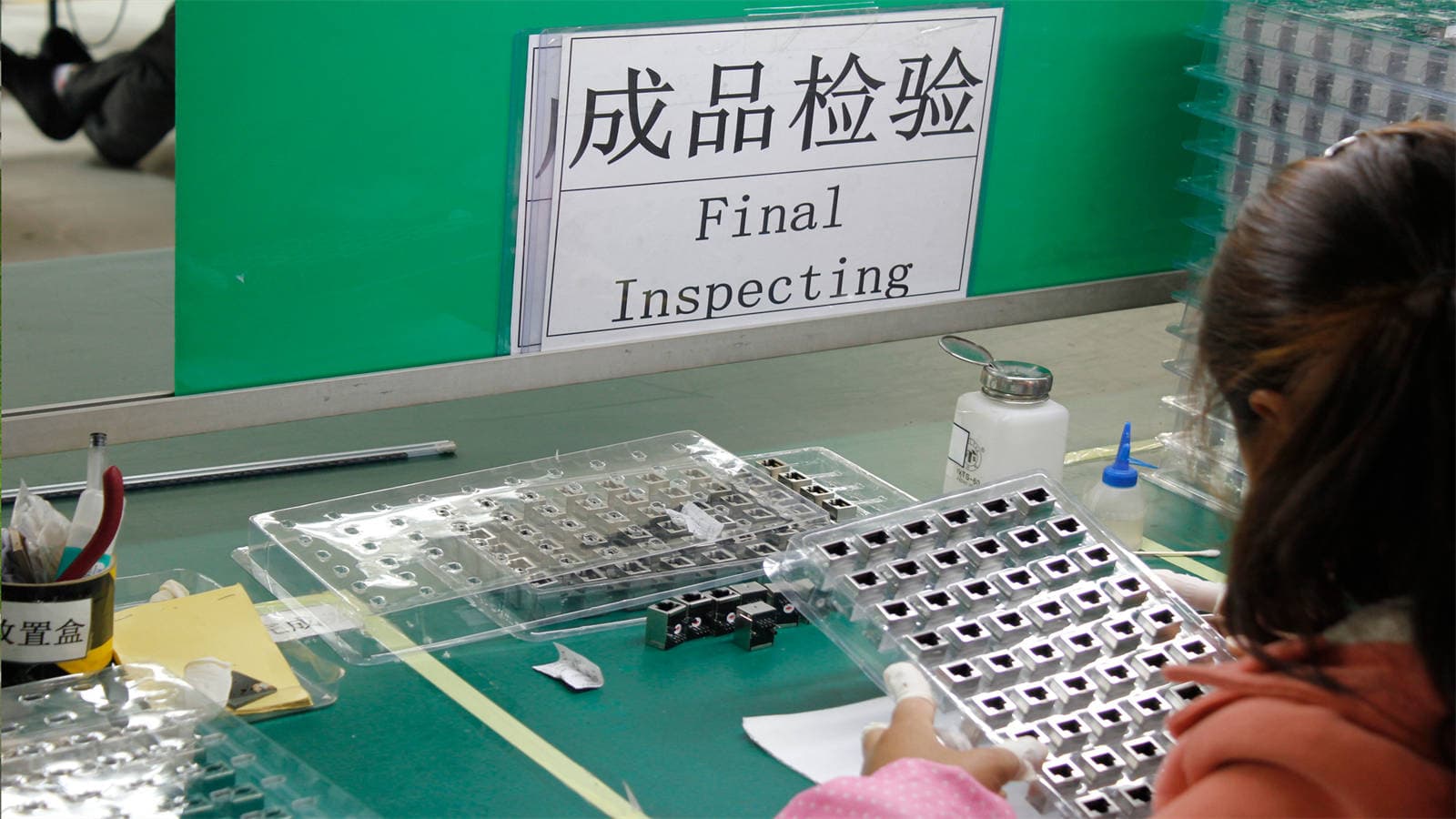
Final-Inspecting
Final Inspection
Packing
Packing & Logistics

Sophisticated Quality Assurance Instruments

Comprehensive Tester
Comprehensive Optical Tester
LED Lamp Tester
LED Lamp Test Station
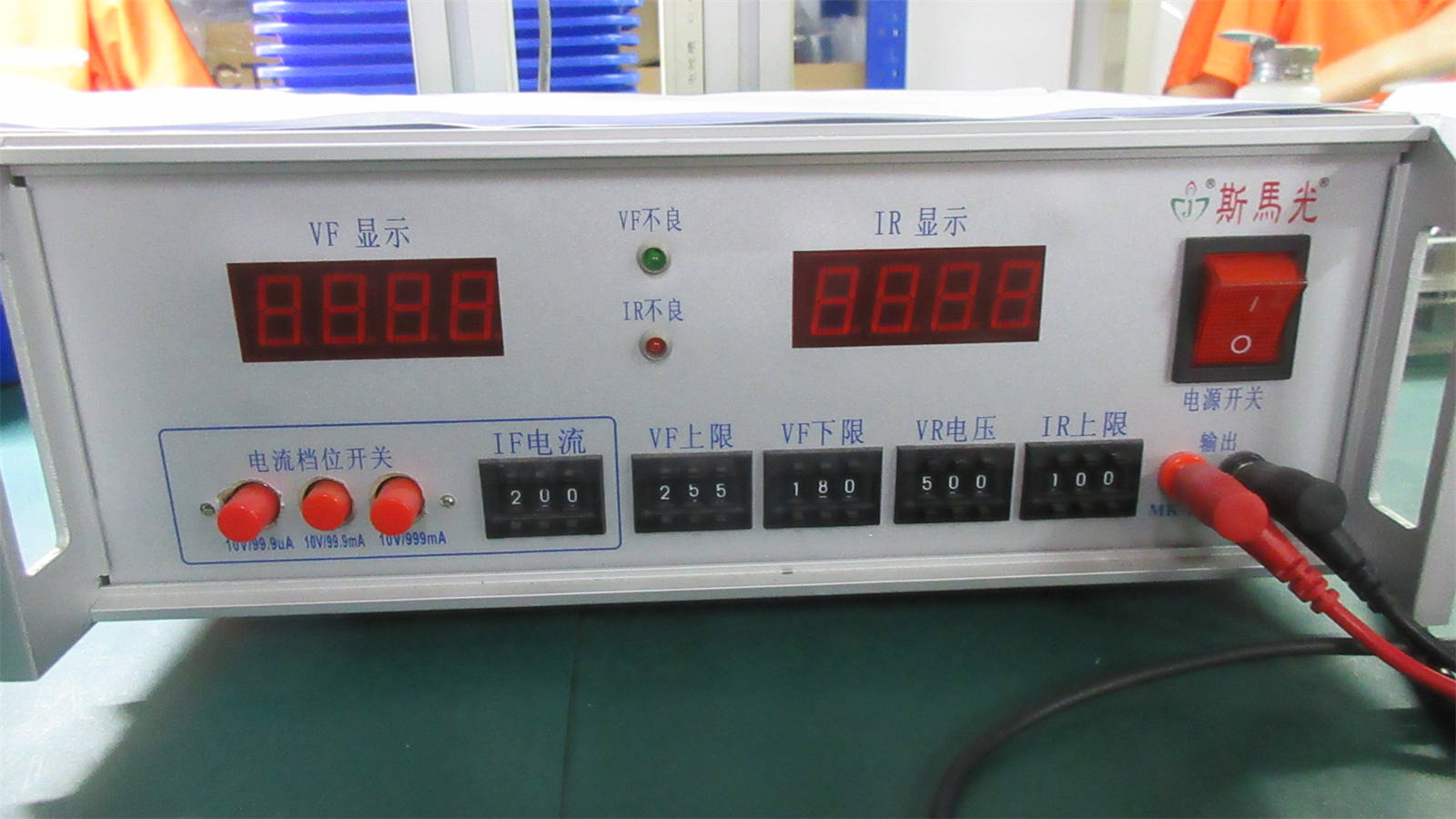
Hi-Pot Tester
Hi-Pot Tester
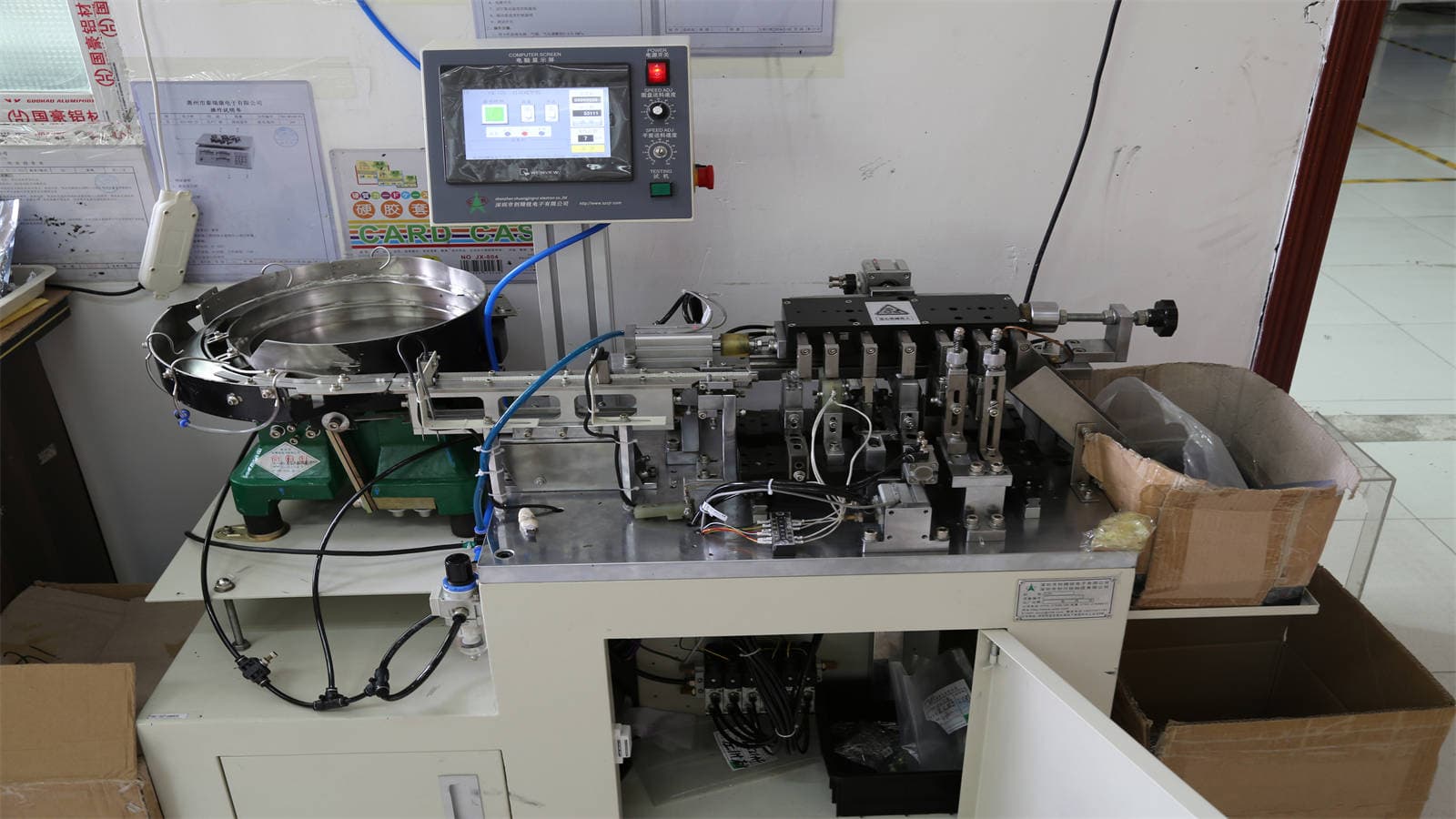
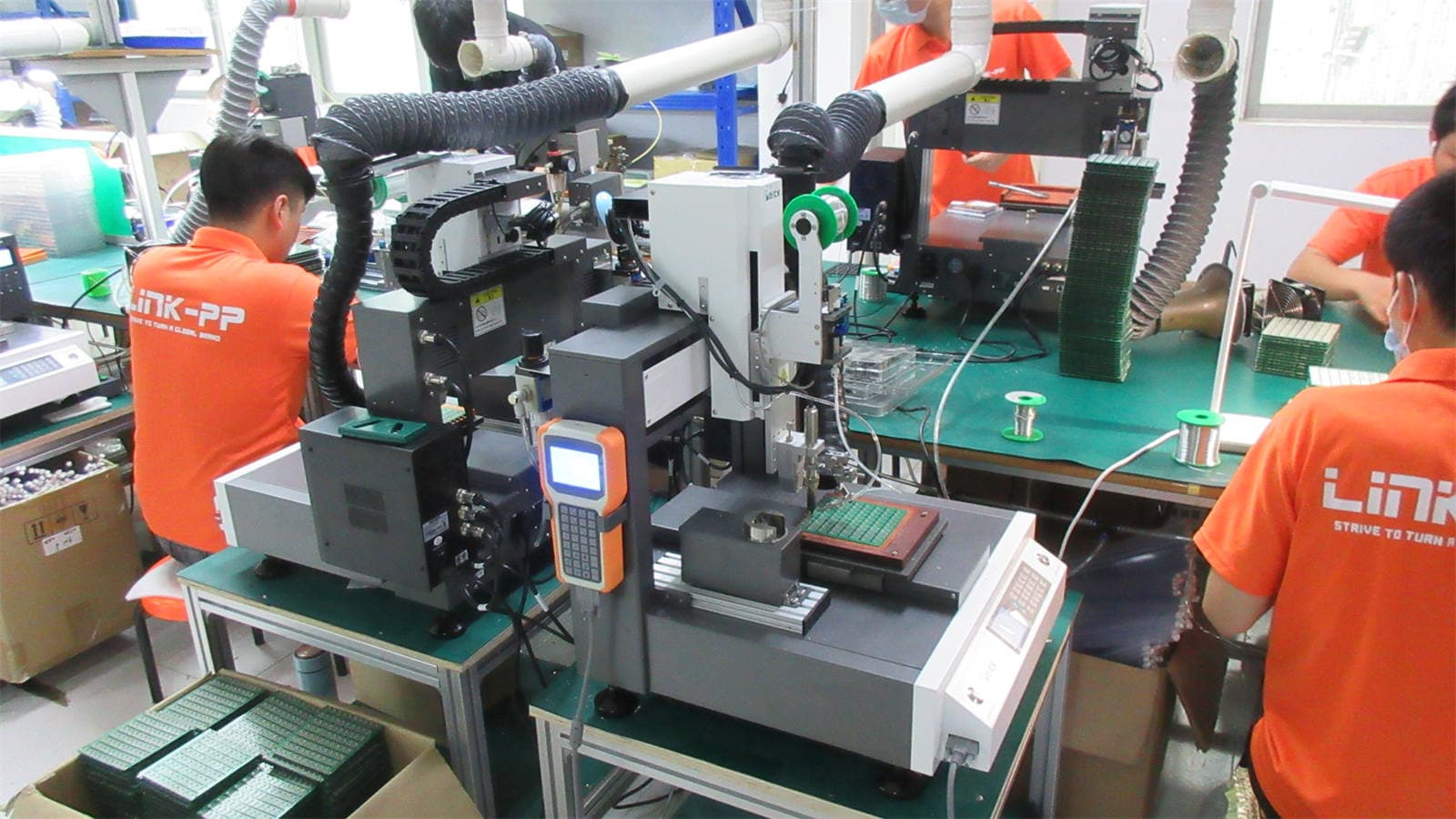
Automatic Welding Machine
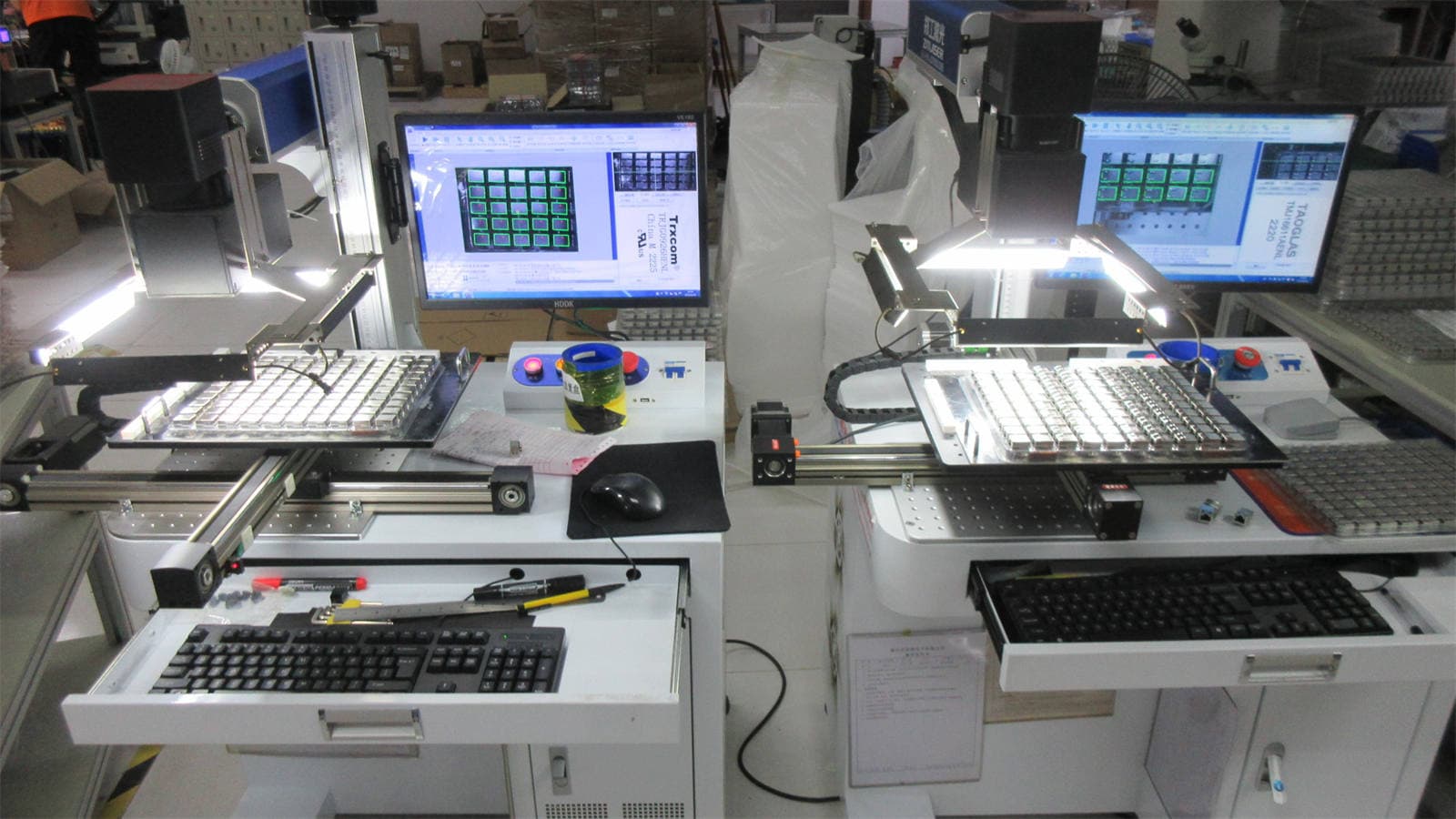
Laser Marking Machine
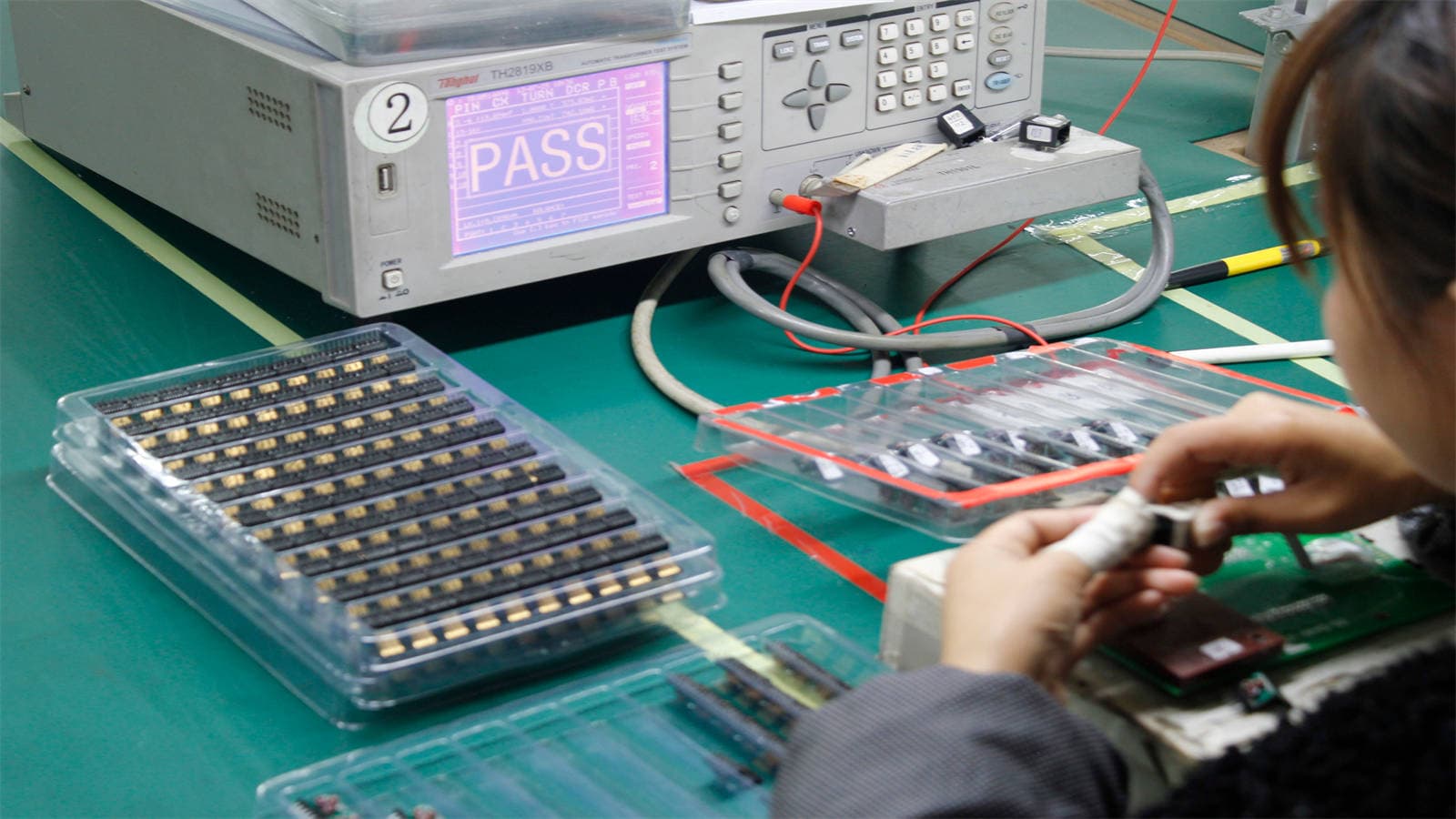
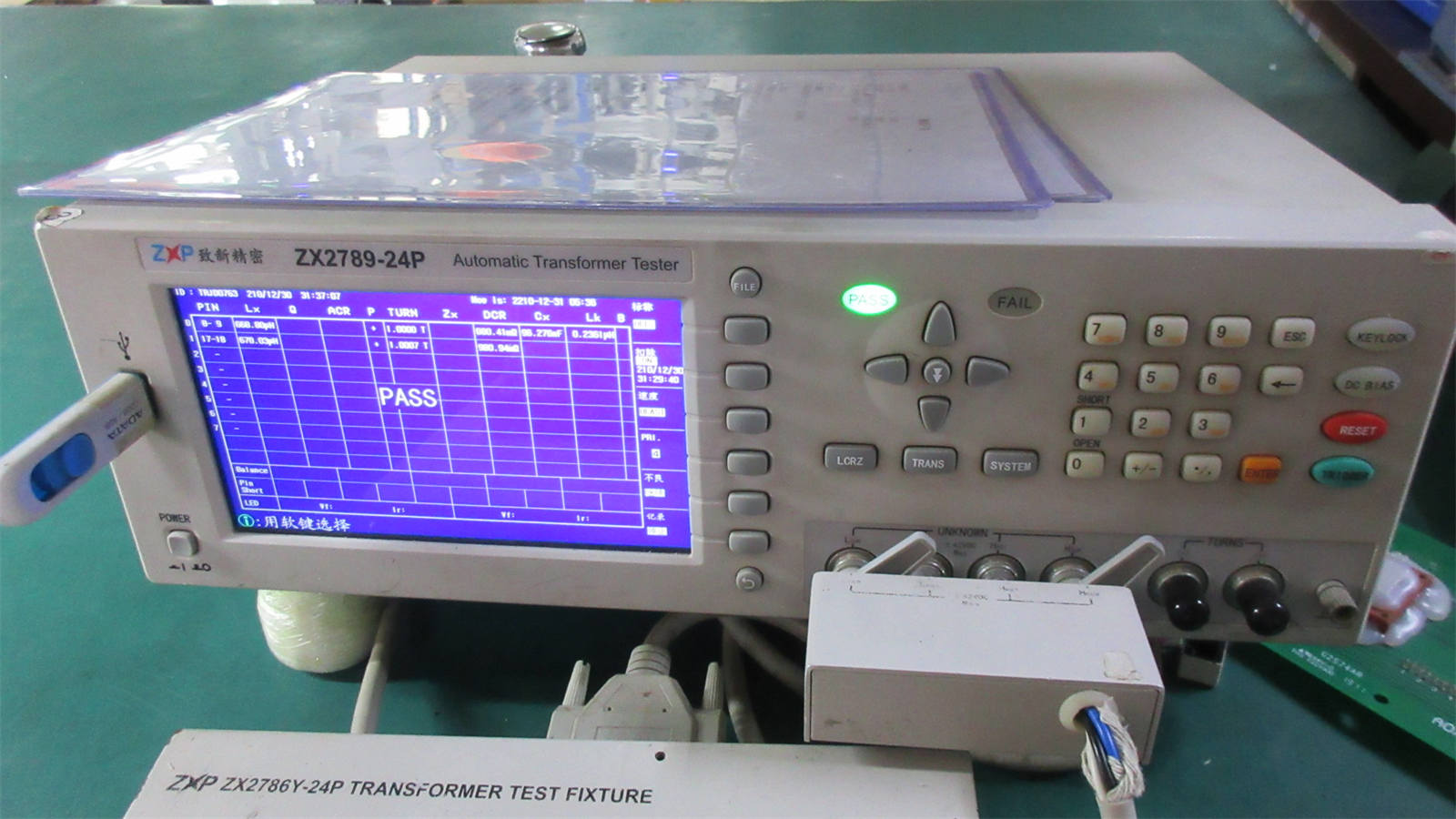
Transformer Automatic Tester
Transformer Auto Tester
Transformer Automatic Packing Machine
Auto Packing Station
RJ45 Automatic Tester
Production Facility View Optical Transceiver Assembly Work

Technical Whitepaper: 2.5G~6G Optoelectronics

Understanding transmission dynamics, spectral budgets, and wavelength selection criteria for high-reliability networks.

Deploying 2.5G to 6G SFP modules requires deep knowledge of optical budgets, physical medium dependent (PMD) sublayers, and switch transceiver matching. Below, our engineering department outlines key considerations for network operators when designing links for metropolitan areas like the Greater Toronto Area (GTA) or inter-city trunks.

Module Configuration Fiber Type Wavelength (TX/RX) Max Link Length Optical Budget (dB)
2.5GBASE-SX MMF (OM3/OM4) 850nm / 850nm 300m / 550m 8.5 dB
2.5GBASE-LX SMF (G.652) 1310nm / 1310nm 2km / 15km 15.0 dB
2.5G Bidi SMF SMF (Single strand) 1310nm-TX / 1550nm-RX 20km / 40km 18.0 - 23.0 dB
6G CPRI Industrial SMF (Dual LC) 1310nm / 1310nm 10km - 40km 14.0 - 20.0 dB

Key Technical Engineering Details:

  1. Digital Diagnostics Monitoring (DDM / DOM): All Lumopt modules support real-time digital monitoring parameters. Real-time measurements of optical transmit power, optical receive power, internal transceiver temperature, laser bias current, and supply voltage are accessible via SNMP. This prevents downtime in critical locations such as remote edge cells or financial computing hubs.
  2. Temperature Grades: Available in Commercial Temp (0°C to 70°C) for cleanroom data centers, and Industrial Temp (-40°C to 85°C) for unconditioned cabinets, cellular base stations, and trackside enclosures exposed to harsh Canadian winters.
  3. Simplex BiDi vs. Duplex LC: Simplex BiDi (Bidirectional) modules utilize Wavelength Division Multiplexing (WDM) to transmit and receive signals on a single strand of fiber, saving significant fiber rental costs for local enterprises.

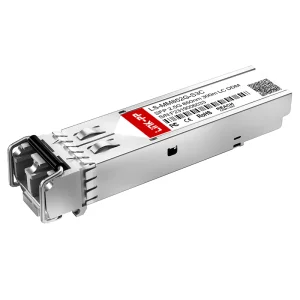
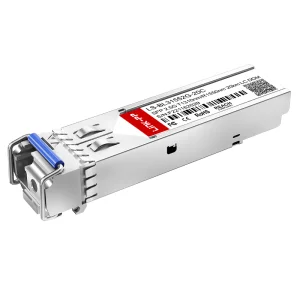
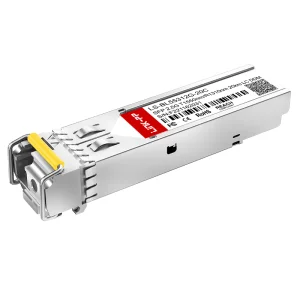
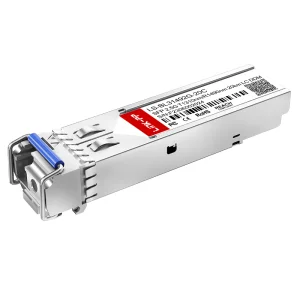
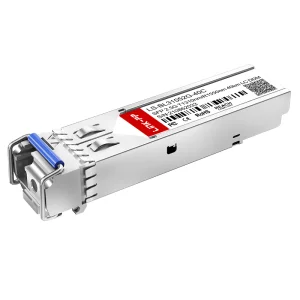
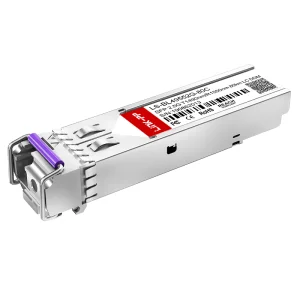
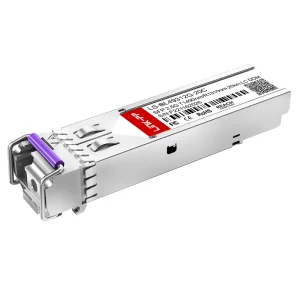
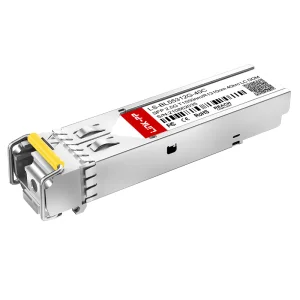
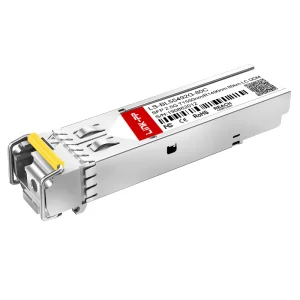
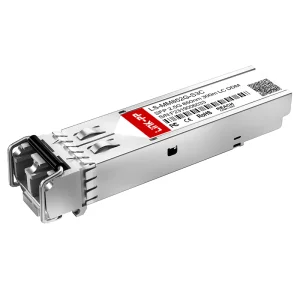
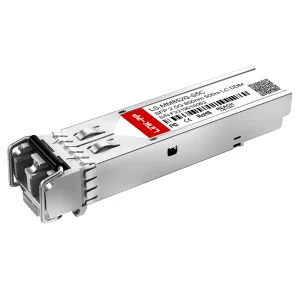
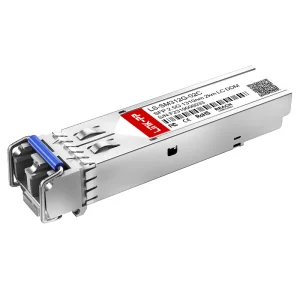
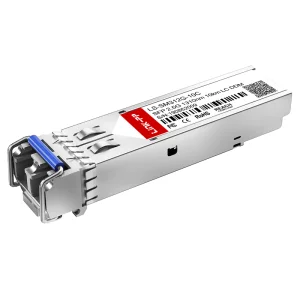
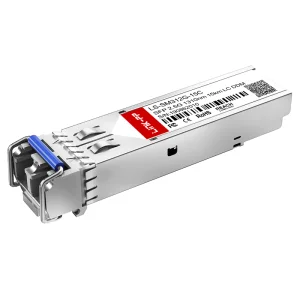
Full Product Portfolio: 2.5G~6G SFP Modules

Explore our wide selection of duplex multi-mode, single-mode, and bidirectional transceivers.

Custom Configurations & Dynamic Testing Requirements?

Talk directly to our network engineers to configure OEM firmware for proprietary switches, industrial operating ranges, or large volume bulk quotes.

Send Inquiry Now

Expert FAQ: Optical Transceiver Engineering

Answering key configuration, installation, and procurement questions for network engineers in Canada and globally.
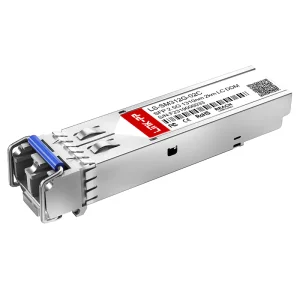
Q1: What are the primary applications for 2.5G to 6G SFP modules?
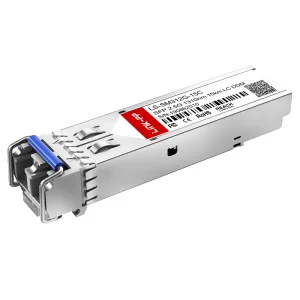
These transceivers are widely utilized in multi-gigabit Ethernet networks, Wi-Fi 6/7 access point backhauls, 5G wireless RAN (Radio Access Networks) using CPRI/eCPRI protocols, network-attached storage (NAS) fiber paths, and enterprise access switches upgrading from 1G to intermediate speeds without upgrading copper or fiber categories.
Q2: Can I install a 2.5G SFP module into a standard 10G SFP+ port?
Yes, in most cases, 10G SFP+ ports are backward compatible with 2.5G SFP transceivers. However, the host switch port must be manually configured via command line (CLI) to run at 2500Mbps instead of auto-negotiation, as physical SFP+ ports default to 10G or 1G signaling rates.
Q3: What compatibility assurance does Lumopt offer for Toronto enterprises using Cisco or Juniper systems?
We use specialized EEPROM programming environments that code specific vendor profiles (Cisco, Juniper, Ubiquiti, Mikrotik, Arista, etc.). All devices undergo real-port simulation verification in our factories to ensure zero compatibility rejection or port-disable alarms.
Q4: What is the main difference between 2.5GBASE-SX and 2.5GBASE-LX modules?
2.5GBASE-SX runs at an 850nm wavelength over Multi-Mode Fiber (MMF) with a maximum reach of 300m (on OM3) or 550m (on OM4). 2.5GBASE-LX runs at a 1310nm wavelength over Single-Mode Fiber (SMF) for medium distances up to 2km or 15km, making it ideal for campus connections and metro ring architectures.
Q5: Do Bidi (Bidirectional) transceivers require specialized fiber cabling?
No. BiDi transceivers run on standard single-mode simplex optical patch cords (LC). However, they must be deployed in matched pairs: one unit transmitting at 1310nm and receiving at 1550nm, while the opposite unit transmits at 1550nm and receives at 1310nm.
Q6: How does Lumopt handle shipping, transit customs, and delivery to the Toronto GTA area?
We ship directly from our production facilities in China using international express carriers (DHL, FedEx, UPS). Delivery times to Toronto, Mississauga, and Vaughan generally range from 3 to 7 business days, including customs clearance processing.
Q7: Why is industrial-grade temperature rating (-40°C to 85°C) crucial for Ontario outdoor cabinet systems?
Winter in Ontario often drops temperatures well below 0°C. Standard commercial-grade modules fail, experience signal drift, or suffer diode damage below freezing. Industrial-grade components use specialized semiconductor chips that remain stable down to -40°C, ensuring network reliability in outdoor telecom enclosures.
Q8: How does Lumopt control unit costs while offering high-quality manufacturing?
By operating direct automated assembly lines in China's high-tech manufacturing corridors, we source optics components in bulk and run in-house SMT production. This vertical integration reduces the middleman markups typically associated with major domestic suppliers.