Lumopt Lumopt

Optical Transceivers Manufacturer & Exporter in Kuwait

Empowering Kuwait's Oil & Gas Sector, Telecom Carriers, and Enterprise Infrastructure with Enterprise-Grade Optical Interconnect Solutions

Kuwait’s Optical Infrastructure Landscape

As Kuwait undergoes massive digital restructuring aligned with Kuwait Vision 2035 (New Kuwait), the modernization of local optical communications is accelerating. Global telecom operators, including Zain, Ooredoo, and stc, are upgrading metropolitan access networks to handle exponentially high traffic loads. Additionally, key state entities like the Kuwait Oil Company (KOC) and Kuwait National Petroleum Company (KNPC) demand highly robust, rugged optical networks to ensure uninterruptible data feeds between central command locations and remote extraction stations.

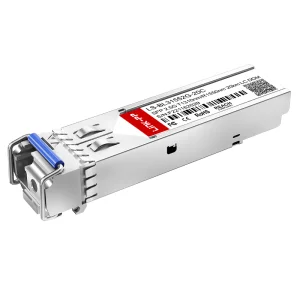
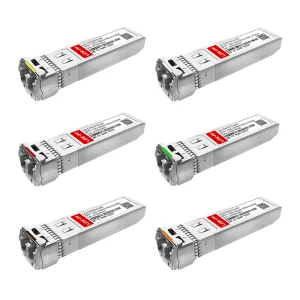
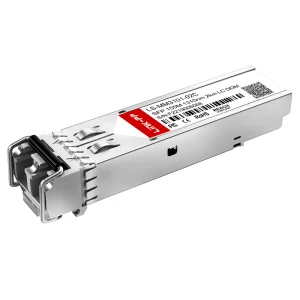
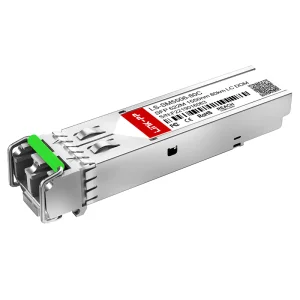
With summer temperatures consistently surpassing 50°C in the Kuwaiti desert, the mechanical and thermal stability of optical hardware is non-negotiable. Standard consumer-grade transceivers fail under these hostile conditions. This is where Lumopt Opto Technology steps in—engineering MSA-compliant, industrially hardened SFP, SFP+, QSFP+, and QSFP28 modules capable of operating flawlessly in extended thermal ranges (-40°C to +85°C) with specialized ingress protection.
  • Hardened Thermal Profiles: Designed to withstand extreme Middle Eastern desert temperatures.
  • High-Density Deployments: Facilitating rapid data center expansion in Kuwait City and Jahra.
  • Complete MSA Compliance: Seamless cross-compatibility with Cisco, Juniper, Huawei, and Moxa switches.
Lumopt Opto Technology China Factory
15+
Years R&D Experience
100%
Hi-Pot Tested
800G+
Next-Gen Capabilities
ISO9001
Certified Factory

Global Trends & Hardware Evolution

Navigating the transition from legacy 10G/40G backbones to modern hyperscale AI architectures.

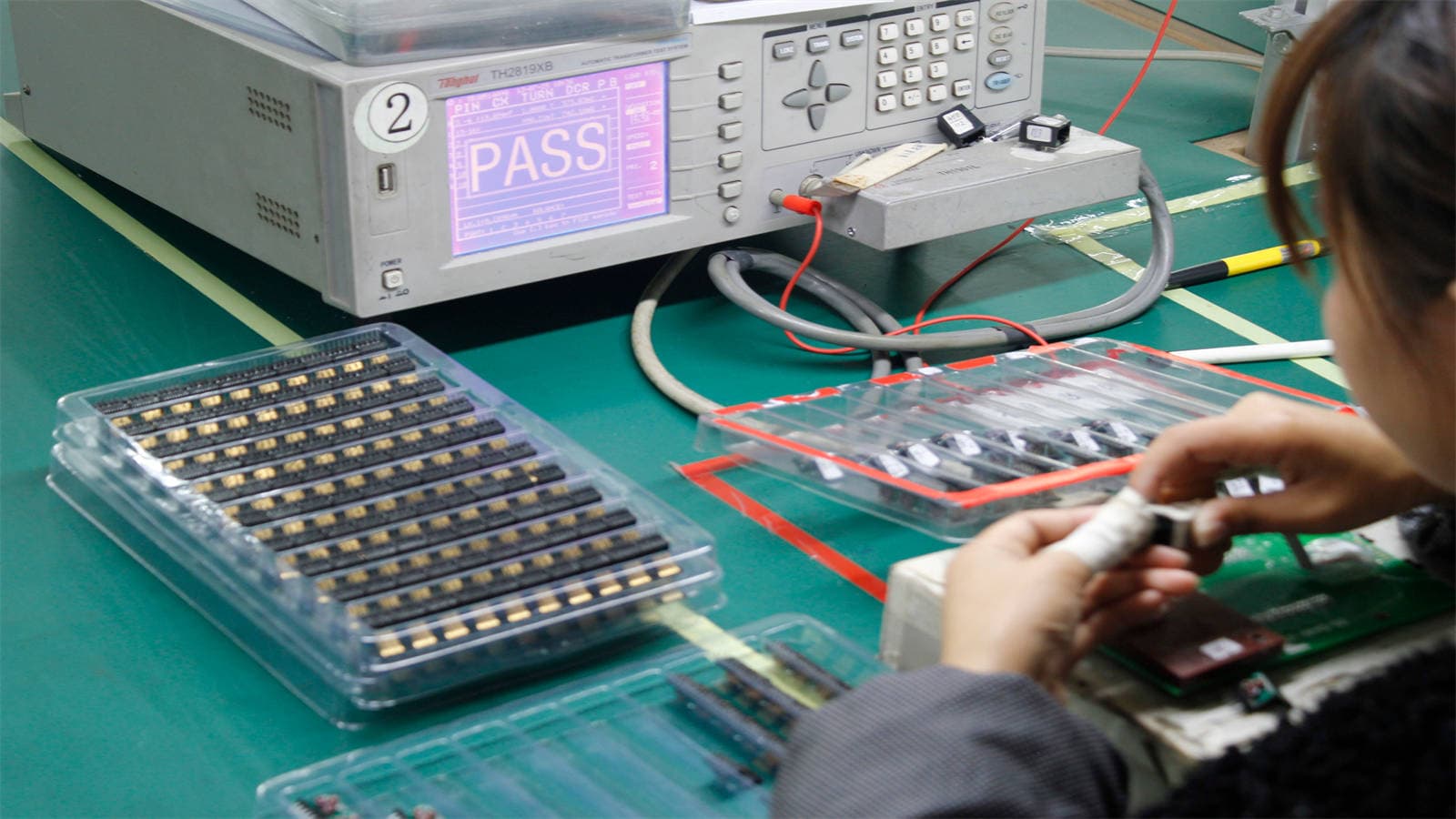
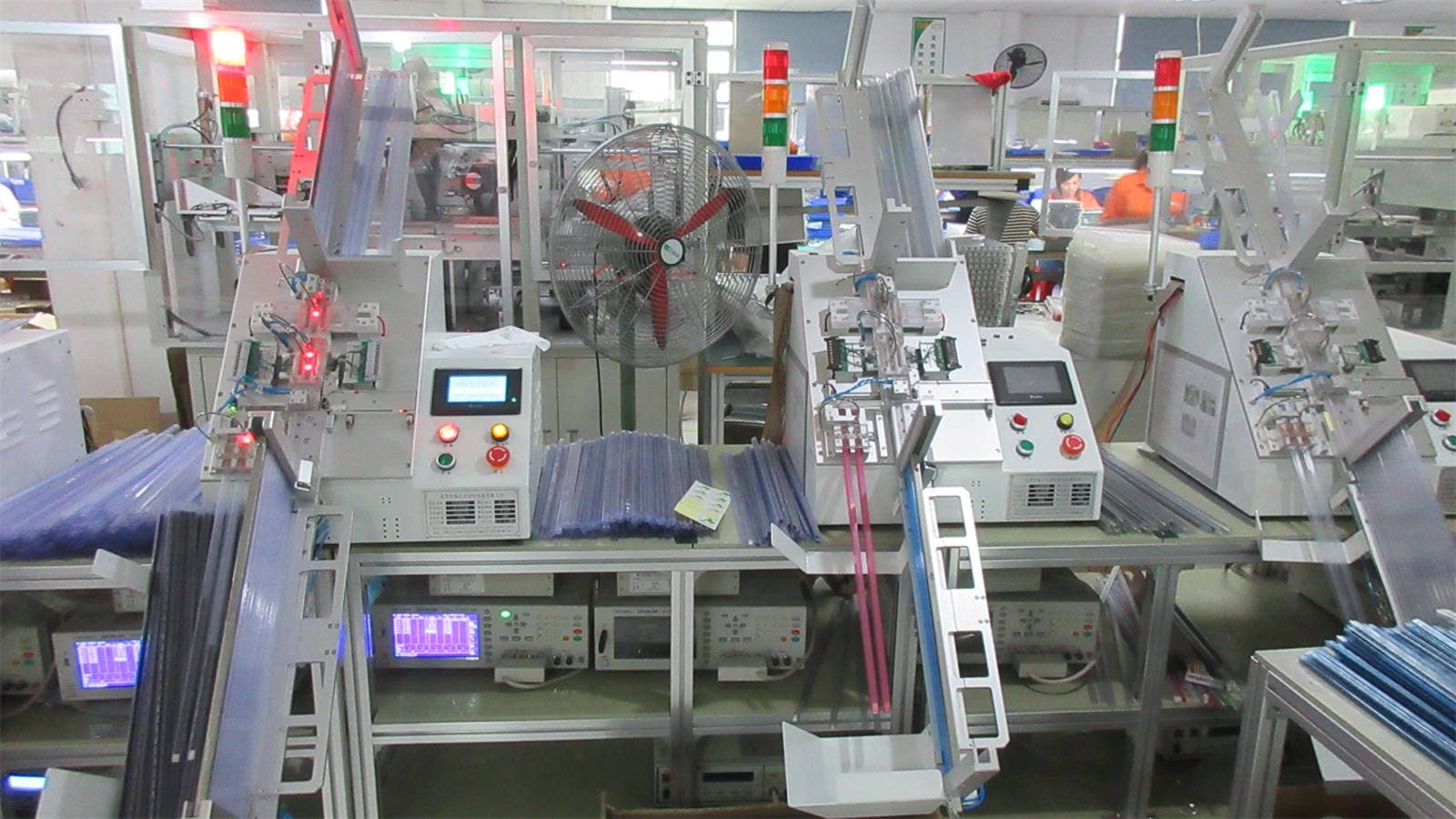
Optical Transceiver Testing Facility

Hyperscale Computing & The AI Wave

The global optical transceiver landscape is experiencing a paradigm shift. With the global rise of artificial intelligence, high-performance computing (HPC) clusters, and cloud-based ERP applications, network speeds are stepping up from standard 100G configurations to 400G, 800G, and developmental 1.6T platforms. This leap demands advanced modulation formats like PAM4 (Pulse Amplitude Modulation 4-Level) and coherent detection interfaces to maximize spectral efficiency over single-mode fiber (SMF).

Furthermore, energy consumption and heat dissipation have become the primary bottlenecks in modern network systems. Silicon Photonics (SiPh) and Co-Packaged Optics (CPO) are emerging as critical technologies to reduce latency and power budgets. At Lumopt, we integrate these cutting-edge optoelectronic architectures directly into our manufacturing pipeline, ensuring our Kuwaiti clients receive hardware that minimizes operational expenditures (OPEX) while maximizing throughput.

Corporate Introduction & Technical Competence

Lumopt Opto Technology Co., Ltd. (registered in China as Luguang Communication Technology Co., Ltd.) is a standard-setting manufacturer of optical modules.

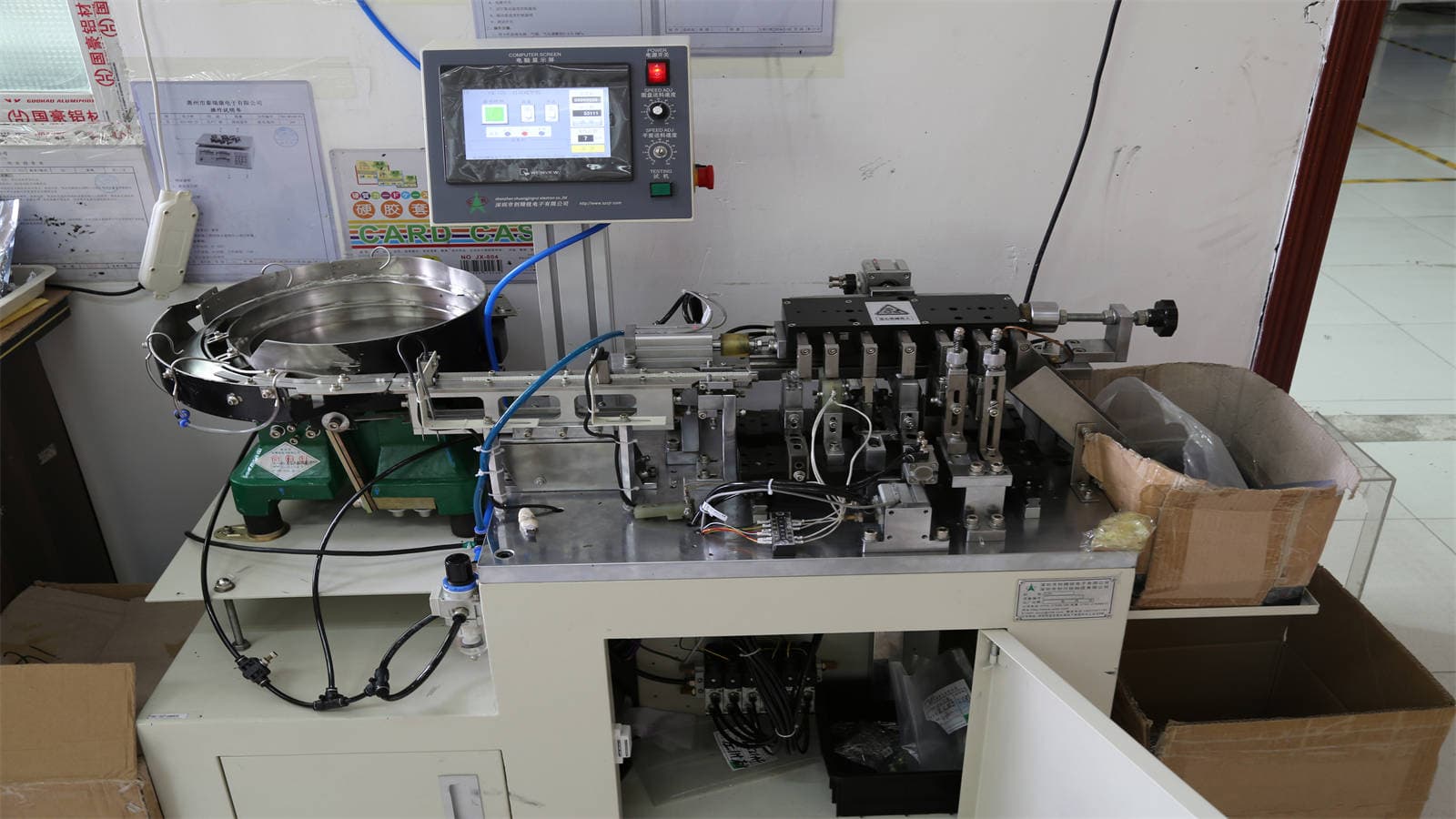
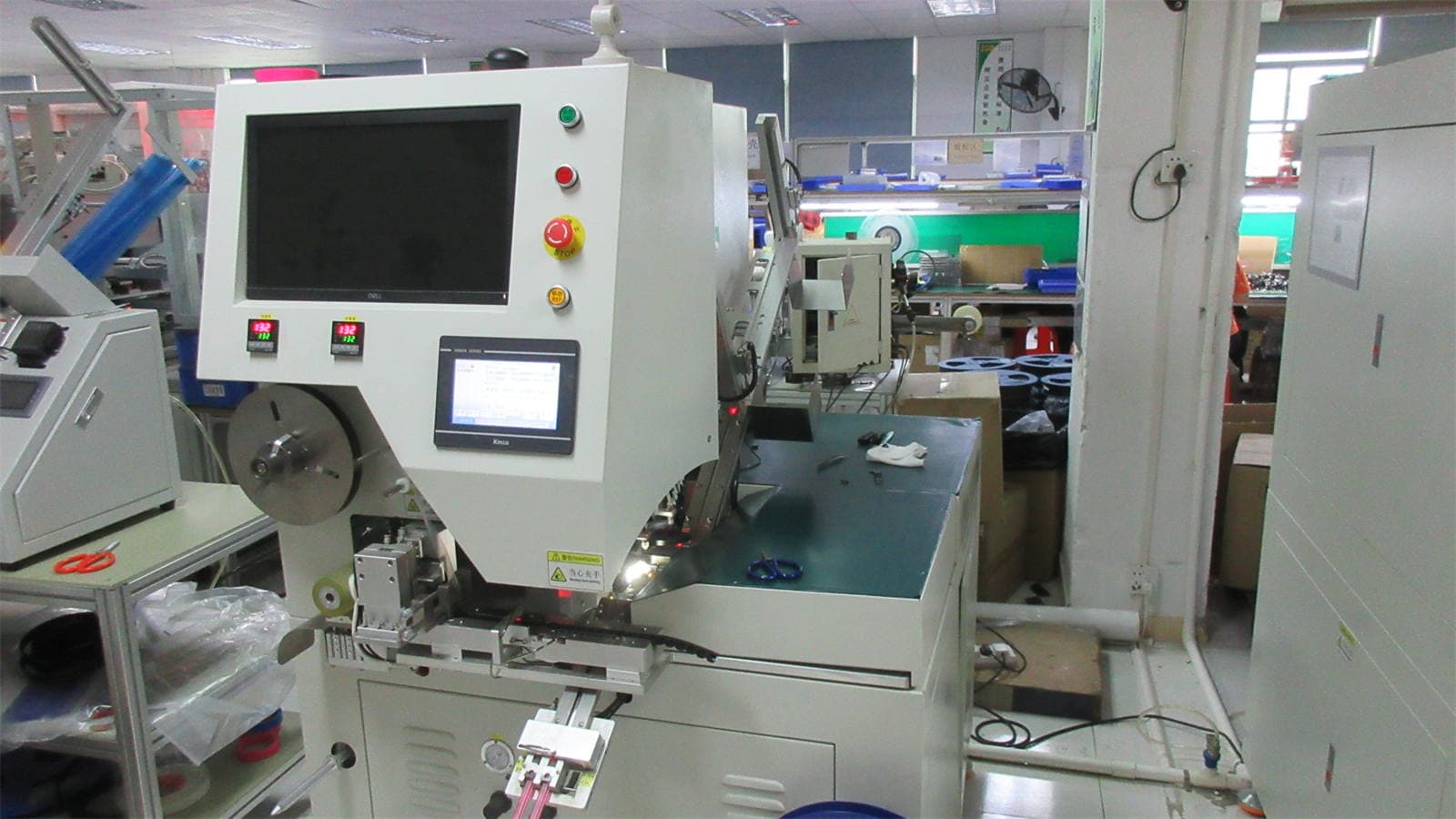
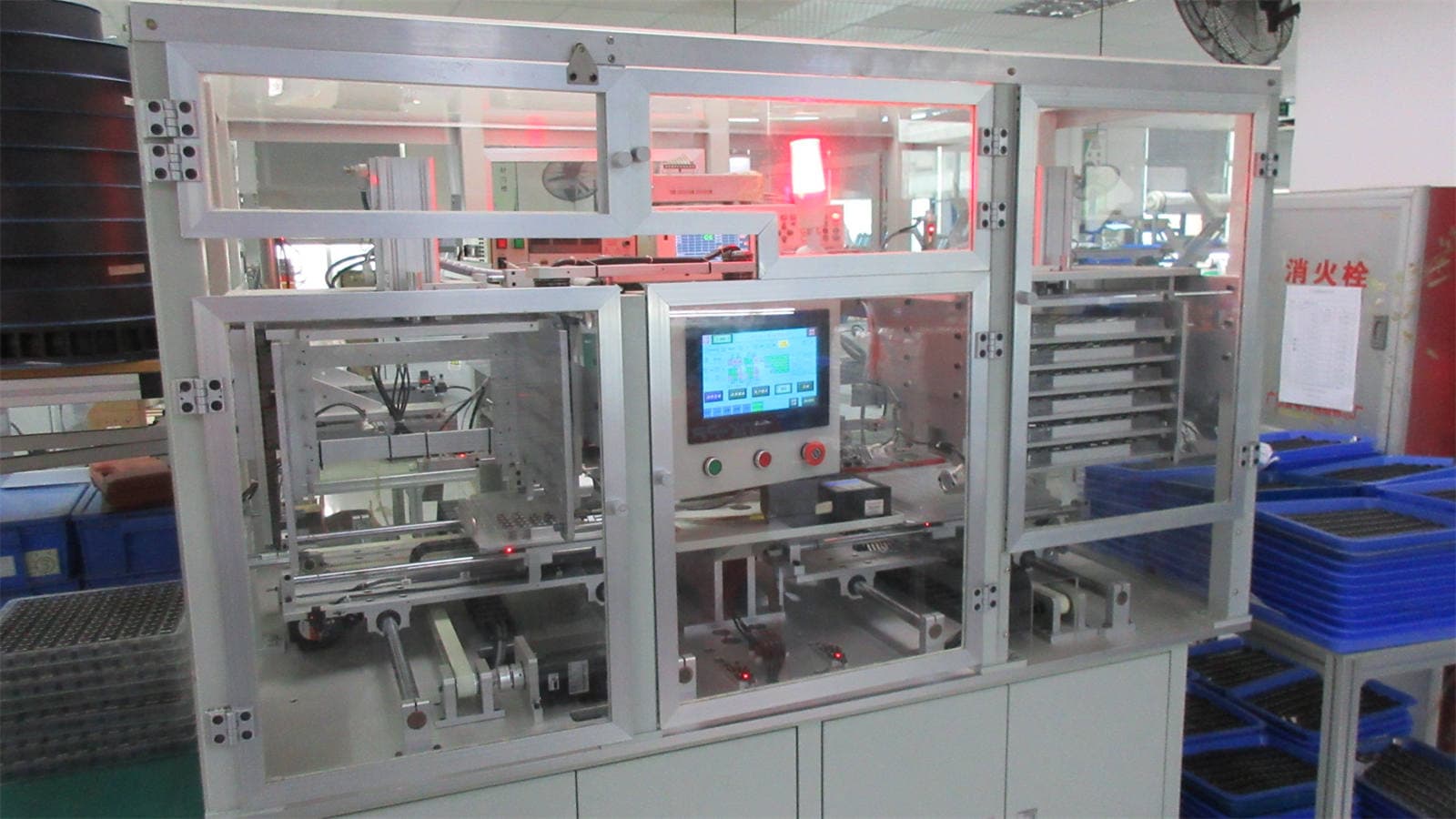
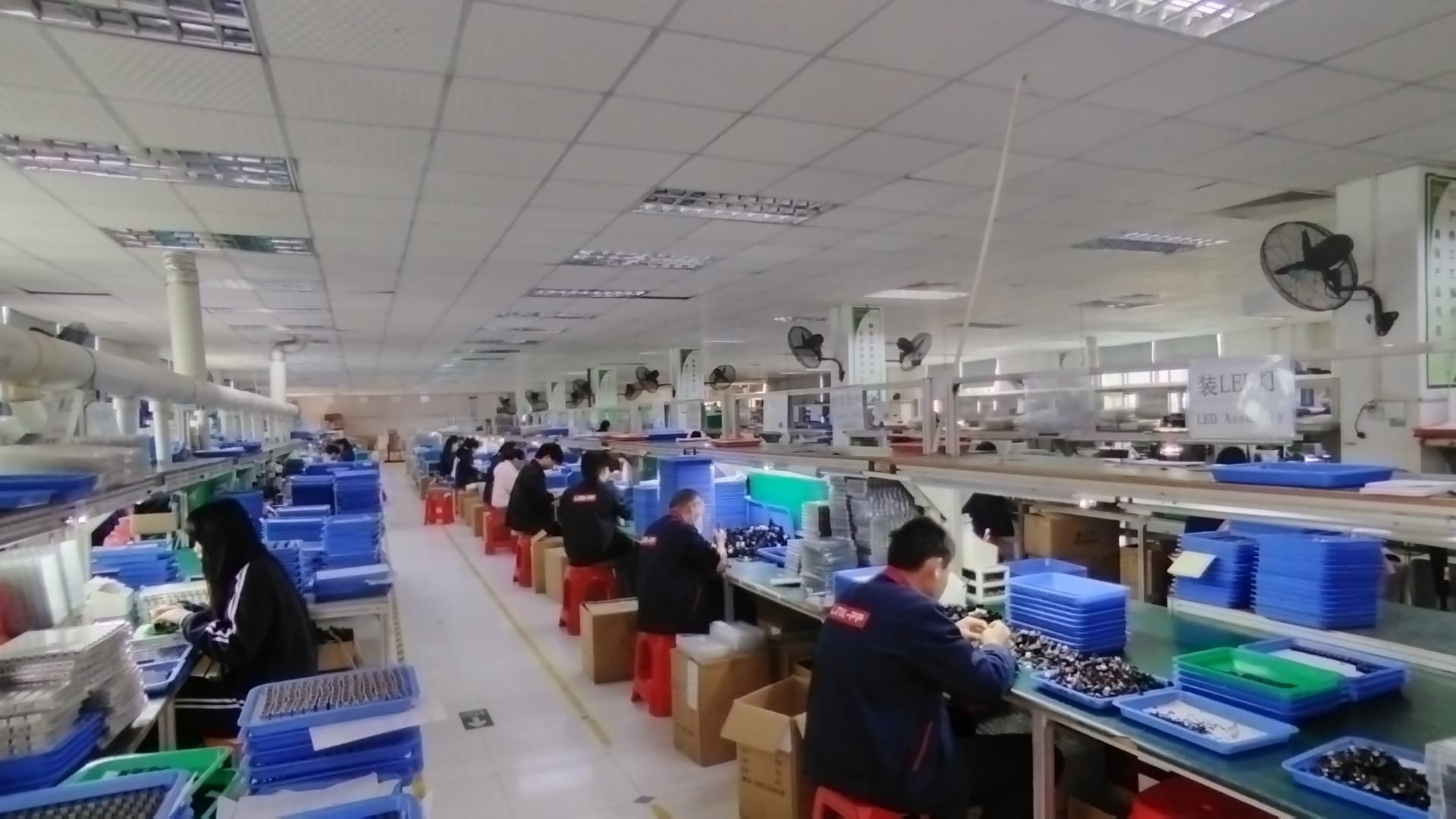
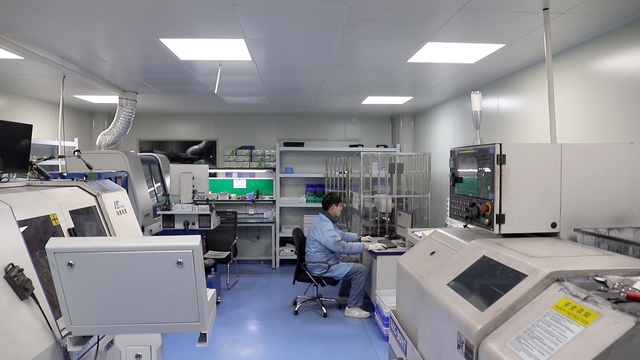
Equipped with state-of-the-art dust-free production workshops and automated optical alignment machines, we offer robust research, development, and mass-scale production of optical modules. Our product range extends from standard 10G and 25G units to cutting-edge 100G, 400G, 800G, and 1.6T optical engines. Our transceivers are critical components inside high-density switches, core routers, network firewalls, and industrial automation equipment deployed globally.

For the Kuwaiti market, where stability, reliability, and cross-platform compatibility are the key metrics, Lumopt offers a comprehensive suite of hardware programming capabilities. We maintain a database of system signatures (EEPROM files) enabling us to custom-code our transceivers to match equipment from brands like Cisco, Juniper, HPE, Alcatel-Lucent, Huawei, Dell, H3C, and Moxa. This minimizes compatibility errors and ensures seamless integration with existing network architectures.
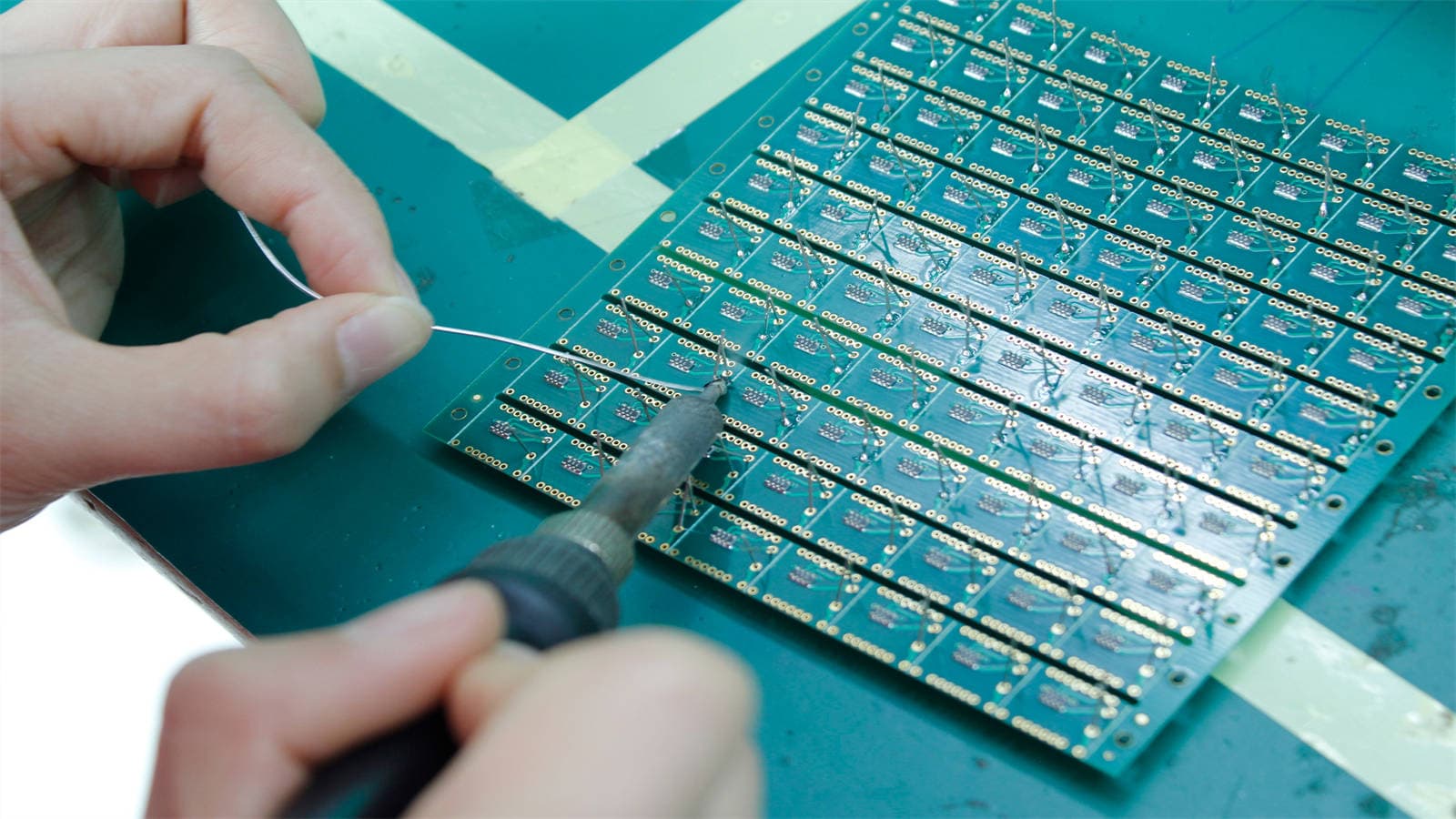
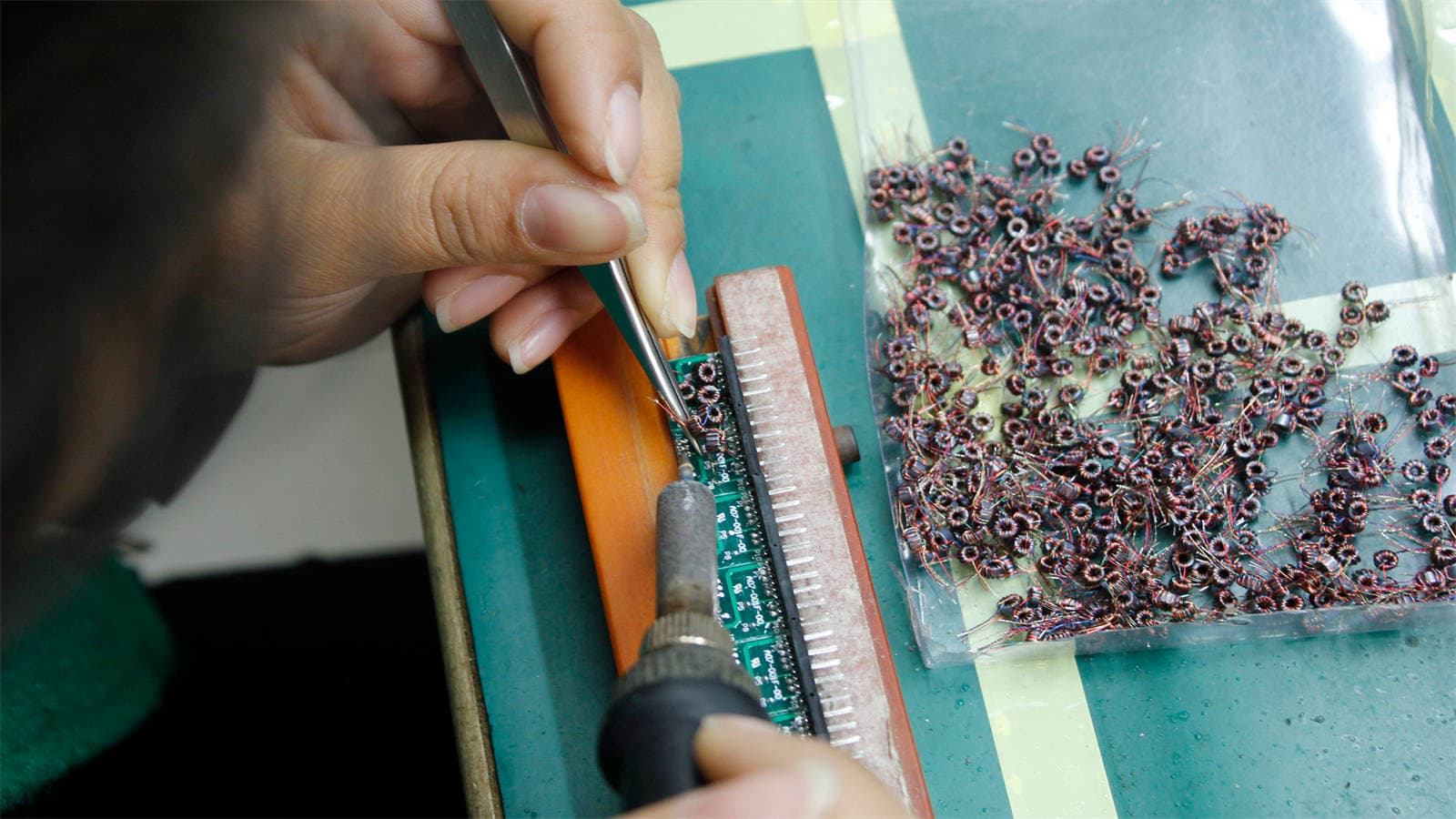
Our Standardized Fabrication & Quality Assurance Process

Twisting
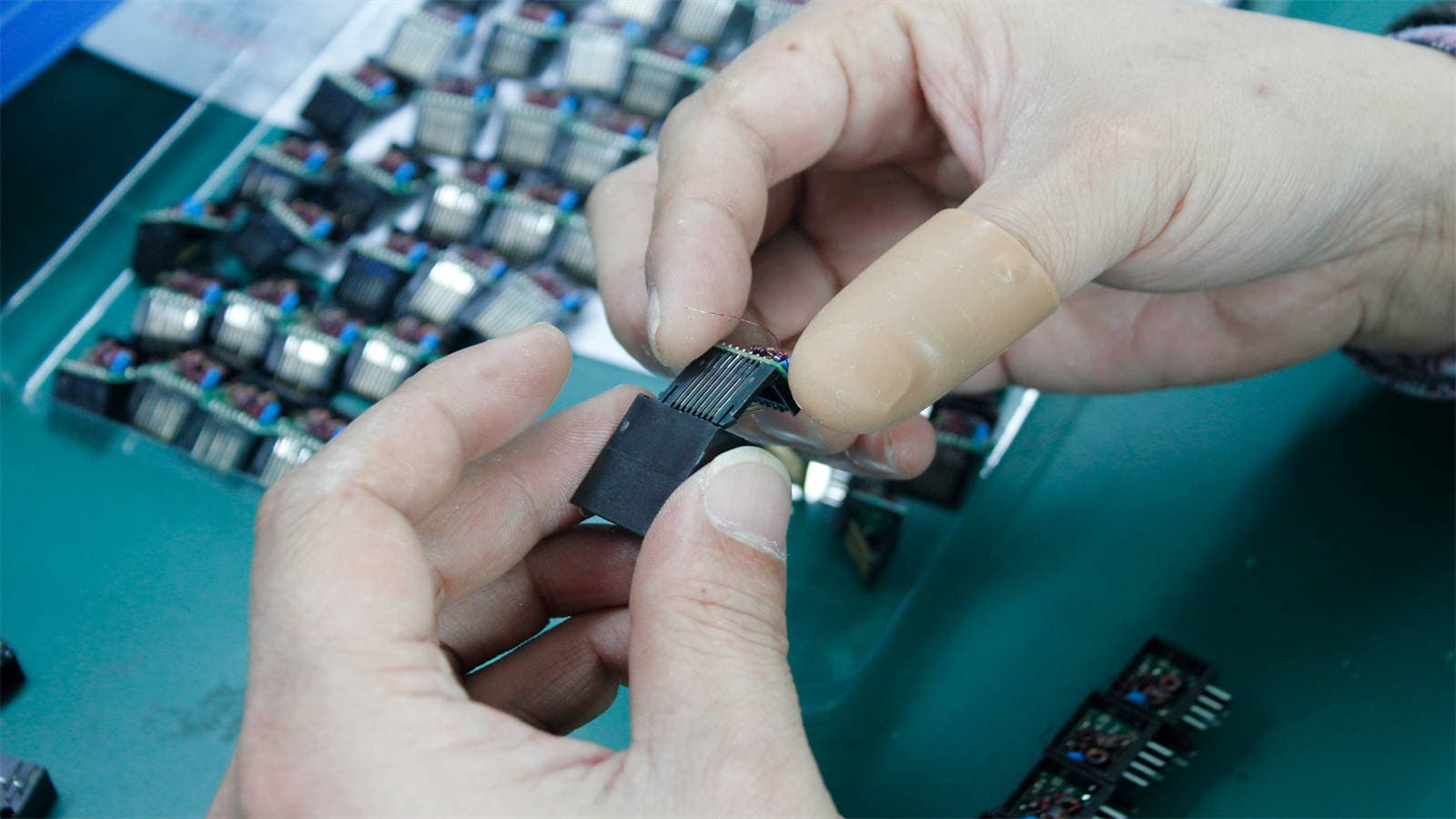
1. Cable Twisting & Preparation
PCB Tinned
2. High-Precision PCB Tinning
Soldering
3. Automated Optoelectronic Soldering
Shear-LED-Pin
4. LED Pin Shearing & Adjustment
Semi-finished Testing
5. Semi-Finished Circuit Inspection
Plastic-Case-Assembly
6. Hard Shell & Casing Assembly
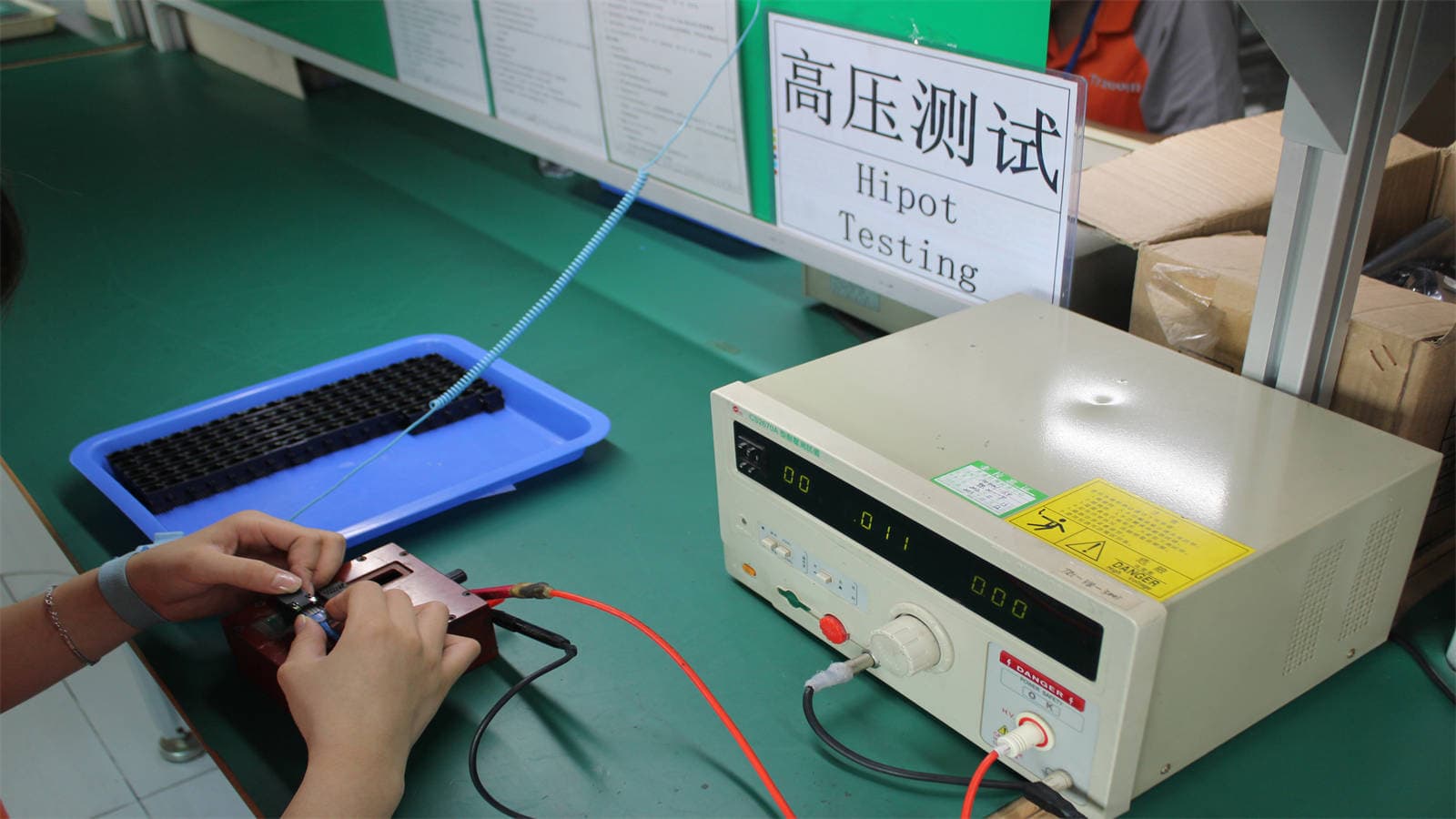
Hi-pot Testing
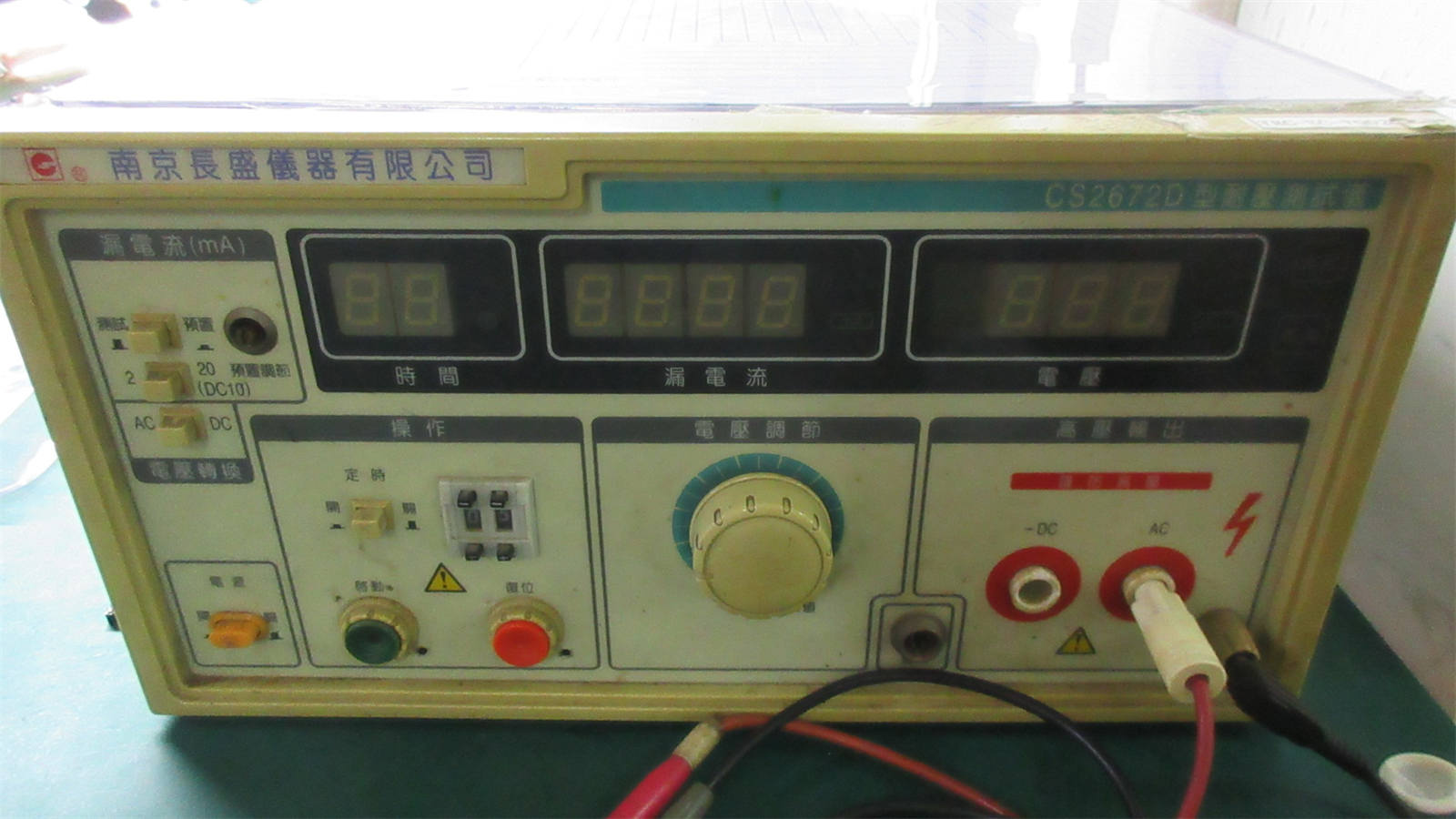
7. High-Potential (Hi-Pot) Insulation Testing
Integrated-Testing
8. Dynamic Optical Engine Loopback Testing
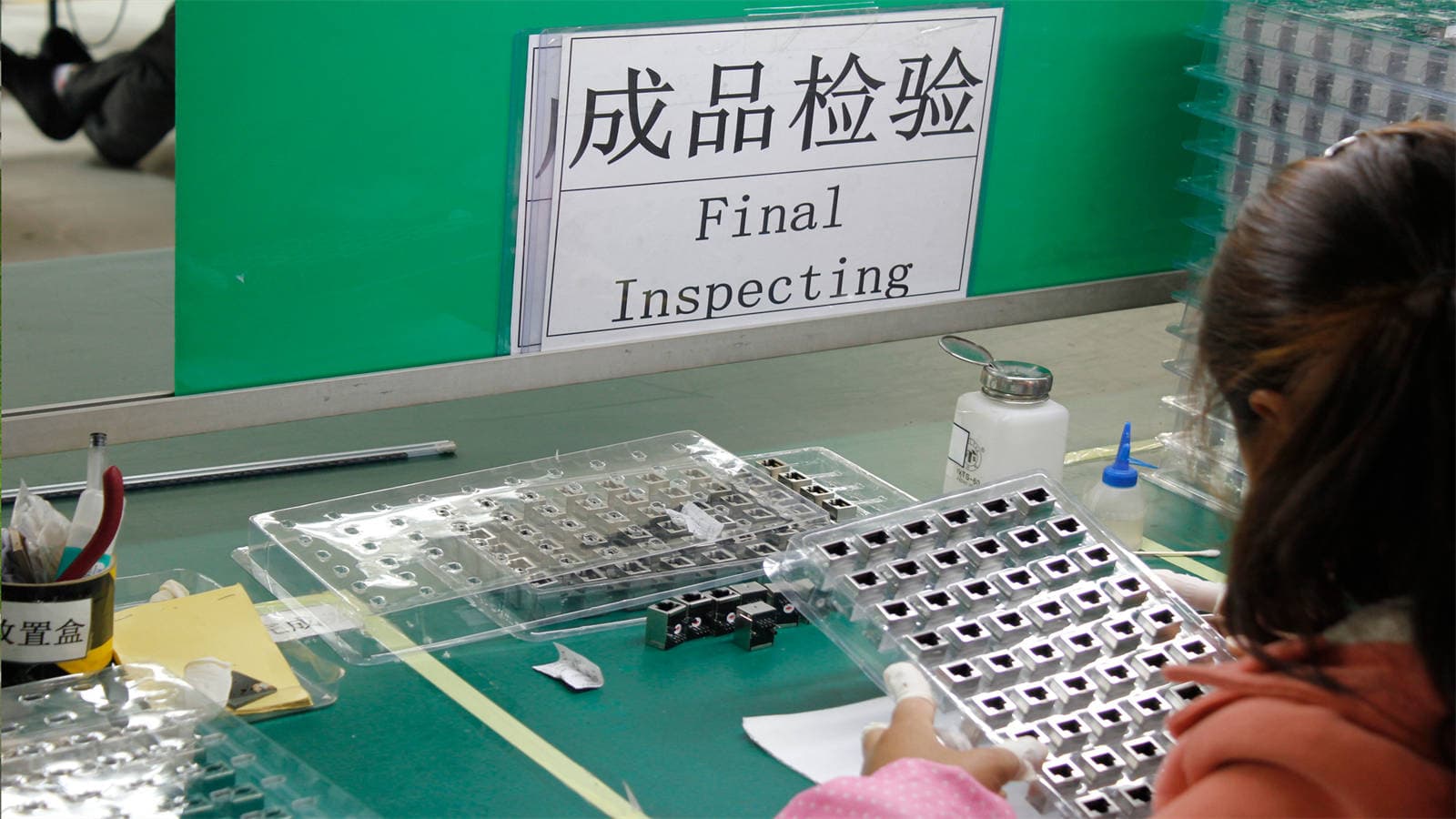
Final-Inspecting
9. QA Visual & Functional Inspection
Packing
10. ESD Protective Packing & Boxing
Comprehensive Tester
11. Multi-protocol Optical Signal Calibration
LED Lamp Tester
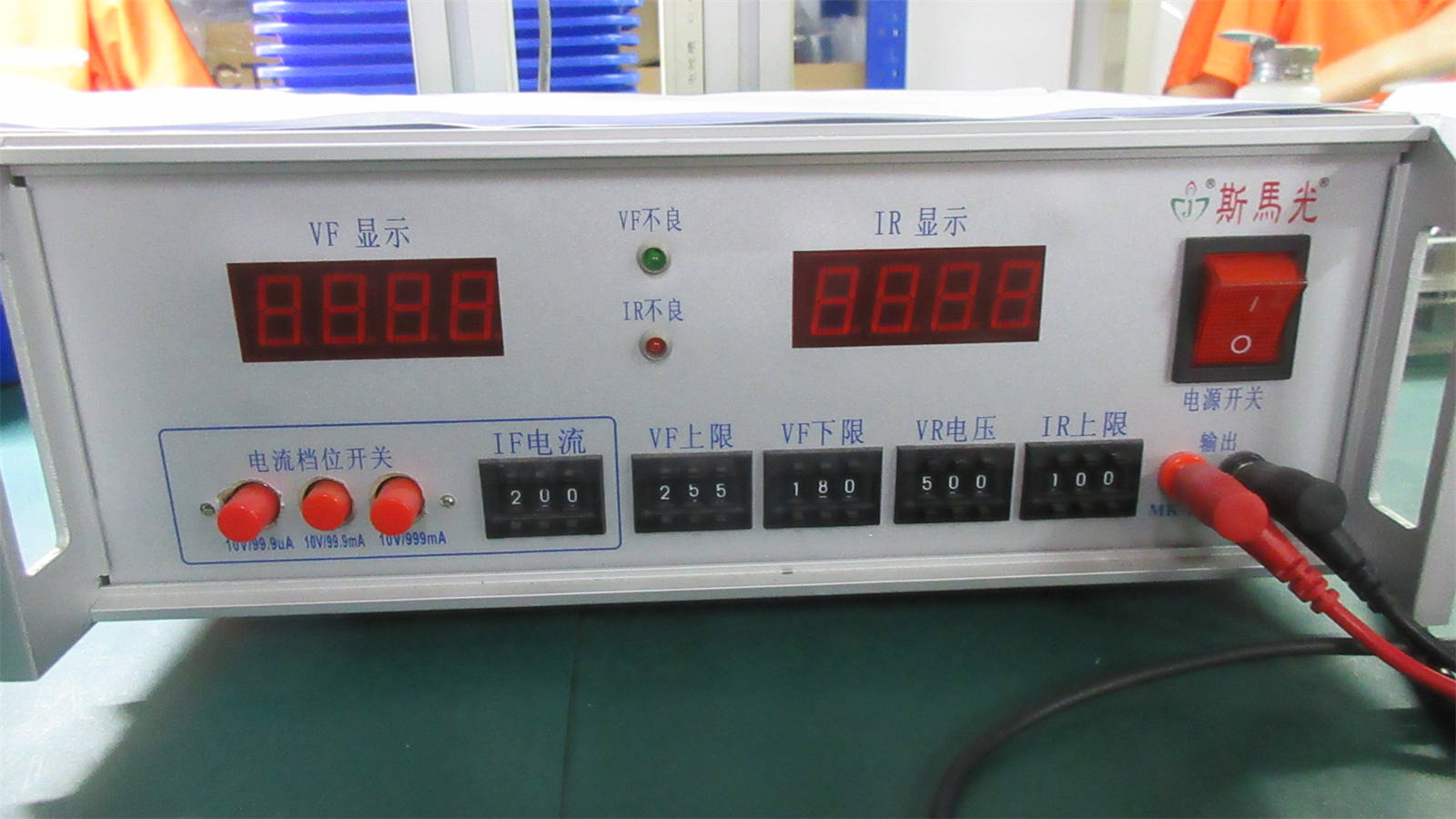
12. Indicator Diode Testing Setup
Hi-Pot Tester
13. Industrial Safety Surge Tester
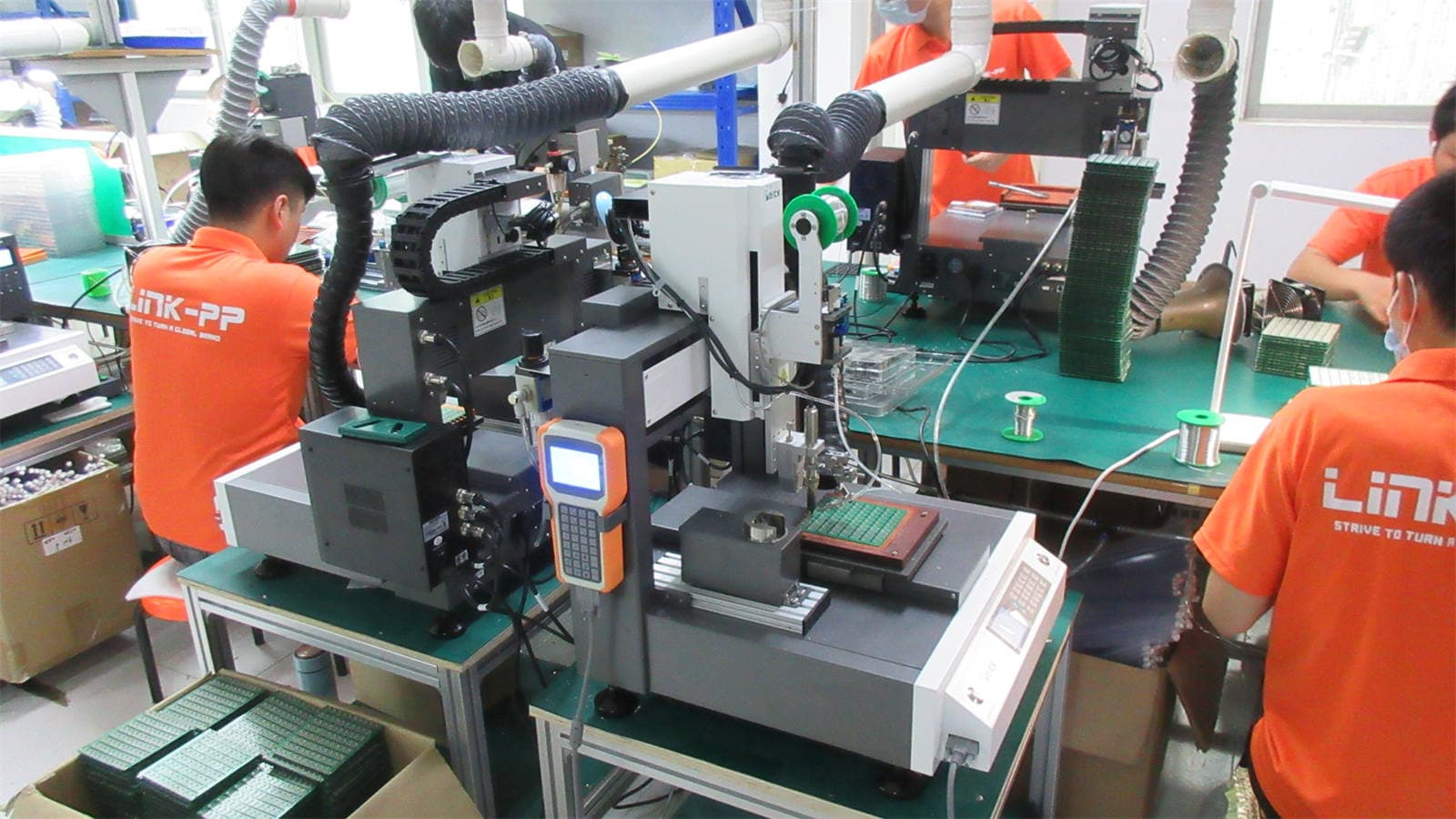
Automatic Welding Machine
14. Precise Automated Reflow Spot-Welder
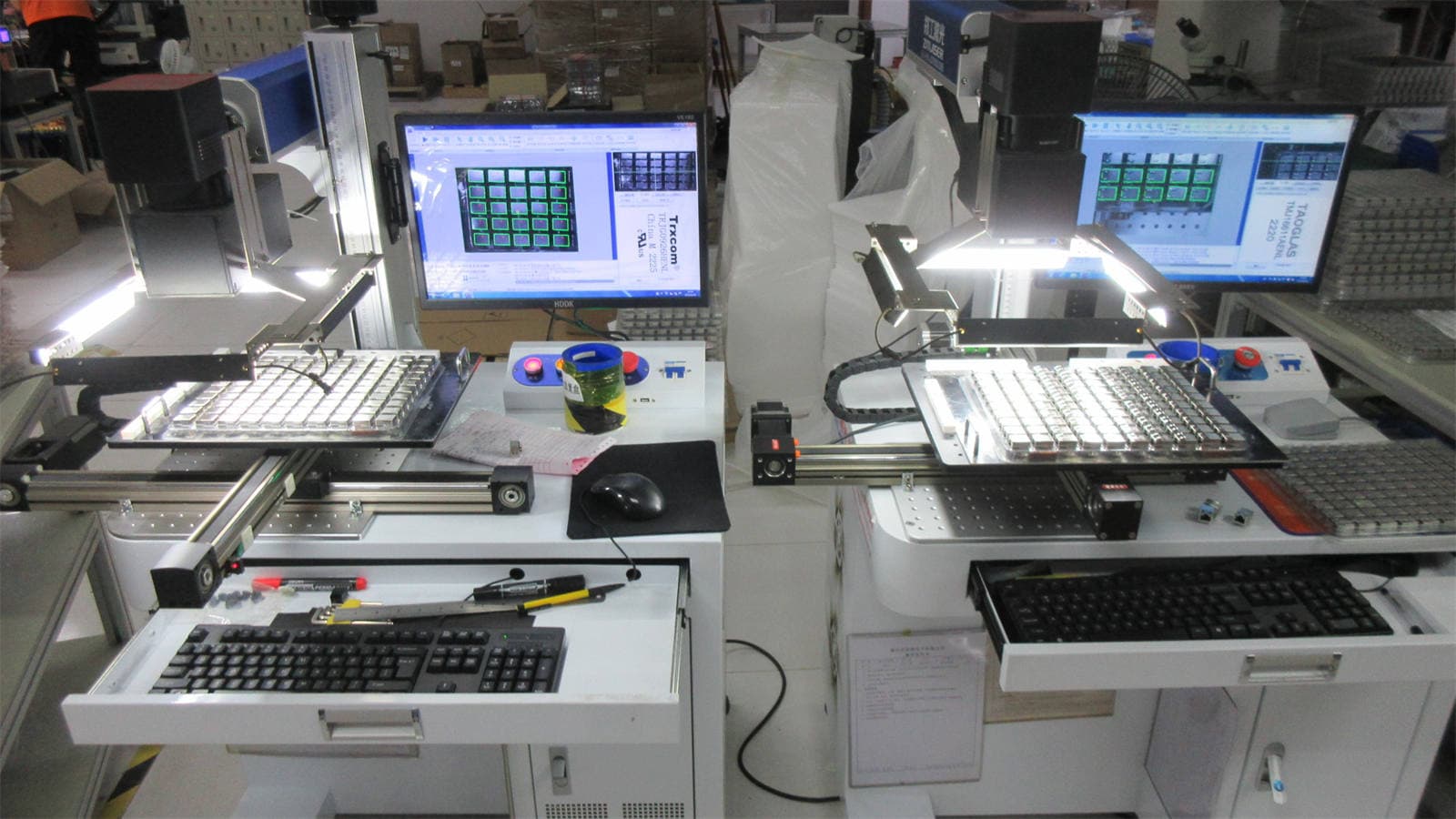
Laser Marking Machine
15. Laser Serial & Label Engraving
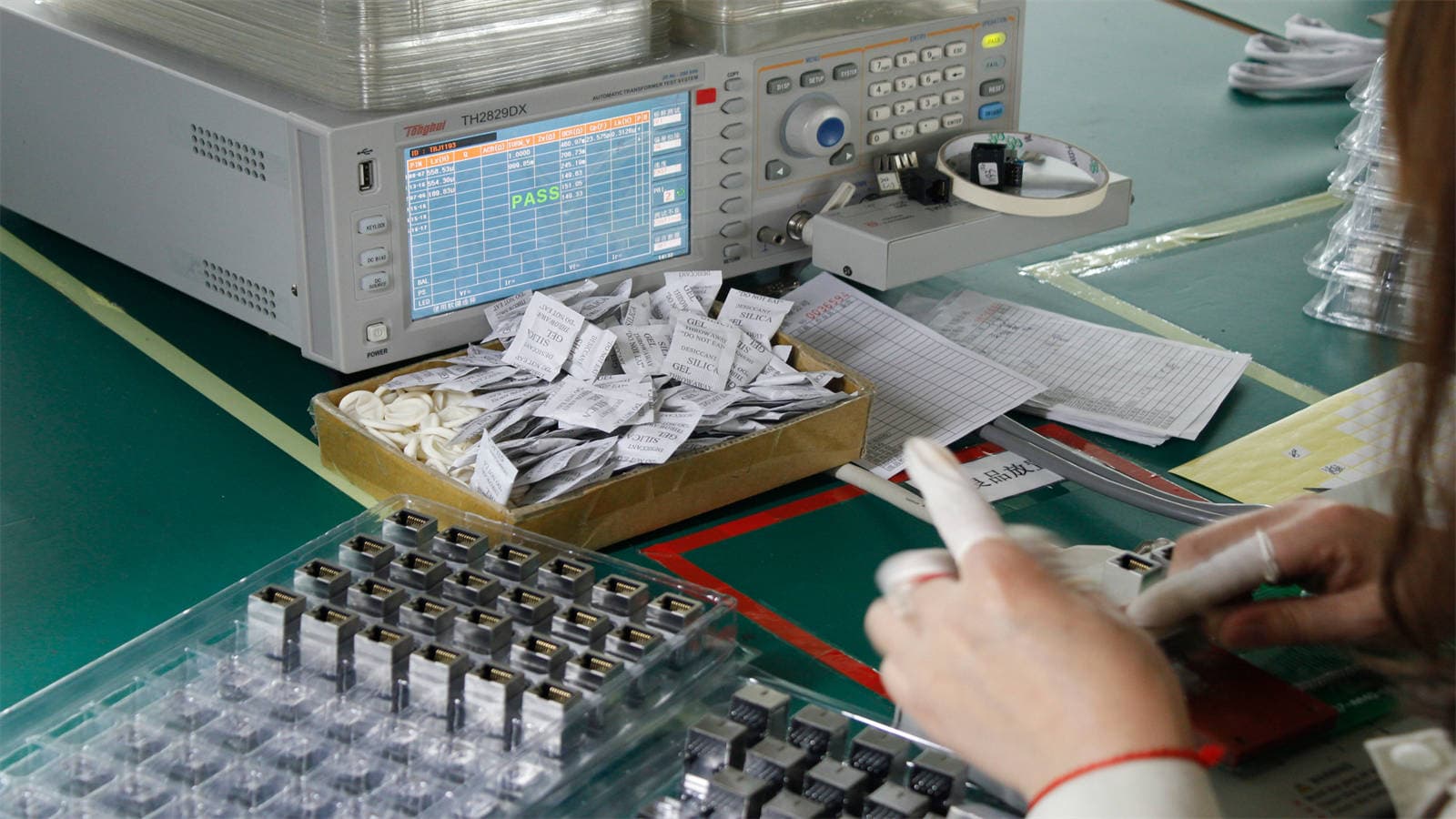
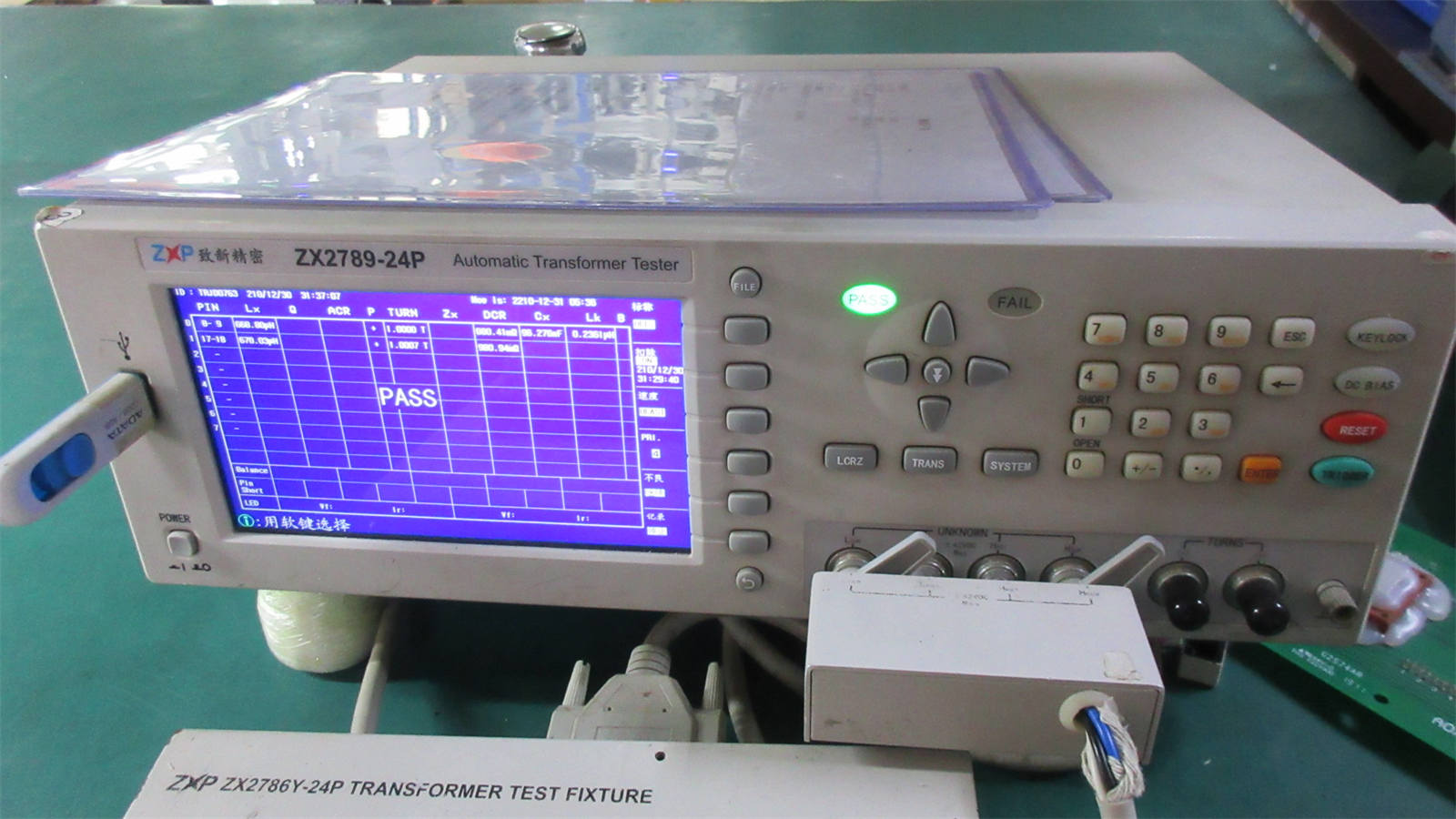
Transformer Automatic Tester
16. Magnetic Isolation Performance Assessment
Transformer Automatic Packing Machine
17. Automated Reel Packing for Passive Network Components
RJ45 Automatic Tester
18. Automated Integrated RJ45 Ethernet Connector Quality Analyzer

Technical FAQ & Deep-Dive Insights

Key information regarding industrial specifications, optical standards, and environmental deployment in the Middle East.

Why are industrial temperature range transceivers mandatory for oil fields in Kuwait?

Standard commercial transceivers operate within a range of 0°C to 70°C. In outdoor telecom enclosures, SCADA cabinets, and oil wells in locations like Wafra or Burgan, internal system temperatures often exceed 75°C. Industrial-temperature transceivers (-40°C to +85°C) are engineered with high-reliability lasers (DFB or EML) and advanced heat sinks to prevent optical power degradation, wavelength drift, and catastrophic component failure.

How does Lumopt ensure SFP module compatibility with major switch manufacturers like Cisco or HPE?

All our transceivers feature an integrated EEPROM chip containing diagnostic data and vendor signatures. During the customization stage of your order, our engineers code this EEPROM to match the exact switch model you utilize. This ensures that features like Digital Diagnostic Monitoring (DDM/DOM) function correctly without triggering native component alarms in your host network OS.

What are the transmission distance differences between CWDM and DWDM configurations?

CWDM (Coarse Wavelength Division Multiplexing) typically uses 18 channels spaced 20nm apart, and is optimal for distances up to 80km without amplification. DWDM (Dense Wavelength Division Multiplexing) utilizes much tighter channel spacing (0.8nm/0.4nm), allowing up to 80+ channels on a single fiber pair. DWDM is ideal for long-distance, high-capacity backbone networks between distant cities (e.g., Kuwait City to Abdali) where EDFA optical amplifiers can boost the signals over hundreds of kilometers.

What role do RJ45 LAN filters and magnetic jacks play in industrial networks?

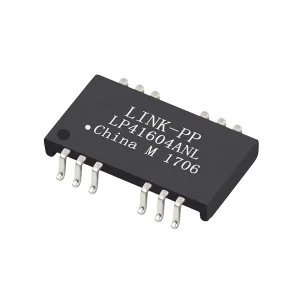
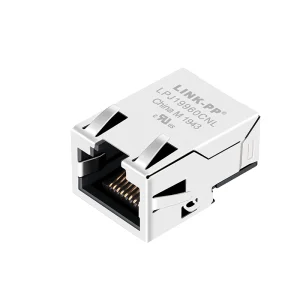
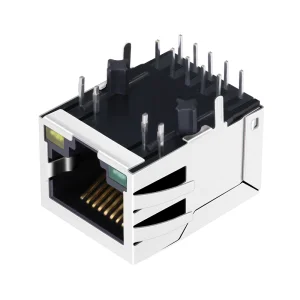
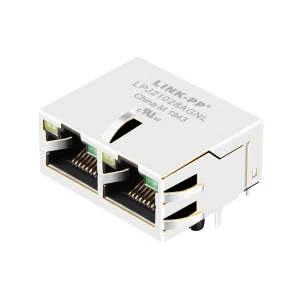
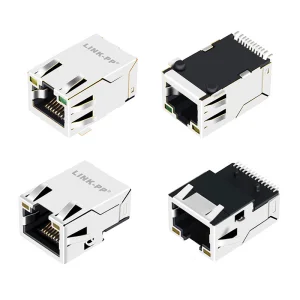
In industrial facilities with heavy machinery, electromagnetic interference (EMI) is common. Ethernet interfaces require magnetic coupling transformers (like our SMD Lan Filter modules) to isolate the network PHY chip from electrical surges, common-mode noise, and static discharge, ensuring uninterrupted data packets even in electrically noisy environments.

Can you customize transceivers for long-distance 40km QSFP+ requirements?

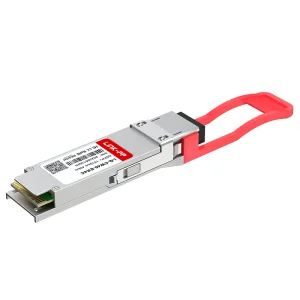
Yes, our 40GBASE-ER4 QSFP+ transceiver leverages four parallel wavelengths (LAN-WDM grid) and high-sensitivity APD receivers. It is fully capable of driving error-free optical links up to 40km over standard single-mode optical fiber without requiring inline optical regenerators.

Looking for a Reliable Optical Partner in Kuwait?

We supply high-compatibility optical modules, magnetic transformers, and Ethernet connectors designed for harsh commercial and industrial environments. Contact our field engineers for custom coding configurations, sample tests, and technical support.

Request Technical Consultation & Quote