Lumopt
Lumopt
Lumopt
As enterprise networks expand to support high-throughput cloud resources, edge computing nodes, and advanced AI training workloads, the physical layer infrastructure must adapt to meet strict signal integrity, speed, and safety standards. Top Chinese exporters have transformed from basic sheet metal and plastic molders into high-end structural cabling component manufacturers. This includes advanced RJ45 faceplates, shielding solutions, and integrated transceiver connections.
Modern Ethernet deployments demand materials that resist physical stress, chemical degradation, and high operating temperatures. RJ45 faceplates manufactured by leading exporters use UL94V-0 certified flame-retardant polycarbonates. This limits flame propagation in the event of an electrical failure. Additionally, precision injection molding guarantees consistent tolerances for RJ45 ports, ensuring secure fits and reducing port wear.
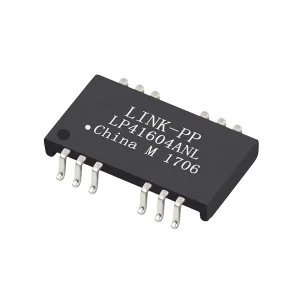
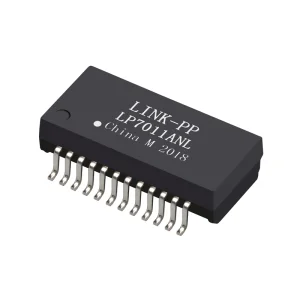
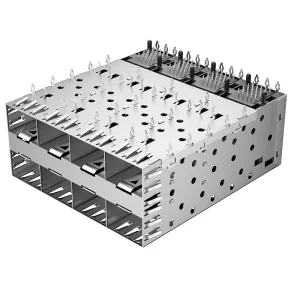
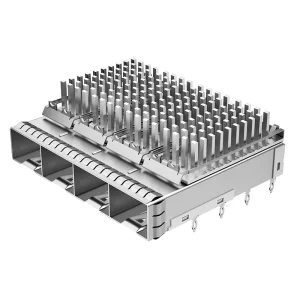
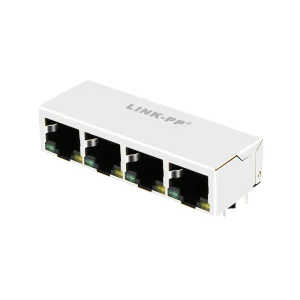
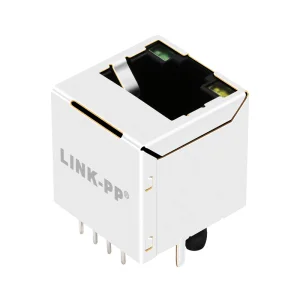
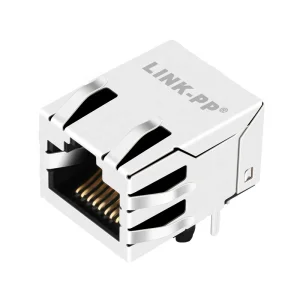
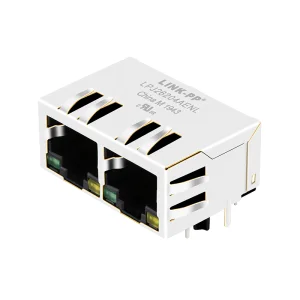
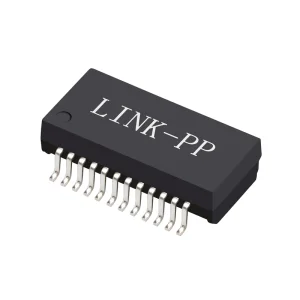
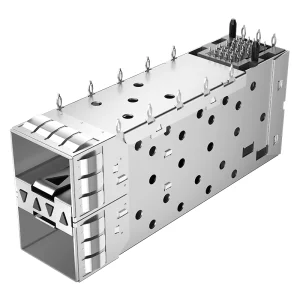
In high-density environments like server racks or corporate offices, electromagnetic interference (EMI) can severely degrade network performance. Leading faceplate suppliers integrate EMI-shielding components, including grounded metal backplates and shielded keystone jacks. When paired with shielded SFP cages and RJ45 magnetic connectors, this configuration creates a continuous Faraday cage that protects signals from internal and external crosstalk.
Enterprise requirements vary across regions. European outlets rely on German-type 50x50mm inserts, British standards demand 86x86mm square plates, and US installers specify 115x70mm single-gang configurations. China's top manufacturers offer complete modular flexibility. Standard configurations support shuttered faceplates that prevent dust ingress, angled designs that minimize cable bend radius, and custom color-coded labels for organized physical-layer mapping.
Lumopt Opto Technology Co., Ltd. (registered as Luguang Communication Technology Co., Ltd. in China) is an established Chinese manufacturer and exporter specializing in high-performance optical transceivers and physical-layer networking components. While faceplates route connection endpoints to walls and workstations, Lumopt's core technology powers the backend server closets and switches where the cables terminate.
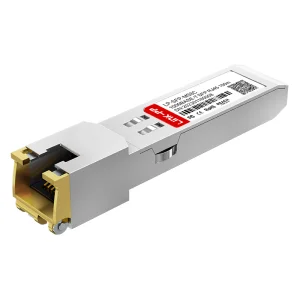
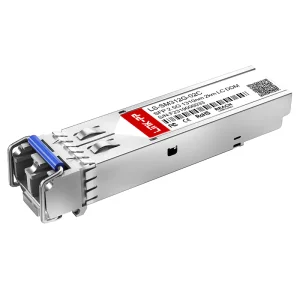
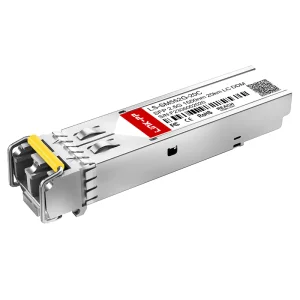
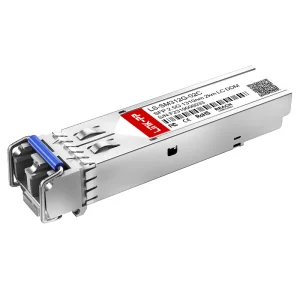
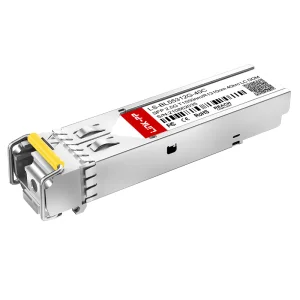
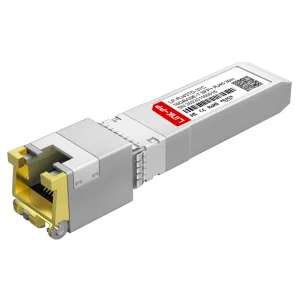
We focus on the R&D, production, and customization of a comprehensive suite of optical modules—ranging from 10G, 25G, 100G, 400G, 800G, to next-generation 1.6T platforms. These components link to the local structured cabling grid via high-quality RJ45 connection ports, transceivers, and SFP+ cages. This unified system supports applications across hyperscale data centers, telecommunications networks, cloud systems, and AI-accelerated computing nodes.
Equipped with state-of-the-art dust-free cleanrooms, automated testing bays, and a dedicated R&D group, Lumopt enforces strict manufacturing tolerances. All optical transceivers, SFP cages, and integrated magnetic jacks meet international benchmarks, allowing seamless integration with structured copper and fiber cabling infrastructure.
We provide full support for OEM & ODM customization, aligning colorways, logo styling, shielding layouts, and board interfaces with your specifications. Our goal is to provide stable quality, competitive pricing, and technical support to distributors, system integrators, and installers worldwide.
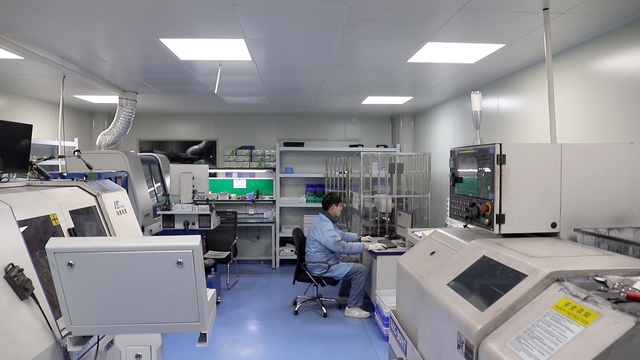
To ensure high quality, reliable signal transmission, and long-term durability in enterprise environments, we implement rigorous control protocols at every stage of production. From wire preparation to final product testing, each step is monitored to prevent faults, reduce attenuation, and eliminate electromagnetic noise.
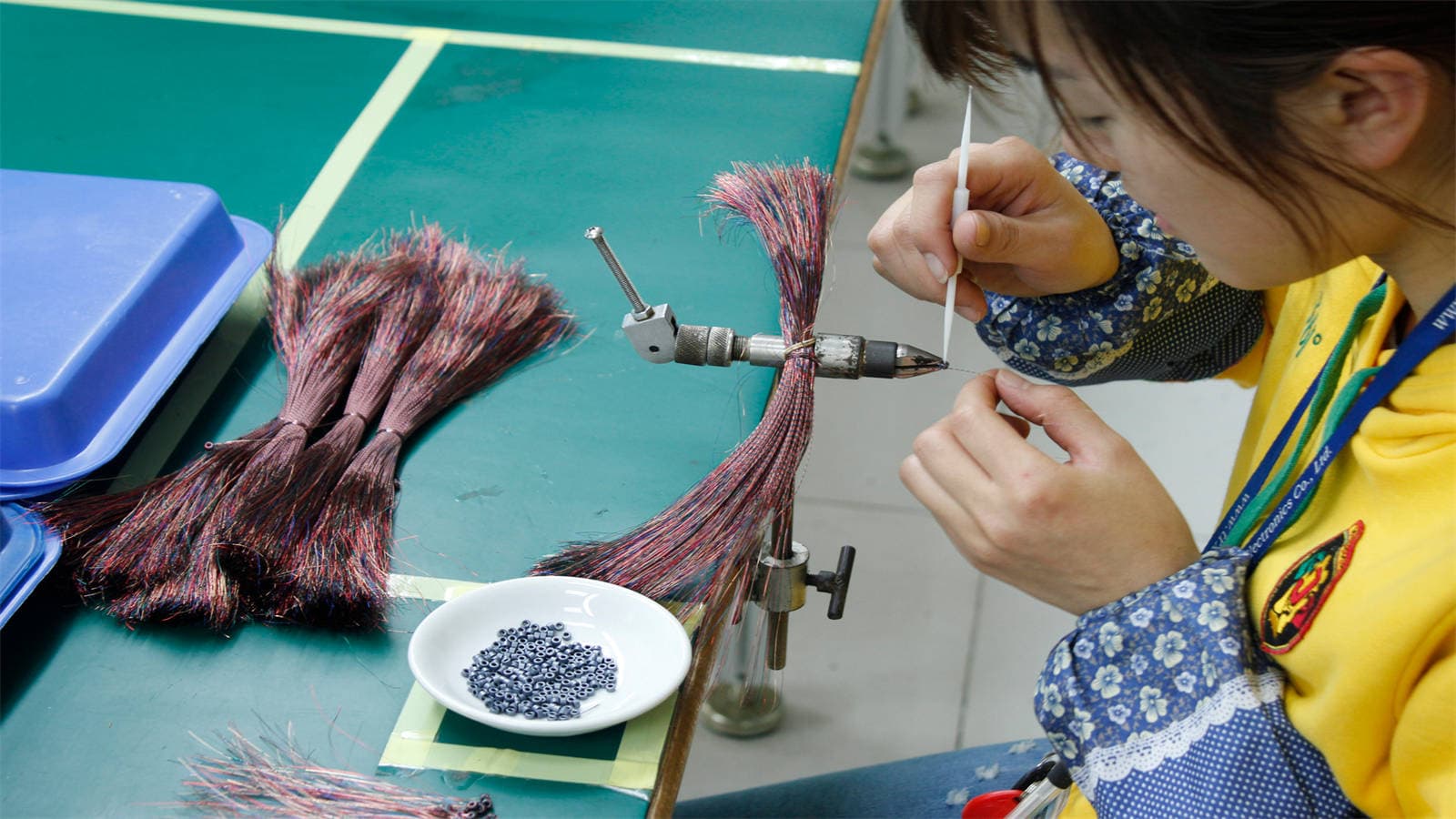
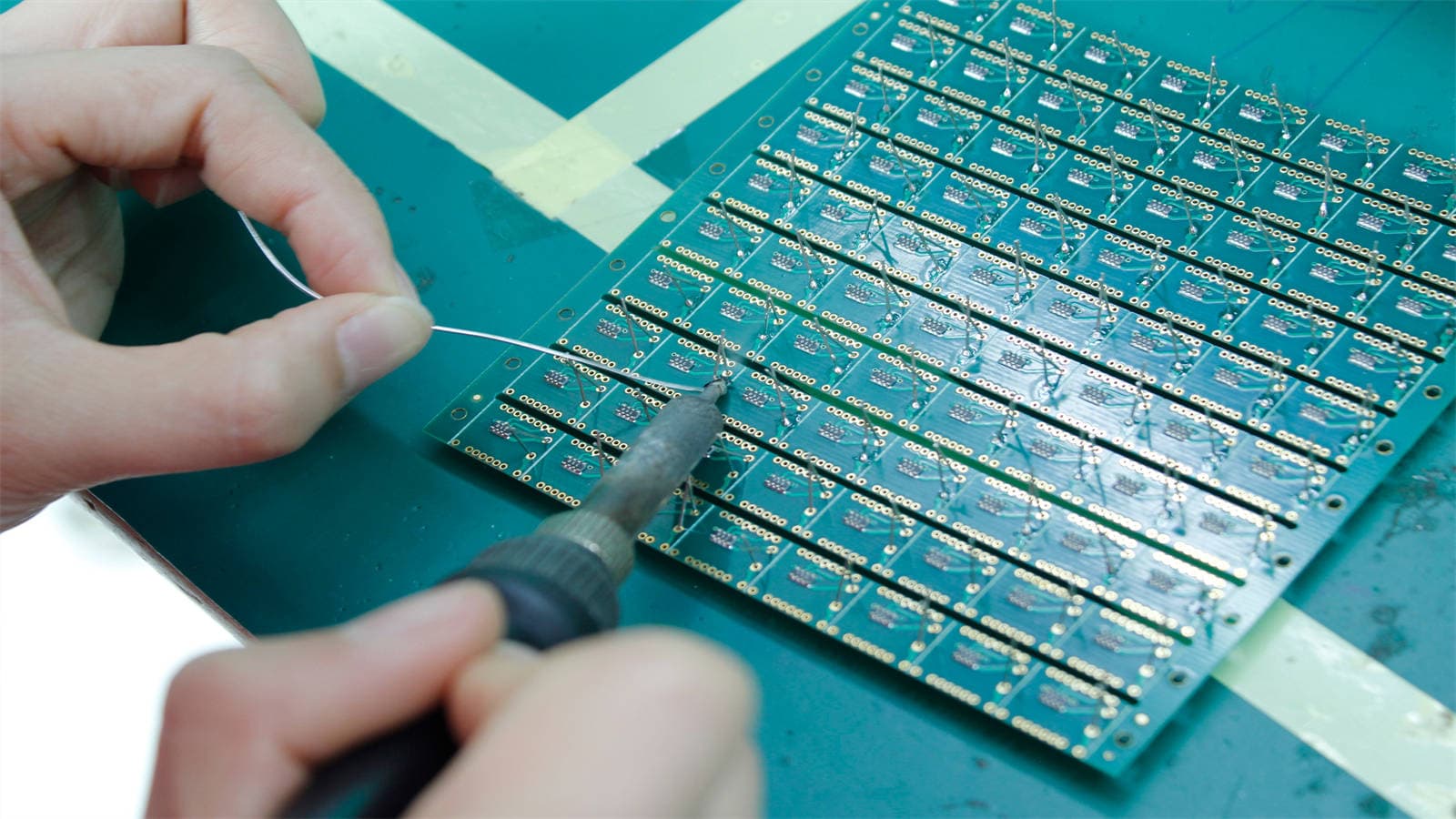
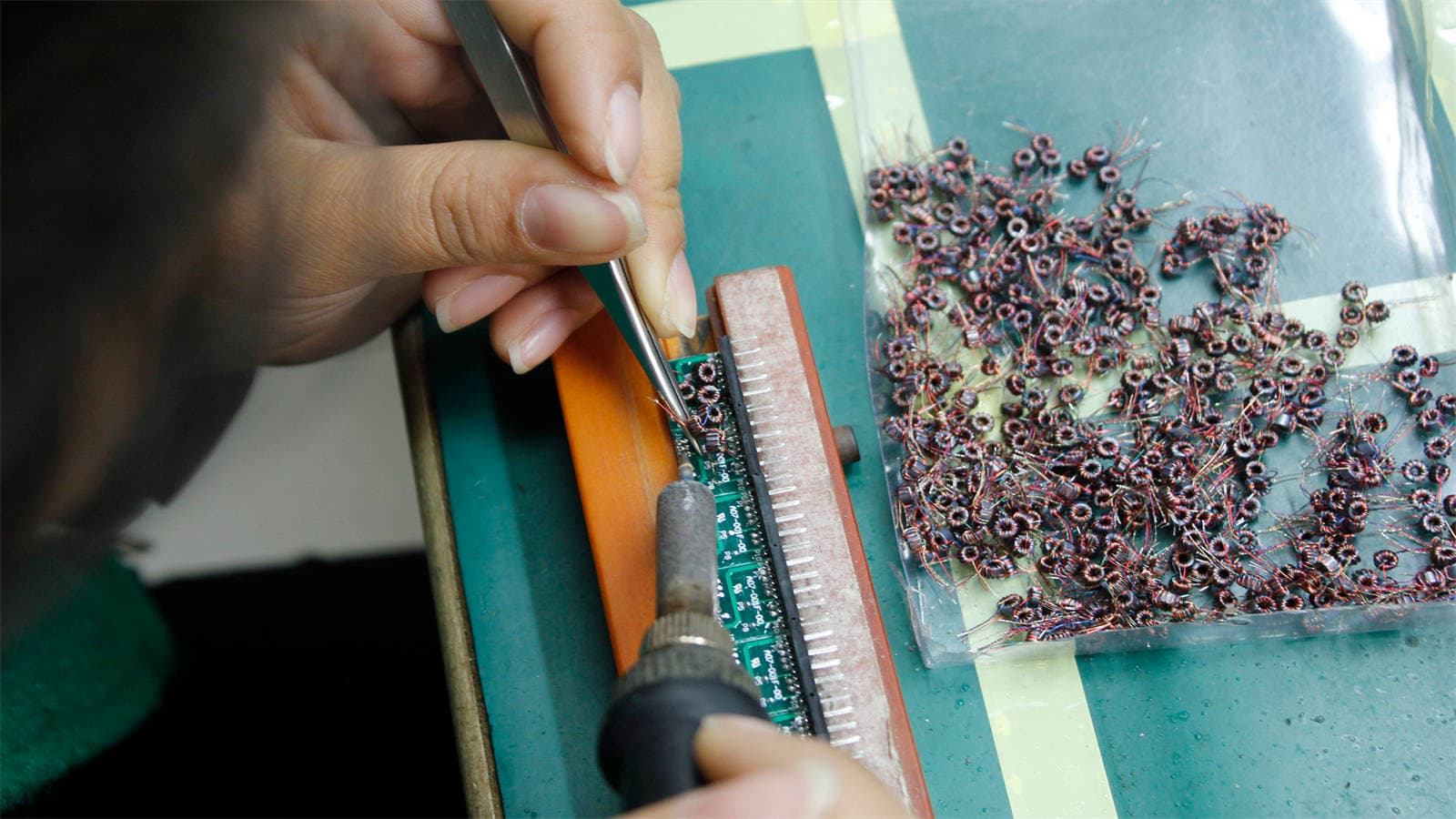
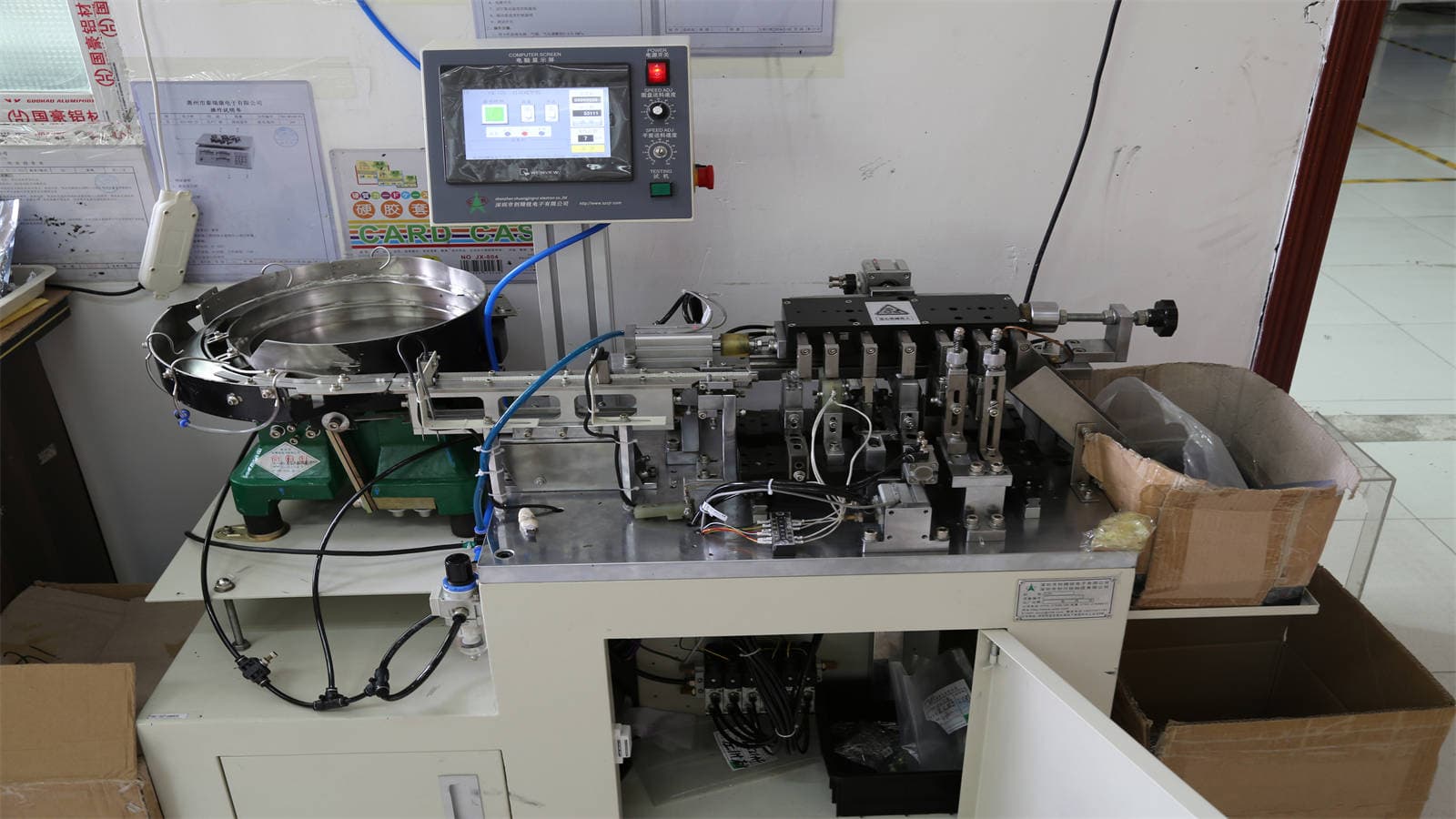
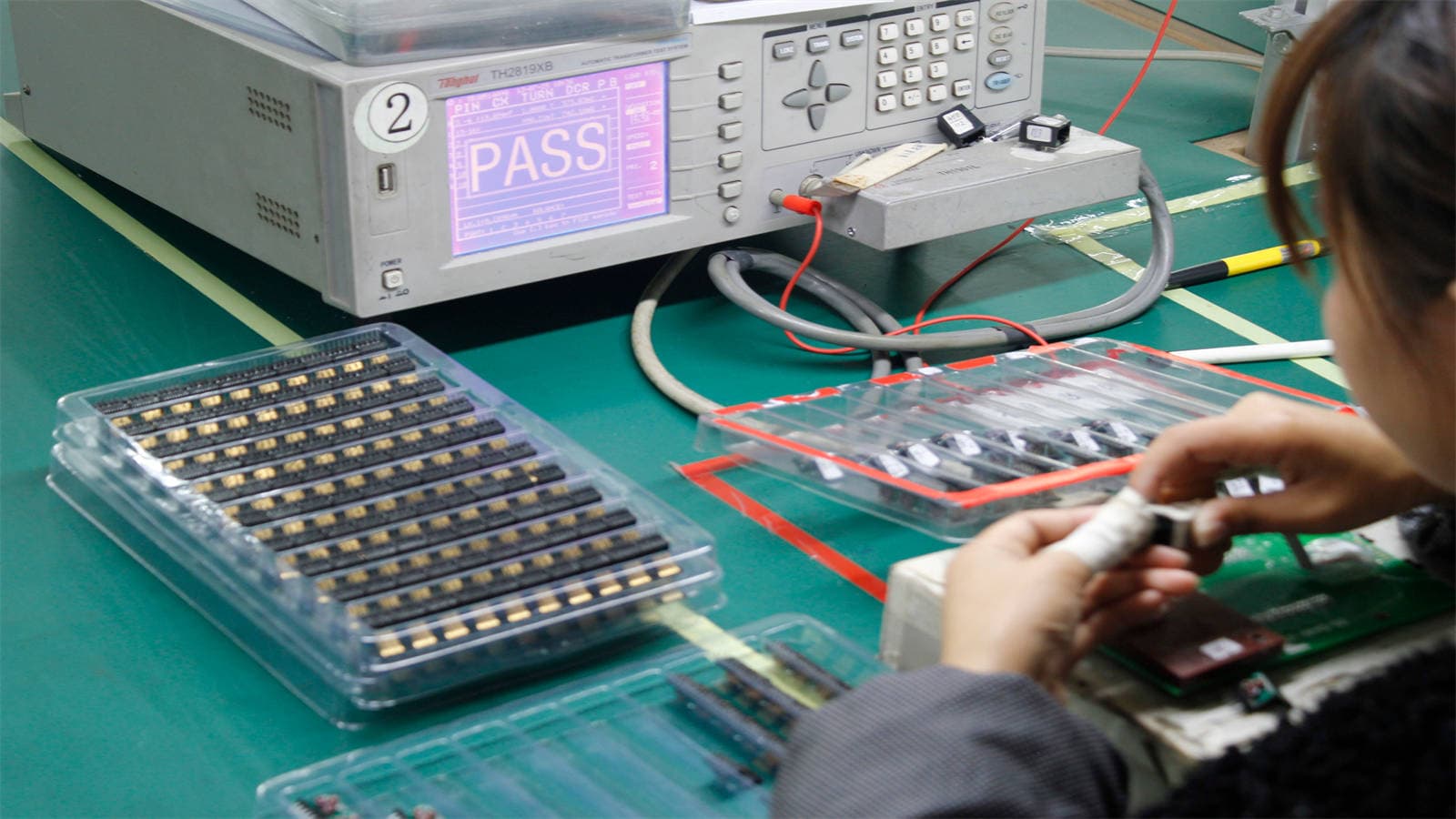
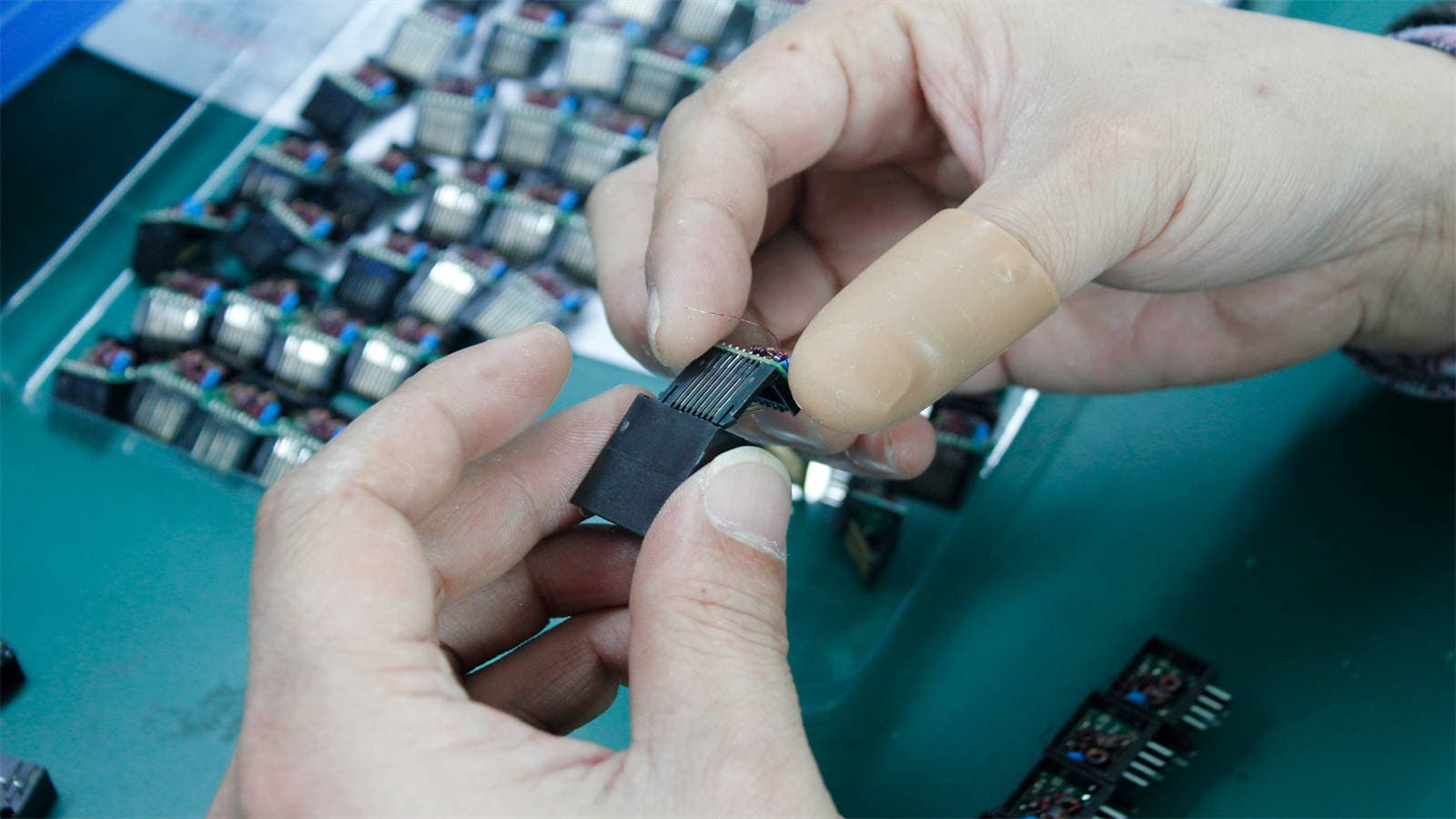
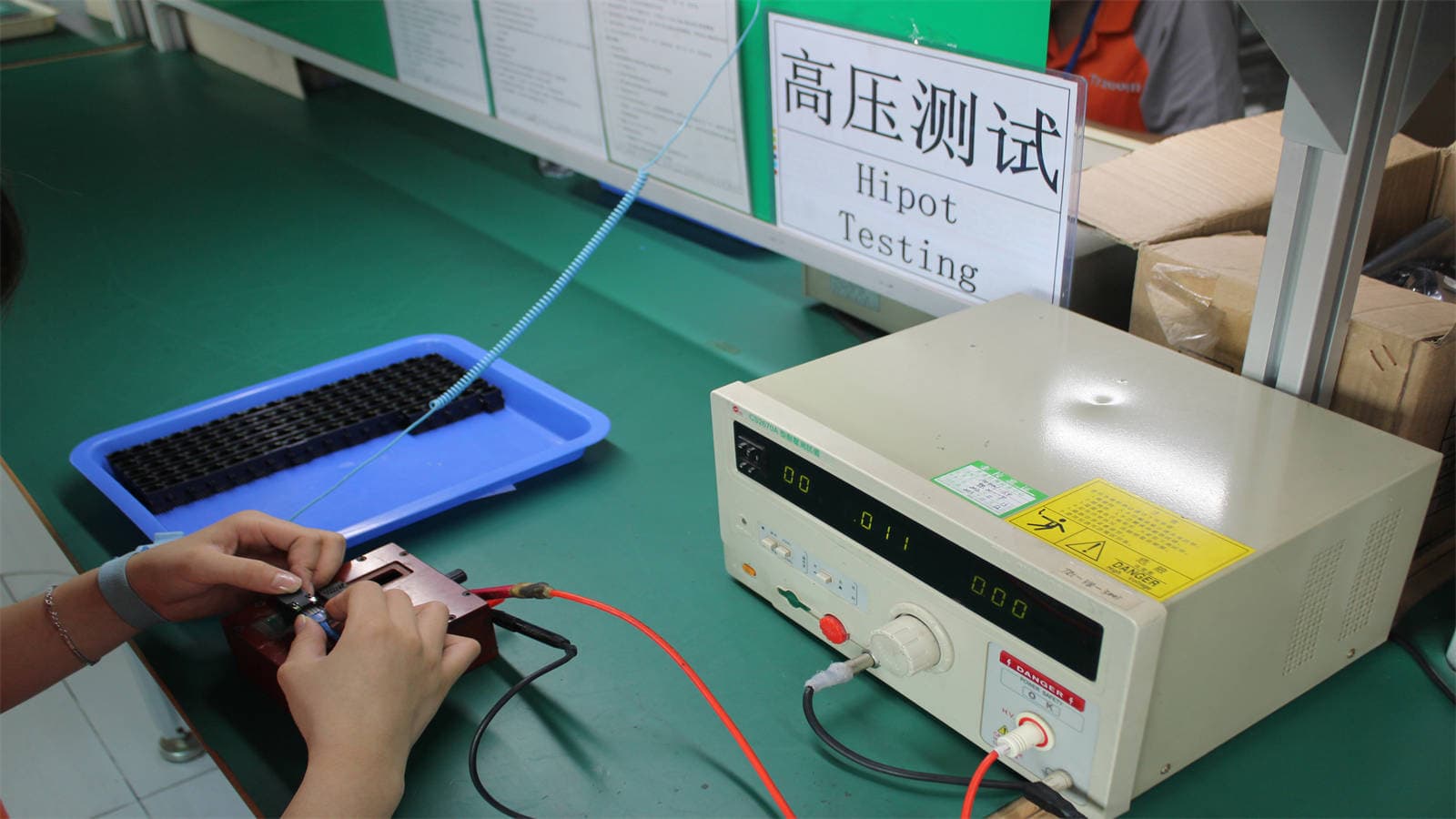
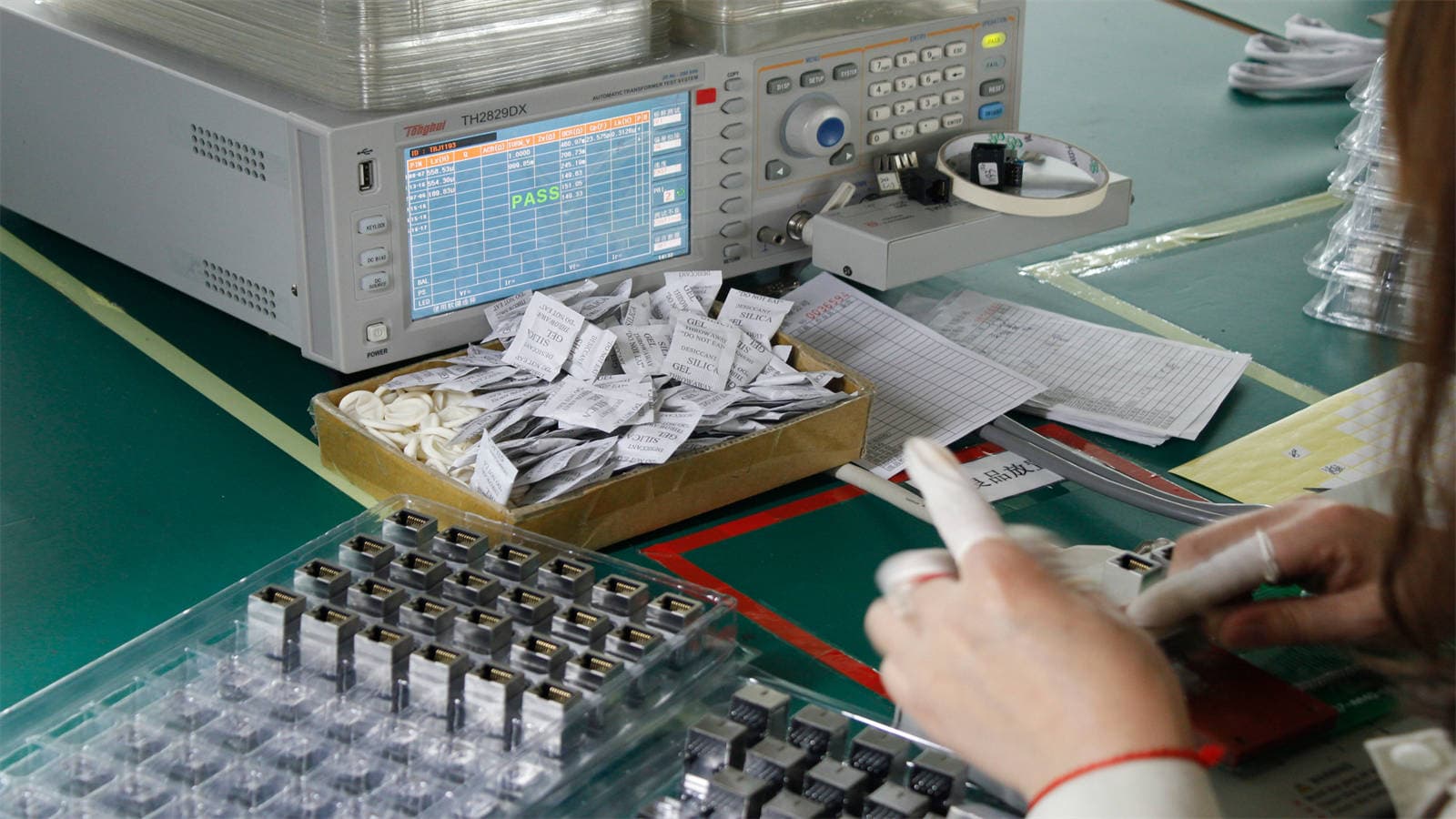
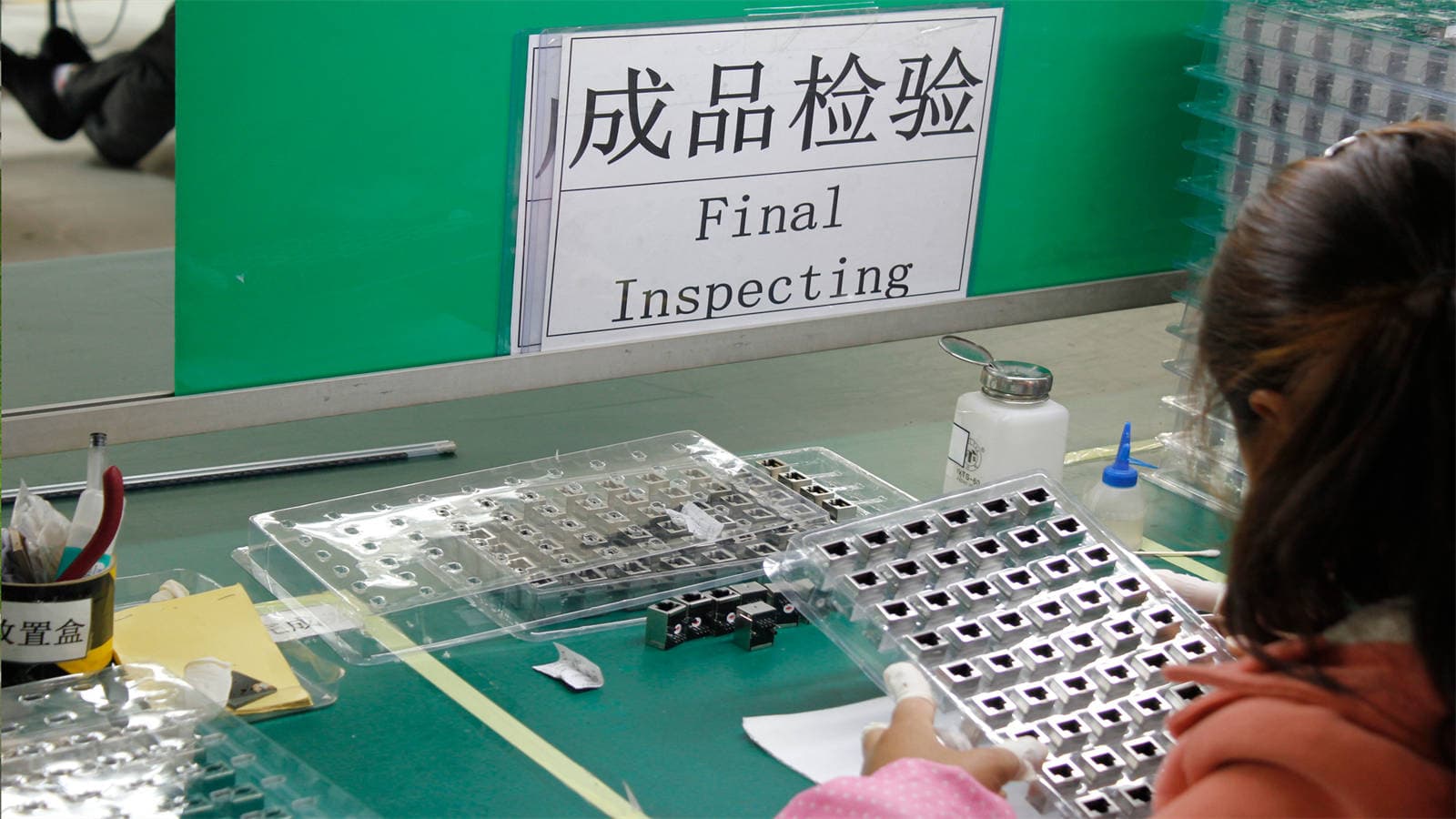
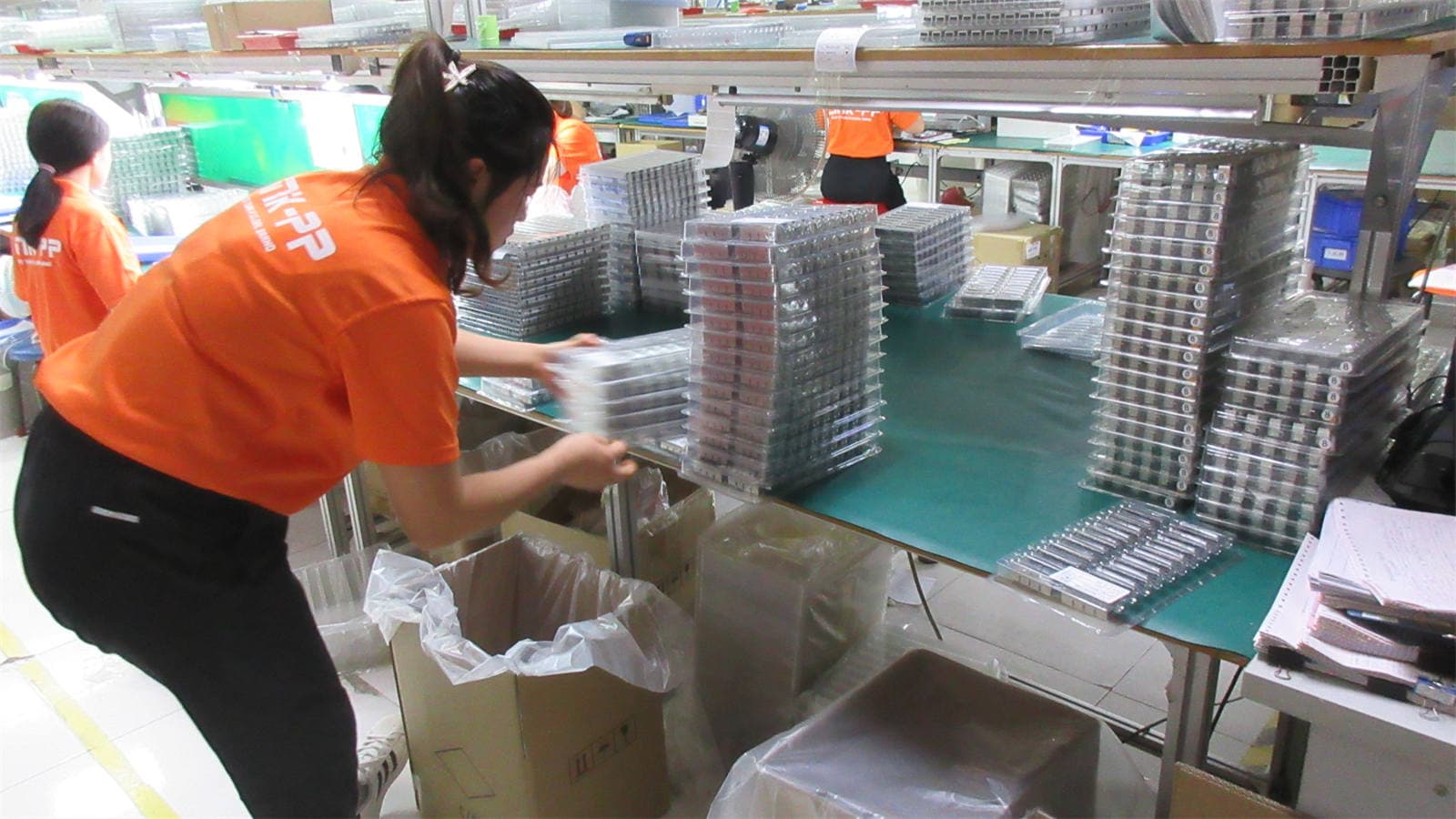
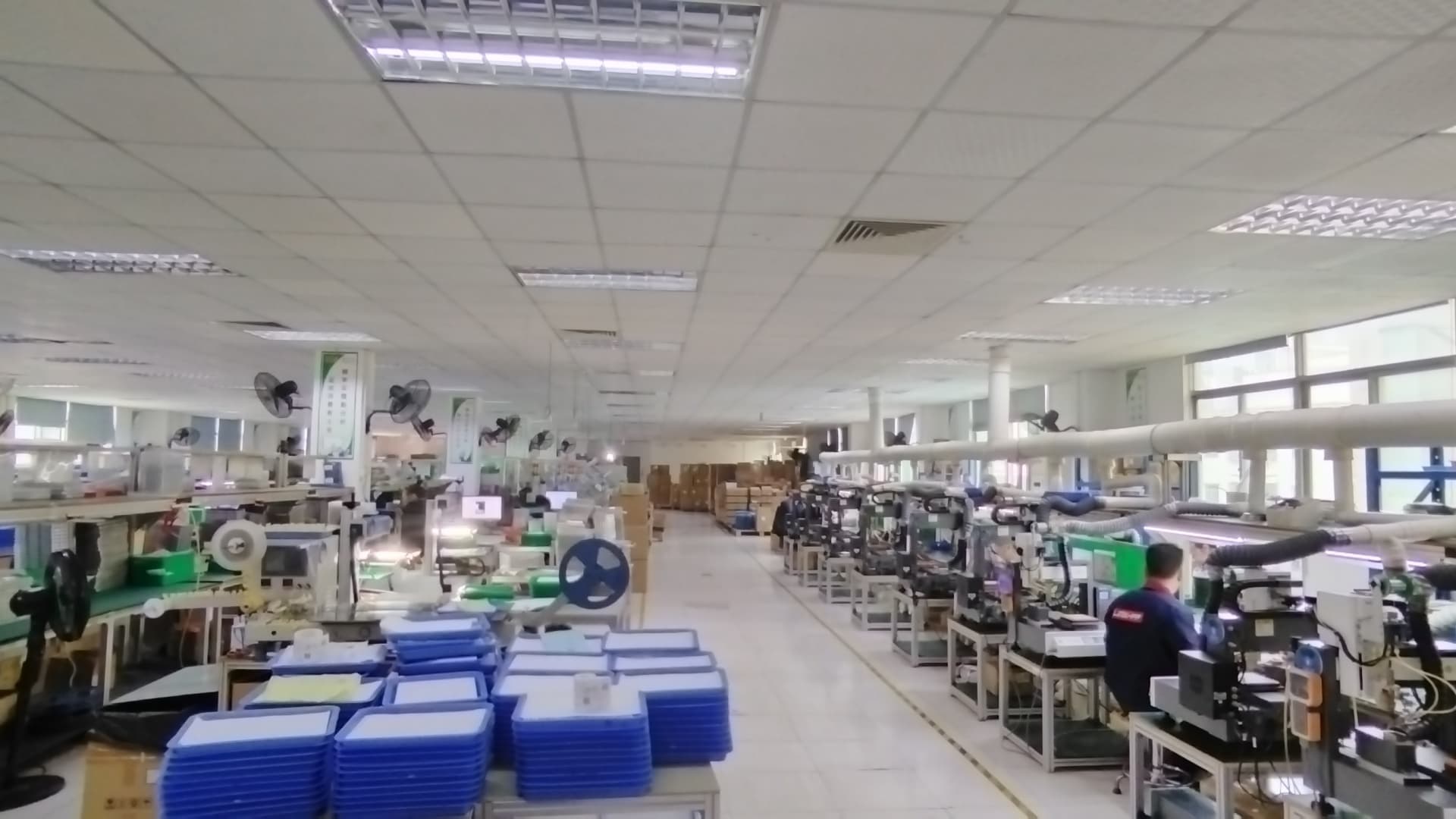
Precision-engineered products require advanced automation and measurement tools. By replacing manual operations with robotic assembly lines and digital testers, we ensure mechanical uniformity and signal performance across large-scale production runs.
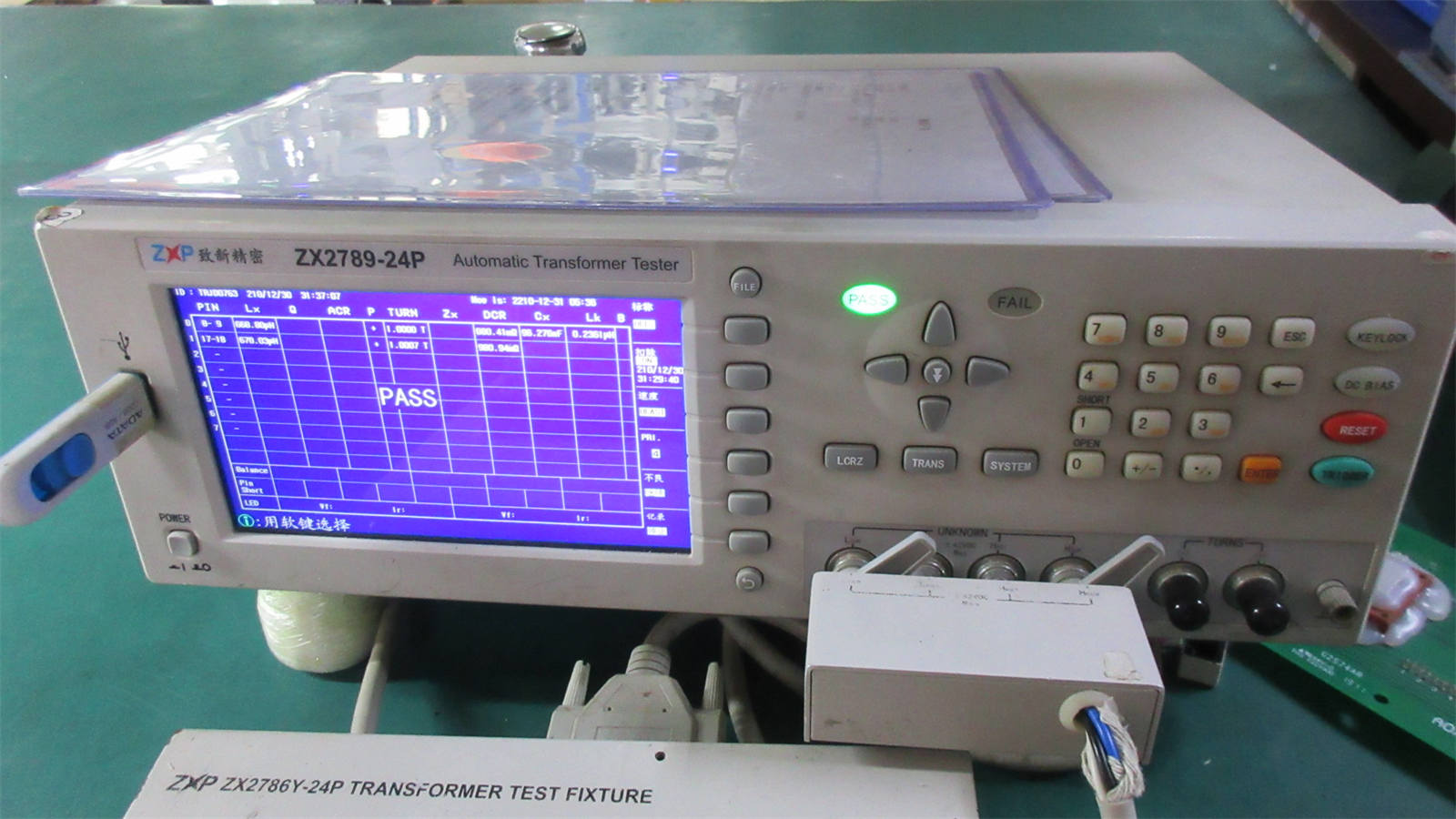
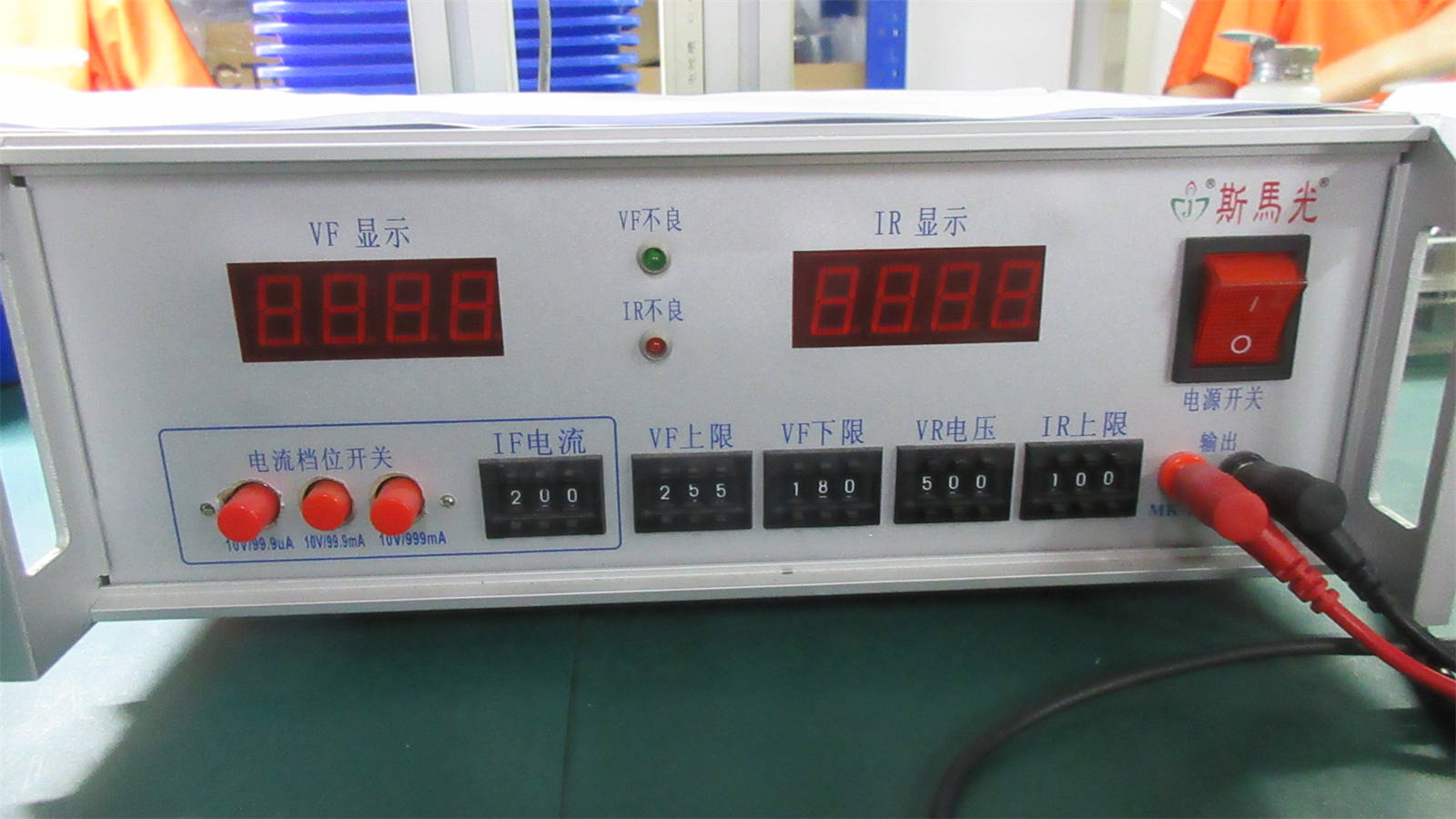
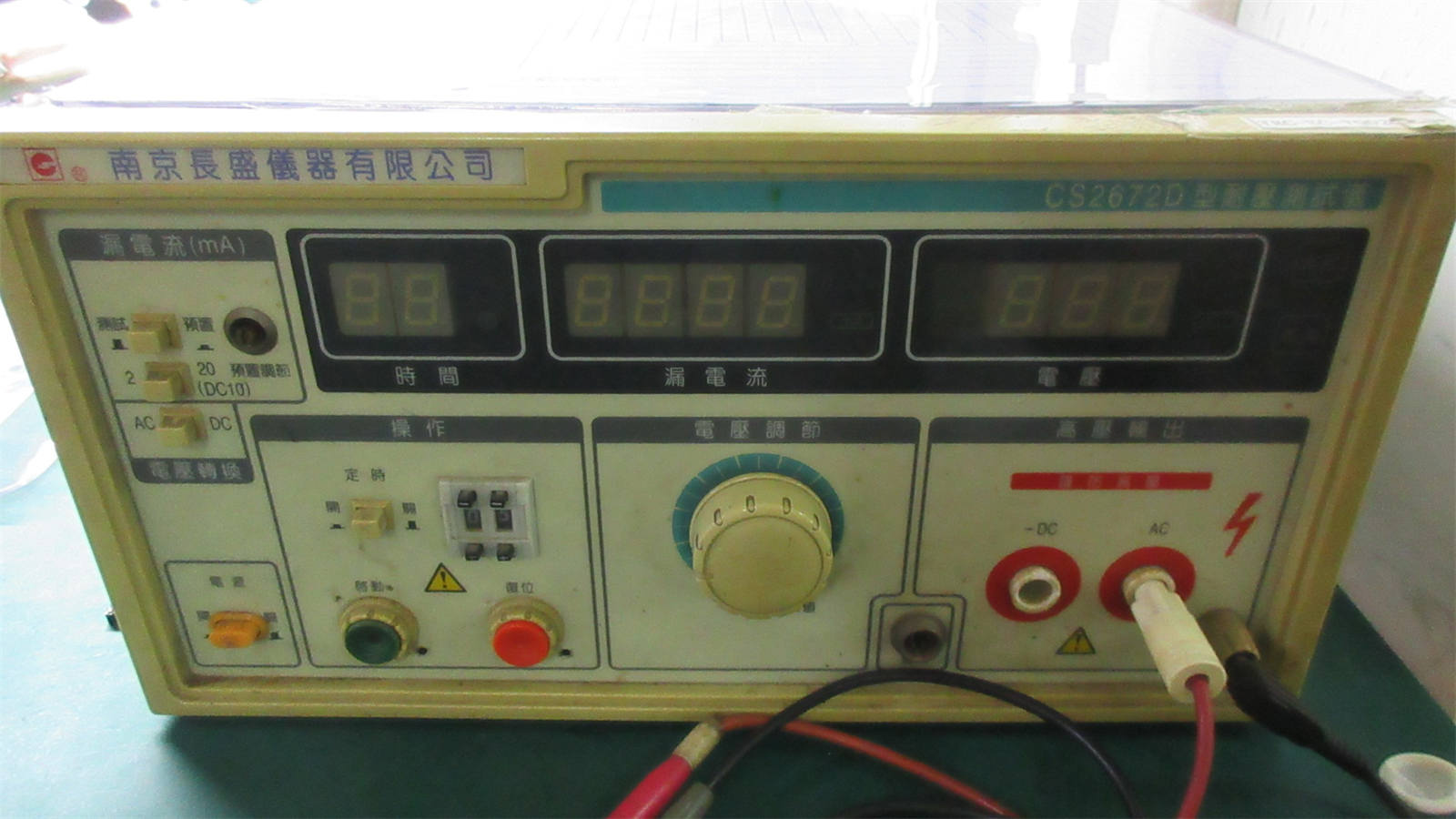
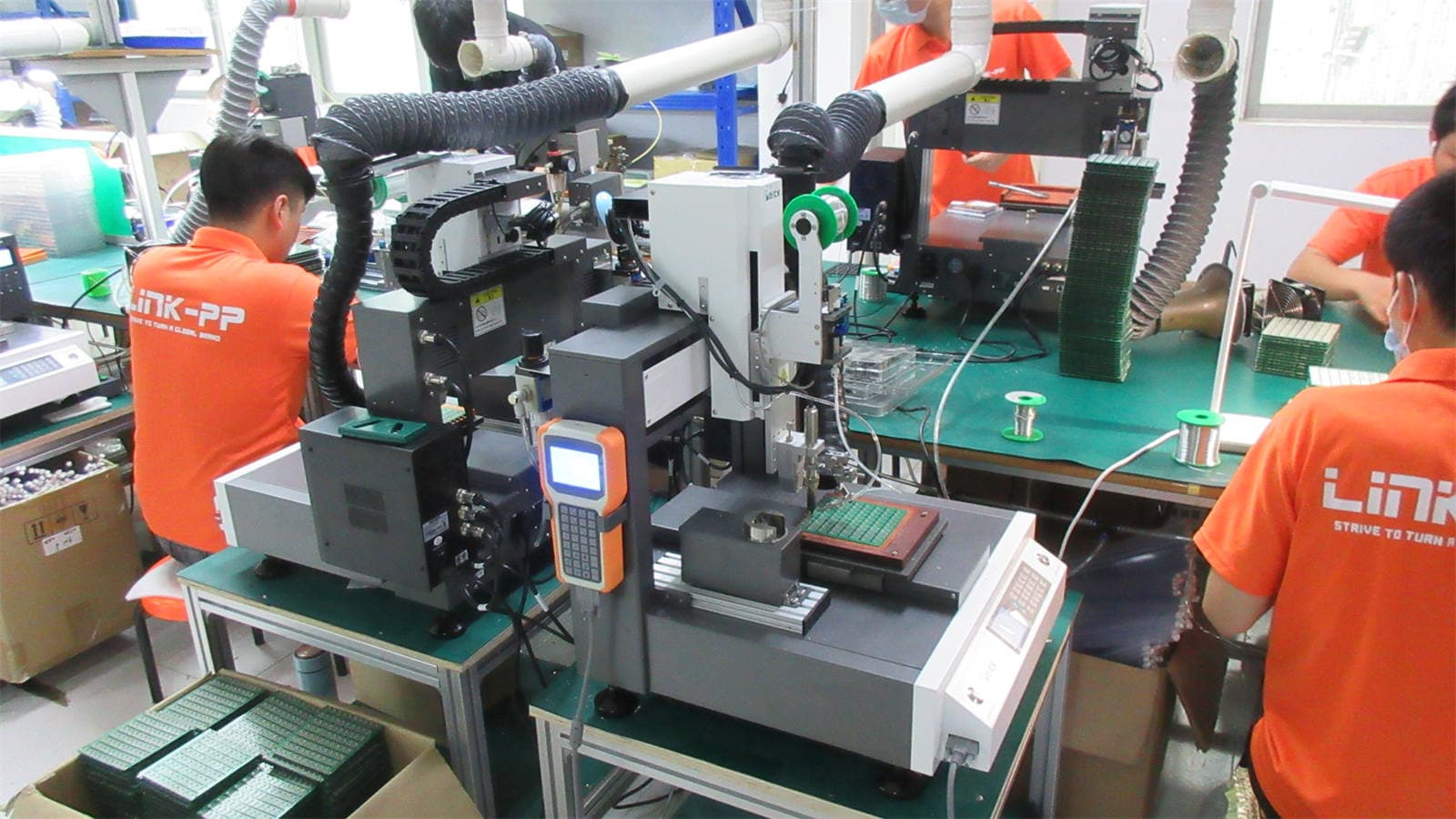
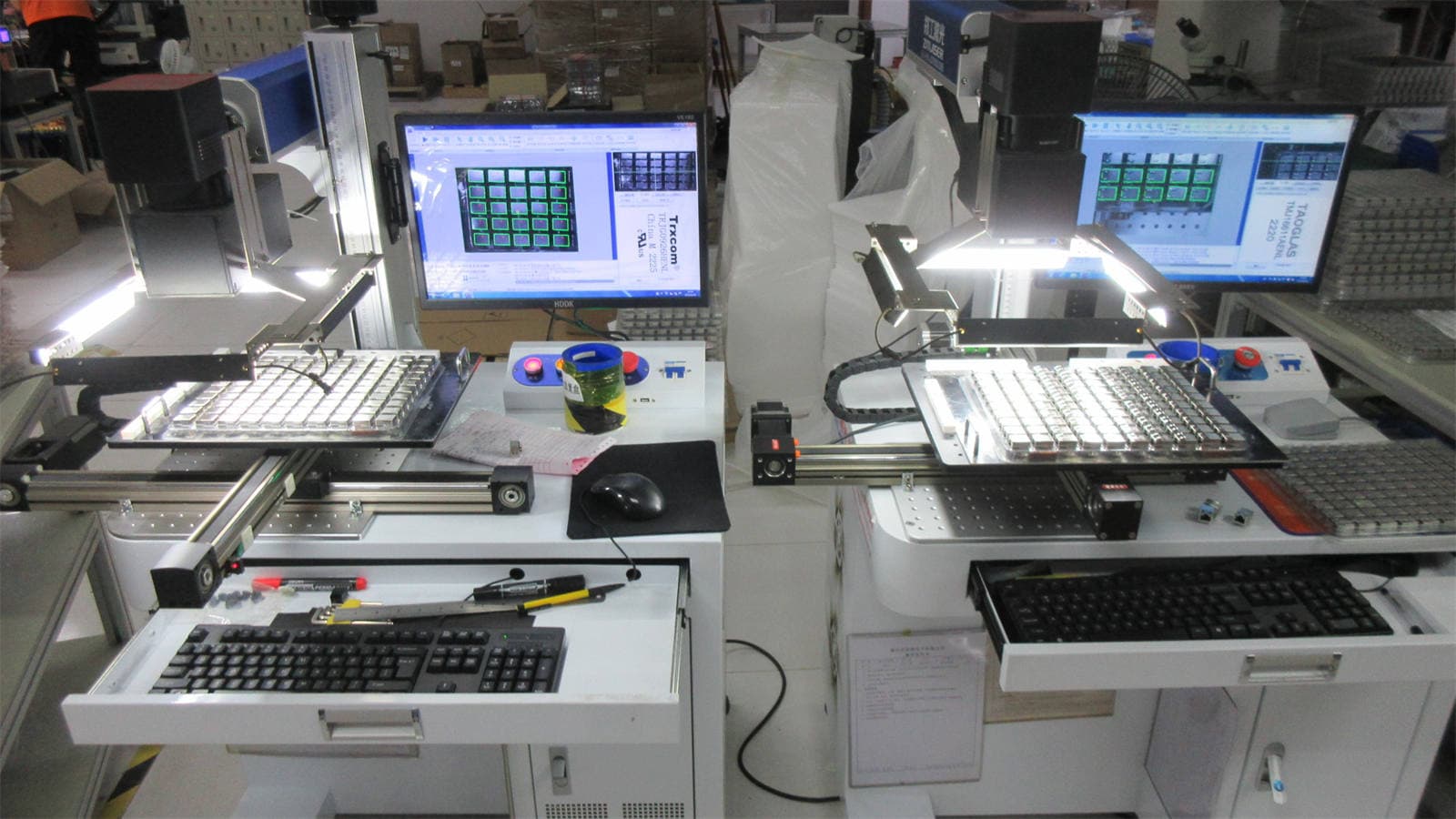
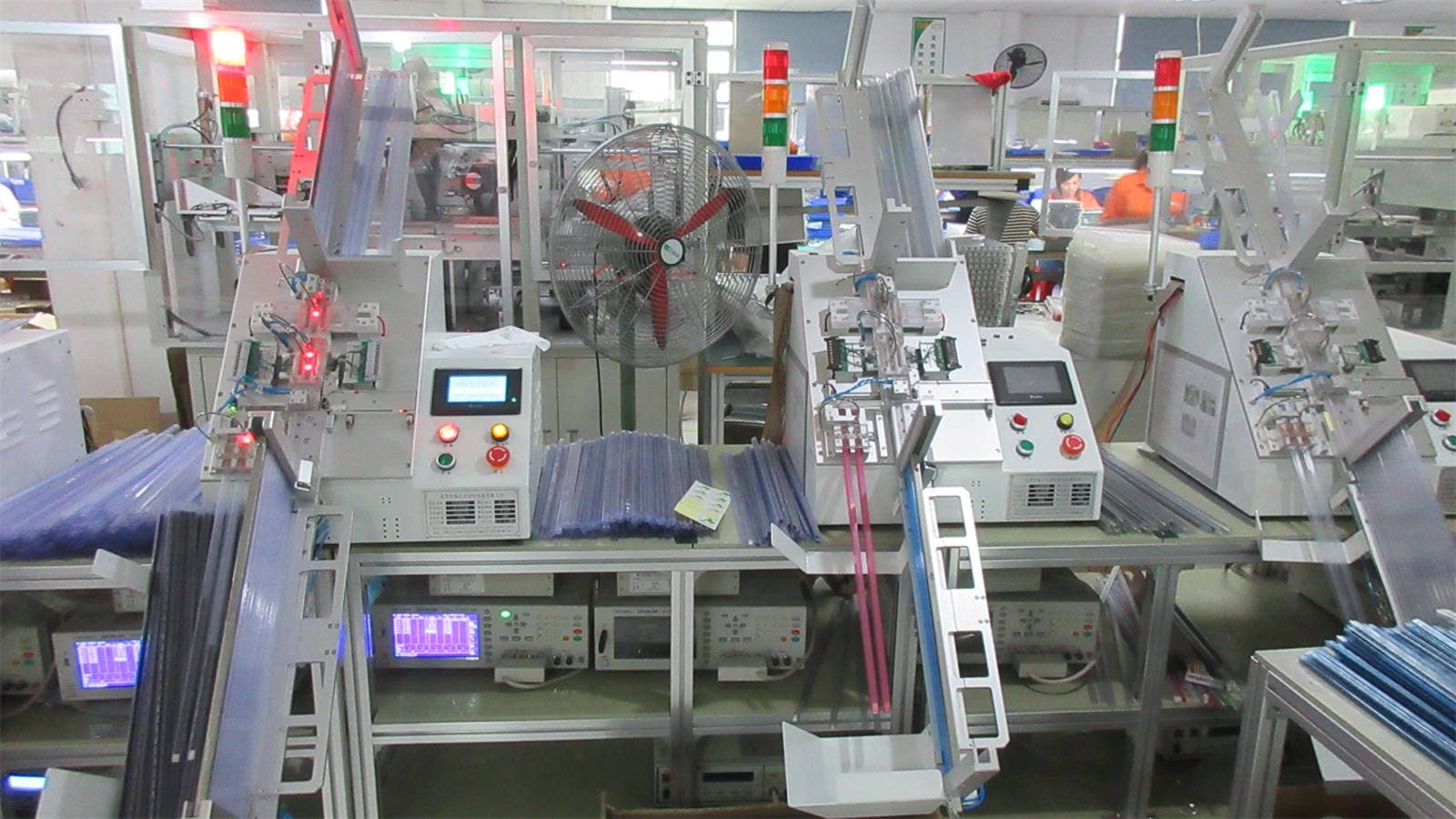
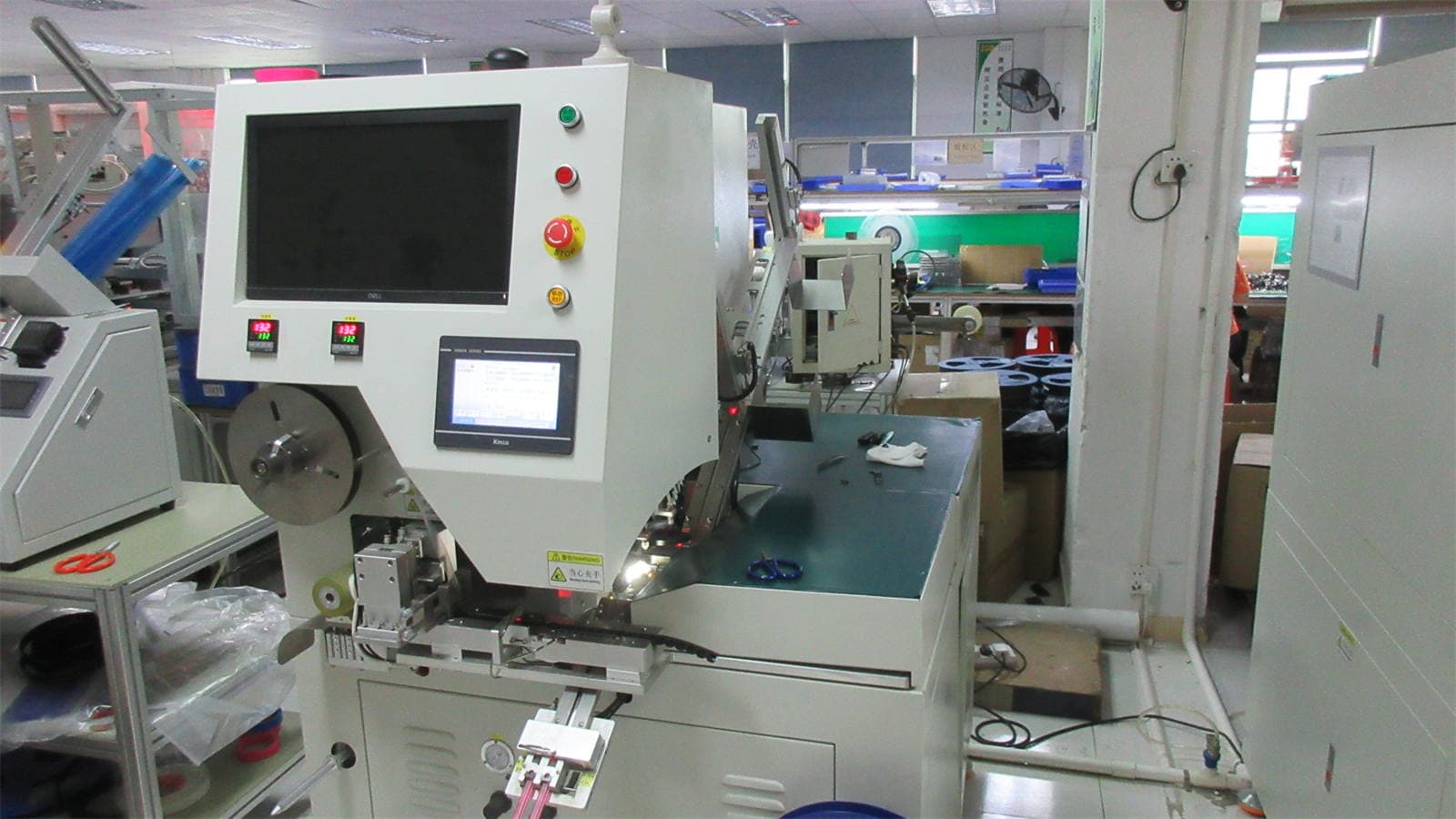
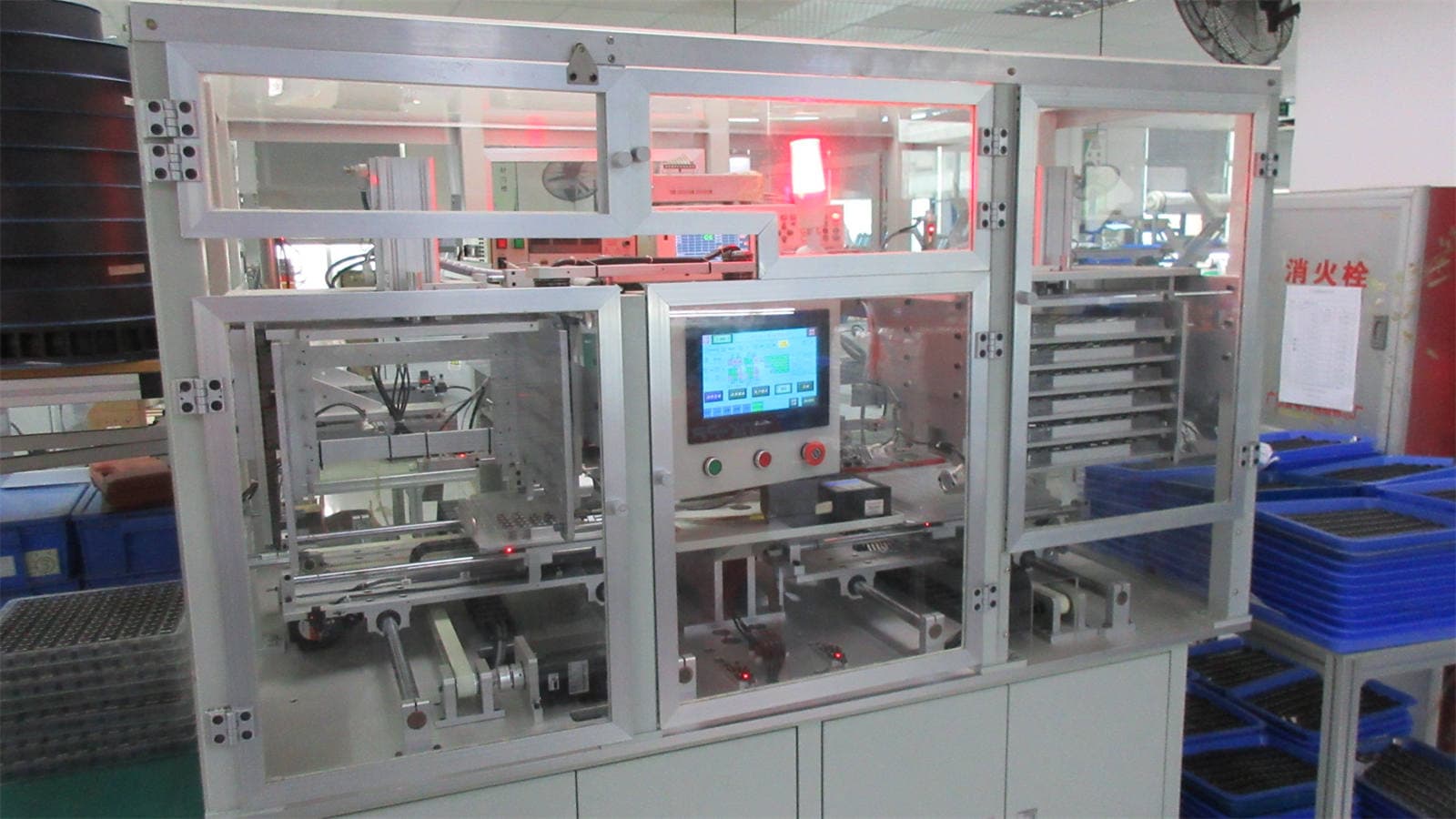
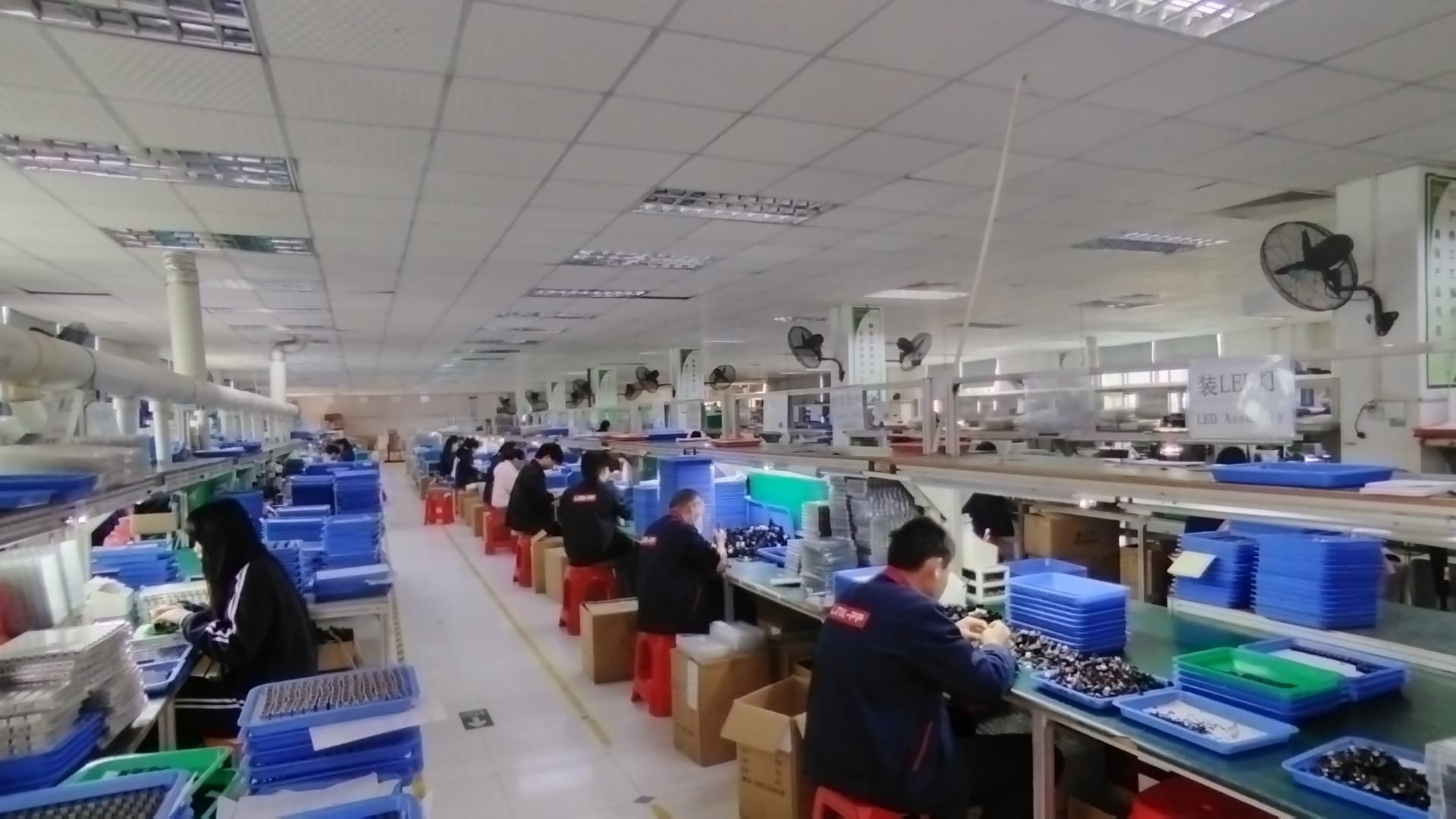
For network engineers, sourcing managers, and IT distributors, evaluating supplier capabilities is critical to preventing project delays and performance issues. Here are the key technical parameters to verify when sourcing structured cabling components and network systems:
Every connection point introduces signal degradation. High-quality RJ45 faceplate connectors and SFP transceiver interfaces must keep insertion loss within tight margins (e.g., <0.2 dB at 100 MHz for Category 6 components). Return loss, which measures reflected signals back to the source, must be kept as low as possible to prevent bit errors in high-bandwidth channels.
With the growth of smart building devices, IP security cameras, and Wi-Fi 6/7 access points, faceplate connections and internal RJ45 magnetic modules must support high-current PoE standards (including IEEE 802.3bt PoE++ up to 90W). This requires high-purity copper contact pins and heat-resistant insulation to prevent thermal damage inside the wall box.
Enterprise patching fields undergo frequent re-connections during network reconfigurations. Top exporters plate internal pins with at least 50 micro-inches of gold over a nickel barrier. This prevents oxidation and ensures the port can survive a minimum of 750 mechanical insertion cycles without degraded contact resistance.
Before importing networking equipment, confirm that the supplier provides test reports for international standards. Important certifications include:
The networking industry is evolving beyond traditional 1G and 10G speeds. The deployment of 2.5G, 5G, and 10G over copper (via Cat6A and Cat8 lines) is now standard in modern enterprise deployments. Meanwhile, core routers and switches are transitioning to 100G, 400G, and 800G optical lines. This requires unified connectivity solutions that seamlessly bridge the optical backbone with local copper distributions.
As shallow wall cavities limit bend radii for rigid Cat6A and Cat8 cables, angled faceplates are becoming increasingly popular. By dropping the keystone entry angle to 45 degrees, installers can route high-speed copper connections without kinks, keeping return loss within acceptable limits.
For high-throughput edge nodes, using SFP+ cages and copper transceiver modules allows installers to run high-speed copper connections directly from optical switch ports. This approach extends the life of copper infrastructure while transitioning the core network to fiber.
In industrial environments, dust contamination causes high contact resistance and periodic packet loss. Faceplate components now feature spring-loaded shutters that seal the RJ45 port whenever a patch cord is disconnected, preventing ingress without requiring manual dust caps.